Eco Art Style
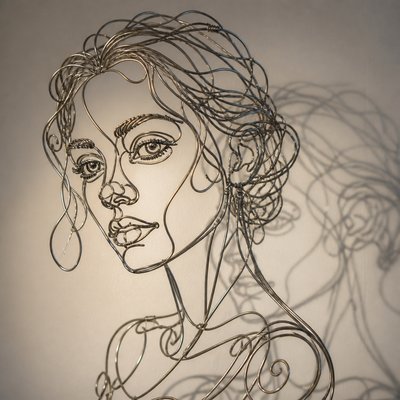
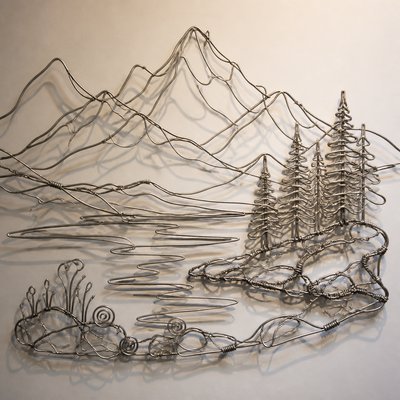
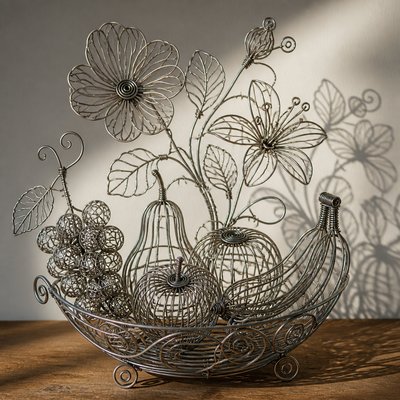
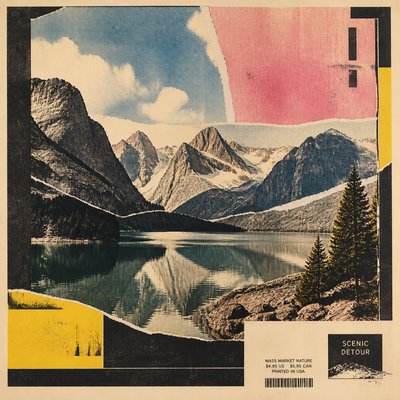
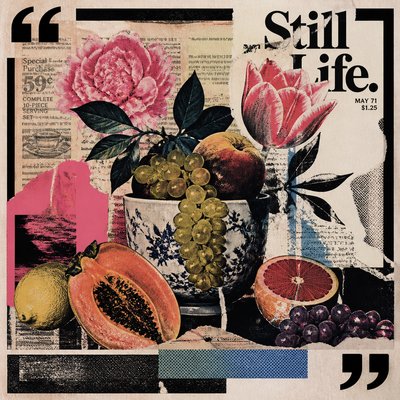
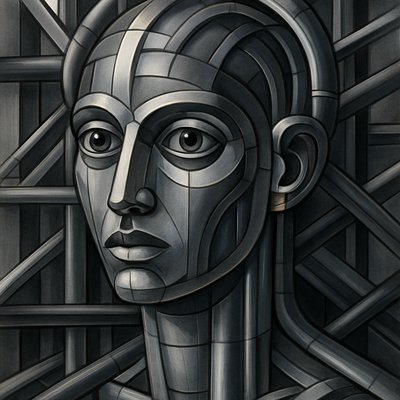
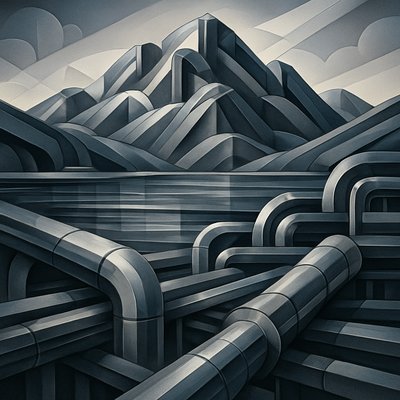
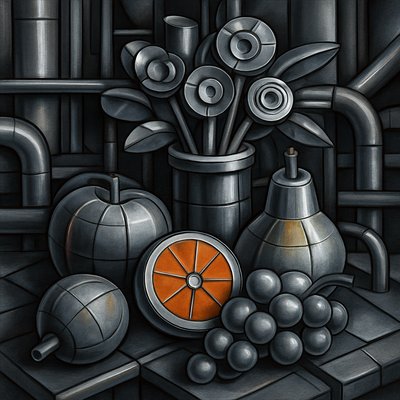
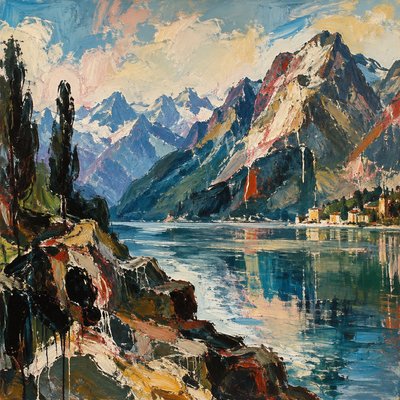
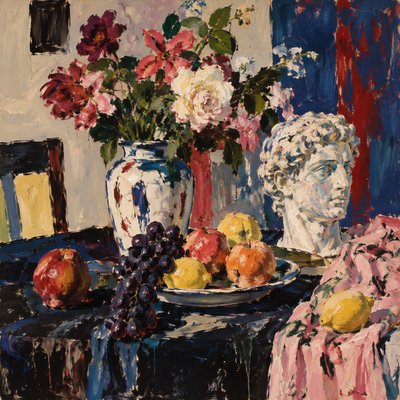
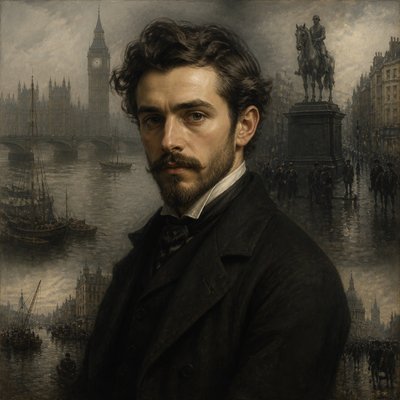
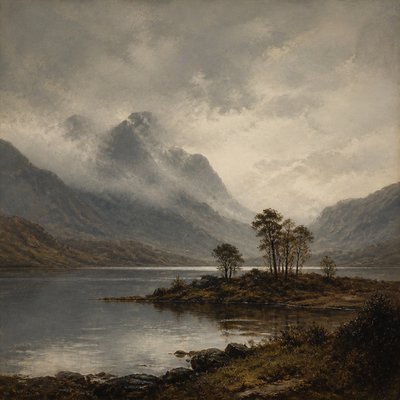
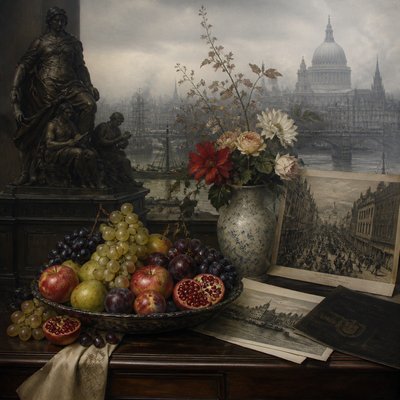
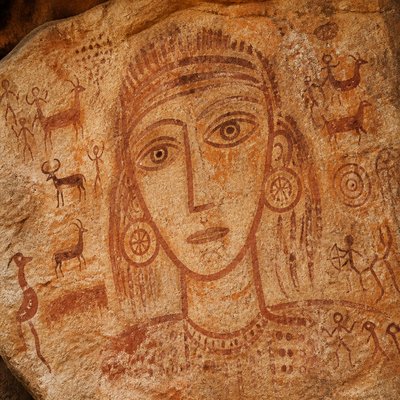
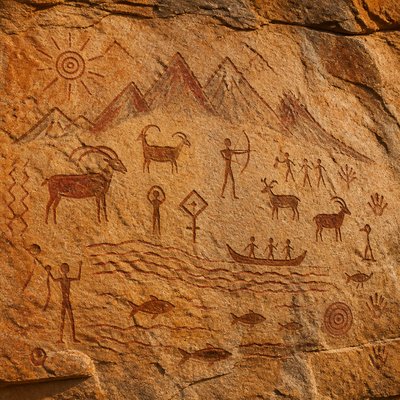
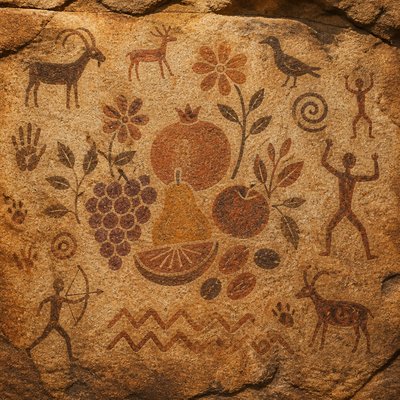
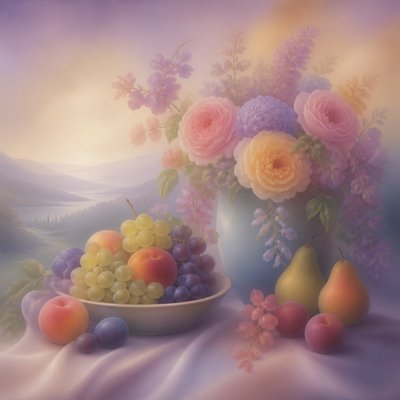
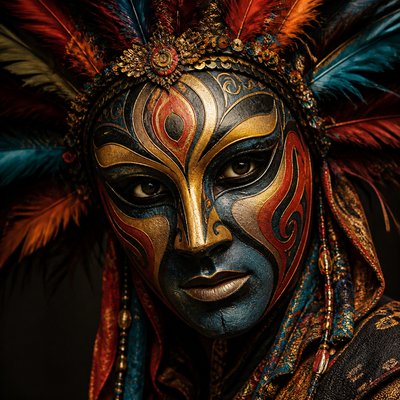
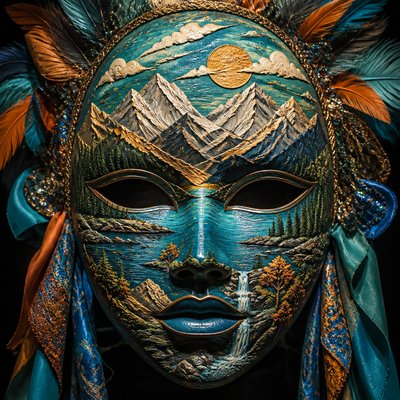
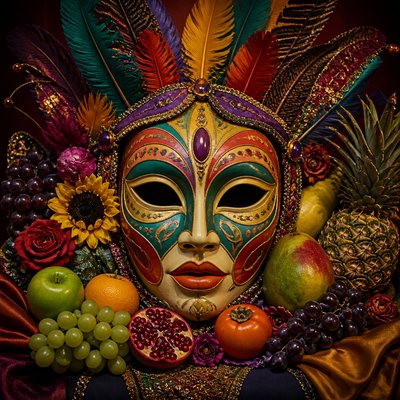
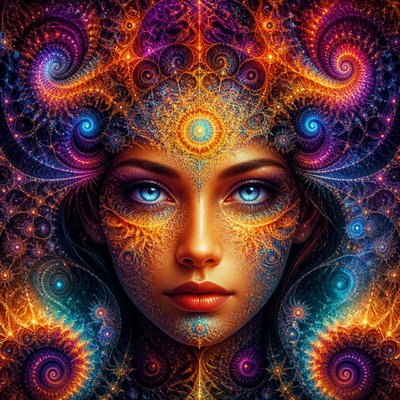
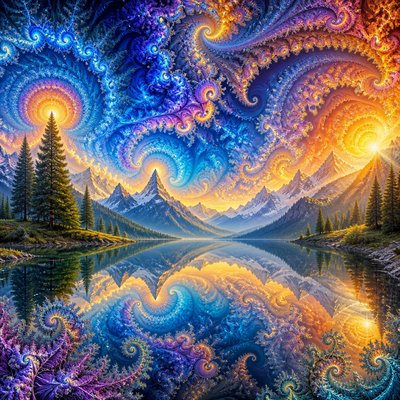
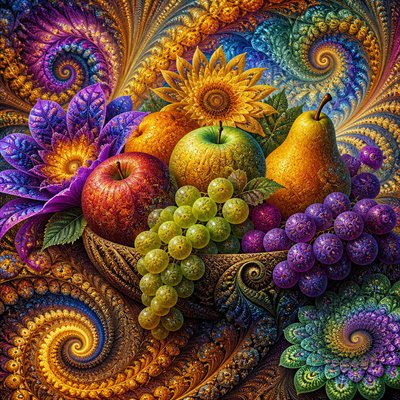
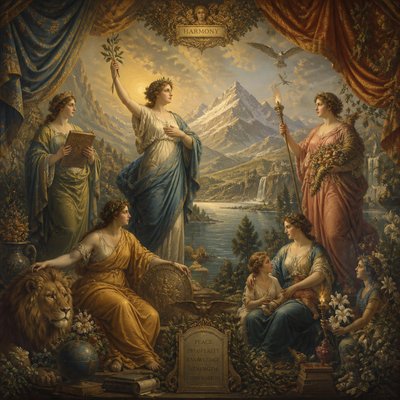
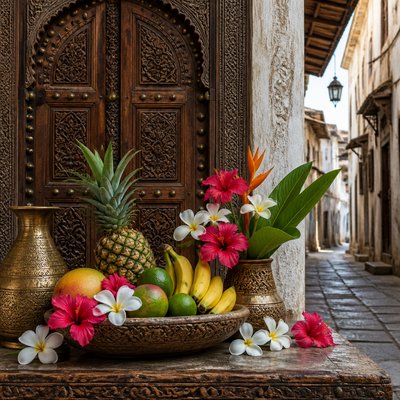
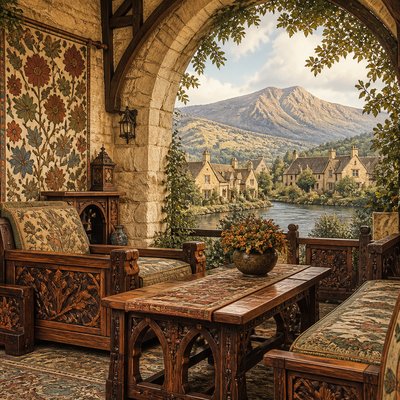
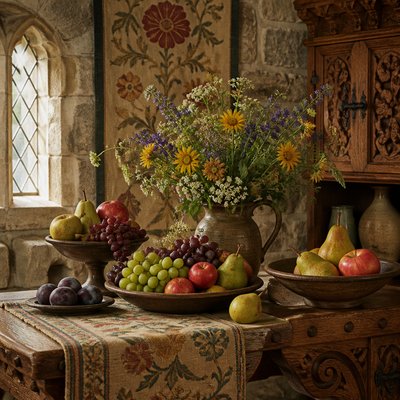
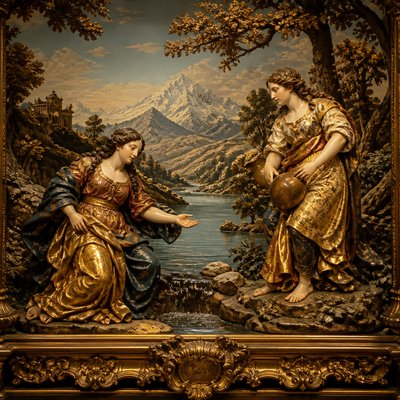
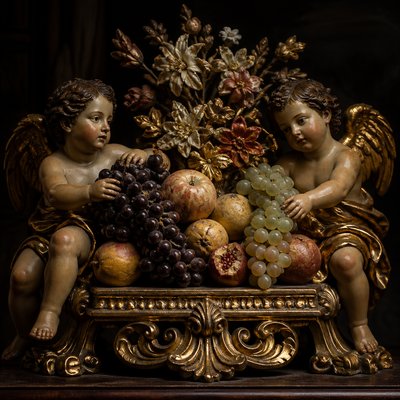
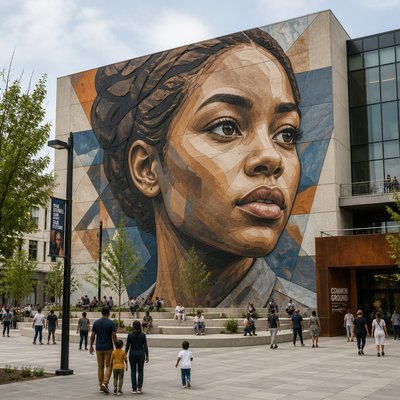
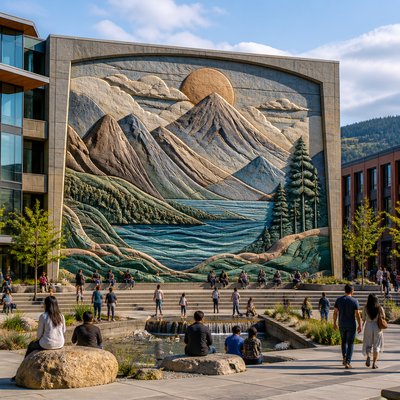
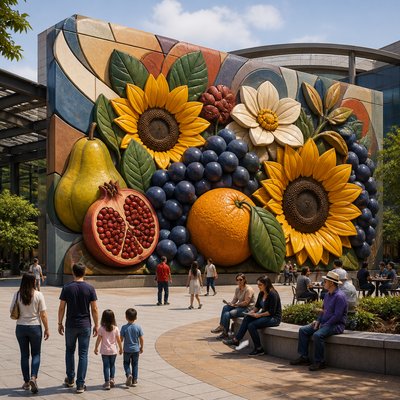
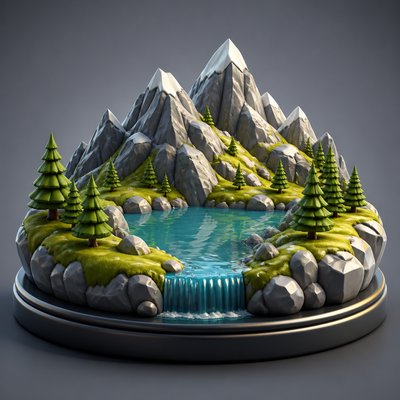
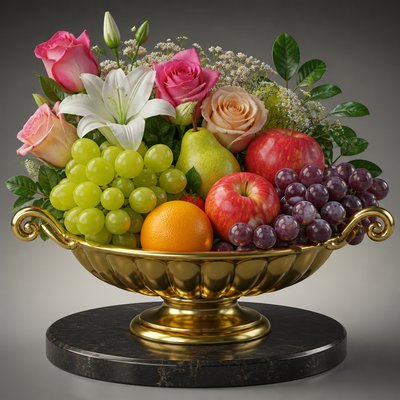
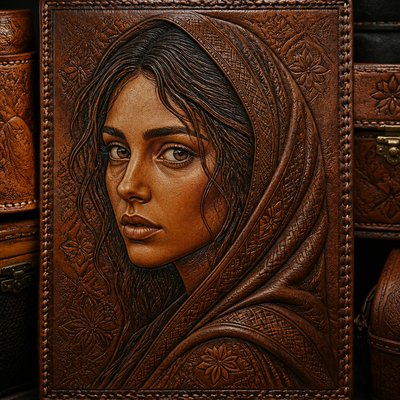
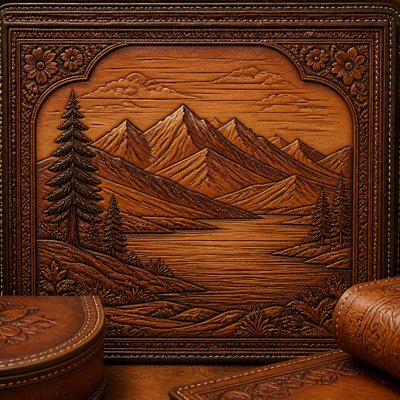
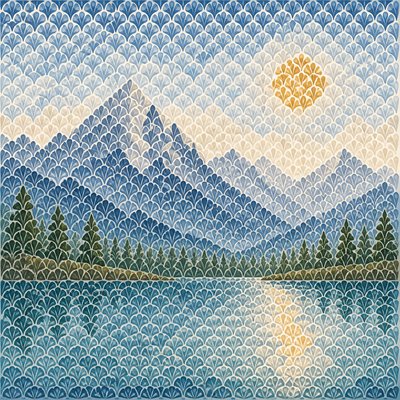
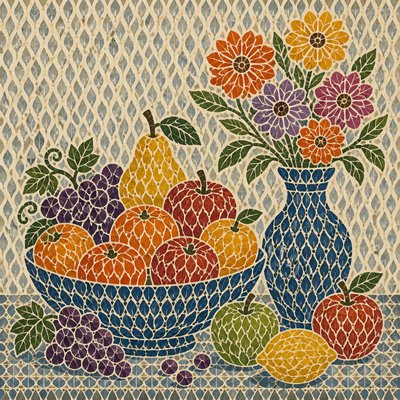
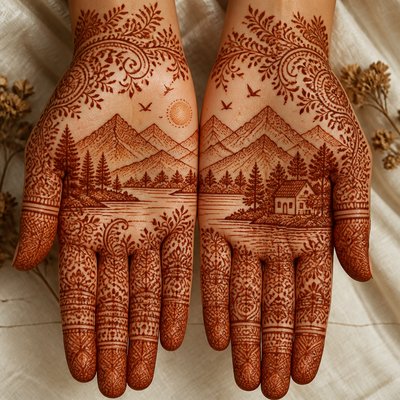
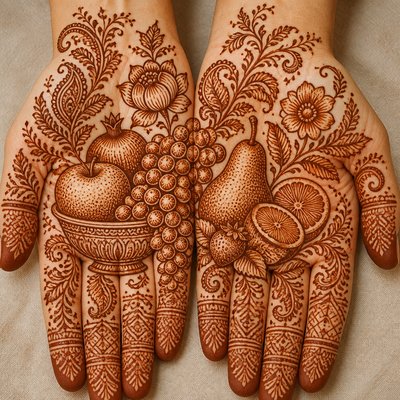
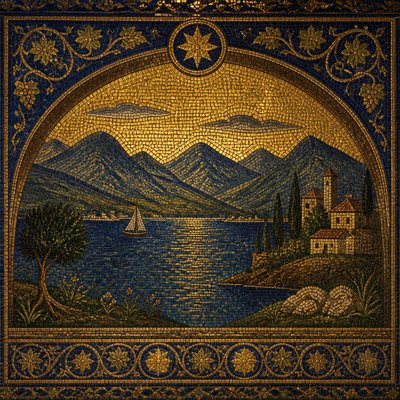
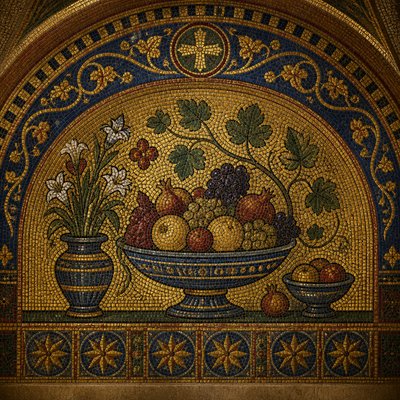
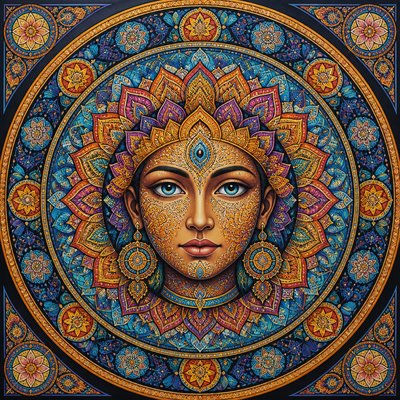
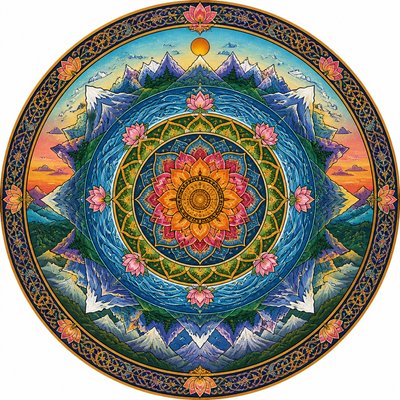
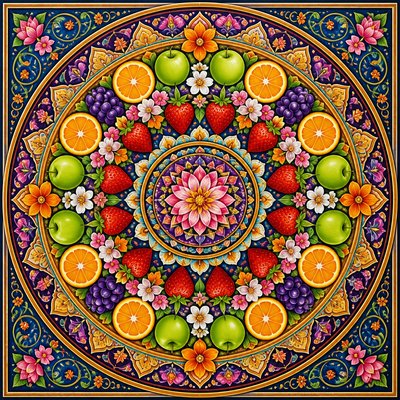
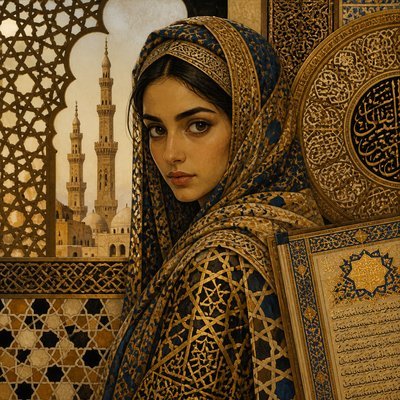
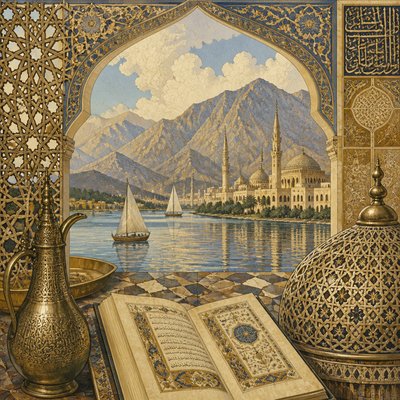
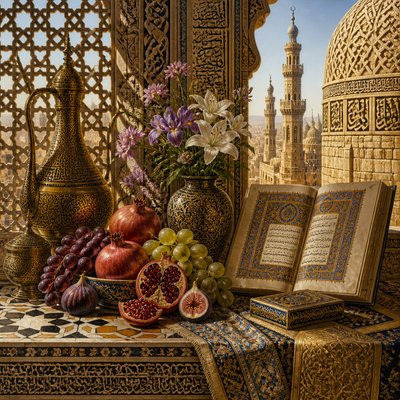
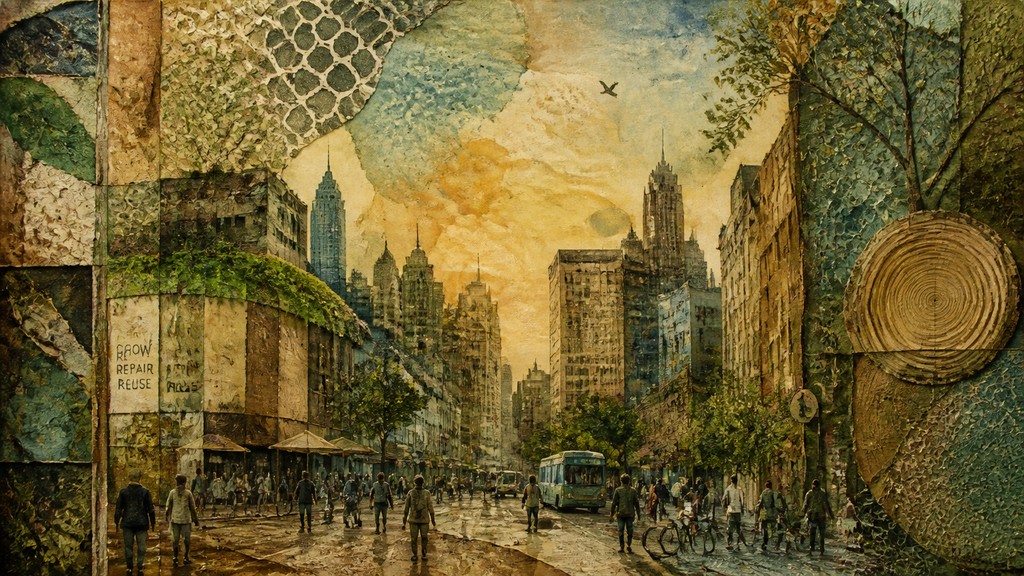
Eco art uses natural materials, reclaimed surfaces, and ecological themes to make art about sustainability, decay, renewal, and planetary care.
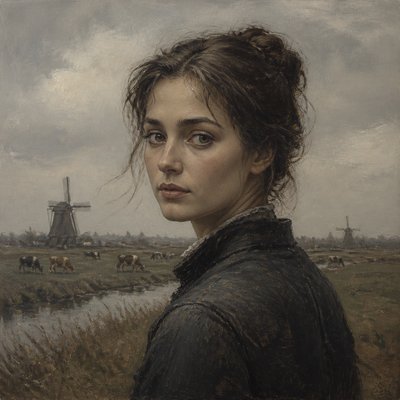
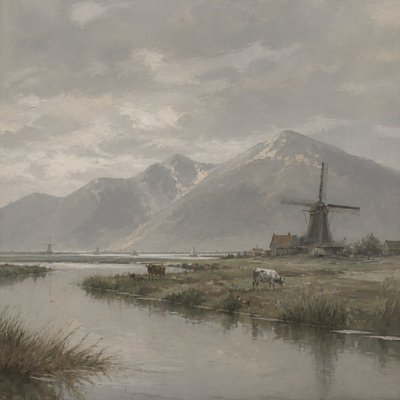
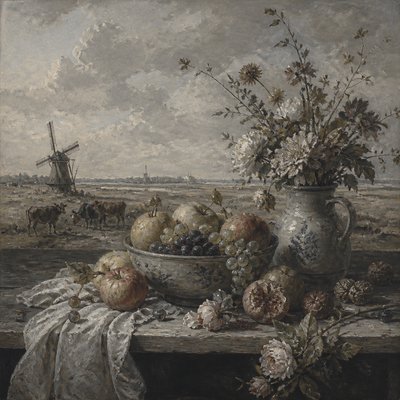
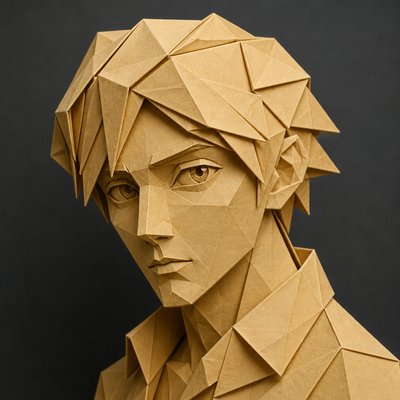
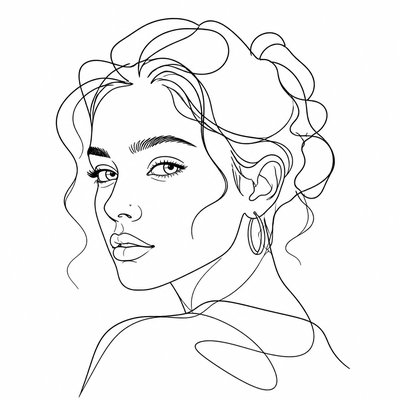
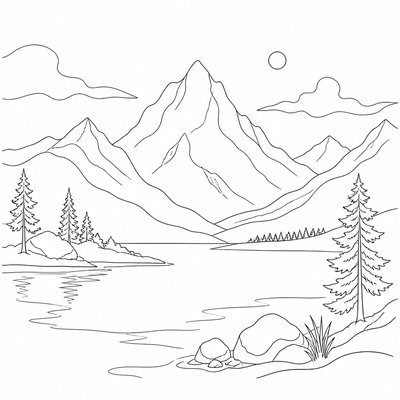
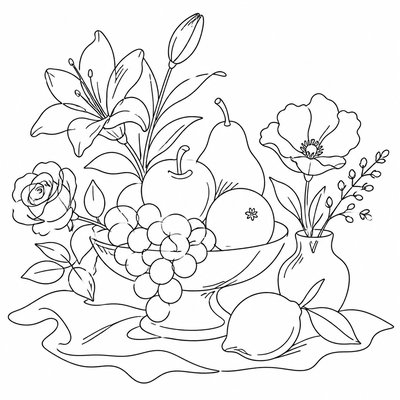
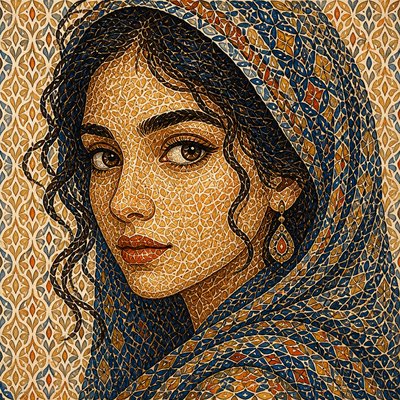
Instantly rendered in Eco — or transform a photo
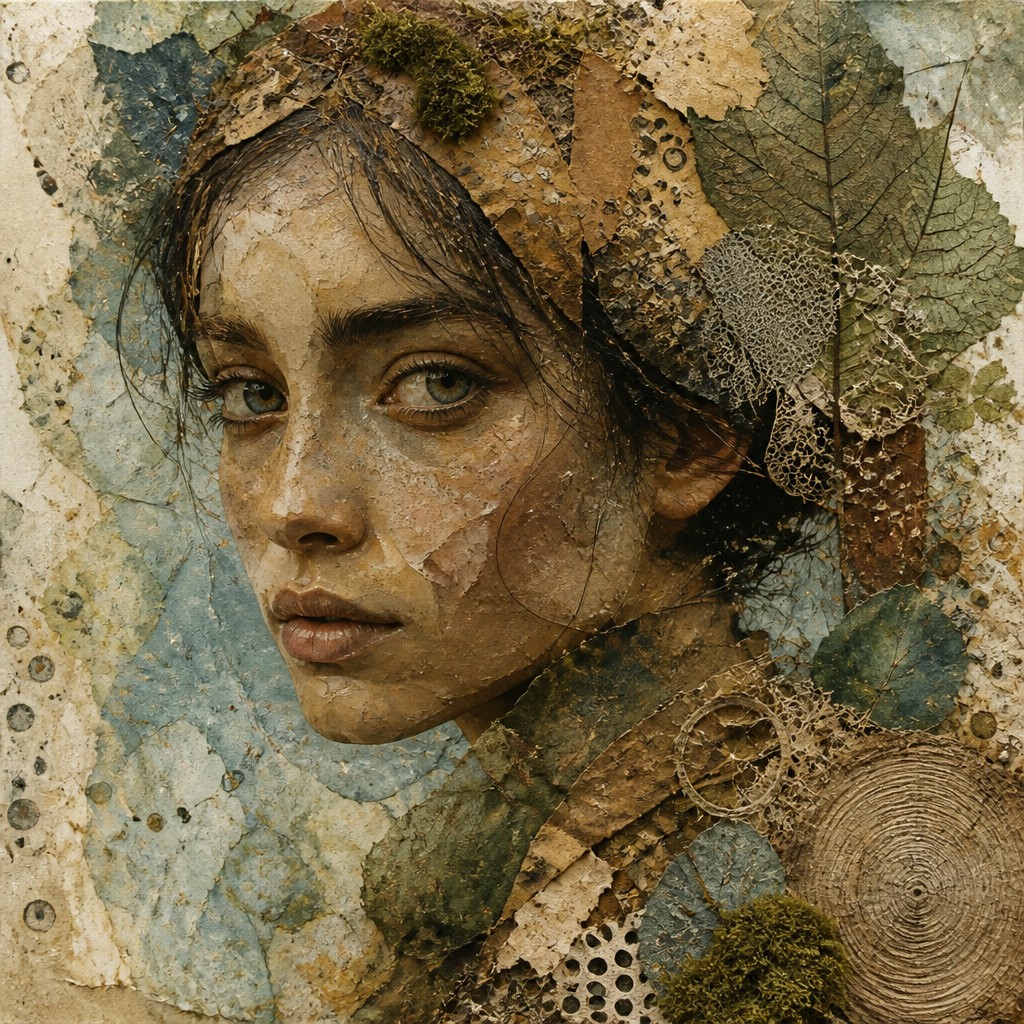
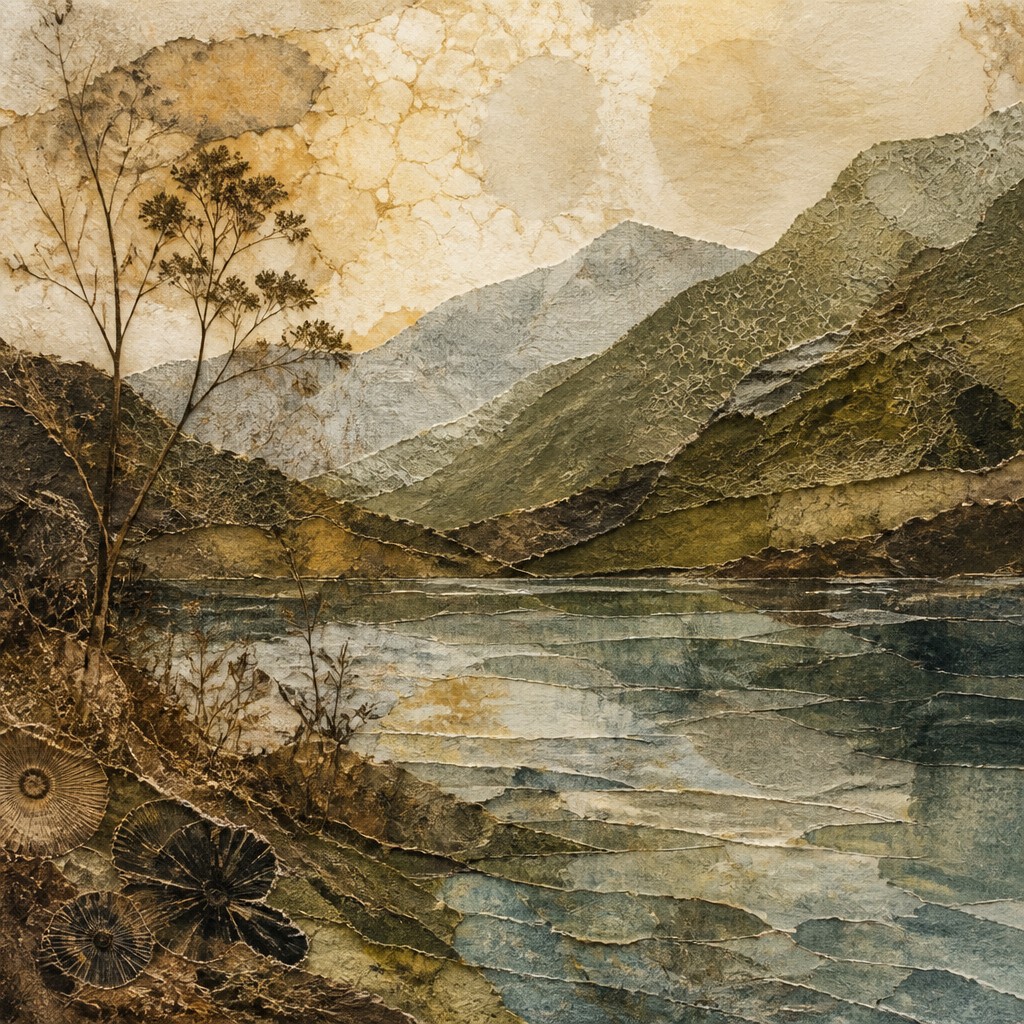
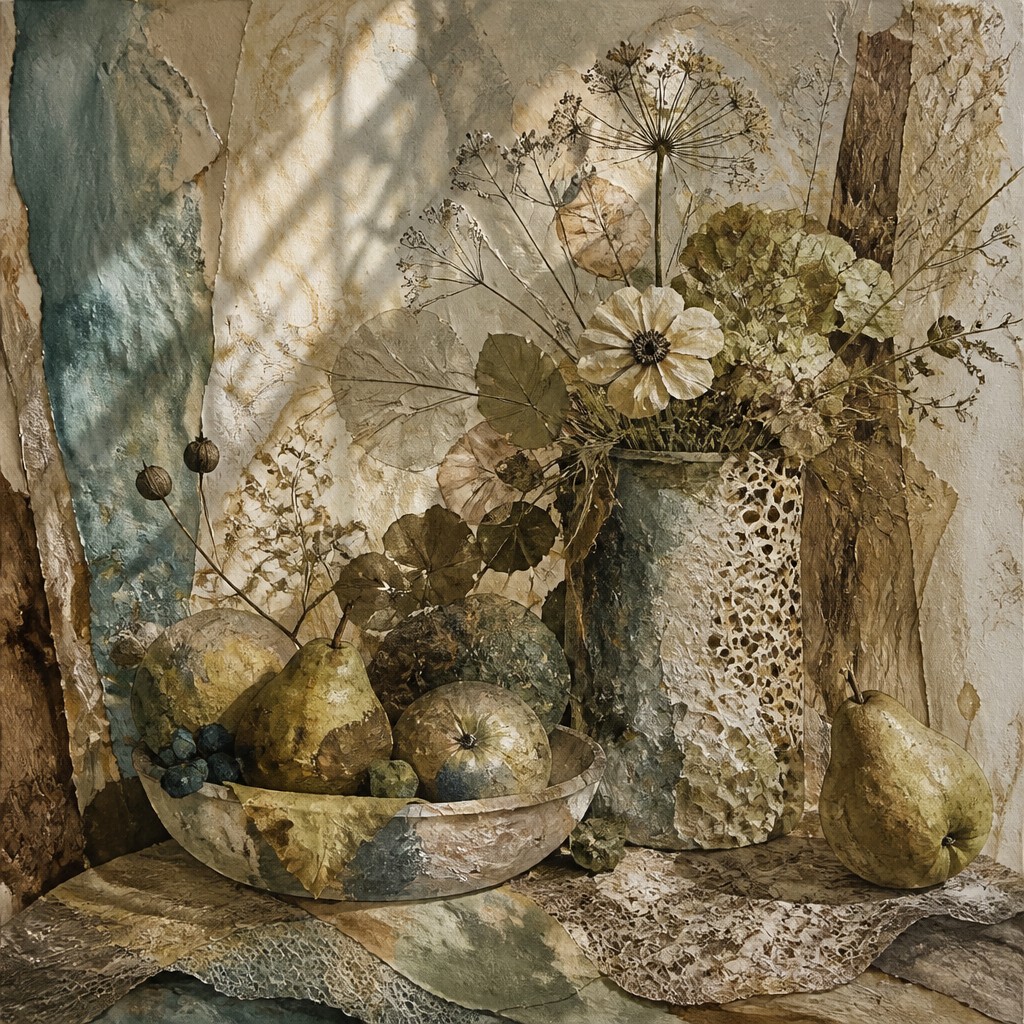
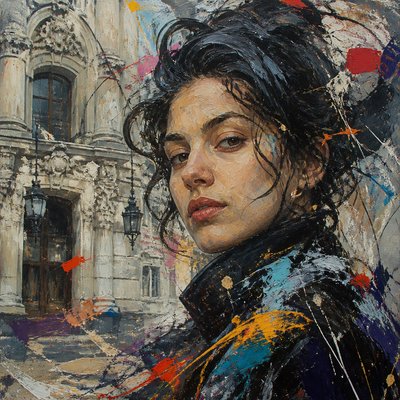
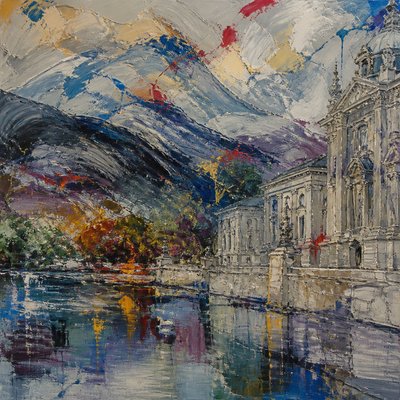
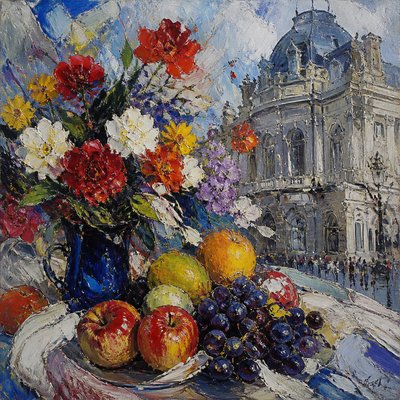
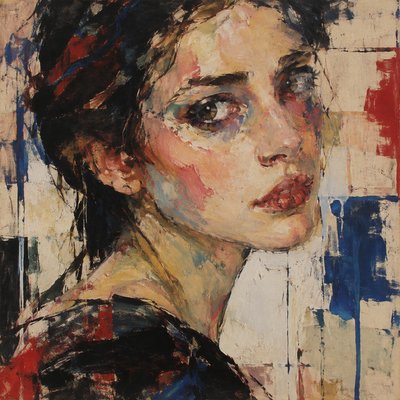
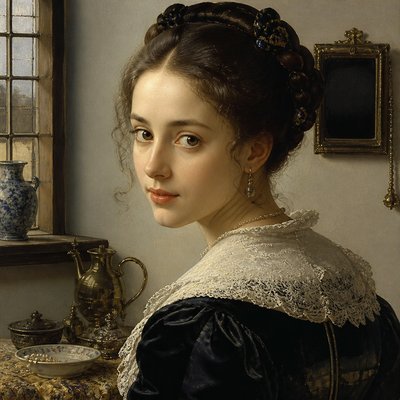
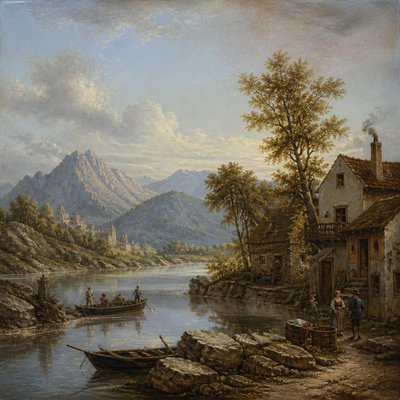
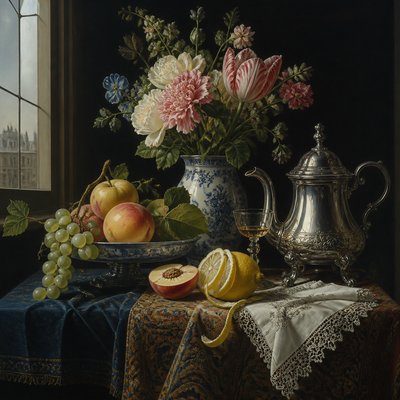
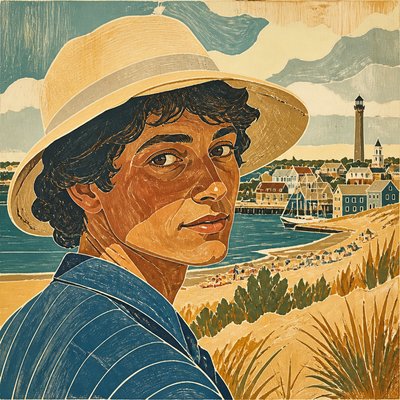
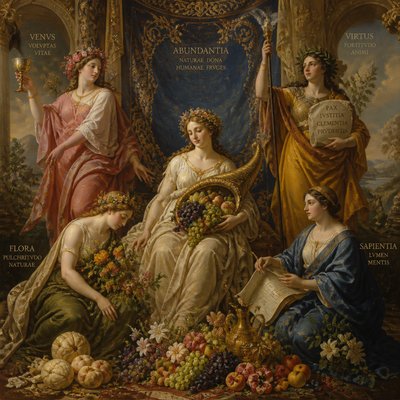
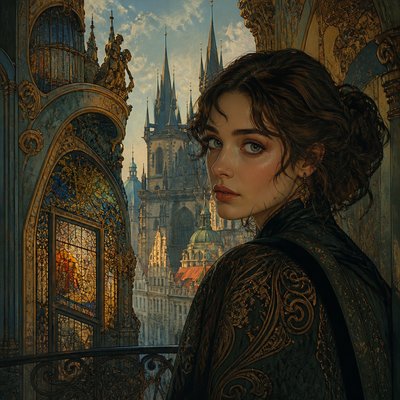
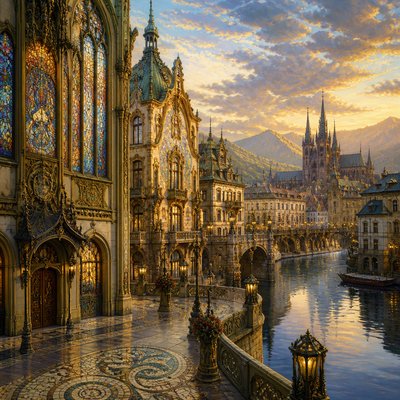
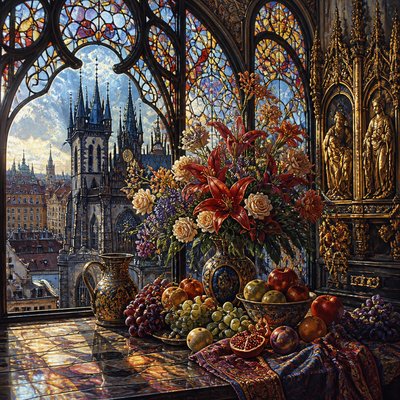
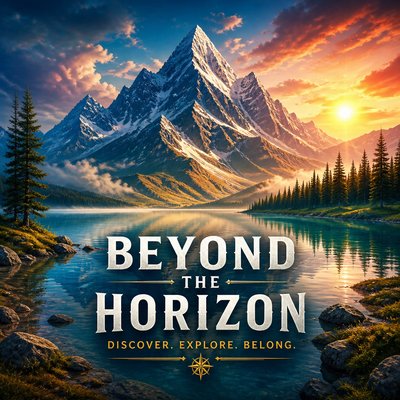
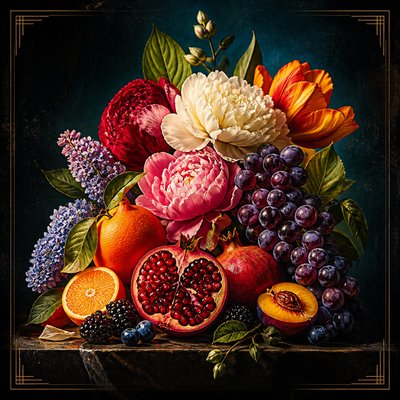
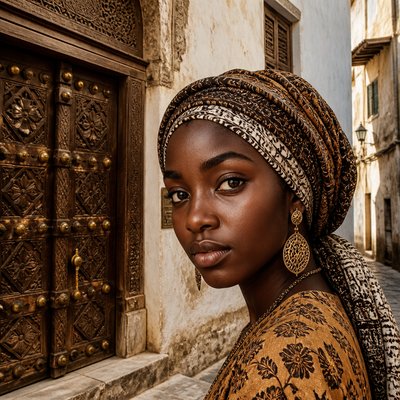
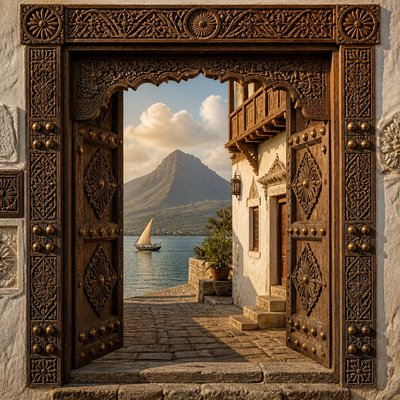
Eco Gallery
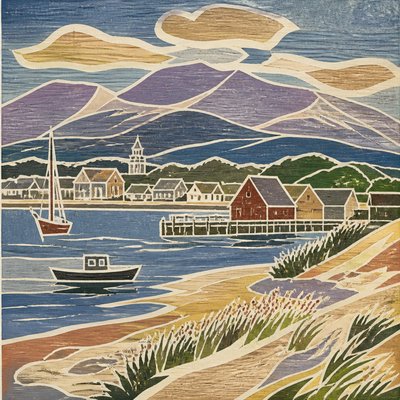
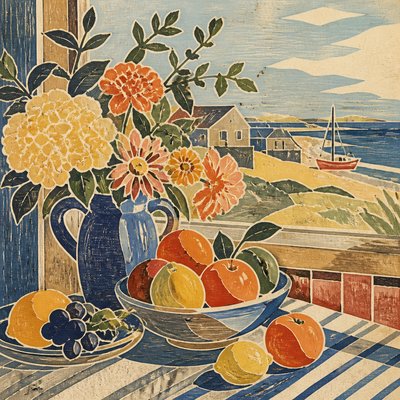
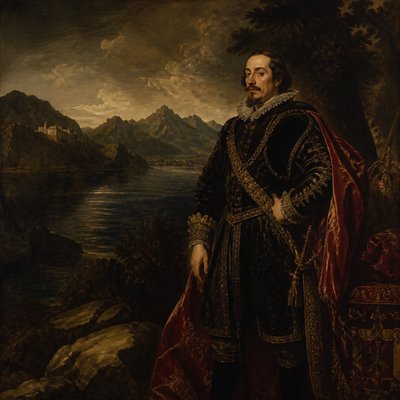
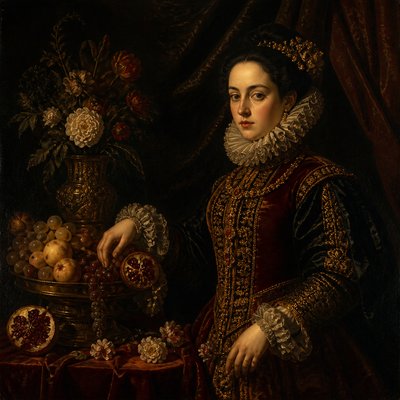
Tap any artwork to explore it
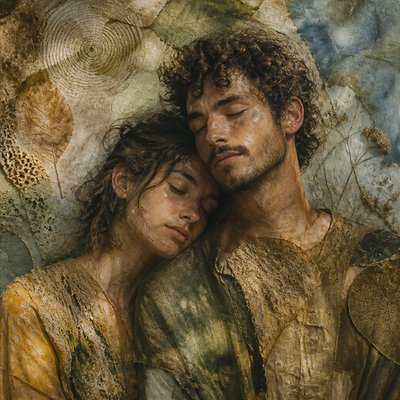
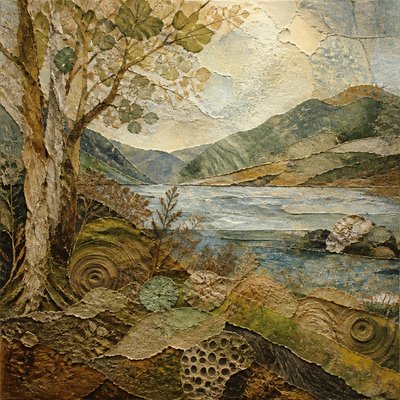
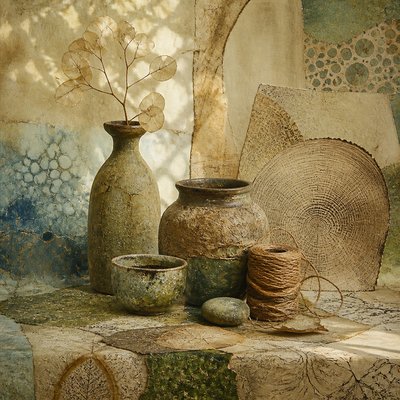
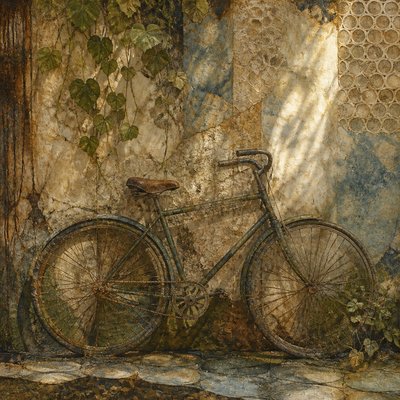
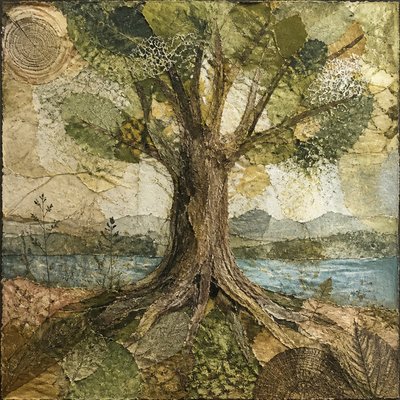
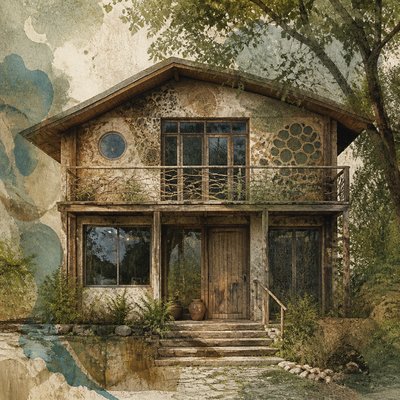
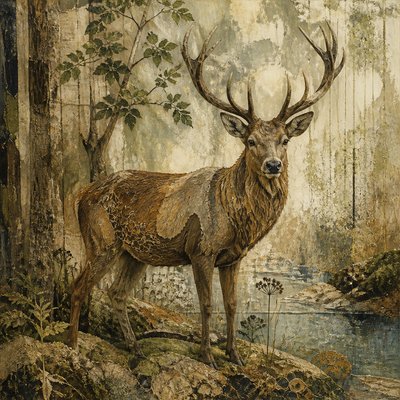
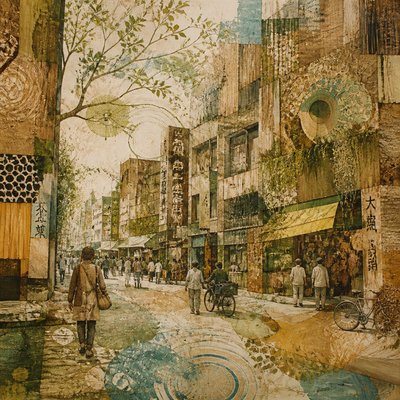
What is Eco Art Style?
Eco art is an environmentally conscious art approach centered on ecological awareness, sustainability, and the relationship between humans and living systems. It may use natural, recycled, biodegradable, or locally sourced materials, and it often addresses climate change, habitat loss, waste, restoration, and environmental justice. The style is defined less by a single look than by a shared ethic: making art in ways that reflect ecological processes and political concern for planetary health.
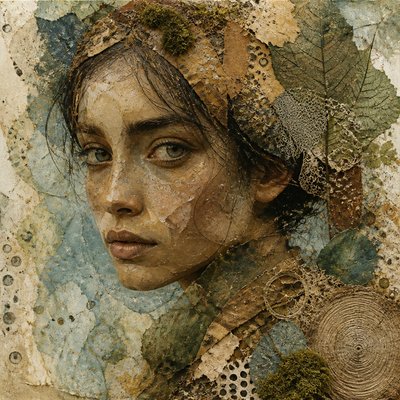
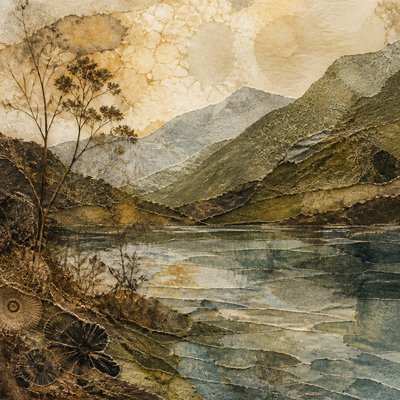
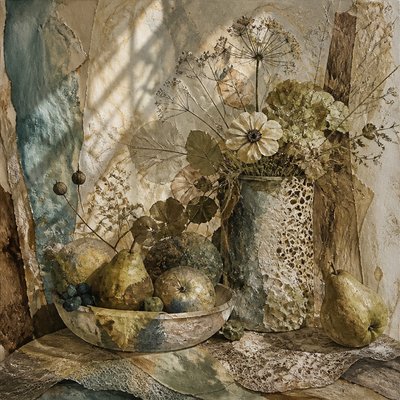
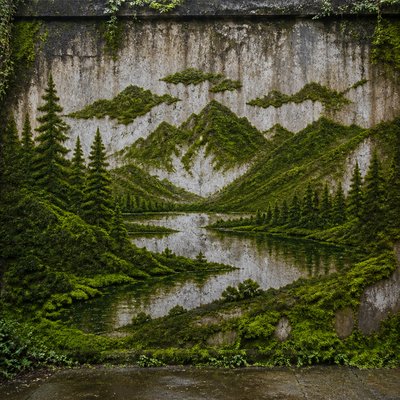
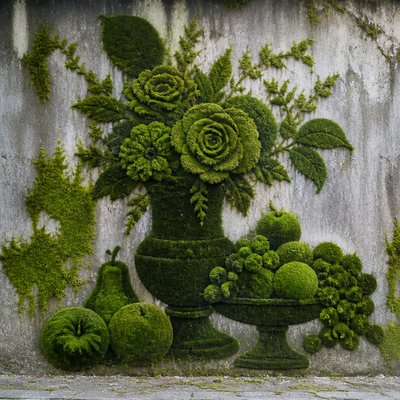
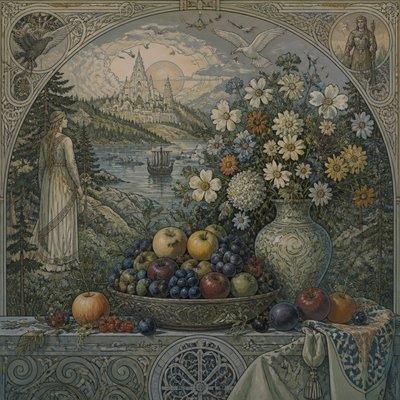
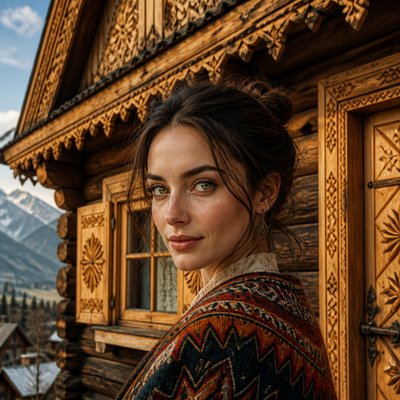
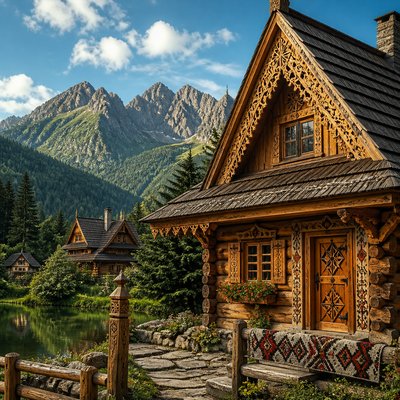
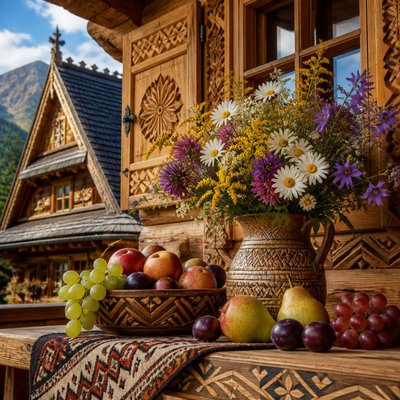
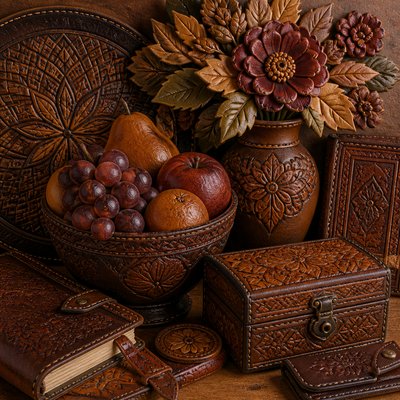
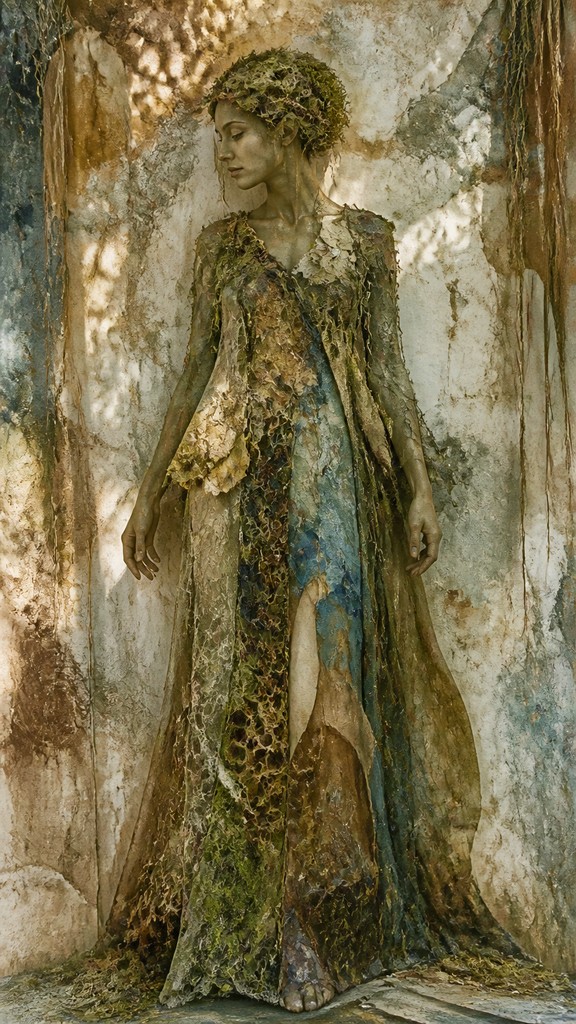
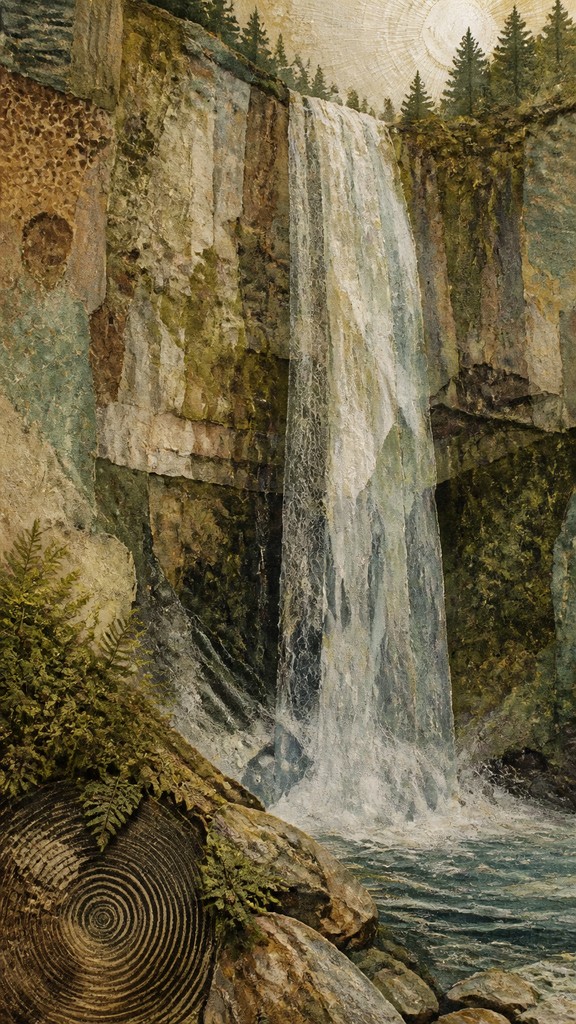
Visually, eco art often features earthy palettes, weathered textures, organic forms, and materials that visibly age, decay, or transform over time. Artists may imitate the patterns of leaves, roots, sediment, cell structures, erosion, or growth rings, or they may work with actual soil, plants, water, found objects, and living systems. The result is usually tactile, imperfect, and process-driven, with an emphasis on renewal, fragility, and the passage of time rather than polished finish.
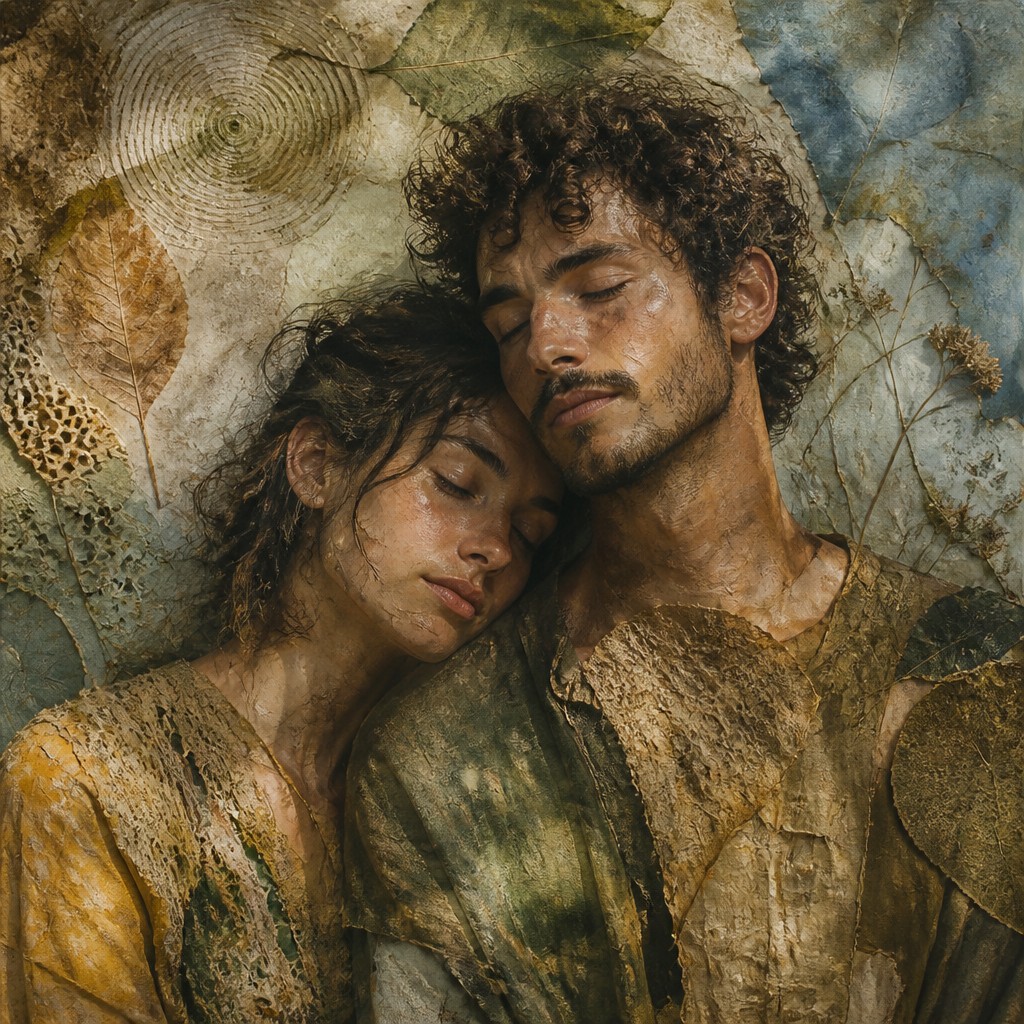
Try It On Your Photos
Upload any photo and convert it into Eco Art Style — drag the sliders to compare before and after.
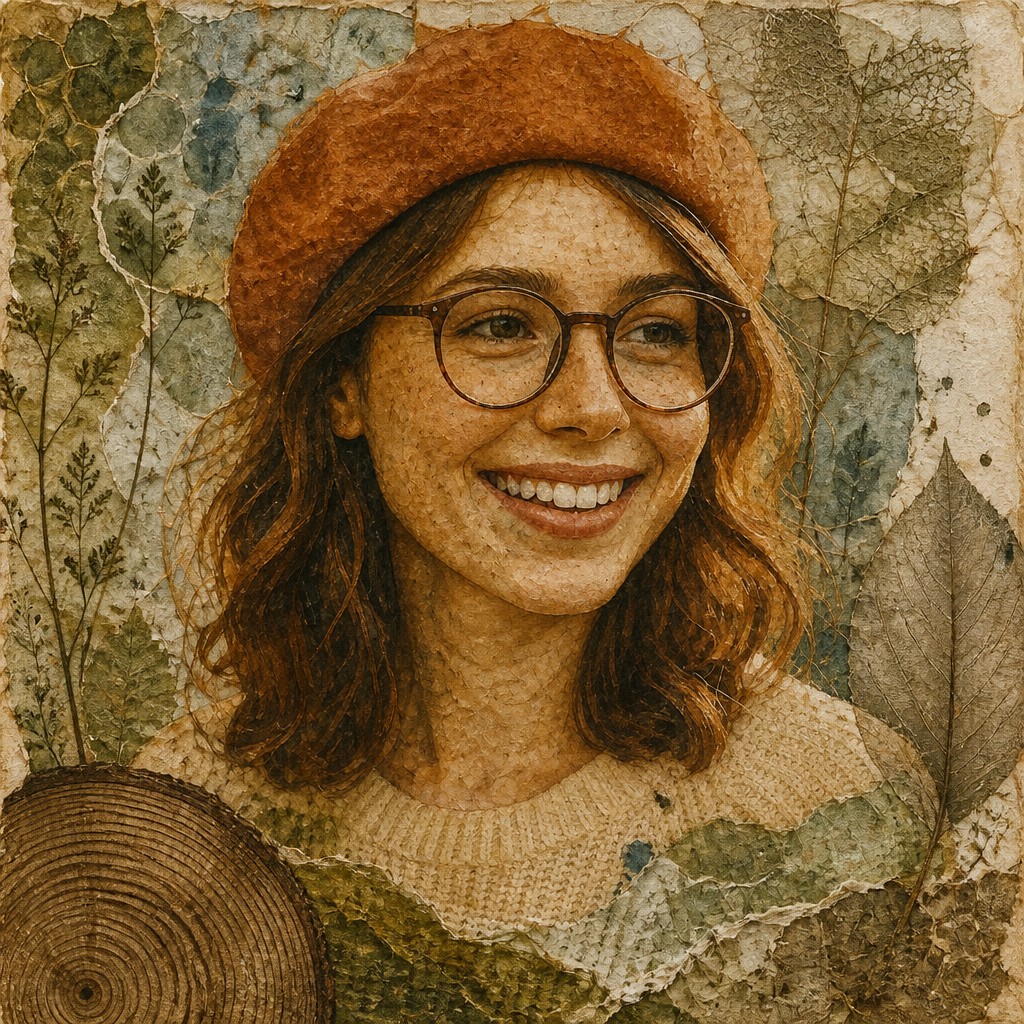

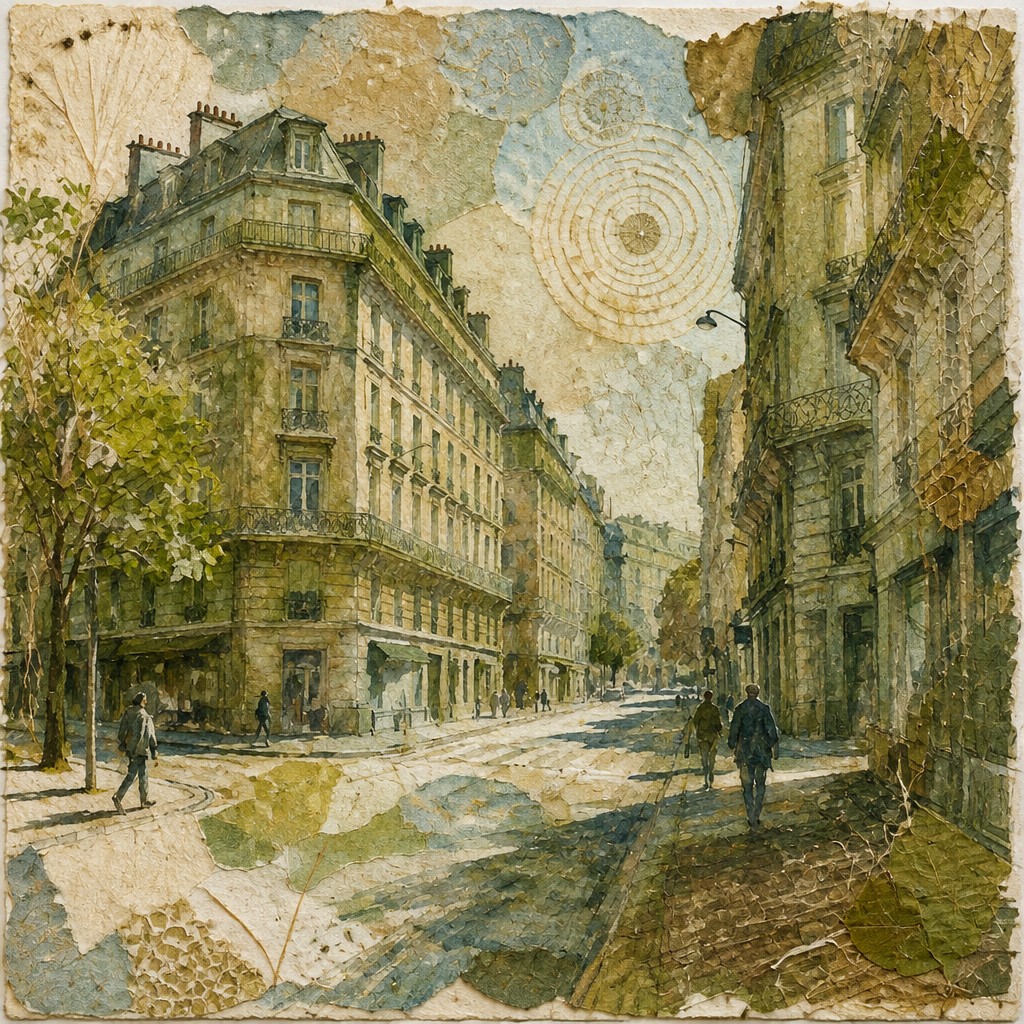

Or use the free Eco photo filter
What Defines Eco Art Style
The signature details, up close
Natural and reclaimed materials
Eco art often uses wood, paper, clay, seed, fiber, stone, metal scraps, plastic waste, or other salvaged materials. The material choice is part of the meaning, signaling reuse, reduced waste, or direct engagement with the environment.
Earth-toned, weathered palette
Colors commonly echo soil, moss, bark, algae, water, rust, and stone. Even when brighter colors appear, they are often muted or softened so the work feels grounded in natural processes.
Organic patterning
Forms may resemble leaf veins, root networks, coral, sediment layers, cellular structures, erosion marks, or growth rings. These motifs connect the work to biological systems and cycles of development, damage, and renewal.
Visible handwork and process
Edges are often raw, stitched, layered, scraped, or assembled in ways that keep the making visible. Imperfection is valued because it echoes the irregularity of natural systems and handmade material culture.
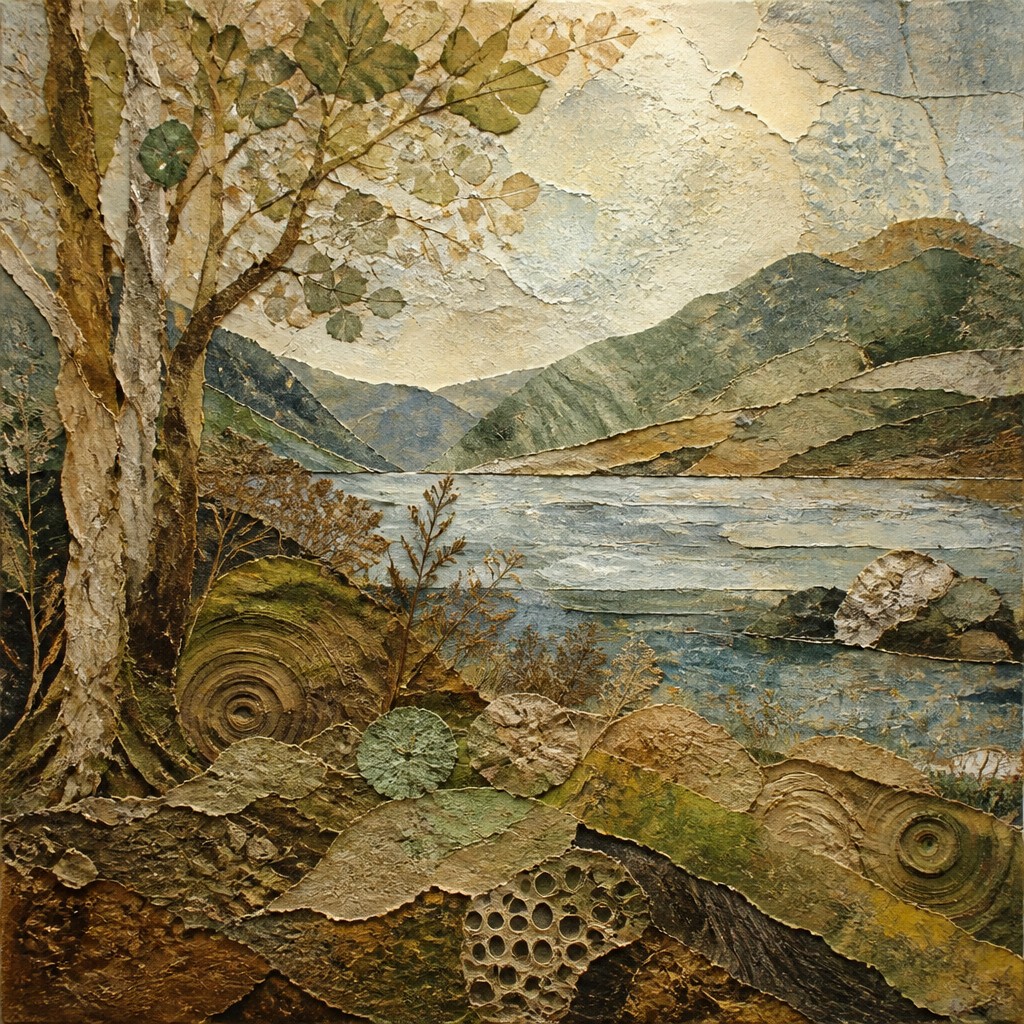
Transient or living elements
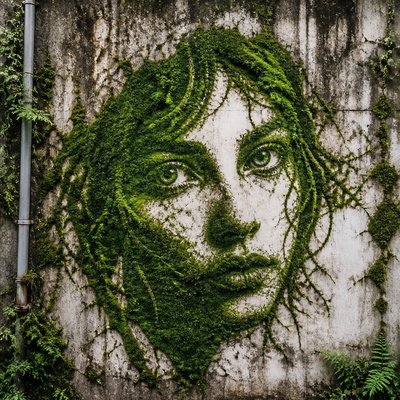
Some eco art includes plants, water, soil, ice, compost, or other materials that change over time. This creates a sense of impermanence and highlights ecological change as part of the artwork itself.
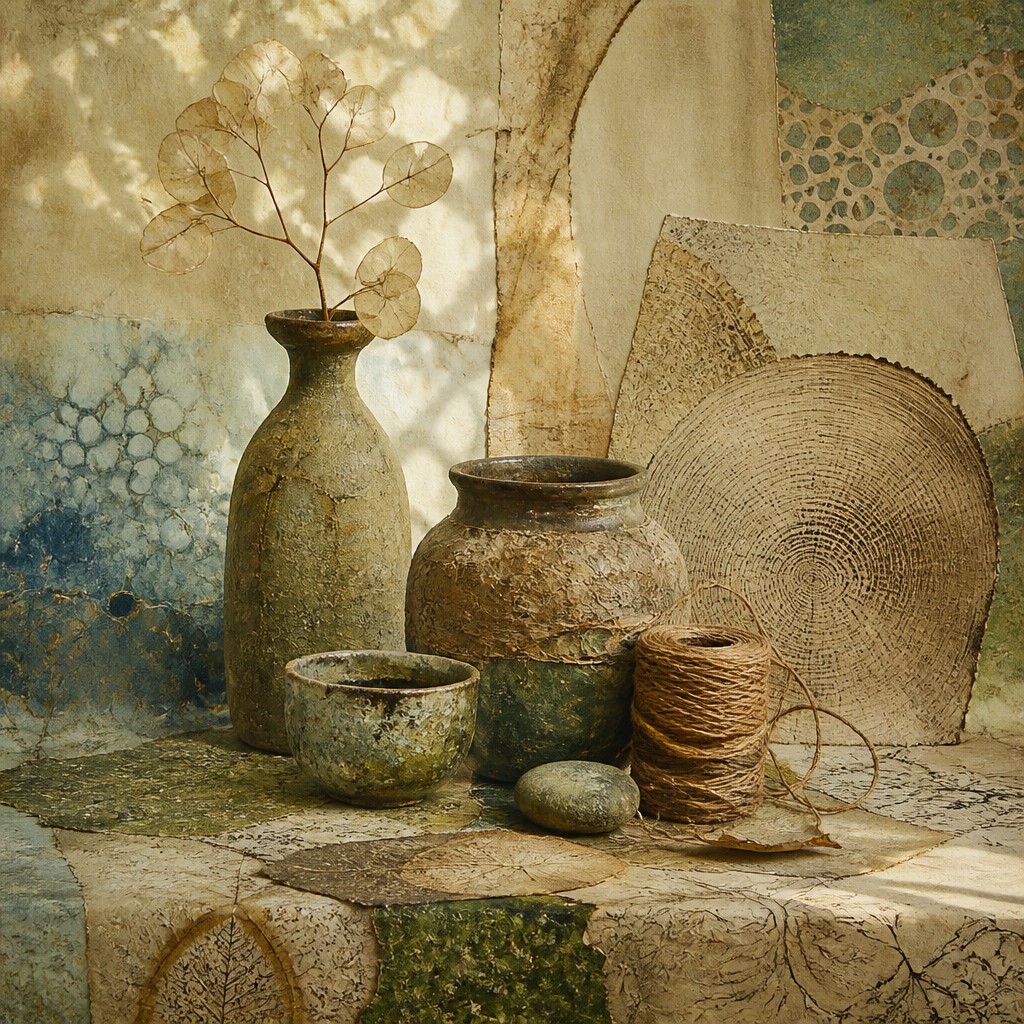
Activist and ethical content
Many works communicate conservation, environmental justice, or critique of consumer waste and extraction. The style often combines aesthetics with a clear social or ecological argument.
Try It
Create Videos in Eco Art Style
Styles aren't just for stills — describe a scene or animate an image and get a short video rendered in Eco. Press play to see this pond come to life.
Make a VideoEco Prompt Ideas
Start from an idea — each one opens the generator with the style ready to go. See all 40 Eco prompts →
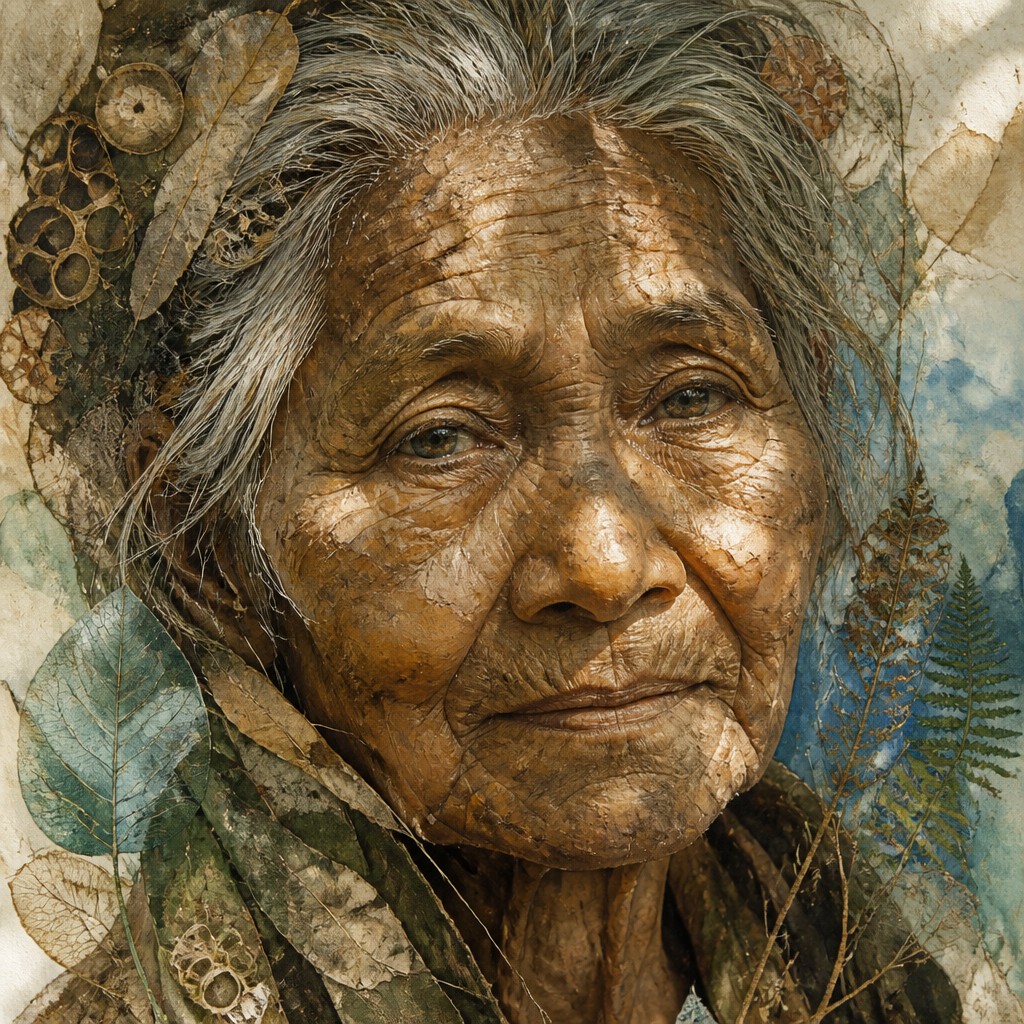
“close-up portrait of an elderly person with expressive weathered features”
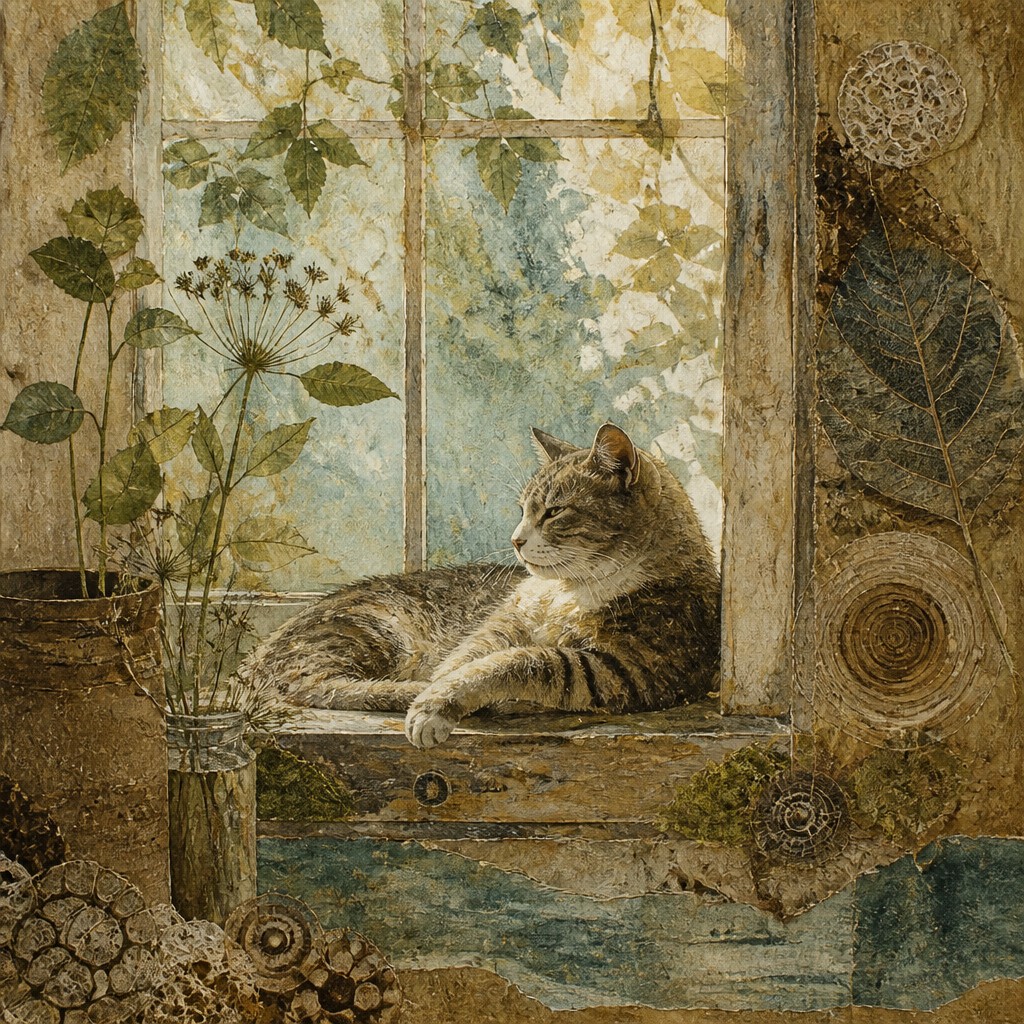
“a cat lounging in a sunlit window”
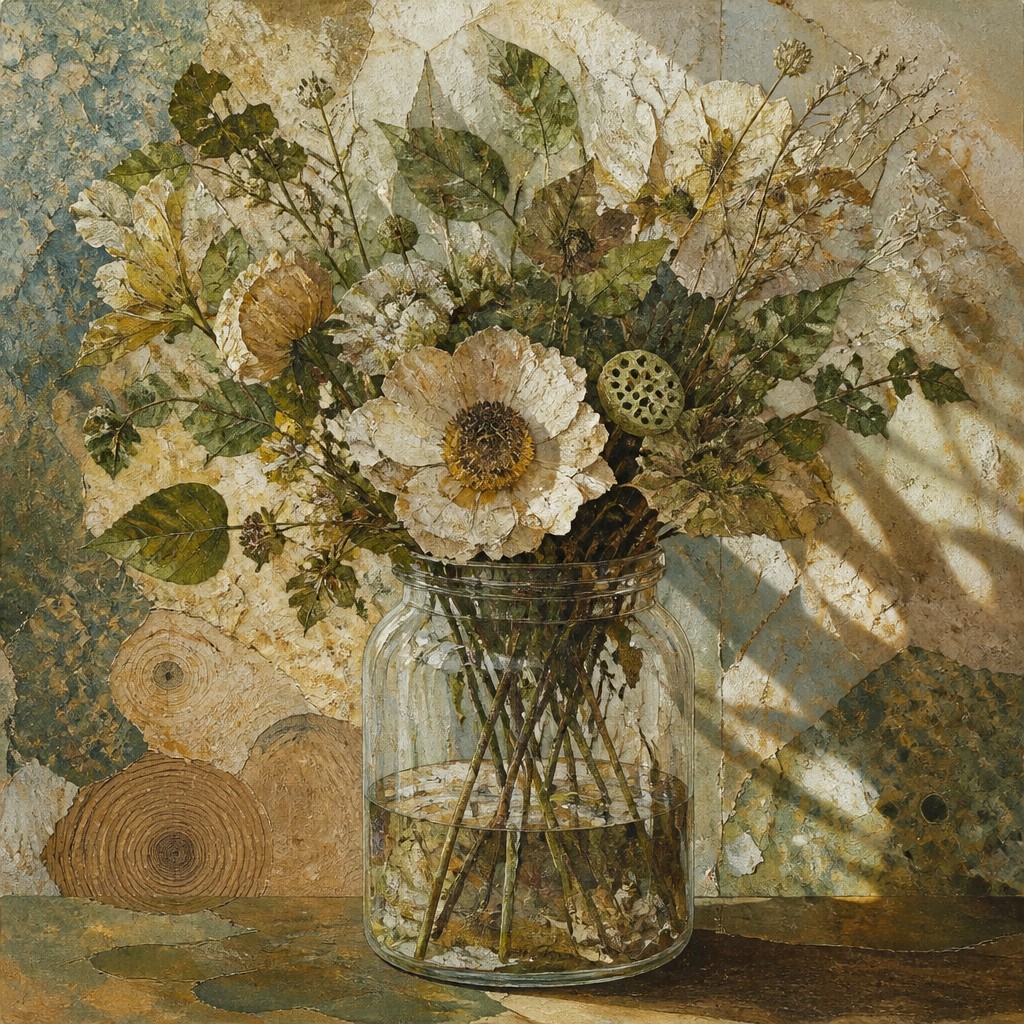
“bouquet of flowers in a glass vase”
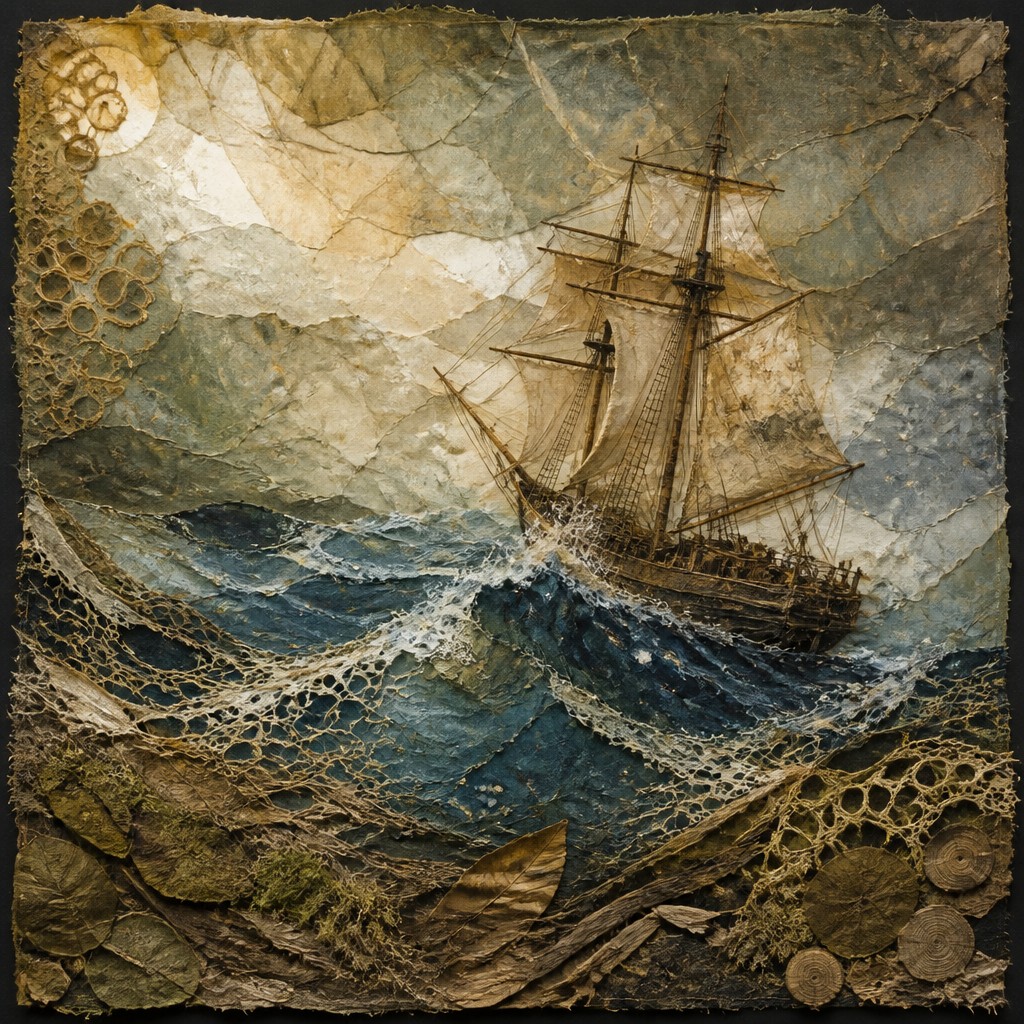
“sailing ship on a stormy sea”
How to Create Eco Art
Master the craft step by step — or skip straight to creating. Read the full guide →
- 1
Choose materials with ecological meaning
Use reclaimed paper, natural pigments, untreated wood, fiber, clay, pressed plants, or found objects when working traditionally. In digital work, simulate these qualities through layered textures, torn edges, sedimentary overlays, and imperfect surfaces.
- 2
Build around natural cycles
Organize the composition around growth, erosion, decomposition, regeneration, or interdependence rather than rigid symmetry. Repeating rings, branching structures, and layered strata can make the image feel biologically informed.
- 3
Keep the finish tactile and imperfect
Avoid overly clean contours and sterile polish; allow visible seams, stains, scratches, fibers, and asymmetry. In image prompts, ask for weathered surfaces, handmade marks, and muted tonal blending.
- 4
Use a restrained, earth-based palette
Prioritize moss green, soil brown, ochre, slate, sand, rust, and water blue, then control saturation carefully. Soft contrasts and gently bleeding color transitions help the work feel organic and atmospheric.
- 5
Let process support the concept
If the piece is about waste, restoration, or habitat, make those themes legible through the material logic of the work itself. For prompt-based generation, describe both subject and ecological materials so the image reflects the idea rather than just decorating it.
The Story
History & Origins of Eco
Eco art emerged from late 20th-century environmental awareness and intersects with several established practices, including Land art, process art, social practice, installation, and activist art. Its lineage includes artists who worked directly with landscape and natural systems, as well as artists who used recycled materials or addressed pollution and conservation as subject matter. Over time, eco art expanded from site-specific interventions into museum installations, community projects, and public campaigns tied to environmental activism.
Because eco art is an umbrella term rather than a single historical movement, it draws from multiple traditions rather than one origin point. Important antecedents include Earthworks and Land art, environmental sculpture, craft traditions that value natural materials, and contemporary sustainability-focused practices. In recent decades, it has become closely associated with climate art, participatory ecology projects, and works that use living plants, compostable matter, or reclaimed waste as both medium and message.
Influences: Eco art is related to Land art and Earthworks, including the material and site-aware practices of major postwar Land artists and leading environmental sculpture practitioners associated with direct engagement in landscape and natural systems, though not all eco art is sculptural or site-specific. It also overlaps with process art, assemblage, socially engaged art, craft-based material traditions, and contemporary environmental activism. In its concern with living systems and ethical material use, it often shares ground with installation art and conceptual practices that treat ecology as both subject and method.
Frequently Asked Questions
What defines eco art?
Eco art is defined by its ecological subject matter, its use of sustainable or reclaimed materials, and its concern with environmental responsibility. It can be beautiful, critical, activist, or contemplative, but it usually makes the relationship between art and the natural world central to the work.
Is eco art the same as environmental art?
The terms overlap, but eco art usually emphasizes sustainability, ecological ethics, and environmental activism more directly. Environmental art can be broader and may simply refer to art about nature, landscape, or place without a strong sustainability component.
What materials are common in eco art?
Common materials include recycled paper, natural pigments, clay, wood, fiber, soil, seeds, plant matter, and found objects. Some artists also use living materials such as moss, algae, or vines, while others rely on digital texture and composition to evoke ecological systems.
How do I make an image look like eco art?
Use organic shapes, earth tones, layered textures, and signs of wear or reuse. Include motifs such as roots, sediment, leaves, water stains, or cellular patterns, and keep the image handmade, muted, and process-oriented rather than glossy or synthetic.
Where is eco art used?
Eco art appears in galleries, public installations, community projects, activism, educational campaigns, and environmental design contexts. It is often used to communicate climate concerns, celebrate biodiversity, or model more sustainable creative practice.
What makes eco art different from simple nature illustration?
Nature illustration typically depicts plants, animals, or landscapes, while eco art usually also addresses ecological systems, material ethics, or environmental politics. Its meaning often comes from how it is made as much as from what it depicts.
Create your first Eco artwork
Describe anything — or upload a photo — and see it in Eco Art Style in seconds.
Make Something with Eco
Compare Eco
Related Styles
Discover similar art styles