Impressionist Landscape Art Style
Impressionist landscape painting with broken brushstrokes, vibrant color, and shimmering light; learn its origins, traits, and how to create it.
Instantly rendered in Impressionist Landscape — or transform a photo
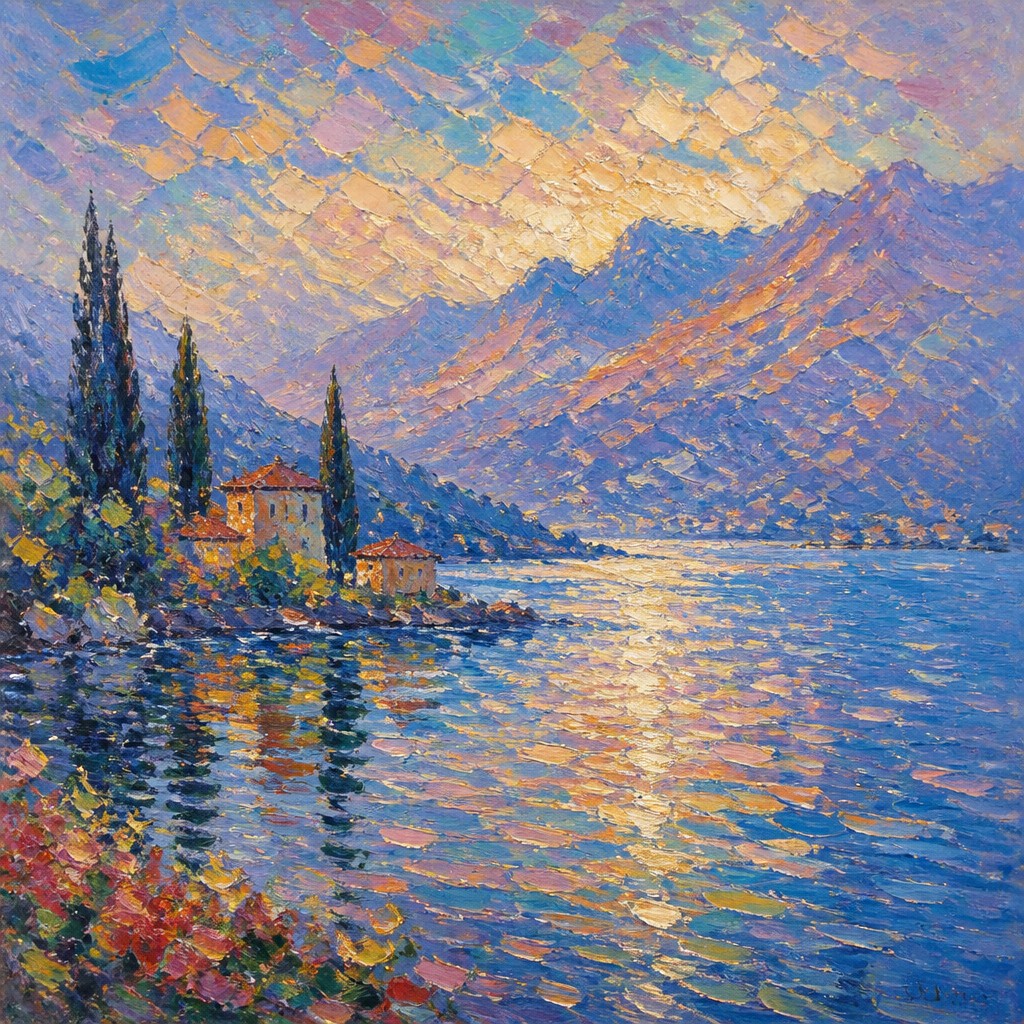
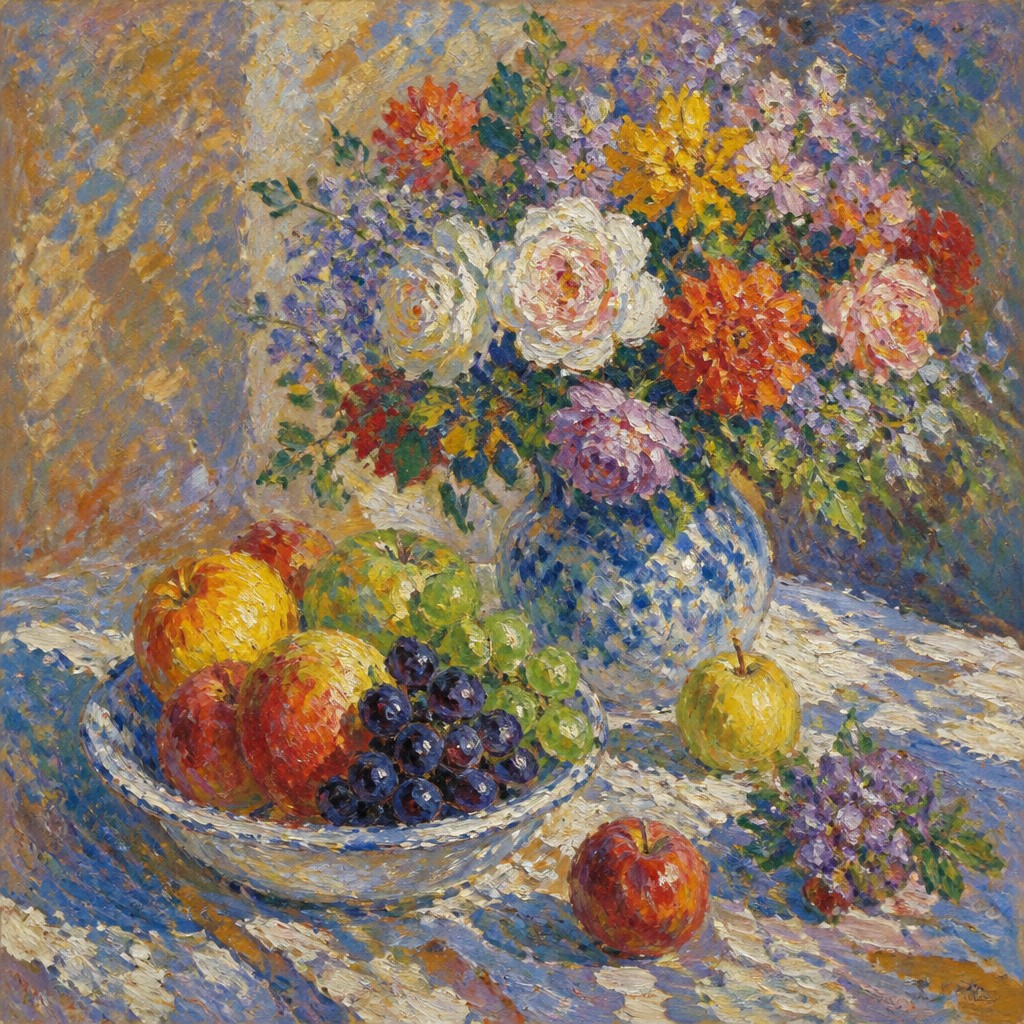
Impressionist Landscape Gallery
Tap any artwork to explore it
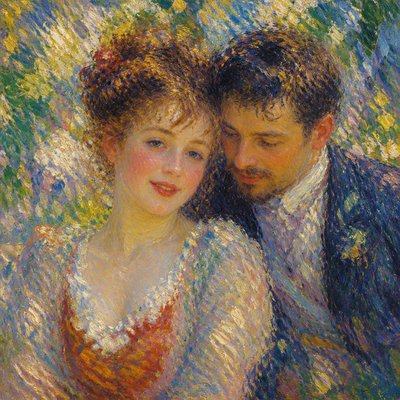
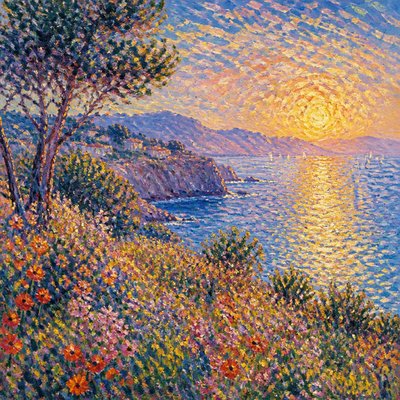
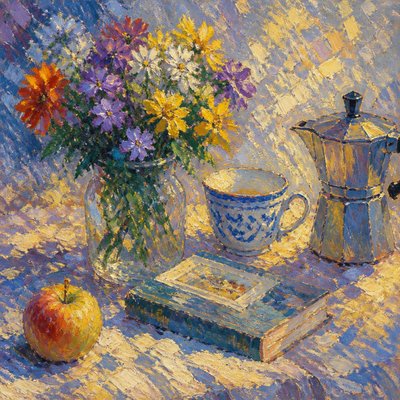
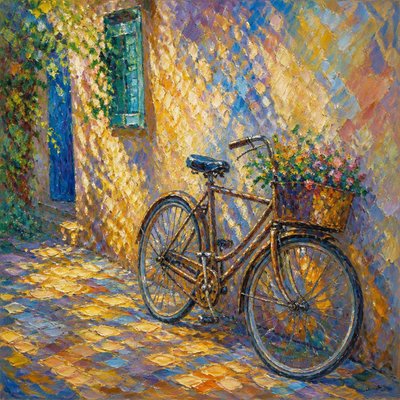
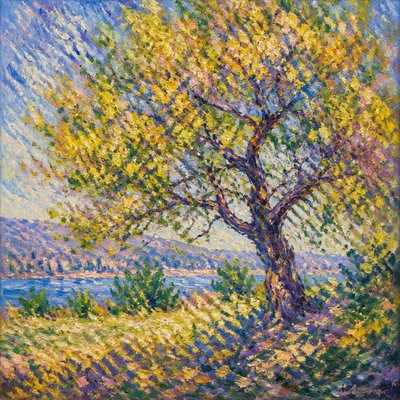
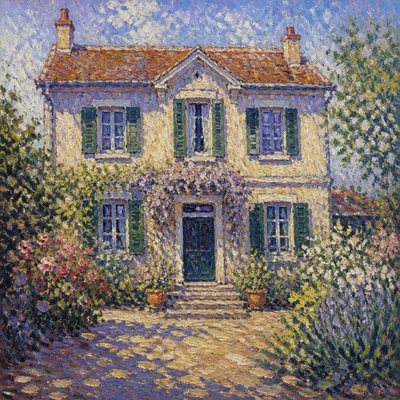
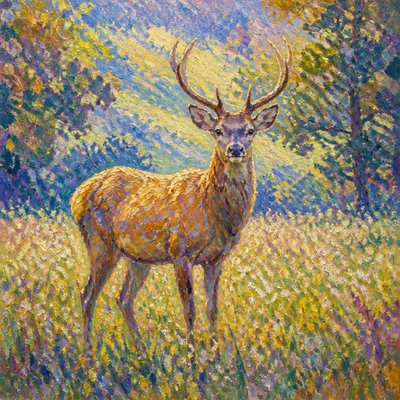
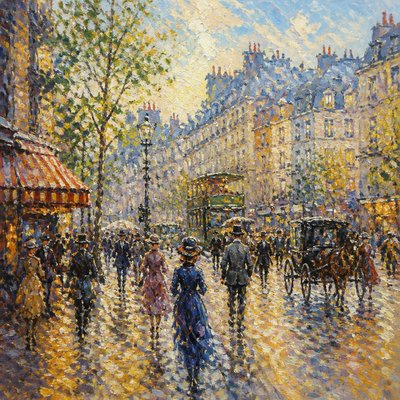
What is Impressionist Landscape Art Style?
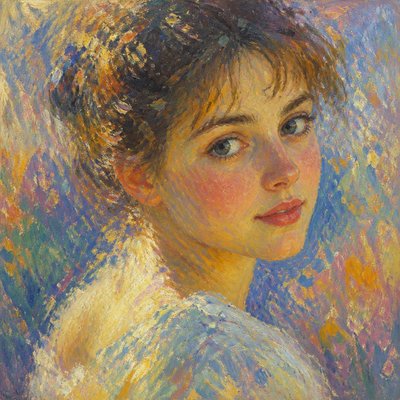
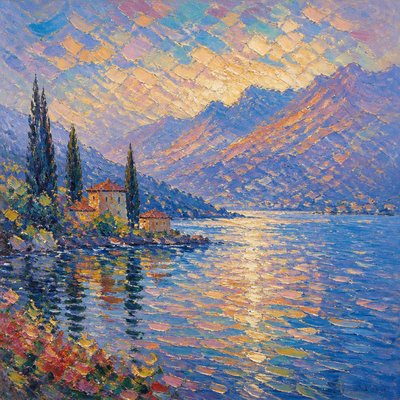
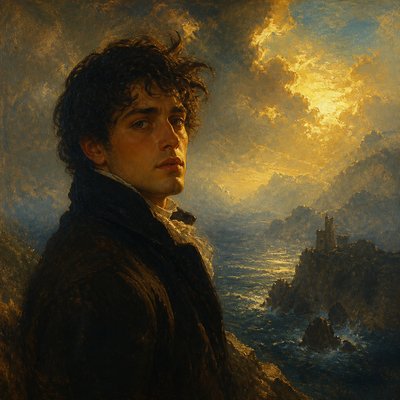
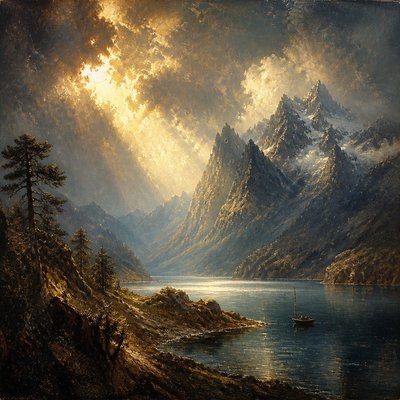
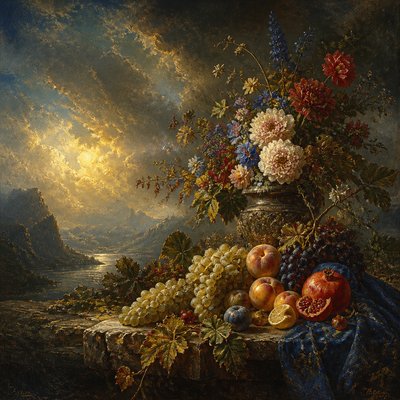
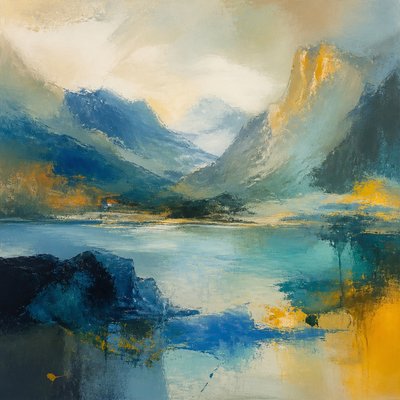
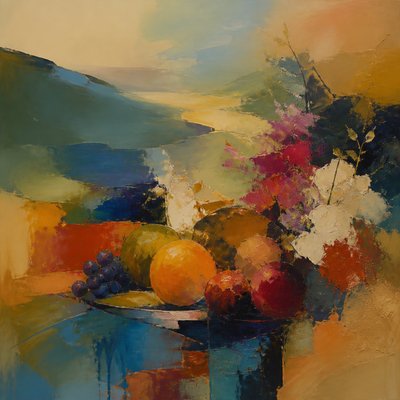
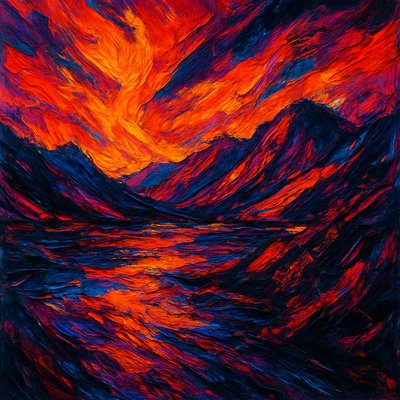
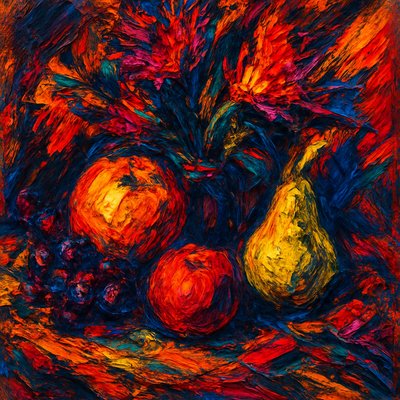
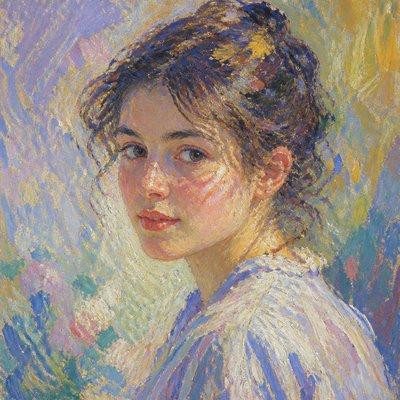
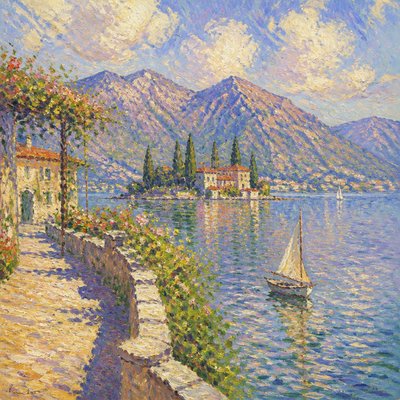
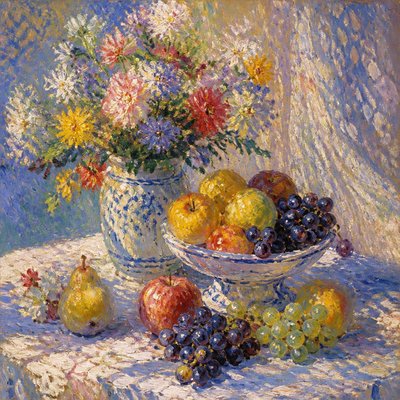
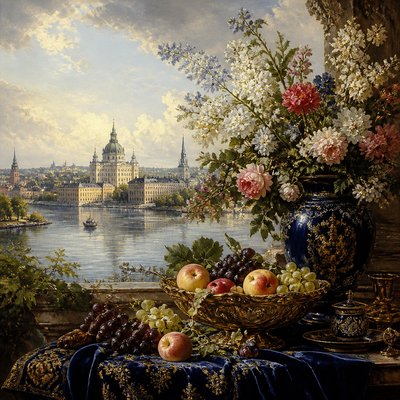
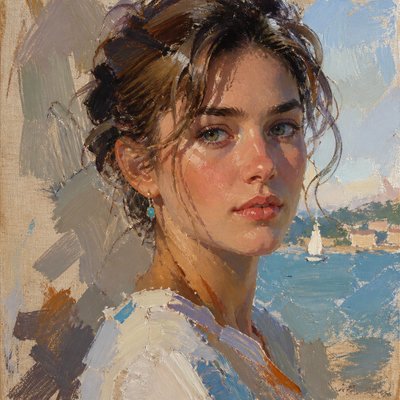
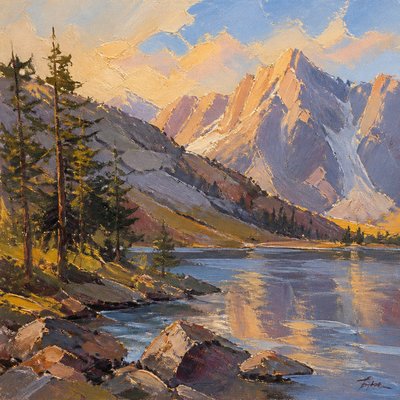
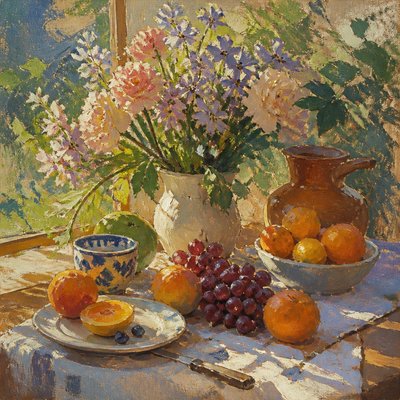
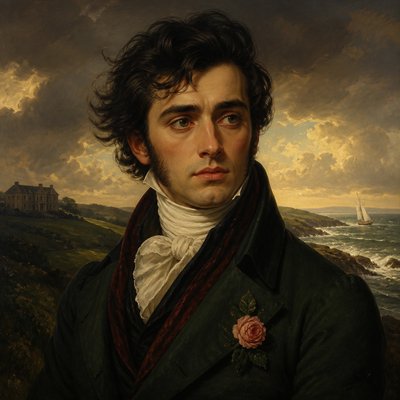
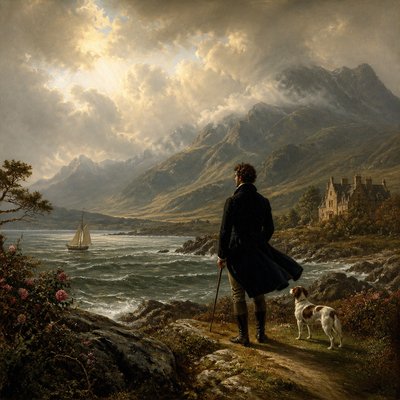
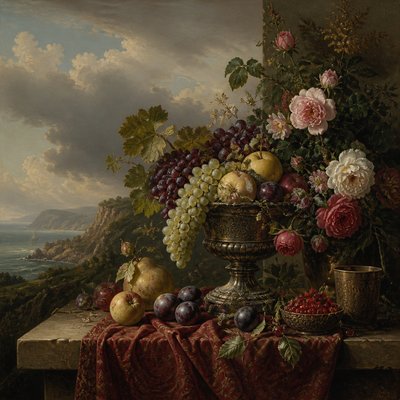
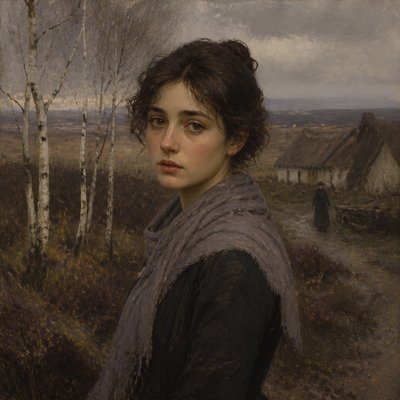
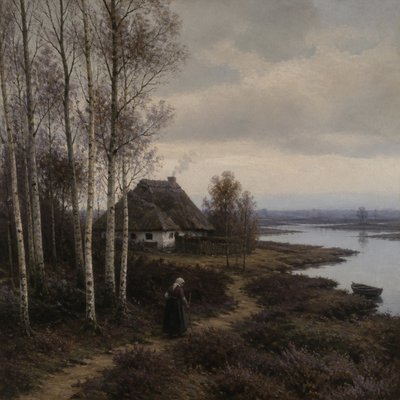
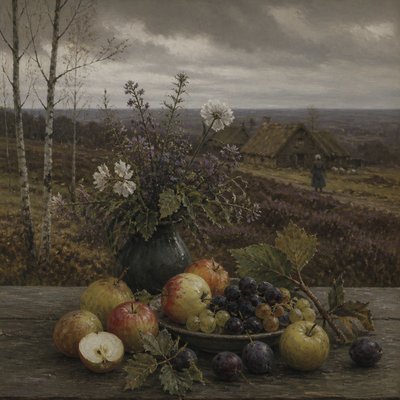
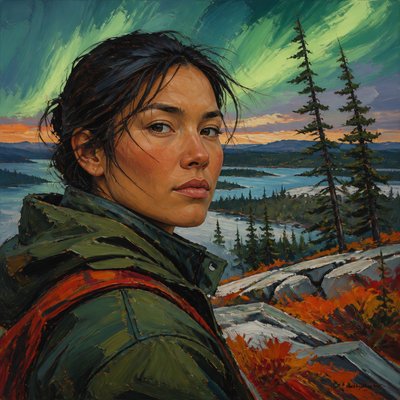
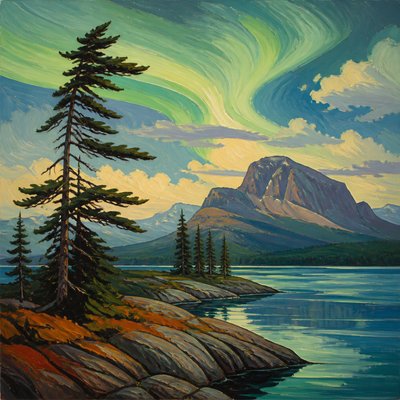
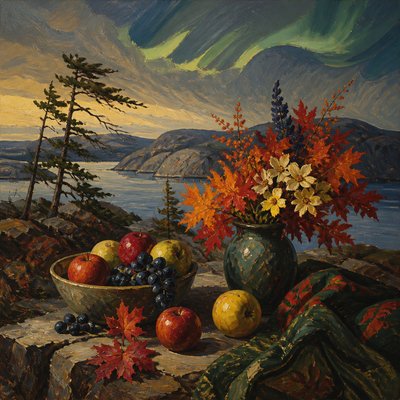
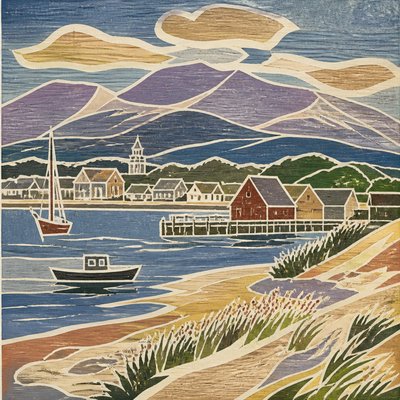
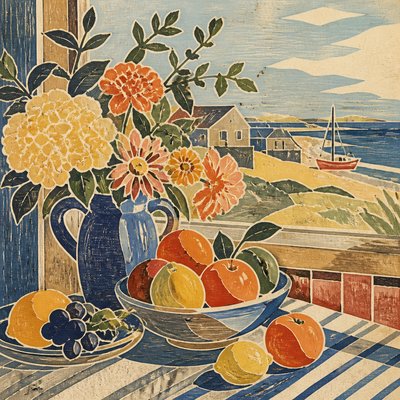
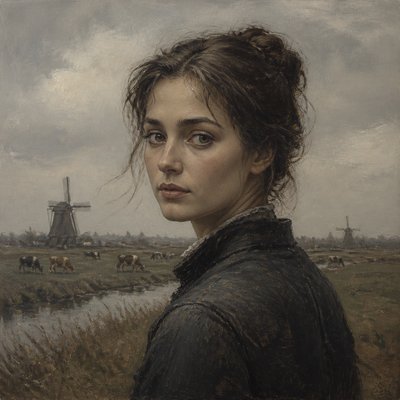
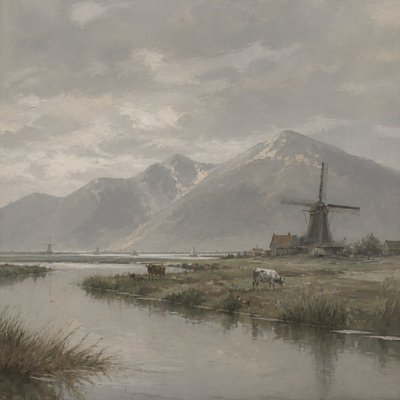
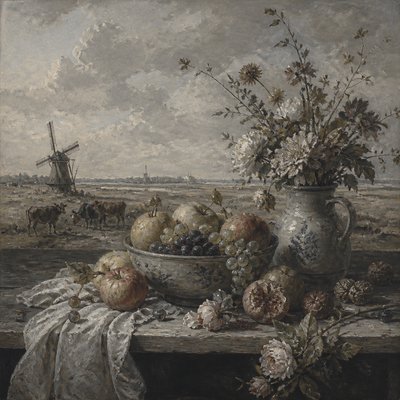
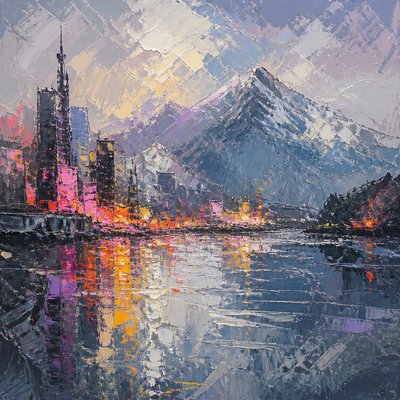
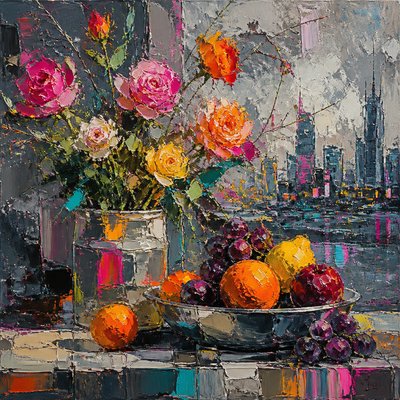
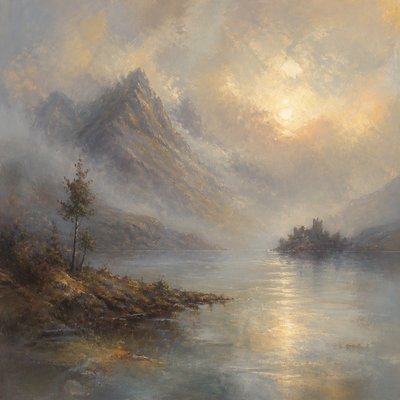
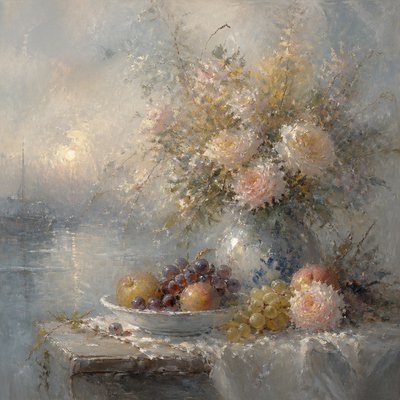
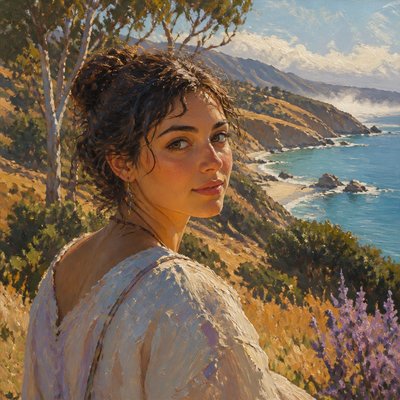
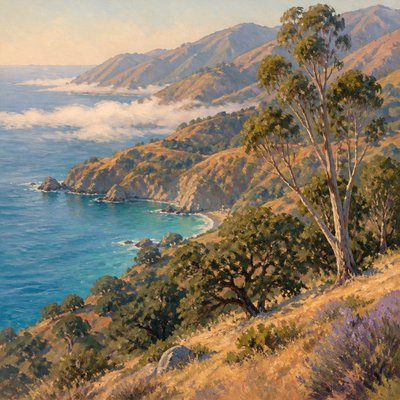
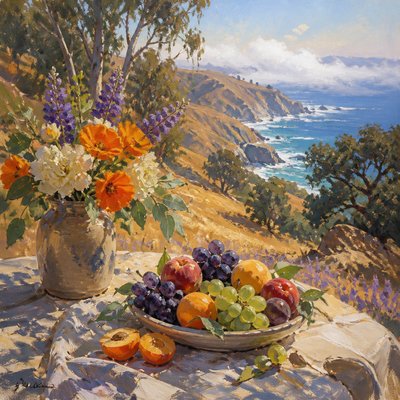
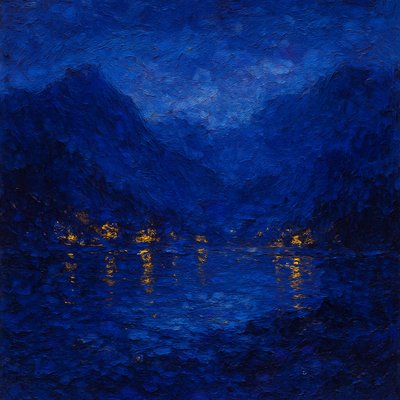
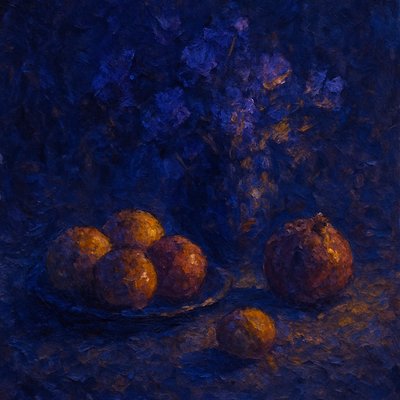
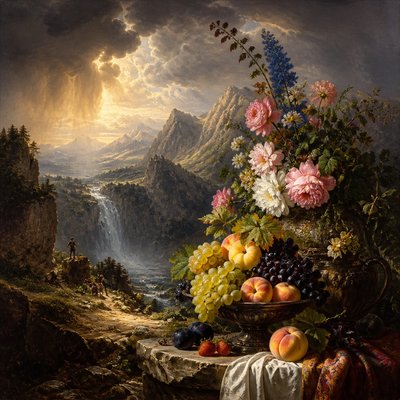
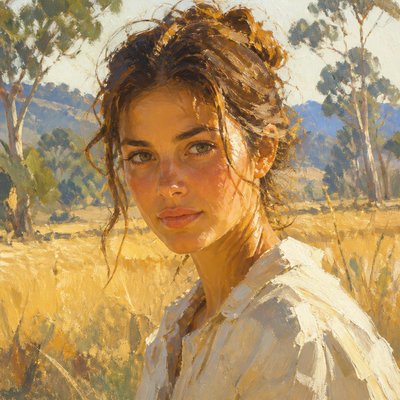
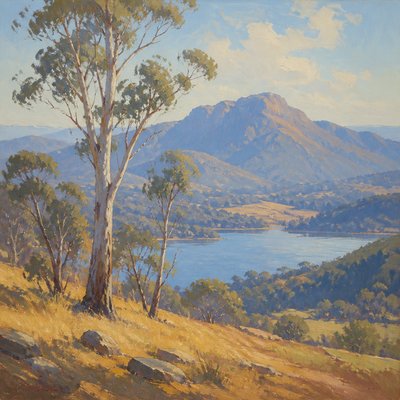
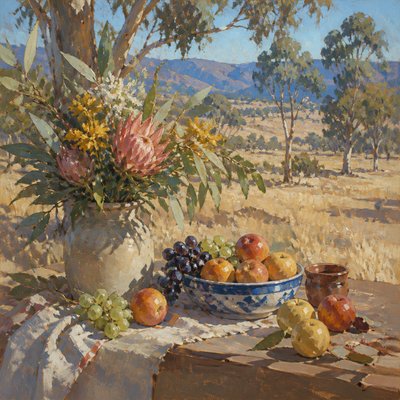
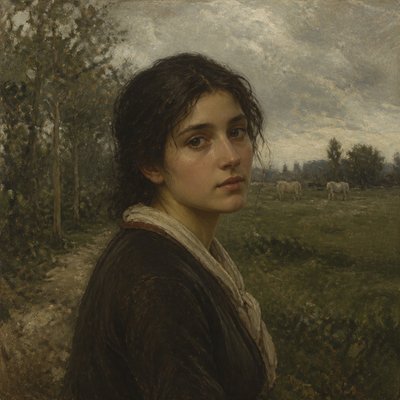
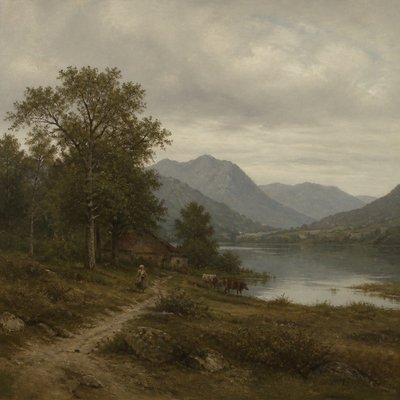
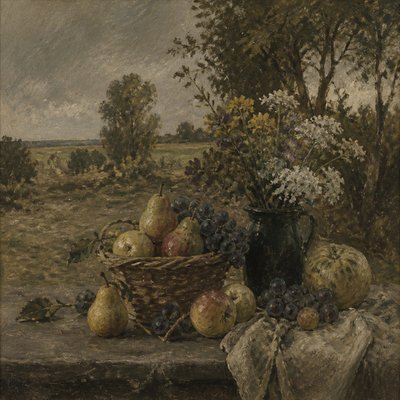
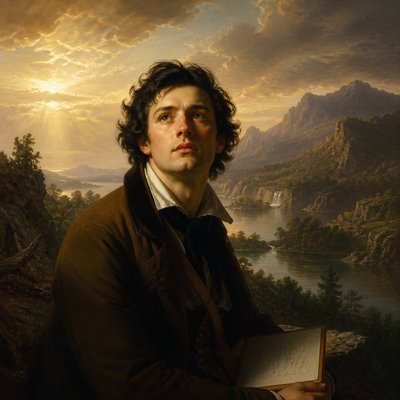
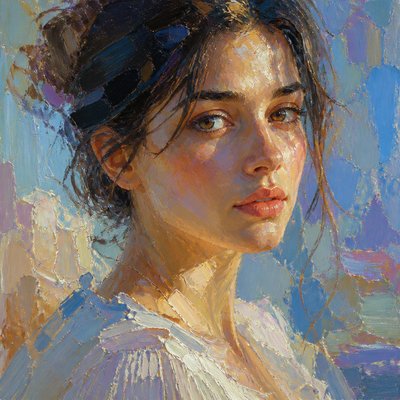
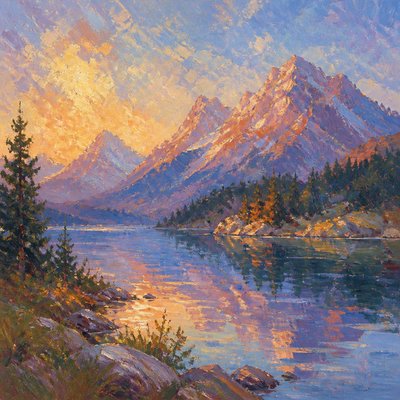
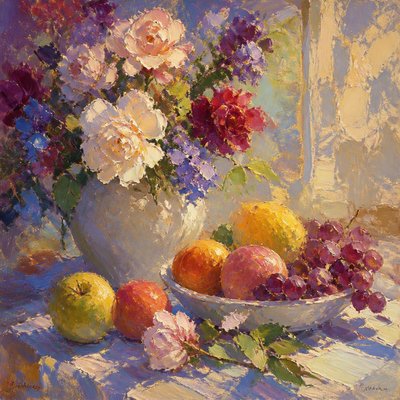
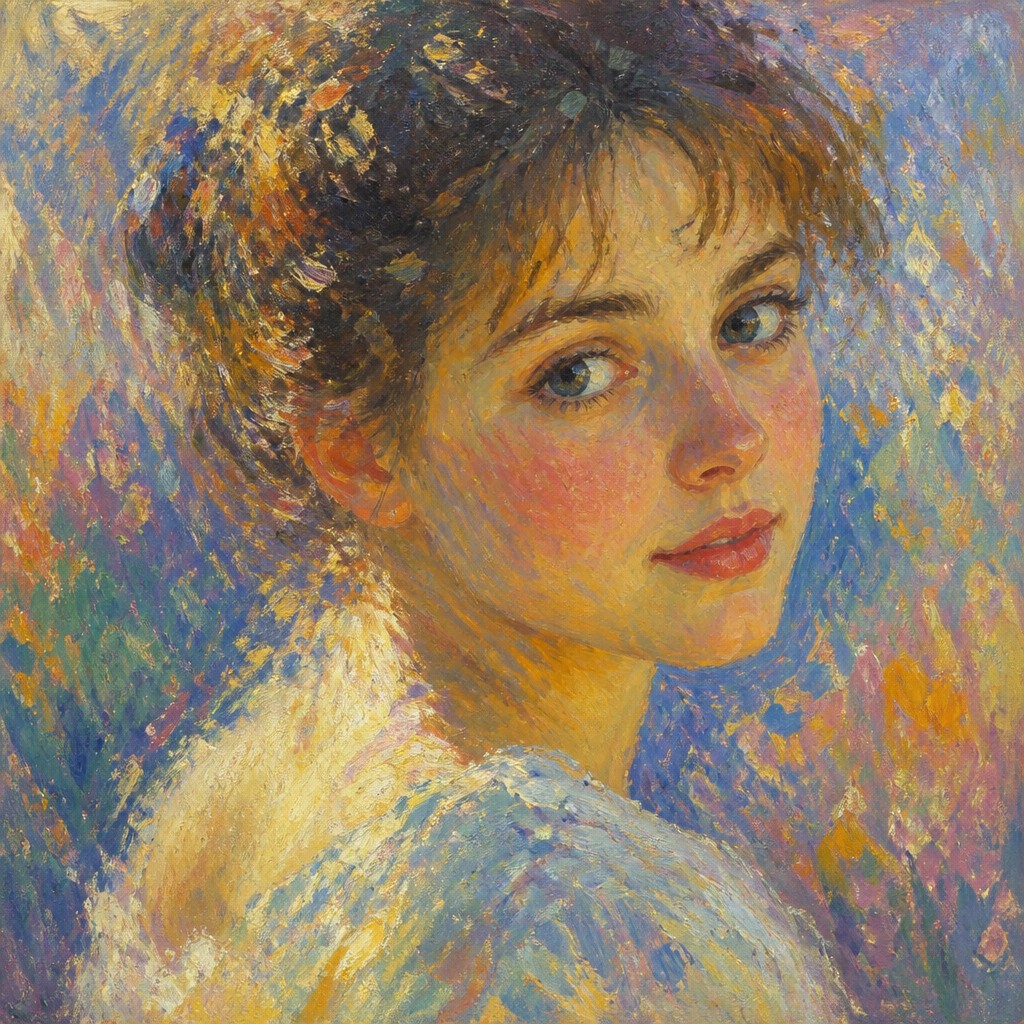
Impressionist Landscape Art Style is a painting approach centered on the sensation of seeing nature in changing light. Instead of outlining trees, water, clouds, and fields with hard contours, it uses short broken brushstrokes, high-key color, and visible paint texture to suggest forms as shimmering, shifting impressions. The result is not a literal record of a place but a vivid account of atmosphere, momentary light, and the visual experience of being outdoors.
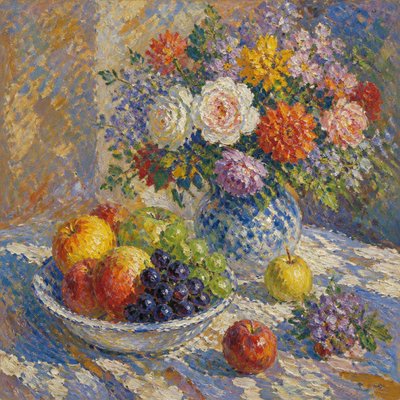
Its defining look comes from the way colors are placed beside one another rather than smoothly blended. Warm and cool tones may vibrate across the surface, while dappled highlights, softened edges, and impasto passages create a living, optical effect. In landscape subjects, this often means sunlit water, rustling trees, skies filled with transient clouds, and ground planes that seem to dissolve into strokes, giving the scene a sense of motion and immediacy.
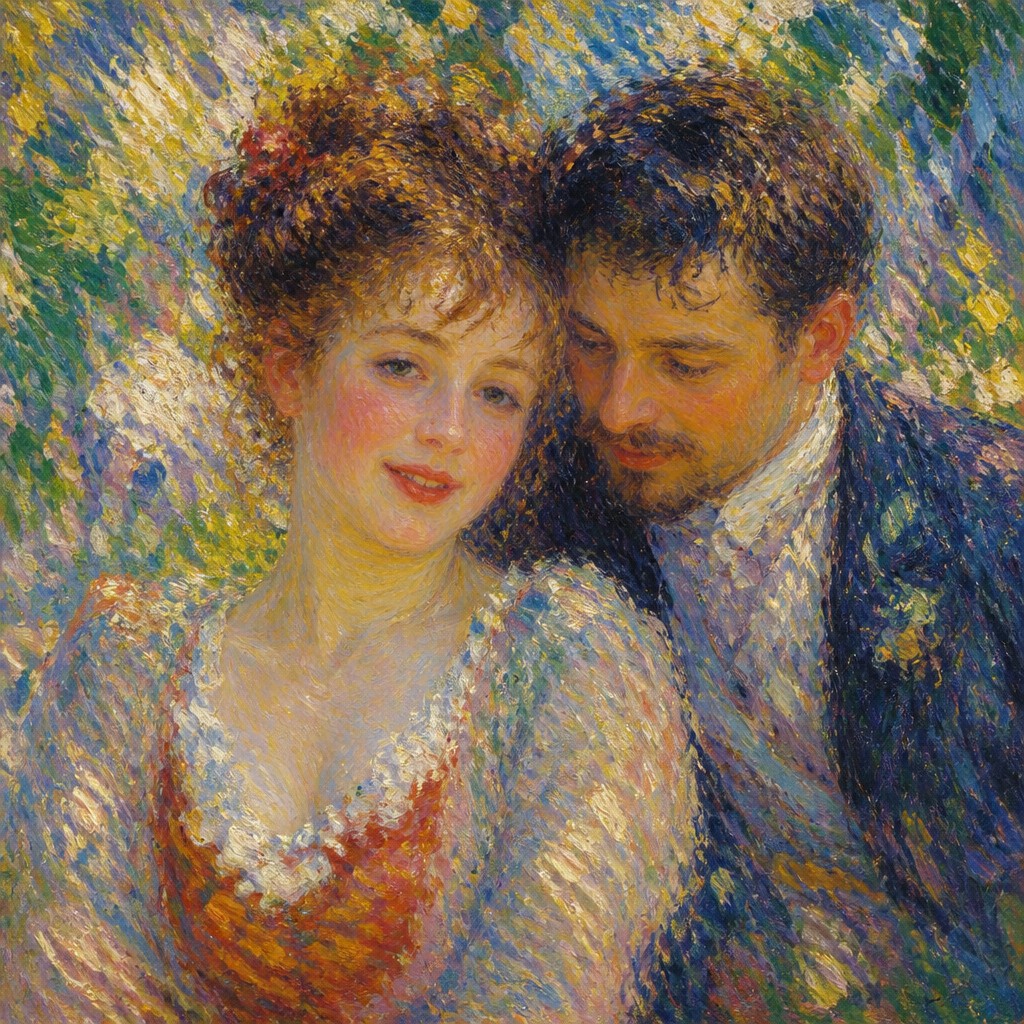
Try It On Your Photos
Upload any photo and convert it into Impressionist Landscape Art Style — drag the sliders to compare before and after.


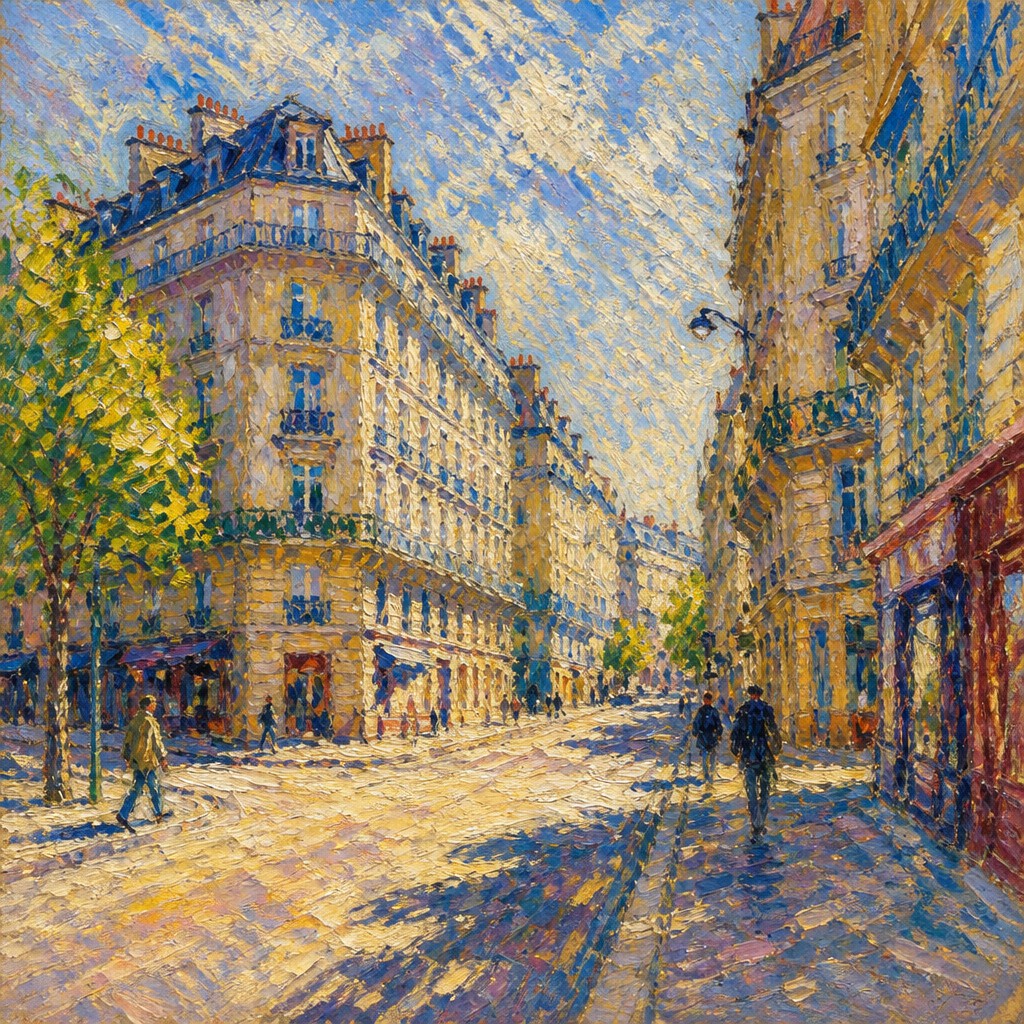

What Defines Impressionist Landscape Art Style
The signature details, up close
Broken brushwork
Forms are built from short, distinct strokes rather than smooth blending. The brush marks remain visible, giving the painting a lively, tactile surface.
Optical color mixing
Colors are placed side by side so the viewer’s eye blends them at a distance. This creates shimmer and vibration, especially in light-filled areas.
Fleeting light and atmosphere
The scene is organized around a particular moment—morning haze, afternoon sun, dusk, or reflective water. Weather and changing illumination are more important than topographic precision.
Softened edges
Contours often dissolve into neighboring color, especially in foliage, clouds, mist, and reflections. This keeps the image from feeling rigid or overly diagrammatic.
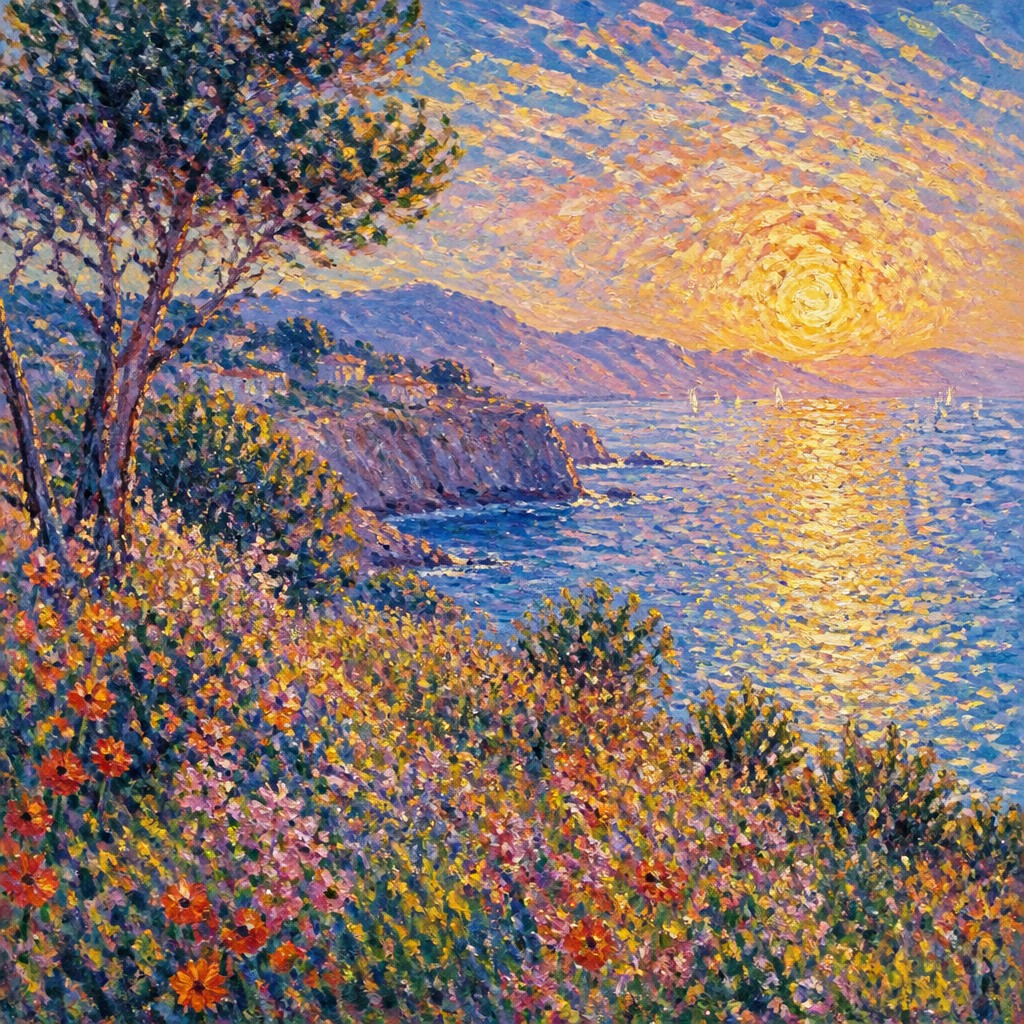
Visible paint texture
Impasto and layered strokes can leave a thick, textured surface. The material presence of paint becomes part of the image’s visual energy.
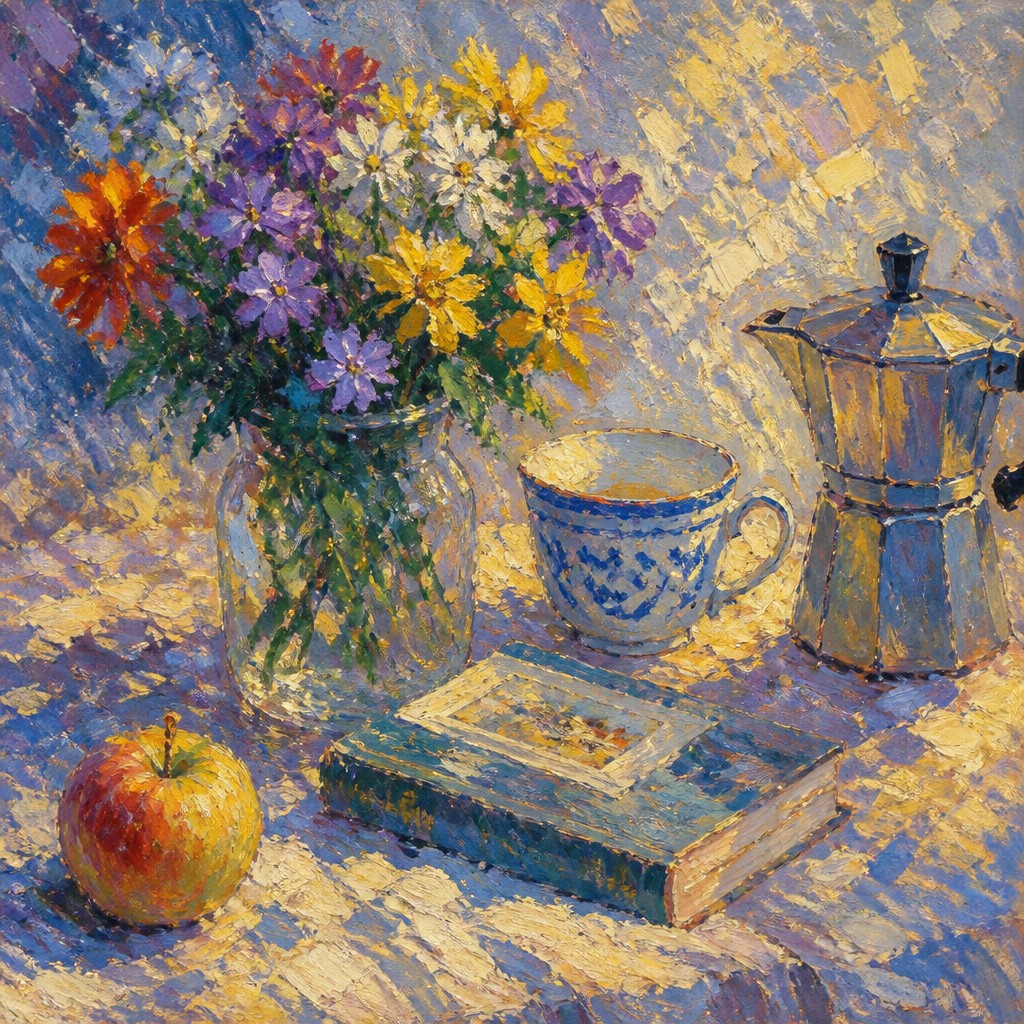
Landscape as impression
Trees, fields, rivers, and hills are suggested rather than meticulously detailed. The painting aims to convey the sensation of a place, not a literal inventory of its features.
Try It
Create Videos in Impressionist Landscape Art Style
Styles aren't just for stills — describe a scene or animate an image and get a short video rendered in Impressionist Landscape. Press play to see this pond come to life.
Make a VideoImpressionist Landscape Prompt Ideas
Start from an idea — each one opens the generator with the style ready to go. See all 40 Impressionist Landscape prompts →
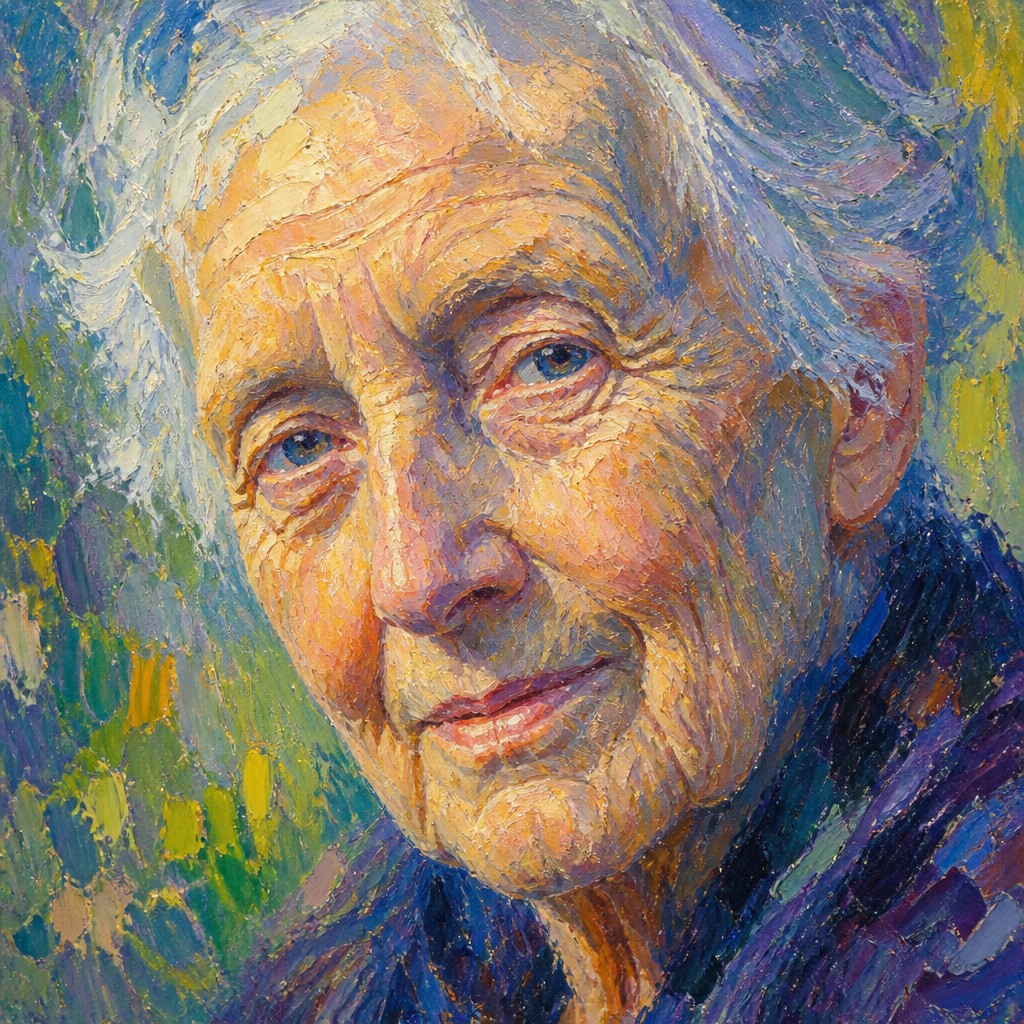
“close-up portrait of an elderly person with expressive weathered features”
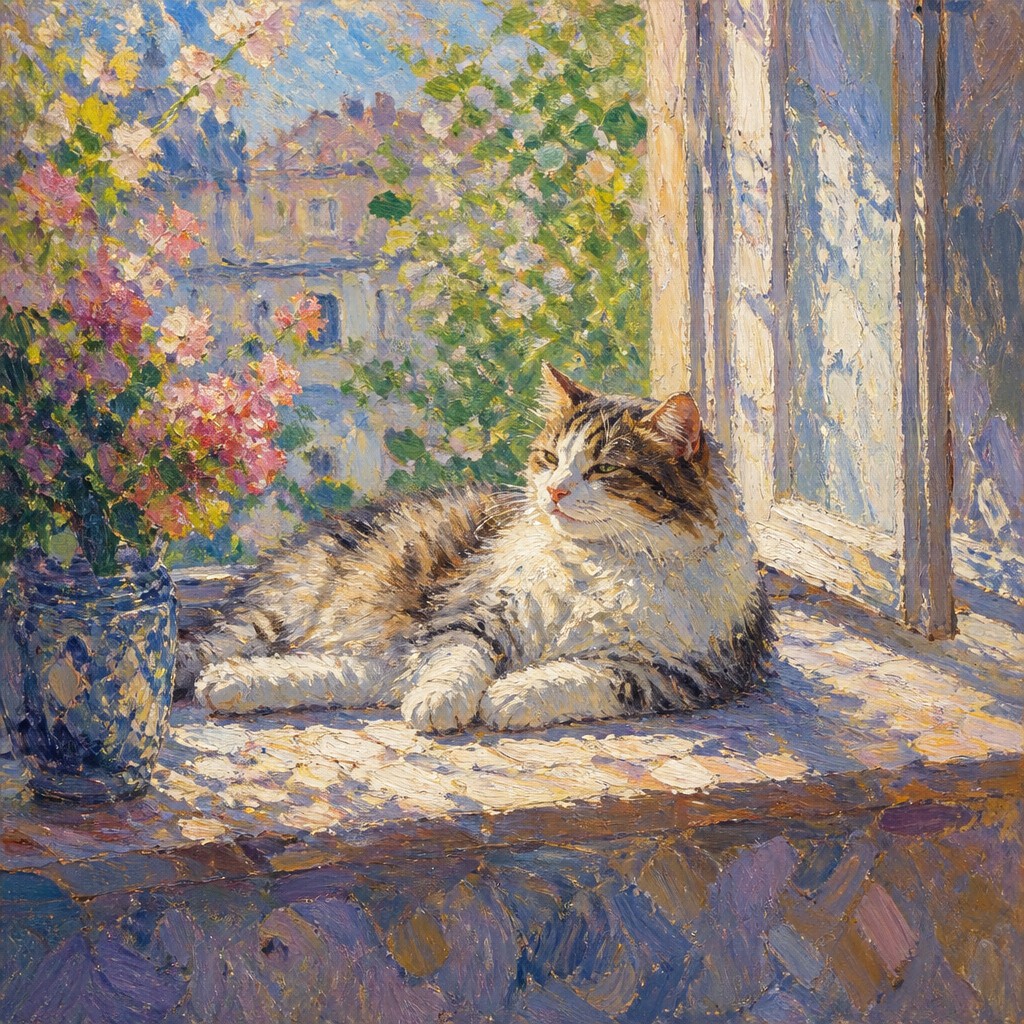
“a cat lounging in a sunlit window”
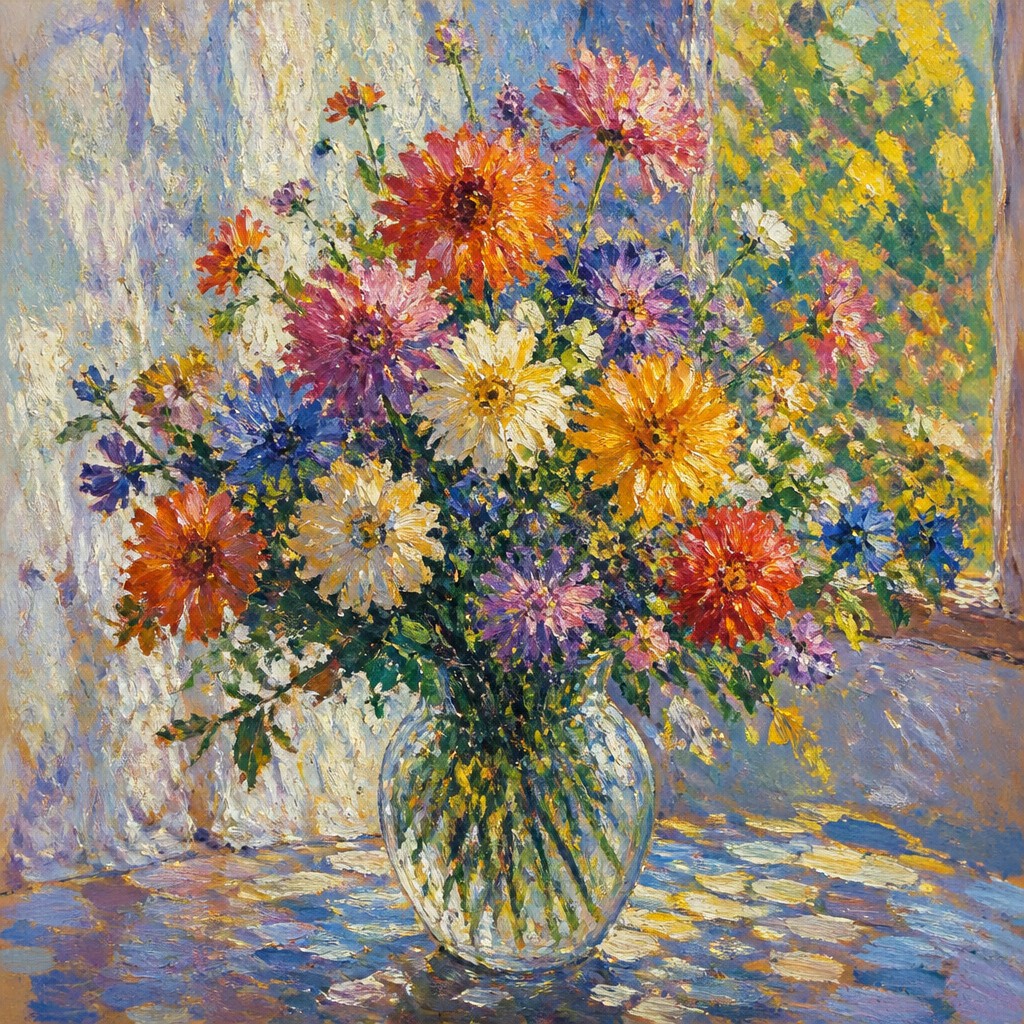
“bouquet of flowers in a glass vase”
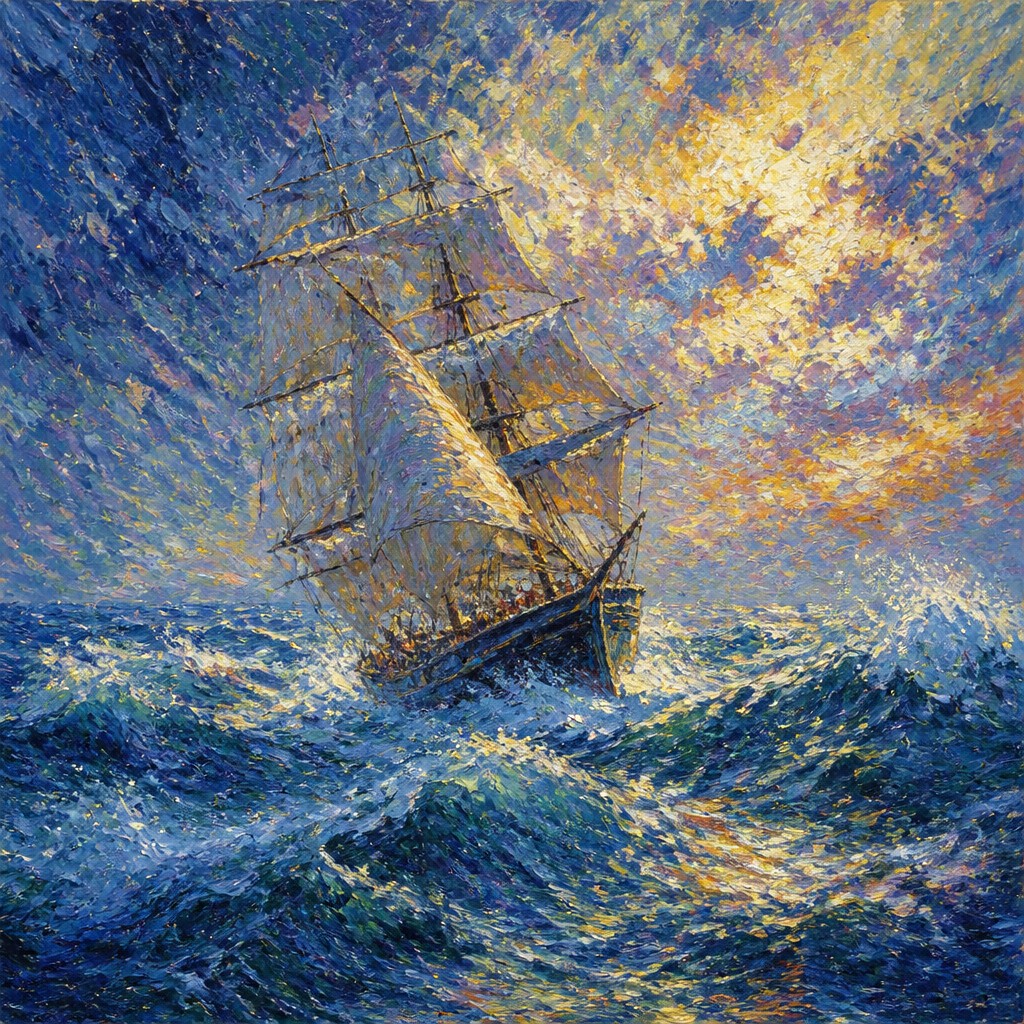
“sailing ship on a stormy sea”
How to Create Impressionist Landscape Art
Master the craft step by step — or skip straight to creating. Read the full guide →
- 1
Paint outdoors or work from direct observation
If painting traditionally, sketch on location or from a strong plein-air reference so you can capture the specific light and weather conditions. Keep your setup simple and focus on large relationships of color and value before adding detail.
- 2
Use short, varied strokes
Build surfaces with separate marks that follow the structure of the subject: horizontal strokes for water, verticals for tree trunks, flickering touches for leaves and grass. Avoid overblending so the brushwork stays legible.
- 3
Prioritize color temperature over outlines
Model forms with warm and cool shifts rather than contour lines. Let shadow areas carry color, and use adjacent hues to create the sensation of sunlight, reflection, and depth.
- 4
Leave some edges unresolved
Let parts of the composition dissolve into neighboring tones, especially in haze, foliage, and sky. This creates the characteristic soft, atmospheric feeling associated with the style.
- 5
In digital painting, simulate paint handling
Use textured brushes, layered strokes, and limited smoothing to preserve a painterly surface. A canvas texture overlay and restrained detail work can help the image feel materially painted rather than airbrushed.
- 6
For prompt-based generation, specify optical and brushwork traits
Describe the subject clearly, then add terms such as broken brushstrokes, visible impasto, shimmering light, softened edges, and vibrant pure colors. Emphasize atmosphere, time of day, and weather to steer the result toward a landscape impression rather than a generic scenic image.
The Story
History & Origins of Impressionist Landscape
Impressionist landscape painting developed in France in the late 19th century, especially from the 1860s through the 1880s, as artists sought to paint modern life and the outdoors with greater attention to transient light and direct observation. It is closely associated with the Impressionists, including leading figures whose outdoor scenes and modern subjects helped define the movement, who worked in open air and rejected the highly polished finish and historical subjects favored by academic painting. Their landscapes emphasized perception, weather, and time of day over detailed description.
The style grew from earlier developments in realist landscape painting, plein-air practice, and color theory, while also anticipating later Post-Impressionist explorations of structure and expressive color. Innovations in portable paint tubes, outdoor sketching, and an interest in optical mixing helped make the style possible. Over time, Impressionist landscape became one of the most recognizable visual languages in Western art, influencing decorative painting, modern color practice, and many later approaches to atmospheric landscape imagery.
Influences: This style is rooted in French Impressionism and related plein-air landscape traditions, with clear connections to leading Impressionist painters associated with foundational studies of light, color, and modern outdoor observation. It also draws from developments in color theory, modern paint technology, and later Post-Impressionist concerns with expressive mark-making and structure, while continuing to influence decorative landscape painting, contemporary figurative color work, and digital painterly aesthetics.
Frequently Asked Questions
What defines Impressionist Landscape Art Style?
It is defined by broken brushstrokes, visible paint texture, and an emphasis on fleeting light and atmosphere. Landscapes are rendered as sensory impressions rather than sharply outlined, highly detailed scenes.
How is it different from realistic landscape painting?
Realistic landscape painting aims for precise description of landforms, textures, and perspective. Impressionist landscape painting focuses on the experience of seeing—especially color, weather, and changing light—so details are often suggested instead of fully described.
Is it the same as Post-Impressionism?
No. Impressionism generally emphasizes immediate visual sensation, outdoor observation, and optical color effects, while Post-Impressionism includes artists who built on Impressionism but pursued more structure, symbolism, or expressive distortion. Some Impressionist landscapes can look adjacent to Post-Impressionism, but the core priorities are different.
What subjects work best in this style?
Subjects with changing light, reflections, haze, and natural movement work especially well: rivers, gardens, coastlines, meadows, forests, and fields. Scenes with atmosphere and temporal variation tend to produce the strongest results.
How can I make a landscape look impressionist?
Use separate visible strokes, avoid hard outlines, and focus on color relationships rather than local detail. Keep the palette lively, allow edges to dissolve, and describe a specific time of day or weather condition so the scene feels momentary.
Where is this style commonly used today?
It appears in contemporary painting, illustration, decorative wall art, and scenic concept imagery. It is also popular in digital art and image transformation because its visible strokes and atmospheric color translate well to painterly workflows.

Create your first Impressionist Landscape artwork
Describe anything — or upload a photo — and see it in Impressionist Landscape Art Style in seconds.
Make Something with Impressionist Landscape
Compare Impressionist Landscape
Related Styles
Discover similar art styles