Landscape Nature vs Impressionist Landscape: What's the Difference?
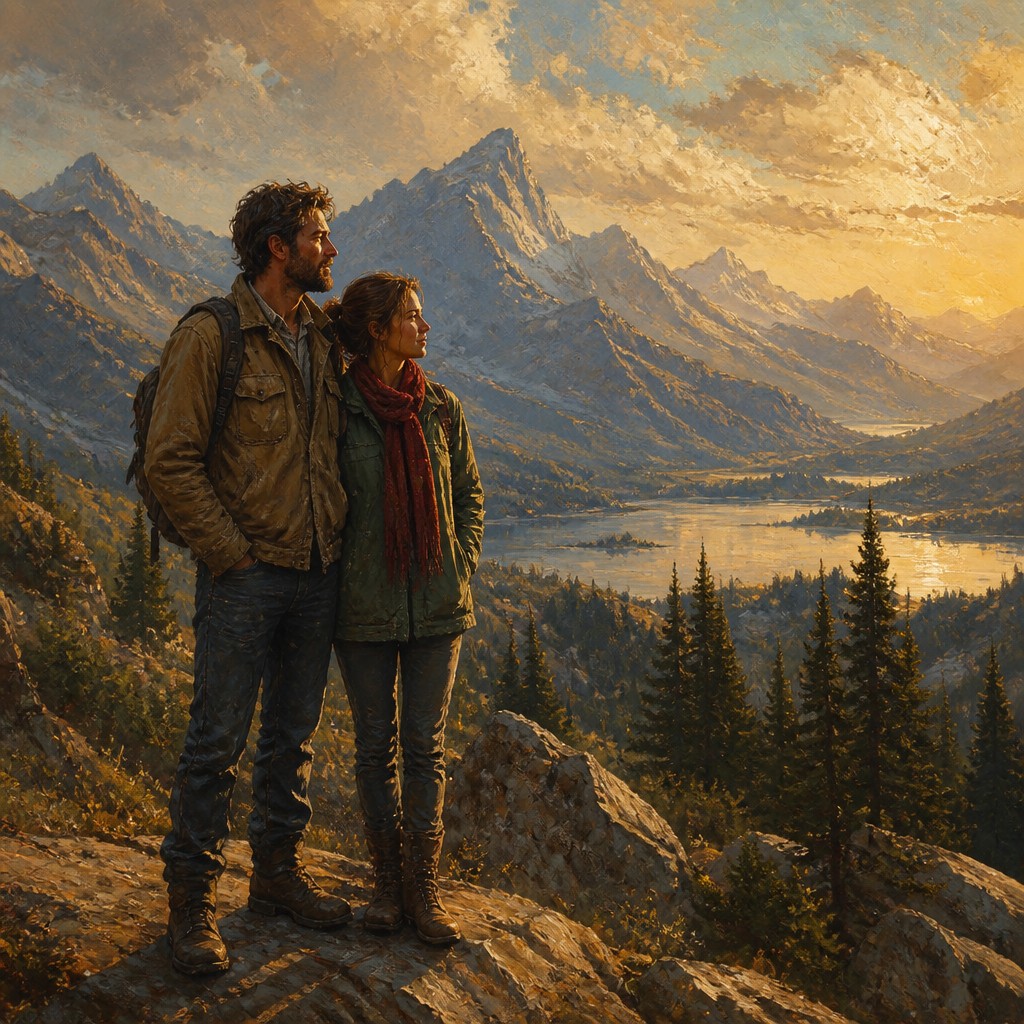
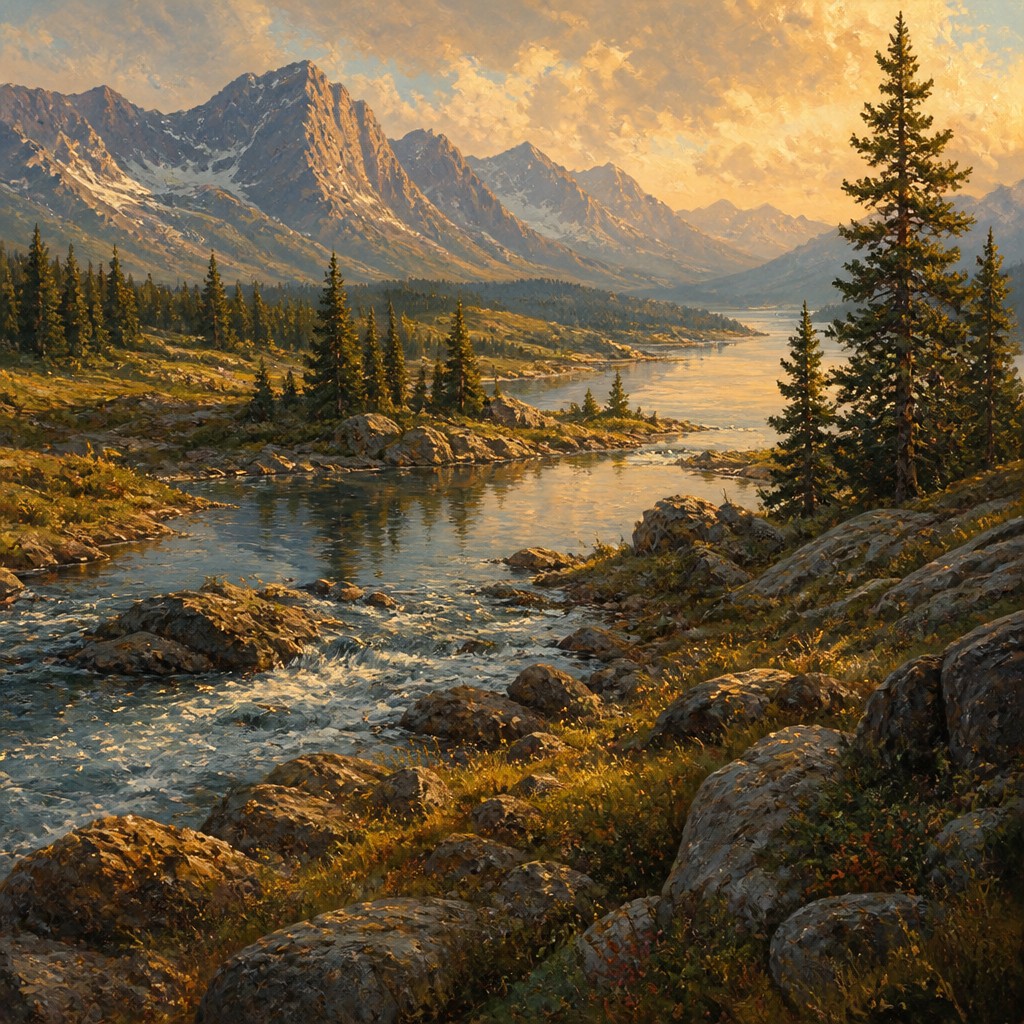
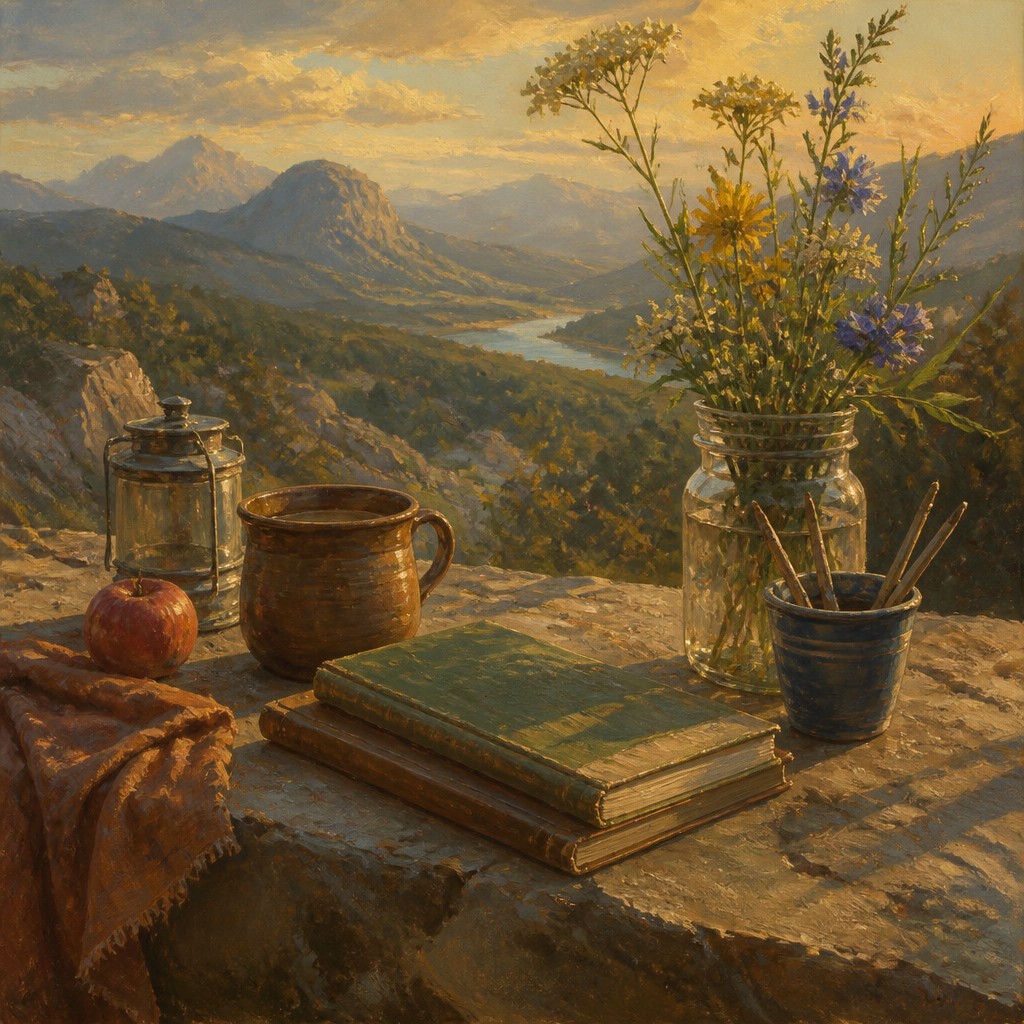
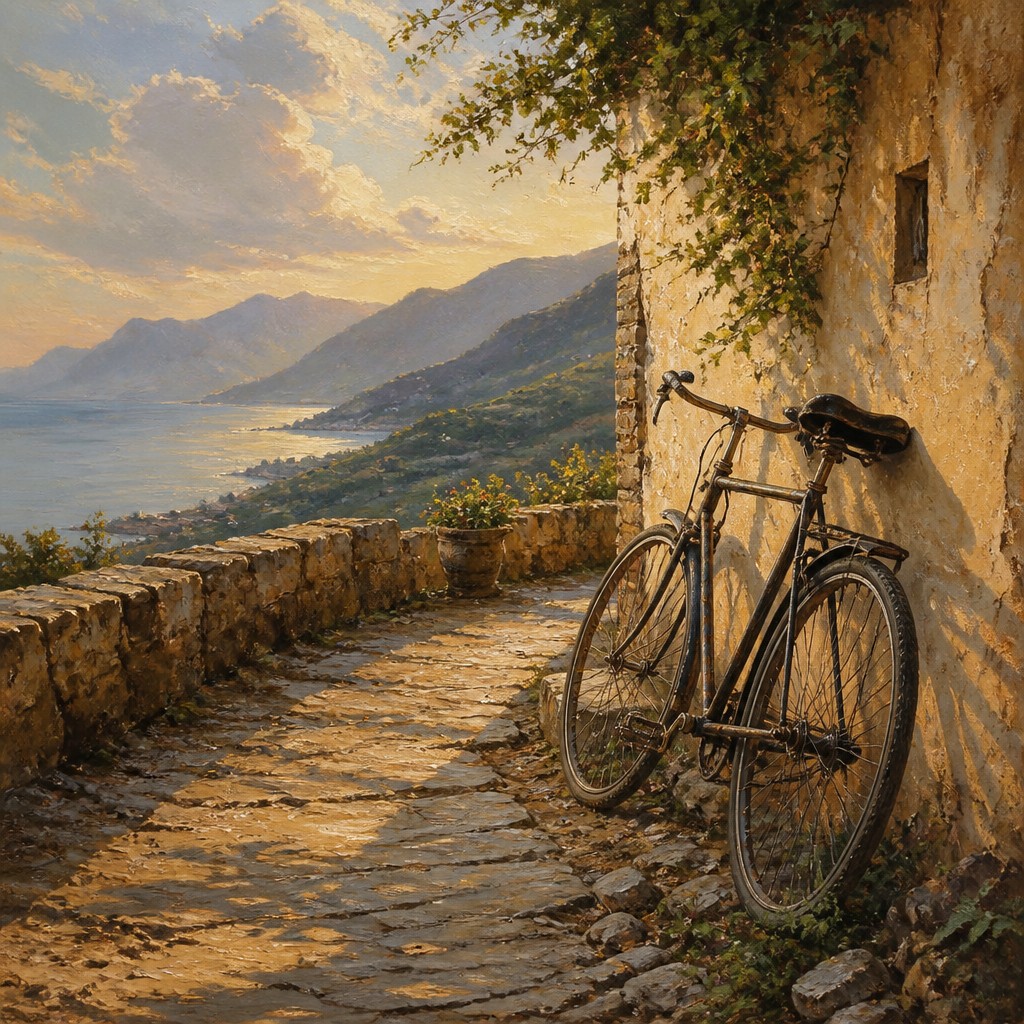
Landscape Nature Art focuses on believable natural scenes such as mountains, forests, rivers, skies, and changing weather. It usually uses painterly brushwork, careful composition, and atmospheric depth to create a calm, spacious, and grounded view of nature.
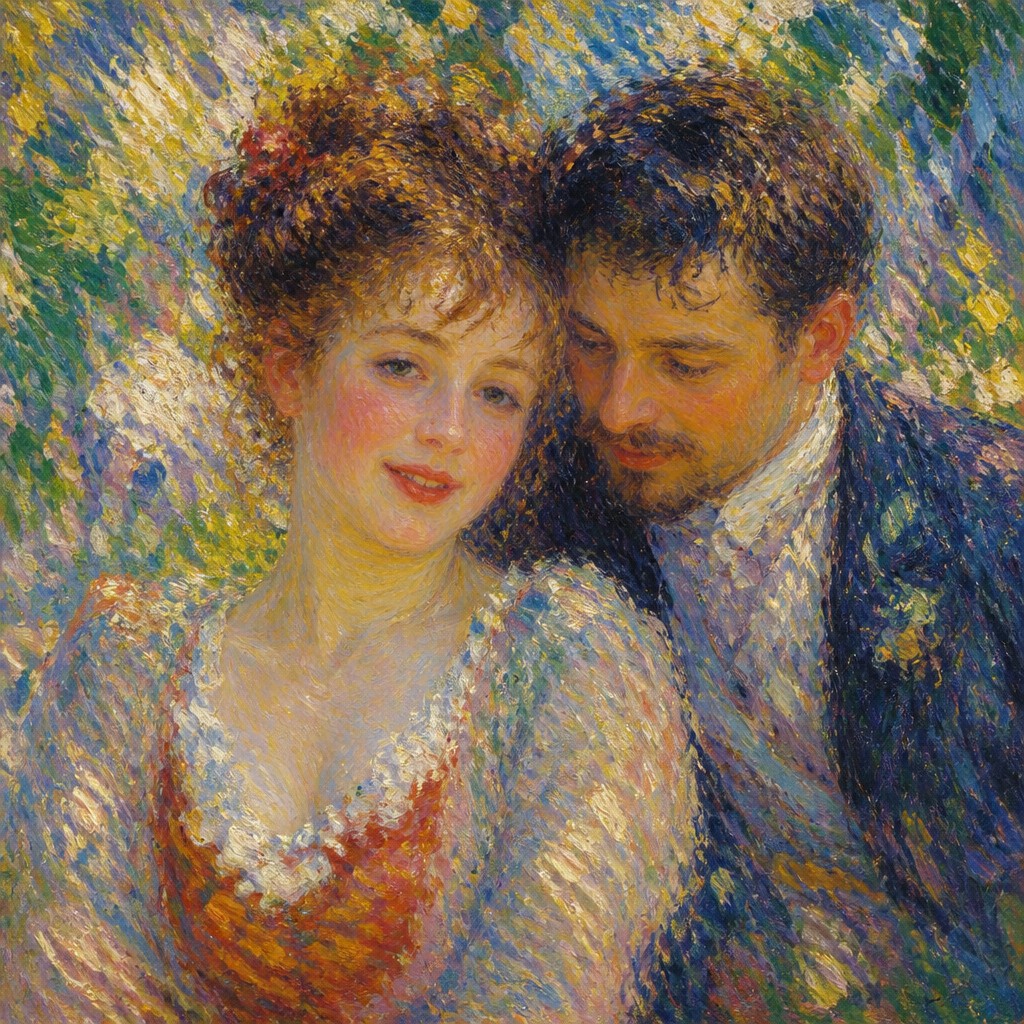
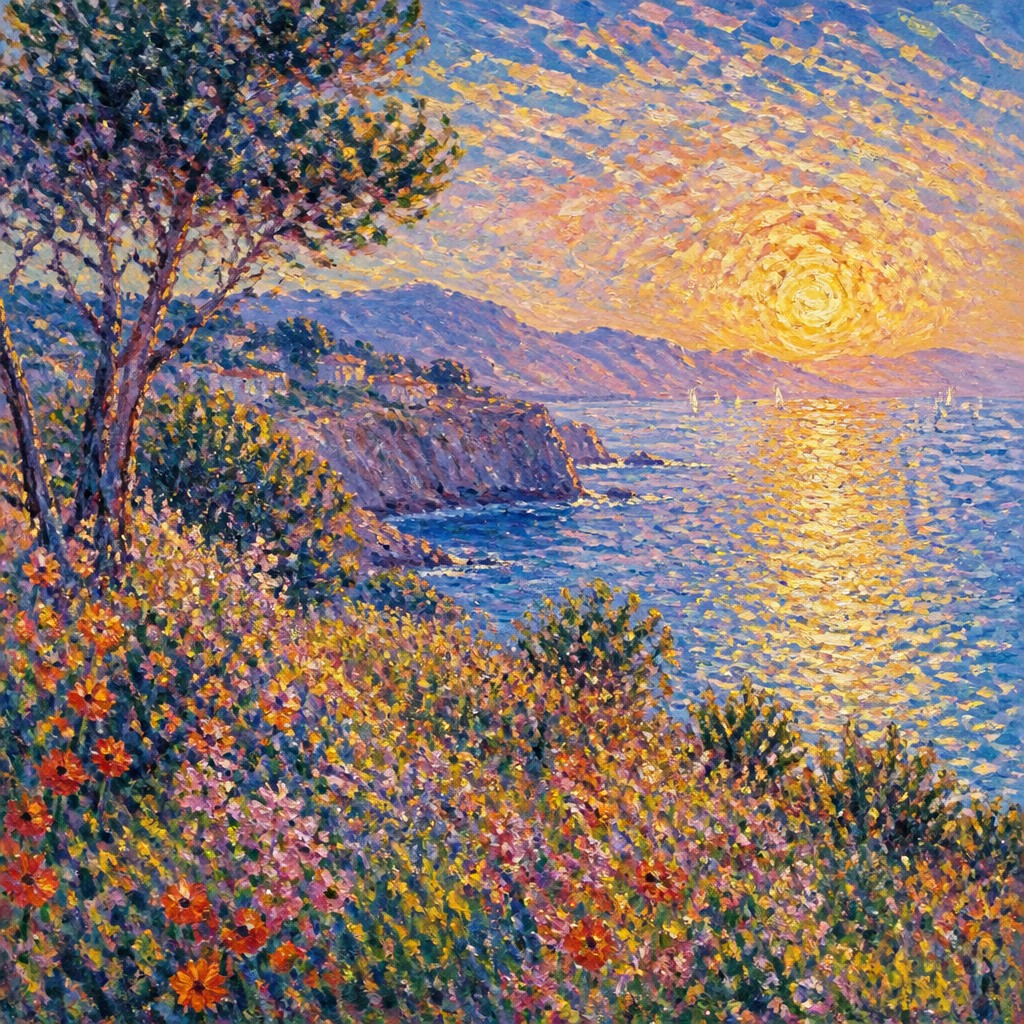
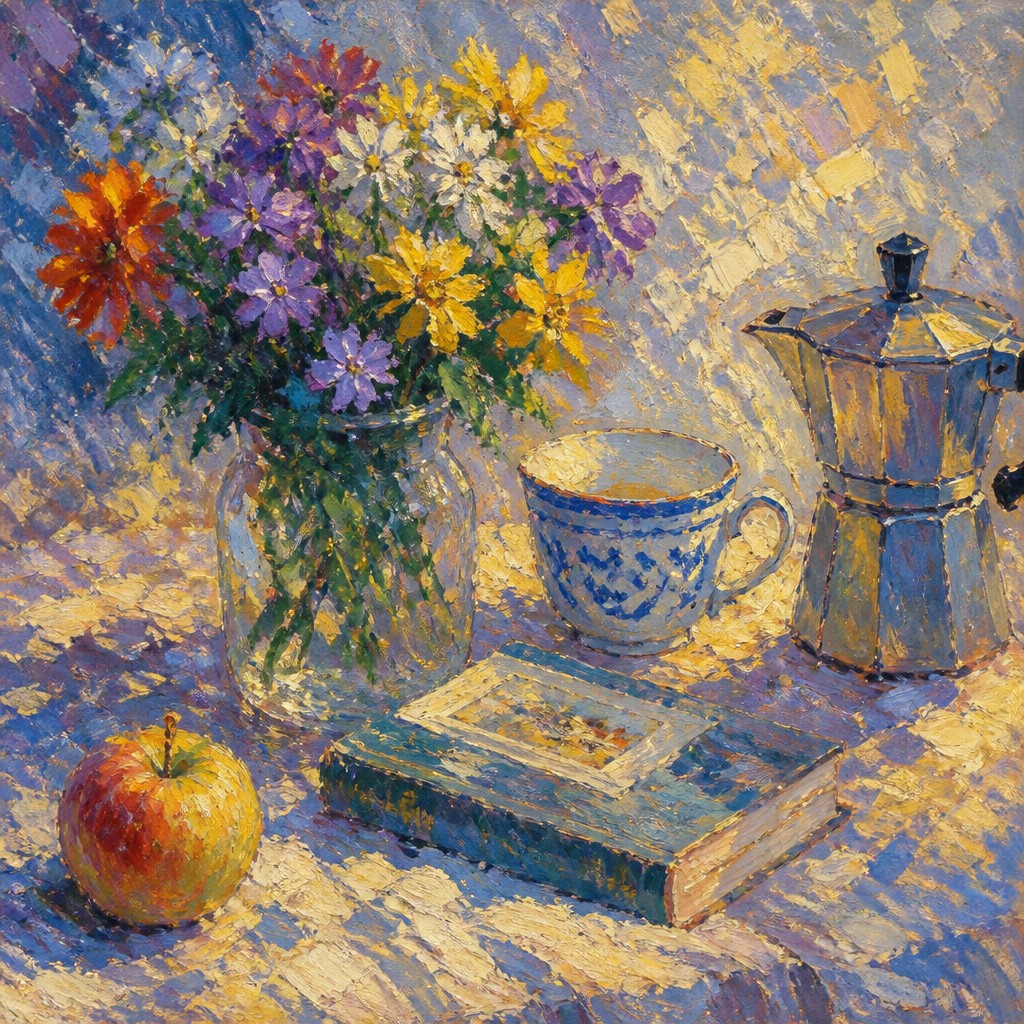
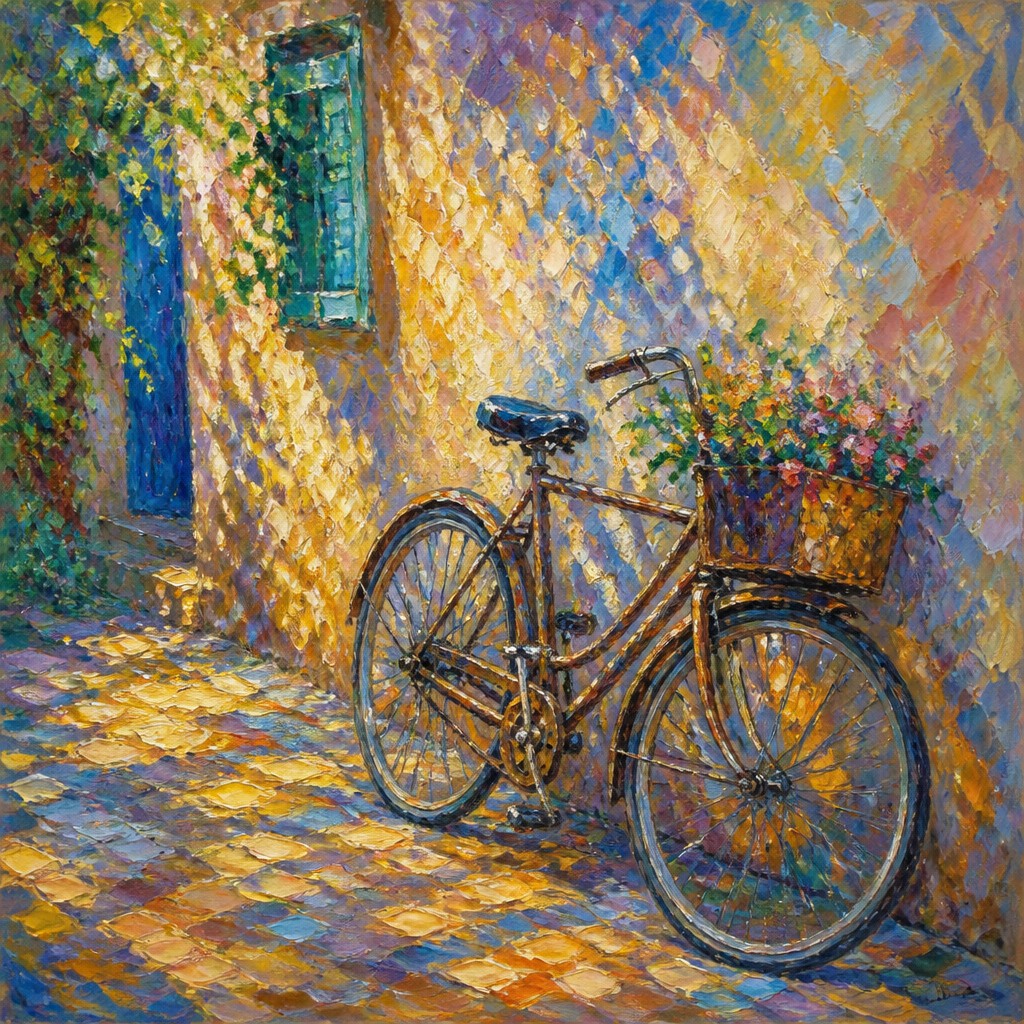
Impressionist Landscape Art Style also depicts nature, but it emphasizes the experience of light and color rather than exact detail. People compare the two because both celebrate outdoor scenes, yet one often feels more naturalistic and structured while the other feels more immediate, luminous, and visually broken into color touches.
Same Prompt, Both Styles
Each pair below was generated from the identical prompt — only the style changed.
“portrait of two people together”
“wide landscape with natural scenery”
“still life with everyday objects”
“bicyle resting against a wall”
Key Differences
| Landscape Nature | Impressionist Landscape | |
|---|---|---|
| Goal | Describes nature with realistic atmosphere and clear scenery. | Captures the momentary impression of light, color, and movement. |
| Brushwork | Uses smoother, blended strokes and visible painterly handling. | Uses broken, separate strokes that suggest vibration and texture. |
| Color | Often favors natural, harmonized earth tones and gentle shifts. | Uses brighter, higher-chroma color and stronger color contrasts. |
| Light | Shows light as part of a stable, atmospheric scene. | Treats light as the main subject, with shimmering effects. |
| Detail | Includes recognizable forms and environmental features. | Simplifies forms so the viewer completes them from color and gesture. |
| Origins | Draws from long traditions of landscape painting and nature study. | Emerged in late 19th-century painting as artists studied modern light effects. |
| Mood | peaceful, vast, reflective, timeless | airy, buoyant, reflective, evocative |
| Energy | calm | calm |
| Detail level | detailed | moderate |
| Color | earthy greens, blues, browns, natural light | bright, high-key, atmospheric, naturalistic |
| Texture | soft, layered, painterly surfaces | broken brushstrokes, visible impasto |
| Origin | 19th-century European and American landscape traditions | 19th-century France, plein-air painting |
| Best for | wall art, book illustrations, nature posters, calendar images, travel visuals, scenic album covers | landscapes, posters, book covers, wall art, greeting cards |
| Difficulty | moderate | advanced |
Which Should You Choose?
Choose Landscape Nature Art if you want a scene that feels calm, readable, and closely tied to place, weather, and natural structure. Choose Impressionist Landscape Art Style if you want to emphasize mood, shifting light, and visual energy, especially when you prefer color and brushwork to carry the image more than fine detail.
Frequently Asked Questions
Is Impressionist Landscape Art less realistic than Landscape Nature Art?
Usually, yes: it tends to prioritize the sensation of seeing over exact description. It can still be based on real outdoor observation, but it simplifies forms and heightens color and light.
Can both styles show the same subject, like a river or forest?
Absolutely. The subject can be the same, but the handling changes the result: one may look serene and detailed, while the other looks lively and luminous. The difference is in how the scene is painted, not only what is painted.
What makes Impressionist landscape painting recognizable?
Look for visible broken brushstrokes, bright color, and a sense that the image changes with the light. Edges are often softened or left unresolved so the scene feels immediate and atmospheric.
Which style is better for beginners to create?
Landscape Nature Art can be easier if you want to practice structure, perspective, and natural color relationships. Impressionist landscapes can also be beginner-friendly if you enjoy loose brushwork and working from large color shapes rather than detail.