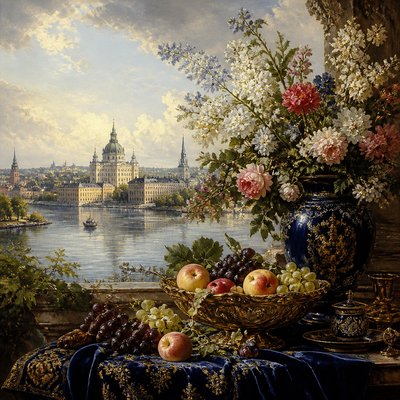
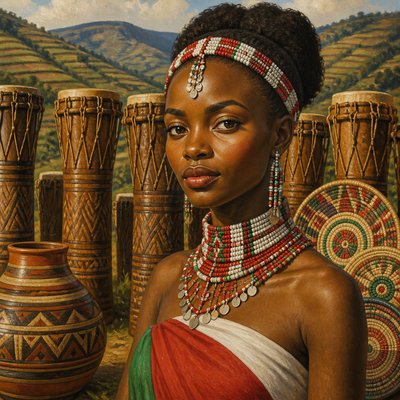
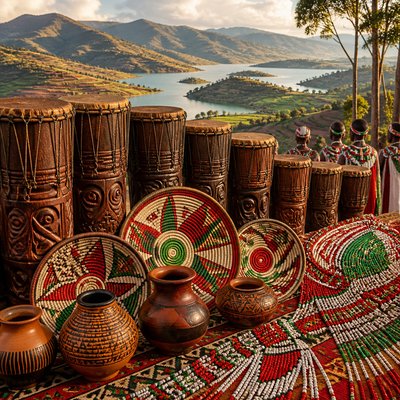
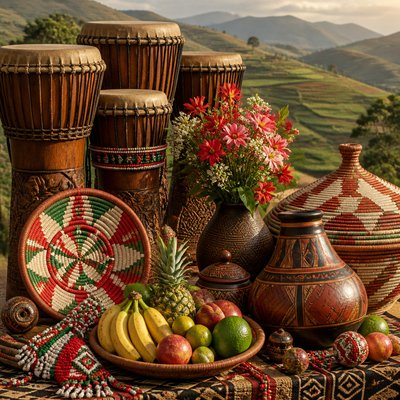
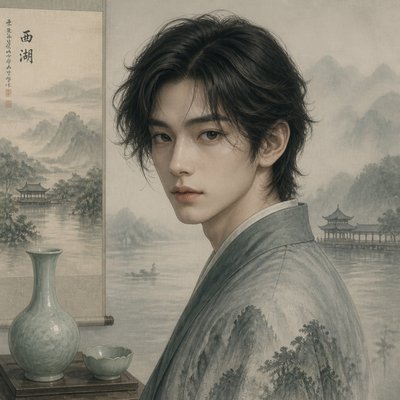
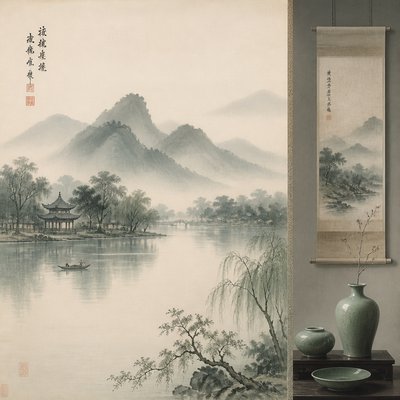
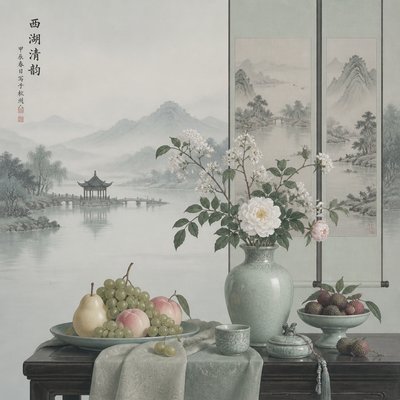
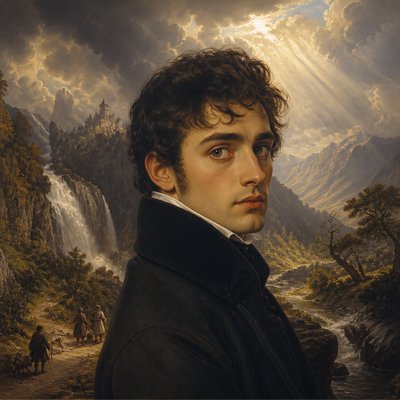
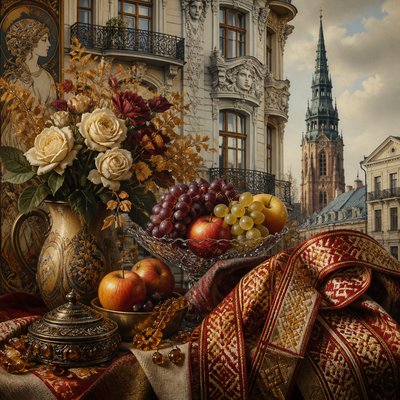
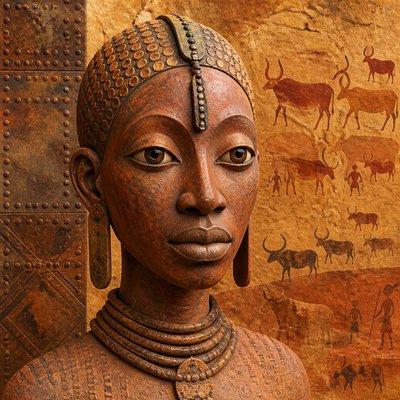
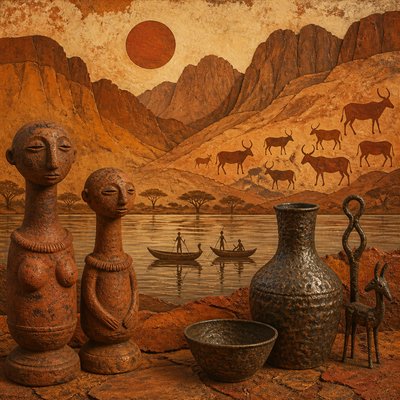
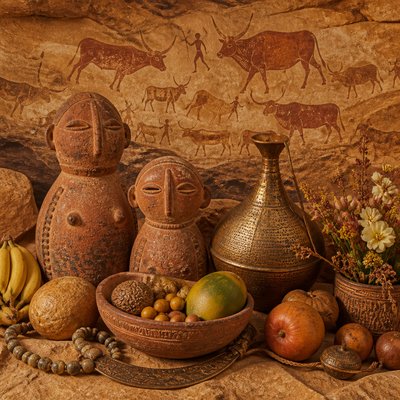
Surrealist Landscape Art Style
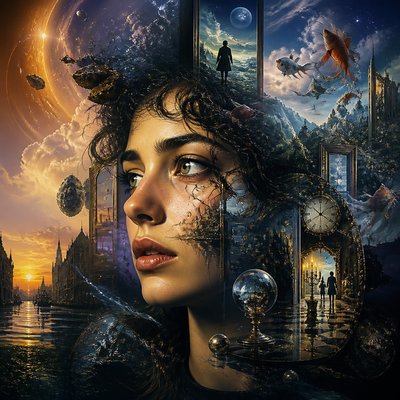
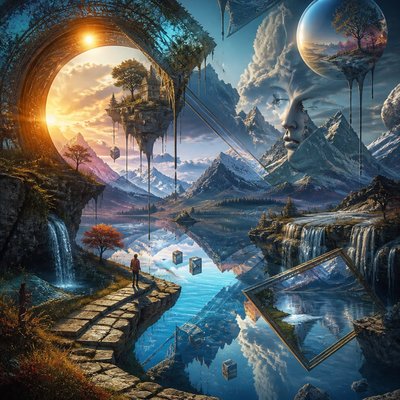
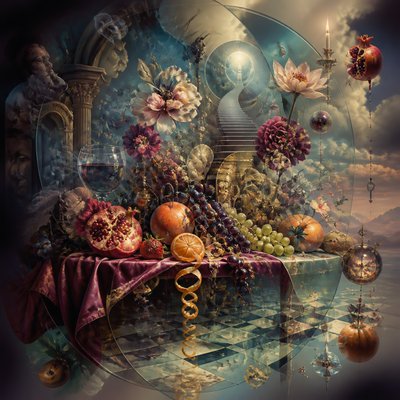
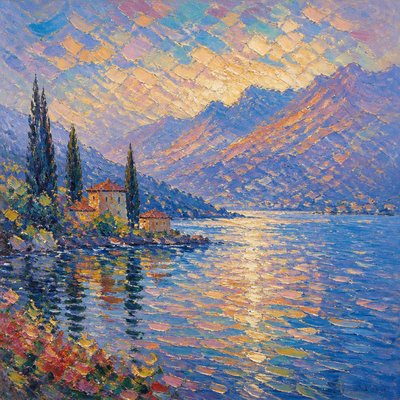
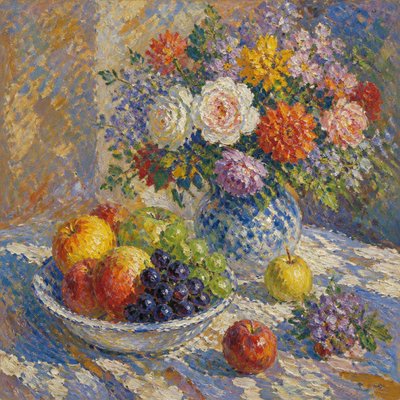
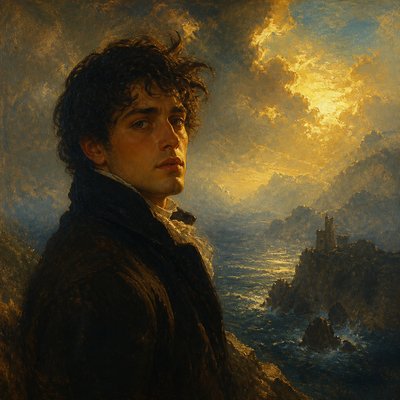
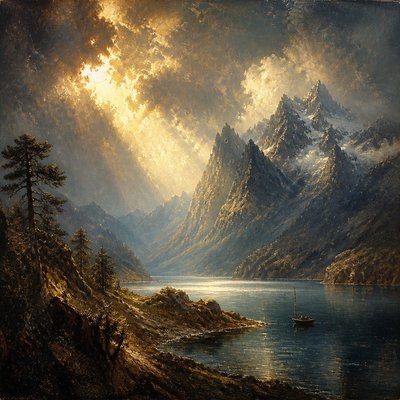
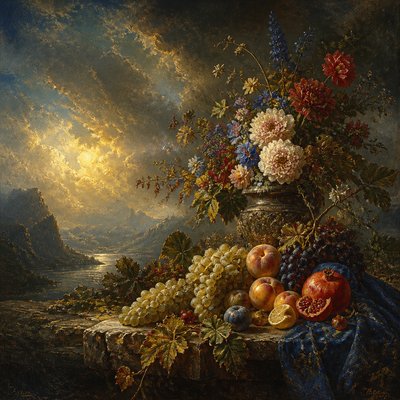
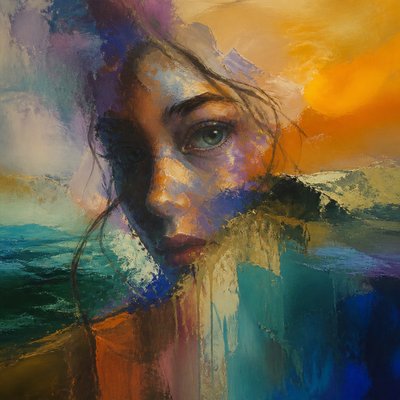
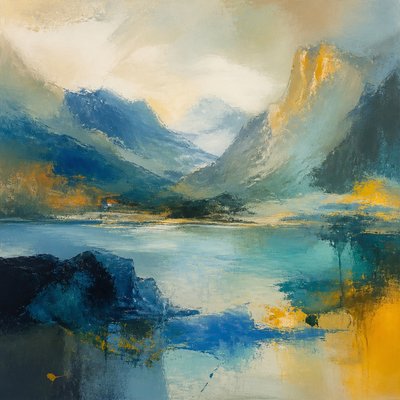
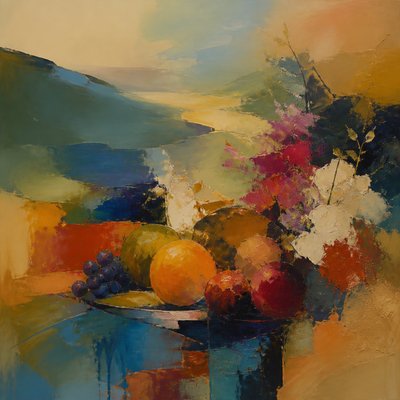
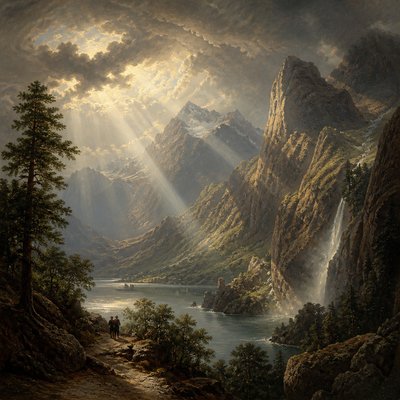
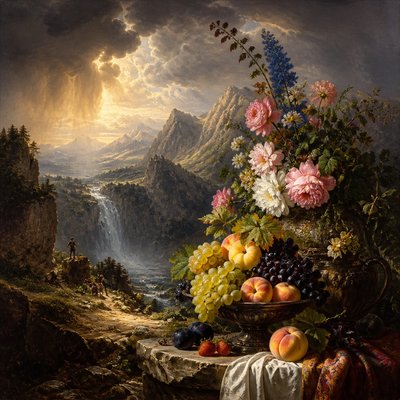
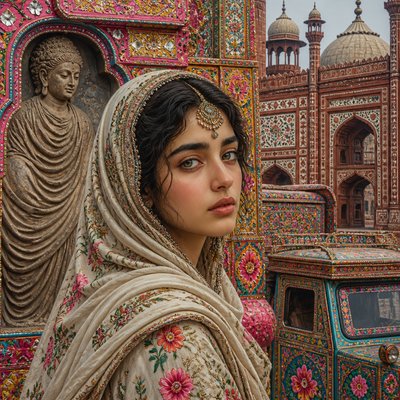
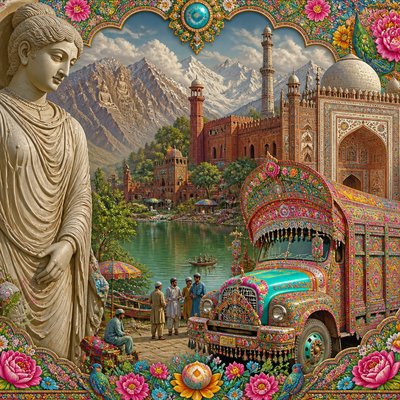
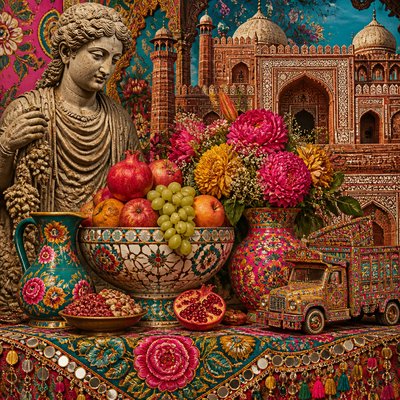
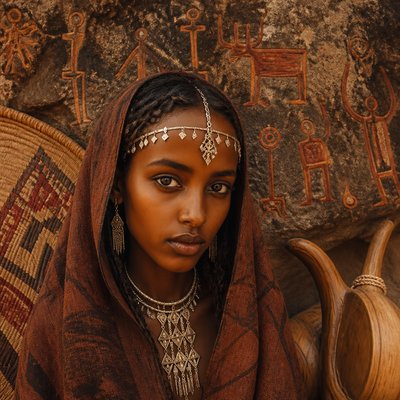
Dreamlike landscapes with impossible perspectives, symbolic forms, and luminous surreal atmospheres inspired by subconscious imagery.
Instantly rendered in Surrealist Landscape — or transform a photo
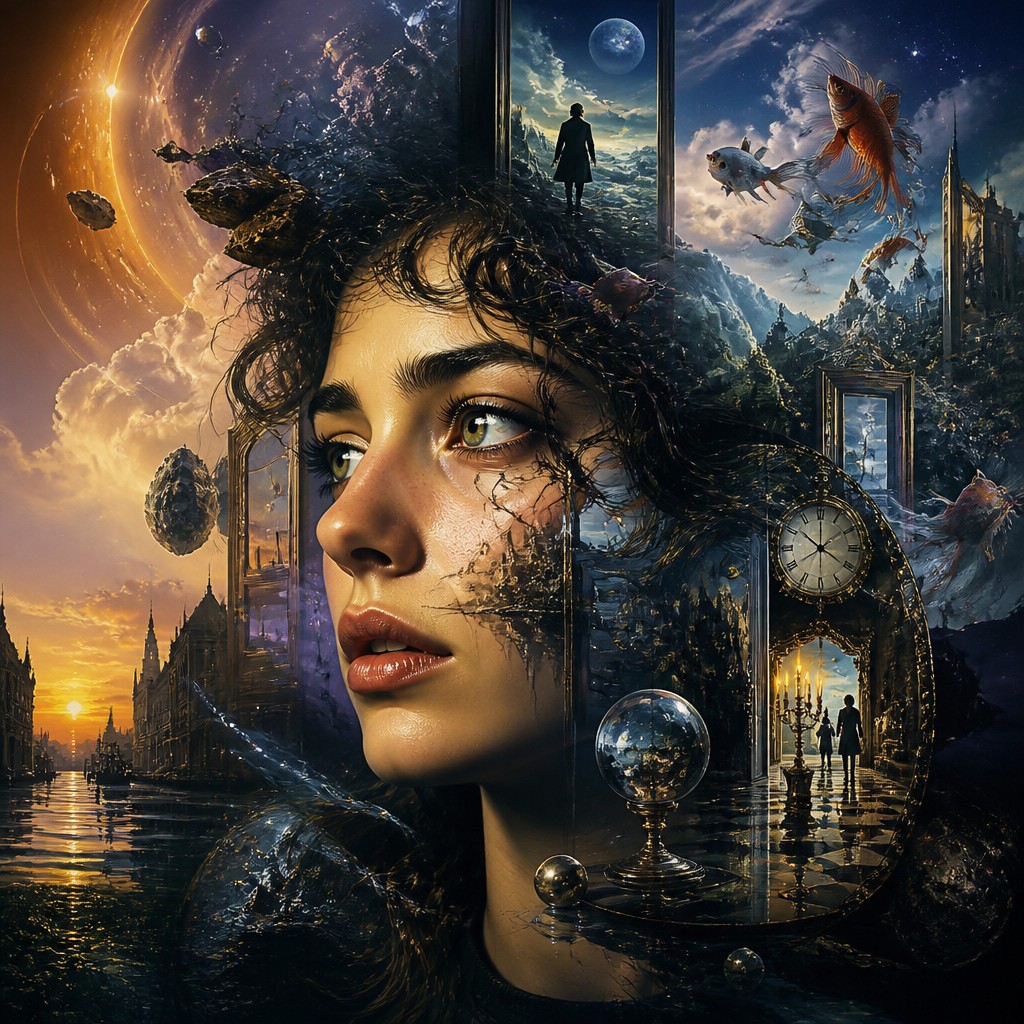
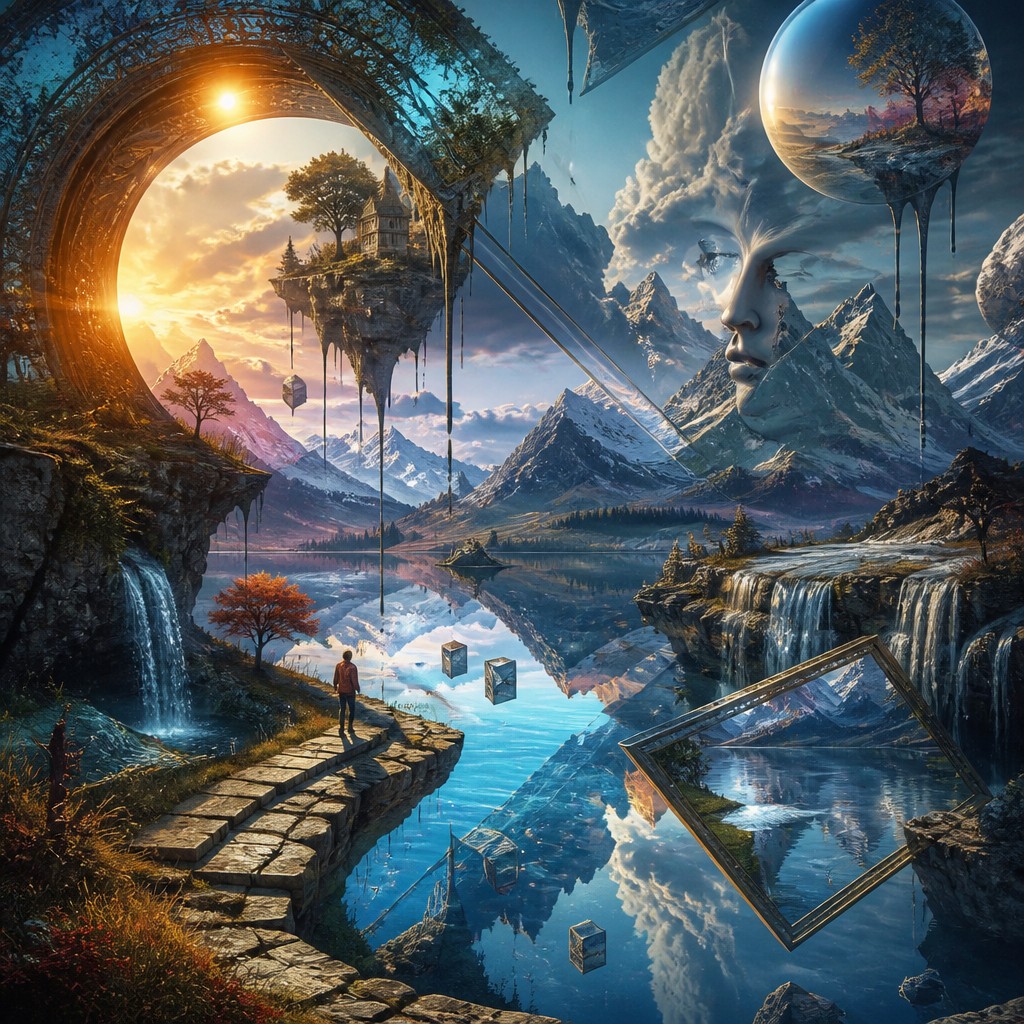
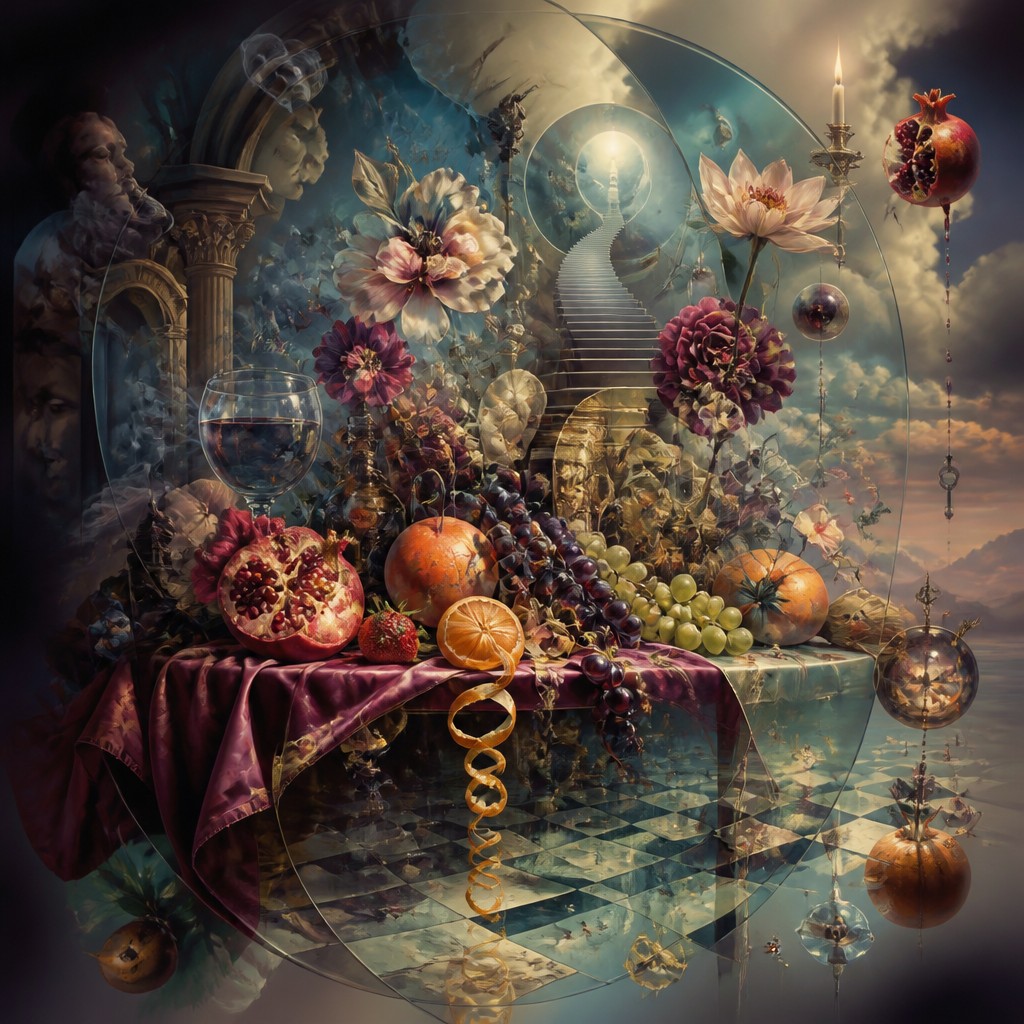
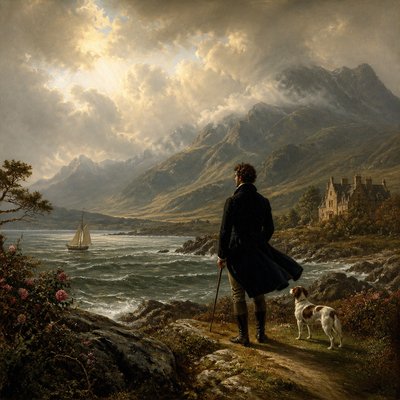
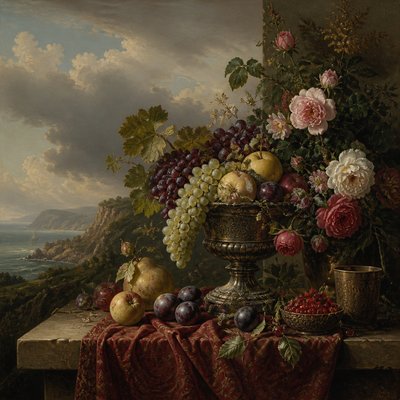
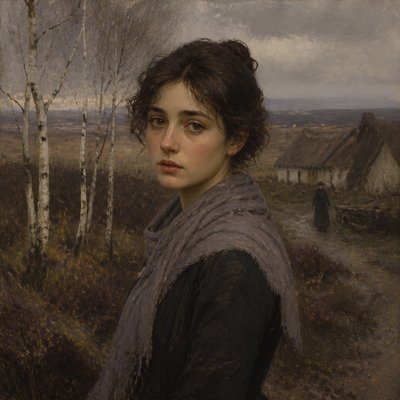
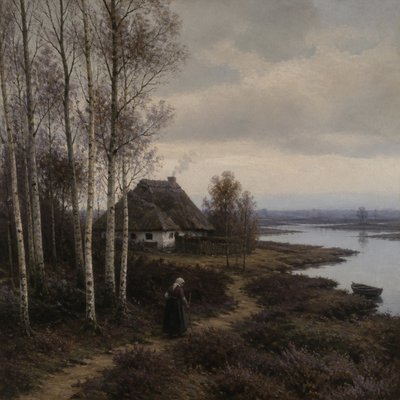
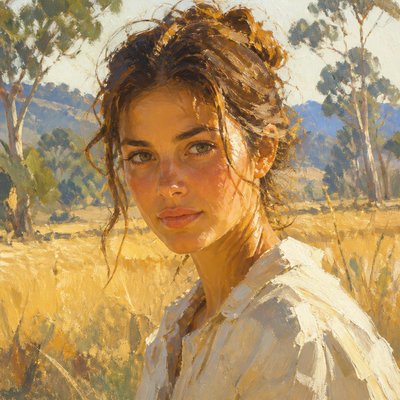
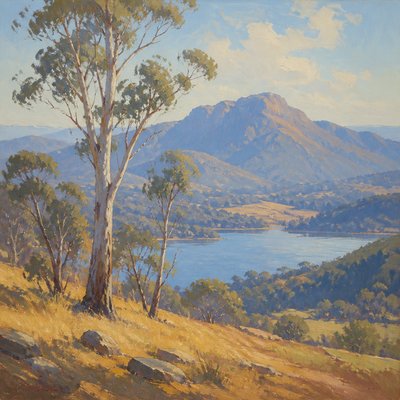
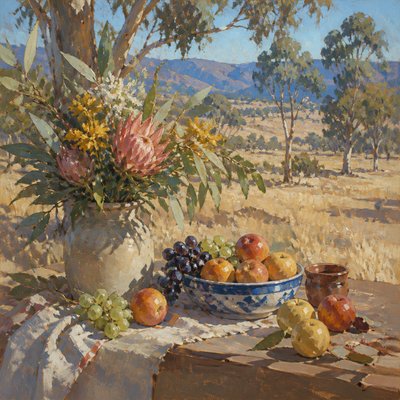
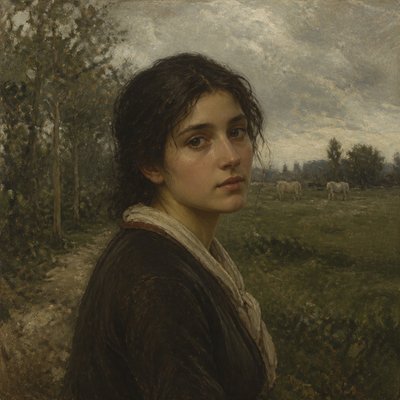
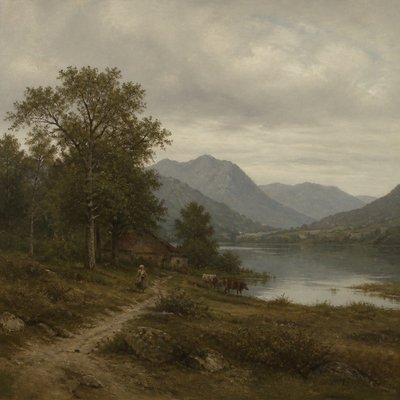
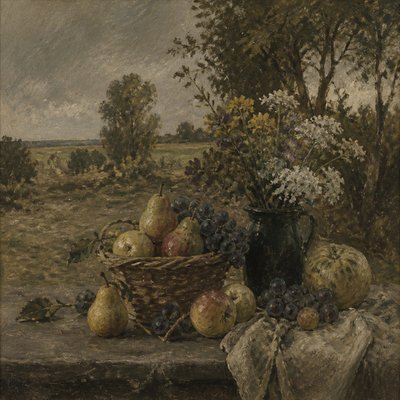
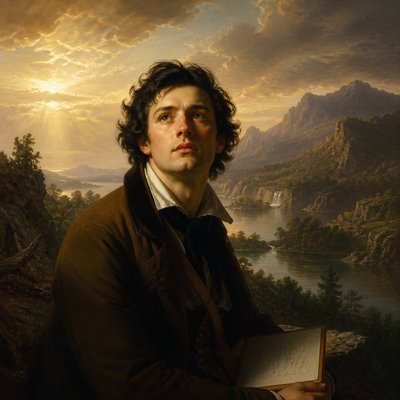
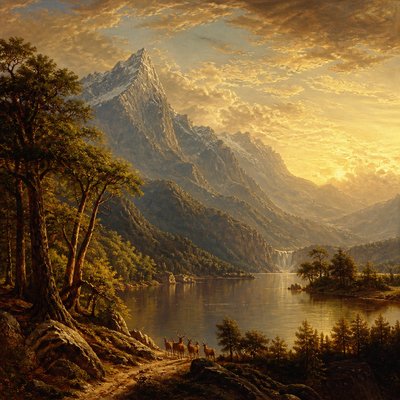
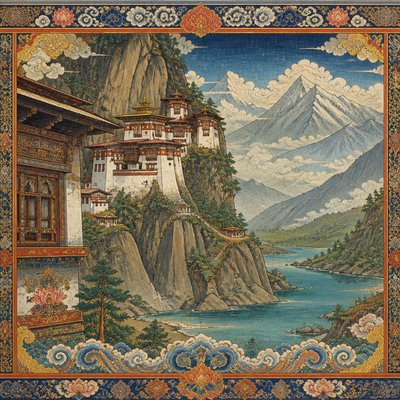
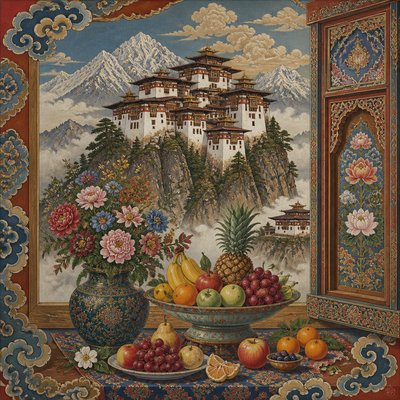
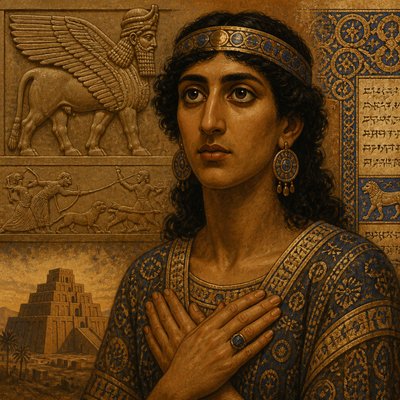
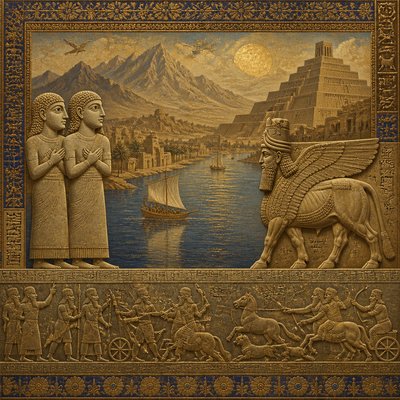
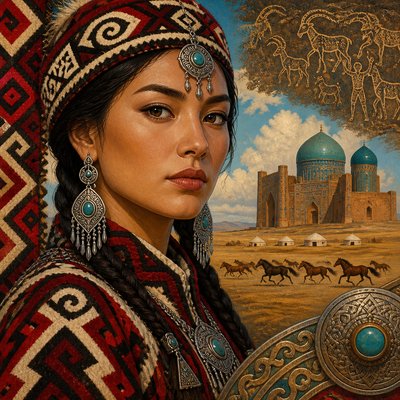
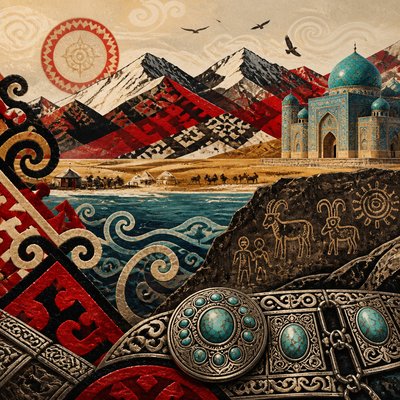
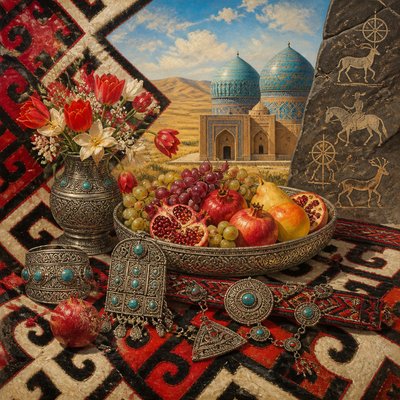
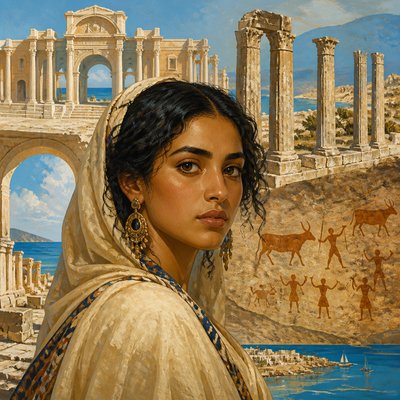
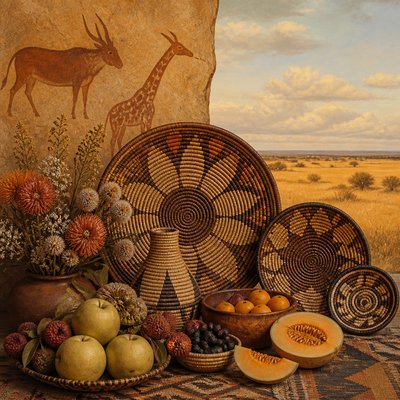
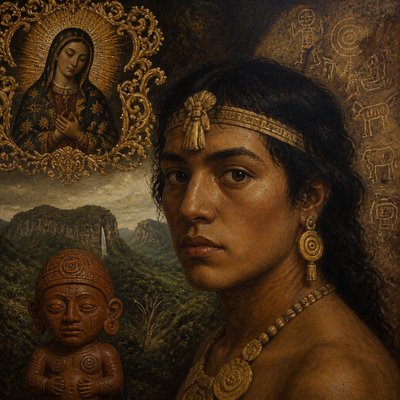
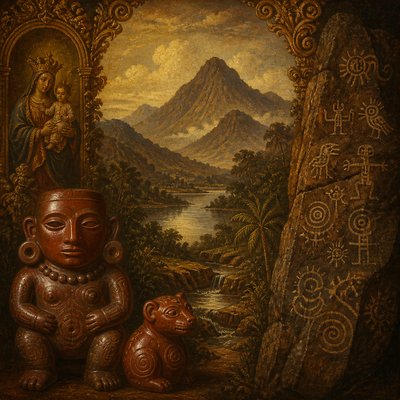
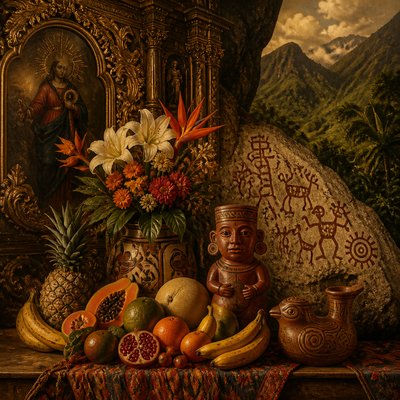
Surrealist Landscape Gallery
Tap any artwork to explore it
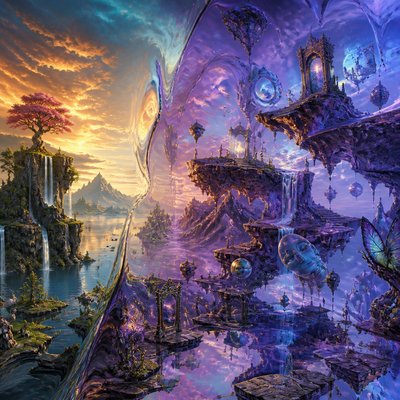
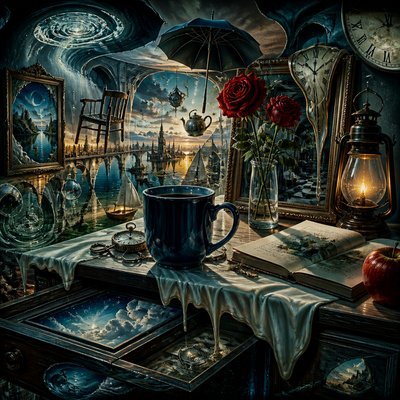
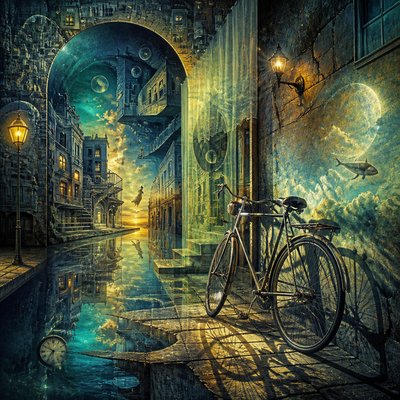
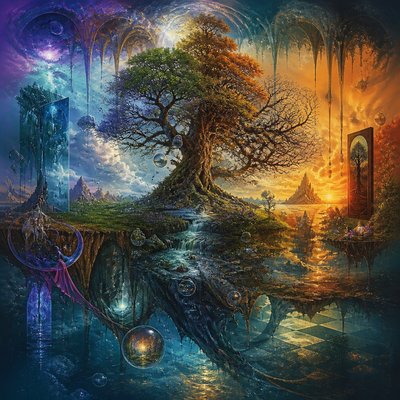
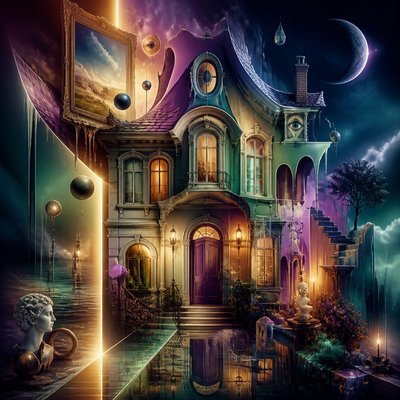
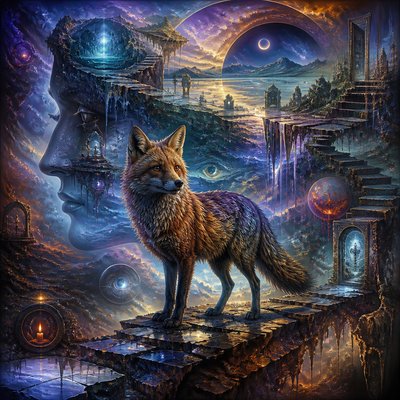
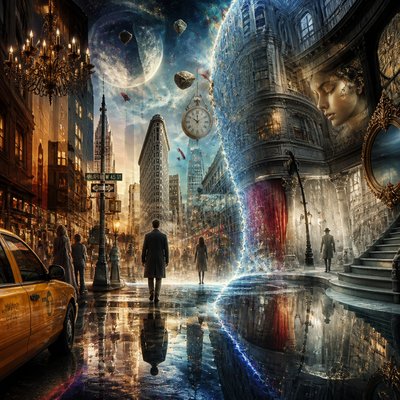
What is Surrealist Landscape Art Style?
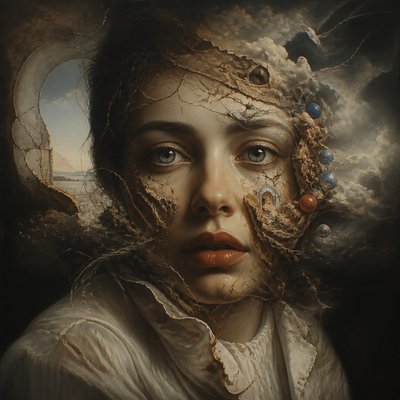
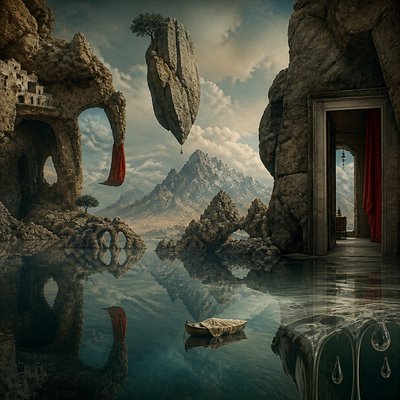
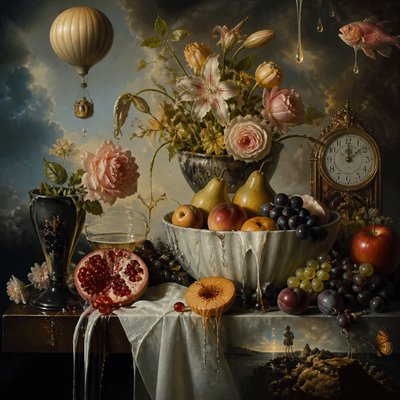
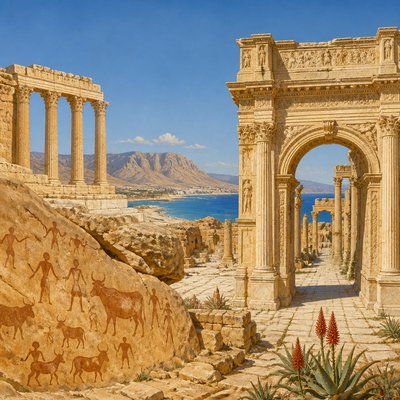
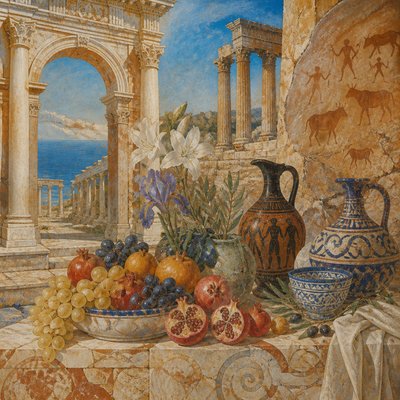
Surrealist landscape art turns nature into a theater of the unconscious. Mountains may fold into clouds, horizons may split open, and familiar terrain can be reorganized into impossible architectures, floating fragments, and symbolic forms that feel both convincing and irrational.
Its visual identity depends on tension: sharp detail against atmospheric haze, beauty against unease, and believable light against contradictory shadow. The result is not simply an invented world, but a landscape that behaves like a dream—where scale shifts without warning, surfaces melt into one another, and the scene seems to reveal psychological rather than geographic truth.
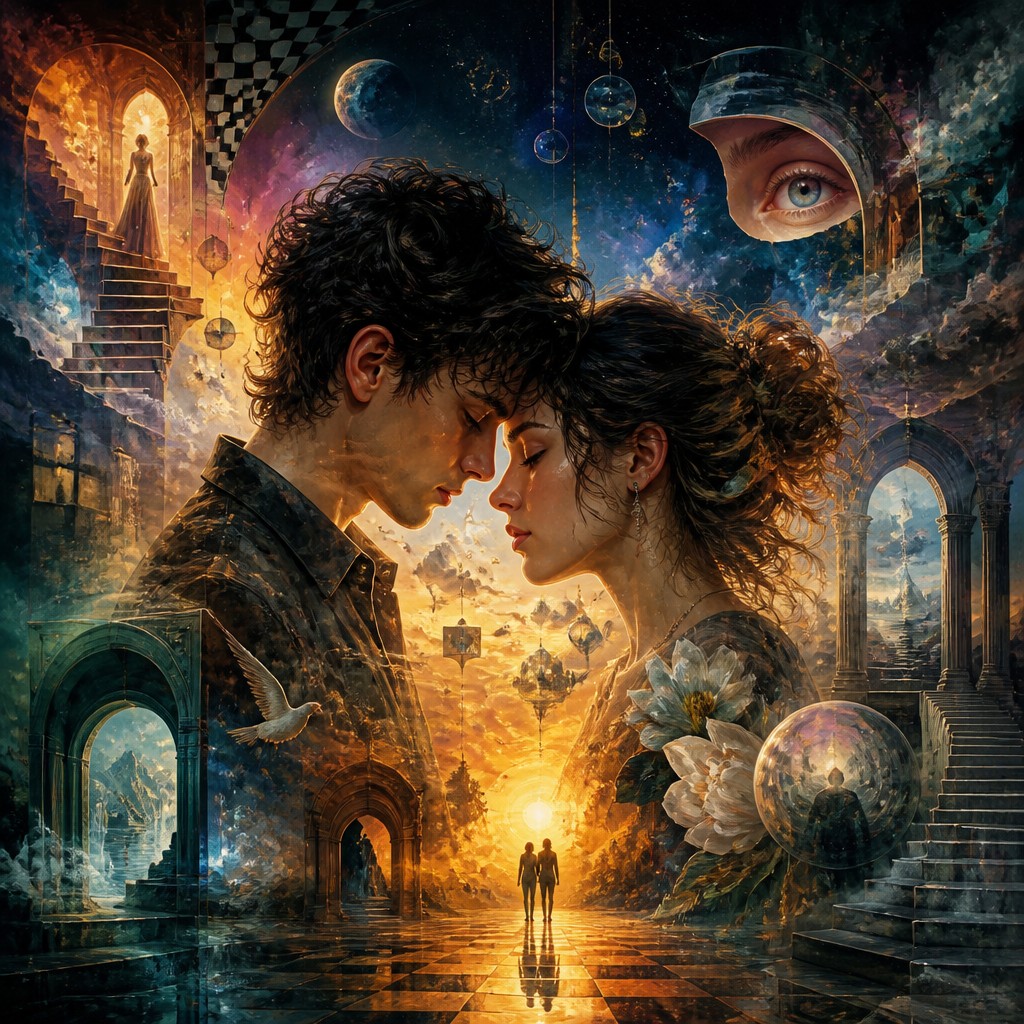
Try It On Your Photos
Upload any photo and convert it into Surrealist Landscape Art Style — drag the sliders to compare before and after.
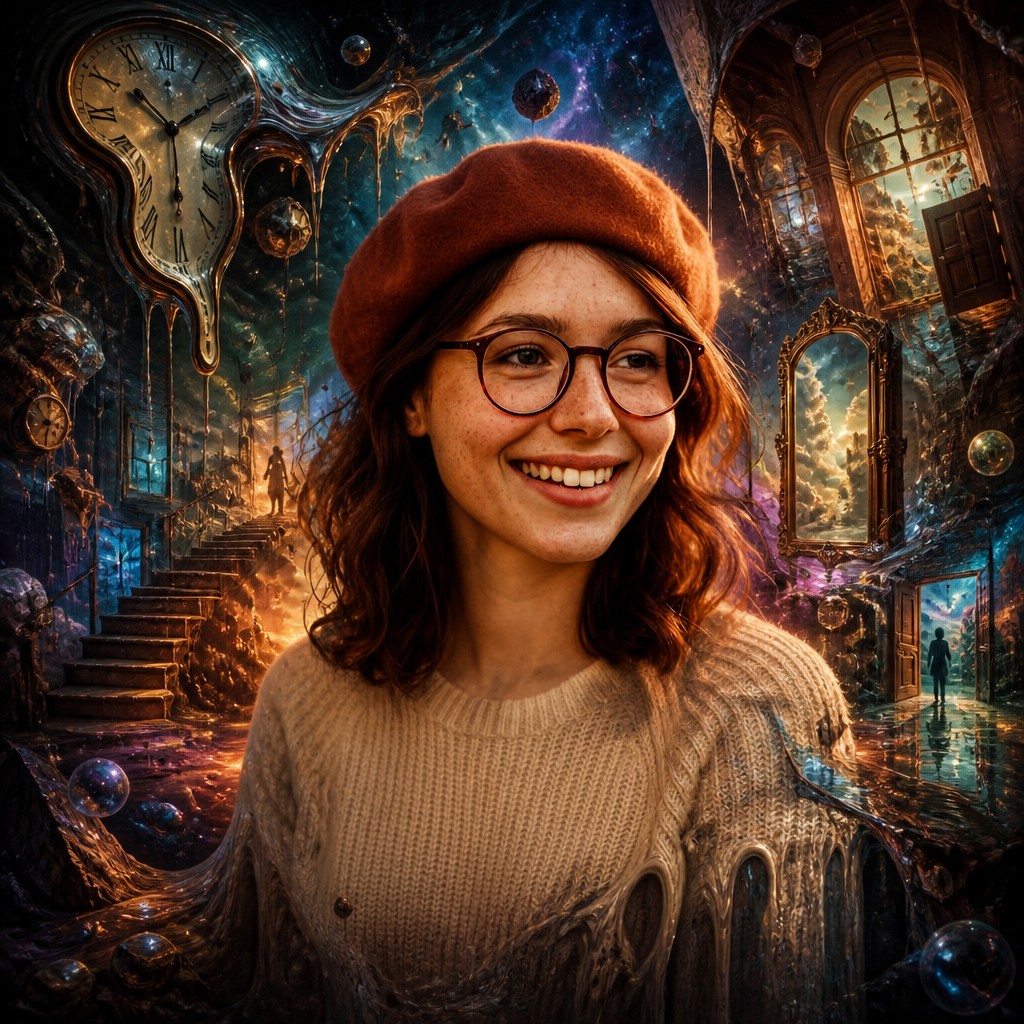

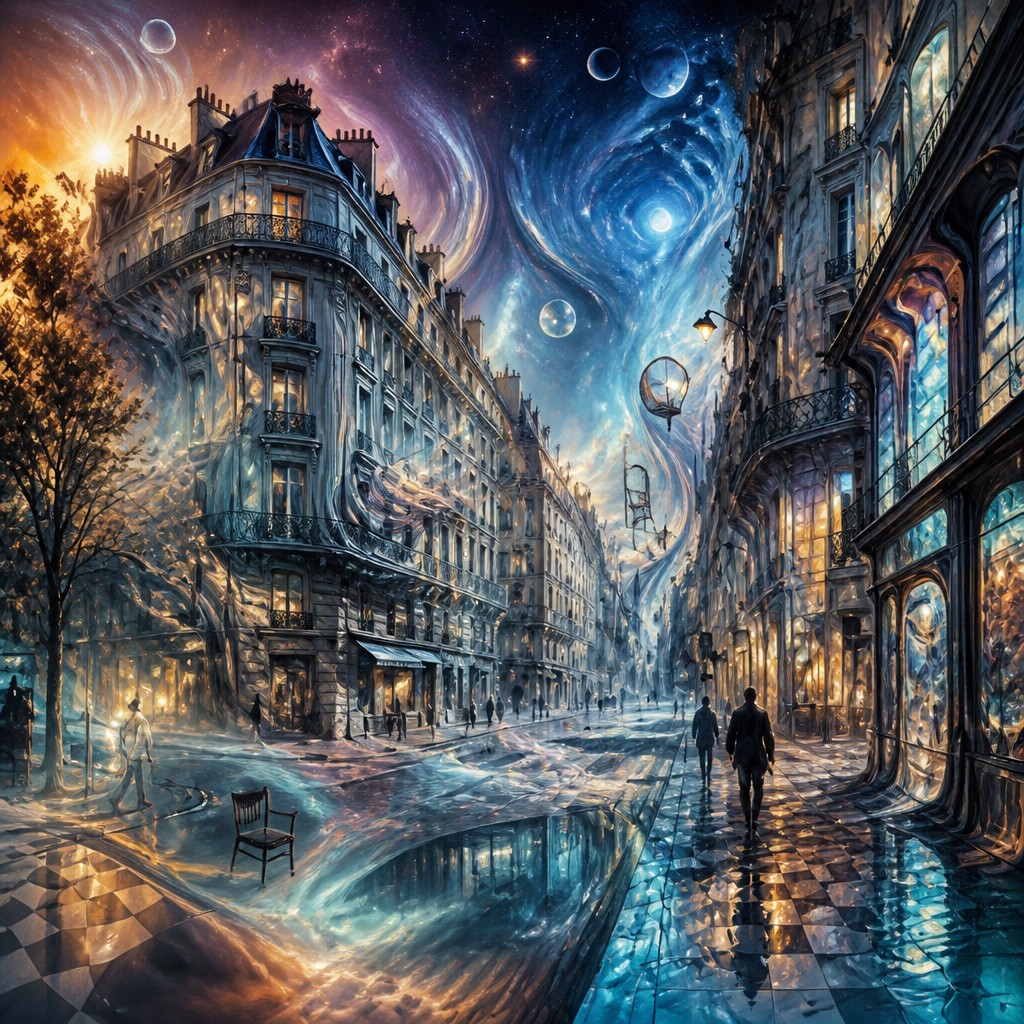

What Defines Surrealist Landscape Art Style
The signature details, up close
Impossible spatial logic
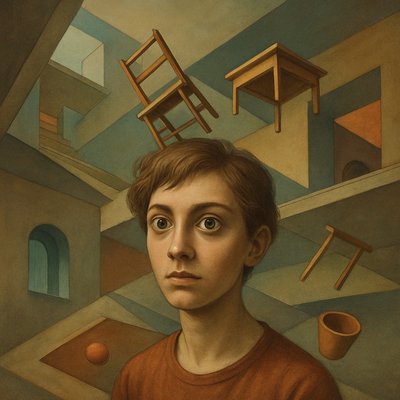
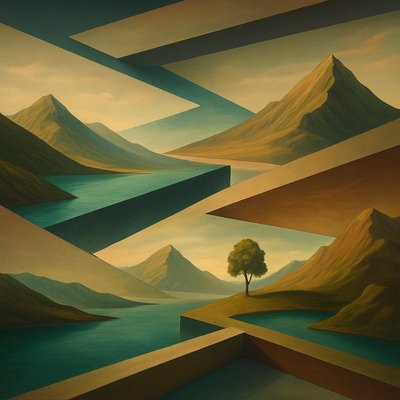
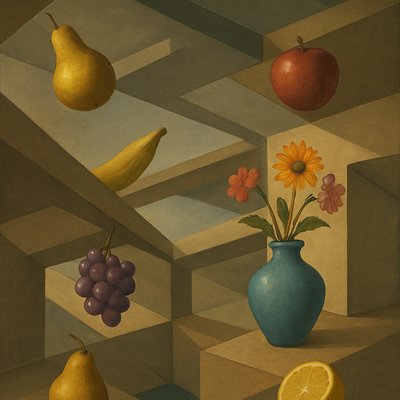
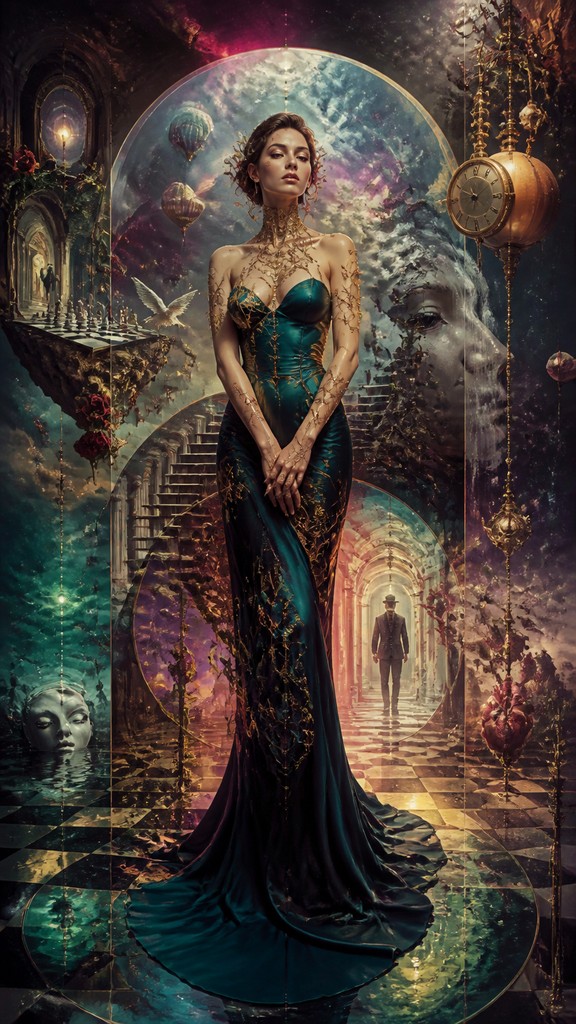
Landscapes are constructed with broken perspective, folded horizons, or contradictory scales. Paths may lead upward, objects may recede in ways that do not align, and space often feels elastic rather than measurable.
Dreamlike metamorphosis
Natural forms merge, dissolve, or transform into other forms, such as cliffs becoming faces, clouds becoming architecture, or water becoming glass. These transitions create the sense that the scene is in the middle of a symbolic change.
Symbolic objects in open terrain
A solitary tree, door, stair, moon, mirror, or vessel often anchors the composition. These elements work as visual metaphors, suggesting memory, passage, desire, or uncertainty.
Contradictory lighting
Multiple light sources may appear simultaneously, producing shadows that disagree or drift in different directions. This gives the scene an uncanny realism while undermining its physical logic.
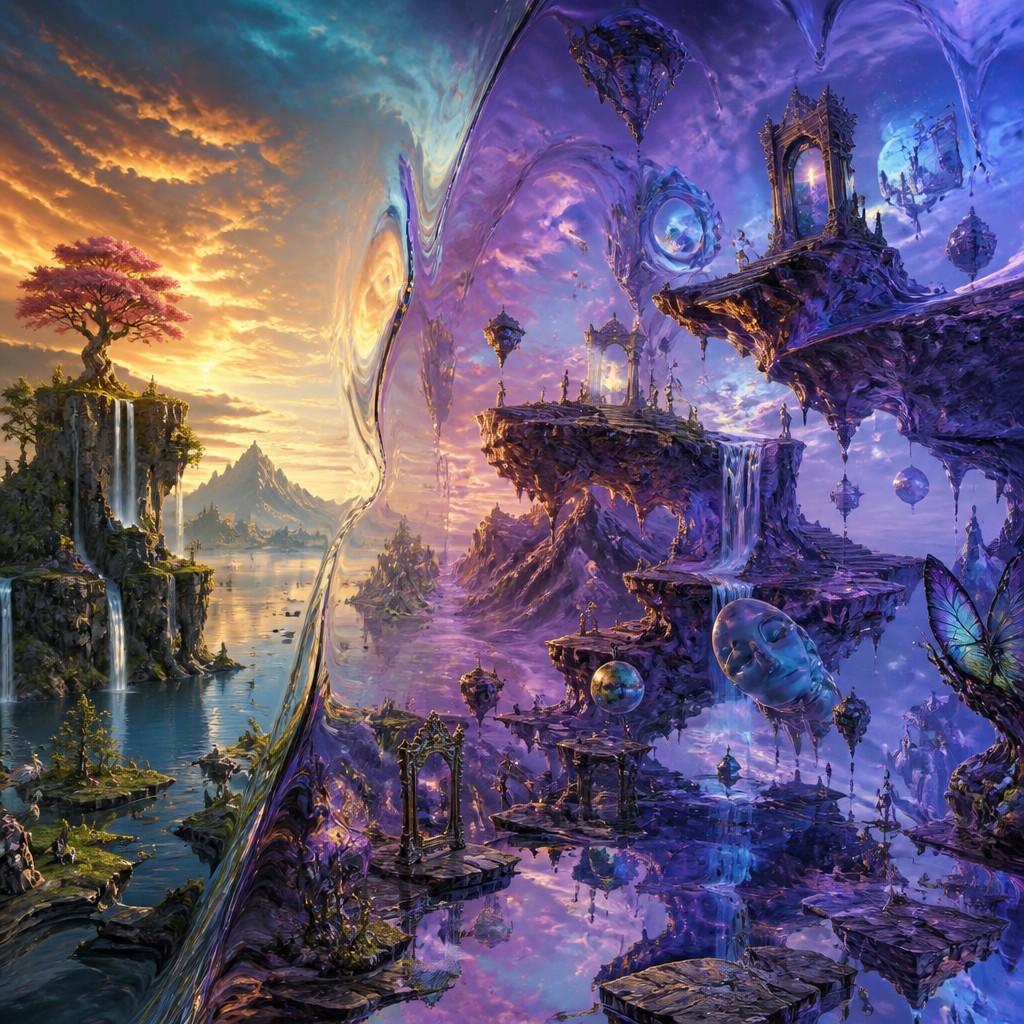
Atmospheric dream haze
Mist, glow, and translucent layers soften the scene and make depth feel unstable. Clear edges may alternate with foggy passages, so the landscape seems to emerge from or disappear into consciousness.
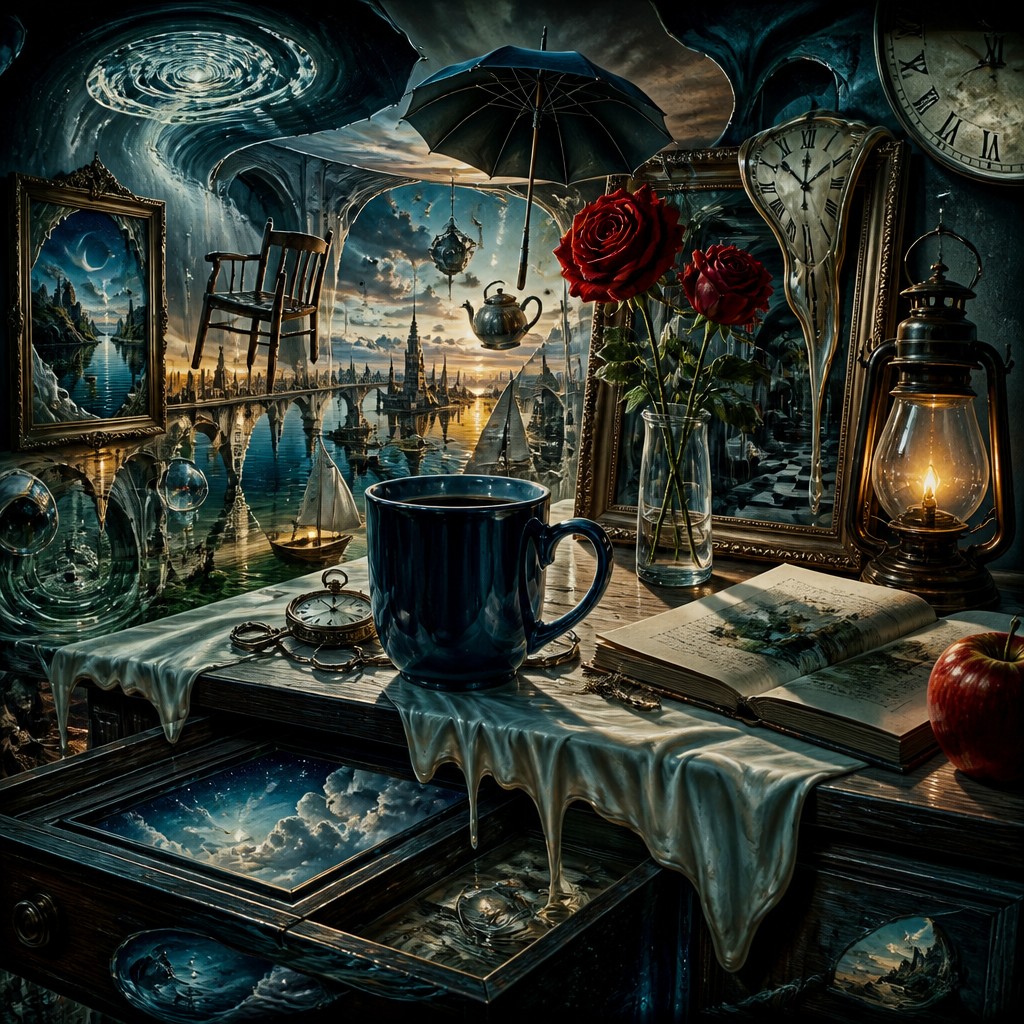
Rich but unnatural color
Color often departs from naturalism, using jewel tones, acidic hues, twilight violets, or luminous greens. These palettes intensify the emotional and otherworldly quality of the scene.
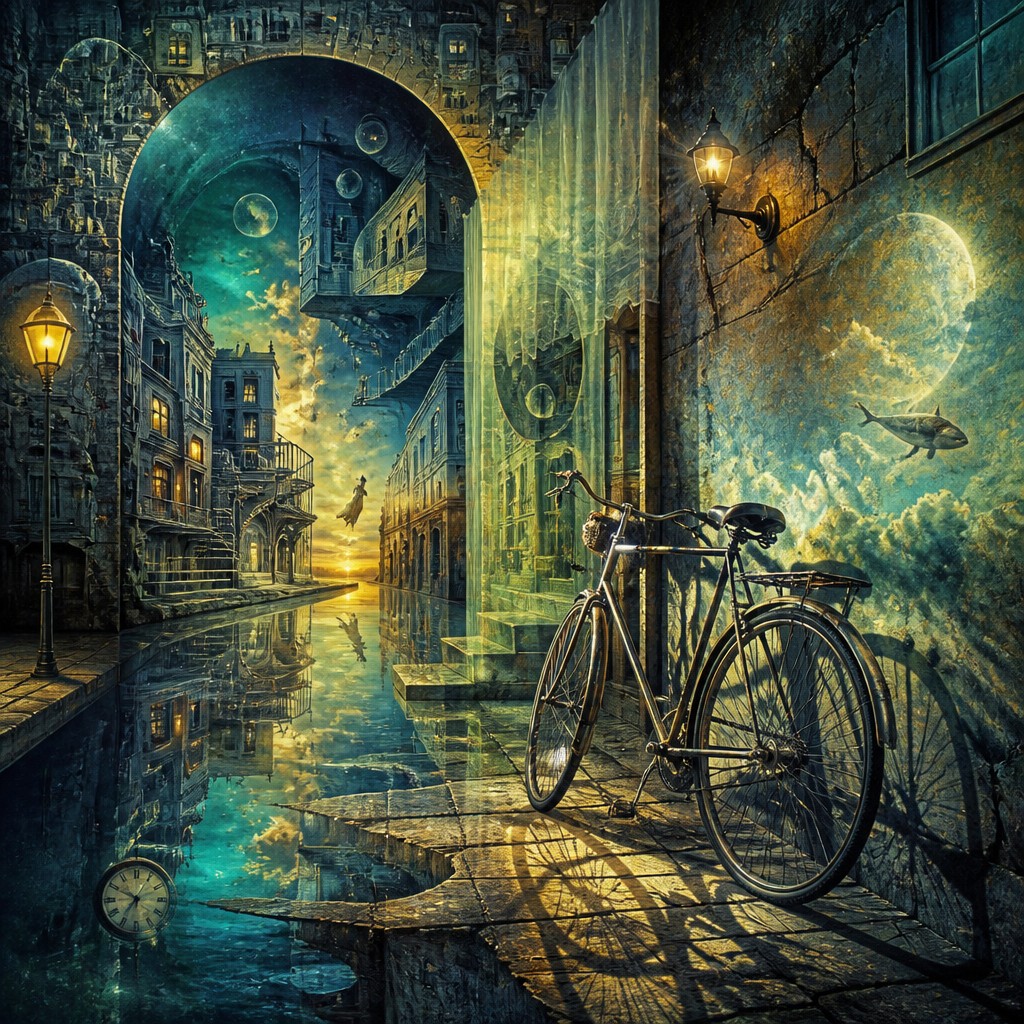
Precision plus ambiguity
Certain surfaces may be rendered with high detail while other areas blur or melt away. That contrast heightens the feeling that the image is both tangible and imagined.
Try It
Create Videos in Surrealist Landscape Art Style
Styles aren't just for stills — describe a scene or animate an image and get a short video rendered in Surrealist Landscape. Press play to see this pond come to life.
Make a VideoSurrealist Landscape Prompt Ideas
Start from an idea — each one opens the generator with the style ready to go. See all 40 Surrealist Landscape prompts →
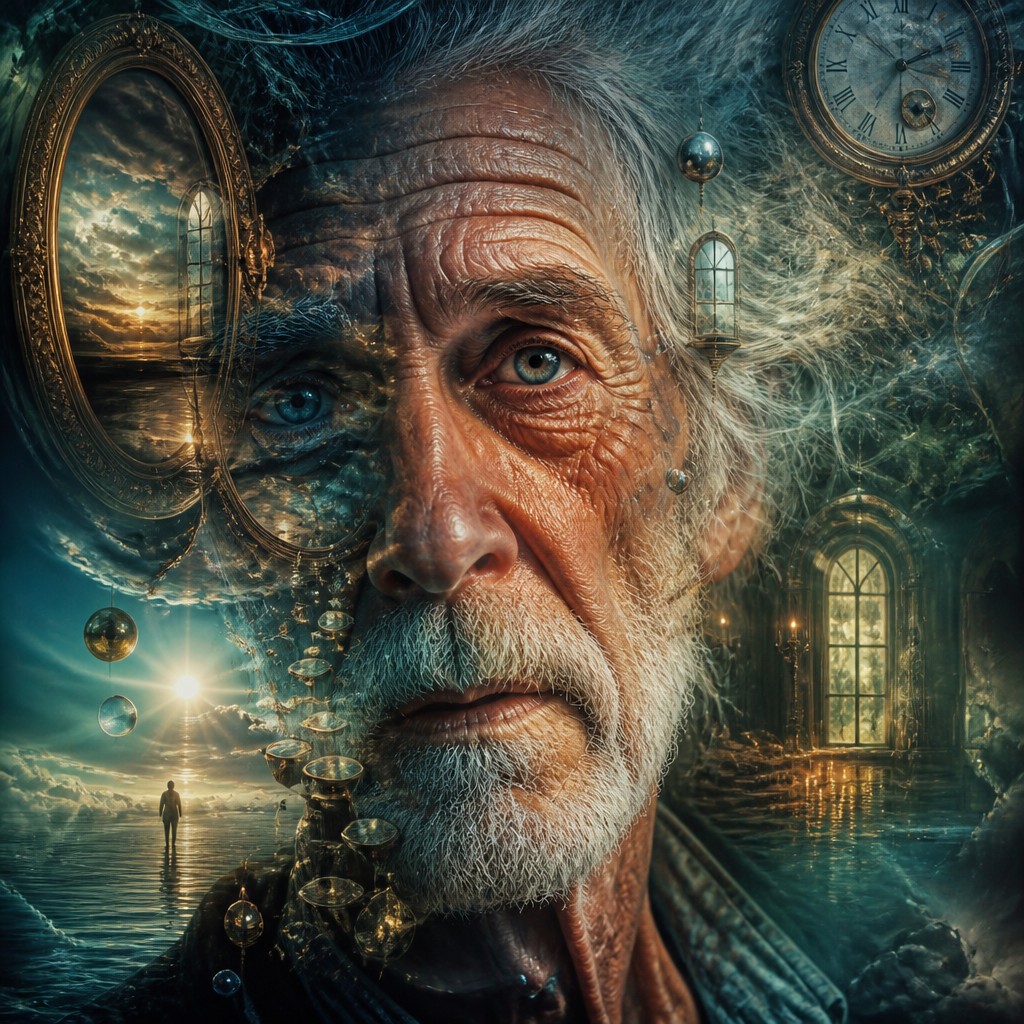
“close-up portrait of an elderly person with expressive weathered features”
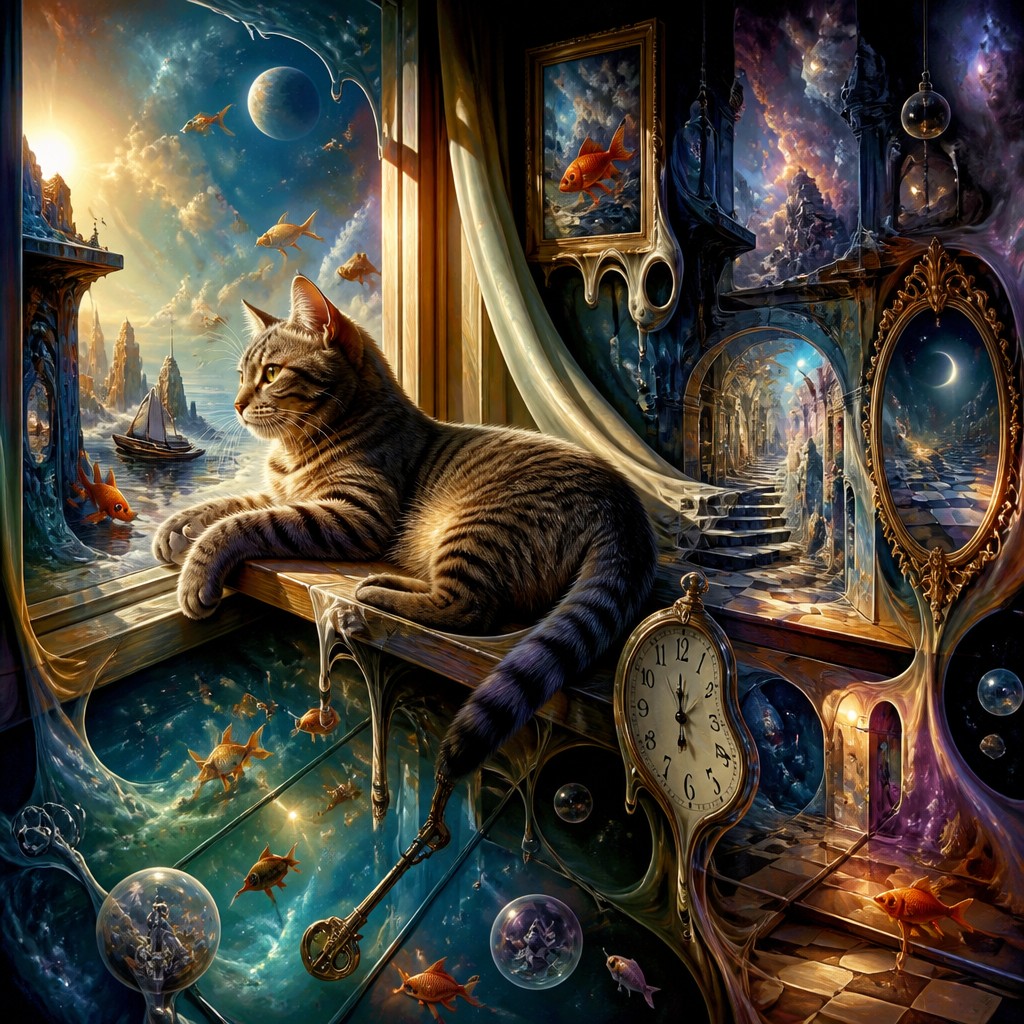
“a cat lounging in a sunlit window”
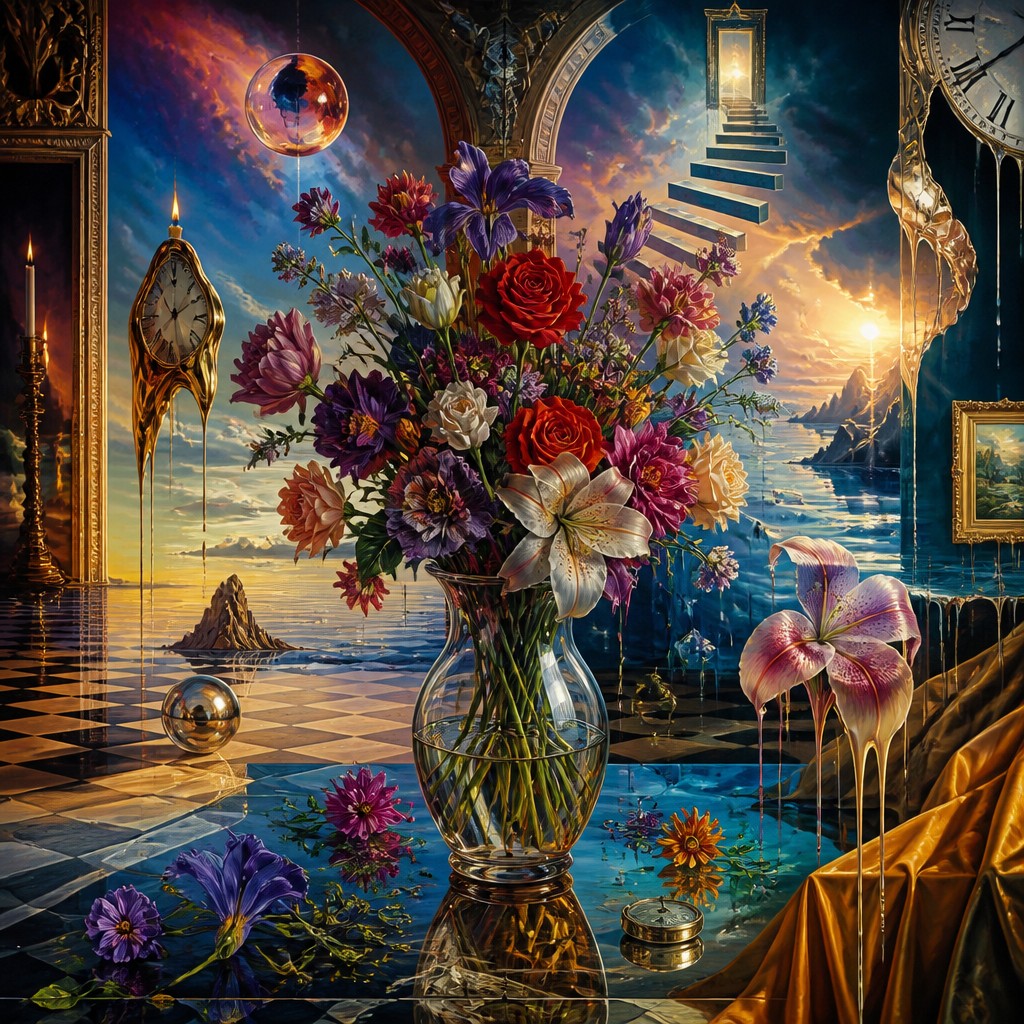
“bouquet of flowers in a glass vase”
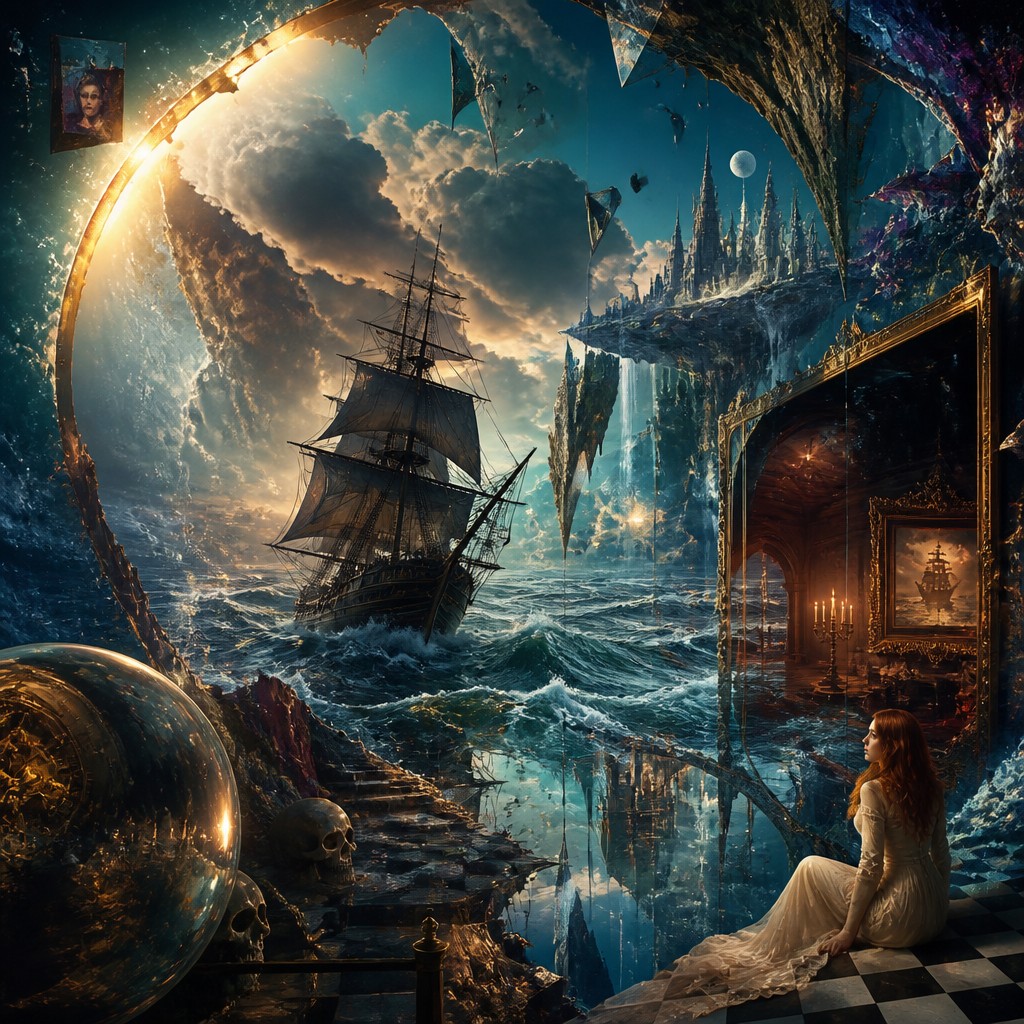
“sailing ship on a stormy sea”
How to Create Surrealist Landscape Art
Master the craft step by step — or skip straight to creating. Read the full guide →
- 1
Build the scene around a real landscape structure
Start with a believable base such as a valley, coast, desert, forest, or mountain range, then alter its logic. Introduce one or two structural disruptions—floating landmasses, vertical water, oversized objects, or impossible stairs—so the image remains readable while clearly unreal.
- 2
Use symbolic anchors instead of random spectacle
Choose recurring forms like mirrors, doors, moons, shells, or lone figures to give the composition meaning. Surreal landscapes work best when the strange elements feel connected to a mood or theme rather than placed for decoration alone.
- 3
Control light as if the dream has several sources
Paint or render with at least two competing illuminations, such as moonlight and internal glow, or sunrise and reflected light. Conflicting shadows and rim highlights are one of the fastest ways to make the scene feel uncanny.
- 4
Blend hard edges with atmospheric transitions
Keep some forms sharply defined while others dissolve into mist, reflection, or a soft gradient. In traditional media, glazing and scumbling help; in digital work, layering, masks, and controlled blur can create the same effect.
- 5
For image prompts, specify both setting and distortion
Name a concrete landscape plus the surreal operation being applied to it, such as 'a desert valley folding into a staircase of clouds' or 'a river that reflects a second sky.' Mention materials, light, palette, and mood to guide the result.
- 6
Iterate between realism and impossibility
If generating digitally, start with a grounded landscape prompt and refine by adding contradictions: gravity-defying elements, translucent planes, metamorphic terrain, and symbolic objects. The style becomes convincing when the impossible is framed with enough visual realism.
The Story
History & Origins of Surrealist Landscape
Surrealist landscape art grows out of Surrealism, the early 20th-century movement associated with the movement's founding writer and shaped by interests in dreams, automatism, psychoanalysis, and irrational juxtaposition. Within Surrealist painting, landscapes became ideal settings for impossible spatial logic and symbolic imagery, seen in the work of major Surrealist painters and a prominent Belgian surrealist painter.
Its broader lineage also includes Romantic landscape, Symbolism, and visionary painting, all of which treated nature as a vehicle for emotion, memory, and metaphysical meaning rather than topographic record. In contemporary practice, the style persists across painting, illustration, digital art, and concept art, often blending classical surrealist strategies with cinematic lighting, photoreal detail, and imagined geology or architecture.
Influences: This style draws most directly from Surrealism, especially the dream imagery and spatial dislocation found in leading Surrealist painters and one major Belgian surrealist painter. It also overlaps with Symbolist and Romantic landscape traditions, where nature becomes psychologically charged rather than purely descriptive, and with visionary or fantastical illustration that treats terrain as a stage for metaphor and subconscious narrative.

Frequently Asked Questions
What defines surrealist landscape art?
It is landscape imagery organized by dream logic rather than ordinary geography. The key features are impossible perspective, symbolic objects, metamorphic forms, and an atmosphere that feels psychologically charged or uncanny. The scene should still read as a landscape, but one filtered through the subconscious.
How is it different from fantasy landscape art?
Fantasy landscapes usually depict an imagined world that still obeys its own internal geography and ecology. Surrealist landscapes are more unstable and contradictory: they often use familiar natural settings, then disrupt them with dream imagery, symbolic juxtapositions, and impossible spatial relationships.
What colors work best in this style?
Jewel tones, twilight blues, violet shadows, luminous golds, and unnatural greens are common choices because they heighten the sense of unreality. That said, muted palettes can also work well if the composition relies on light, mist, and spatial distortion rather than color saturation.
What subjects are most common in surrealist landscapes?
Mountains, deserts, oceans, forests, ruins, and skies are especially effective because they provide spacious settings for distortion. Artists often add symbolic anchors such as doors, clocks, mirrors, ladders, moons, or solitary figures to suggest narrative or psychological meaning.
How do I make a landscape feel surreal without making it unreadable?
Keep one part of the image grounded in reality, such as the terrain, horizon, or lighting logic, and then introduce a controlled contradiction. The strongest images usually preserve enough structure for the viewer to orient themselves while still feeling disoriented by the impossible details.
Where is surrealist landscape art used today?
It appears in fine art, illustration, album art, editorial imagery, posters, and concept art for games and film. It is especially common wherever artists want to evoke dream states, memory, the subconscious, or a world that feels both beautiful and unstable.
Create your first Surrealist Landscape artwork
Describe anything — or upload a photo — and see it in Surrealist Landscape Art Style in seconds.
Make Something with Surrealist Landscape
Compare Surrealist Landscape
Related Styles
Discover similar art styles