Abstract Landscape vs Surrealist Landscape: What's the Difference?
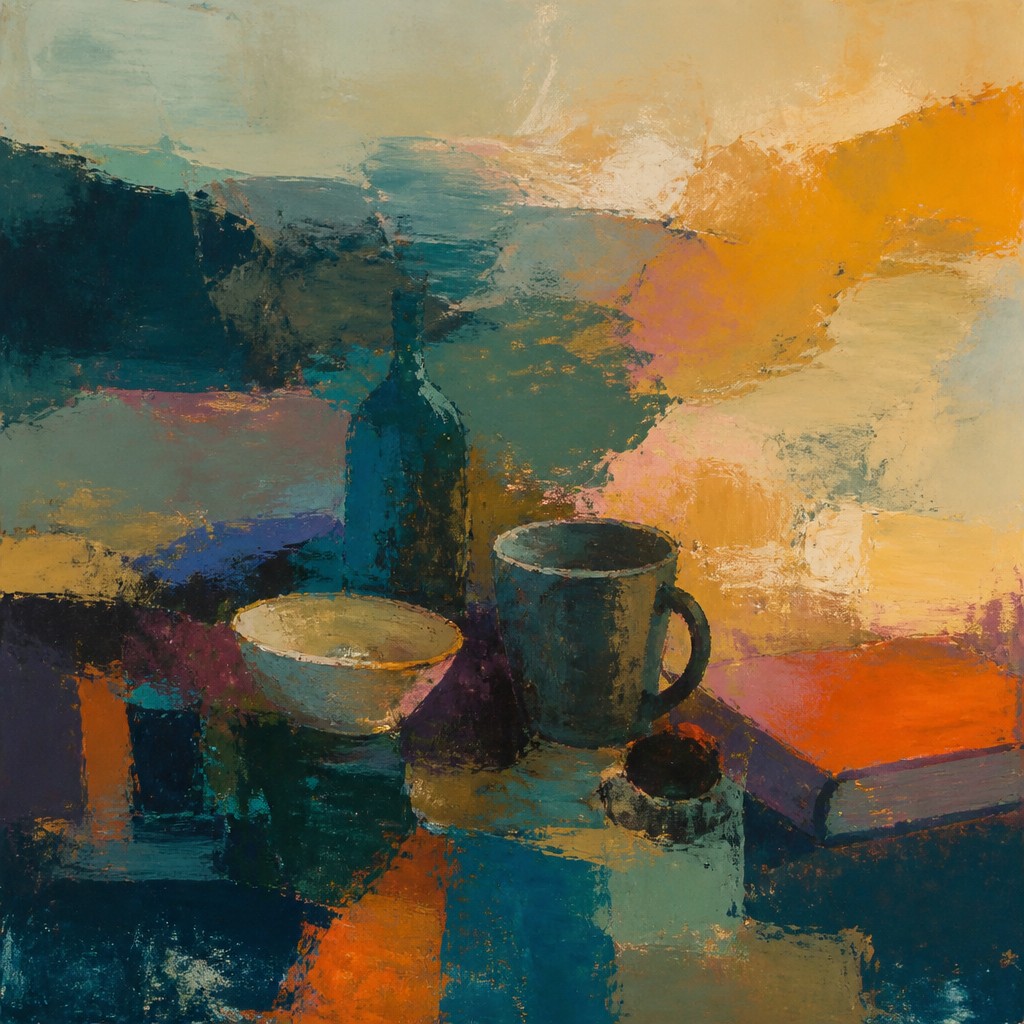
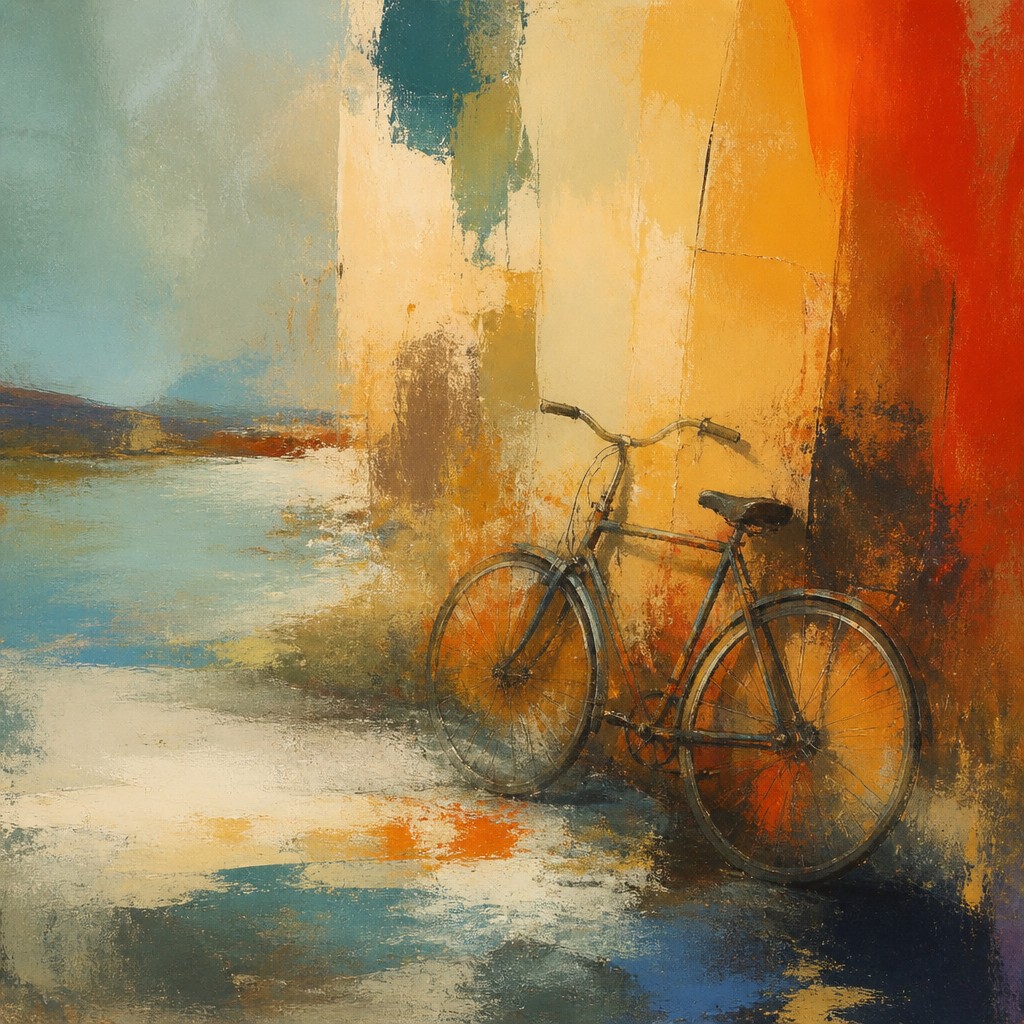
Abstract landscape art transforms natural scenery into color, gesture, and shape, focusing on atmosphere, movement, and feeling rather than literal representation. It often simplifies or fragments landforms, skies, water, and light so the viewer experiences nature emotionally and visually instead of as a specific place.
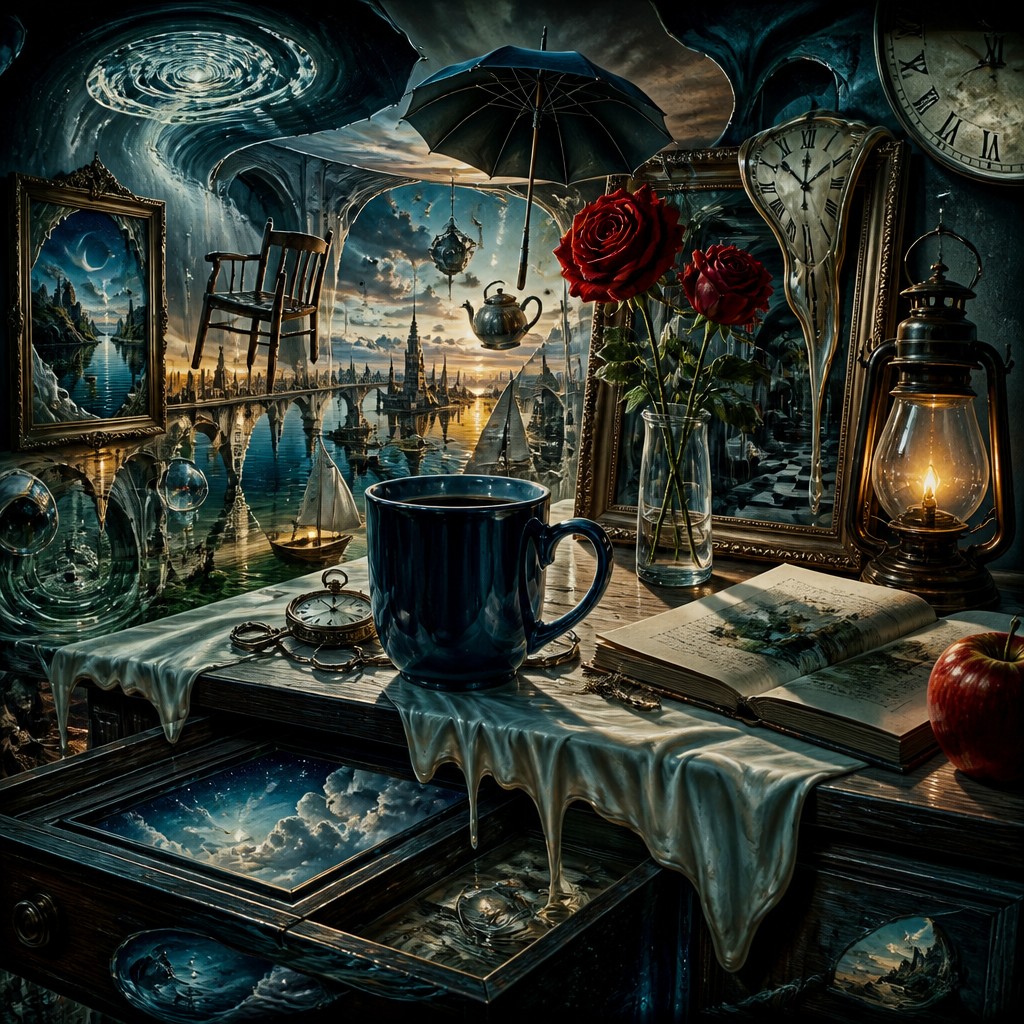
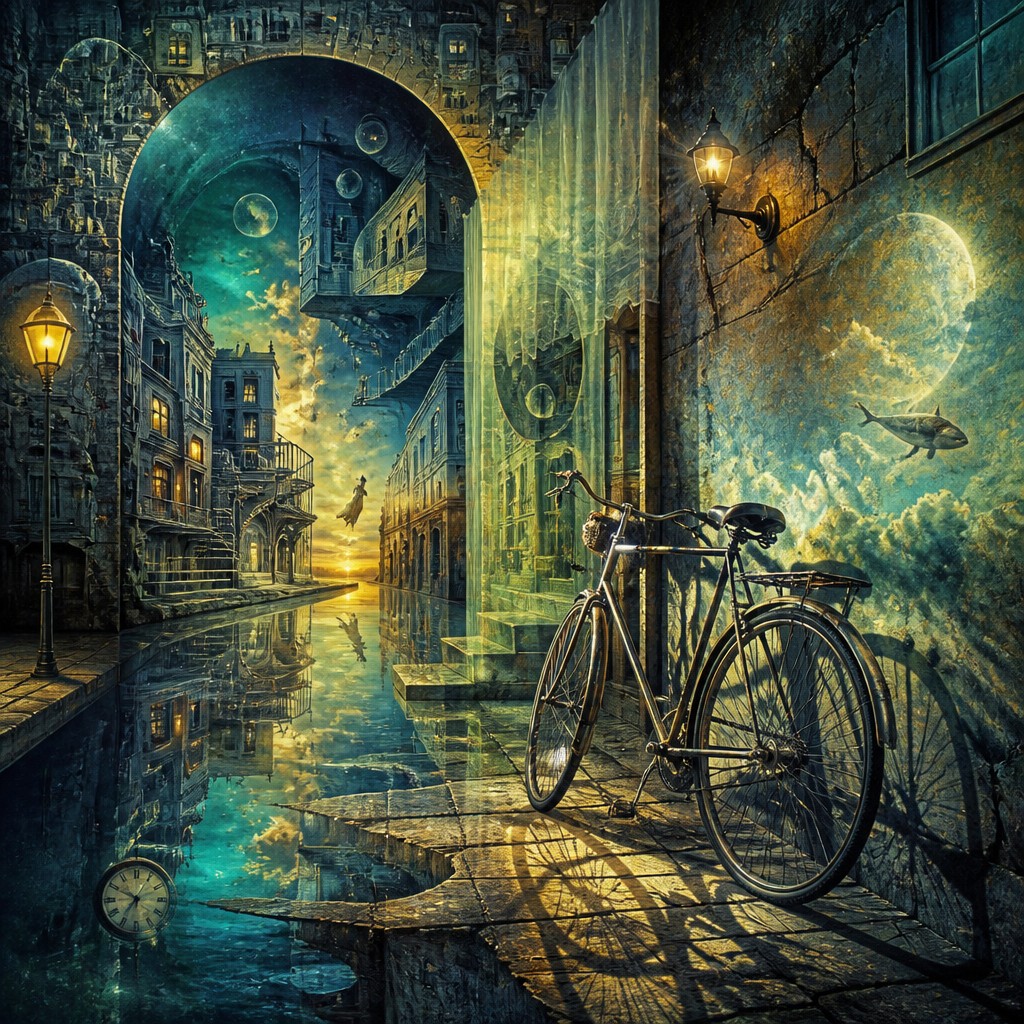
Surrealist landscape art also departs from realism, but it does so through dream logic: impossible perspectives, symbolic objects, strange scale shifts, and luminous, otherworldly spaces. People compare the two because both can reimagine landscapes beyond direct observation, yet they differ in intent—abstract landscape art emphasizes mood through nonliteral form, while surrealist landscape art emphasizes subconscious imagery and uncanny narrative tension.
Same Prompt, Both Styles
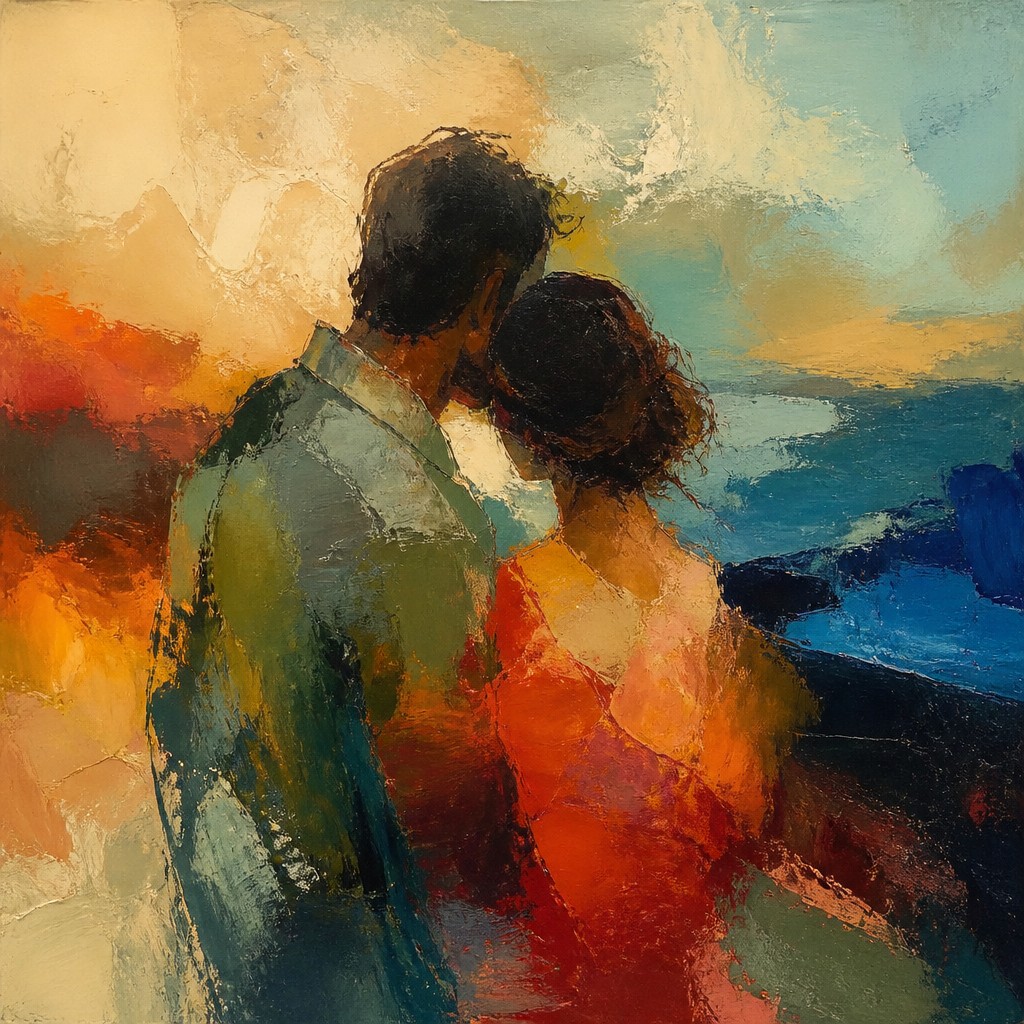
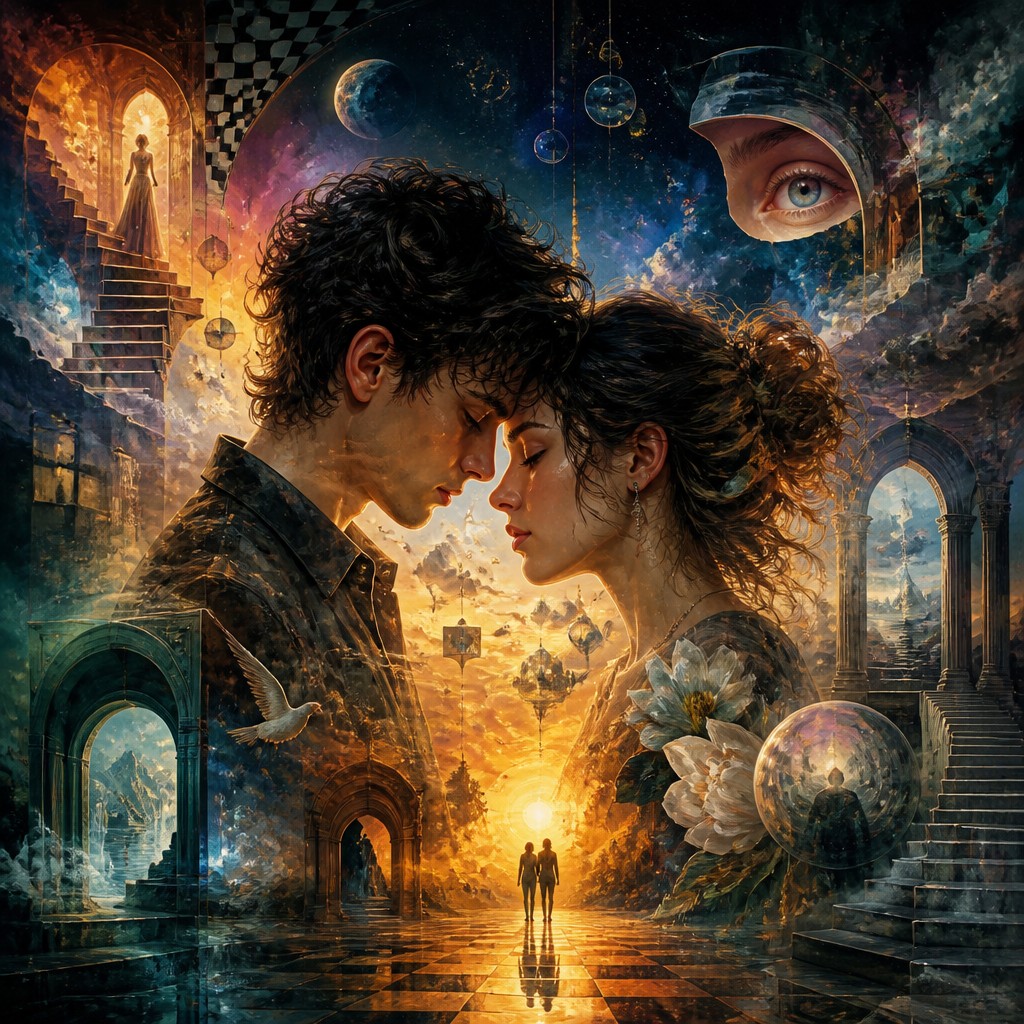
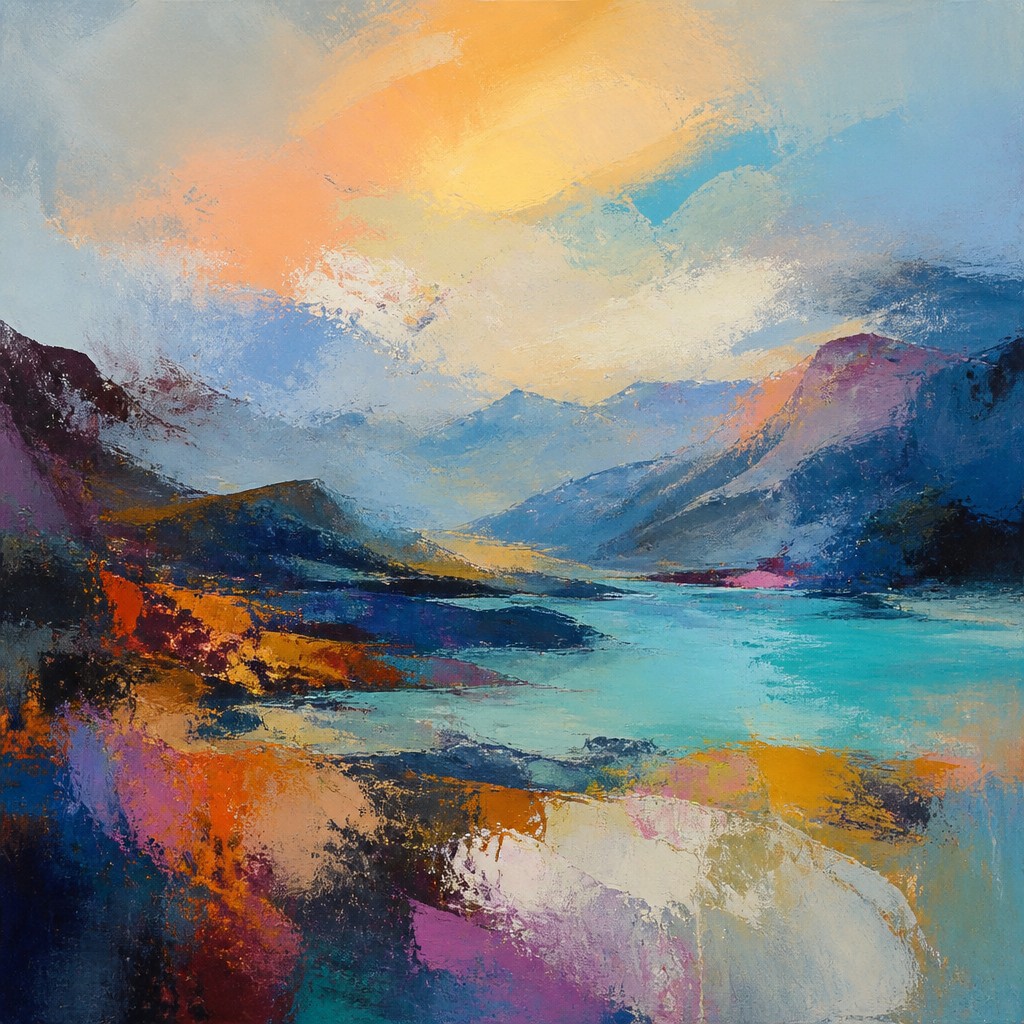
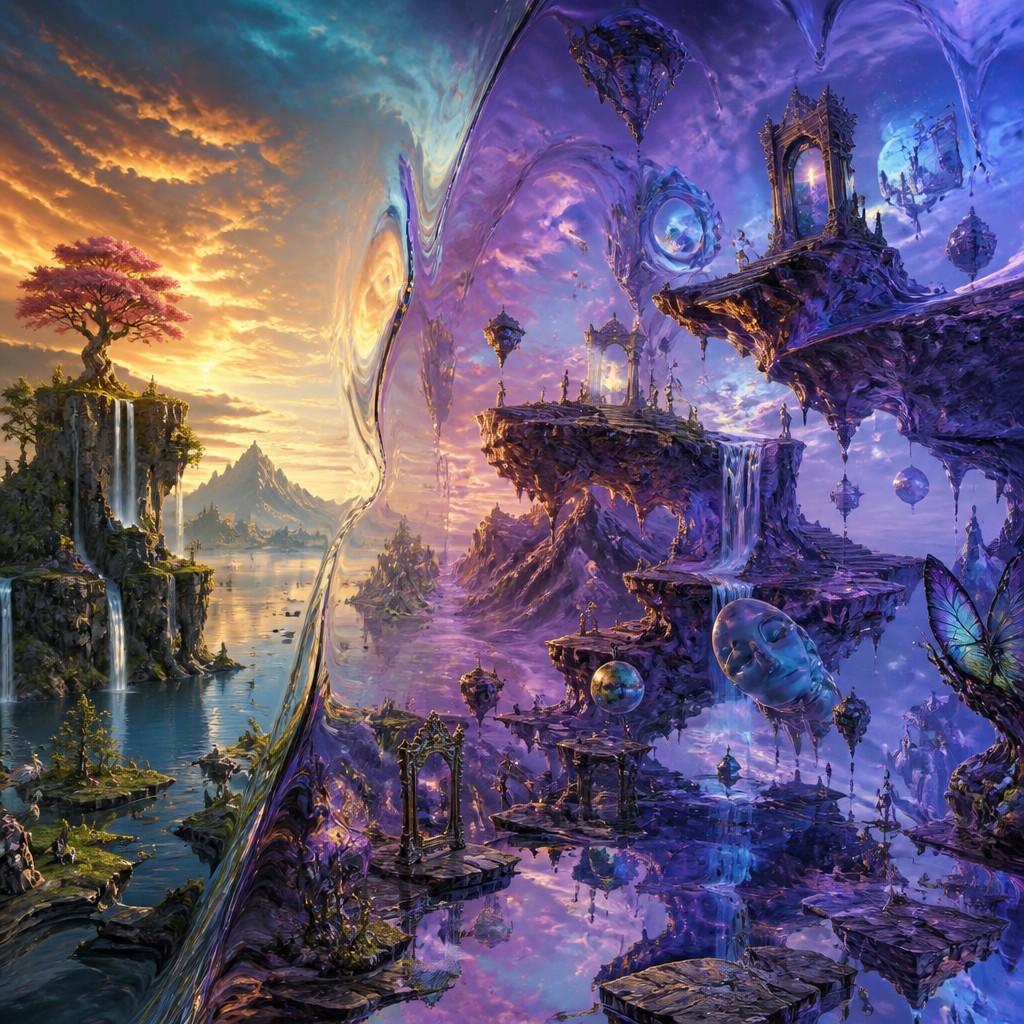
Each pair below was generated from the identical prompt — only the style changed.
“portrait of two people together”
“wide landscape with natural scenery”
“still life with everyday objects”
“bicyle resting against a wall”
Key Differences
| Abstract Landscape | Surrealist Landscape | |
|---|---|---|
| Main goal | Evokes a landscape’s mood and energy. | Creates a dreamlike scene with symbolic meaning. |
| Relationship to reality | Suggests nature without depicting it literally. | Distorts reality into impossible or uncanny visions. |
| Line & form | Uses simplified, gestural, or fragmented shapes. | Uses recognizable forms placed in unreal combinations. |
| Space & perspective | May flatten space for expressive composition. | Often bends perspective to feel disorienting or surreal. |
| Symbolism | Usually less narrative, more atmospheric and sensory. | Often includes symbolic imagery and subconscious associations. |
| Color use | Color supports emotion, rhythm, and natural feeling. | Color can be luminous, strange, or psychologically charged. |
| Mood | expressive, contemplative, organic, evocative | dreamlike, uncanny, contemplative, symbolic |
| Energy | balanced | calm |
| Detail level | moderate | detailed |
| Color | layered earth tones with vivid accents | muted earth tones with atmospheric contrasts |
| Texture | brushy, layered, tactile surface | smooth blends, crisp edges, soft haze |
| Origin | 20th-century modernist abstraction | 20th-century Europe, surrealism movement |
| Best for | posters, album covers, gallery prints, book covers, editorial illustrations | album covers, book covers, editorial illustrations, concept art, posters |
| Difficulty | advanced | advanced |
Which Should You Choose?
Choose abstract landscape art if you want to express the essence of a place through color, movement, and simplified forms without telling a story. Choose surrealist landscape art if you want to create a more uncanny, symbolic image that feels like a dream or inner vision. If your goal is atmosphere and emotional openness, A is usually better; if your goal is mystery and conceptual intrigue, B is stronger.
Frequently Asked Questions
Is abstract landscape art the same as surrealist landscape art?
No. Abstract landscape art removes or simplifies realistic detail to focus on mood and visual rhythm. Surrealist landscape art still aims for dreamlike imagery, often keeping recognizable forms but placing them in impossible or symbolic settings.
Which style is more realistic?
Abstract landscape art is usually less literal, but it can still feel tied to real landforms and natural light. Surrealist landscape art is typically less realistic in a different way because it combines familiar elements into unreal scenes and perspectives.
Which style is better for expressing emotion?
Both can express emotion effectively, but abstract landscape art often does it through color, gesture, and composition alone. Surrealist landscape art can express emotion through symbolism, dream imagery, and unsettling or poetic scene construction.
Can a work combine both styles?
Yes. A landscape can be abstract in its shapes and brushwork while also surreal in its impossible space or symbolic elements. Many works sit between the two, blending atmospheric abstraction with dreamlike imagery.