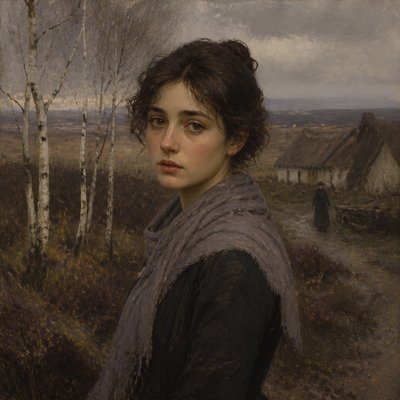
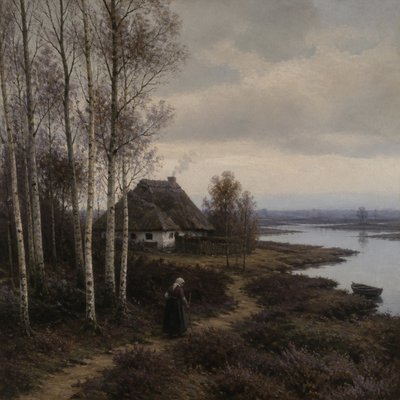
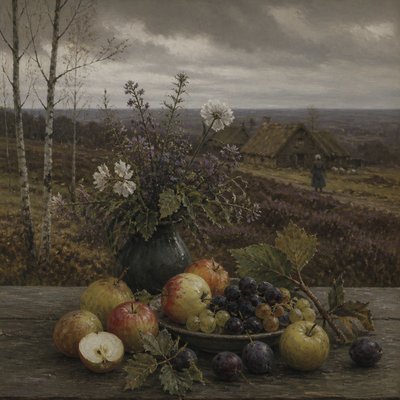
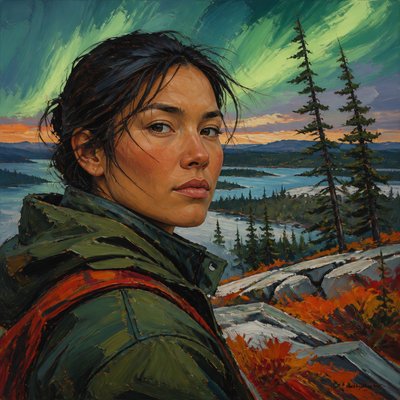
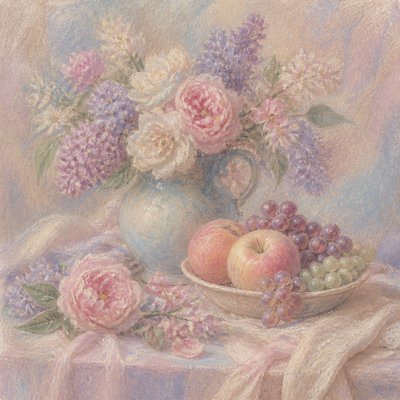
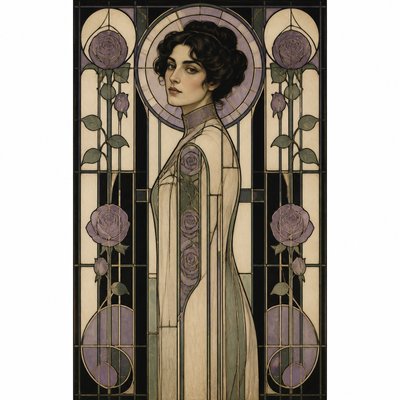
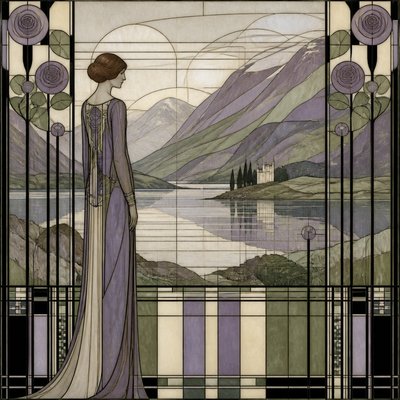
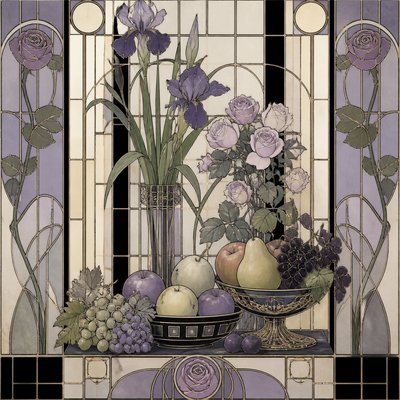
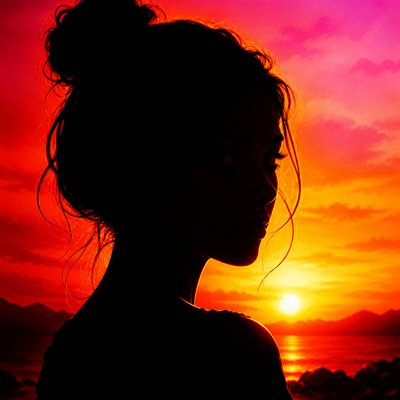
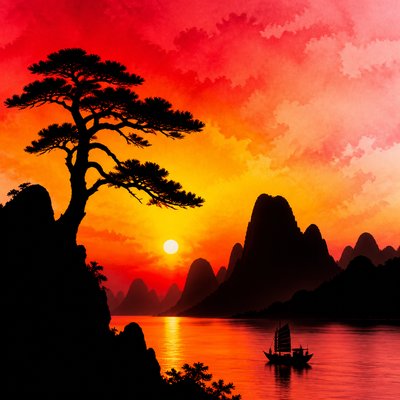
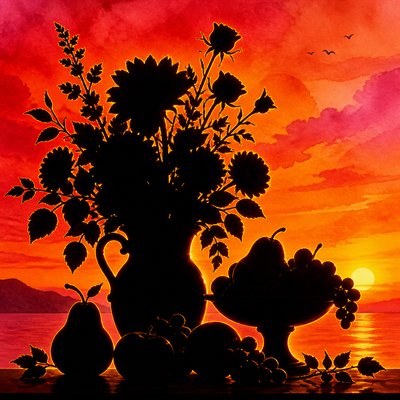
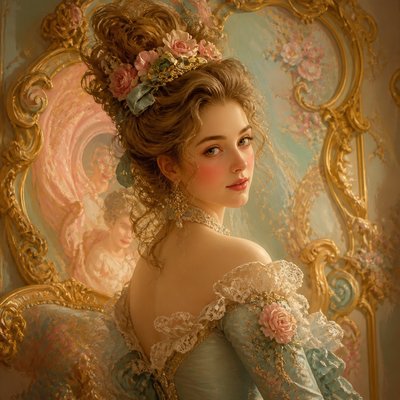
Romantic Landscape Art Style
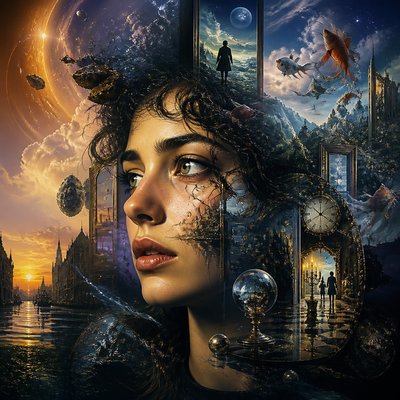
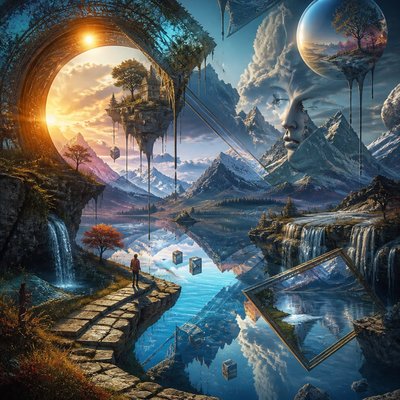
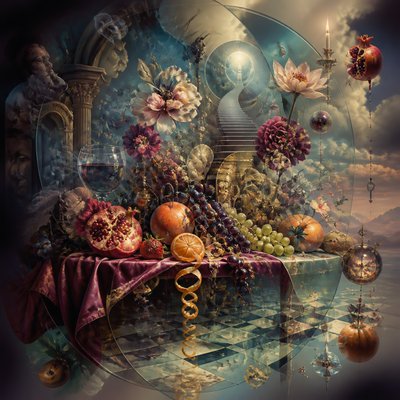
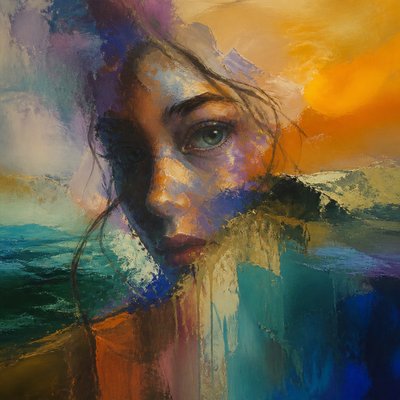
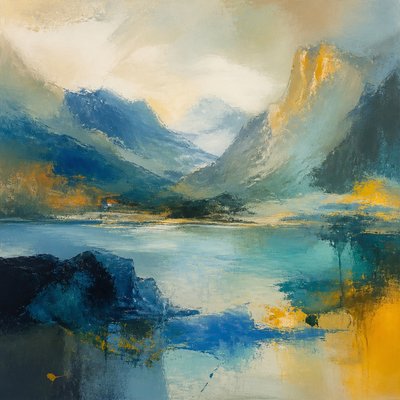
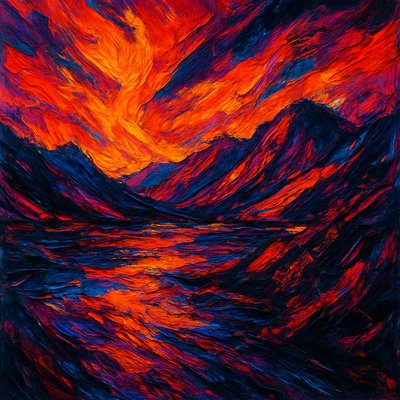
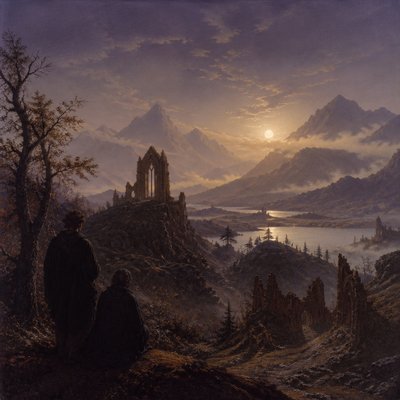
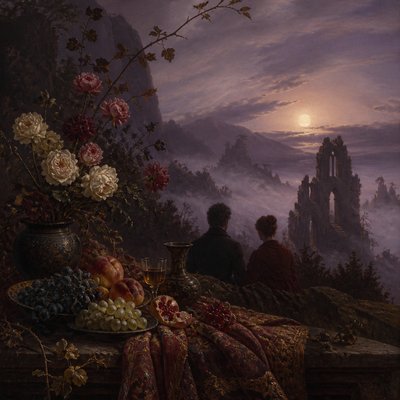
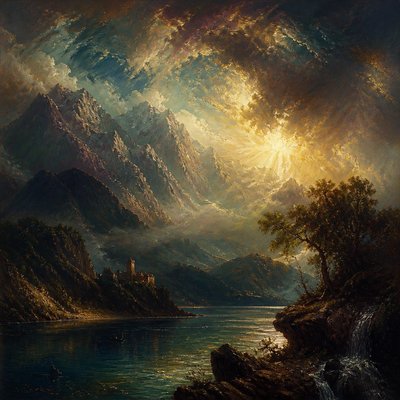
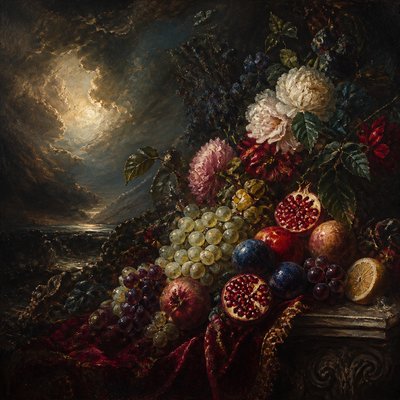
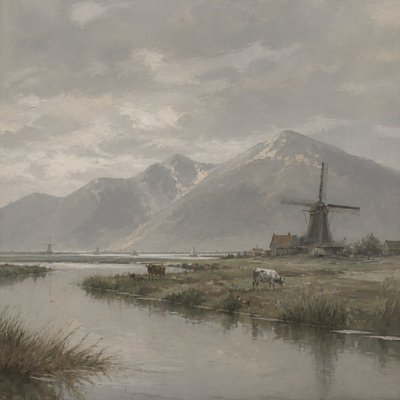
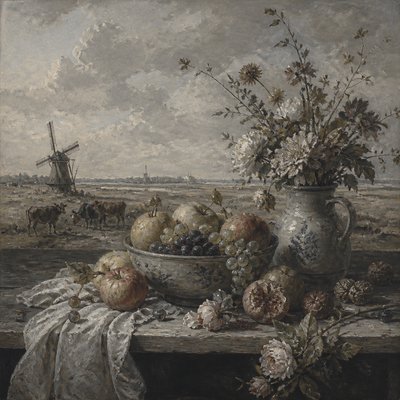
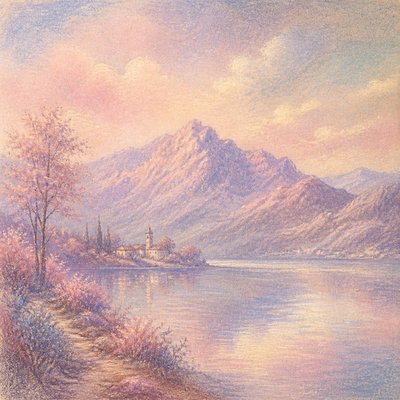
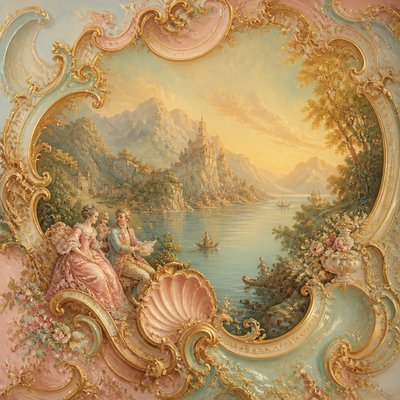
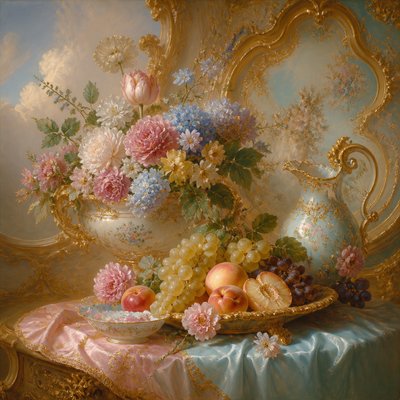
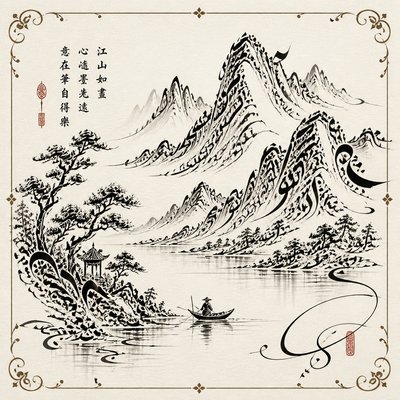
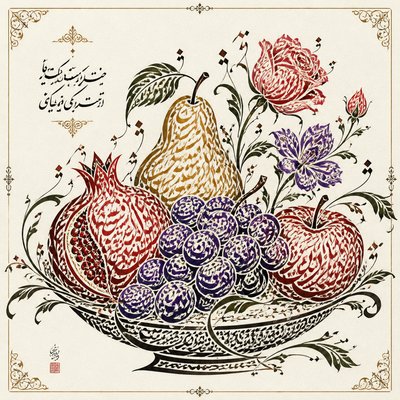
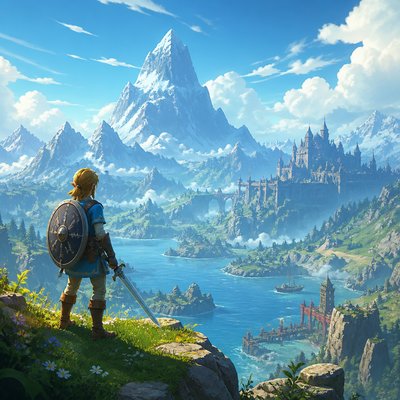
Dramatic landscape art with sublime nature, moody light, ruins, weather, rich color, and emotional atmosphere.
Instantly rendered in Romantic Landscape — or transform a photo
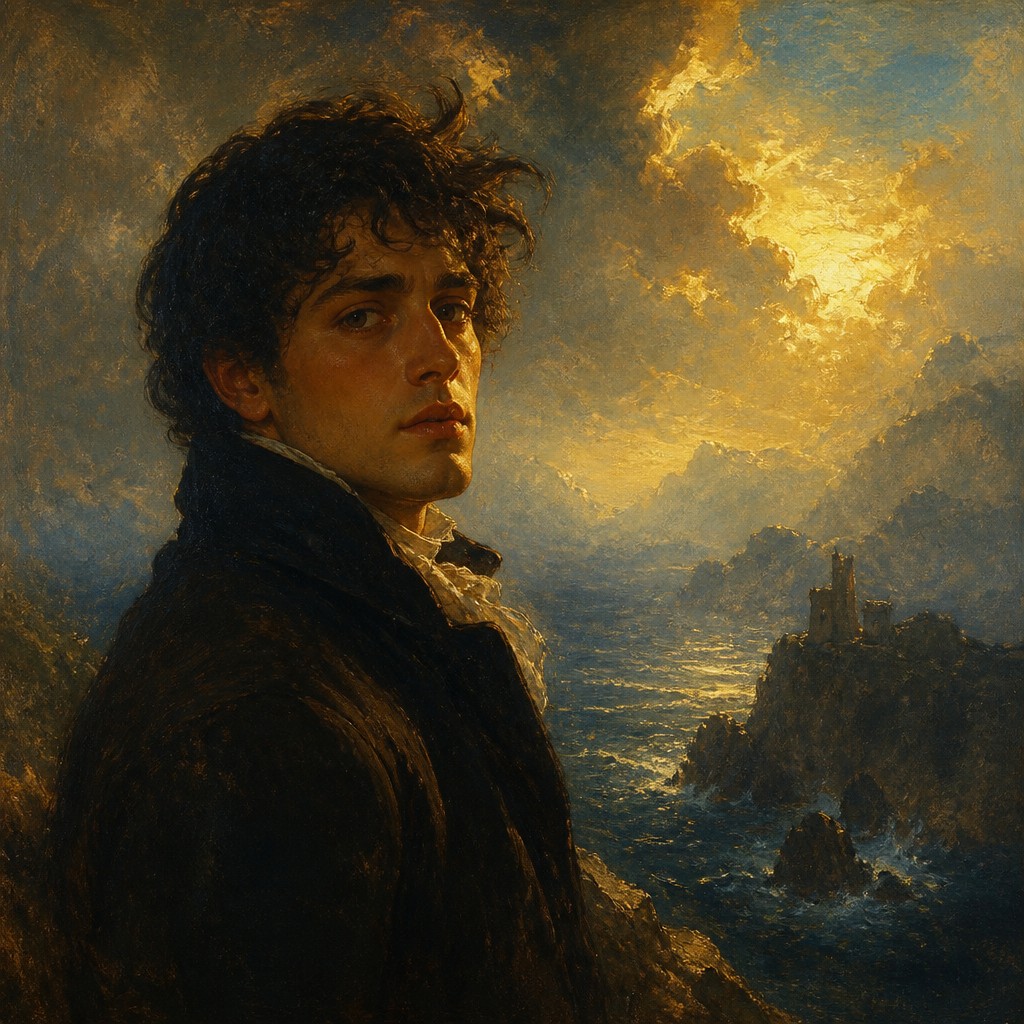
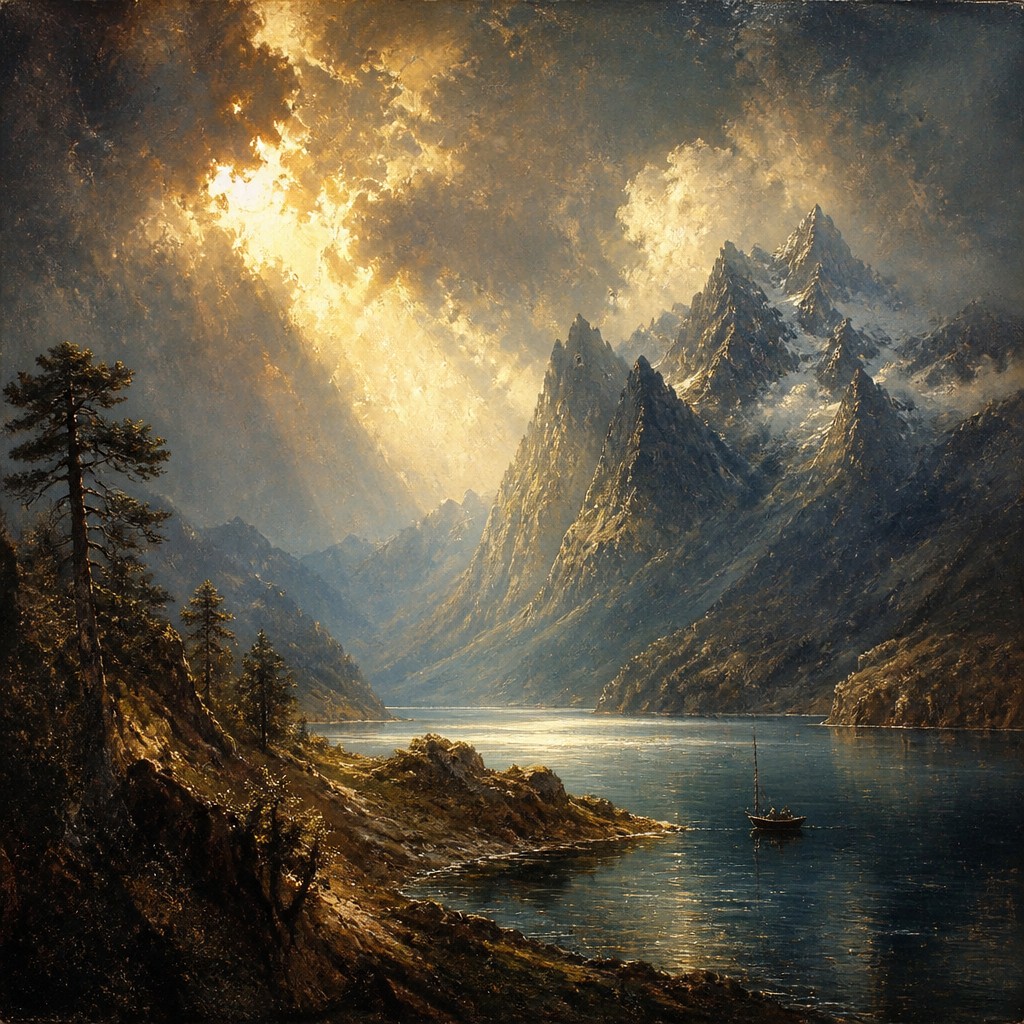
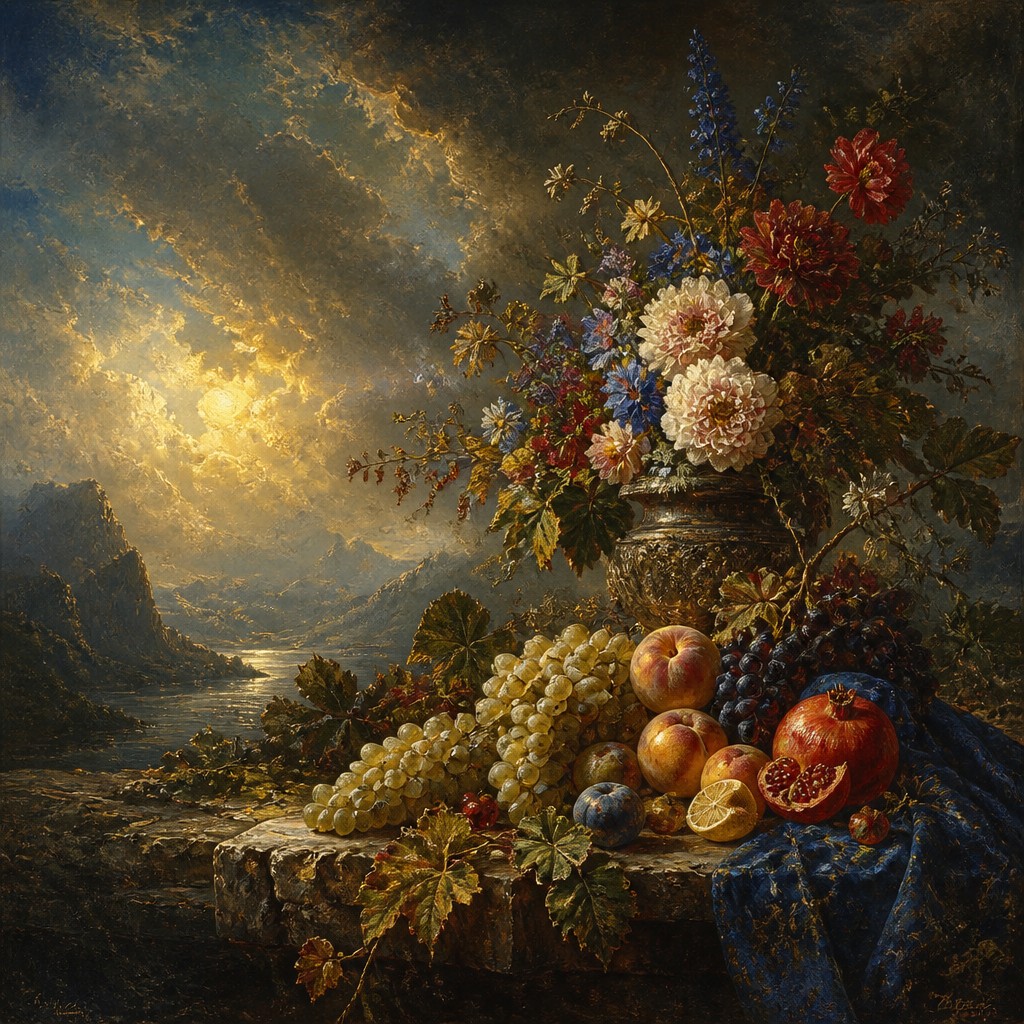
Romantic Landscape Gallery
Tap any artwork to explore it
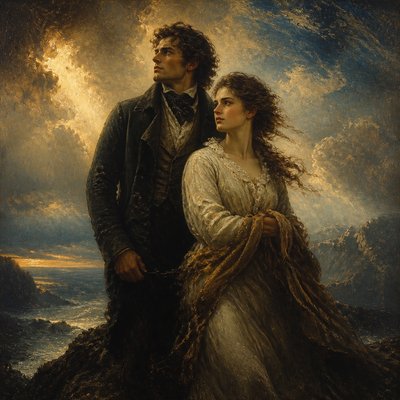
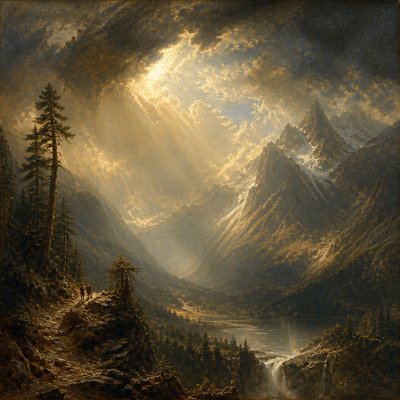
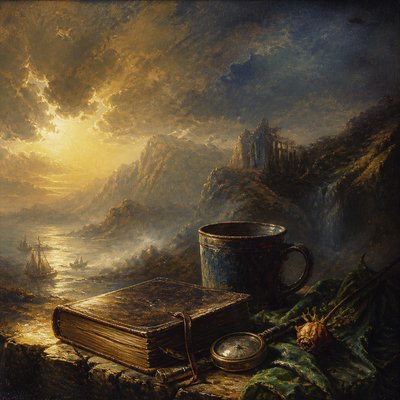
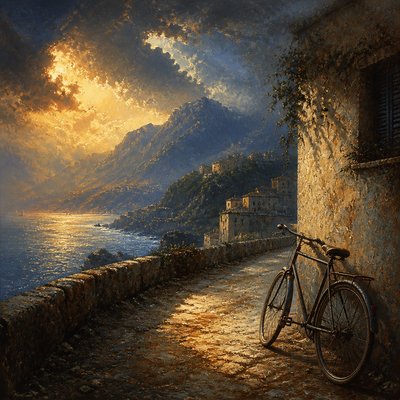
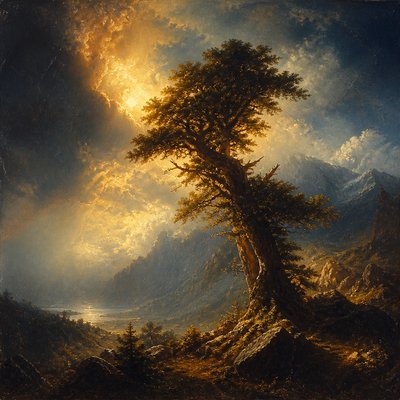
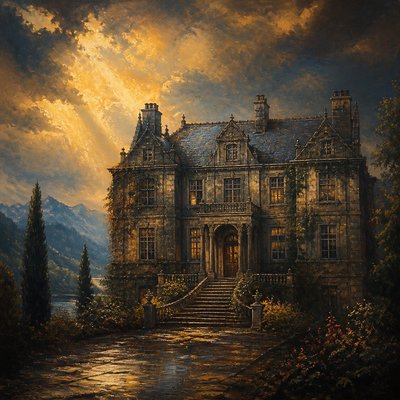
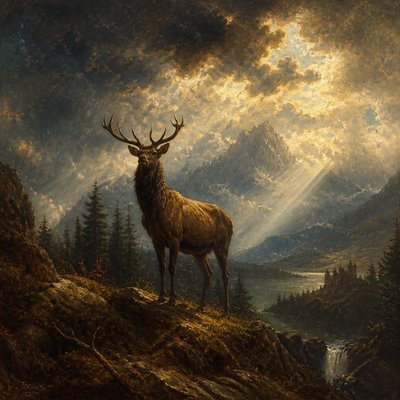
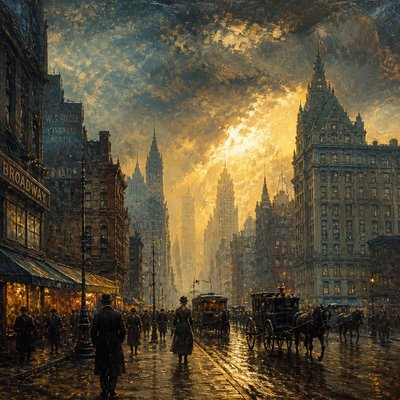
What is Romantic Landscape Art Style?
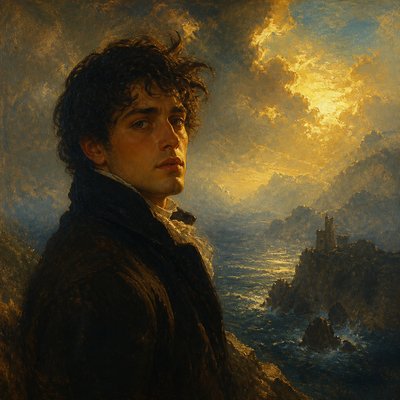
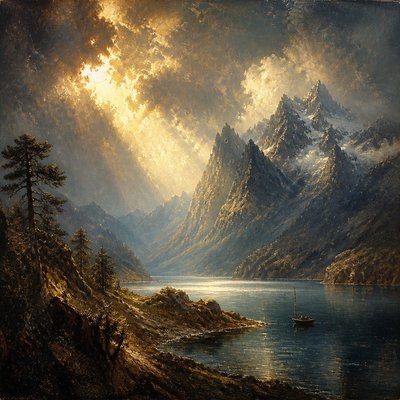
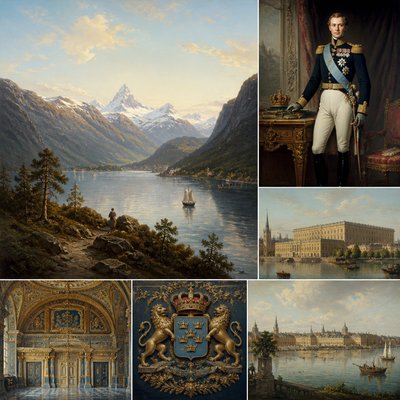
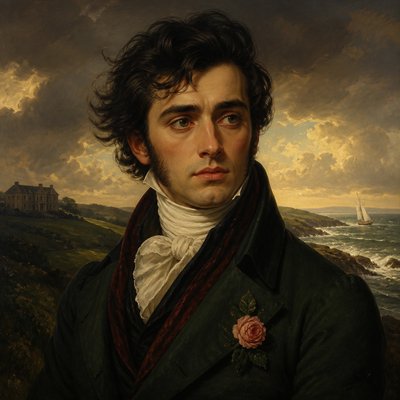
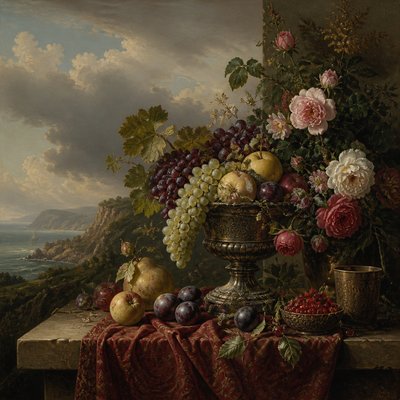
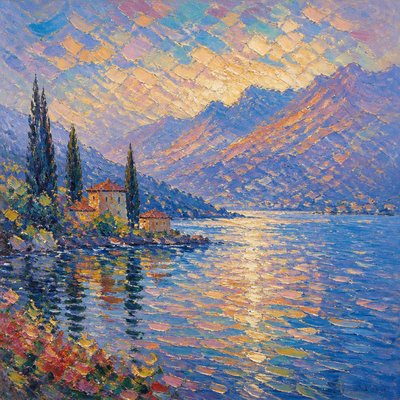
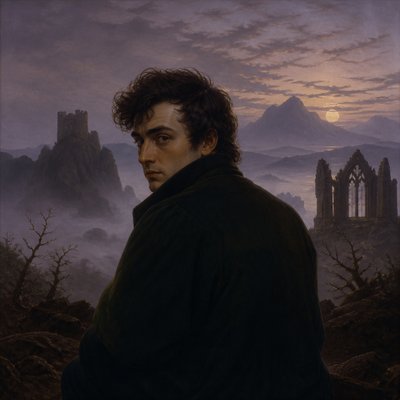
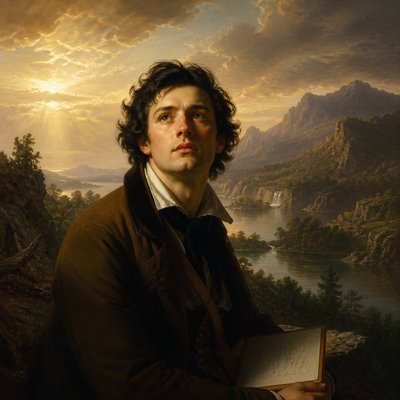
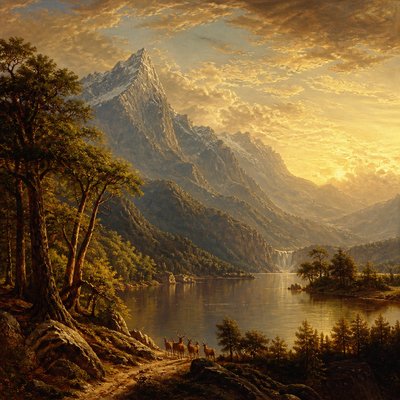
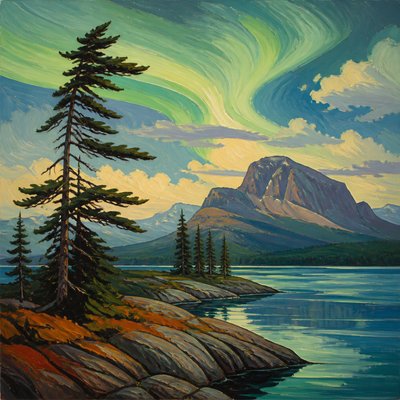
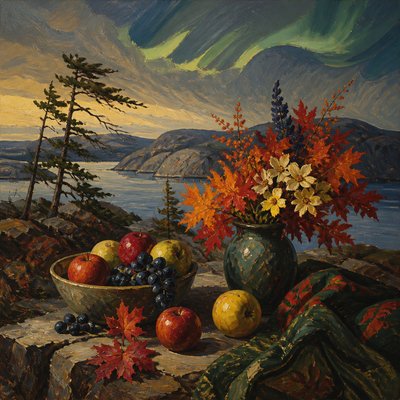
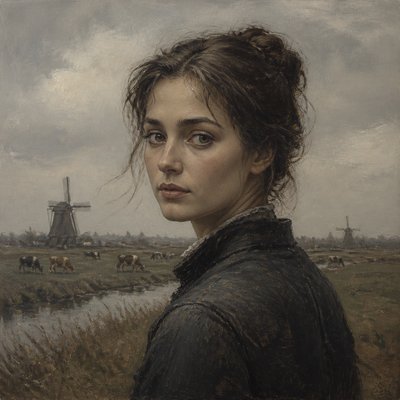
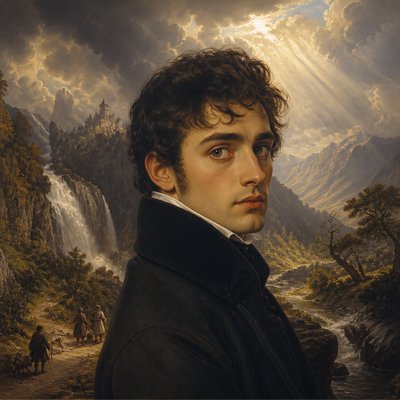
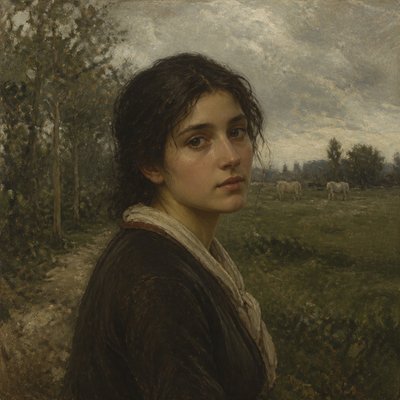
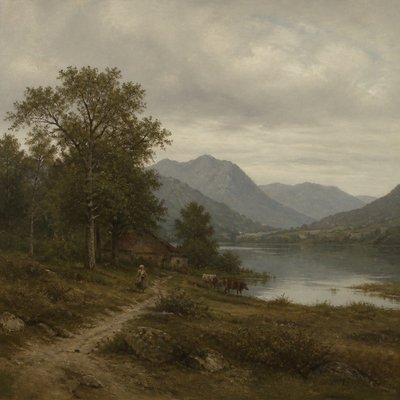
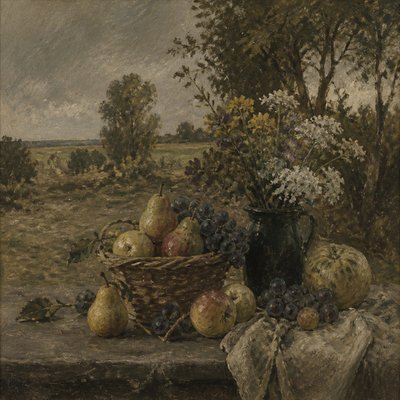
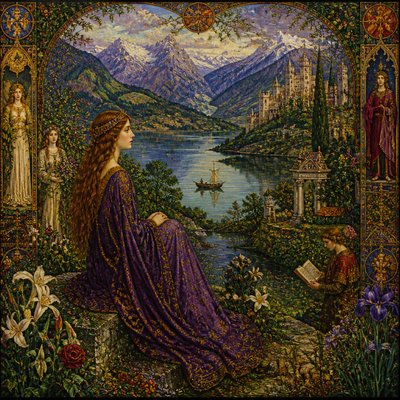
Romantic Landscape Art Style is a landscape tradition centered on emotion, atmosphere, and the sublime power of nature. Rather than treating scenery as a neutral backdrop, it presents mountains, storms, ruins, forests, coastlines, and vast skies as the primary subject, often framed to feel monumental and spiritually charged. The result is a landscape that seems to contemplate humanity as much as it depicts the world.
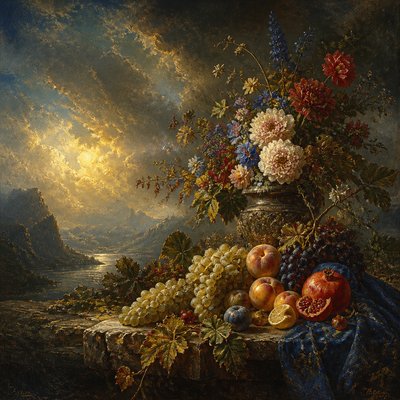
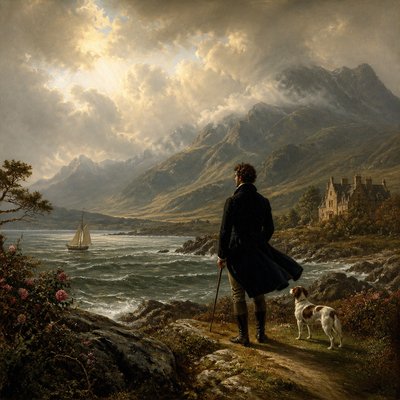
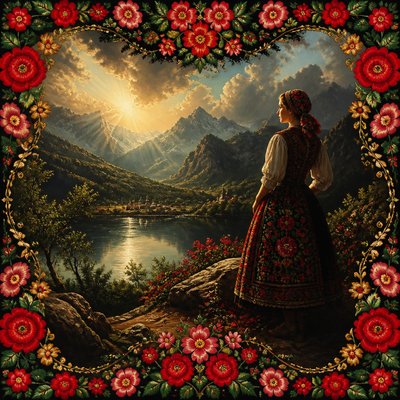
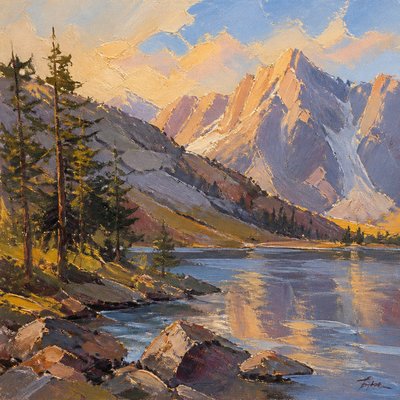
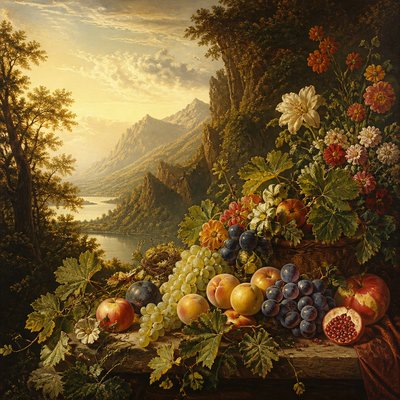
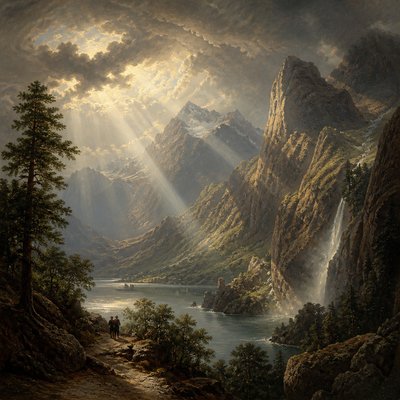
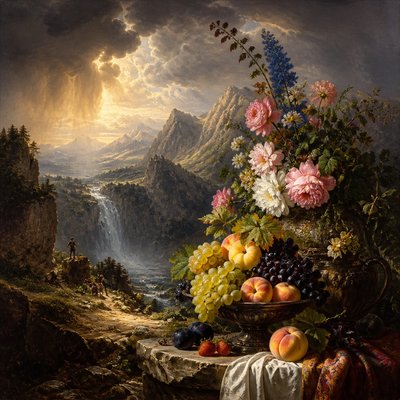
Its visual identity is built from theatrical light, deep shadow, saturated yet weathered color, and compositions that lead the eye along diagonals toward distant horizons or dramatic focal points. Mist, storm clouds, glowing sunsets, and broken architecture are common because they intensify scale, memory, and awe. The style looks this way because it inherits the Romantic interest in nature as a force that is beautiful, unstable, and emotionally overwhelming.
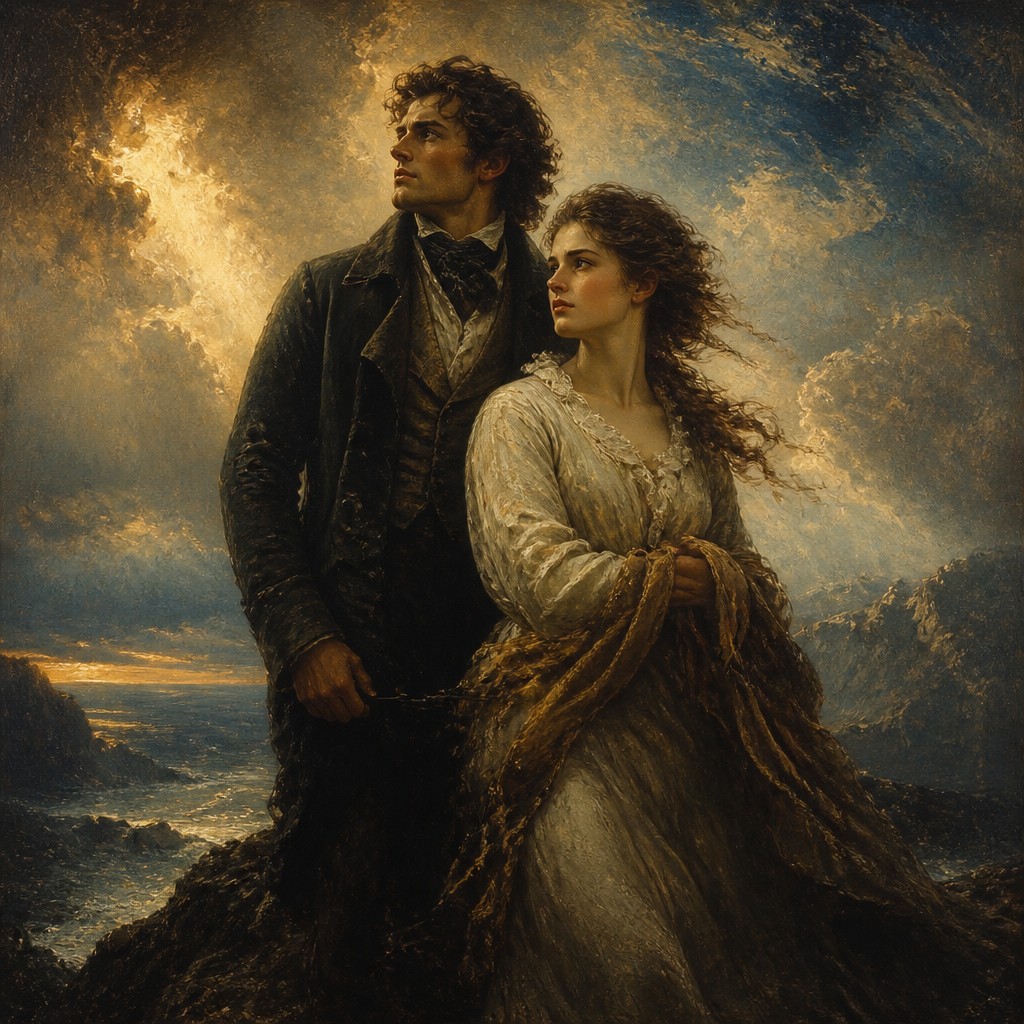
Try It On Your Photos
Upload any photo and convert it into Romantic Landscape Art Style — drag the sliders to compare before and after.
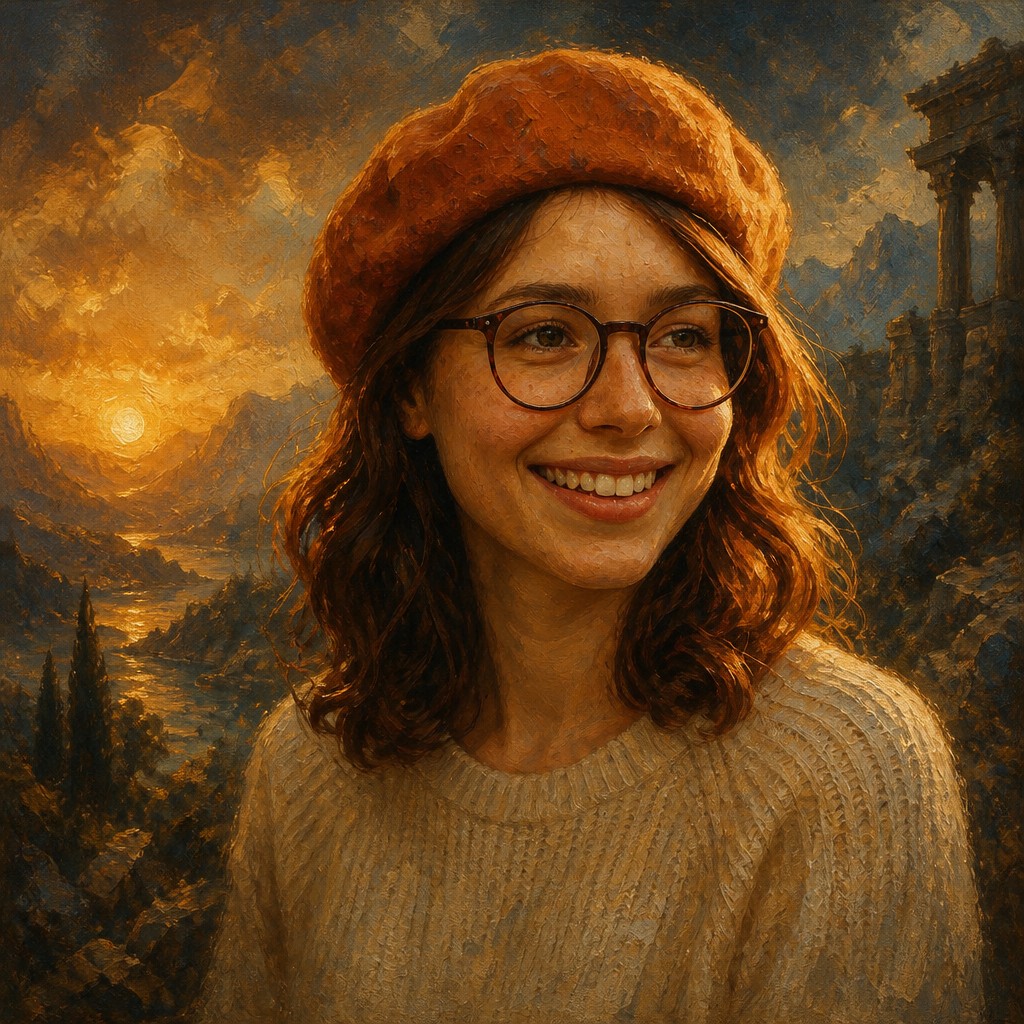

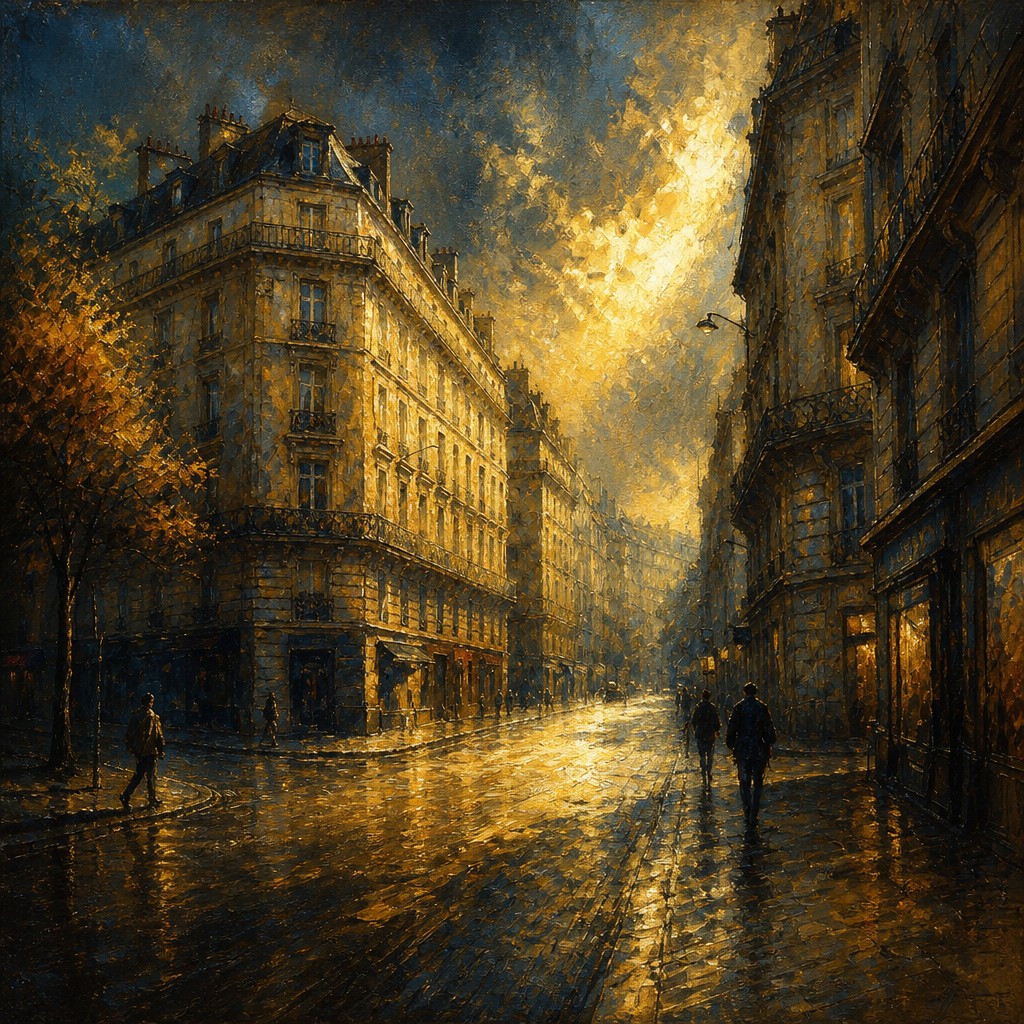

What Defines Romantic Landscape Art Style
The signature details, up close
Sublime scale
Landforms, skies, and seas are depicted as vast and overpowering, often dwarfing human figures or architecture. The viewer is meant to feel awe, humility, and distance.
Dramatic lighting
Light often breaks through clouds, mist, or storm systems in theatrical beams or glowing horizons. Chiaroscuro and high contrast create a sense of revelation or impending change.
Atmospheric depth
Fog, haze, rain, smoke, and layered distance soften the far background and give the scene a temporal, dreamlike quality. This perspective is essential to the style’s sense of memory and mood.
Emotive weather
Storms, churning water, wind-bent trees, and turbulent clouds often stand in for inner feeling. Weather becomes narrative, shaping the emotional tone of the image.
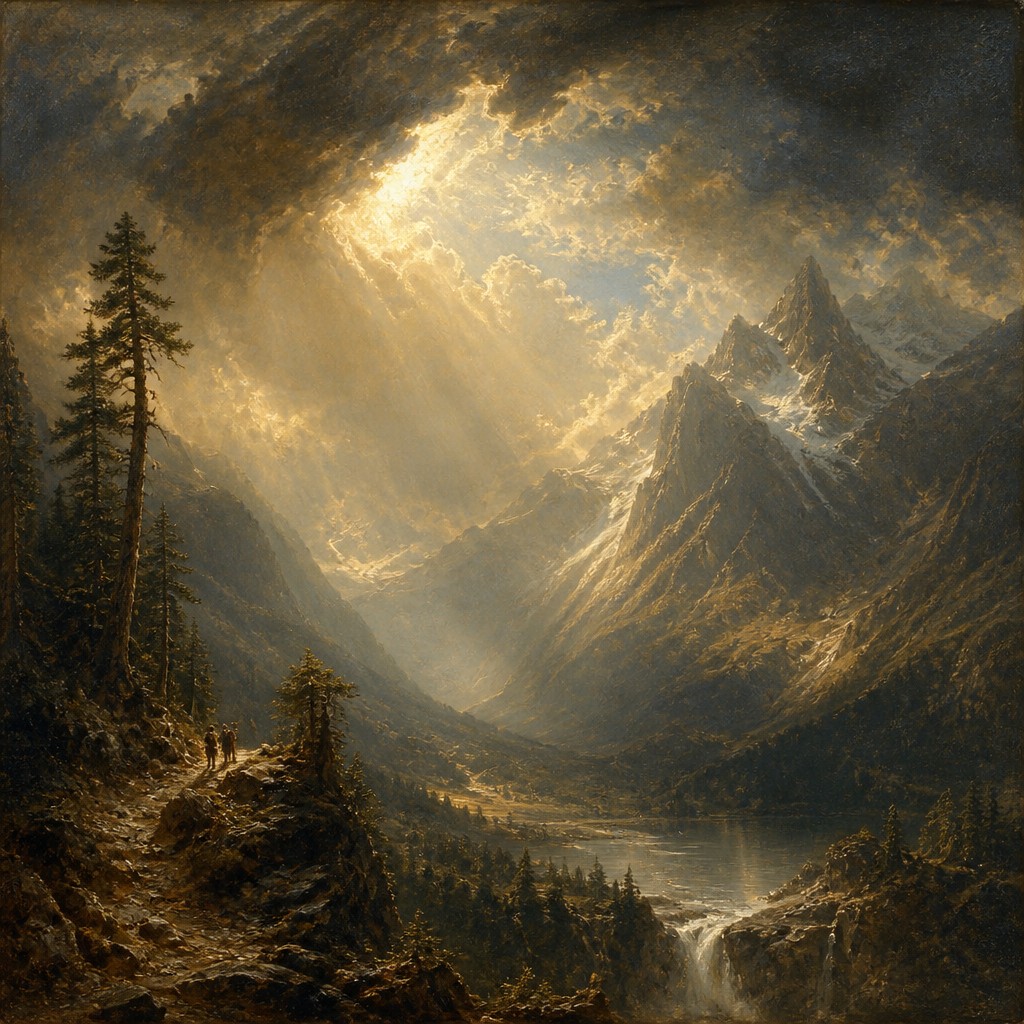
Ruins and signs of passage
Broken architecture, crumbling walls, arches, and abandoned structures add history and melancholy. They suggest the persistence of nature over human ambition.
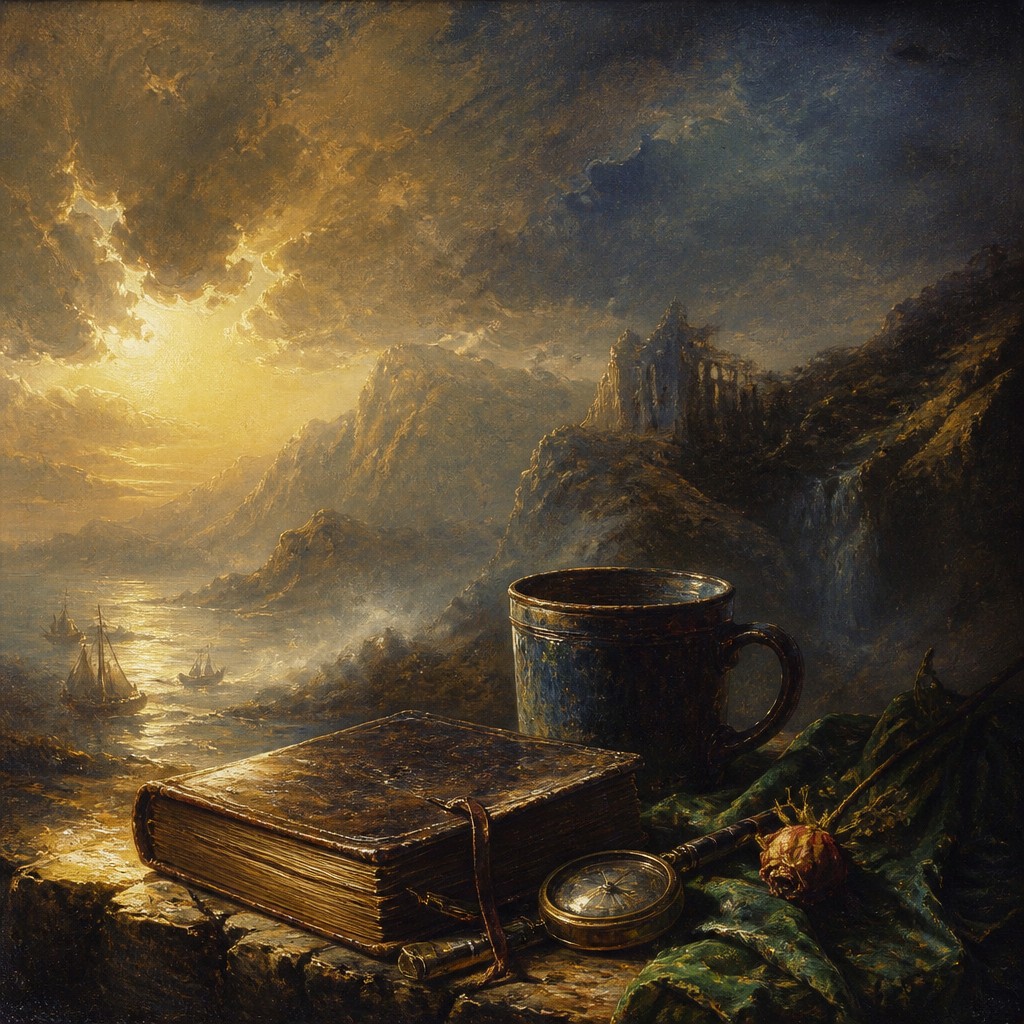
Rich, painterly color
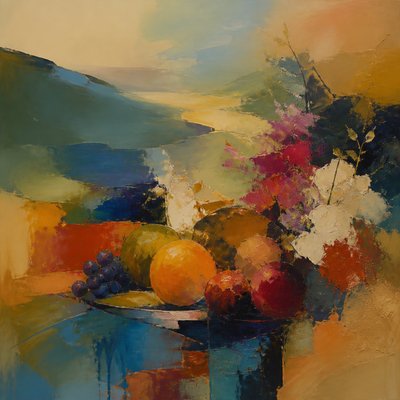
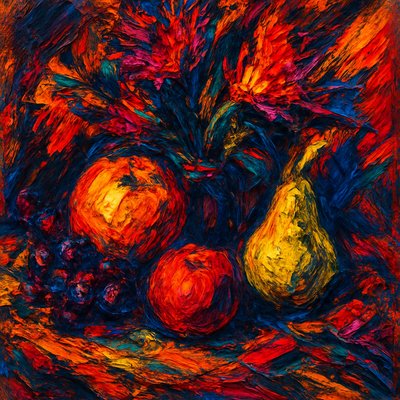
The palette often balances warm ochres, amber light, and earthy browns with cool blues, violets, and blue-green shadows. Color is expressive rather than purely descriptive.
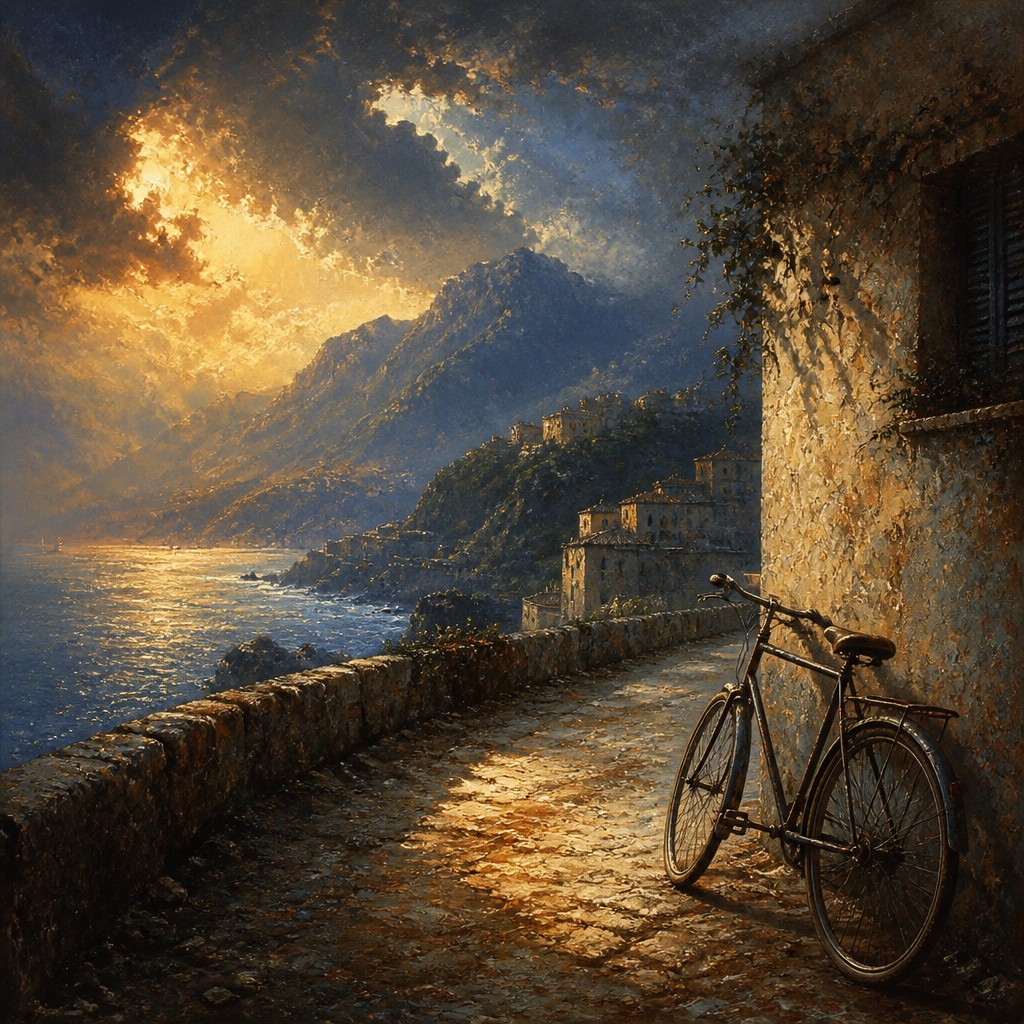
Textured brushwork
Visible strokes, impasto, and layered glazes create a tactile surface that feels handmade and atmospheric. The surface often has a weathered, timeworn patina.
Try It
Create Videos in Romantic Landscape Art Style
Styles aren't just for stills — describe a scene or animate an image and get a short video rendered in Romantic Landscape. Press play to see this pond come to life.
Make a VideoRomantic Landscape Prompt Ideas
Start from an idea — each one opens the generator with the style ready to go. See all 40 Romantic Landscape prompts →
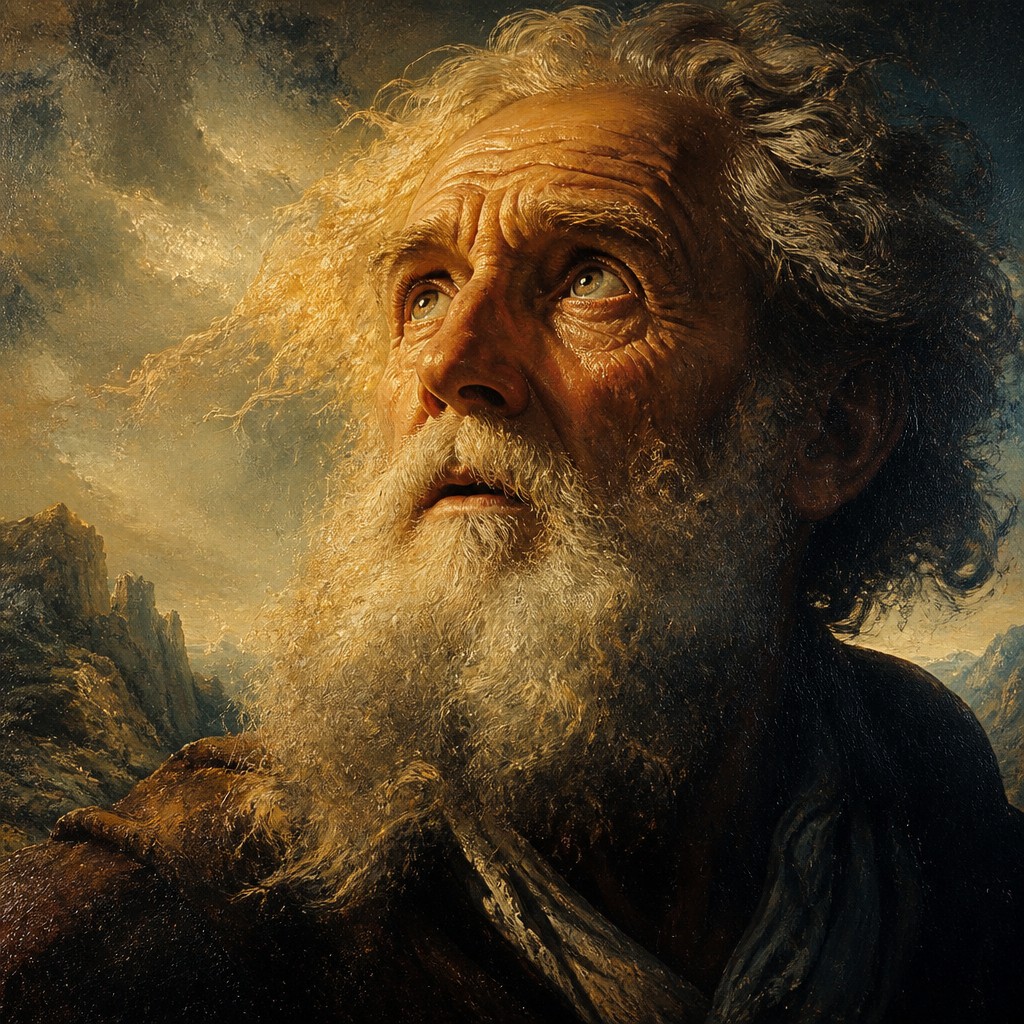
“close-up portrait of an elderly person with expressive weathered features”
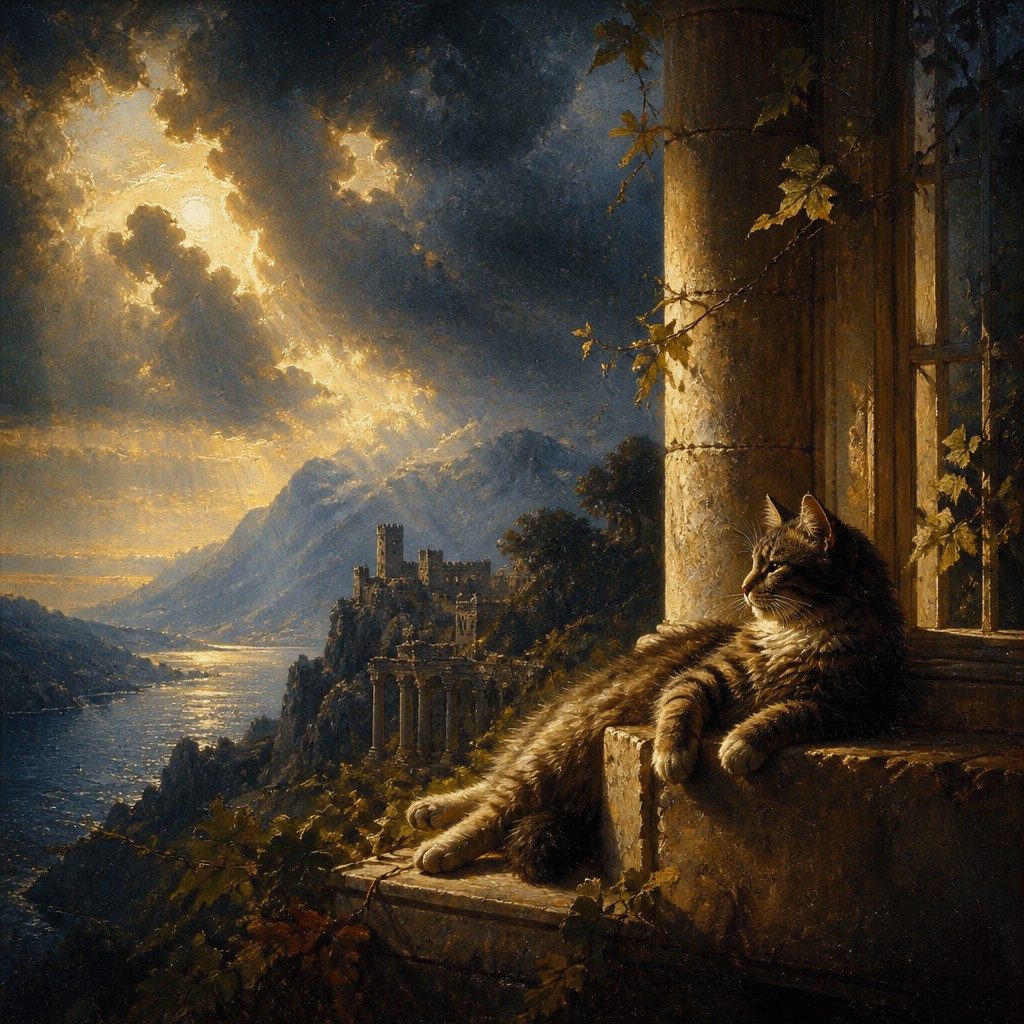
“a cat lounging in a sunlit window”
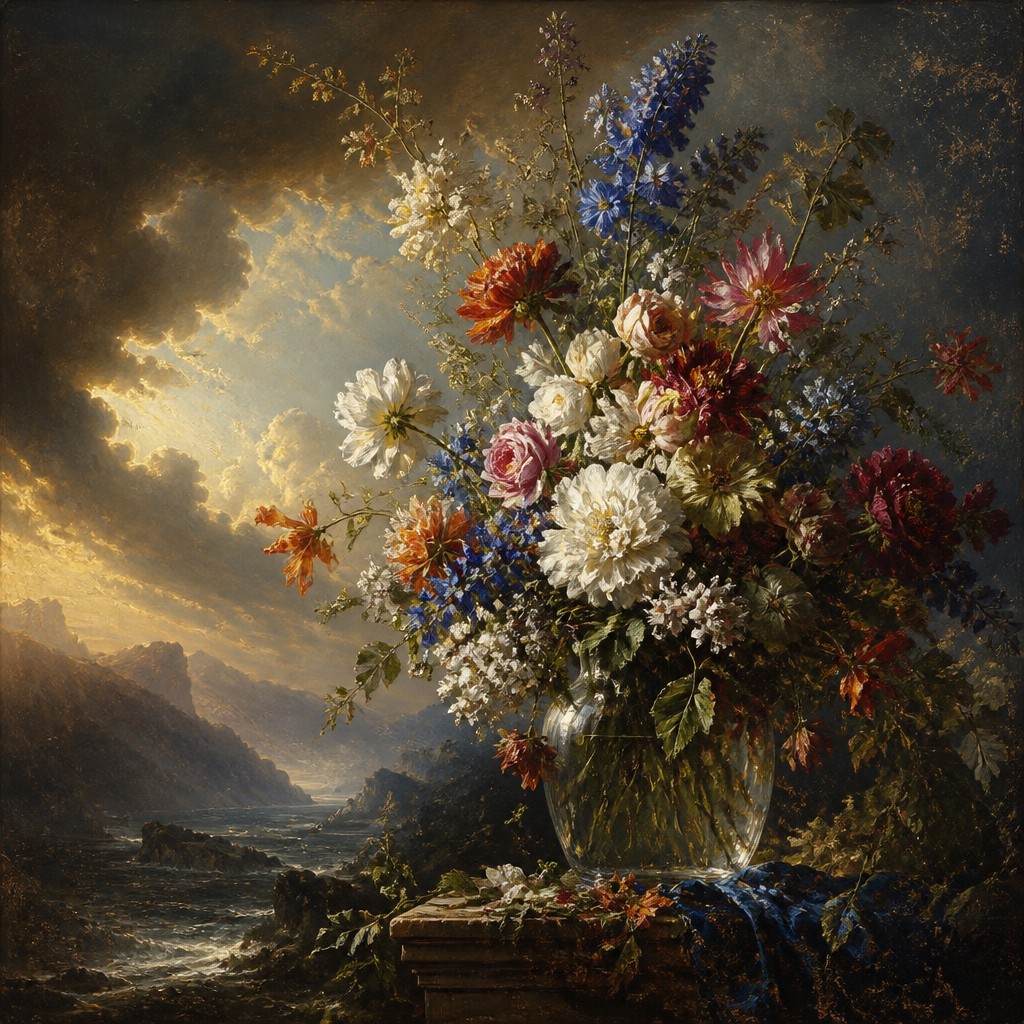
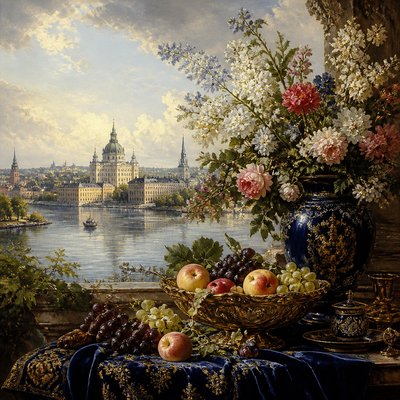
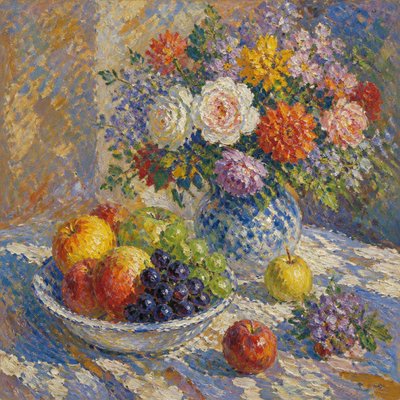
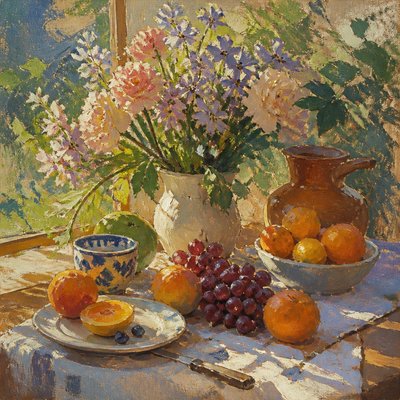
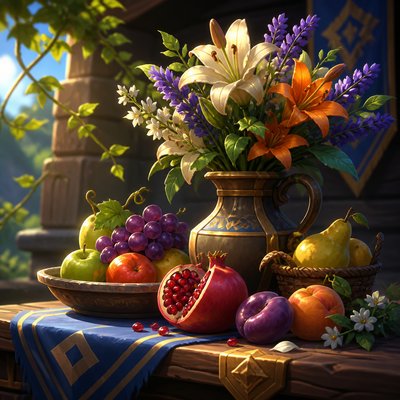
“bouquet of flowers in a glass vase”
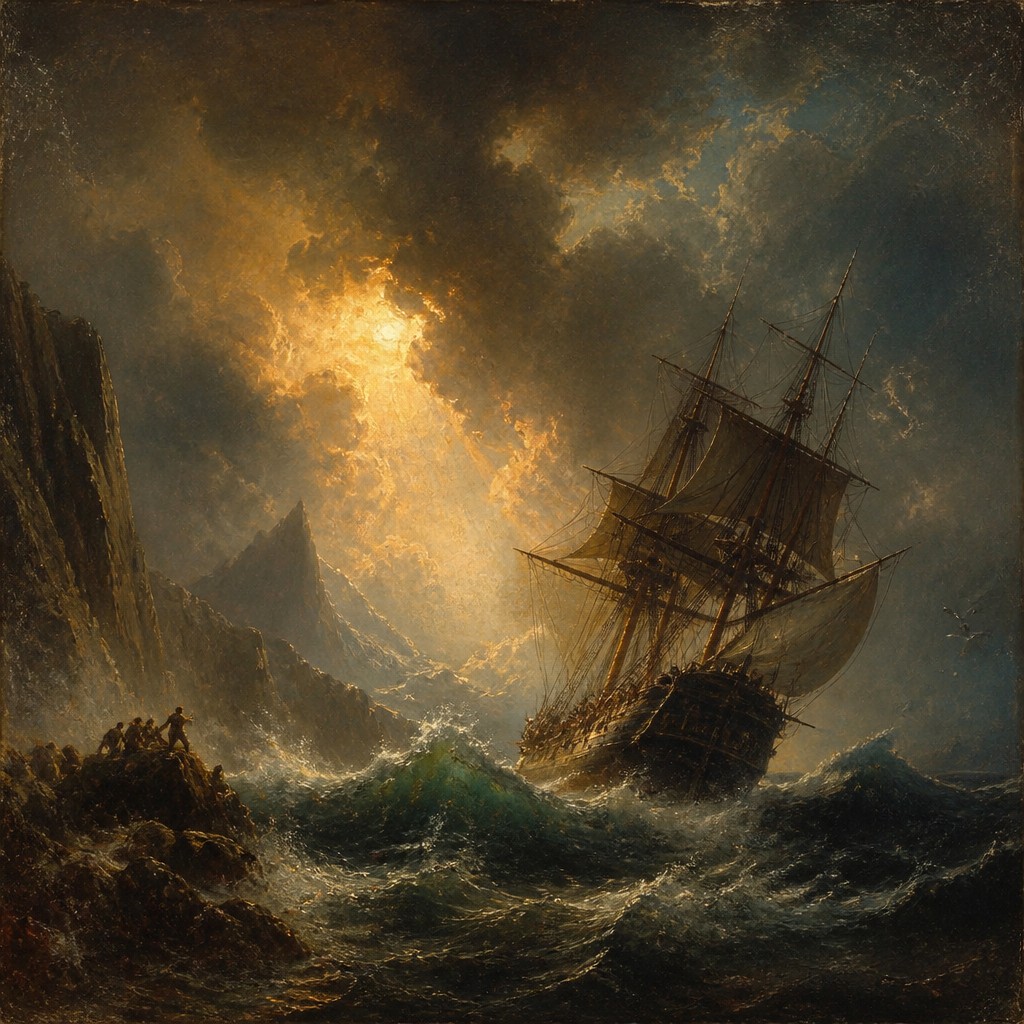
“sailing ship on a stormy sea”
How to Create Romantic Landscape Art
Master the craft step by step — or skip straight to creating. Read the full guide →
- 1
Build a strong sky and horizon
Start with the sky, since it usually controls the mood of the entire image. In traditional painting, block in large value masses first; in digital work, paint broad atmospheric gradients before adding detail. For prompt-based generation, specify weather, light direction, and horizon mood rather than only the subject.
- 2
Use diagonals and depth cues
Compose with leading diagonals, receding paths, or shoreline curves to create movement and emotional tension. Place a small figure, tree, or ruin as a scale reference so the landscape feels monumental.
- 3
Balance warmth and coolness
Let warm sunlight, reflective earth tones, or golden highlights contrast with cool blue shadows and distant haze. This temperature contrast is a key reason the style feels luminous and dramatic.
- 4
Paint atmosphere before detail
In both oil and digital painting, establish the big value relationships and then soften the distance with translucent layers or atmospheric haze. Avoid over-sharpening everything; the Romantic effect depends on selective clarity.
- 5
Add historical or symbolic anchors
Include ruins, solitary figures, old trees, cliffs, or coastal wreckage to suggest time, memory, and endurance. In prompts, pair the landscape with an emotional cue such as solitude, awe, longing, or reverence.
- 6
Guide generative prompts with materials and light
Use phrases like 'theatrical chiaroscuro,' 'misty atmospheric perspective,' 'impasto brushwork,' and 'weathered patina' to steer outputs toward the right texture and mood. If transforming a photo, ask for the landscape’s contours and lighting to be preserved while enriching clouds, color, and painterly surface.

The Story
History & Origins of Romantic Landscape
Romantic landscape painting emerged in the late 18th and early 19th centuries alongside the broader Romantic movement in European art and literature. It developed partly in response to Enlightenment rationalism and academic order, favoring subjective feeling, dramatic weather, ruins, wilderness, and the experience of the sublime. Canonical painters associated with the tradition include leading German Romantic landscape painters, a major British Romantic marine painter, and a leading English landscape painter, each of whom helped define different aspects of the style: meditative solitude, atmospheric turbulence, and intimate observation of nature.
Its lineage also draws from earlier landscape traditions such as the idealized pastoral scenes of a celebrated French classical landscape painter and seventeenth-century Dutch landscape painting, but Romantic landscape transformed these precedents by heightening emotional intensity and dramatic scale. Later plein-air practice, Symbolism, and cinematic landscape imagery inherited elements of its mood and atmospheric effects, and the style continues to shape contemporary fantasy illustration, editorial imagery, and digitally painted environments.
Influences: This style is closely related to European Romanticism, especially the landscape painting of leading German Romantic landscape painters, a major British Romantic marine painter, and a leading English landscape painter, as well as earlier ideal landscapes by a celebrated French classical landscape painter. It also overlaps with the picturesque tradition, the sublime in aesthetics, and later Symbolist and cinematic landscape imagery, all of which use nature to convey mood, memory, and transcendence.
Frequently Asked Questions
What defines Romantic Landscape Art Style?
It is defined by emotional intensity, dramatic weather, sublime scale, and a strong sense of atmosphere. The landscape is not just scenery; it is the subject through which awe, solitude, longing, or transcendence is expressed.
How is it different from realistic landscape painting?
Realistic landscape painting prioritizes accurate observation, while Romantic landscape exaggerates mood, light, and scale to create emotional impact. It may still be observational, but it is organized around feeling rather than strict topographic fidelity.
What kinds of subjects work best in this style?
Cliffs, storms, forests, mountains, coastlines, ruins, and solitary figures are especially effective because they support the themes of the sublime and the contemplative. Even quiet scenes can feel Romantic if they have atmospheric depth and a strong emotional horizon.
What colors are typical of this style?
The style often uses rich earth tones, golden light, muted greens, deep blues, and violet-gray shadows. High contrast between warm illumination and cool distance is especially characteristic.
Can this style be made digitally?
Yes. Digital painting works well because it makes it easy to layer haze, adjust lighting, and refine color temperature. The key is to preserve painterly texture and avoid overly crisp, photographic rendering.
Where is this style commonly used today?
It appears in fine art, book covers, concept art, fantasy environments, editorial illustration, and atmospheric poster design. Contemporary artists often borrow its light, color, and mood to give scenes a timeless or contemplative feeling.
Create your first Romantic Landscape artwork
Describe anything — or upload a photo — and see it in Romantic Landscape Art Style in seconds.
Make Something with Romantic Landscape
Related Styles
Discover similar art styles