Sunset Silhouette Art Style
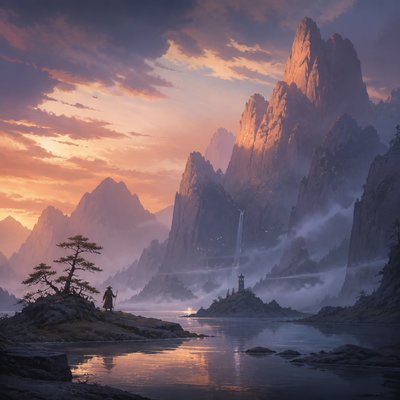
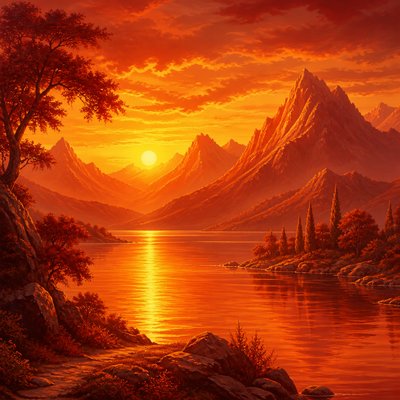
Bold black silhouettes against glowing sunset gradients—romantic, graphic scenes with warm atmospheric color and dramatic edge light.
Instantly rendered in Sunset Silhouette — or transform a photo
Sunset Silhouette Gallery
Tap any artwork to explore it
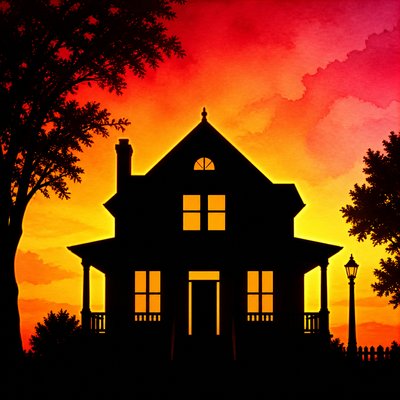
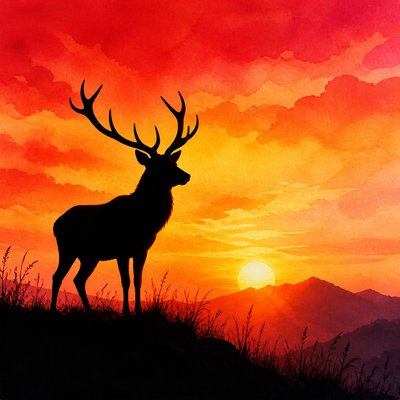
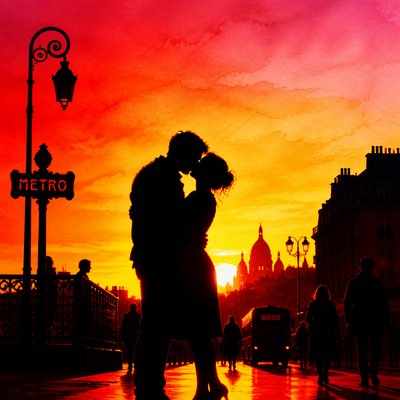
What is Sunset Silhouette Art Style?
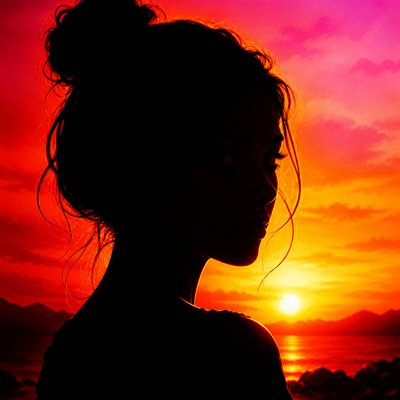
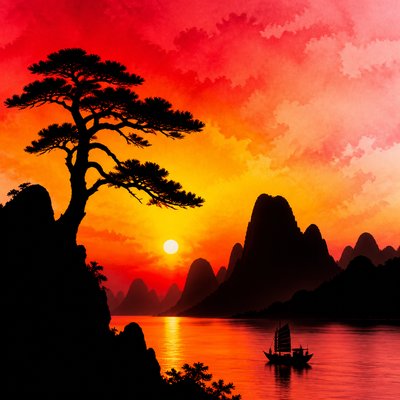
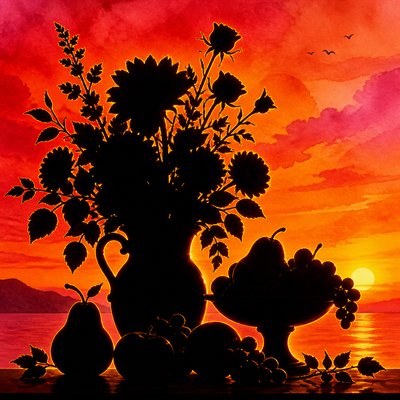
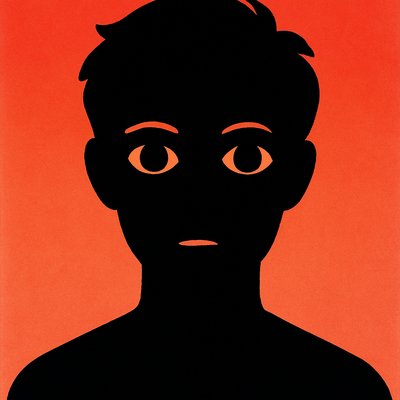
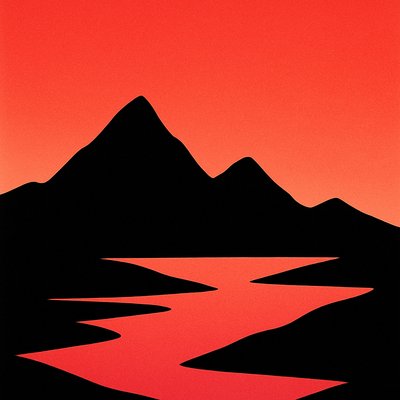
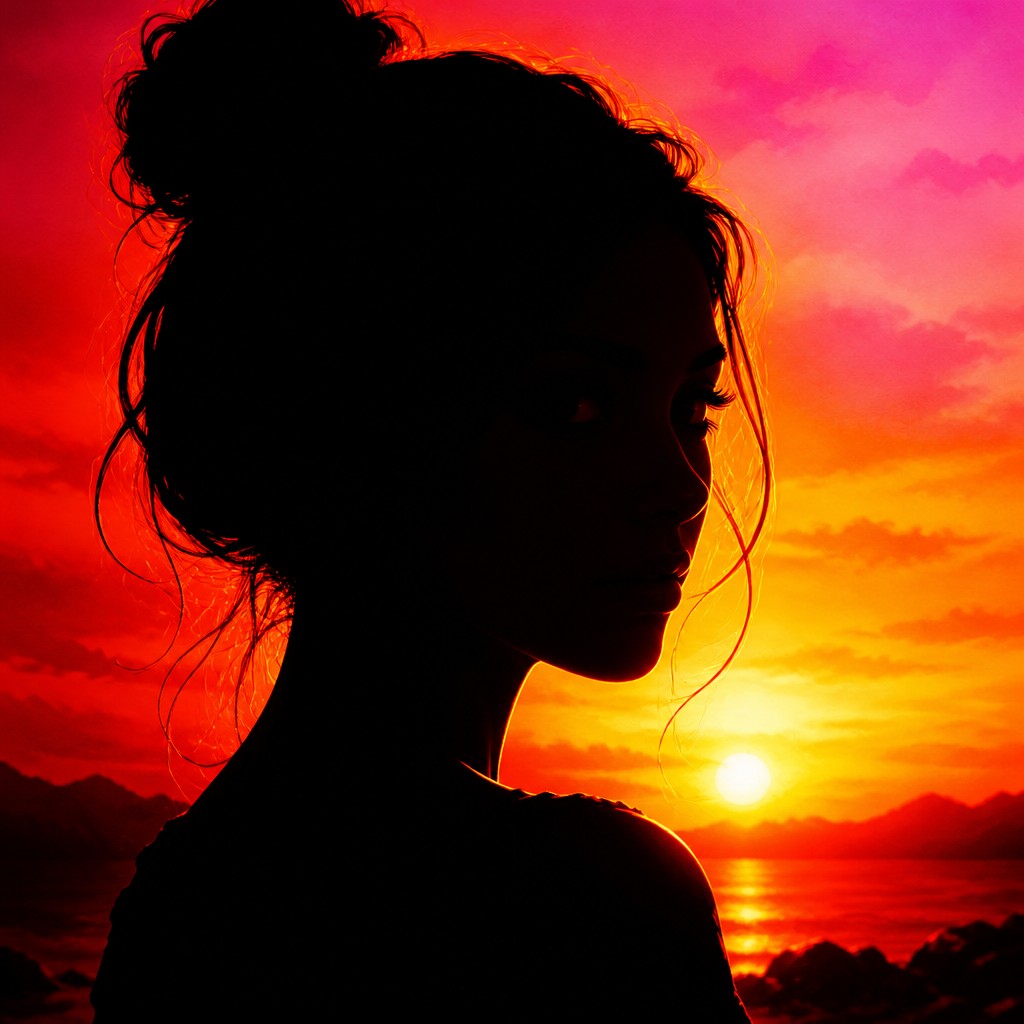
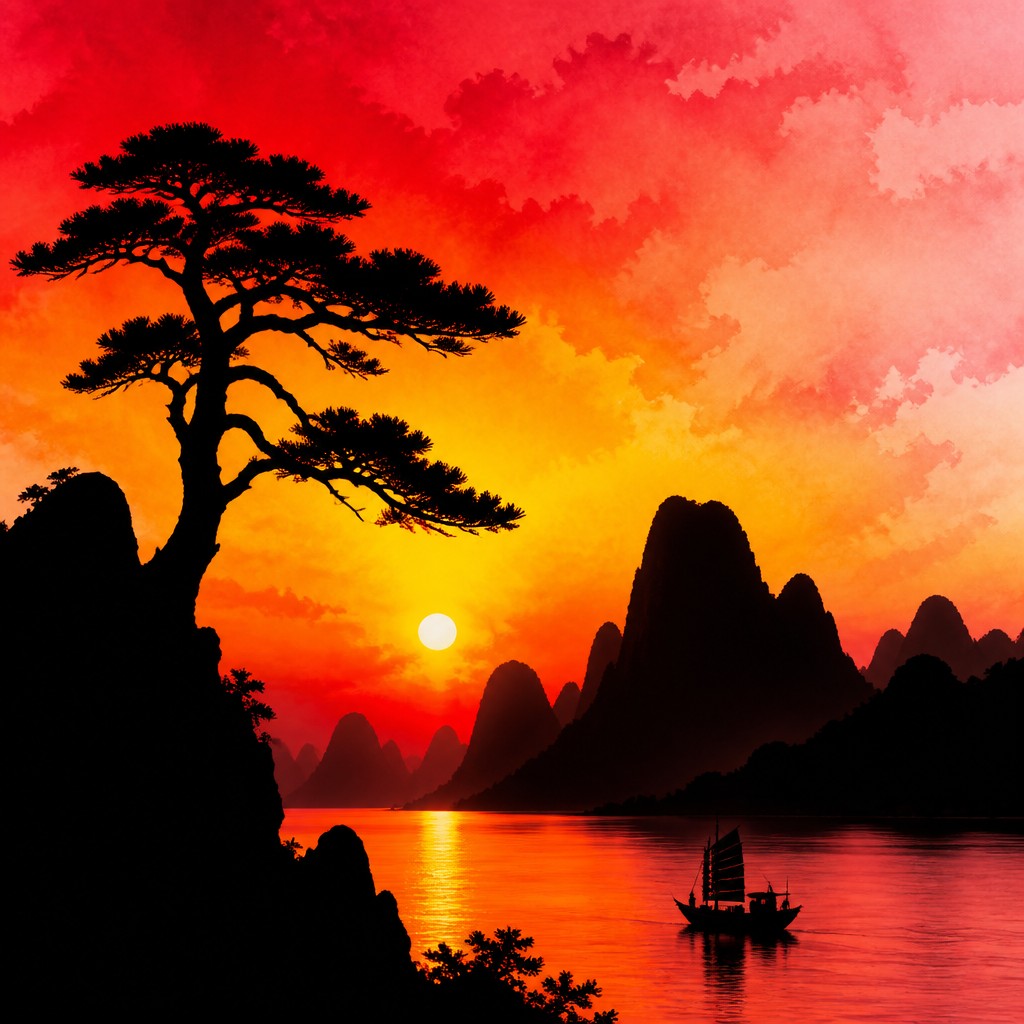
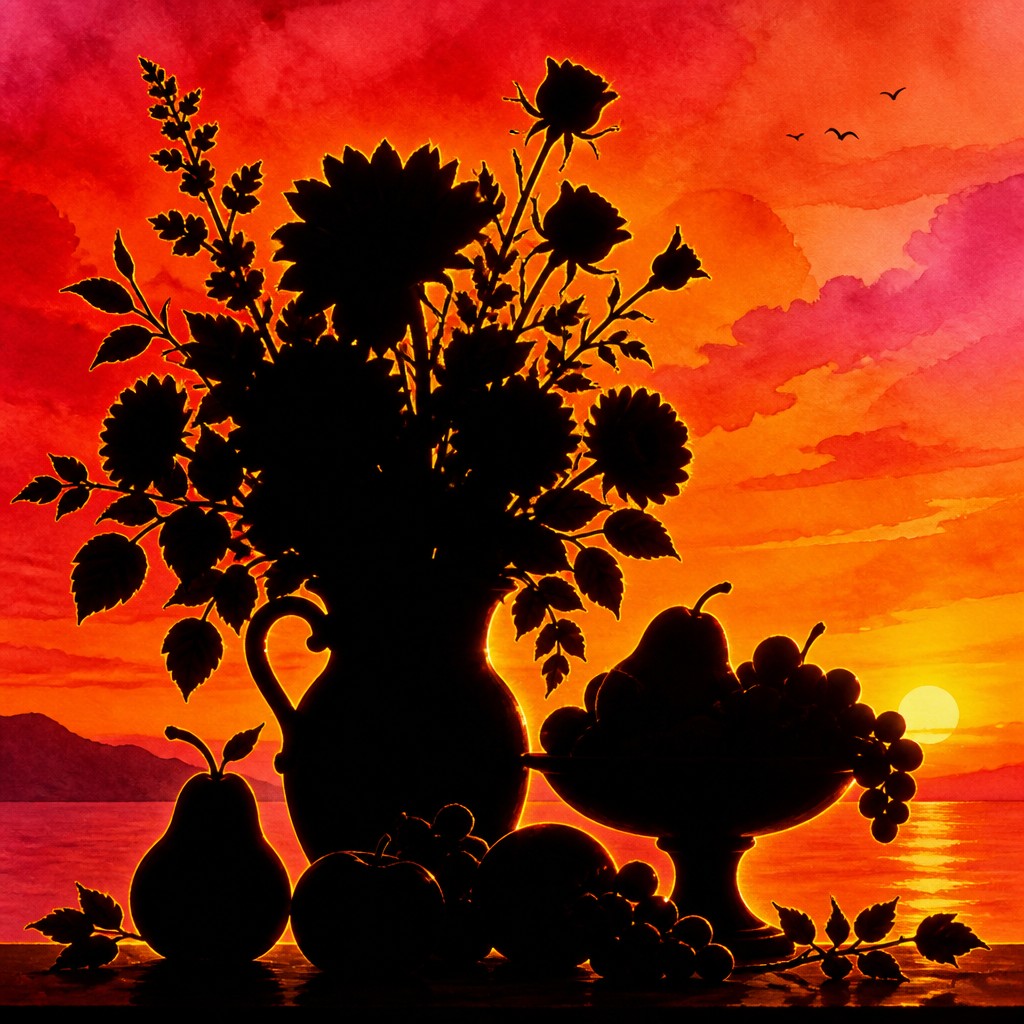
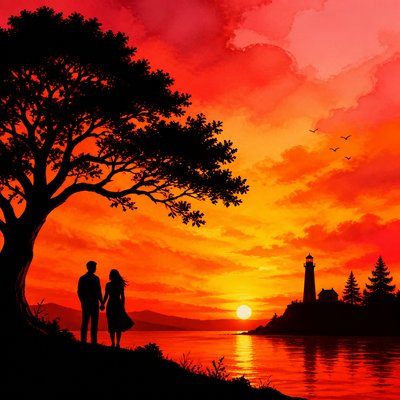
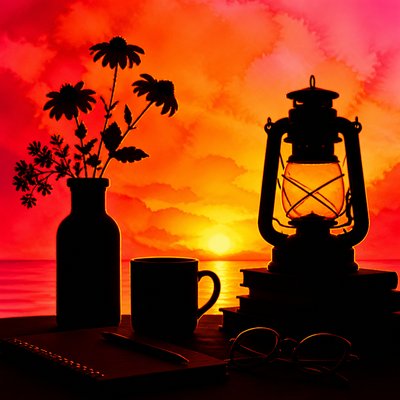
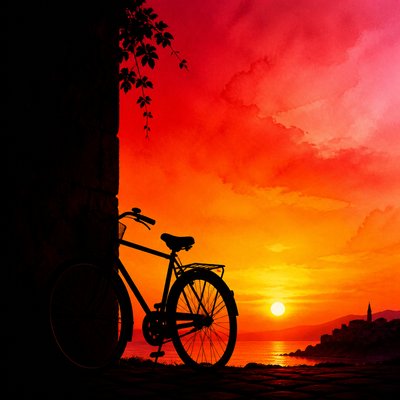
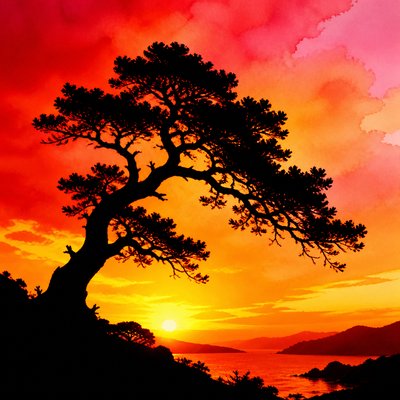
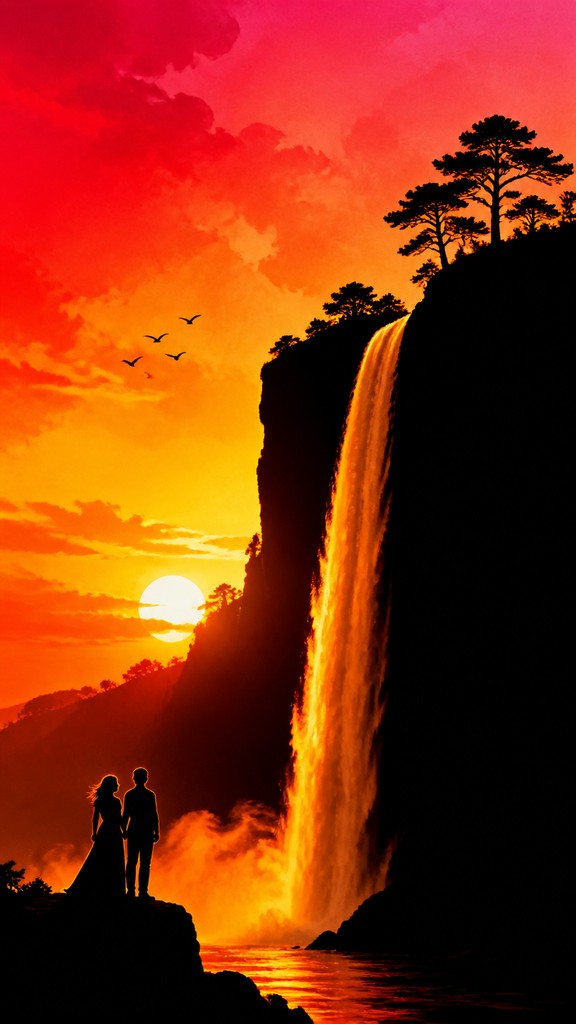
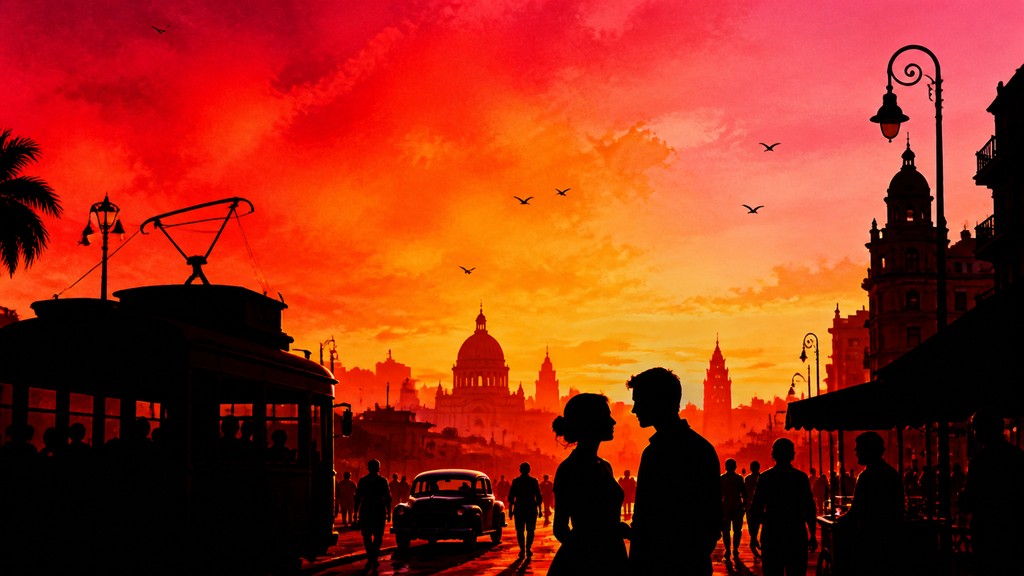
Sunset Silhouette Art Style is a graphic image language built on a stark contrast: foreground subjects are reduced to solid black silhouettes, while the background becomes a luminous sky of sunset color. Instead of modeling form with interior detail, the style defines objects by contour, negative space, and edge glow. The result is instantly legible and emotionally direct, with a strong sense of drama, nostalgia, and quiet romance.
Its visual identity comes from the interplay of simplified shape and atmospheric color. Deep crimson, orange, gold, and pink bleed into one another in soft gradients that suggest dusk, haze, and radiant heat. Because the silhouettes are opaque and featureless, the viewer reads the scene through outline alone—trees, people, birds, mountains, ships, and city skylines all become iconic shapes against a glowing horizon. The style feels both timeless and modern because it combines traditional sunset painting effects with the bold clarity of poster design and high-contrast graphic illustration.
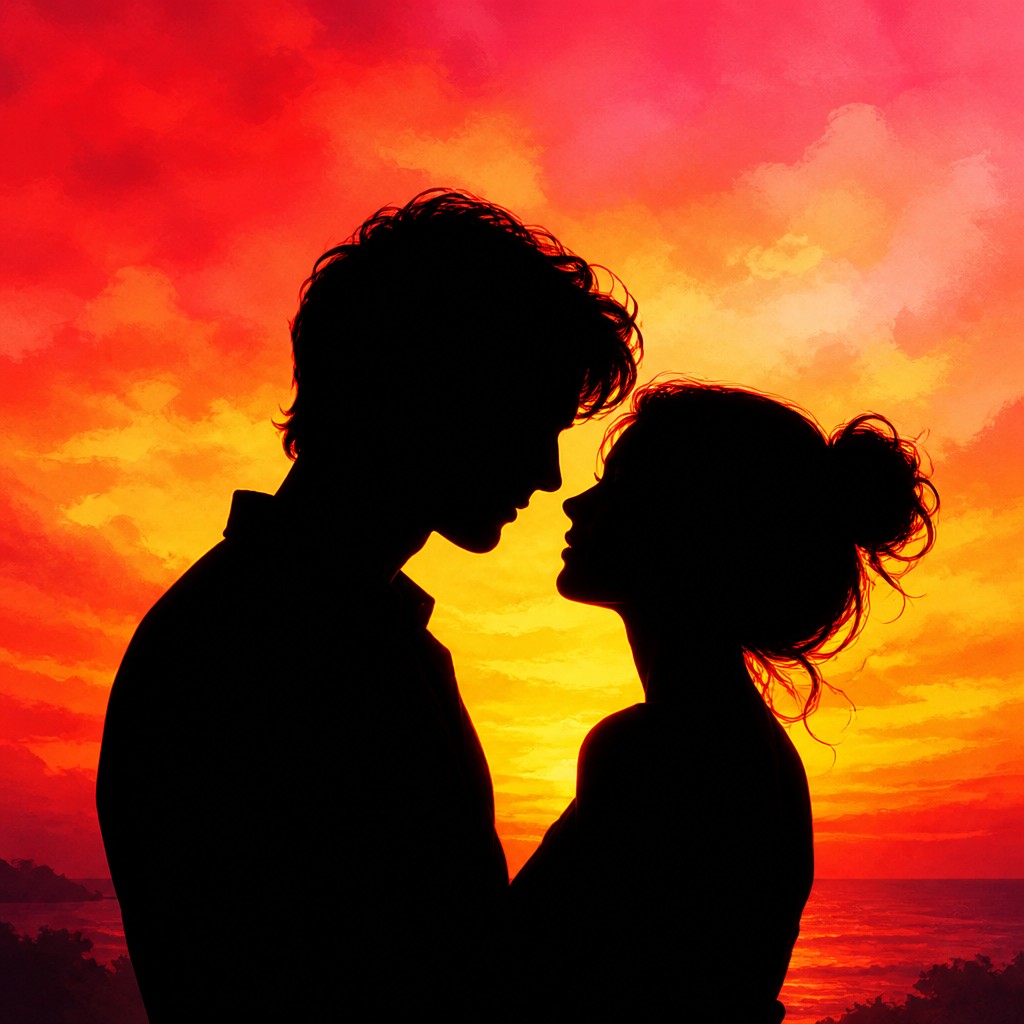
Try It On Your Photos
Upload any photo and convert it into Sunset Silhouette Art Style — drag the sliders to compare before and after.


What Defines Sunset Silhouette Art Style
The signature details, up close
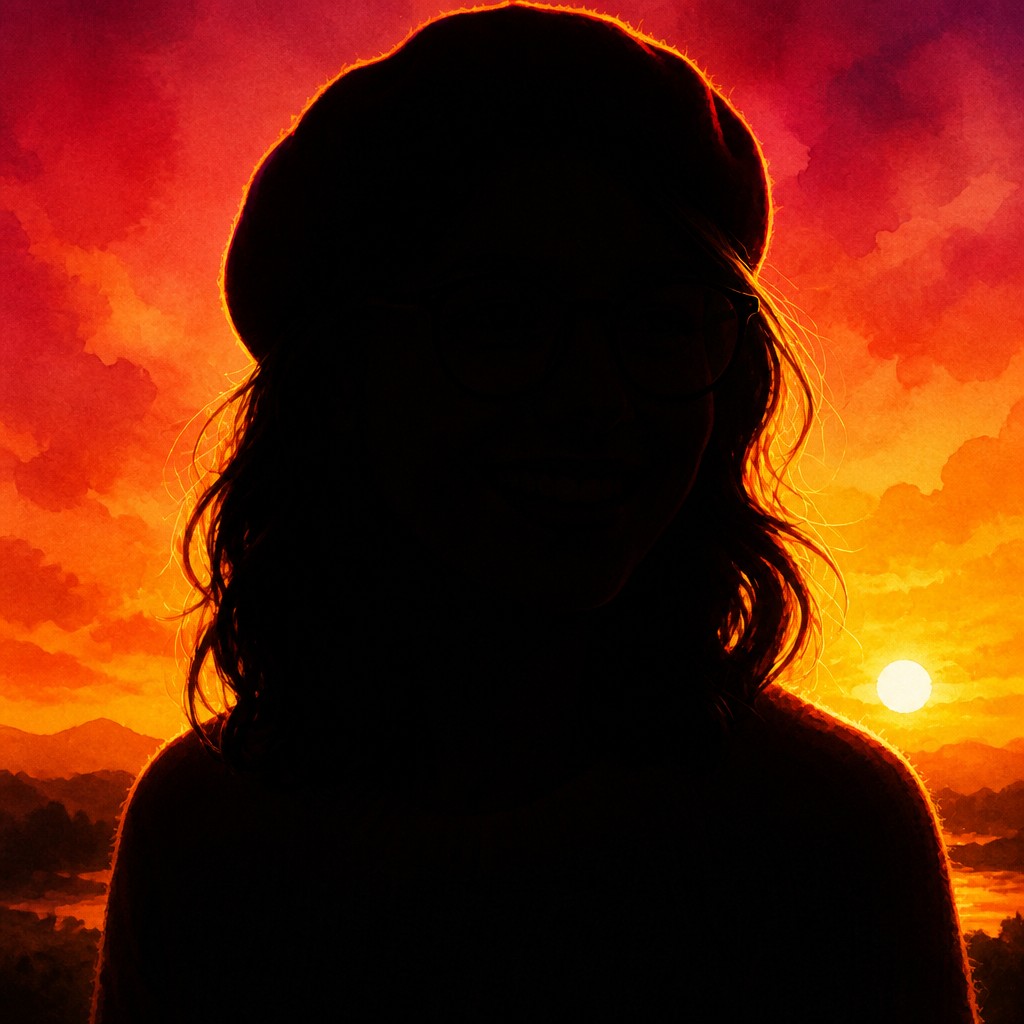
Opaque black foreground forms
Subjects are rendered as pure, solid black shapes with no internal shading, texture, or facial detail. The contour line becomes the entire vocabulary of the figure or object.
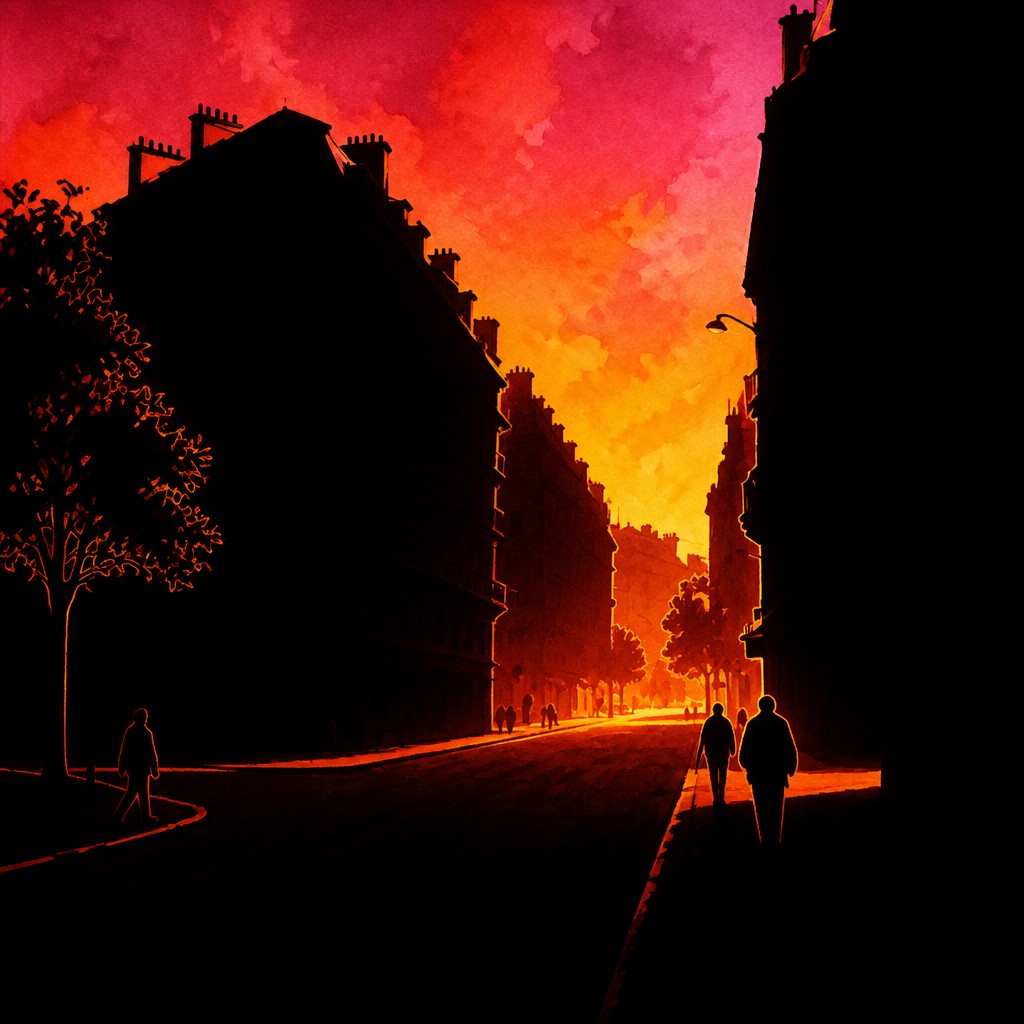
Radiant sunset gradient sky
The background typically moves through deep crimson, orange, gold, and soft pink in a smooth, luminous transition. The sky is not flat color; it feels glowing, layered, and atmospheric.
Strong edge glow
A warm rim of light often traces the silhouette edges, separating the foreground from the sky. This subtle halo intensifies the contrast and suggests low-angle sunlight at dusk.
Minimal detail, maximum readability
Small forms and secondary textures are eliminated so the main subject reads instantly at a distance. The image relies on shape design rather than rendering.
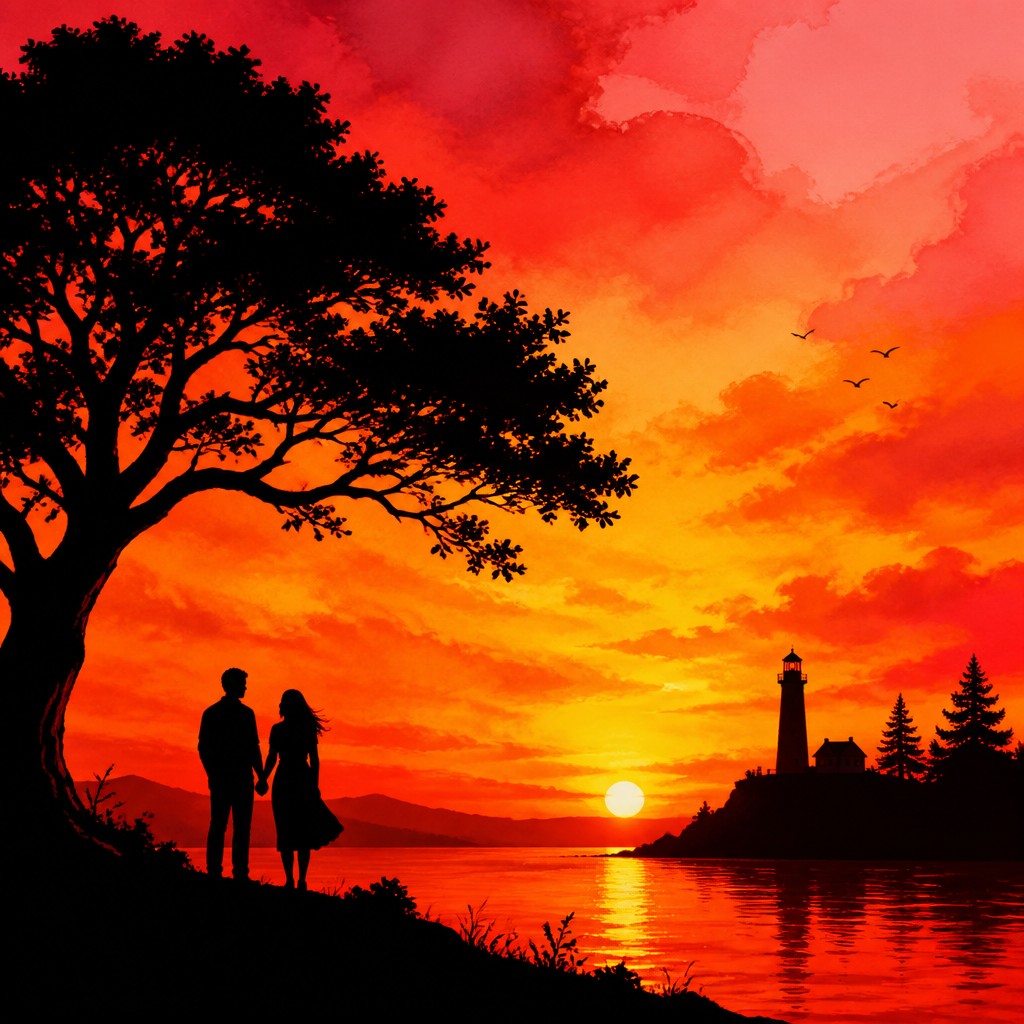
Romantic, nostalgic mood
Because the palette evokes evening and the silhouettes suggest memory or distance, the style often feels reflective, cinematic, or serene. It can read as peaceful, solitary, or wistful depending on the subject.
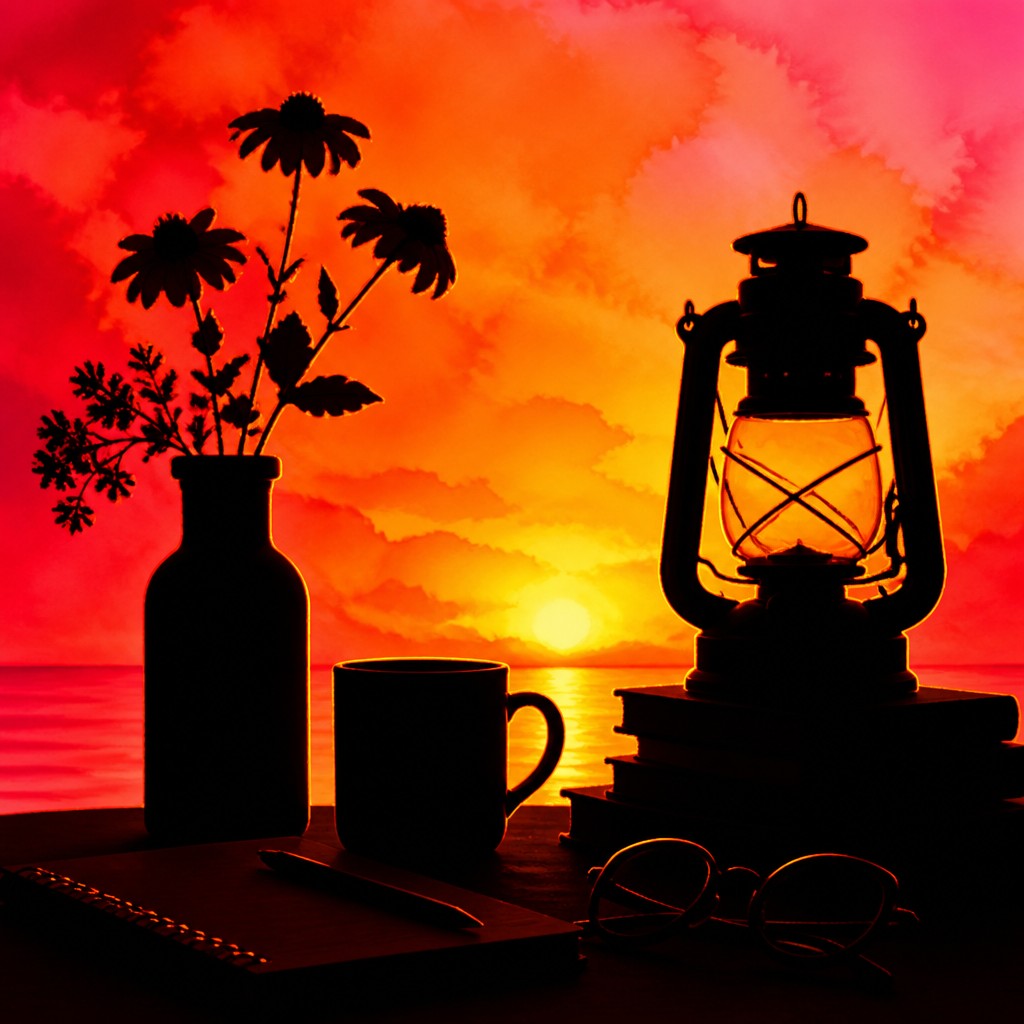
Fluid atmospheric blending
Color transitions are usually soft and melted rather than hard-banded. Watercolor-like diffusion, haze, or mist often softens the horizon and deepens the sense of warmth.
Try It
Create Videos in Sunset Silhouette Art Style
Styles aren't just for stills — describe a scene or animate an image and get a short video rendered in Sunset Silhouette. Press play to see this pond come to life.
Make a VideoSunset Silhouette Prompt Ideas
Start from an idea — each one opens the generator with the style ready to go. See all 40 Sunset Silhouette prompts →
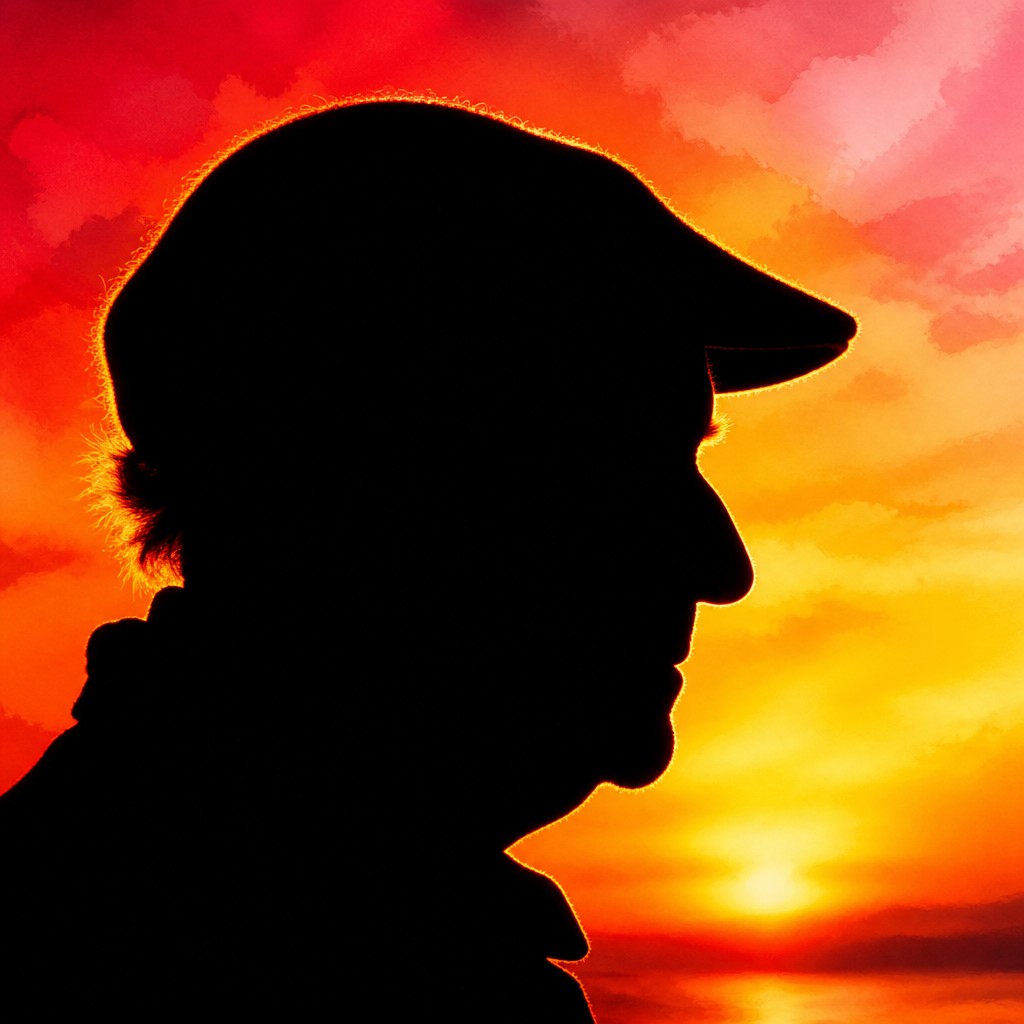
“close-up portrait of an elderly person with expressive weathered features”
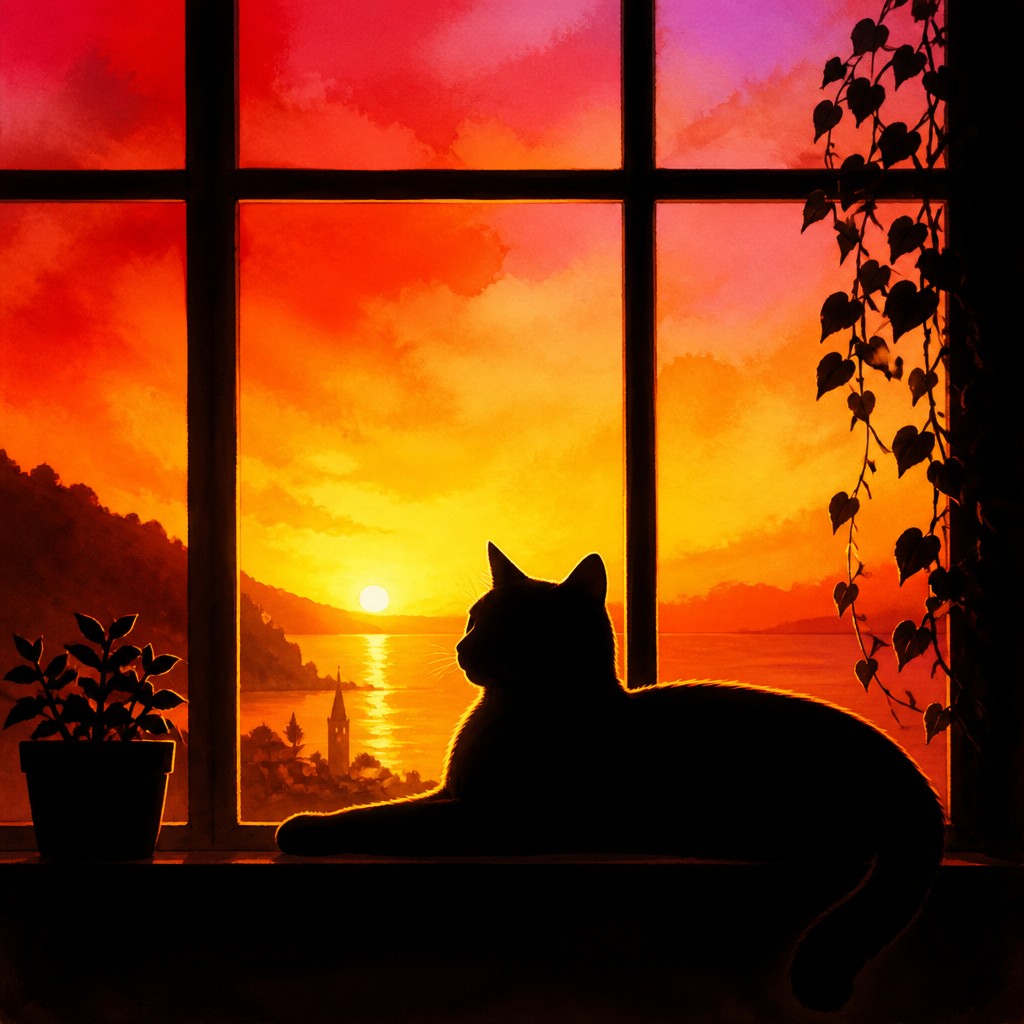
“a cat lounging in a sunlit window”
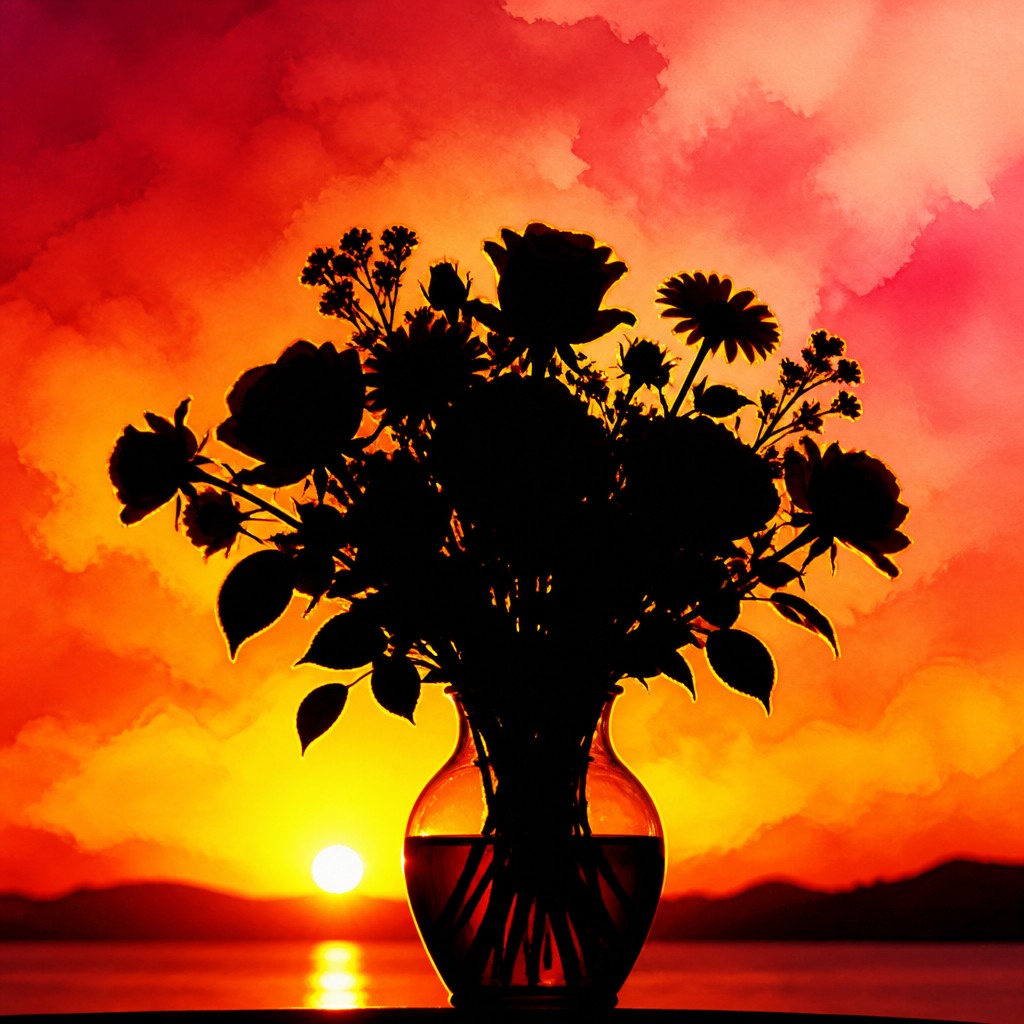
“bouquet of flowers in a glass vase”
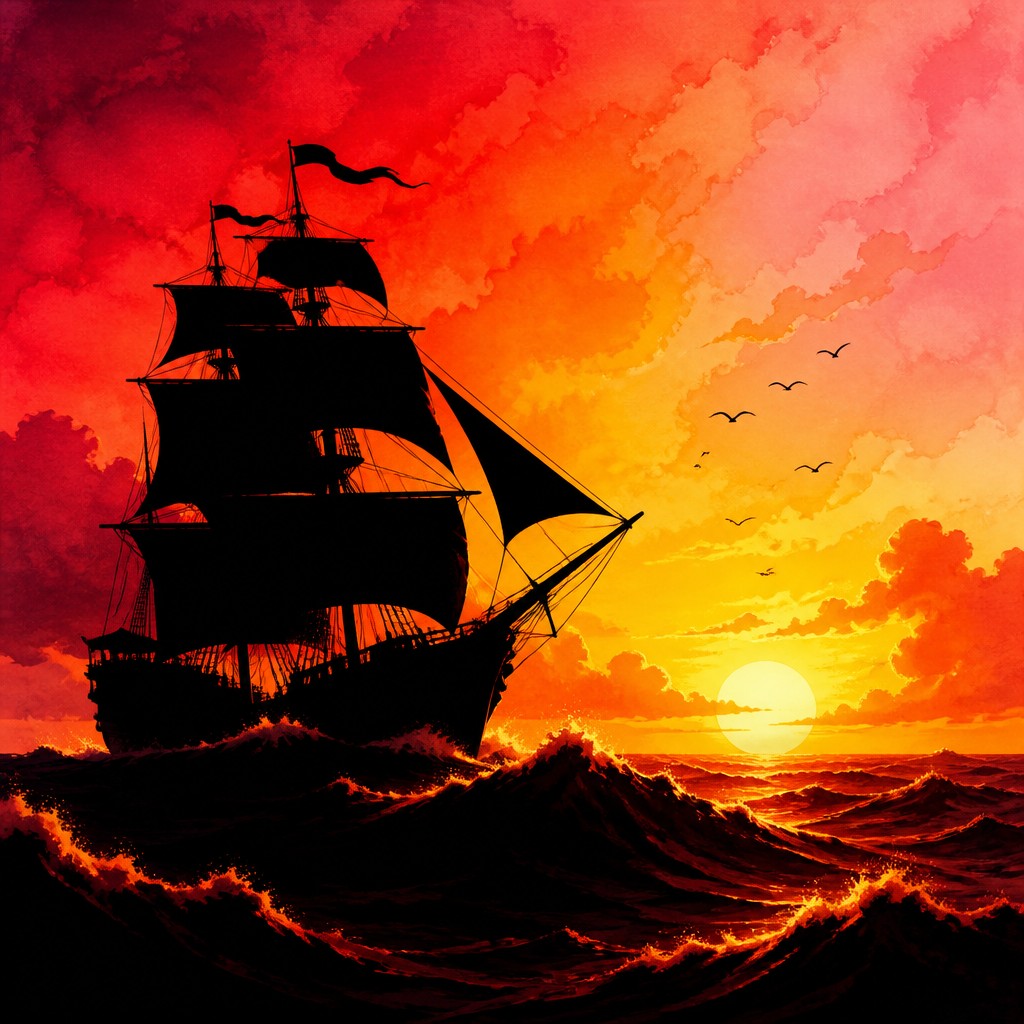
“sailing ship on a stormy sea”
How to Create Sunset Silhouette Art
Master the craft step by step — or skip straight to creating. Read the full guide →
- 1
Choose a subject with a clear silhouette
Pick forms that remain recognizable when filled in completely black: people in profile, trees, birds, animals, mountain ridges, boats, skylines, or dancers work especially well. Avoid subjects that depend on internal detail to read.
- 2
Flatten the foreground into a single value
In traditional work, paint or cut the subject as a clean black mass against the background. In digital work, place the subject on its own layer and remove all interior shading, keeping only crisp outer edges.
- 3
Build the sky as a layered gradient
Blend warm hues from dark red near the upper or lower edge into orange, gold, and pink, using soft transitions rather than abrupt stripes. Gentle cloud shapes, haze, or diffusion can add depth without breaking the simplicity.
- 4
Use rim light and contrast intentionally
A narrow luminous edge around the silhouette can separate form from background and make the subject pop. Keep the brightest color zones close to the horizon or behind the subject to reinforce the sunset effect.
- 5
Control composition for graphic impact
Place the silhouette in a strong, readable arrangement—centered for icon-like clarity or off-center for a cinematic feel. Keep horizons, treelines, and architecture simplified so the negative space remains elegant.
- 6
For prompt-based generation, specify shape and lighting
Describe the subject, then explicitly request a pure black silhouette, glowing sunset gradient, soft atmospheric diffusion, and no internal detail. Phrases like 'opaque black silhouette,' 'luminous crimson-to-gold sky,' and 'rim glow' help steer the image toward the style.

The Story
History & Origins of Sunset Silhouette
Sunset silhouette imagery is not a single historical art movement, but a recurring visual tradition that draws from several sources. Its strongest lineage comes from silhouette portraiture, 18th- and 19th-century cut-paper profiles, Romantic landscape painting, and later poster art and graphic design, all of which value strong contour, simplified form, and emotional atmosphere. The sunset backdrop also connects it to landscape painting traditions that treated dusk and dawn as charged moments of color and mood.
In contemporary visual culture, the style has been reinforced by travel posters, album covers, children’s illustration, cinema title design, and digital matte painting, where readable shapes and saturated skies communicate place and feeling quickly. In modern image-making, it has become a popular aesthetic for subject matter ranging from lone figures and wildlife to cityscapes and fantasy scenes because the formula is adaptable: any scene can be converted into a silhouette while the sky supplies the color drama.
Influences: This style draws from silhouette portraiture, Romantic landscape painting, and graphic poster design, as well as the simplified contour language of cut-paper illustration and shadow theater. Its mood often echoes the atmospheric color sensibility of a leading English Romantic landscape painter, while its shape-driven clarity aligns more closely with modern illustration and visual branding than with painterly naturalism. The result is a hybrid of old and new traditions: historic interest in dusk and contour paired with contemporary preference for clean, immediately readable imagery.
Frequently Asked Questions
What defines Sunset Silhouette Art Style?
It is defined by a pure black foreground silhouette set against a glowing sunset background. The subject has no internal detail, so the entire image depends on contour, negative space, and warm atmospheric color. The style is recognizable by its high contrast and smooth sky gradients.
How is it different from a normal sunset landscape?
A normal sunset landscape usually depicts objects with color, shading, and texture. In this style, the subject is stripped down to a black shape, making the sunset itself the main source of visual richness. That shift creates a more graphic and iconic image.
Is this style realistic or stylized?
It is highly stylized rather than realistically rendered. The sunset colors may be inspired by nature, but the silhouette treatment simplifies the world into shape and light. The effect is designed for clarity and mood more than accuracy.
What subjects work best in this style?
Subjects with distinctive outlines work best: people, trees, birds, animals, mountains, boats, and city skylines. Anything with a readable outer contour can be turned into a strong silhouette. Subjects that depend on fine facial or surface detail are less effective.
How do I make this style in traditional art?
Use a dark foreground shape and build the background with warm blended color fields. Gouache, acrylic, watercolor, ink wash, or cut-paper collage can all work well if you keep the silhouette solid and the sky softly graded. The key is preserving a clean edge between subject and light.
Where is this style commonly used?
It is often used in posters, album art, book covers, travel imagery, greeting cards, and social media graphics. It also appears in romantic or cinematic illustration because it communicates mood quickly and reads well at a glance.
Create your first Sunset Silhouette artwork
Describe anything — or upload a photo — and see it in Sunset Silhouette Art Style in seconds.
Make Something with Sunset Silhouette
Related Styles
Discover similar art styles