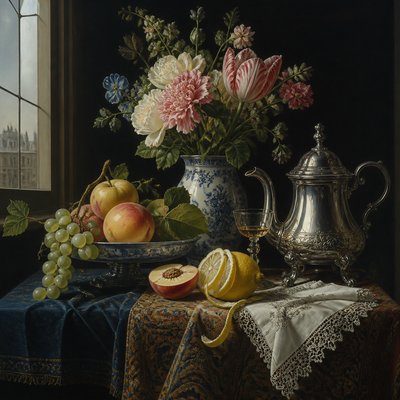
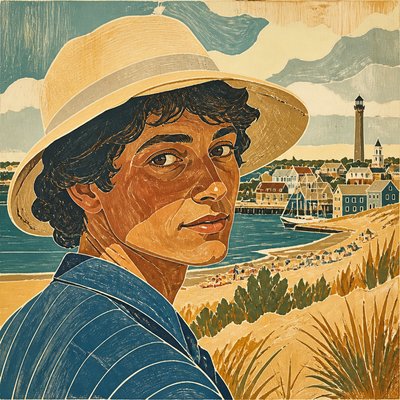
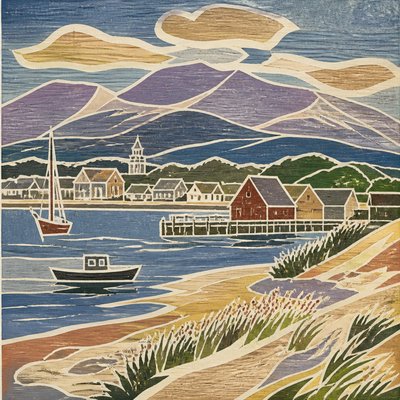
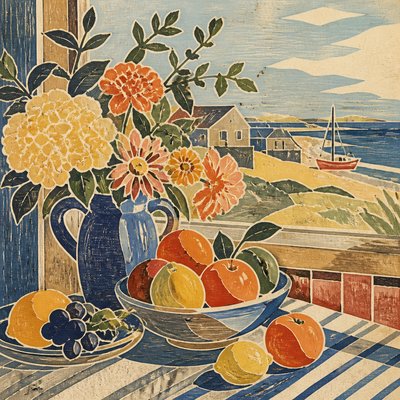
Steampunk Art Style
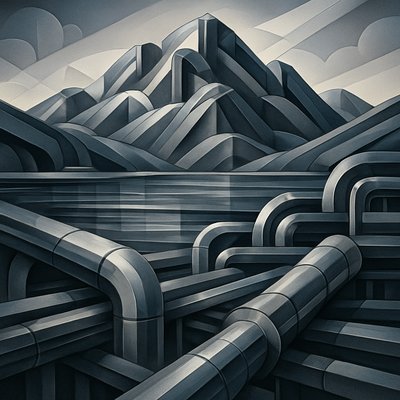
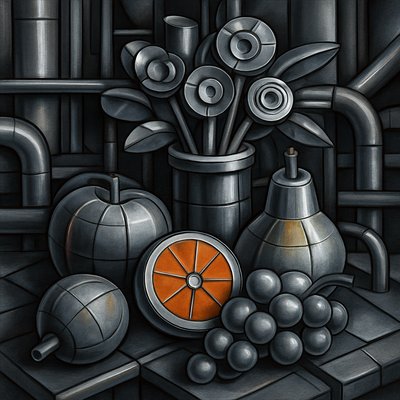
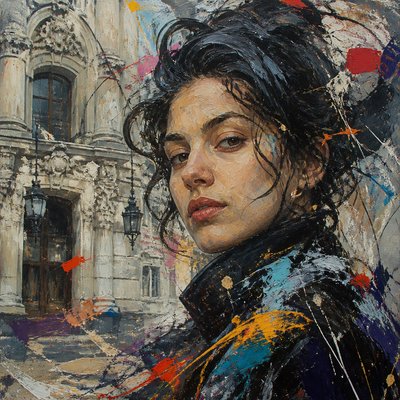
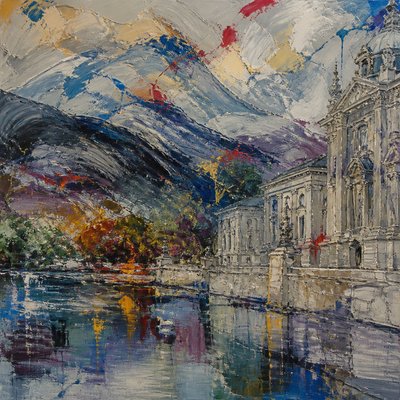
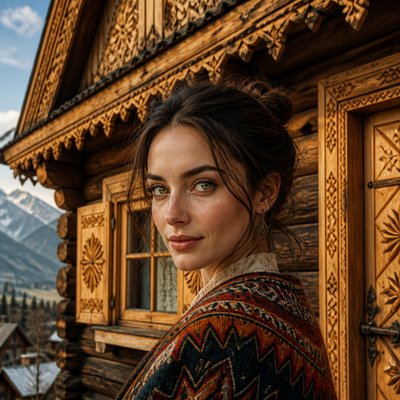
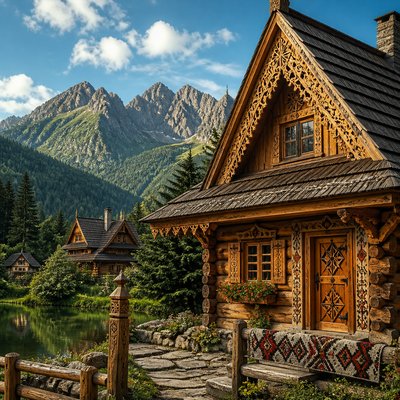
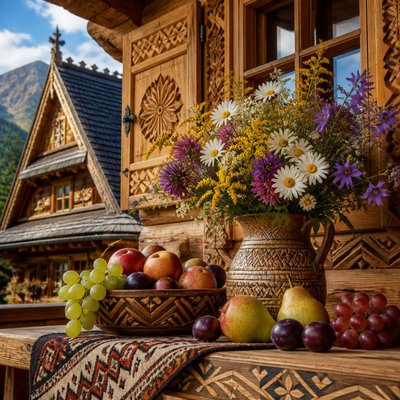
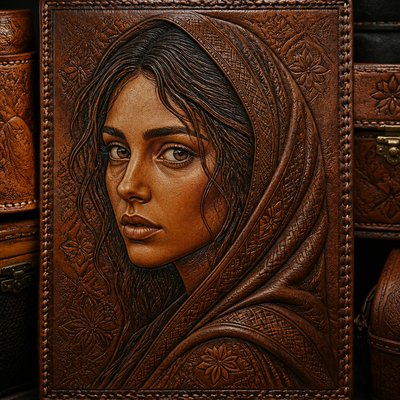
Retro-futuristic Victorian aesthetic of brass gears, steam power, sepia tones, and ornate industrial detail.
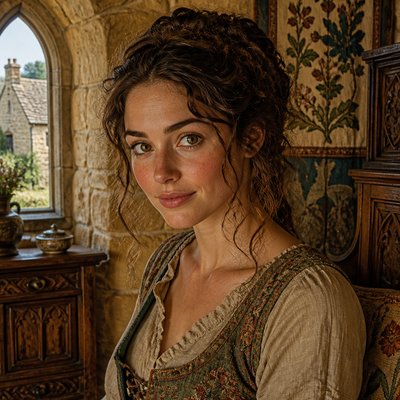
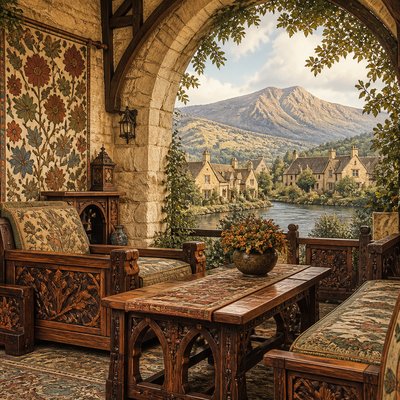
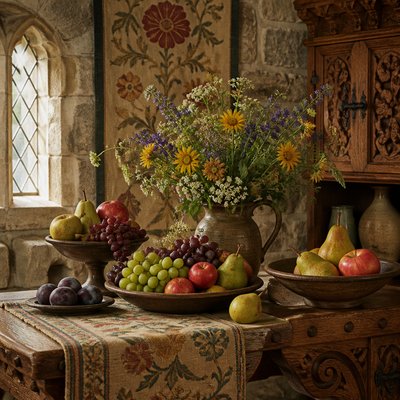
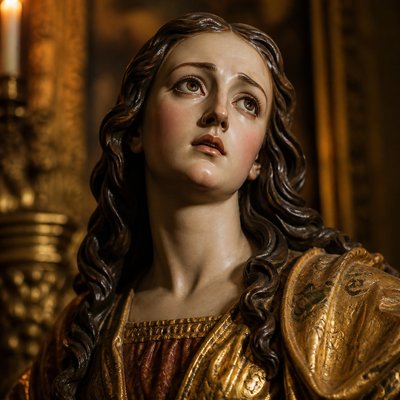
Instantly rendered in Steampunk — or transform a photo
Steampunk Gallery
Tap any artwork to explore it
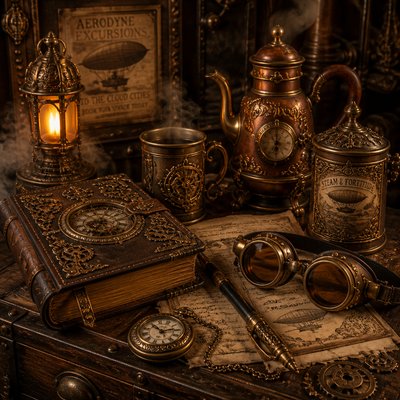
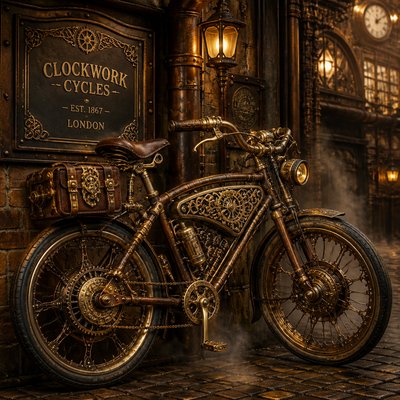
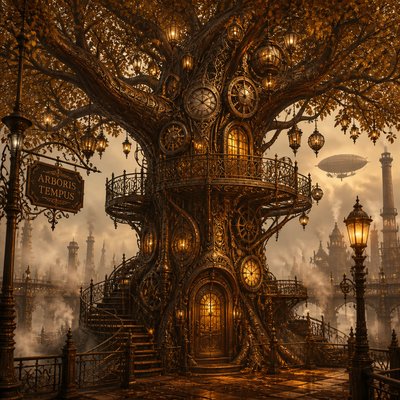
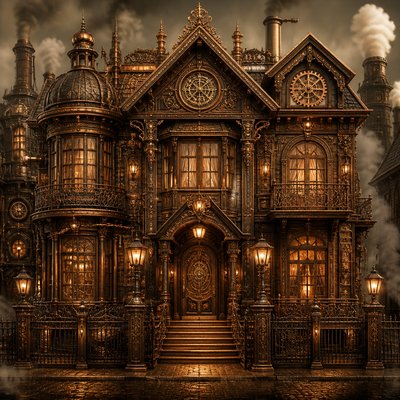
What is Steampunk Art Style?
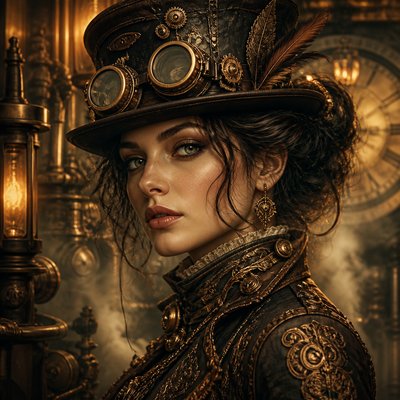
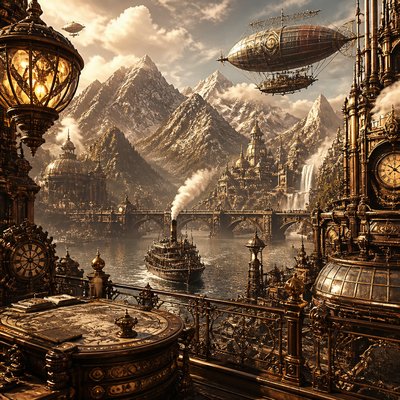
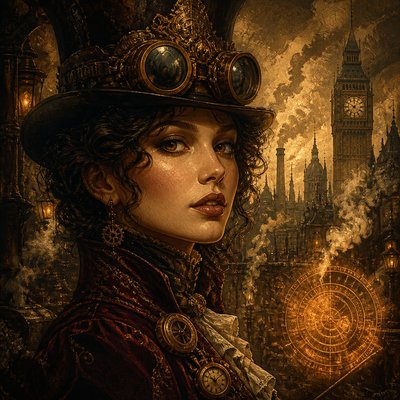
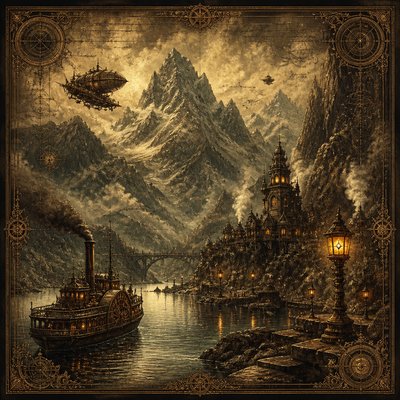
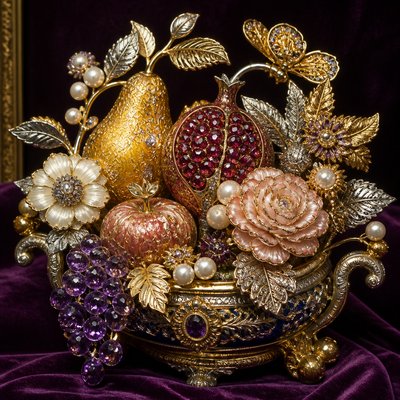
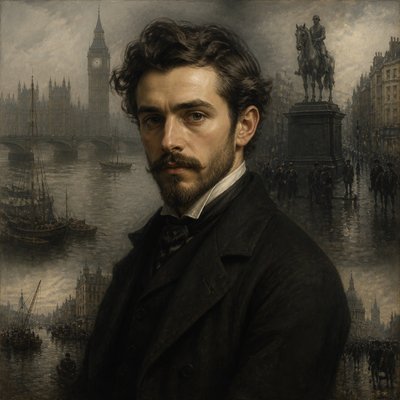
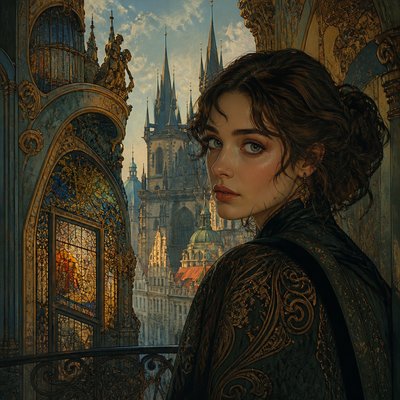
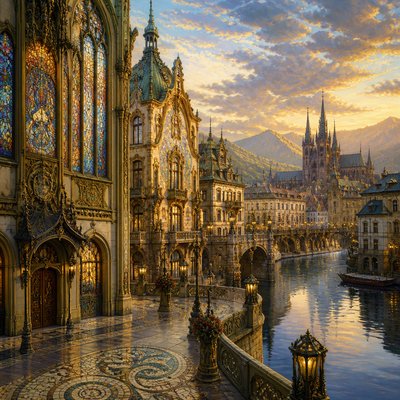
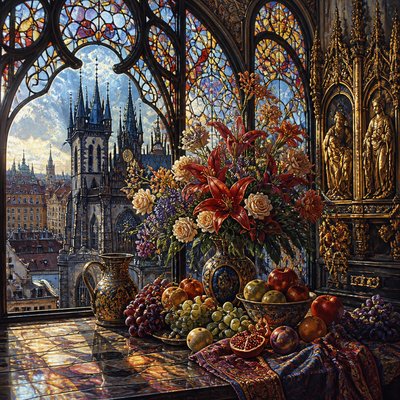
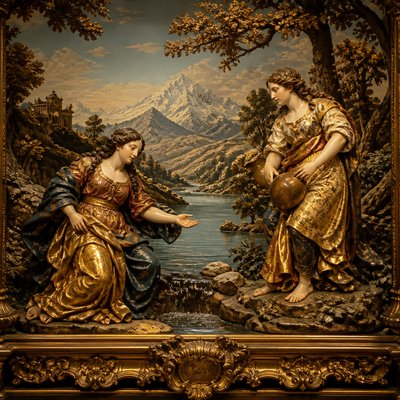
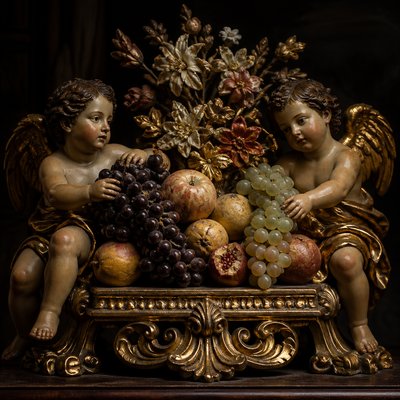
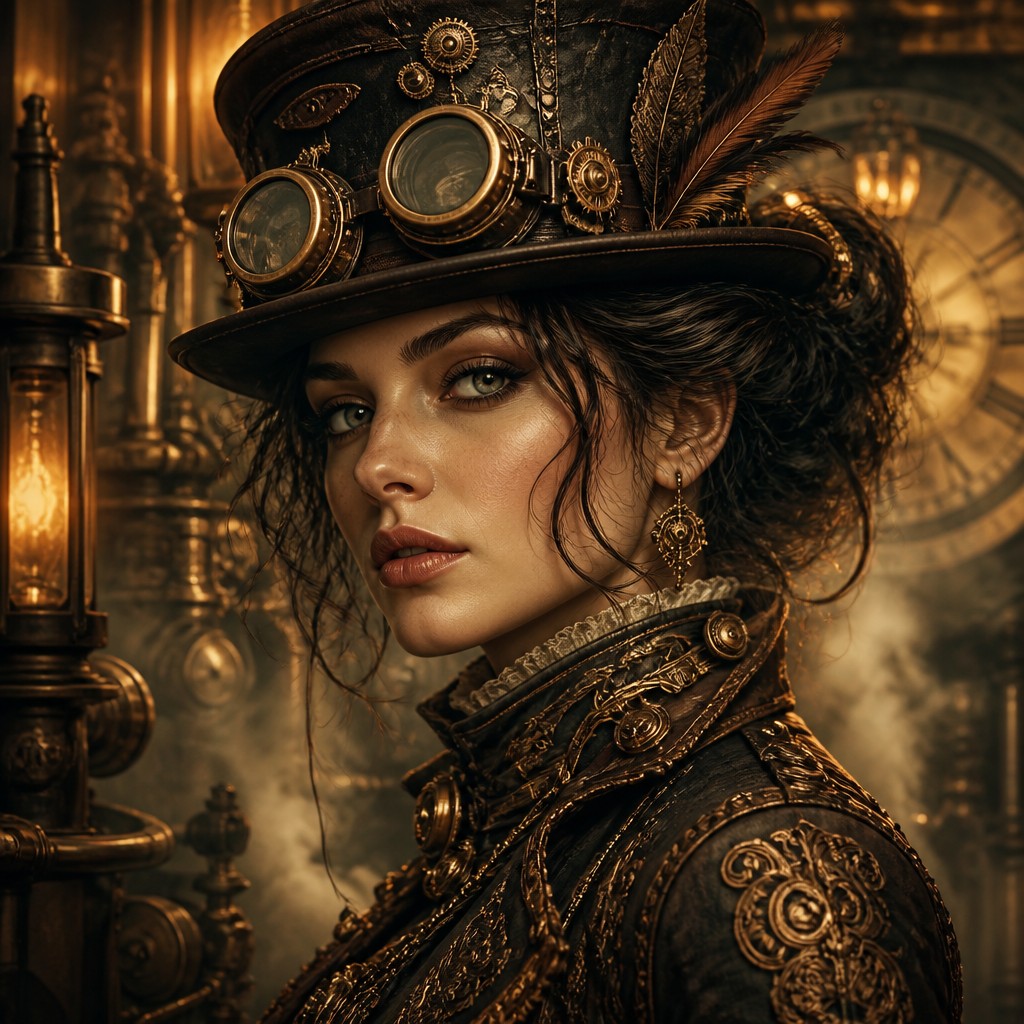
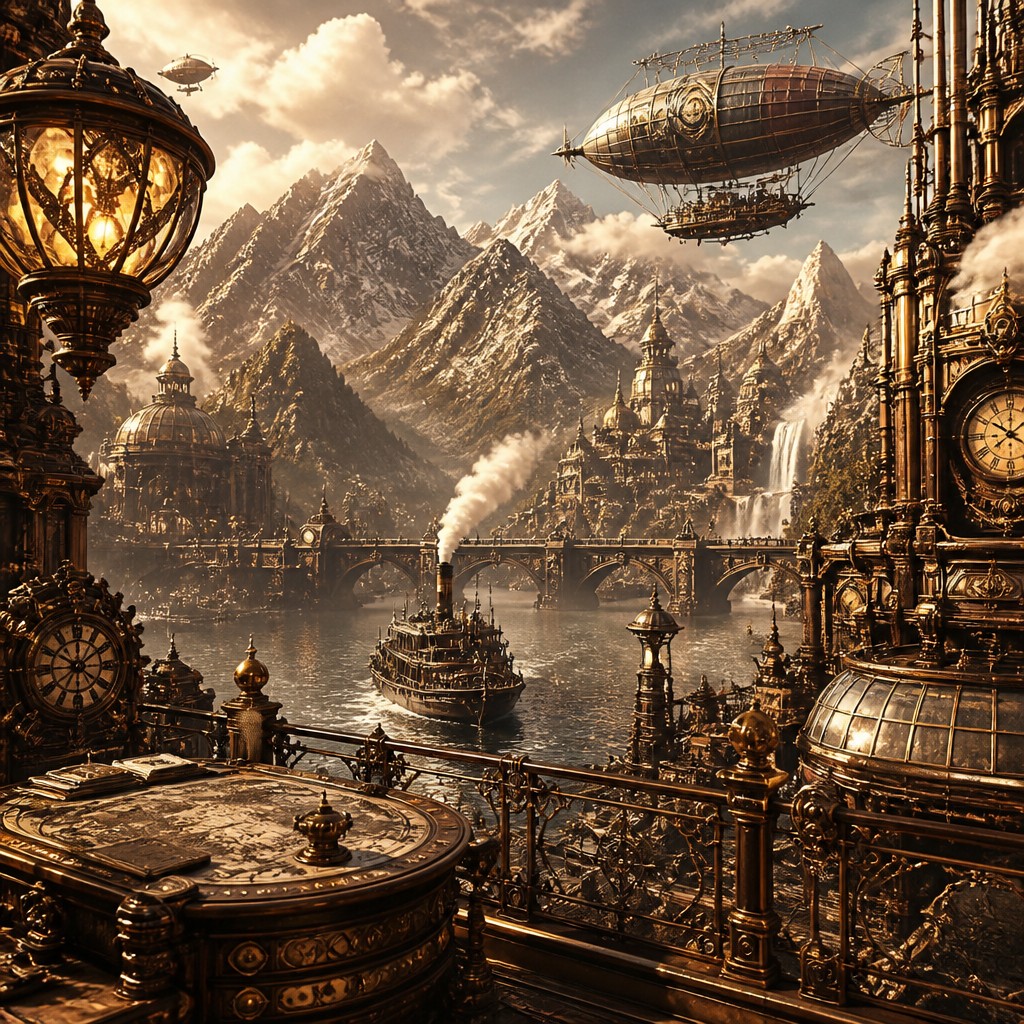
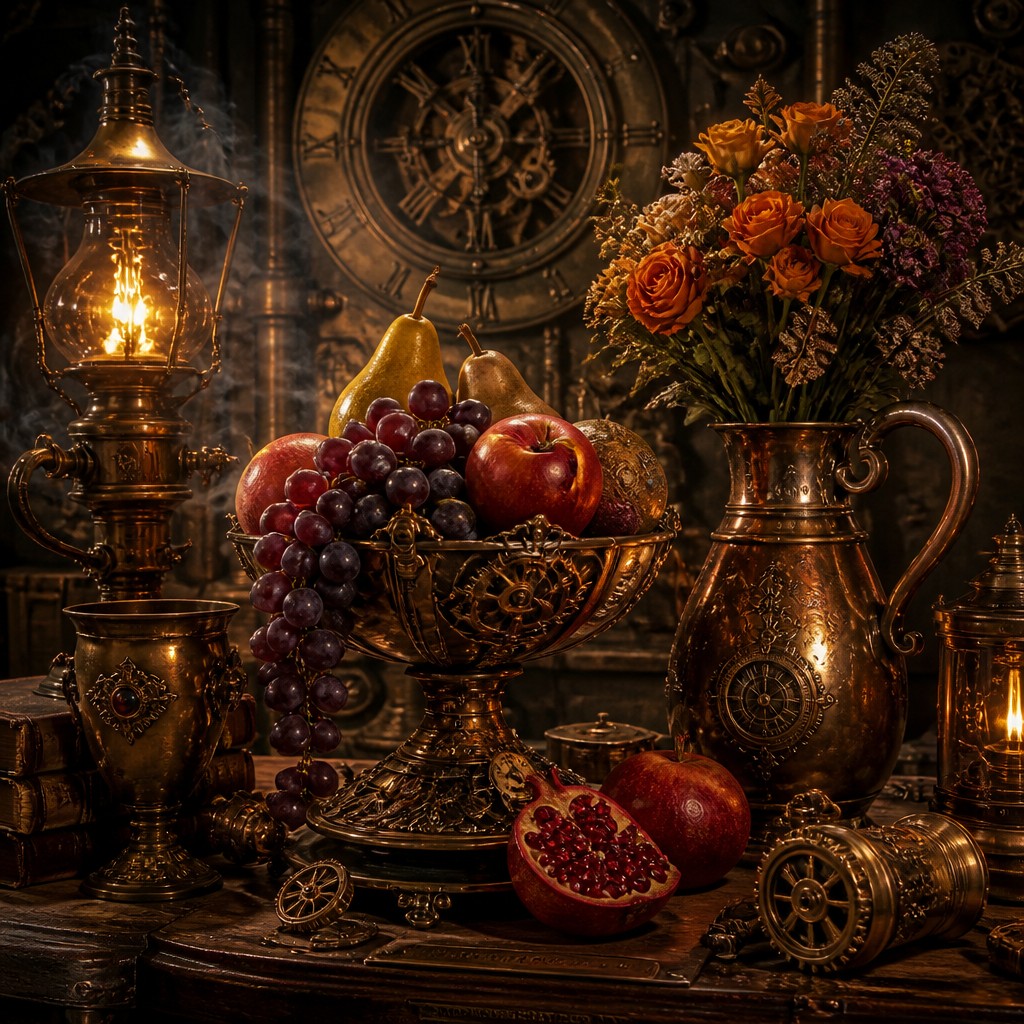
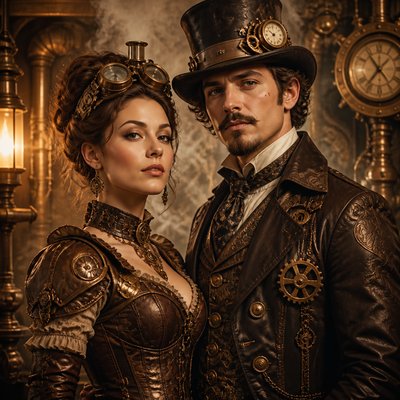
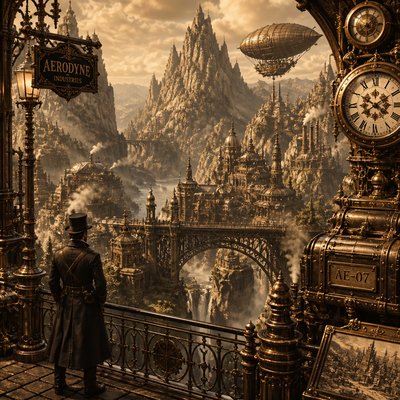
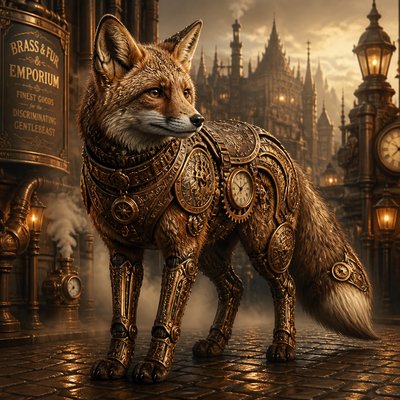
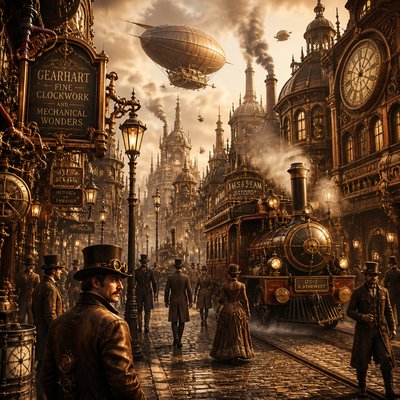
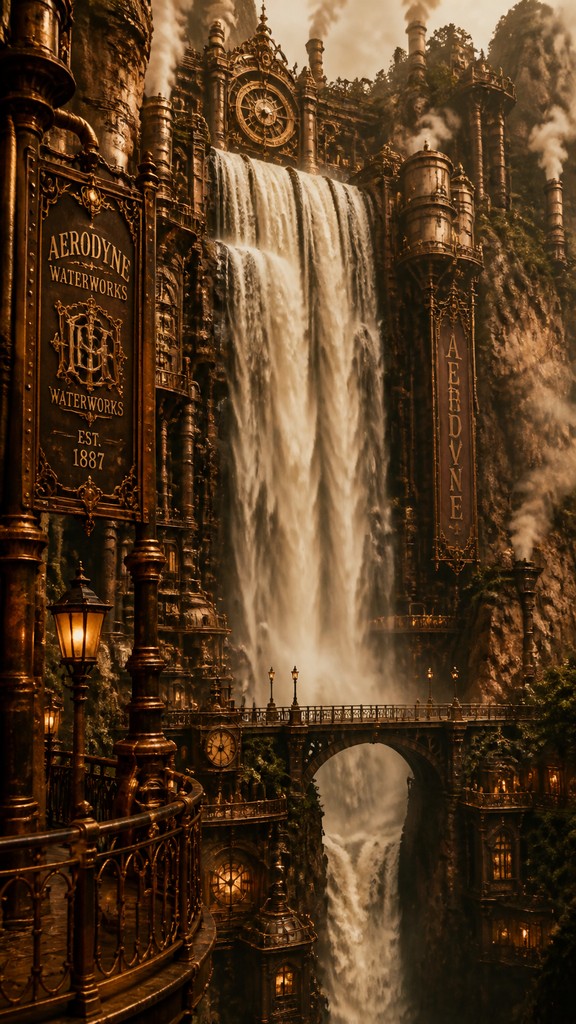
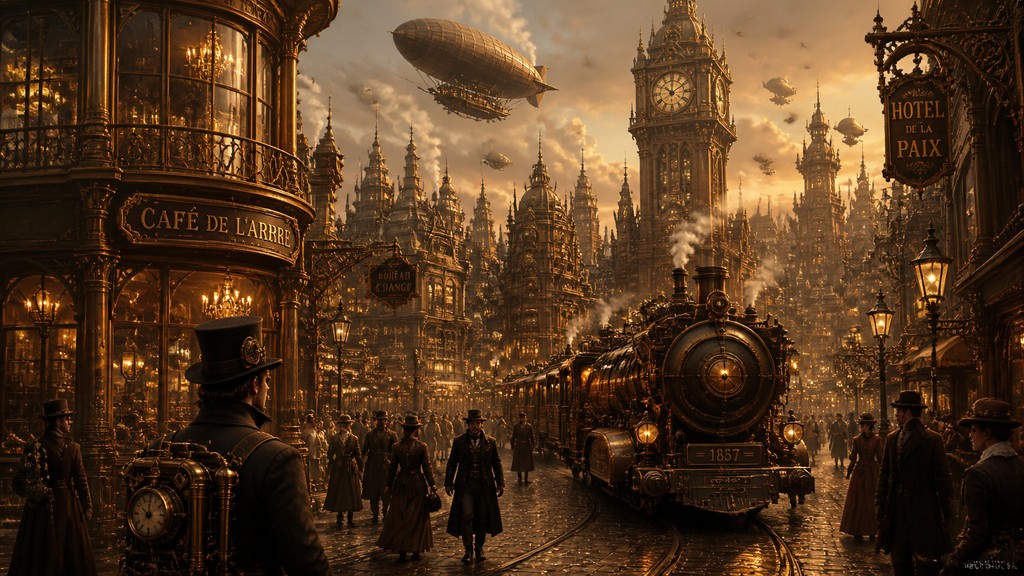
Steampunk art is a retro-futuristic aesthetic built around an imagined industrial age powered by steam, clockwork, and elaborate mechanical invention. Its most recognizable imagery combines Victorian-era dress and ornament with anachronistic machines: brass valves, exposed gears, rivets, pressure gauges, goggles, airships, automatons, and fantastical engines that look as if they could have existed in the 19th century.
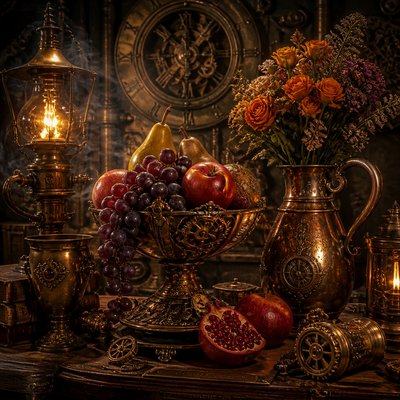
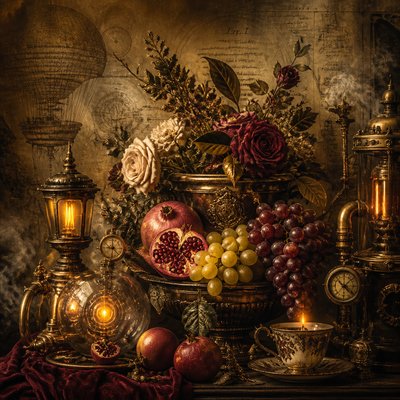
The style feels distinctive because it blends historical reference with speculative technology. Warm sepia, amber, copper, and bronze palettes suggest gaslight, soot, and aged metal, while engraved surfaces, filigree, leather, and polished hardware create a sense of handcrafted complexity. The result is an alternate industrial world that looks both elegant and functional, where invention is ornate, mechanical systems are visible, and technology is treated as decorative as well as practical.
Try It On Your Photos
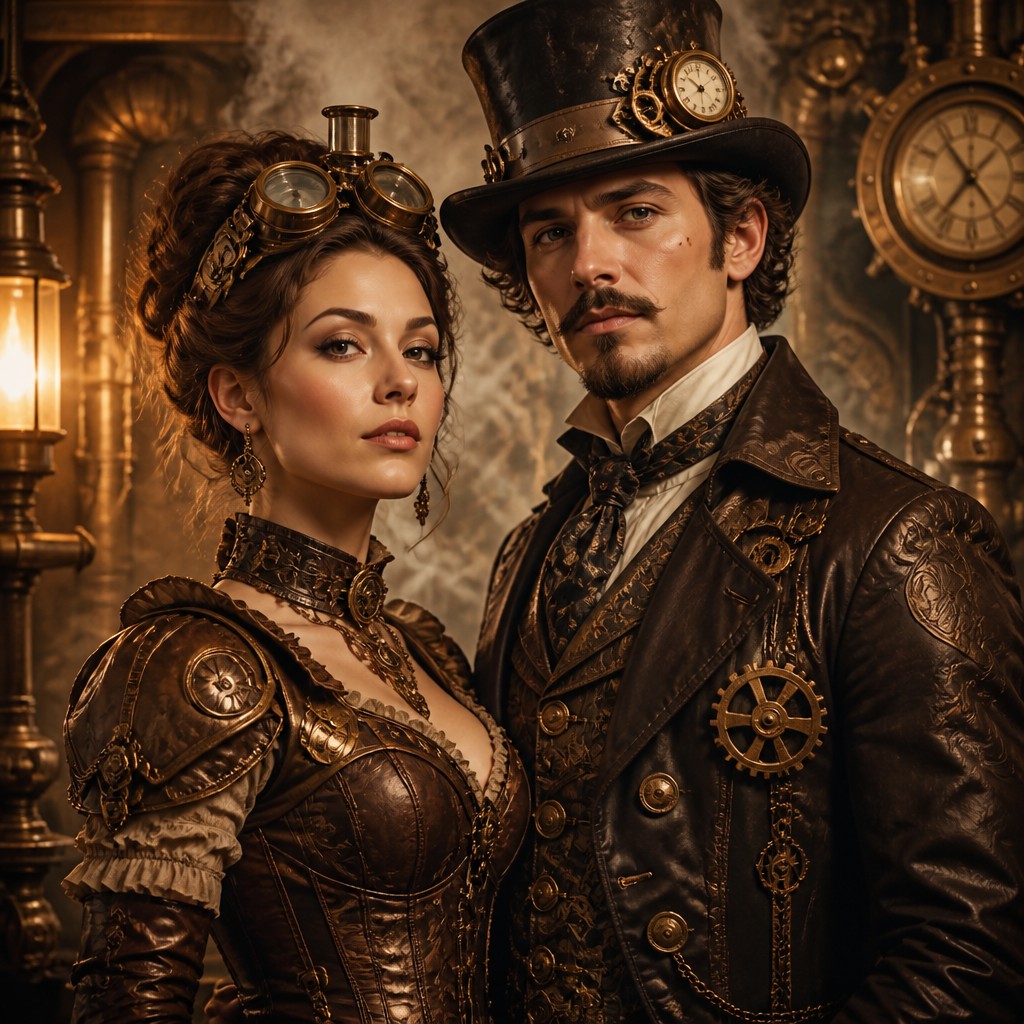
Upload any photo and convert it into Steampunk Art Style — drag the sliders to compare before and after.

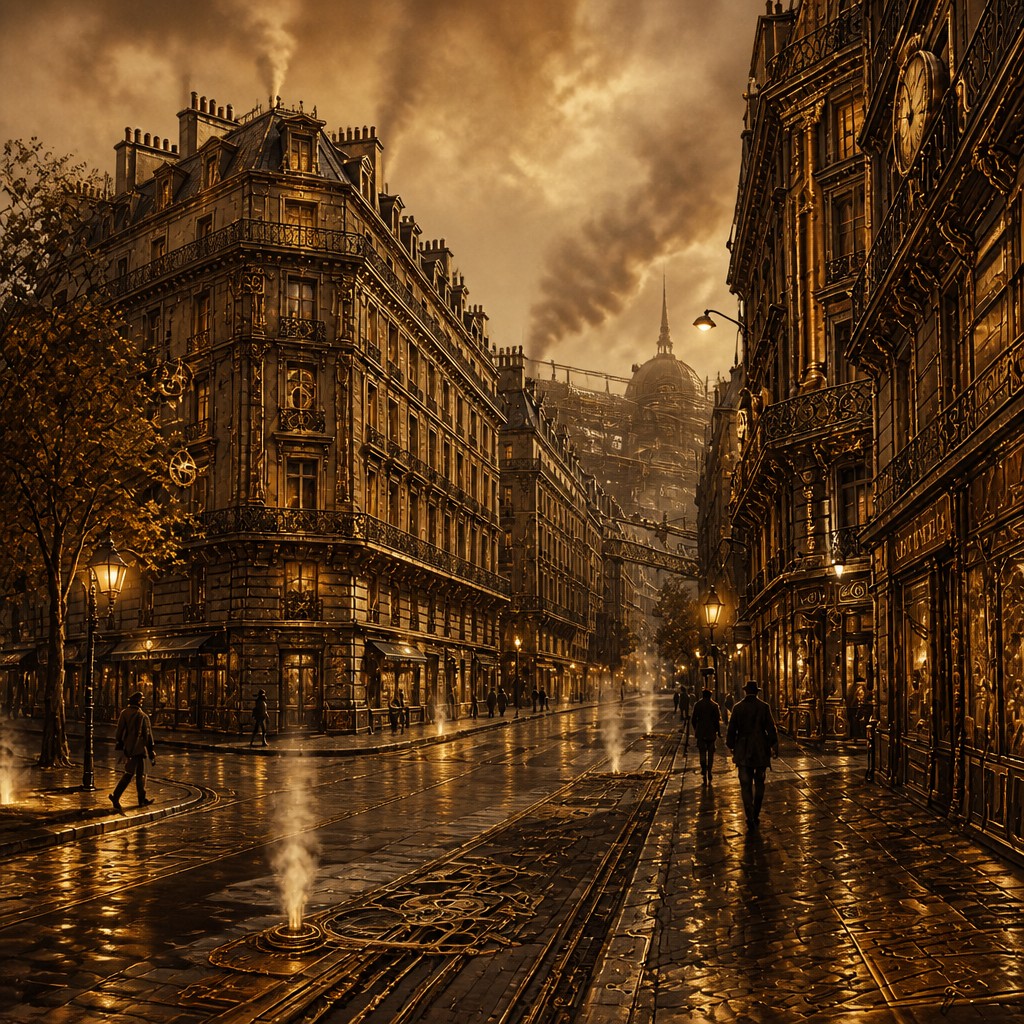

What Defines Steampunk Art Style
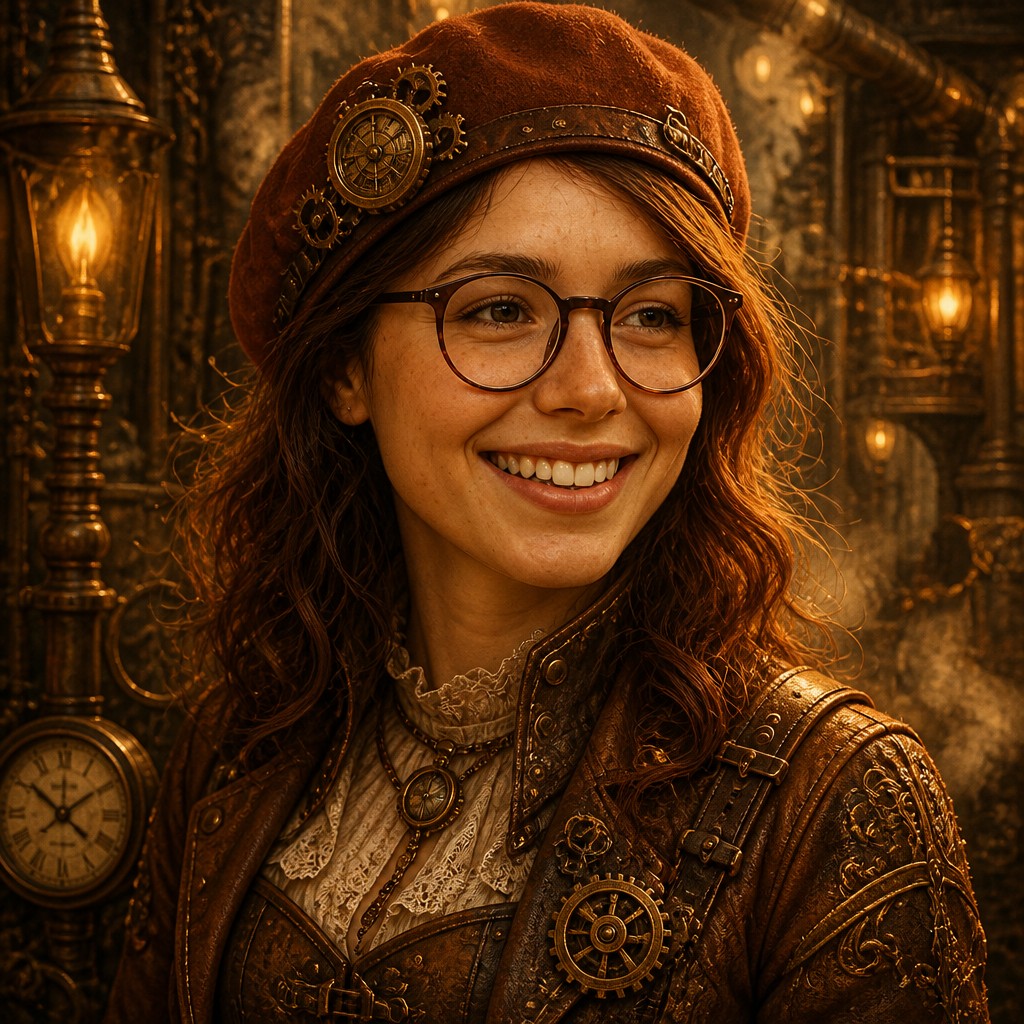
The signature details, up close
Victorian-industrial fusion
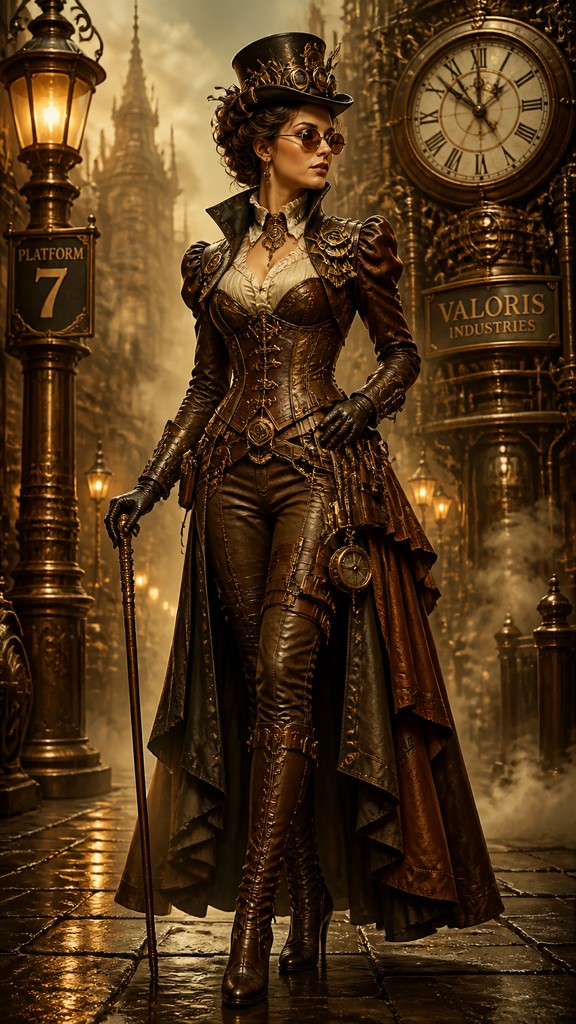
Characters, interiors, and machines often combine Victorian silhouettes with heavy machinery. Tailcoats, corsets, top hats, and waistcoats sit alongside boilers, pistons, and steam pipes.
Brass, copper, and iron surfaces
Metal is typically rendered in warm, aged tones rather than cold chrome. Polished brass, oxidized copper, dark iron, and bronze dominate the palette and material feel.
Exposed mechanisms
Gears, springs, gauges, levers, and clockwork assemblies are often visible rather than hidden. The design logic emphasizes how the machine works as part of its visual appeal.
Ornamented craftsmanship
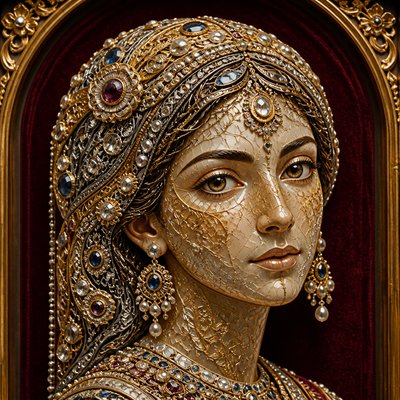
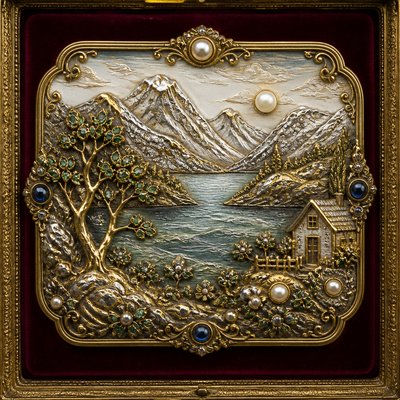
Filigree, engraving, beveling, rivets, and embossed patterns give objects a handcrafted quality. Even utilitarian forms are embellished with decorative detail.
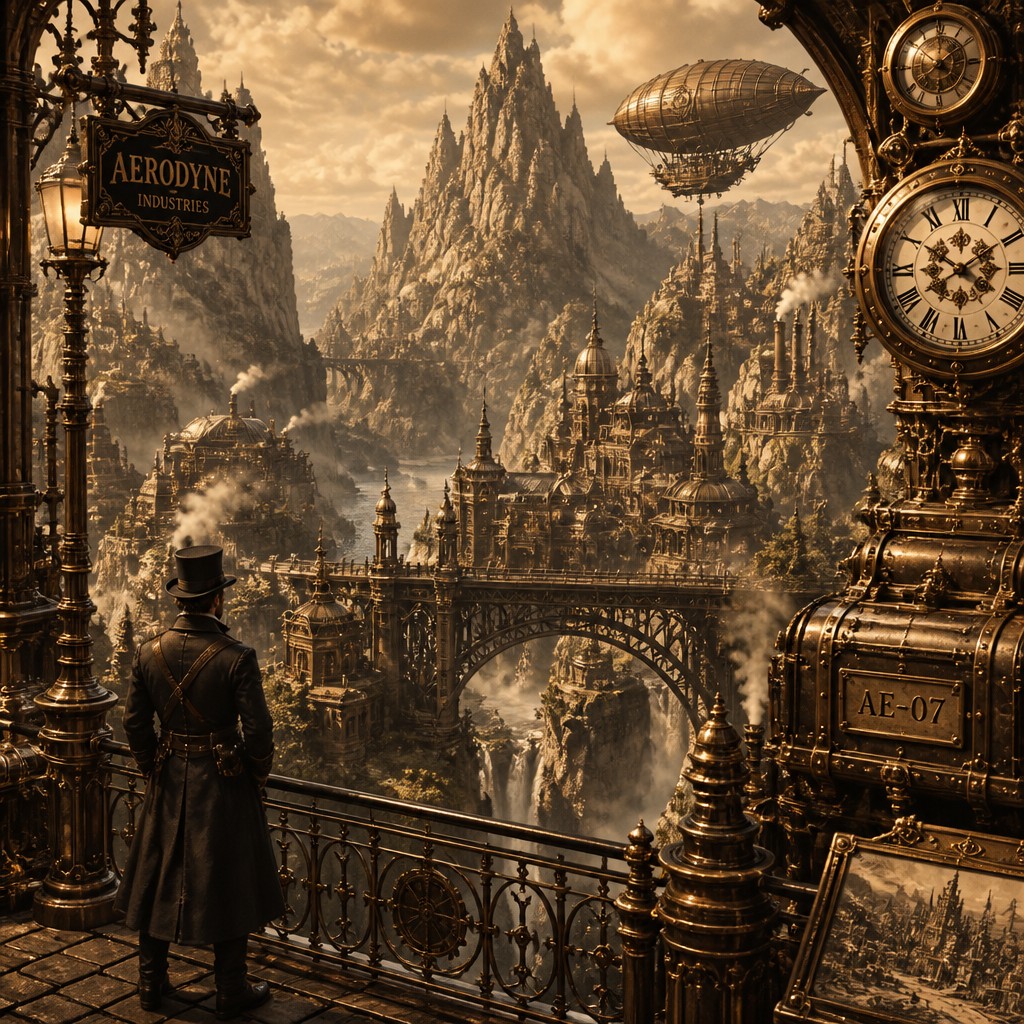
Gaslight atmosphere
Lighting tends to be warm and theatrical, often suggesting lamps, furnaces, or lamplight through steam. Shadows and haze add mood and reinforce the industrial setting.
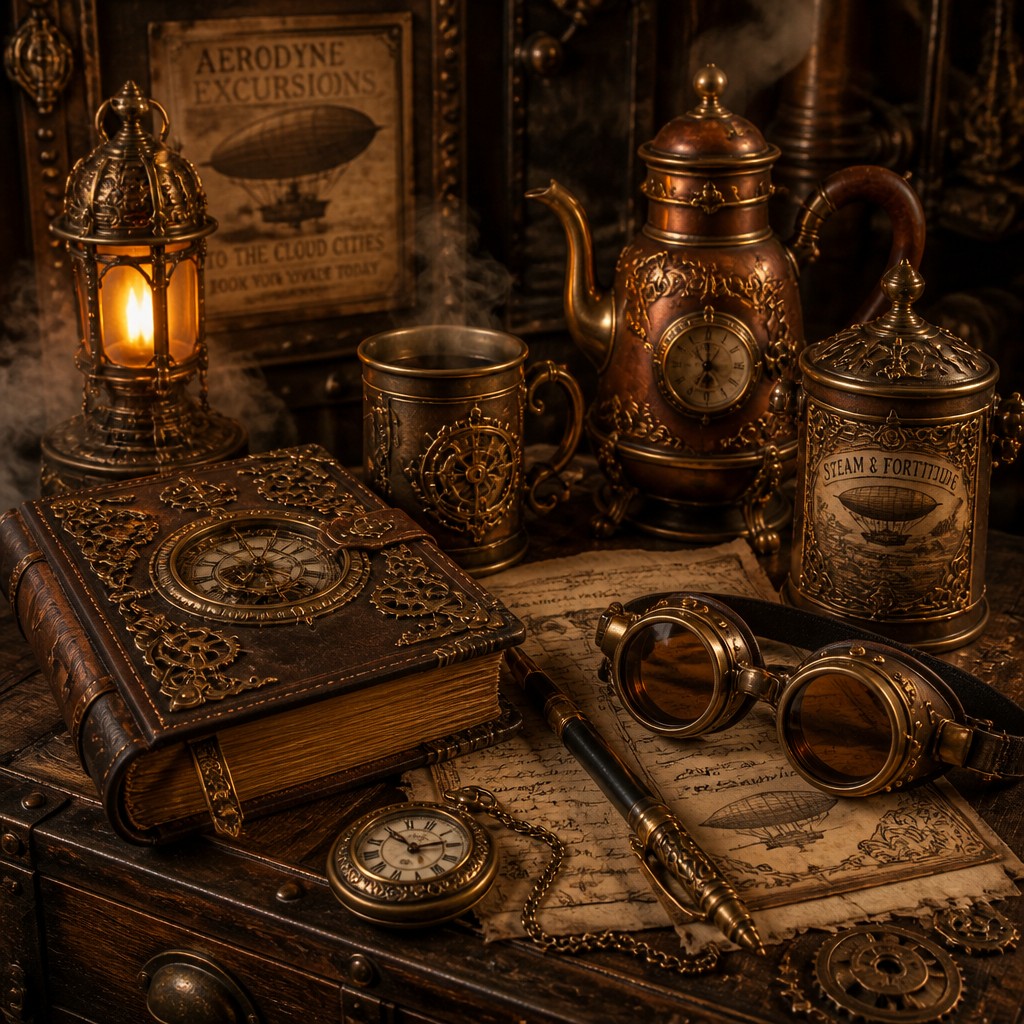
Aged and weathered textures
Surfaces often show patina, scratches, soot, leather wear, and tarnish. These textures make the world feel lived-in, practical, and historically grounded despite its fantasy technology.
Try It
Create Videos in Steampunk Art Style
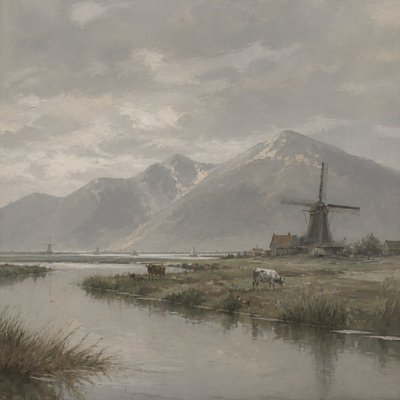
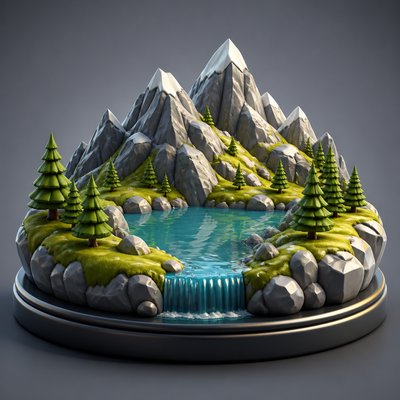
Styles aren't just for stills — describe a scene or animate an image and get a short video rendered in Steampunk. Press play to see this pond come to life.
Make a VideoSteampunk Prompt Ideas
Start from an idea — each one opens the generator with the style ready to go. See all 40 Steampunk prompts →
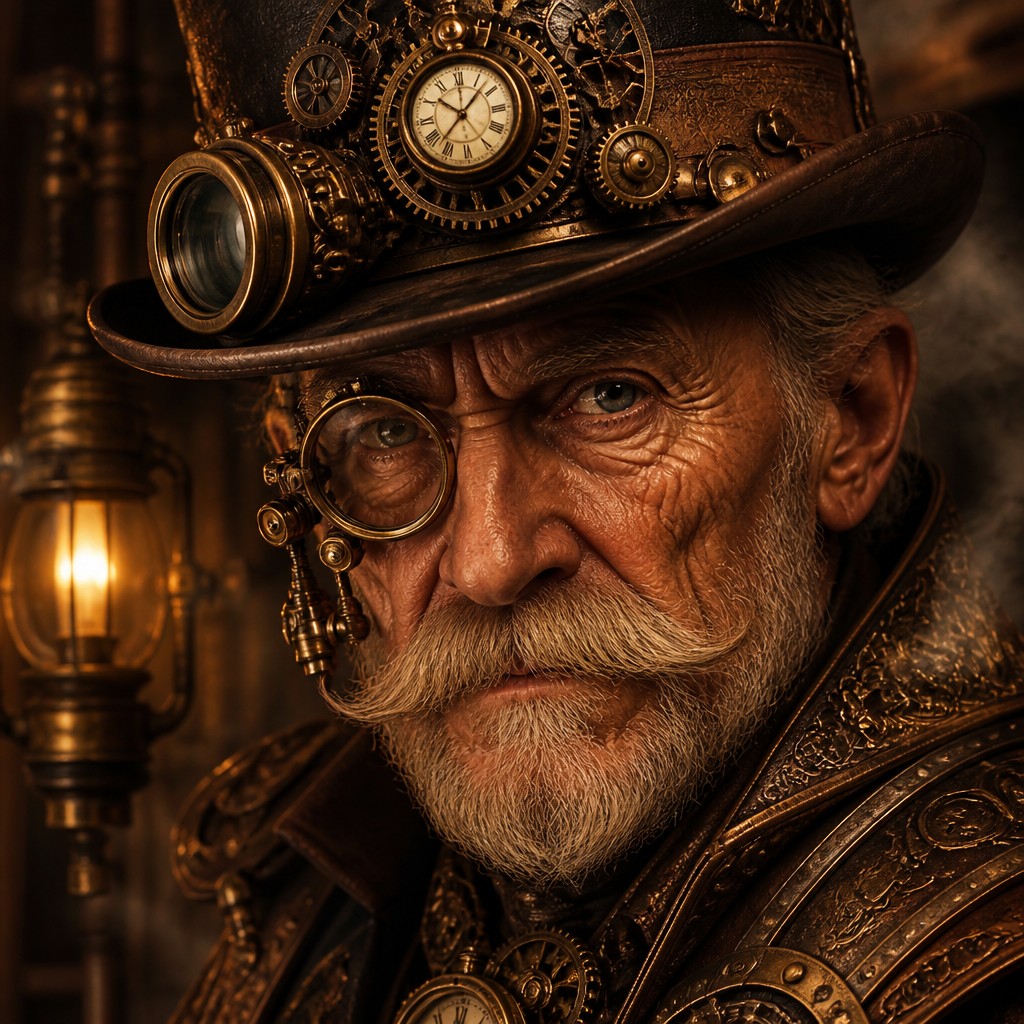
“close-up portrait of an elderly person with expressive weathered features”
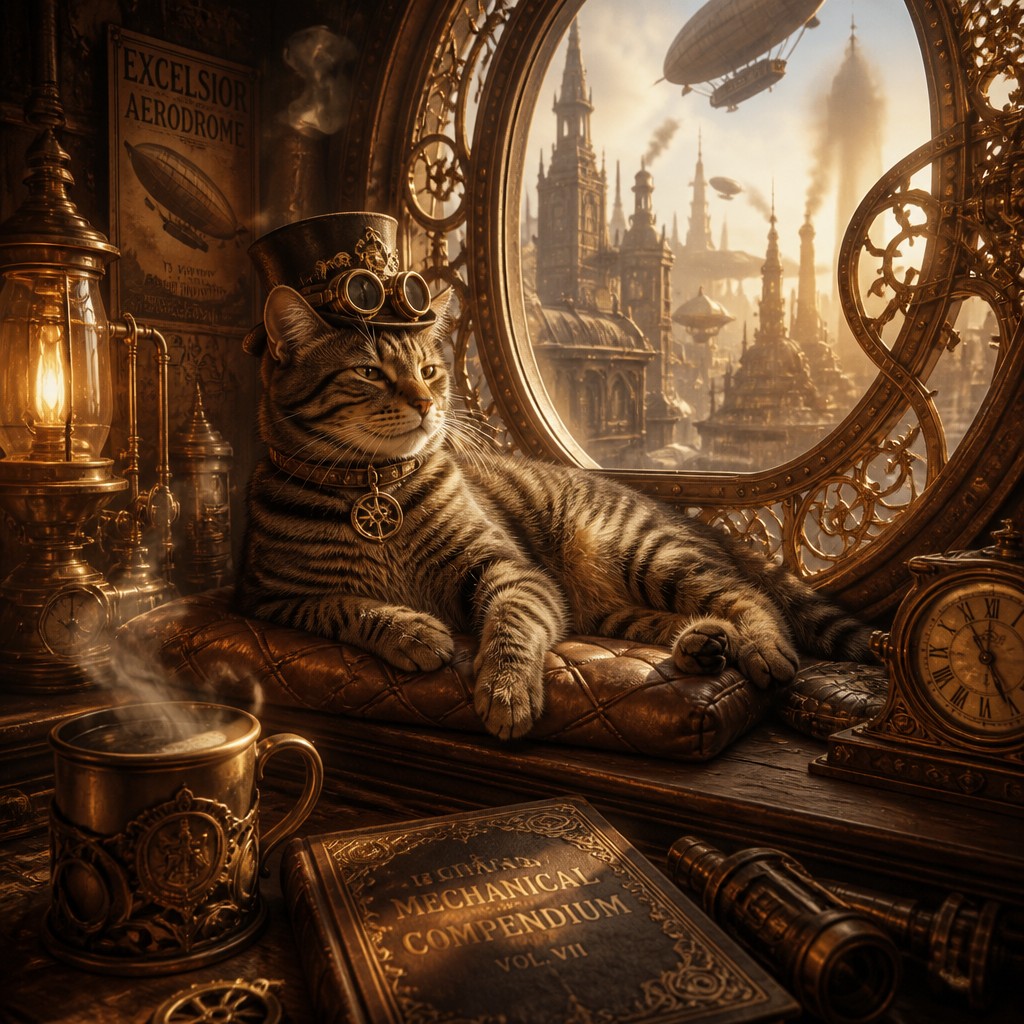
“a cat lounging in a sunlit window”
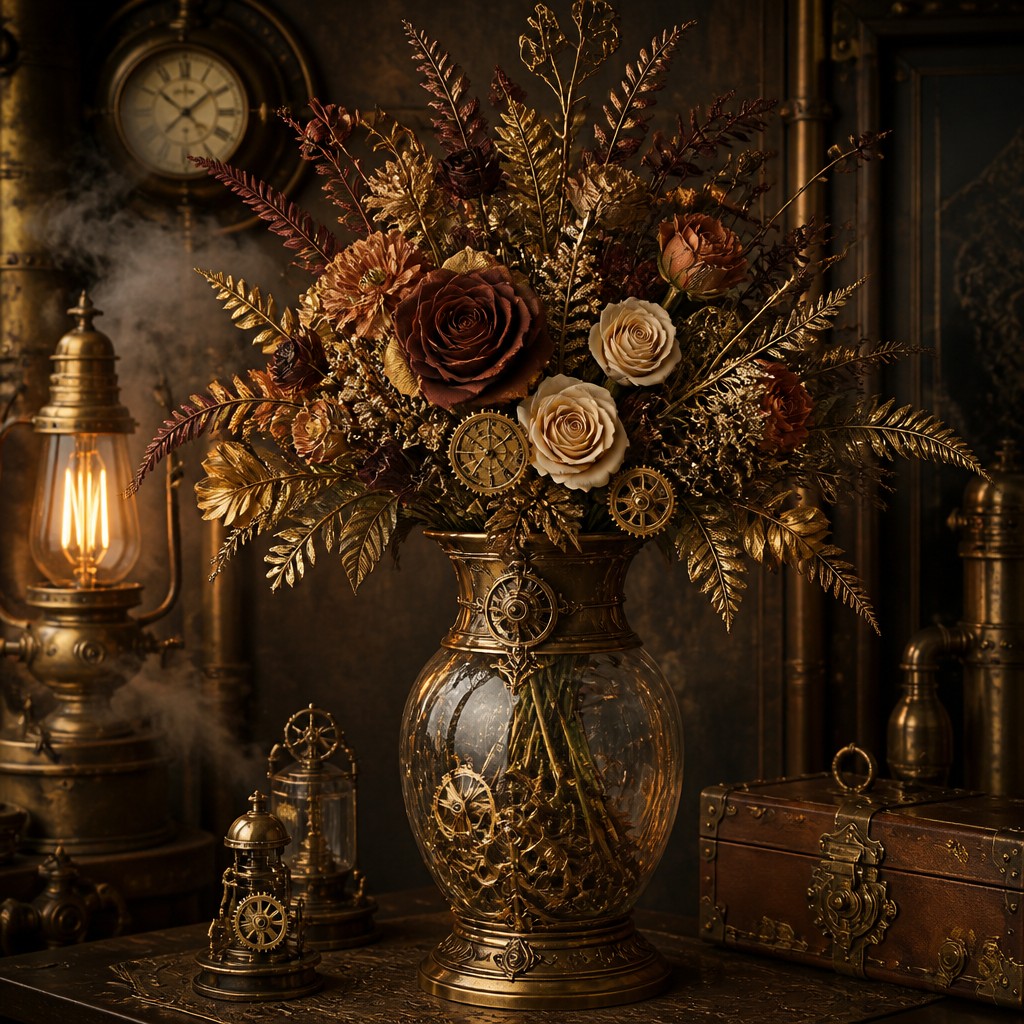
“bouquet of flowers in a glass vase”
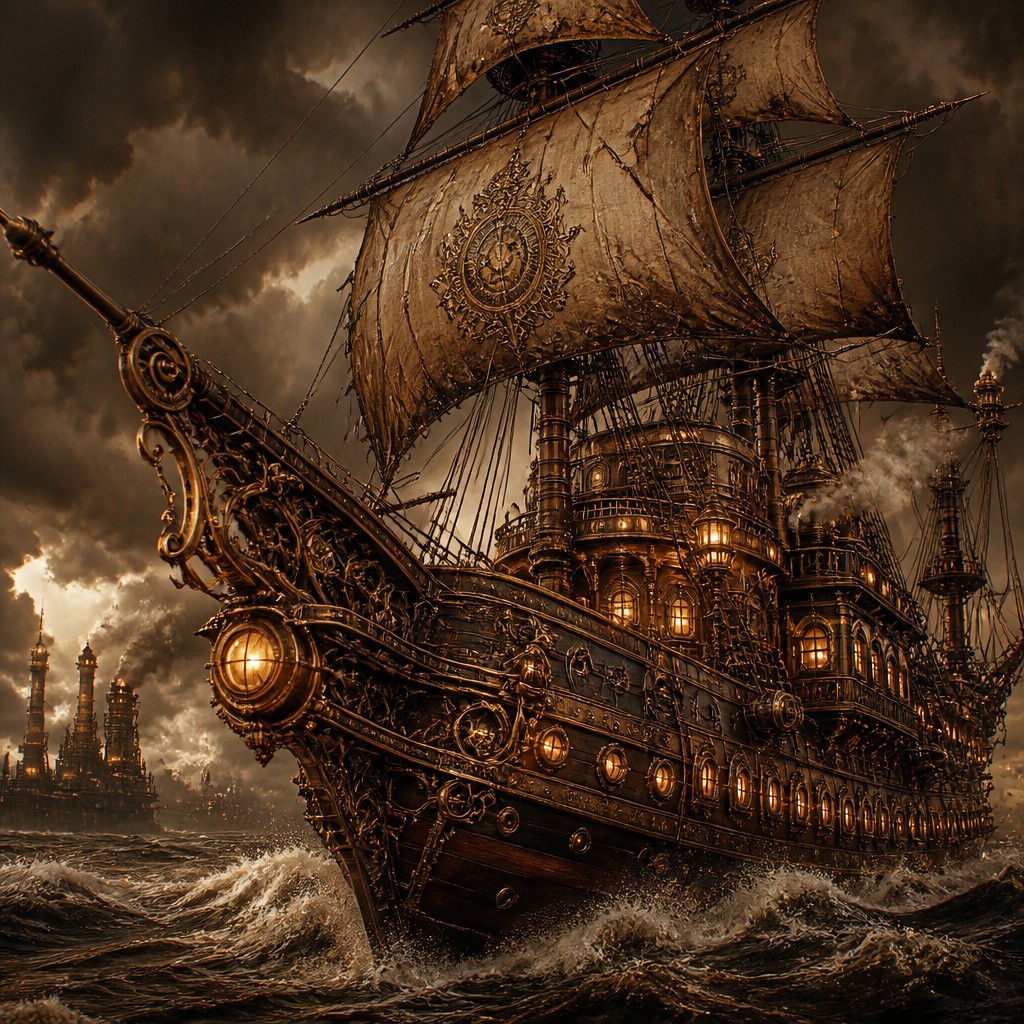
“sailing ship on a stormy sea”
How to Create Steampunk Art
Master the craft step by step — or skip straight to creating. Read the full guide →
- 1
Start from a Victorian or industrial base
Design the subject using 19th-century clothing, architecture, or machine forms, then add speculative technology. If you are painting traditionally, begin with clear silhouettes and classic proportions before layering mechanical detail.
- 2
Use a warm metallic palette
Build the image around sepia, umber, amber, bronze, and brass, with muted blacks and dark greens for contrast. Reserve highlights for polished edges and reflective hardware so the materials read clearly.
- 3
Render machinery as believable hardware
Give engines, weapons, vehicles, and props visible joints, fasteners, pipes, and gauges. Whether working digitally or by hand, consistency in perspective and mechanical structure makes the fantasy feel credible.
- 4
Balance ornament with function
Add filigree and engraving to trims, panels, and frames, but keep the core forms mechanically plausible. Good steampunk design looks decorative without losing its sense of engineering.
- 5
Create atmosphere with steam and gaslight
Use haze, rim light, and shadows to suggest boilers, venting, and enclosed interiors. In image generation, specify warm gaslight, drifting steam, and dramatic shadows to anchor the mood.
- 6
Write prompts around subject plus material cues
For text-to-image use, describe the subject first, then add materials, era markers, and lighting. Phrases like 'brass gears,' 'Victorian filigree,' 'aged copper,' and 'steam haze' help the model lock onto the style.
The Story
History & Origins of Steampunk
Steampunk does not come from a single historical art movement; it emerged as a modern aesthetic in literature, illustration, costume design, film, and subcultural maker culture. Its name was popularized in the late 20th century, and the look draws on 19th-century industrial design, Victorian fashion, Gothic revival ornament, and the speculative machinery of early science fiction. It also owes much to the visual language of pioneering science-fiction adventure literature and later retro-futurist illustration.
As a visual style, steampunk developed through fan art, concept art, comics, prop-making, and fashion, then expanded into games, animation, and product design. Its lineage includes historical engineering imagery, museum machinery, brass scientific instruments, and the decorative traditions of Victorian craftsmanship. Unlike an actual period style, it is an invented aesthetic assembled from recognizable fragments of the 1800s and reframed through fantasy and alternate-history storytelling.
Influences: Steampunk draws from Victorian and Edwardian visual culture, 19th-century industrial design, and the ornate engineering drawings of the machine age. Its speculative dimension is shaped by pioneering science-fiction adventure writers in literature, while its imagery also echoes Gothic Revival ornament, historic scientific instruments, and retro-futurist illustration. In broader art terms, it overlaps with fantasy illustration, concept art, and maker culture rather than a single canonical fine-art movement.
Frequently Asked Questions
What defines steampunk art?
Steampunk is defined by a Victorian or industrial-era setting fused with imaginary steam-powered technology. Brass, copper, gears, goggles, corsets, airships, and clockwork machinery are some of its most common visual signals. The style typically emphasizes ornament, engineering detail, and a warm, weathered palette.
Is steampunk a historical art movement?
No. It is a modern invented aesthetic rather than a historical movement like Impressionism or Art Nouveau. Its look is assembled from real 19th-century design traditions, industrial machinery, and retro-futurist storytelling.
How is steampunk different from cyberpunk?
Both are speculative genres with strong design languages, but steampunk looks to the steam age and Victorian industry, while cyberpunk looks to digital networks, neon cities, and advanced electronics. Steampunk usually feels handcrafted, mechanical, and analog; cyberpunk is more urban, synthetic, and electronic.
What colors work best in steampunk art?
Warm metallic tones are the core of the palette: brass, copper, bronze, sepia, ochre, and dark brown. You can add muted greens, deep reds, black, and smoke-gray for contrast, with bright highlights reserved for polished metal and lamp light.
What subjects are common in steampunk imagery?
Common subjects include inventors, explorers, airships, locomotives, submarines, automatons, goggles, and clockwork creatures. Architecture and interiors often feature boilers, pipes, gears, and gaslit streets. Portraits, machines, and worldbuilding scenes all adapt well to the style.
How can I make my own steampunk image?
Choose a subject and imagine how it would look if built in a 19th-century industrial world. Then add materials, machinery, and lighting that make the design feel engineered rather than merely costume-like. In digital work or image generation, be specific about brass, steam, engraved metal, and Victorian detail.
Create your first Steampunk artwork
Describe anything — or upload a photo — and see it in Steampunk Art Style in seconds.
Make Something with Steampunk
Compare Steampunk
Related Styles
Discover similar art styles