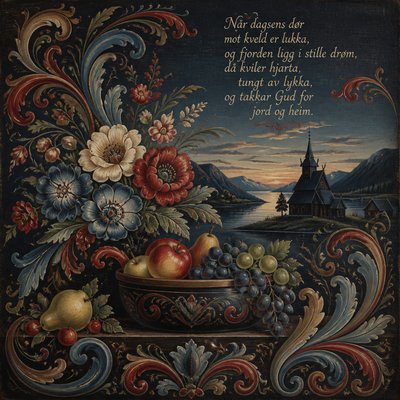
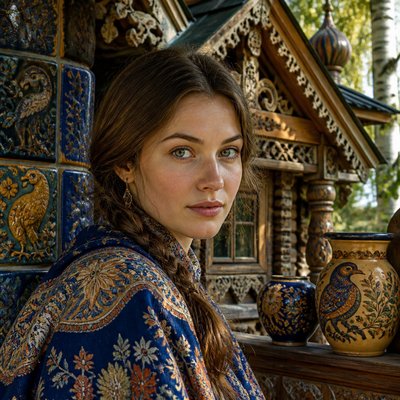
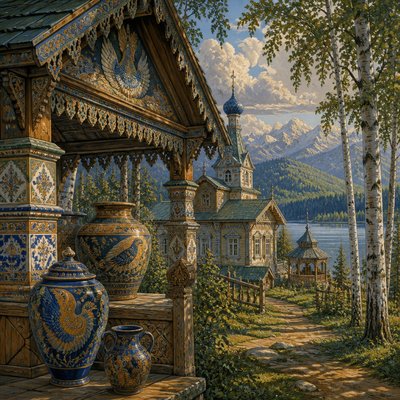
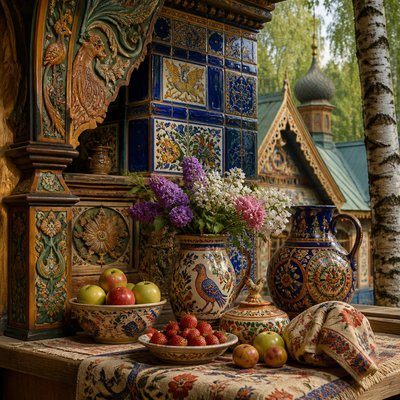
Folk Art Style
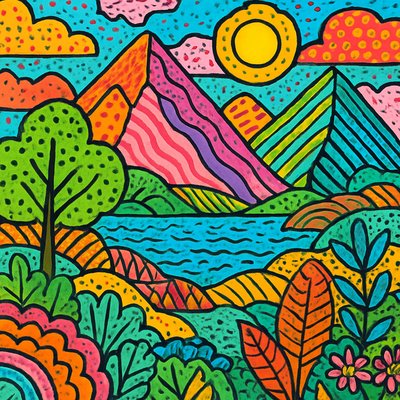
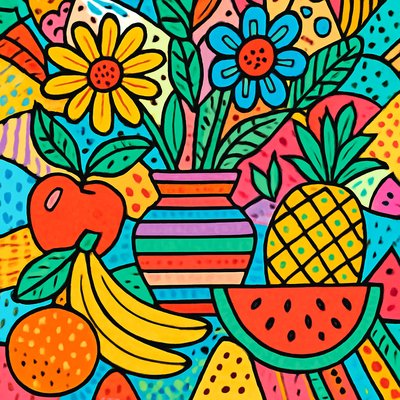
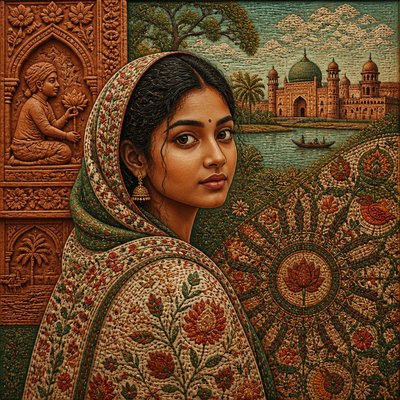
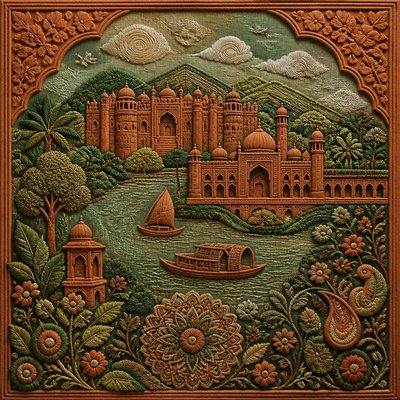
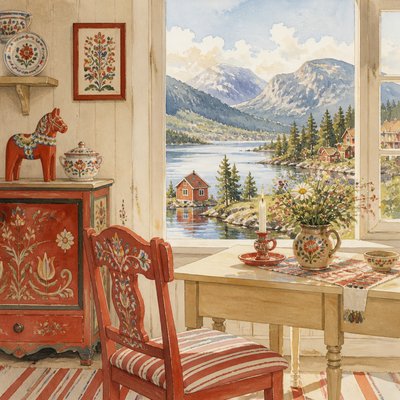
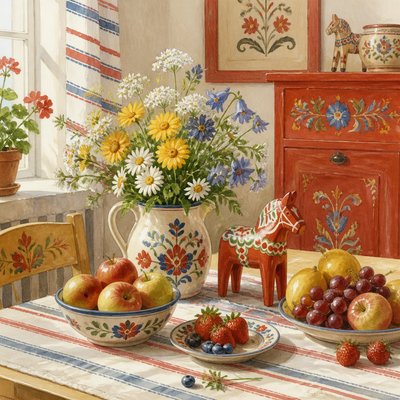
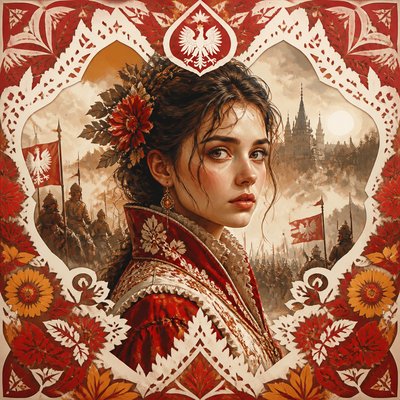
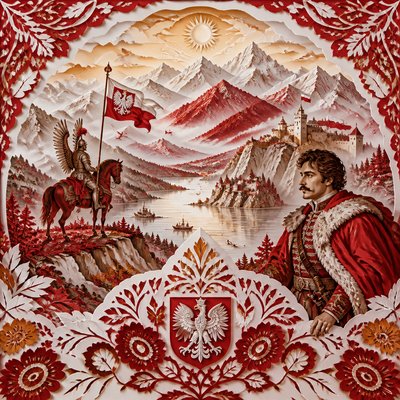
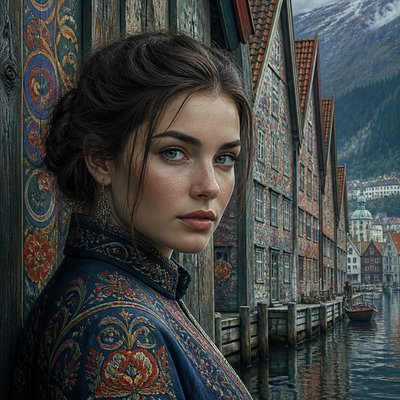
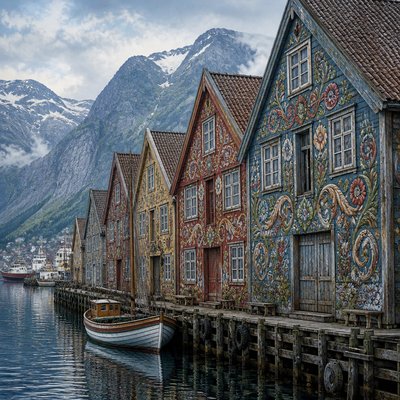
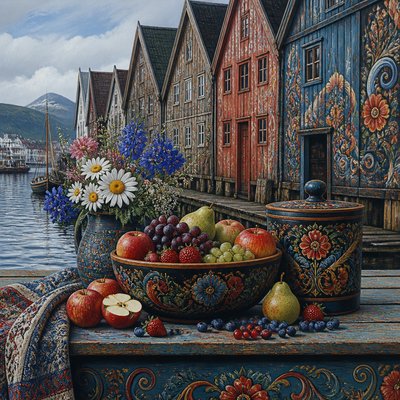
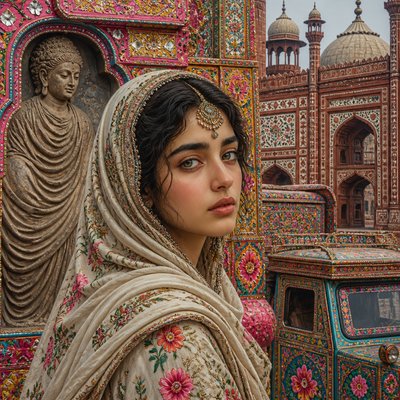
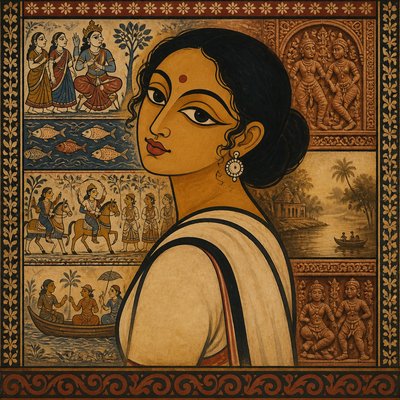
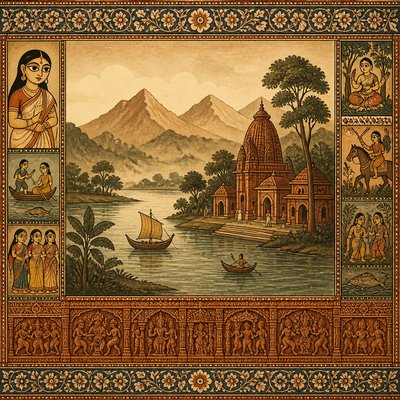
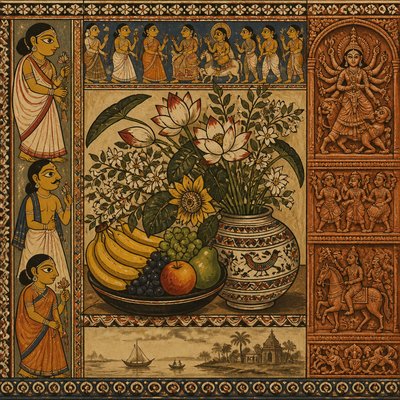
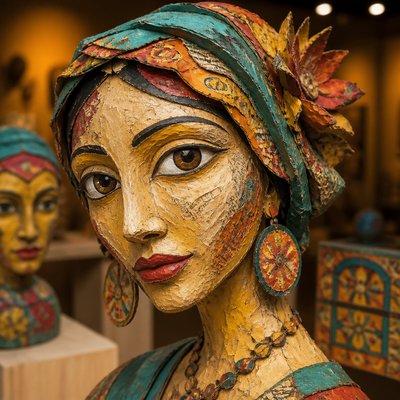
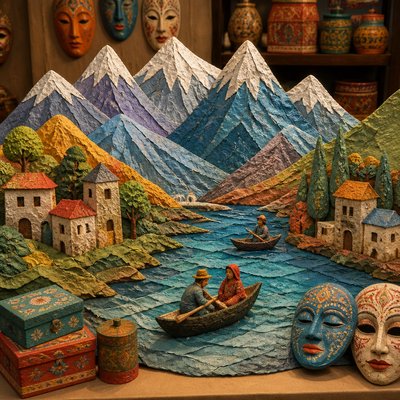
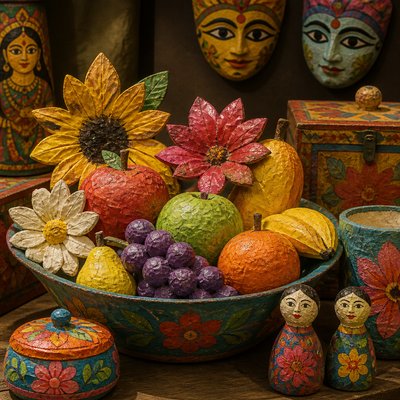
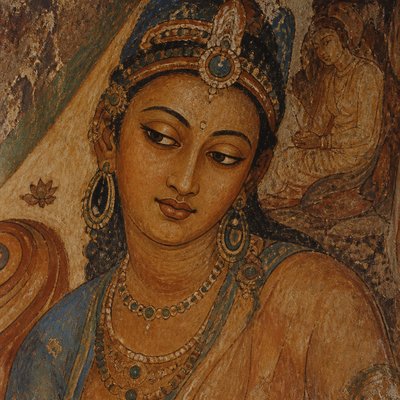
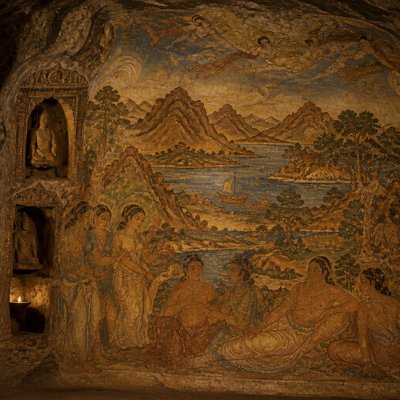
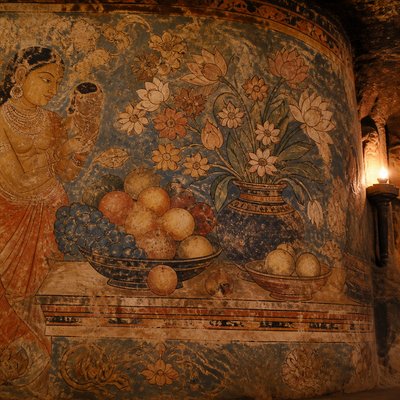
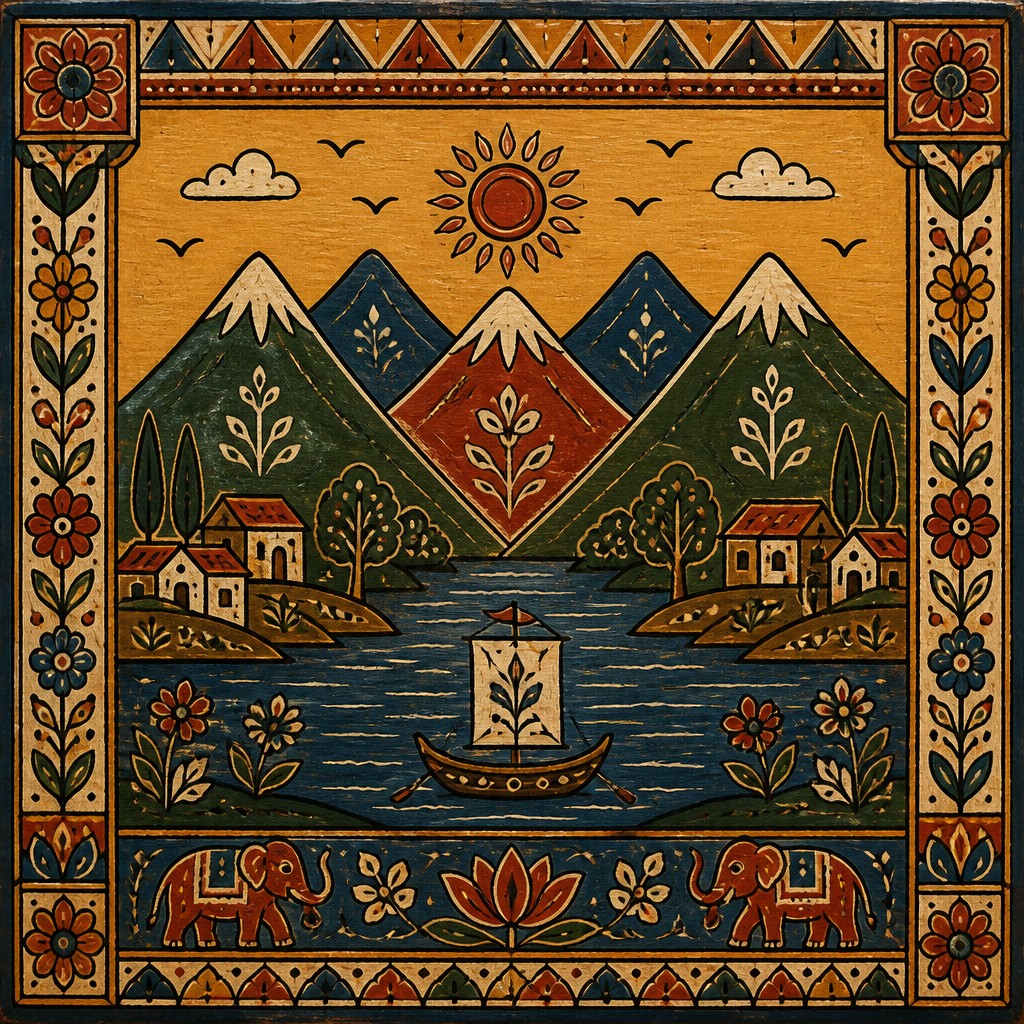
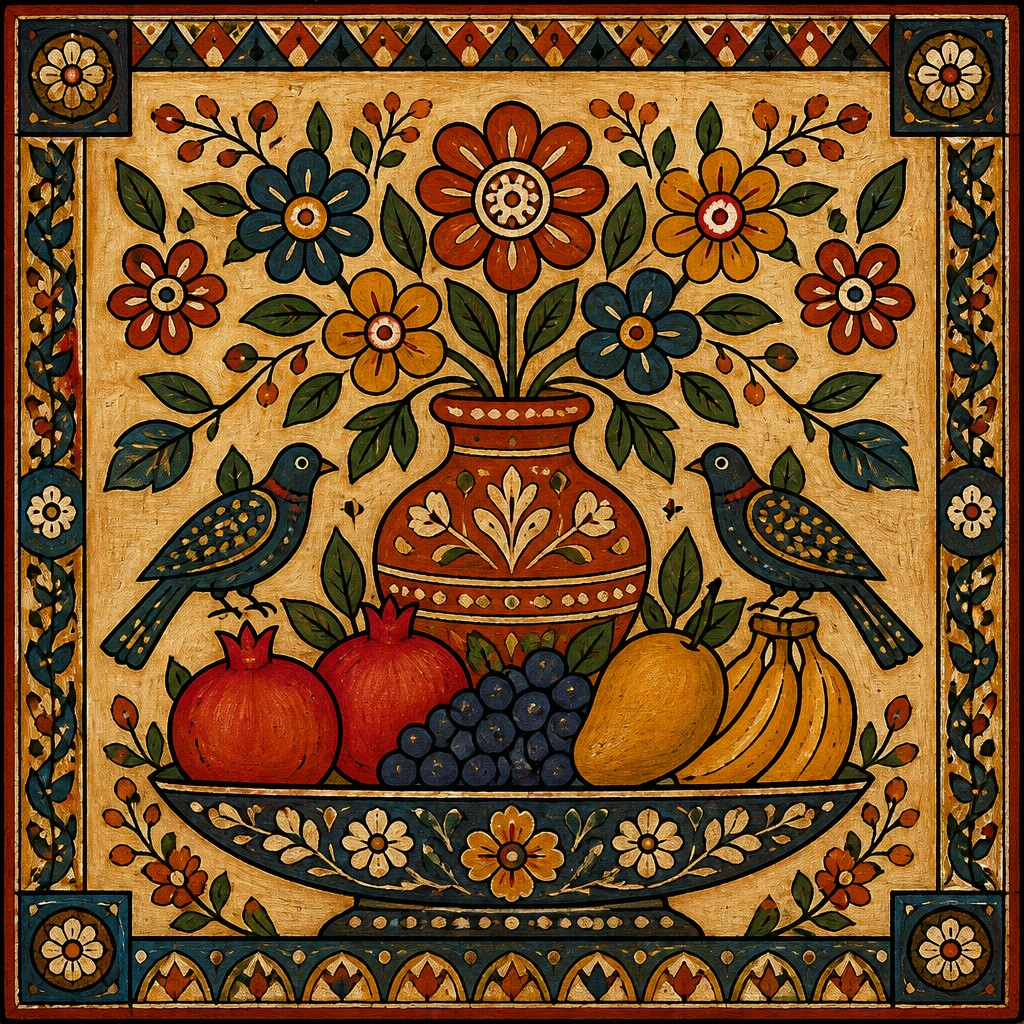
Traditional regional art with bold outlines, folk motifs, flat forms, warm colors, and handcrafted storytelling character.
Instantly rendered in Folk — or transform a photo
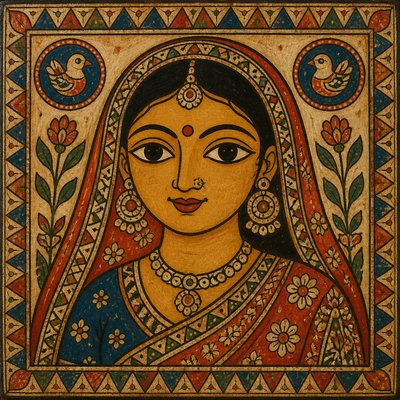
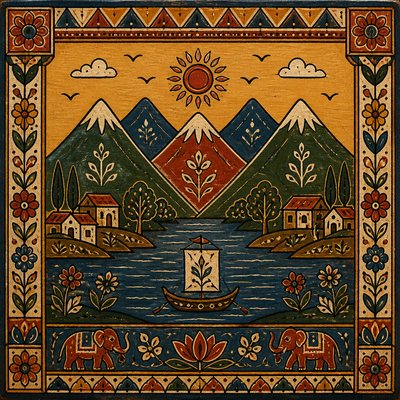
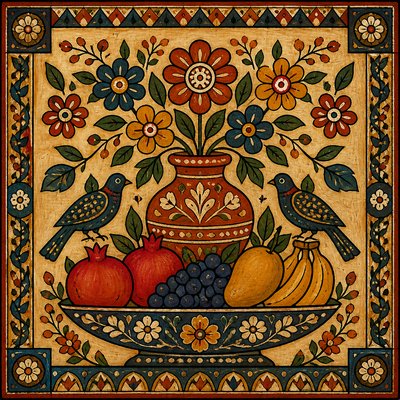
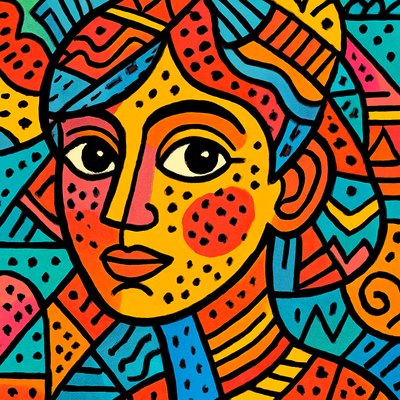
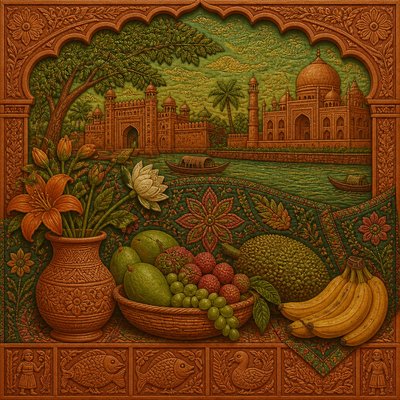
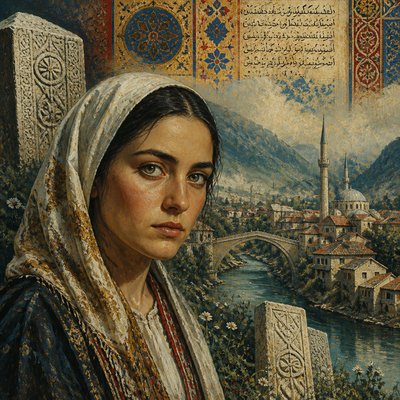
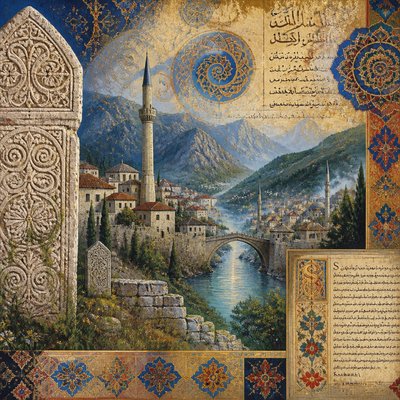
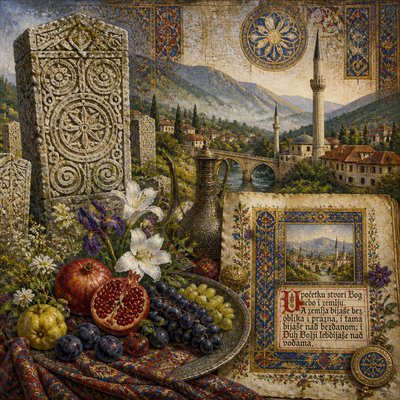
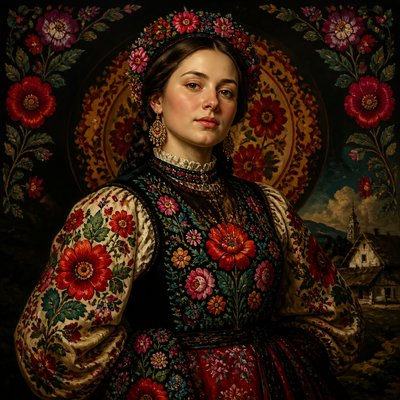
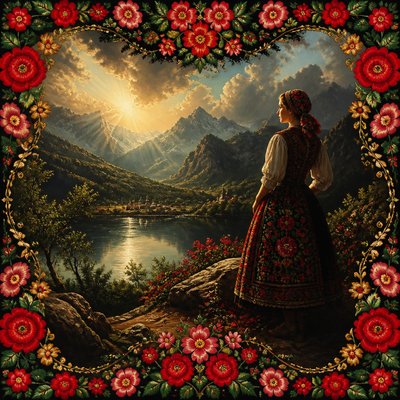
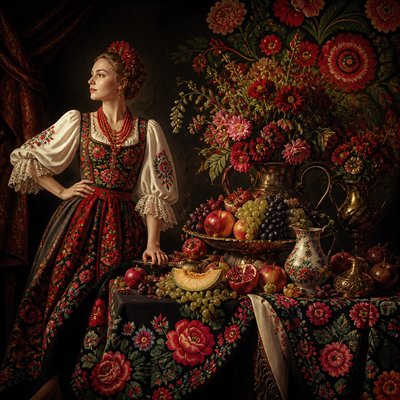
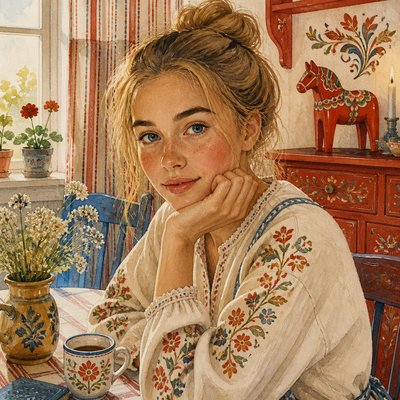
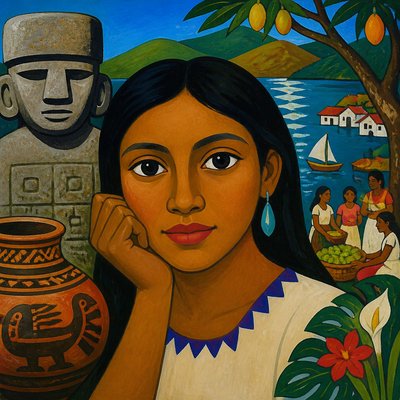
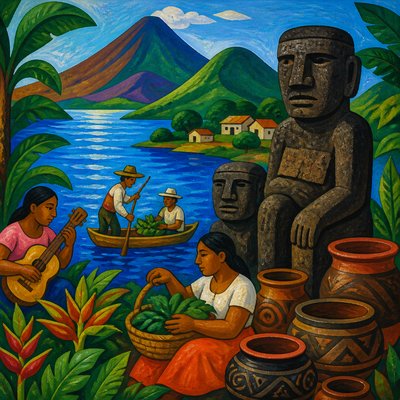
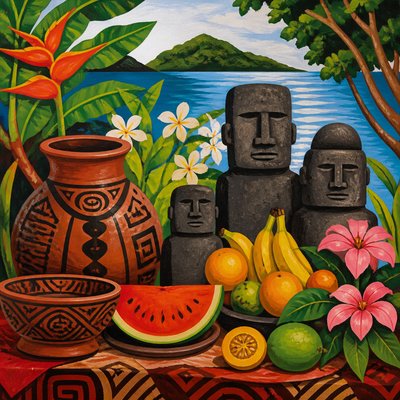
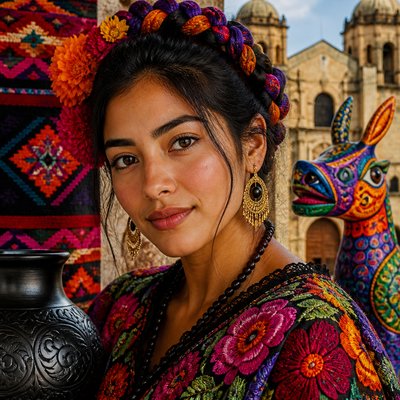
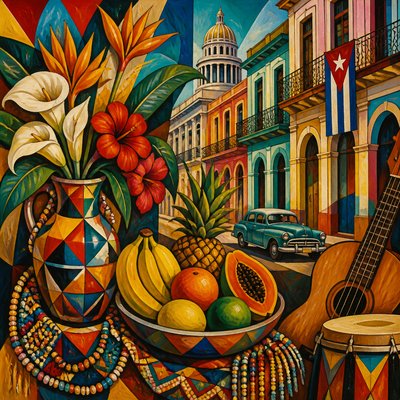
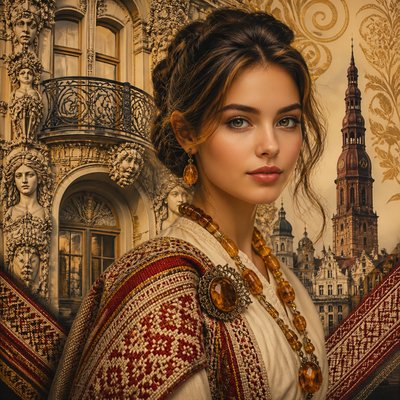
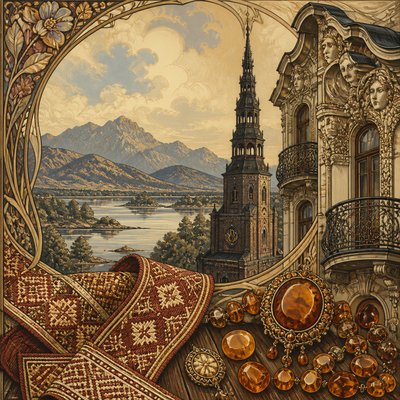
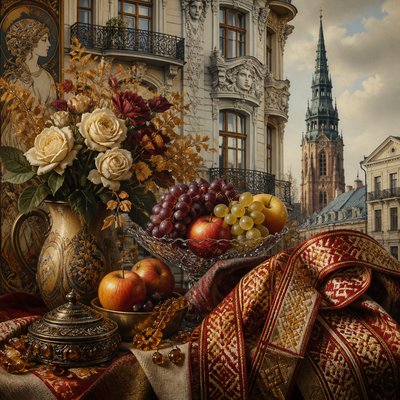
Folk Gallery
Tap any artwork to explore it
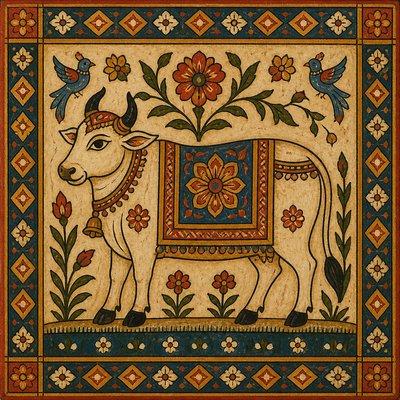
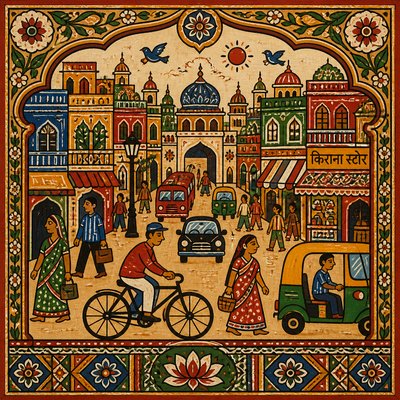
What is Folk Art Style?
Folk art style refers to traditional visual art made within communities and passed down through generations, often outside formal academic training. It is usually tied to everyday life: home decoration, festivals, religious objects, storytelling, textiles, ceramics, toys, signs, and painted furniture. Rather than aiming for optical realism, it favors legibility, pattern, symbolism, and charm.
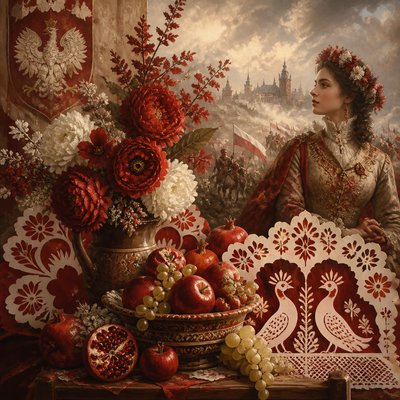
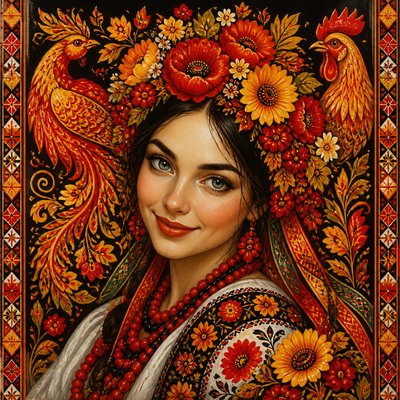
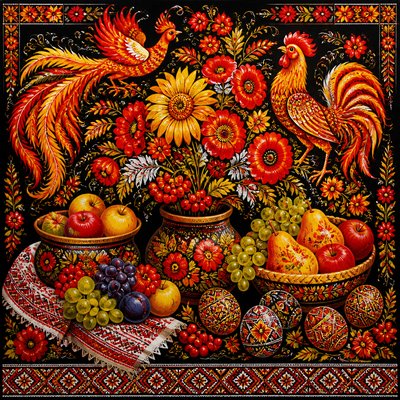
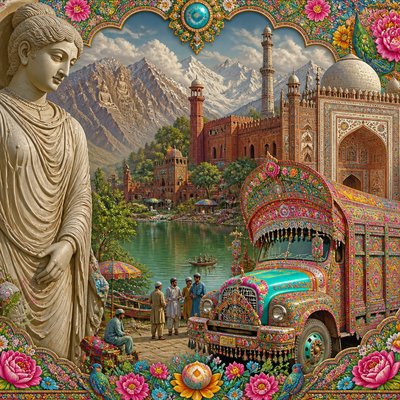
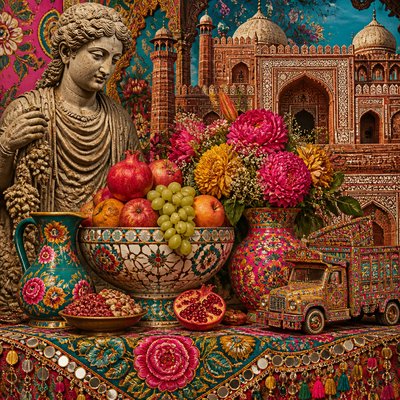
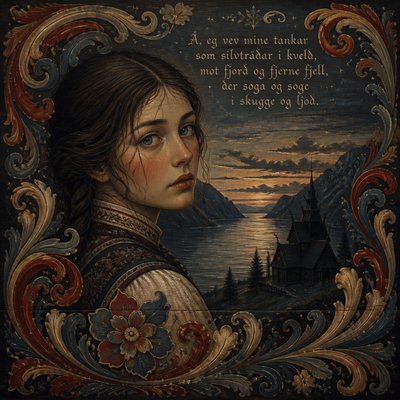
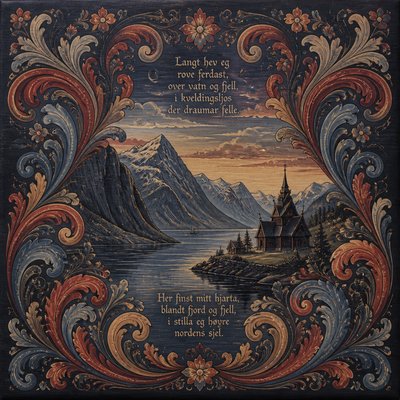
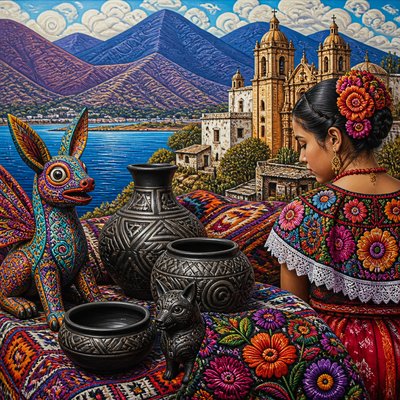
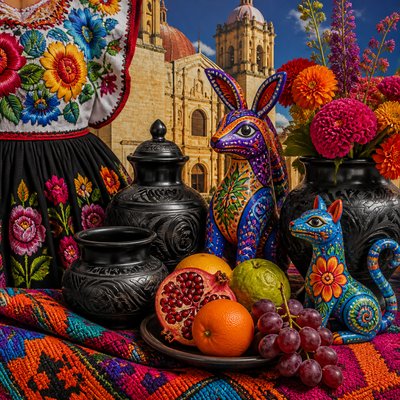
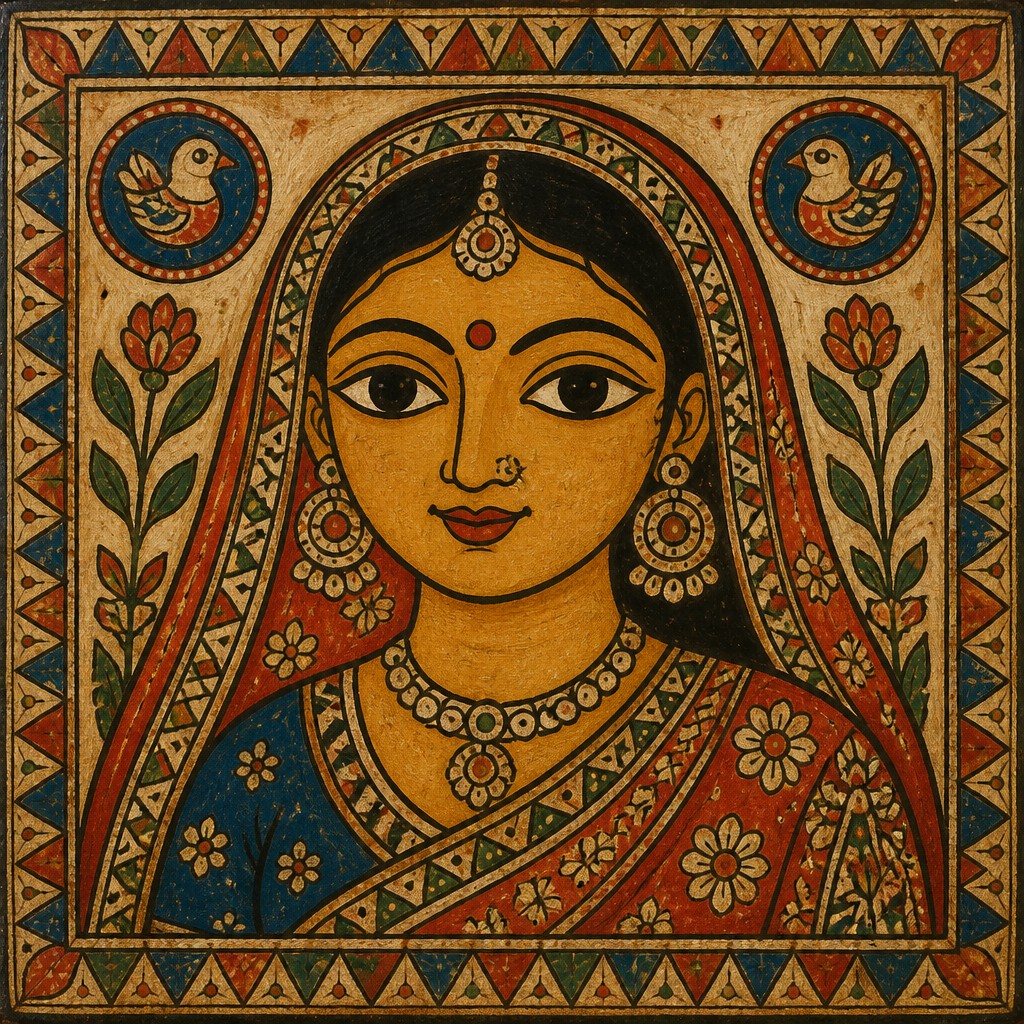
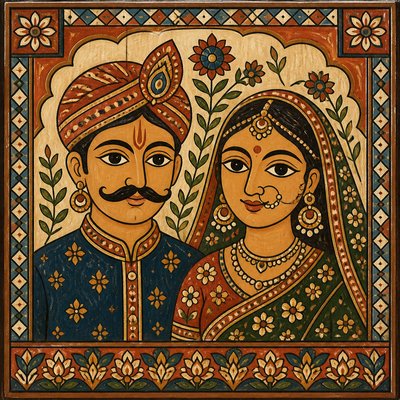
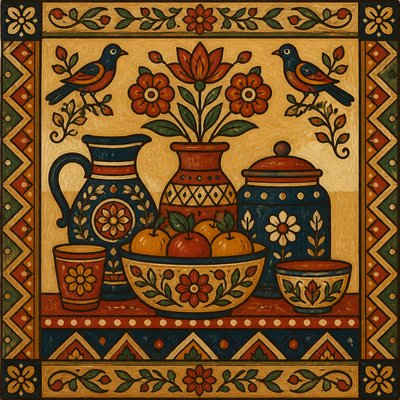
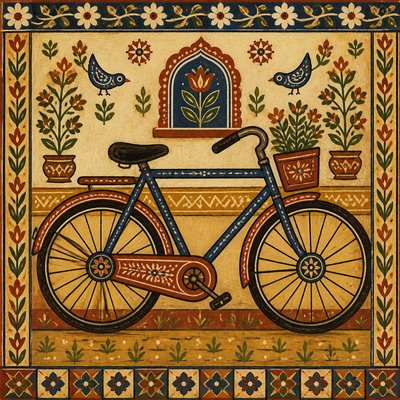
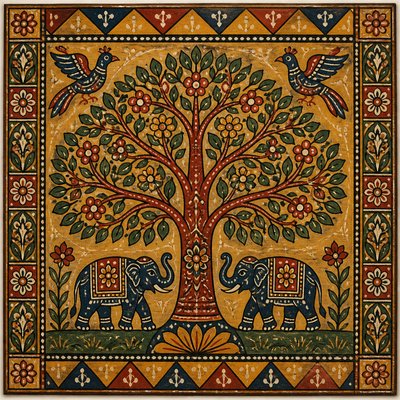
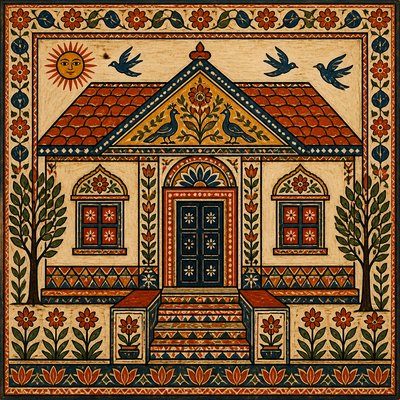
Visually, folk art is recognizable by flattened space, simplified figures, bold outlines, and decorative repetition. Forms are often arranged symmetrically or in balanced clusters, with borders, floral motifs, and geometric ornaments filling open areas. The result feels handcrafted and communal: less concerned with individual genius than with continuity, regional identity, and the practical beauty of objects used by ordinary people.
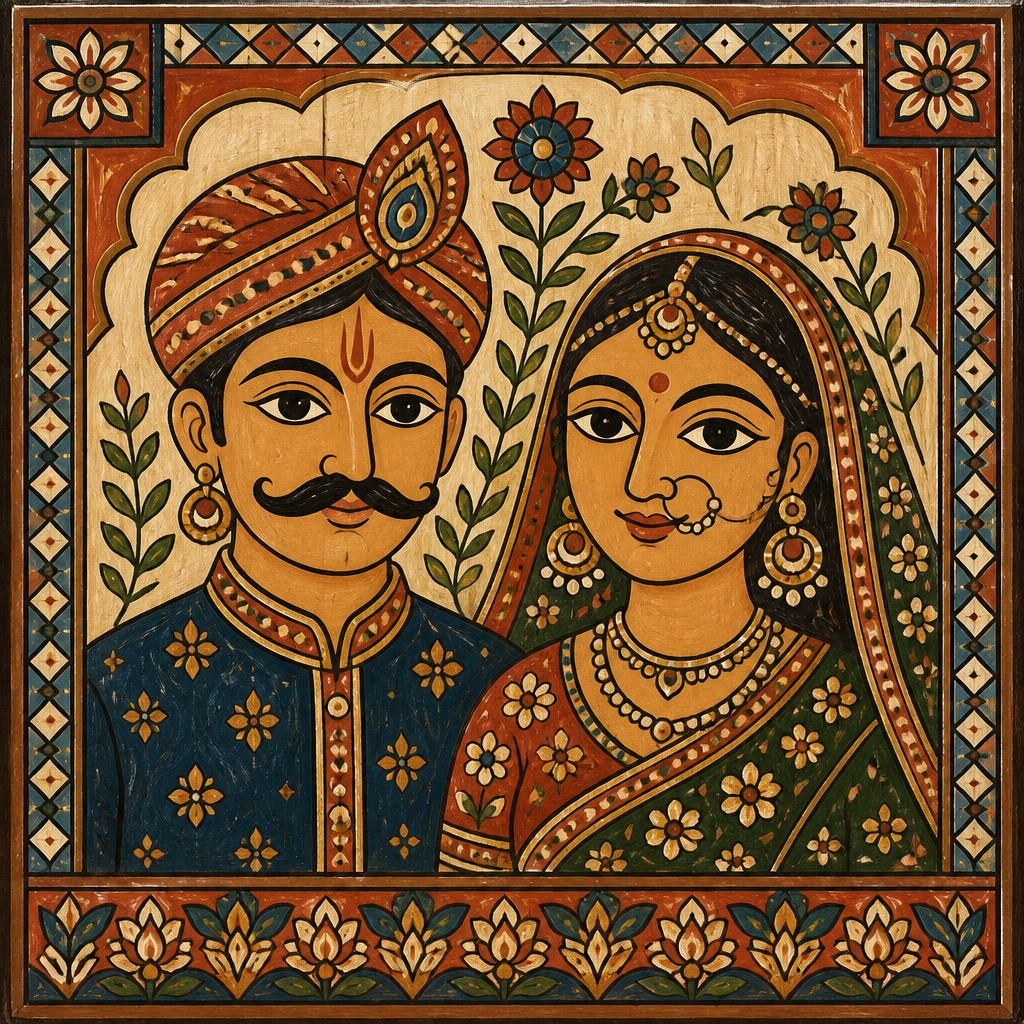
Try It On Your Photos
Upload any photo and convert it into Folk Art Style — drag the sliders to compare before and after.
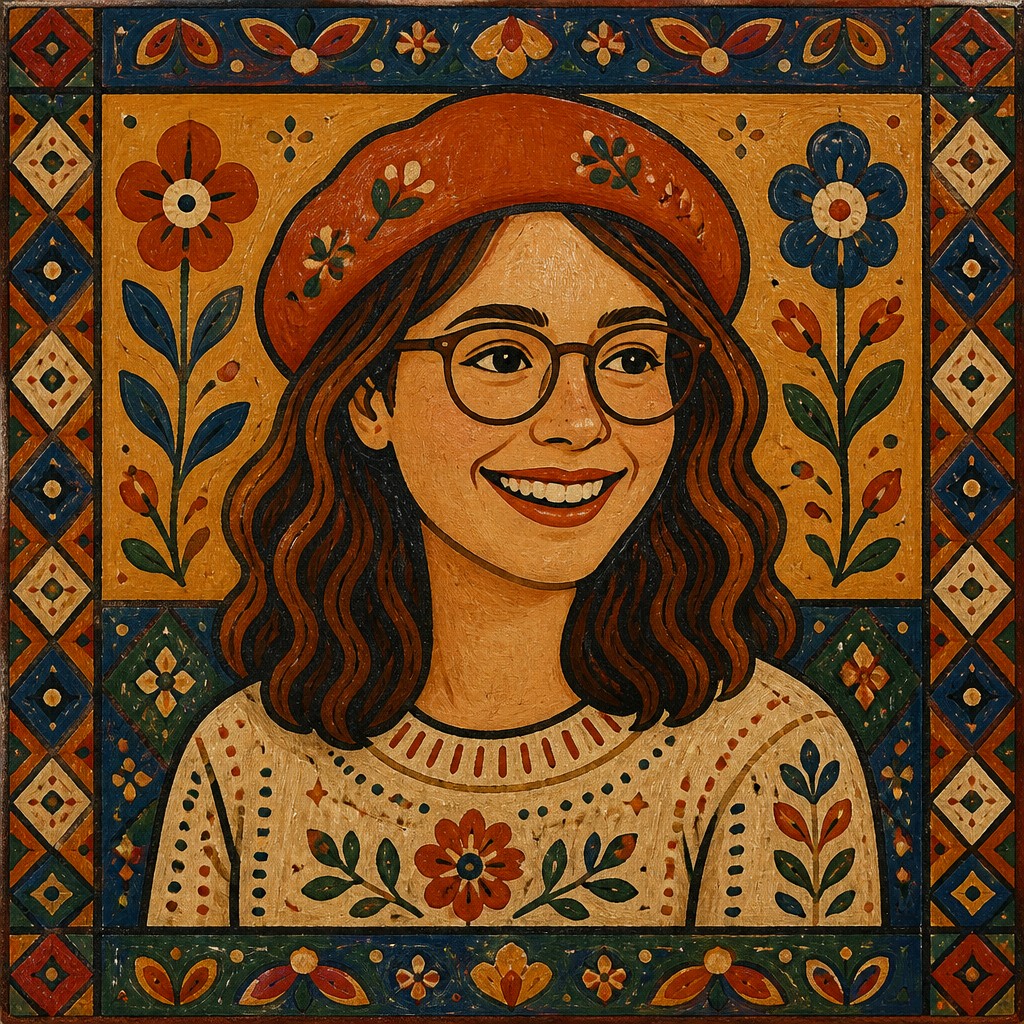

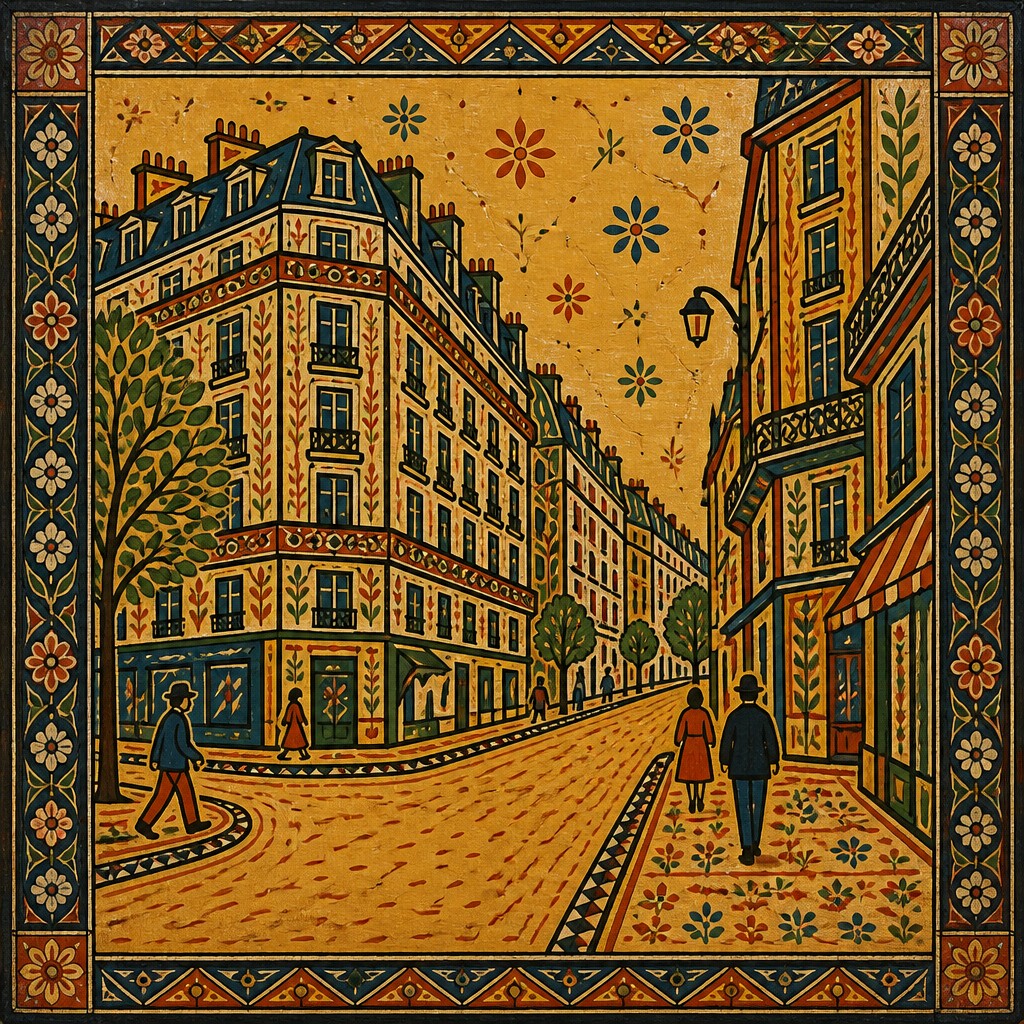

Or use the free Folk photo filter
What Defines Folk Art Style
The signature details, up close
Flattened, naive perspective
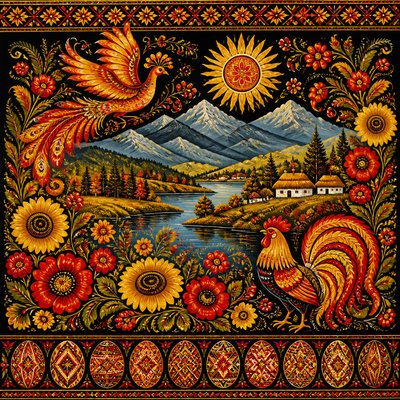
Space is usually shallow and simplified, with little concern for correct vanishing-point perspective. Objects are arranged for clarity and decorative balance rather than optical realism.
Bold outlines and clear silhouettes
Figures and objects are commonly defined with dark, decisive contours. This keeps the imagery readable and gives it the confident, hand-made look associated with painted crafts.
Decorative patterning
Repeating florals, vines, dots, stars, diamonds, and border bands are central to the style. Patterns often fill garments, backgrounds, edges, and empty spaces to create a rich surface.
Warm, earthy, regionally grounded color
Many folk traditions favor pigments and dye palettes that feel natural or locally available, such as ochres, reds, indigos, greens, and black. Bright accents may be used, but the overall harmony tends to remain earthy and welcoming.
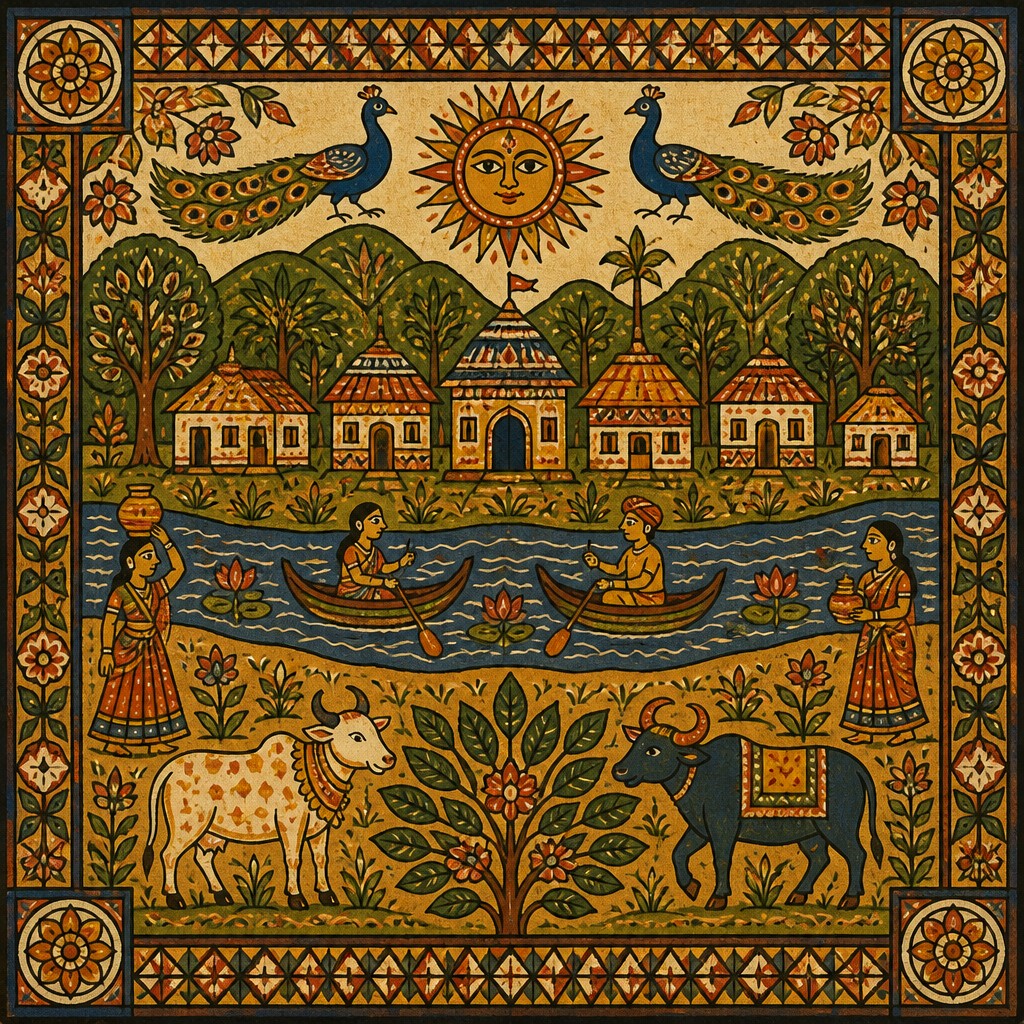
Symbolic storytelling imagery
Subjects often depict village life, animals, harvests, celebrations, religious scenes, domestic rituals, or local legends. The emphasis is on shared meaning and narrative clarity rather than individualized expression.
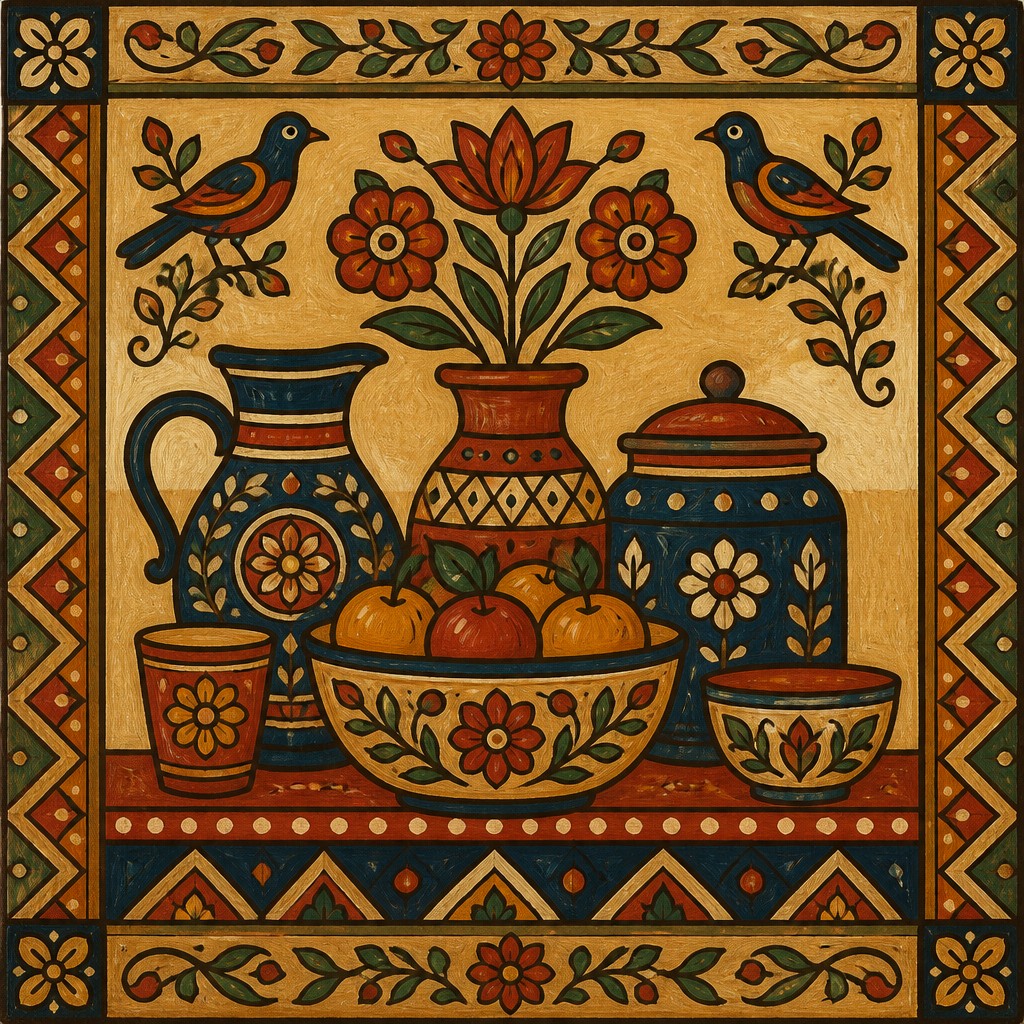
Handcrafted surface texture
Brush marks, uneven fills, stamped motifs, and slightly irregular edges are part of the aesthetic. These visible traces of making signal authenticity and connect the image to painted wood, clay, cloth, or handmade paper.
Try It
Create Videos in Folk Art Style
Styles aren't just for stills — describe a scene or animate an image and get a short video rendered in Folk. Press play to see this pond come to life.
Make a VideoFolk Prompt Ideas
Start from an idea — each one opens the generator with the style ready to go. See all 40 Folk prompts →
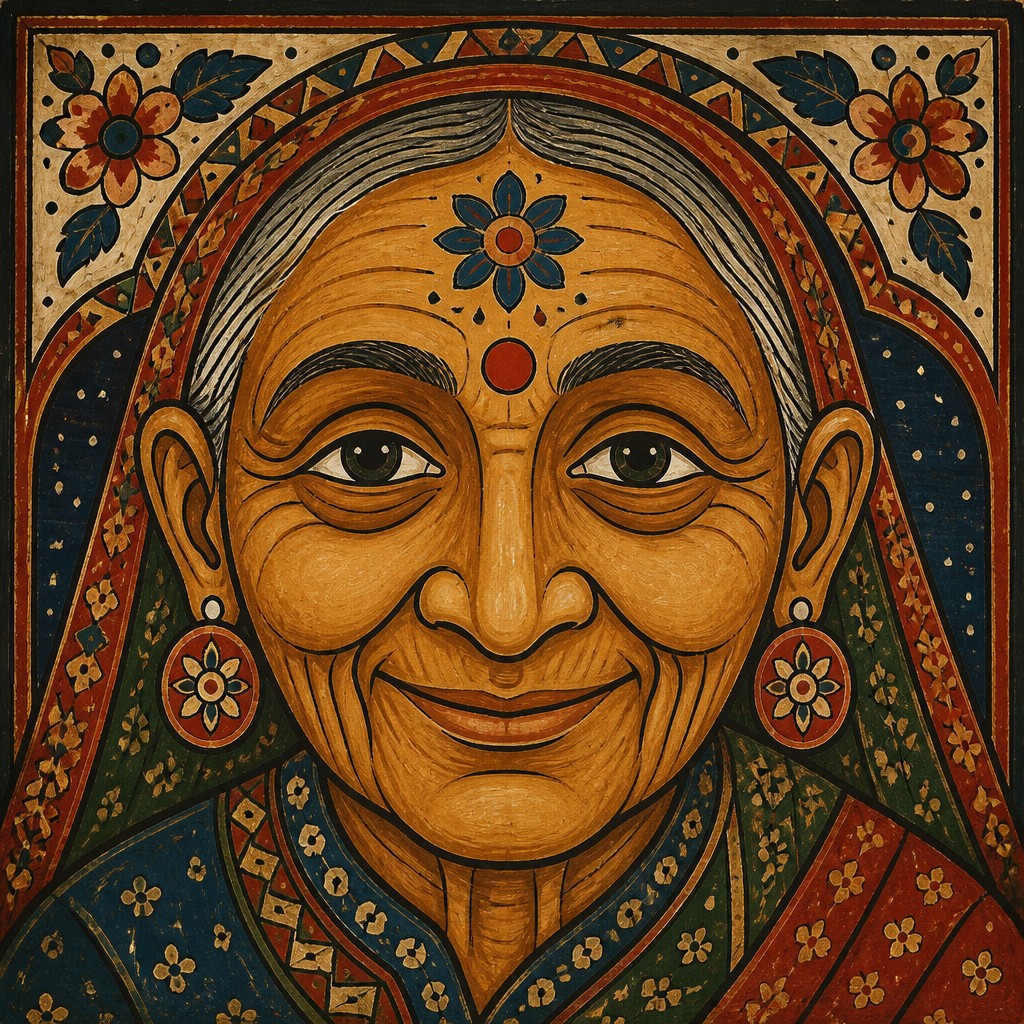
“close-up portrait of an elderly person with expressive weathered features”
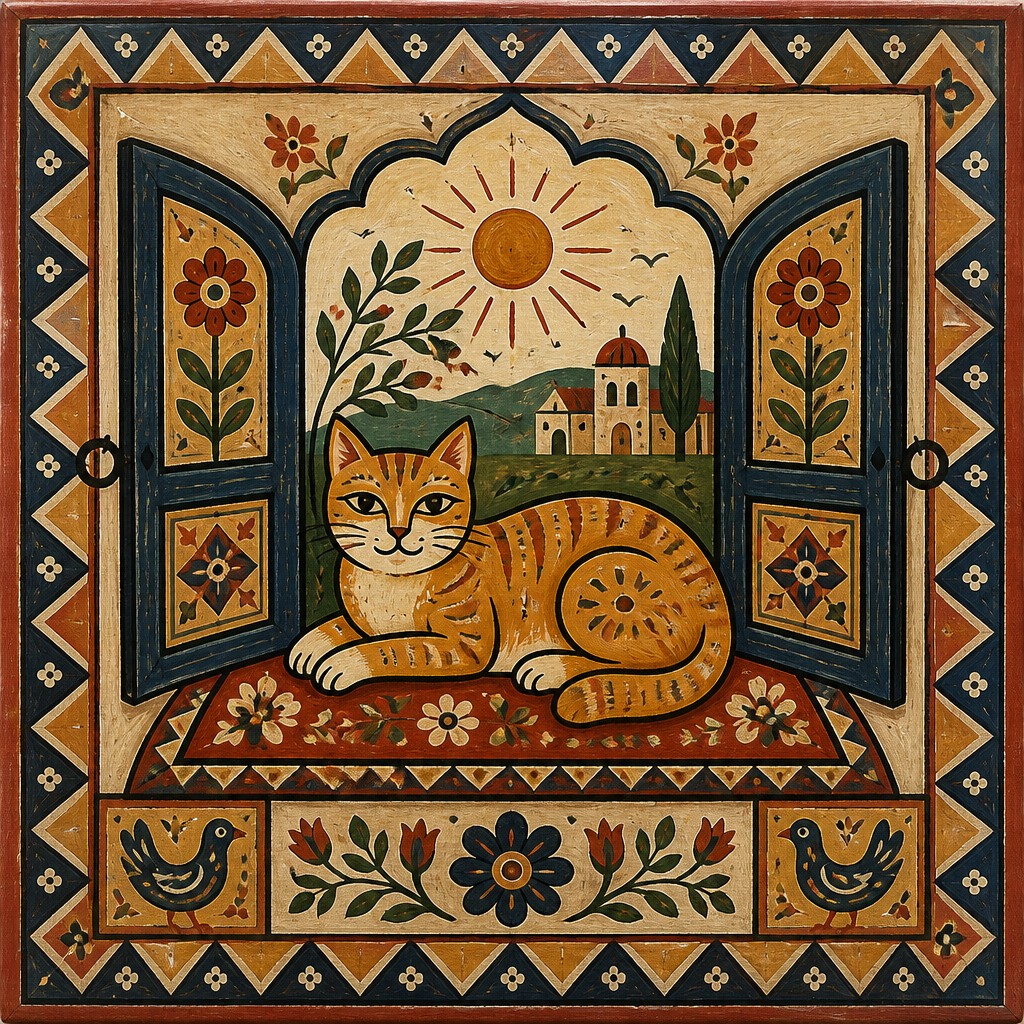
“a cat lounging in a sunlit window”
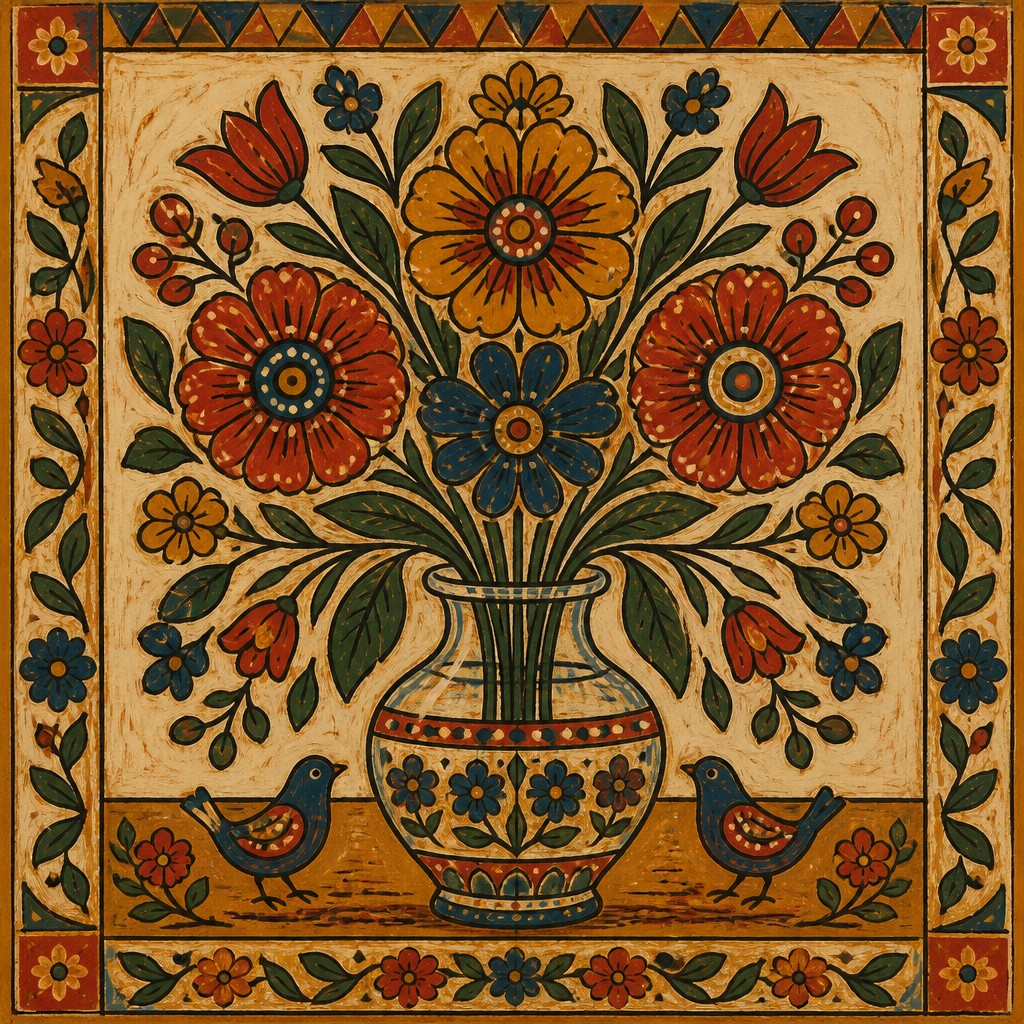
“bouquet of flowers in a glass vase”
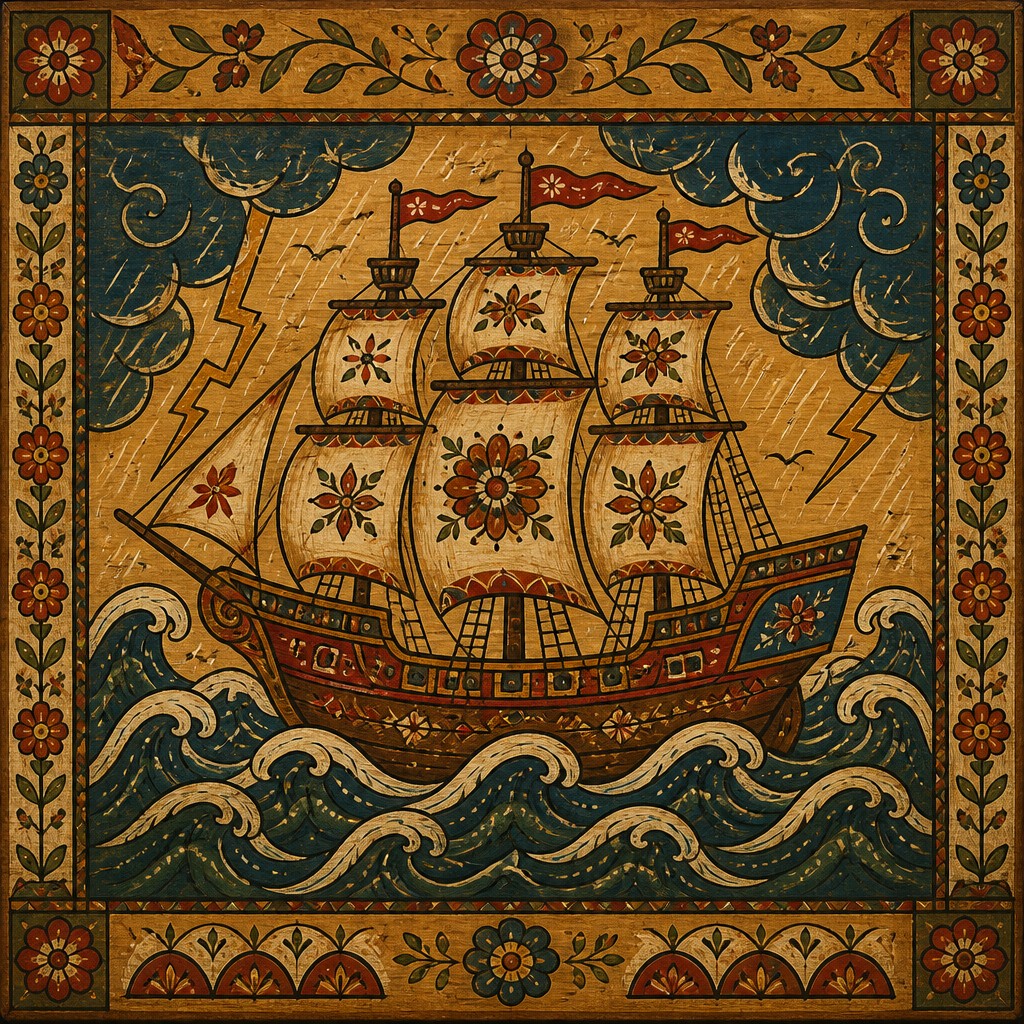
“sailing ship on a stormy sea”
How to Create Folk Art
Master the craft step by step — or skip straight to creating. Read the full guide →
- 1
Simplify forms into emblematic shapes
Build the composition from clear silhouettes and reduce anatomy, architecture, and objects to their most recognizable parts. Avoid complex lighting and modeling; the image should read like a decorated surface.
- 2
Use border systems and repeated motifs
Add floral bands, geometric frames, and small repeating elements to corners and margins. In digital work, create motif libraries or pattern brushes; in traditional media, repeat motifs by hand for a more authentic irregularity.
- 3
Favor a handcrafted palette and flat color fields
Choose a restrained set of earthy, saturated colors and keep transitions simple. Fill areas with largely even color, then add small accents, painted details, and visible texture rather than realistic shading.
- 4
Compose for symmetry and storytelling clarity
Center the main subject, mirror elements where possible, and keep the arrangement stable and balanced. If using a prompt, specify the subject plus traits like bold outlines, flattened perspective, decorative borders, and warm folk palette.
- 5
Preserve the maker’s hand
Let line weight vary, edges wobble slightly, and pattern placement feel human rather than mechanically perfect. In image-to-image workflows, reduce overly smooth digital finish so brush marks, grain, or paint texture remain visible.
- 6
Ground the image in a specific regional tradition when possible
Research a real folk source—such as painted furniture, textile patterns, pottery, or festival imagery—and borrow its logic of motif, palette, and composition rather than mixing every tradition indiscriminately. Specificity gives the work credibility and avoids generic 'folk-inspired' visuals.

The Story
History & Origins of Folk
Folk art is not a single movement with one founder or a fixed start date; it is a broad category of vernacular artistic traditions found across many cultures. Its origins lie in preindustrial craft practices, where making was integrated into daily life and visual forms were transmitted through apprenticeship, family knowledge, religious custom, and local material conditions. Because of this, folk styles vary widely by region, but they often share an emphasis on utility, ornament, and shared storytelling.
In modern times, folk art was collected, documented, and sometimes adapted by museums, folklorists, and national revival movements, especially in the 19th and 20th centuries. Artists and designers also drew from folk traditions to create modern decorative arts and nationalist visual identities, but the original folk forms remained rooted in community practice rather than fine-art institutions. Today the style continues through living craft traditions, heritage art, festival painting, commercial folk-inspired design, and digital reinterpretations that borrow its motifs and flat decorative logic.
Influences: Folk art draws from many vernacular craft traditions, including painted furniture, ceramics, textile design, woodcarving, sign painting, embroidery, and festival decorations. In the modern era, artists and designers sometimes borrowed from folk sources to create stylized, decorative work; related precedents can be seen in the flattened ornamental logic of leading modern painters associated with decorative color and shape, the pattern-rich stylization of influential abstract and expressive modern artists, and the directness of early Northern European genre painting in depictions of communal life, though folk art itself is broader and not dependent on any single canonical artist.
Frequently Asked Questions
What defines folk art style?
Folk art style is defined by community-based, traditional making: simplified forms, bold outlines, decorative patterning, and imagery tied to local life or shared stories. It usually values clarity and ornament over realism. The look often feels handmade, warm, and culturally specific.
Is folk art the same as naïve art?
Not exactly. Naïve art usually describes works by self-taught artists, often in the fine-art context, while folk art refers more broadly to traditional community-based visual practices. They can look similar because both may use flattened perspective and simple forms, but folk art is more closely tied to inherited cultural traditions.
What subjects work best in this style?
Scenes of village life, animals, gardens, harvests, celebrations, religious imagery, household objects, and local legends are all common subjects. The style is especially effective when the subject can be simplified into clear shapes and enriched with borders, motifs, and symbolic details.
How is folk art different from decorative illustration?
Decorative illustration may borrow folk elements, but folk art is rooted in tradition, function, and community transmission. It often appears on practical objects or in ceremonial contexts, not just as standalone images. The texture and irregularity also matter: the hand-made quality is part of the meaning.
Can folk art be made digitally?
Yes, as long as the digital process preserves the style’s visual logic: flat composition, pattern repetition, bold outlines, and a handcrafted feel. Digital tools can help with pattern placement and color control, but the result should still look intentionally human and not overly polished.
Where is folk art commonly used today?
It appears in craft objects, cultural festivals, children’s books, packaging, public murals, tourism graphics, and heritage-inspired design. Contemporary artists also use folk-derived aesthetics to connect modern subjects with regional identity and storytelling traditions.

Create your first Folk artwork
Describe anything — or upload a photo — and see it in Folk Art Style in seconds.
Make Something with Folk
Compare Folk
Related Styles
Discover similar art styles