Folk vs Naive: What's the Difference?
Folk Art Style and Naive Art Style both value directness, visible handcraft, and a sense of sincerity over polished realism. Folk Art Style usually grows from regional traditions, using inherited motifs, decorative patterns, and purposeful design choices that reflect community culture and storytelling.
Naive Art Style is typically made with a childlike or untrained visual approach: bright color, flattened space, simplified shapes, and intentionally or naturally uneven proportions. People compare the two because both can feel emotionally open and accessible, but they differ in origin, structure, and the kind of visual order they create.
Same Prompt, Both Styles
Each pair below was generated from the identical prompt — only the style changed.
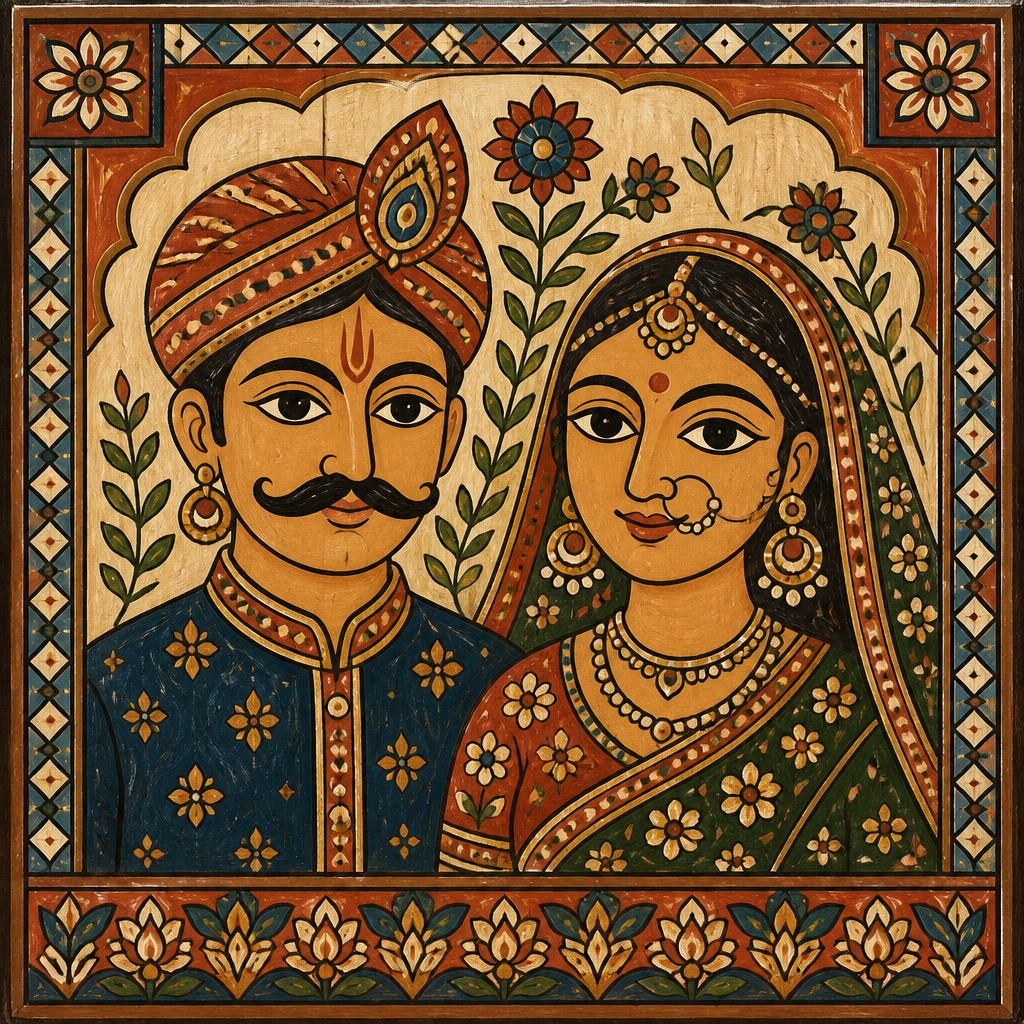
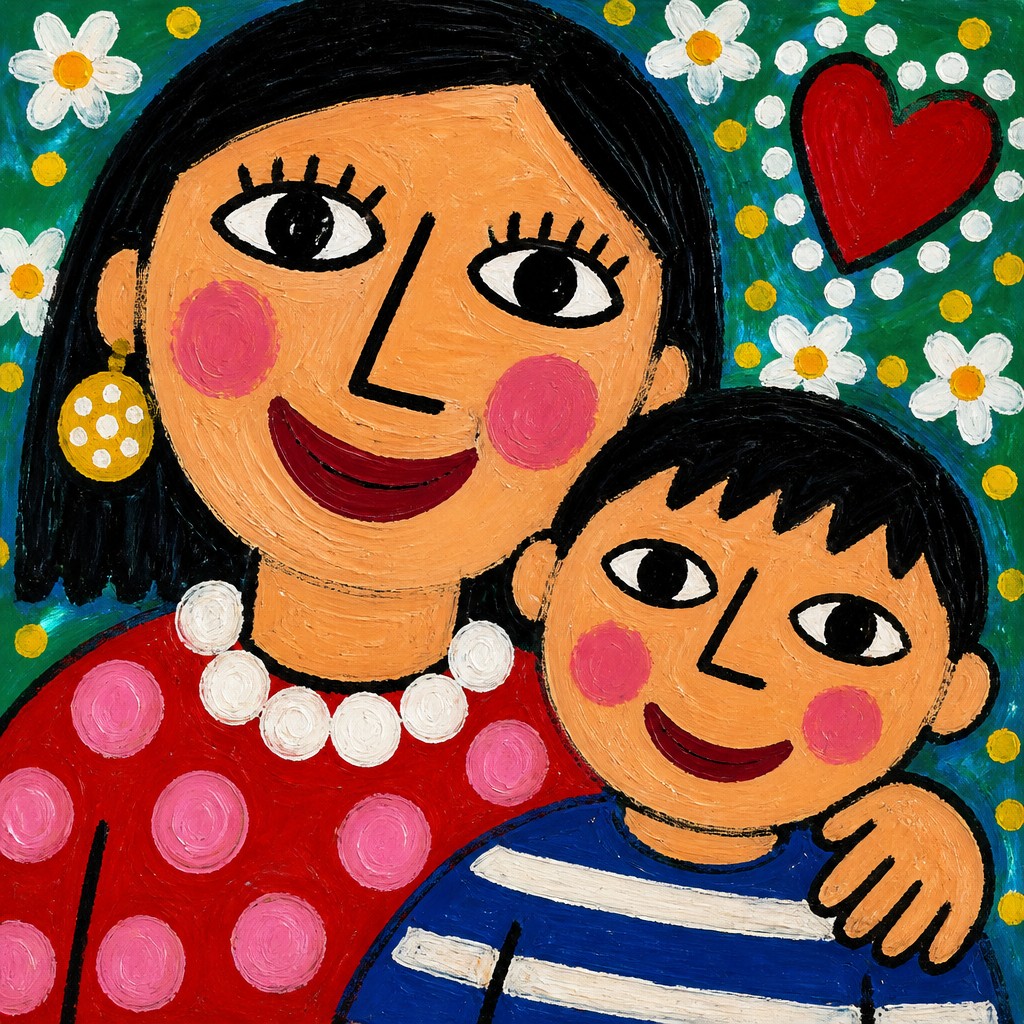
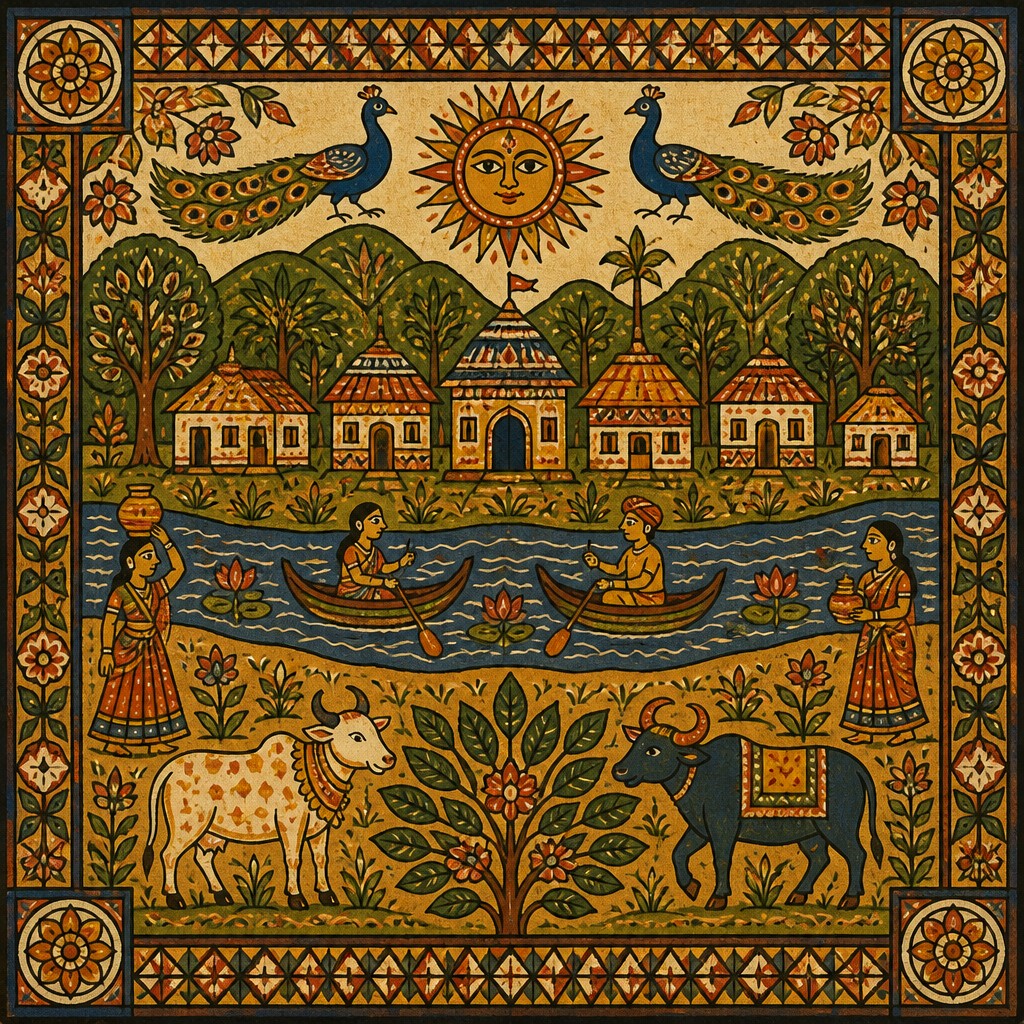
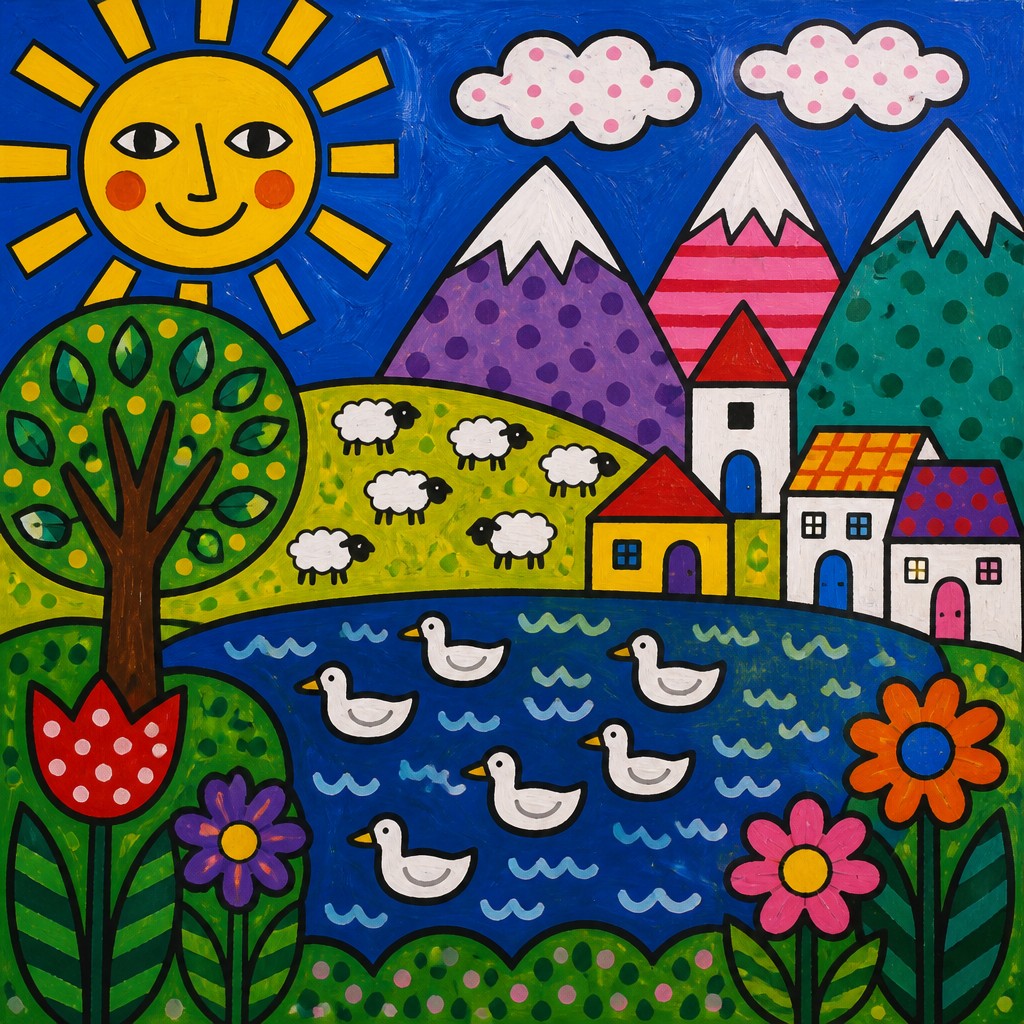
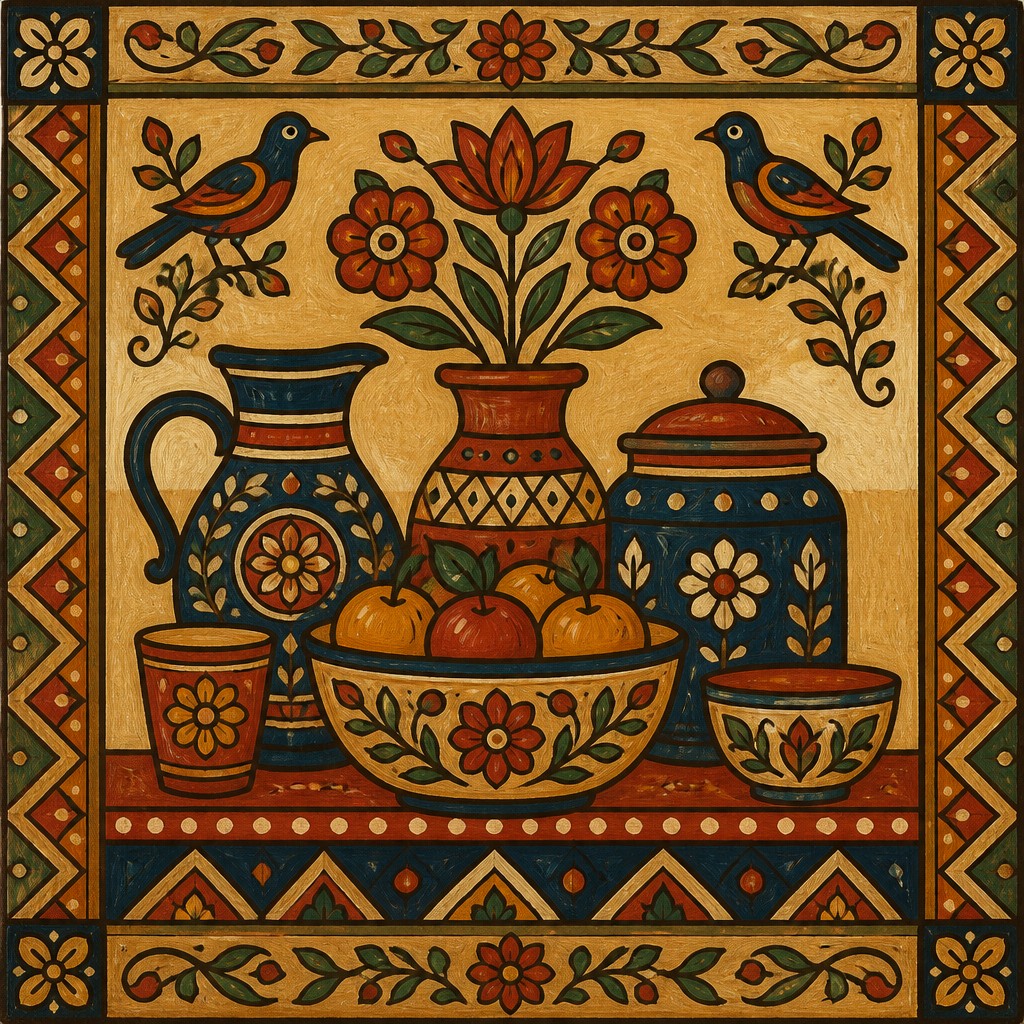
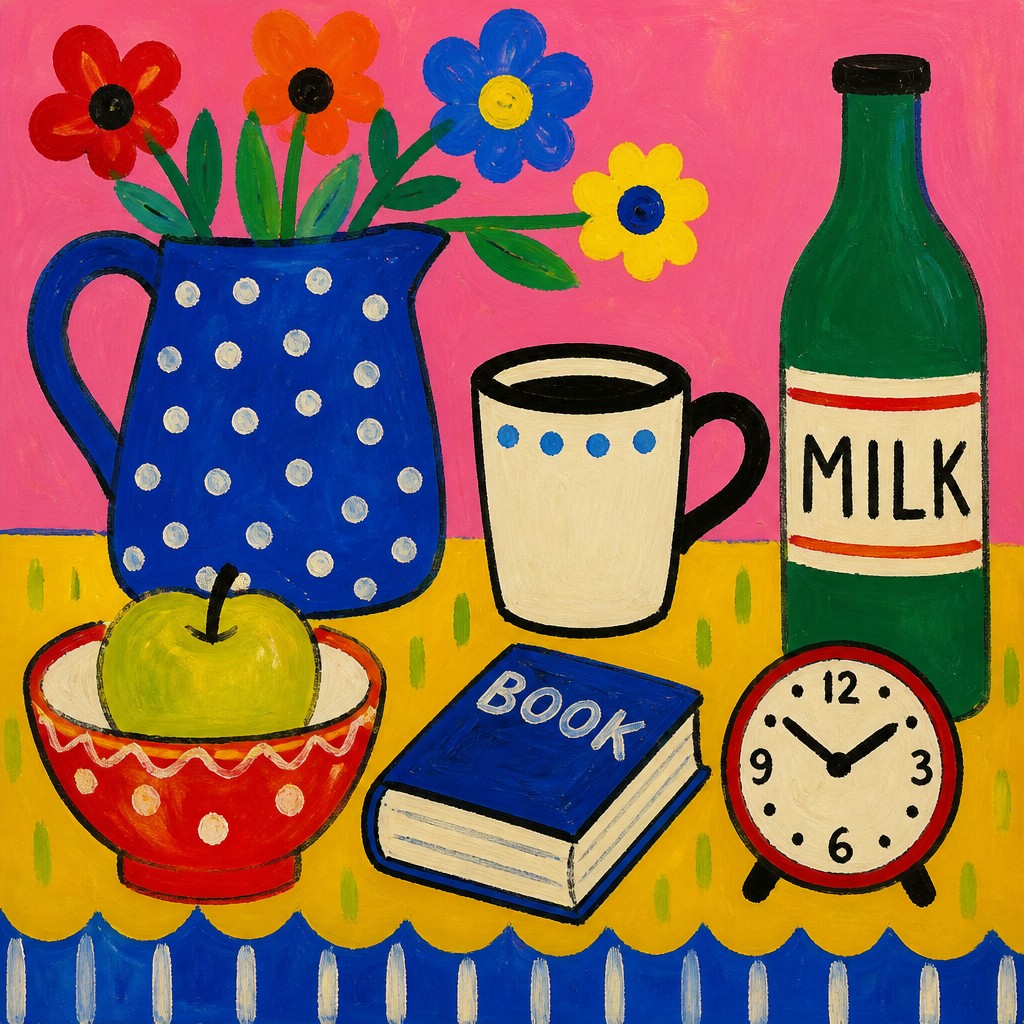
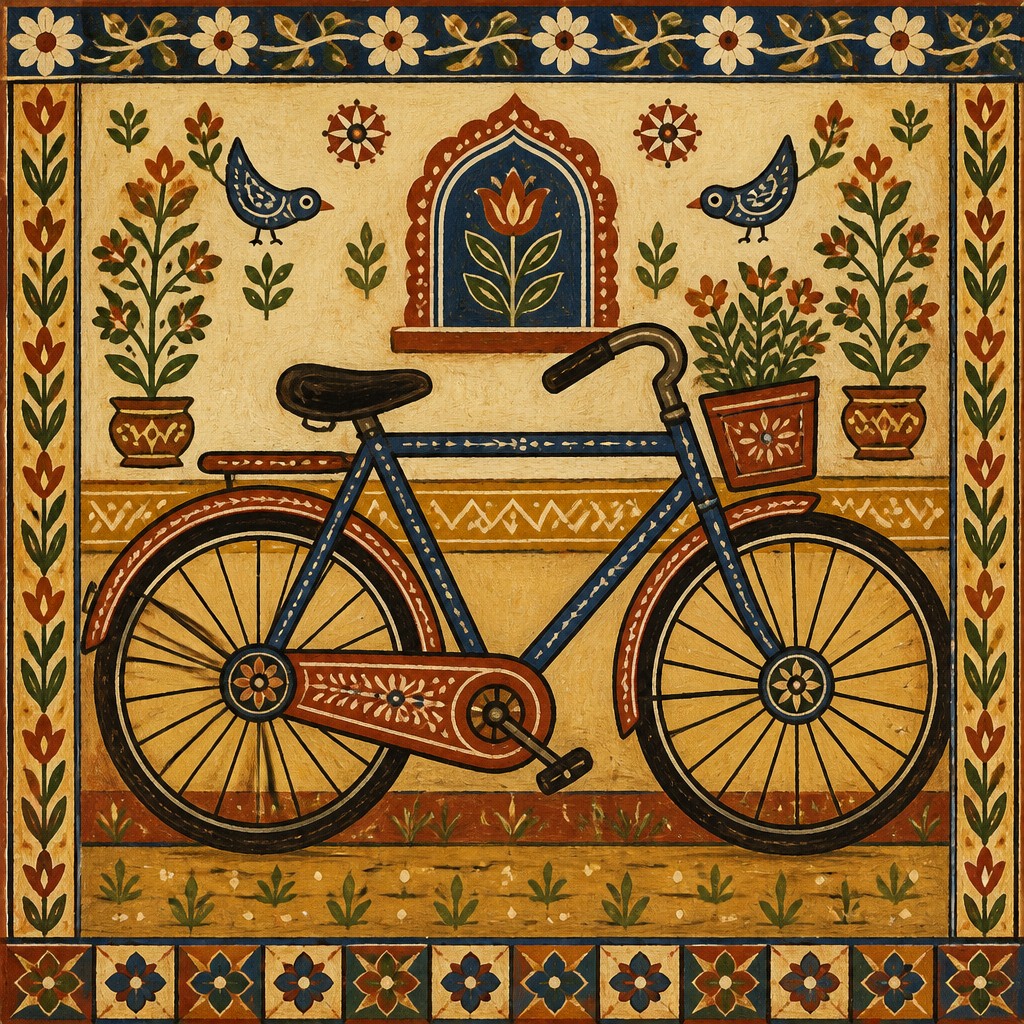
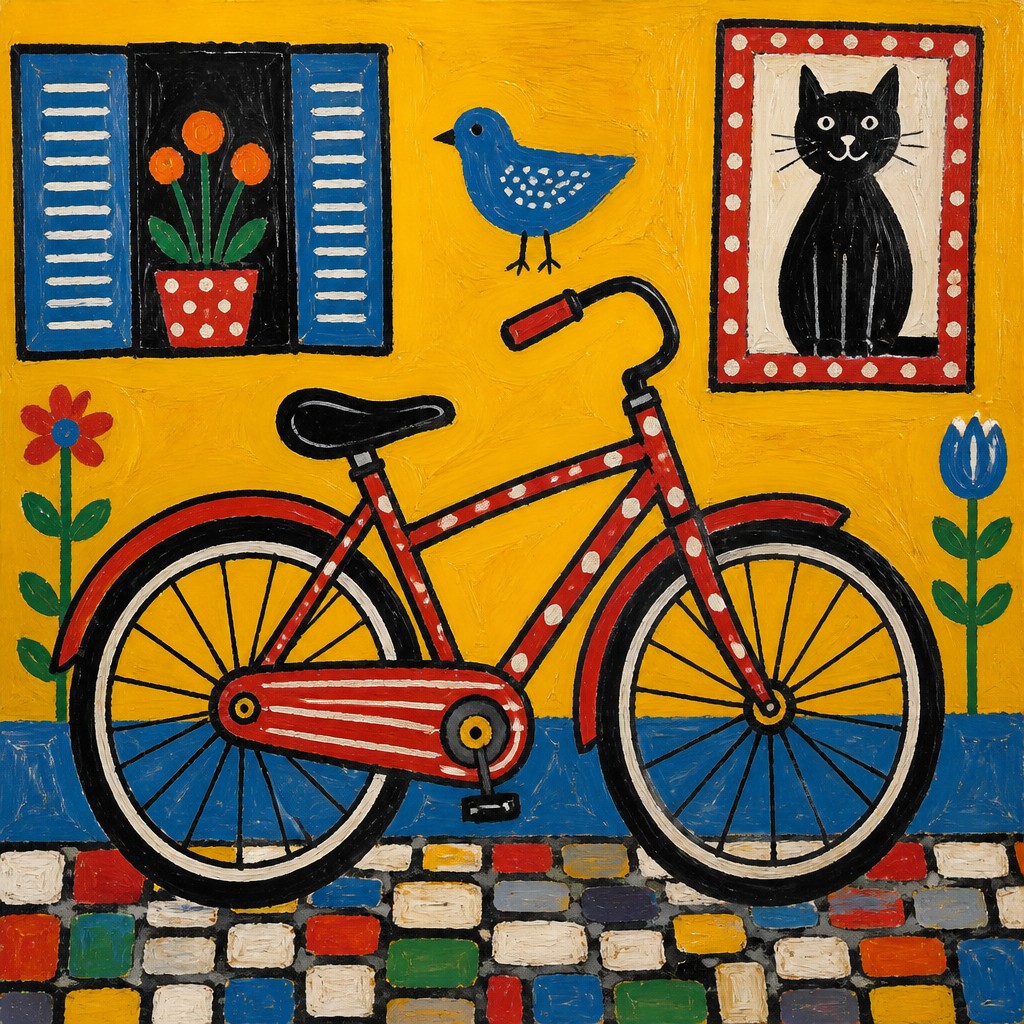
Key Differences
| Folk | Naive | |
|---|---|---|
| Origin | Rooted in regional traditions, customs, and shared craft practices. | Rooted in personal expression, outsider vision, or vernacular making. |
| Line & form | Bold outlines and decorative shapes organize the image clearly. | Simple outlines and wonky proportions give a childlike feel. |
| Motifs | Uses folk symbols, traditional patterns, and familiar cultural imagery. | Uses everyday scenes, playful details, and direct visual observation. |
| Color | Warm, earthy, and often harmonized for a handcrafted look. | Bright, vivid, and often high-contrast for lively impact. |
| Space & depth | Mostly flat, but often structured with clear decorative organization. | Flattened space with minimal perspective and little spatial illusion. |
| Overall feeling | Traditional, communal, and story-rich with crafted familiarity. | Spontaneous, innocent, and open with charming irregularity. |
| Mood | warm, nostalgic, playful, earthy | playful, sincere, whimsical, simple |
| Energy | balanced | calm |
| Detail level | detailed | moderate |
| Color | earth tones with bright accent colors | bright, saturated, cheerful palette |
| Texture | handmade, patterned, slightly rough | flat, clean, hand-painted feel |
| Origin | regional traditions, premodern community craft | folk and outsider traditions, 19th century Europe |
| Best for | children's books, festival posters, textiles, decorative packaging, folk-themed illustrations | children's books, posters, storybook scenes, folk-inspired illustrations, album covers |
| Difficulty | moderate | beginner-friendly |
Which Should You Choose?
Choose Folk Art Style when you want a piece to feel rooted in tradition, craft, and recognizable cultural motifs, especially if decorative structure matters. Choose Naive Art Style when you want a more spontaneous, playful, and childlike look with simple forms, bright color, and an intentionally unpolished charm.
Frequently Asked Questions
Are folk art and naive art the same thing?
No. They can look similar because both often use flat forms and direct expression, but folk art is tied more closely to regional tradition and inherited craft. Naive art is defined more by its untrained, childlike, or outsider-like visual language.
Which style is more decorative?
Folk Art Style is usually more decorative because it often includes repeated motifs, patterned surfaces, and carefully arranged shapes. Naive Art Style can still be colorful and lively, but it is usually less ornament-driven.
Which style uses perspective more realistically?
Neither style strongly depends on realistic perspective. Folk Art Style may organize space a bit more intentionally, while Naive Art Style usually flattens space more completely and accepts awkward depth.
Can a work combine both styles?
Yes. A piece can use folk motifs and handcrafted storytelling while also keeping naive proportions and simplified space. In that case, the result may sit between tradition-based folk art and childlike naive expression.