Impressionism Art Style
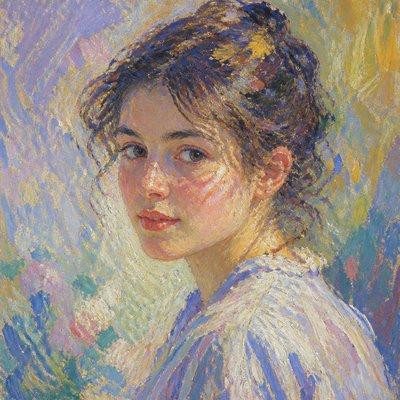
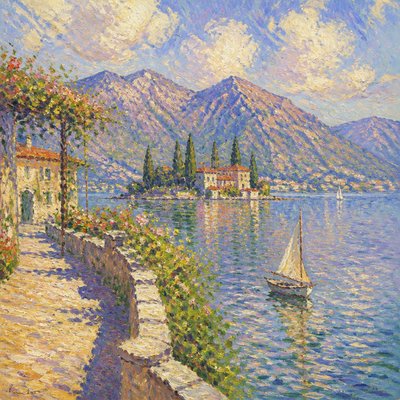
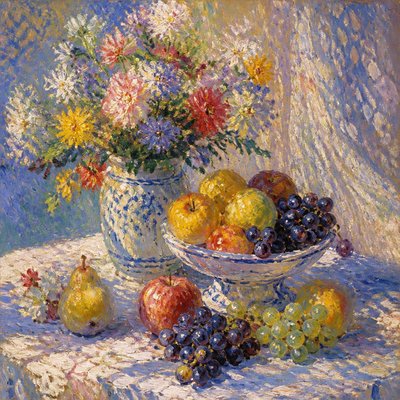
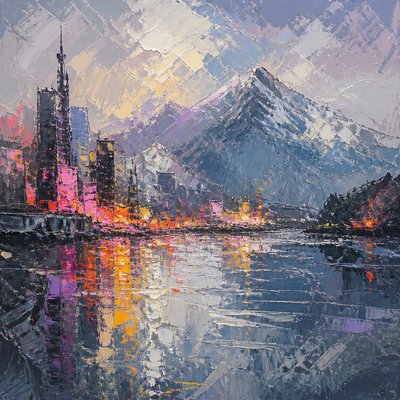
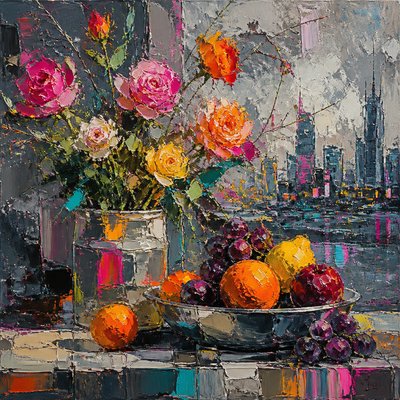
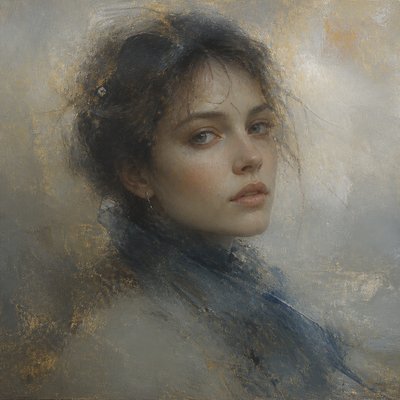
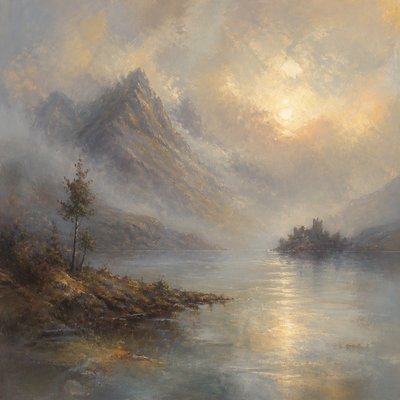
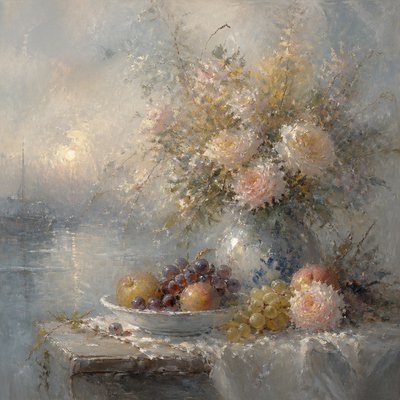
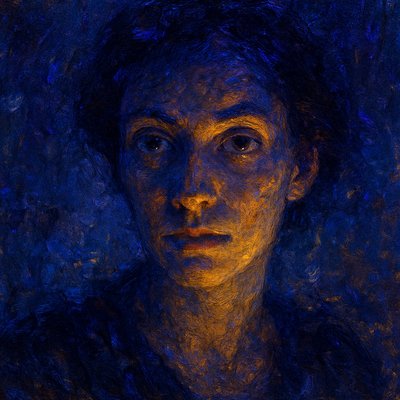
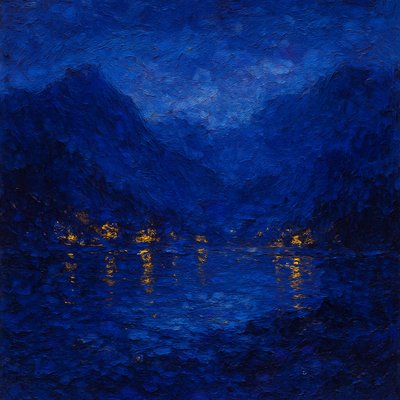
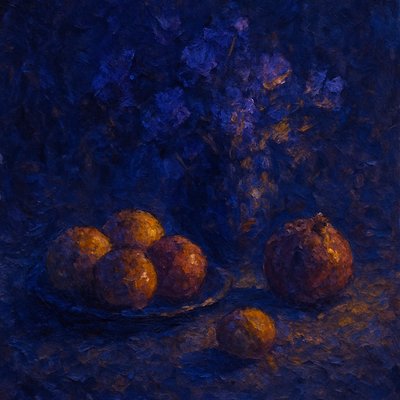
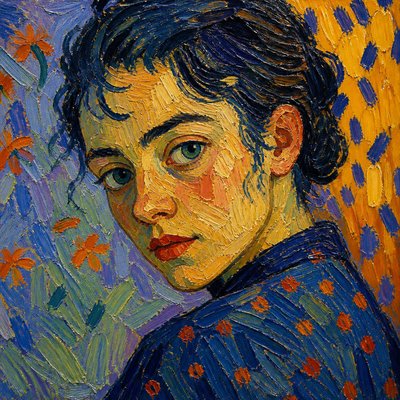
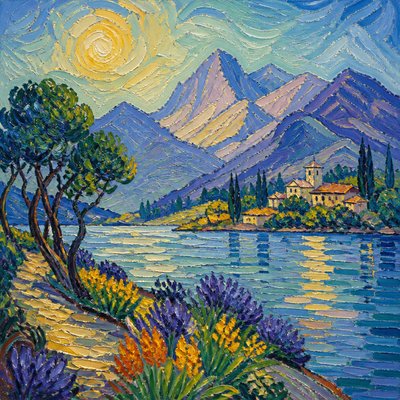
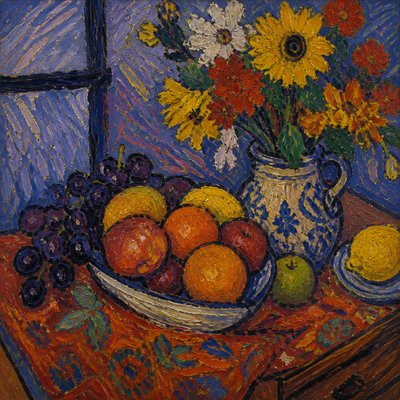
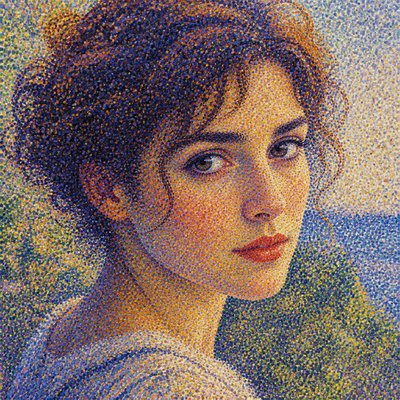
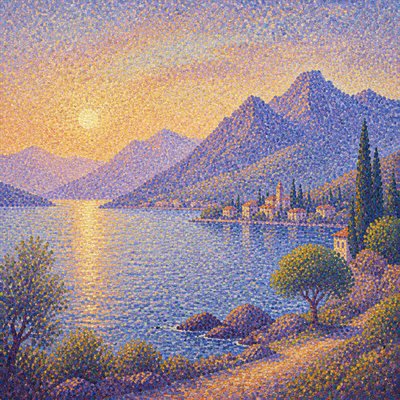
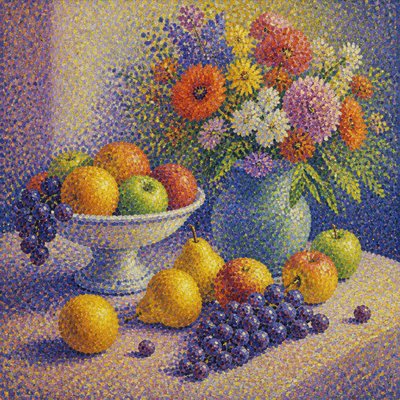
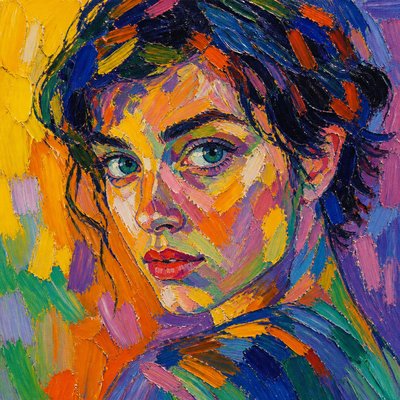
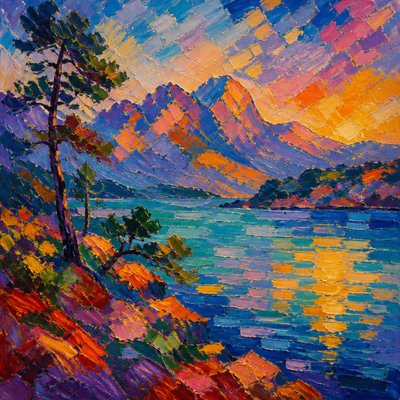
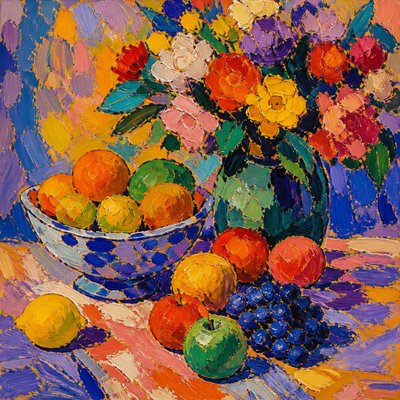
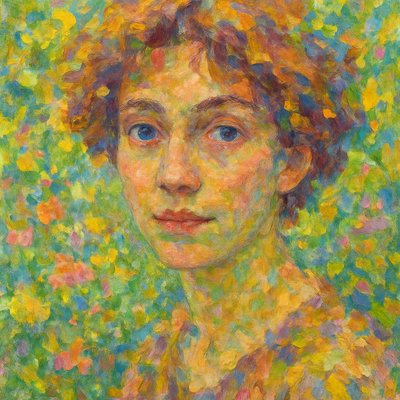
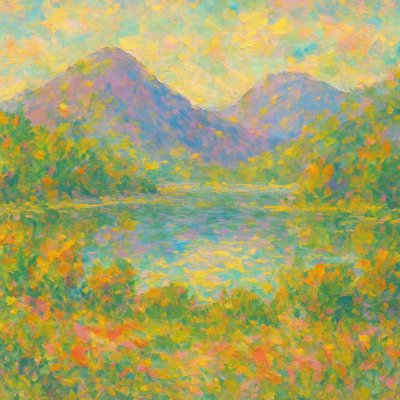
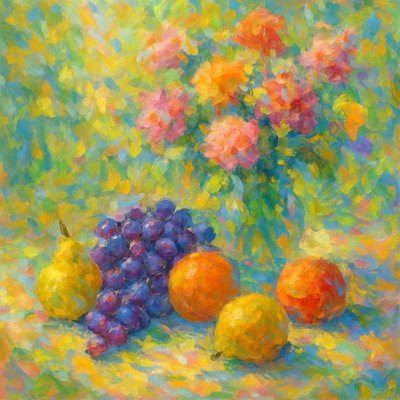
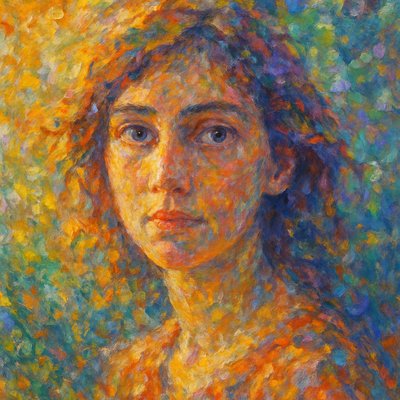
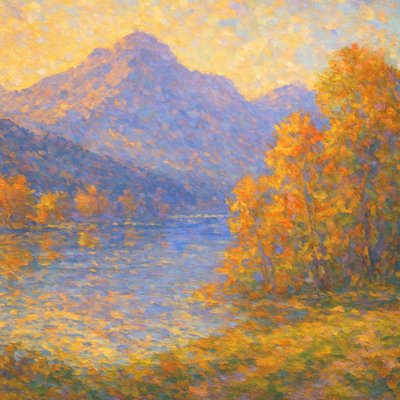
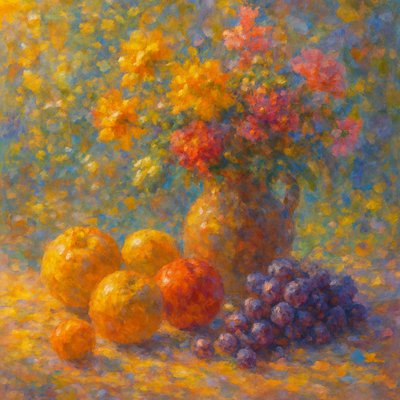
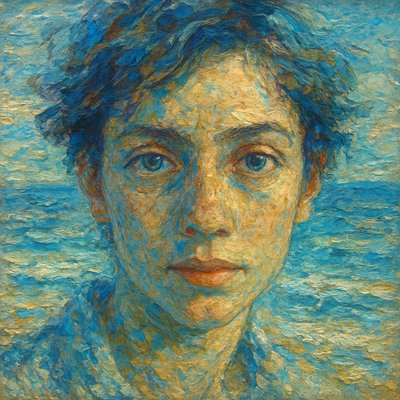
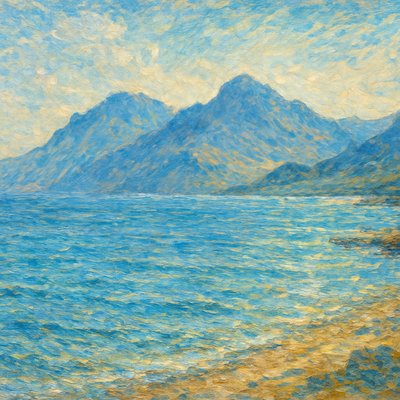
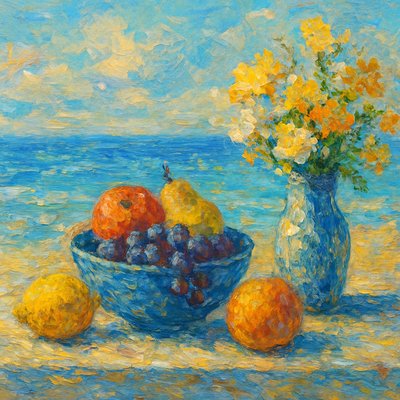
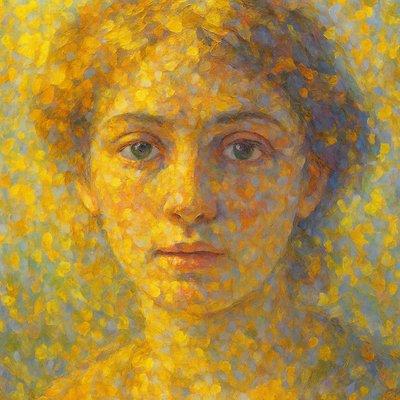
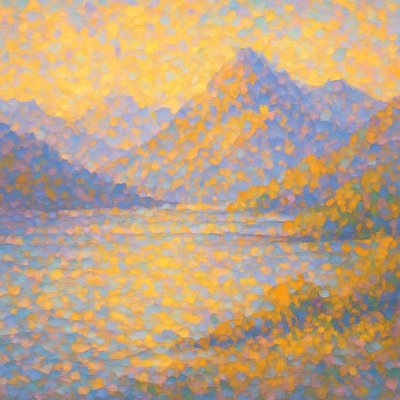
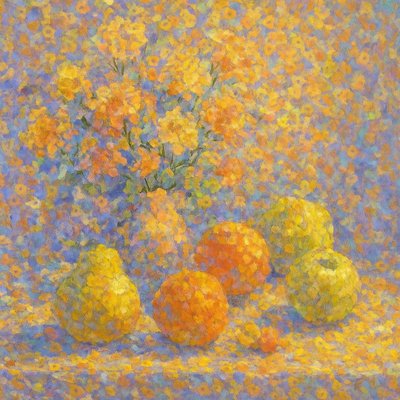
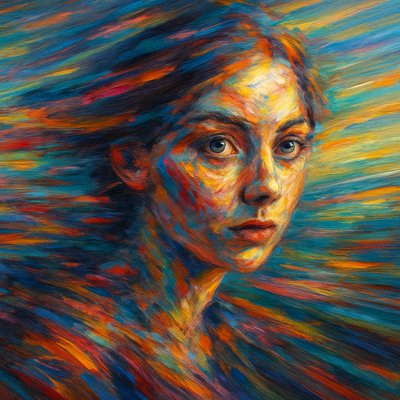
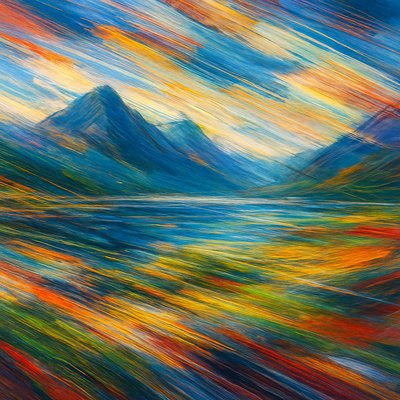
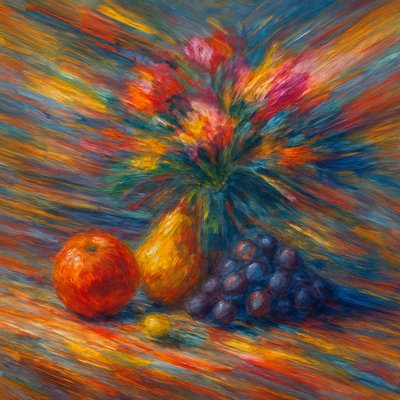
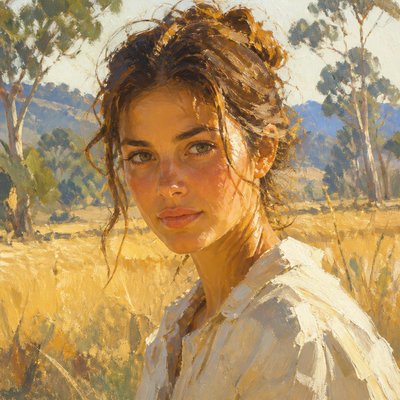
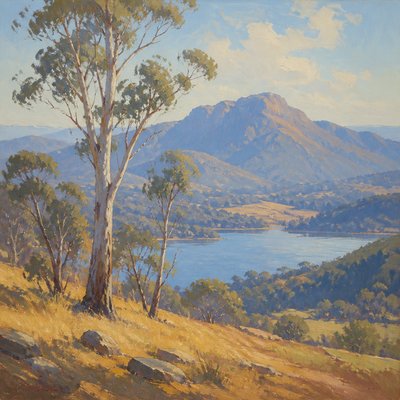
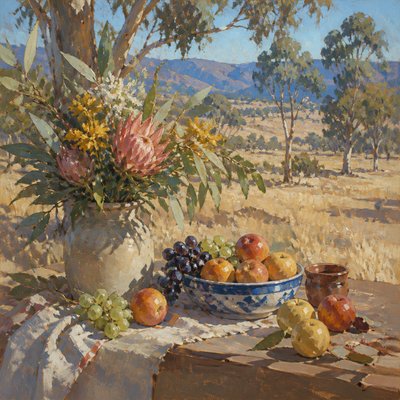
Impressionism: a light-filled painting style with visible brushstrokes, broken color, and fleeting outdoor scenes.
Instantly rendered in Impressionism — or transform a photo
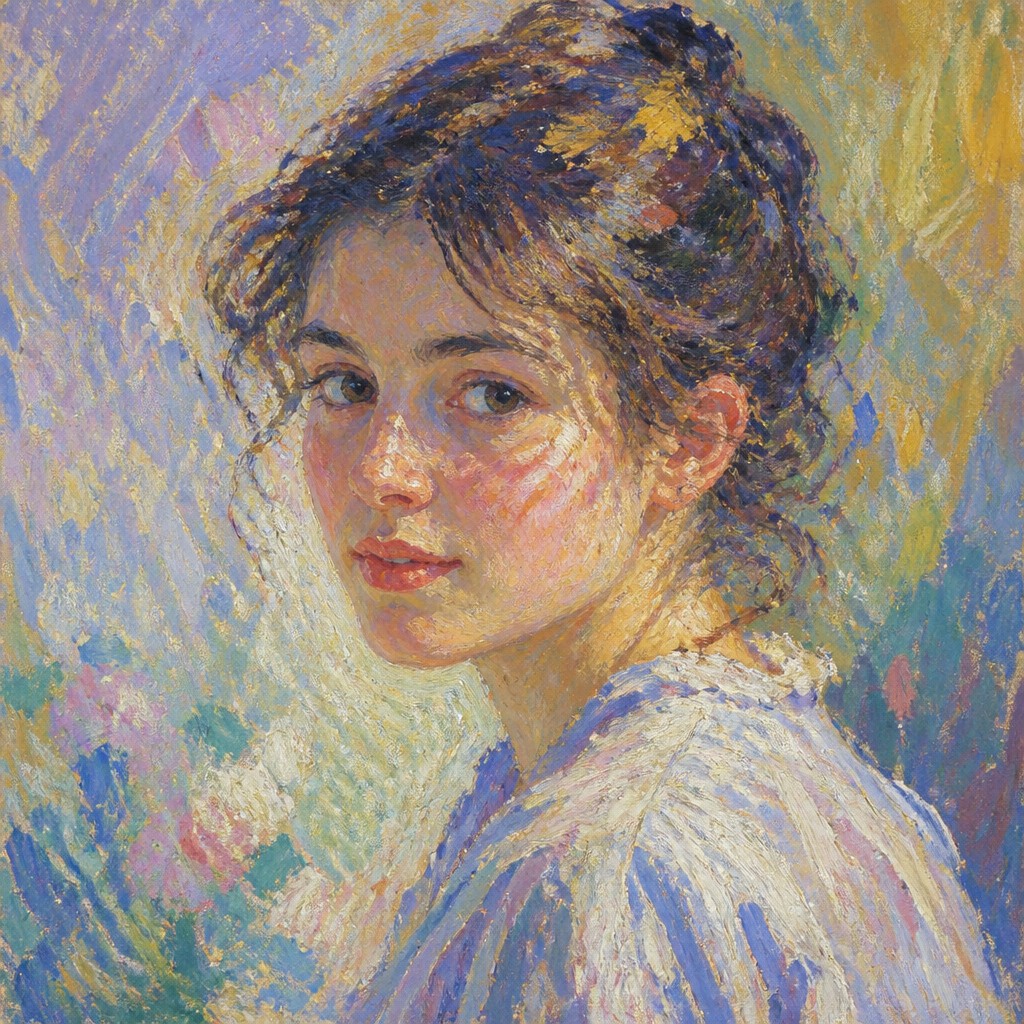
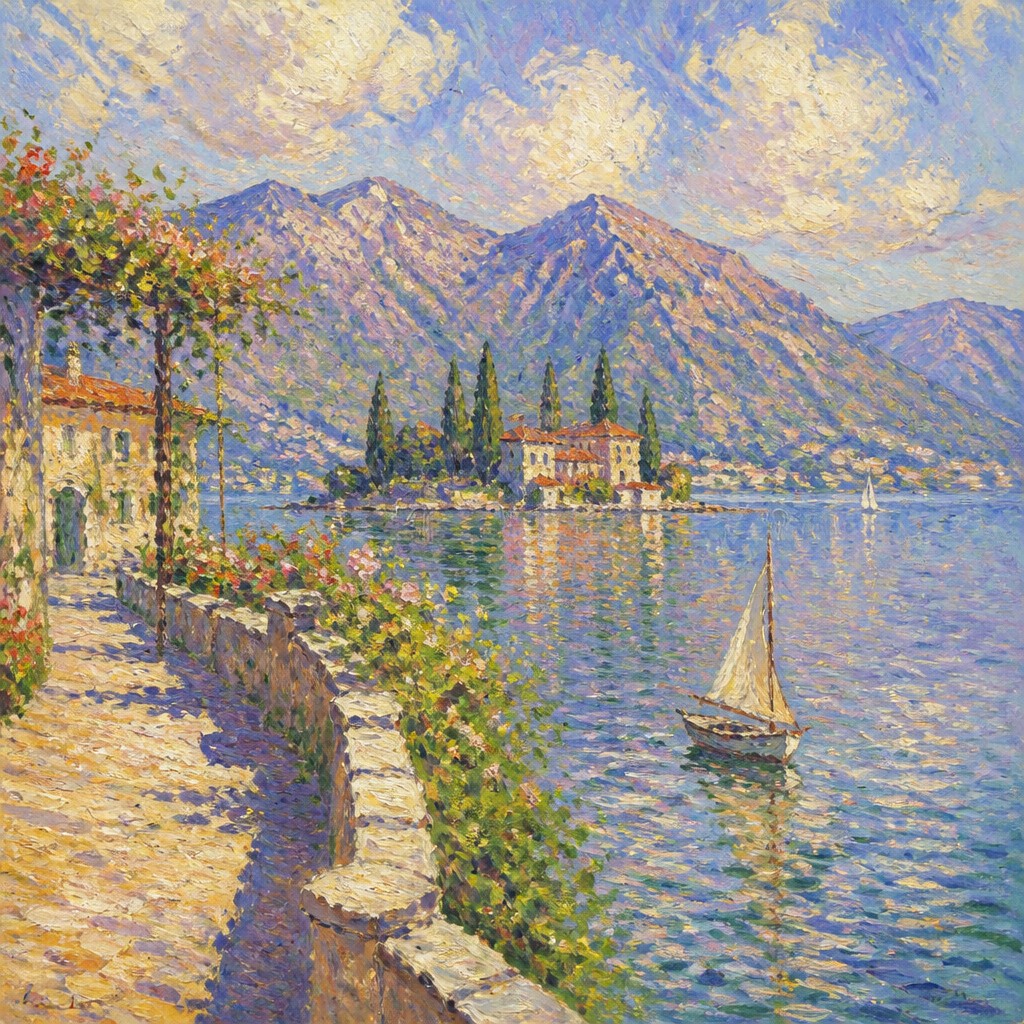
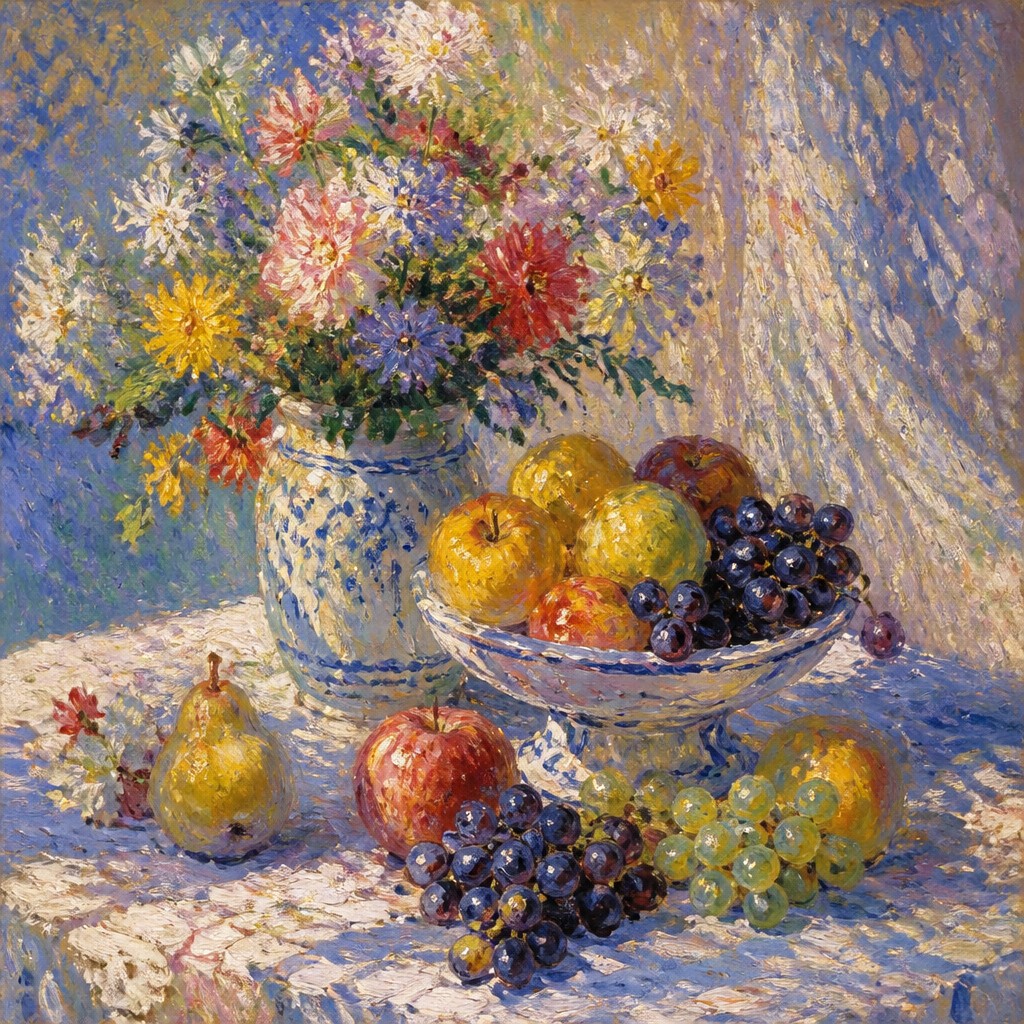
Impressionism Gallery
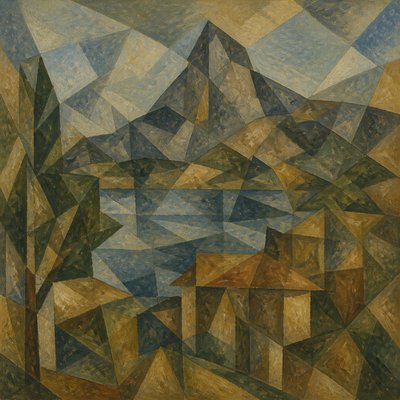
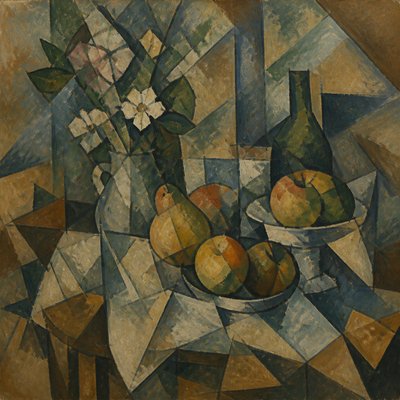
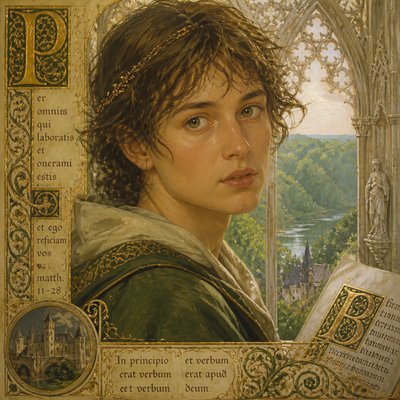
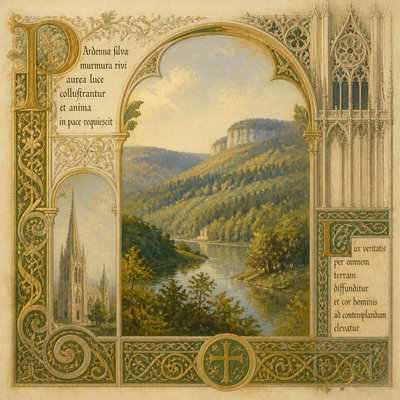
Tap any artwork to explore it
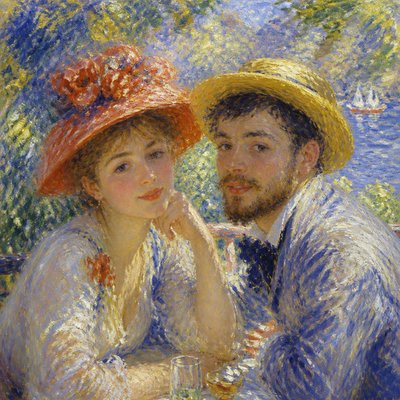
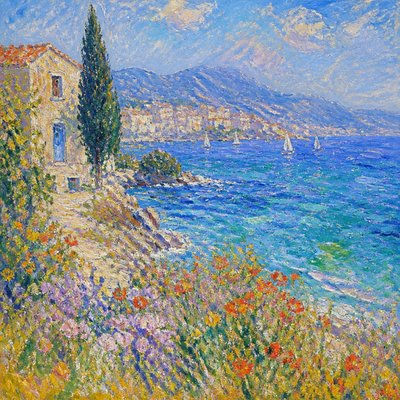
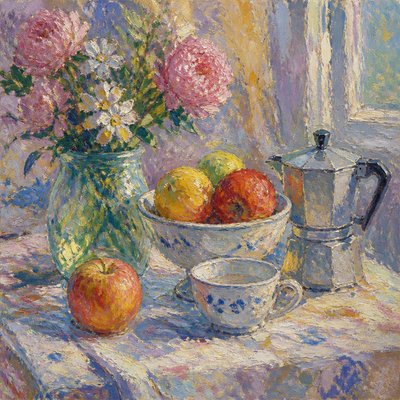
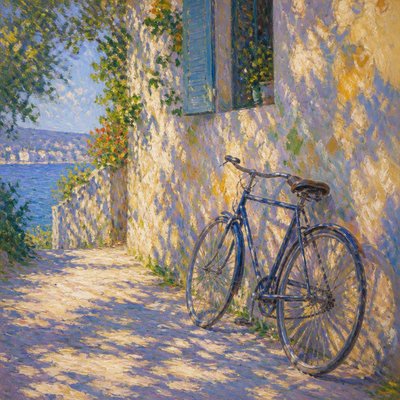
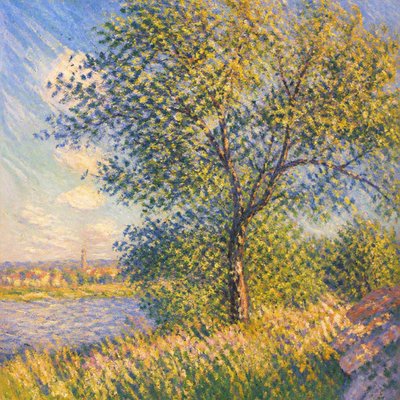
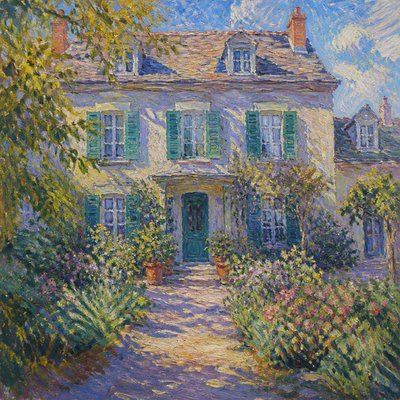
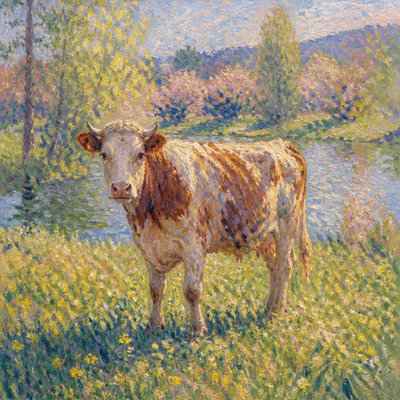
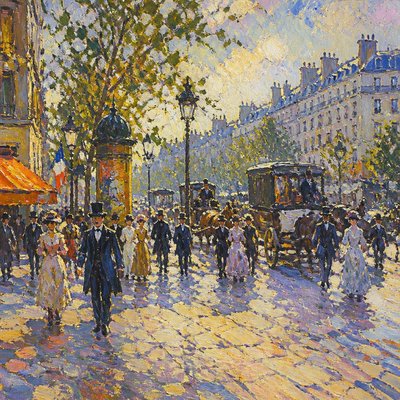
What is Impressionism Art Style?
Impressionism is a late 19th-century painting style centered on the immediate sensory impression of a scene rather than polished realism. It is defined by visible, energetic brushwork, bright unmixed color, and a focus on how light changes the appearance of forms from moment to moment.
The style often depicts outdoor subjects such as gardens, rivers, boulevards, beaches, and figures in natural light. Edges are softened or dissolved, shadows are colored rather than black, and forms are built through small touches of paint that allow the viewer’s eye to mix the colors optically. The result is a surface that feels lively, atmospheric, and transient.
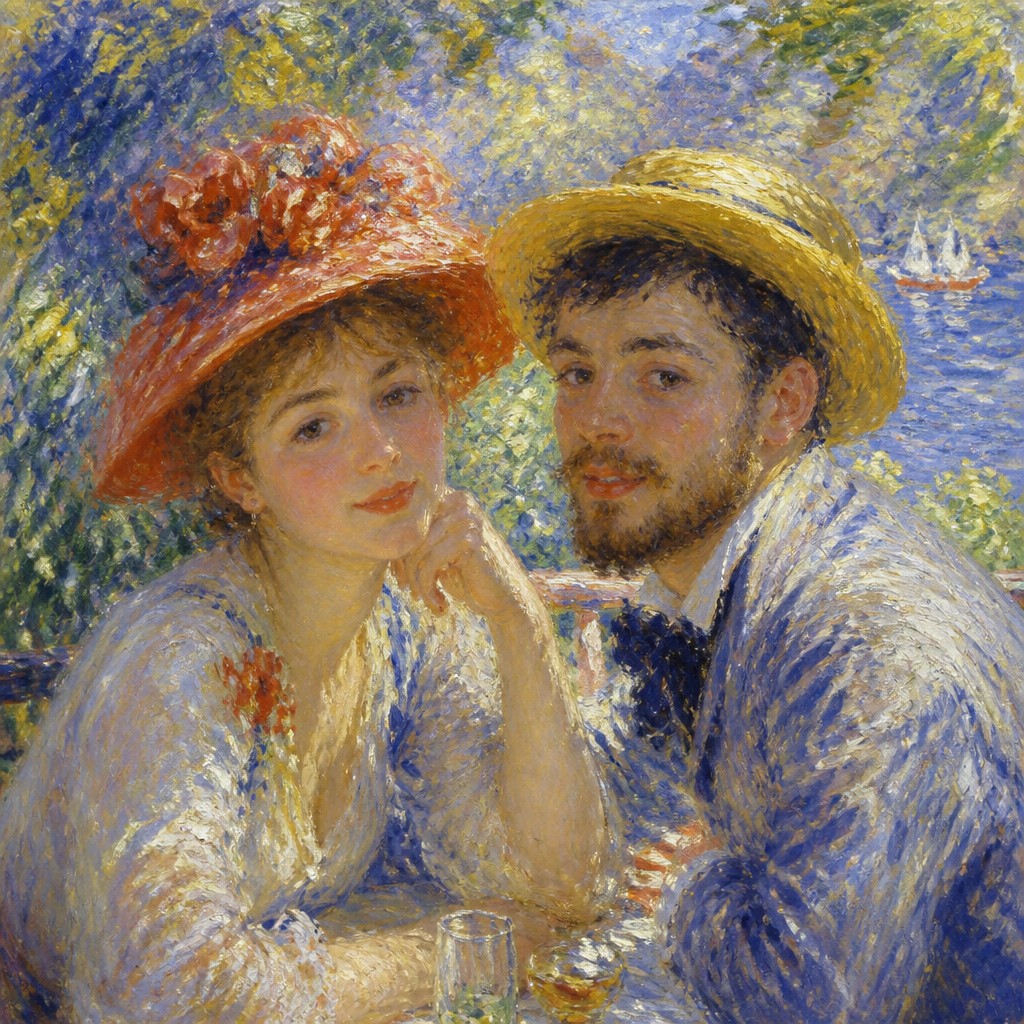
Try It On Your Photos
Upload any photo and convert it into Impressionism Art Style — drag the sliders to compare before and after.


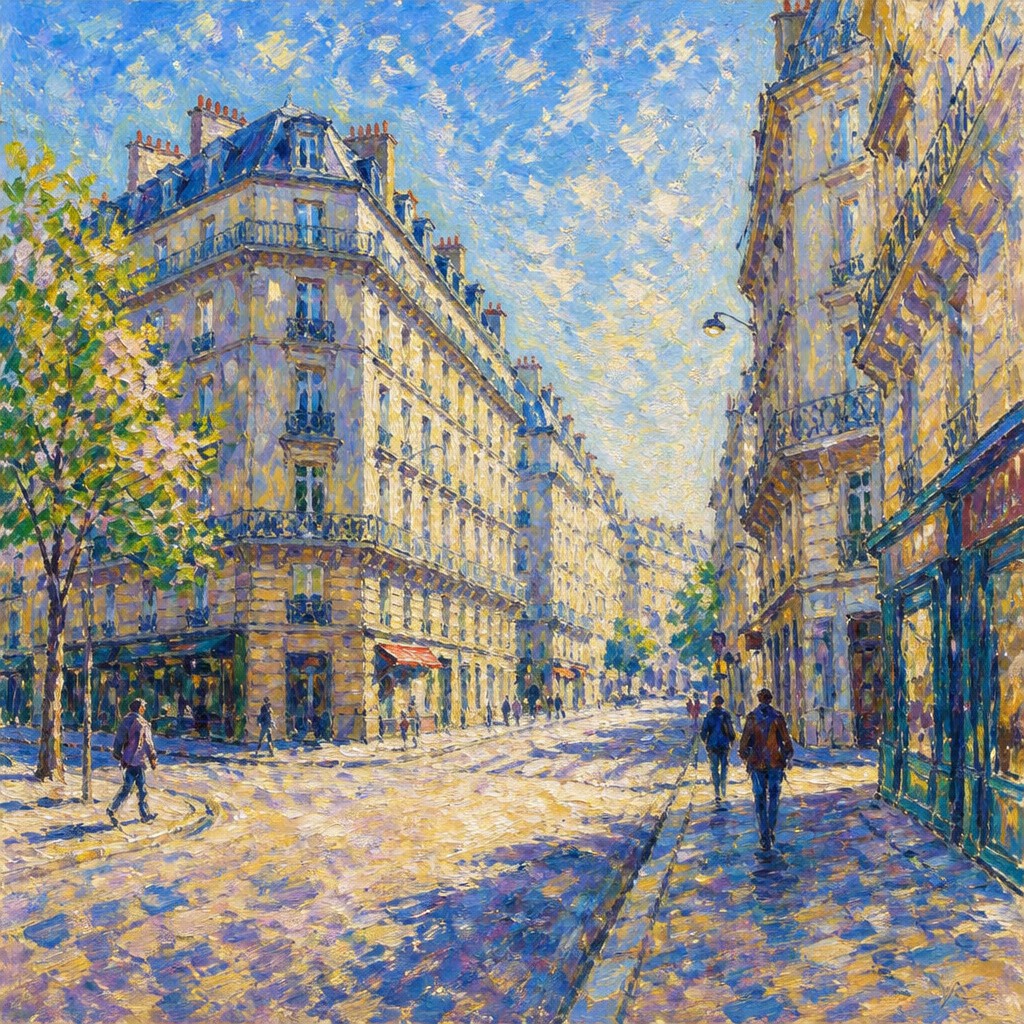

What Defines Impressionism Art Style
The signature details, up close
Visible brushstrokes
Paint marks remain clearly legible, often short and directional, so the surface records the act of painting. Rather than blending everything smoothly, the image is built from touches of pigment that vibrate together.
Broken color
Colors are placed side by side instead of heavily mixed on the palette. From a distance, they merge optically and create a shimmering effect that suits sunlight, water, and atmospheric haze.
Luminous natural light
Light is the main subject as much as the objects themselves. Scenes often capture morning, afternoon, or evening conditions when color and shadow shift quickly.
Colored shadows
Shadows are typically rendered in blues, violets, greens, or other complementary hues instead of black or brown. This keeps the painting bright and reinforces the sense of reflected light outdoors.
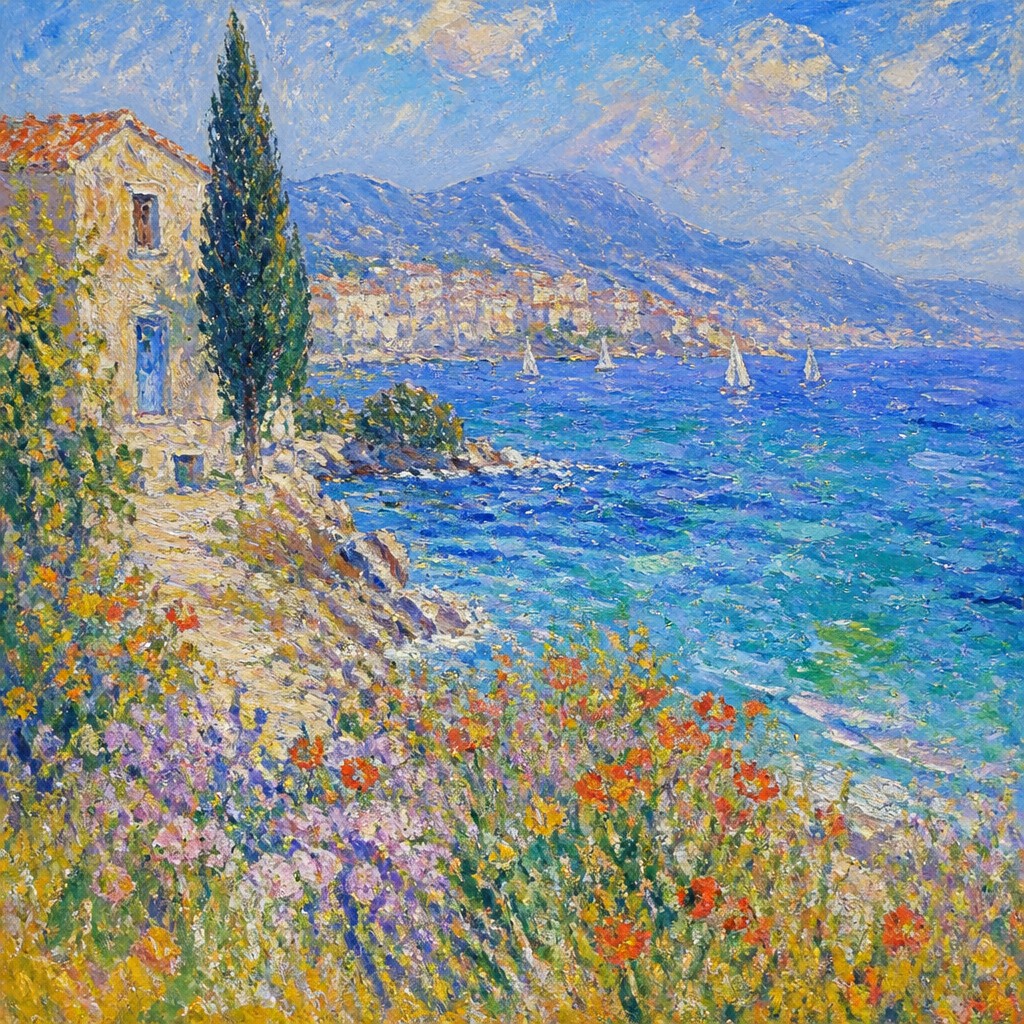
Softened edges and fleeting forms
Hard contours are reduced or broken so figures and landscapes seem to dissolve into the surrounding air. This creates the feeling of a passing moment rather than a fixed, posed composition.
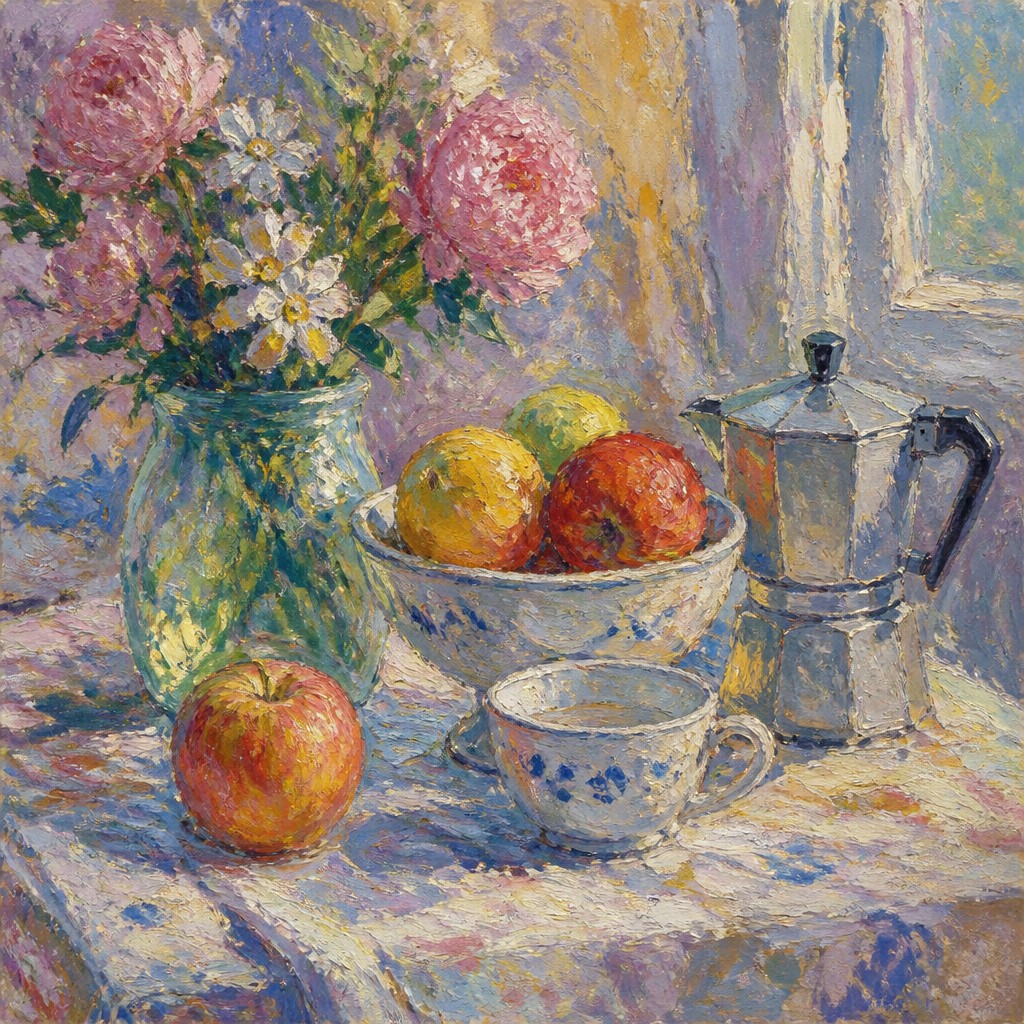
Everyday modern subjects
The style often shows contemporary leisure, urban life, domestic scenes, gardens, and landscapes. The subject matter is ordinary, but the emphasis is on perception and changing conditions.
Try It
Create Videos in Impressionism Art Style
Styles aren't just for stills — describe a scene or animate an image and get a short video rendered in Impressionism. Press play to see this pond come to life.
Make a VideoImpressionism Prompt Ideas
Start from an idea — each one opens the generator with the style ready to go. See all 40 Impressionism prompts →
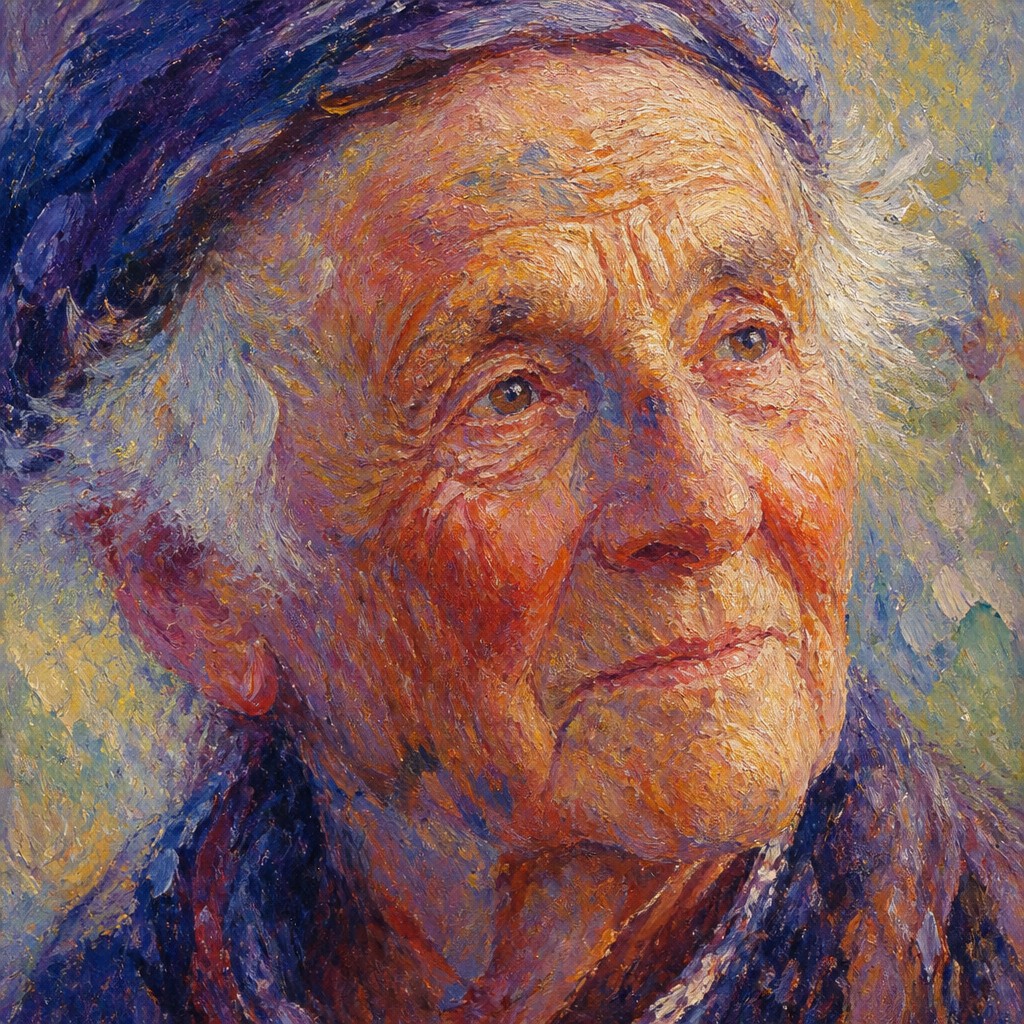
“close-up portrait of an elderly person with expressive weathered features”
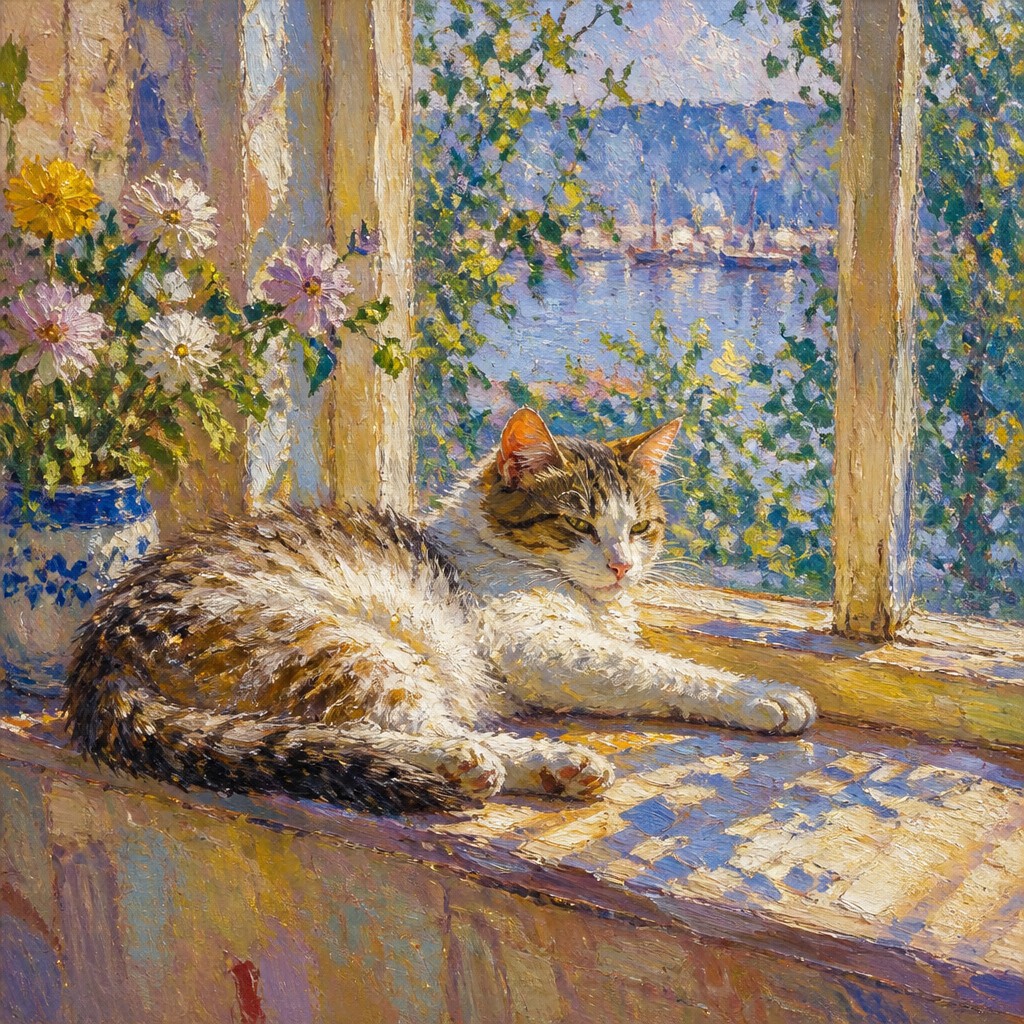
“a cat lounging in a sunlit window”
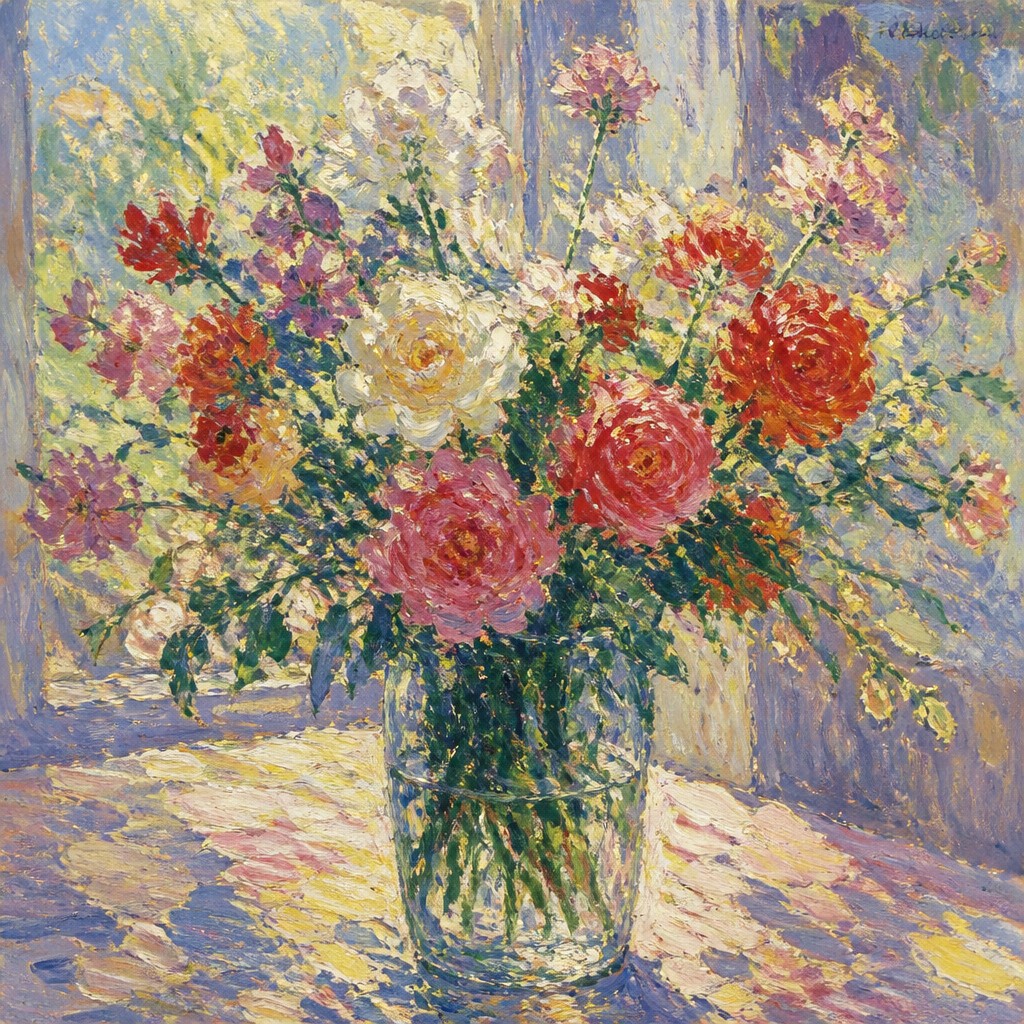
“bouquet of flowers in a glass vase”
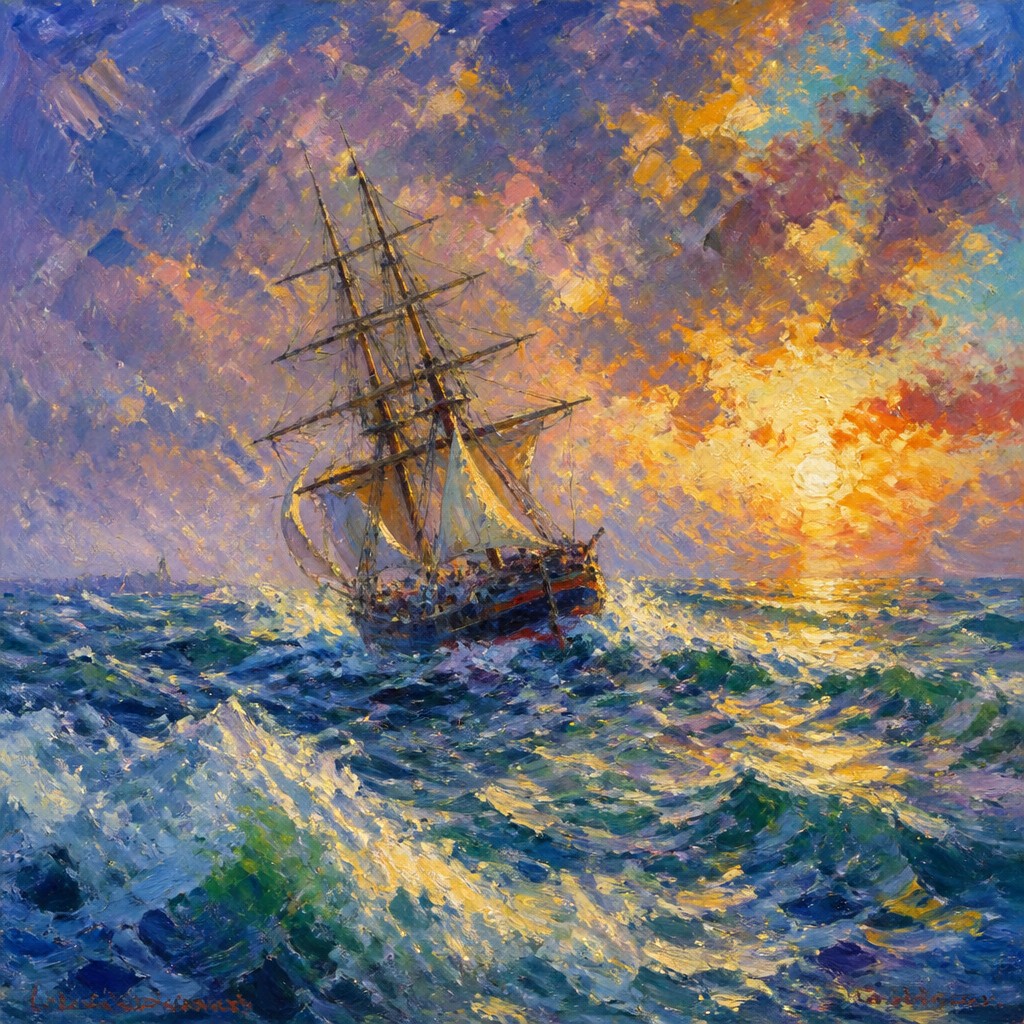
“sailing ship on a stormy sea”
How to Create Impressionism Art
Master the craft step by step — or skip straight to creating. Read the full guide →
- 1
Paint the effect of light first
Start by identifying the dominant light source and temperature of the scene before focusing on detail. In a traditional painting, block in large color relationships early; in digital work, begin with broad value and color masses rather than line art.
- 2
Use visible, varied strokes
Let brushwork remain active and uneven so the surface has motion and texture. Avoid overblending; instead, place strokes in the direction of forms, water, wind, or light movement.
- 3
Build color through optical mixing
Use clean, saturated hues placed adjacent to one another, especially in highlights and midtones. Traditional painters can layer separate strokes; digital artists can simulate this with textured brushes and restrained smudging.
- 4
Keep shadows chromatic
Replace black shadows with cool violets, blues, or green-gray mixtures that relate to the local light. This preserves luminosity and makes the scene feel sunlit rather than staged.
- 5
Choose moments with changing atmosphere
Select subjects where weather, reflection, or time of day visibly alters color and form, such as gardens, rivers, cafés, or seaside views. For image generation, describe the subject plus light conditions, atmosphere, and brushwork rather than asking for precise detail.
- 6
Prioritize immediacy over finish
Leave some edges unresolved and some passages suggestive, especially in backgrounds and moving figures. If using generative tools, prompt for broken color, visible brushstrokes, and shimmering light, while avoiding terms that imply photorealistic detail.
The Story
History & Origins of Impressionism
Impressionism emerged in France in the 1860s and 1870s as artists sought to paint modern life and the changing effects of light more directly. The movement is strongly associated with leading Impressionist painters and other major figures of the movement, though one key artist often worked differently from the plein-air landscape painters. The name comes from a famous sunrise painting from 1872, which critics used to describe the unfinished, fleeting quality of the work.
Its development was shaped by outdoor painting, advances in portable paint tubes and pre-mixed pigments, and a reaction against academic finish and historical subjects. Impressionism broadened into related practices such as Post-Impressionism, but its core visual language—broken color, luminous atmosphere, and attention to perception—remains one of the most recognizable approaches in modern painting.
Influences: Impressionism grew from plein-air landscape painting, Realism, and the color theories that encouraged artists to break down light into separate hues. It also overlaps with Japanese ukiyo-e prints in its cropped compositions and flattened perspectives, while leading Impressionist painters defined its best-known visual vocabulary. The movement later influenced Post-Impressionism, Fauvism, and much of modern color painting.

Frequently Asked Questions
What defines Impressionism in painting?
Impressionism is defined by visible brushwork, bright color, and a focus on the changing effects of light. Instead of polished outlines and detailed finish, it aims to capture the sensation of a moment as it is seen.
How is Impressionism different from Realism?
Realism emphasizes accurate, grounded depiction of people and scenes, often with careful detail and solid forms. Impressionism keeps real-world subjects but loosens the drawing, softens edges, and prioritizes light, atmosphere, and visual impression over exact description.
Why do Impressionist paintings look blurry or unfinished?
They are usually not meant to be unfinished; the apparent softness comes from broken brushstrokes and dissolved edges. From close up, the surface may look abstract, but from a distance the colors and forms combine into a coherent image.
What subjects work best in this style?
Outdoor scenes, gardens, water, urban leisure, and moments of movement or changing light are especially suited to it. Subjects with reflections, haze, or dappled shadow tend to show the style’s luminous color effects most clearly.
Can this style be used in digital art or photo transformation?
Yes. In digital painting, the key is to emulate broken color, textured brushwork, and bright atmospheric lighting rather than smooth rendering. For photo transformation, keep the underlying composition but reinterpret surfaces with visible strokes and chromatic shadows.
Which artists are most associated with Impressionism?
Leading Impressionist painters and other central figures of the movement are among the most associated artists. Their work helped define the movement’s emphasis on modern life, color, and light.

Create your first Impressionism artwork
Describe anything — or upload a photo — and see it in Impressionism Art Style in seconds.
Make Something with Impressionism
Related Styles
Discover similar art styles