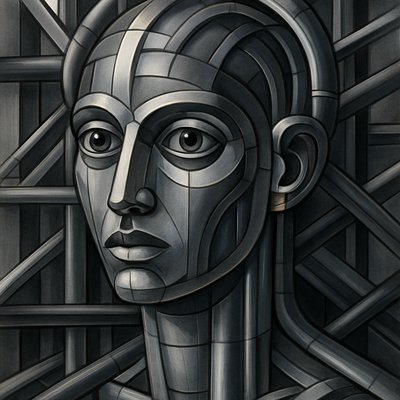
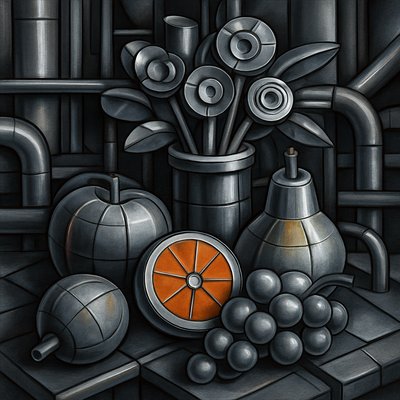
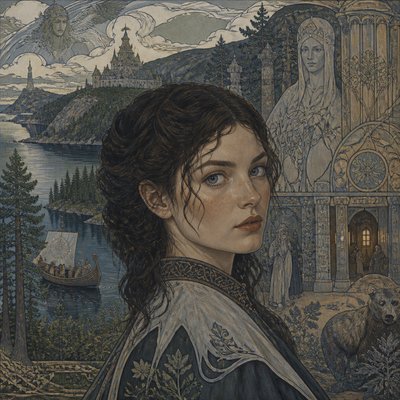
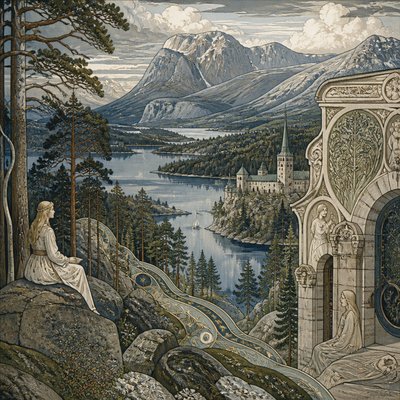
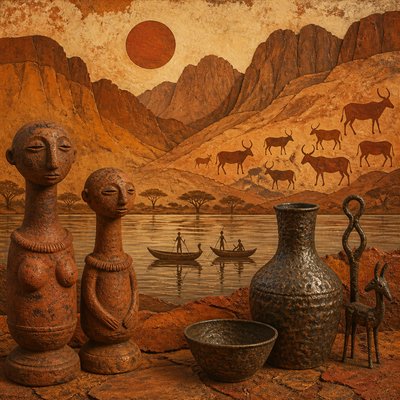
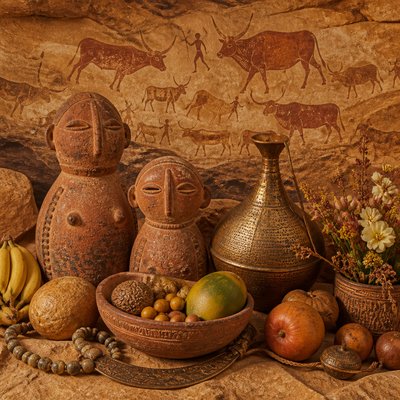
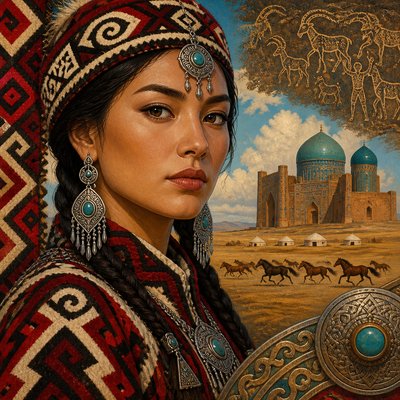
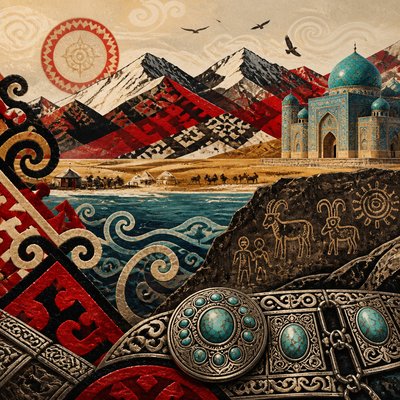
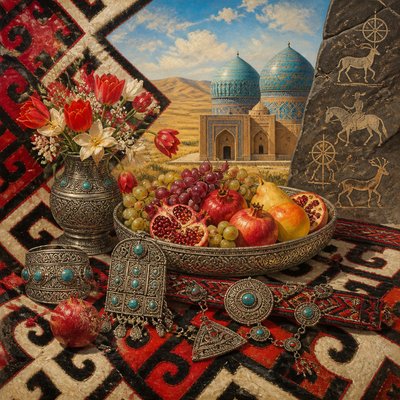
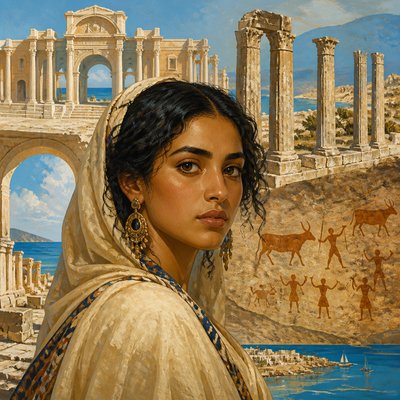
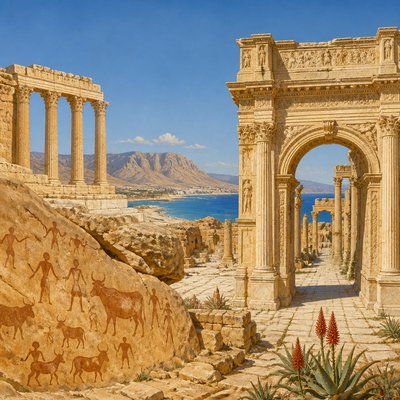
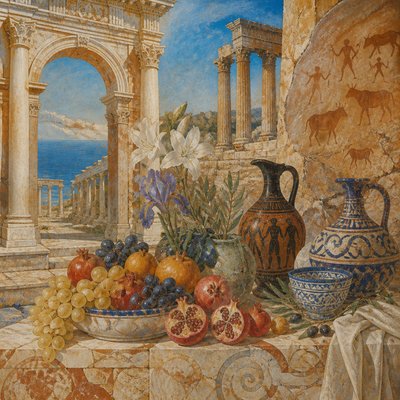
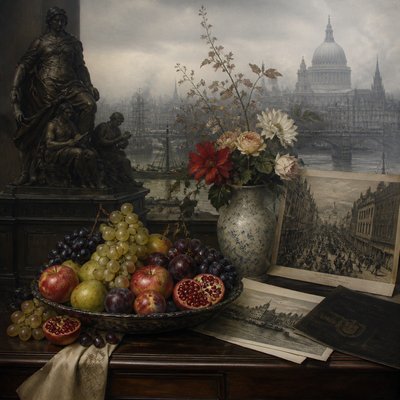
Fauvist Impressionism Art Style
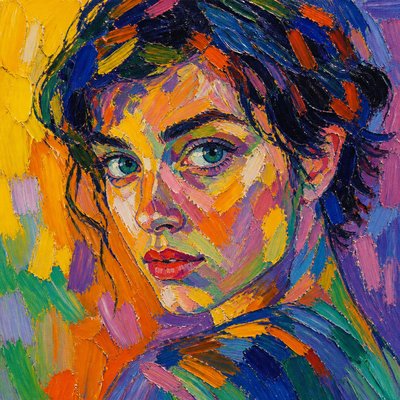
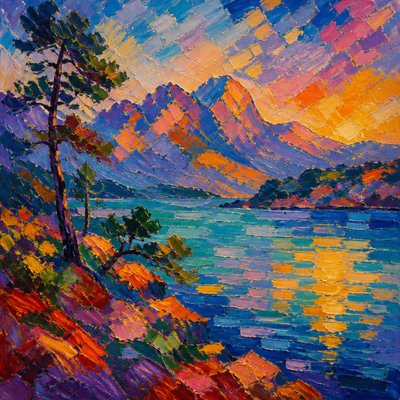
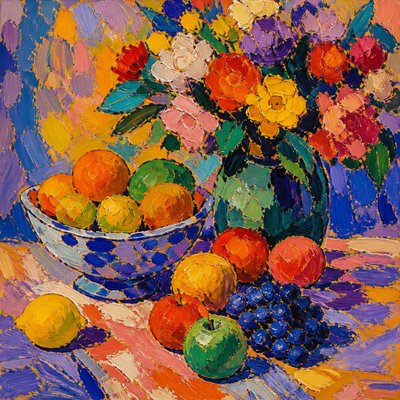
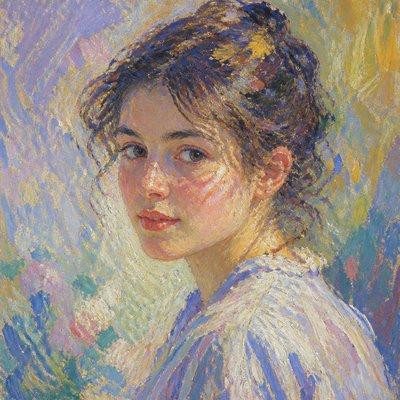
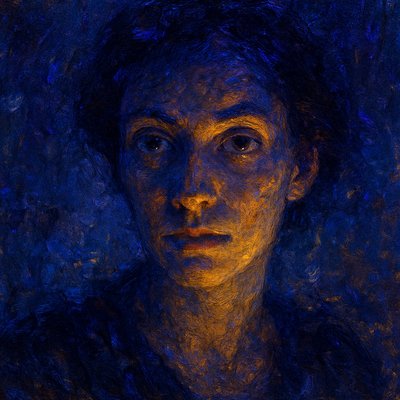
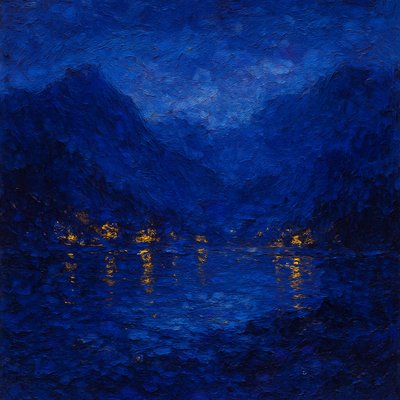
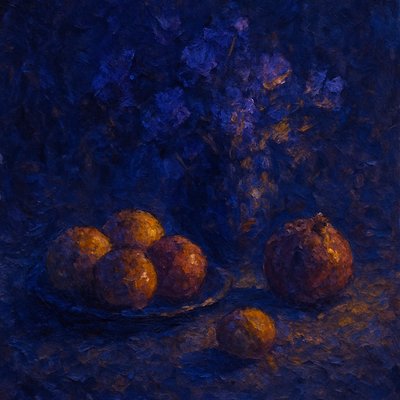
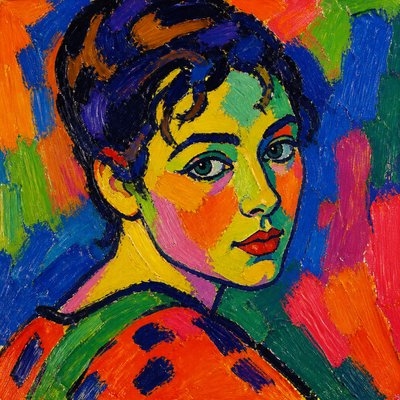
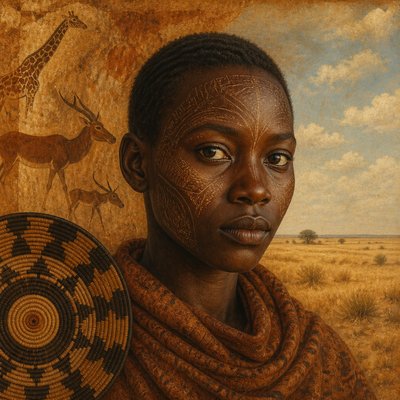
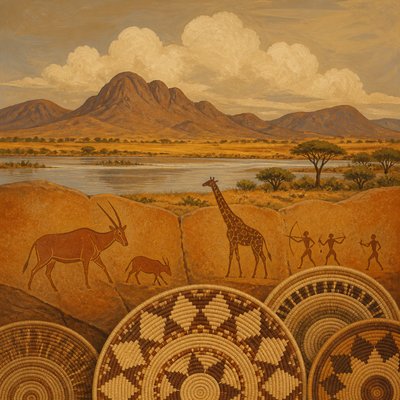
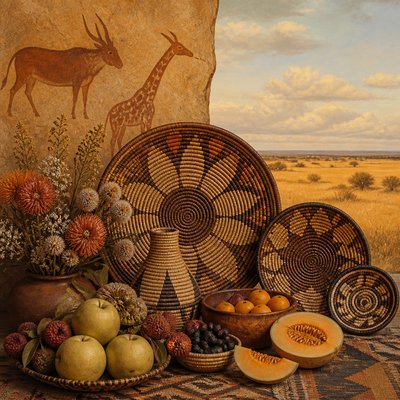
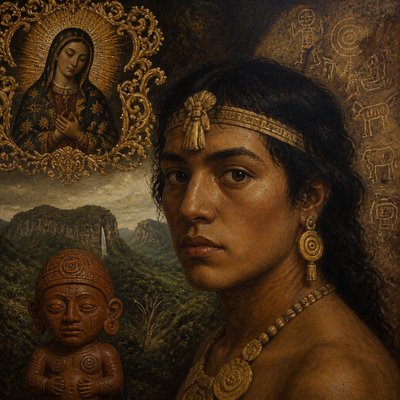
Bold, emotional painting with unmixed color, broken brushwork, and vivid contrast inspired by Impressionism and Fauvism.
Instantly rendered in Fauvist Impressionism — or transform a photo
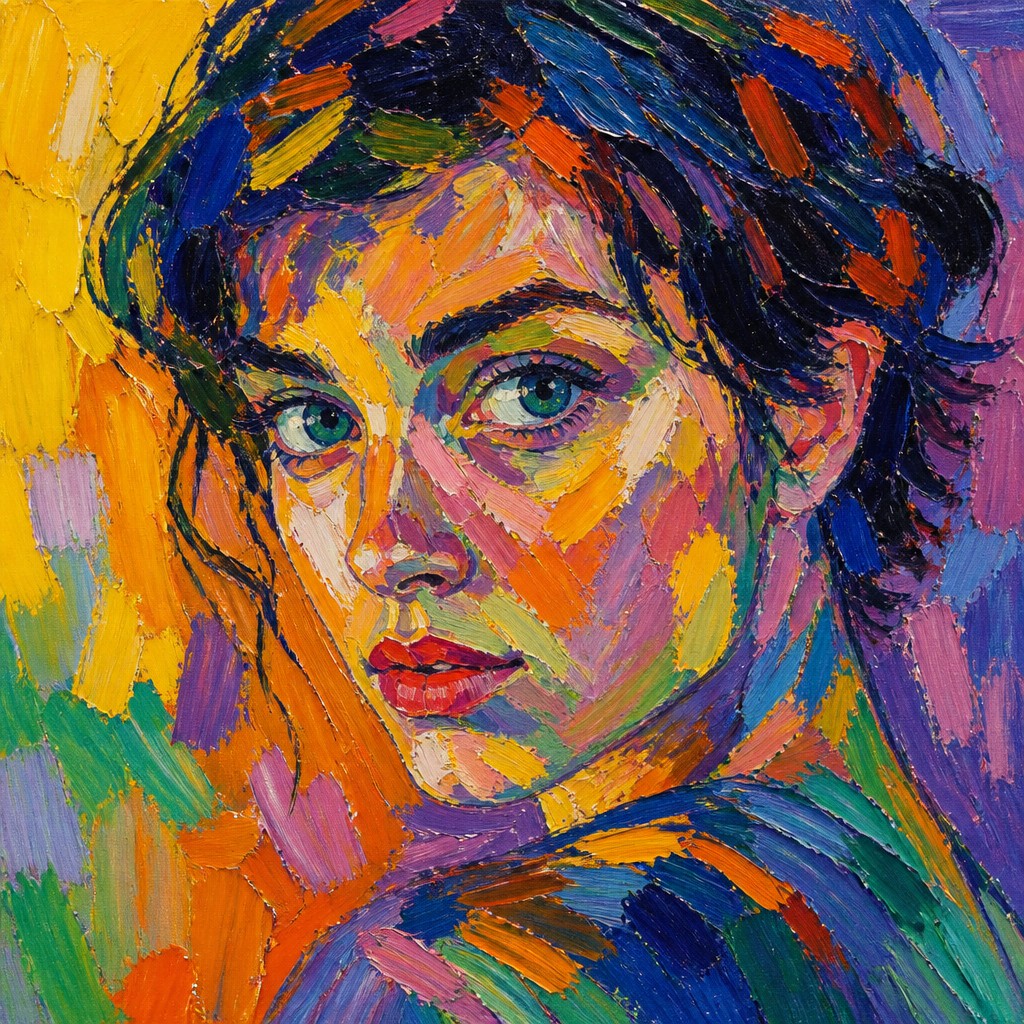
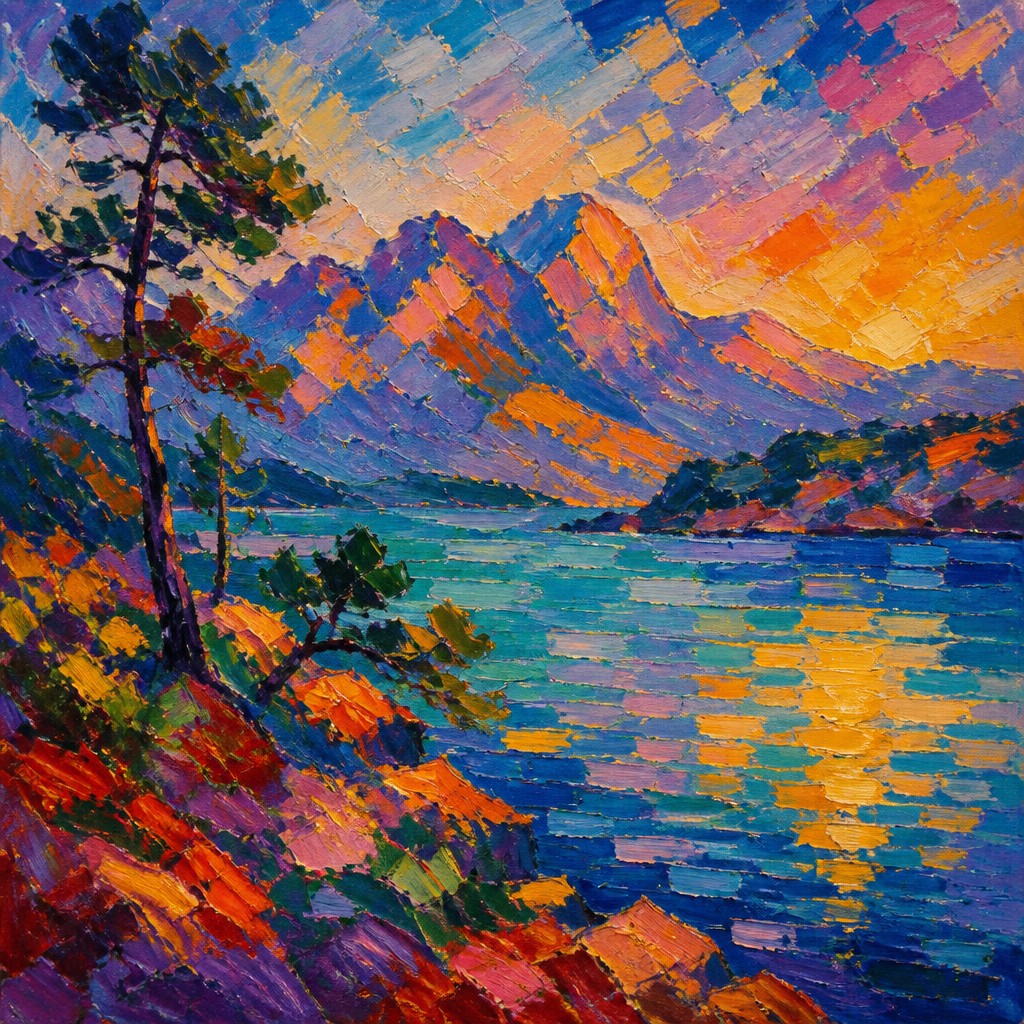
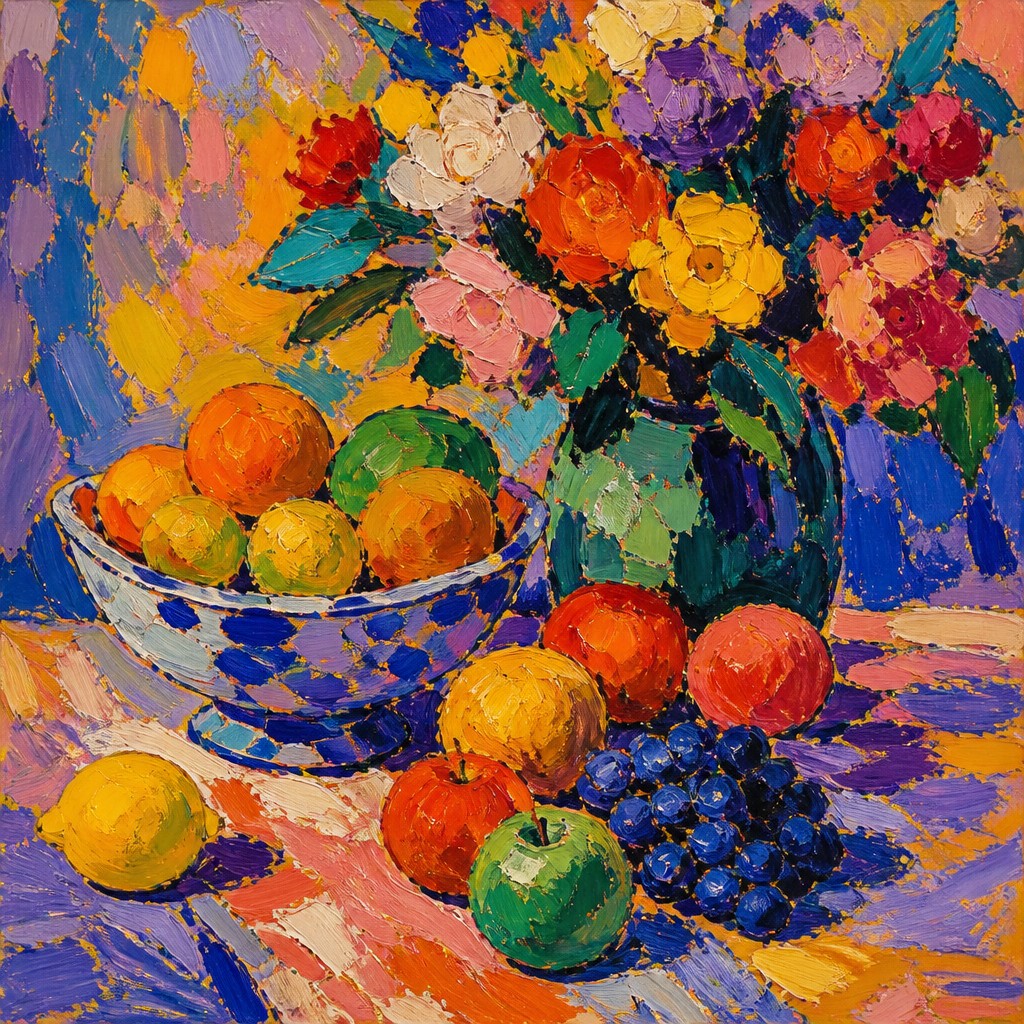
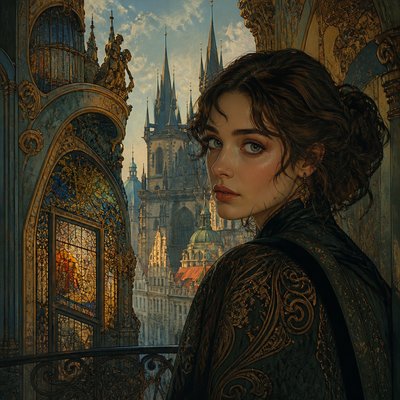
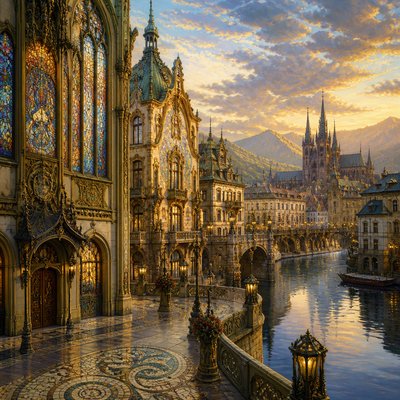
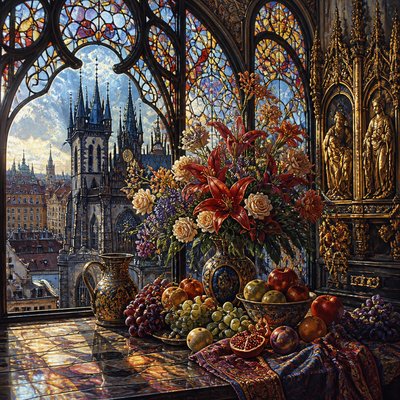
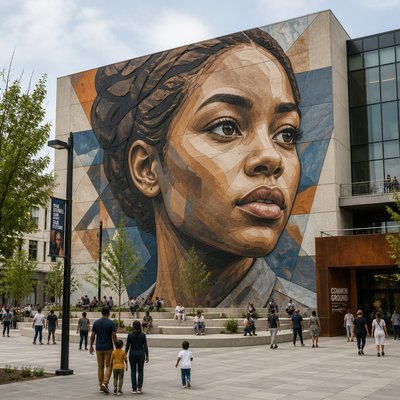
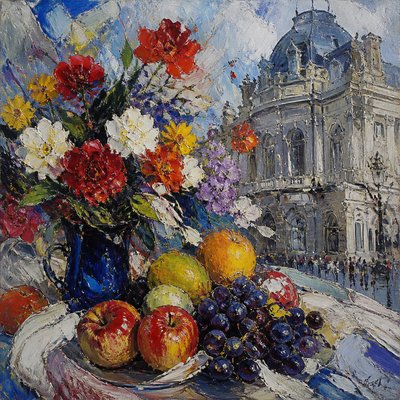
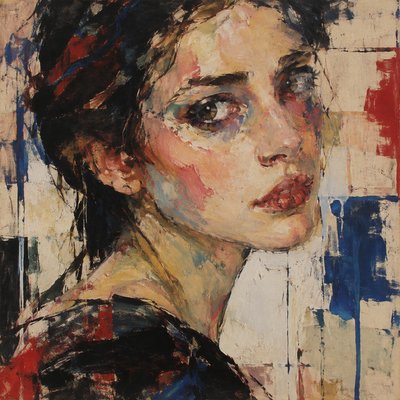
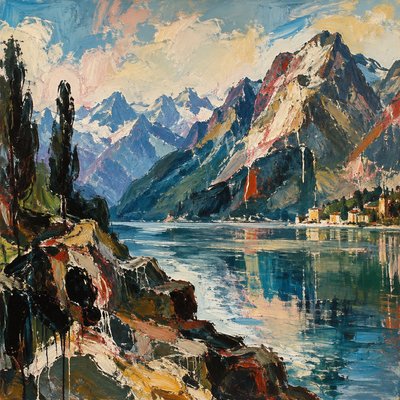
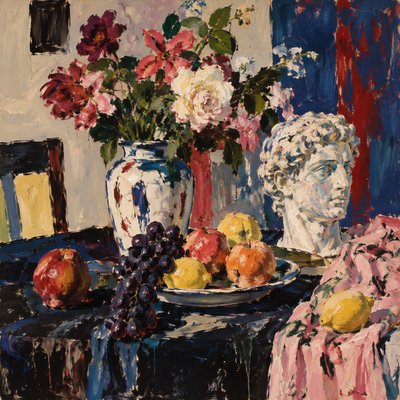
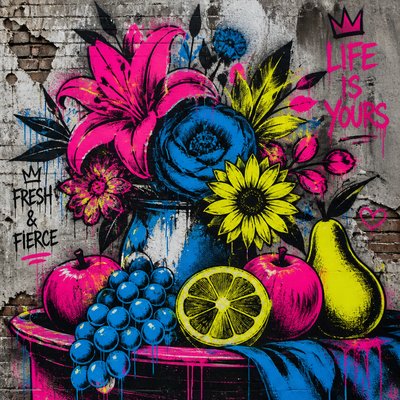
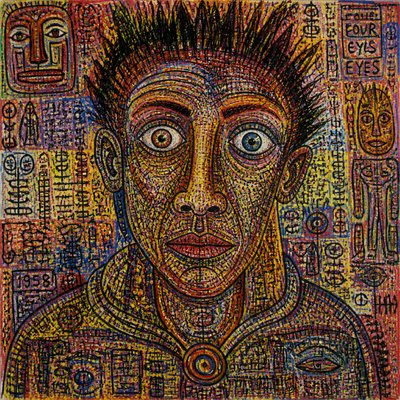
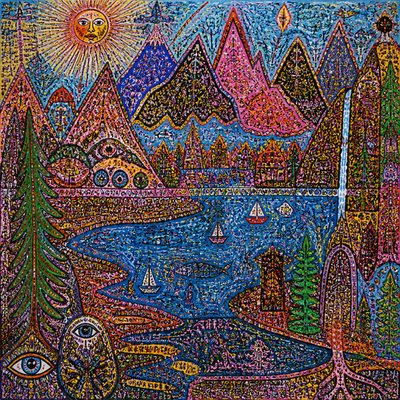
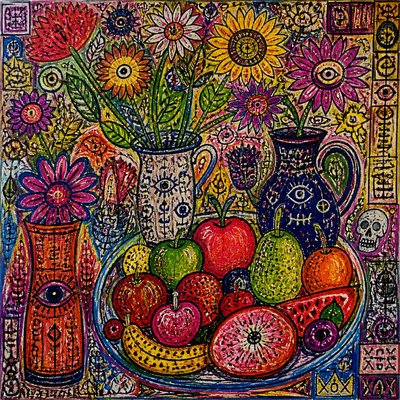
Fauvist Impressionism Gallery
Tap any artwork to explore it
What is Fauvist Impressionism Art Style?
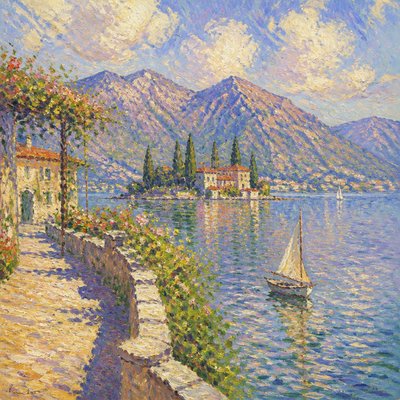
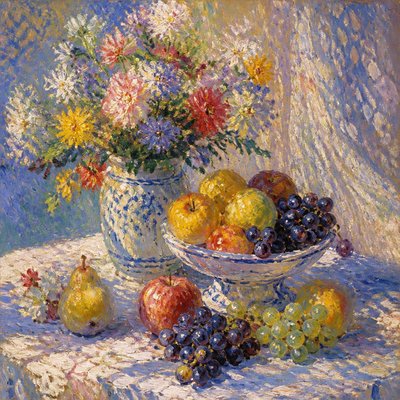
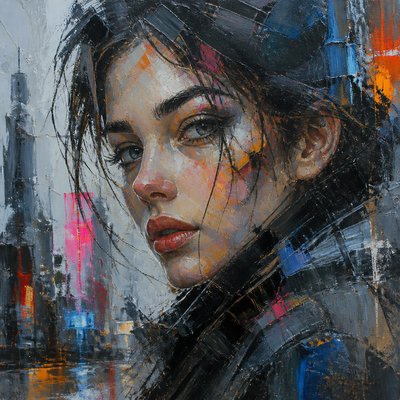
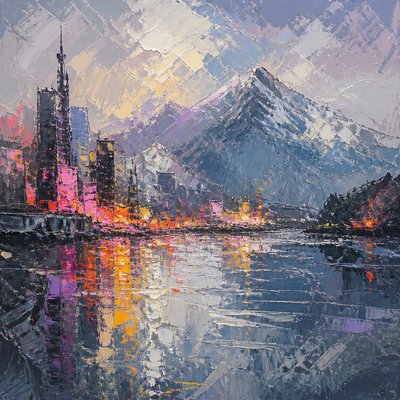
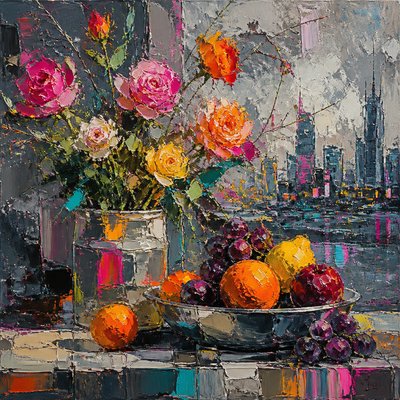
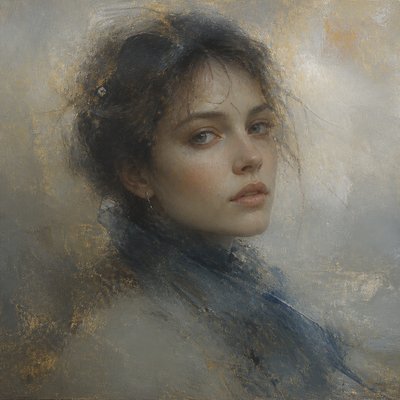
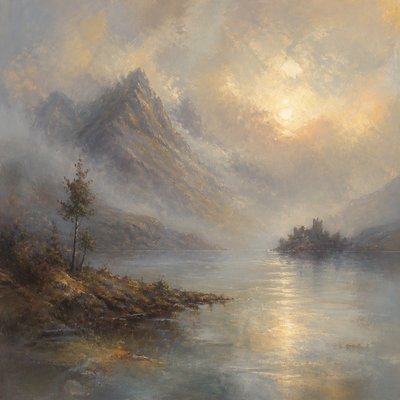
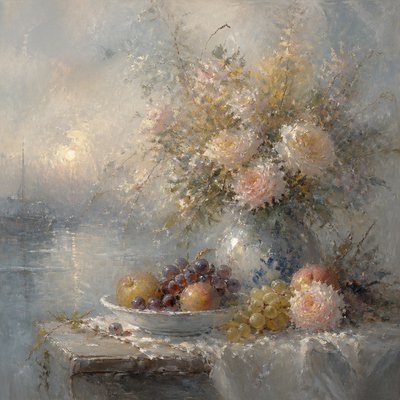
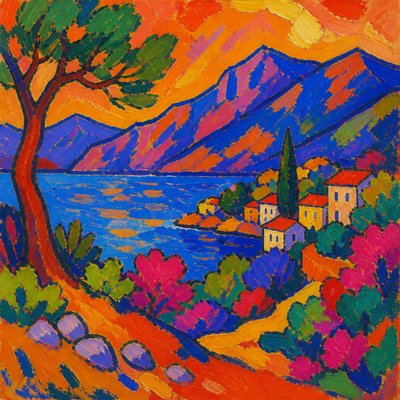
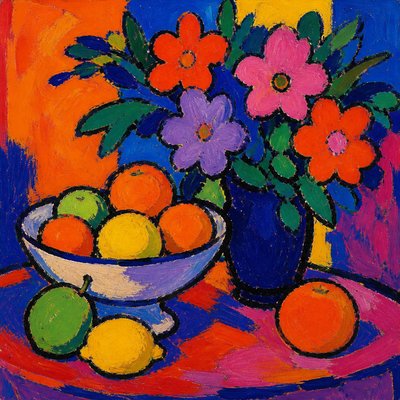
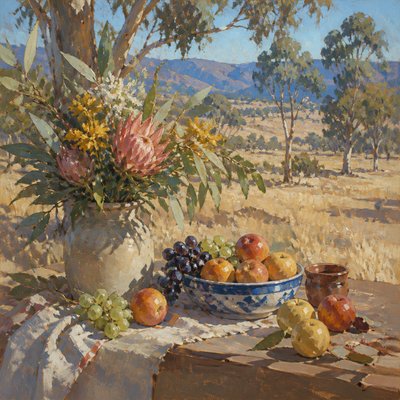
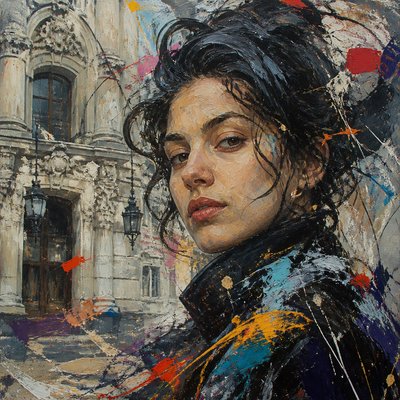
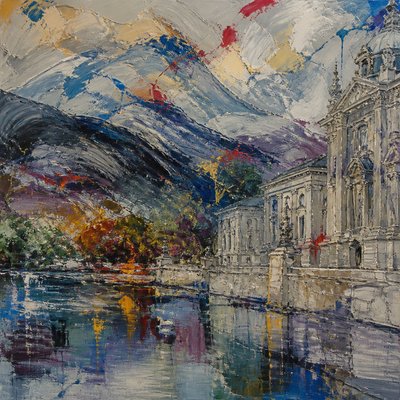
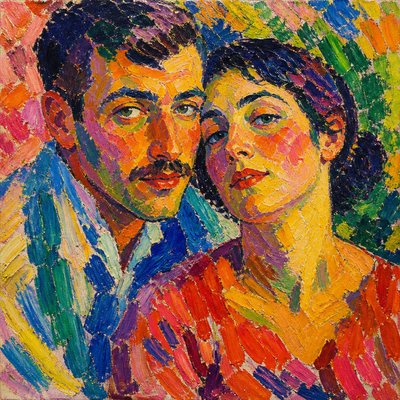
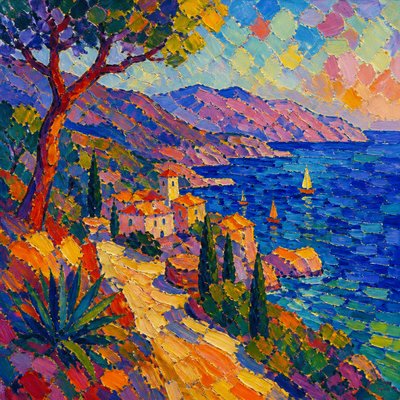
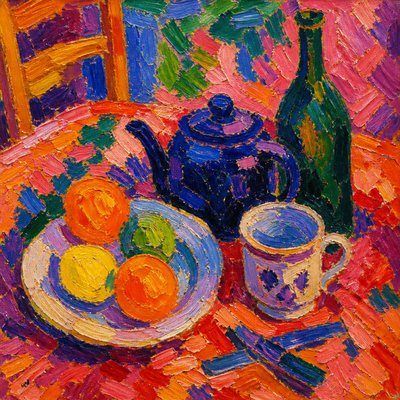
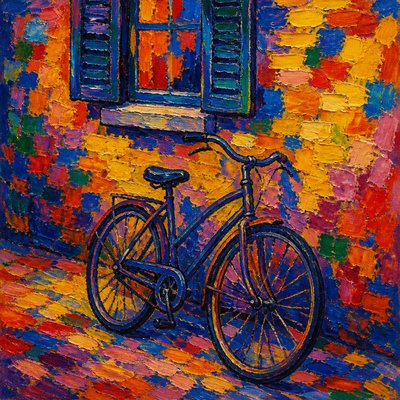
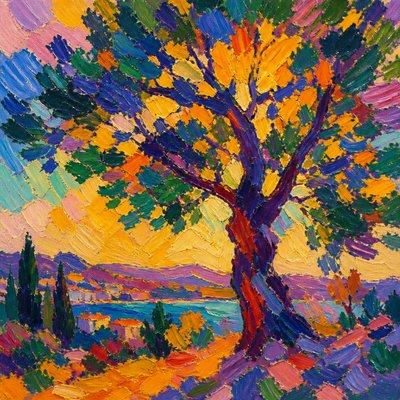
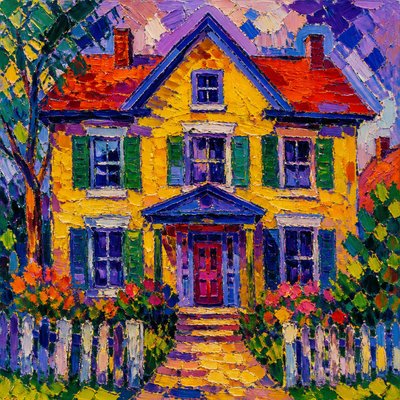
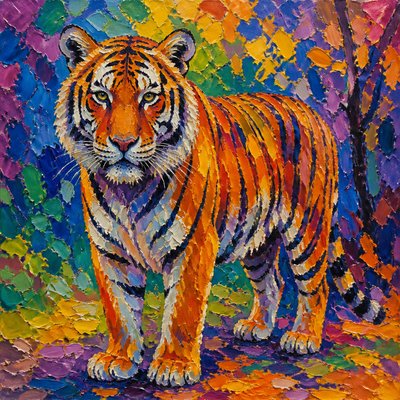
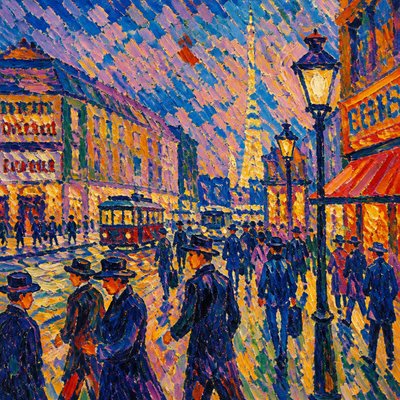
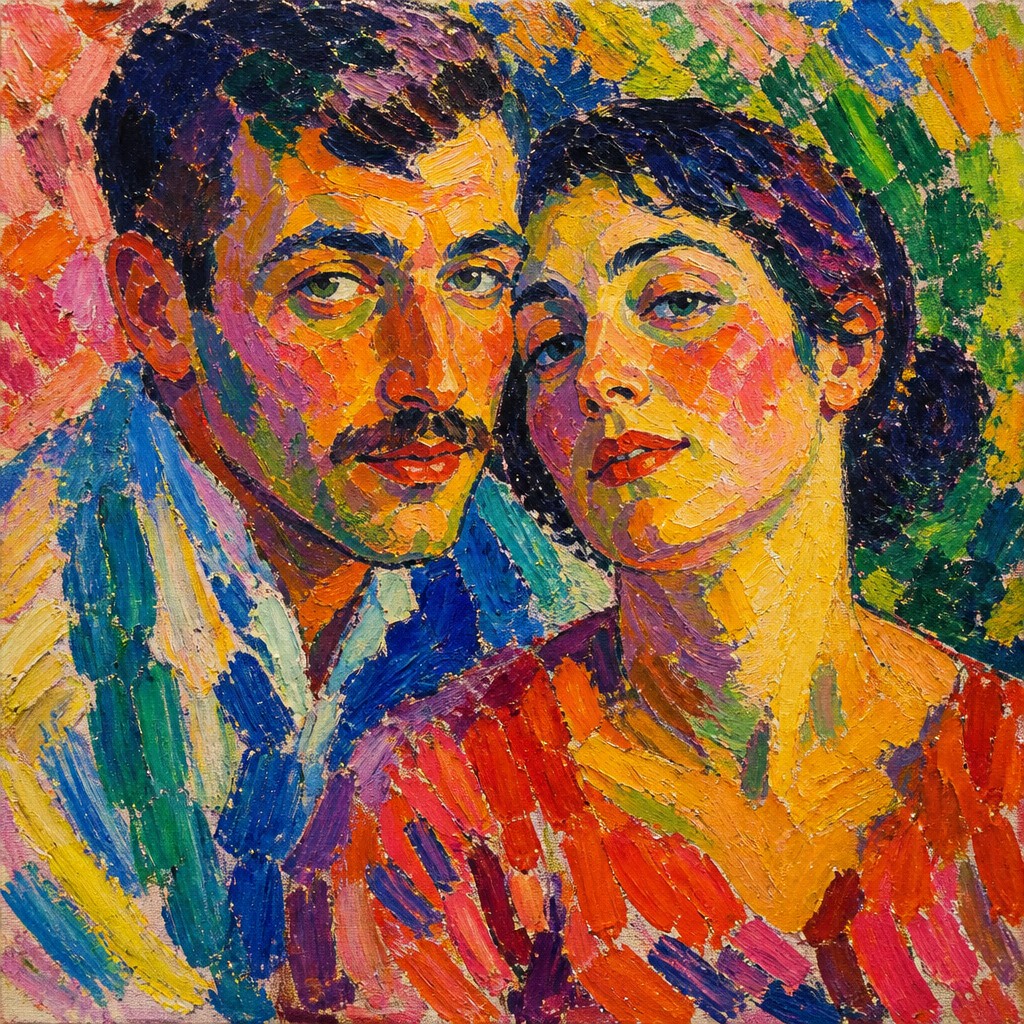
Fauvist Impressionism is a color-driven painting style that combines the broken touch and light-sensitivity of Impressionism with the heightened, non-naturalistic color of Fauvism. It keeps the visible brushwork, shimmering surface, and momentary feel of impressionist painting, but pushes hue and saturation far beyond observed reality to create emotional intensity.
The style is defined by pure, unmixed pigment laid in short strokes or patches, often with complementary colors placed side by side so they vibrate optically. Rather than modeling form through smooth blending, it relies on chromatic contrast, thick paint, and urgent mark-making to build atmosphere. The result is a surface that feels alive, immediate, and expressive, with color functioning as the main vehicle for mood and meaning.
Try It On Your Photos
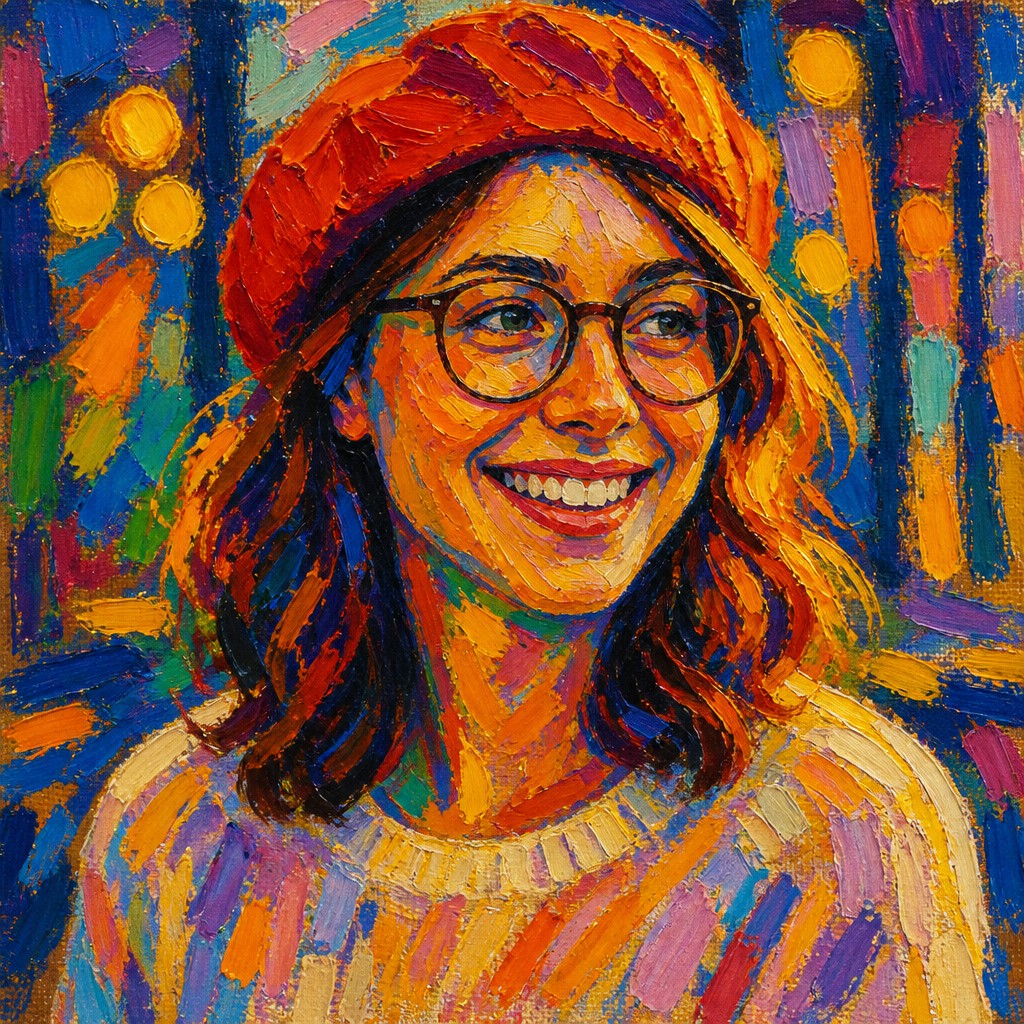
Upload any photo and convert it into Fauvist Impressionism Art Style — drag the sliders to compare before and after.


What Defines Fauvist Impressionism Art Style
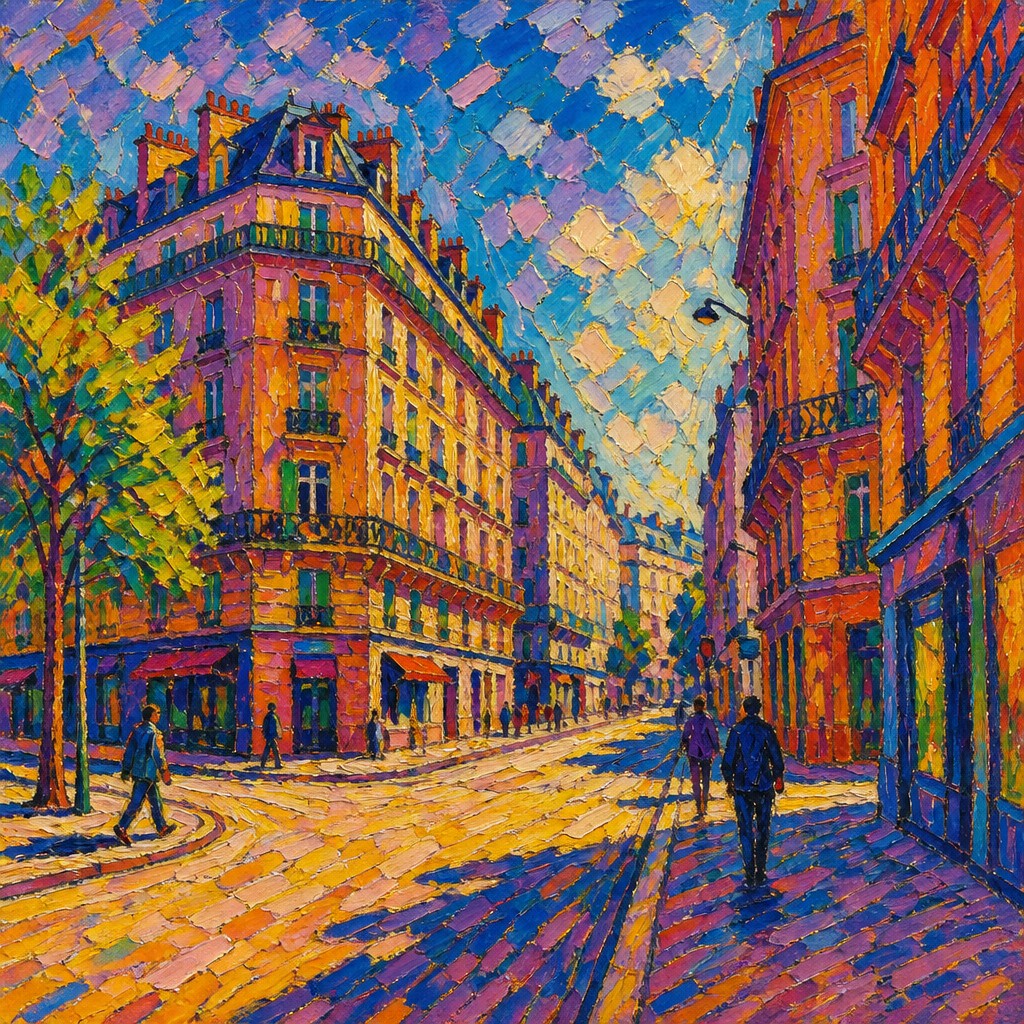
The signature details, up close
Pure, unmixed color
Colors are often used straight from the palette or tube, with minimal blending. This preserves chromatic intensity and makes each mark feel immediate and deliberate.
Broken brushstrokes
Forms are built from short, visible strokes rather than smooth transitions. The surface reads as a mosaic of touches that capture movement and light.
Complementary vibration
Opposites such as red-green, blue-orange, or yellow-violet are placed near each other to intensify visual energy. The result is a sense of optical shimmer and tension.
Thick impasto texture
Paint is often applied heavily so the canvas surface has physical relief. This thick handling gives the work a tactile, urgent presence.
Emotional color logic
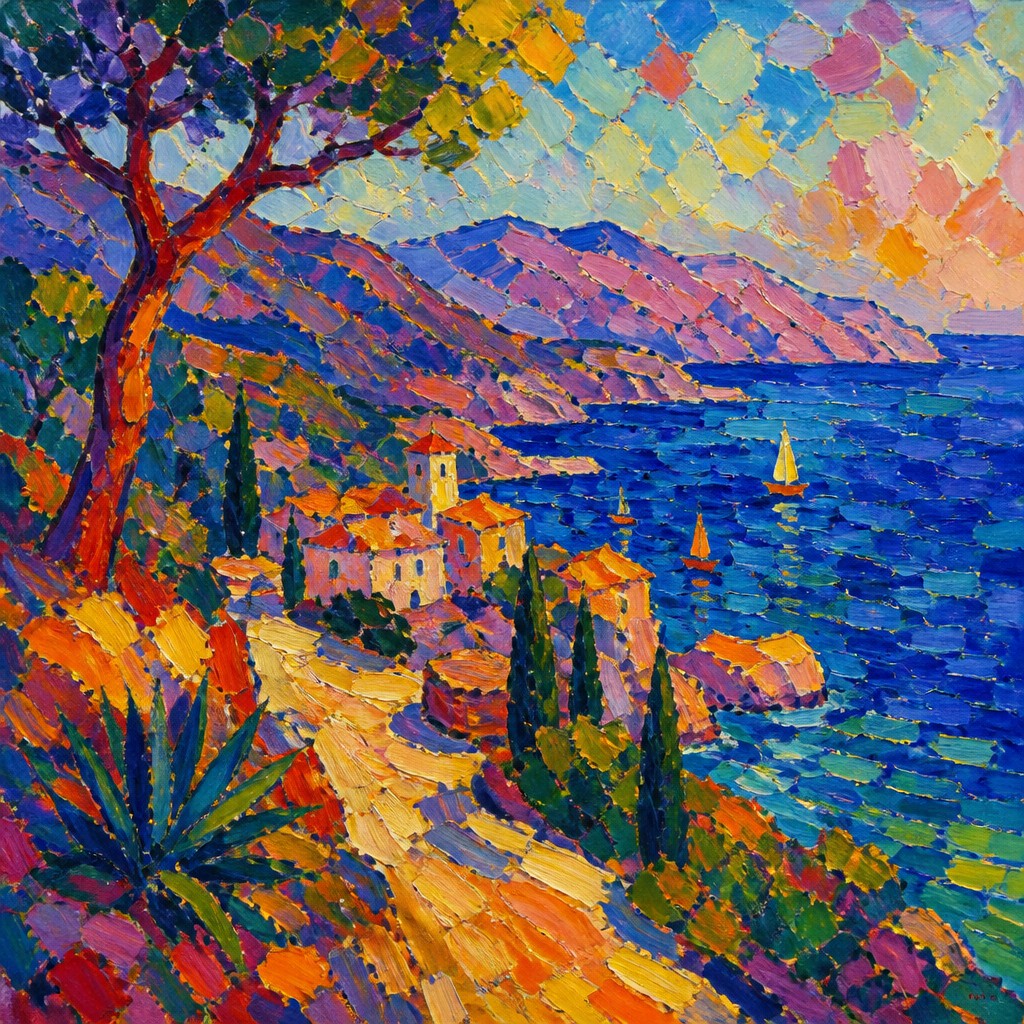
Hue choices are driven by mood rather than accurate local color. Skin, sky, foliage, and shadow may all be reimagined to support the painting’s emotional tone.
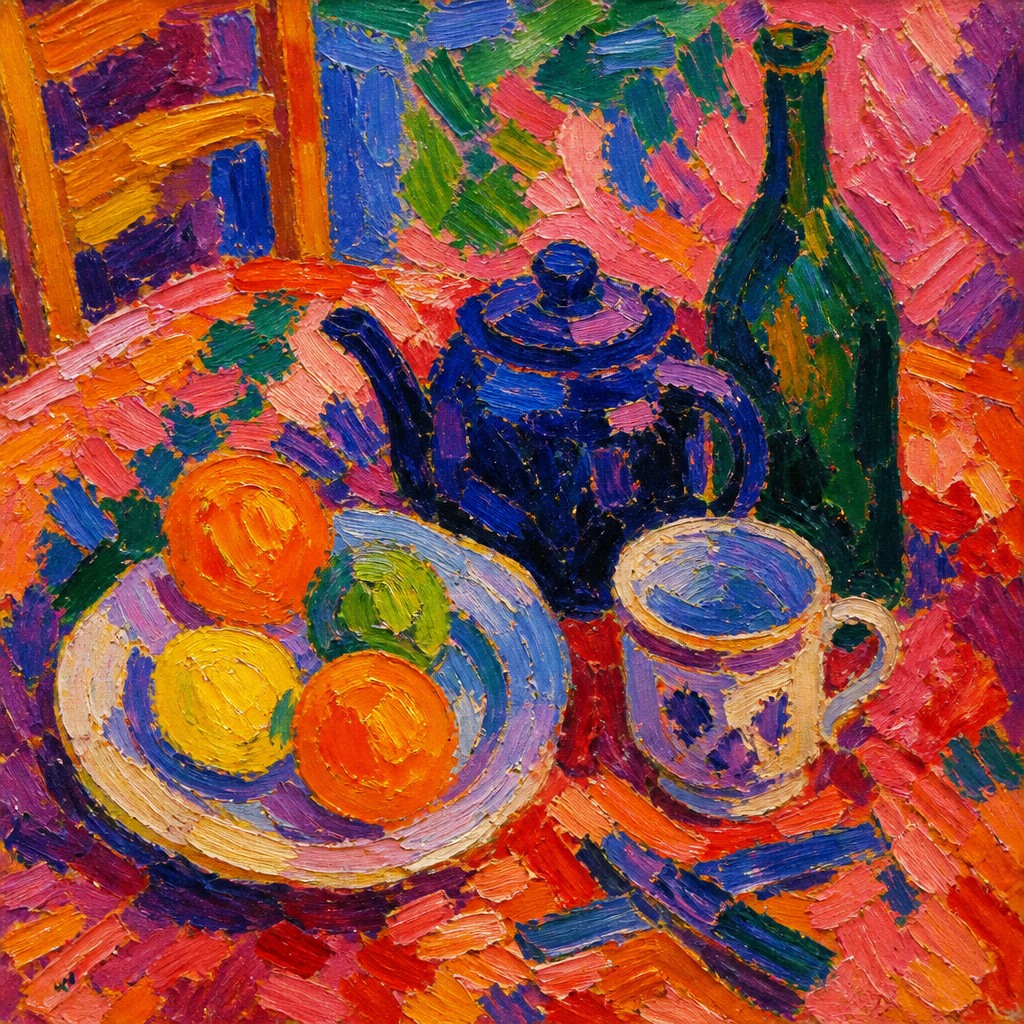
Visible canvas and open passages
Small areas of raw ground may remain exposed between strokes. These breathing spaces heighten the spontaneity of the composition and keep the painting from becoming overworked.
Try It
Create Videos in Fauvist Impressionism Art Style
Styles aren't just for stills — describe a scene or animate an image and get a short video rendered in Fauvist Impressionism. Press play to see this pond come to life.
Make a VideoFauvist Impressionism Prompt Ideas
Start from an idea — each one opens the generator with the style ready to go. See all 40 Fauvist Impressionism prompts →
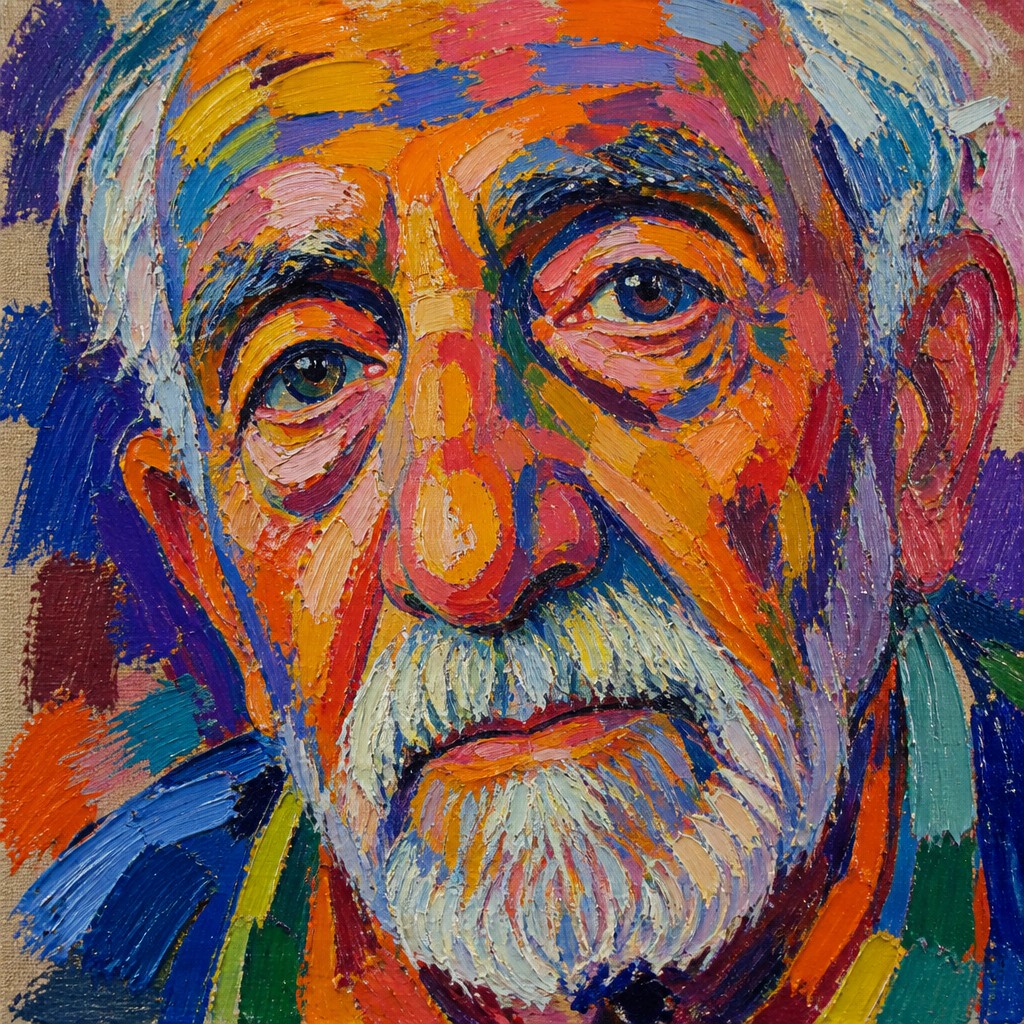
“close-up portrait of an elderly person with expressive weathered features”
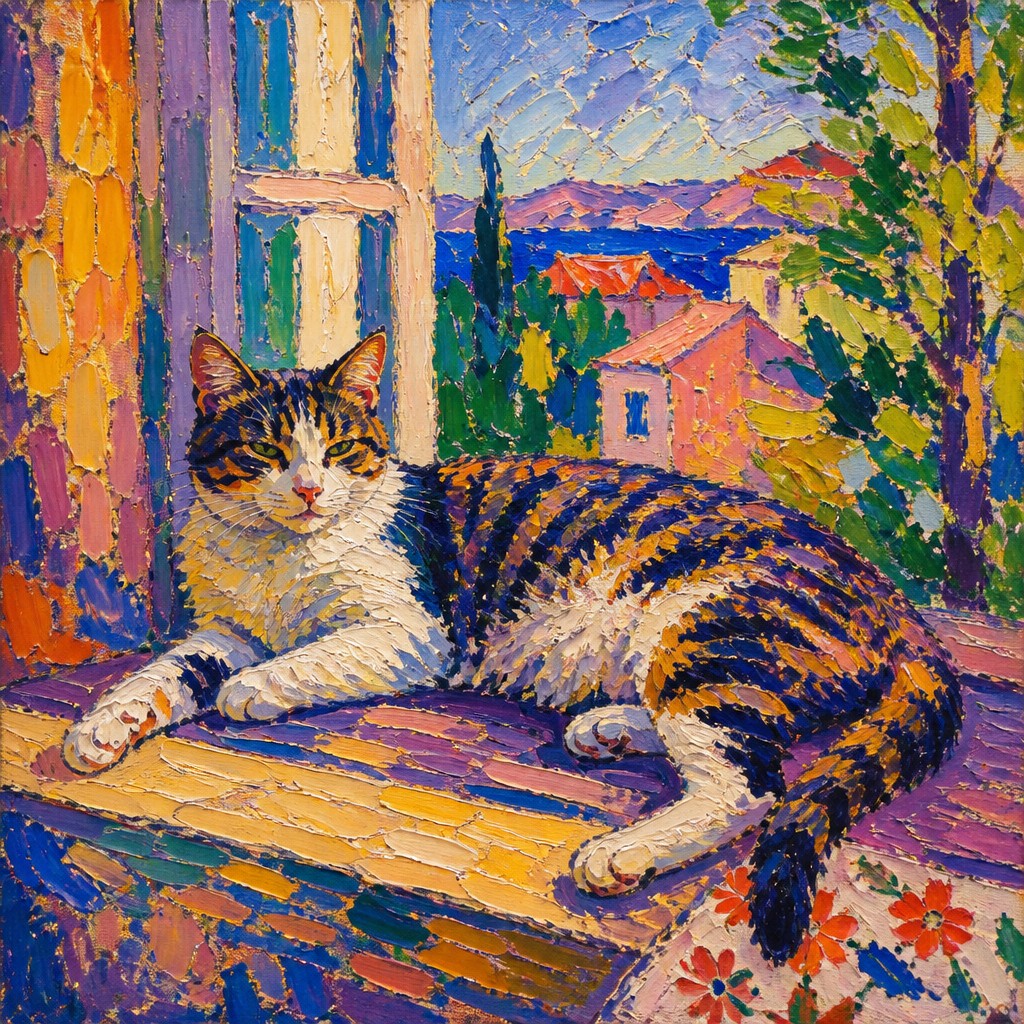
“a cat lounging in a sunlit window”
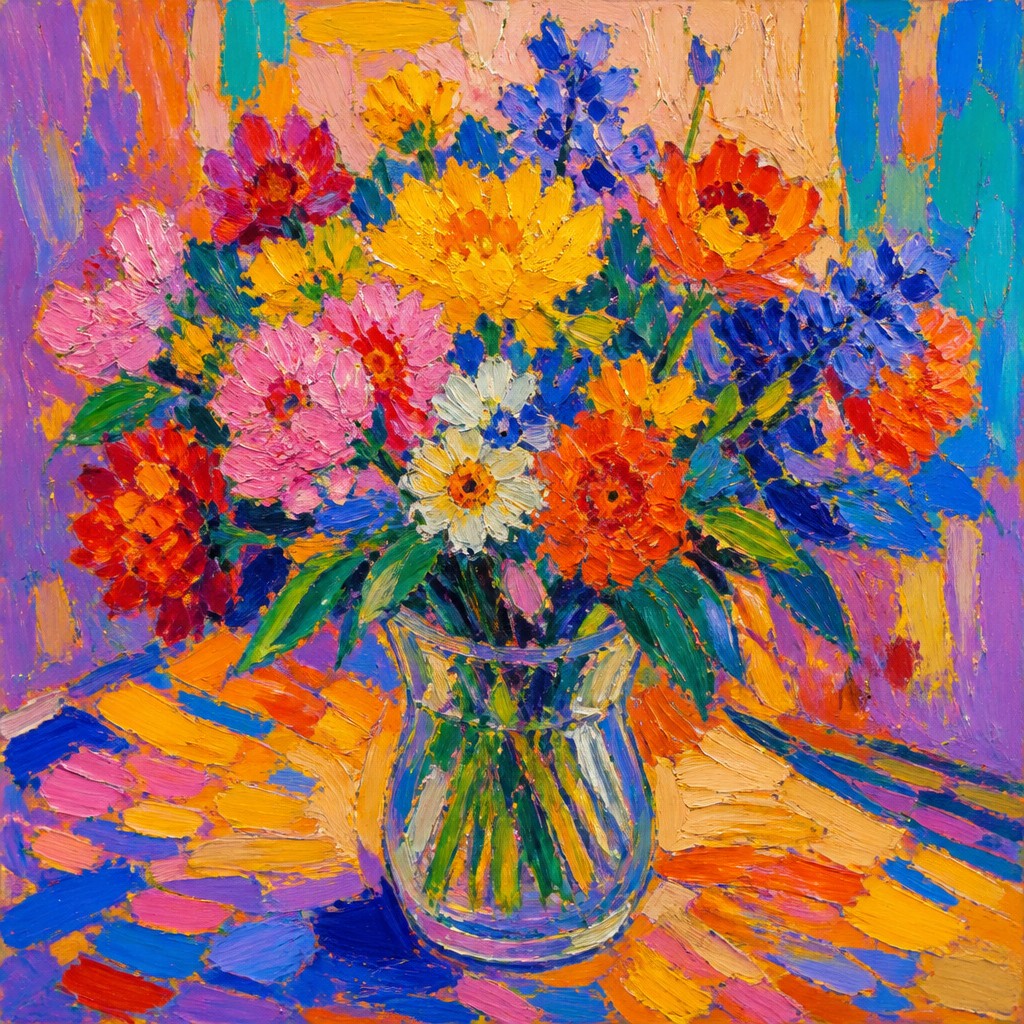
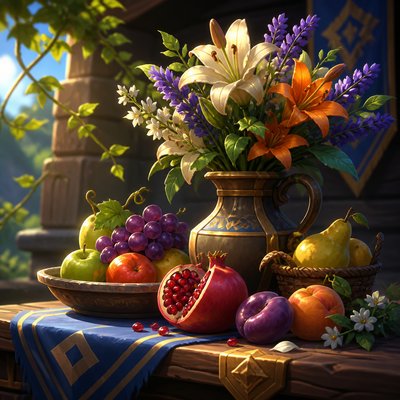
“bouquet of flowers in a glass vase”
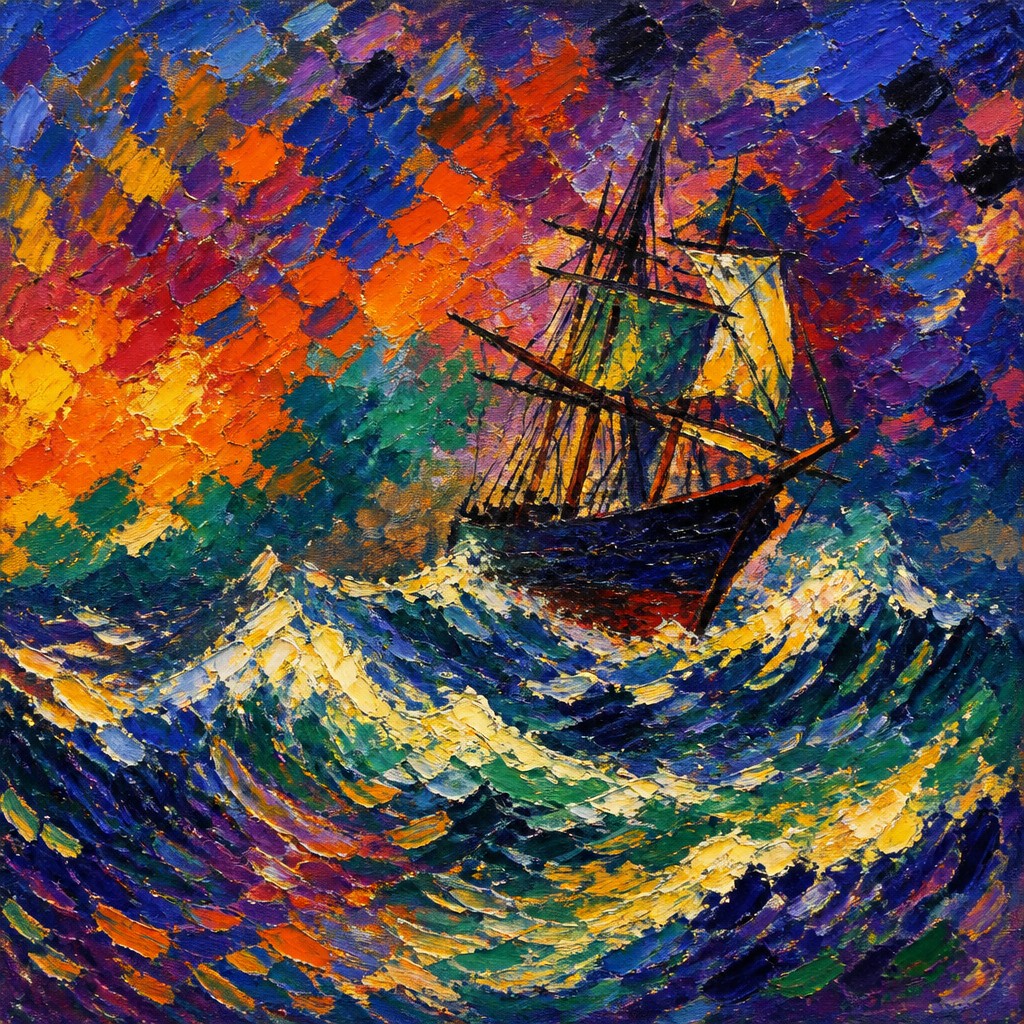
“sailing ship on a stormy sea”
How to Create Fauvist Impressionism Art
Master the craft step by step — or skip straight to creating. Read the full guide →
- 1
Start with a light-informed sketch, not a detailed drawing
Block in the main shapes and value relationships first, then let color do the expressive work. Keep the underdrawing loose so brushwork can remain active and visible.
- 2
Use an assertive, limited palette
Choose a few high-chroma colors and place complements next to each other for contrast. Avoid overmixing; letting colors stay distinct is what creates the style’s vibration.
- 3
Build form with broken strokes
Apply paint in short, directional marks that follow the contours of the subject or the movement of light. In digital painting, use brushes with texture and edge variation to mimic this fragmented handling.
- 4
Let color override realism
Replace literal local color with emotional color decisions: green shadows, orange skies, blue flesh tones, or crimson foliage if it suits the mood. The image should feel truthful in atmosphere even when it departs from observation.
- 5
Preserve texture and spontaneity
Keep some areas rough, dry, or partially unfinished so the surface feels alive. For prompt-based generation, emphasize thick impasto, visible brushstrokes, unmixed pigments, complementary color contrast, and lively painterly texture.
The Story
History & Origins of Fauvist Impressionism
This style is not a single historical movement with a fixed period; it is best understood as a contemporary hybrid aesthetic drawing from two major late-19th- and early-20th-century precedents: Impressionism and Fauvism. Impressionism, developed in France in the 1860s and 1870s by leading Impressionist painters, emphasized broken brushwork, outdoor light, and the optical mixing of color. Fauvism emerged in the early 1900s, especially around 1905, with prominent early-20th-century Fauvist painters who used vivid, arbitrary color for expressive effect.
Fauvist Impressionism extends that lineage by combining impressionist handling with fauvist chromatic daring. Its development is tied to later expressive painting, post-impressionist color theory, and digital image culture, where artists and image-makers often recombine historic techniques for dramatic impact. The style does not belong to a formal school, but it coheres around a shared visual logic: light is translated into sensation through saturated color, and representation is subordinated to emotional resonance.
Influences: Fauvist Impressionism draws most directly from Impressionism and Fauvism, especially the chromatic innovations of leading Impressionist painters and the expressive color of a major French postwar colorist alongside prominent early-20th-century Fauvist painters. It also relates to Post-Impressionism more broadly, including emotionally charged color and constructive brushwork from influential Post-Impressionist artists, though it is less concerned with structure than with immediate sensory impact. In contemporary practice, it can overlap with expressive figurative painting, neo-impressionist color experiments, and digital painterly illustration that preserves visible brush texture.

Frequently Asked Questions
What defines Fauvist Impressionism?
It is defined by the combination of impressionist broken brushwork and fauvist color intensity. The style uses pure, often unmixed color and high contrast to create mood, light, and energy rather than naturalistic appearance.
Is this the same as Impressionism?
No. Impressionism is primarily concerned with capturing changing light and atmosphere through loose brushwork and optical color mixing. Fauvist Impressionism pushes those ideas further by using much more saturated, emotionally charged, and often unrealistic color.
How is it different from Fauvism?
Fauvism emphasizes bold, arbitrary color and strong simplification, while Fauvist Impressionism retains more of the flickering, broken surface quality of Impressionism. It tends to feel more atmospheric and tactile, with color used to describe light as well as emotion.
What subjects work best in this style?
Landscapes, portraits, city scenes, interiors, and floral still lifes all work well because the style thrives on color relationships and visible brushwork. Subjects with strong light conditions or clear color contrasts are especially effective.
How do I make my image look more authentic to this style?
Use a limited but high-chroma palette, keep brushstrokes visible, and avoid smooth digital blending. Focus on complementary color placement, thick texture, and expressive deviations from realistic local color.
Can this style be used in digital art or photo transformation?
Yes. In digital work, textured brushes, layer opacity variation, and strong color grading help imitate the look. For photo transformation, the key is to preserve the underlying composition while reinterpreting surfaces with broken strokes and saturated pigment-like color.
Create your first Fauvist Impressionism artwork
Describe anything — or upload a photo — and see it in Fauvist Impressionism Art Style in seconds.
Make Something with Fauvist Impressionism
Compare Fauvist Impressionism
Related Styles
Discover similar art styles