Atmospheric Impressionism Art Style
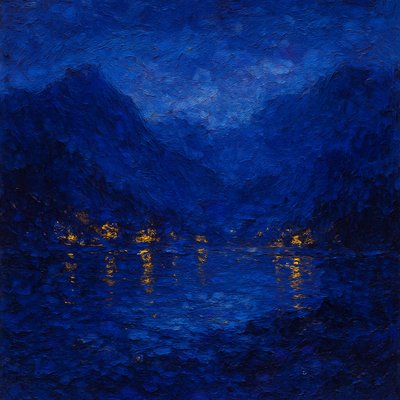
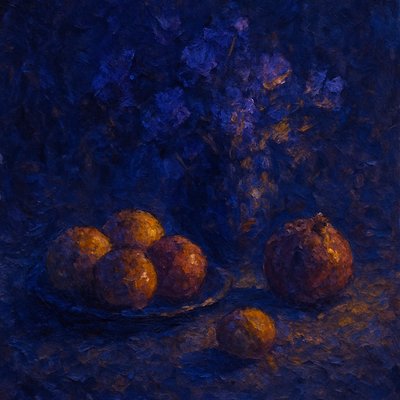
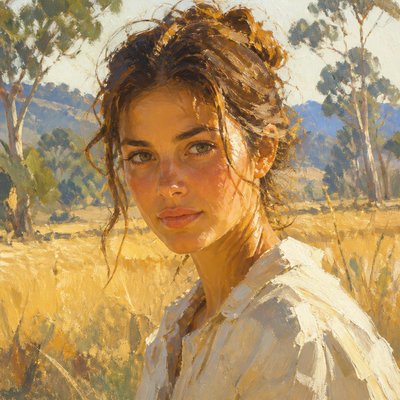
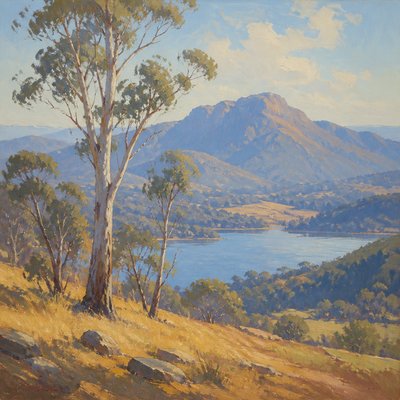
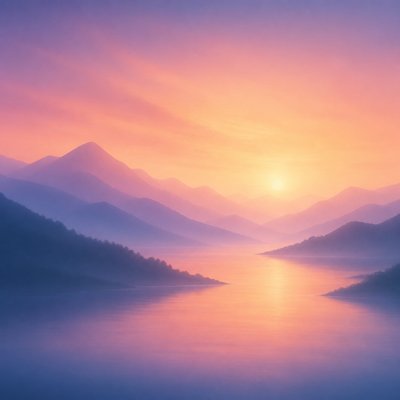
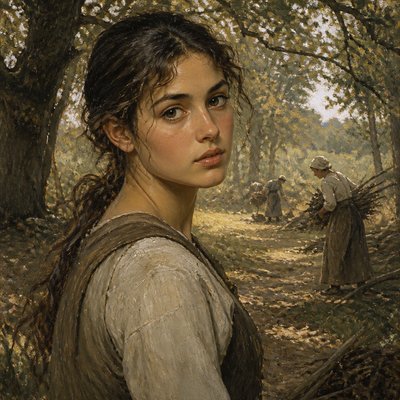
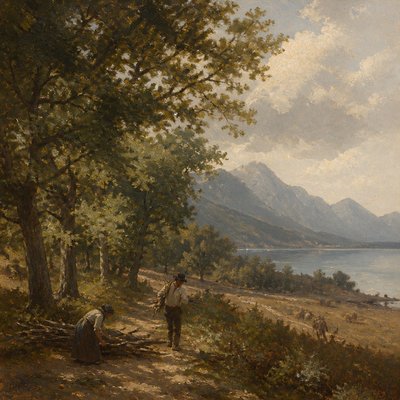
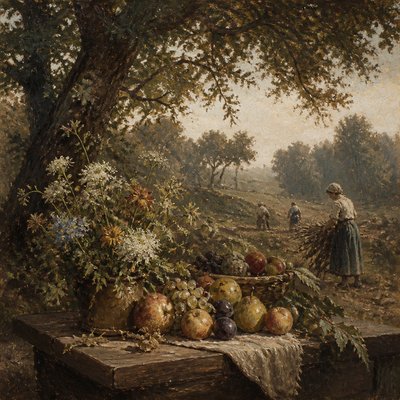
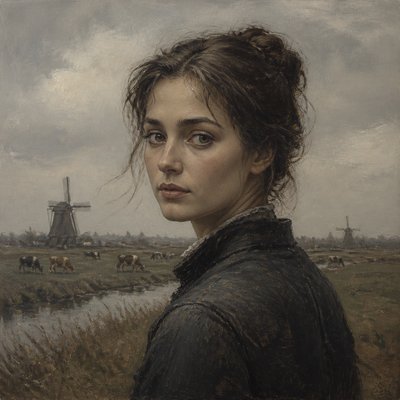
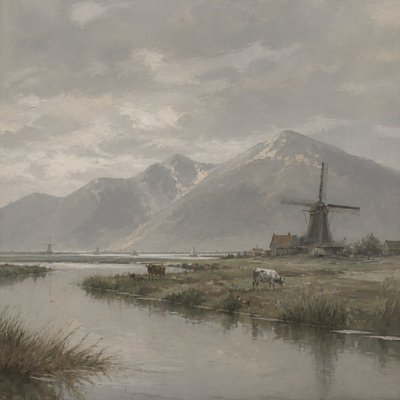
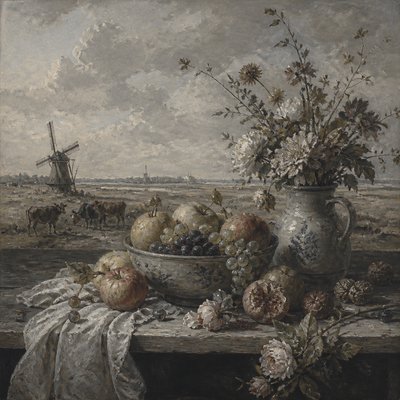
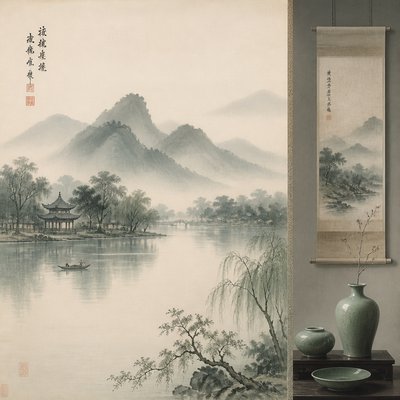
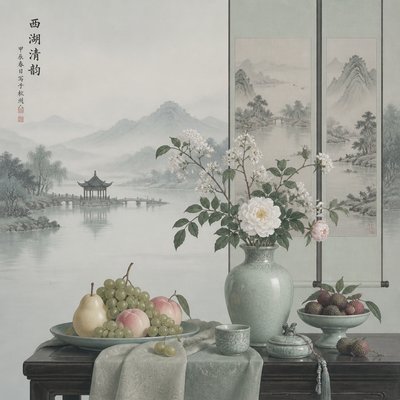
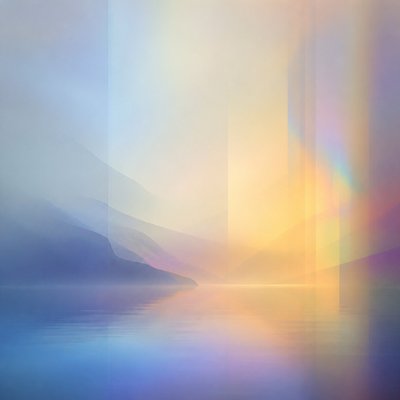
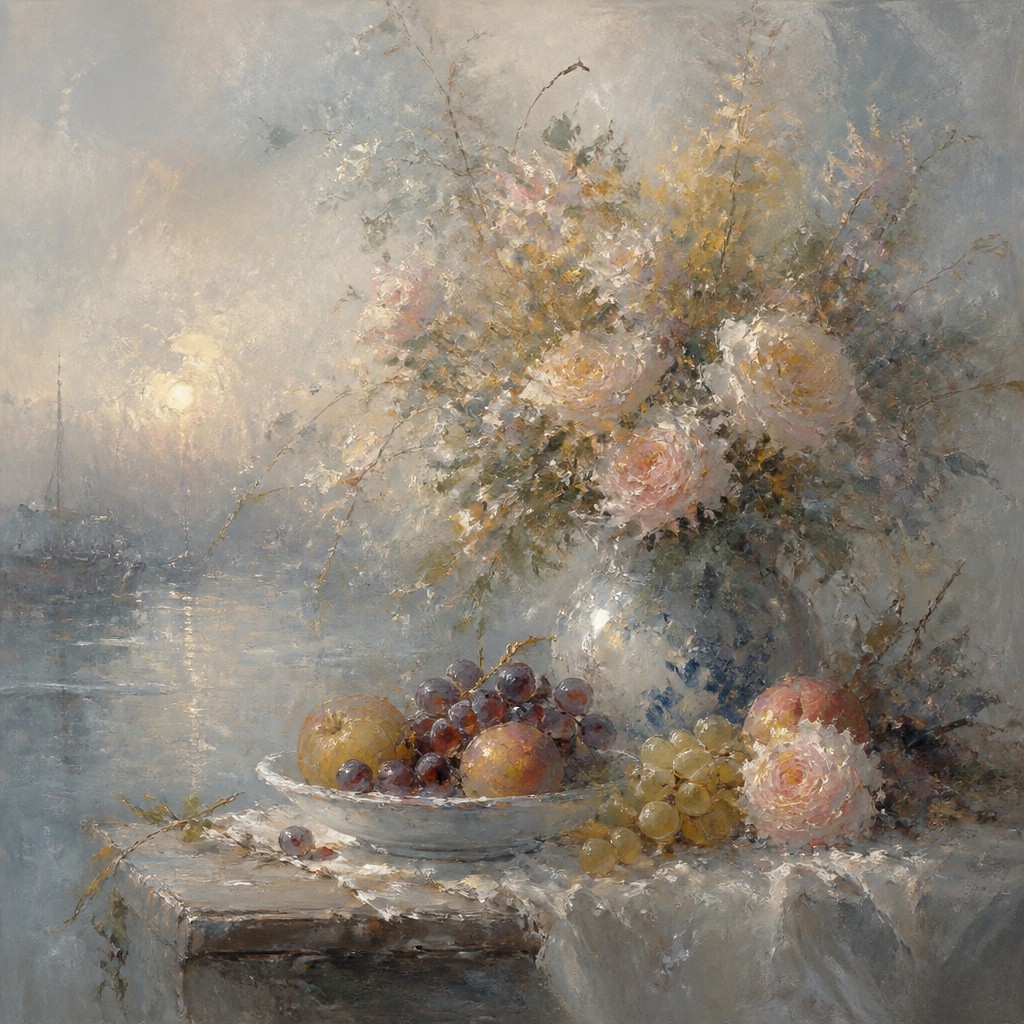
Soft, mist-filled painting style with blurred edges, veiled color, and weather-washed light.
Instantly rendered in Atmospheric Impressionism — or transform a photo

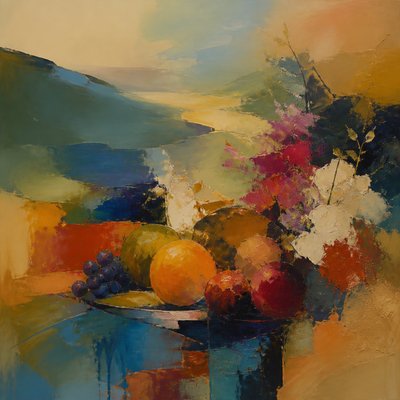
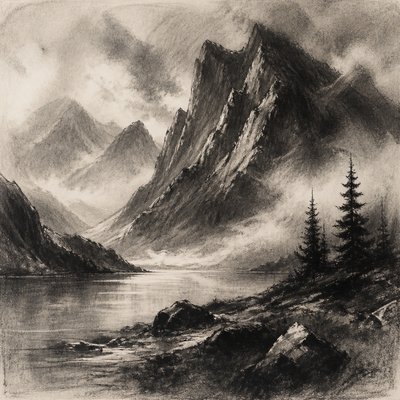
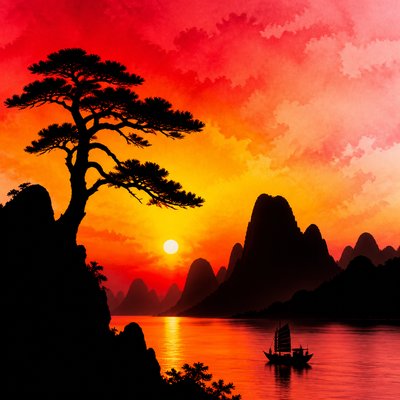
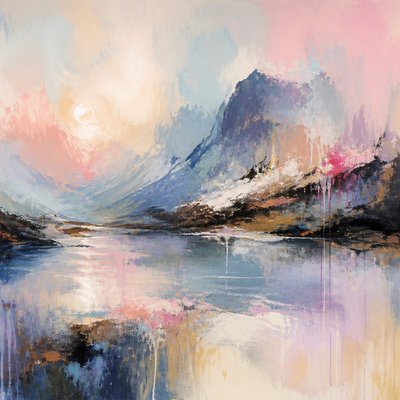
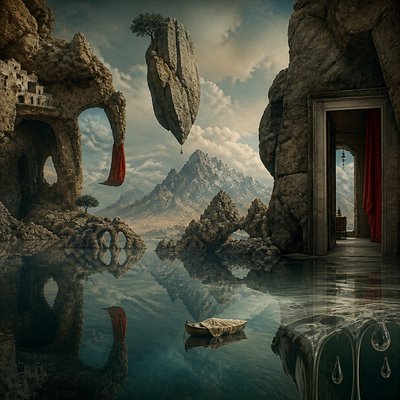
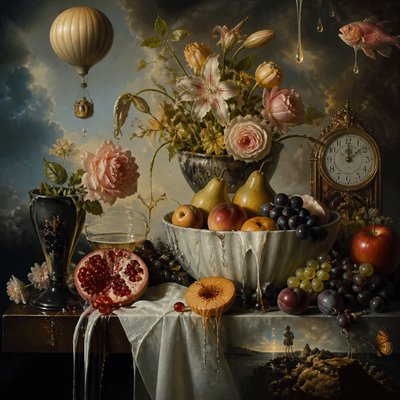
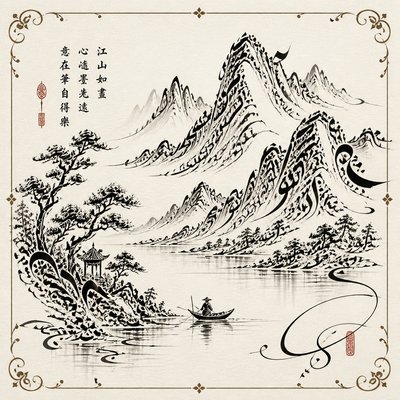
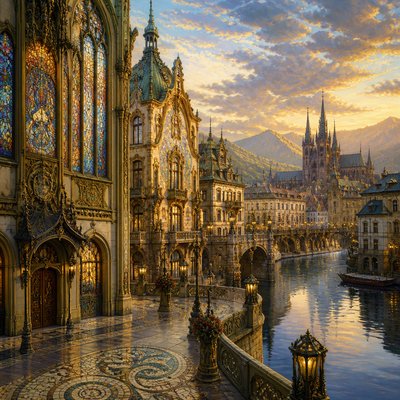
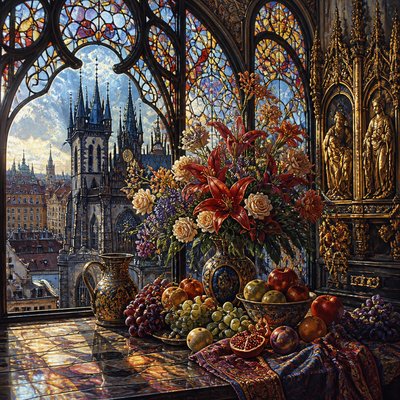
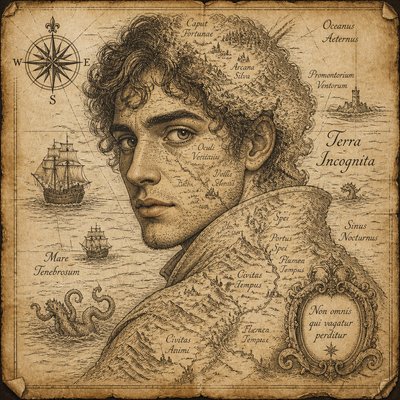
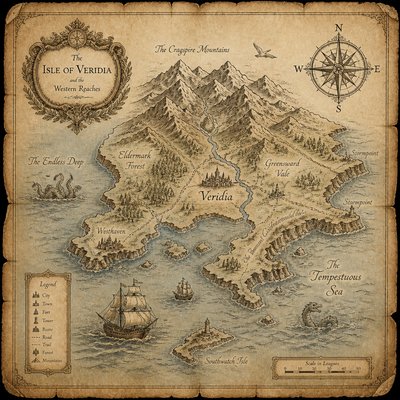
Atmospheric Impressionism Gallery
Tap any artwork to explore it
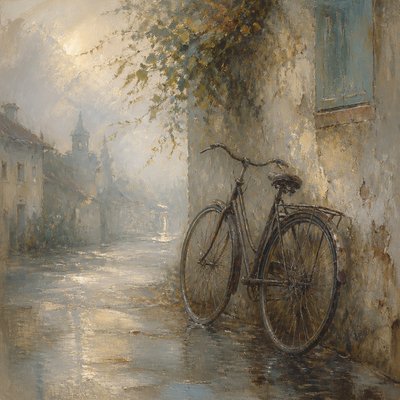
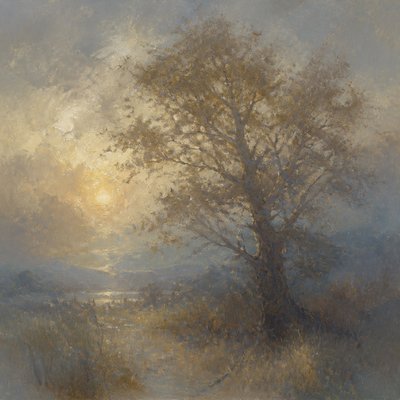
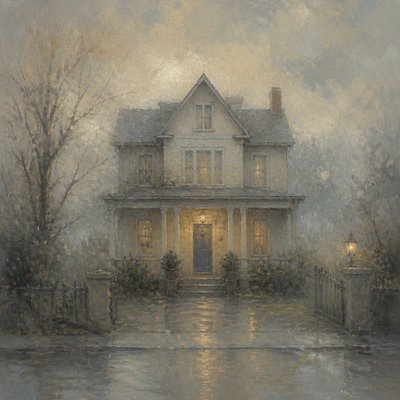
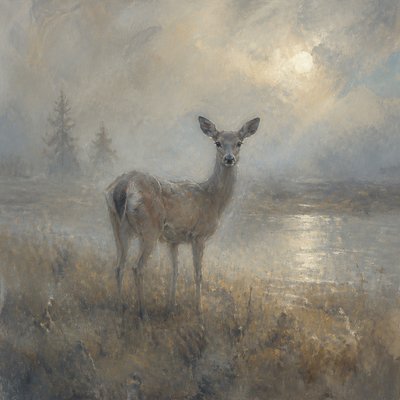
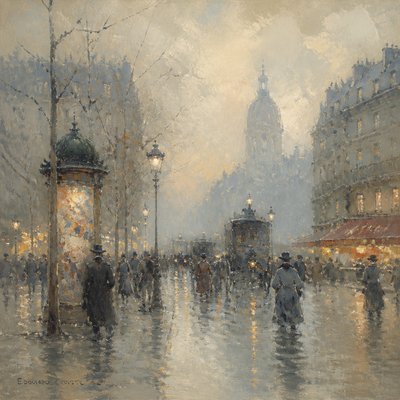
What is Atmospheric Impressionism Art Style?
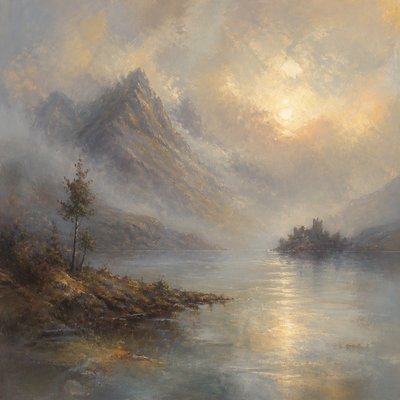
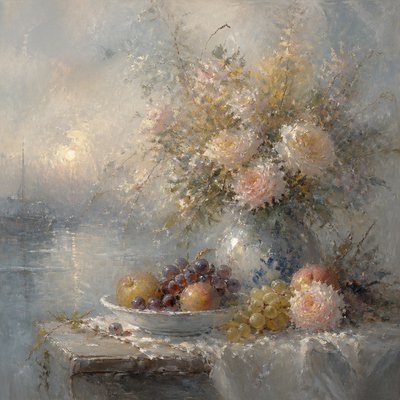
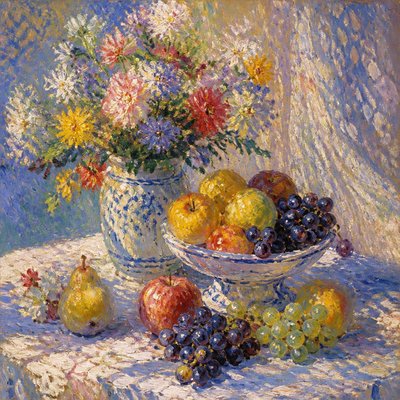
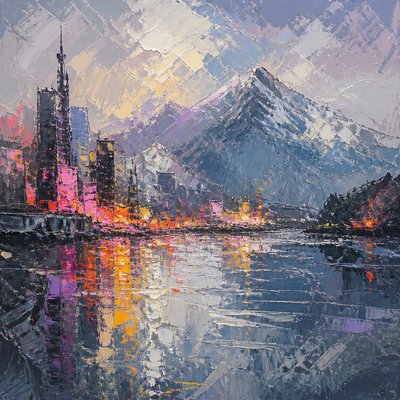
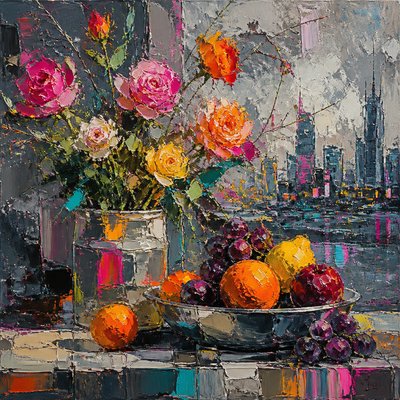
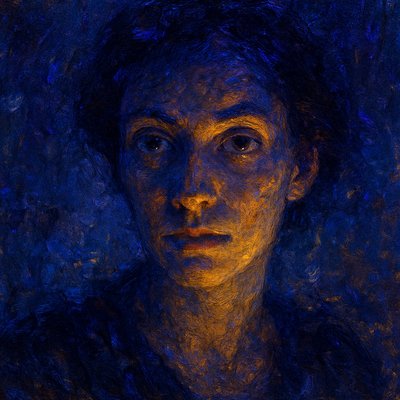
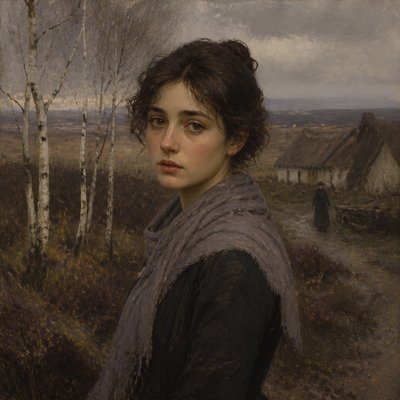
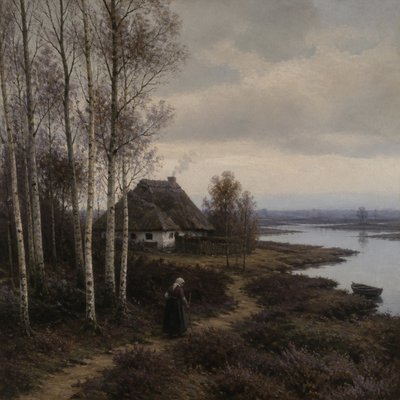
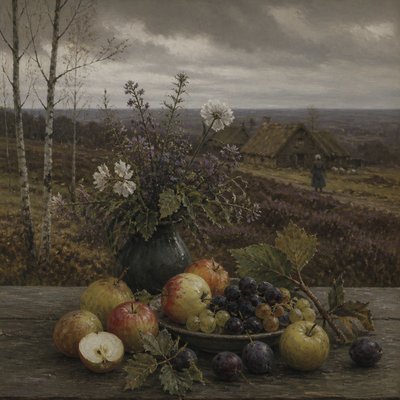
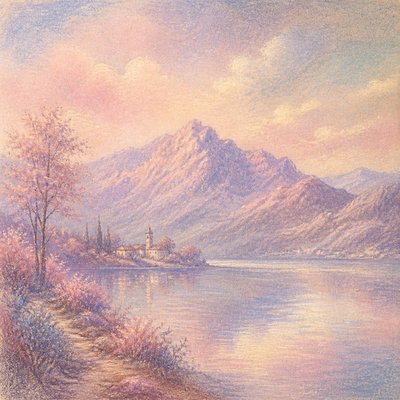
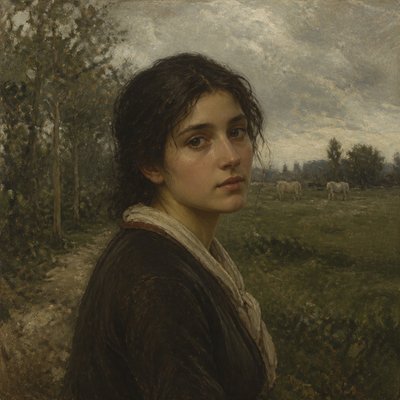
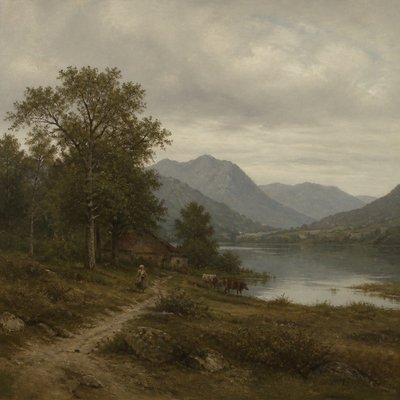
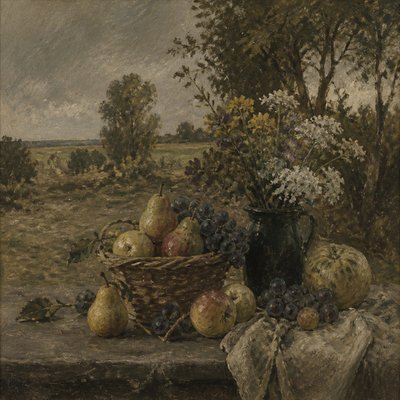
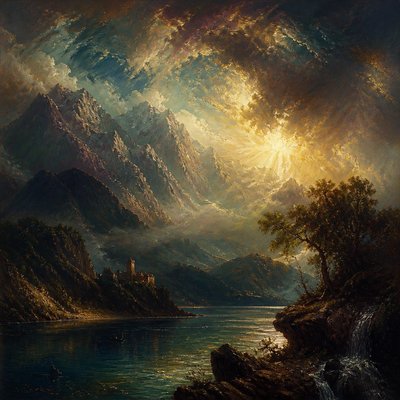
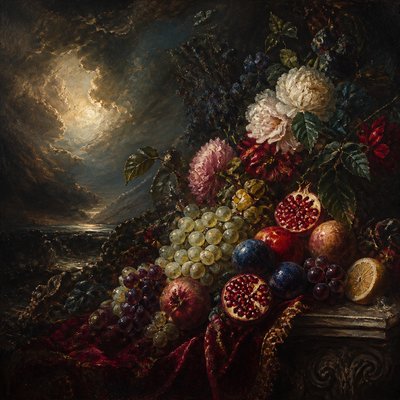
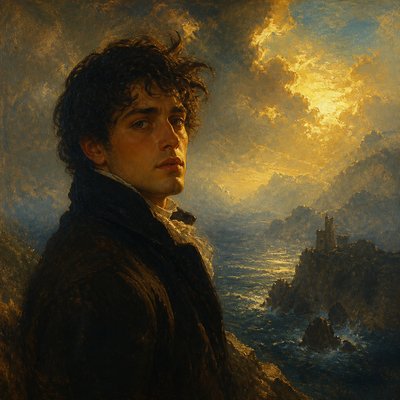
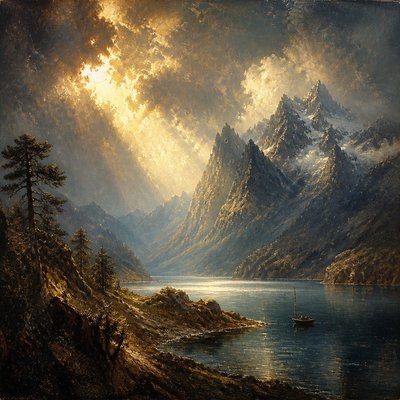
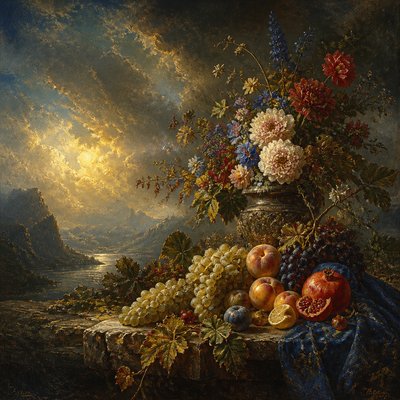
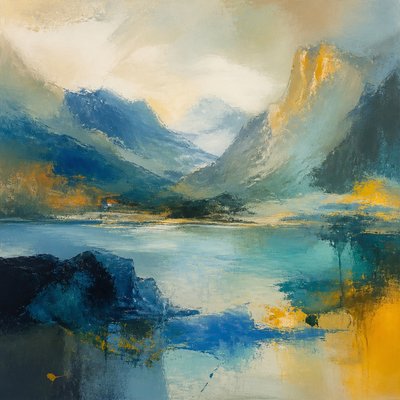
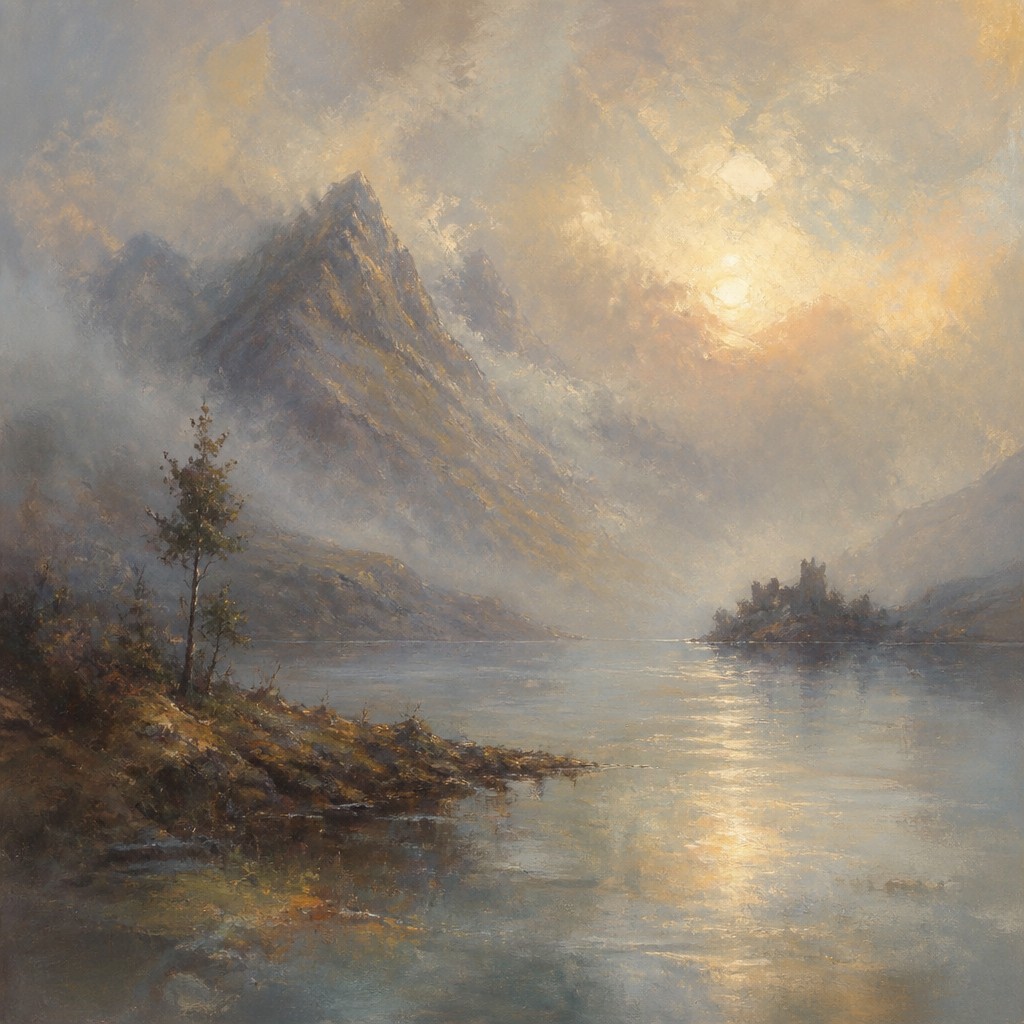
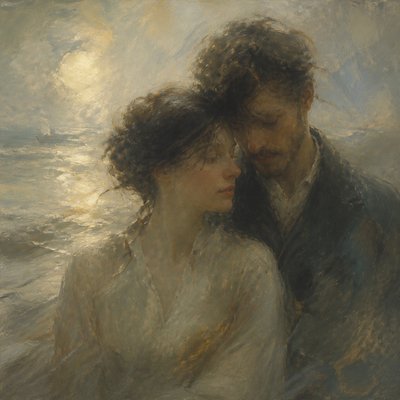
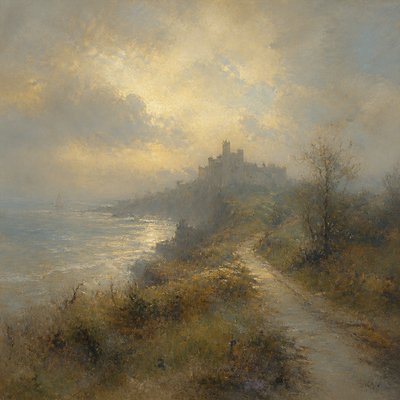
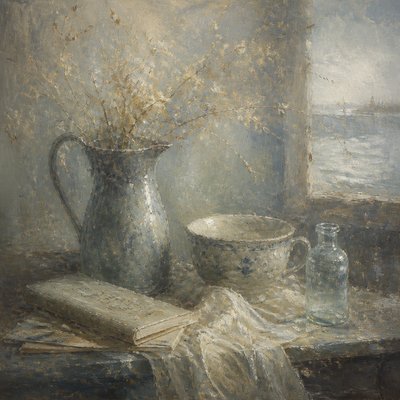
Atmospheric Impressionism is a painting style centered on the visible effects of weather, light, and moisture. Rather than describing objects with hard contour and precise detail, it lets forms dissolve into mist, rain, fog, haze, and reflected light. The result is a poetic image in which space feels less measured than felt, and the scene seems to be seen through air itself.
Its visual identity comes from soft edges, broken or submerged drawing, and layered color that allows pale undertones to shimmer through the surface. The palette is usually restrained: pearl grays, muted blues, damp greens, softened ochres, and low-contrast highlights. The style looks the way it does because the artist prioritizes transient atmospheric conditions over solid structure, using brushwork and glazing to suggest movement in the air and the way weather transforms perception.
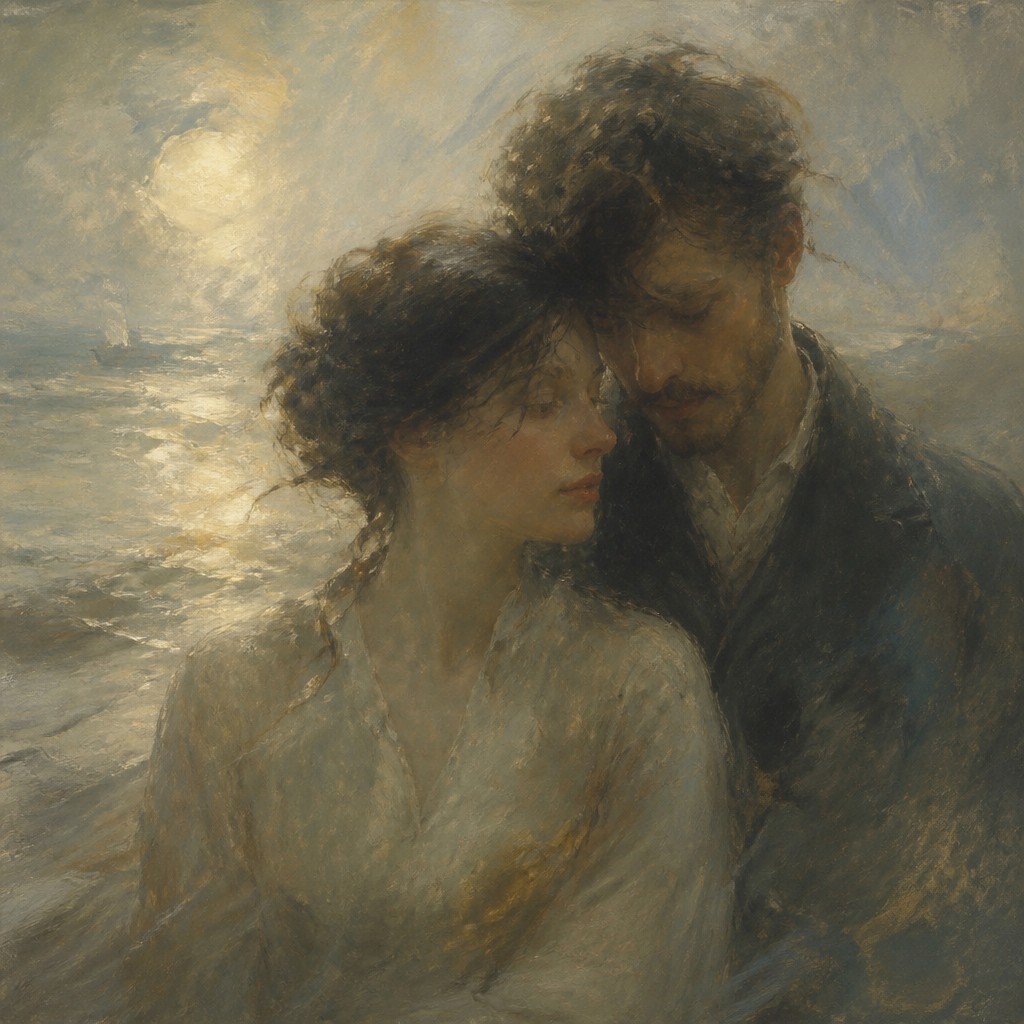
Try It On Your Photos
Upload any photo and convert it into Atmospheric Impressionism Art Style — drag the sliders to compare before and after.


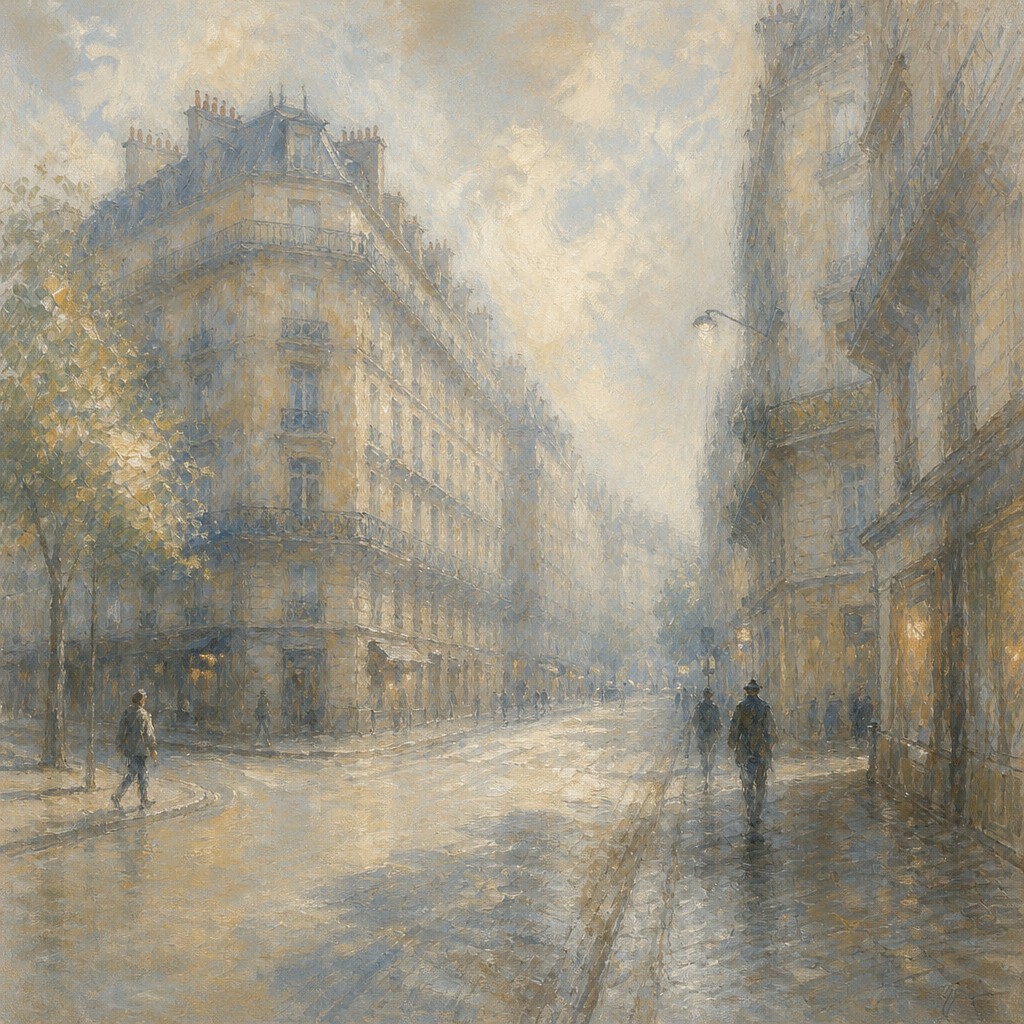

What Defines Atmospheric Impressionism Art Style
The signature details, up close
Soft, dissolved edges
Contours are blurred, melted, or partially obscured so objects merge into the surrounding air. This creates the sense that the scene is being seen through moisture, fog, or diffuse light.
Veiled and low-contrast color
The palette favors pearl gray, muted blue, pale green, softened ochre, and other desaturated tones. Strong local color is suppressed in favor of subtle tonal relationships.
Weather as subject
Mist, rain, snow, haze, dusk, and reflected light are not incidental effects but the core of the image. Buildings, landscapes, and figures often appear altered by the climate around them.
Loose gestural brushwork
Strokes remain visible and fluid, suggesting movement in air, water, and light. Forms are indicated rather than fully modeled, allowing the surface to feel alive and shifting.
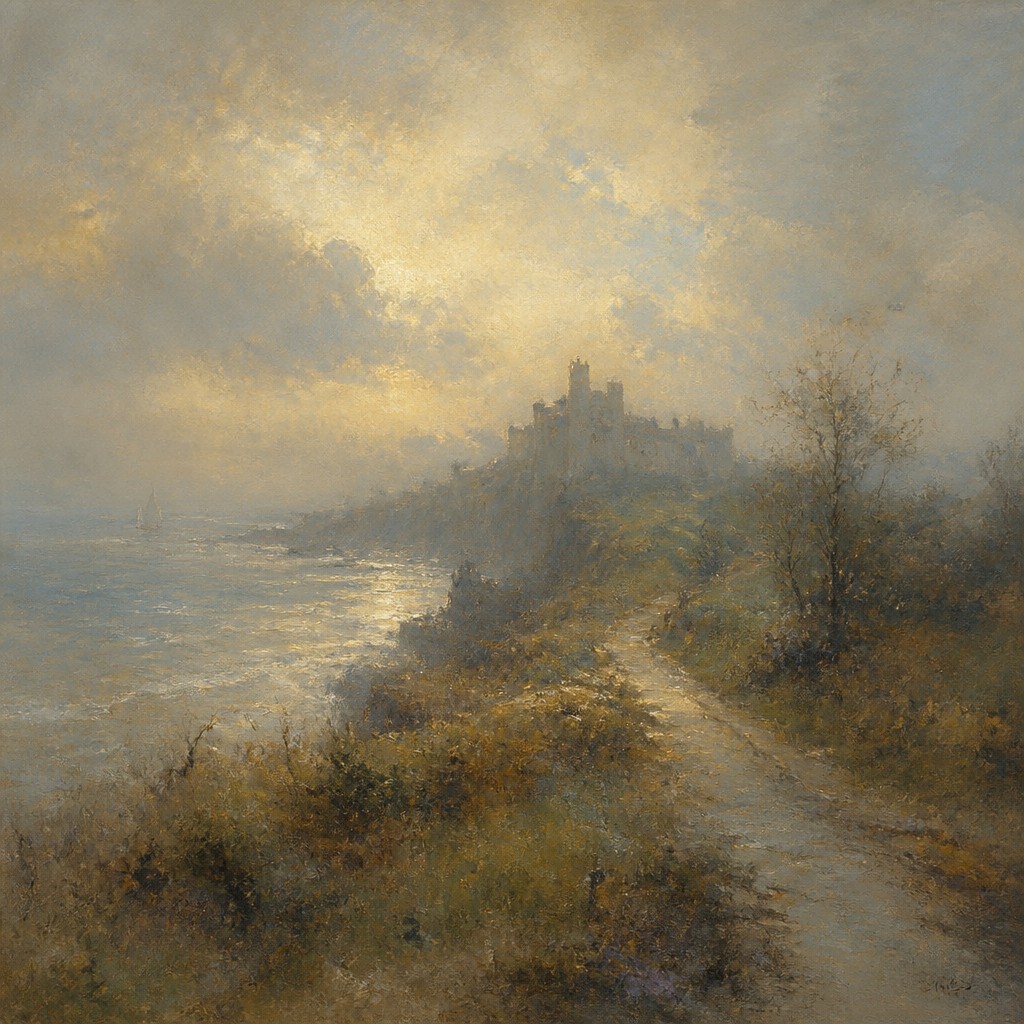
Layered translucency
Thin glazes and scumbled passages let earlier layers glow through the top paint. This gives the work a depth that feels luminous without becoming sharply detailed.
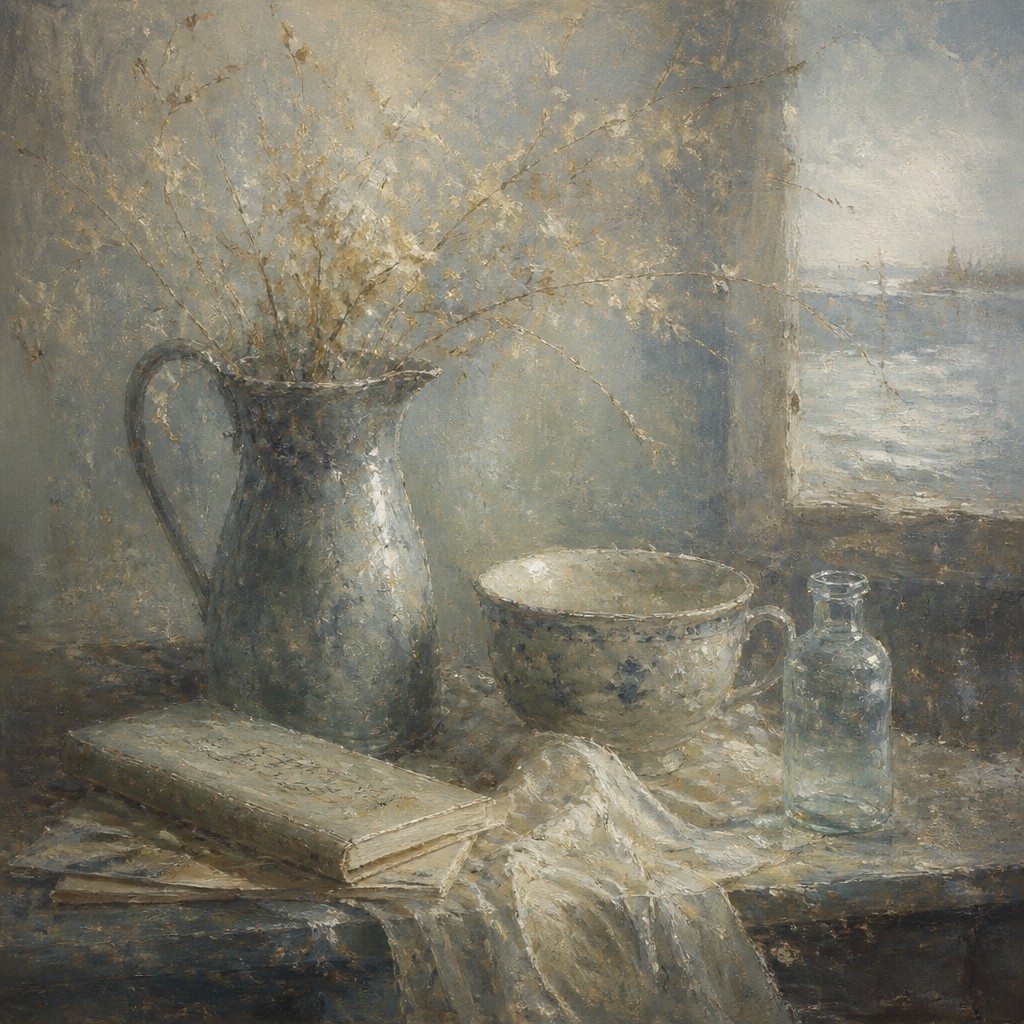
Quiet, poetic mood
The overall effect is contemplative, hushed, and reflective rather than dramatic. Even familiar subjects can feel newly lyrical when softened by weather and light.
Try It
Create Videos in Atmospheric Impressionism Art Style
Styles aren't just for stills — describe a scene or animate an image and get a short video rendered in Atmospheric Impressionism. Press play to see this pond come to life.
Make a VideoAtmospheric Impressionism Prompt Ideas
Start from an idea — each one opens the generator with the style ready to go. See all 40 Atmospheric Impressionism prompts →
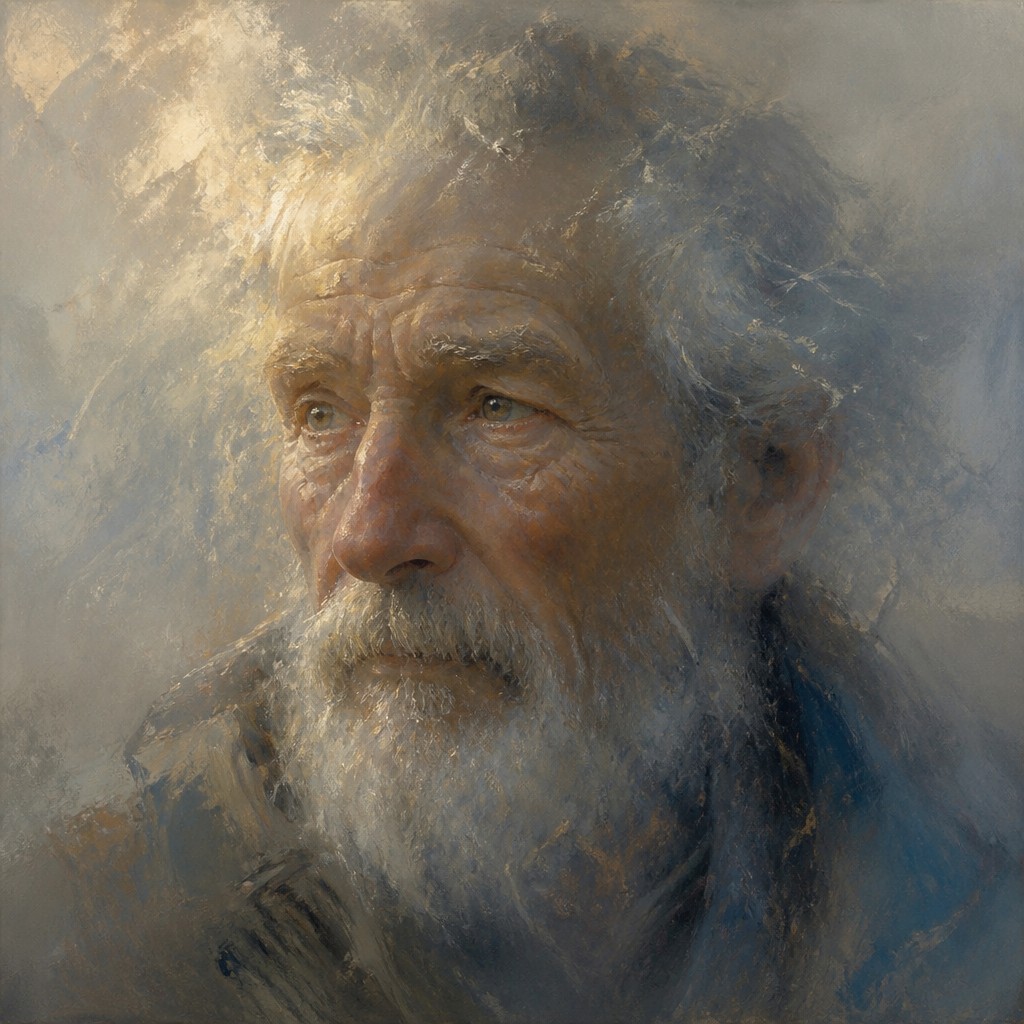
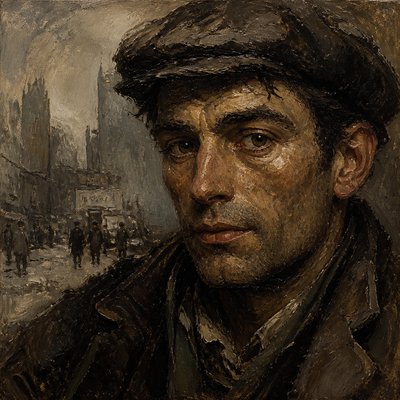
“close-up portrait of an elderly person with expressive weathered features”
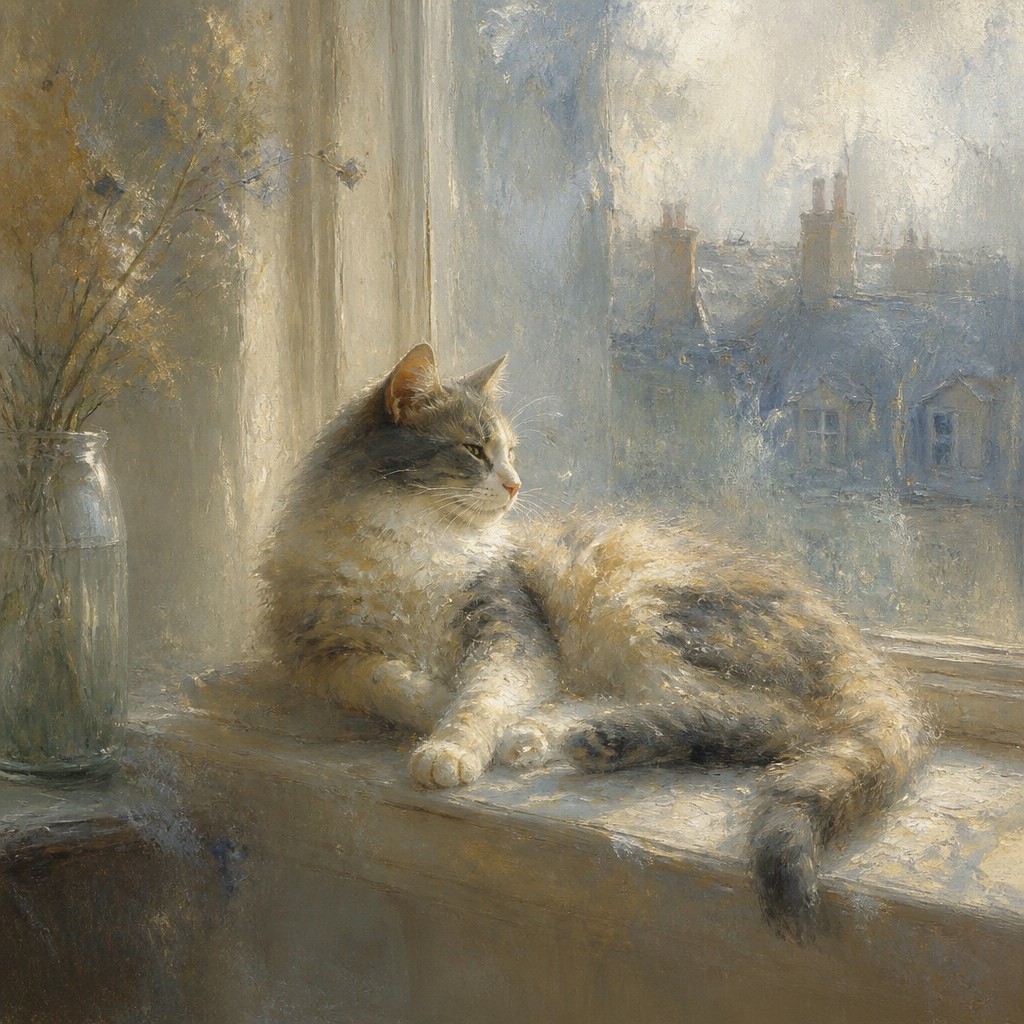
“a cat lounging in a sunlit window”
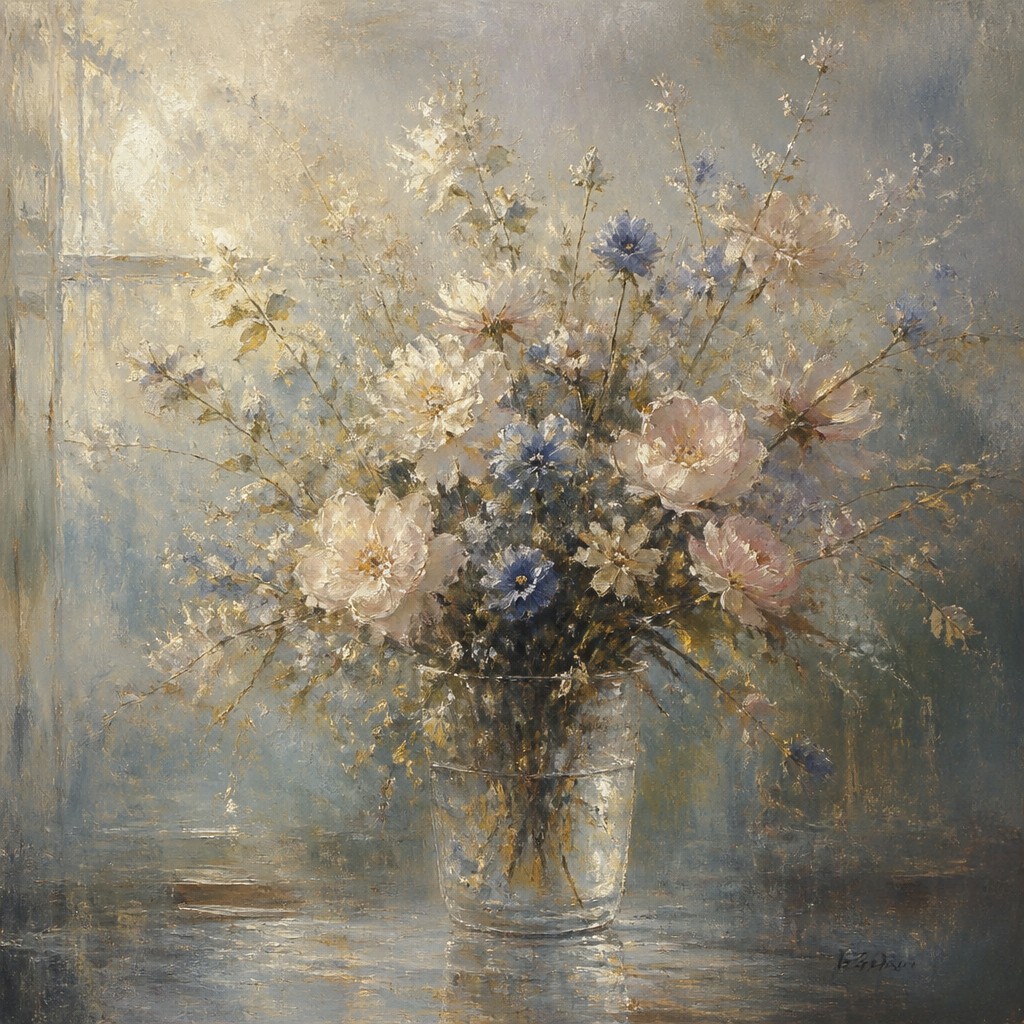
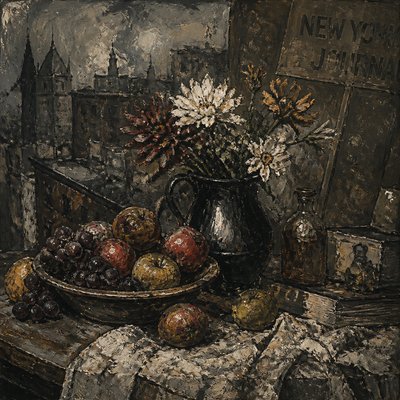
“bouquet of flowers in a glass vase”
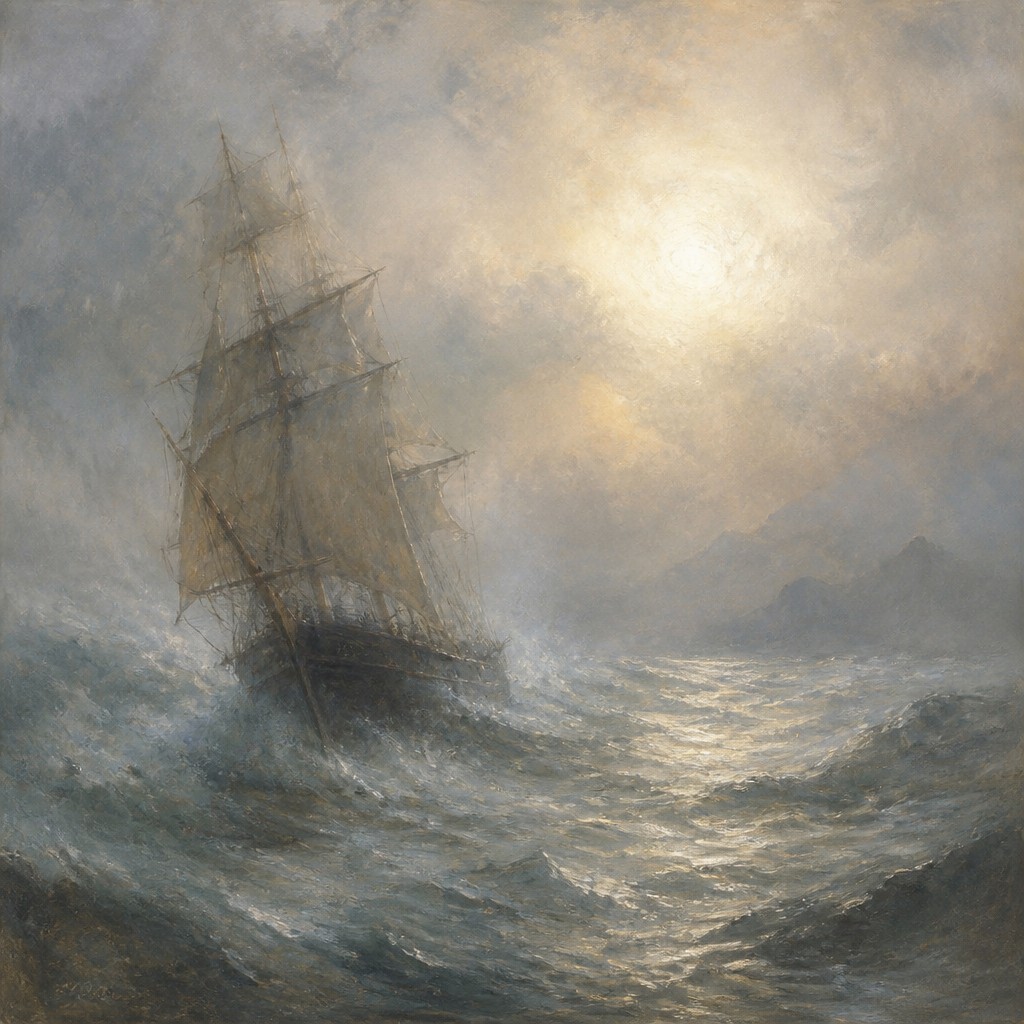
“sailing ship on a stormy sea”
How to Create Atmospheric Impressionism Art
Master the craft step by step — or skip straight to creating. Read the full guide →
- 1
Begin with an atmospheric value structure
Lay in the scene with broad tonal masses before defining objects. Keep contrast moderate and let one dominant weather condition, such as fog, rain, or overcast light, shape the entire composition.
- 2
Use edges selectively
Reserve sharp edges for only a few focal points, and soften or lose the rest into the background. In traditional media this can be done with dry brushing, blending, and glazing; in digital painting, use soft masks and low-opacity brushes.
- 3
Build color in thin layers
Apply translucent passages so underlayers remain visible and create a sense of depth. Glazing in oils, watercolor-like washes, or layered digital opacity all help produce the veiled luminosity associated with the style.
- 4
Let atmosphere describe form
Instead of outlining every structure, suggest trees, architecture, water, or figures through breaks in tone and light. Negative space, softened silhouettes, and directional brushwork can imply form without overdefining it.
- 5
For prompt-based creation, specify weather and mood
Describe the subject plus the atmospheric condition: foggy riverbank, rain-soaked street, winter harbor, misty fields at dawn. Ask for soft edges, diffused light, muted colors, and impressionist brushwork to keep the image aligned with the style.

The Story
History & Origins of Atmospheric Impressionism
Atmospheric Impressionism is best understood as a continuation of nineteenth-century Impressionist concerns with changing light, but with a stronger emphasis on meteorological conditions and visual dissolution. It draws on the broader Impressionist project of painting modern life outdoors, as well as related tendencies in late nineteenth-century landscape painting that favored mist, dusk, rain, and tonal unity over crisp description. In that sense, it is an aesthetic lineage rather than a single historical movement with a fixed origin point.
Its visual language also overlaps with tonalism, lyrical landscape painting, and certain strands of poetic realism. Leading Impressionist painters associated with the movement explored fog, snow, river mist, and rain-slick surfaces in ways that anticipate this mood. Atmospheric Impressionism extends those tendencies by making the atmosphere itself the main subject, using softness and tonal restraint to turn ordinary scenes into weather-conditioned impressions.
Influences: This style grows out of Impressionism, especially the work of leading Impressionist painters whose paintings often captured fog, snow, rain, and reflected light. It also relates to tonal landscape traditions and poetic realism, where mood and atmospheric unity matter more than detailed contour. In modern visual culture, it overlaps with soft-focus landscape photography, cinematic weather effects, and digital painting methods that prioritize translucency and diffused illumination.

Frequently Asked Questions
What defines Atmospheric Impressionism?
It is defined by the primacy of weather and atmosphere over hard form. Soft edges, muted color, and diffused light make scenes feel veiled, transient, and emotionally quiet.
How is it different from ordinary Impressionism?
Impressionism broadly captures fleeting visual sensations, but Atmospheric Impressionism places even more emphasis on mist, rain, fog, and tonal softness. The result is usually more subdued and less focused on bright broken color or lively social scenes.
Is this a historical art movement?
Not as a fixed, named movement in the way Impressionism or Baroque is. It is better understood as a contemporary style label describing a specific aesthetic lineage rooted in Impressionist and tonal landscape traditions.
What subjects work best in this style?
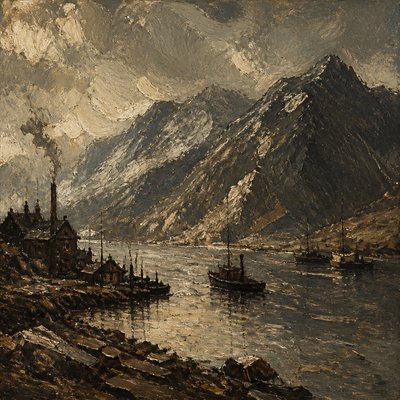
Landscapes, harbors, city streets, gardens, and quiet architectural scenes work especially well because they can be transformed by fog, rain, snow, or dawn light. Figures can also be used, but they are usually softened into the atmosphere rather than sharply individualized.
How can I make my own image look like this?
Reduce contrast, soften edges, and favor muted palettes over saturated color. Whether painting traditionally or working digitally, build the image in translucent layers and let the weather condition guide the composition.
Where is this style commonly used?
It is often used for contemplative landscapes, book covers, editorial imagery, concept art, and scenes that need a calm, poetic, or nostalgic mood. The style works especially well when the subject is ordinary but the atmosphere is visually memorable.
Create your first Atmospheric Impressionism artwork
Describe anything — or upload a photo — and see it in Atmospheric Impressionism Art Style in seconds.
Make Something with Atmospheric Impressionism
Related Styles
Discover similar art styles