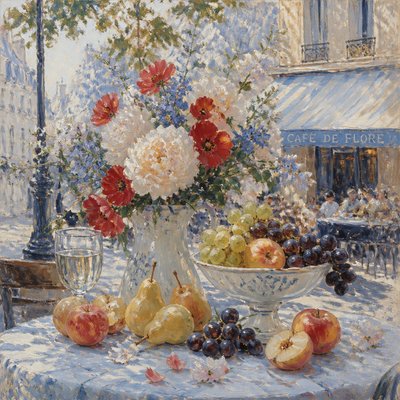
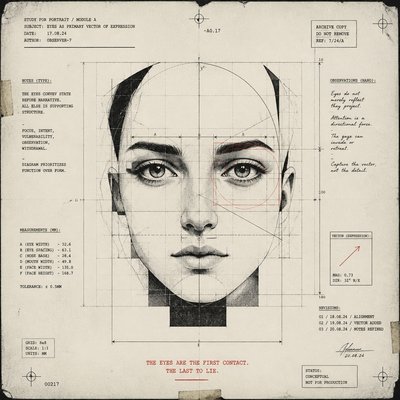
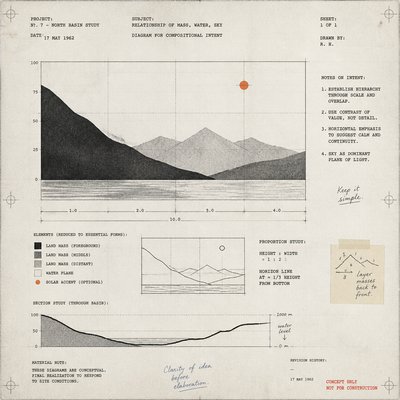
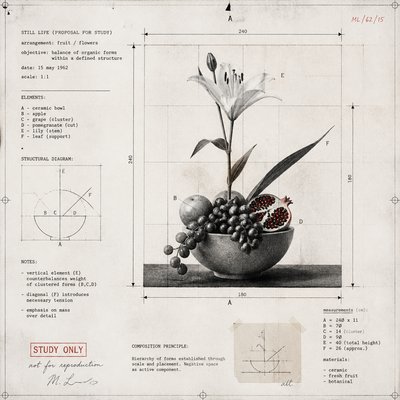
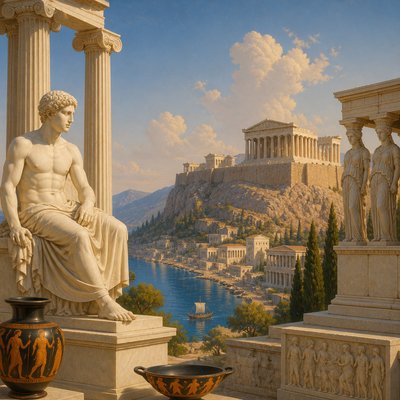
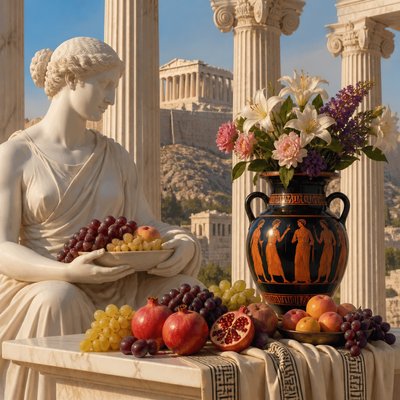
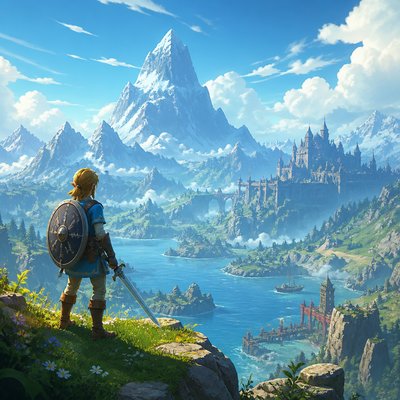
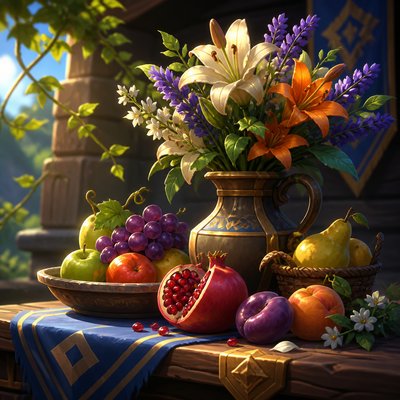
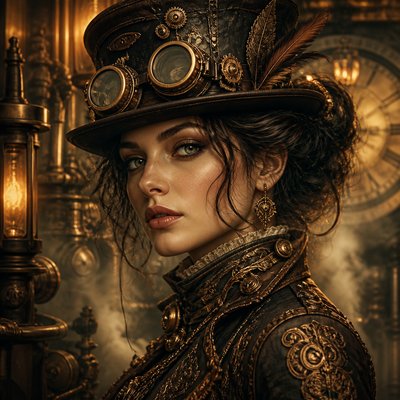
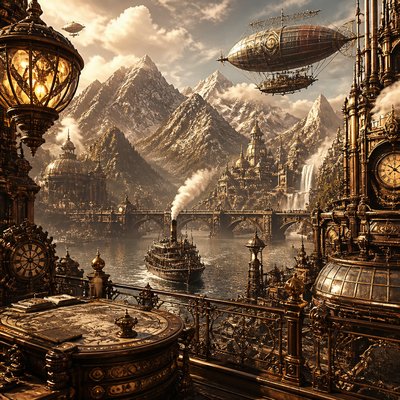
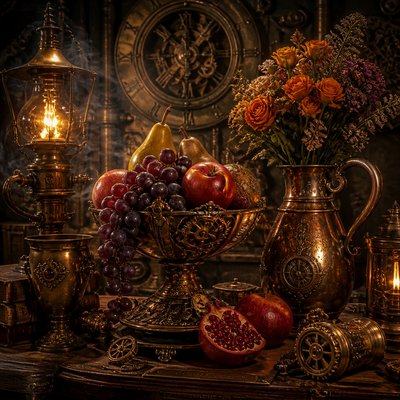
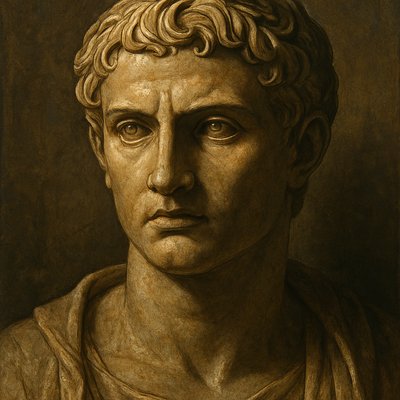
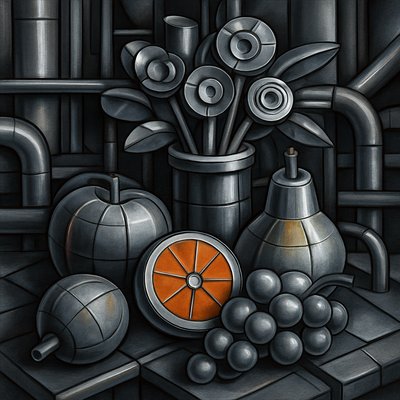
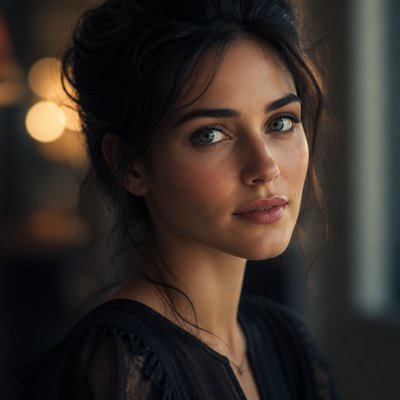
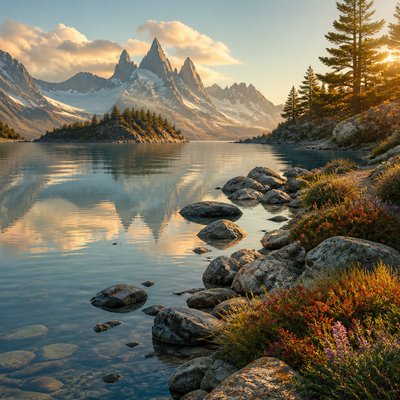
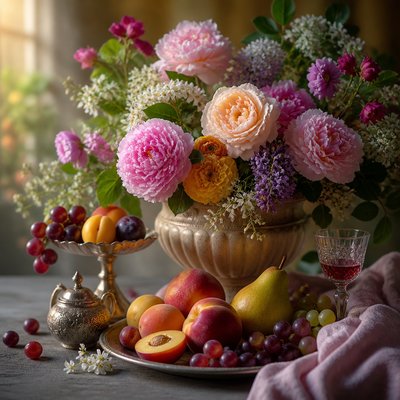
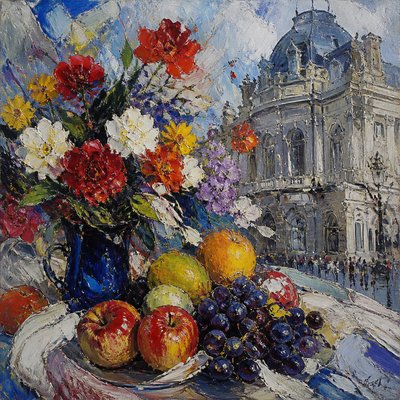
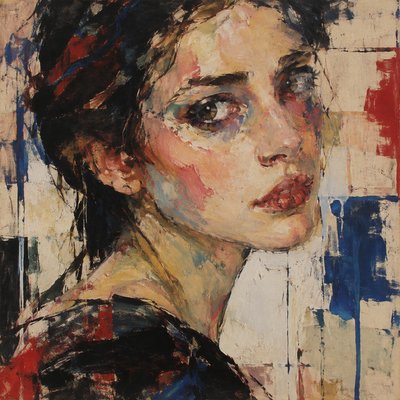
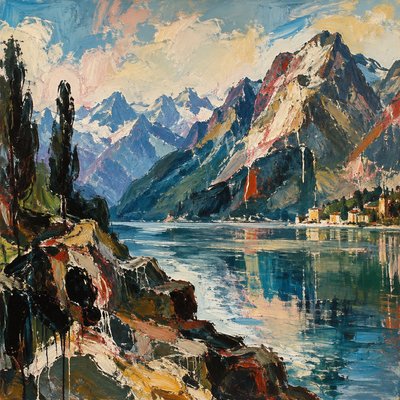
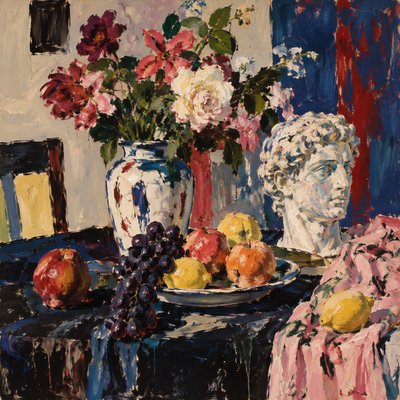
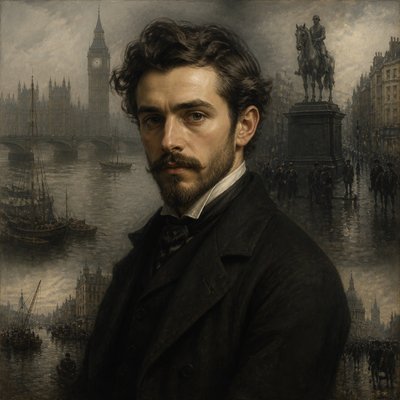
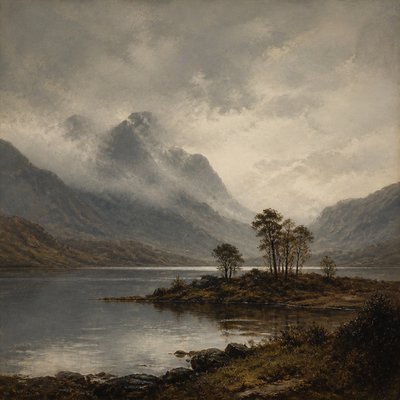
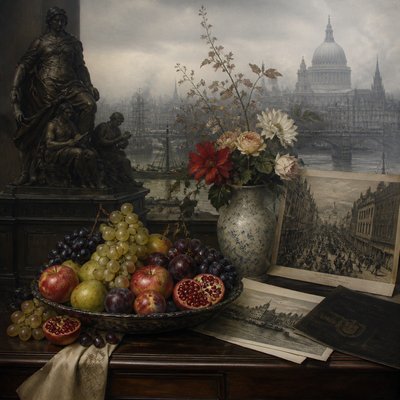
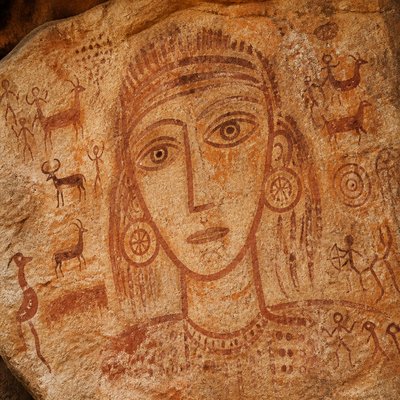
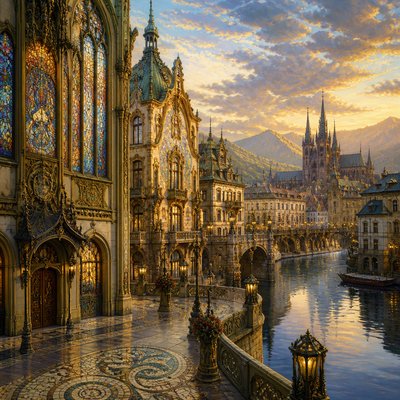
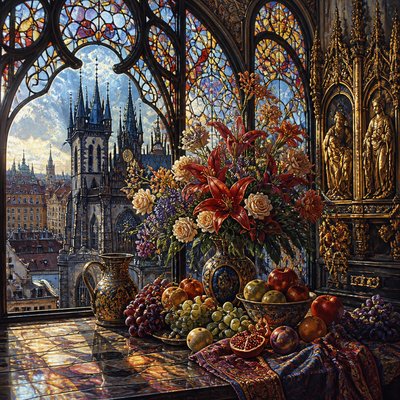
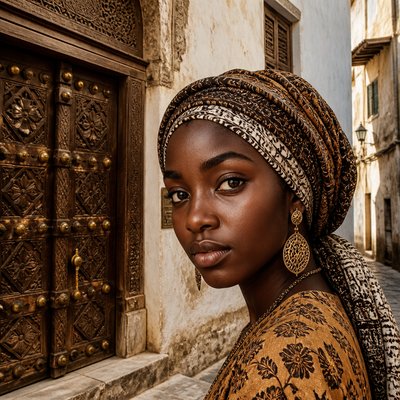
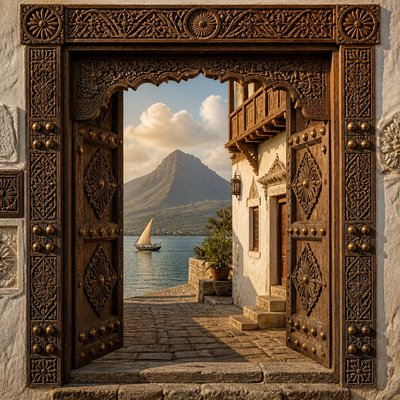
Polish Art Style
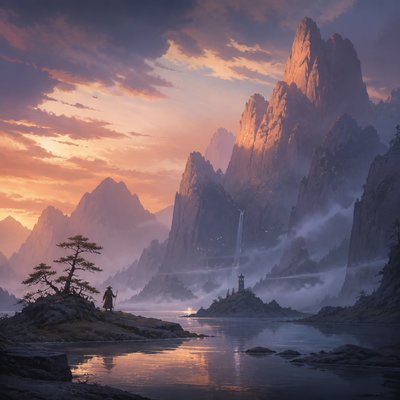
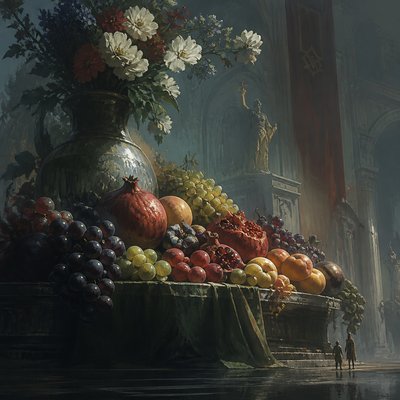
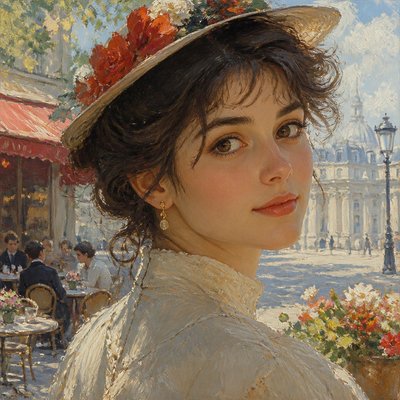
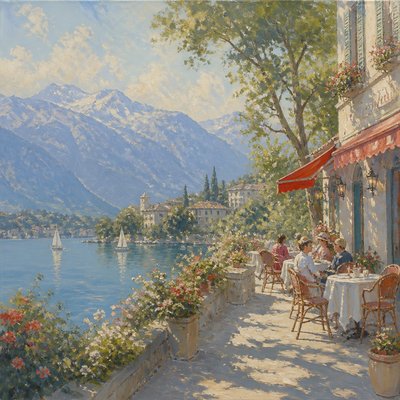
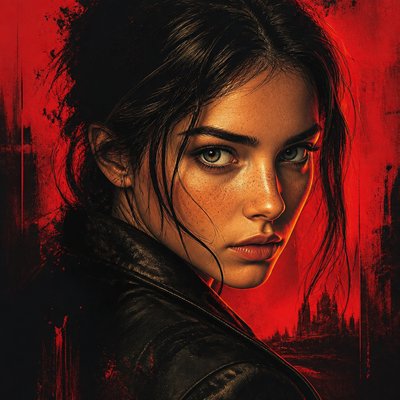
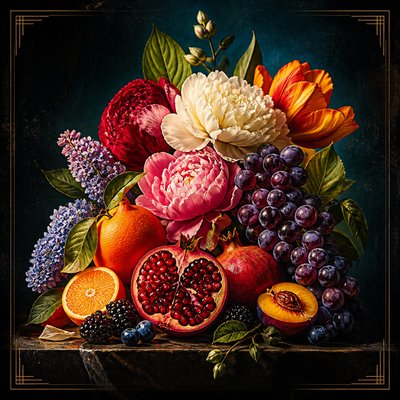
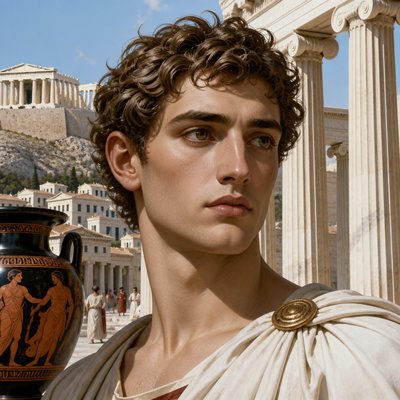
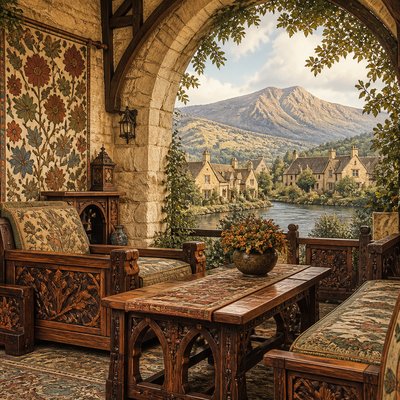
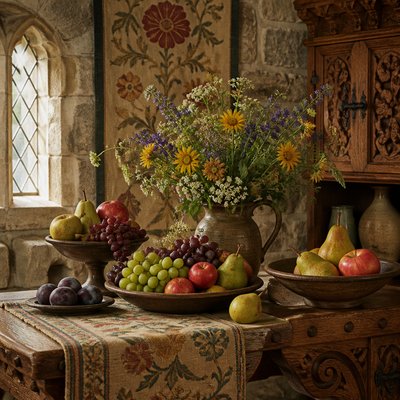
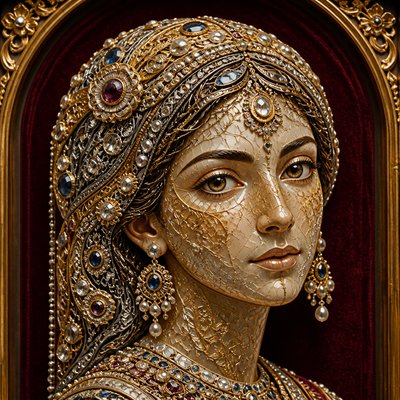
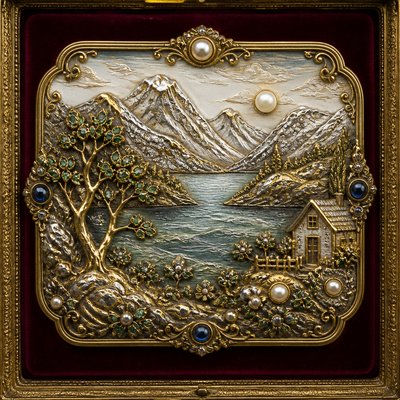
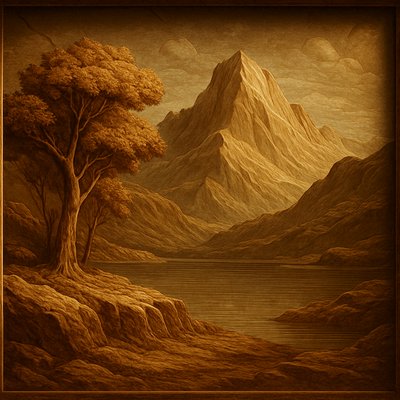
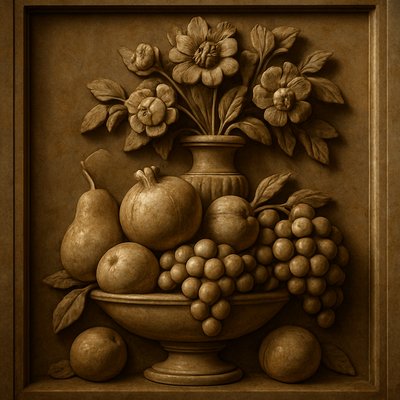
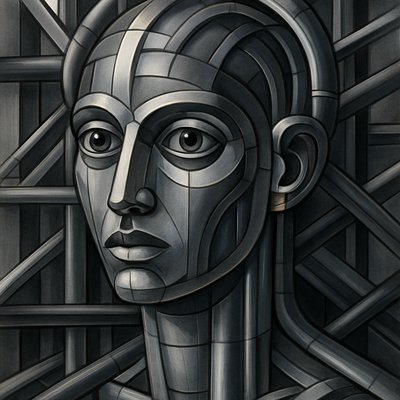
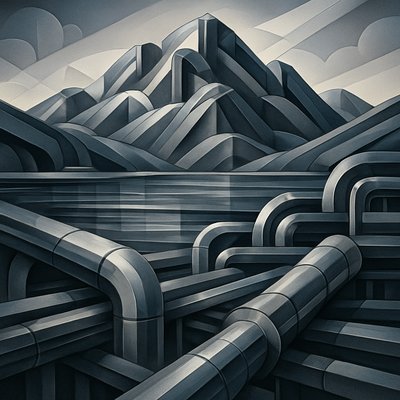
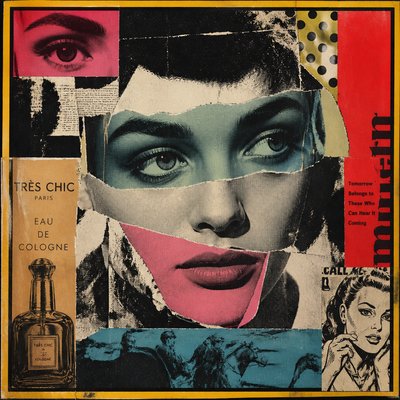
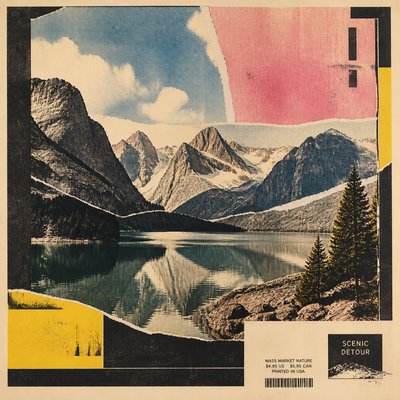
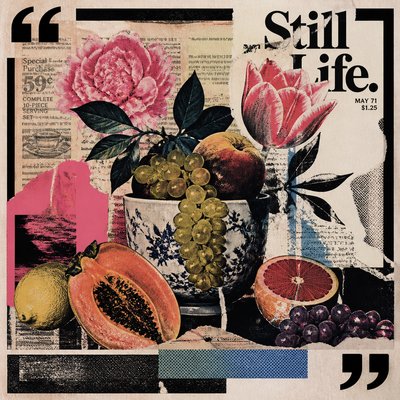
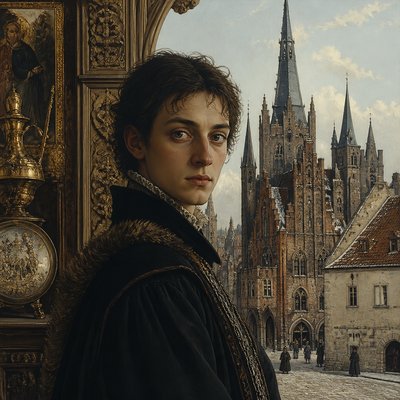
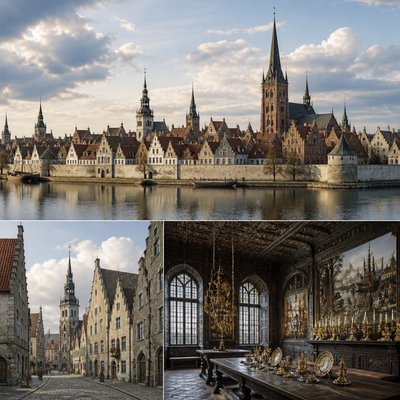
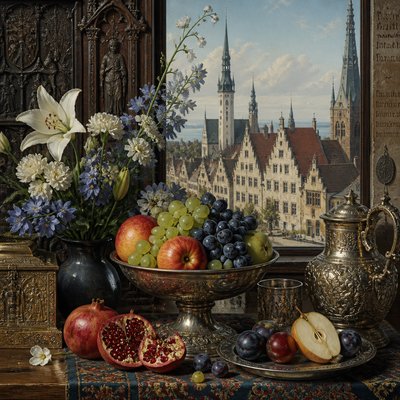
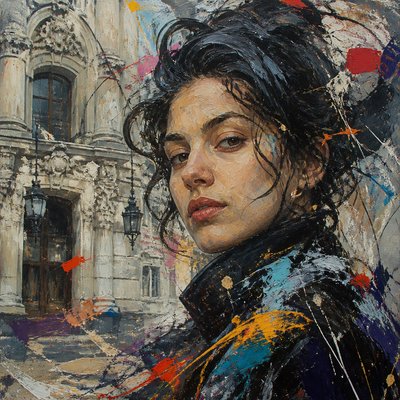
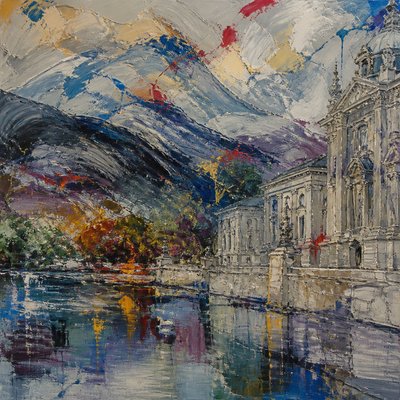
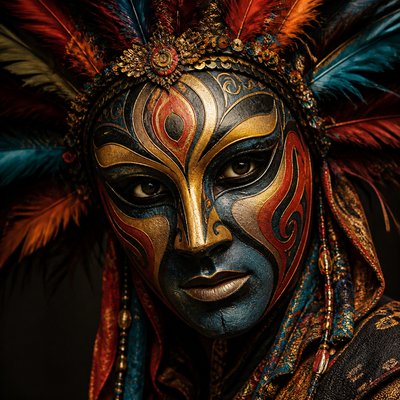
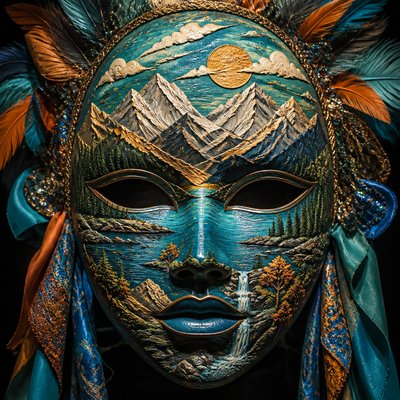
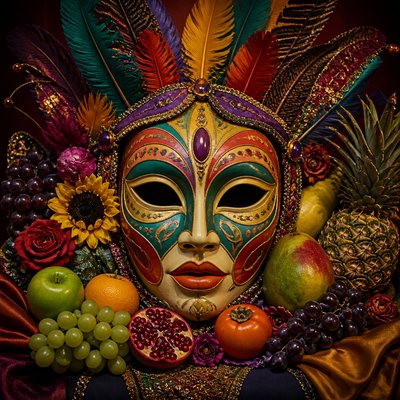
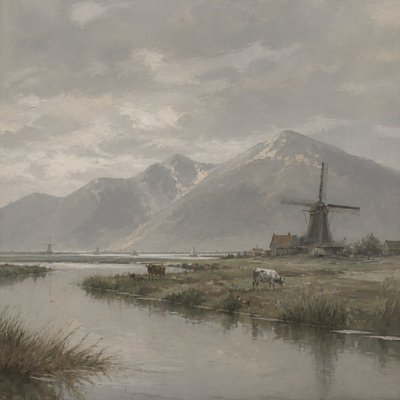
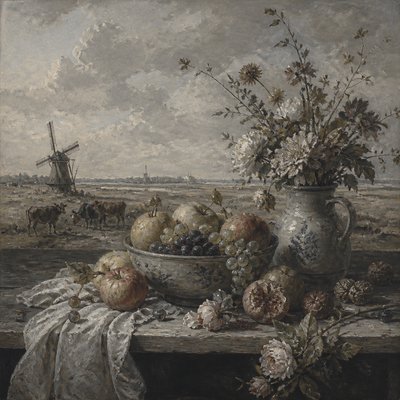
Explore Polish Art Style: romantic history painting, misty heroic scenes, crimson-white palettes, and layered Polish folk paper-cut ornament.
Instantly rendered in Polish — or transform a photo
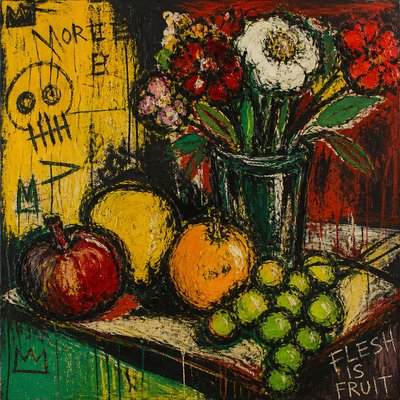
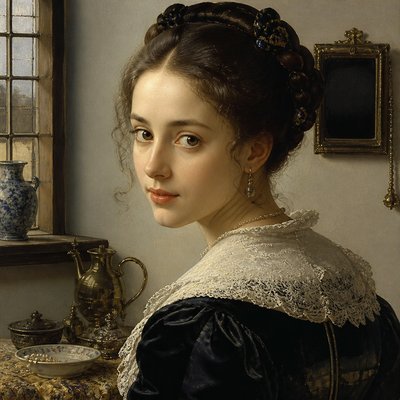
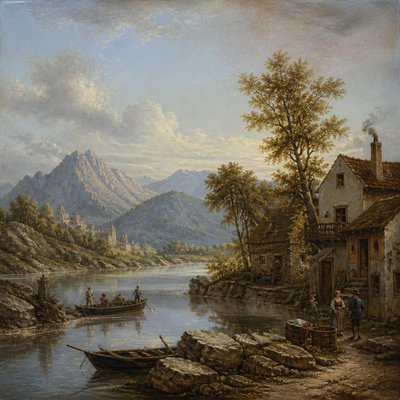
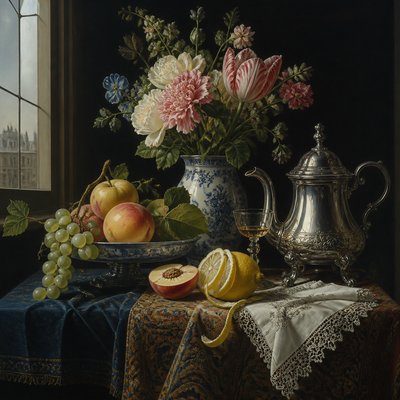
Polish Gallery
Tap any artwork to explore it
What is Polish Art Style?
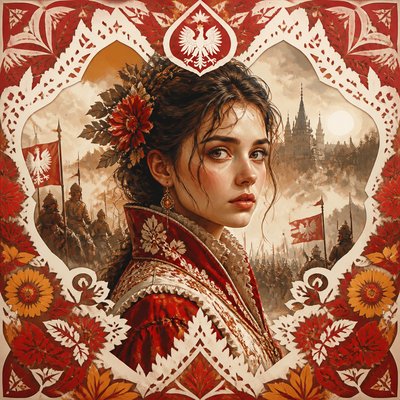
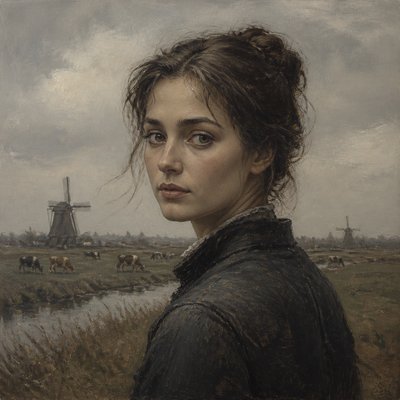
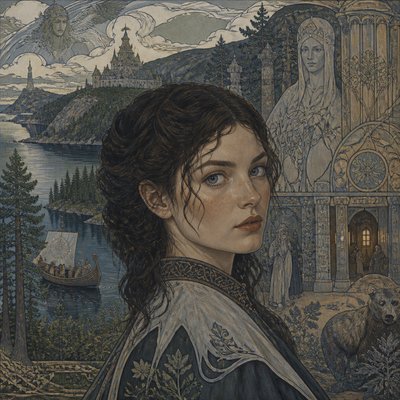
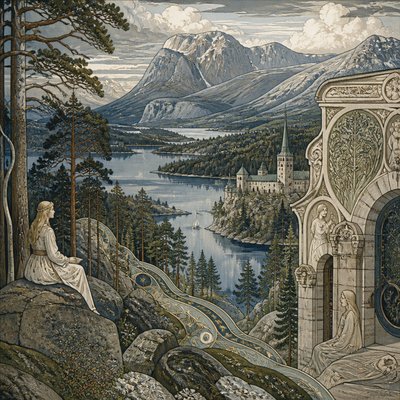
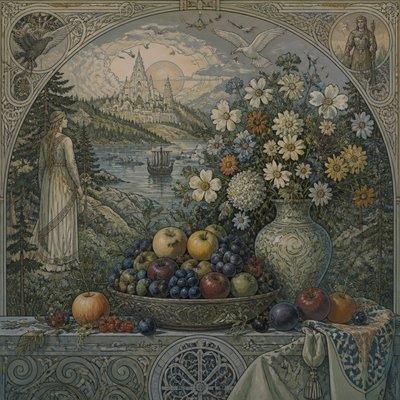
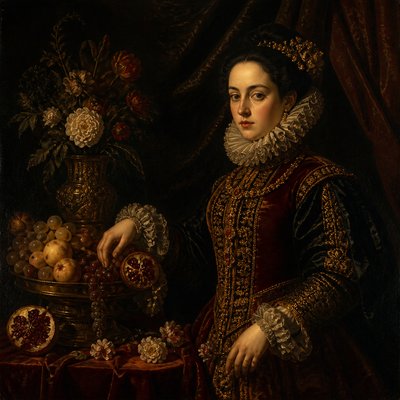
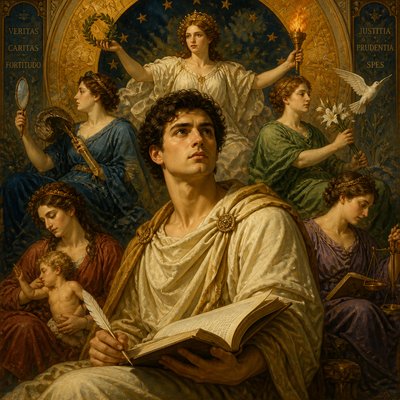
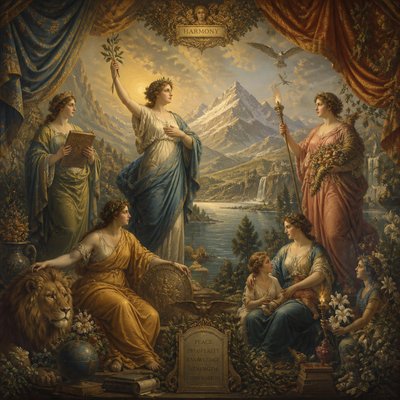
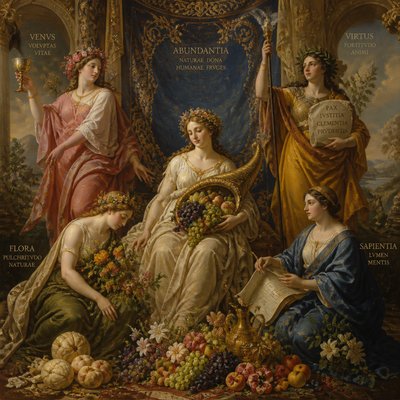
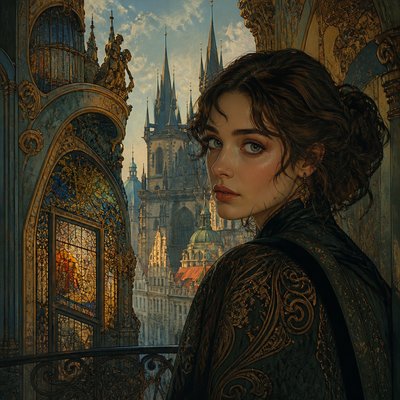
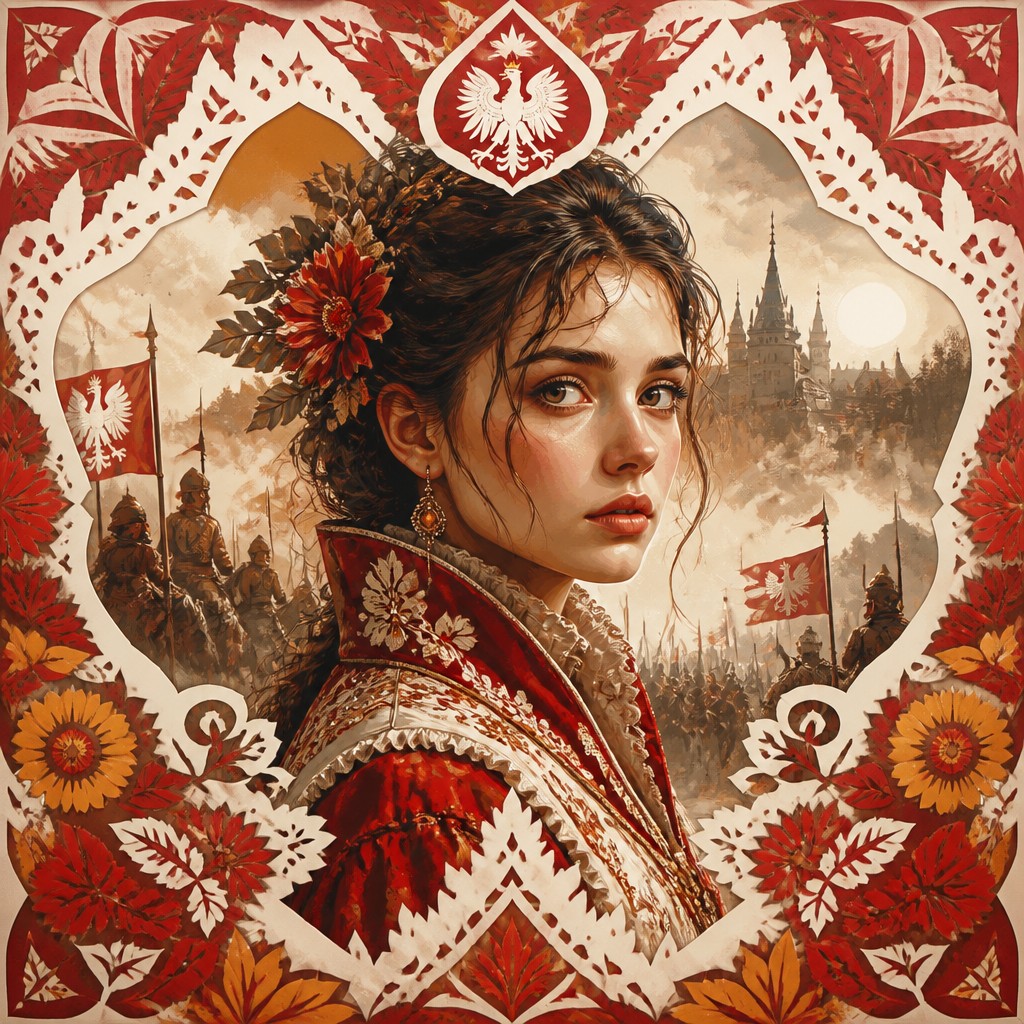
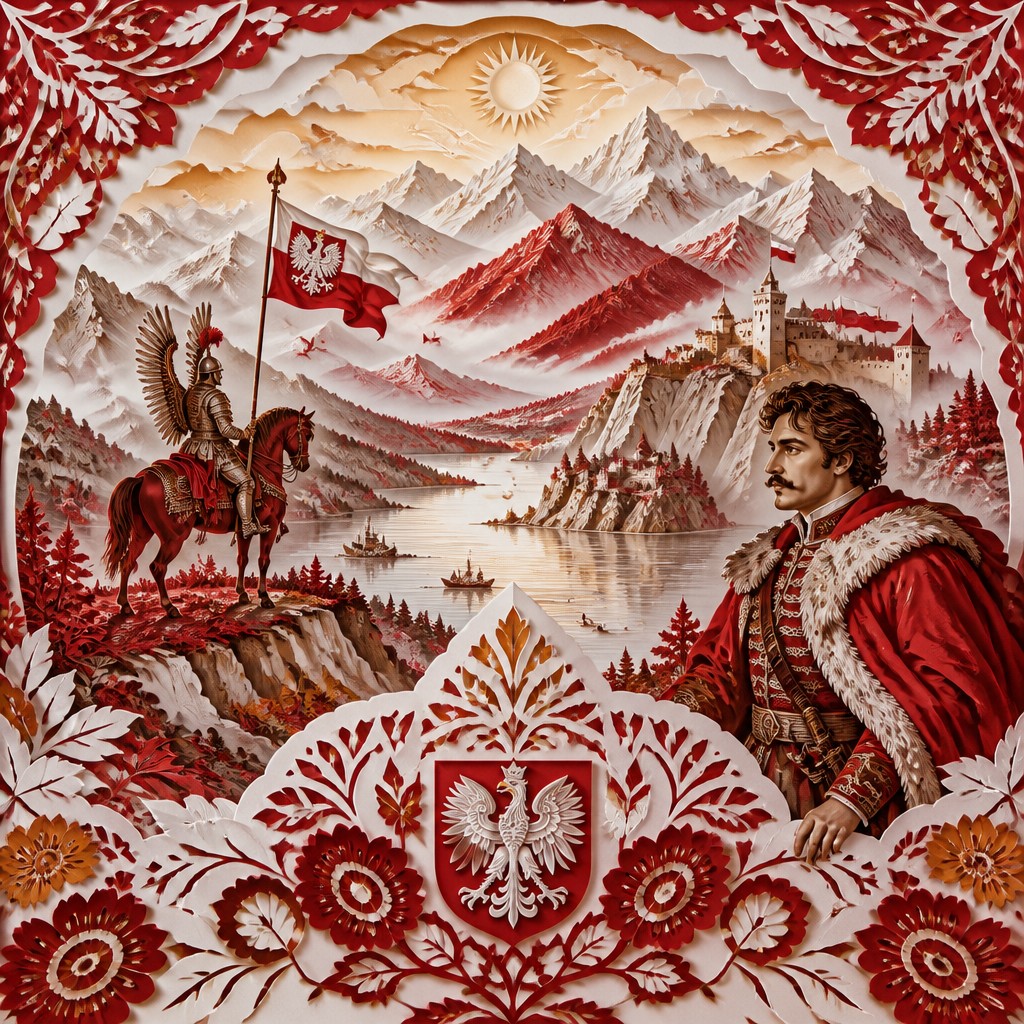
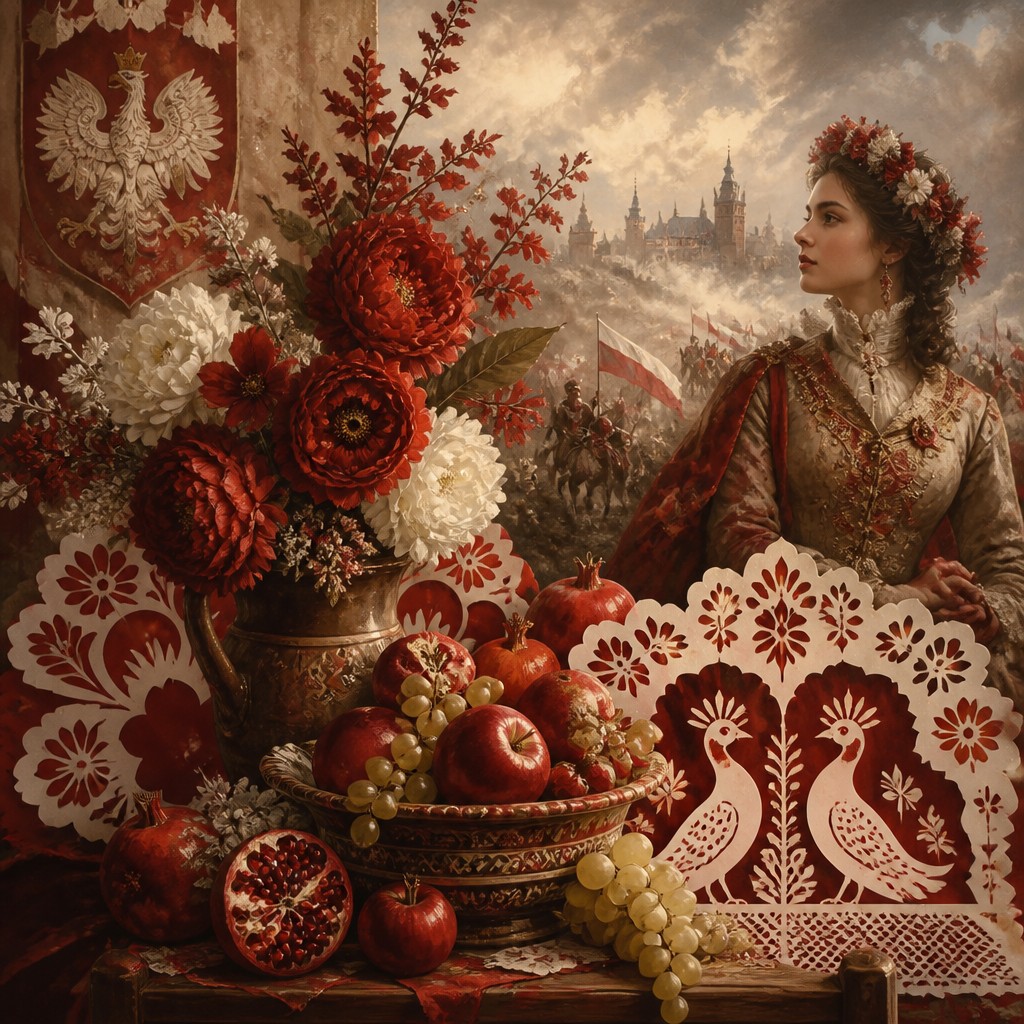
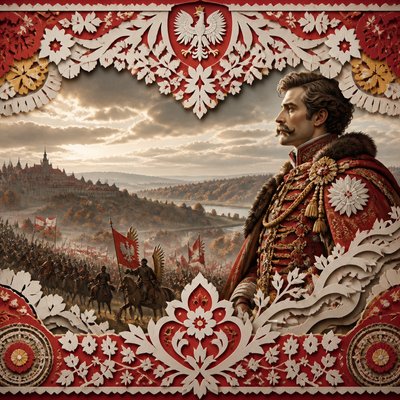
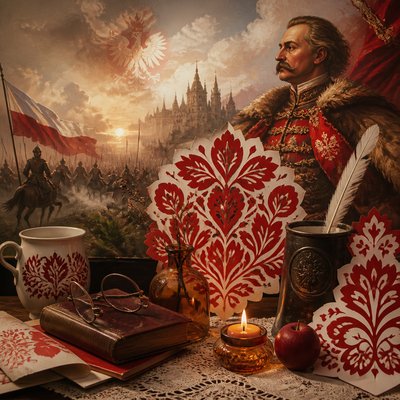
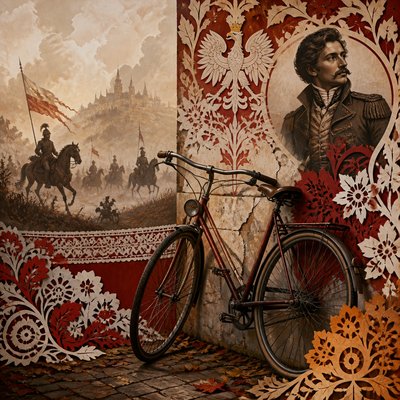
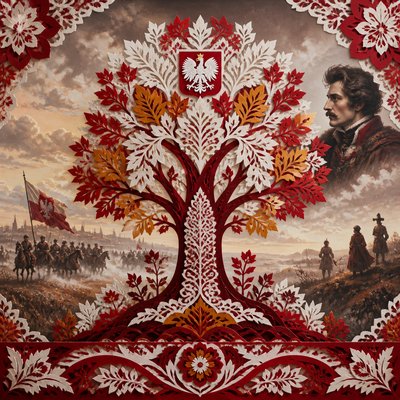
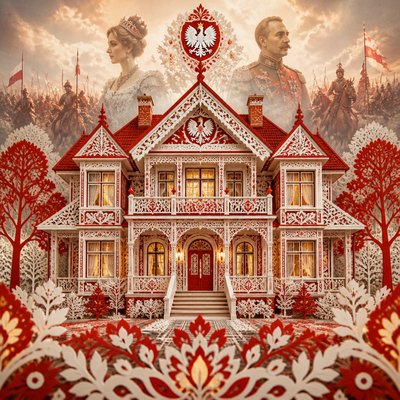
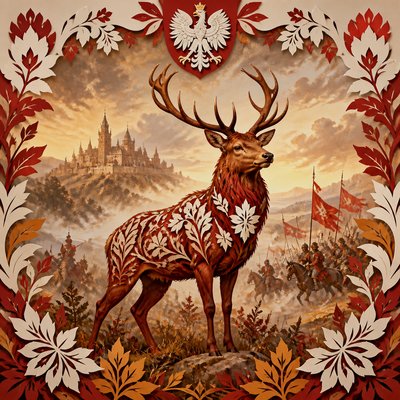
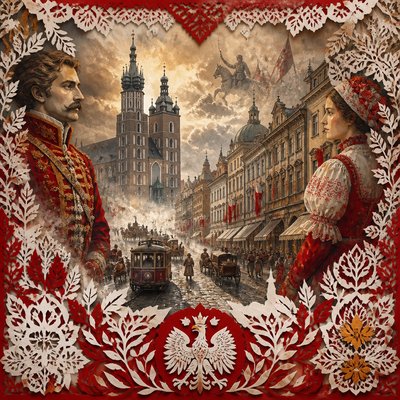
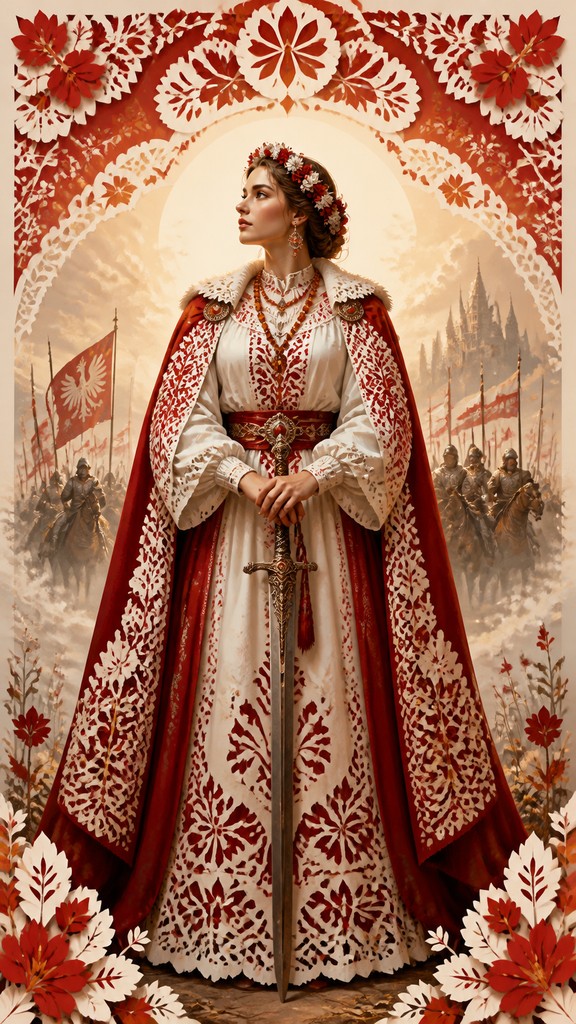
Polish Art Style is an invented contemporary synthesis of romantic history painting and Polish folk ornament. It combines sweeping scenes of conflict, migration, ceremony, or remembrance with misty atmospheric light, dignified figures, and a restrained palette centered on crimson, white, charcoal, and amber.
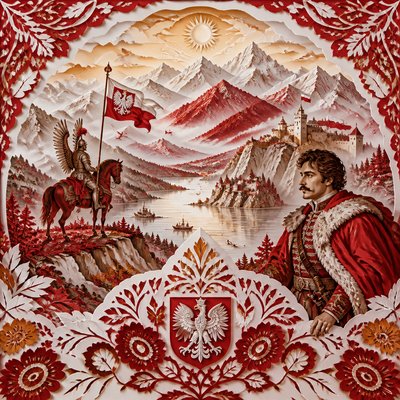
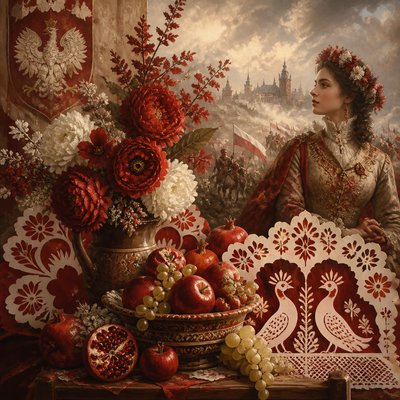
Its distinctive identity comes from the contrast between illusionistic painting and deliberately flattened decoration. Expansive landscapes and noble portraiture provide emotional depth, while layered symmetrical motifs inspired by wycinanki paper cuts and highland textile patterns frame garments, borders, skies, shields, banners, or architectural details. The result is wistful and heroic rather than purely realistic: historical drama is organized through rhythm, pattern, and symbolic color.
Try It On Your Photos
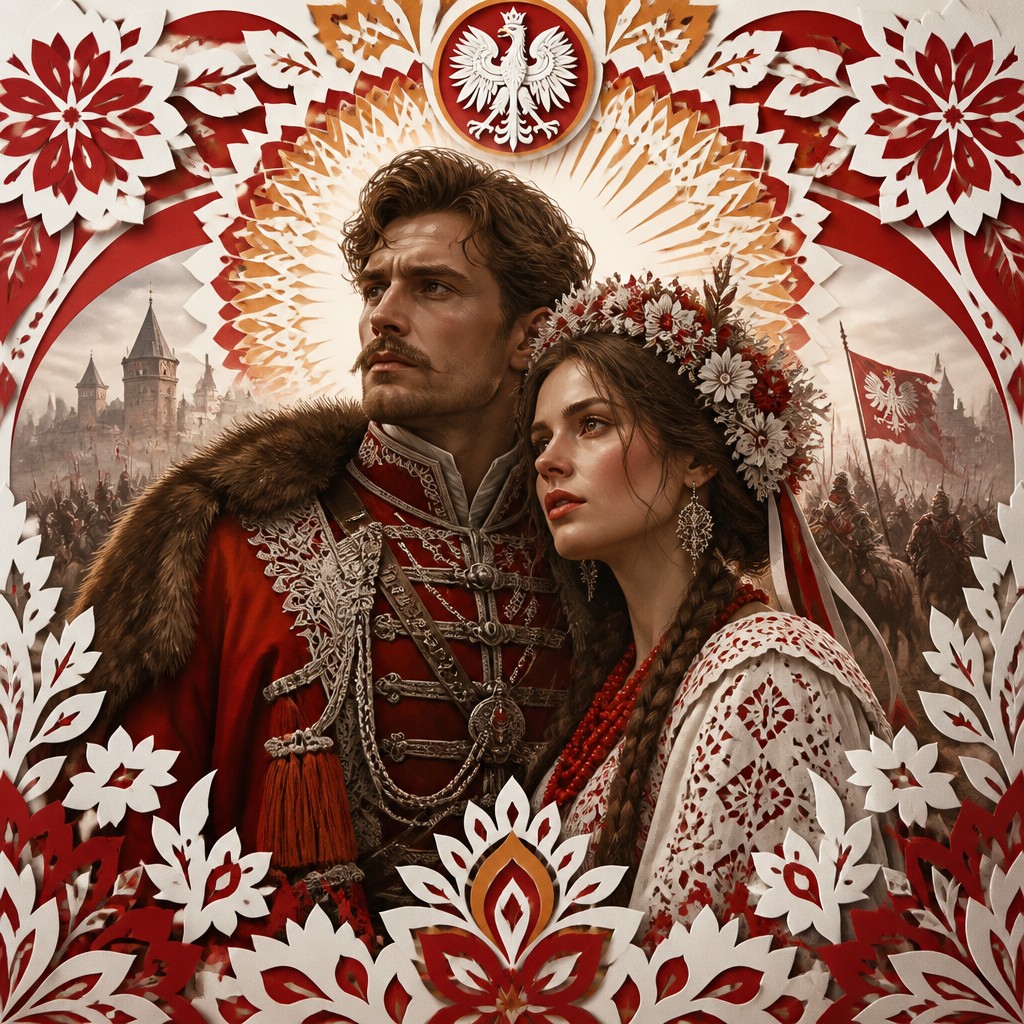
Upload any photo and convert it into Polish Art Style — drag the sliders to compare before and after.
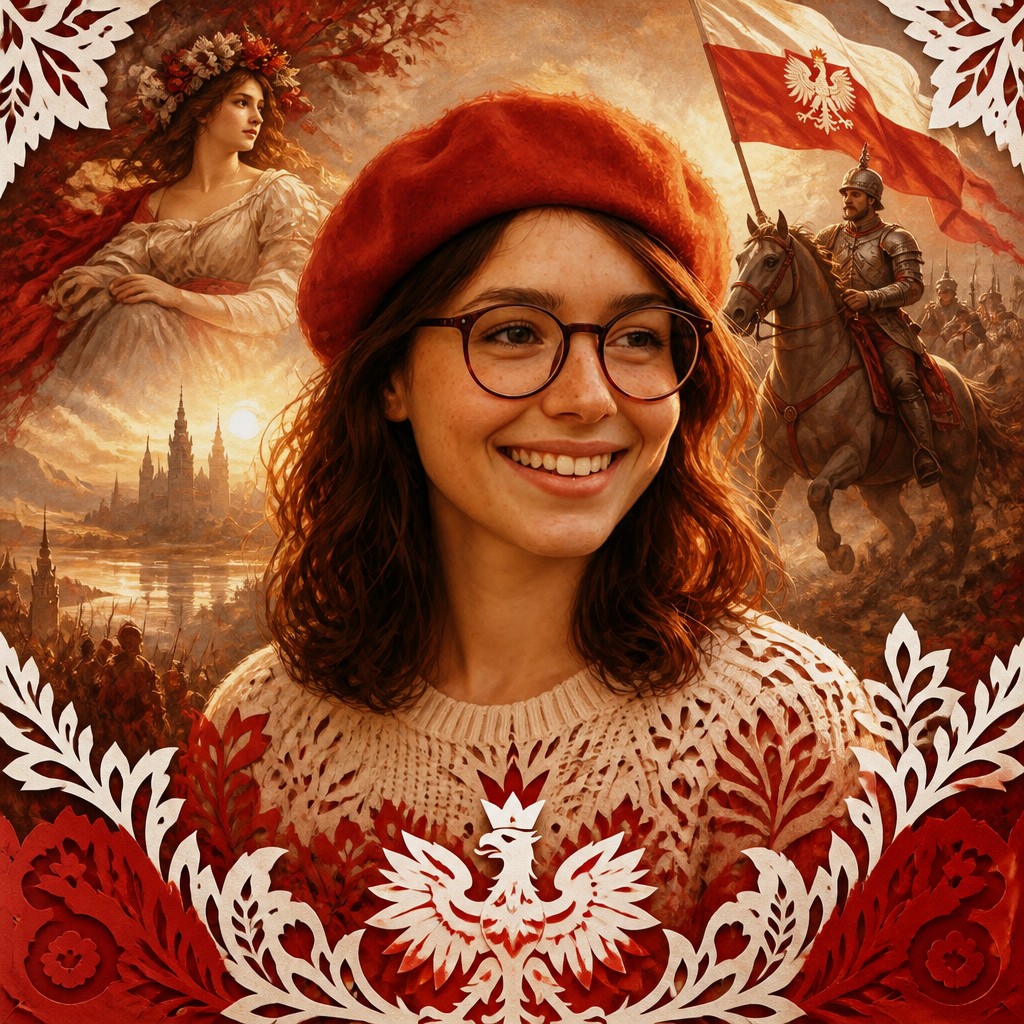

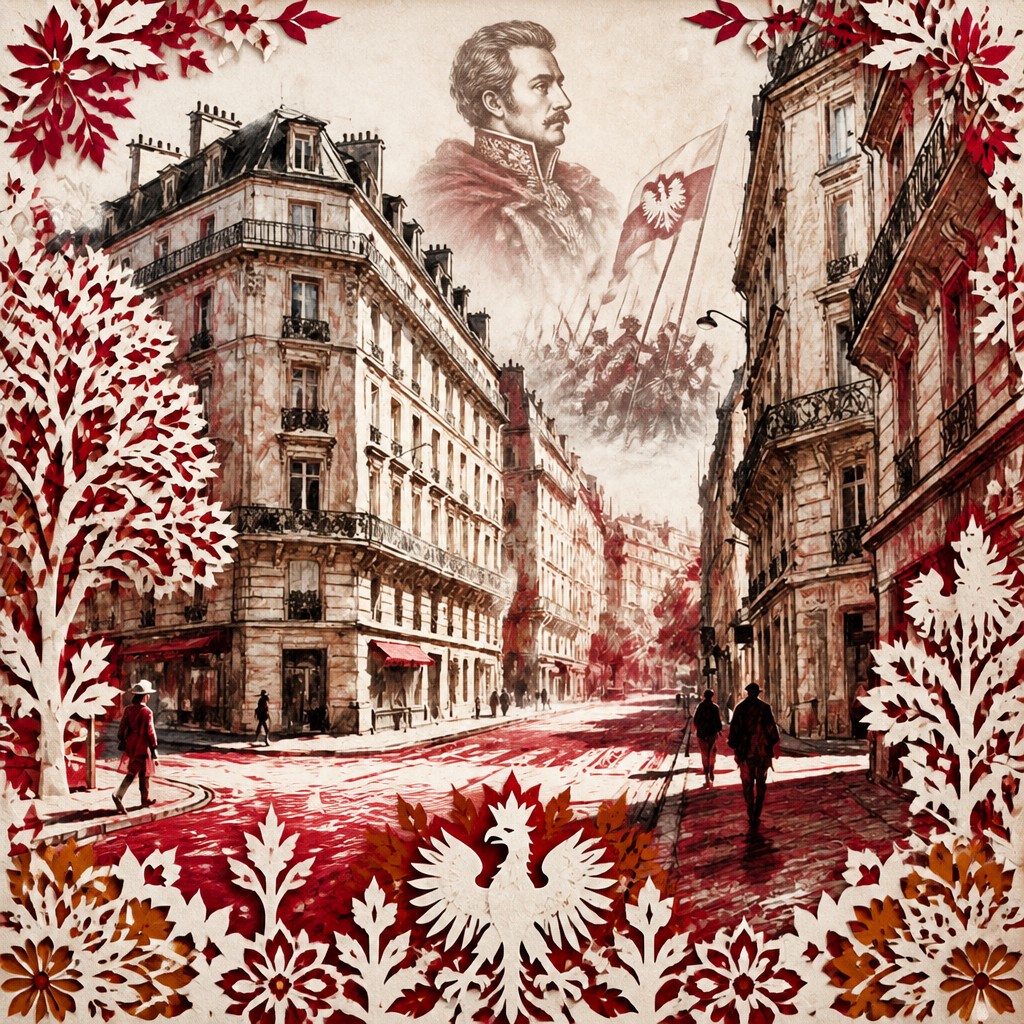

What Defines Polish Art Style
The signature details, up close
Romantic historical atmosphere
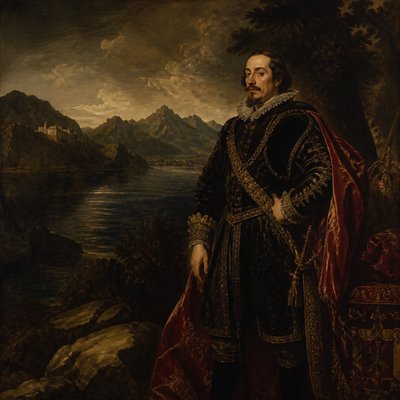
Scenes often suggest battlefields, uprisings, processions, departures, or moments of collective memory. The mood is solemn, idealistic, and wistful rather than documentary.
Misty directional light
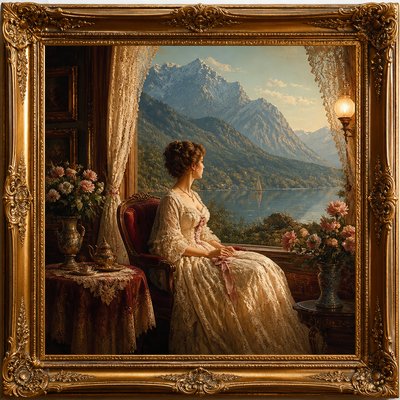
Low-contrast haze, glowing horizons, and shafts of battlefield light create depth and emotional focus. Amber highlights frequently emerge from cool gray, white, or smoky backgrounds.
Noble portraiture
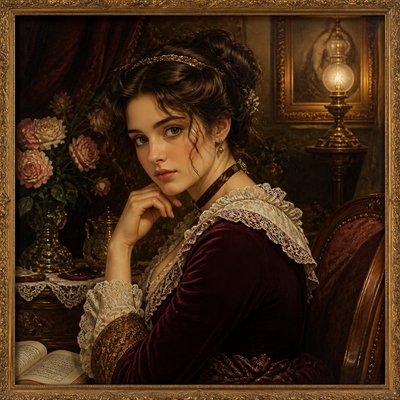
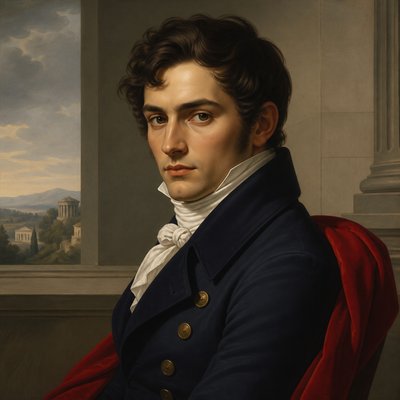
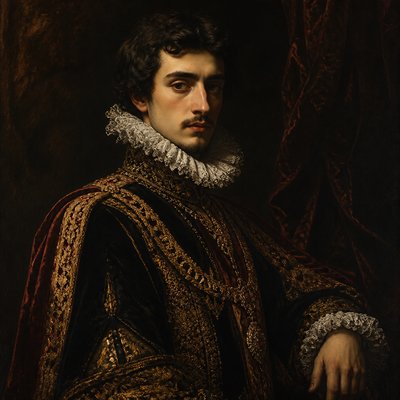
Figures are presented with calm, dignified expressions and carefully arranged posture. Faces and hands may be rendered realistically, while clothing and surrounding details become more decorative.
Wycinanki-inspired ornament
Layered paper-cut motifs introduce mirrored flowers, leaves, stars, rosettes, birds, and branching forms. These elements are usually flat, crisp, and rhythmically repeated rather than modeled with naturalistic shading.
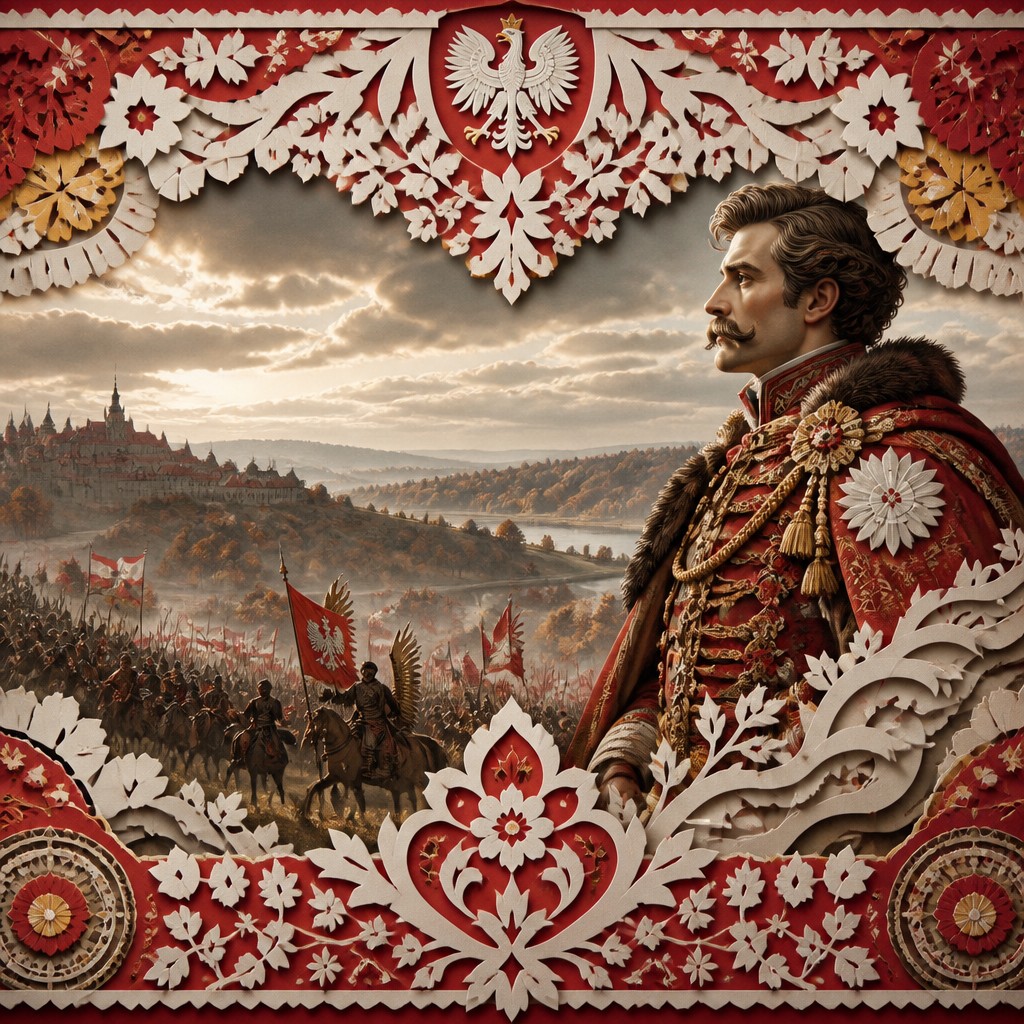
Crimson, white, and amber palette
Crimson and white provide a strong symbolic and graphic foundation, with amber used for firelight, metal, embroidery, or sunlit haze. Charcoal, muted blue-gray, and earth tones help prevent the palette from becoming purely ornamental.
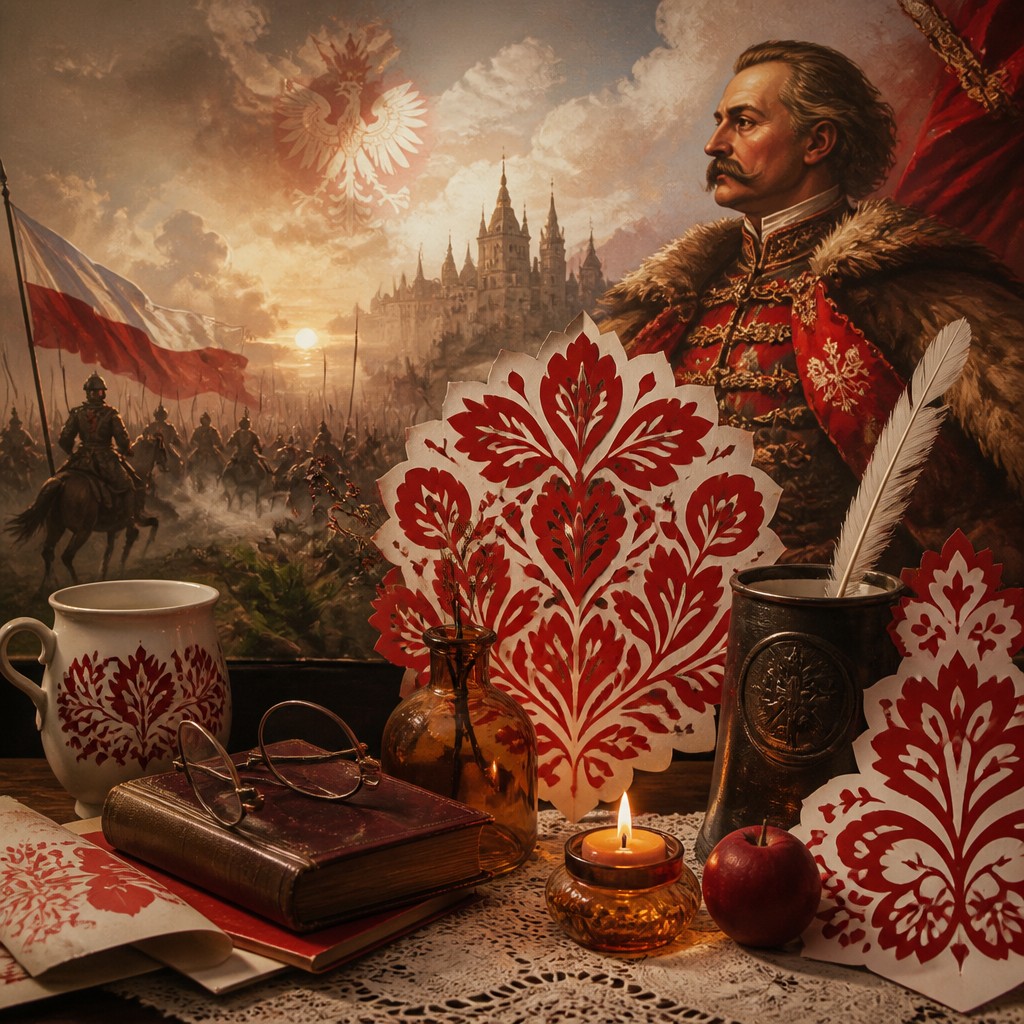
Monumental composition
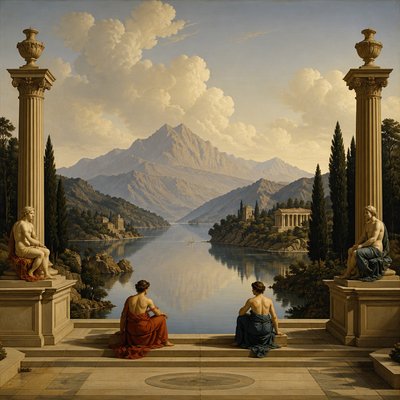
Wide horizons, diagonals of mounted figures or marching groups, and centered ceremonial arrangements give the image a public, commemorative quality. Foreground detail is balanced by broad atmospheric distance.
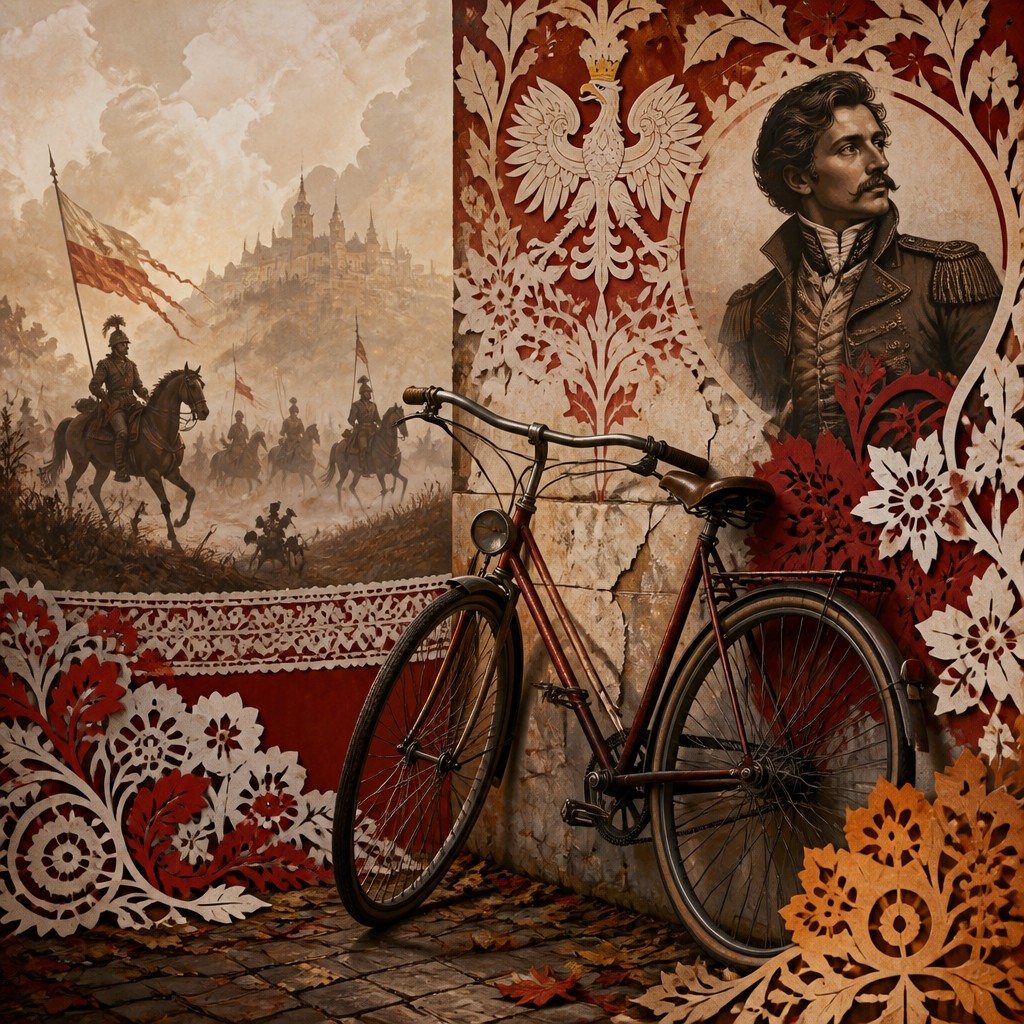
Material contrast
The style juxtaposes brushy oil-paint effects, weathered fabric, smoke, and rugged terrain with clean cut-paper edges and textile-like geometry. This tension between surface realism and flat pattern is central to its character.
Try It
Create Videos in Polish Art Style
Styles aren't just for stills — describe a scene or animate an image and get a short video rendered in Polish. Press play to see this pond come to life.
Make a VideoPolish Prompt Ideas
Start from an idea — each one opens the generator with the style ready to go. See all 40 Polish prompts →
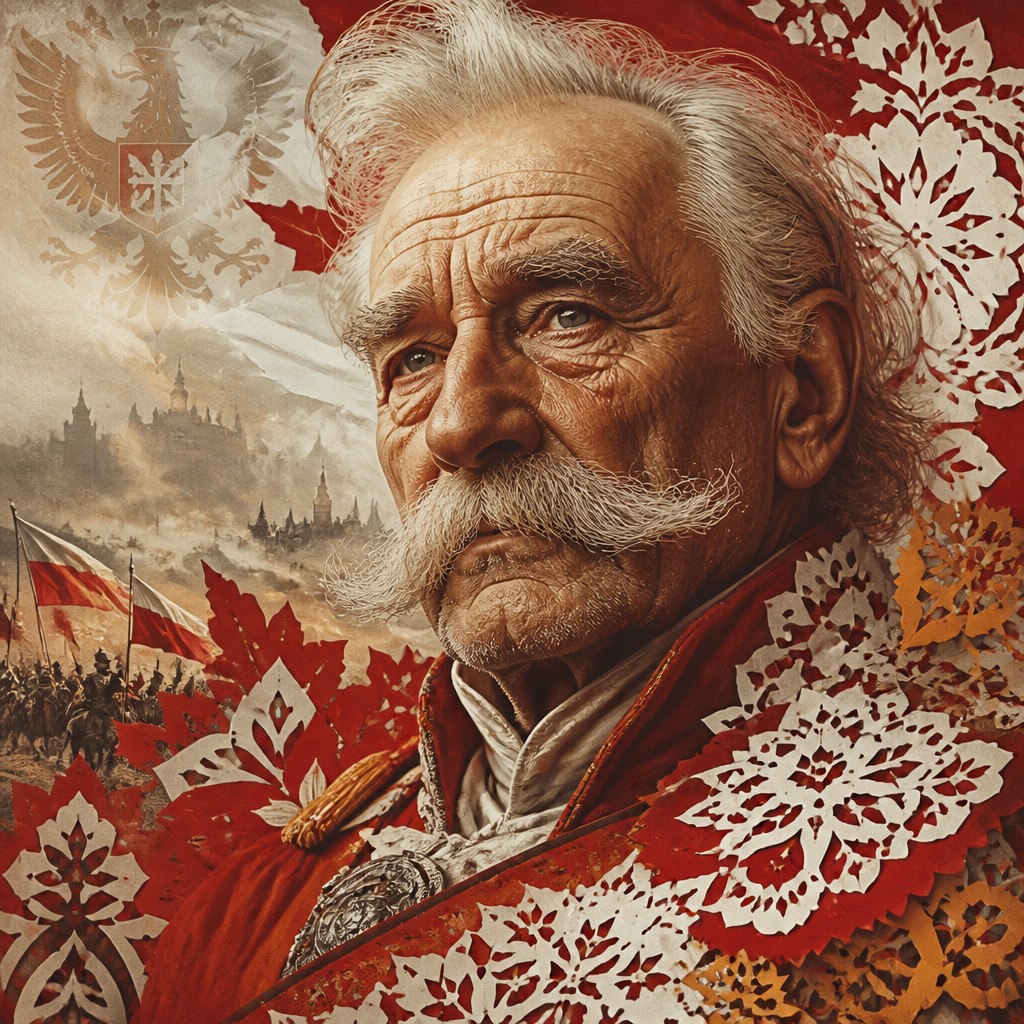
“close-up portrait of an elderly person with expressive weathered features”
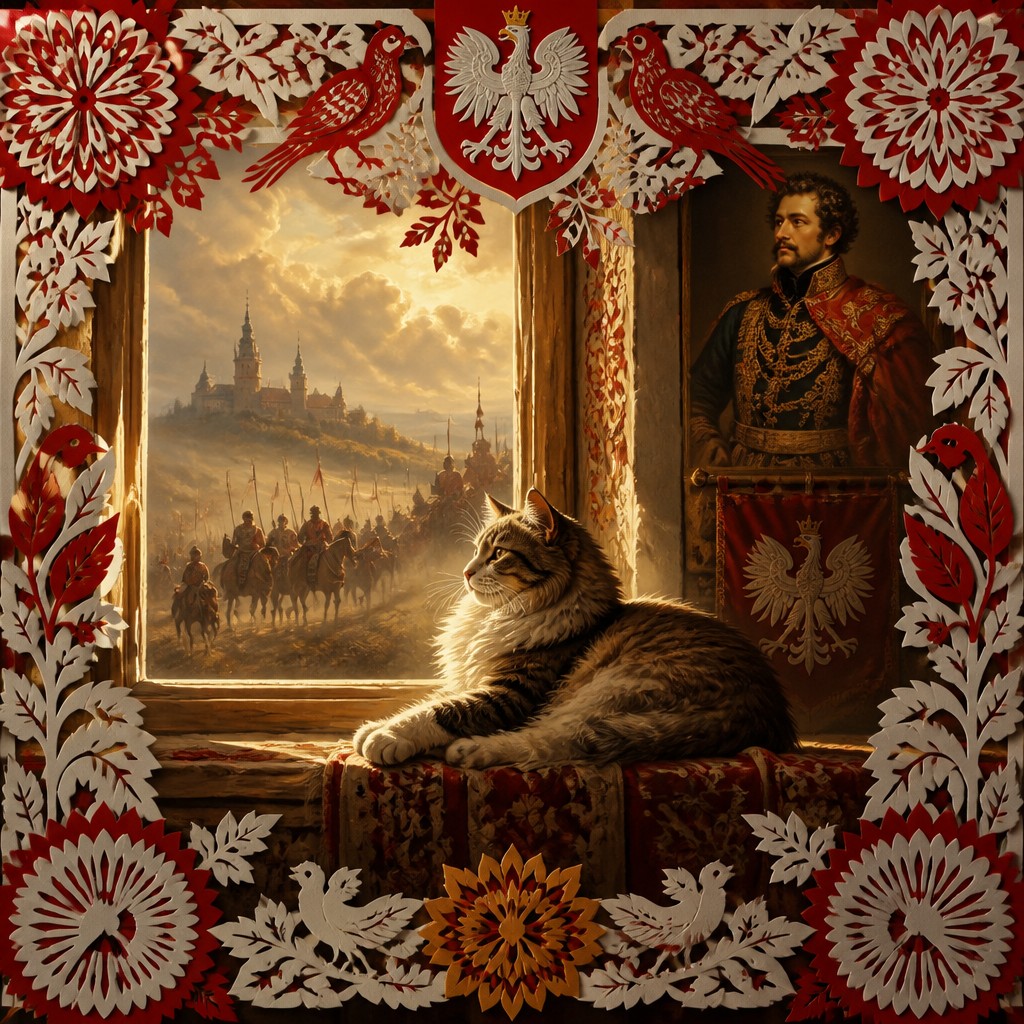
“a cat lounging in a sunlit window”
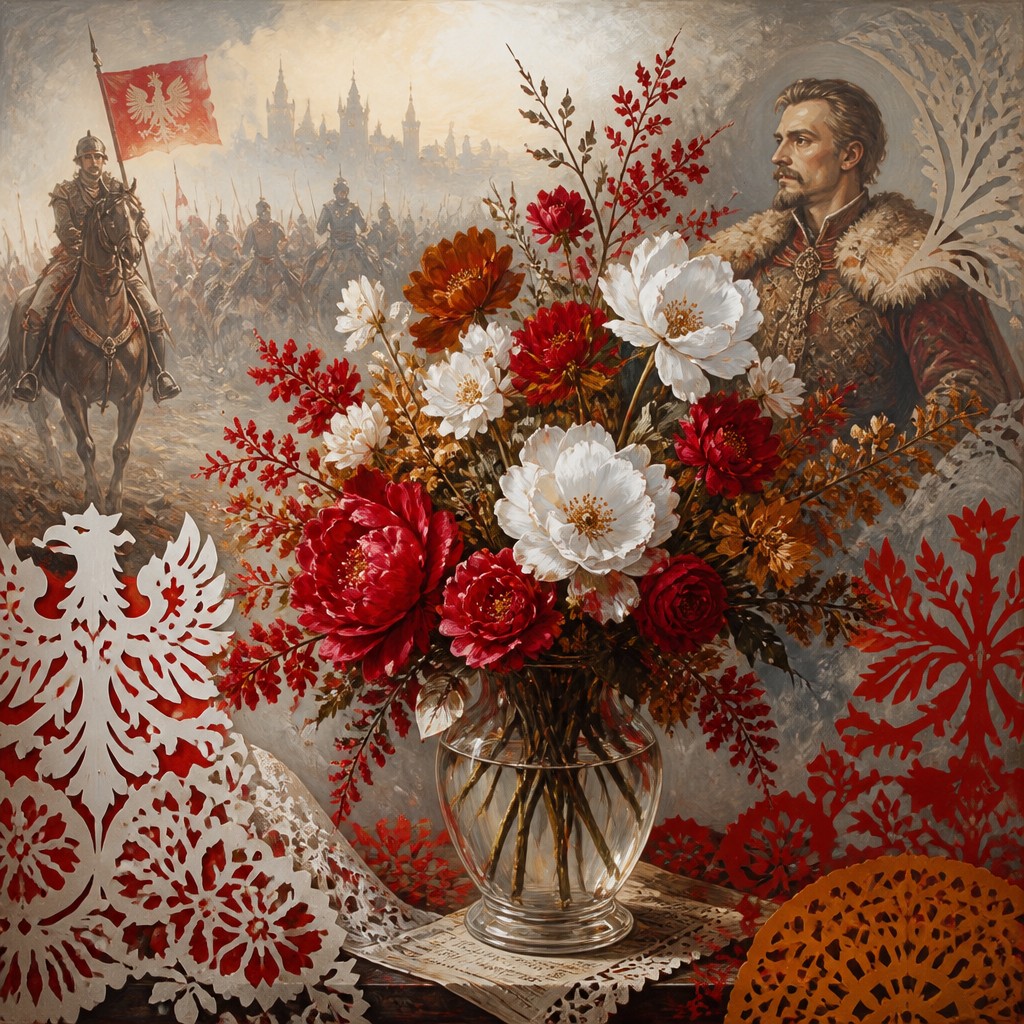
“bouquet of flowers in a glass vase”
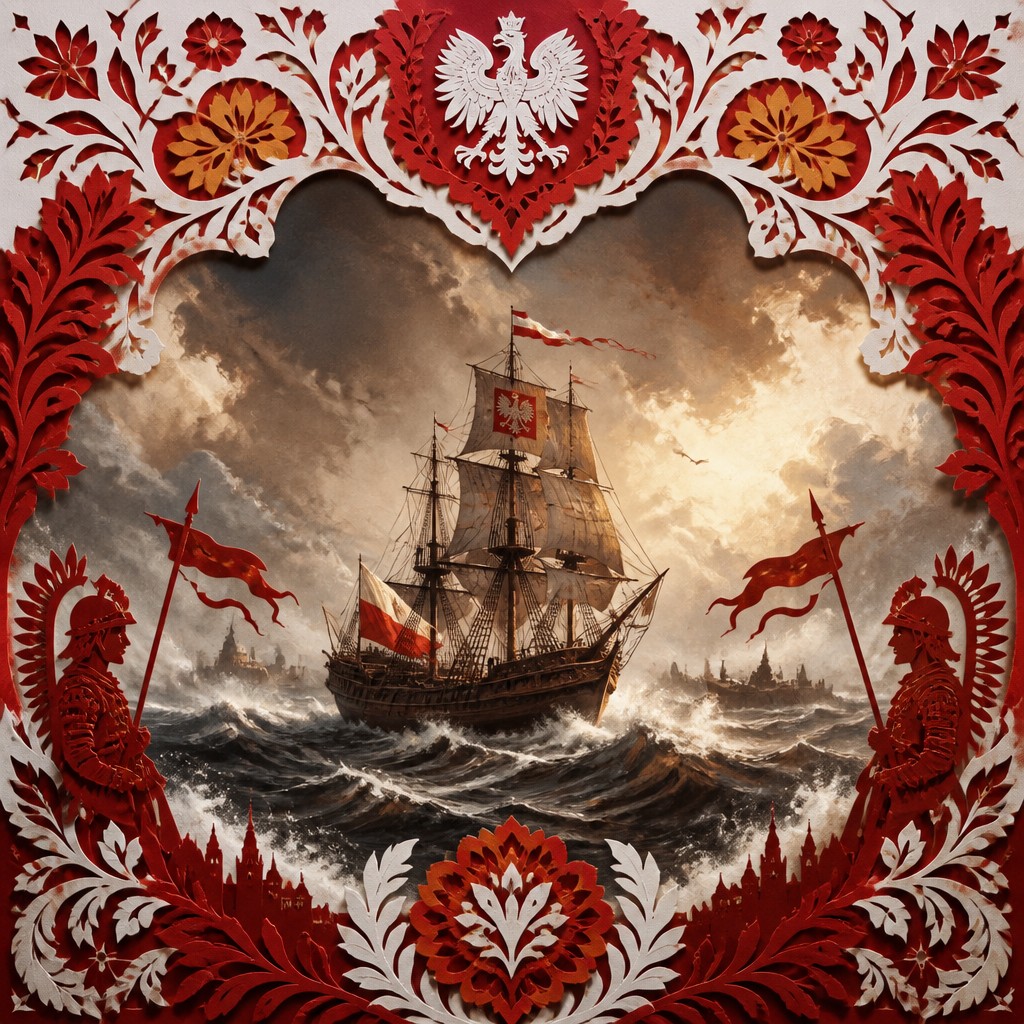
“sailing ship on a stormy sea”
How to Create Polish Art
Master the craft step by step — or skip straight to creating. Read the full guide →
- 1
Build a historical composition first
Begin with a clear focal figure or group, a strong horizon, and a directional movement through the scene. Use triangular or diagonal arrangements to suggest ceremony, struggle, or departure without overcrowding the image.
- 2
Separate realism from ornament
Render faces, hands, horses, smoke, and distant light with painterly modeling, then reserve crisp symmetrical patterns for clothing, borders, banners, shields, and decorative framing. This separation keeps the hybrid language legible.
- 3
Control the palette
Start with off-white, charcoal, gray-blue, and earth tones, then establish crimson as the main chromatic accent and amber as a secondary light source. Avoid distributing saturated color evenly across every surface.
- 4
Design motifs as cut shapes
For traditional or digital work, sketch mirrored botanical and geometric forms as solid silhouettes before adding limited interior layers. Slight overlaps in red, white, and amber can imitate stacked paper, painted wood, or embroidered appliqué.
- 5
Use layered digital finishing
Combine a painterly base layer with separate fog, light, texture, and ornament layers. Mask decorative motifs into garments or architecture, and soften only selected edges so the image retains both atmospheric depth and graphic clarity.
- 6
Write prompts with subject, mood, and structure
Specify the historical or ceremonial subject, misty directional lighting, dignified figures, crimson-and-white accents, and symmetrical paper-cut ornament. Ask for a balance of romantic painterly depth and flat folk pattern rather than a generic decorative image.
The Story
History & Origins of Polish
Polish Art Style does not refer to a single established historical movement or school. It draws primarily on 19th-century Polish Romantic historical painting, in which national memory, political loss, landscape, and heroic narrative were expressed through theatrical composition and emotionally charged light. It also draws on regional folk arts, especially wycinanki paper-cut decoration, woven highland ornament, embroidered costume, painted woodwork, and ceremonial motifs.
As a contemporary hybrid, the style develops these sources through illustration, digital painting, poster design, and image synthesis. Its visual language preserves the solemnity and narrative scale of Romantic history painting while simplifying selected forms into repeatable, symmetrical folk patterns that read clearly at both intimate and poster-like scales.
Influences: The style is related to European Romanticism, 19th-century history painting, national-romantic landscape art, folk-art revival, wycinanki paper-cutting, Carpathian and Polish highland textile ornament, illuminated manuscript borders, theatrical poster composition, and contemporary narrative illustration. It also shares with Symbolist and folkloric traditions an interest in memory, allegory, atmosphere, and decorative simplification, while retaining the broad staging and emotional rhetoric of historical painting.

Frequently Asked Questions
Is Polish Art Style a recognized historical art movement?
No. In this context, Polish Art Style is a contemporary hybrid label rather than the name of a formally established school. It describes an aesthetic lineage combining Polish Romantic historical imagery with folk ornament and modern illustrative design.
What defines the style visually?
Its defining features are misty historical or ceremonial scenes, dignified portraiture, monumental composition, and a crimson-white palette with amber highlights. Flat, symmetrical motifs inspired by wycinanki and highland textiles are layered over or around more painterly forms.
How does it differ from traditional Romantic history painting?
Romantic history painting generally emphasizes illusionistic space, dramatic narrative, and expressive atmosphere. This hybrid adds deliberately flattened folk pattern, stronger graphic repetition, and a more limited decorative palette, creating a visible tension between realism and cut-paper design.
How can I make an image in this style by hand?
Plan the scene as a historical painting with a clear focal group and atmospheric background, then introduce folk motifs as borders, costume details, banners, or architectural patterns. Gouache, watercolor, oil, acrylic, collage, and layered paper are all suitable, provided the ornament remains crisp and rhythmically organized.
What subjects work well with this aesthetic?
Battlefield memories, mountain journeys, village festivals, ancestral portraits, civic processions, heroic landscapes, and scenes of departure work particularly well. Subjects with a sense of collective identity or remembrance support the style's solemn, narrative mood.
How should I describe it in a text-to-image prompt?
Name the subject first, then specify romantic historical composition, misty directional light, noble figures, a crimson-and-white palette, amber accents, and layered symmetrical paper-cut ornament. It also helps to request a deliberate blend of painterly depth and flat folk pattern.
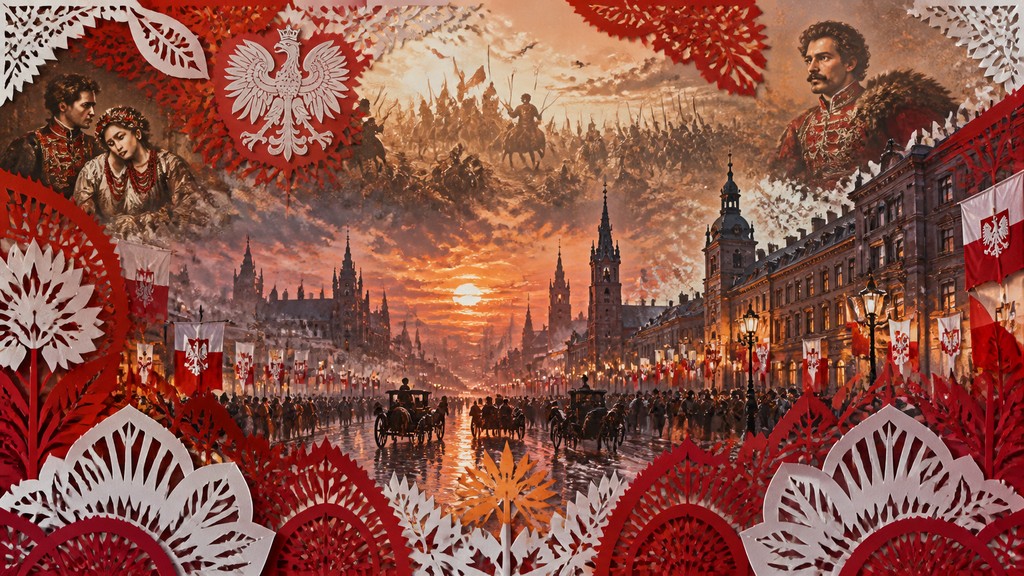
Create your first Polish artwork
Describe anything — or upload a photo — and see it in Polish Art Style in seconds.
Related Styles
Discover similar art styles