Tuvaluan Art Style
Explore Tuvaluan-inspired visual art through pandanus weaving, outrigger canoes, shell ornament, turquoise lagoons, and precise atoll craftsmanship.
Instantly rendered in Tuvaluan — or transform a photo
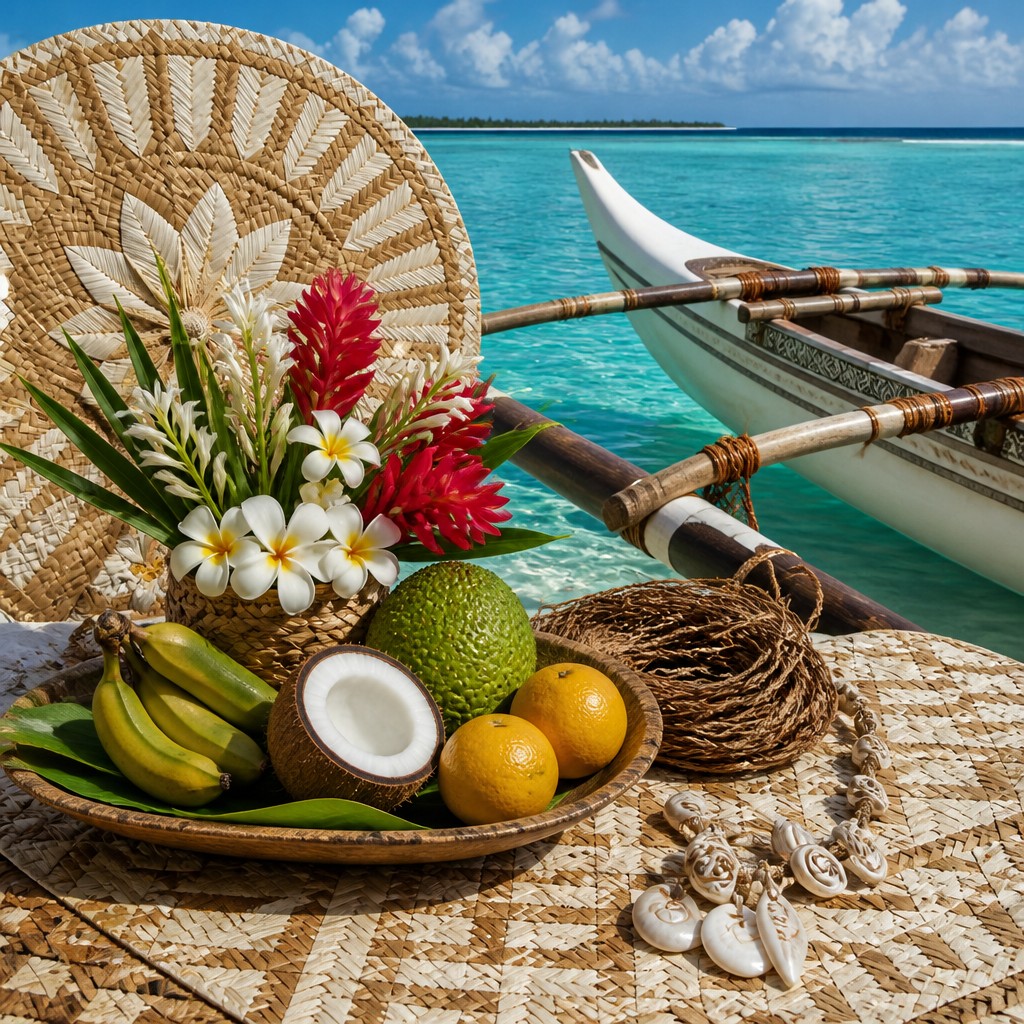
Tuvaluan Gallery
Tap any artwork to explore it
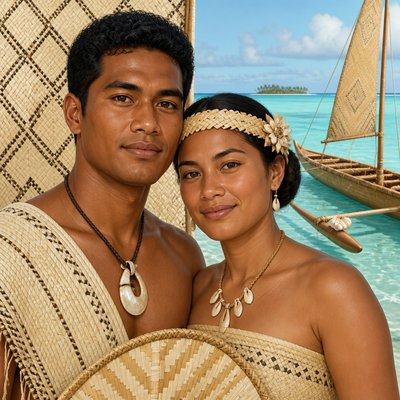
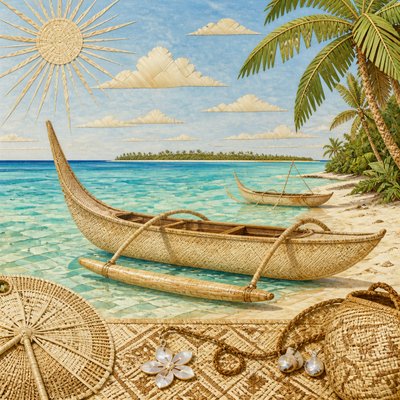
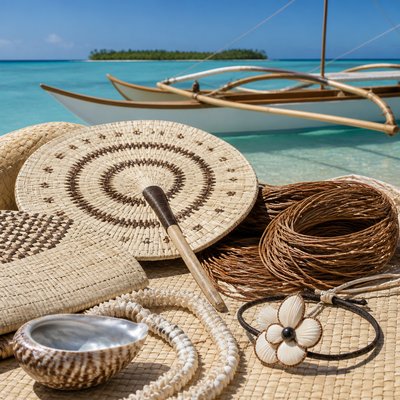
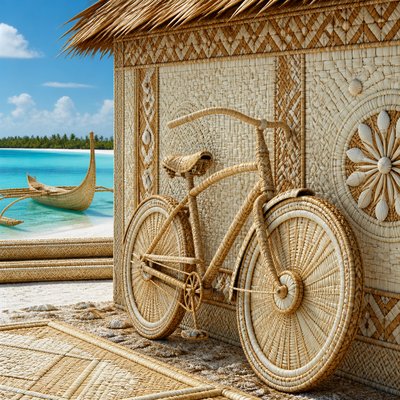
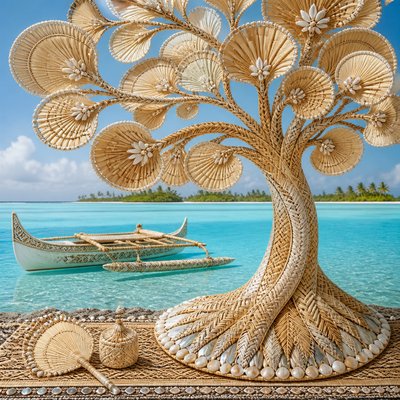
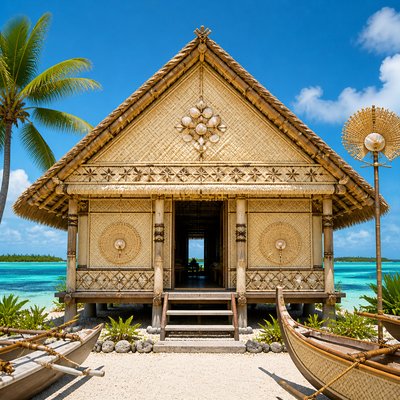
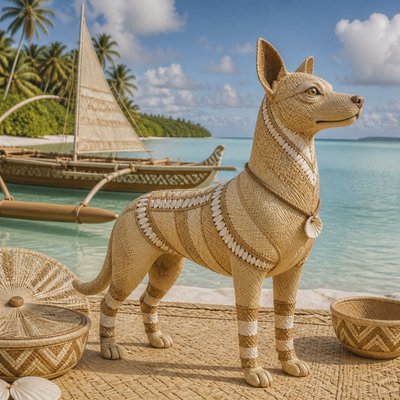
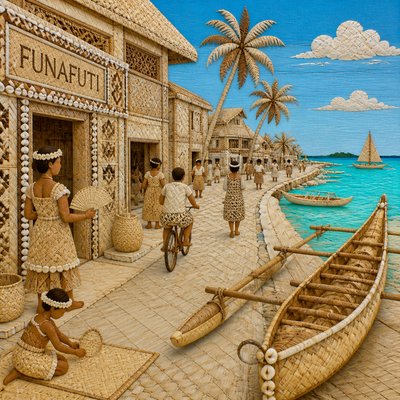
What is Tuvaluan Art Style?
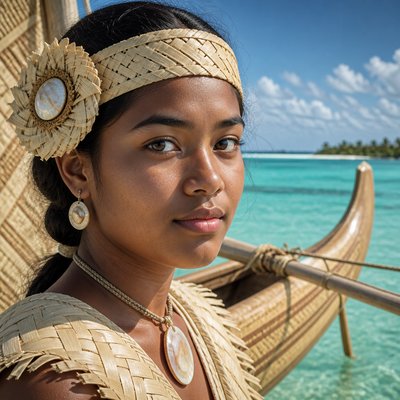
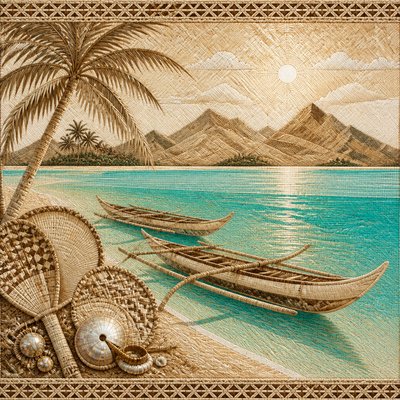
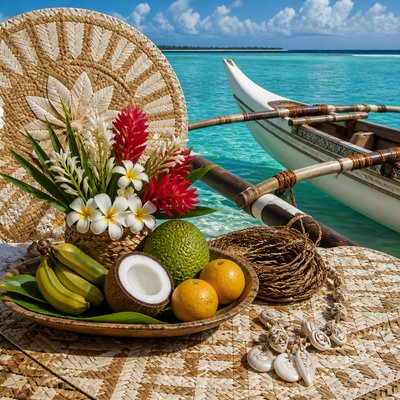
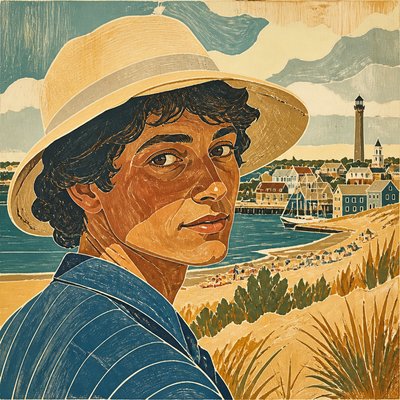
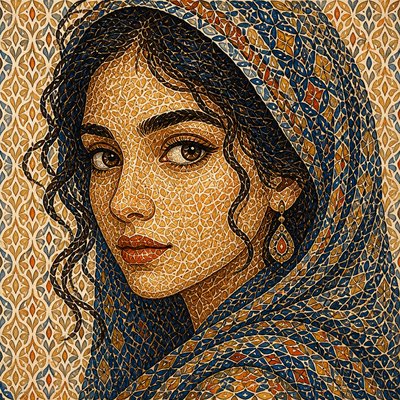
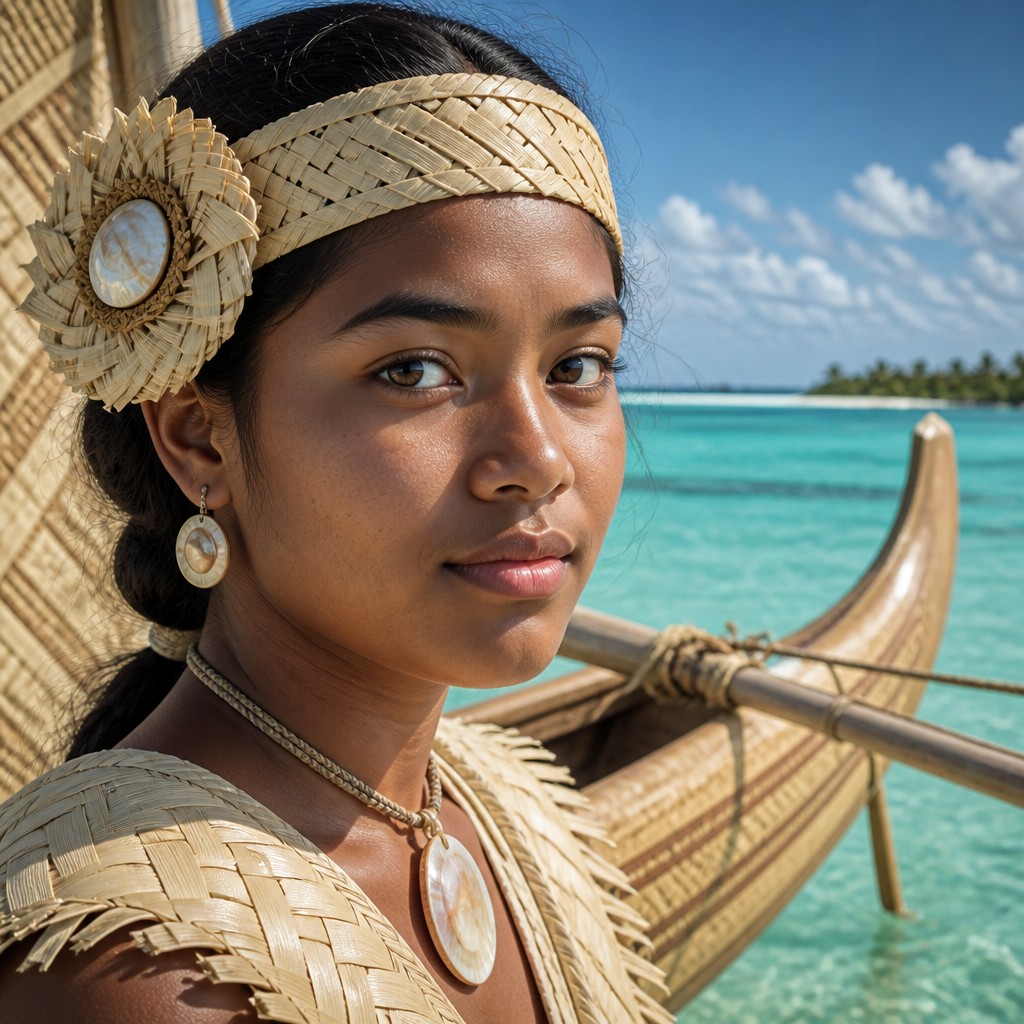
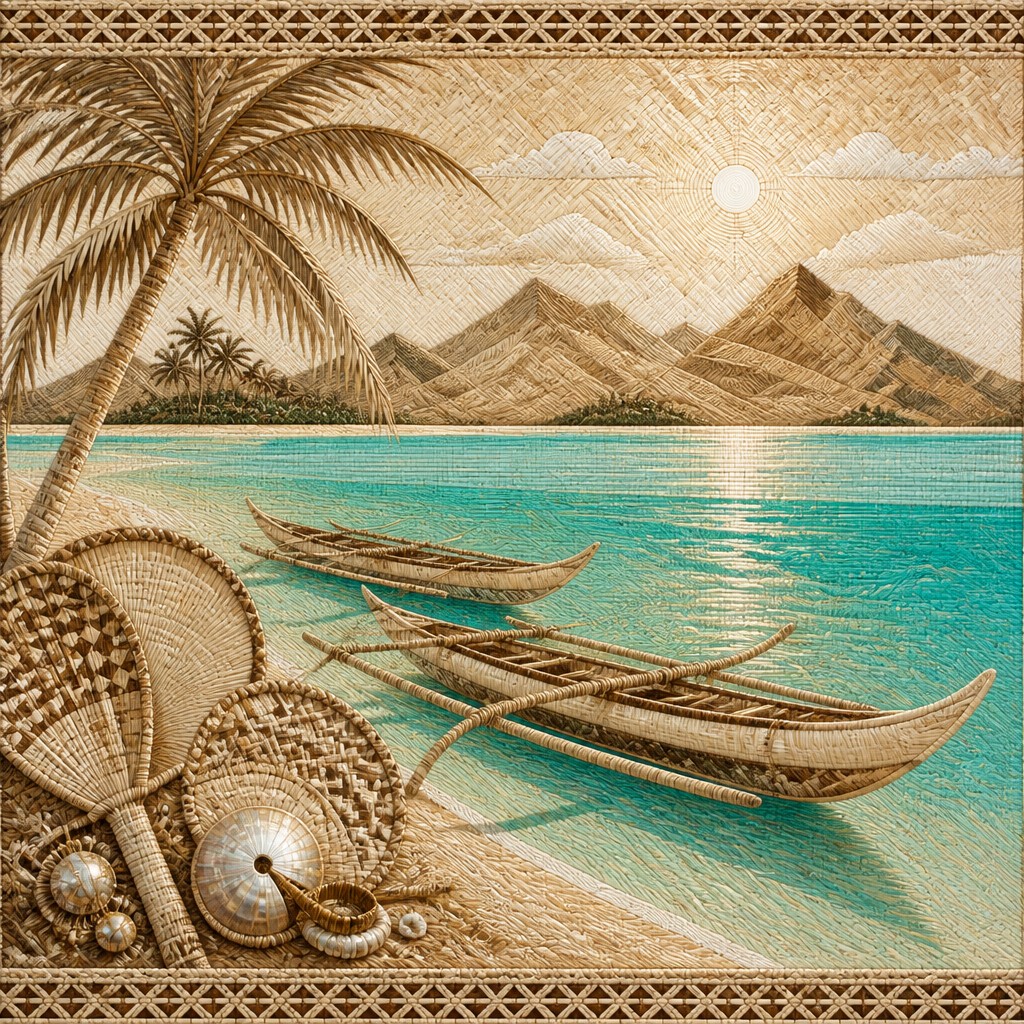
Tuvaluan Art Style is a contemporary descriptive style built around the material culture and seascape of Tuvalu, a Polynesian island nation in the central Pacific. Its visual vocabulary includes finely woven pandanus mats and fans, sleek outrigger canoes, coconut-fibre cordage, polished shell ornament, reef forms, and bright lagoon water. The palette favors warm straw, cream, coconut brown, shell white, turquoise, deep ocean blue, and sunlit coral accents.
The style is defined by clarity, restraint, and close attention to skilled construction rather than by a single historical school. Repeated woven patterns, parallel fibres, balanced canoe profiles, and carefully spaced decorative elements create an ordered surface. Strong atoll light simplifies forms, sharpens silhouettes, and produces calm compositions with broad areas of sky, water, sand, or woven texture.
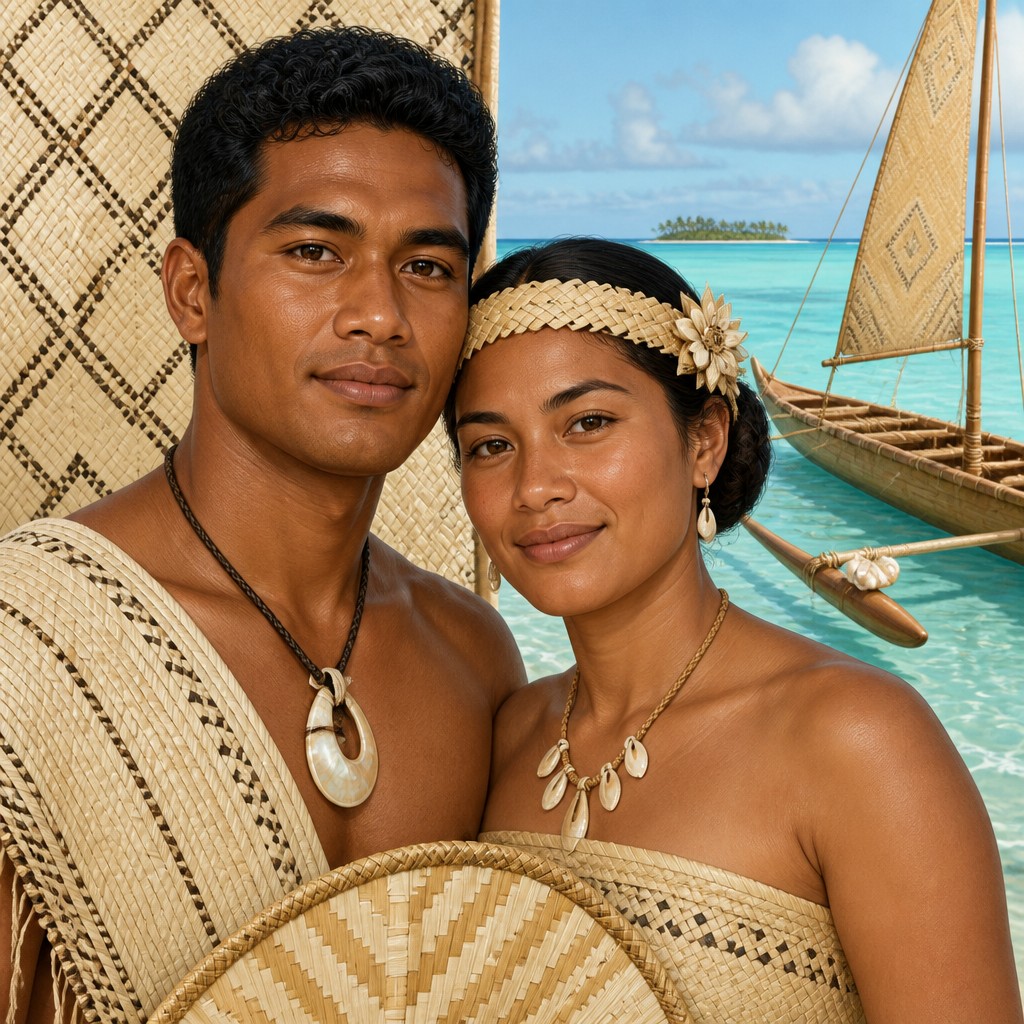
Try It On Your Photos
Upload any photo and convert it into Tuvaluan Art Style — drag the sliders to compare before and after.
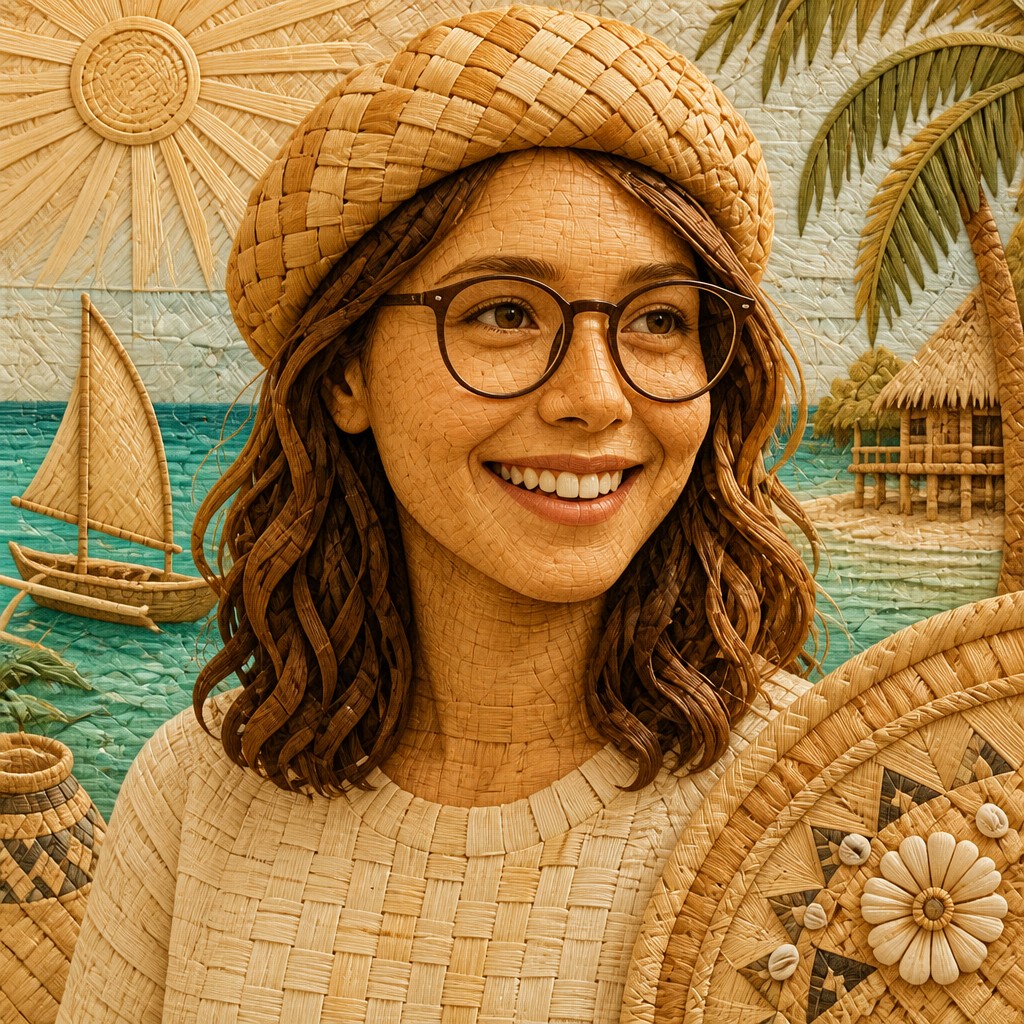

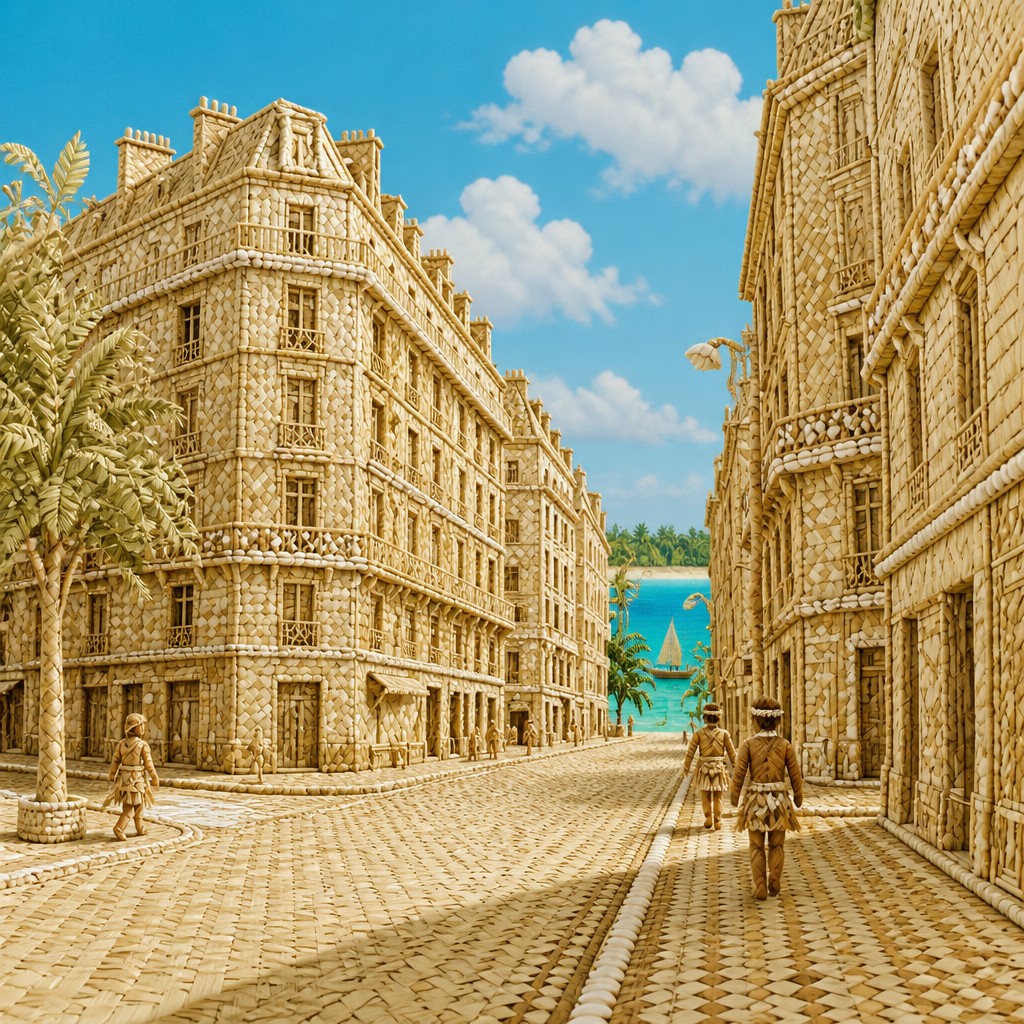

What Defines Tuvaluan Art Style
The signature details, up close
Pandanus weaving
Fine over-under structures, plaited bands, mats, baskets, and fans provide the style's most distinctive surface language. Warm straw, cream, tan, and muted ochre tones emphasize the natural fibre.
Outrigger canoes
Long, narrow hulls, lateral floats, crossbeams, and taut lashings appear as precise, functional silhouettes. Canoes are often shown crossing open water or resting beside a lagoon shore.
Natural fibre construction
Coconut-fibre cordage, braided lashings, timber joints, and visible hand-built connections communicate practical island craftsmanship. Details should look economical and structurally credible rather than ornamental for its own sake.
Shell and ocean ornament
Polished shell, pearl-like highlights, coral forms, and small pendants add restrained points of brightness. Ornament works best when arranged with careful spacing and a tactile, handmade finish.
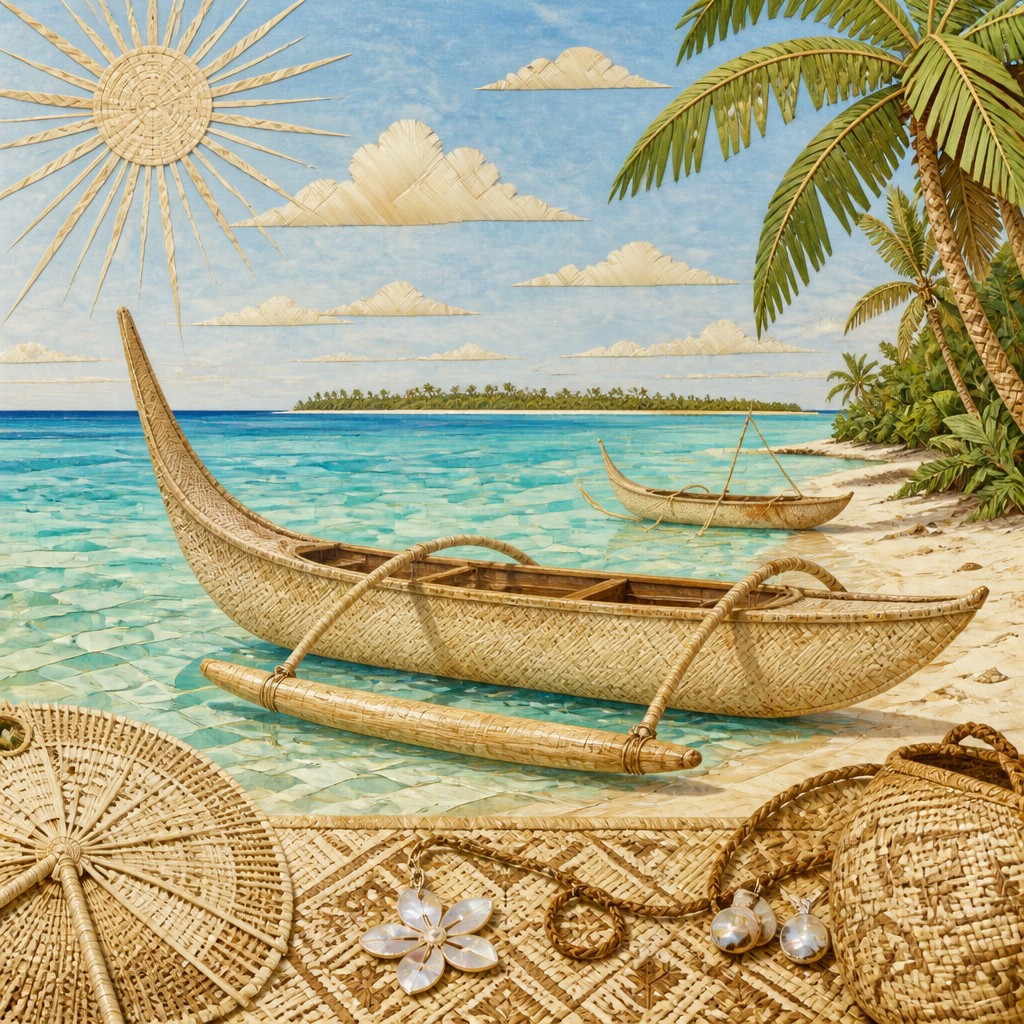
Atoll light and water
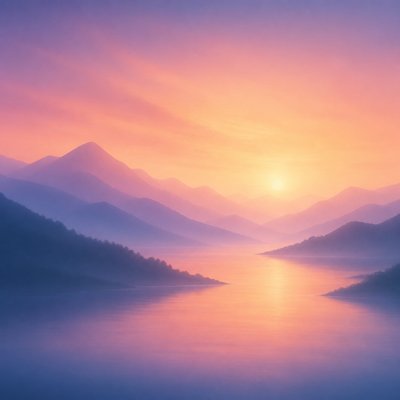
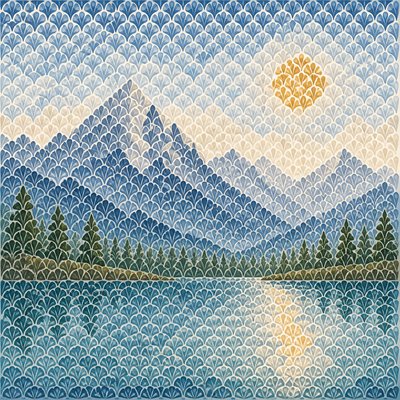
High tropical sunlight creates crisp edges, luminous sand, turquoise shallows, and darker blue passages beyond the reef. Shadows remain relatively clean and compositions often feel open, airy, and calm.
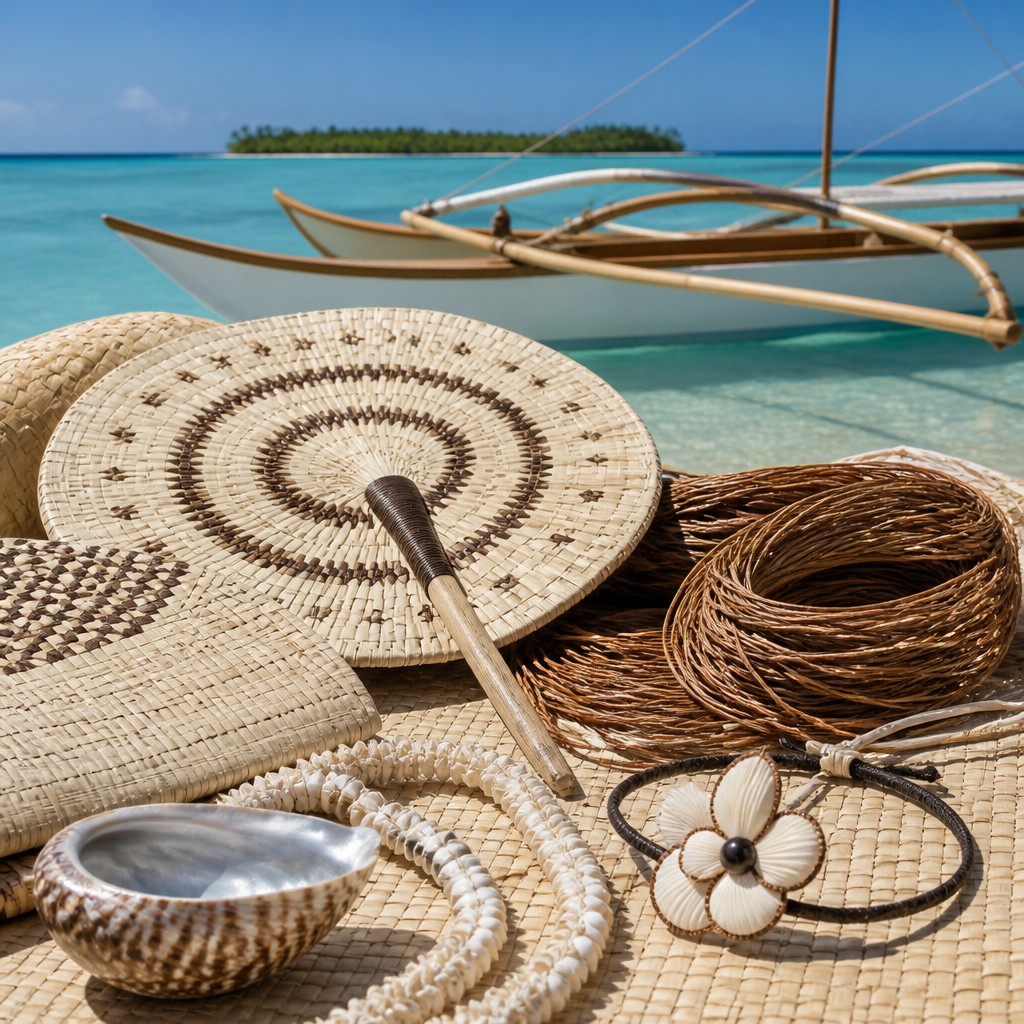
Geometric repetition
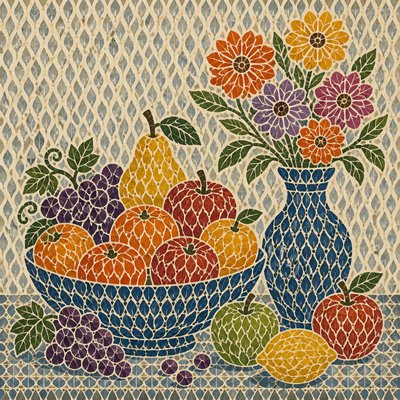
Chevron-like bands, stripes, grids, plait patterns, and repeated linear rhythms echo the logic of weaving and canoe construction. Geometry should support the object rather than overwhelm it with unrelated pattern.
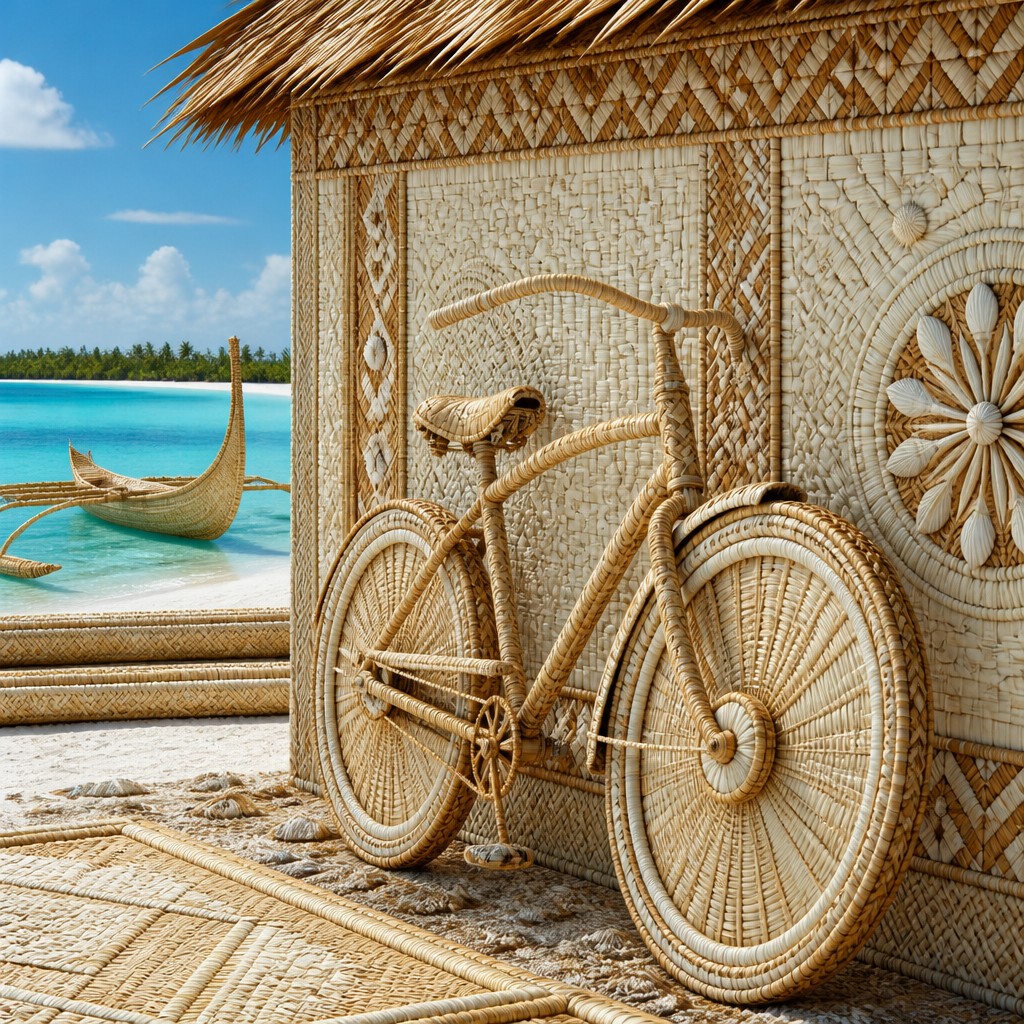
Restrained composition
A limited number of carefully placed forms, broad negative spaces, and horizontal sea-and-sky divisions produce a meditative visual balance. Surfaces may be detailed, but the overall arrangement remains precise and uncluttered.
Tuvaluan Prompt Ideas
Start from an idea — each one opens the generator with the style ready to go. See all 40 Tuvaluan prompts →
How to Create Tuvaluan Art
Master the craft step by step — or skip straight to creating. Read the full guide →
- 1
Build the material structure first
Begin with an accurate woven grid or plait pattern, then vary fibre width, overlap, and tension to suggest handwork. In digital work, use layered strands, subtle roughness, and directional highlights instead of a flat tan texture.
- 2
Draw canoes structurally
Show the relationship between hull, outrigger float, crossbeams, and lashings clearly. Use a low, elegant profile and avoid adding generic boats, decorative sails, or mechanically impossible supports.
- 3
Use a disciplined palette
Limit the main colors to straw, cream, coconut brown, shell white, turquoise, lagoon blue, and sunlit coral. Reserve high contrast for focal edges, knots, shell surfaces, or the boundary between shallow and deep water.
- 4
Control the light
Place a high, bright sun source to create crisp silhouettes and luminous reflections on water and shell. Keep distant forms simplified by glare while preserving tactile detail in nearby mats, fibre, wood, and ornament.
- 5
Compose with woven rhythm
Repeat stripes, chevrons, plaits, or parallel lines across mats, clothing, boat lashings, or architectural screens. Balance this patterning with open sky, sand, or water so the image does not become visually congested.
- 6
Write specific generation prompts
Name the subject, materials, construction details, lighting, palette, and atmosphere rather than relying on a broad cultural label alone. Request respectful, non-caricatured representation and specify whether the result should look like a photograph, illustration, textile study, or calm editorial composition.
The Story
History & Origins of Tuvaluan
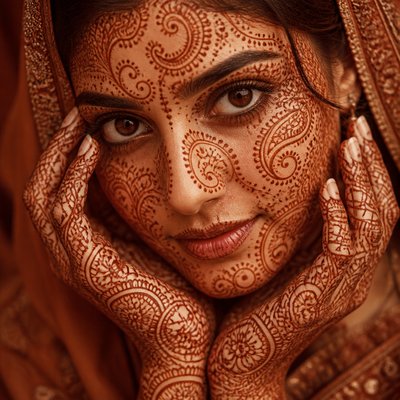
This is not a formally recognized historical movement or a single unified Tuvaluan art tradition. It is a contemporary visual synthesis inspired by longstanding Polynesian and Tuvaluan practices, including pandanus-leaf weaving, canoe building, shell adornment, fibre work, body ornament, and the environmental experience of low coral atolls. These practices developed as functional, social, and ceremonial forms within island communities rather than as a named style for external art classification.
For modern image-making, the style combines those material references with principles associated with minimalist design, maritime illustration, naturalistic coastal photography, and pattern-based decorative art. Responsible use should distinguish living cultural practices from a generalized tropical aesthetic and avoid presenting every Polynesian island tradition as interchangeable.
Influences: The style draws from Tuvaluan and wider Polynesian material traditions, especially pandanus weaving, canoe technology, fibre construction, shell ornament, and ocean-centered visual culture. It also intersects with Pacific ethnographic documentation, maritime illustration, coastal landscape photography, minimalist composition, decorative pattern design, and contemporary craft photography. These influences should be treated as related visual lineages, not as evidence that all Pacific cultures share identical motifs or techniques.
Frequently Asked Questions
What defines the Tuvaluan Art Style?
It is defined by pandanus weaving, outrigger canoes, coconut-fibre construction, shell ornament, turquoise lagoon water, and bright atoll light. Its compositions are usually calm, precise, materially focused, and relatively uncluttered.
Is Tuvaluan Art Style a formal historical art movement?
No. This label describes a contemporary visual synthesis rather than a documented movement with a fixed period, manifesto, or unified artist group. It draws respectfully on living Tuvaluan material practices and on broader Polynesian and maritime visual references.
How is it different from a generic tropical or island aesthetic?
A generic tropical aesthetic may rely mainly on palms, bright colors, and beach scenery. This style places greater emphasis on specific constructed objects, especially woven pandanus surfaces, credible outrigger-canoe engineering, fibre lashings, shell details, and an ordered visual rhythm.
What materials are associated with this style?
Important material references include pandanus leaves, coconut fibre, lightweight timber, shell, coral-associated forms, woven mats, fans, baskets, and canoe components. In digital art, these qualities can be suggested through strand-level texture, wood grain, shell reflections, and clear structural joins.
How can I create an image in this style without making it stereotypical?
Focus on material knowledge, construction, landscape, and everyday objects rather than reducing Tuvalu to costumes or exotic scenery. Use specific, respectful prompts; avoid invented sacred symbols, inaccurate ceremonial claims, or blending unrelated Pacific motifs without explanation.
Where can this visual language be used?
It suits textile studies, coastal illustration, craft documentation, editorial still life, environmental storytelling, pattern design, canoe and maritime scenes, and calm architectural or interior concepts. It works especially well when tactile close-up detail is balanced by open lagoon or sky space.
Create your first Tuvaluan artwork
Describe anything — or upload a photo — and see it in Tuvaluan Art Style in seconds.
Related Styles
Discover similar art styles