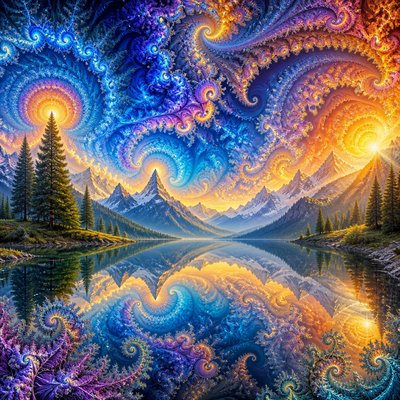
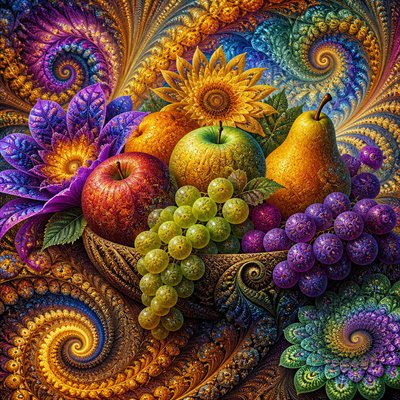
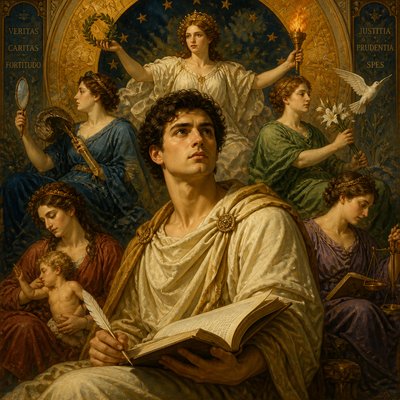
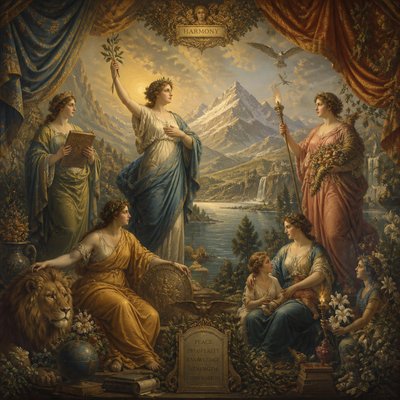
Mandala Art Style
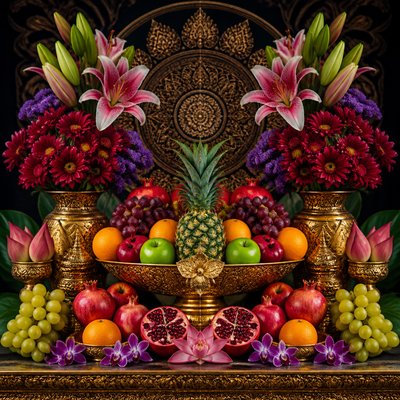
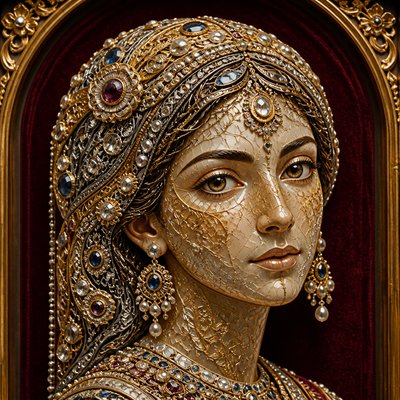
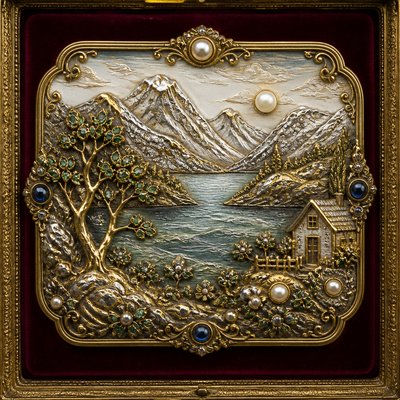
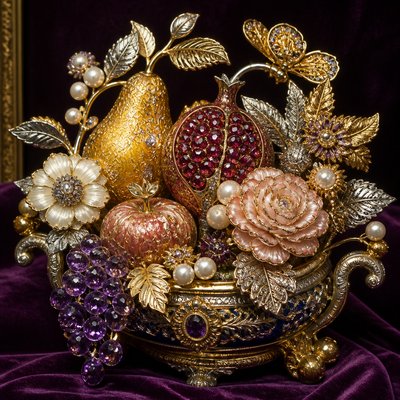
Explore mandala art: radial symmetry, sacred geometry, concentric patterns, vivid color, and meditative precision across traditional and contemporary practice.
Instantly rendered in Mandala — or transform a photo
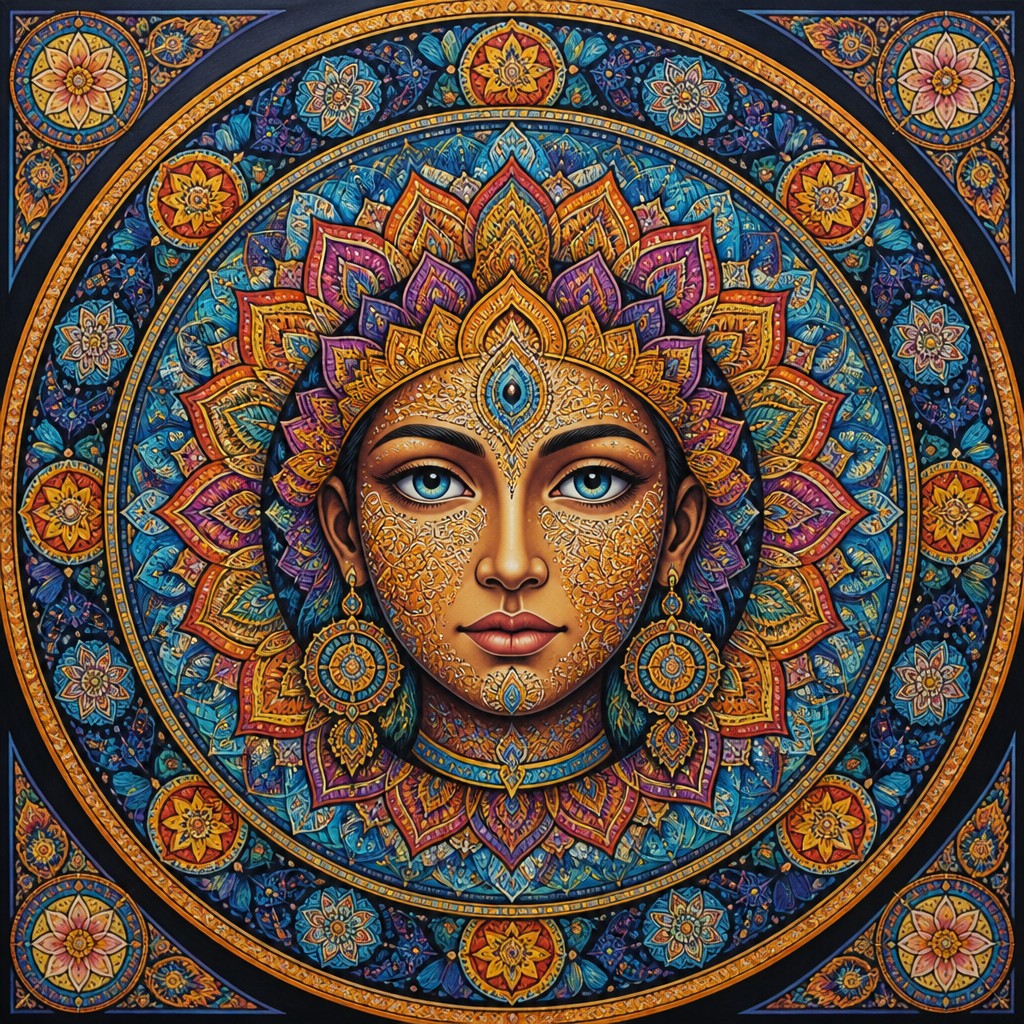
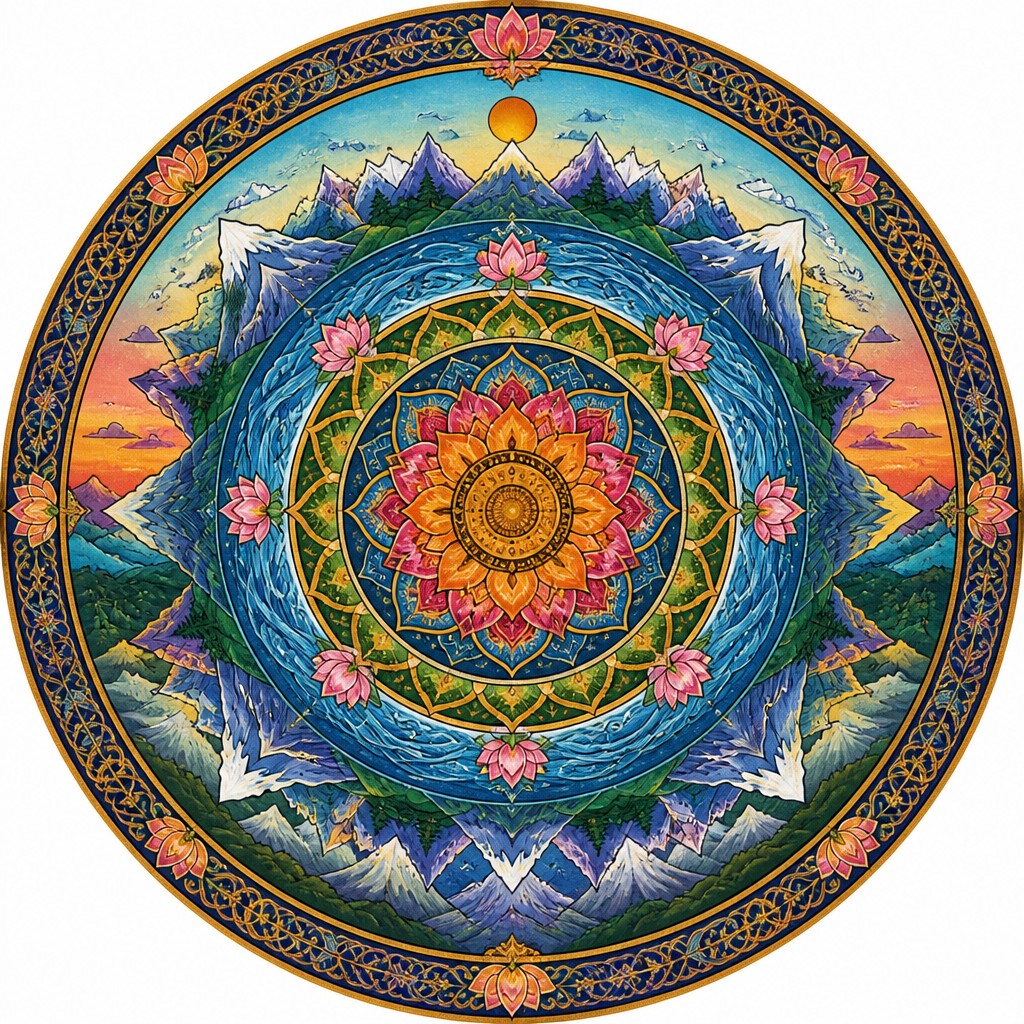
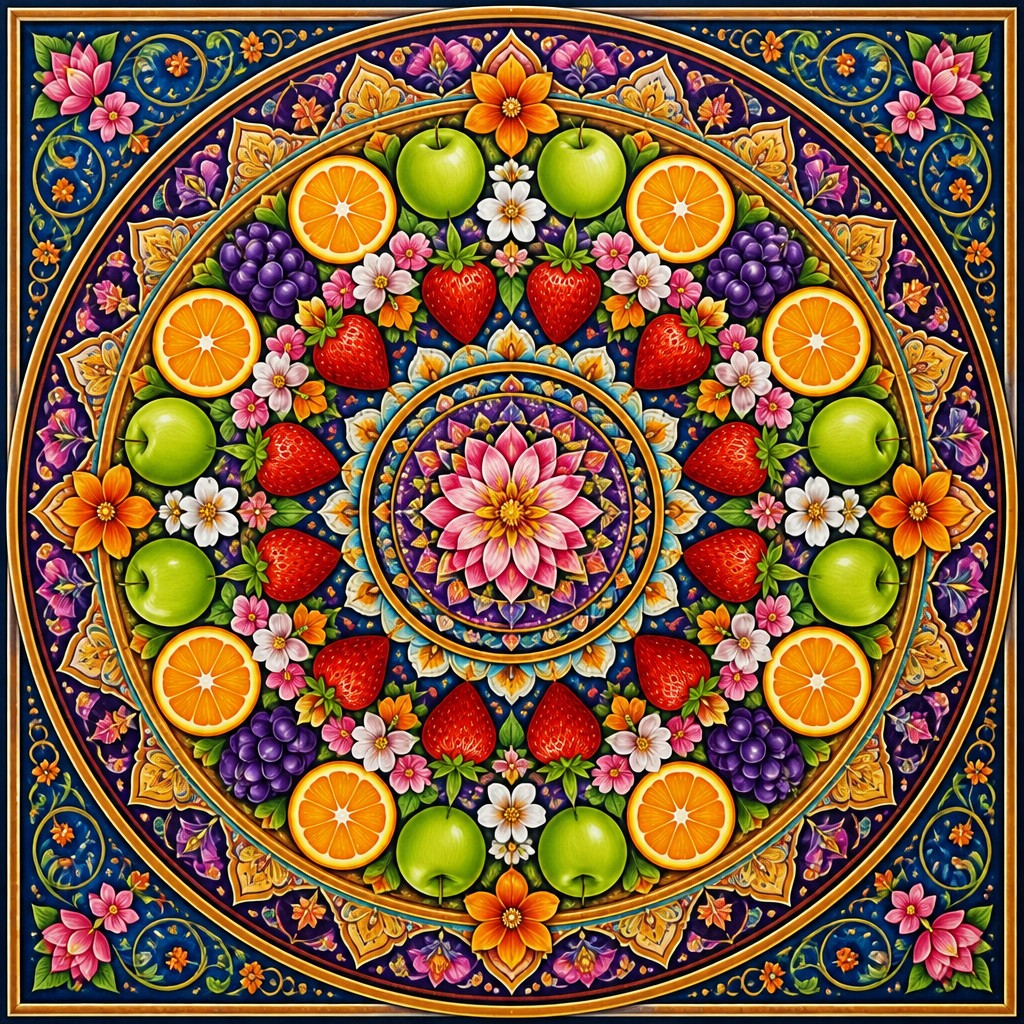
Mandala Gallery
Tap any artwork to explore it
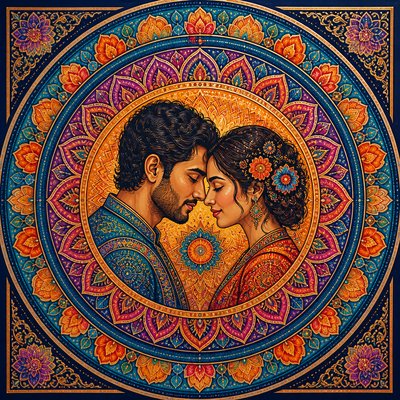
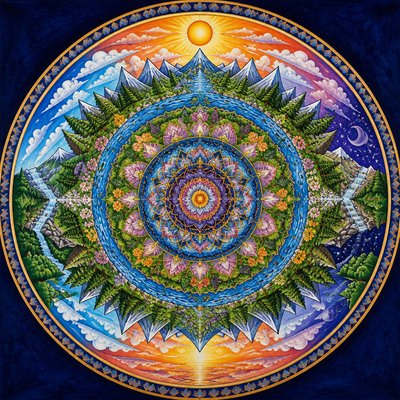
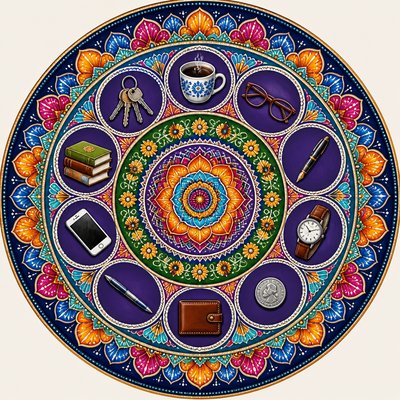
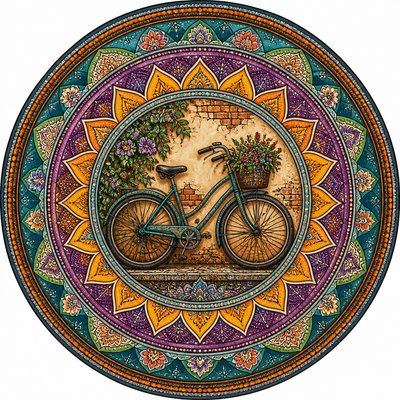
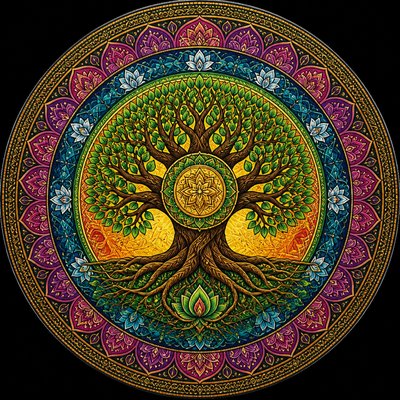
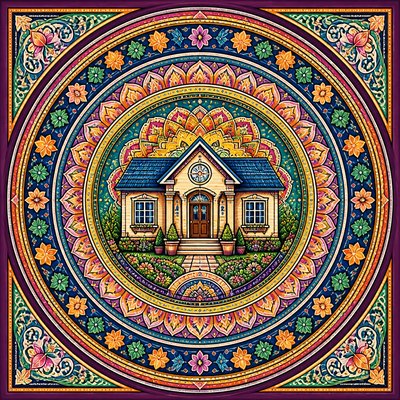
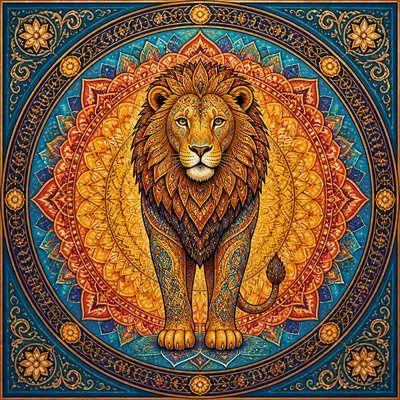
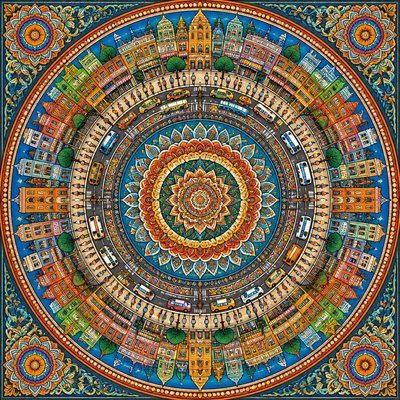
What is Mandala Art Style?
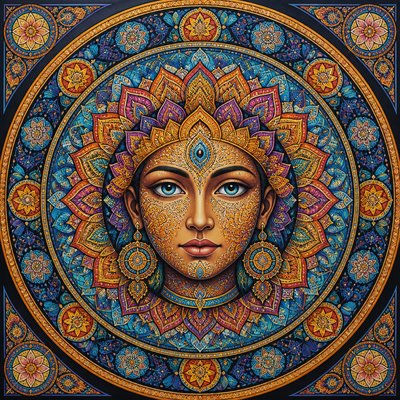
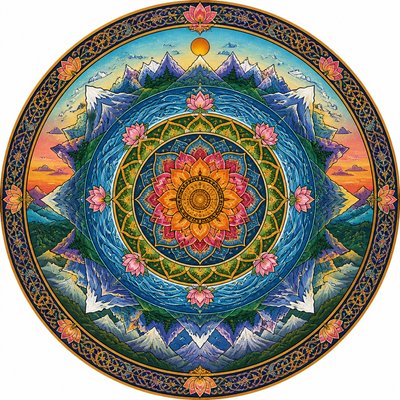
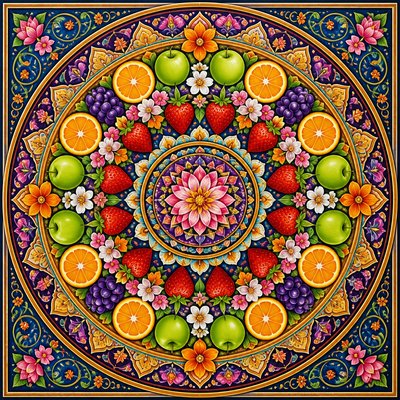
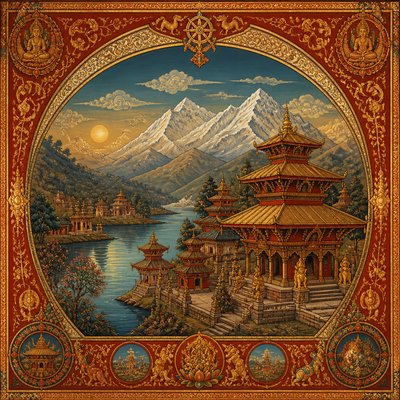
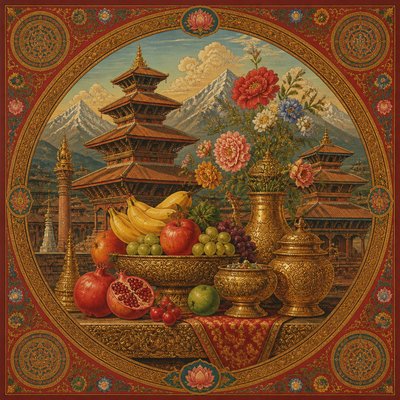
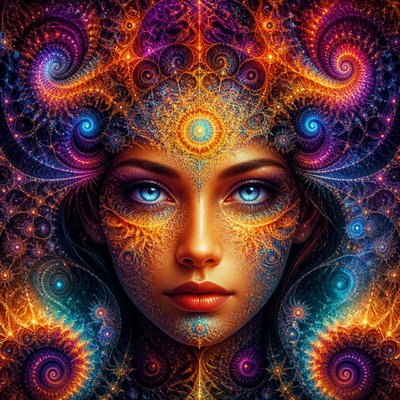
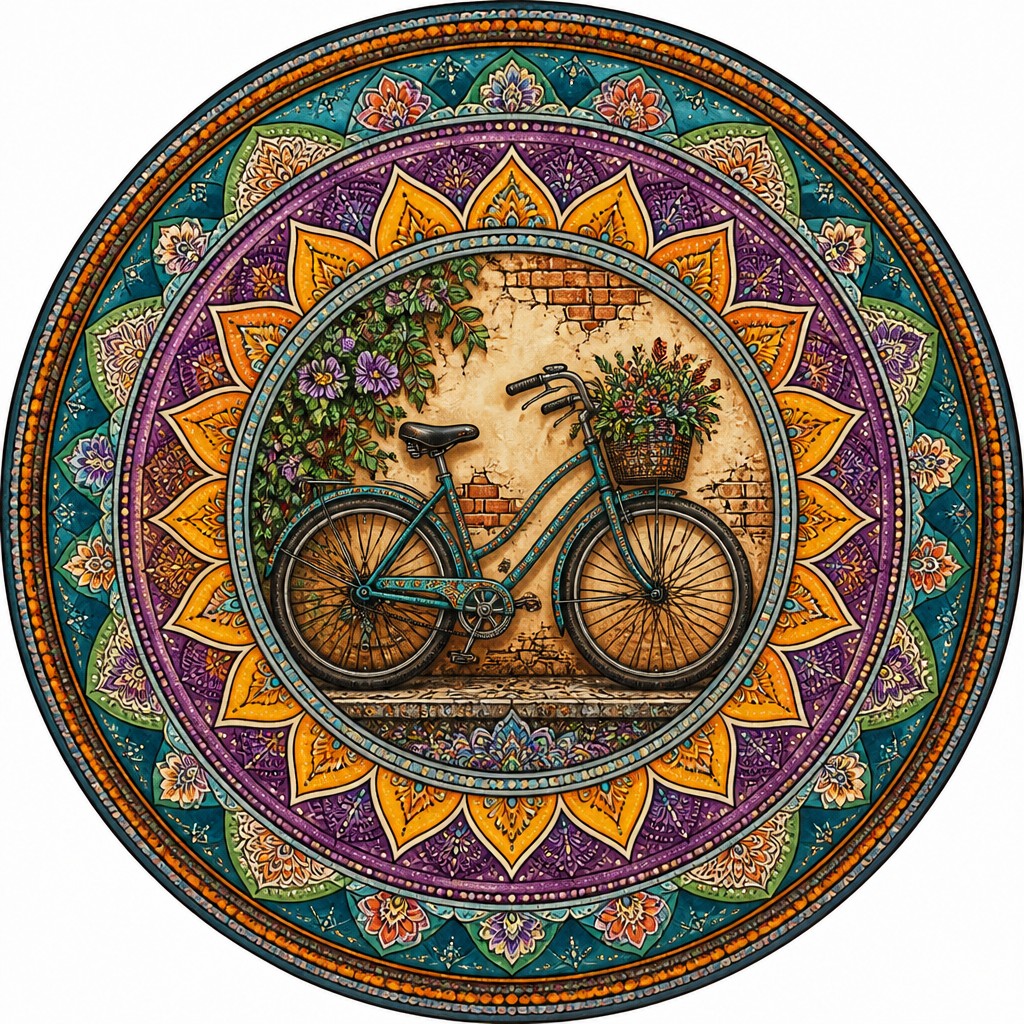
Mandala art is organized around a central point, with shapes, lines, colors, and motifs radiating outward in balanced symmetry. The composition commonly unfolds through concentric rings, geometric divisions, floral forms, repeated symbols, and a circular or square boundary. Its visual order encourages close attention: every segment relates to the center and contributes to an integrated whole.
The term mandala comes from a Sanskrit word meaning "circle," although mandala designs can also be square, polygonal, or architecturally structured. In contemporary art, the term describes both sacred diagram traditions and secular decorative compositions inspired by them. The style’s characteristic precision, repetition, and saturated color create a contemplative appearance while making the underlying geometry immediately legible.
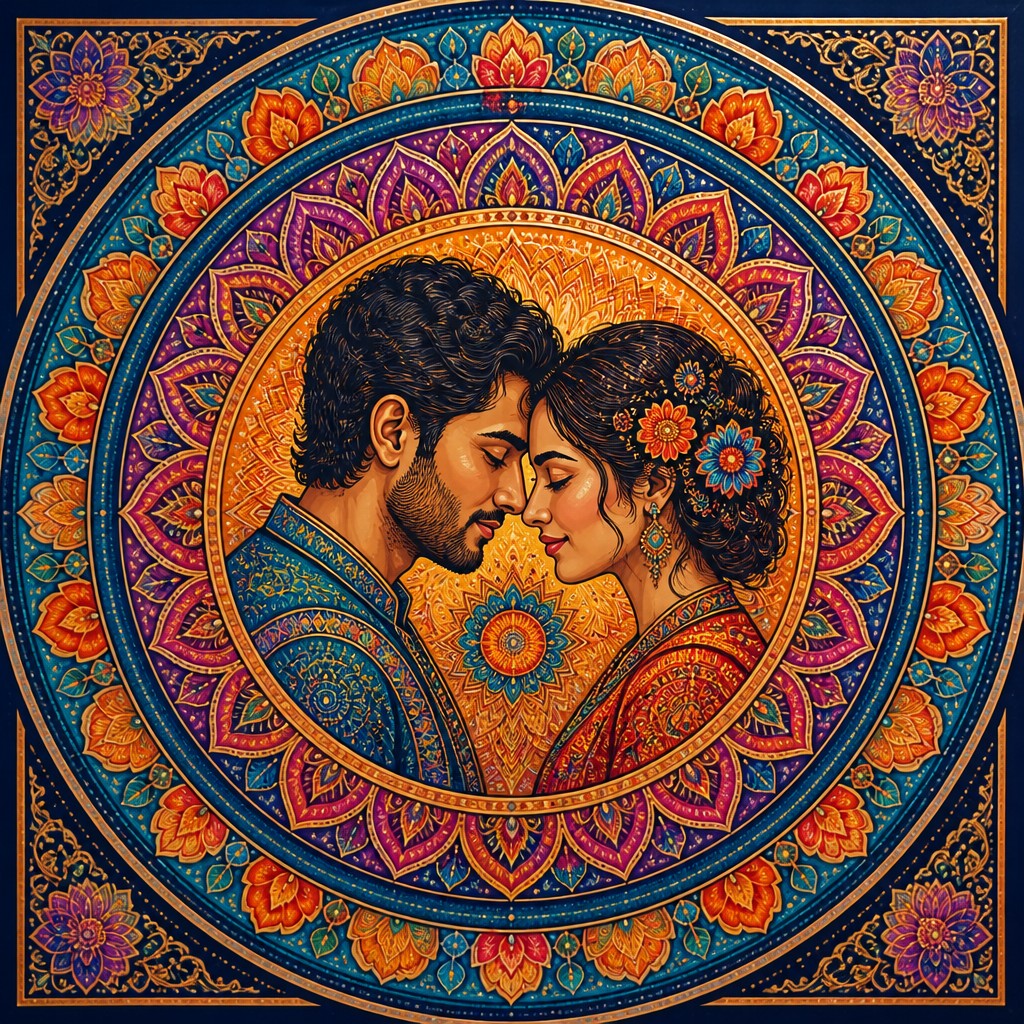
Try It On Your Photos
Upload any photo and convert it into Mandala Art Style — drag the sliders to compare before and after.
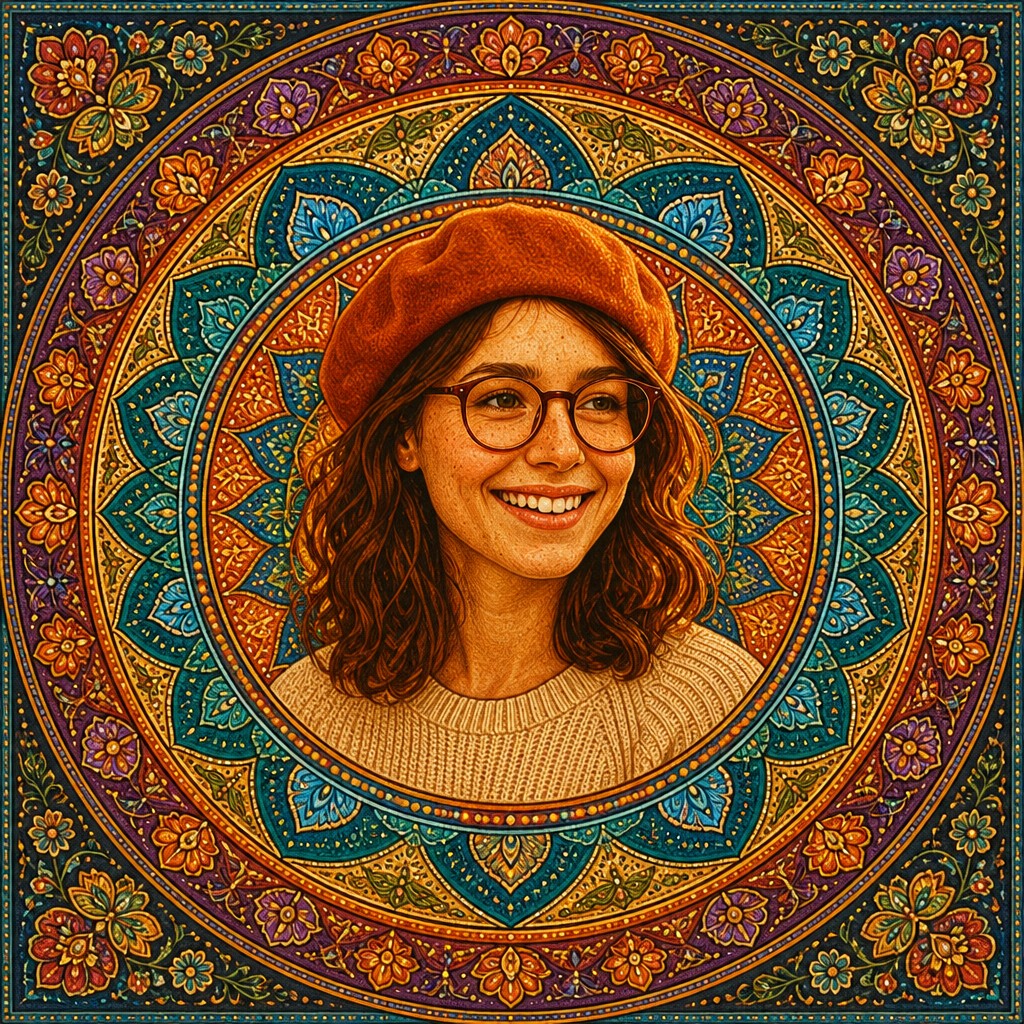

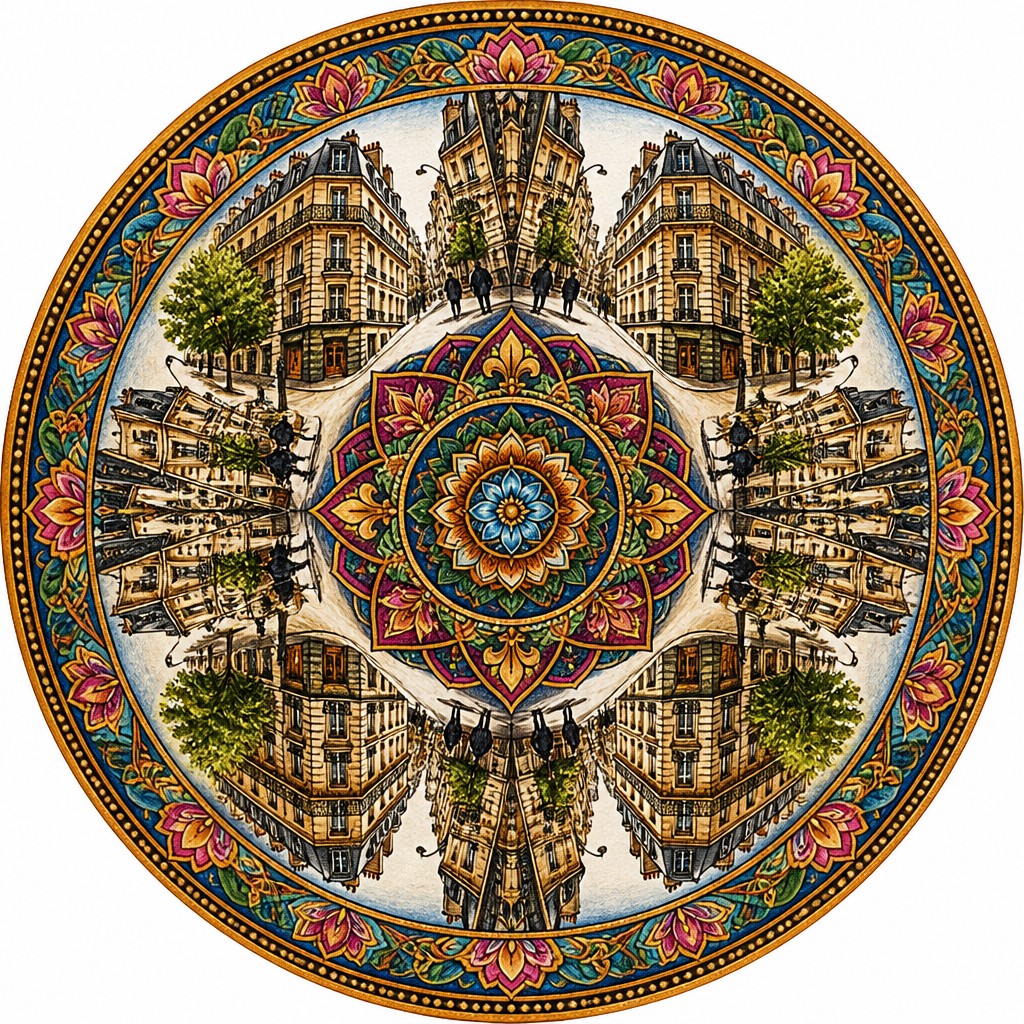

What Defines Mandala Art Style
The signature details, up close
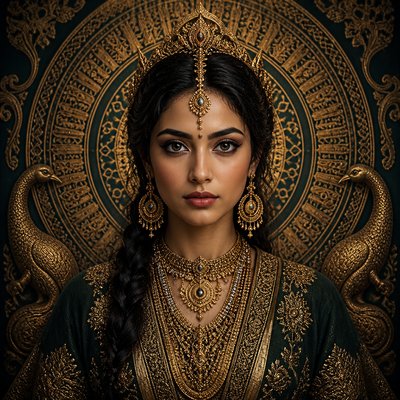
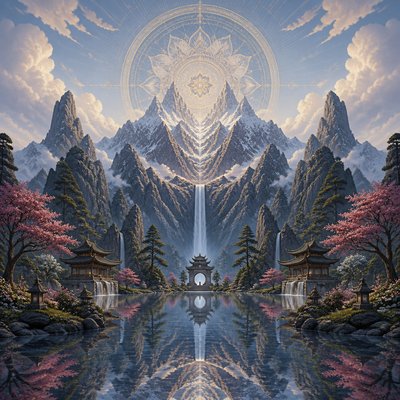
Radial symmetry
Forms repeat around a central axis so that the composition remains balanced in every direction. Precise rotational symmetry is common, though traditional works may include intentional symbolic variation.
Concentric organization
The image is built in rings or nested zones that move from a central seed, emblem, or figure toward an outer boundary. Each ring may introduce a new motif, scale, or color relationship.
Geometric structure
Circles, squares, triangles, grids, polygons, and interlocking divisions provide the framework. Geometry can suggest cosmic order, architectural space, or purely decorative rhythm.
Floral and symbolic motifs
Lotus petals, leaves, stars, flames, animals, deities, and abstract emblems often occupy repeated compartments. Their meaning depends on the religious, cultural, or contemporary context.
Vivid color zoning
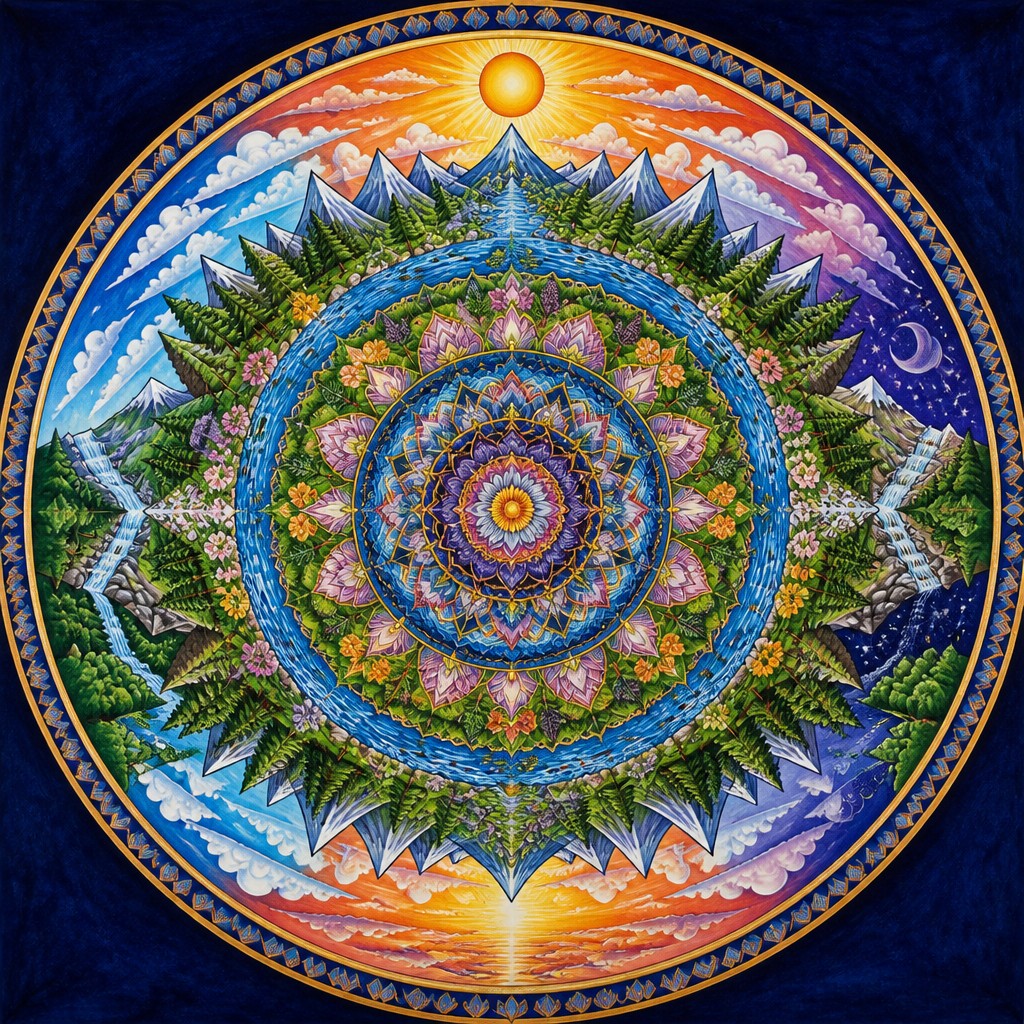
Saturated hues are frequently separated into clearly defined sections, with contrasting colors emphasizing symmetry and hierarchy. Traditional palettes may carry ritual associations, while contemporary works often favor rainbow gradients or high contrast.
Fine ornamental linework
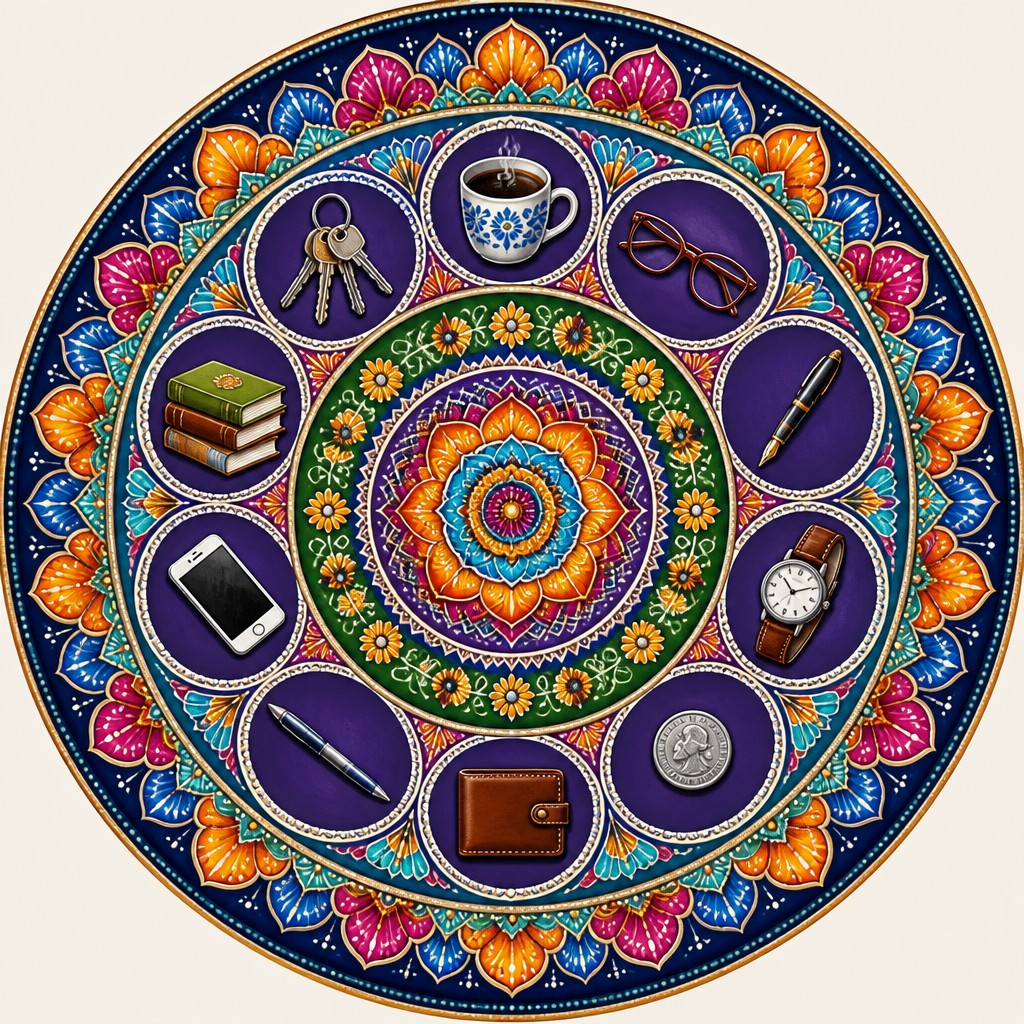
Delicate outlines, dots, hatching, filigree, and repeated marks give the surface a highly finished character. The density of detail can range from open, spacious designs to densely filled pattern fields.
Enclosing border
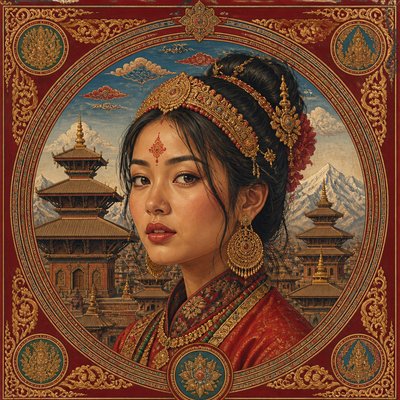
A circular frame, square enclosure, or layered perimeter contains the radiating design. Borders may function as decorative edges or as symbolic thresholds between inner and outer realms.
Mandala Prompt Ideas
Start from an idea — each one opens the generator with the style ready to go. See all 40 Mandala prompts →
How to Create Mandala Art
Master the craft step by step — or skip straight to creating. Read the full guide →
- 1
Establish the center and grid
Mark a central point, draw guide circles, and divide the surface into equal radial sections with a compass, ruler, or digital symmetry tool. Build one segment first, then repeat or mirror it around the center.
- 2
Layer from inside outward
Begin with a central emblem or simple geometric seed, then add successive rings of petals, lines, and compartments. Vary scale and density gradually so the design has rhythm rather than appearing as an undifferentiated mass.
- 3
Control line and surface
Use technical pens, fine brushes, colored pencils, paint, or colored sand for crisp repeated marks. In digital work, separate the grid, linework, color zones, and texture into layers so symmetry and revisions remain manageable.
- 4
Choose a coherent palette
Limit the palette to a deliberate set of saturated or earth-based colors, then repeat those colors at balanced intervals. Reserve the strongest contrast for the center, key symbols, or transitions between rings.
- 5
Define the cultural context
If drawing from a religious mandala tradition, research its symbols, layout, and ritual purpose rather than treating sacred imagery as generic decoration. For a secular design, describe it as geometric or ornamental pattern work and develop an original motif vocabulary.
- 6
Write precise image prompts
For prompt-based generation, specify the subject at the center, the number and character of concentric rings, the symmetry, materials, palette, border shape, and level of detail. Ask for clean radial balance and clearly separated color zones, then refine unwanted asymmetry or muddled motifs through additional iterations.
The Story
History & Origins of Mandala
Mandalas have deep roots in South Asian religious and philosophical traditions, especially Hindu and Buddhist ritual, meditation, temple planning, and cosmological representation. Related diagrammatic practices also developed within Jain traditions. Tibetan Buddhist sand mandalas, made from carefully placed colored mineral powders and ritually dismantled after completion, exemplify the relationship between intricate design, concentration, impermanence, and sacred practice. Mandala-like plans also appear in South Asian and Himalayan architecture and manuscript painting.
From the nineteenth century onward, mandala imagery circulated more widely through Western encounters with Asian religions, decorative arts, psychology, and modern abstraction. Contemporary mandala art often draws selectively from these sources, combining sacred geometry with coloring-book illustration, pattern design, tattoo art, digital graphics, and ornamental painting. Secular uses should be distinguished from the specific ritual meanings of traditional religious mandalas.
Influences: Mandala art is related to Hindu, Buddhist, and Jain diagram traditions; Tibetan sand painting; South Asian manuscript illumination; temple and palace geometry; sacred geometry; Islamic geometric ornament; Celtic knotwork; floral pattern design; coloring-book illustration; tattoo composition; and contemporary digital symmetry tools. These relationships are visual rather than interchangeable: similar radial structures may arise from different religious, historical, and decorative contexts.
Frequently Asked Questions
What defines mandala art?
Its defining features are a central point, radial organization, repeated motifs, concentric structure, and visual balance. Most examples also use intricate linework, controlled color zones, and an enclosing circular or square border. The term can refer to both religious diagrams and contemporary decorative designs inspired by them.
Is mandala art a religious art form?
Historically, many mandalas are religious or philosophical diagrams used in Hindu, Buddhist, and Jain contexts. They can represent cosmology, deities, meditation spaces, or ritual principles. Contemporary secular mandalas borrow the visual structure without necessarily carrying those specific meanings.
How is a mandala different from a geometric pattern?
A geometric pattern may repeat across a surface in a linear or modular arrangement, while a mandala is usually organized concentrically around a focal center. Mandalas often combine geometry with symbolic, floral, or figurative imagery and imply movement from the center toward the perimeter.
What materials are used to make mandalas?
Traditional and contemporary examples may use ink, watercolor, mineral pigment, paint, colored pencil, stone, metal, wood, or colored sand. Digital artists commonly use vector paths, mirrored layers, radial symmetry tools, and textured brushes. The medium changes the surface character, but the underlying center-to-edge organization remains important.
How can I make a symmetrical mandala by hand?
Start with a compass-drawn circle and a lightly divided radial grid. Design one wedge or ring segment, repeat it at equal angles, and check alignment before adding fine details and color. Use tracing, transfer paper, or a lightbox if you want more exact repetition.
Where is mandala art commonly used?
It appears in religious practice, manuscript and architectural design, meditation materials, murals, textiles, jewelry, tattoos, educational coloring pages, illustration, and digital pattern work. When used outside its original contexts, it is best presented with awareness of the traditions and symbols being referenced.
Create your first Mandala artwork
Describe anything — or upload a photo — and see it in Mandala Art Style in seconds.
Related Styles
Discover similar art styles