Nepali Art Style
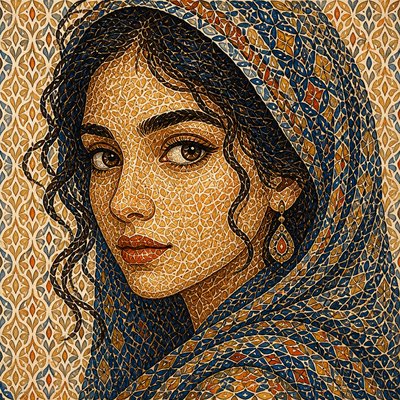
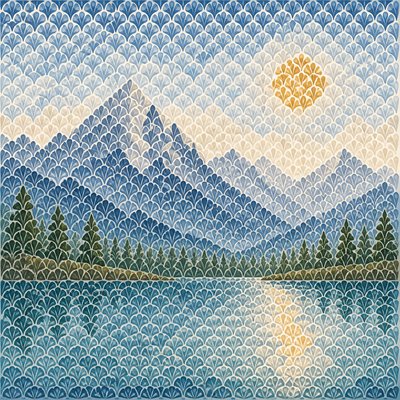
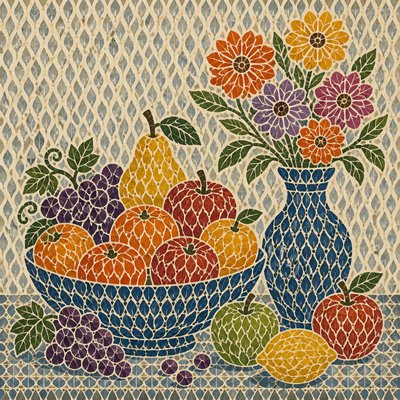
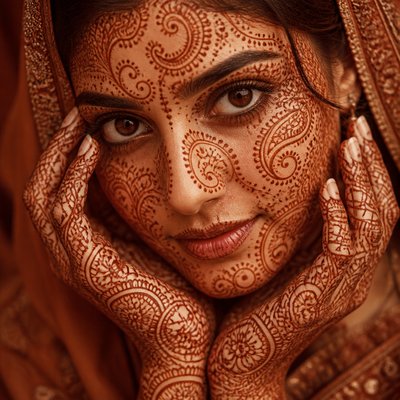
Explore Nepali art style: Kathmandu Valley pagodas, gilded repoussé, paubha colors, mandala compositions, and richly ornamented Himalayan detail.
Instantly rendered in Nepali — or transform a photo
Nepali Gallery
Tap any artwork to explore it
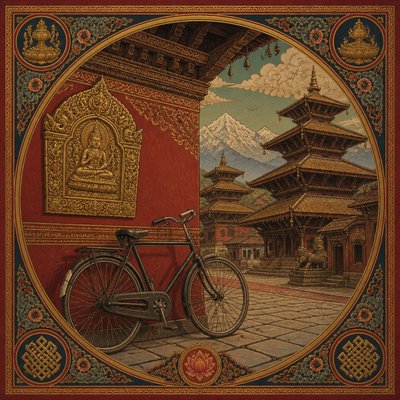
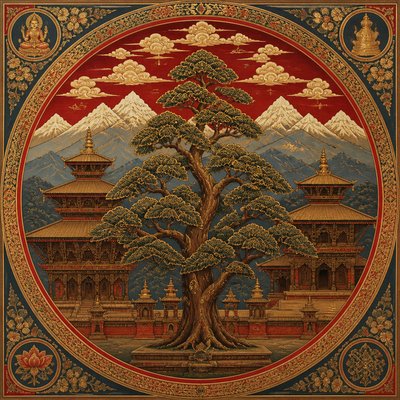
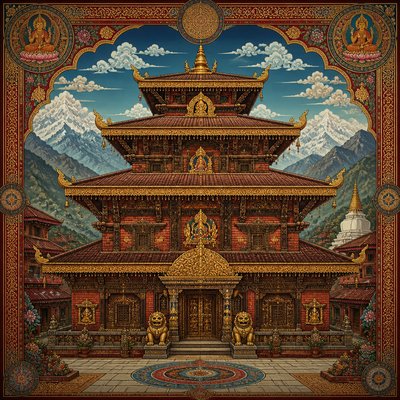
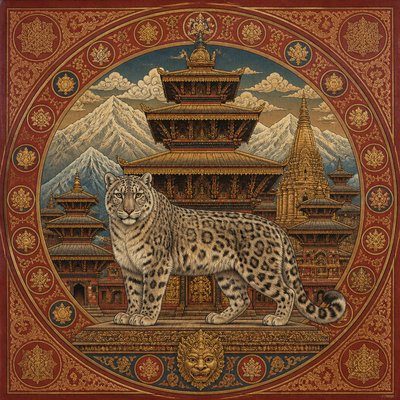
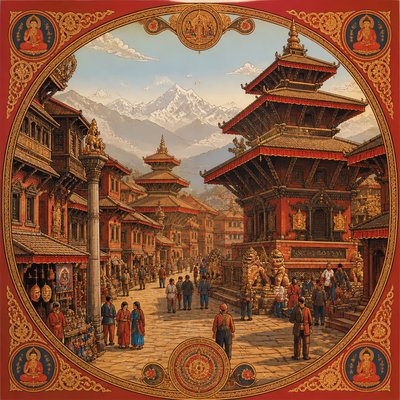
What is Nepali Art Style?
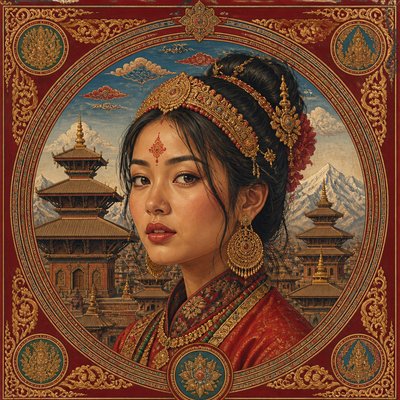
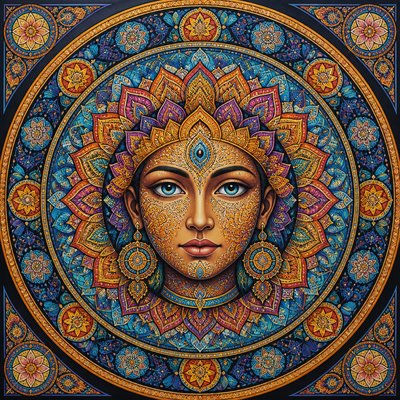
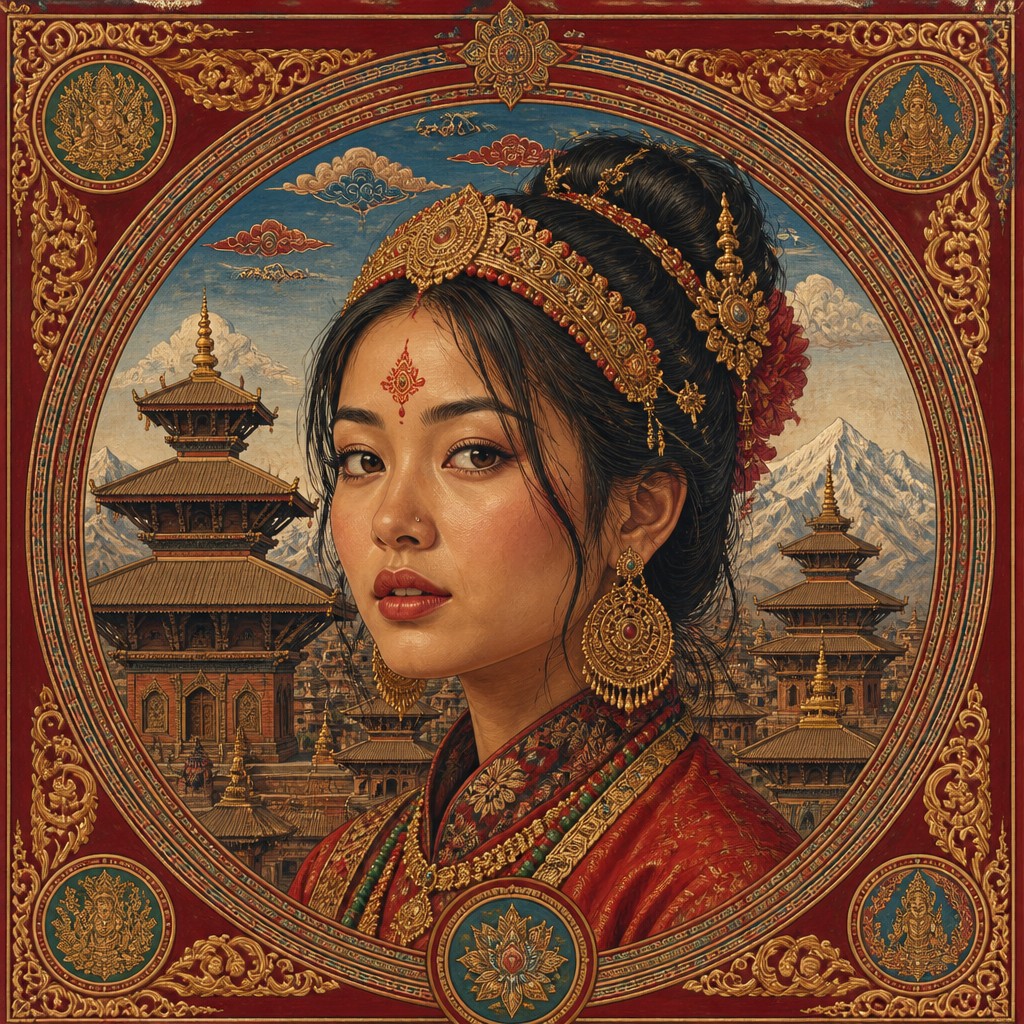
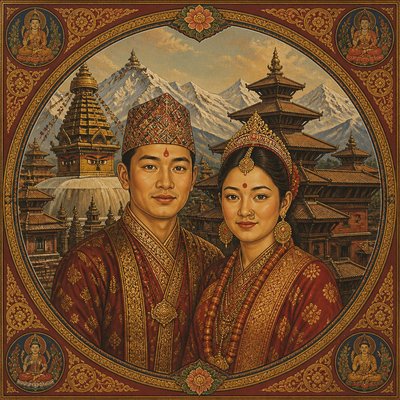
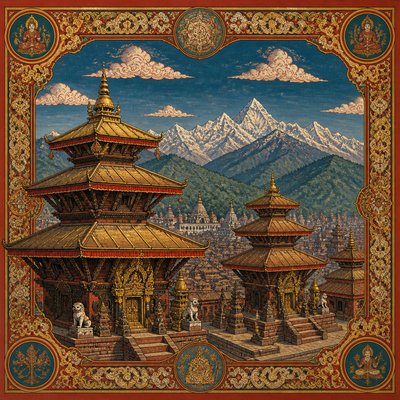
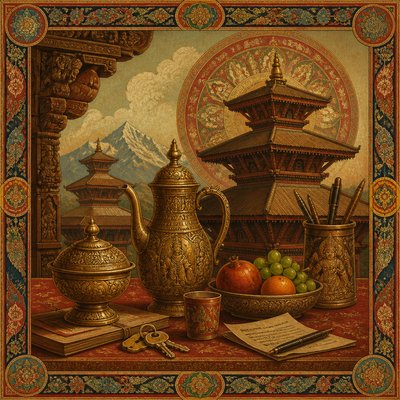
The style is defined by concentrated ornament rather than empty space. Deep vermilion, cinnabar red, lapis-like blue, malachite green, black, and gold create a jewel-like palette, while mandalas, halos, borders, symmetrical arrangements, and Himalayan light give scenes a ceremonial and contemplative character. In contemporary use, the term can also describe a respectful synthesis of these visual traditions for decorative illustration, architecture, textiles, jewelry, and digital imagery.
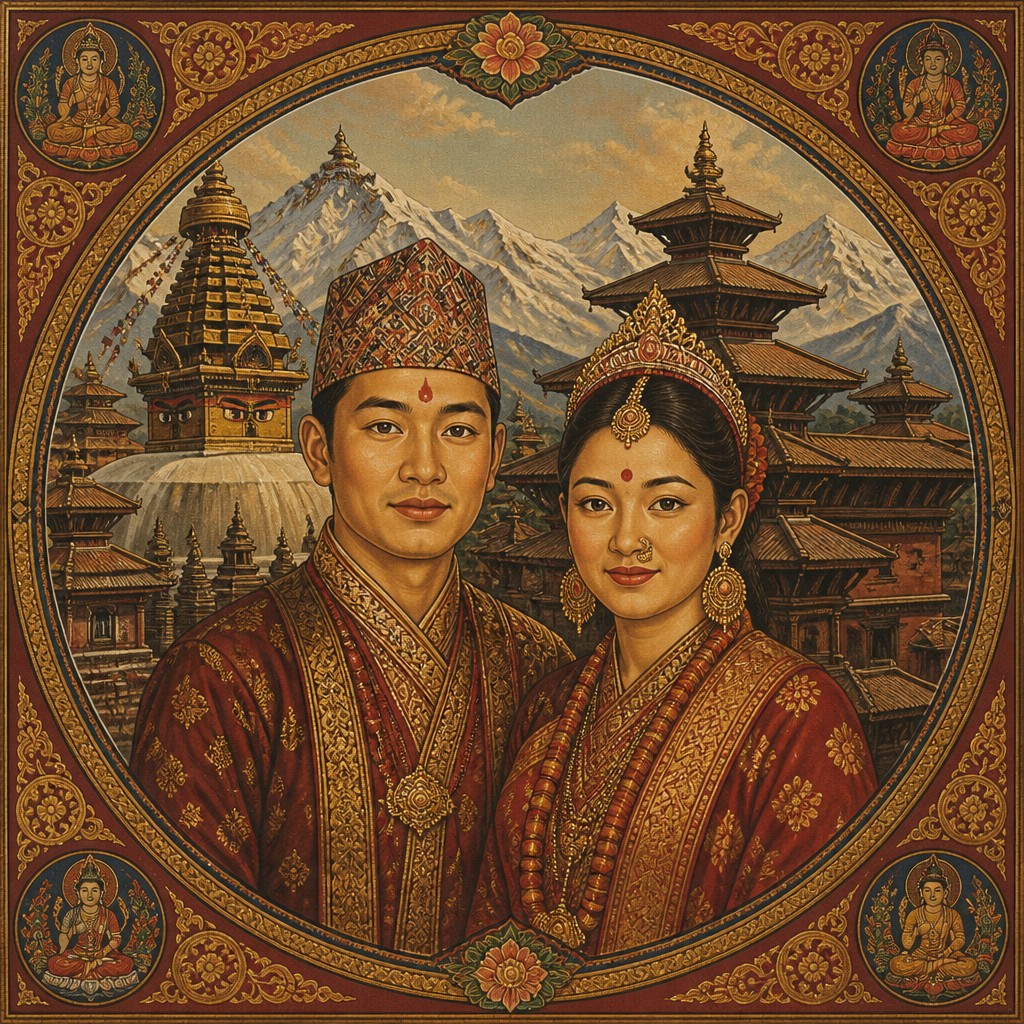
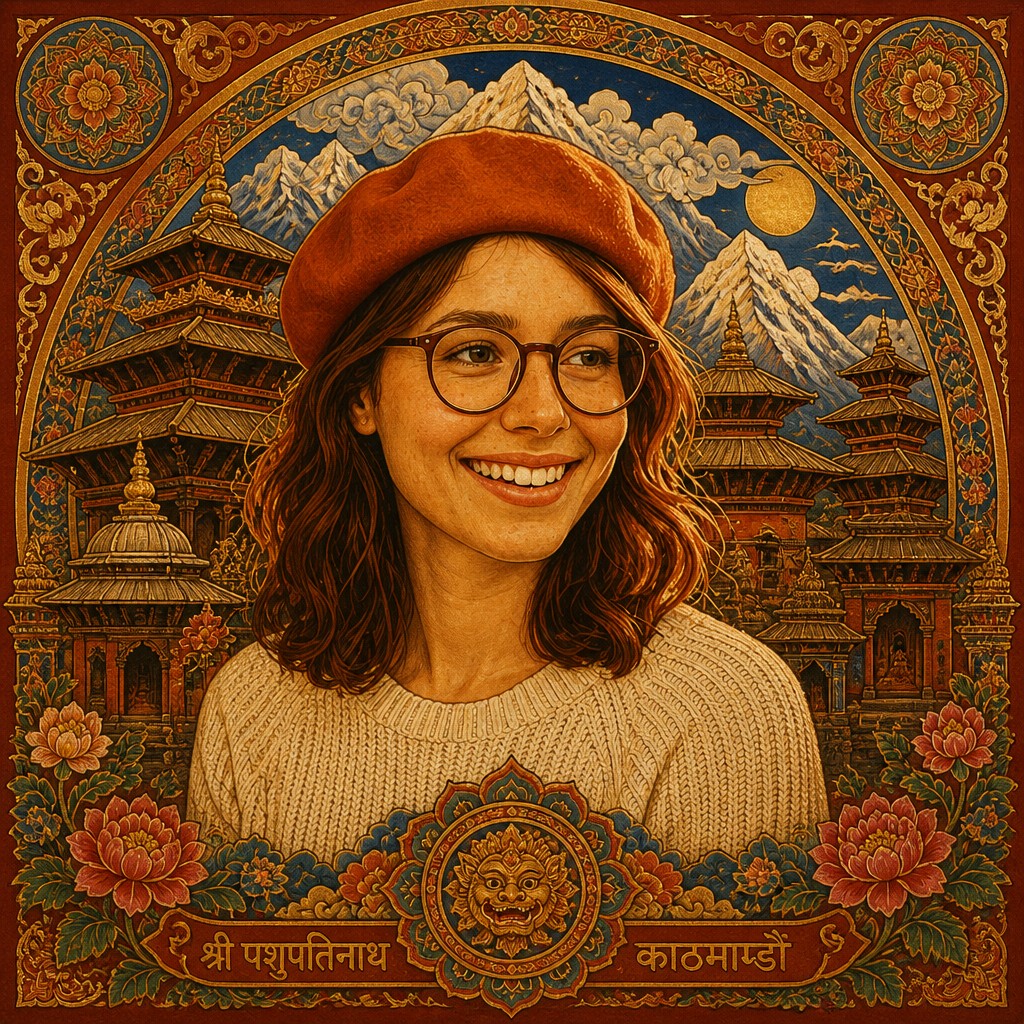
Try It On Your Photos
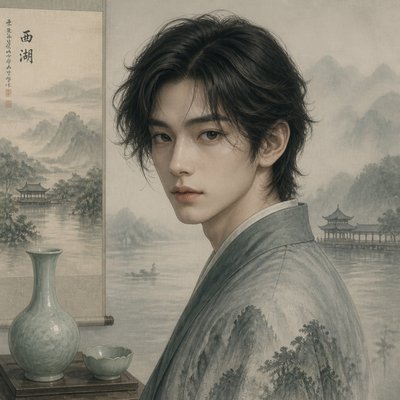
Upload any photo and convert it into Nepali Art Style — drag the sliders to compare before and after.

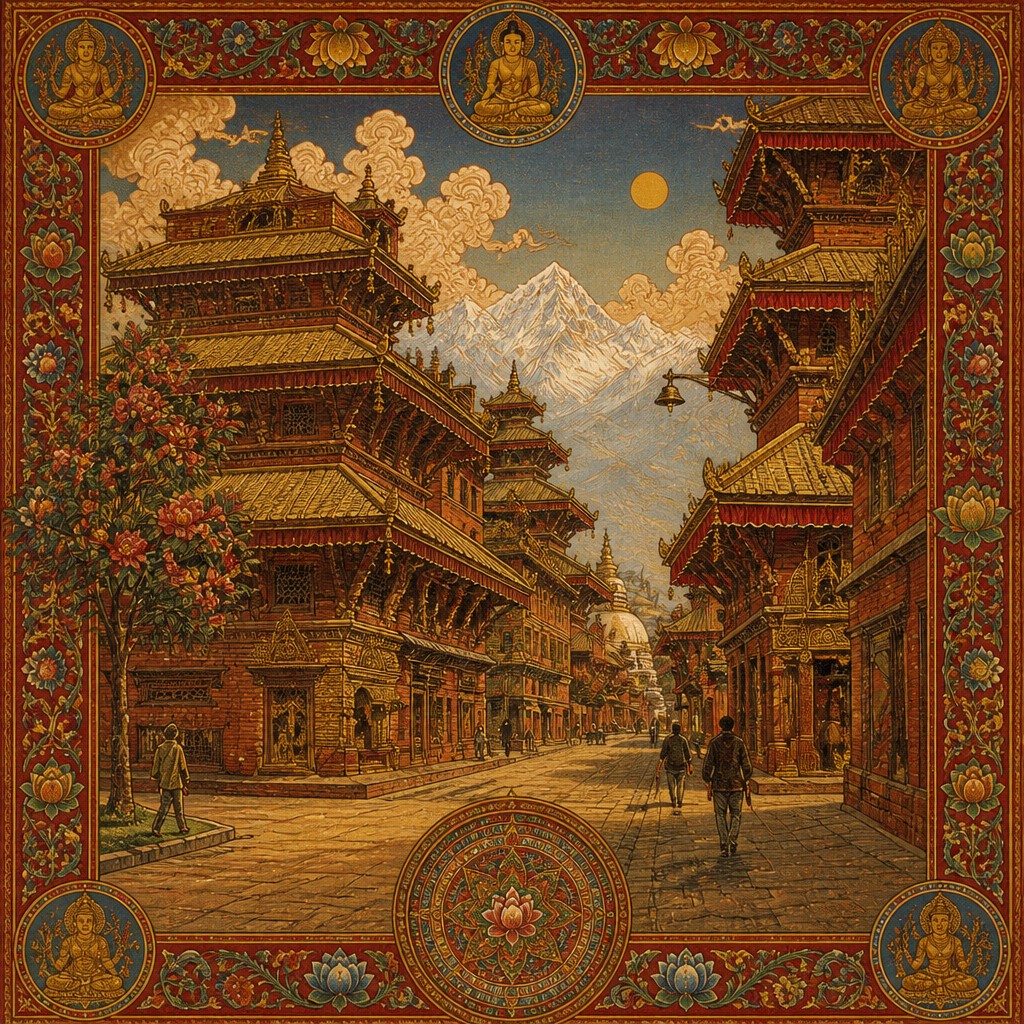

What Defines Nepali Art Style
The signature details, up close
Tiered pagoda architecture
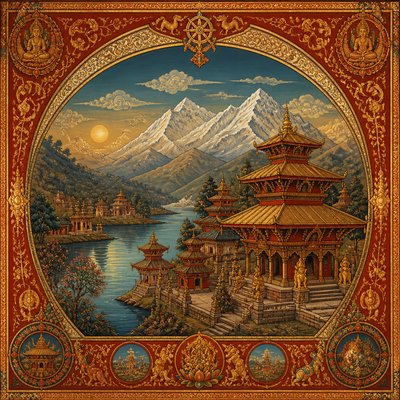
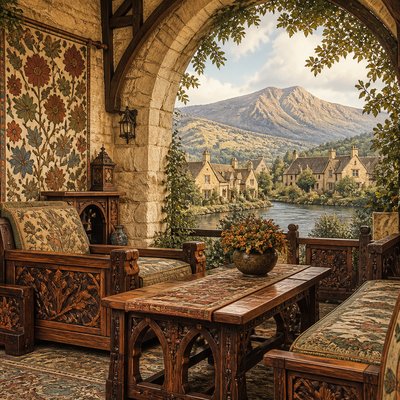
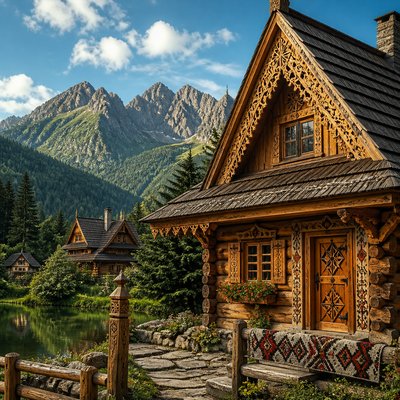
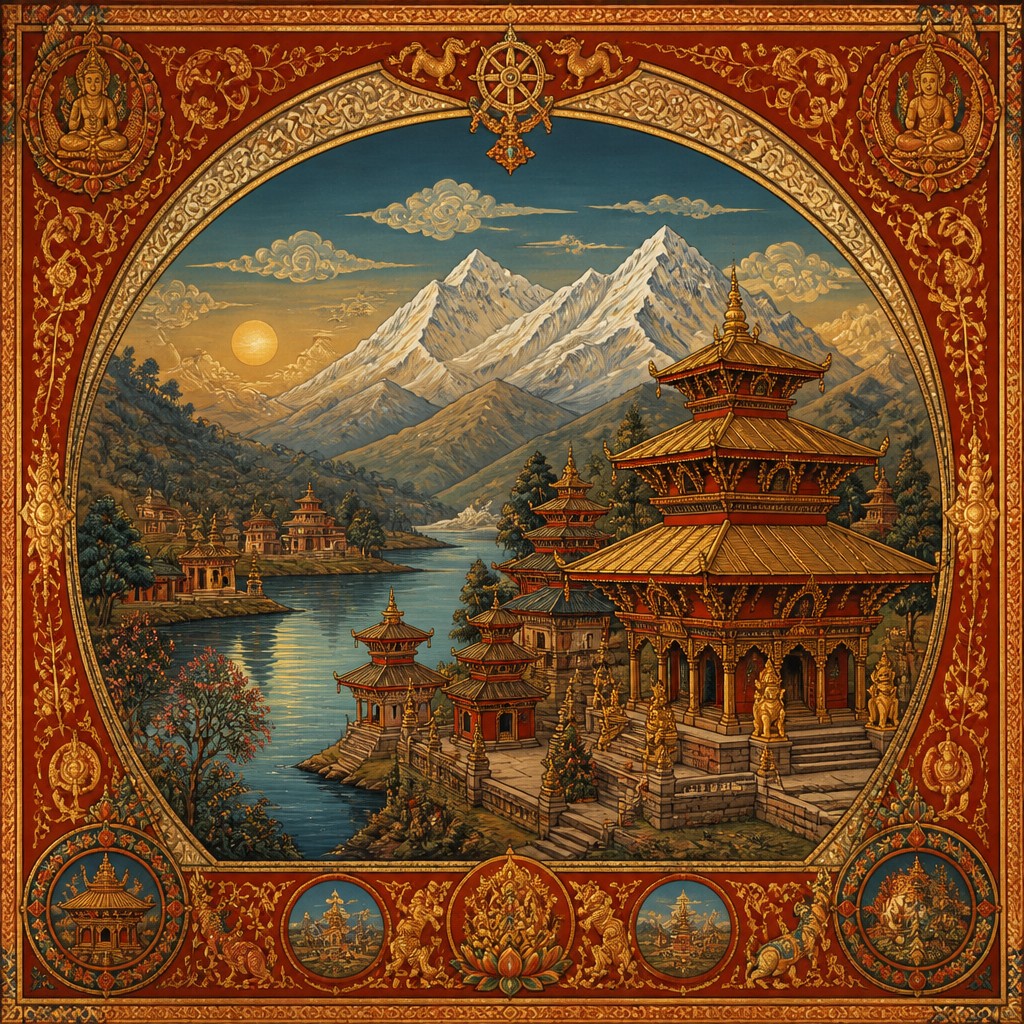
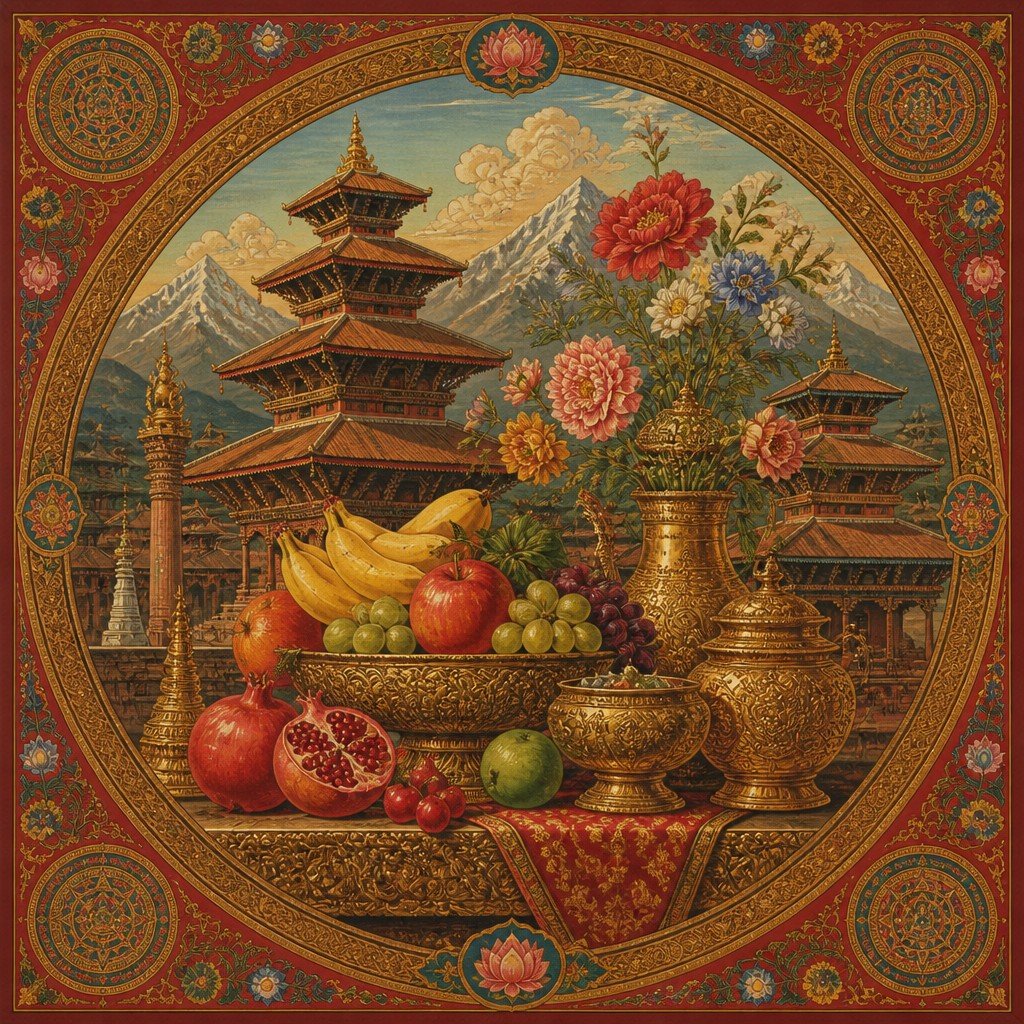
Multi-level roofs, upturned eaves, finials, and compact temple silhouettes provide a strong architectural framework. Carved struts and bracket systems add rhythmic detail beneath the rooflines.
Gilded repoussé relief
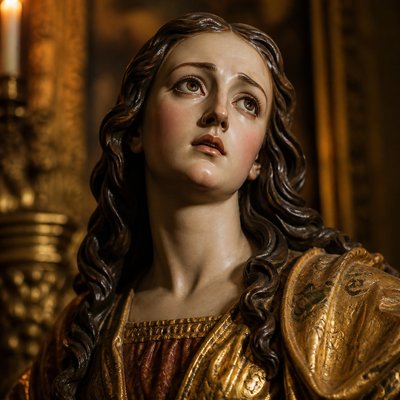
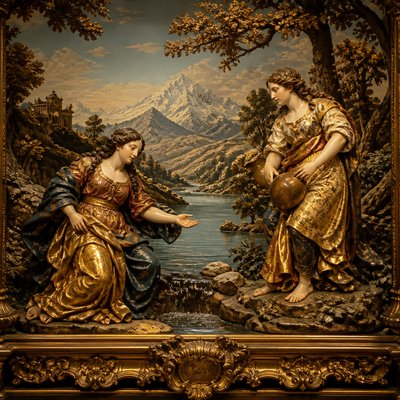
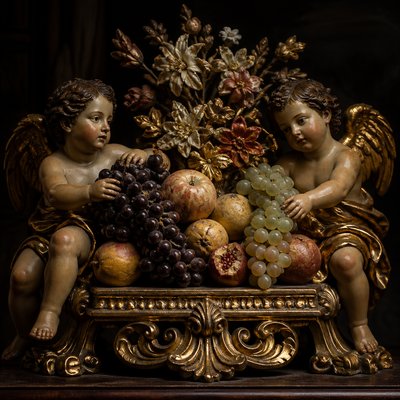
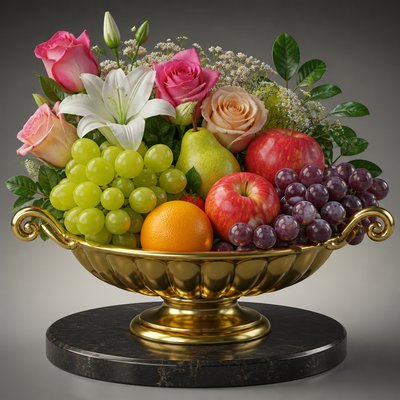
Thin metal sheets are hammered from the reverse to create raised floral, geometric, and divine motifs, then gilded or left with a warm metallic surface. The result is a finely modeled shimmer rather than a flat yellow color.
Paubha-inspired composition
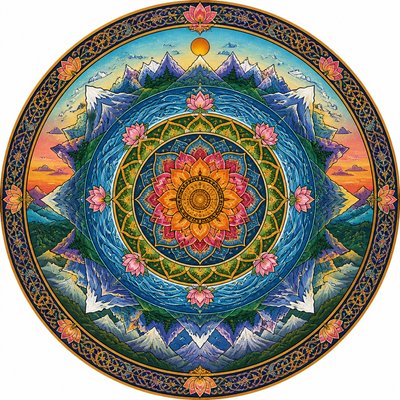
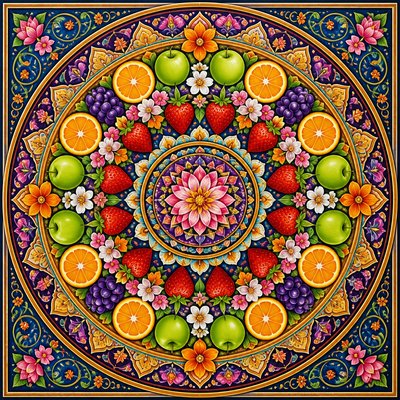
Figures and symbols are arranged within disciplined, often symmetrical fields with central focal points, halos, lotus bases, ornamental borders, and mandala-like geometry. Space is organized for clarity and iconographic meaning.
Mineral and jewel-like palette
Deep red, gold, ultramarine, green, black, white, and orange are used in concentrated blocks and precise accents. Strong color contrast gives the imagery the appearance of illuminated pigment, enamel, or precious materials.
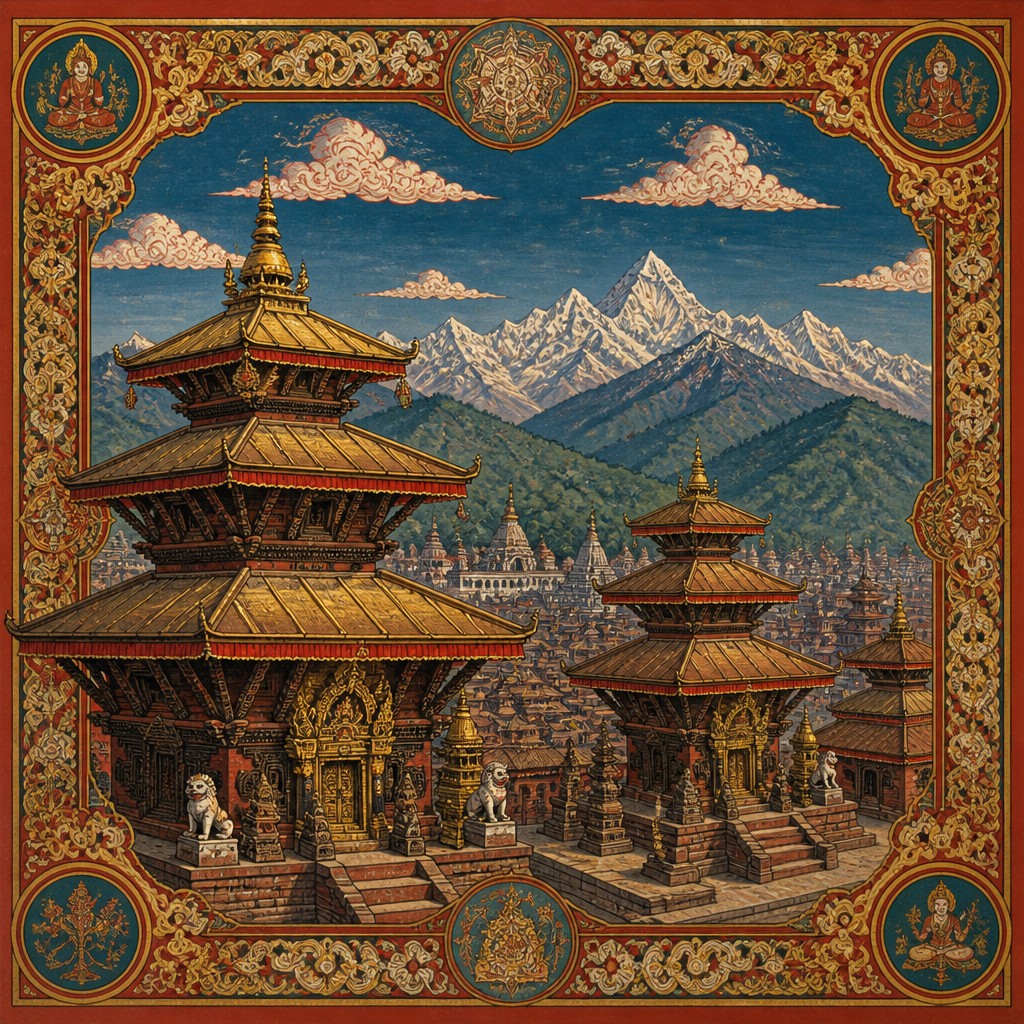
Dense ornamental surface
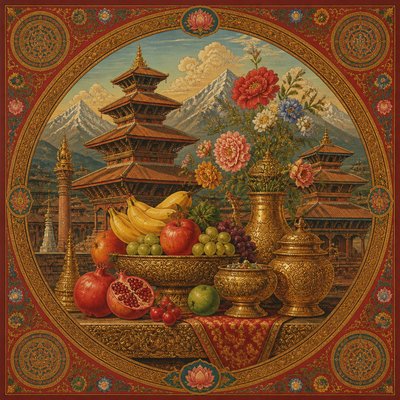
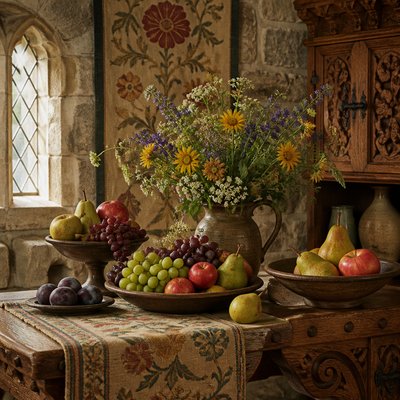
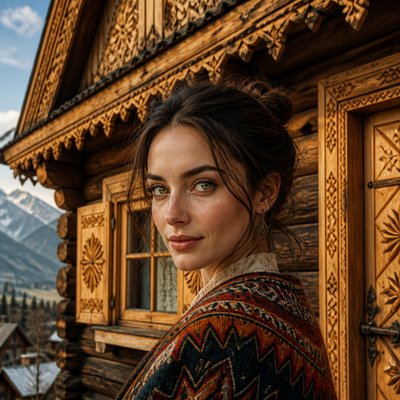
Every area may carry carved foliage, scrollwork, beaded edges, lotus patterns, cloud forms, jewelry, or patterned textiles. Fine linework and repeated motifs create visual richness without relying on painterly looseness.
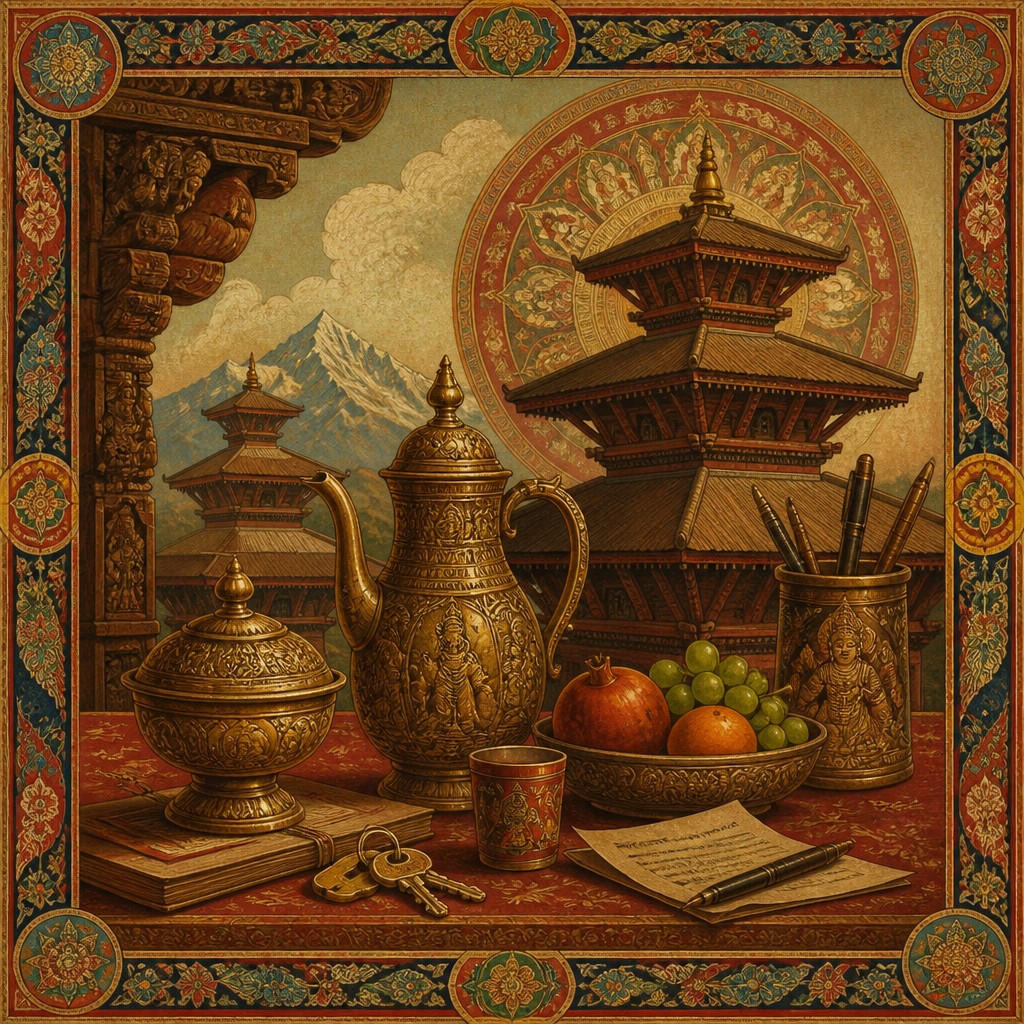
Sacred and Himalayan imagery
Lotuses, ritual objects, protective deities, prayer flags, mountain light, incense, stupas, and temple courtyards are common subjects. Even secular scenes may retain a sense of ritual order and spiritual atmosphere.
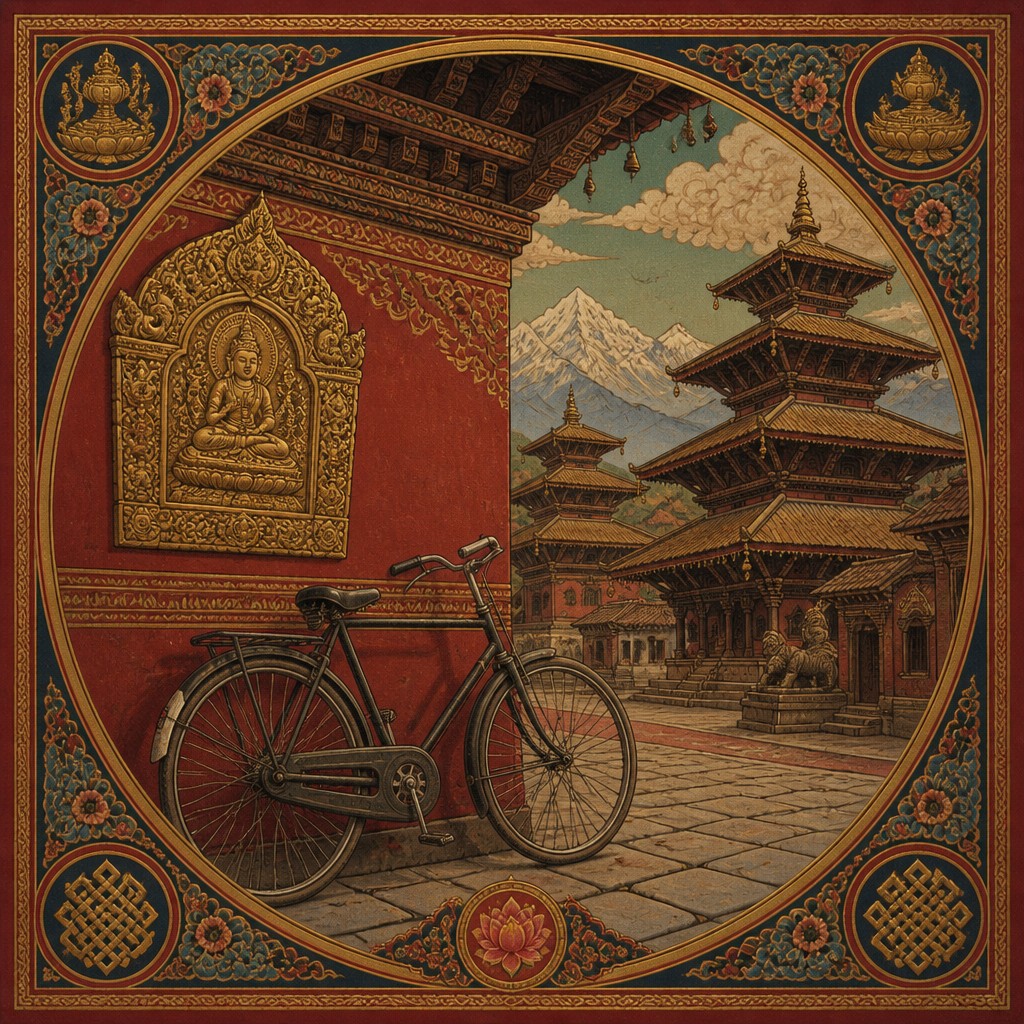
Craft-visible texture
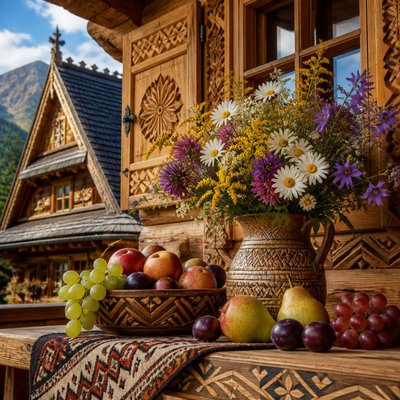
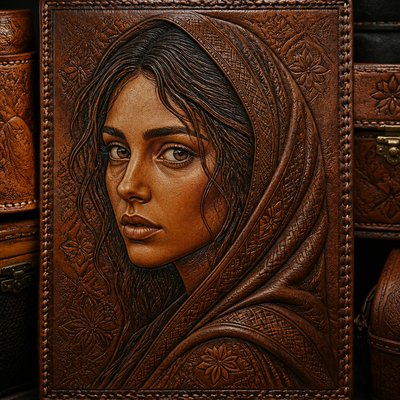
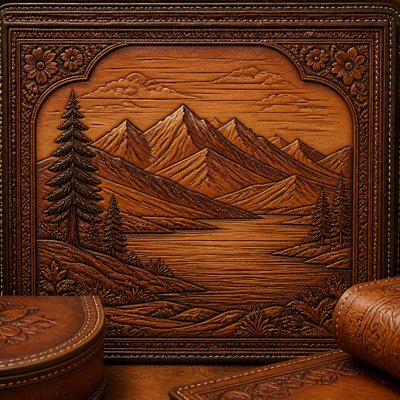
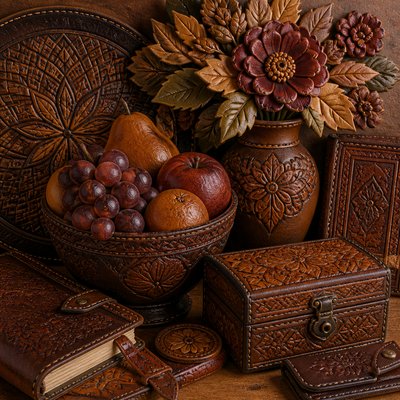
Wood grain, hammered metal, layered pigment, carved relief, woven cloth, and aged patina should remain perceptible. Material specificity is central to the style's tactile identity.
Nepali Prompt Ideas
Start from an idea — each one opens the generator with the style ready to go. See all 40 Nepali prompts →
How to Create Nepali Art
Master the craft step by step — or skip straight to creating. Read the full guide →
- 1
Build a structured composition
Begin with a central axis, a mandala-like framework, or a clearly tiered architectural silhouette. Reserve the strongest contrast and finest detail for the focal figure, shrine, or ceremonial object.
- 2
Layer traditional materials
For physical work, combine gouache or mineral-pigment-inspired paint with metallic leaf, embossed foil, carved wood, raised gesso, or patterned textile. Use burnished highlights and darker recesses to suggest repoussé depth.
- 3
Use controlled line and ornament
Draw crisp contour lines and repeat borders, lotus petals, scrolls, beads, and geometric motifs with measured spacing. Avoid random decoration; ornament should reinforce the architecture and hierarchy of the scene.
- 4
Control the palette and light
Anchor the image in deep red and antique gold, then add restrained blue, green, black, and ivory accents. Use warm Himalayan daylight to reveal relief while preserving the saturated, ceremonial color structure.
- 5
Describe materials precisely in digital work
For digital painting or image-to-image transformation, specify hammered gilded metal, carved dark wood, mineral pigments, aged patina, fine relief, and hand-drawn borders. Protect important facial features and silhouettes with a lower transformation strength when editing a photograph.
- 6
Write prompts around subject and structure
State the subject first, then add the architectural setting, symmetrical composition, palette, materials, and lighting. Useful terms include tiered pagoda roofs, paubha-inspired border, mandala geometry, repoussé relief, carved brackets, and Kathmandu Valley temple courtyard.
The Story
History & Origins of Nepali
The contemporary label Nepali art style is not the name of a single historical movement. It is better understood as an aesthetic synthesis based on these established traditions, often emphasizing Kathmandu Valley temple elegance, gilded metal surfaces, mandala geometry, and richly saturated color while adapting them to modern illustration, design, and image-making.
Influences: Nepali art style is closely related to Newar paubha painting, Himalayan Buddhist thangka traditions, Hindu temple iconography, South Asian metal repoussé, wood-carving traditions of the Kathmandu Valley, and pagoda architecture. It also shares compositional principles with mandala design, illuminated manuscript painting, devotional sculpture, and decorative arts that emphasize symmetry, material richness, and symbolic ornament.
Frequently Asked Questions
What defines Nepali art style?
It is defined by the combination of Kathmandu Valley temple architecture, paubha-inspired composition, gilded repoussé metalwork, carved wood ornament, saturated mineral colors, and mandala-like organization. The visual effect is dense, symmetrical, ceremonial, and highly tactile.
Is Nepali art style a single historical art movement?
No. The phrase generally refers to a contemporary or descriptive synthesis of several established Nepali traditions rather than one named movement. Its principal sources include paubha painting, Newar metalwork, temple wood carving, and Himalayan religious art.
How is this style different from Tibetan thangka painting?
Both may use sacred figures, mandala structures, mineral pigments, and precise iconography. Nepali references often place greater emphasis on Kathmandu Valley pagodas, carved timber architecture, Newar metal repoussé, and dense architectural ornament, while Tibetan traditions encompass distinct regional painting, textile, and monastic forms.
What colors are associated with Nepali art style?
Deep vermilion and crimson red paired with gold are especially characteristic. Ultramarine, green, black, white, orange, and muted antique-metal tones can be added to create the jewel-like contrast associated with sacred painting and temple decoration.
How can I make an image in this style without losing cultural specificity?
Use accurate visual terms such as paubha-inspired composition, Kathmandu Valley pagoda, carved Newar-style woodwork, gilded repoussé, lotus border, and mandala geometry. Avoid treating sacred deities or ritual objects as generic exotic decoration, and research the symbols and architectural forms used in the scene.
Where is Nepali art style commonly used?
Its visual language appears in religious painting, temple and shrine decoration, metal sculpture, wood carving, jewelry, textiles, murals, editorial illustration, packaging, interior accents, and contemporary digital art. It is especially effective for subjects involving ceremonial spaces, sacred objects, heritage architecture, and richly patterned environments.
Create your first Nepali artwork
Describe anything — or upload a photo — and see it in Nepali Art Style in seconds.
Related Styles
Discover similar art styles