Zanzibar Art Style
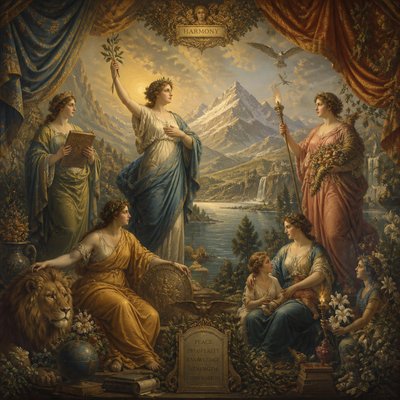
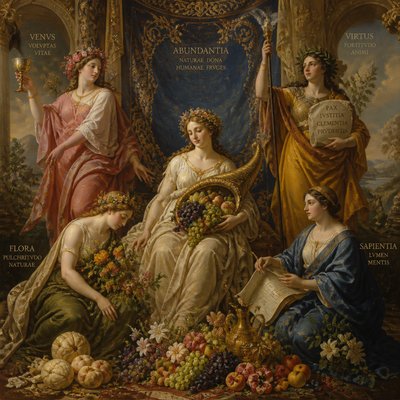
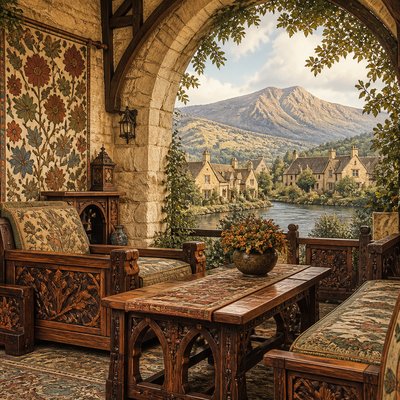
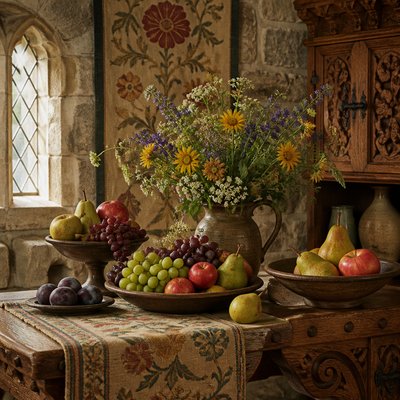
Explore Zanzibar art style: carved Swahili doors, coral-stone alleys, brass details, and warm Indian Ocean light in richly textured scenes.
Instantly rendered in Zanzibar — or transform a photo
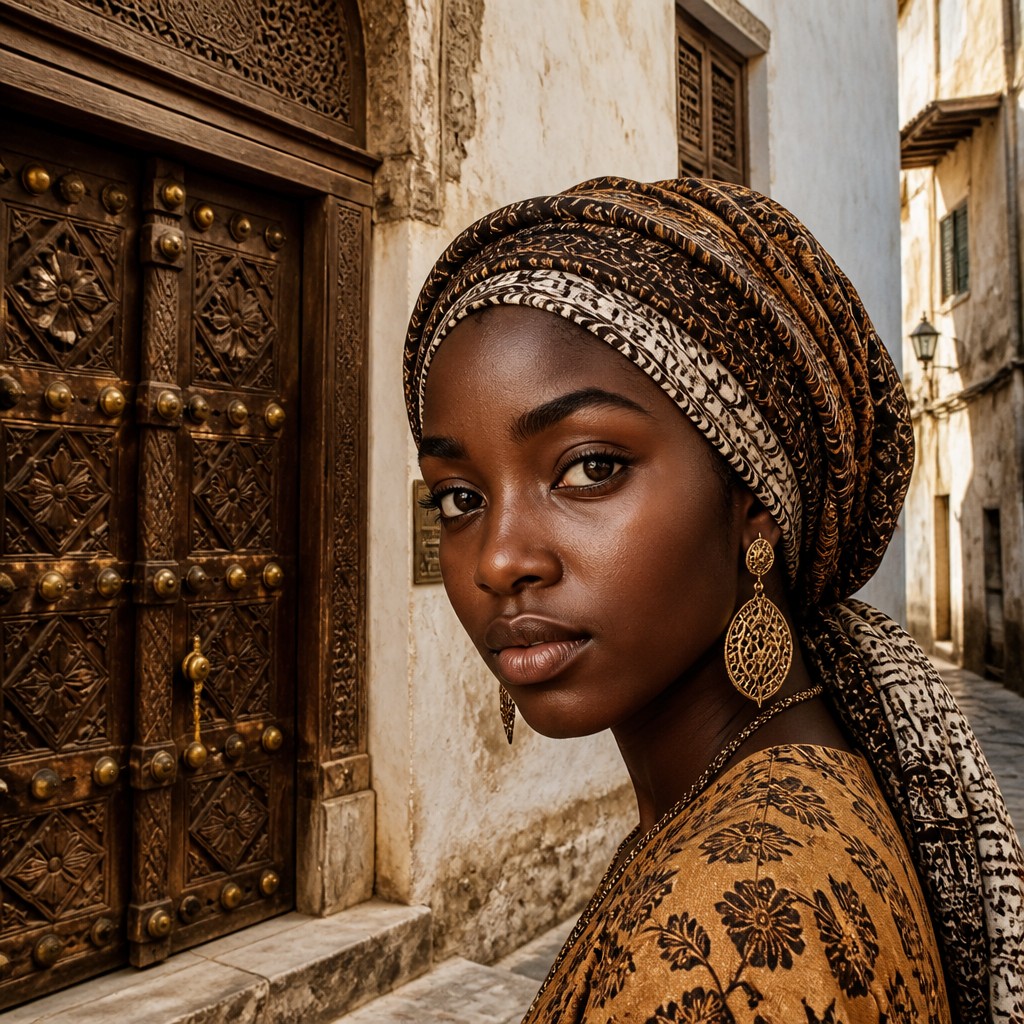
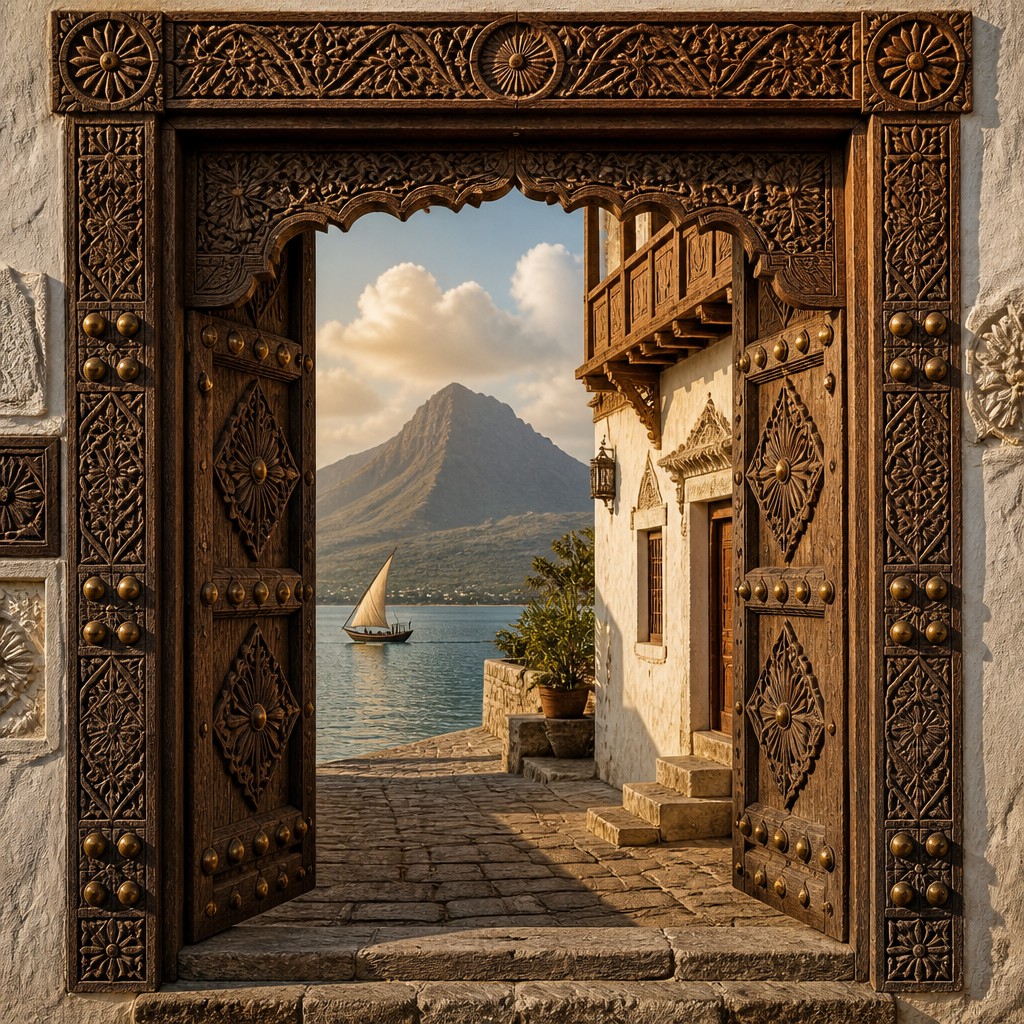
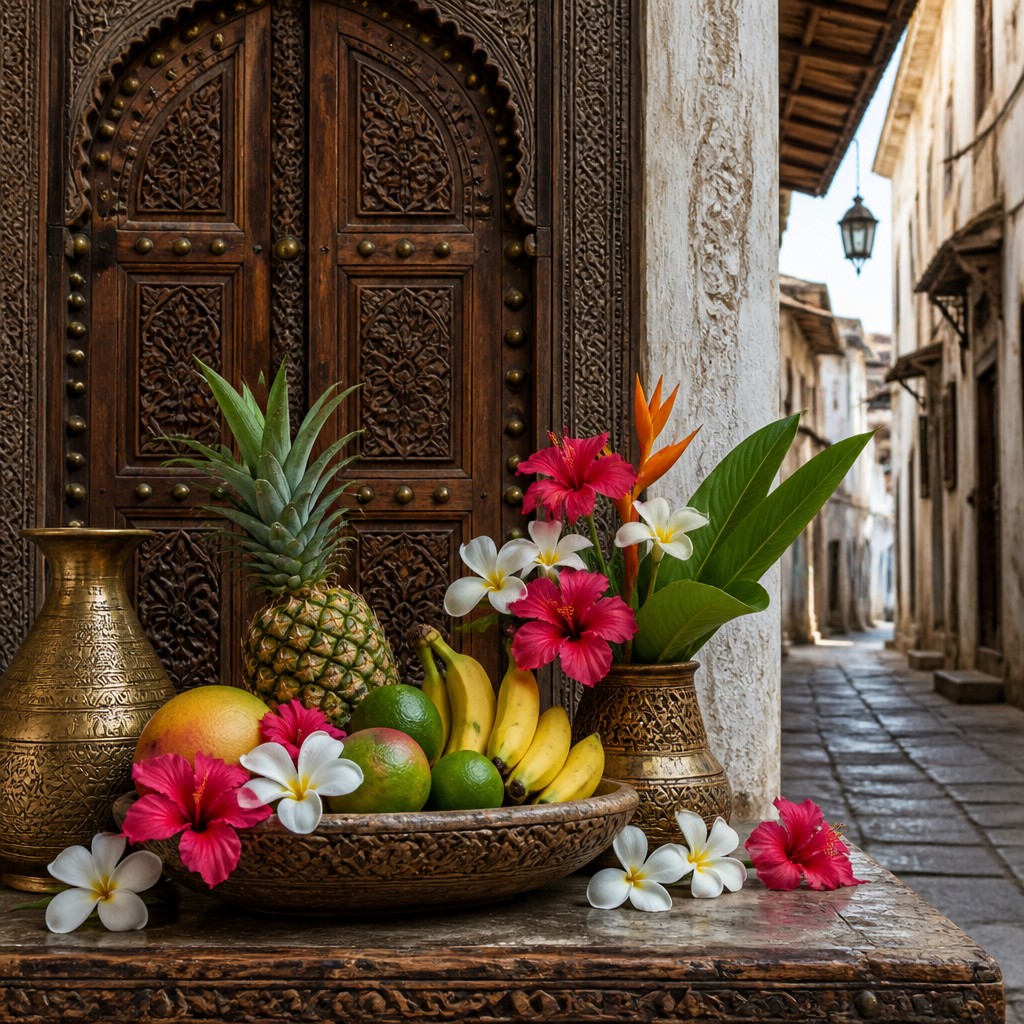
Zanzibar Gallery
Tap any artwork to explore it
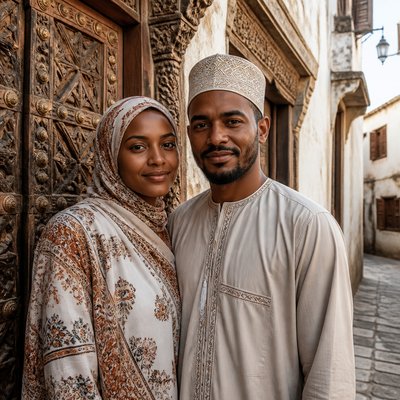
What is Zanzibar Art Style?
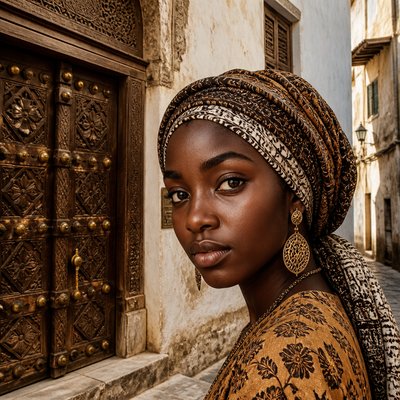
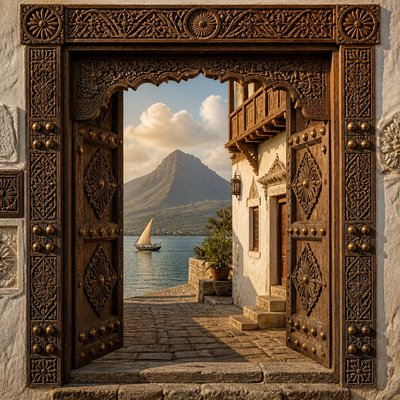
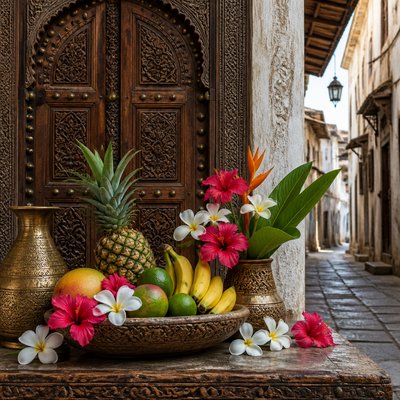
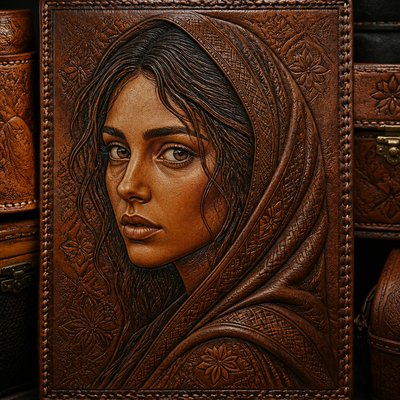
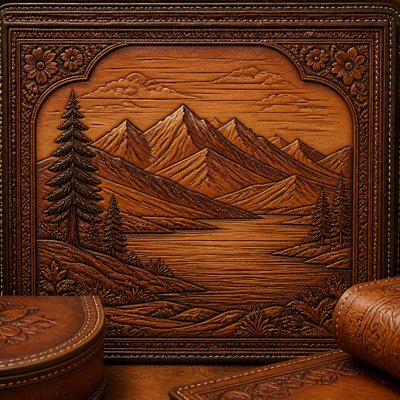
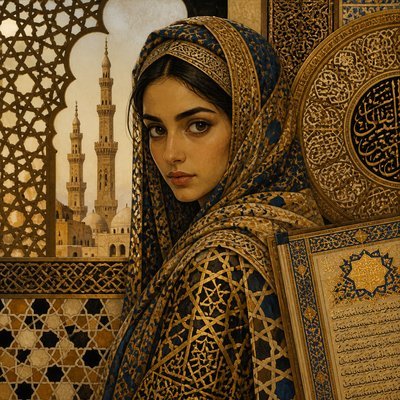
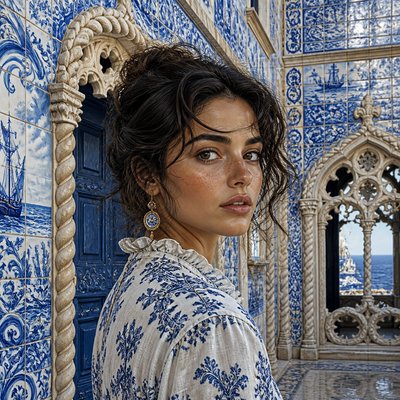
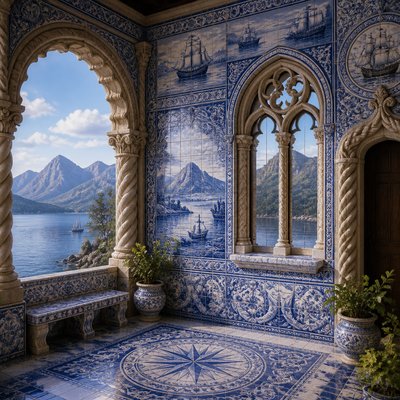
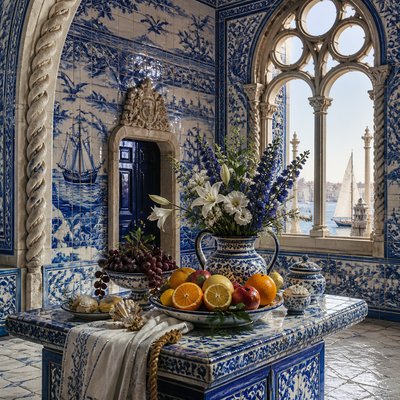
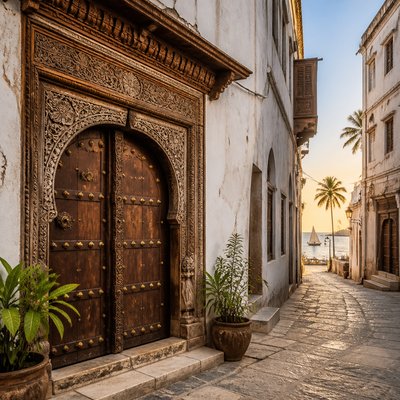
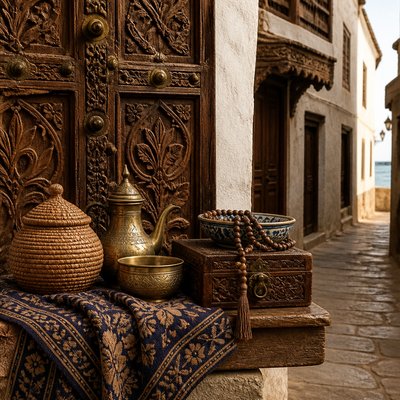
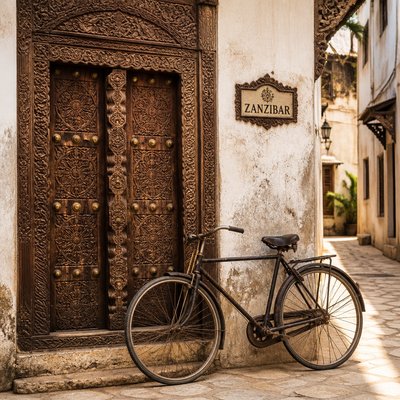
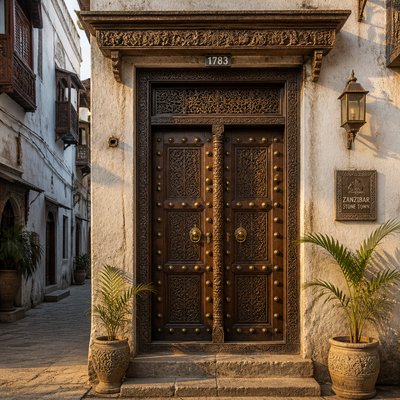
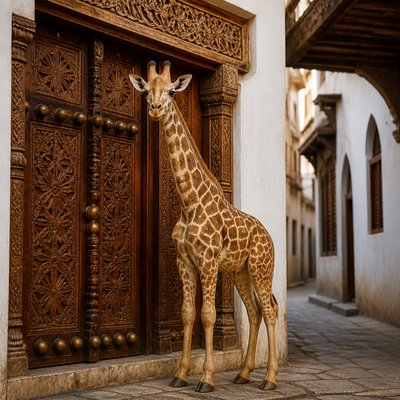
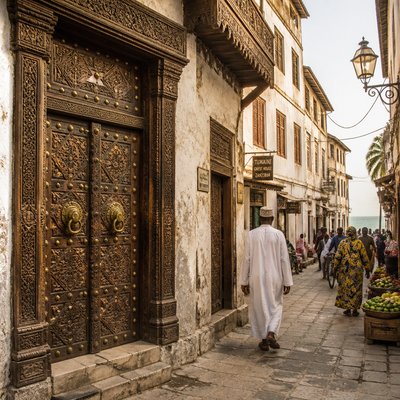
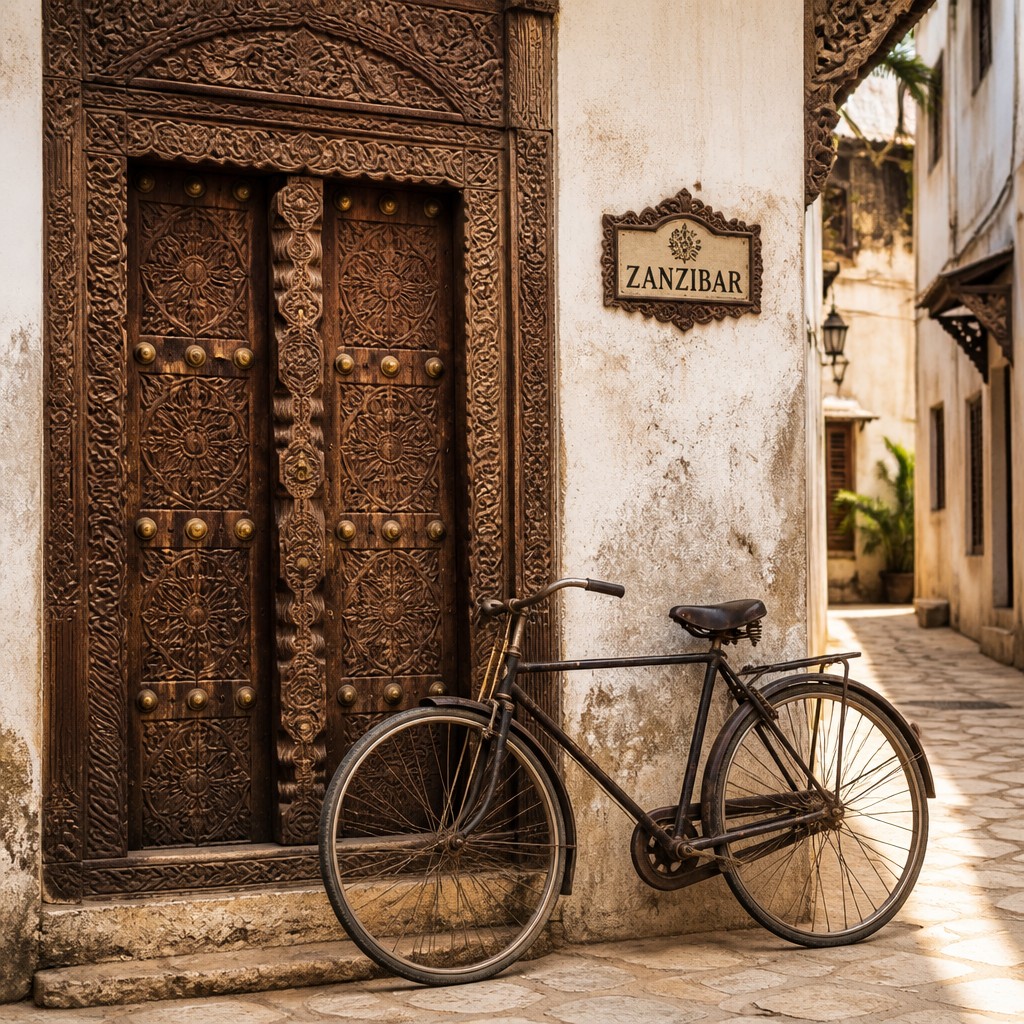
Zanzibar Art Style is a contemporary descriptive aesthetic centered on the architectural character of Zanzibar’s Swahili coast, especially the dense stone streets and carved entrances associated with historic Stone Town. Its signature imagery combines whitewashed coral-stone walls, narrow shaded passageways, worn thresholds, heavy wooden doors, brass studs, and elaborately carved geometric or floral lintels.
Try It On Your Photos
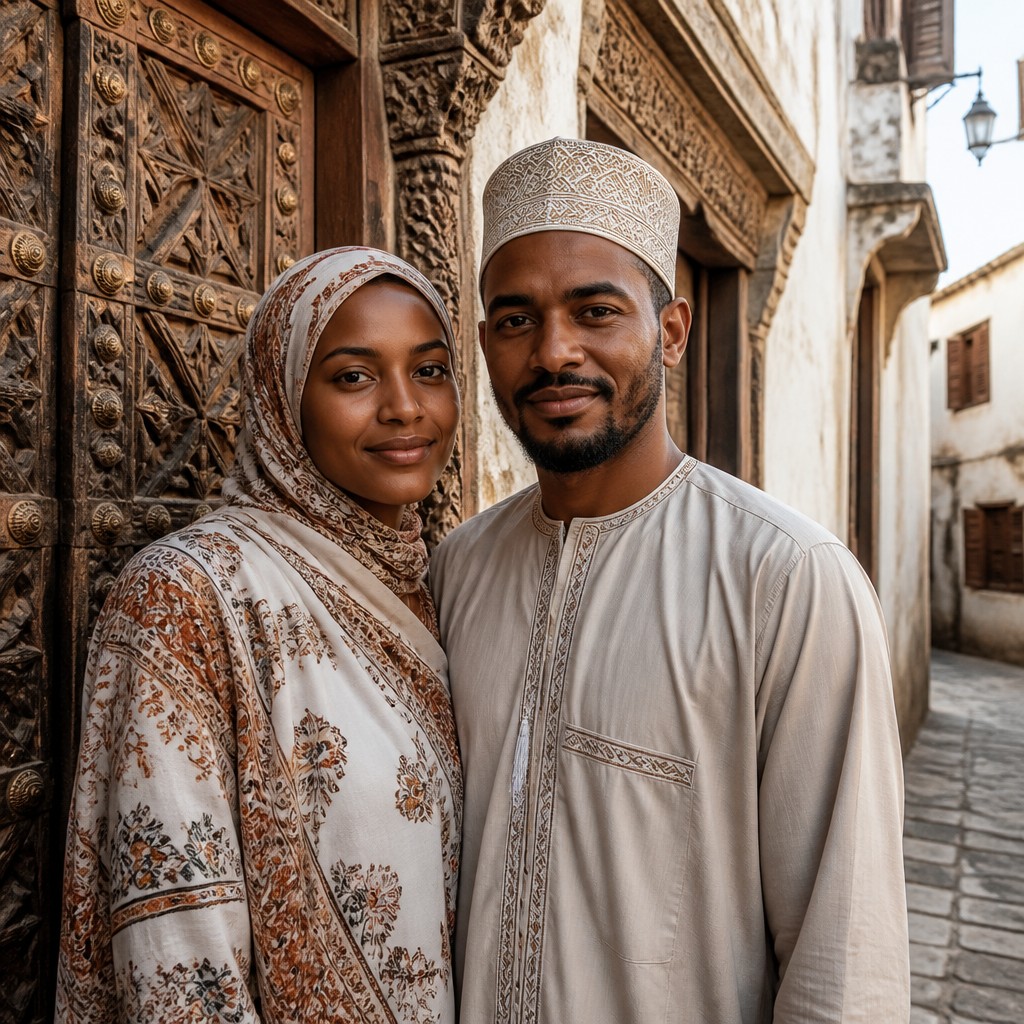
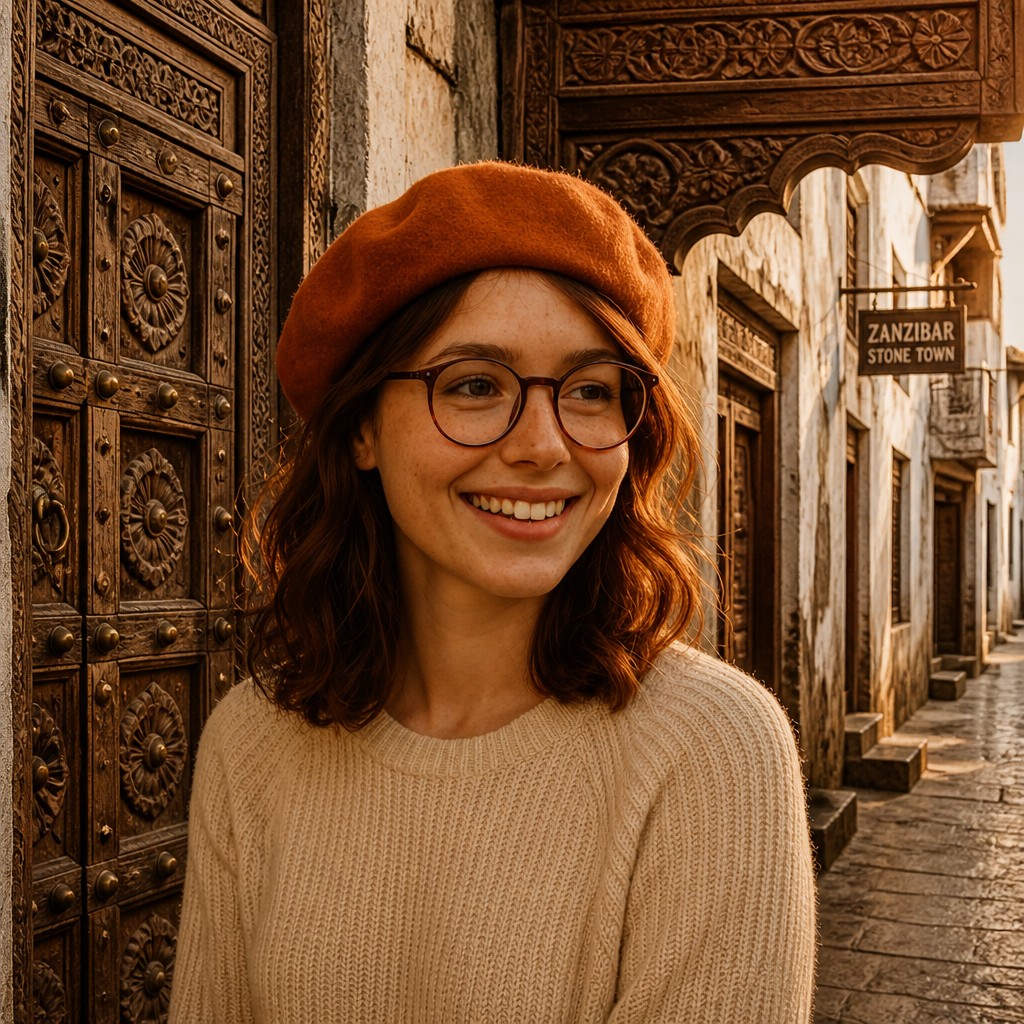
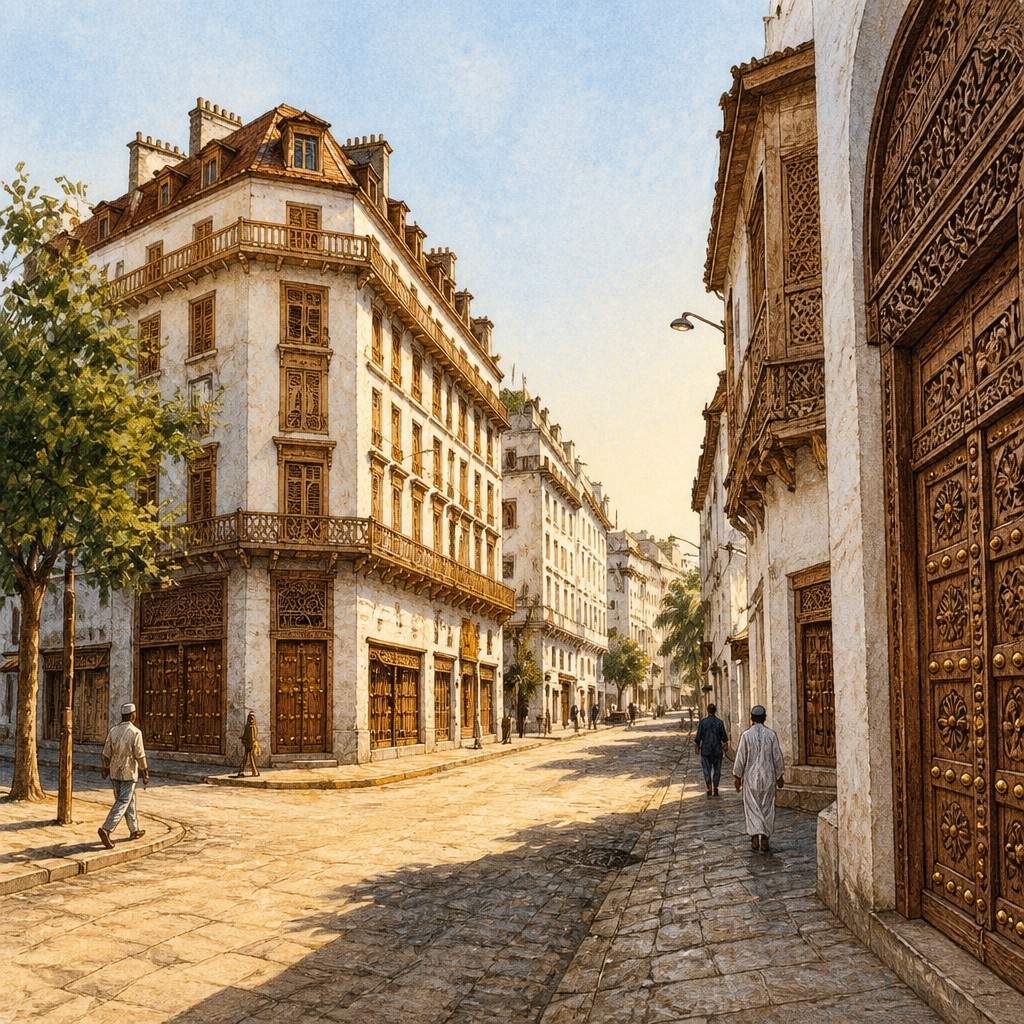
Upload any photo and convert it into Zanzibar Art Style — drag the sliders to compare before and after.


What Defines Zanzibar Art Style
The signature details, up close
Carved Swahili doors
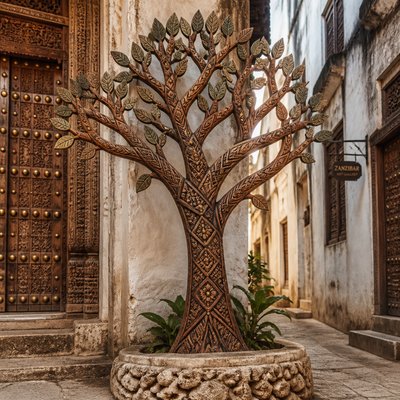
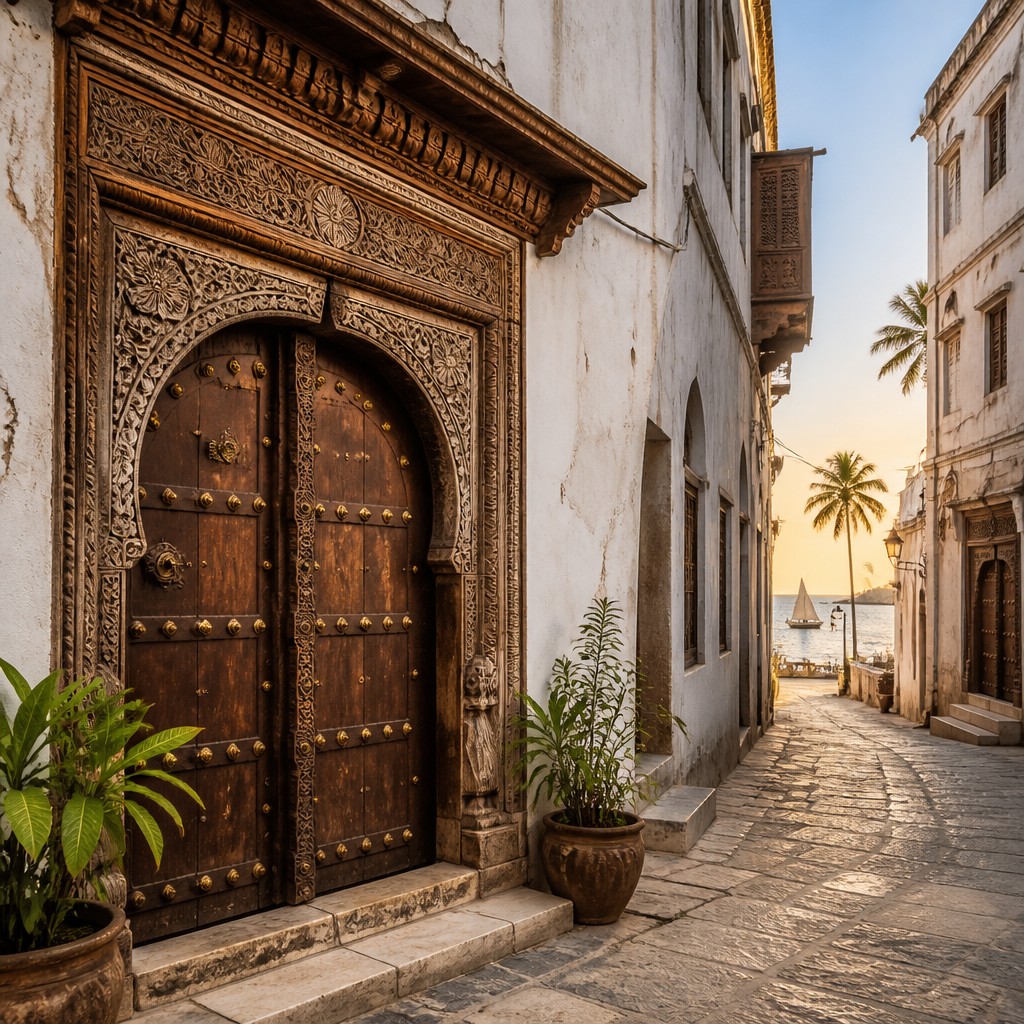
Large wooden doors act as the visual focal point, with deep geometric, vegetal, and symbolic relief carving. Their broad surfaces often contrast with surrounding pale masonry.
Brass-studded ornament
Rows or clusters of brass studs add rhythm, tactile detail, and warm metallic accents to dark timber doors. The hardware may be depicted as functional reinforcement as well as decoration.
Coral-stone architecture
Whitewashed or weathered coral-rag walls provide a porous, irregular surface with softly eroded edges. Stone, plaster, and limewash are essential to the palette and sense of place.
Narrow alleyways
Compressed streets, shaded arcades, and tightly spaced façades create strong passages of light and shadow. The perspective often leads toward a glowing opening, doorway, or bend in the lane.
Geometric and floral relief
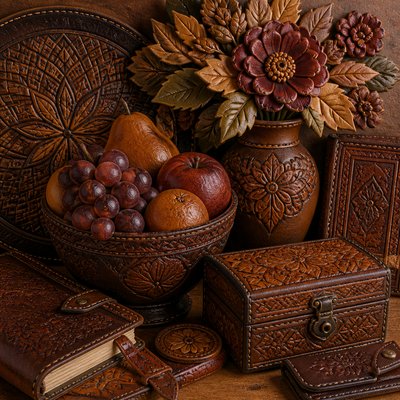
Repeating stars, interlace, arabesques, vines, rosettes, and other carved patterns connect the style to Islamic ornamental design while retaining a distinct coastal craft character.
Golden coastal atmosphere
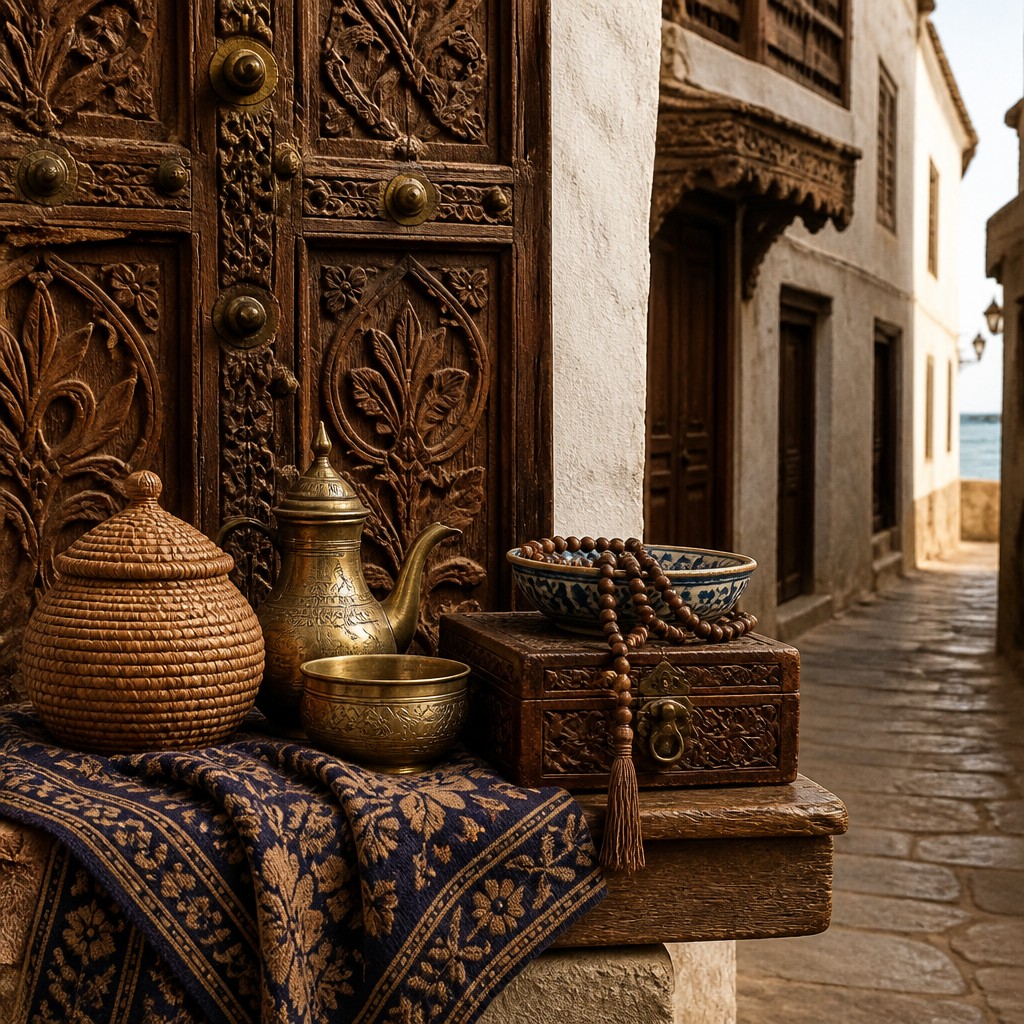
Low, warm sunlight filters across walls and thresholds, producing amber highlights, long shadows, and a dusk-like glow. The mood is quiet, aged, and richly tactile rather than brightly saturated.
Weathered material texture
Peeling paint, softened carving, oxidized metal, dust, worn stone steps, and uneven plaster prevent the scene from feeling pristine. Surface age is treated as an important part of the composition.
Zanzibar Prompt Ideas
Start from an idea — each one opens the generator with the style ready to go. See all 40 Zanzibar prompts →
How to Create Zanzibar Art
Master the craft step by step — or skip straight to creating. Read the full guide →
- 1
Establish the architectural structure
Begin with a narrow perspective, a dominant doorway, and layered coral-stone façades. Use overlapping walls and recessed entrances to create the characteristic depth of a historic coastal street.
- 2
Build the door carving carefully
Sketch the timber as a broad vertical plane, then organize relief into balanced geometric borders, floral panels, and a prominent lintel. Vary carving depth so the ornament reads through shadow rather than flat linework alone.
- 3
Use a restrained material palette
Combine chalk white, sand, ochre, terracotta, dark brown timber, muted green, and aged brass. Add irregular grain, chipped limewash, porous stone, and oxidized metal to make surfaces feel handmade and weathered.
- 4
Control the light
Place a low warm light source at the end or side of the alley, while keeping recesses cool and subdued. Strong value contrast around the doorway will clarify both the architecture and the carved details.
- 5
Work digitally with layered texture
Use separate layers for masonry, plaster, wood, metal, relief shadows, and atmospheric light, then apply subtle grain and edge wear. Perspective guides and displacement or bump effects can help ornamental carving sit convincingly on the door.
- 6
Write precise generation prompts
Specify the subject, camera viewpoint, door ornament, coral-stone materials, time of day, and surface condition in that order. Request historically grounded Swahili coastal architecture and avoid generic 'Arabian palace' terms if the goal is an authentic Zanzibar street atmosphere.
The Story
History & Origins of Zanzibar
The name does not designate a formally codified historical art movement. Instead, it describes a visual lineage drawn from Swahili coastal architecture and craft traditions shaped over centuries by local building practices and Indian Ocean cultural exchange. Zanzibar’s historic environments reflect African, Arabian, Persian, Indian, and Islamic influences, visible in their materials, ornamental vocabulary, spatial organization, and decorated entrances.
Influences: The style draws on Swahili coastal architecture, historic Stone Town streetscapes, Islamic geometric and vegetal ornament, Indian Ocean material culture, African woodcarving traditions, and the weathered surfaces of vernacular coral-stone construction. It also relates to architectural photography, travel illustration, heritage documentation, and contemporary digital environment art that emphasizes place through material and light.
Frequently Asked Questions
What defines the Zanzibar Art Style?
It is defined by carved Swahili wooden doors, brass-studded details, coral-stone façades, narrow shaded streets, and warm coastal light. The style depends as much on tactile weathering and architectural depth as on decorative pattern.
Is Zanzibar Art Style a historical art movement?
No. The term is best understood as a contemporary aesthetic label rather than the name of a formal historical movement. It describes an image-making approach inspired by Zanzibar’s Swahili coastal architecture and related craft traditions.
How is it different from generic Islamic architecture imagery?
It focuses on the specific material and spatial character of Zanzibar: coral-rag walls, compact urban lanes, heavy wooden doors, tropical coastal light, and visible weathering. Islamic-inspired geometry may appear, but the setting is vernacular and Swahili rather than a generalized palace, mosque, or desert city.
Can I create this style from a photograph?
Yes, especially from images of doorways, masonry, alleys, courtyards, and façades with strong texture. Preserve the original perspective and major architectural forms while introducing carved timber, brass hardware, limewashed stone, and warm directional light.
What colors work best for this aesthetic?
A grounded palette of chalk white, limestone, sand, ochre, terracotta, dark wood, muted turquoise, and aged brass works well. Keep the shadows cooler and the highlights amber to suggest humid coastal dusk.
Where is this style commonly used?
It is well suited to architectural studies, travel imagery, cultural illustration, heritage interpretation, environmental concept art, editorial graphics, and atmospheric portraits set against historic coastal buildings. It can also frame contemporary subjects without losing its sense of place.
Create your first Zanzibar artwork
Describe anything — or upload a photo — and see it in Zanzibar Art Style in seconds.
Related Styles
Discover similar art styles