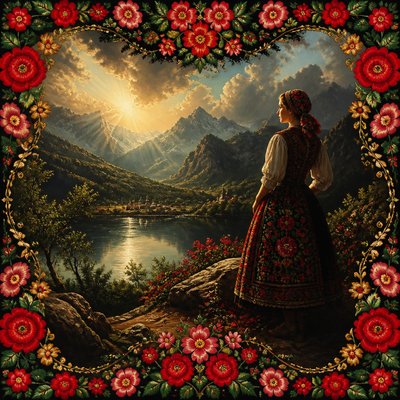
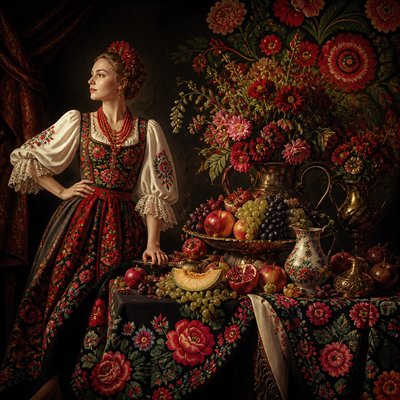
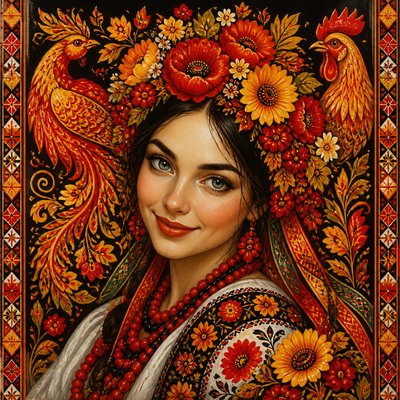
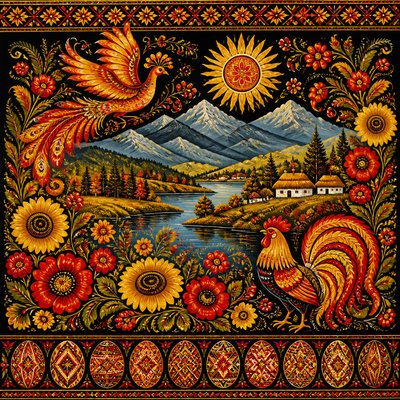
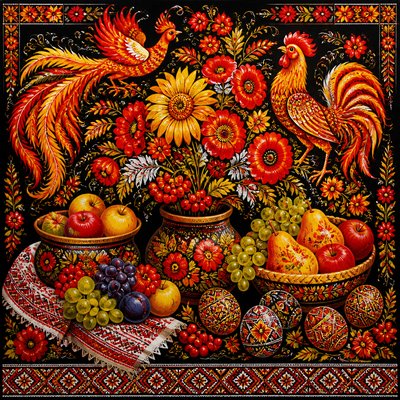
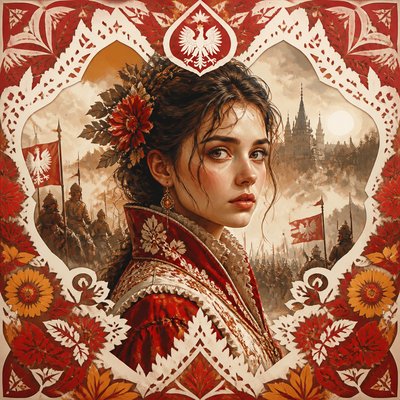
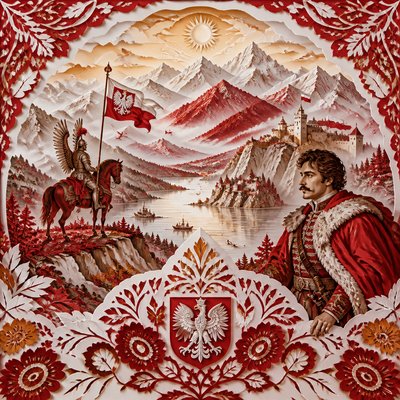
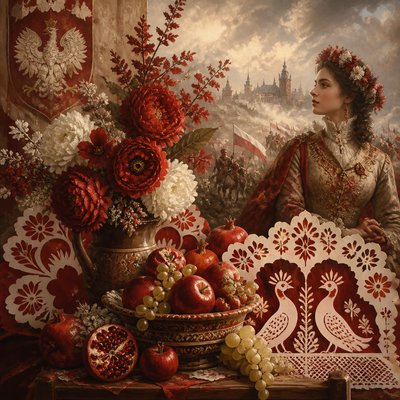
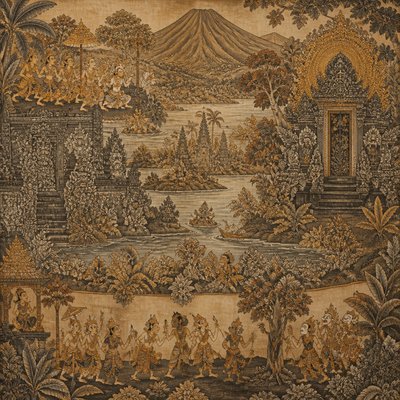
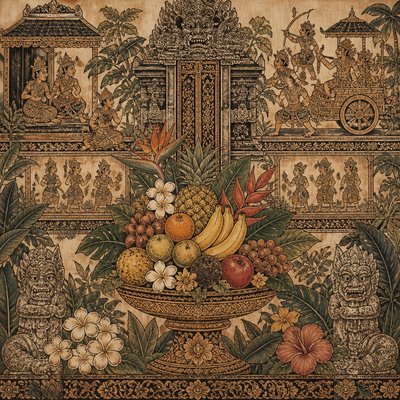
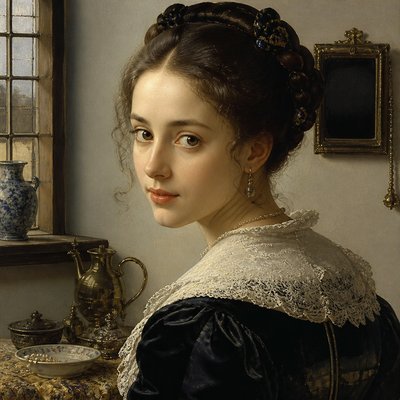
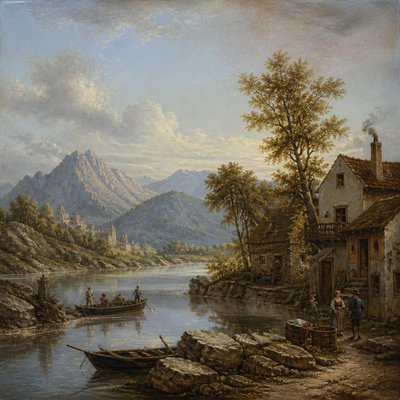
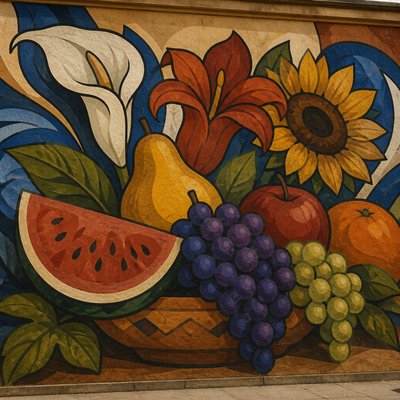
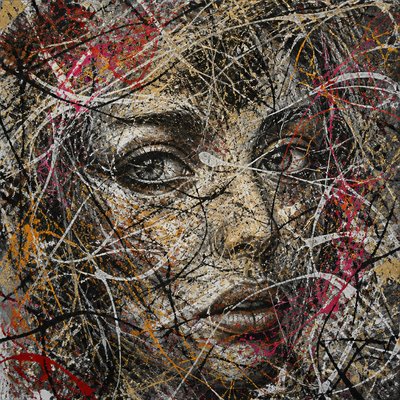
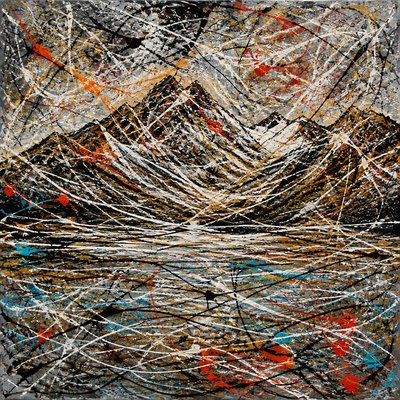
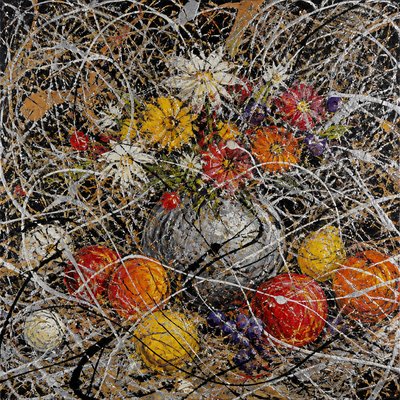
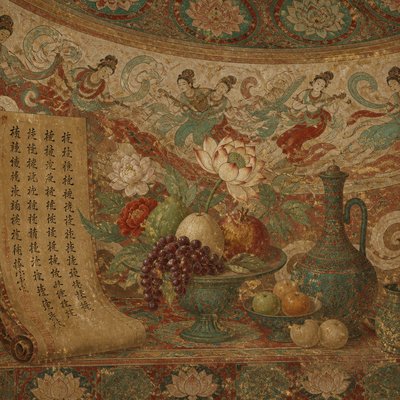
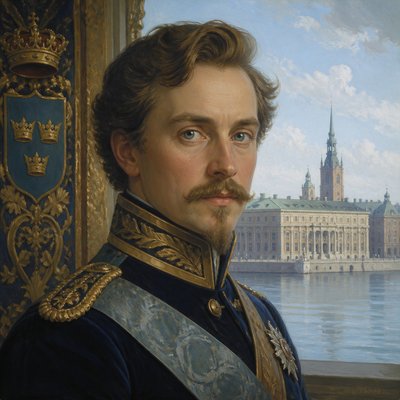
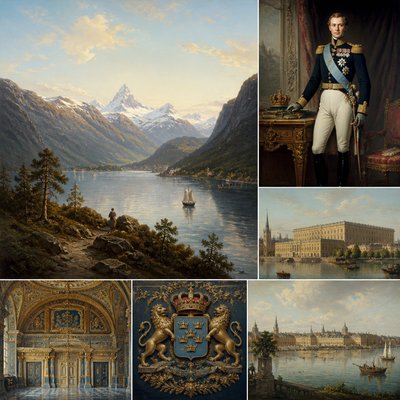
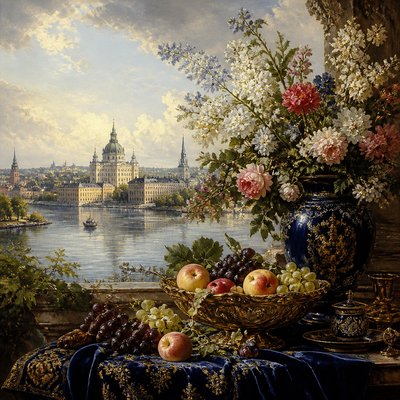
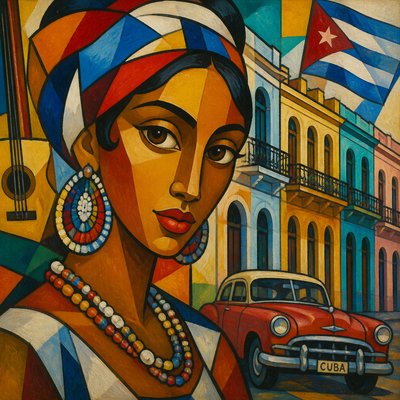
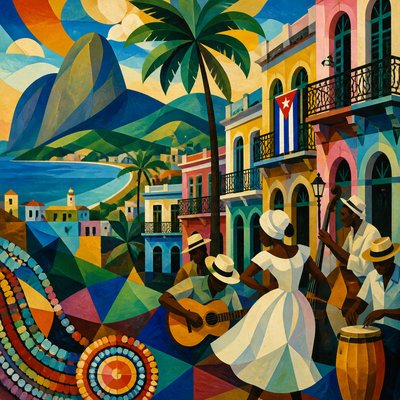
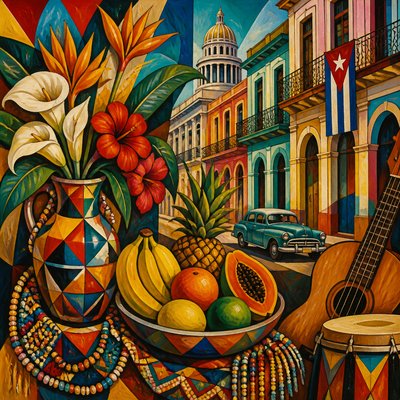
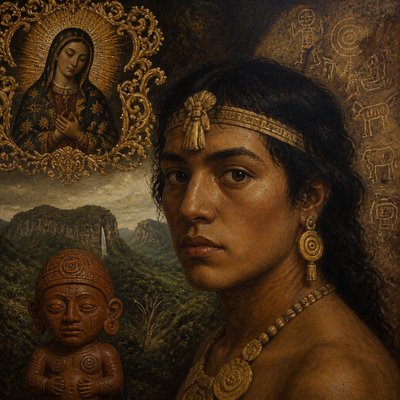
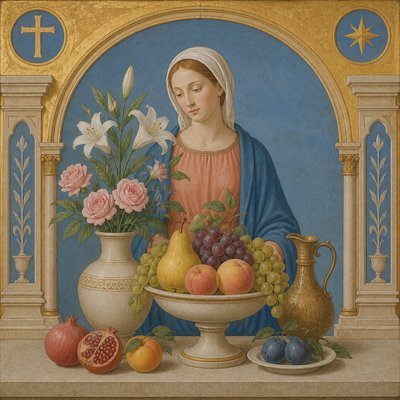
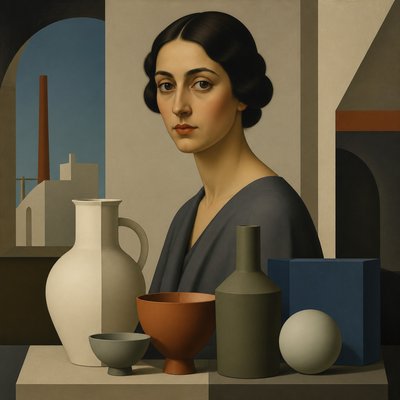
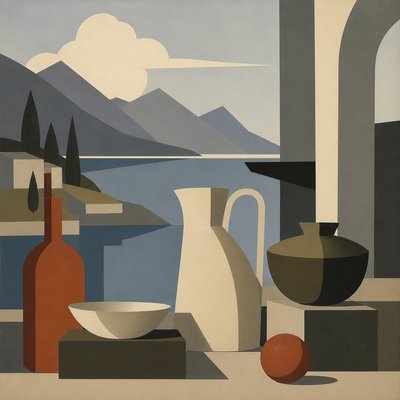
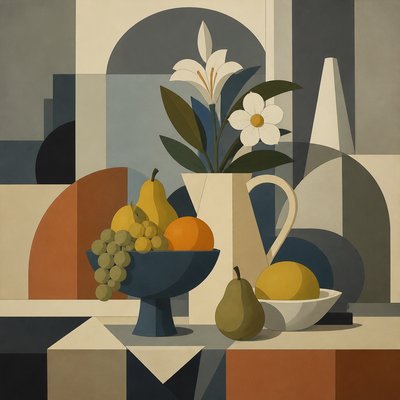
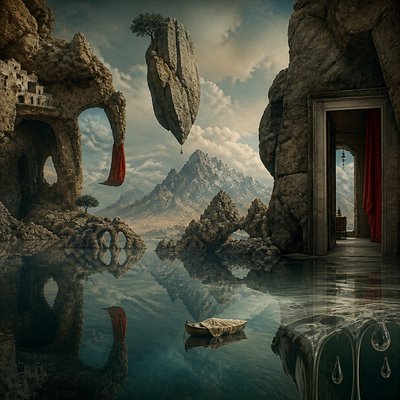
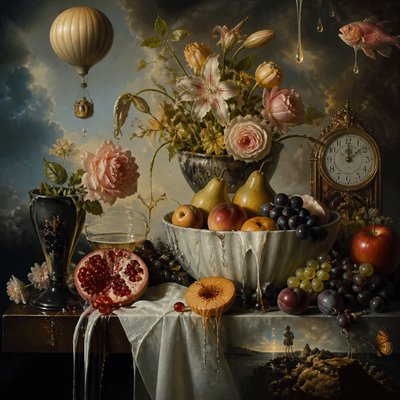
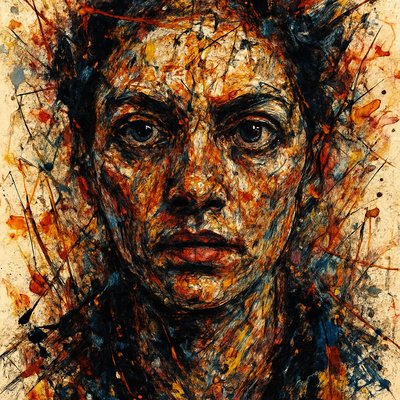
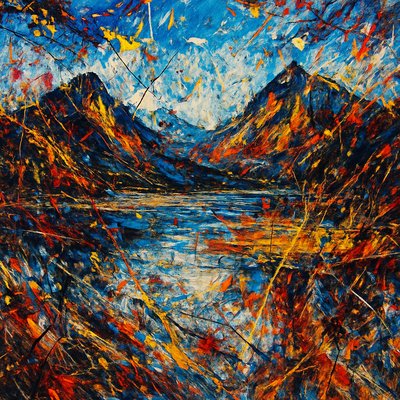
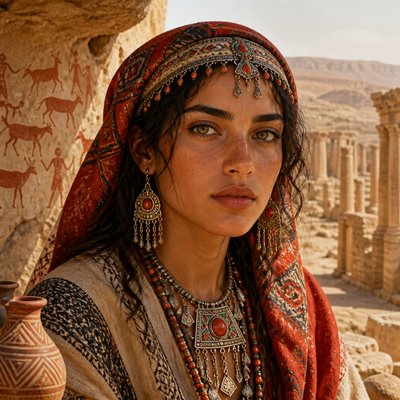
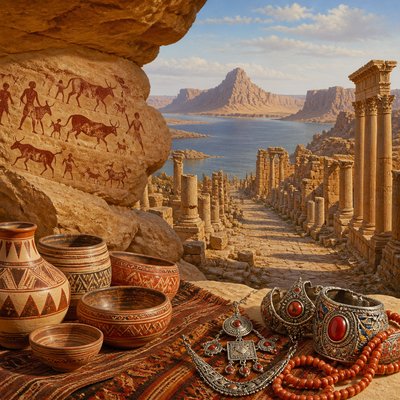
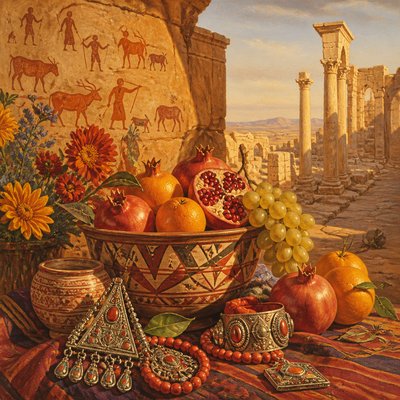
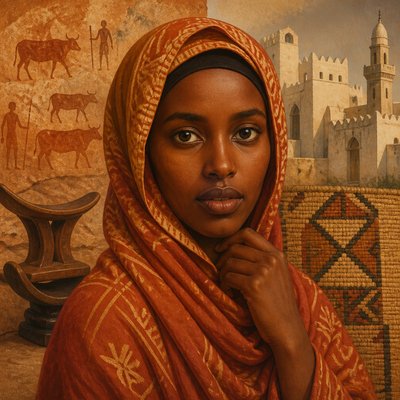
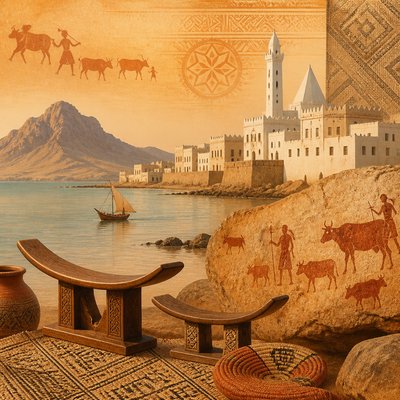
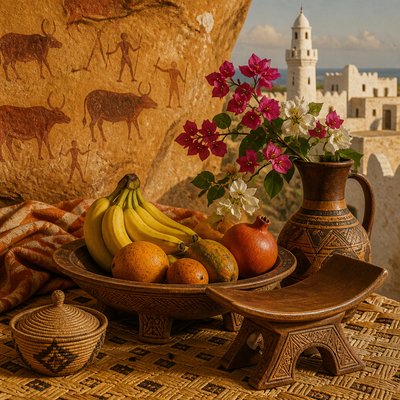
Oil Painting Art Style
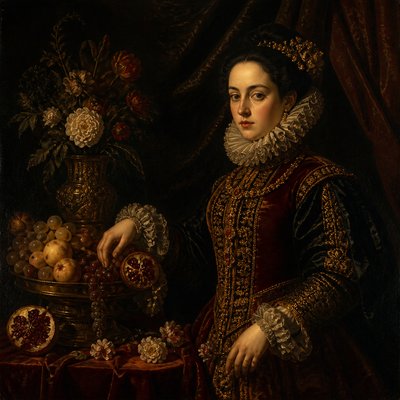
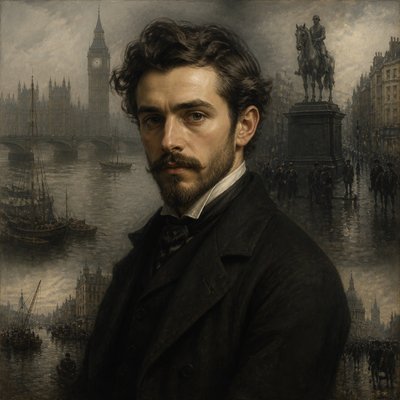
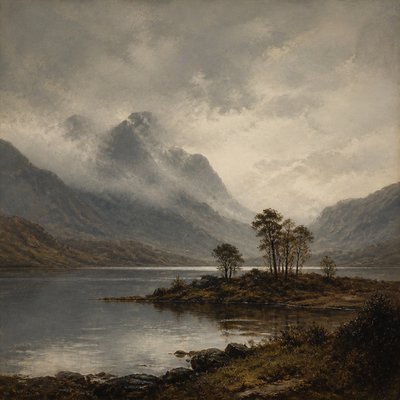
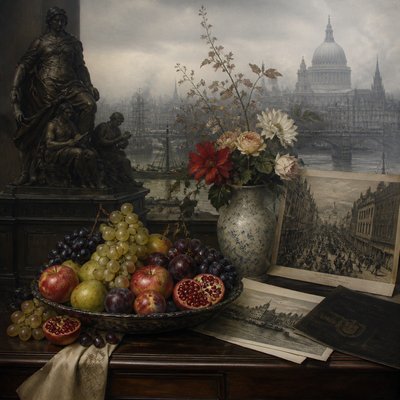
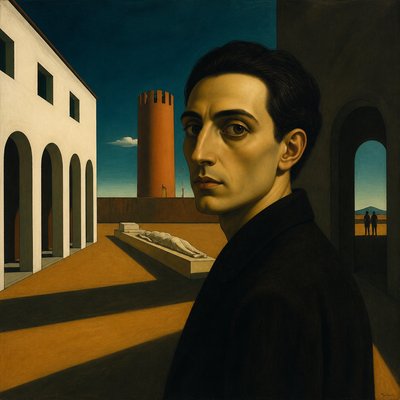
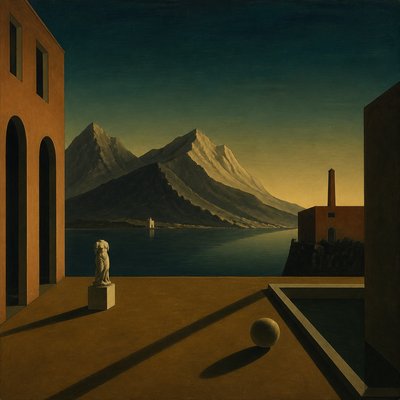
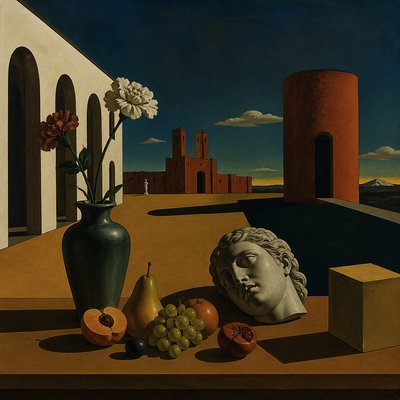
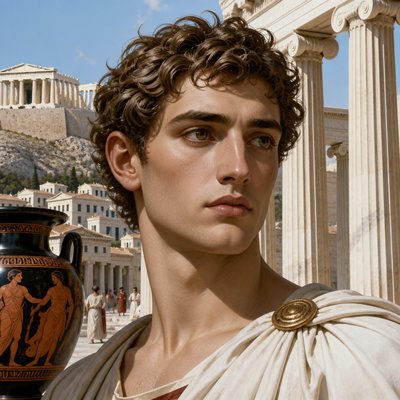
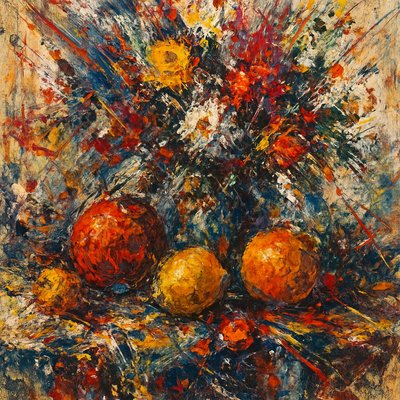
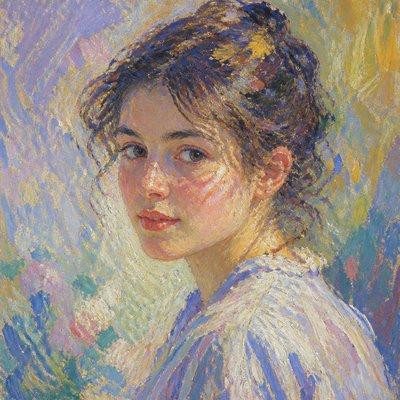
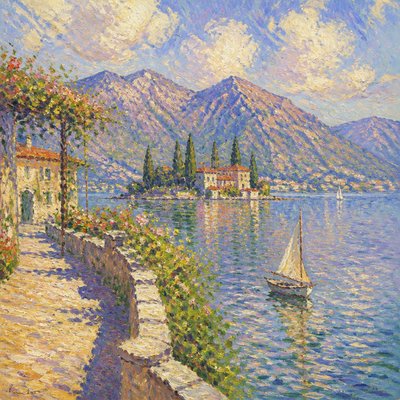
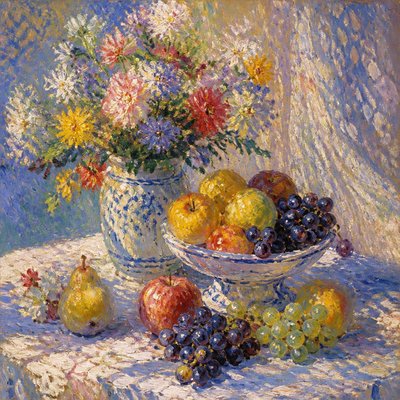
Rich, layered oil painting with luminous color, visible brushwork, and timeless depth for portraits, landscapes, and more.
Instantly rendered in Oil Painting — or transform a photo
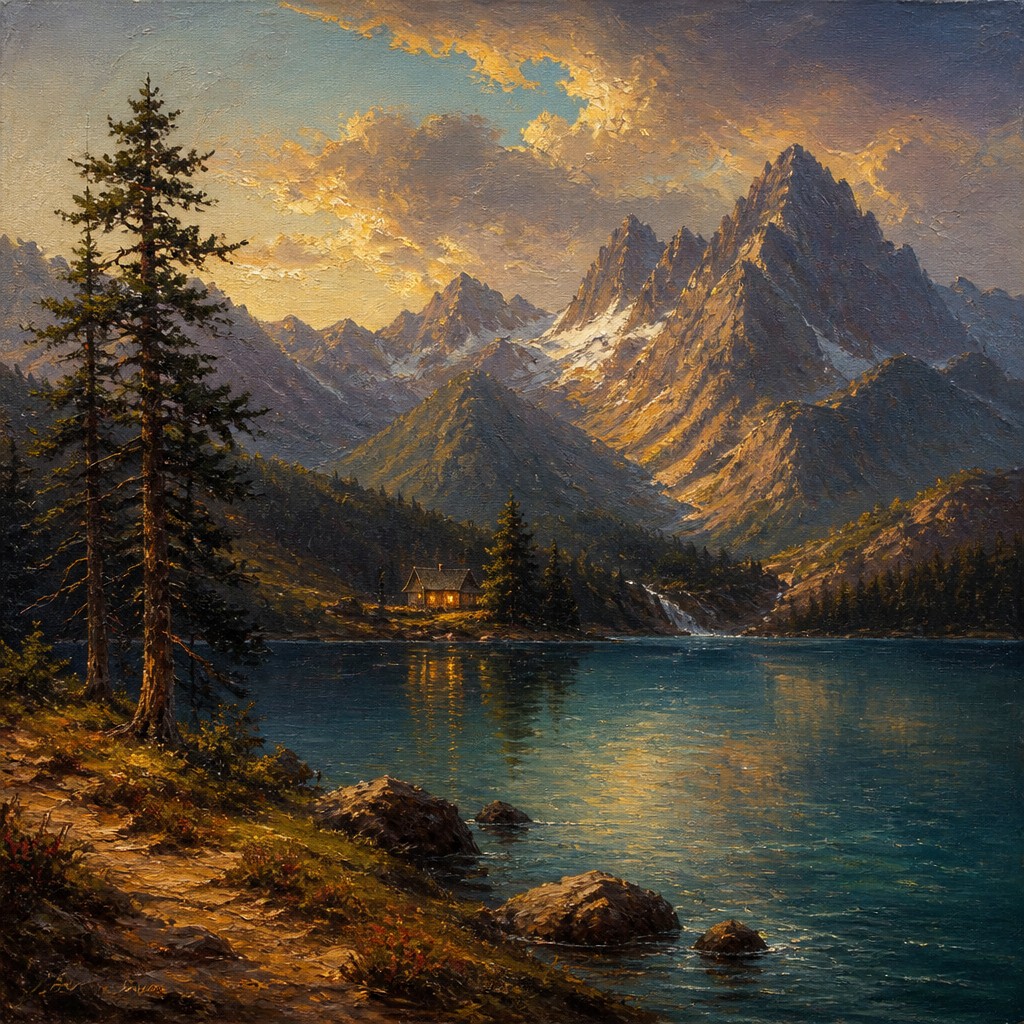
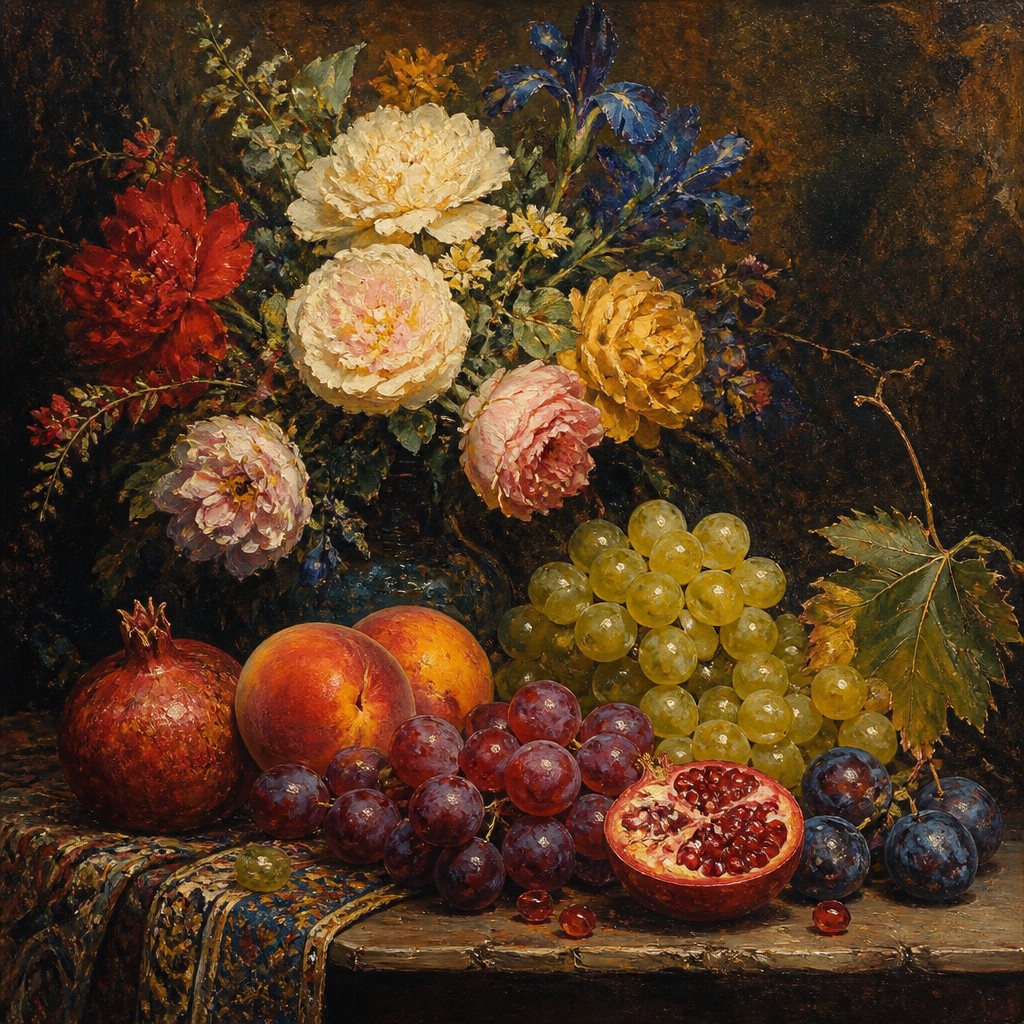
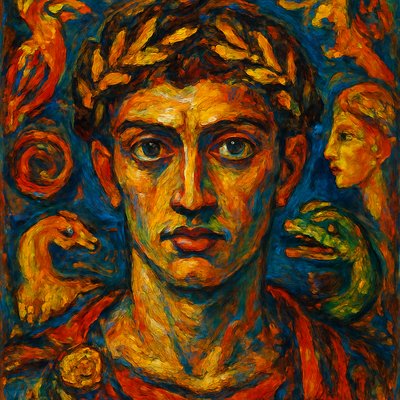
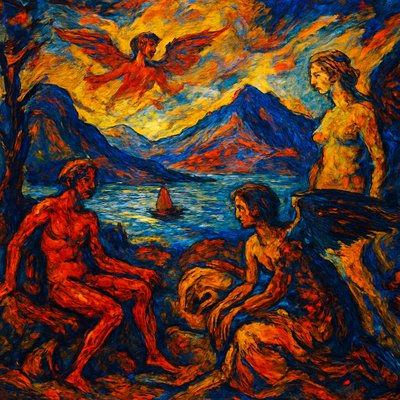
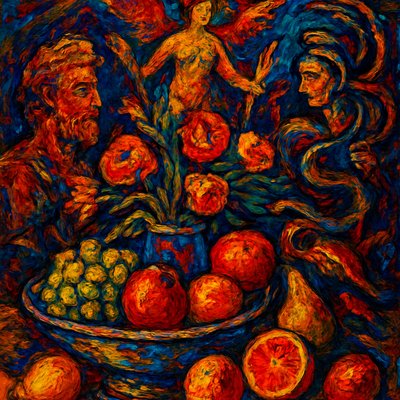
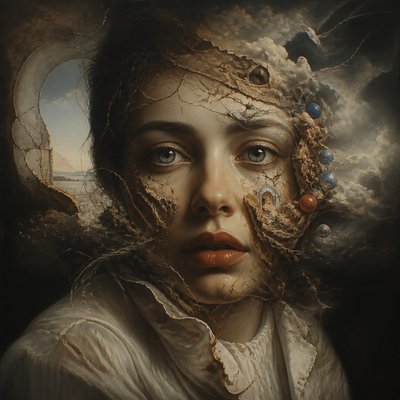
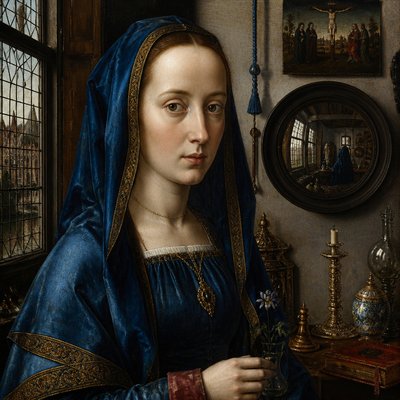
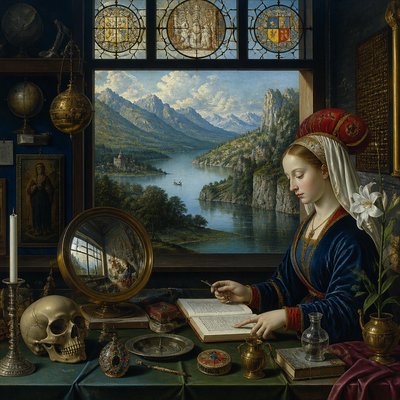
Oil Painting Gallery
Tap any artwork to explore it
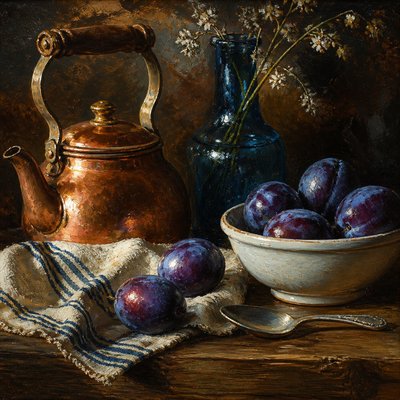
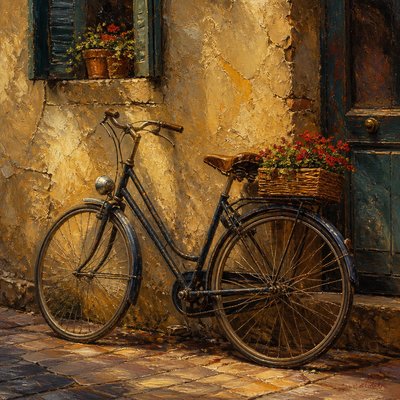
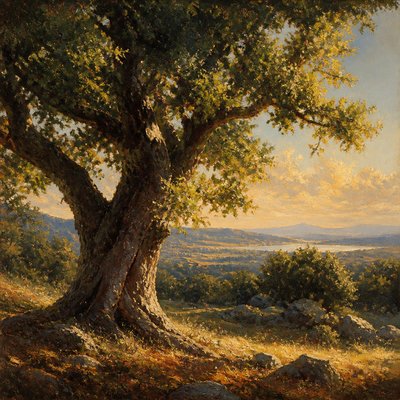
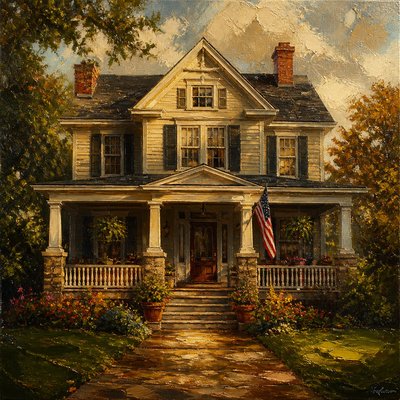
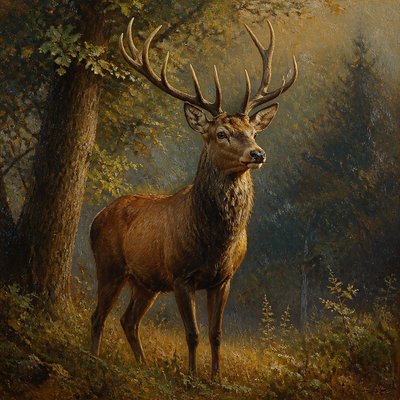
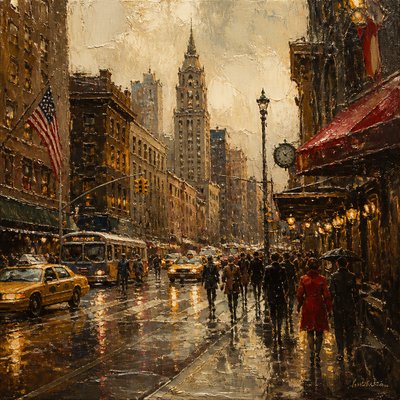
What is Oil Painting Art Style?
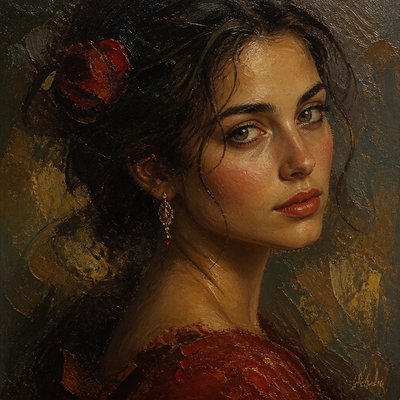
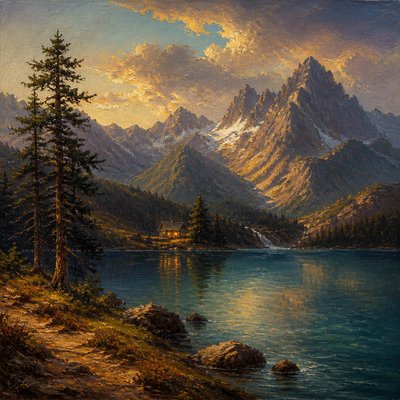
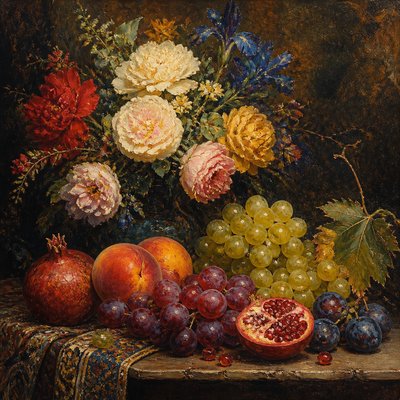
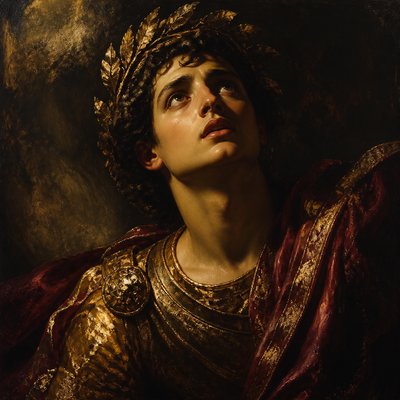
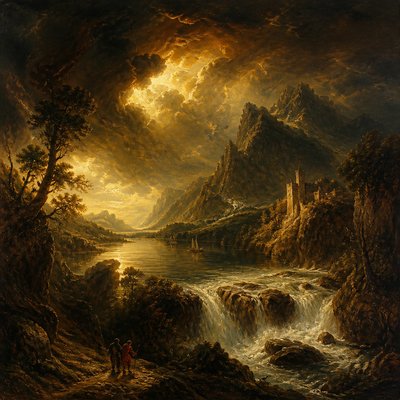
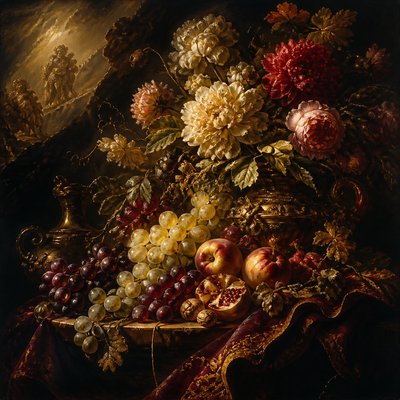
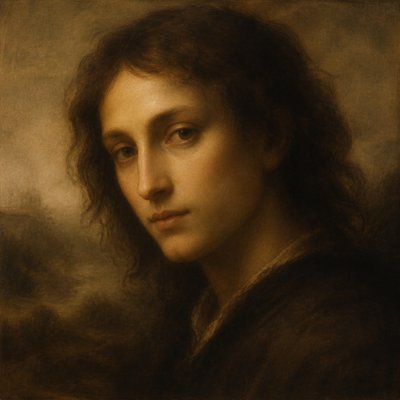
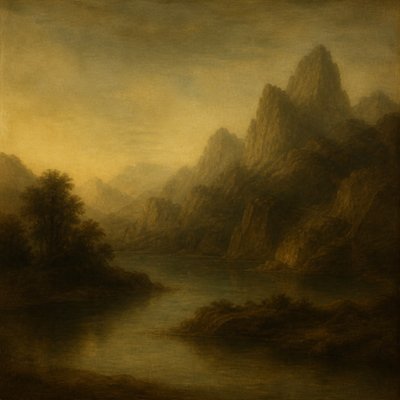
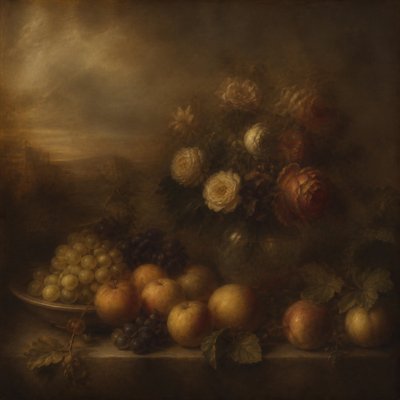
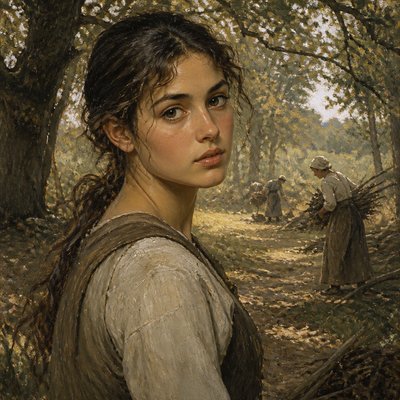
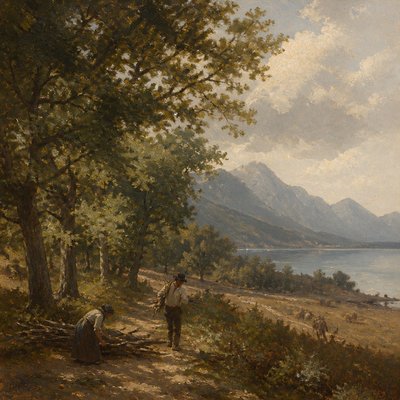
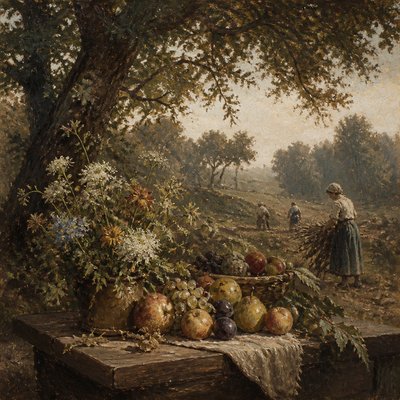
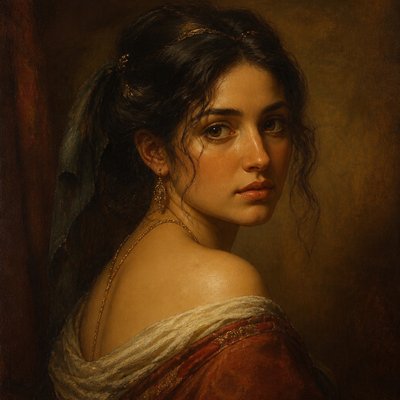
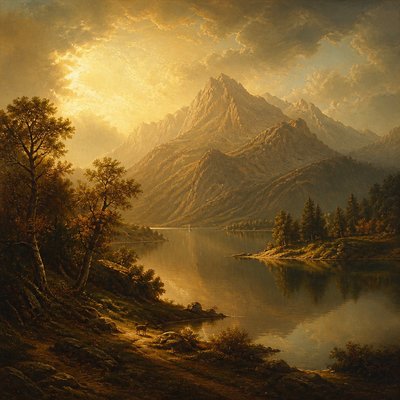
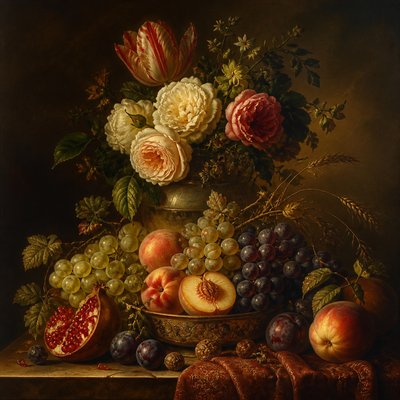
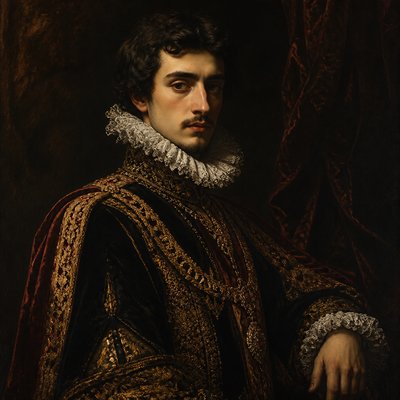
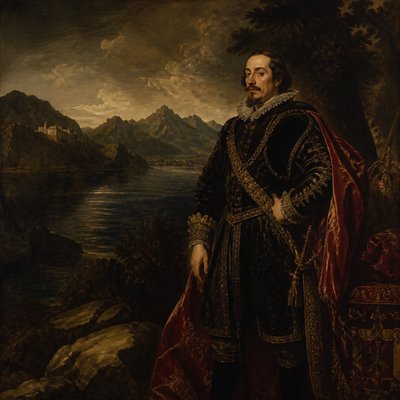
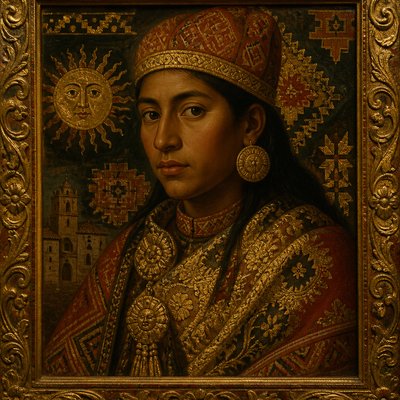
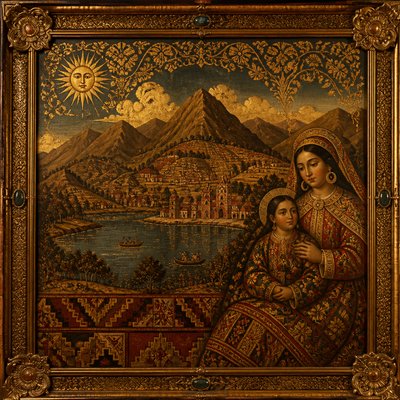
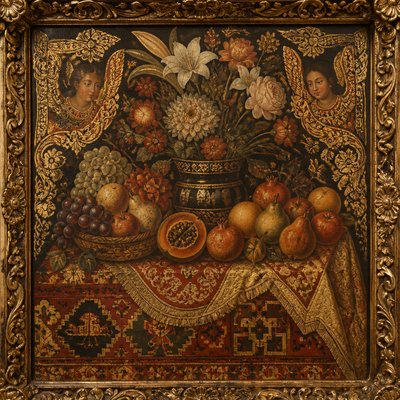
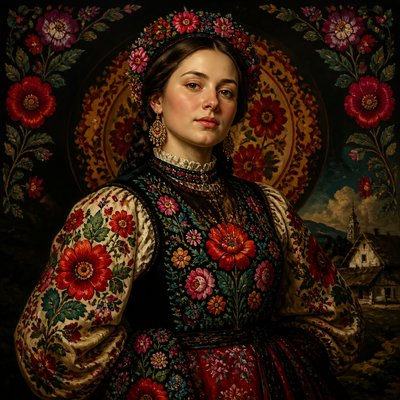
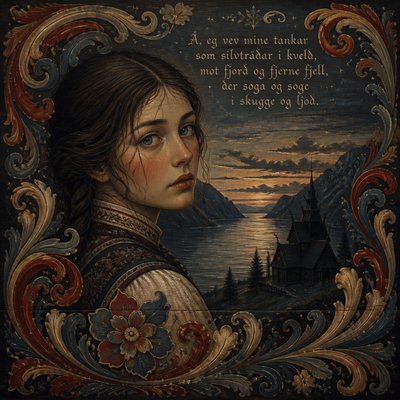
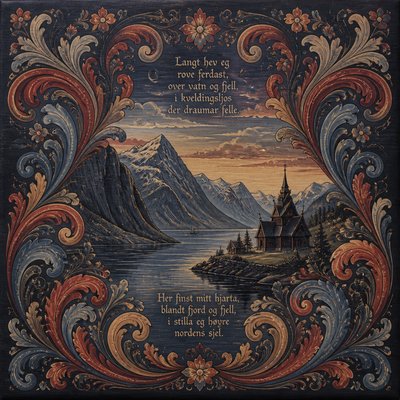
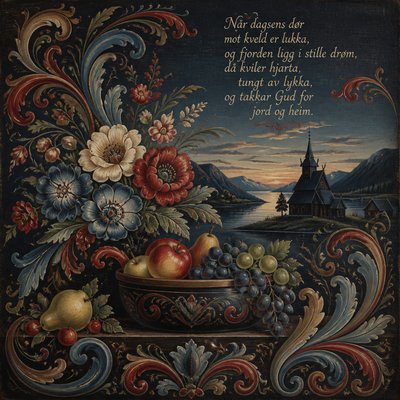
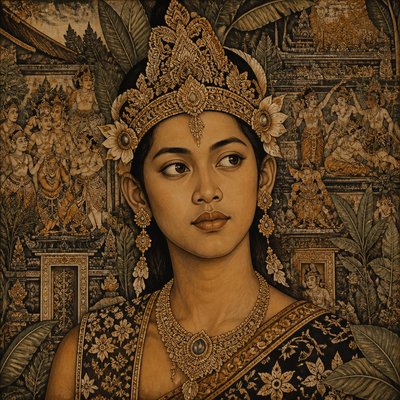
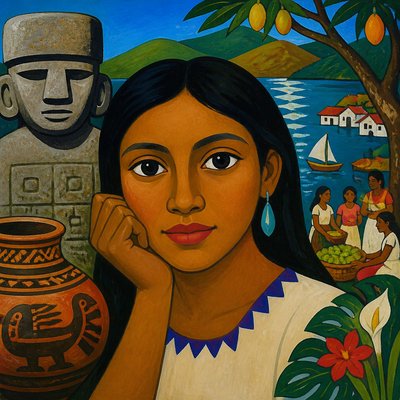
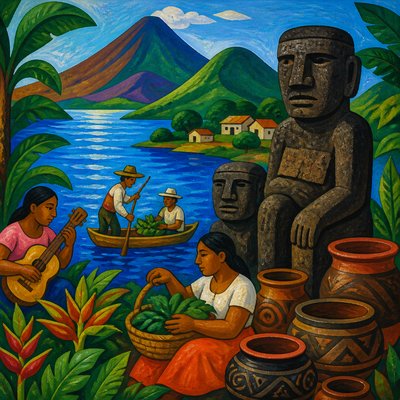
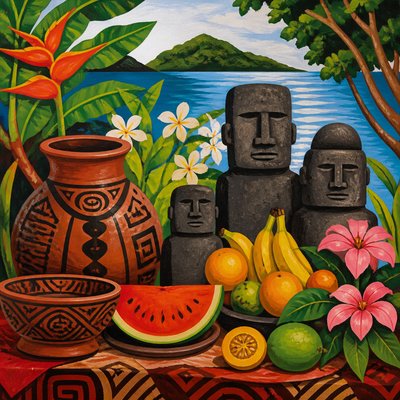
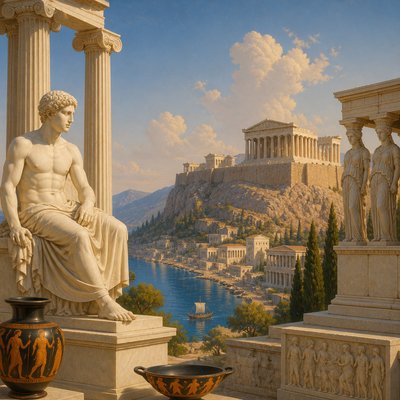
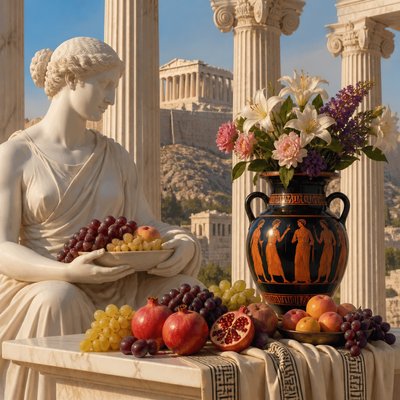
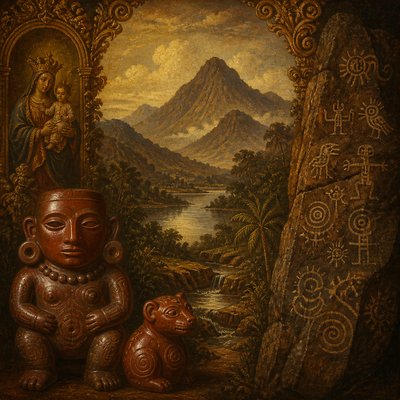
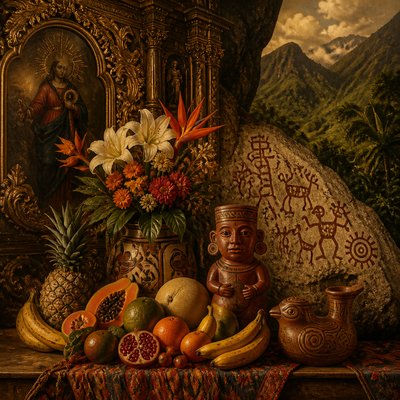
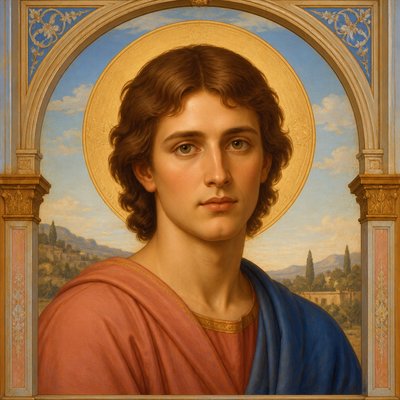
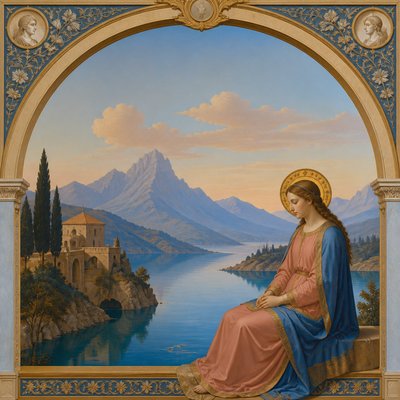
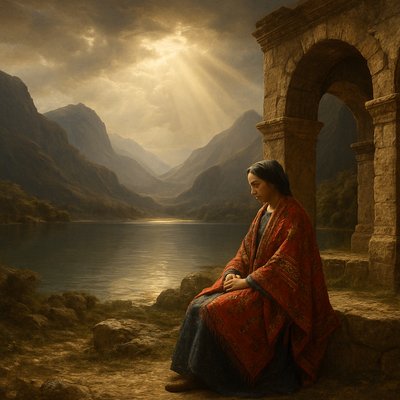
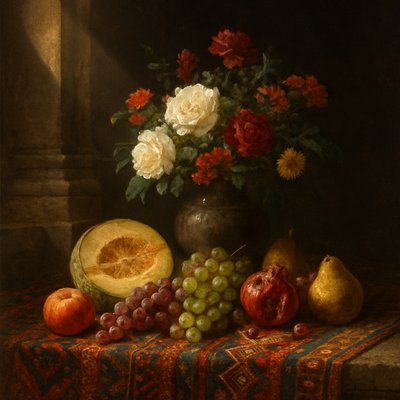
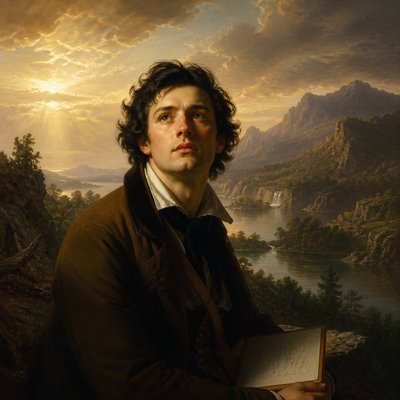
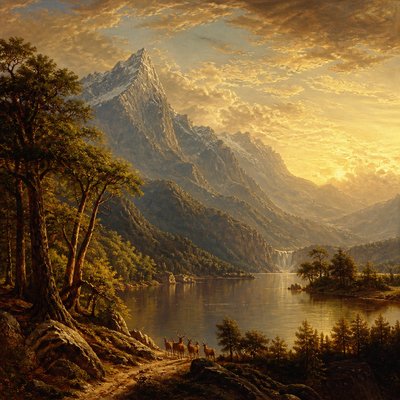
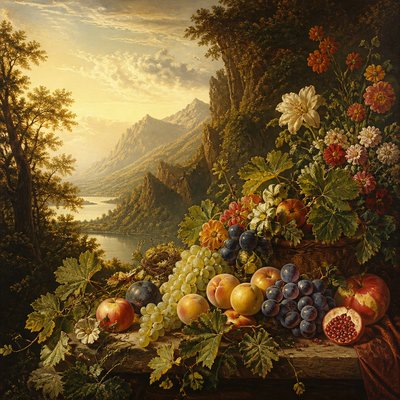
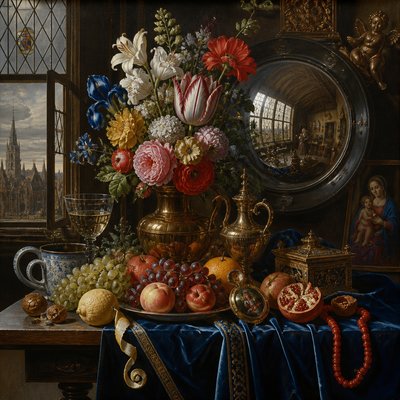
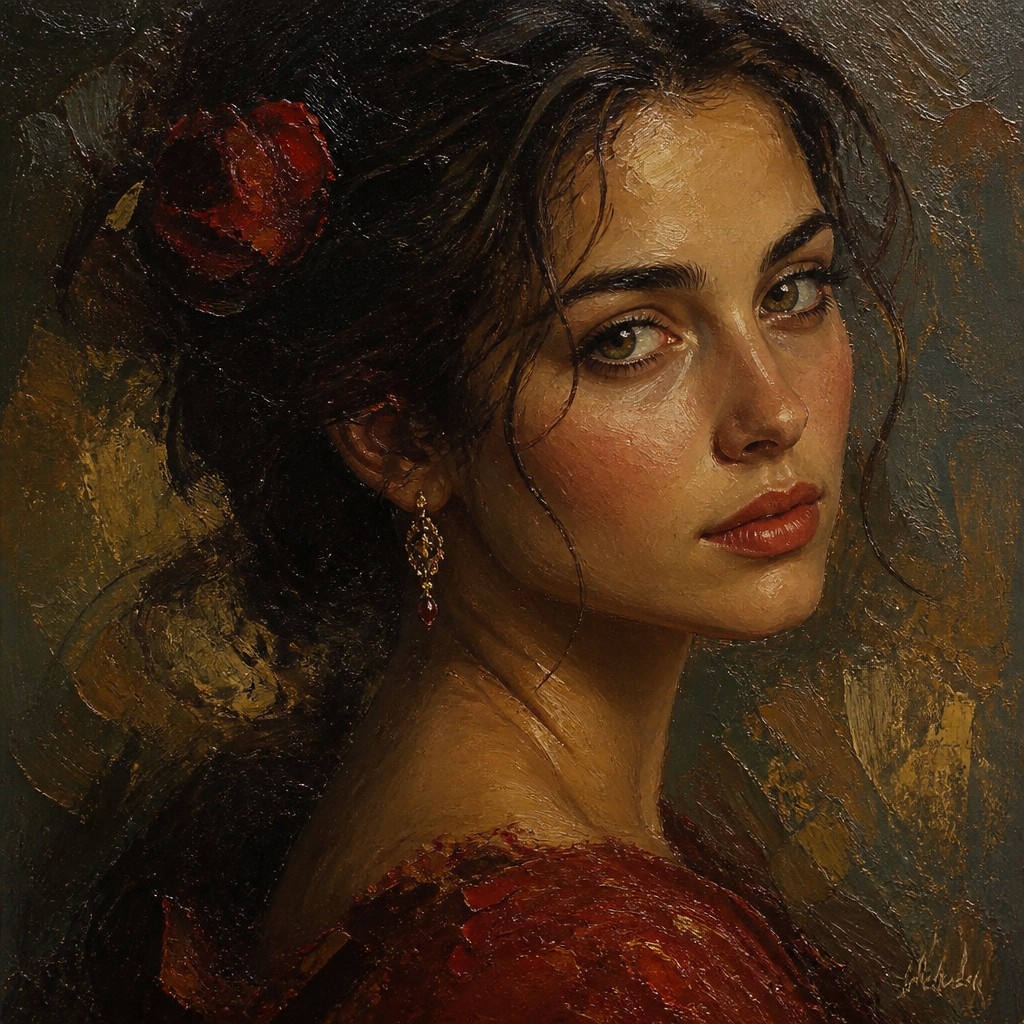
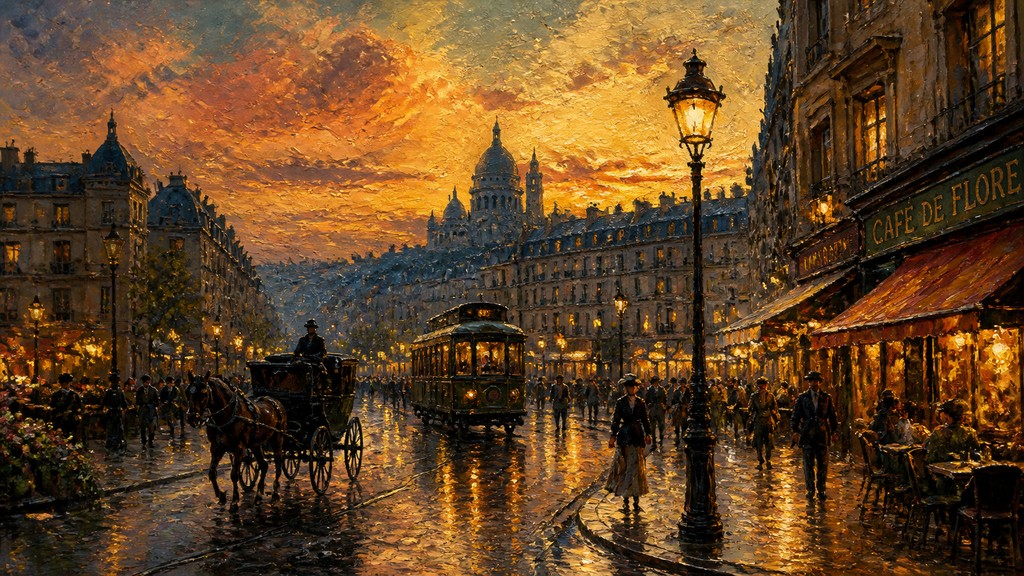
Oil painting is a traditional fine-art medium defined by pigment bound in drying oils, most often linseed, which allow slow drying, rich blending, and layered color. Visually, it is known for its depth of tone, smooth transitions, visible brushwork, and the way light seems to glow from within translucent glazes.
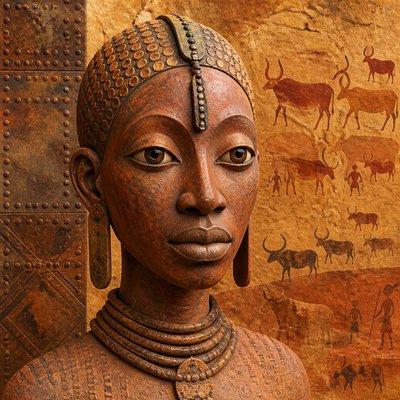
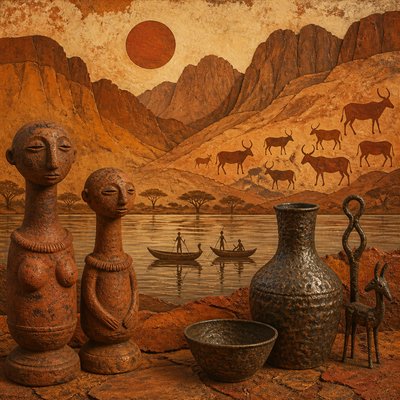
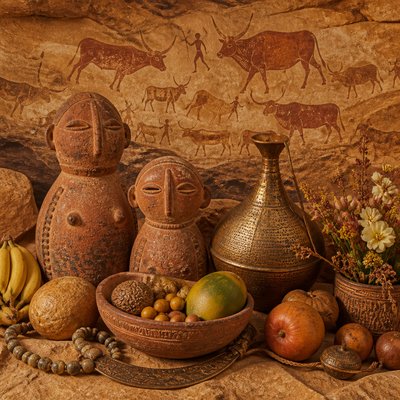
As a style, oil painting can range from highly finished realism to expressive, textured handling. Its distinctive look comes from the medium itself: paint can be built in opaque impasto, thinned into transparent washes, or worked wet-into-wet to create soft edges and subtle atmospheric effects. Those physical properties give oil paintings their characteristic density, warmth, and tactile surface.
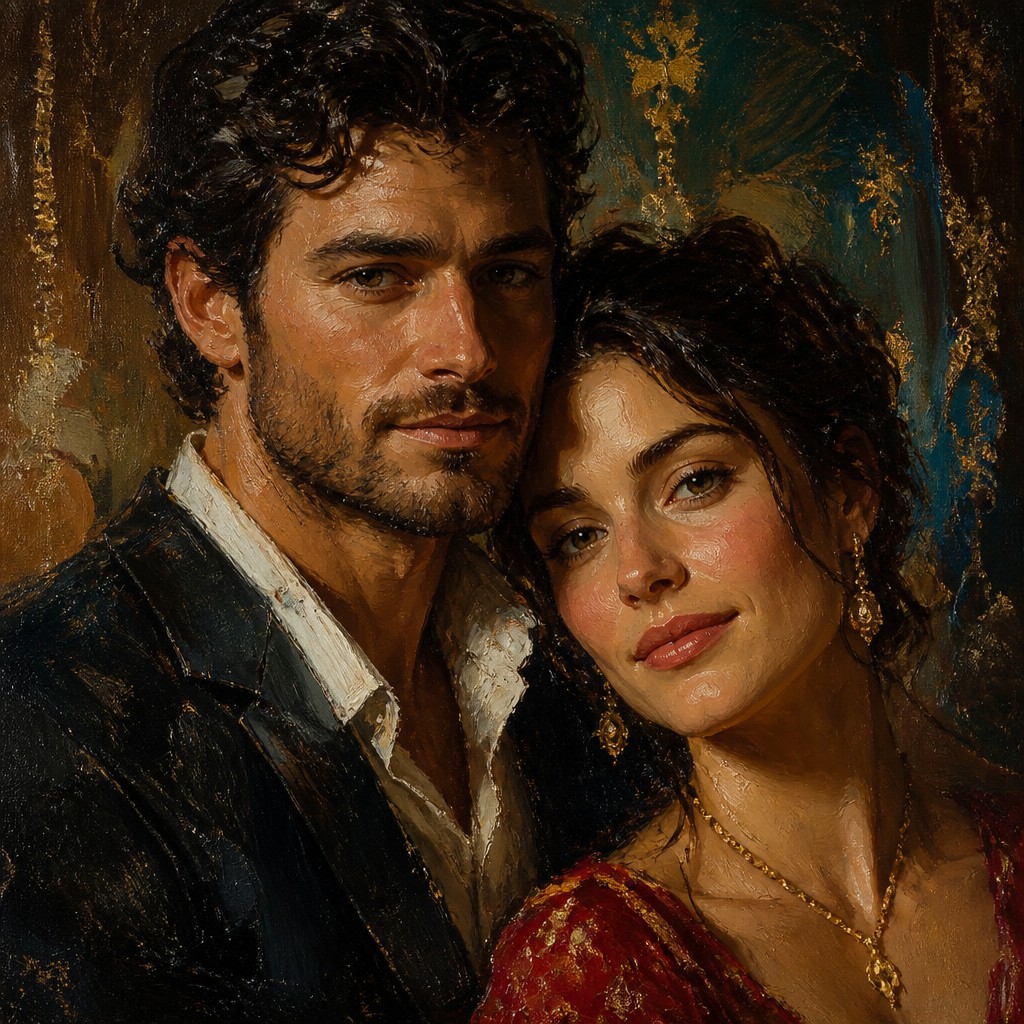
Try It On Your Photos
Upload any photo and convert it into Oil Painting Art Style — drag the sliders to compare before and after.
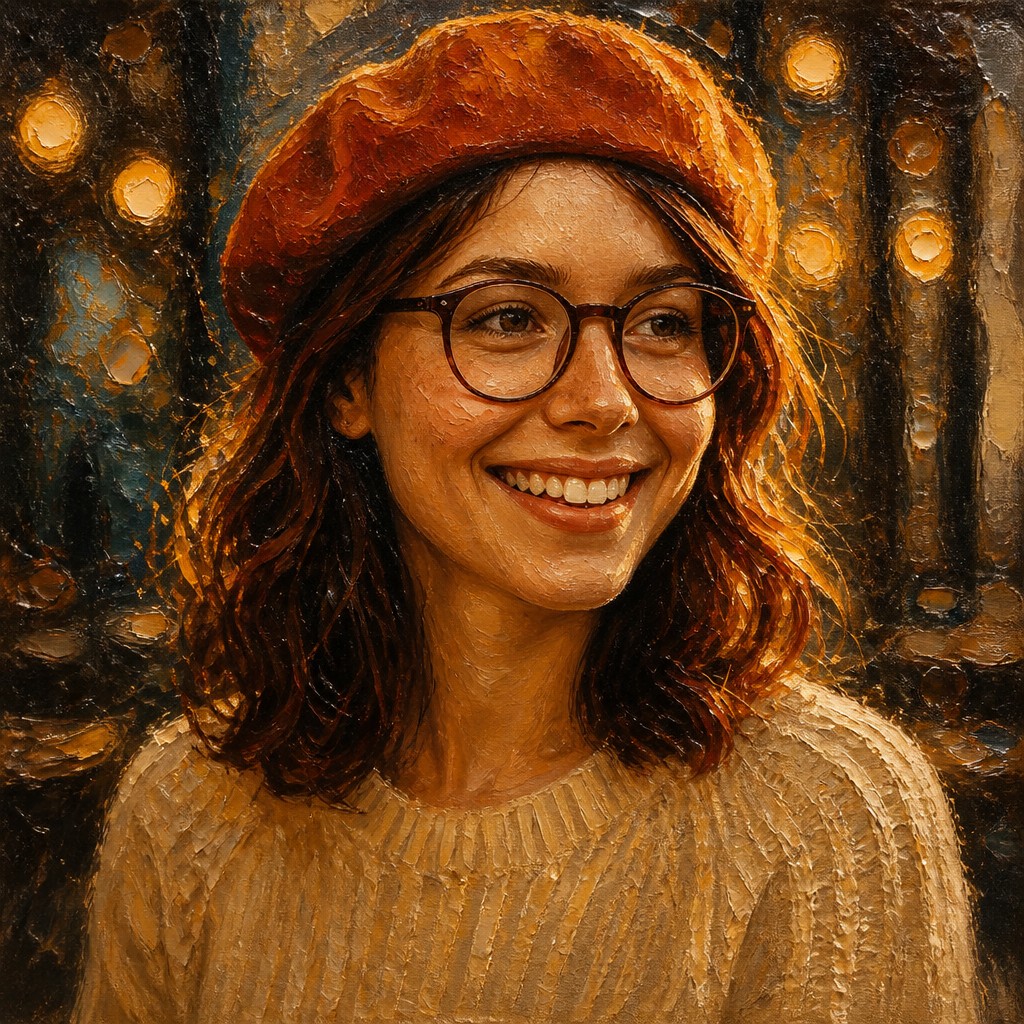

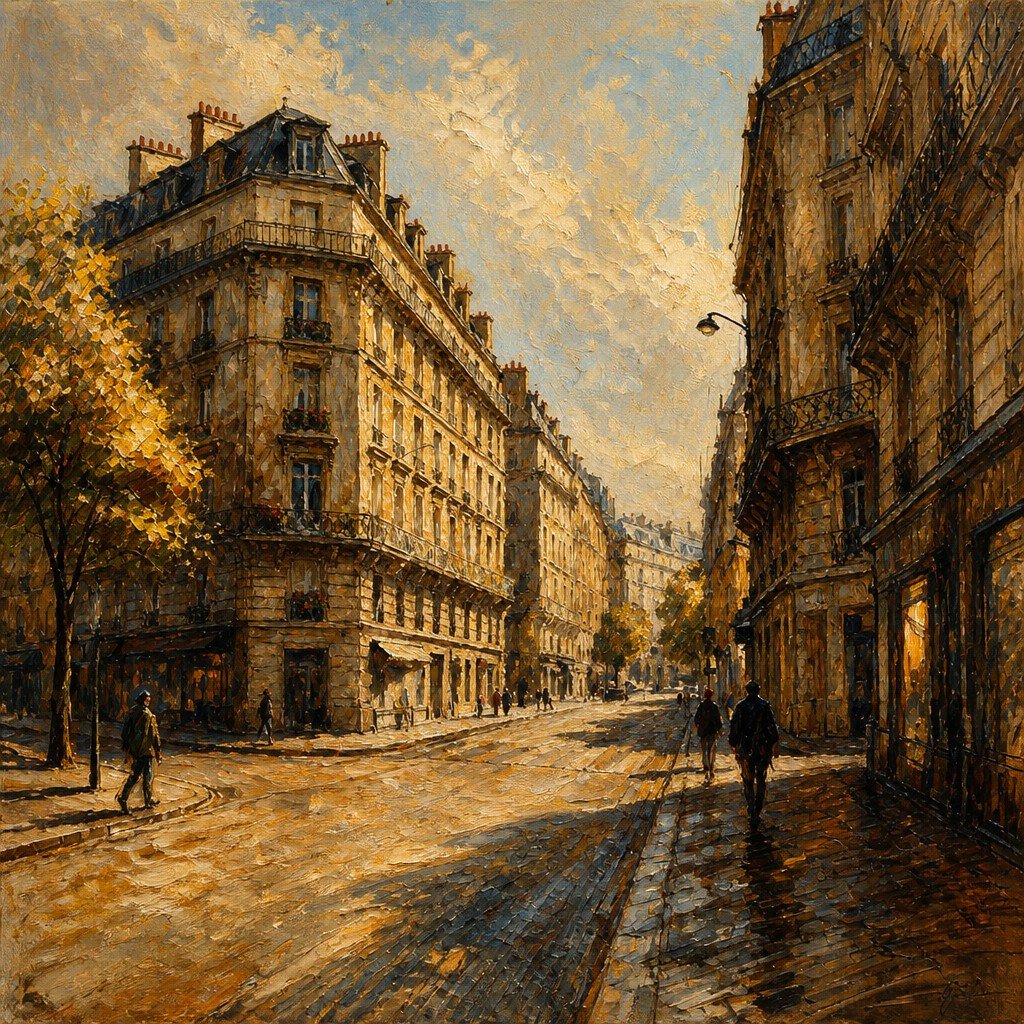

What Defines Oil Painting Art Style
The signature details, up close
Luminous layered color
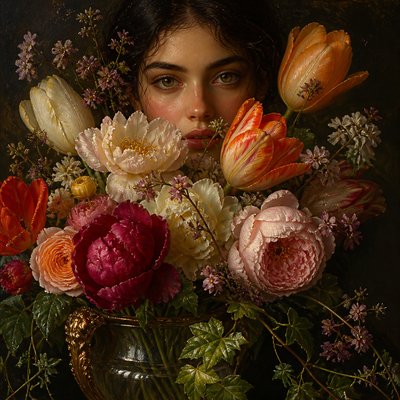
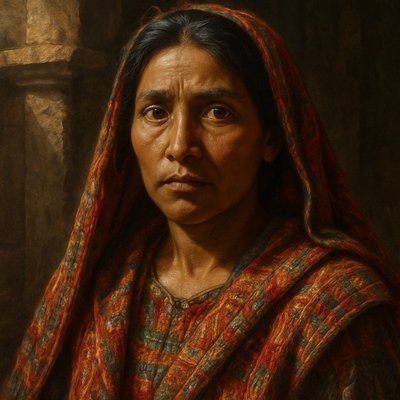
Transparent glazes and semi-opaque passages create depth, making shadows feel rich rather than flat. Colors often appear to glow because underlying layers influence the surface light.
Visible brushwork
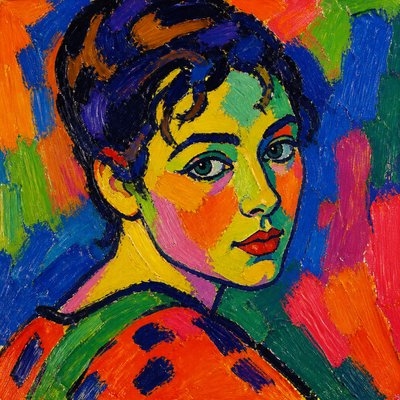
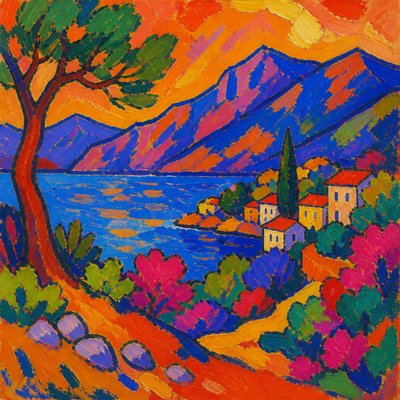
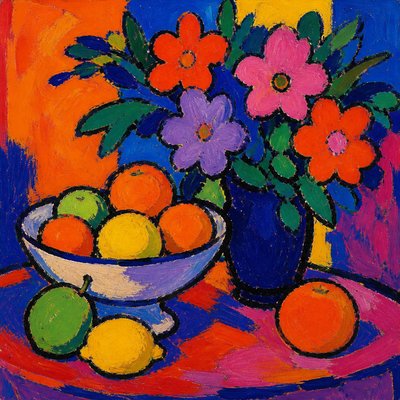
Brush marks are often readable, from broad expressive strokes to fine controlled lines. Even in polished works, the hand of the painter remains part of the image.
Impasto and texture
Thick paint may stand above the surface, catching light and emphasizing form. This tactile surface is one of the most recognizable qualities of the medium.
Smooth tonal transitions
Oil’s slow drying time allows gradual blending across skin, fabric, sky, and shadow. Edges can be softened naturally, producing a calm, continuous modeling of form.
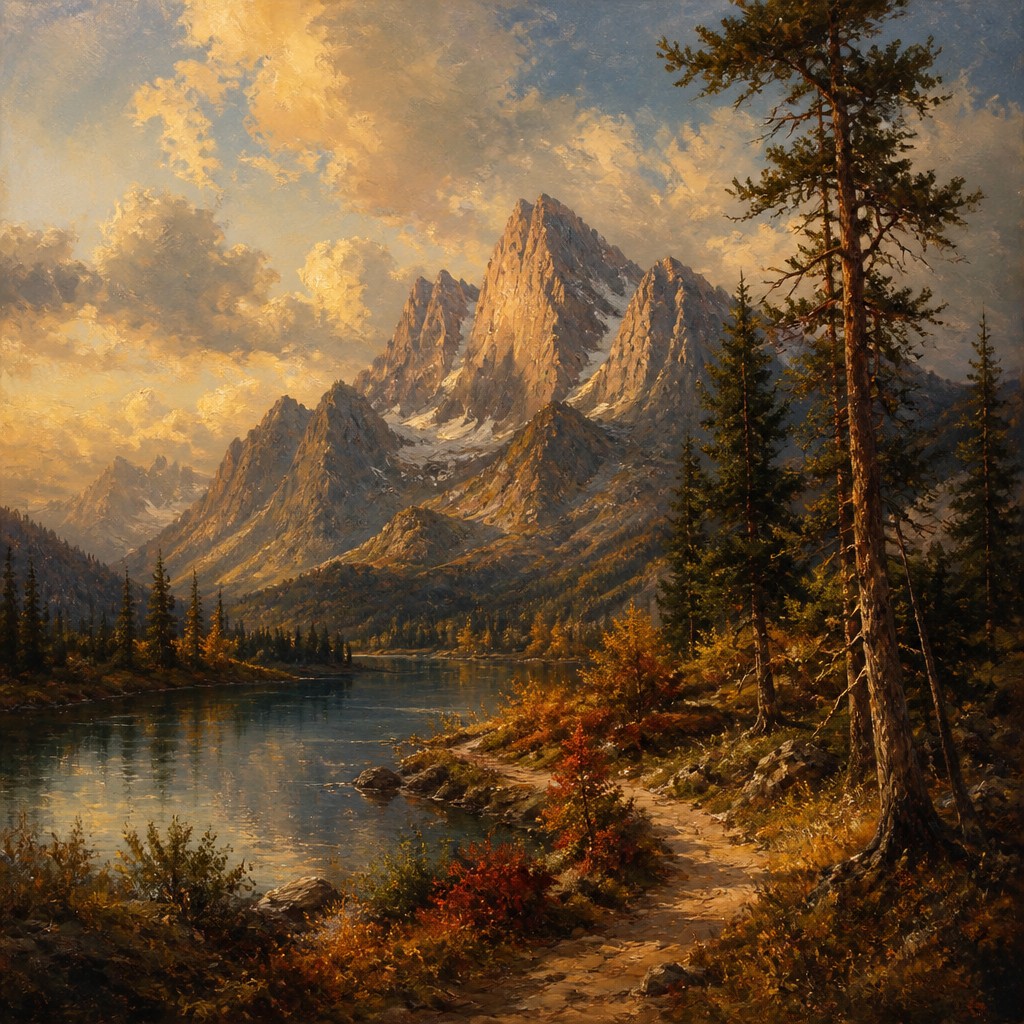
Warm, deep shadows
Shadows often preserve color and atmosphere instead of collapsing into black. Earth pigments, warm undertones, and layered darks give the image a stable sense of depth.
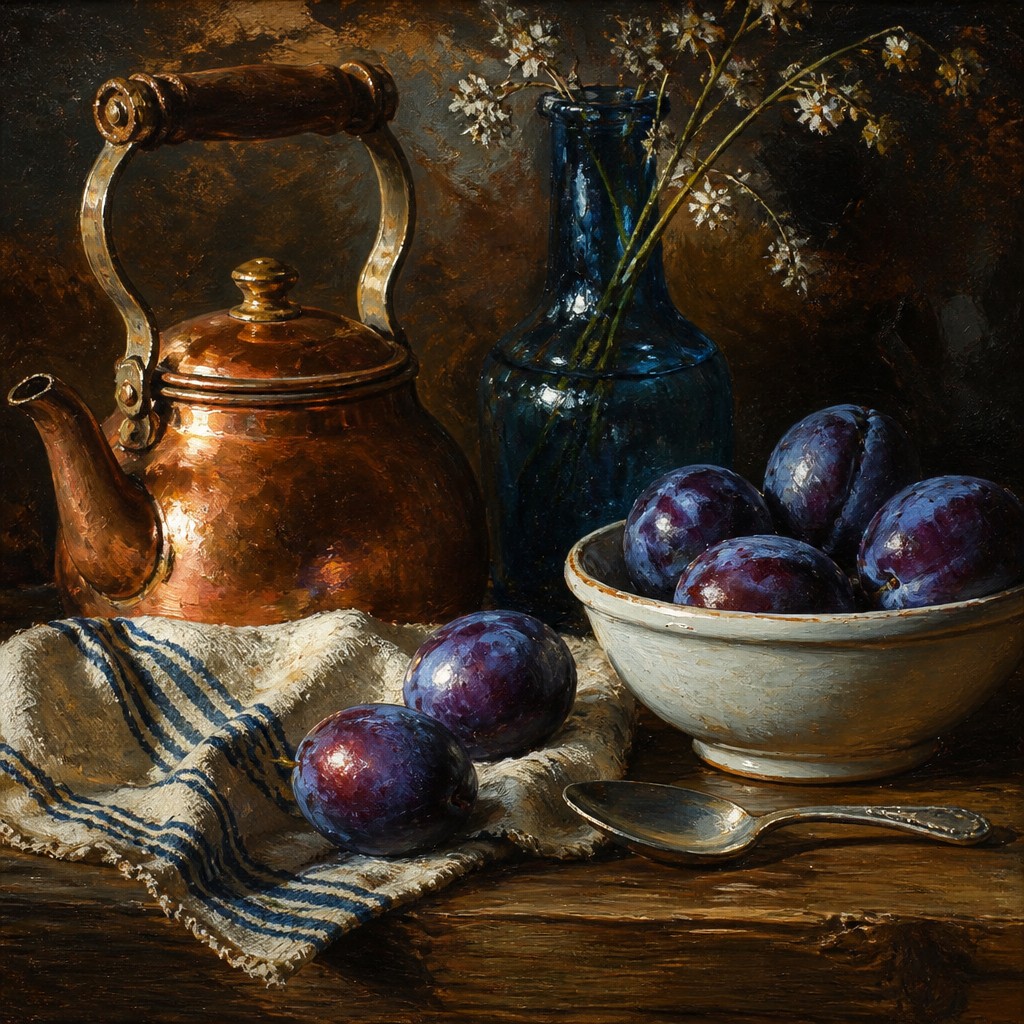
Canvas and paint presence
The physical support may remain visible in thinner areas, and the paint surface often reads as a real object. This material presence is essential to the look of the medium.
Try It
Create Videos in Oil Painting Art Style
Styles aren't just for stills — describe a scene or animate an image and get a short video rendered in Oil Painting. Press play to see this pond come to life.
Make a VideoOil Painting Prompt Ideas
Start from an idea — each one opens the generator with the style ready to go. See all 40 Oil Painting prompts →
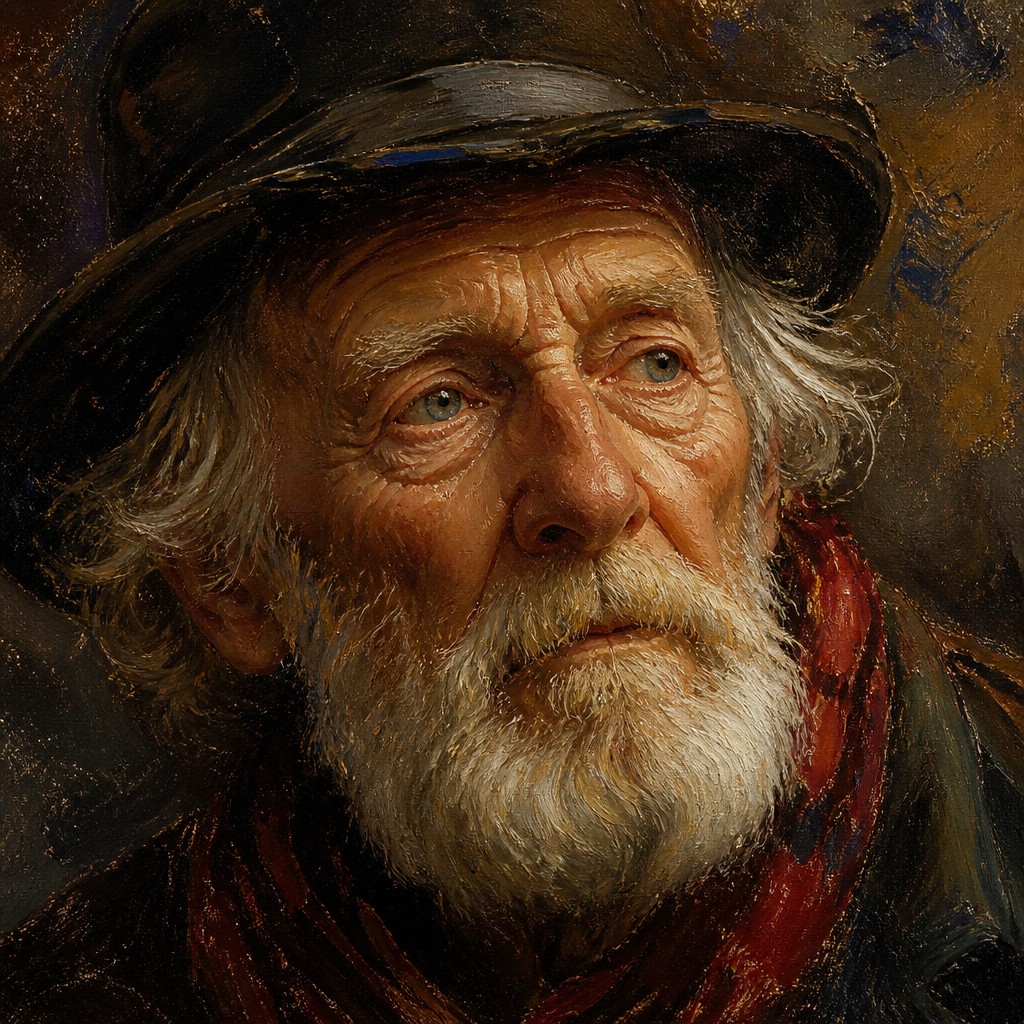
“close-up portrait of an elderly person with expressive weathered features”
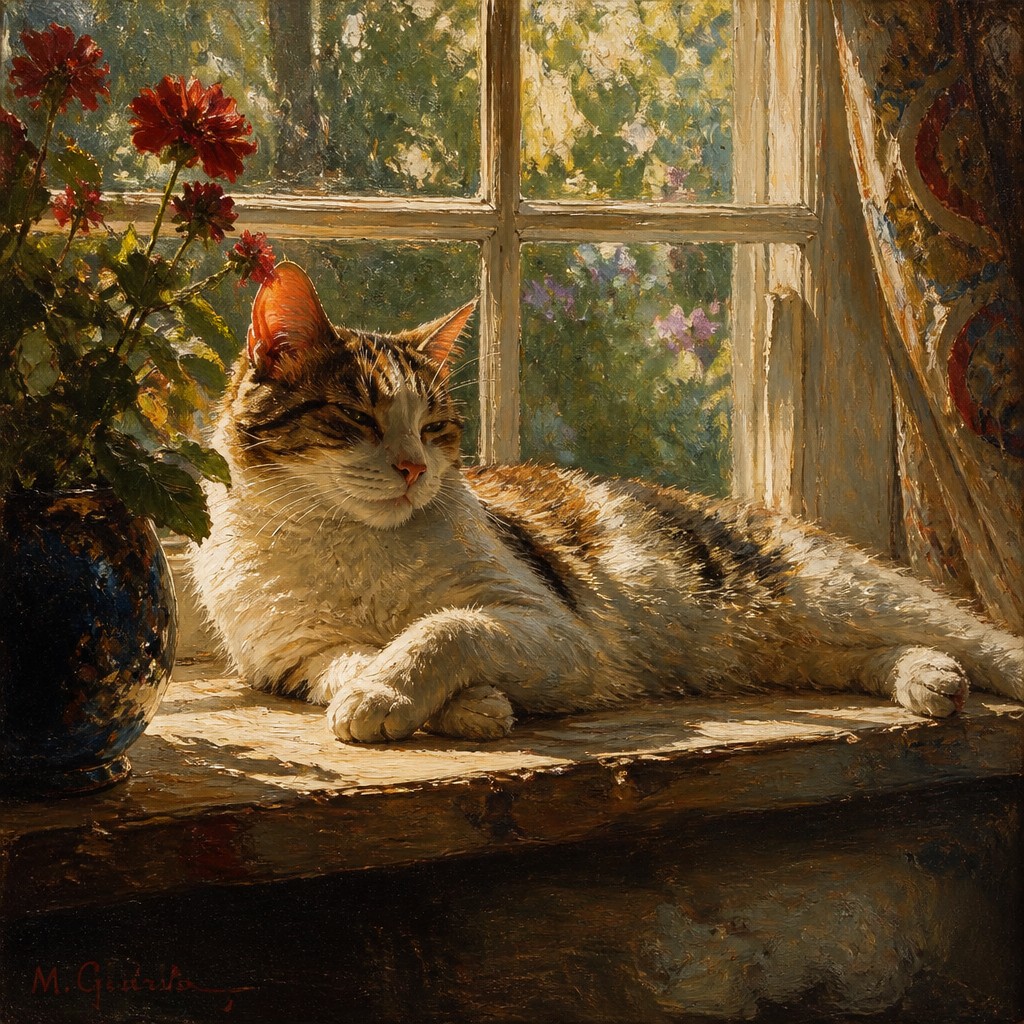
“a cat lounging in a sunlit window”
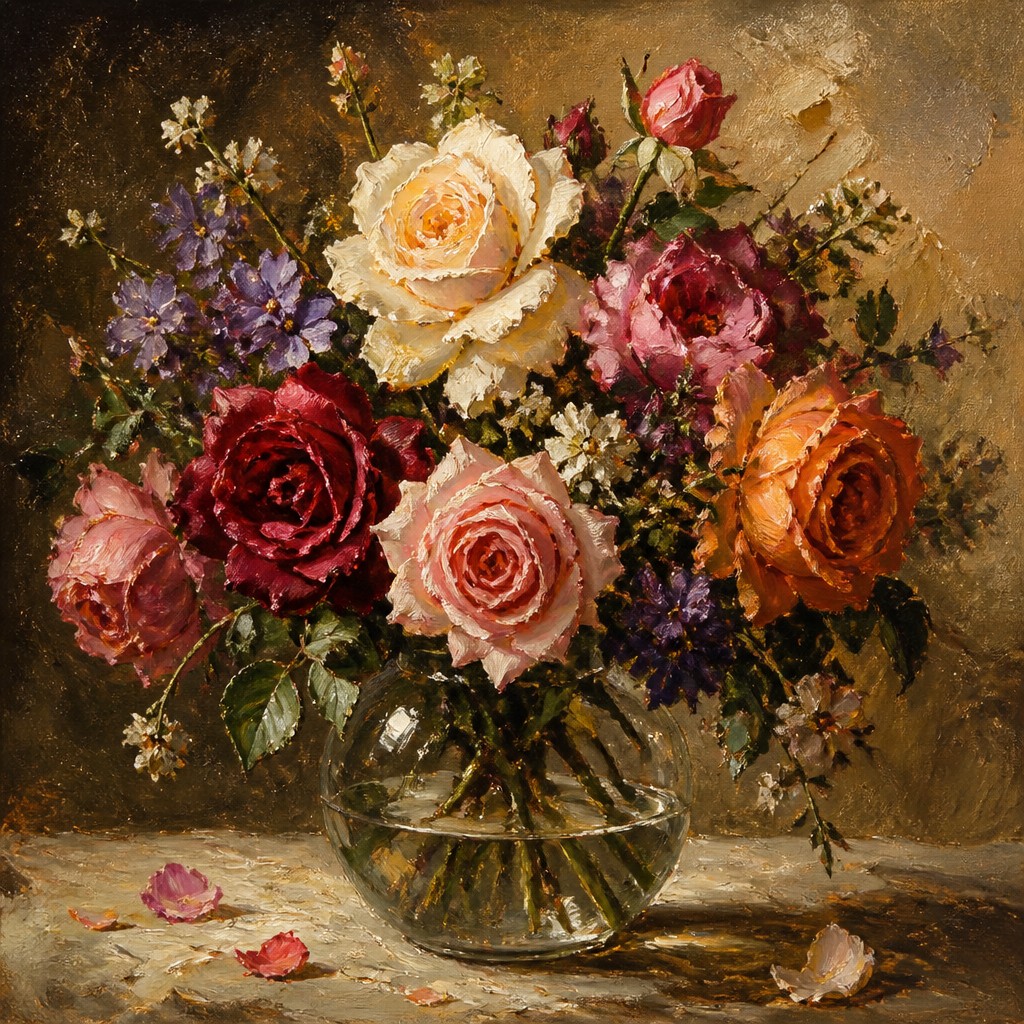
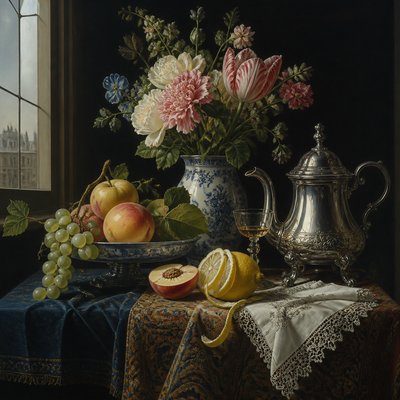
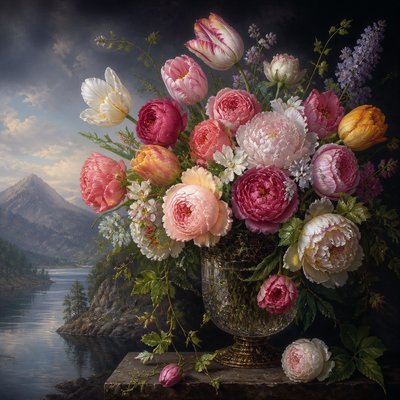
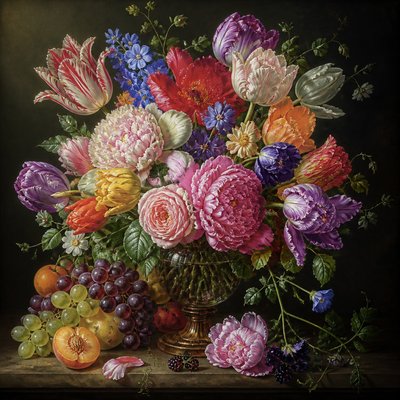
“bouquet of flowers in a glass vase”
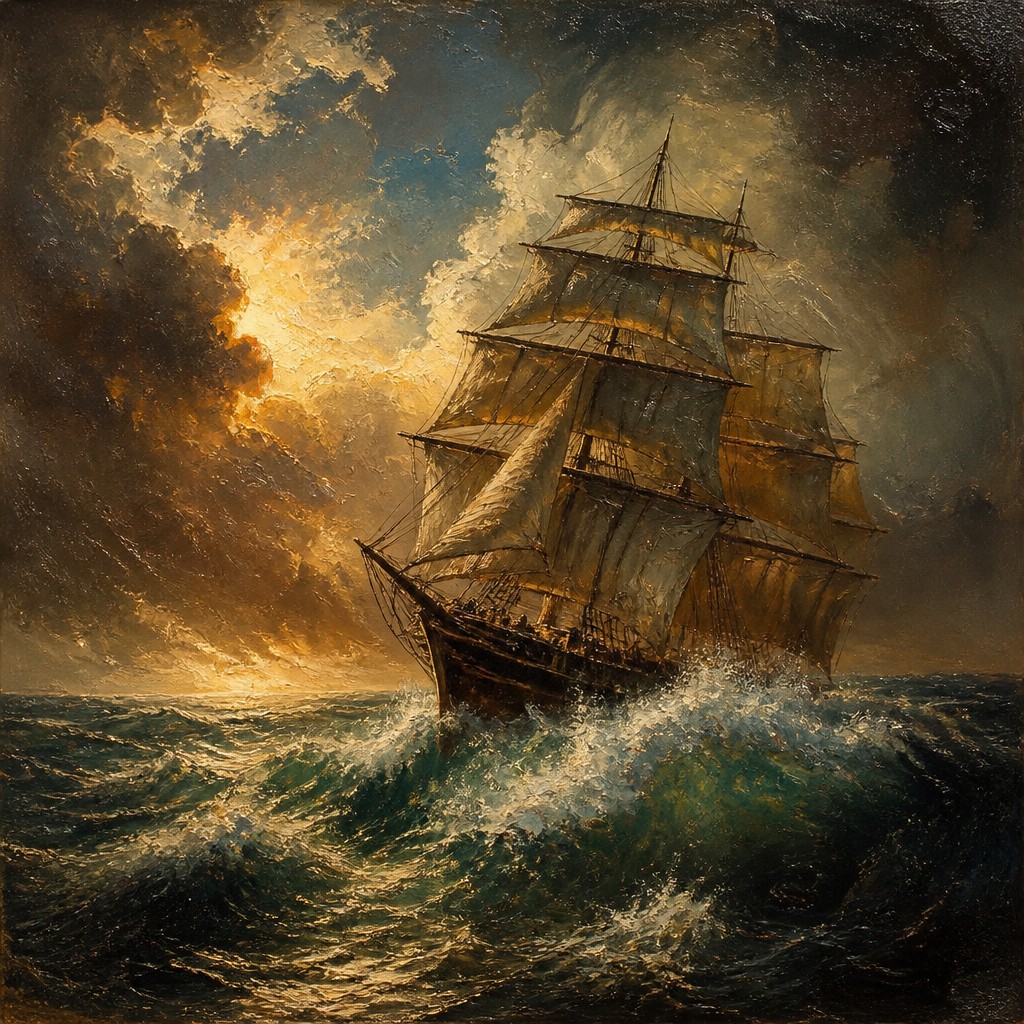
“sailing ship on a stormy sea”
How to Create Oil Painting Art
Master the craft step by step — or skip straight to creating. Read the full guide →
- 1
Build color in layers
In traditional painting, start with an underpainting or toned ground, then add midtones, shadows, and highlights through successive layers. For digital work, mimic this by painting in passes with translucent strokes, preserving depth between layers.
- 2
Use soft blending with firm accents
Reserve careful blending for skin, sky, and gradual light transitions, but leave some edges sharper so the painting does not become overworked. A convincing result usually combines softness with a few deliberate, decisive marks.
- 3
Add surface variation
Mix thin passages, opaque strokes, and occasional thick highlights to suggest the material behavior of real oil paint. In a prompt, ask for visible brushstrokes, impasto texture, glazed layers, and canvas weave in thinner areas.
- 4
Shape light through value contrast
Oil painting often looks compelling because of strong chiaroscuro and well-controlled midtones. Whether painting by hand or generating an image, specify warm highlights, deep shadow transitions, and luminous half-tones.
- 5
Choose subjects that reward atmosphere
Portraits, still lifes, interiors, landscapes, and classical figures all suit the medium because they benefit from tonal depth and subtle color. For prompt-based creation, describe the subject clearly and let the medium phrase the treatment.

The Story
History & Origins of Oil Painting
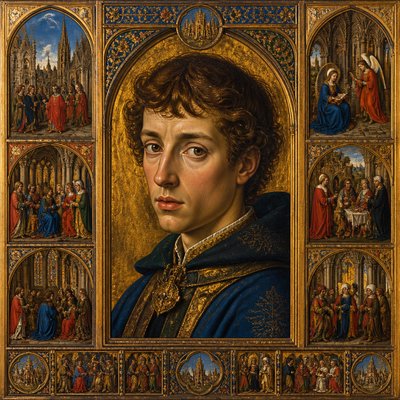
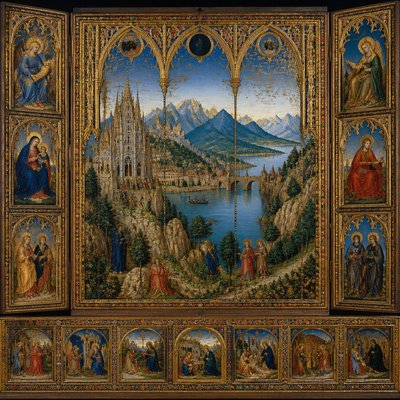
Oil painting developed gradually in Europe from medieval and early Renaissance experimentation into the dominant easel-painting medium of the 15th century. While earlier painters used tempera and other binders, artists in the Northern Renaissance refined oil’s capacity for glazing, detail, and luminous color; early Northern Renaissance masters are especially associated with its early mastery, though no single individual invented the medium. Over time, oil painting became central to European academic art and later to the work of many movements, from Baroque to Impressionism and beyond.
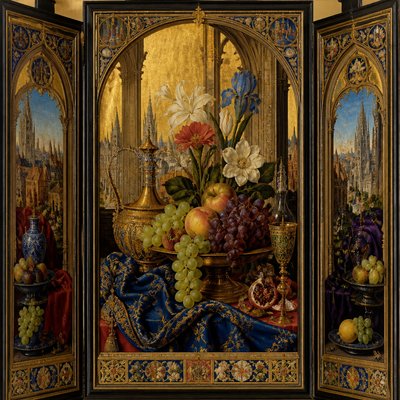
Its aesthetic lineage is broader than any one period: oil painting inherits from the traditions of panel painting, portraiture, landscape, still life, and history painting across Europe and later global studio practice. The medium’s history is also a history of technique—glazing, scumbling, alla prima painting, and impasto—each shaping how light, form, and texture are expressed.
Influences: Oil painting draws from the broader traditions of Renaissance and Baroque painting, with important precedents in Northern European panel painting and later developments in academic realism, Romanticism, and Impressionism. Artists such as early Northern Renaissance masters, leading Dutch Baroque painters, prominent Spanish Baroque court portraitists, major British Romantic landscape painters, and leading French Impressionist painters are often referenced for different facets of the medium’s expressive range: glazing, chiaroscuro, atmosphere, and color handling. Its visual vocabulary also overlaps with contemporary realist and painterly digital illustration that seeks the feel of layered paint rather than the flatness of graphic rendering.
Frequently Asked Questions
What defines the oil painting look?
The look is defined by layered color, visible paint handling, and a sense of depth created through blending and glazing. It often includes soft transitions, warm shadows, and a tactile surface that feels physically painted.
How is oil painting different from watercolor or acrylic?
Compared with watercolor, oil painting is richer, heavier, and more opaque, with stronger opportunities for reworking and layering. Compared with acrylic, oil dries more slowly and often produces softer blending, deeper glazes, and a more traditional varnished finish.
Can oil painting be realistic and expressive at the same time?
Yes. The medium is well suited to both careful realism and loose, painterly interpretation because it can support fine detail and bold brushwork in the same image. Many of the most celebrated oil paintings combine accurate form with highly visible surface handling.
What subjects work best in this style?
Portraits, still lifes, landscapes, interiors, and dramatic figurative scenes are especially effective because they benefit from tonal modeling and rich color. However, nearly any subject can be adapted to oil painting if the lighting and surface treatment are handled well.
How do I make a digital image look like oil paint?
Use layered translucency, visible strokes, and subtle edge blending rather than a smooth airbrushed finish. Include cues such as impasto texture, glazed shadows, canvas weave, and warm undertones so the image retains a painted surface.
Why do oil paintings feel so luminous?
Oil paint can be applied in transparent layers that allow light to pass through and reflect back from lower layers, creating depth and glow. This layered structure is a major reason the medium has been valued for centuries.
Create your first Oil Painting artwork
Describe anything — or upload a photo — and see it in Oil Painting Art Style in seconds.
Make Something with Oil Painting
Compare Oil Painting
Related Styles
Discover similar art styles