Oil Painting vs Watercolor Portrait: What's the Difference?
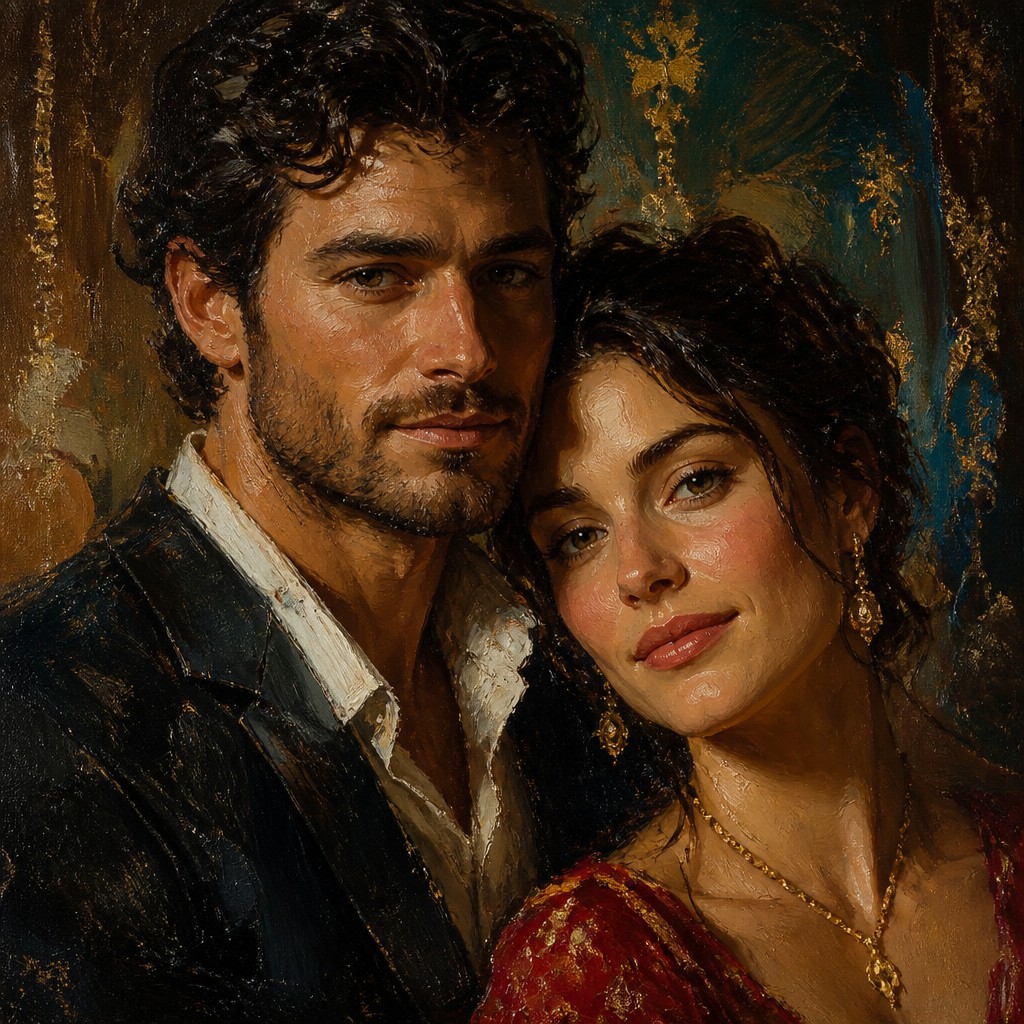
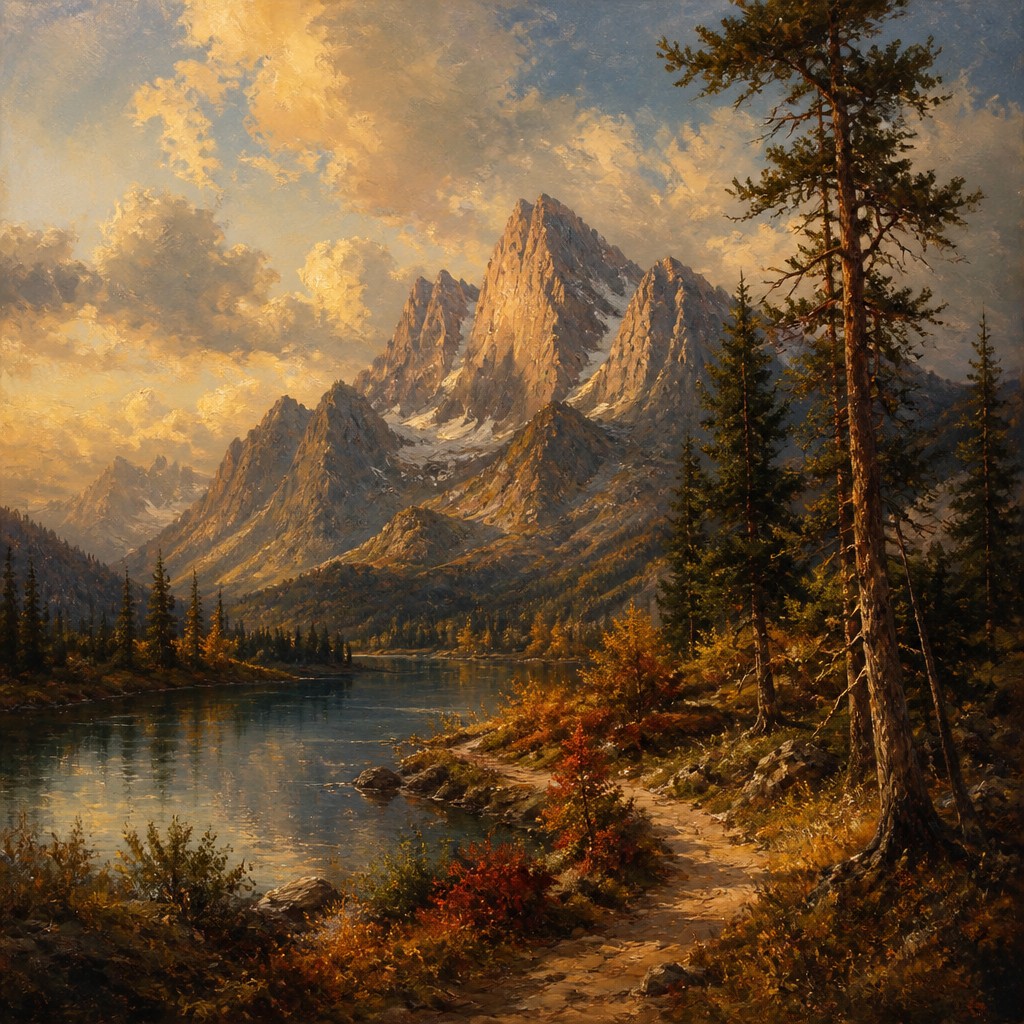
Style A is a traditional oil painting approach built around layered pigments, slow drying time, and a wide range of texture and opacity. It often produces rich color, strong value depth, visible brushwork, and a sense of permanence that suits portraits, landscapes, still life, and dramatic scenes.
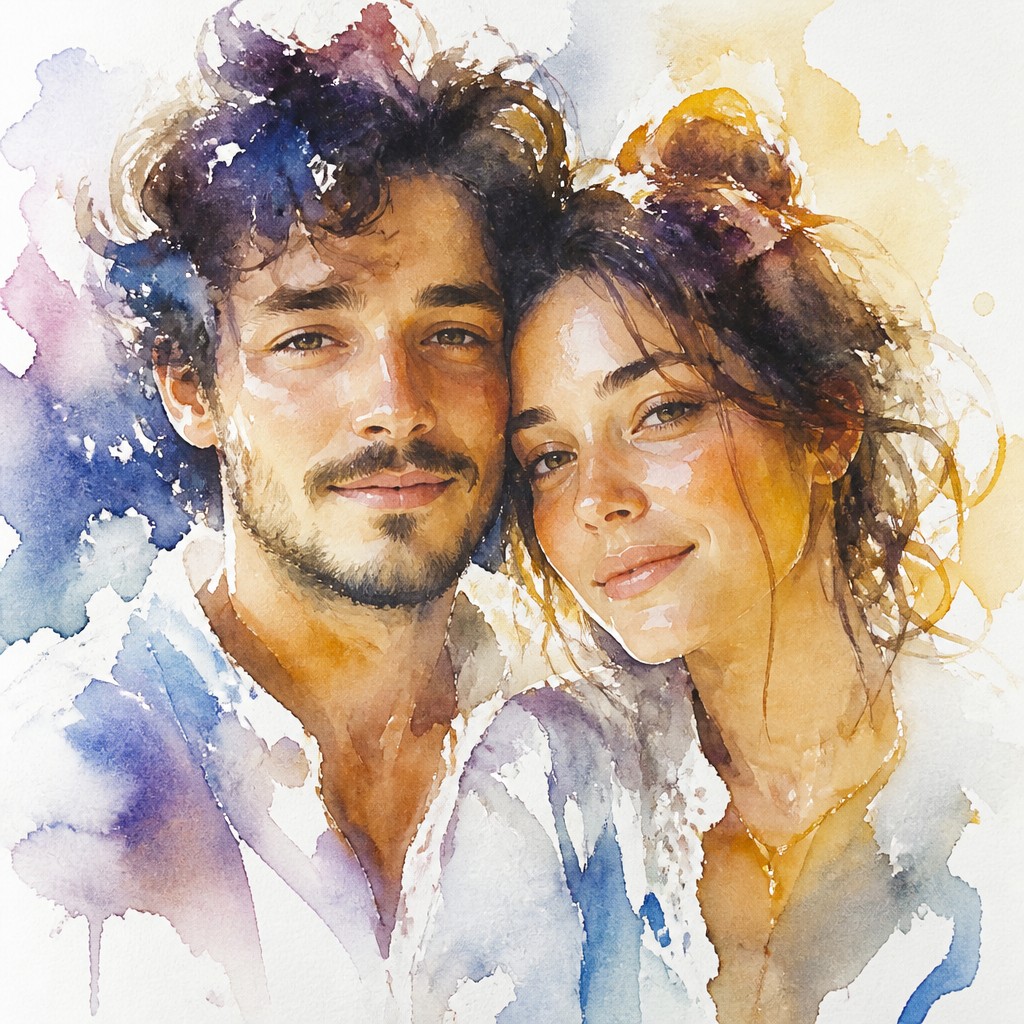
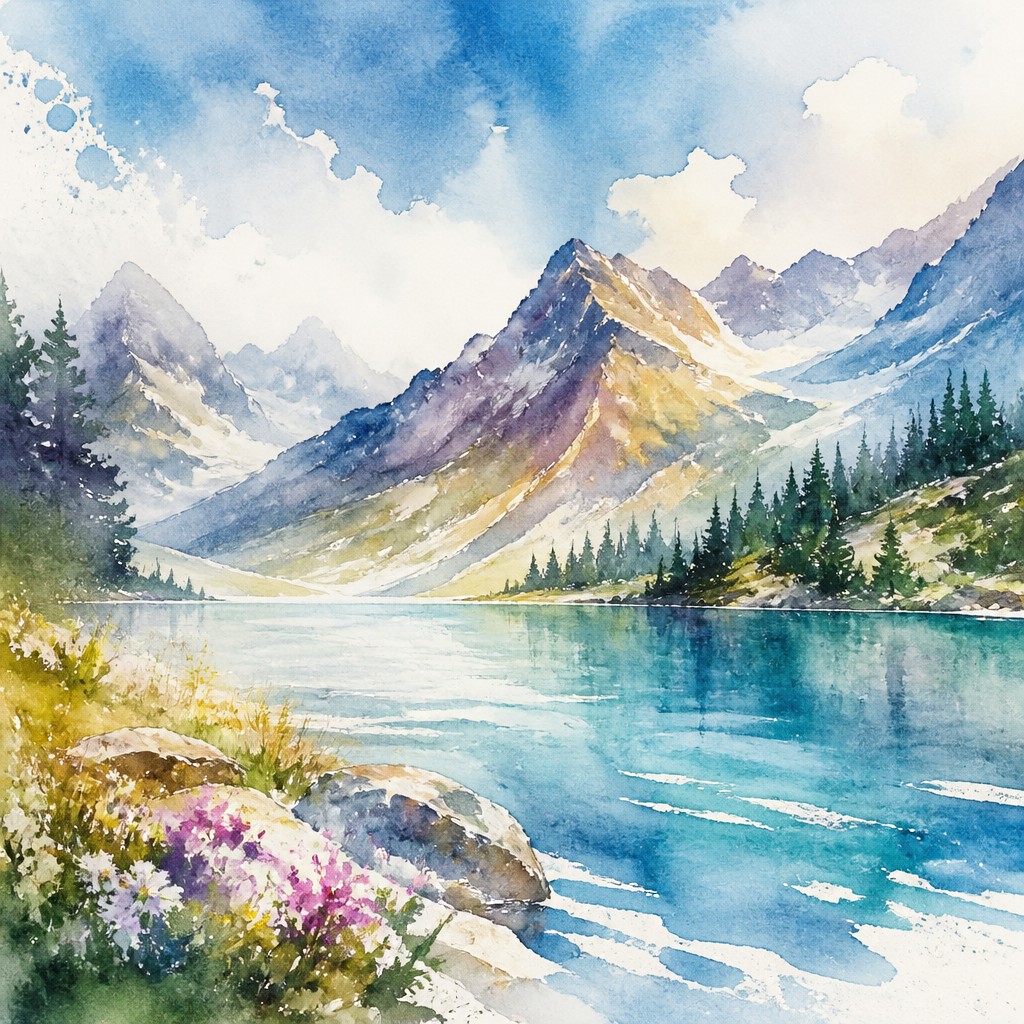
Style B is a watercolor portrait approach defined by transparent washes, soft edges, and the natural brightness of paper left exposed. People compare the two because both can feel luminous and expressive, but they differ strongly in medium behavior, surface treatment, and the balance between control and spontaneity.
Same Prompt, Both Styles
Each pair below was generated from the identical prompt — only the style changed.
“portrait of two people together”
“wide landscape with natural scenery”
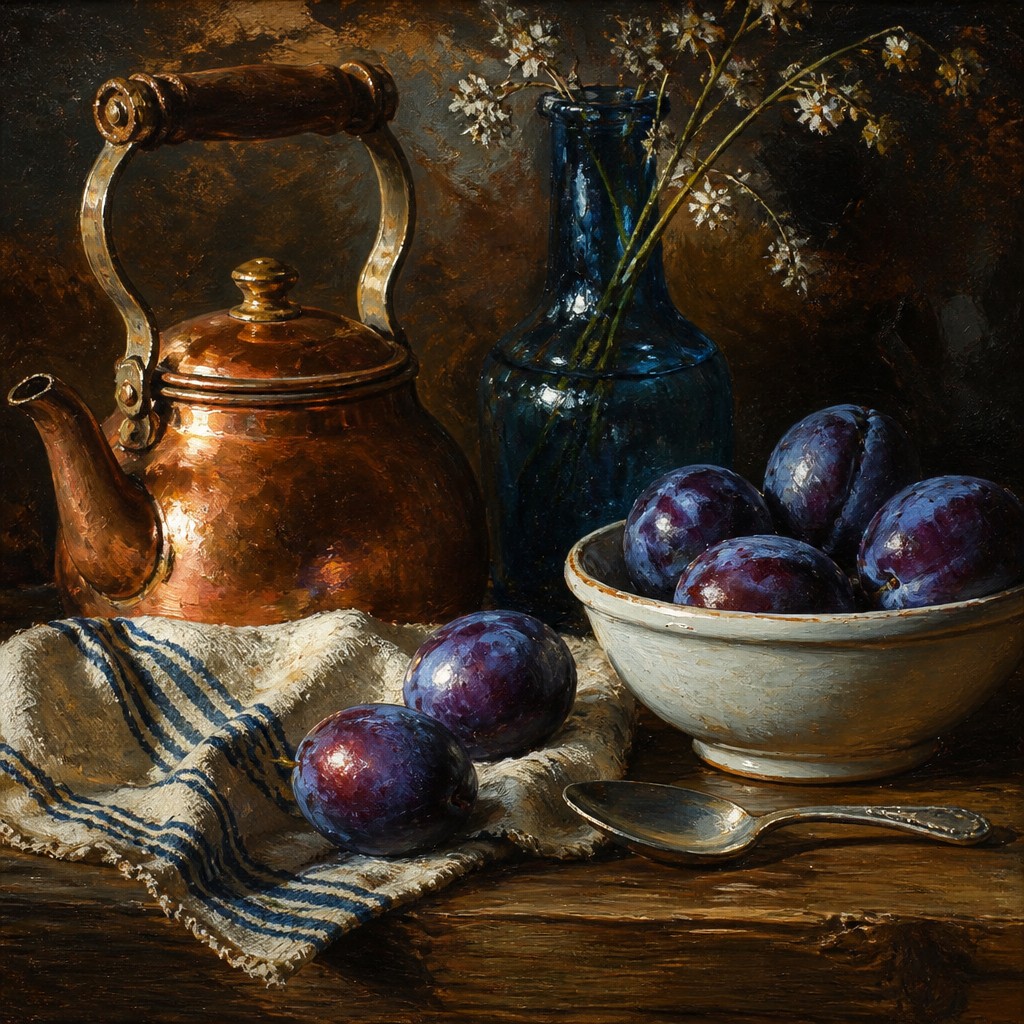
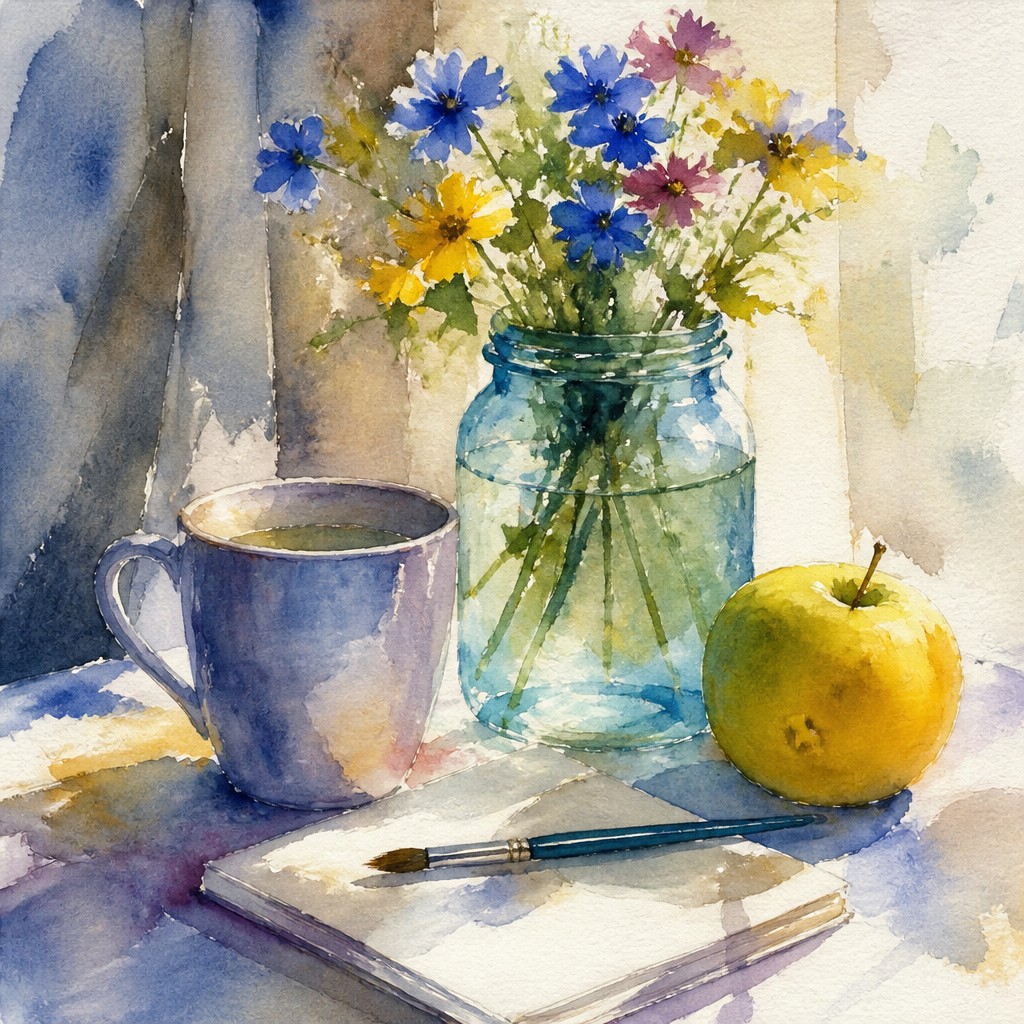
“still life with everyday objects”
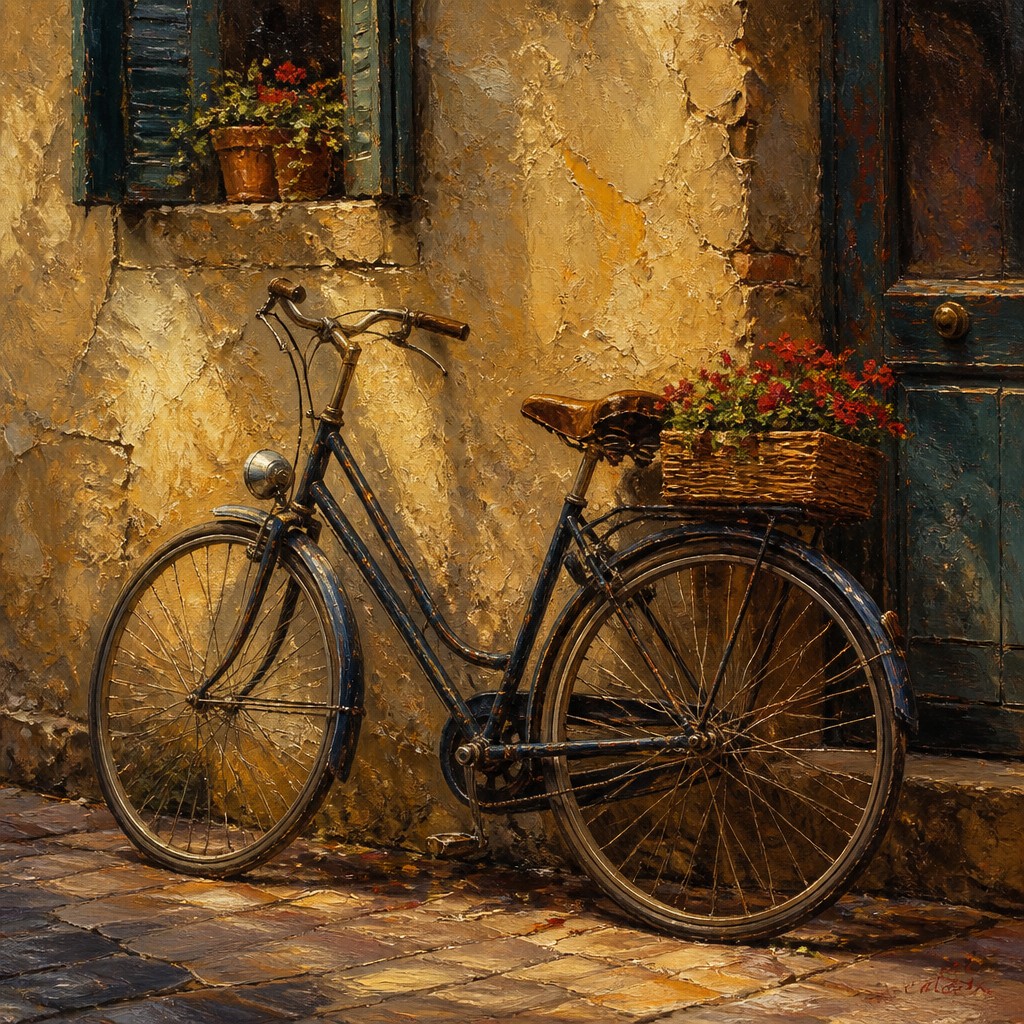
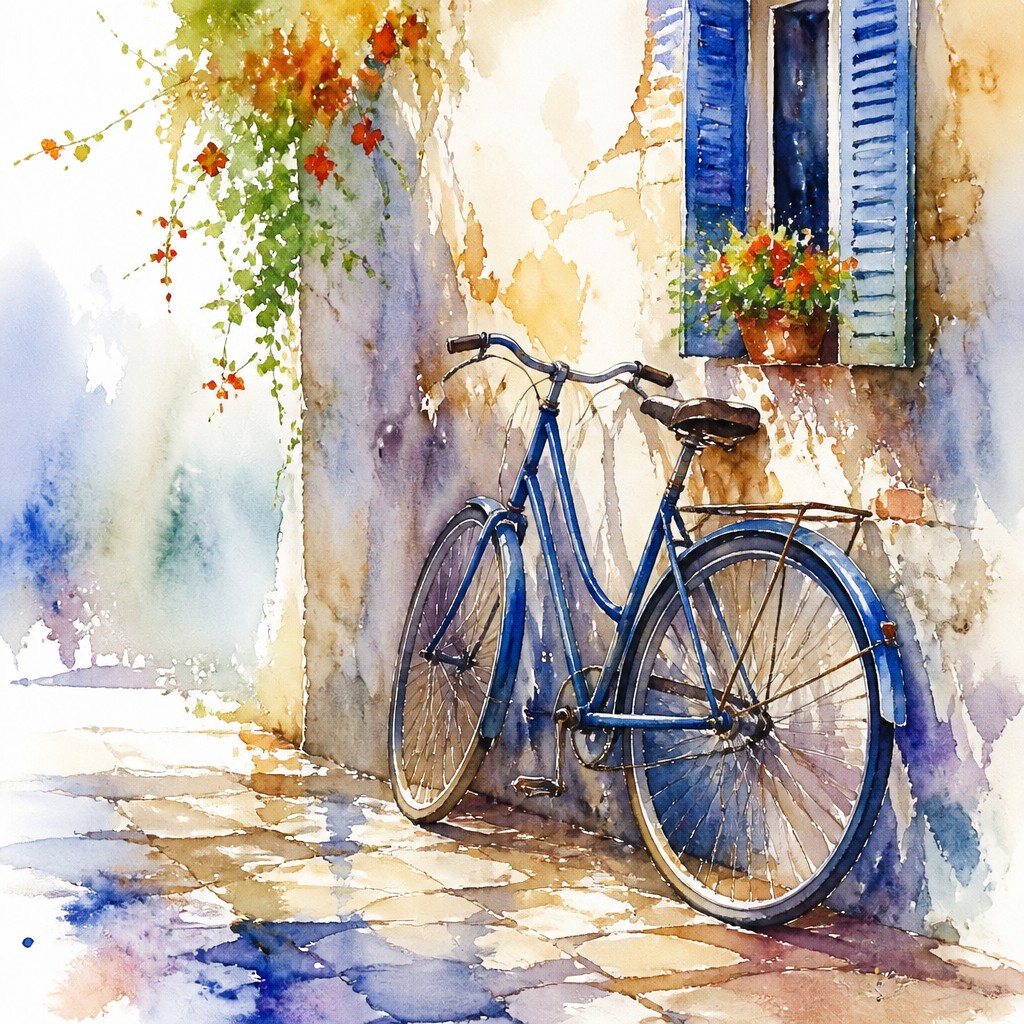
“bicyle resting against a wall”
Key Differences
| Oil Painting | Watercolor Portrait | |
|---|---|---|
| Opacity | Opaque and layered; highlights and corrections can be built up gradually. | Transparent and luminous; white paper often serves as the brightest highlight. |
| Edge quality | Brushstrokes can stay defined or blend smoothly for solid form and texture. | Edges often dissolve softly, especially in wet-into-wet passages. |
| Color depth | Can achieve deep, saturated color through repeated glazing and mixing. | Color reads lighter and airier, with clarity from diluted pigment. |
| Surface and texture | Paint film and brush marks create tactile, layered surface interest. | Texture is usually subtler, relying on paper grain and wash behavior. |
| Drying and workflow | Slow drying allows extended blending, reworking, and gradual refinement. | Fast-drying washes encourage planning, speed, and accepting chance effects. |
| Portrait feel | Often feels grounded, dimensional, and polished with strong form modeling. | Often feels fresh, intimate, and light, with expressive simplification. |
| Mood | rich, timeless, expressive, warm, sophisticated | ethereal, delicate, expressive, luminous |
| Energy | balanced | calm |
| Detail level | detailed | moderate |
| Color | deep, saturated, luminous, layered | soft transparent washes, light natural tones |
| Texture | visible brushstrokes, soft impasto, glossy glaze | fluid washes, soft blooms, paper grain |
| Origin | Renaissance Europe | 18th-century Europe |
| Best for | portraiture, landscapes, still lifes, fine art prints, editorial illustrations, album covers | portrait commissions, editorial illustrations, book covers, greeting cards, fine art prints |
| Difficulty | advanced | advanced |
Which Should You Choose?
Pick Style A if you want maximum control over blending, rich color depth, and a finished, enduring look that supports detailed modeling and revision. Pick Style B if you want a lighter, more atmospheric portrait with transparent color, soft transitions, and a sense of freshness that embraces the paper surface. If you value texture and reworking, choose oil; if you value immediacy and luminous simplicity, choose watercolor.
Frequently Asked Questions
Which style is better for realistic portraits?
Both can be realistic, but they achieve realism differently. Oil painting usually supports more gradual modeling and corrections, while watercolor can capture likeness quickly with economical, transparent marks.
Which style is easier for beginners?
It depends on the learner and the goal. Watercolor can be simpler in materials, but it is less forgiving; oil painting can be more forgiving in blending and revision, but it has a slower process.
Which style has more vibrant color?
Oil painting often allows deeper saturation and richer layering because pigment can be built up over time. Watercolor has a different kind of vibrancy, with bright, clean transparency rather than heavy color depth.
Can these styles be combined?
They are usually practiced separately because the materials behave very differently. However, artists can borrow visual qualities from each other, such as soft edges, luminous color, or layered depth, within a single work.