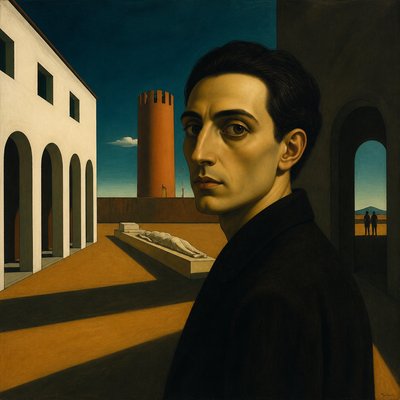
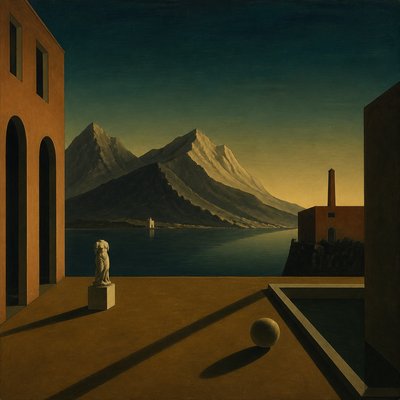
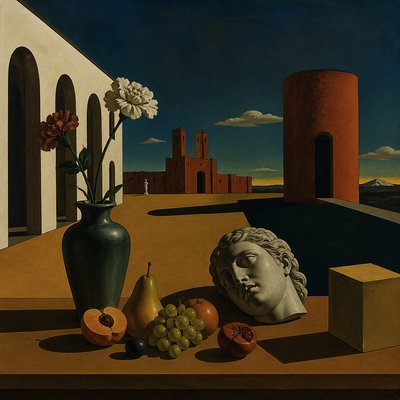
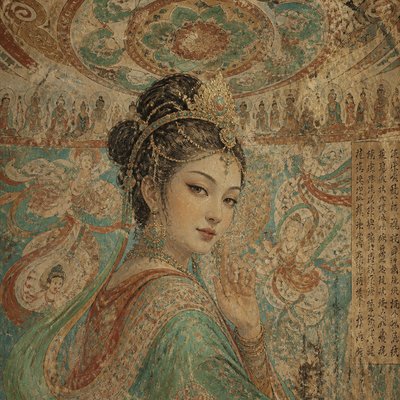
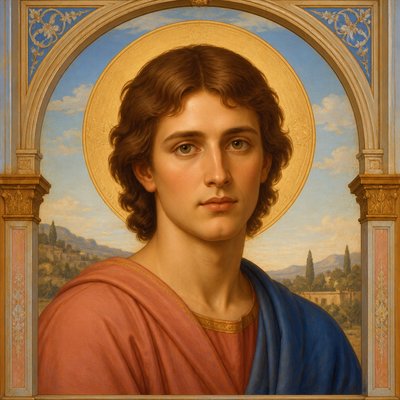
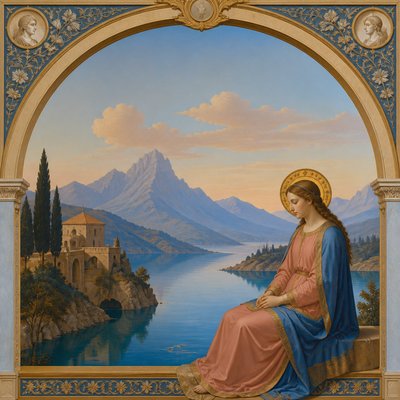
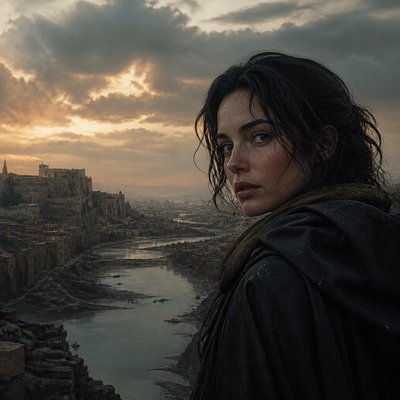
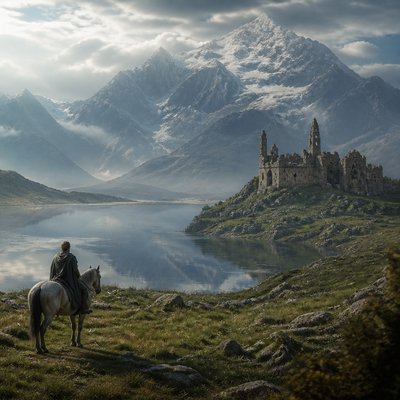
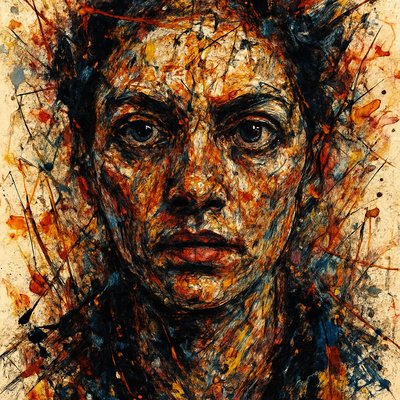
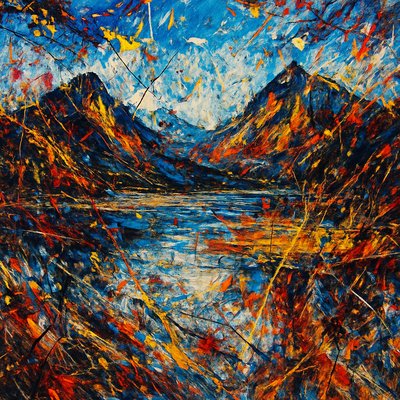
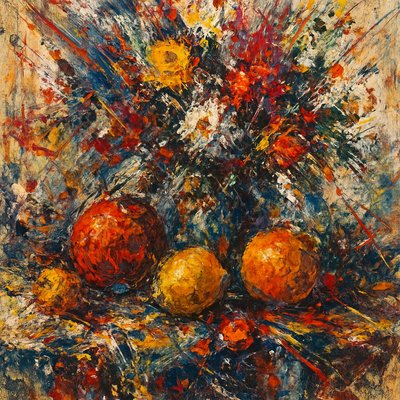
Matte Painting Digital Art Style
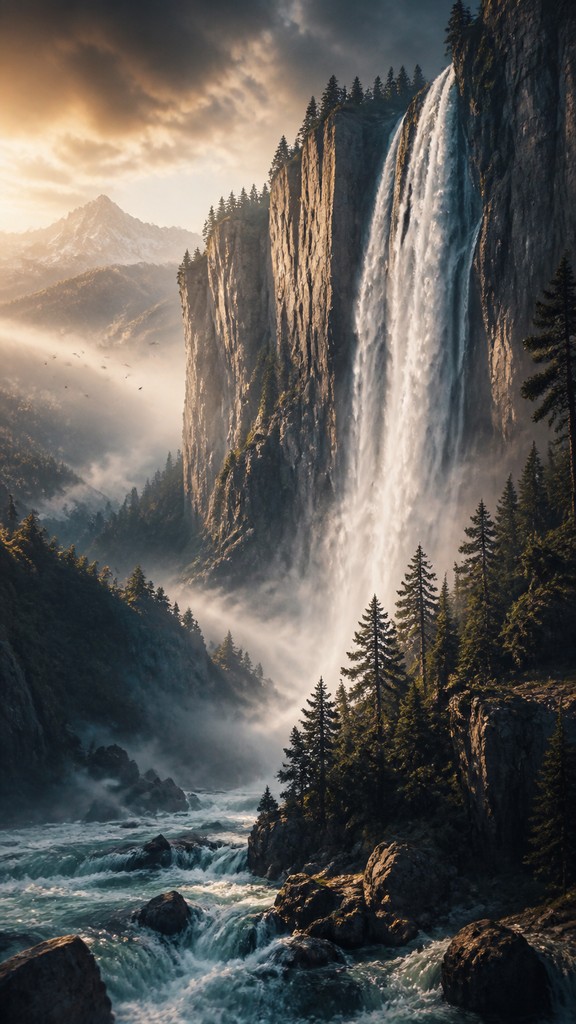
Cinematic digital environments blending photography, 3D elements, and painterly compositing for filmic worlds and believable scale.
Instantly rendered in Matte Painting Digital — or transform a photo
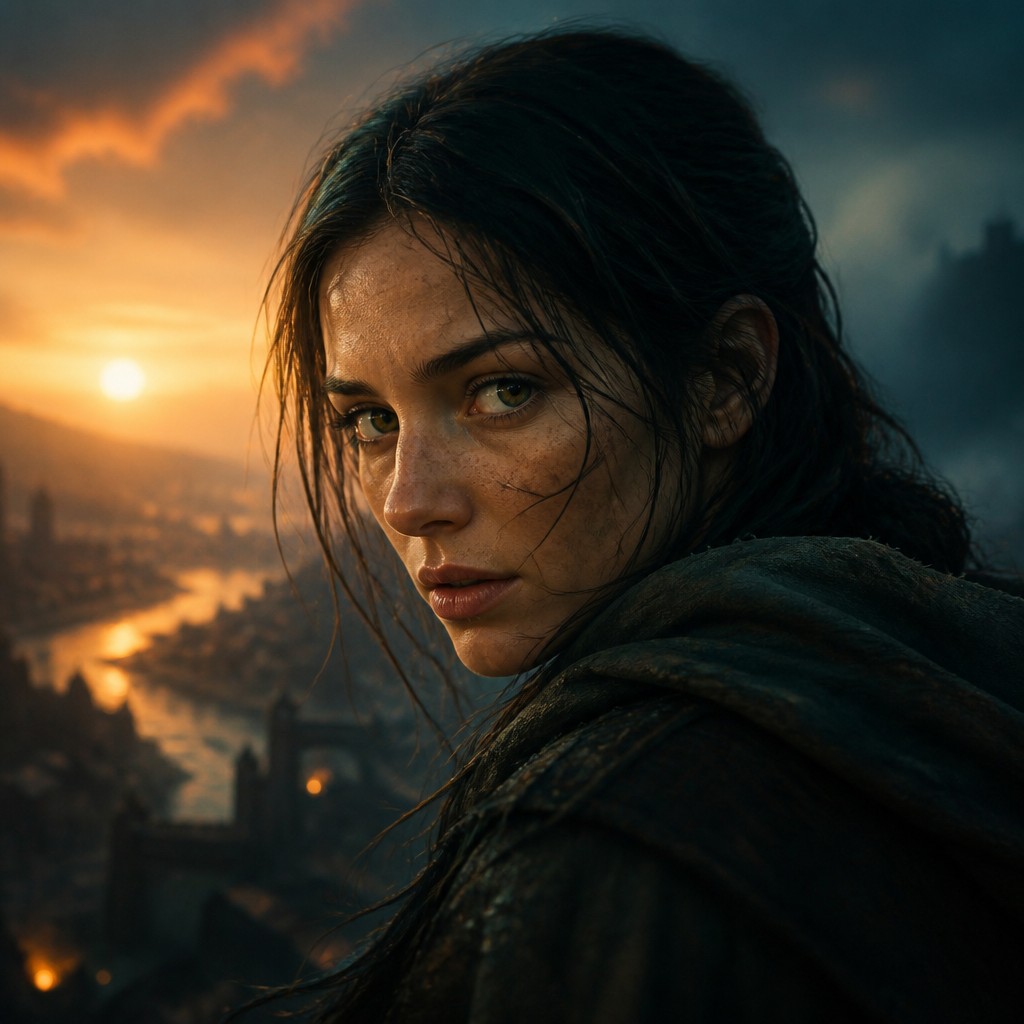
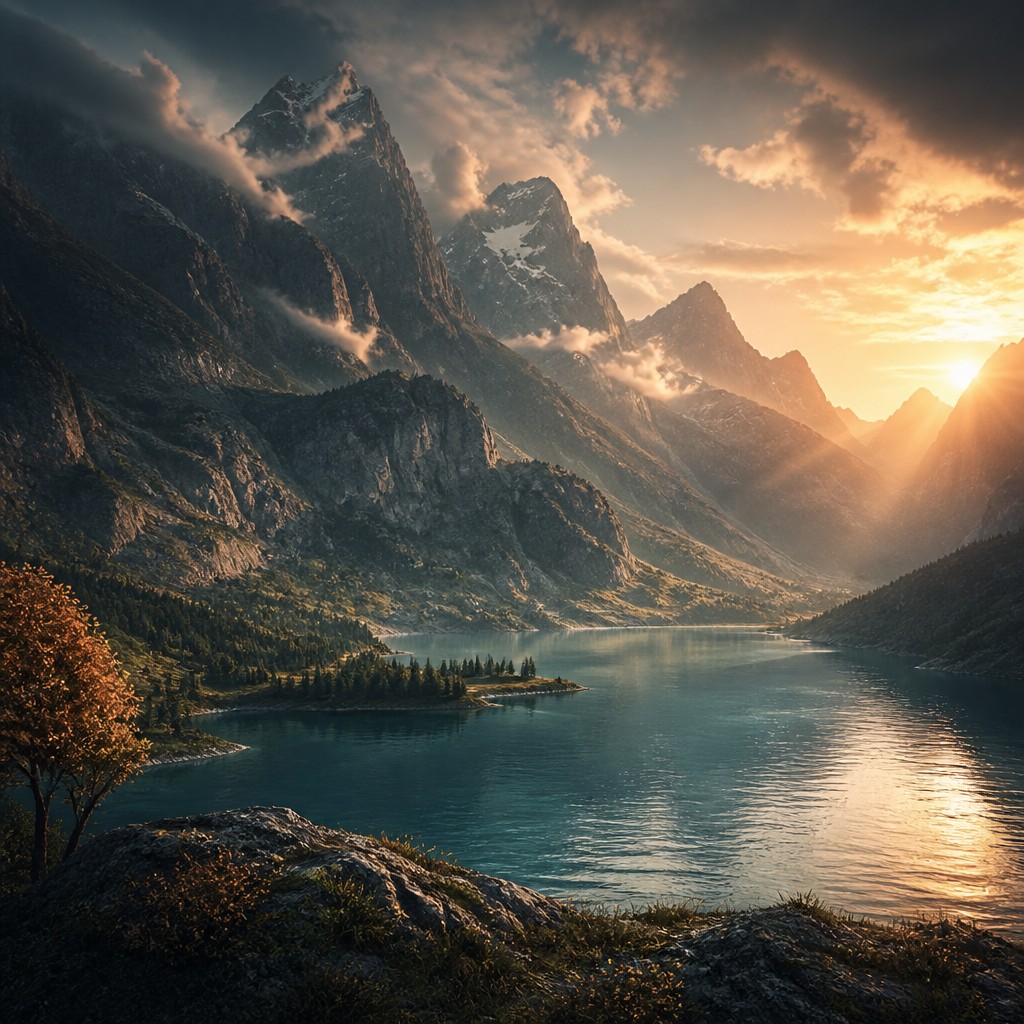
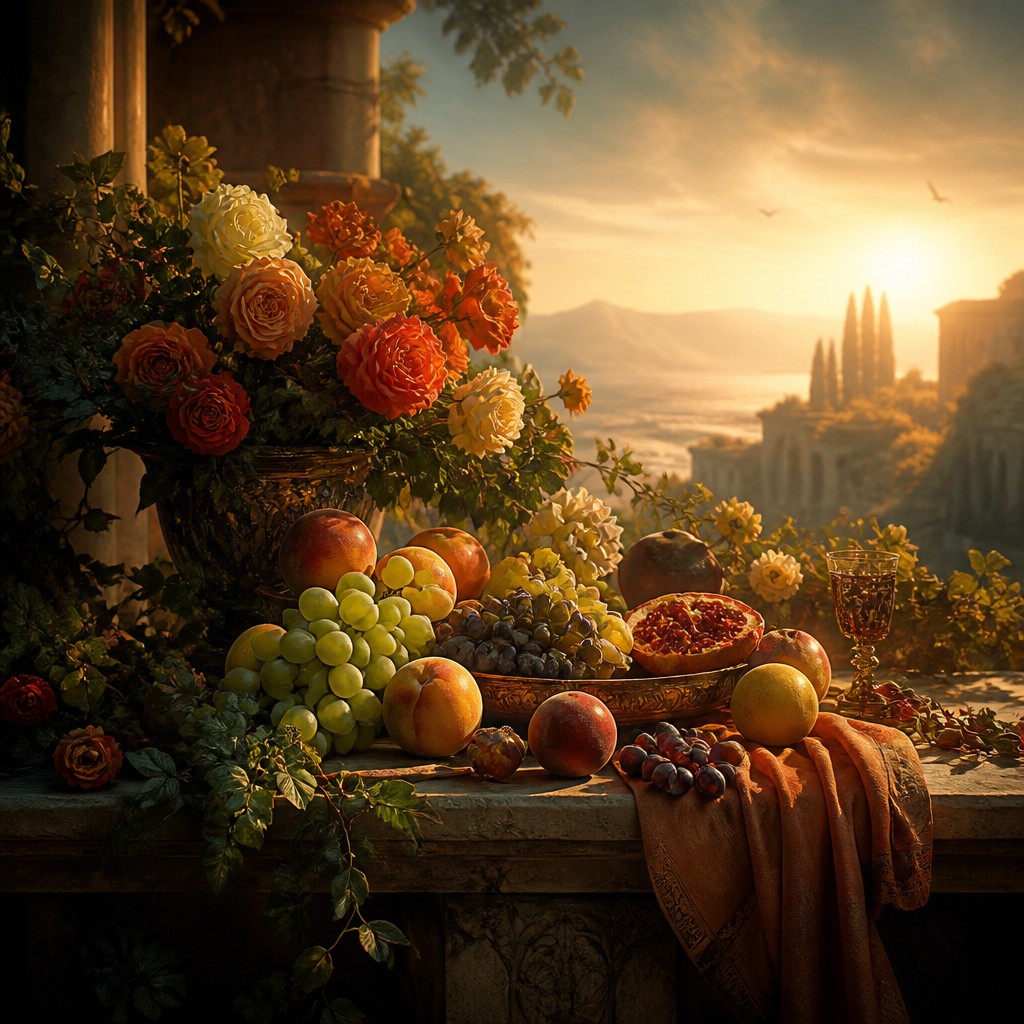
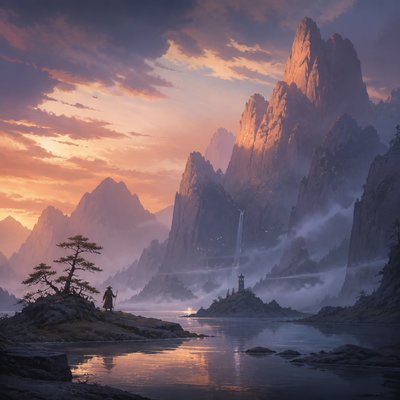
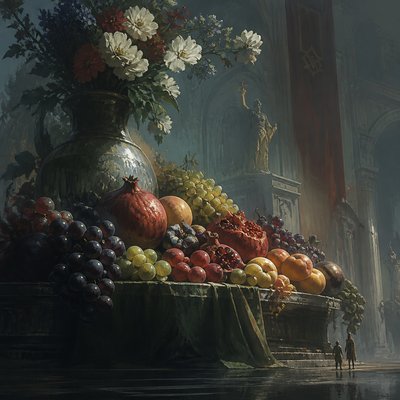
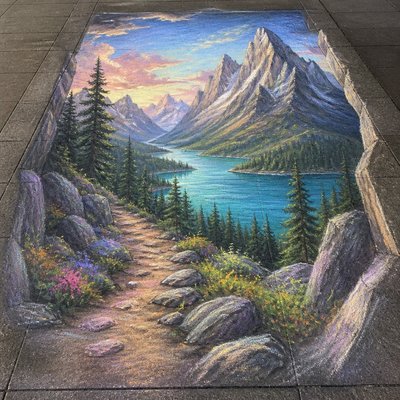
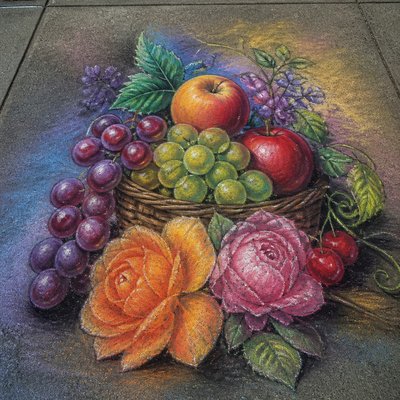
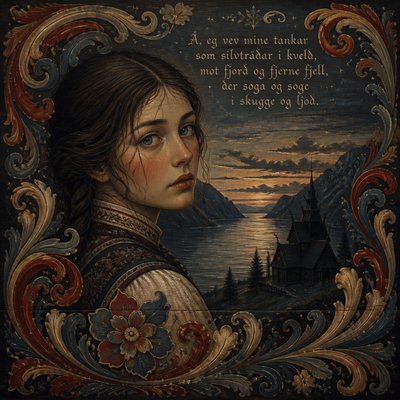
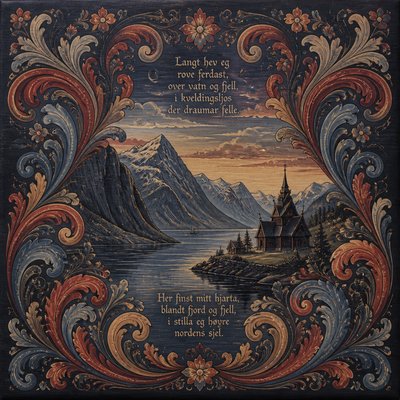
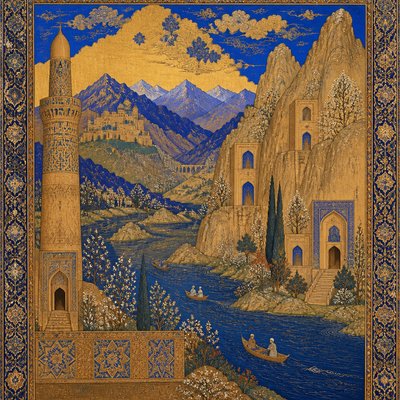
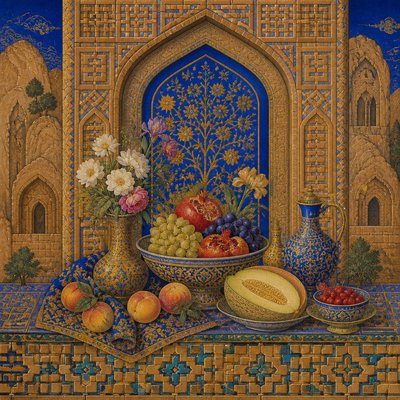
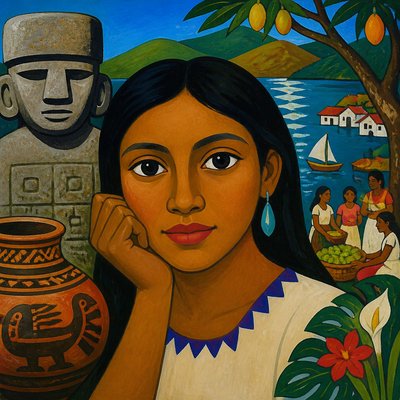
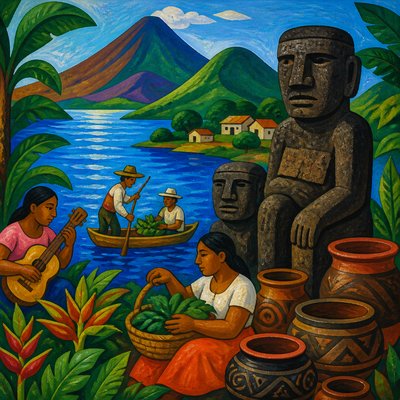
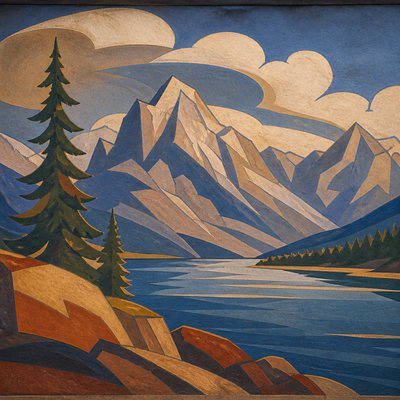
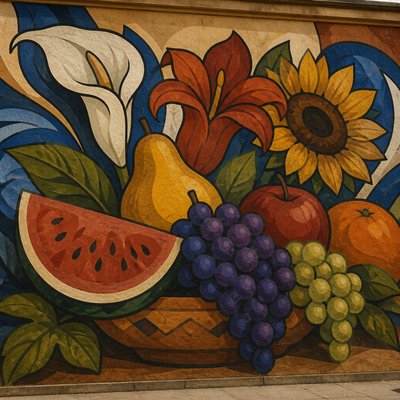
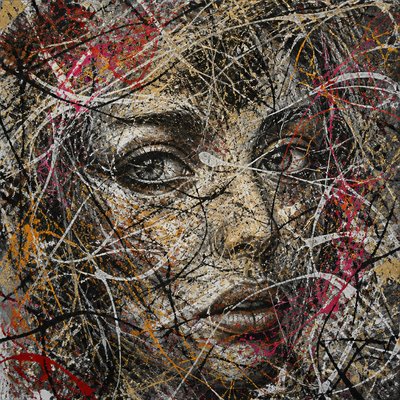
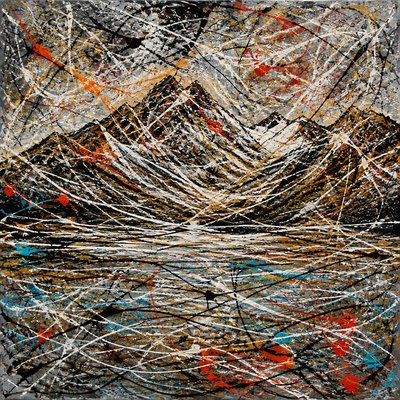
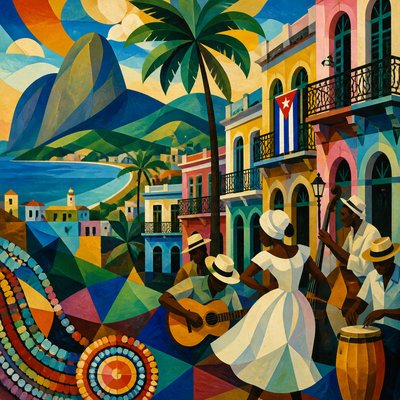
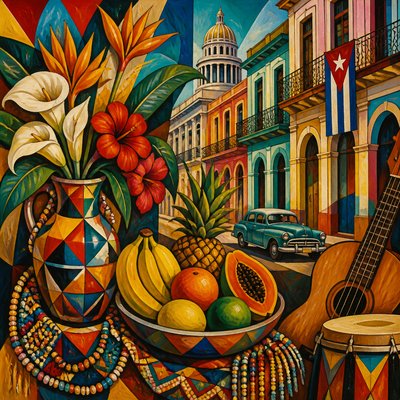
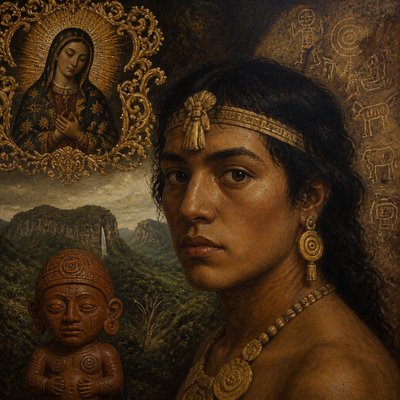
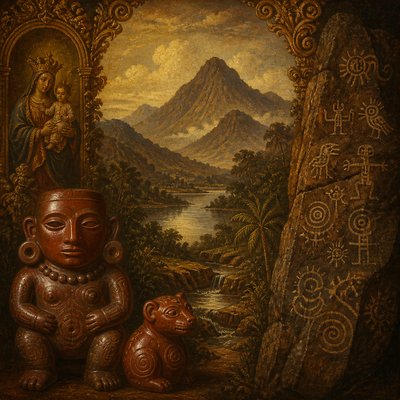
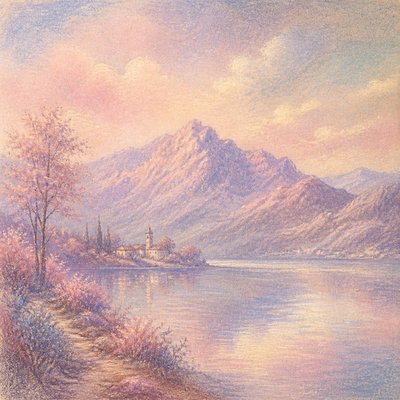
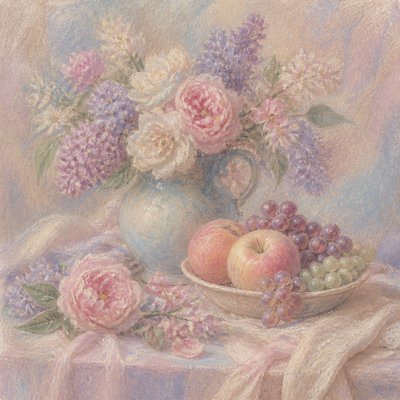
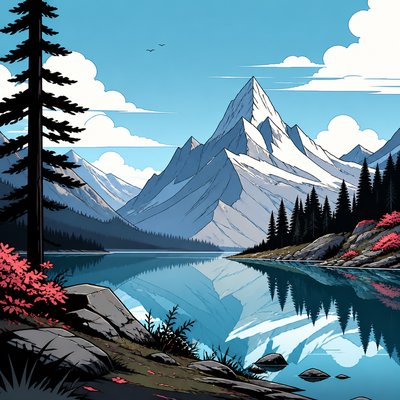
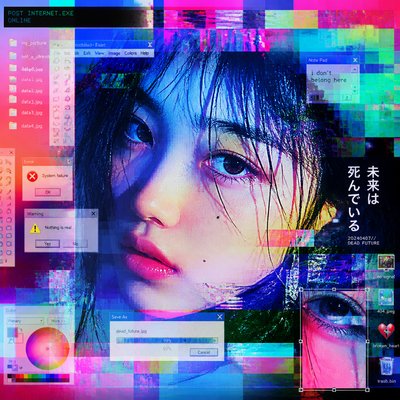
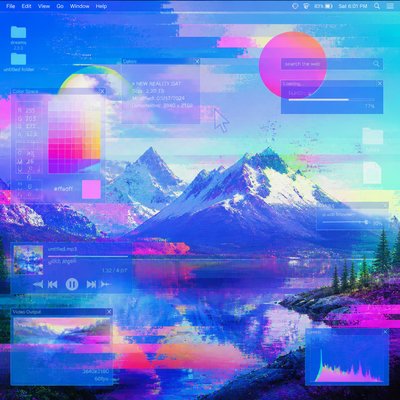
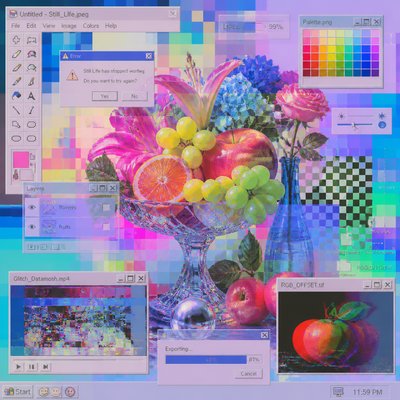
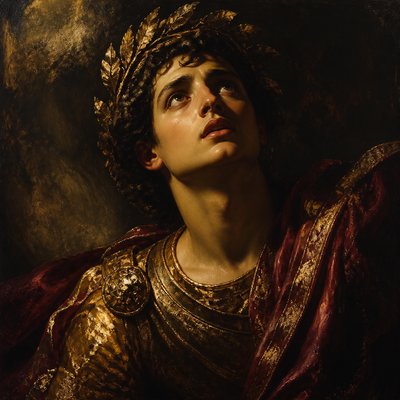
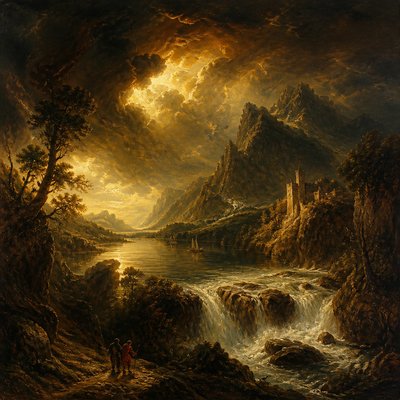
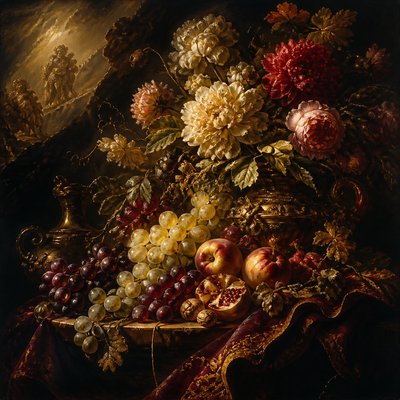
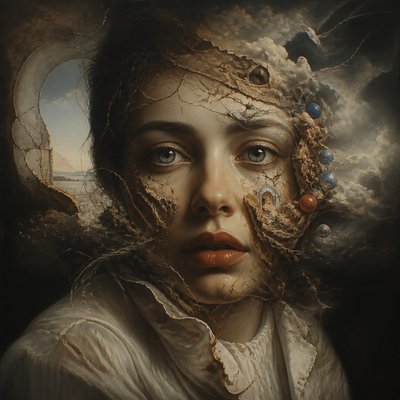
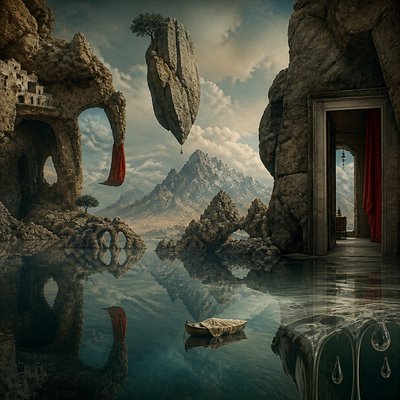
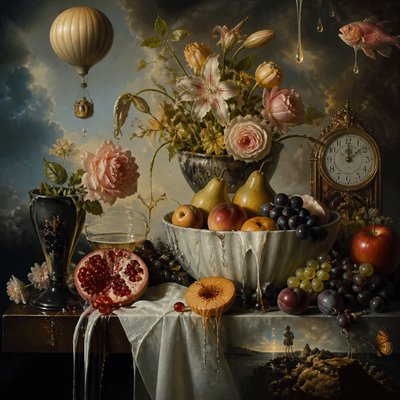
Matte Painting Digital Gallery
Tap any artwork to explore it
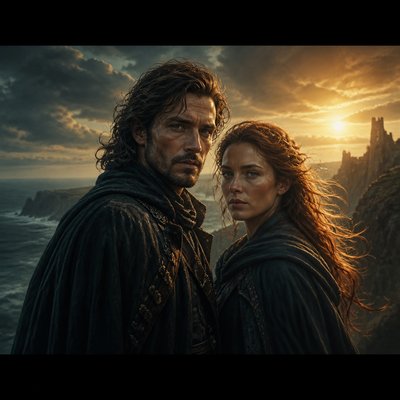
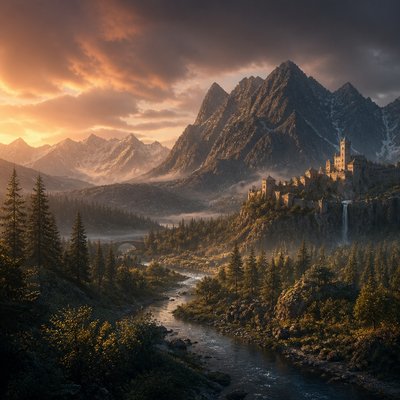
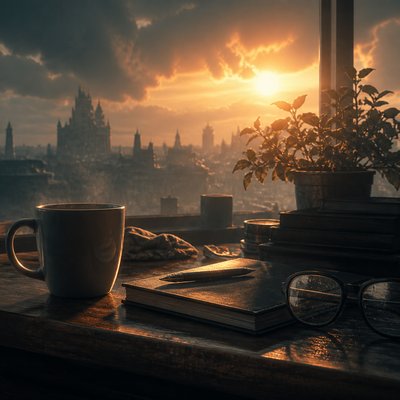
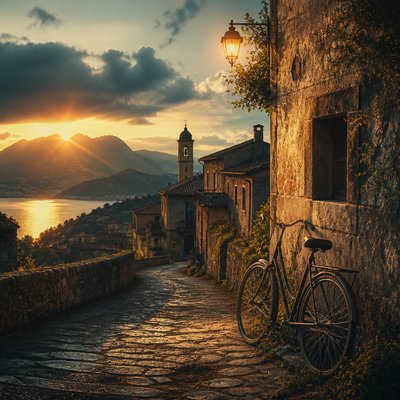
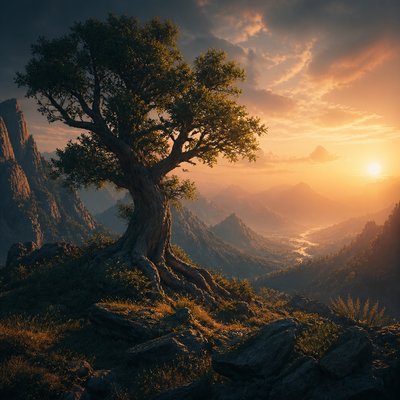
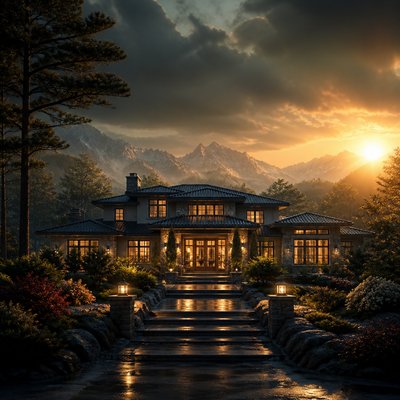
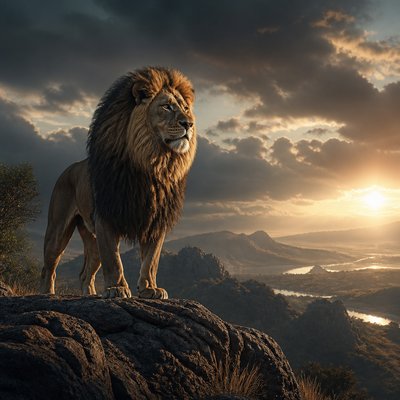
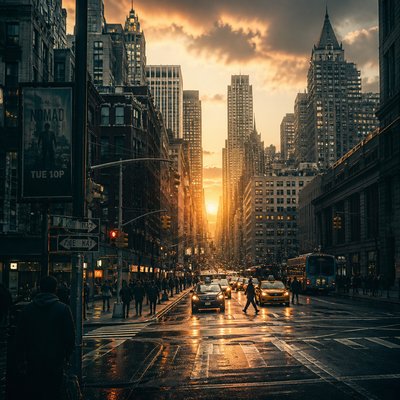
What is Matte Painting Digital Art Style?
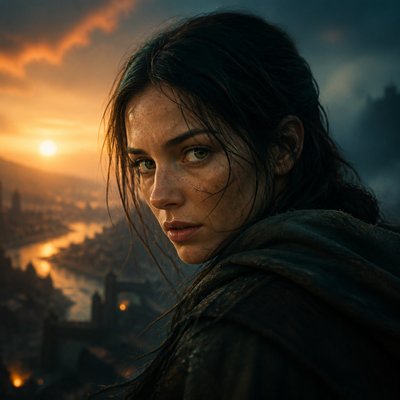
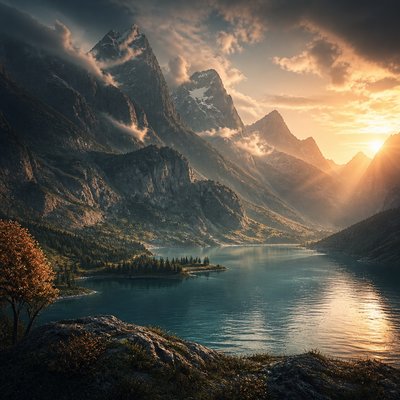
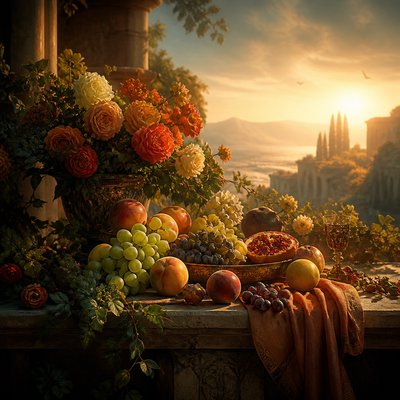
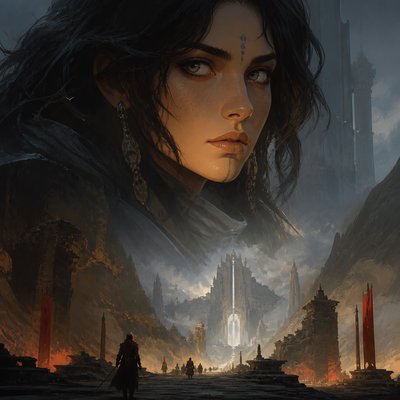
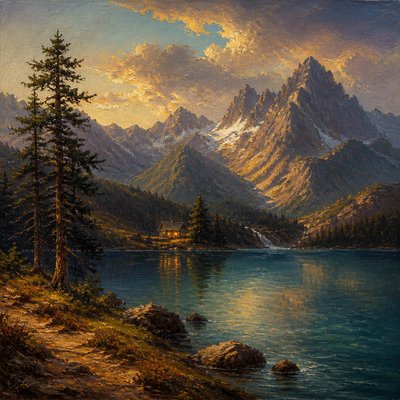
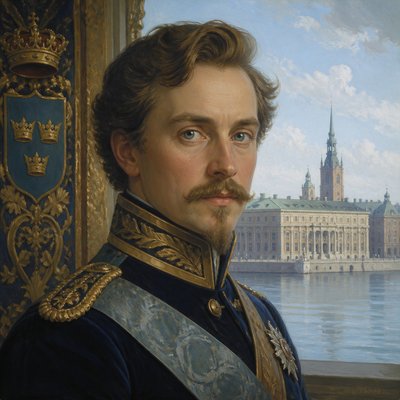
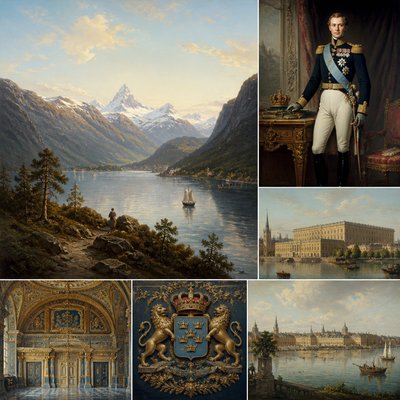
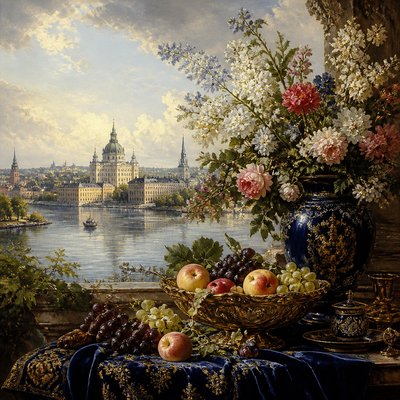
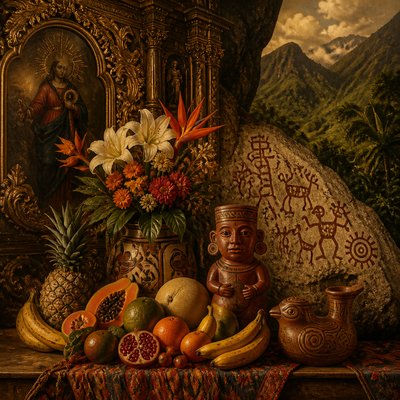
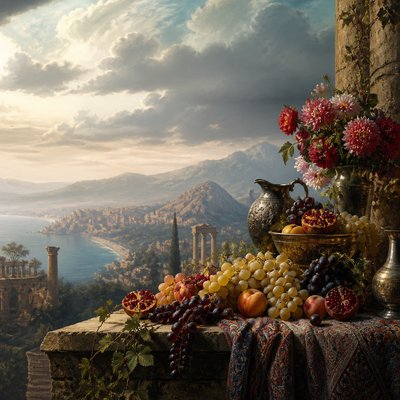
Matte painting digital art is a cinematic environment-making style that combines photographic realism, 3D assets, and digital paint to construct believable scenes that do not exist in the real world. It is defined by large-scale compositions, carefully controlled perspective, atmospheric depth, and seamless integration of multiple visual sources into a single unified image.
The style looks the way it does because it is designed to convince the eye. Artists use photoreal detail where the viewer expects clarity, then soften transitions with haze, brushwork, and atmospheric perspective so that the image feels expansive rather than mechanically assembled. Strong directional lighting, film-style color grading, and polished compositing give the result the look of a finished production frame from a film or game.
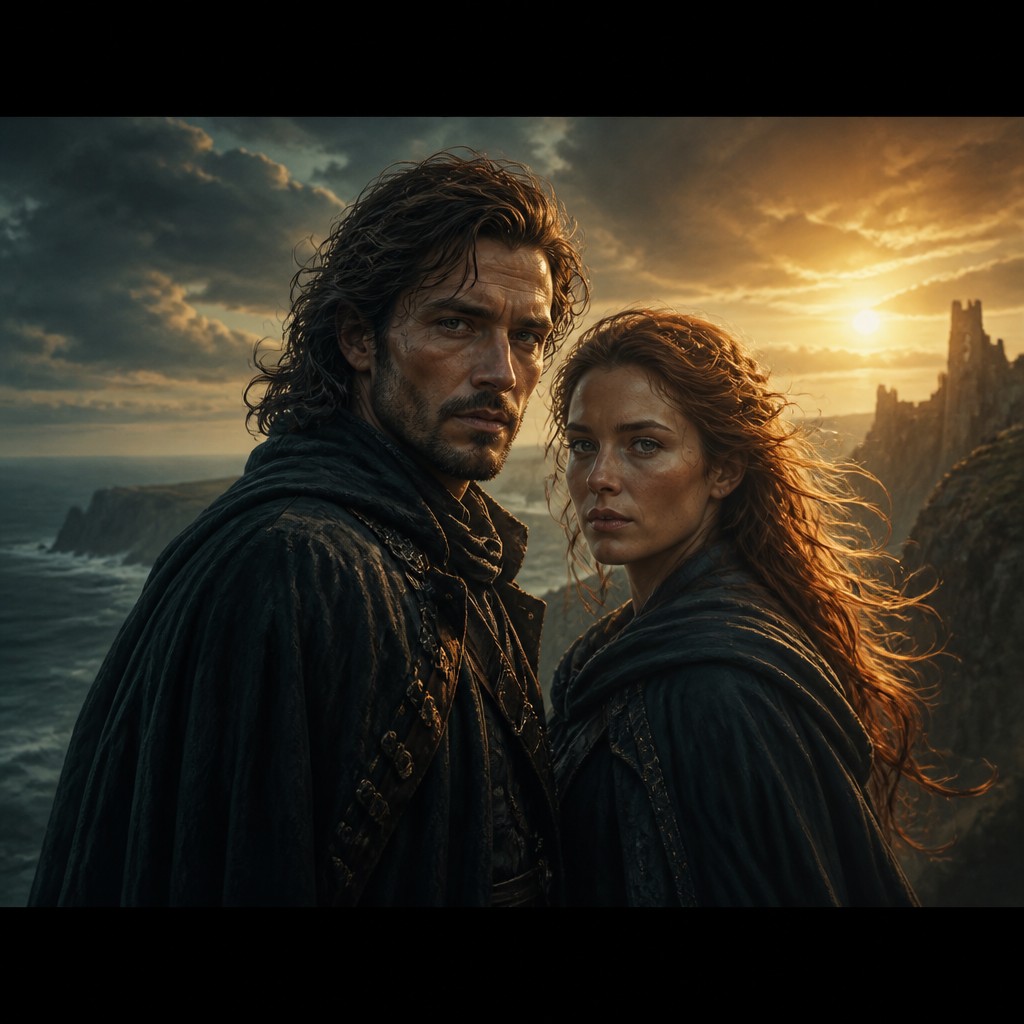
Try It On Your Photos
Upload any photo and convert it into Matte Painting Digital Art Style — drag the sliders to compare before and after.
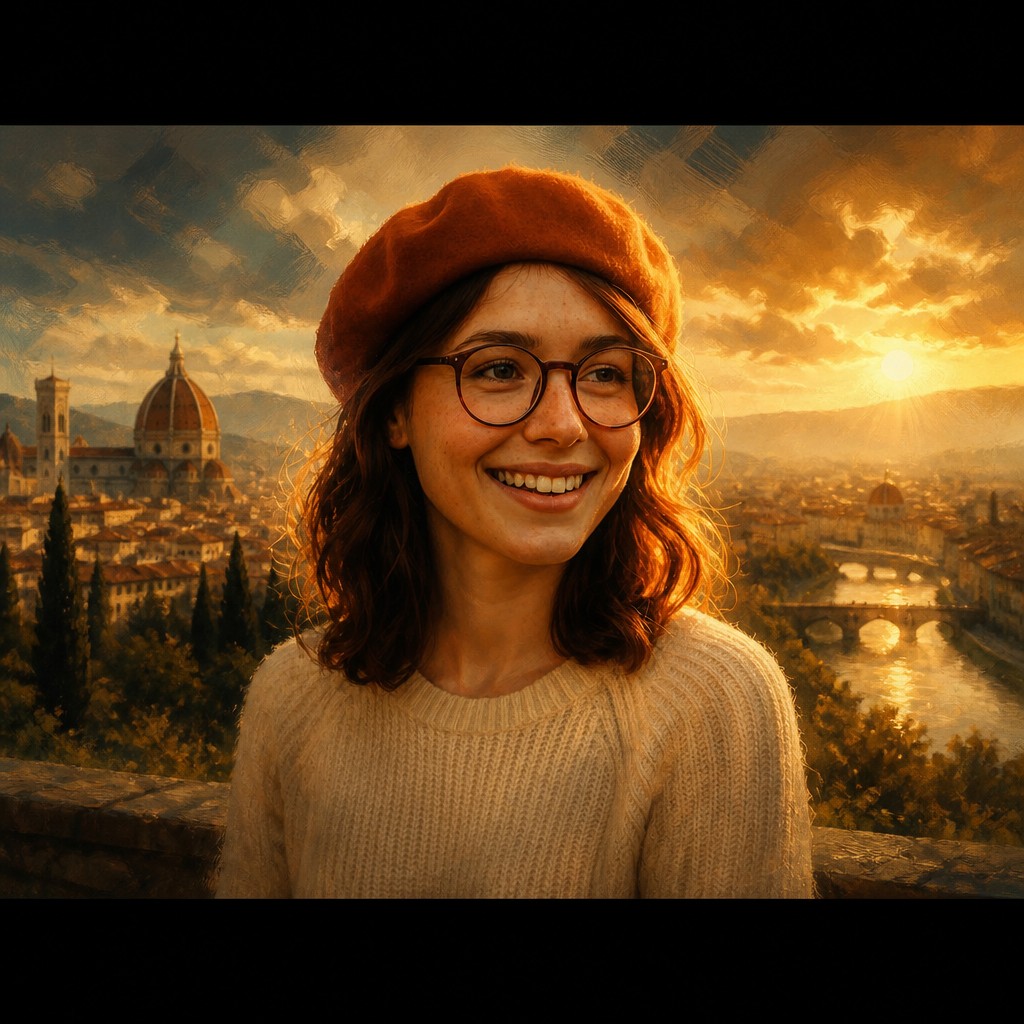

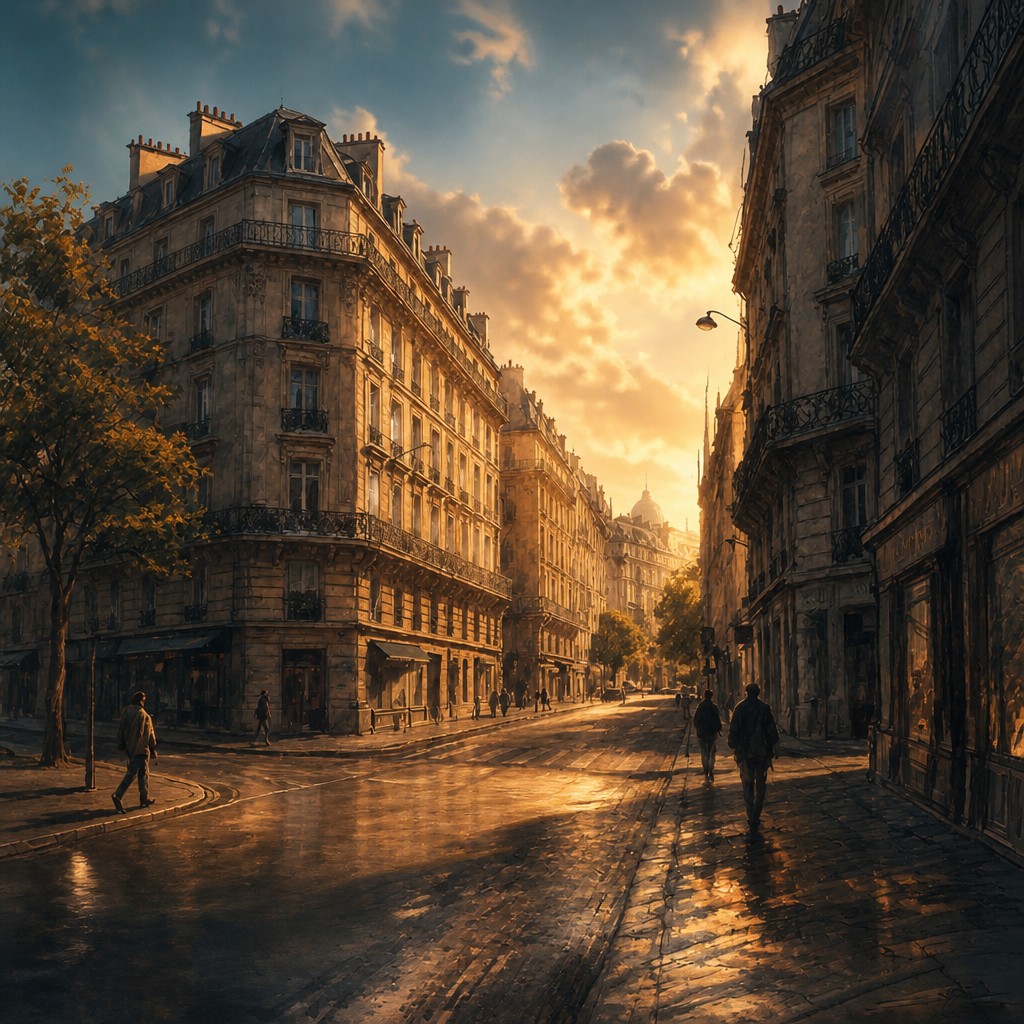

What Defines Matte Painting Digital Art Style
The signature details, up close
Seamless compositing
Multiple sources—photographs, rendered geometry, and painted corrections—are merged so the final scene reads as one coherent environment. Edges, textures, and lighting are matched carefully to avoid visible seams.
Cinematic scale
The composition usually emphasizes vast spaces, monumental structures, or sweeping landscapes. Foreground, midground, and background are arranged to create depth and a sense of production design.
Atmospheric perspective
Distant forms are softened by haze, mist, or particulate light, which increases depth and realism. This layering helps separate planes and supports the illusion of great distance.
Photoreal base with painterly transitions
Key details often appear highly realistic, while transitions between elements may retain visible digital brushwork. The painterly quality is most noticeable in skies, clouds, terrain blends, and environmental effects.
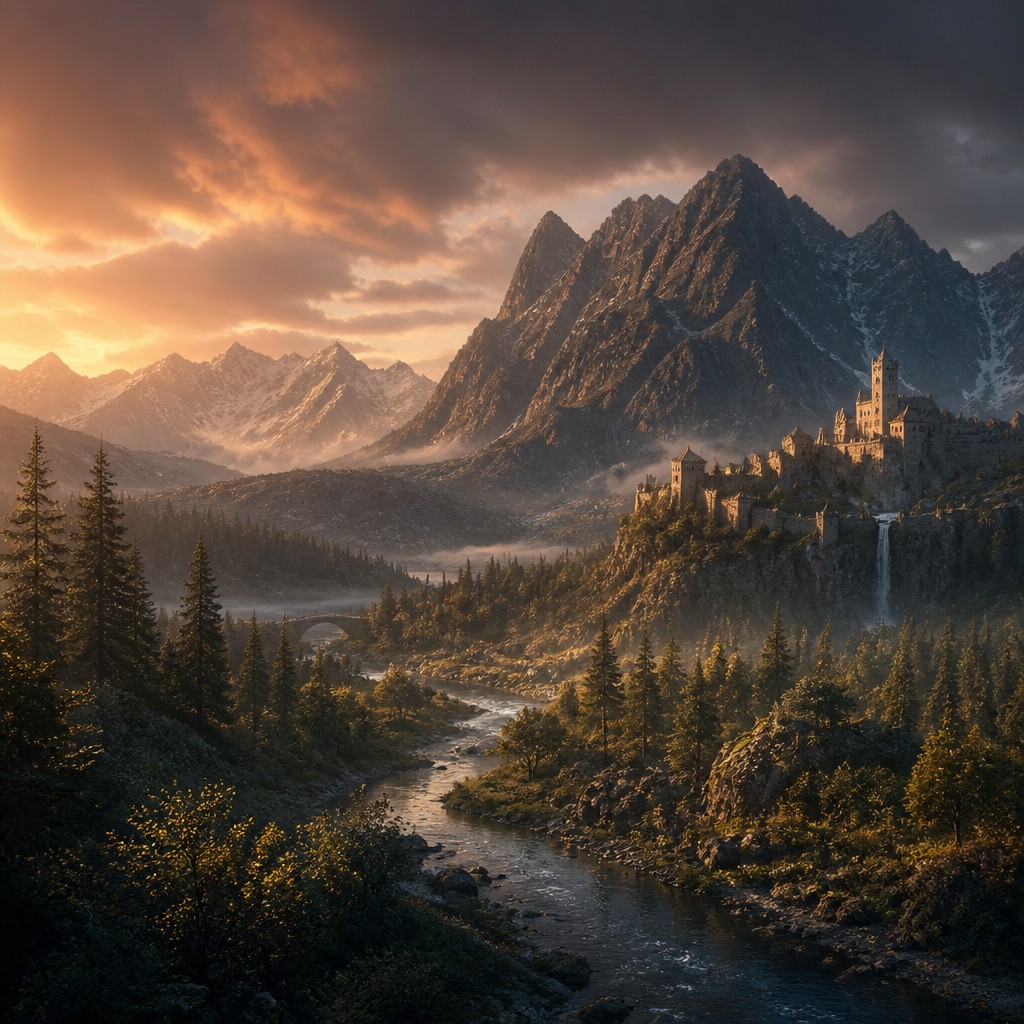
Filmic lighting and grading
Lighting usually follows a strong key source, with controlled highlights and rich shadow detail. Color palettes often use teal-orange or otherwise cinematic grading to unify disparate elements.
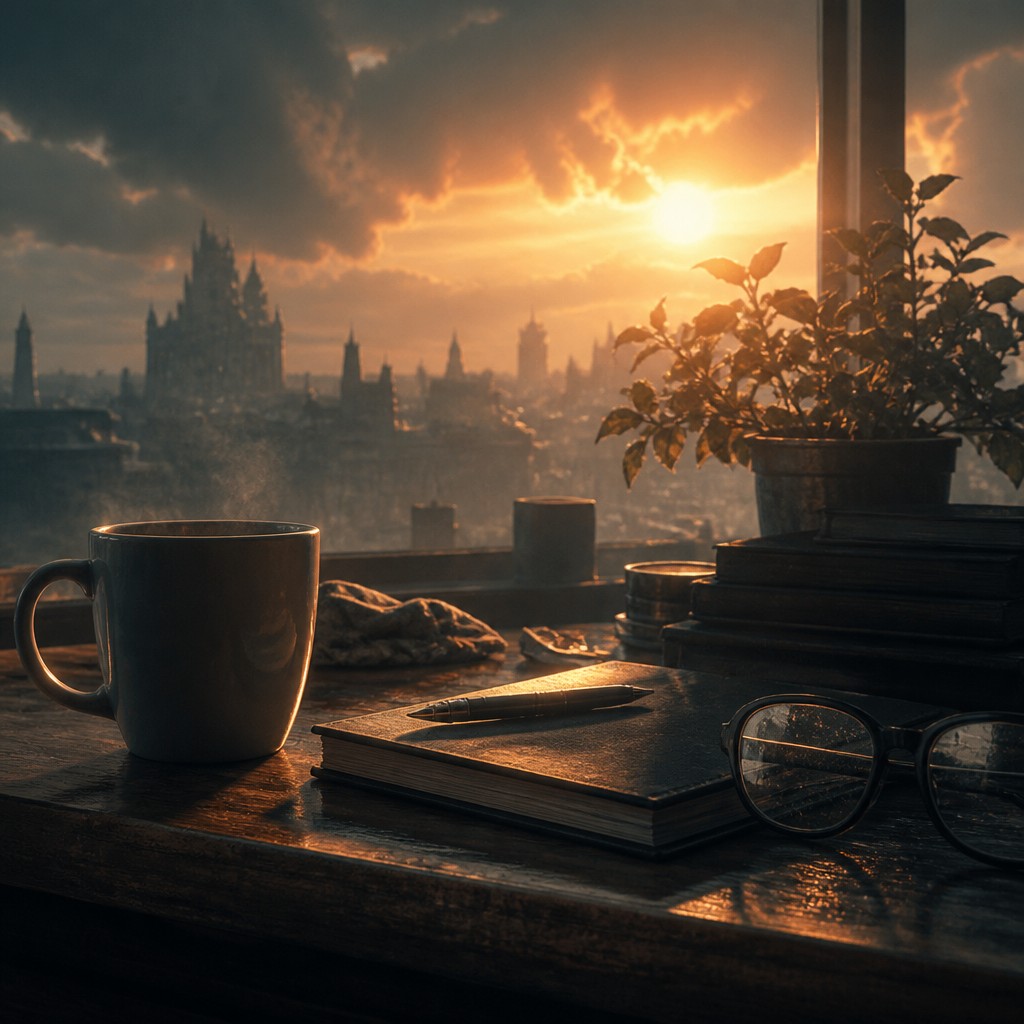
Production-design clarity
Architecture, terrain, and props are arranged to tell a worldbuilding story rather than to depict random scenery. Even fantastical scenes tend to have believable structural logic and environmental consistency.
Try It
Create Videos in Matte Painting Digital Art Style
Styles aren't just for stills — describe a scene or animate an image and get a short video rendered in Matte Painting Digital. Press play to see this pond come to life.
Make a VideoMatte Painting Digital Prompt Ideas
Start from an idea — each one opens the generator with the style ready to go. See all 40 Matte Painting Digital prompts →
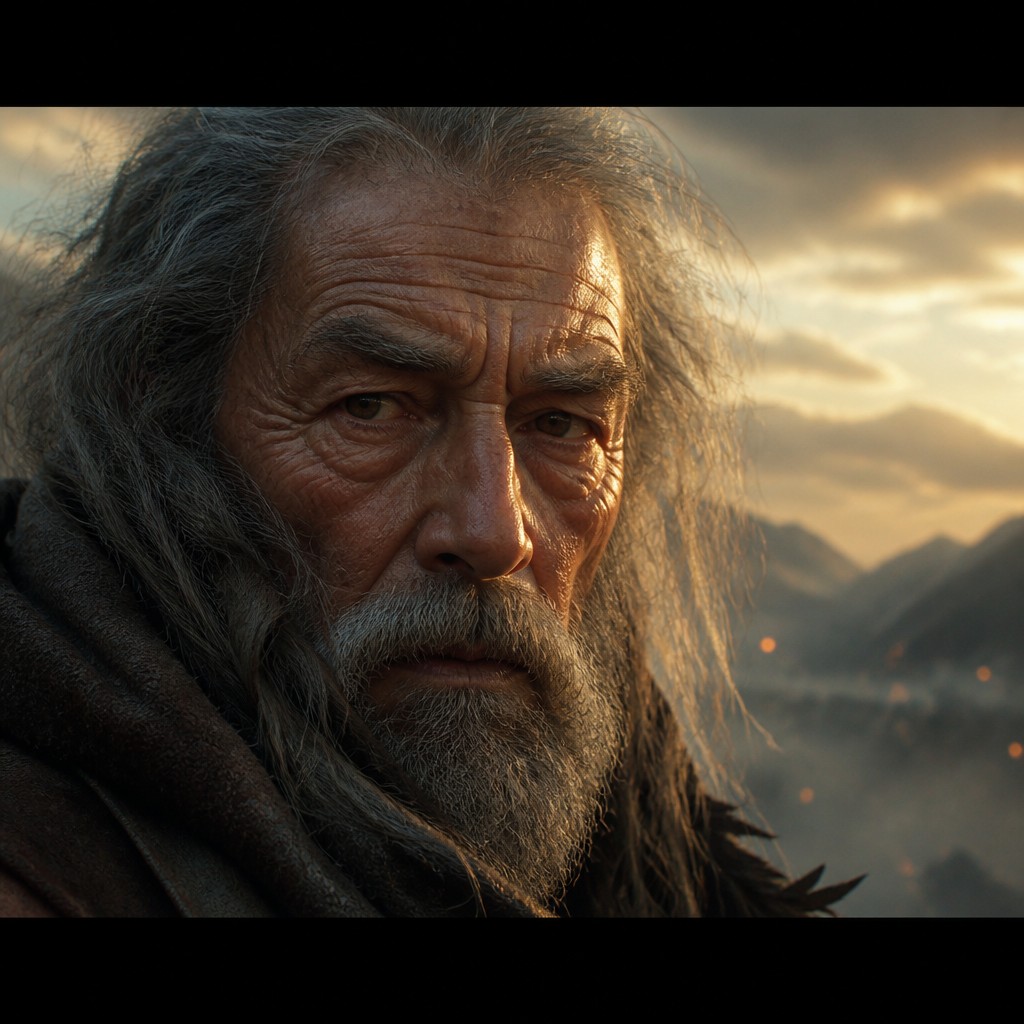
“close-up portrait of an elderly person with expressive weathered features”
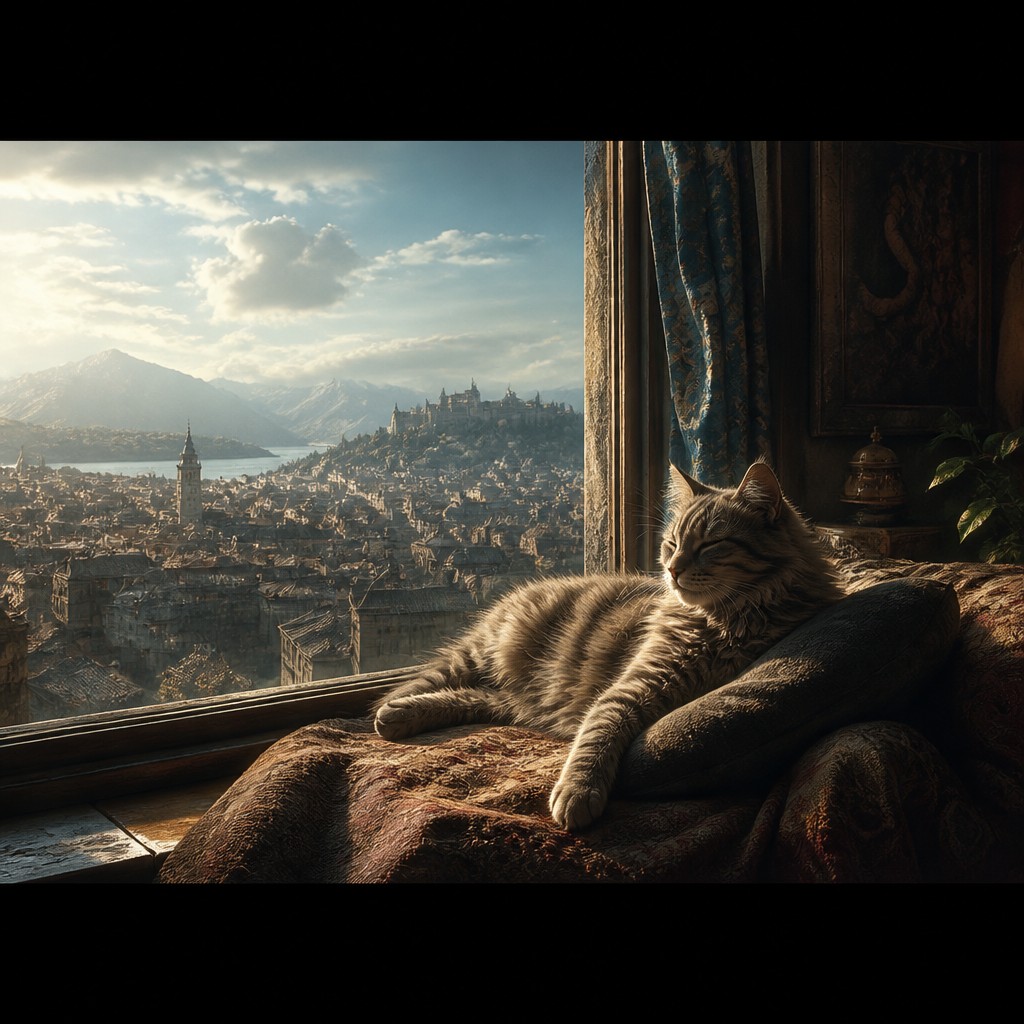
“a cat lounging in a sunlit window”
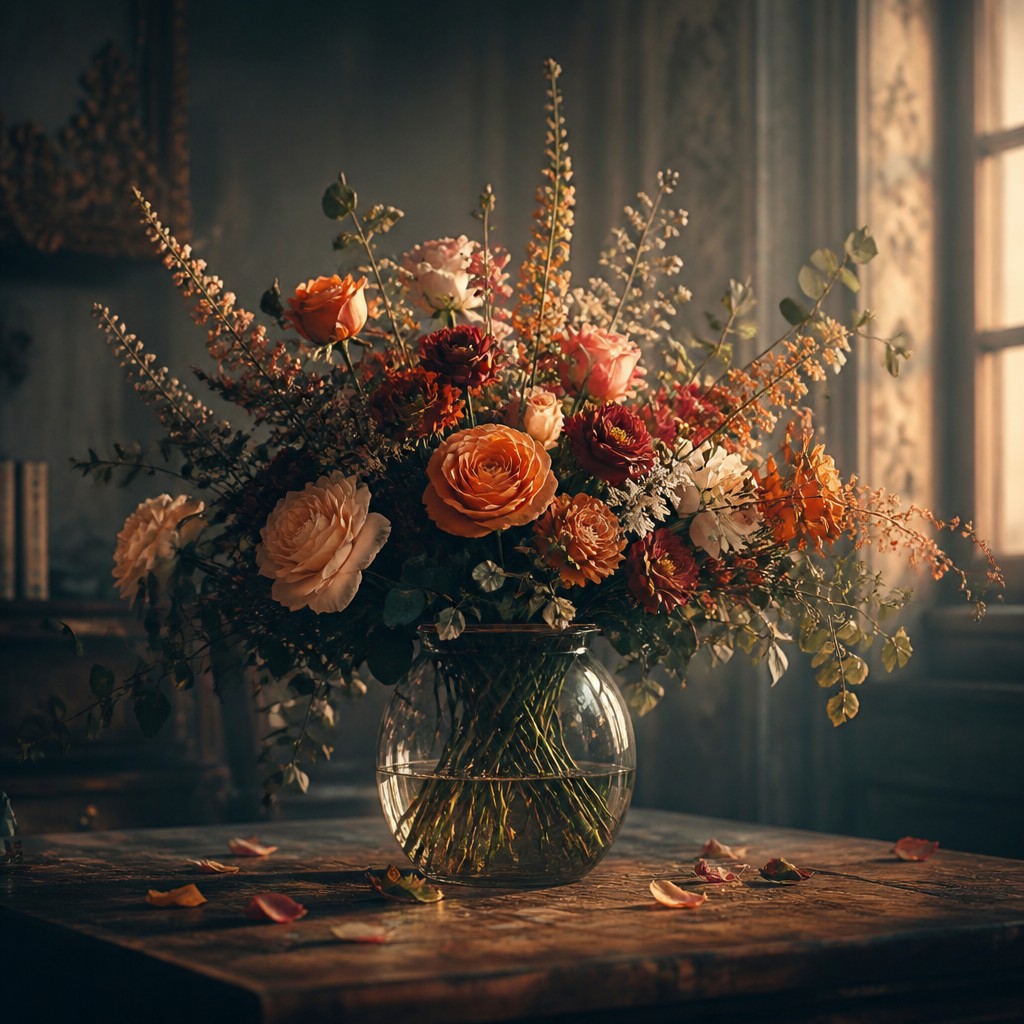
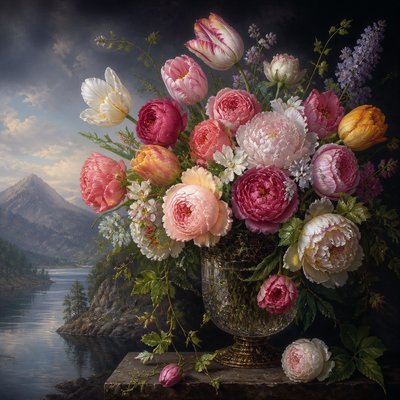
“bouquet of flowers in a glass vase”
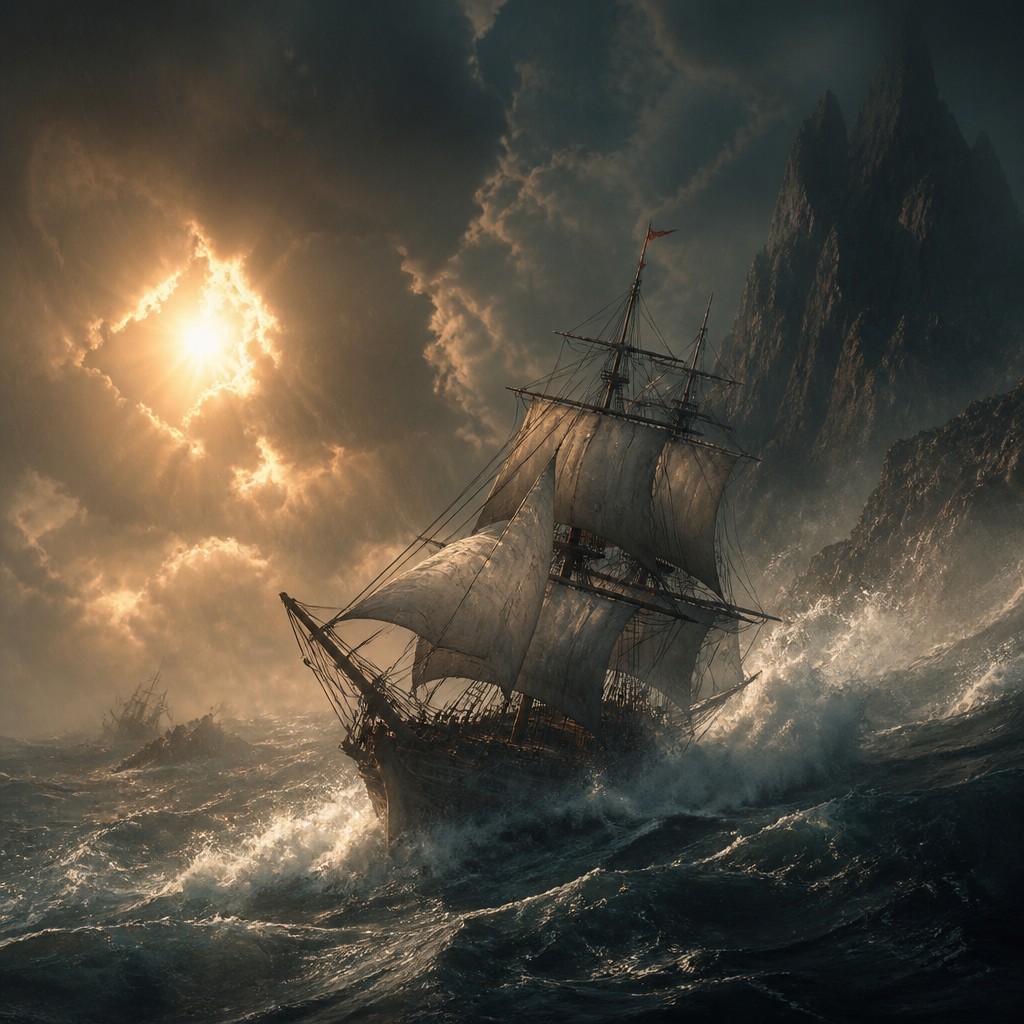
“sailing ship on a stormy sea”
How to Create Matte Painting Digital Art
Master the craft step by step — or skip straight to creating. Read the full guide →
- 1
Build the image in layers
Start with a strong perspective layout and block in foreground, midground, and background separately. In digital work, combine photo references, 3D block-ins, and paint-over passes so each layer can be adjusted for scale, haze, and lighting.
- 2
Match light before detailing
Unify the scene by deciding on a single dominant light direction and time of day. Add detail only after values, shadows, and atmospheric depth are consistent across all elements.
- 3
Use reference with disciplined blending
Collect architectural, landscape, cloud, and texture references that share similar lighting conditions. Blend joins with soft masks, edge control, and subtle texture painting so inserted assets do not read as pasted-in objects.
- 4
Paint the transitions, not just the objects
The most convincing matte paintings often spend more effort on atmospherics than on individual items. Smooth terrain joins, mist, distant silhouettes, smoke, and light bloom help hide technical seams and create a believable world.
- 5
For prompt-based generation, specify environment logic
Describe the scene as a production-ready cinematic environment with clear depth layers, lighting direction, and material realism. Include cues such as atmospheric perspective, volumetric light, widescreen framing, and polished compositing to guide the result.
- 6
Keep surfaces grounded in reality
Even imaginative scenes feel stronger when textures behave like real materials: stone, metal, cloud, water, or dust. Avoid overusing decorative detail; matte painting relies on plausibility and scale more than on ornament.
The Story
History & Origins of Matte Painting Digital
Digital matte painting grew out of traditional matte painting used in film production long before digital tools existed. In classical cinema, matte painters extended sets, replaced backdrops, and created impossible environments on glass panels or painted surfaces; with the rise of digital compositing in the late 20th century, those techniques shifted into software-based workflows that could merge photography, 3D modeling, and paint much more flexibly.
Its aesthetic lineage draws from cinema, concept art, landscape painting, and photomontage rather than from a single fine-art movement. Contemporary matte painting is especially tied to visual effects pipelines for fantasy, science fiction, and historical epics, where it serves as an invisible architecture of worldbuilding: it must look fully real while quietly enhancing, expanding, or transforming the photographed world.
Influences: This style draws from traditional film matte painting, concept art, landscape painting, photography, and 3D environment design. Its visual logic is related to cinematic realism in the work of production artists and visual effects painters, while its emphasis on light, scale, and atmosphere echoes landscape traditions rather than a single canonical fine-art movement. In practice, it often overlaps with fantasy and science-fiction illustration, but its defining purpose is environmental believability rather than standalone narrative illustration.
Frequently Asked Questions
What defines matte painting digital art?
It is a compositing-based style for creating large, cinematic environments that look physically believable. The hallmark is the seamless blend of photography, 3D elements, and digital painting into one coherent scene.
How is it different from concept art?
Concept art is usually made to explore ideas, designs, and possibilities, while matte painting is typically aimed at presenting a finished environment that feels real and production-ready. Matte painting tends to prioritize realism, lighting continuity, and polished integration over sketchlike ideation.
How is it different from photobashing?
Photobashing is a technique that may be used inside matte painting, but matte painting is broader. A matte painting finishes the scene with paint, lighting, atmospheric work, and compositing so the result reads as a unified image rather than a collage of cutouts.
Where is this style commonly used?
It is widely used in film, television, advertising, game cinematics, and previsualization for worlds that are too expensive or impossible to build physically. It is especially common in fantasy, science fiction, historical epics, and disaster imagery.
Can matte painting be done traditionally?
Yes, traditional matte painting existed long before digital tools and was used extensively in classic filmmaking. Today, most artists use digital workflows because they allow easier blending, revision, and integration with photography and 3D renders.
What makes a matte painting feel believable?
Consistency of light, scale, perspective, and atmosphere is crucial. The best results avoid obvious stylistic fragmentation by ensuring that every element belongs to the same environment and camera view.

Create your first Matte Painting Digital artwork
Describe anything — or upload a photo — and see it in Matte Painting Digital Art Style in seconds.
Make Something with Matte Painting Digital
Related Styles
Discover similar art styles