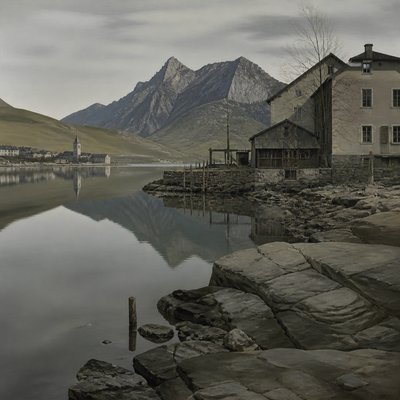
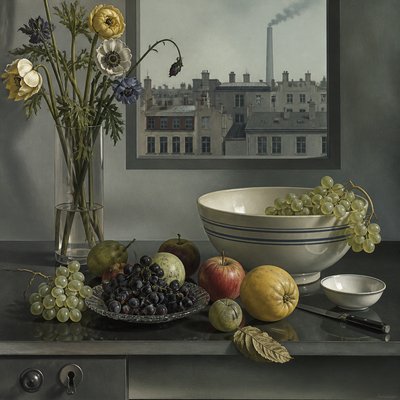
Dutch Golden Age Still Life Art Style
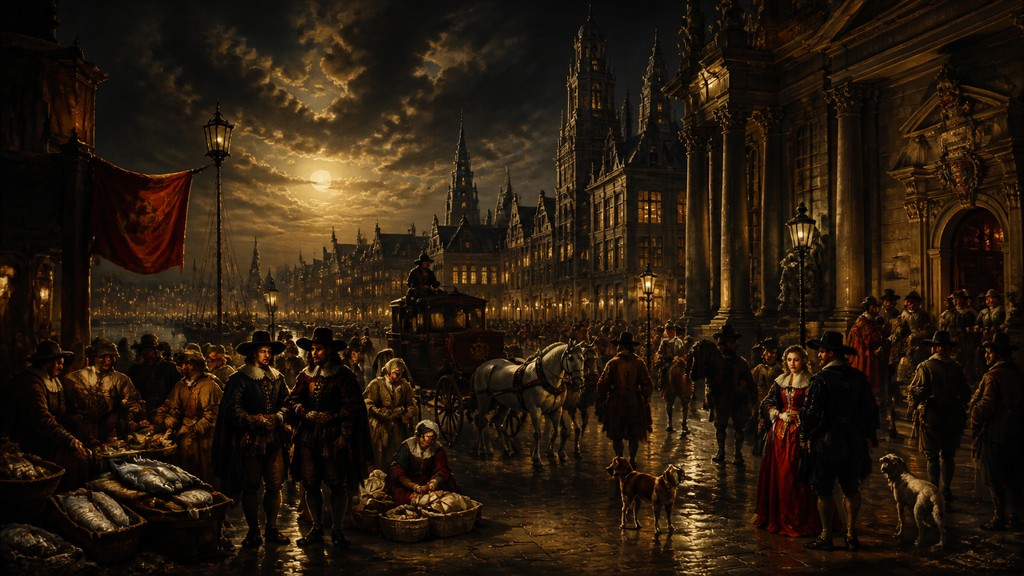
Dramatic 17th-century Dutch still life painting with chiaroscuro, symbolic objects, and richly detailed textures.
Instantly rendered in Dutch Golden Age Still Life — or transform a photo
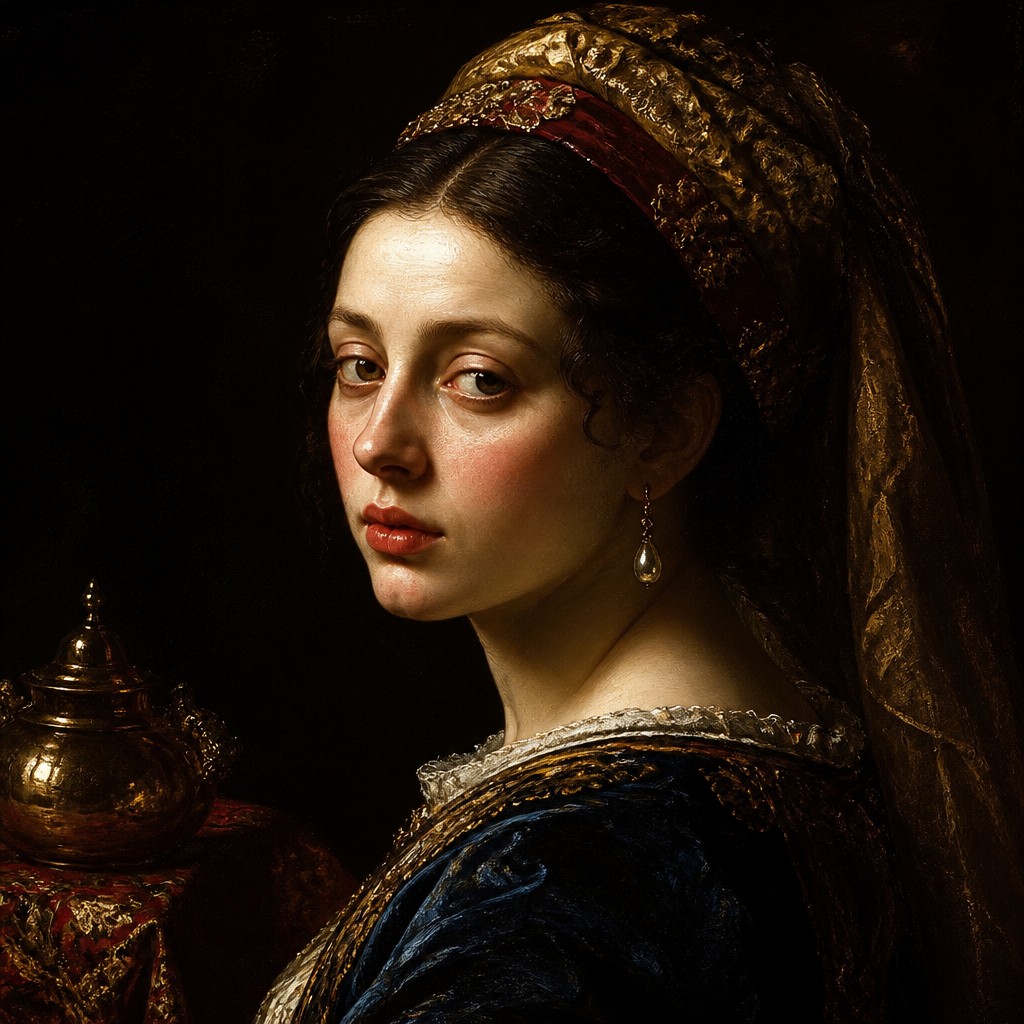
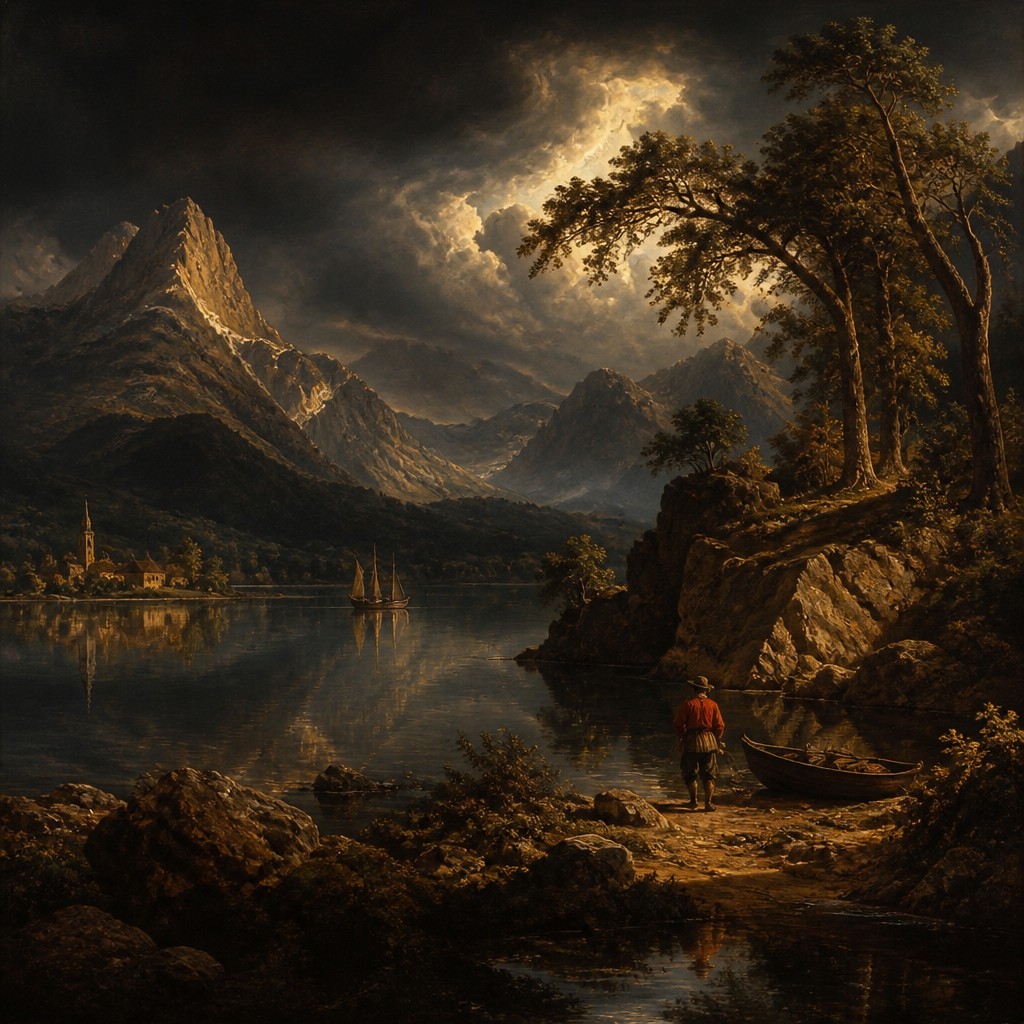
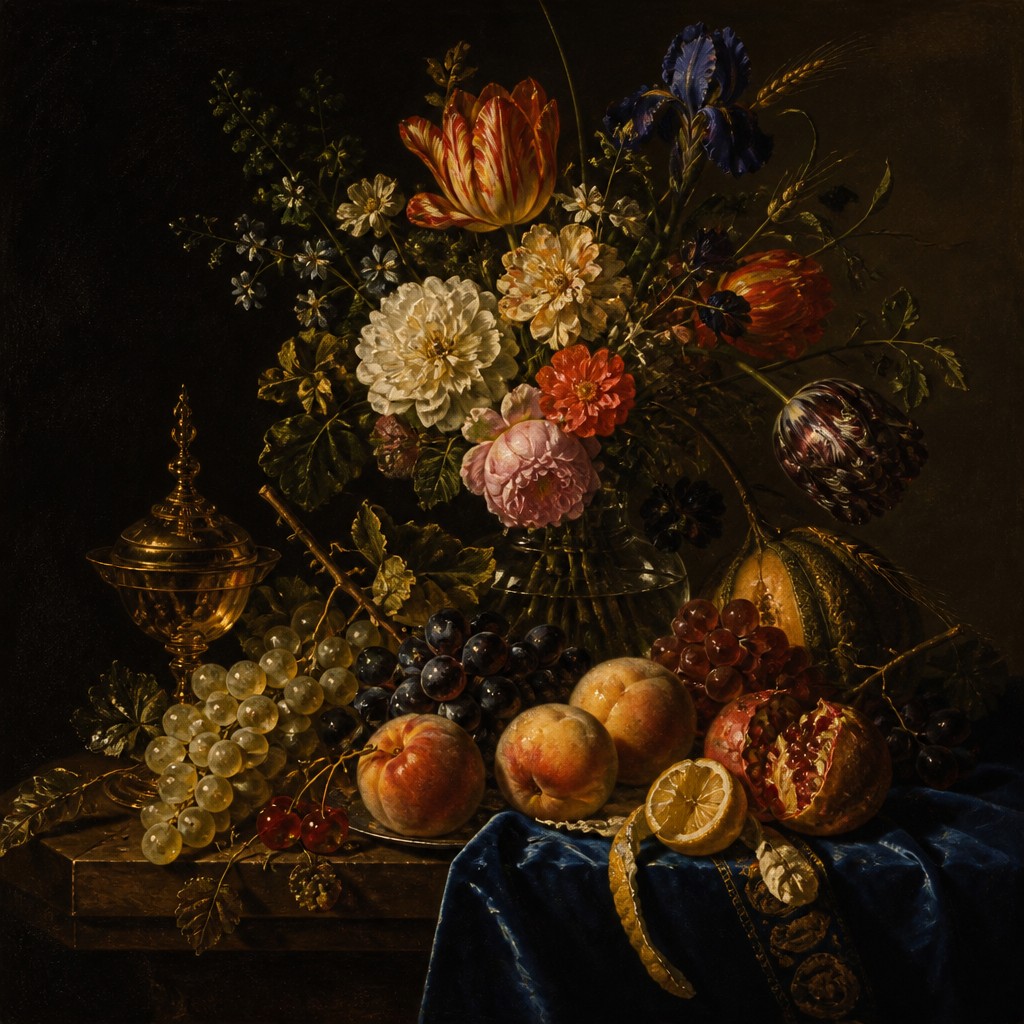
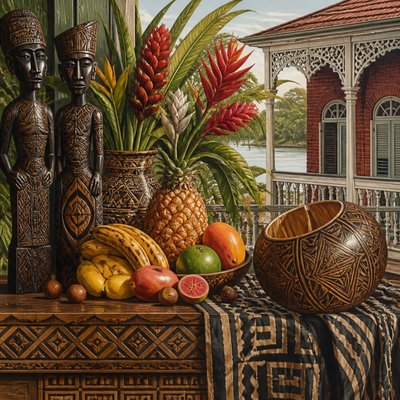
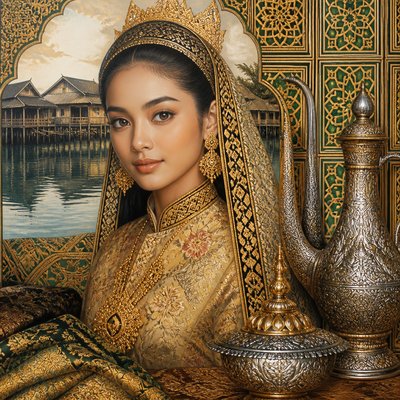
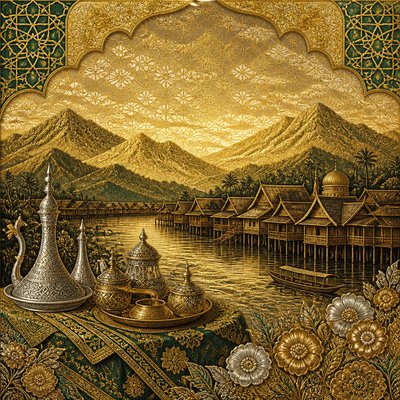
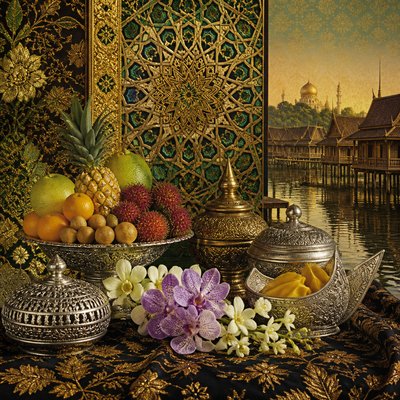
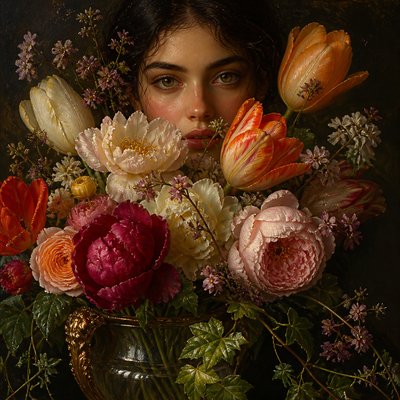
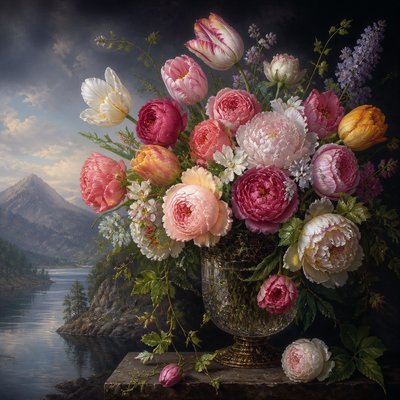
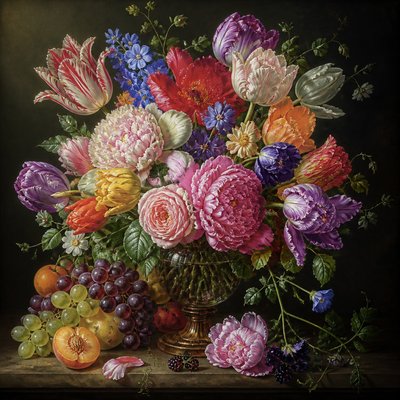
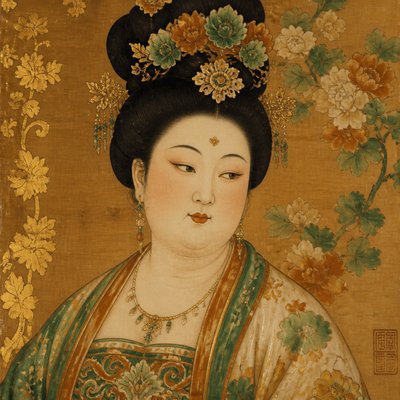
Dutch Golden Age Still Life Gallery
Tap any artwork to explore it
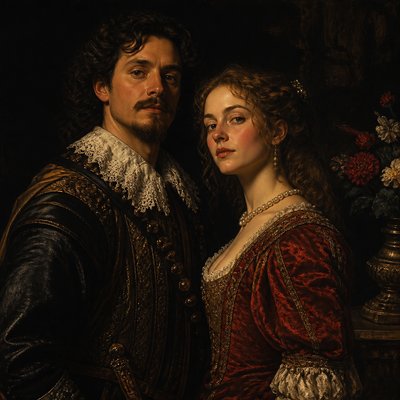
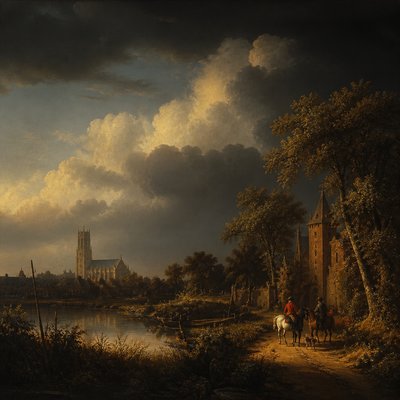
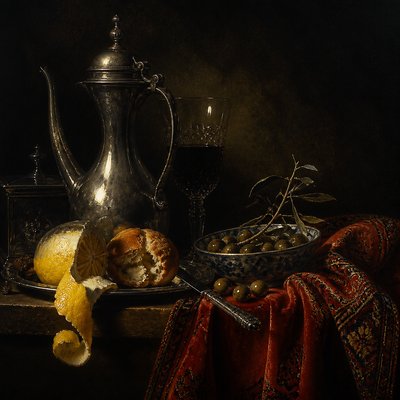
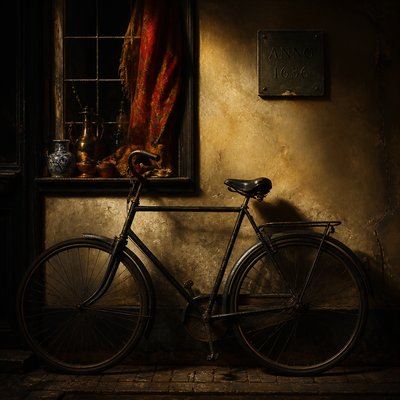
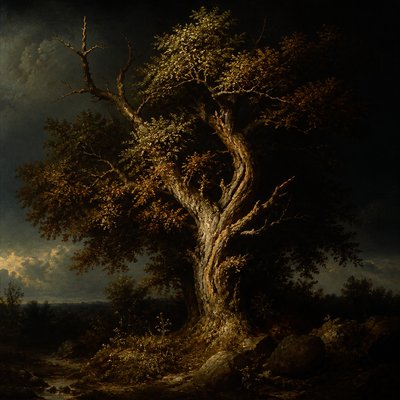
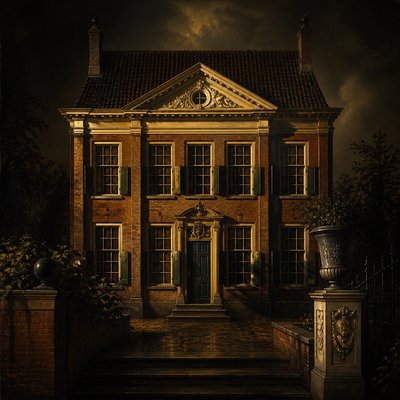
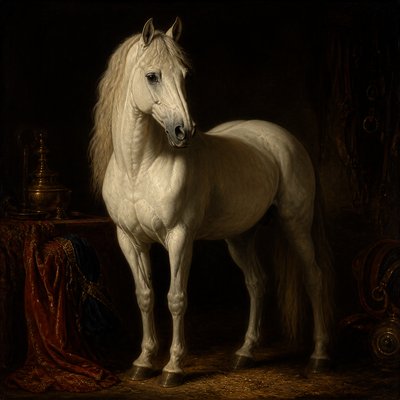
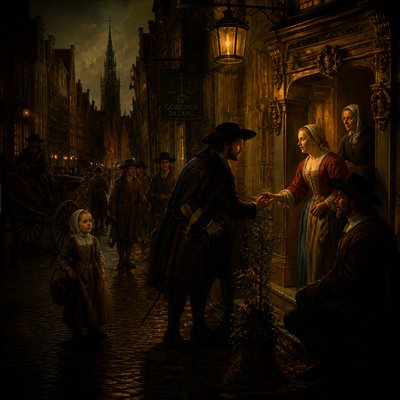
What is Dutch Golden Age Still Life Art Style?
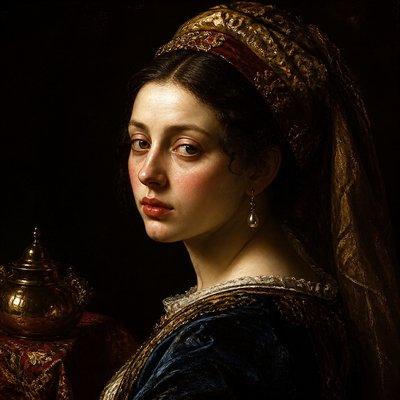
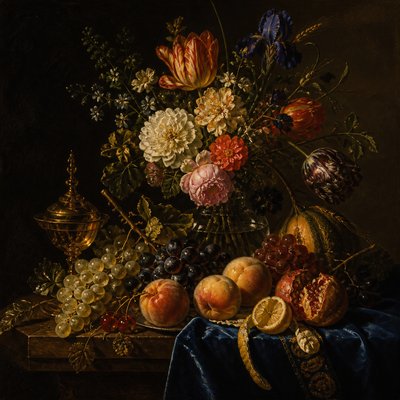
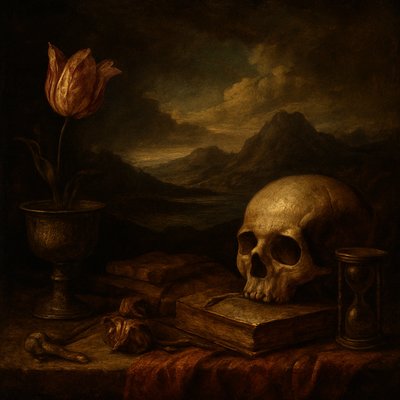
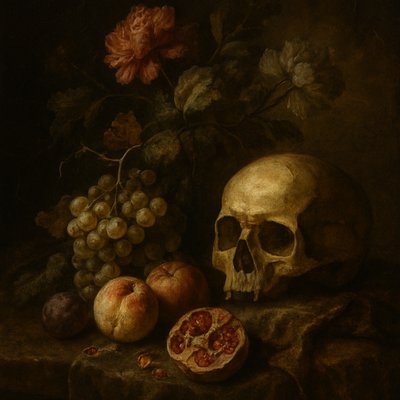
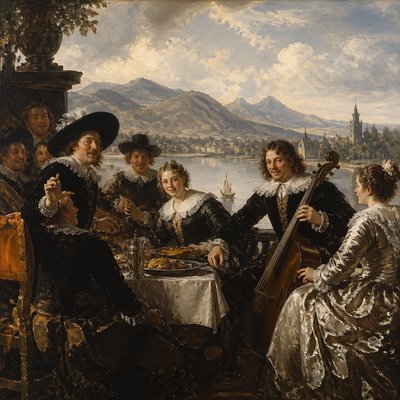
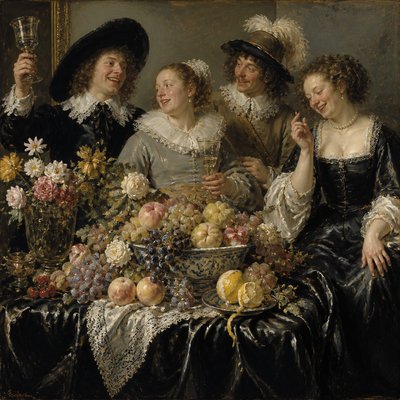
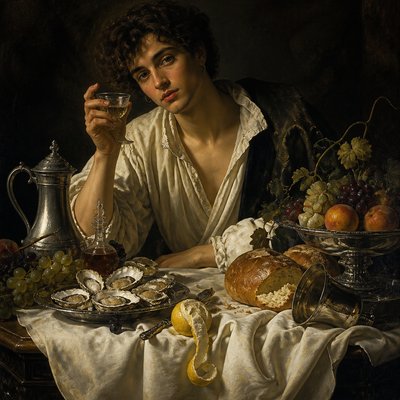
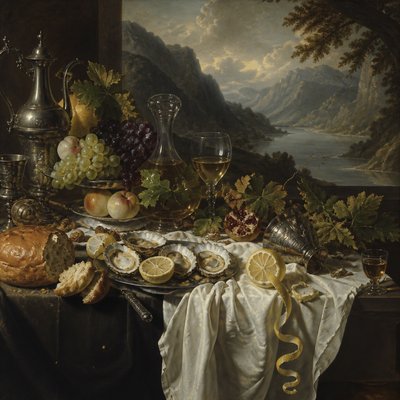
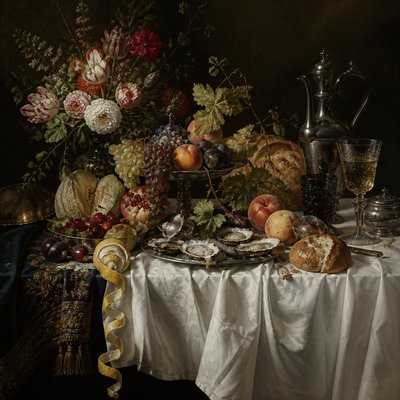
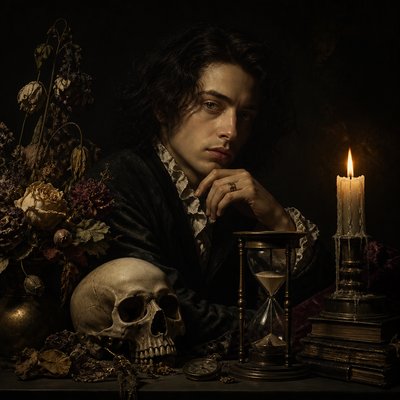
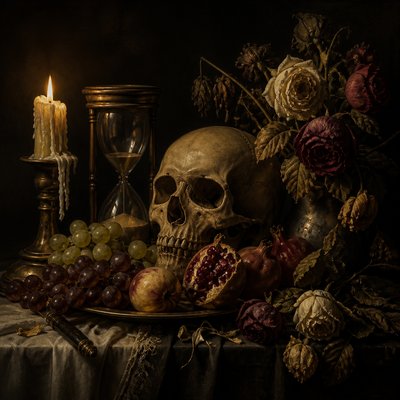
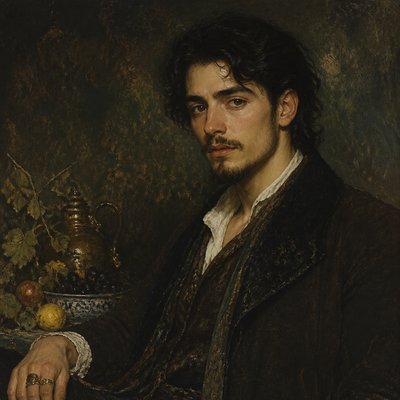
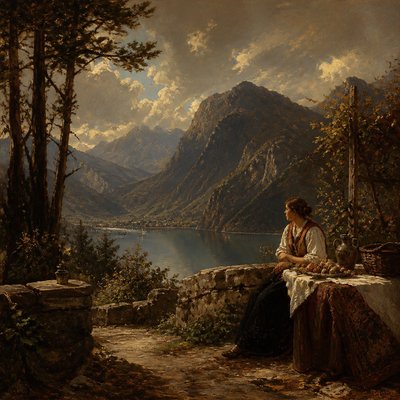
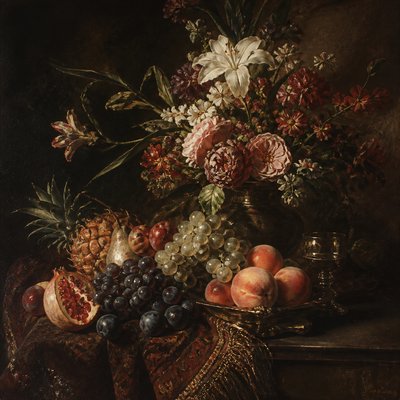
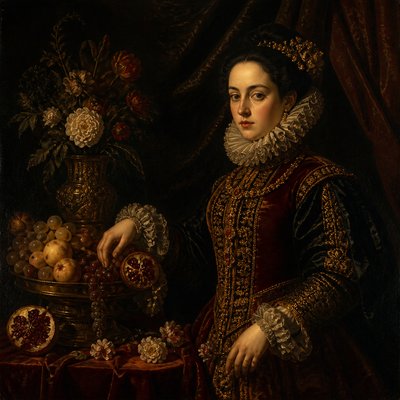
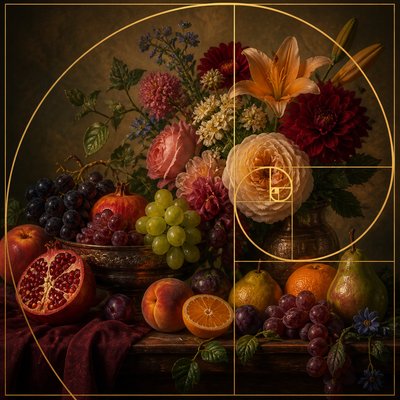
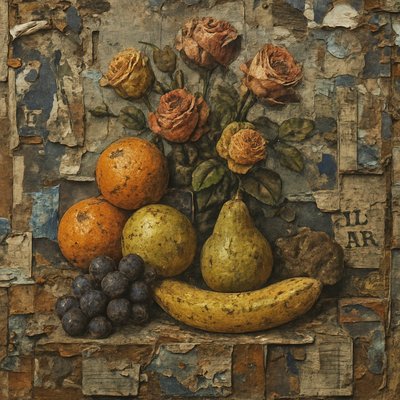
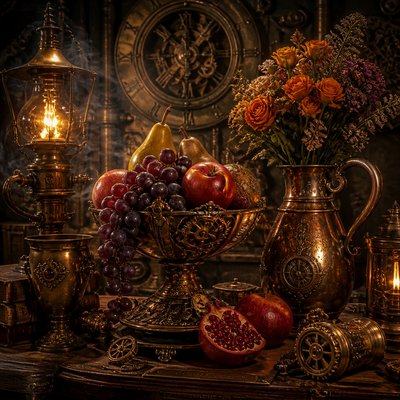
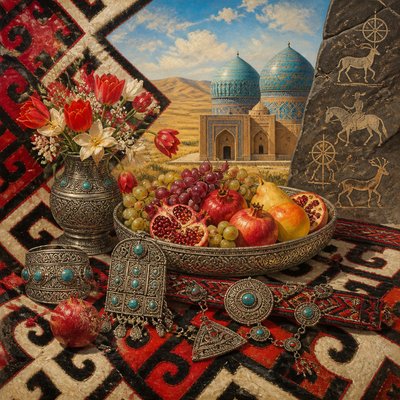
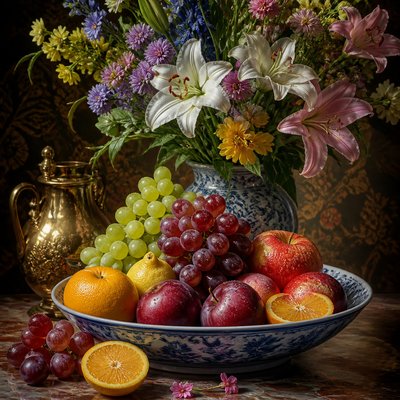
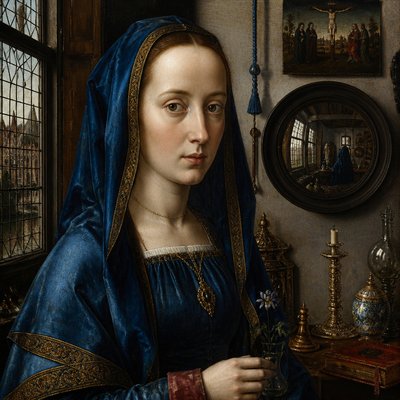
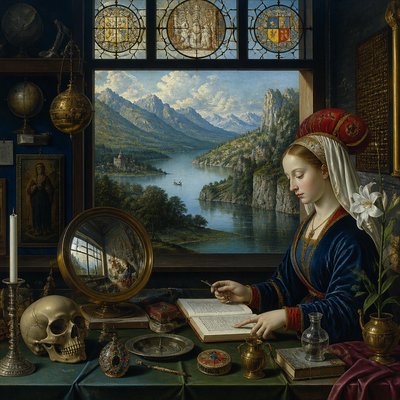
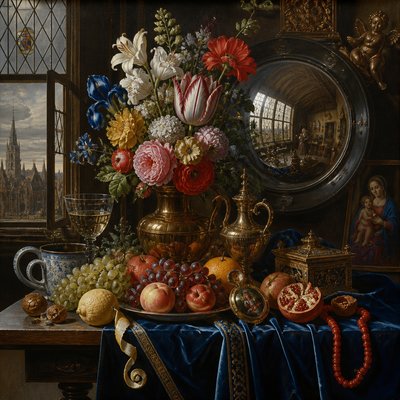
Dutch Golden Age still life is a seventeenth-century painting tradition known for exacting realism, controlled composition, and a heightened sense of material presence. Artists depicted flowers, fruit, tableware, books, seafood, game, and luxury objects with extraordinary attention to surface detail, using light to make glass gleam, metal shimmer, and petals appear almost tactile.
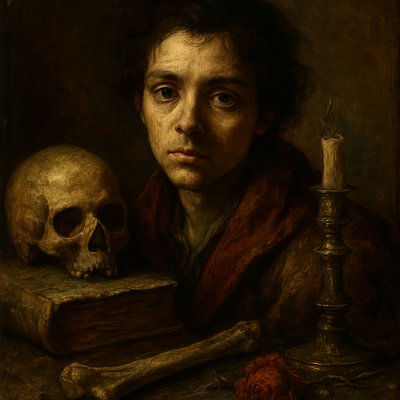
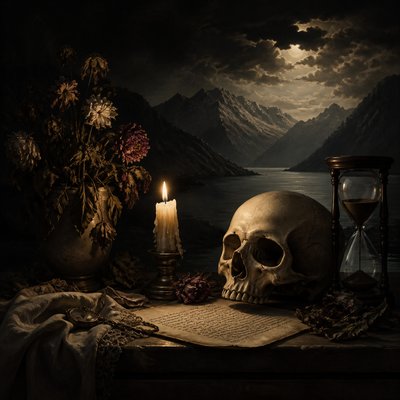
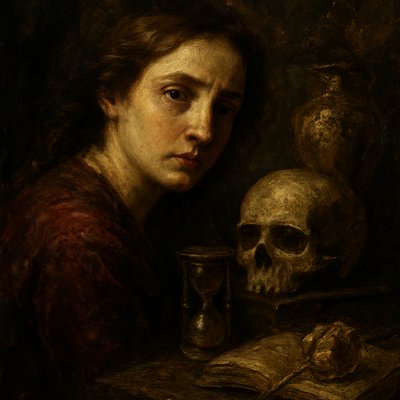
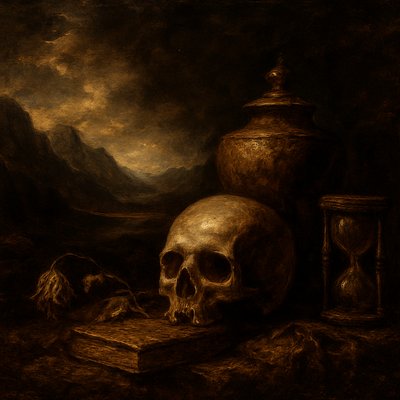
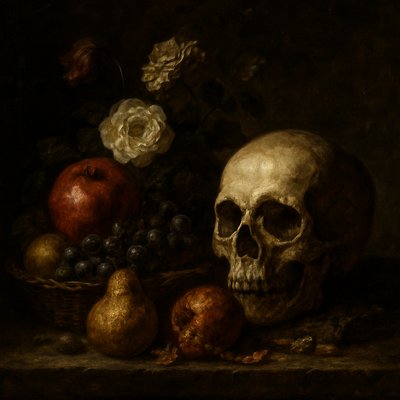
Its visual identity is shaped by contrast: deep shadows, luminous highlights, and a restrained palette of earth tones often enlivened by small bursts of red, blue, or gold. Beneath the apparent abundance, many works include symbolic reminders of transience, wealth, knowledge, or mortality, so the style combines sensory richness with moral or philosophical reflection.
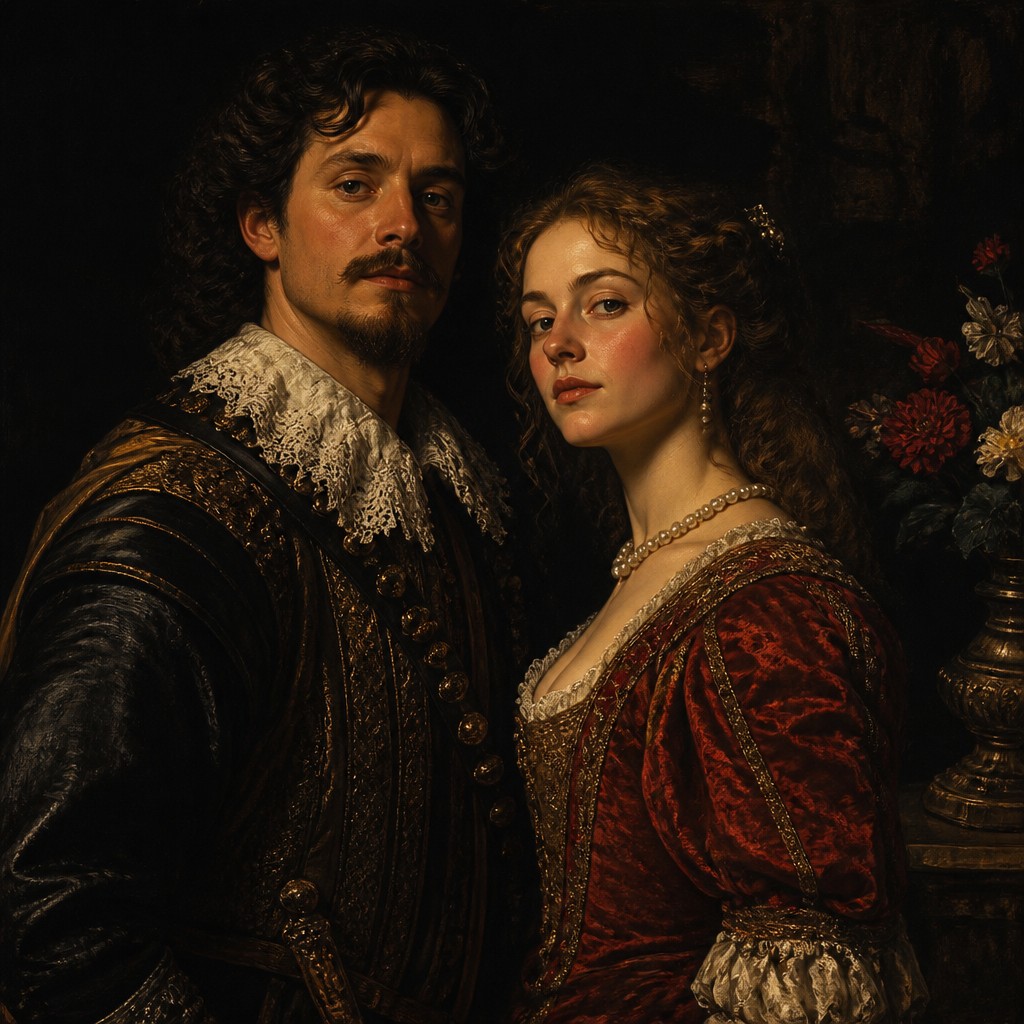
Try It On Your Photos
Upload any photo and convert it into Dutch Golden Age Still Life Art Style — drag the sliders to compare before and after.
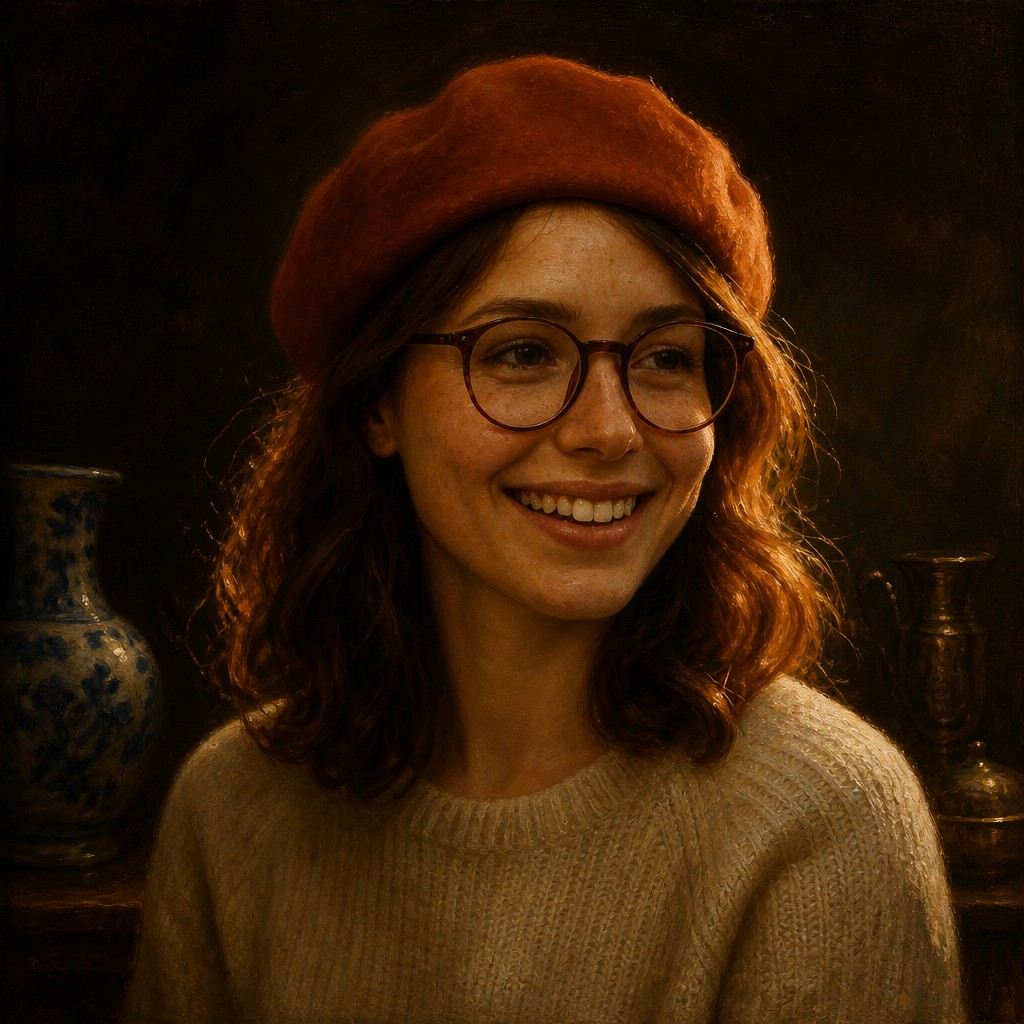

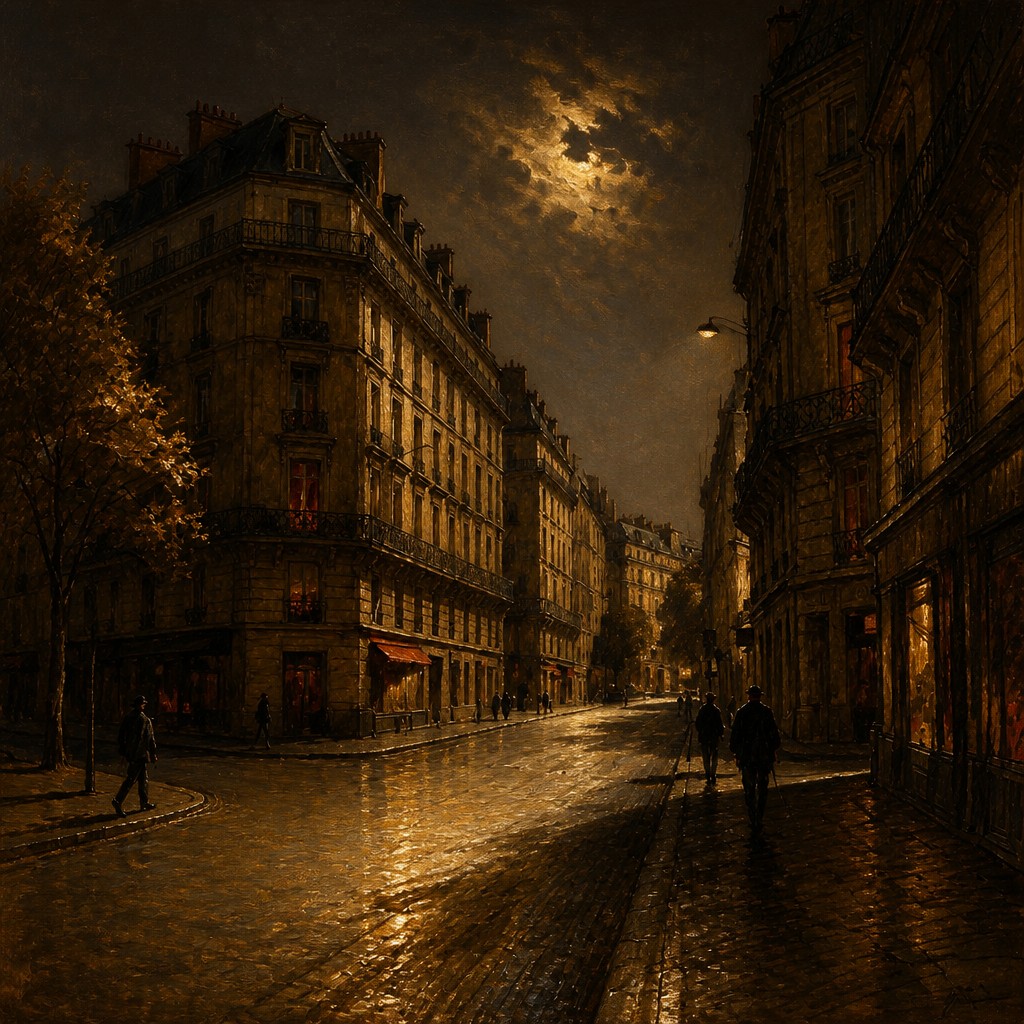

What Defines Dutch Golden Age Still Life Art Style
The signature details, up close
Chiaroscuro lighting
Strong directional light isolates objects against a dark background, creating dramatic contrast and a sense of theatrical reveal. Forms often seem to emerge from shadow rather than sit in a clearly lit room.
Meticulous surface rendering
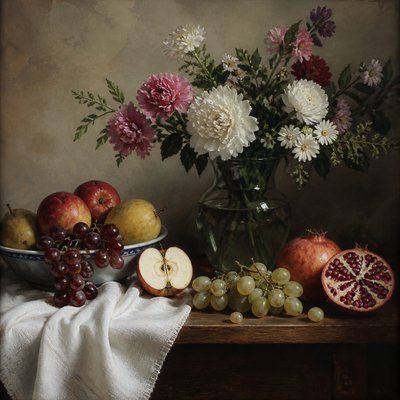
Artists carefully differentiated textures such as glass, silver, porcelain, linen, fruit skins, feathers, and polished wood. The appeal lies in convincing illusionism and close observation of physical properties.
Rich but restrained color
The palette often relies on ochres, umbers, siennas, blacks, and warm grays, with selective accents of vermillion, ultramarine, or gold. This restraint intensifies the impact of each colored object and helps unify the composition.
Symbolic objects
Common motifs include skulls, extinguished candles, clocks, wilting flowers, lemons, books, and overturned vessels. These details often point to impermanence, vanity, knowledge, or the passing of time.
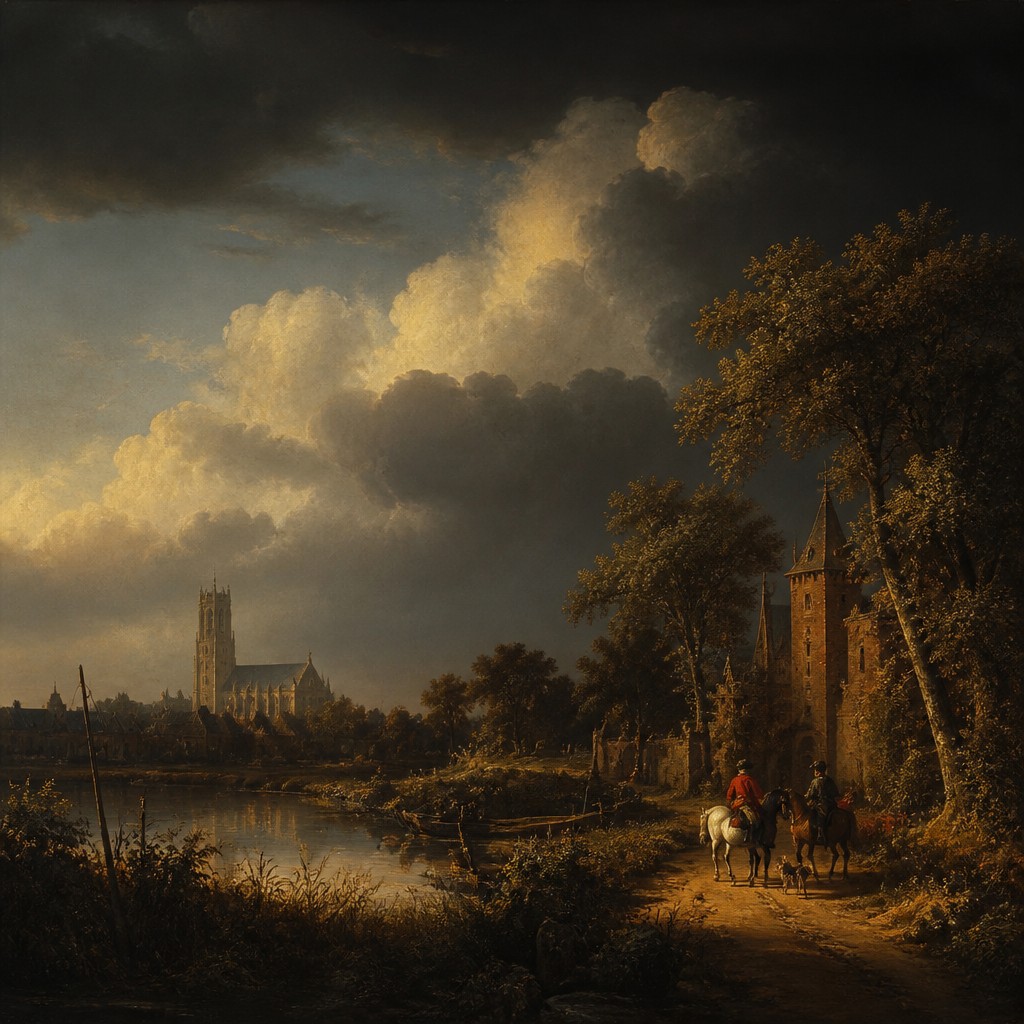
Balanced asymmetrical composition
Objects are arranged with careful, often off-center stability, using diagonals, overlaps, and varied heights to create visual rhythm. The grouping feels abundant but never random.
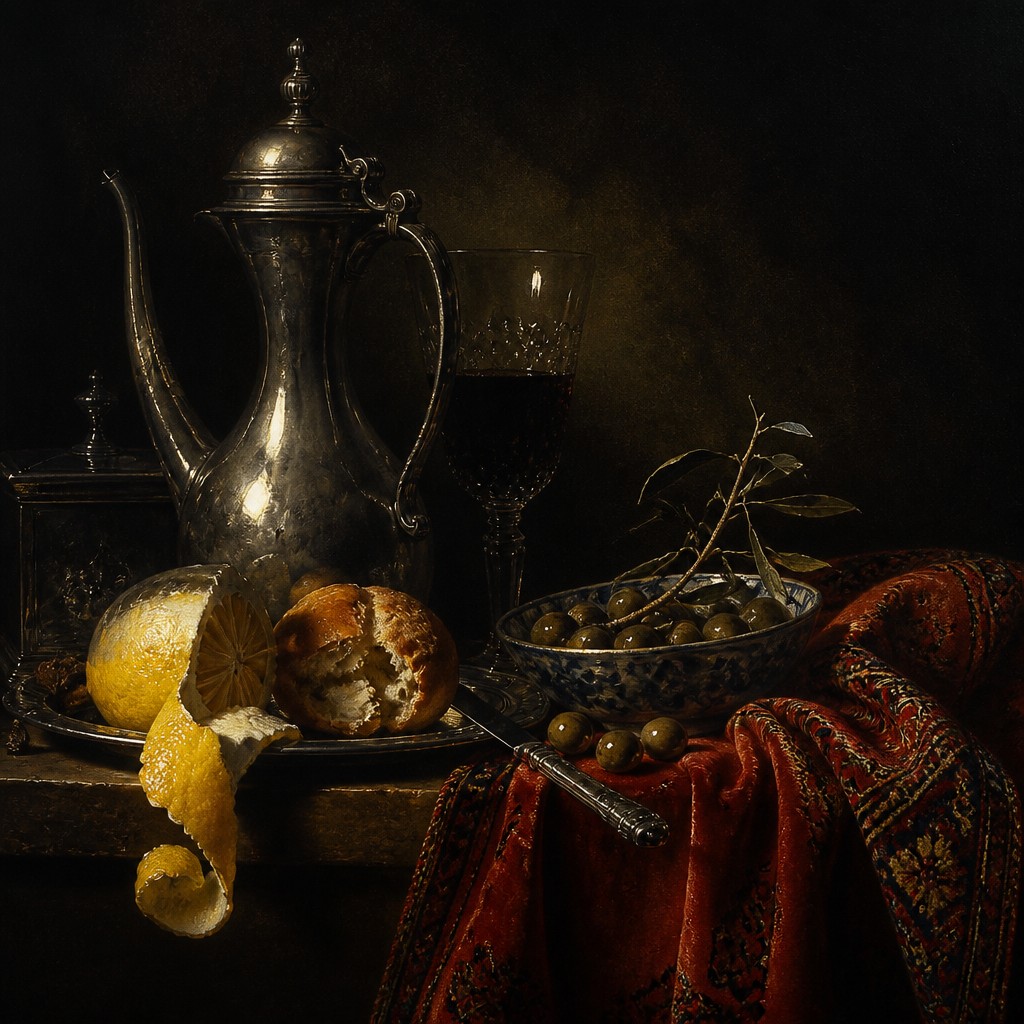
Luminous realism
Highlights are used to suggest moisture, reflection, and edge definition, giving objects a jewel-like presence. Even mundane items appear elevated through precision and light.
Try It
Create Videos in Dutch Golden Age Still Life Art Style
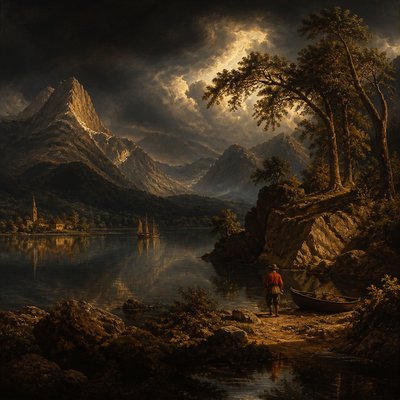
Styles aren't just for stills — describe a scene or animate an image and get a short video rendered in Dutch Golden Age Still Life. Press play to see this pond come to life.
Make a VideoDutch Golden Age Still Life Prompt Ideas
Start from an idea — each one opens the generator with the style ready to go. See all 40 Dutch Golden Age Still Life prompts →
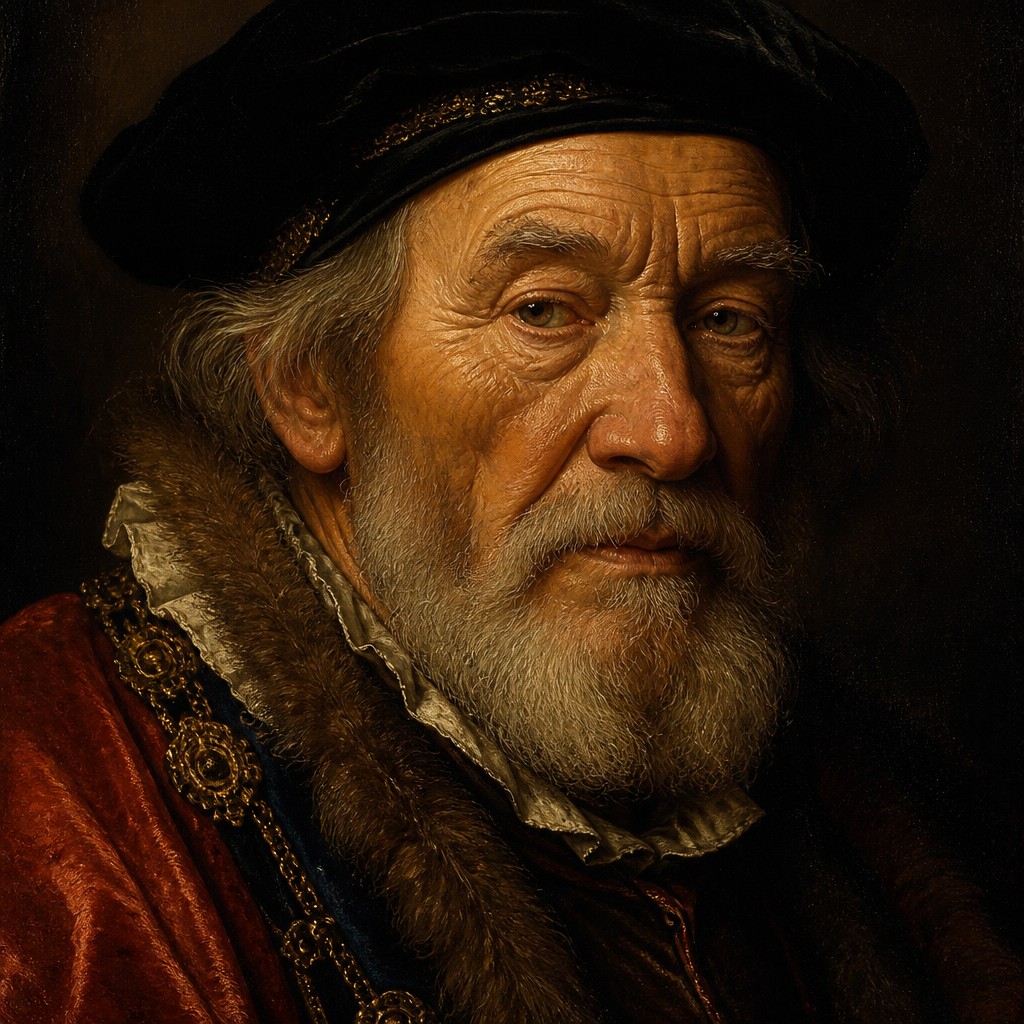
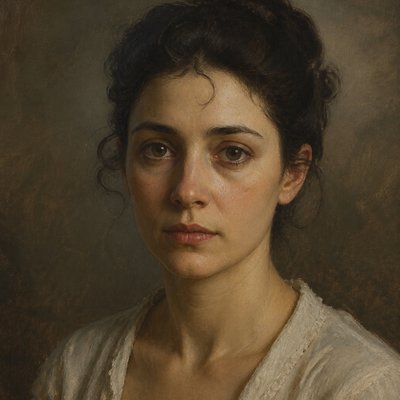
“close-up portrait of an elderly person with expressive weathered features”
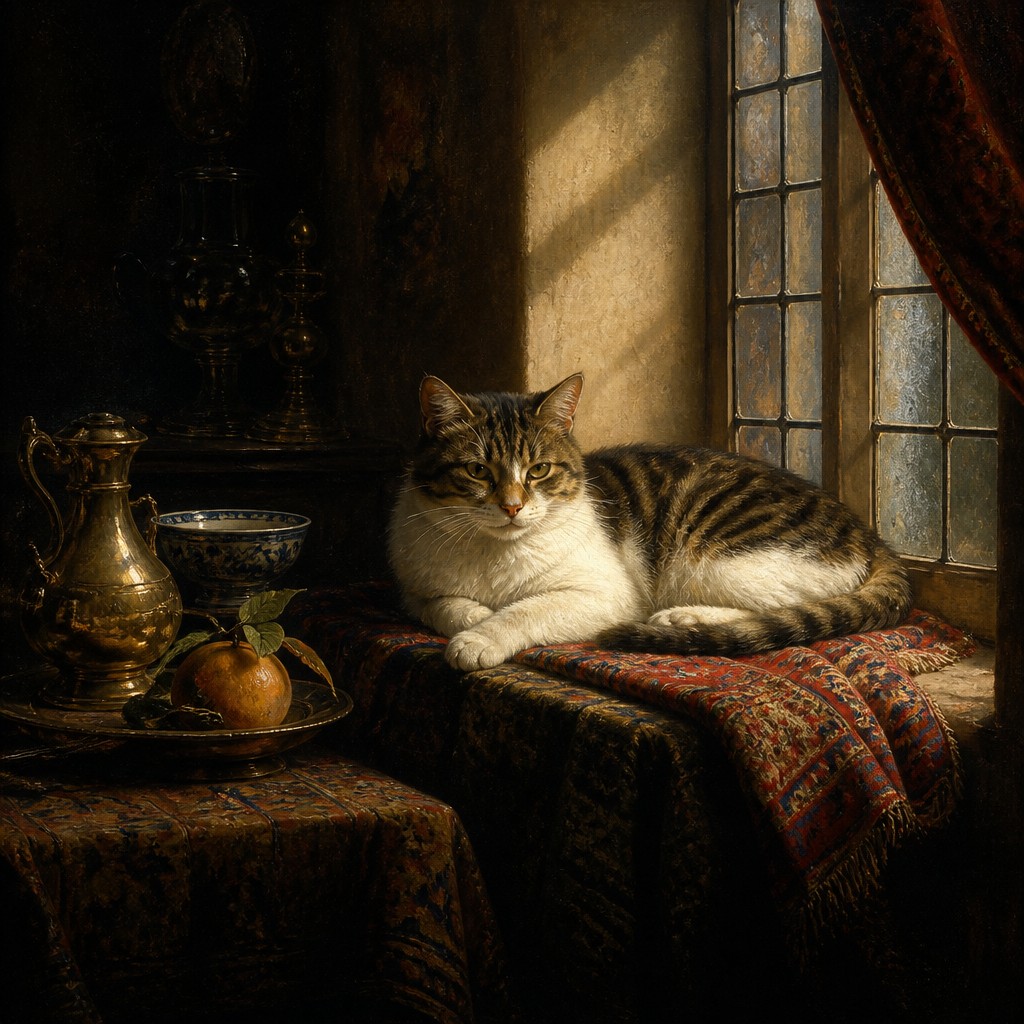
“a cat lounging in a sunlit window”
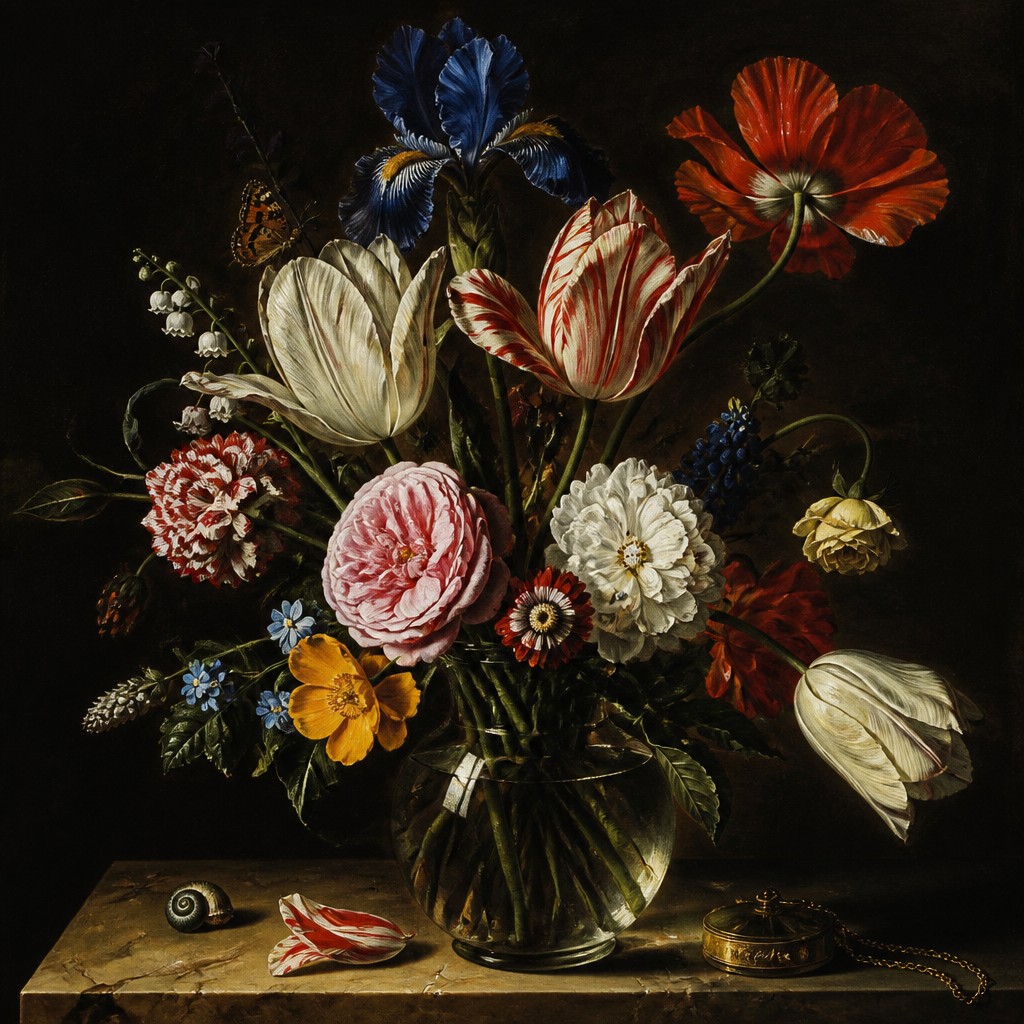
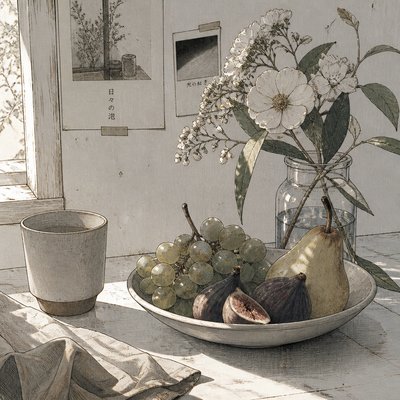
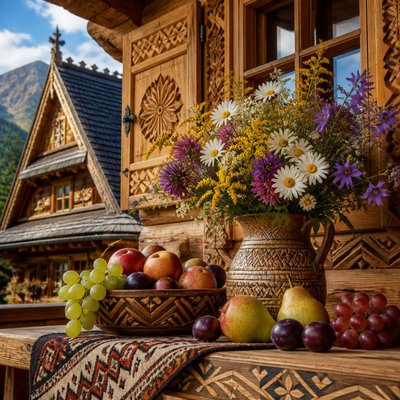
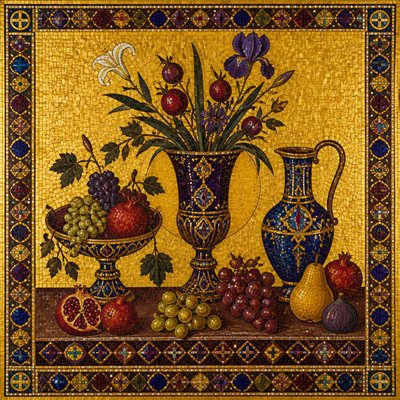
“bouquet of flowers in a glass vase”
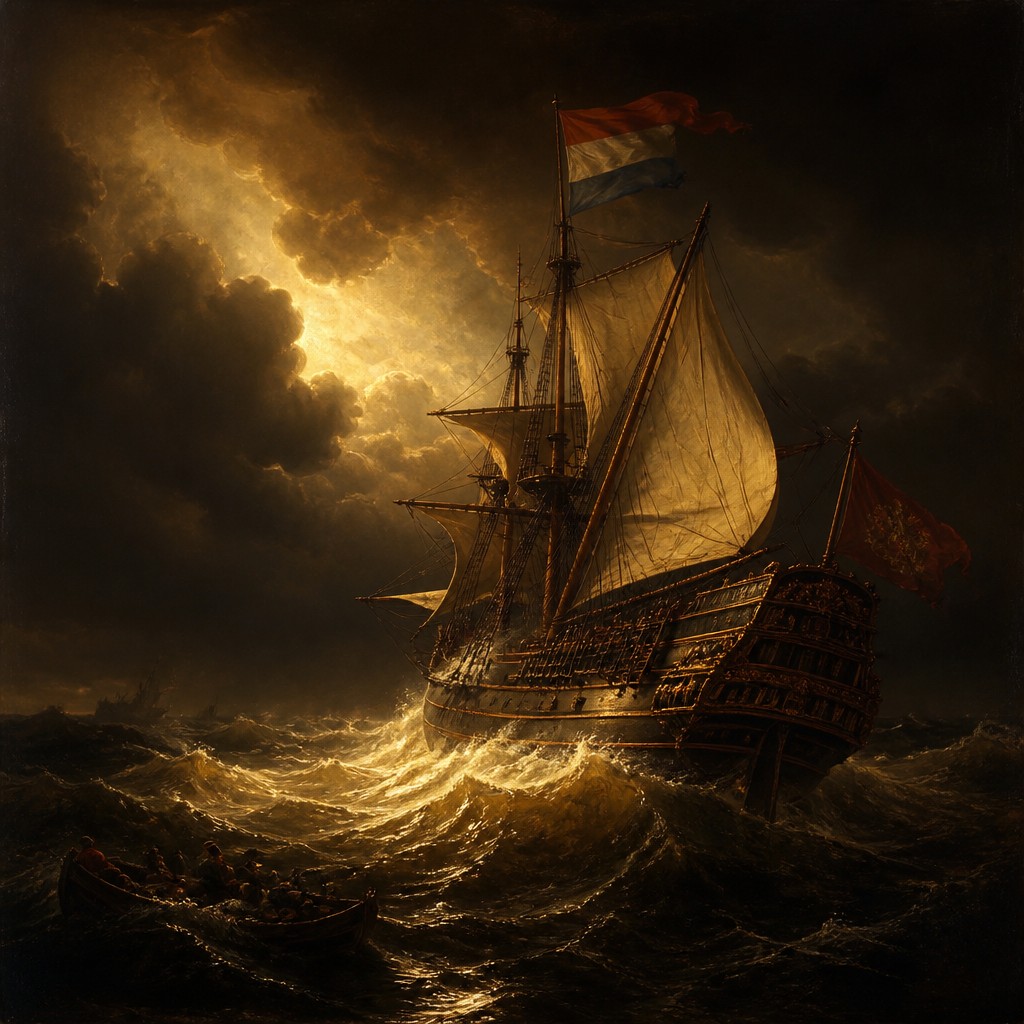
“sailing ship on a stormy sea”
How to Create Dutch Golden Age Still Life Art
Master the craft step by step — or skip straight to creating. Read the full guide →
- 1
Use a single directional light source
Set up a strong side light or window light so forms emerge from darkness with clear shadow structure. In digital work or prompt-based generation, specify dramatic chiaroscuro and a single theatrical light source.
- 2
Build the composition around varied textures
Combine objects with different surfaces, such as fruit, metal, glass, fabric, and ceramic, so the painting can demonstrate technical range. In a digital workflow, paint or render each material distinctly rather than using a uniform texture treatment.
- 3
Restrict the palette, then add accents
Start with warm earth tones and deep neutral shadows, then introduce small areas of saturated color for focus. This keeps the image historically believable and prevents the composition from becoming overly bright or contemporary in feel.
- 4
Include symbolic or narrative details
Choose objects that imply abundance, decay, time, learning, or luxury, and place them intentionally. For generation prompts, naming a few meaningful objects helps the image read as a still life rather than a generic tabletop scene.
- 5
Refine edges and highlights carefully
Sharp highlights on metal or glass should be balanced by softer transitions in shadows and midtones. If using prompt-based generation, emphasize reflective highlights, tonal gradations, and meticulous oil-painting detail to guide the result.
- 6
Favor calm, museum-like staging
Keep the setting simple and concentrated so the objects remain the subject. A dark ground, draped cloth, or plain background helps preserve the period look in both traditional painting and digital transformation.
The Story
History & Origins of Dutch Golden Age Still Life
Dutch Golden Age still life developed in the Dutch Republic during the seventeenth century, a period of commercial prosperity, global trade, and a growing urban art market. As Protestant culture reduced demand for large religious images, painters increasingly specialized in secular subjects for private homes and civic collectors, including banquet scenes, floral arrangements, and vanitas compositions.
The style evolved into several closely related subgenres, including ontbijtjes or breakfast pieces, pronkstilleven or sumptuous display still lifes, and vanitas paintings. Canonical painters associated with the tradition include a major Delft-based breakfast-piece specialist, a prominent Haarlem breakfast-piece specialist, a leading luxury still life painter, a notable floral still life specialist, a prominent decorative still life painter, and an important female still life painter, among others. Their work established the technical and symbolic vocabulary that later artists and viewers still identify with Dutch still life.
Influences: This style is closely related to Baroque painting, especially the Dutch specialization in still life rather than grand religious or mythological scenes. It shares visual concerns with tenebrism and chiaroscuro associated with a major Baroque master, though Dutch painters typically preferred cooler restraint, tighter observation, and quieter symbolism. Within the Dutch tradition, leading Dutch still life specialists helped define its visual language.
Frequently Asked Questions
What defines Dutch Golden Age still life painting?
It is defined by careful realism, dramatic light and shadow, and compositions of everyday or luxurious objects arranged with symbolic intent. The paintings often combine visual abundance with reminders of mortality or the passage of time. Technical precision and material realism are central to the style.
How is it different from other Baroque still life styles?
Compared with many southern European Baroque still lifes, Dutch examples often feel more restrained in color and more focused on close observation of surfaces. They frequently use darker grounds and a cooler, more sober atmosphere. The symbolic content is present but usually integrated subtly into the arrangement.
What kinds of objects are common in this style?
Typical subjects include fruit, flowers, oysters, wine glasses, silverware, porcelain, books, skulls, candles, clocks, and musical instruments. Luxury goods often appear alongside items that suggest fragility or decay. This contrast is part of the style's meaning.
Is this style only about realism?
No. Although it is highly realistic, the paintings are rarely neutral depictions of objects. They often carry moral, philosophical, or devotional undertones, especially in vanitas works. The realism makes those ideas more persuasive and memorable.
How can I make an image look like this style?
Use a dark background, a single strong light source, and a carefully arranged cluster of objects with varied textures. Emphasize reflective surfaces, rich but muted colors, and fine detail in highlights and shadows. If generating digitally, include words like chiaroscuro, oil-painting detail, earth tones, and symbolic still life objects.
Where is this style used today?
It appears in fine art, editorial illustration, home decor, set design, and luxury branding because of its association with elegance, depth, and historical refinement. Contemporary artists also reference it to explore abundance, mortality, or material culture. Its visual language remains effective because it is both beautiful and conceptually layered.
Create your first Dutch Golden Age Still Life artwork
Describe anything — or upload a photo — and see it in Dutch Golden Age Still Life Art Style in seconds.
Make Something with Dutch Golden Age Still Life
Related Styles
Discover similar art styles