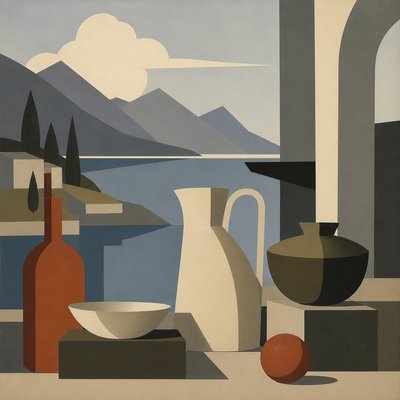
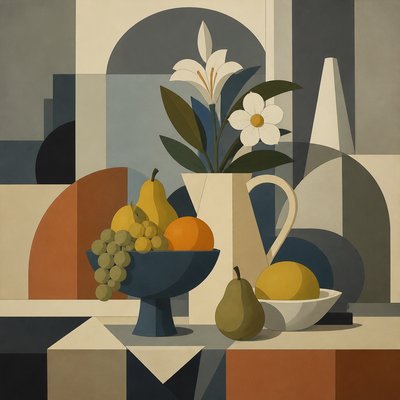
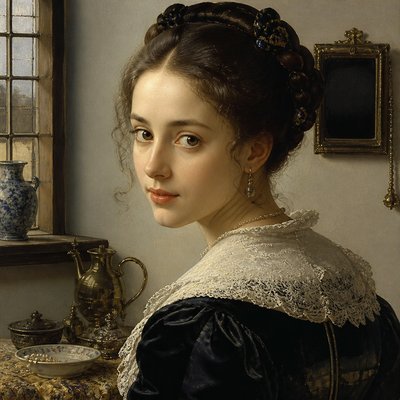
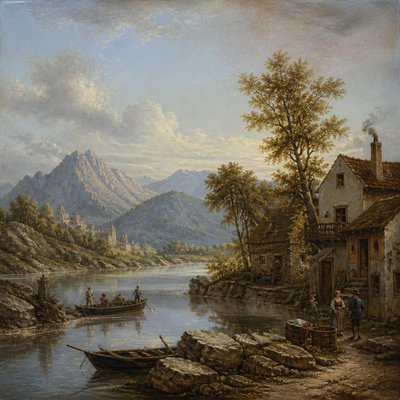
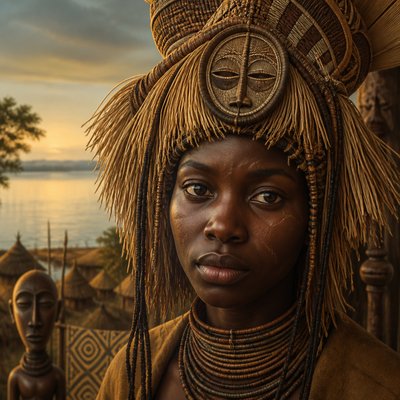
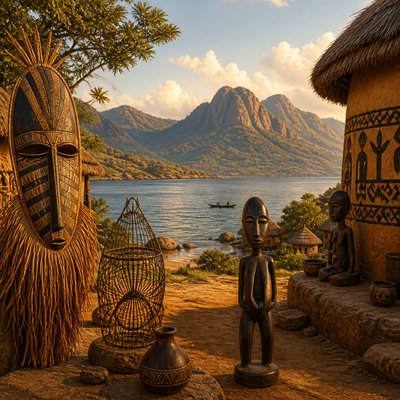
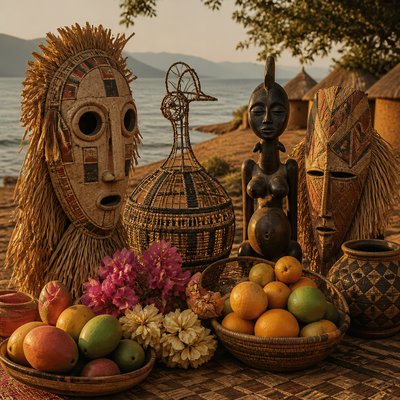
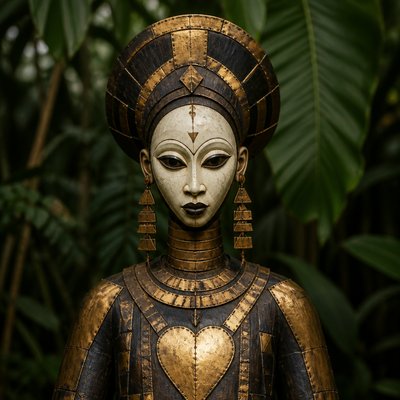
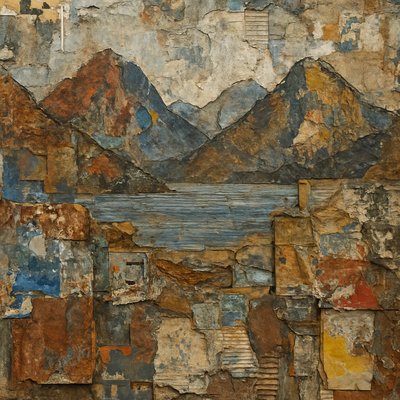
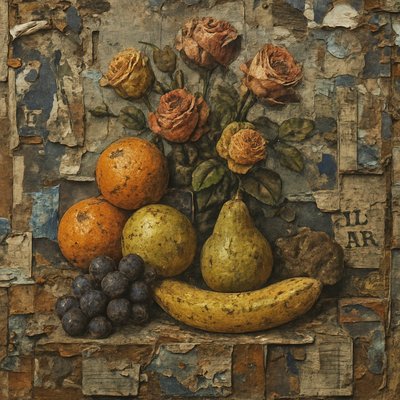
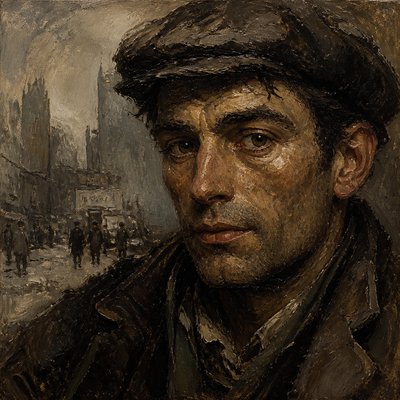
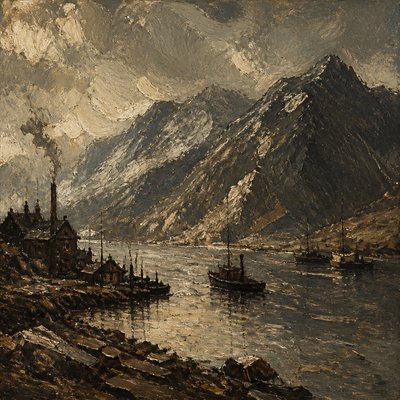
Photorealistic Still Life Art Style
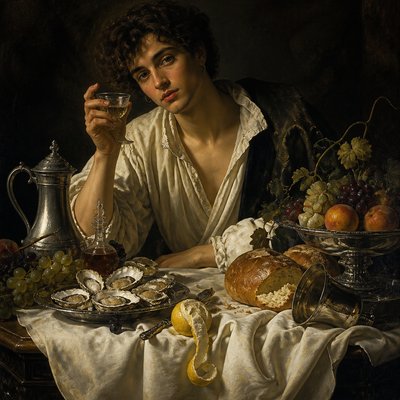
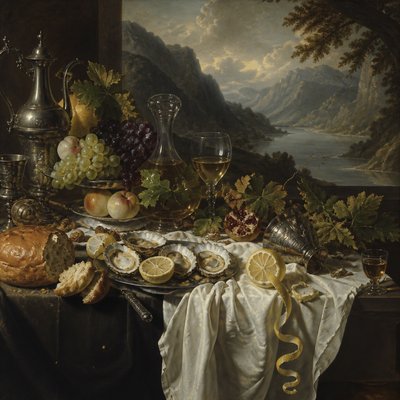
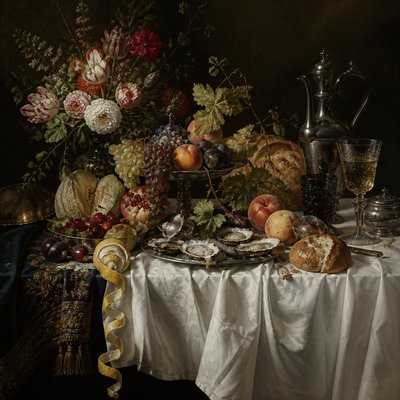
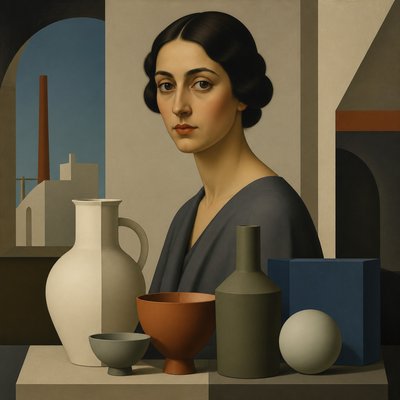
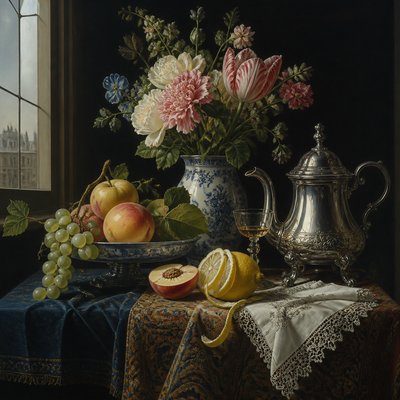
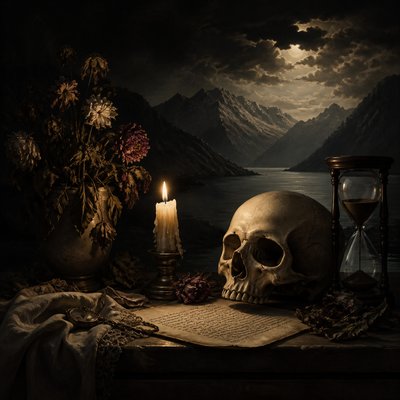
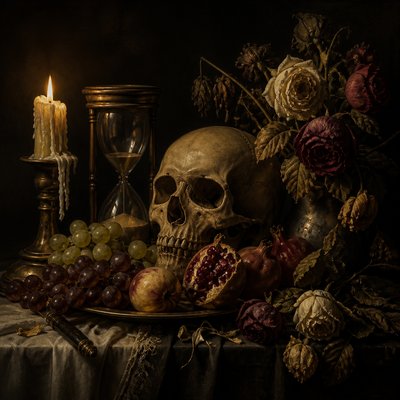
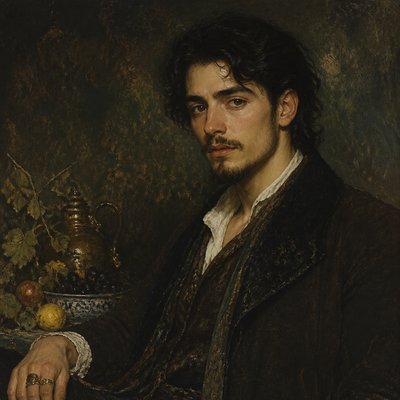
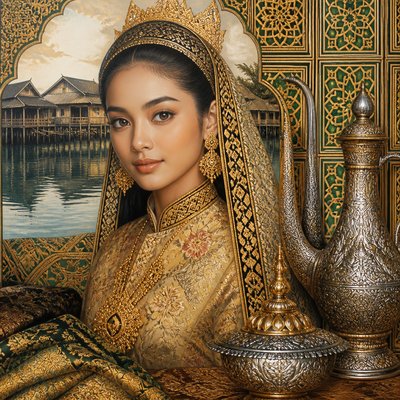
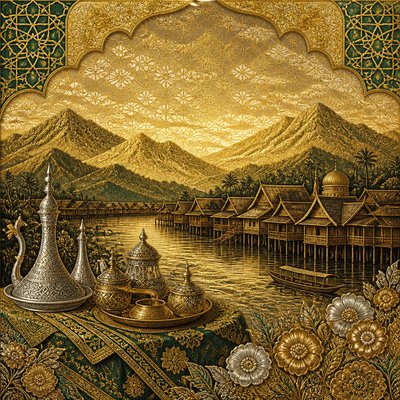
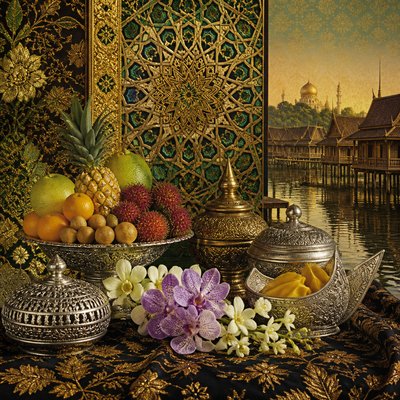
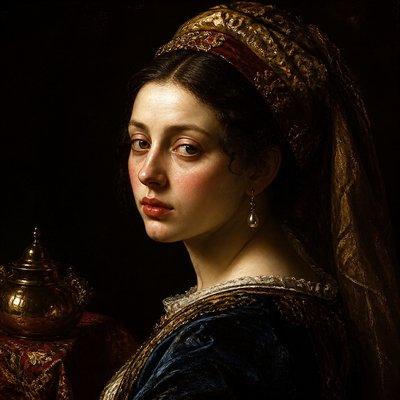
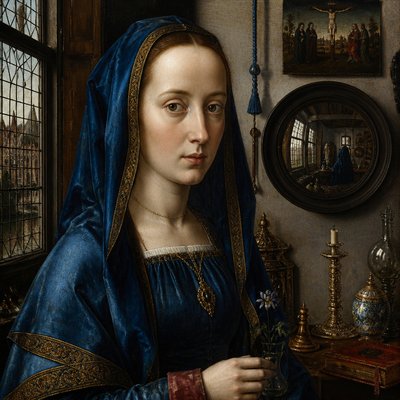
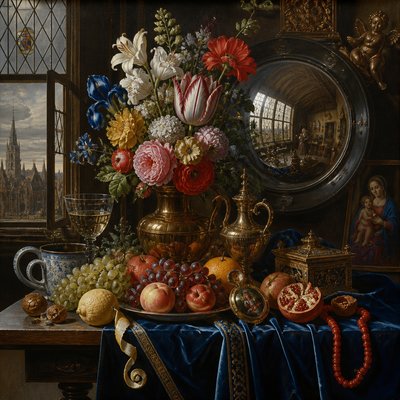
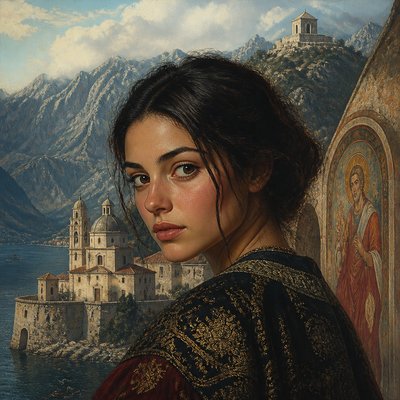
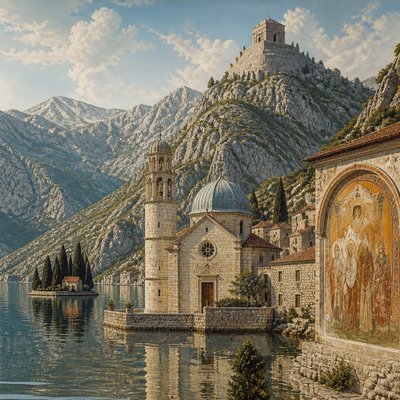
Photorealistic still life art with camera-like precision, true reflections, rich tonal range, and invisible brushwork.
Instantly rendered in Photorealistic Still Life — or transform a photo
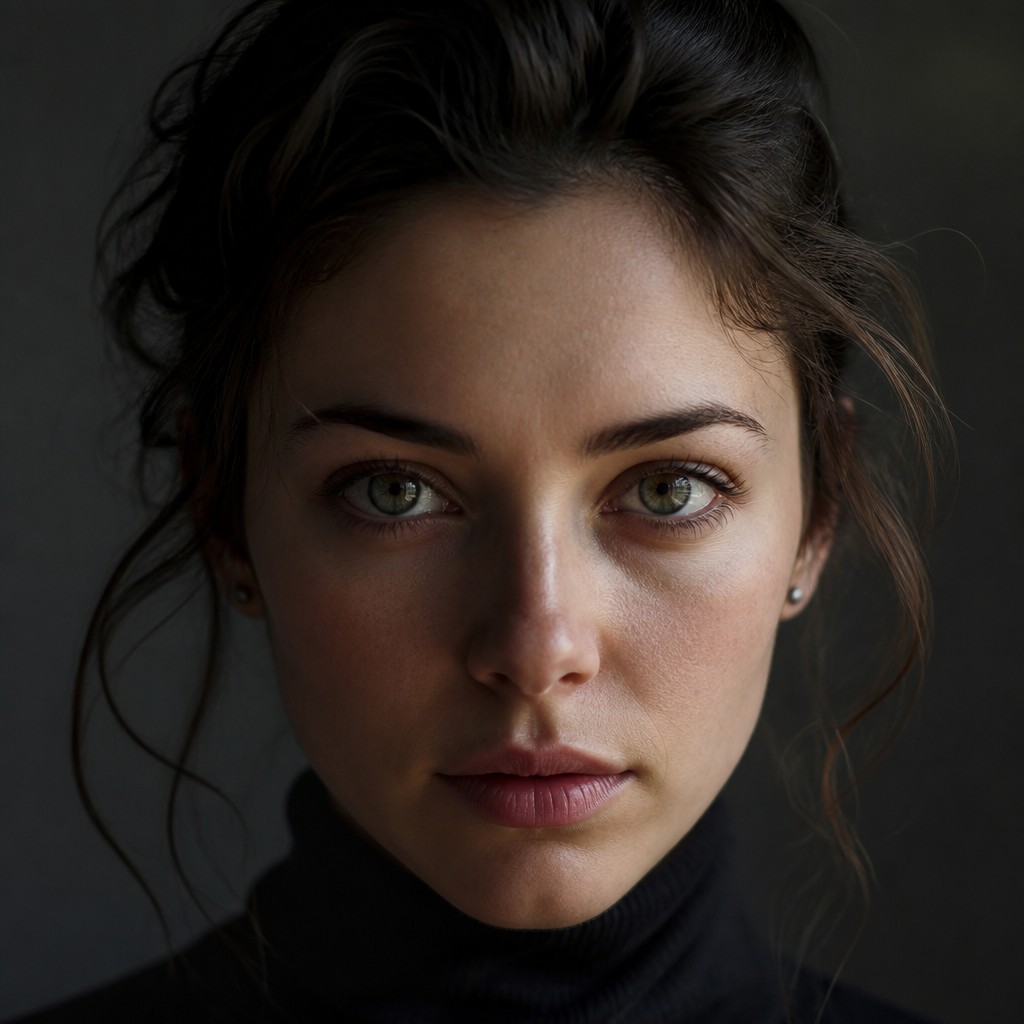
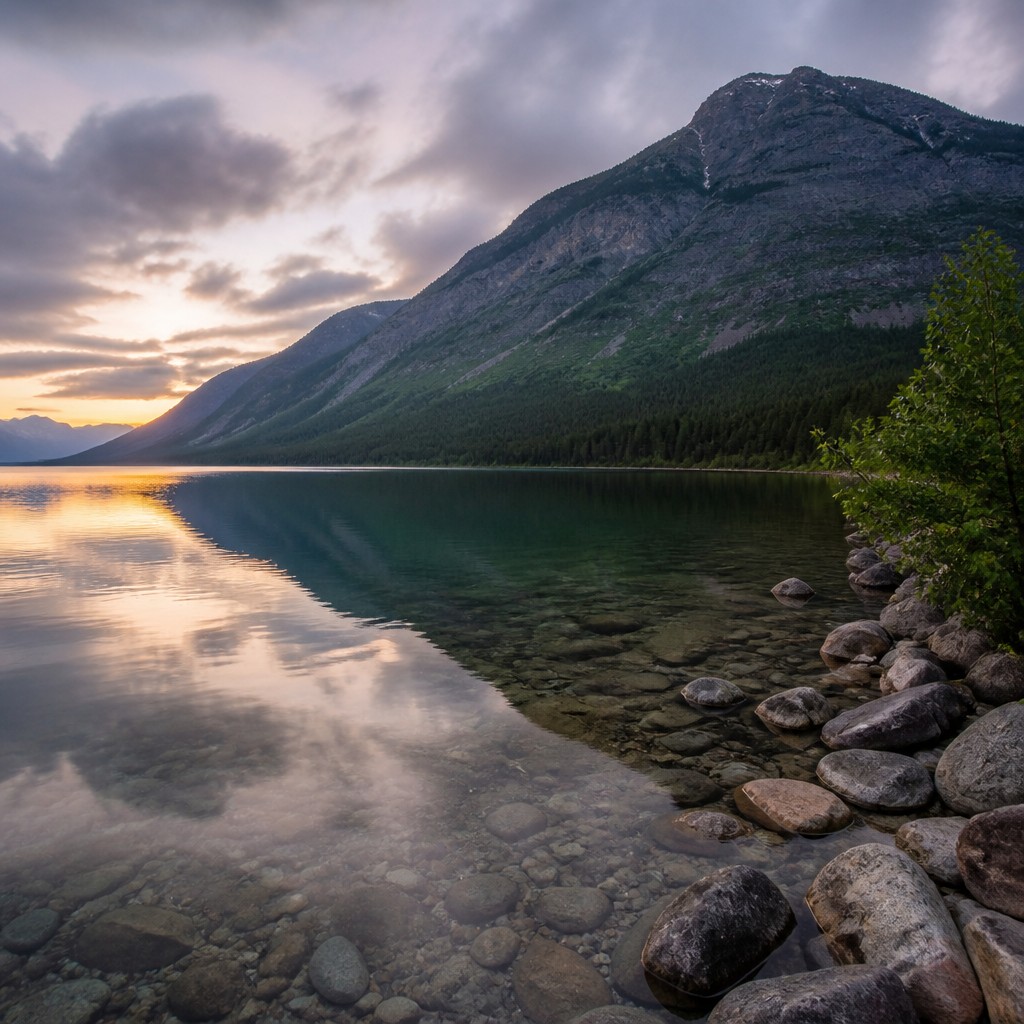
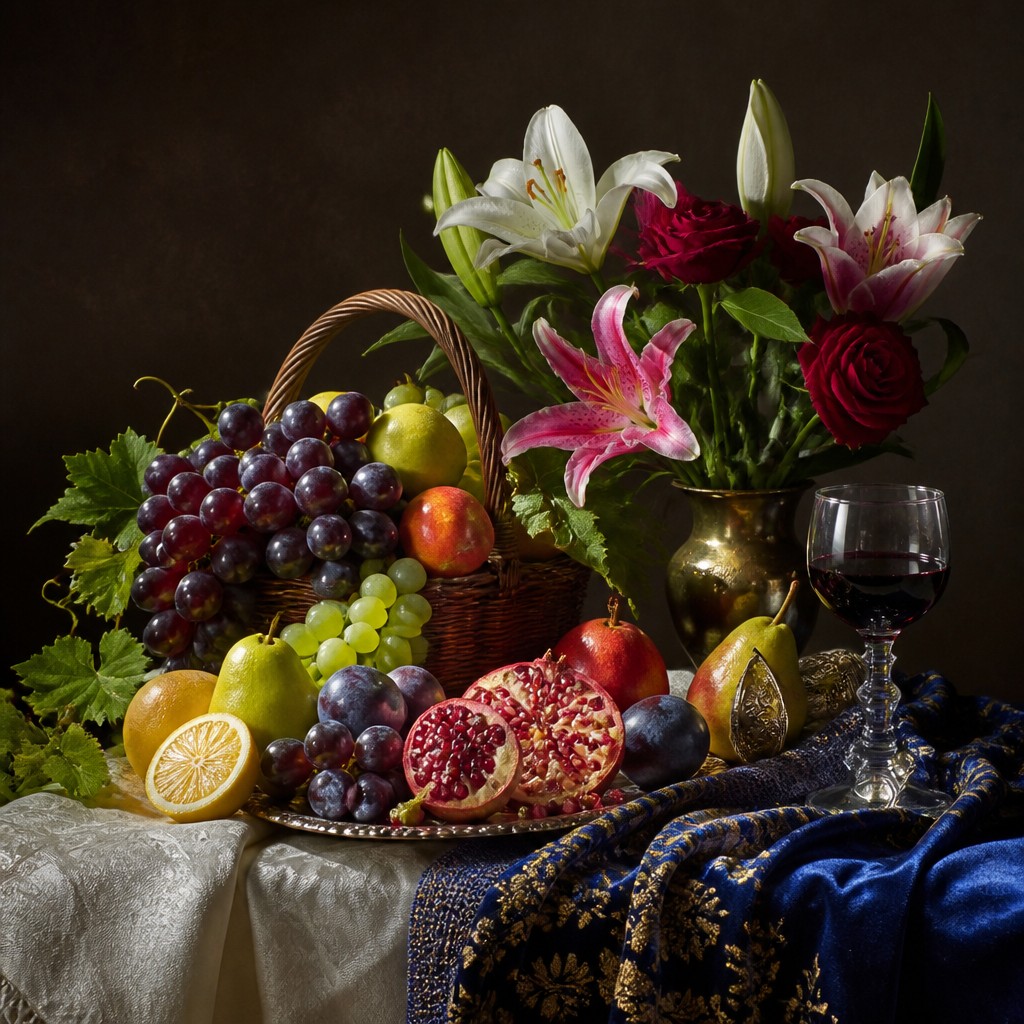
Photorealistic Still Life Gallery
Tap any artwork to explore it

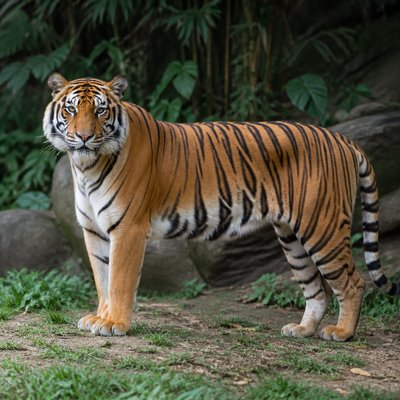
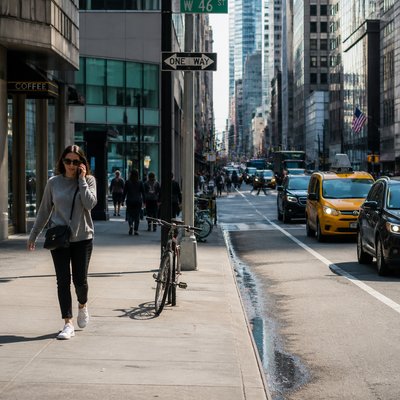
What is Photorealistic Still Life Art Style?
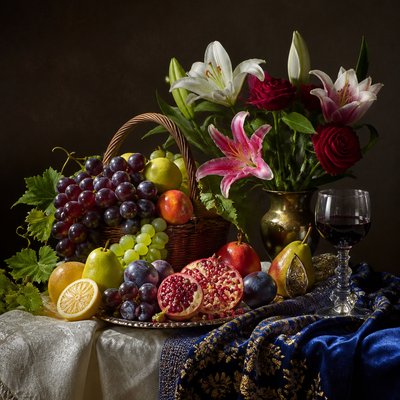
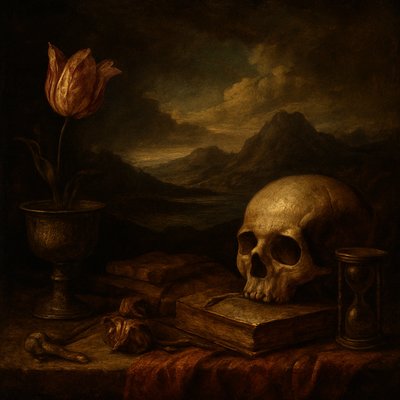
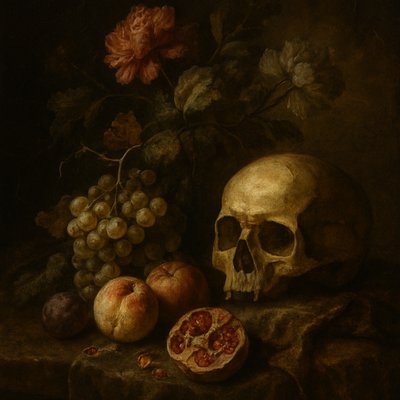
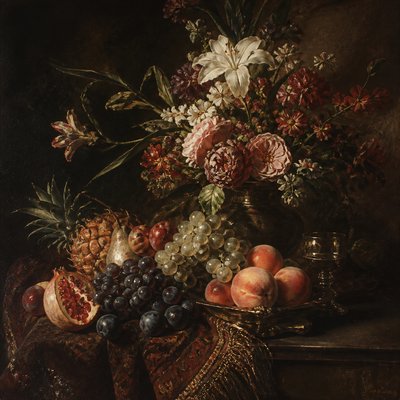
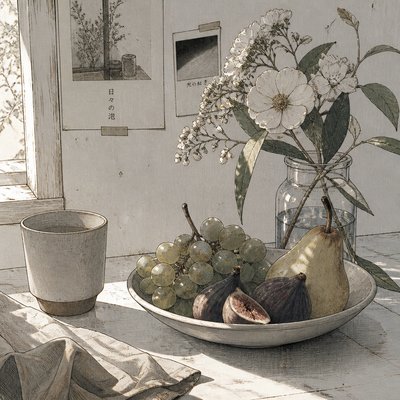
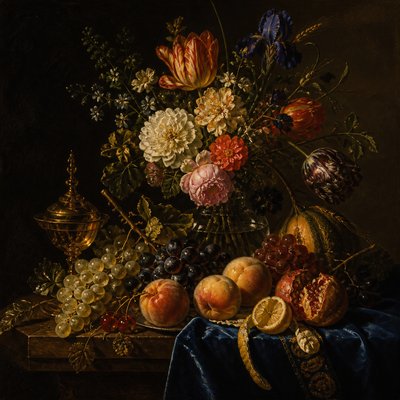
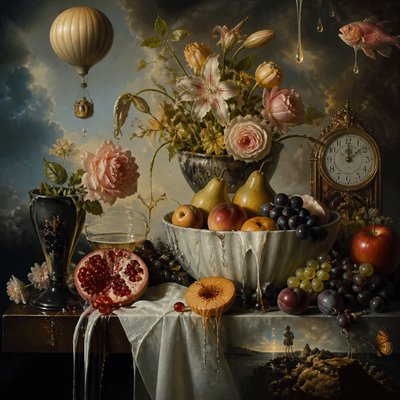
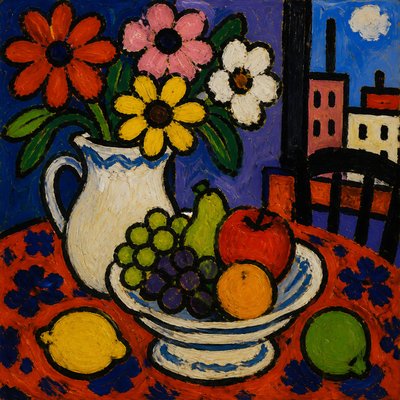
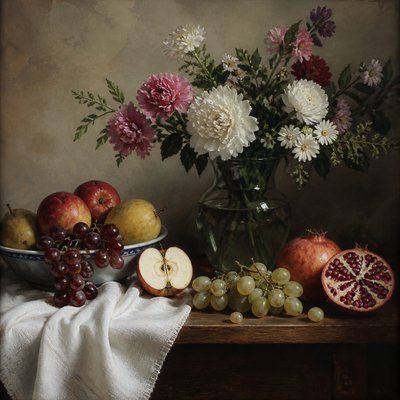
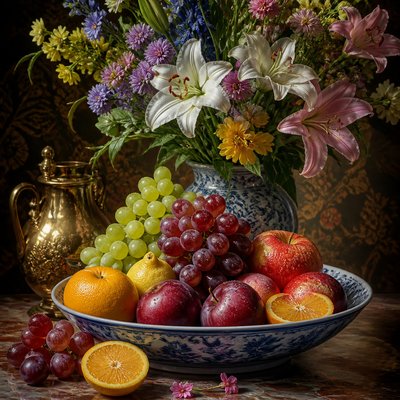
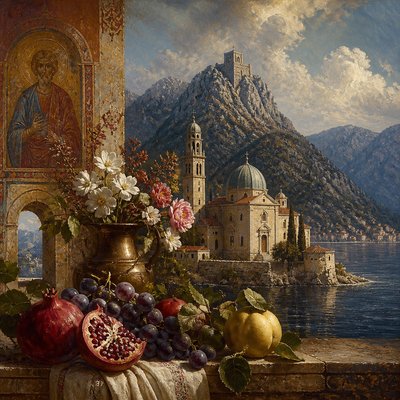
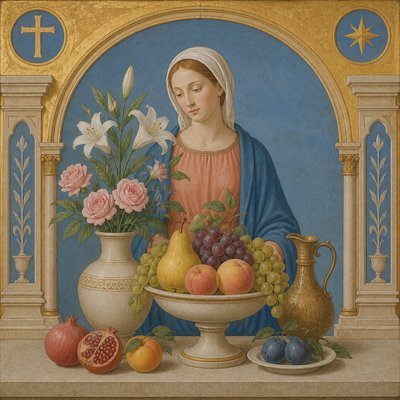
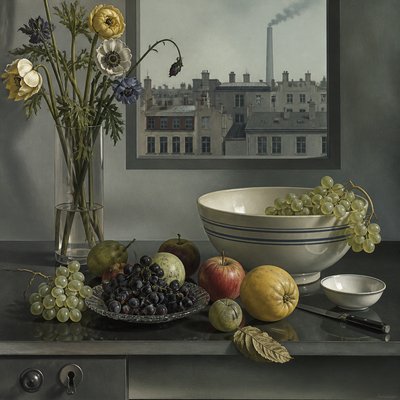
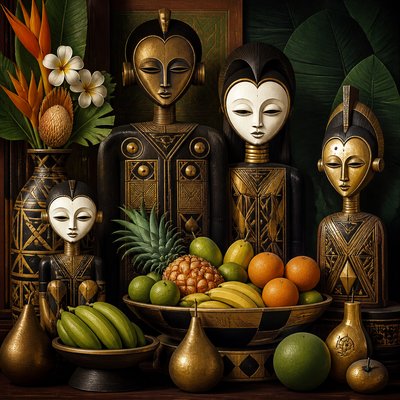
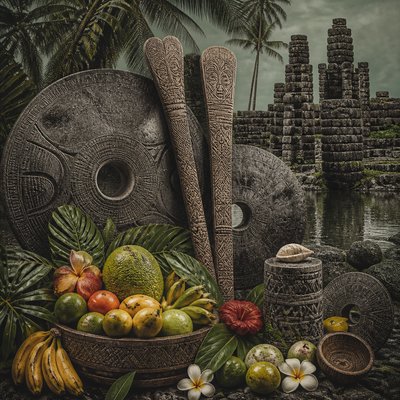
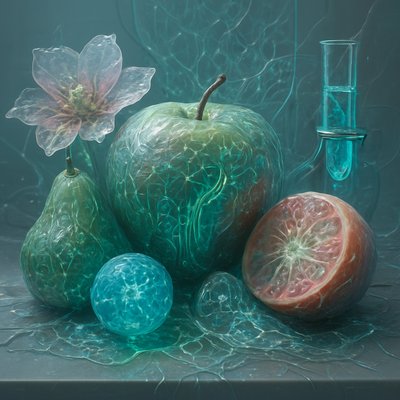
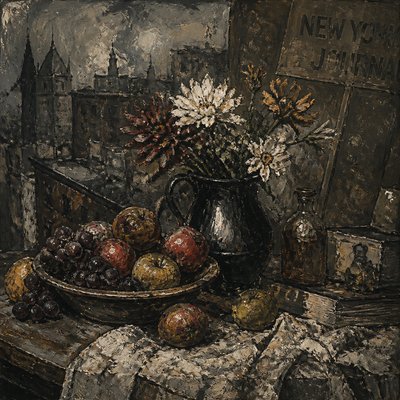
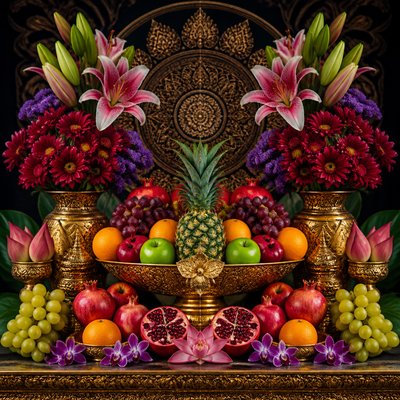
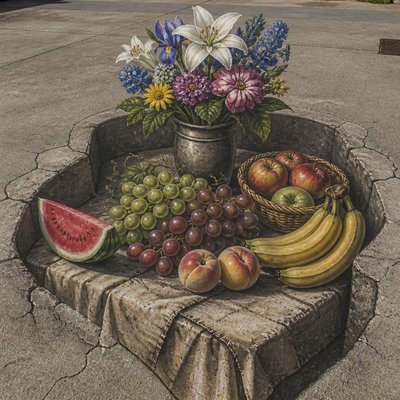
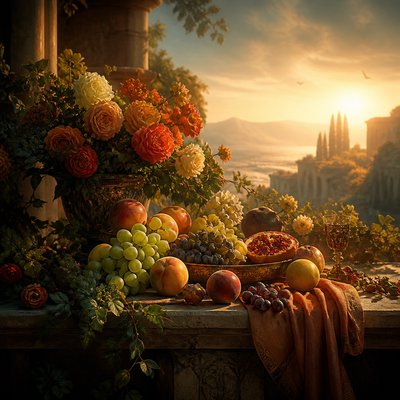
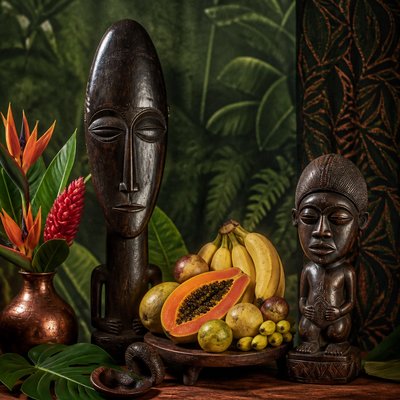
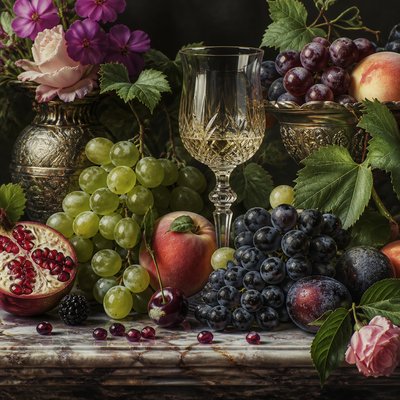
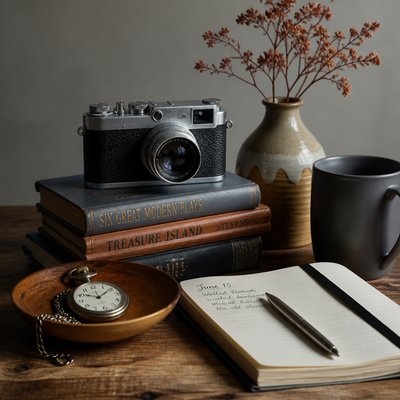
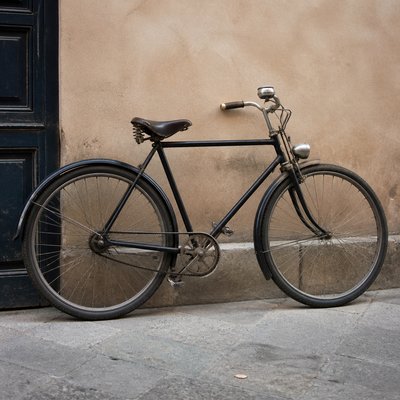
Photorealistic still life art is a representational style devoted to making ordinary objects appear as if they were recorded by a high-end camera, yet clearly shaped by deliberate artistic control. It focuses on close observation of surface, texture, reflection, and material weight, so that fruit, glass, metal, ceramics, fabric, and flowers feel physically present and optically convincing.
What defines the style is not subject matter alone, but the exactness of its rendering. Edges are carefully differentiated, reflections follow believable light behavior, shadows preserve color and transparency, and tonal transitions are smooth enough to preserve volume without visible handling. The result is an image that can seem almost interchangeable with a photograph while still carrying the quiet perfection of a constructed painting.
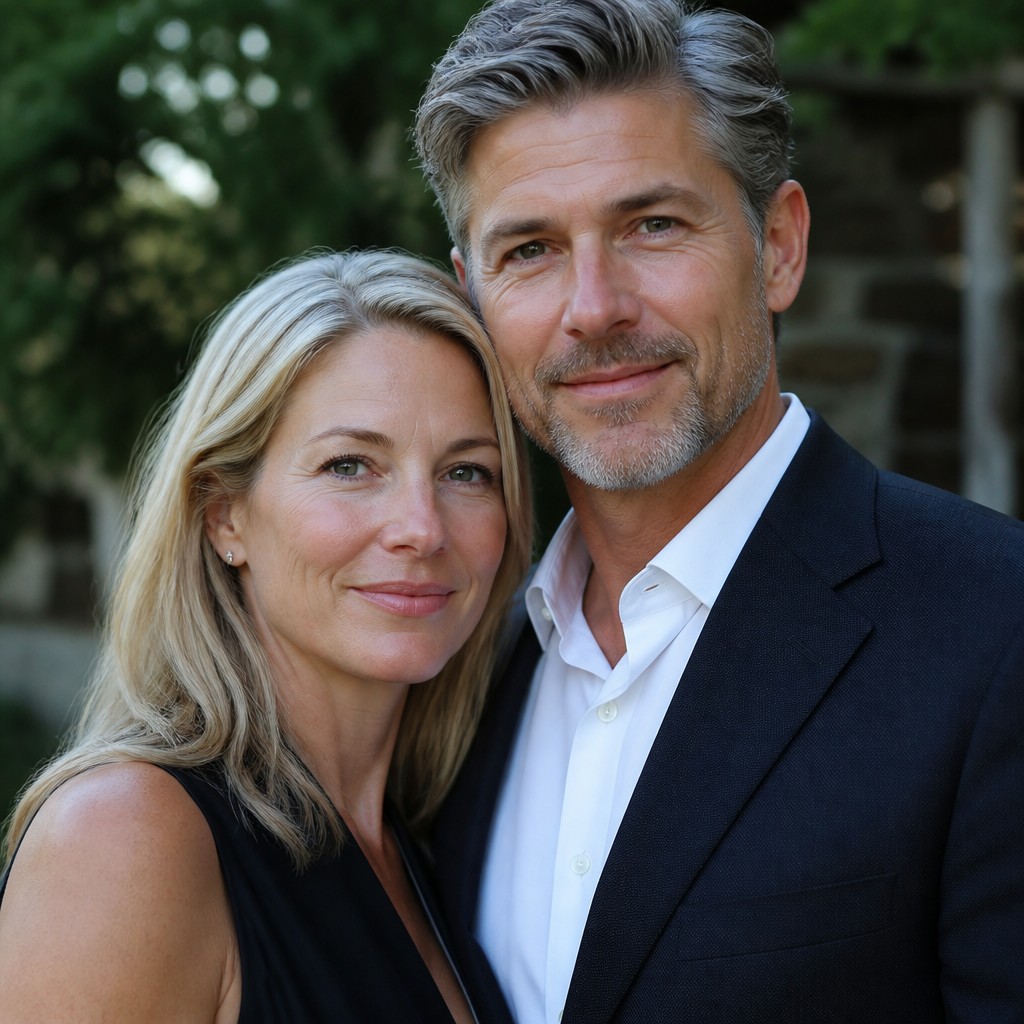
Try It On Your Photos
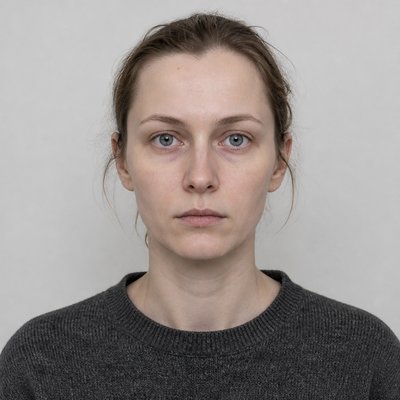
Upload any photo and convert it into Photorealistic Still Life Art Style — drag the sliders to compare before and after.


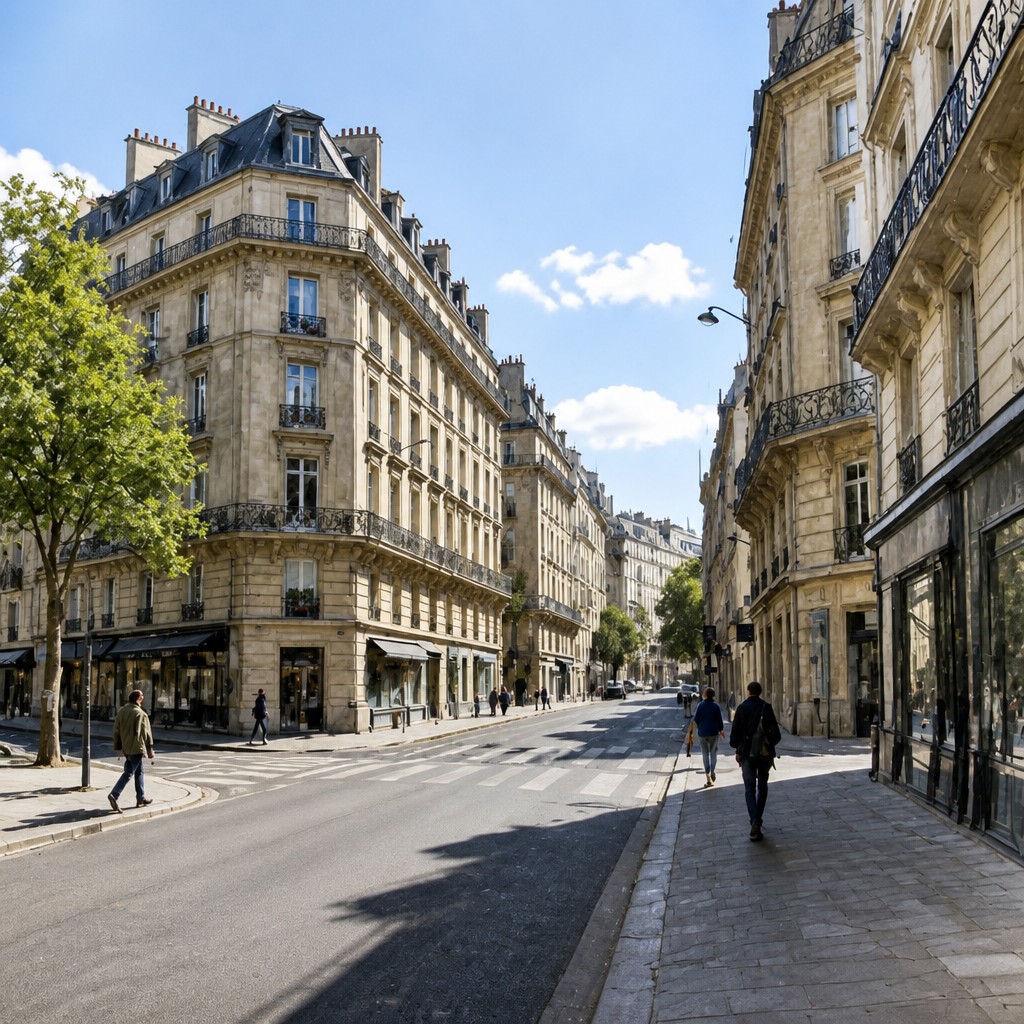

What Defines Photorealistic Still Life Art Style
The signature details, up close
Optical precision
Objects are rendered with near-camera fidelity, including crisp edges, accurate perspective, and believable depth of field. The image should feel observed rather than interpreted.
Material realism
Each surface is differentiated by how it reflects, absorbs, or scatters light. Glass, brass, porcelain, wax, paper, skin, and fruit should each have distinct physical behavior.
Controlled highlights and shadows
Specular highlights, cast shadows, and reflected light are described carefully to preserve form. Tonal transitions are subtle, continuous, and naturalistic.
Invisible brushwork
The surface should not reveal painterly gesture or obvious mark-making. Even when created digitally, the finish should appear seamless and clinically exact.
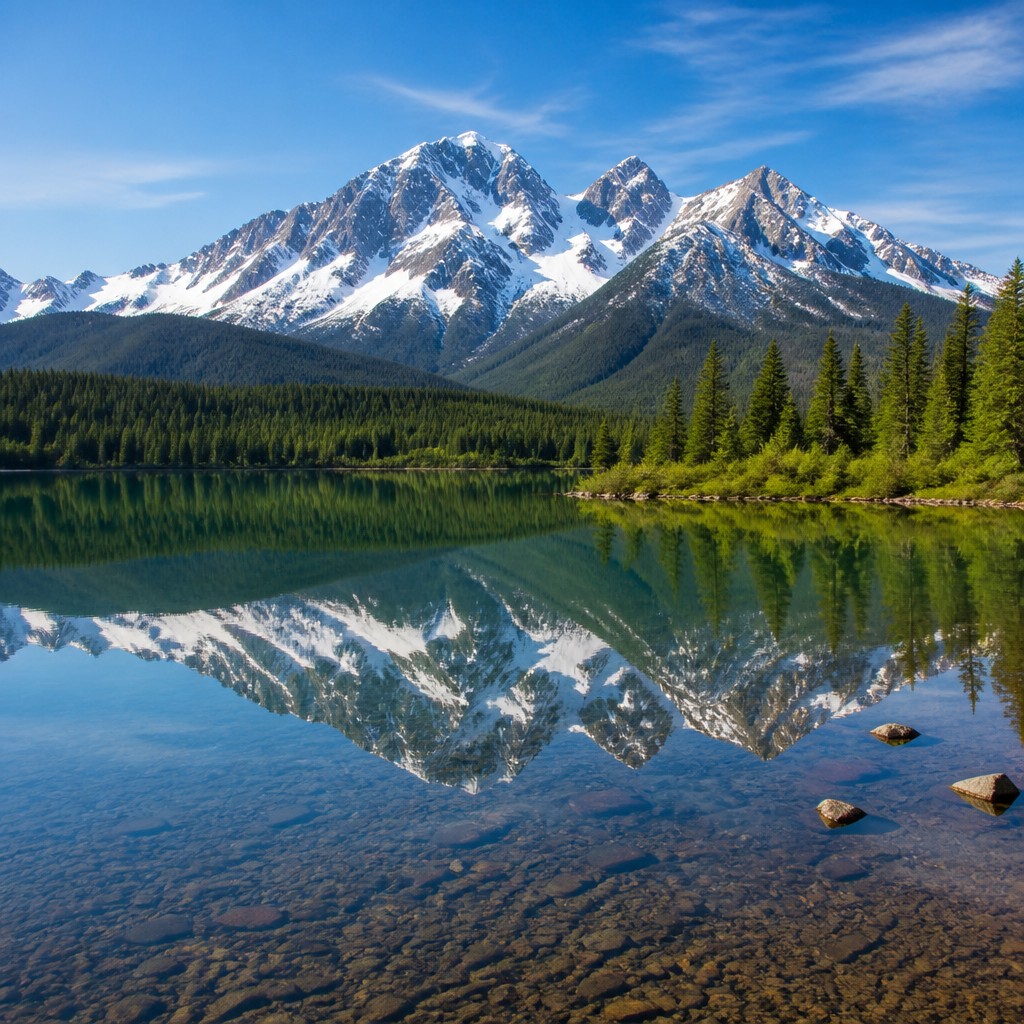
Quiet composition
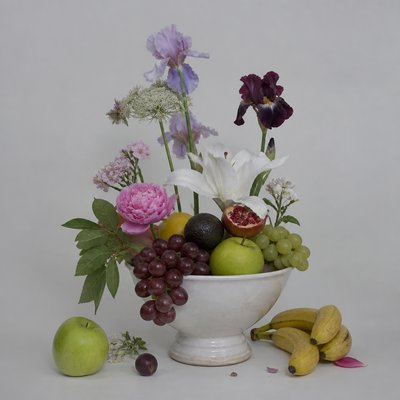
Subjects are often arranged with deliberate restraint: a tabletop, shelf, or studio setup with balanced spacing and minimal narrative distraction. The arrangement allows form and light to do the expressive work.
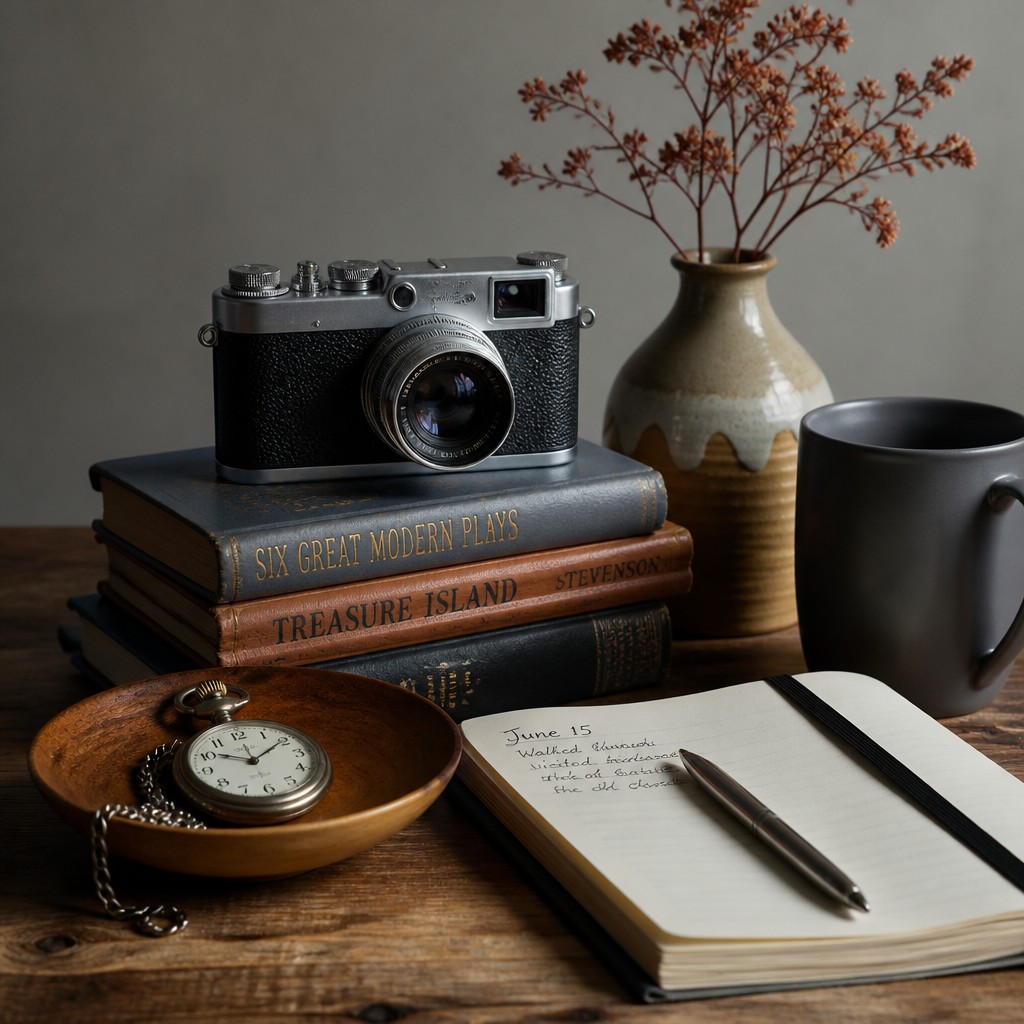
Tangible stillness
The style often creates a sense of suspended time. Objects feel heavy, touchable, and carefully placed, emphasizing presence over action.
Try It
Create Videos in Photorealistic Still Life Art Style
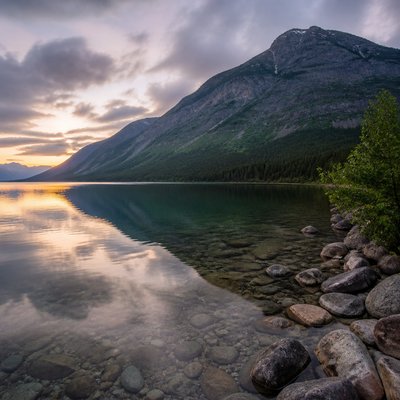
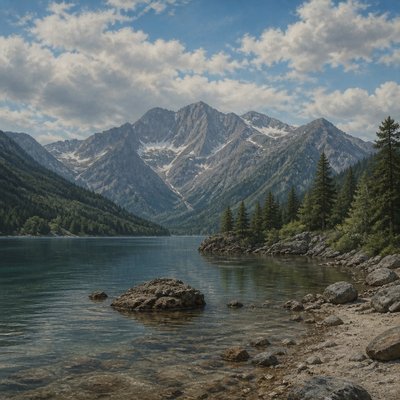
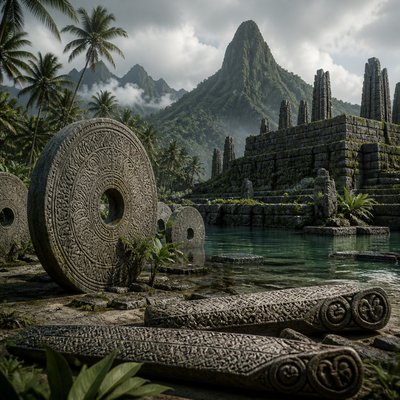
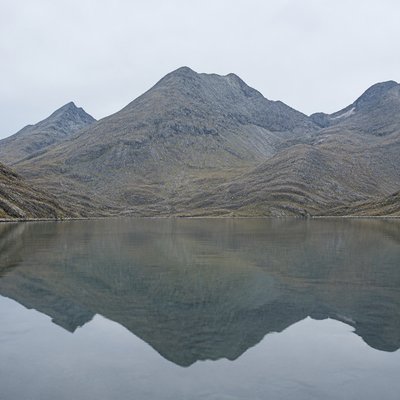
Styles aren't just for stills — describe a scene or animate an image and get a short video rendered in Photorealistic Still Life. Press play to see this pond come to life.
Make a VideoPhotorealistic Still Life Prompt Ideas
Start from an idea — each one opens the generator with the style ready to go. See all 40 Photorealistic Still Life prompts →
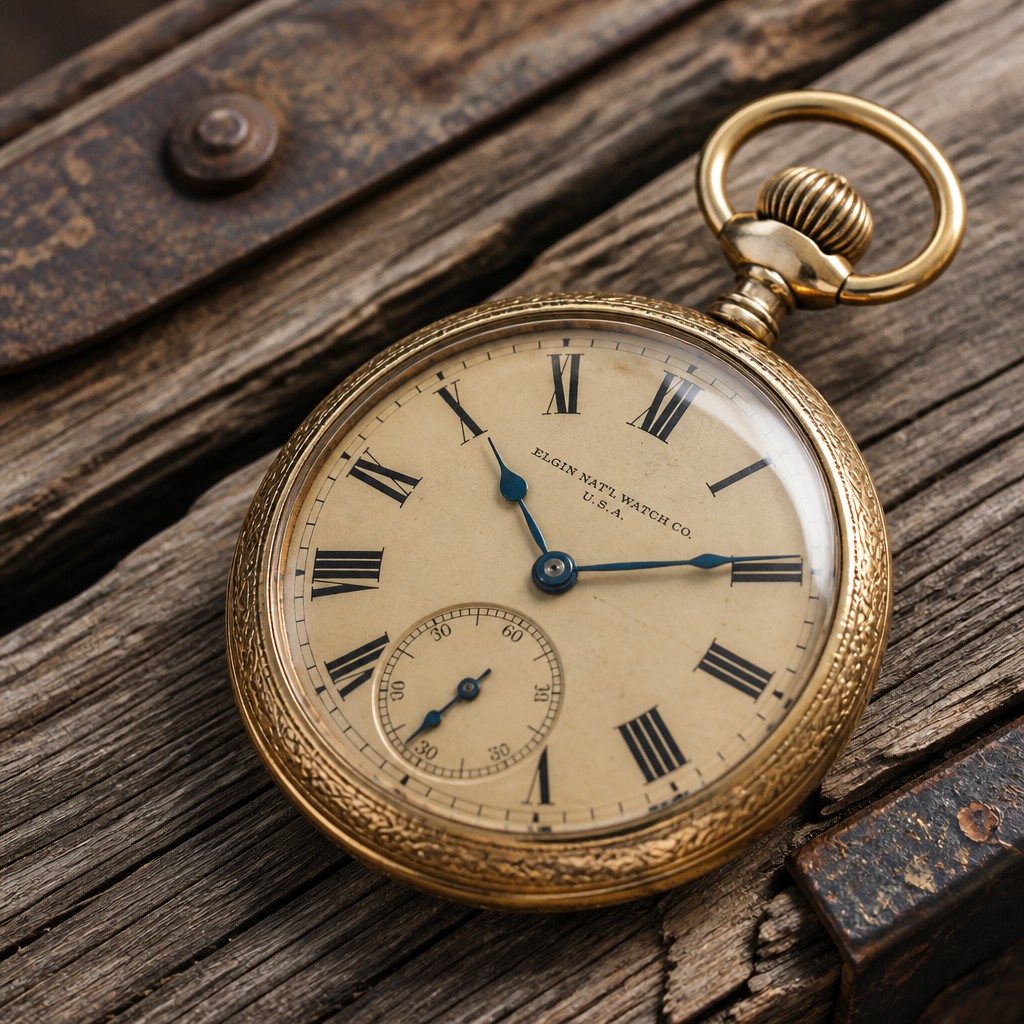
“close-up of an antique pocket watch on weathered wood”
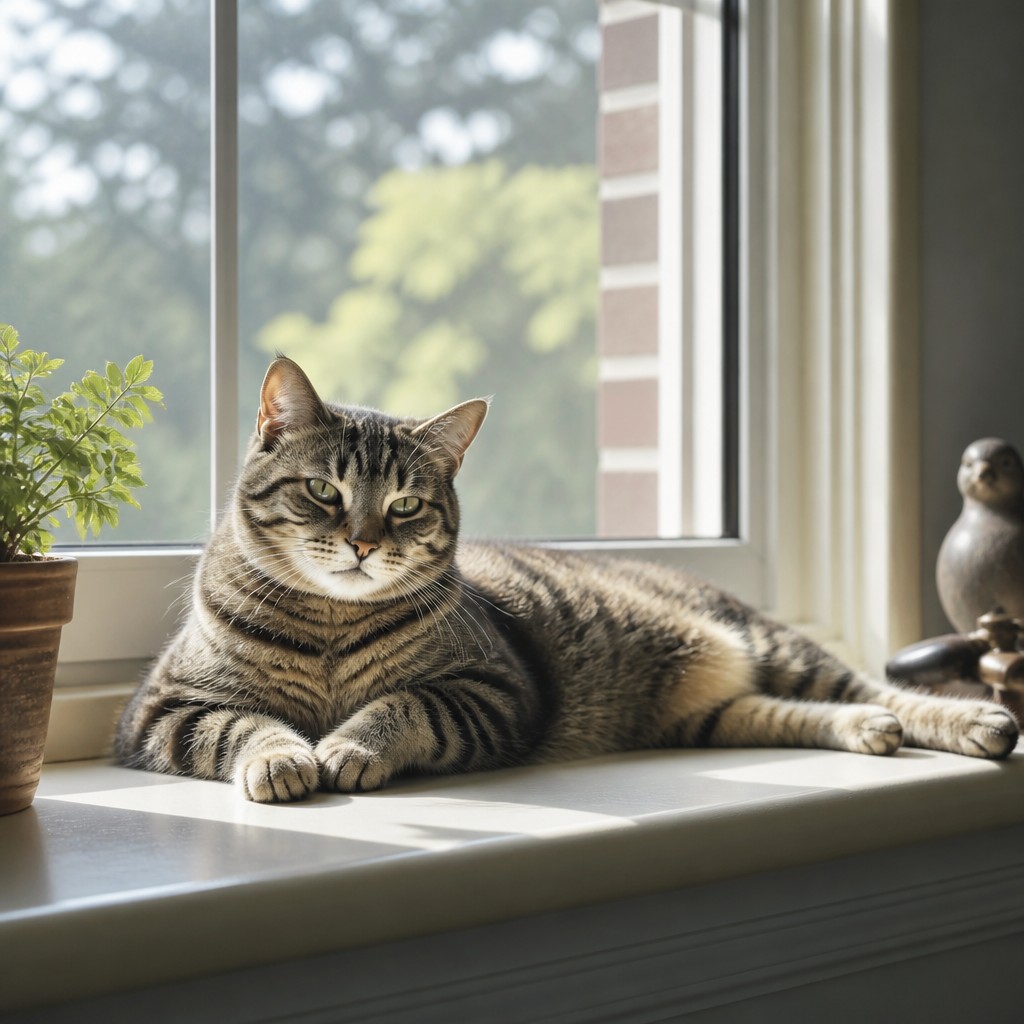
“a cat lounging in a sunlit window”
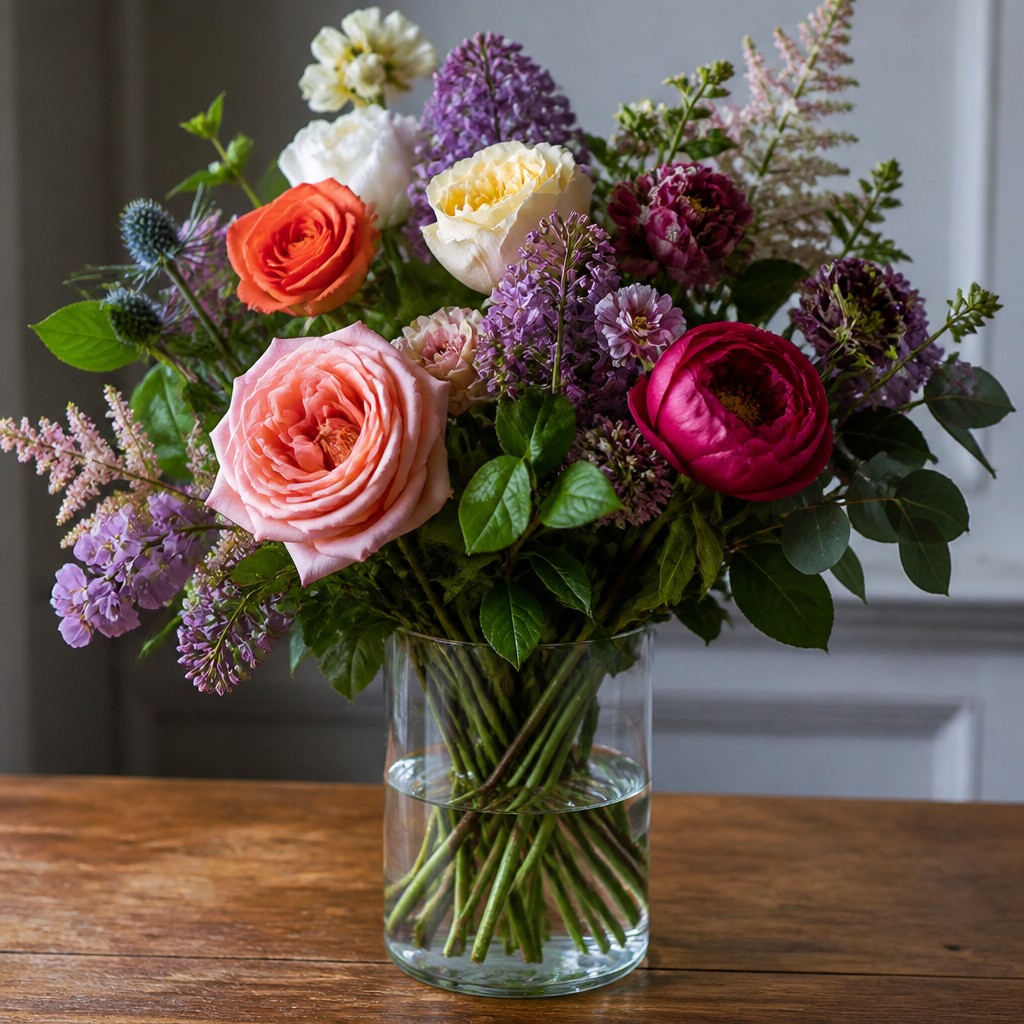
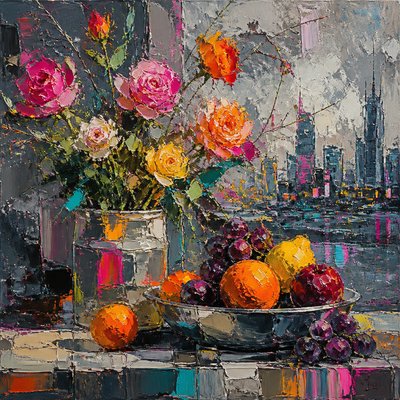
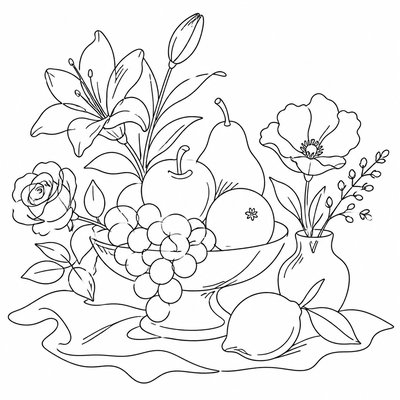
“bouquet of flowers in a glass vase”
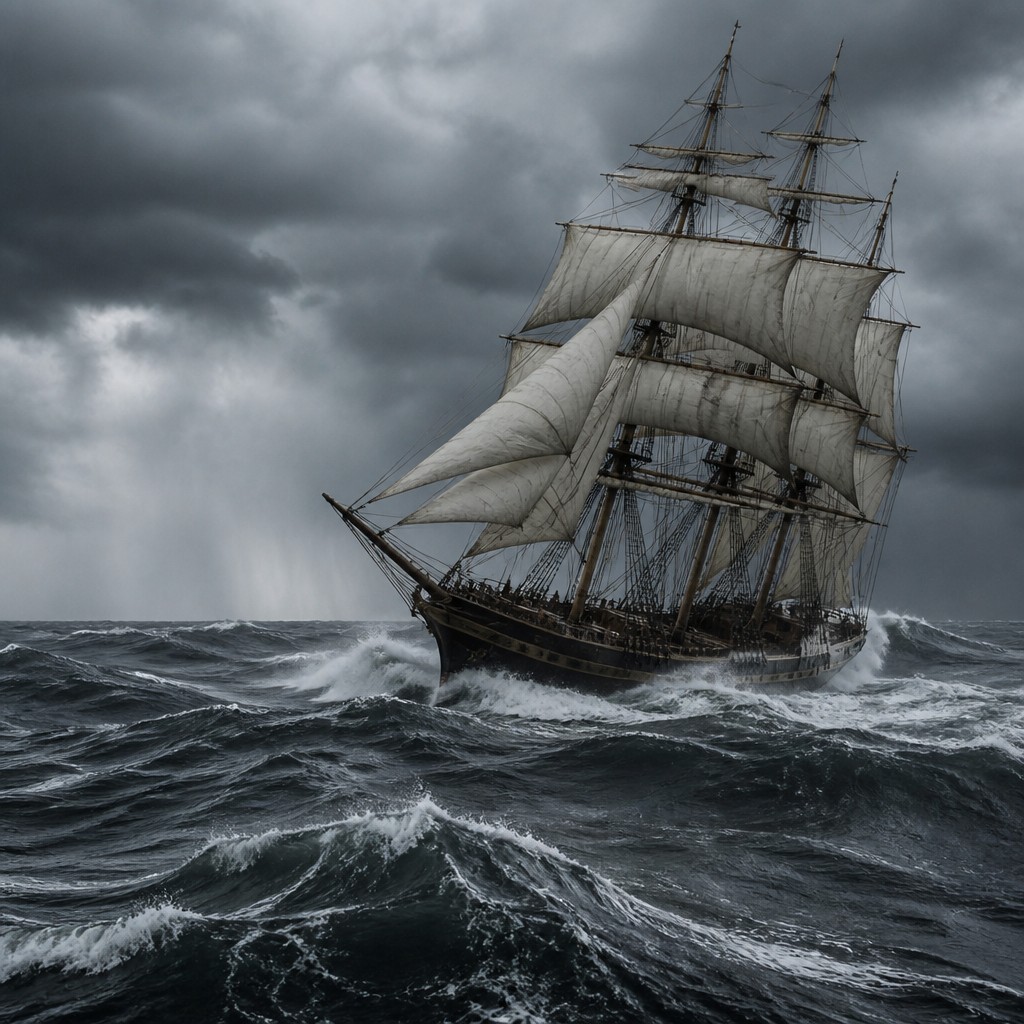
“sailing ship on a stormy sea”
How to Create Photorealistic Still Life Art
Master the craft step by step — or skip straight to creating. Read the full guide →
- 1
Choose objects with distinct surfaces
Select items that let you contrast gloss, matte, transparency, translucency, and texture, such as glass beside metal or fruit beside ceramic. The strength of the style comes from rendering material differences convincingly.
- 2
Set up controlled lighting
Use a single dominant light source or a carefully shaped studio setup so reflections and shadows remain readable. Side lighting, softboxes, or diffused window light are especially effective for revealing form without flattening it.
- 3
Build form from values before details
Block in the full tonal structure first, then refine edges, reflections, and micro-textures. In digital work, use layered value studies and restrained sharpening rather than over-detailing every area equally.
- 4
Match reflections to the object’s physics
Do not treat reflections as generic highlights; observe how curved glass, polished fruit skin, or brushed metal actually bend and tint surrounding colors. Accurate reflected color is one of the main signals of realism.
- 5
Keep brushwork or rendering invisible
Whether painting traditionally or digitally, avoid obvious stylization in line, texture, or edge treatment. The final image should read as a unified optical surface, not as a record of the making process.
- 6
Use prompts that specify light and material behavior
When generating images, describe the objects, lighting, reflections, and tonal range in concrete terms. Phrases such as 'accurate optical reflections,' 'subtle highlight-to-shadow gradations,' and 'clinical exactness' help steer the result toward the style’s defining realism.
The Story
History & Origins of Photorealistic Still Life
Photorealistic still life belongs to the broader tradition of realist painting, especially the long history of still life as a test of observation and technical skill. Its aesthetic lineage runs through Dutch Golden Age still lifes, 19th-century academic realism, and later hyperrealist and photorealist painting, all of which emphasized exact description of objects, light, and material surfaces.
In the 20th century, Photorealism and Hyperrealism strengthened the connection between painting and photography, often using photographs as source material to achieve an illusion of mechanical precision. Artists associated with these movements, such as major photorealist painters working in close dialogue with photography and highly detailed still life subjects, helped establish a visual language in which painted images could rival the optical authority of photographs while remaining rooted in traditional draftsmanship and composition.
Influences: This style draws most directly from the still life traditions of the Dutch Golden Age, where painters such as leading Dutch still life masters of the early 17th century developed meticulous depictions of food, glass, metal, and table settings, and from later realism in which surface truth became a central goal. It also shares an important lineage with Photorealism and Hyperrealism, especially the work of major photorealist and hyperrealist painters known for reflective surfaces, polished objects, and photographic source imagery, whose attention helped define the modern visual language of extreme realism.

Frequently Asked Questions
What defines photorealistic still life art?
It is defined by precise rendering of ordinary objects so they appear camera-like in clarity and material accuracy. The key traits are sharp edge control, believable reflections, smooth tonal transitions, and very limited visible brushwork.
How is it different from general realism?
General realism aims for convincing representation, but photorealistic still life pushes further toward optical exactitude. It often emphasizes reflective detail, surface texture, and carefully calibrated light in a way that can resemble a photograph.
How is it different from hyperrealism?
The two overlap heavily, but hyperrealism often heightens detail beyond what a photograph would normally show, sometimes with intensified clarity or emotional focus. Photorealistic still life tends to stay closer to a direct, faithful translation of observed or photographed reality.
What subjects work best in this style?
Objects with varied materials are ideal: fruit, glassware, ceramics, metal utensils, flowers, books, fabric, and bottles. These subjects give the artist or generator opportunities to show reflections, texture, and subtle shifts in color and transparency.
Can this style be made digitally as well as traditionally?
Yes. Traditional artists often work from life or reference photos using layered painting and careful glazing, while digital artists use controlled brushes, value layers, and refined edge work. The important goal in both cases is a seamless, observational finish.
Why does this style often feel so quiet or still?
Still life is inherently about suspended time: objects do not move, and the composition can be arranged for perfect lighting and balance. That stillness allows attention to shift toward texture, weight, and the physical presence of things.
Create your first Photorealistic Still Life artwork
Describe anything — or upload a photo — and see it in Photorealistic Still Life Art Style in seconds.
Make Something with Photorealistic Still Life
Compare Photorealistic Still Life
Related Styles
Discover similar art styles