Impressionist Still Life Art Style
Painterly still lifes with broken brushstrokes, luminous color, and atmospheric light inspired by Impressionist painting.
Instantly rendered in Impressionist Still Life — or transform a photo
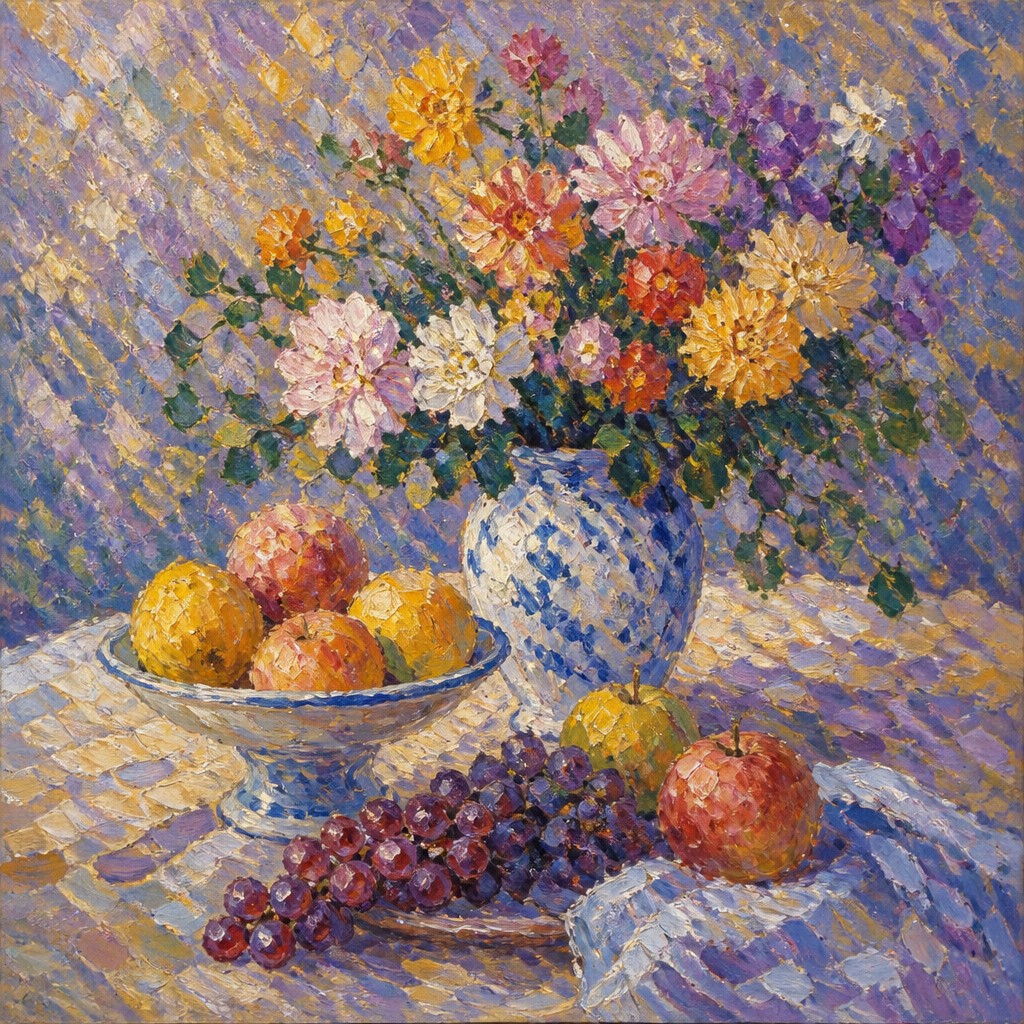
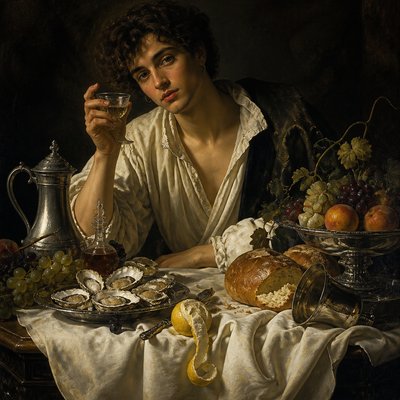
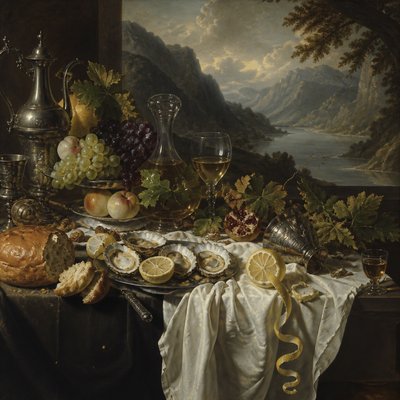
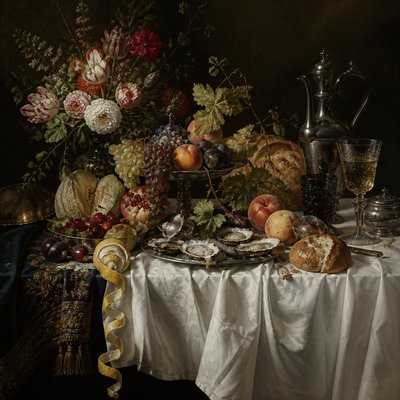
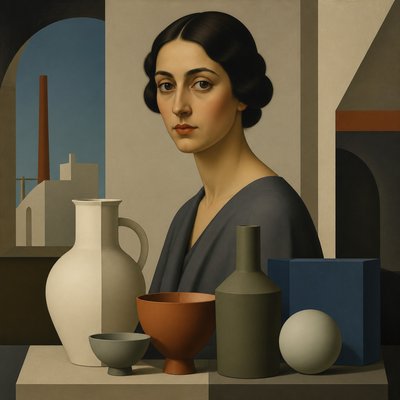
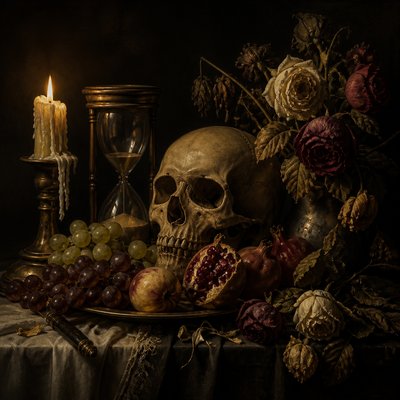
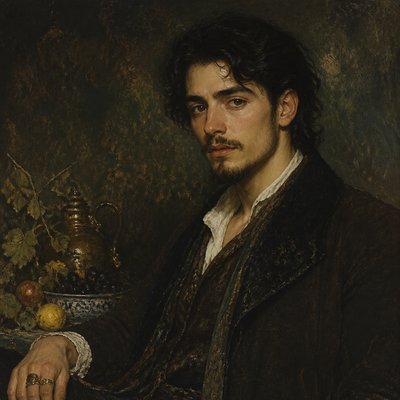
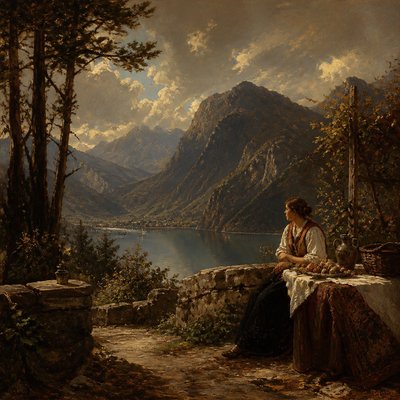
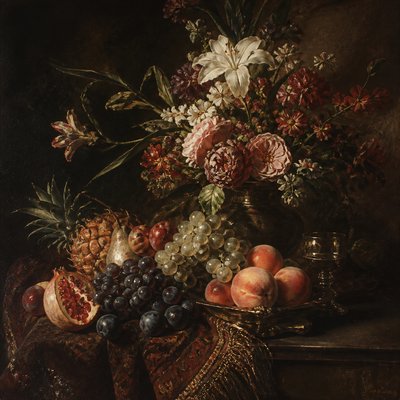
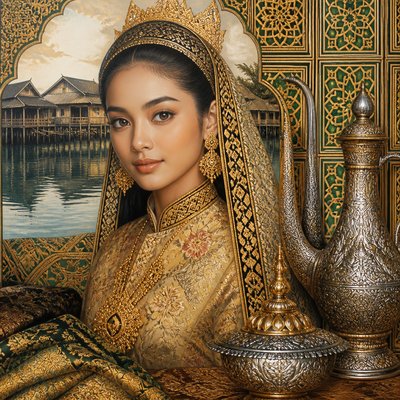
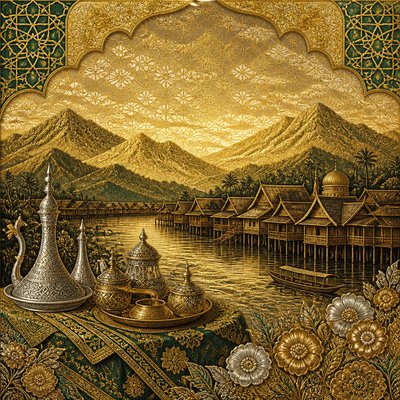
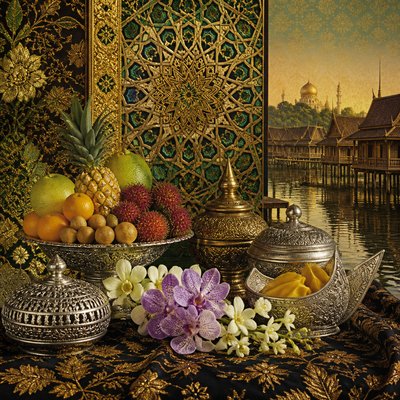
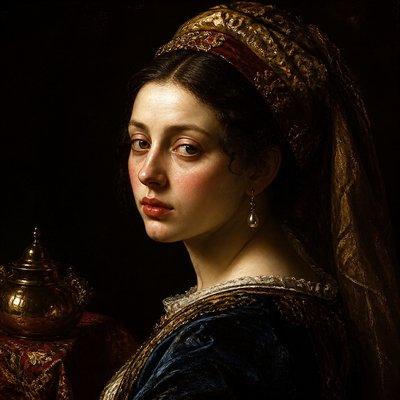
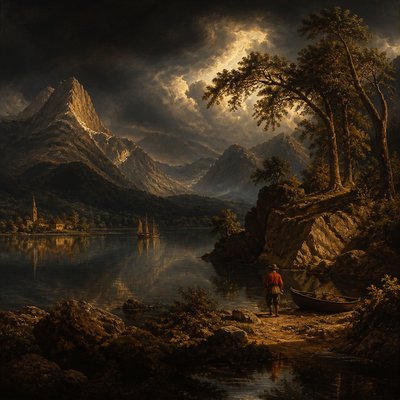
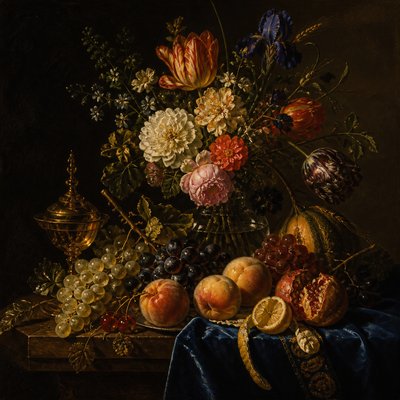
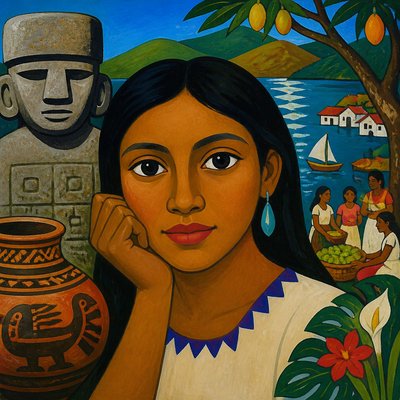
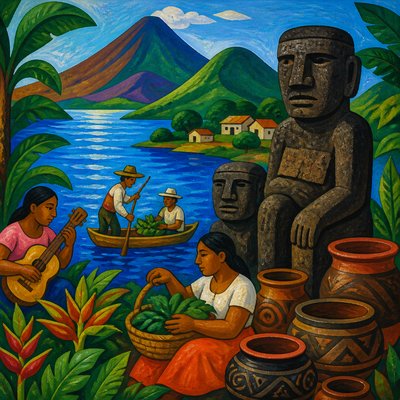
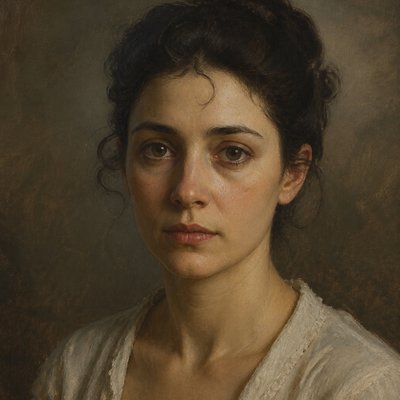
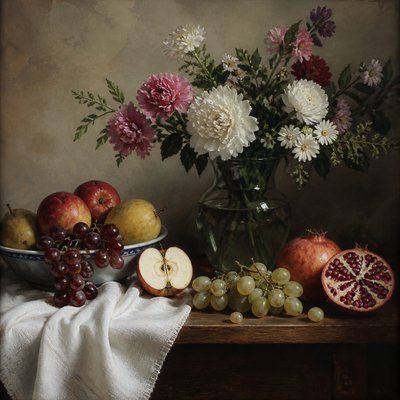
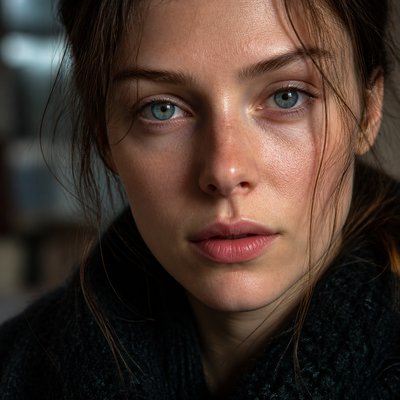
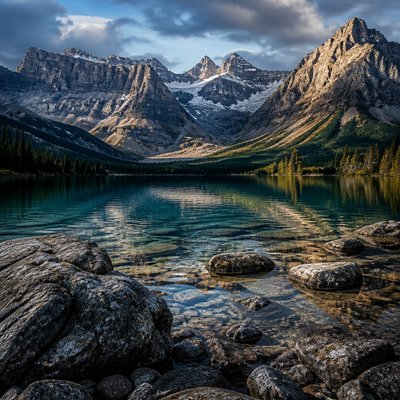
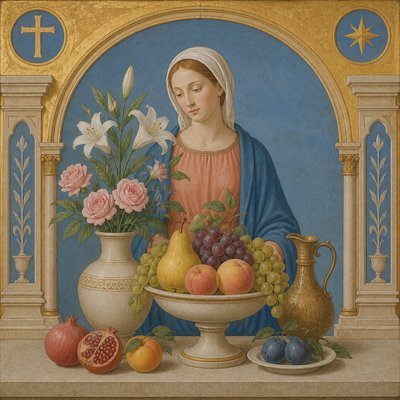
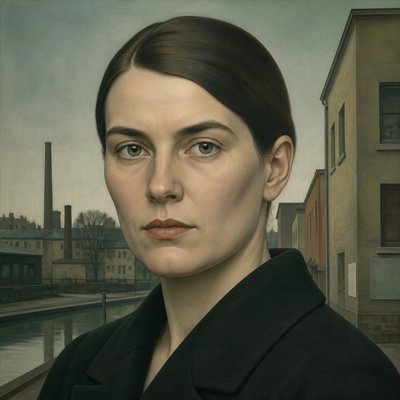
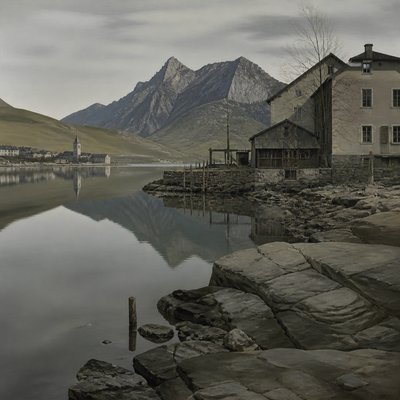
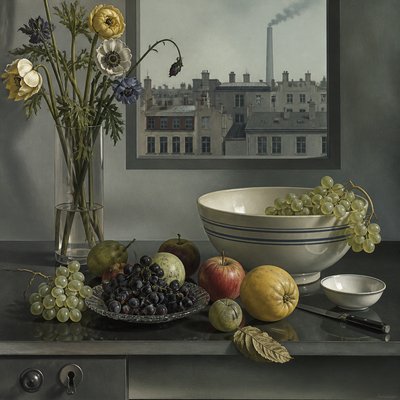
Impressionist Still Life Gallery
Tap any artwork to explore it
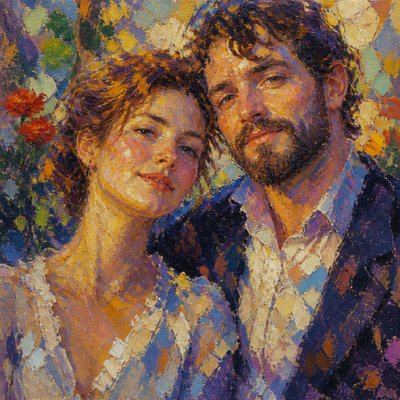
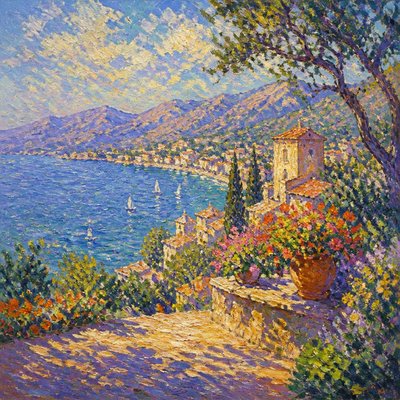
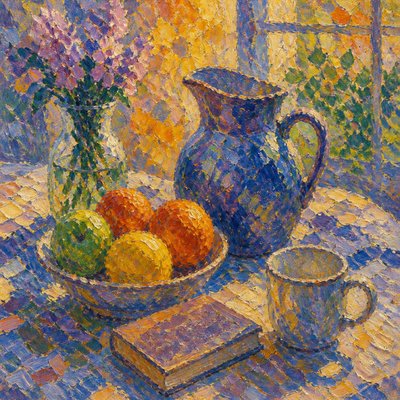
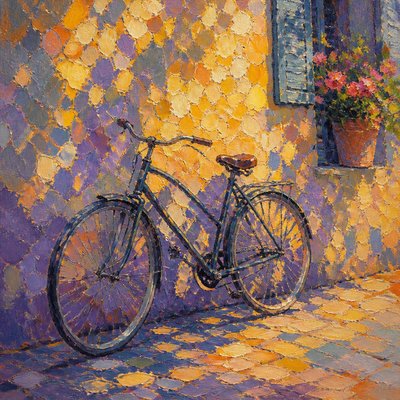
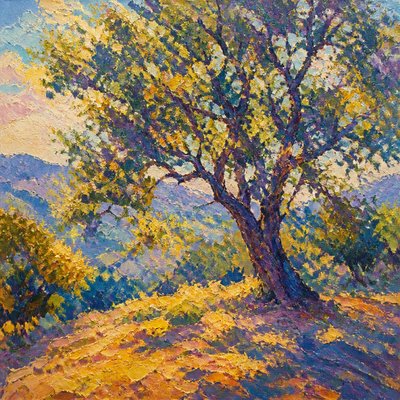
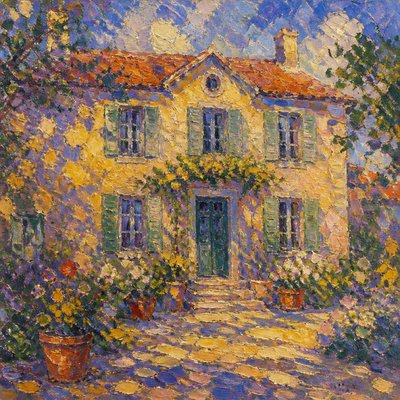
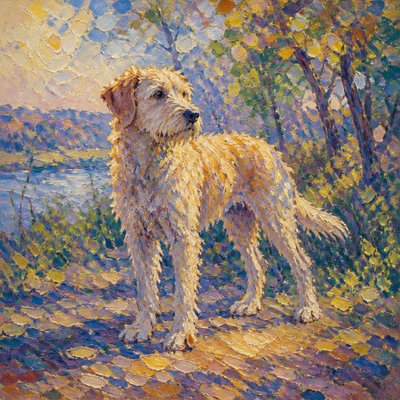
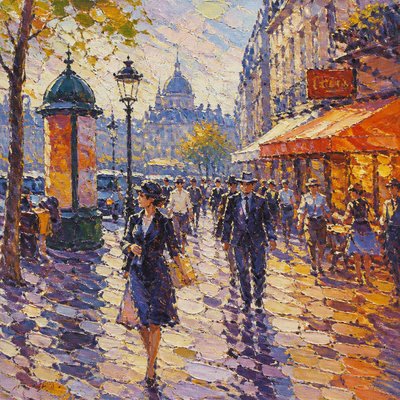
What is Impressionist Still Life Art Style?
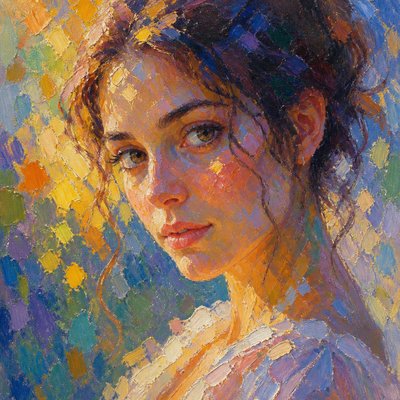
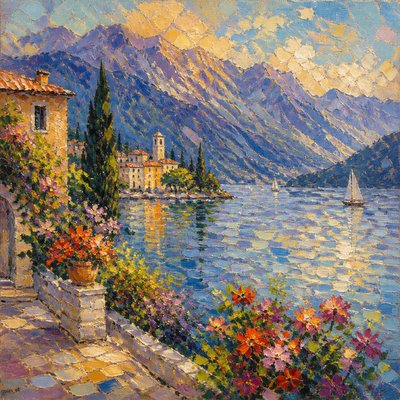
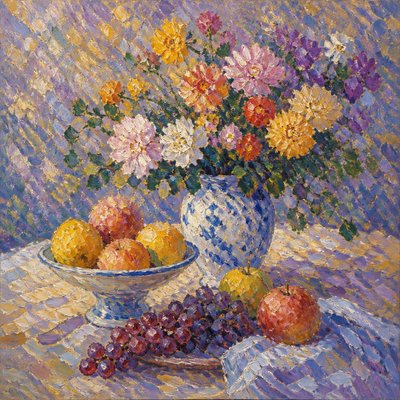
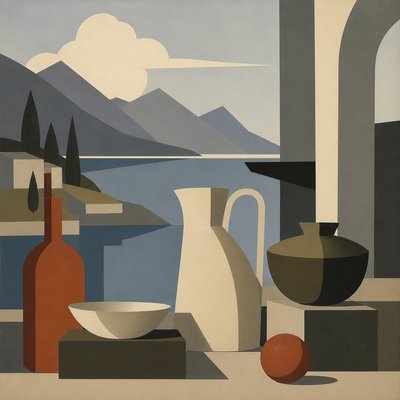
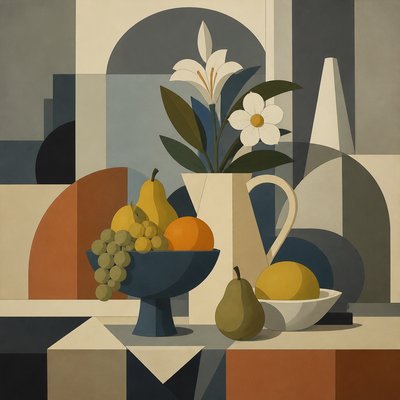
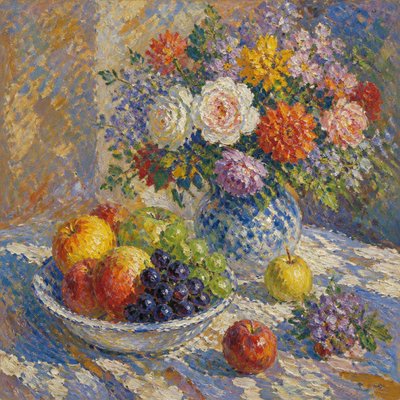
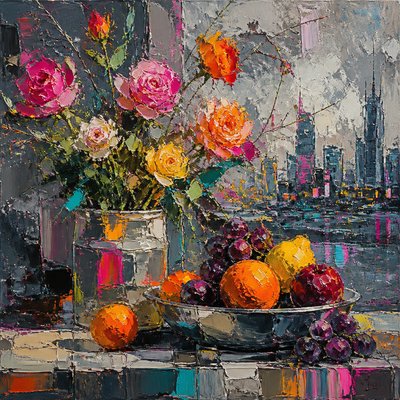
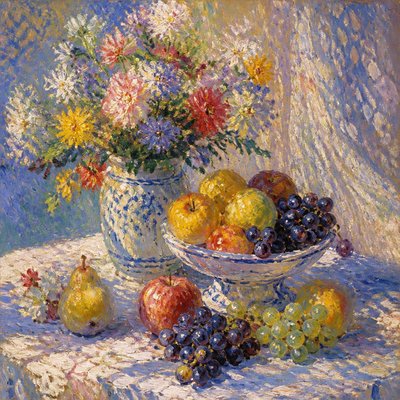
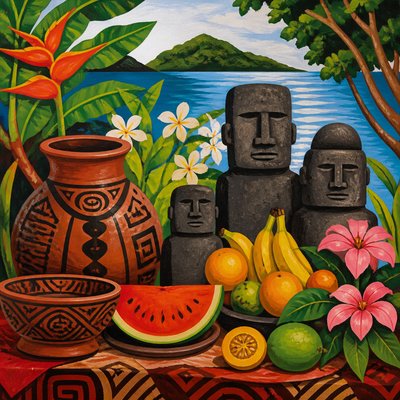
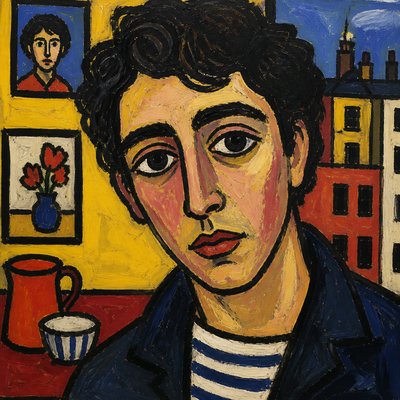
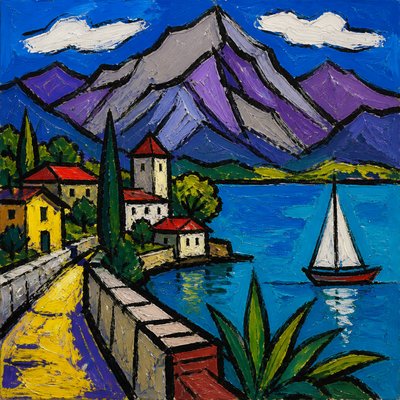
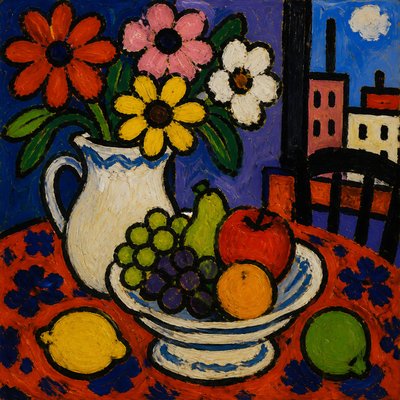
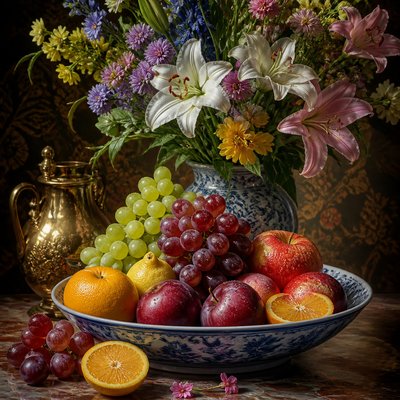
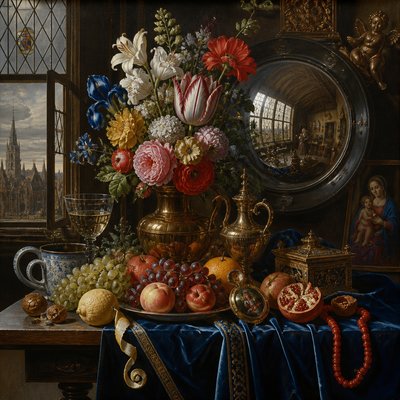
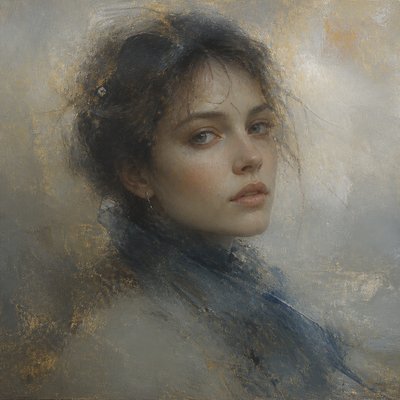
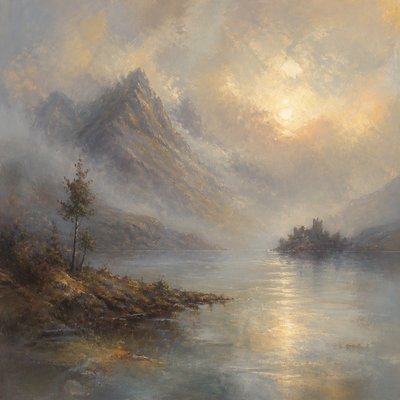
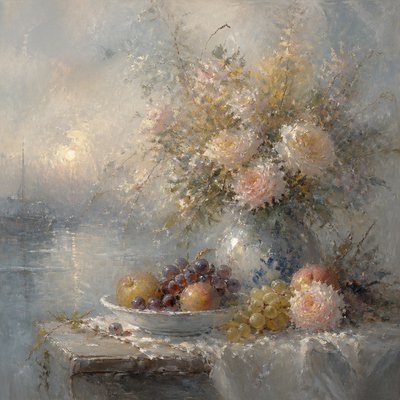
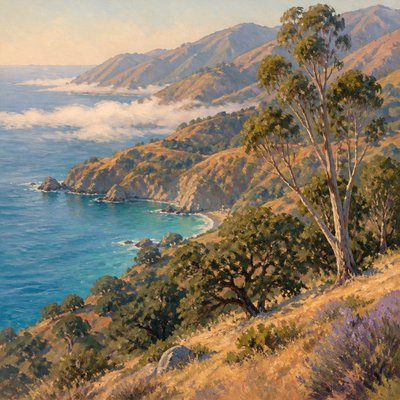
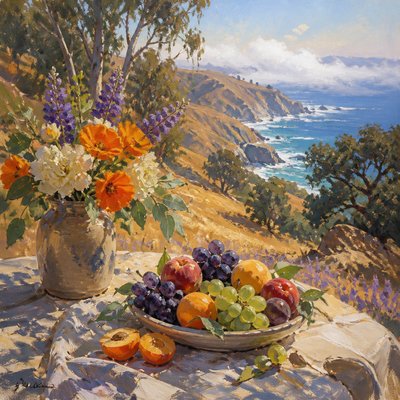
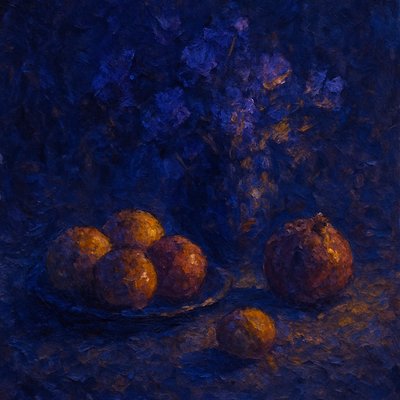
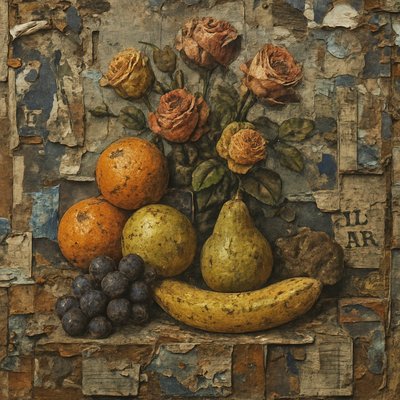
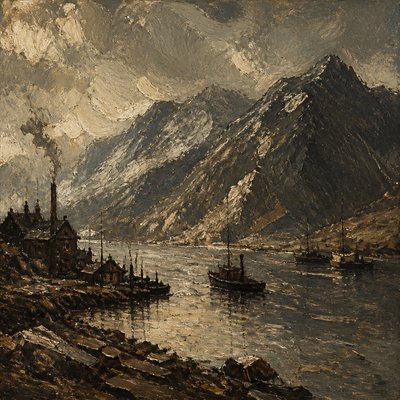
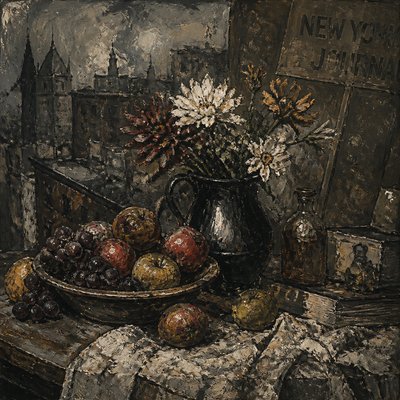
Impressionist Still Life Art Style applies the visual language of Impressionism to arrangements of fruit, flowers, glassware, books, and other domestic objects. Instead of sharp contours and meticulous surface description, it emphasizes the immediate sensation of looking: flickering light, shifting color, and the way objects dissolve into their surroundings when seen under changing illumination.
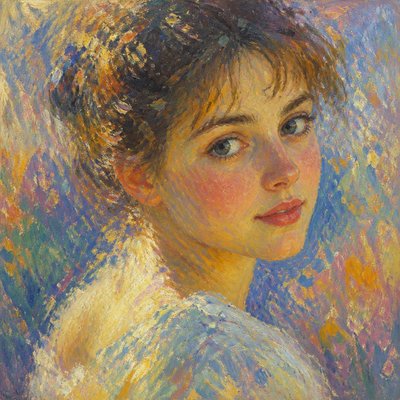
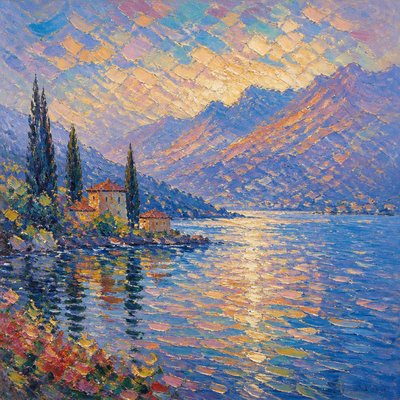
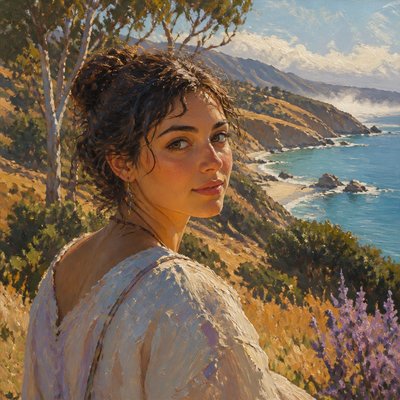
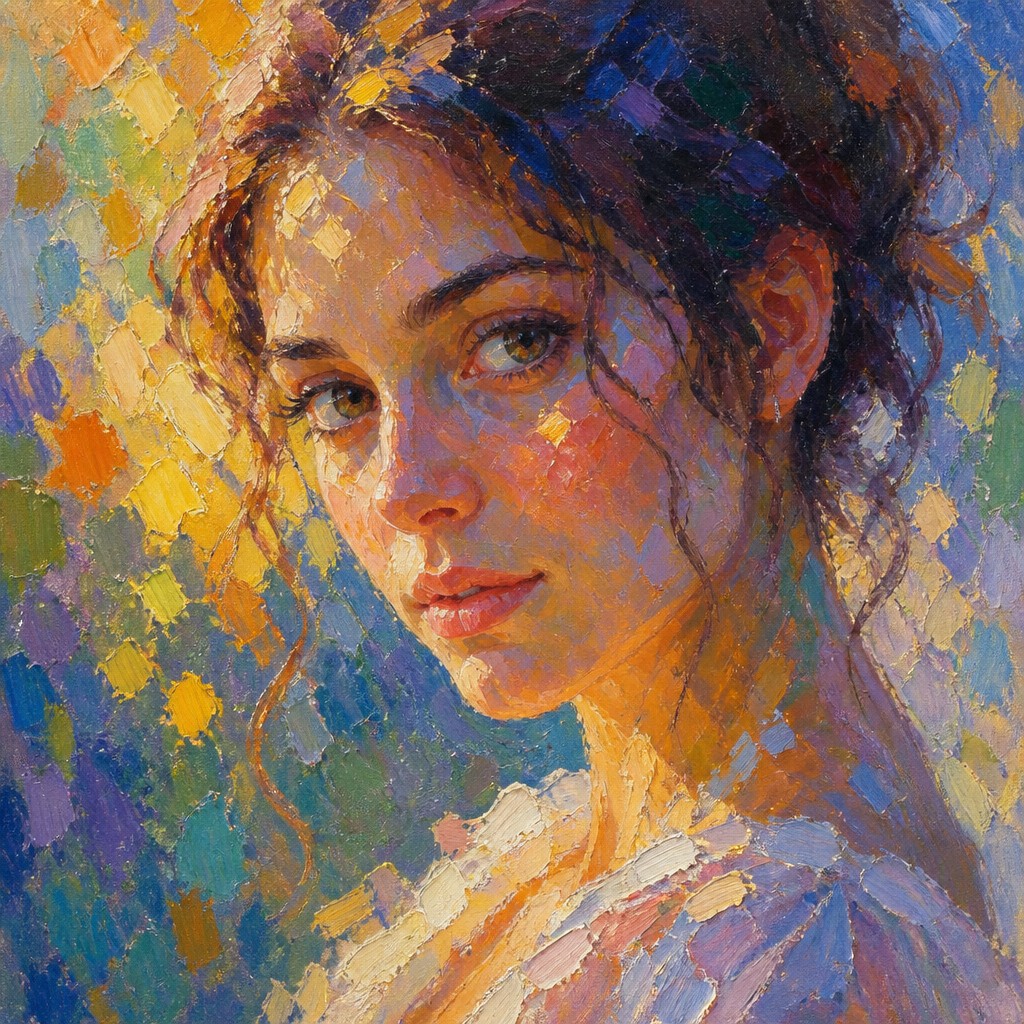
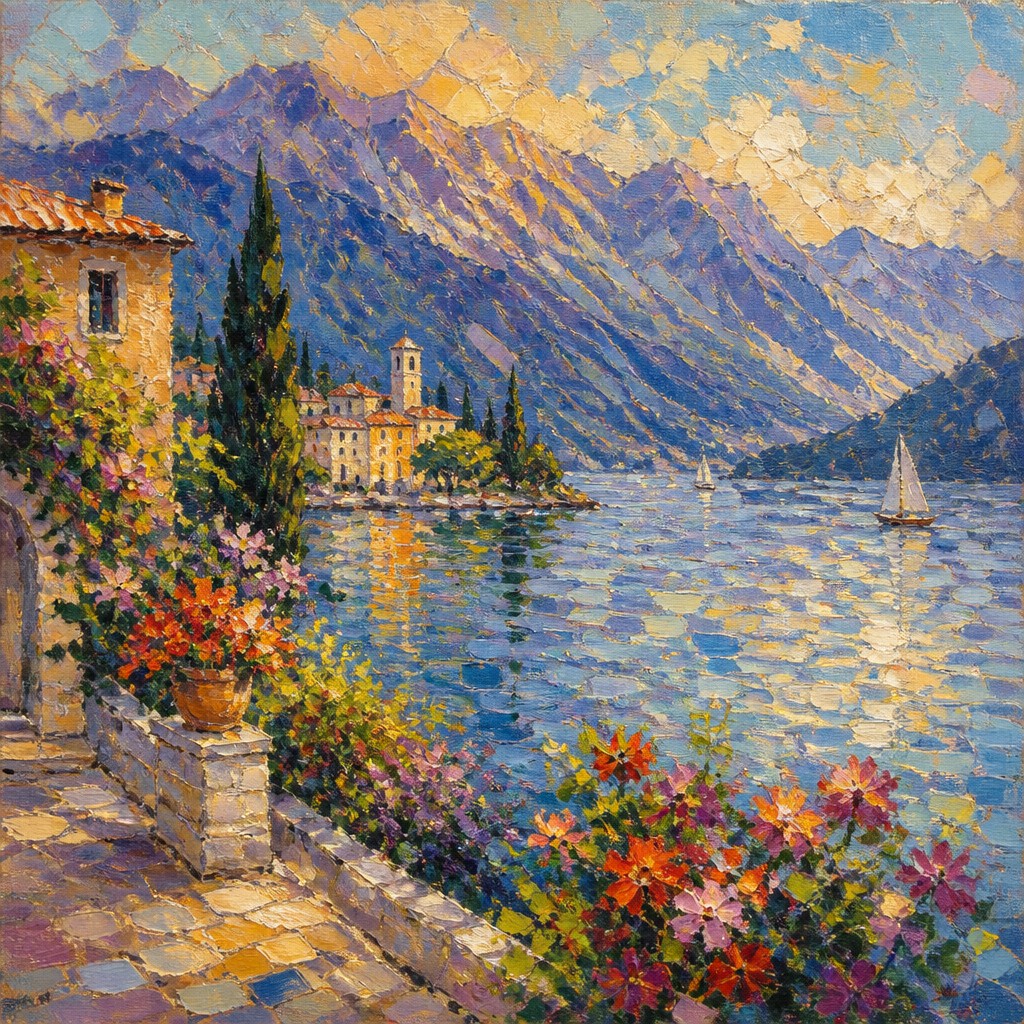
Its defining look comes from broken brushwork, high-key color relationships, and softened edges that let the viewer’s eye complete the forms. Shadows are rarely black; they are built from cool violets, blues, and greens, while highlights often glow in warm yellows, oranges, or creamy whites. The result is an intimate, atmospheric still life that feels observed in a moment rather than carefully rendered over time.
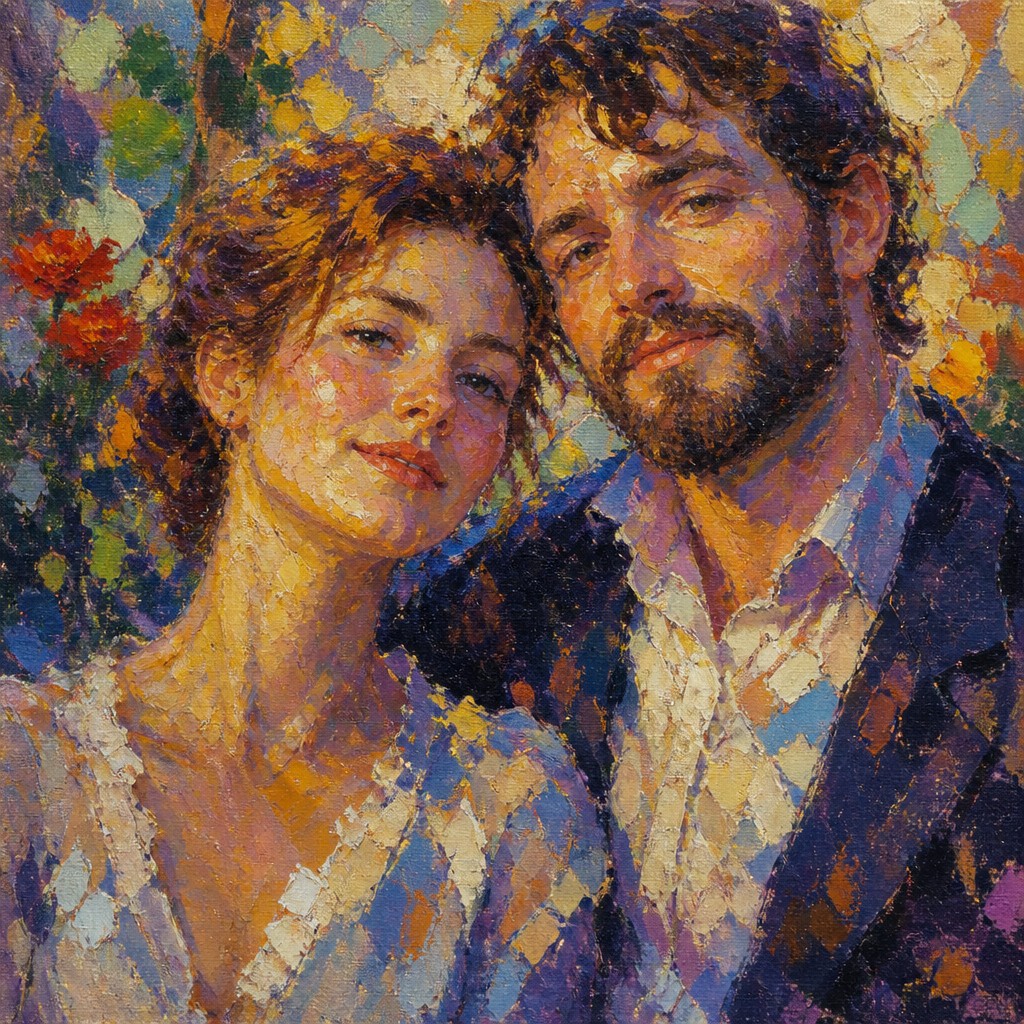
Try It On Your Photos
Upload any photo and convert it into Impressionist Still Life Art Style — drag the sliders to compare before and after.
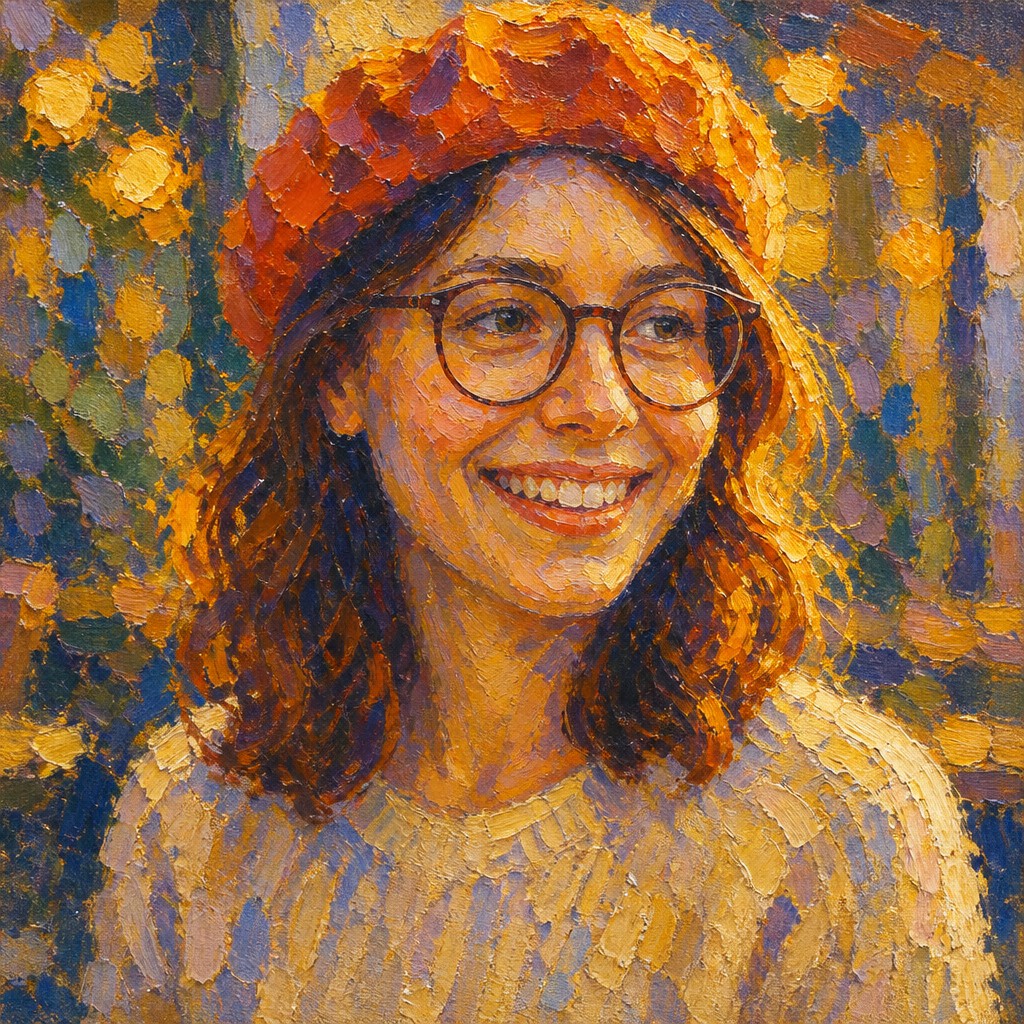

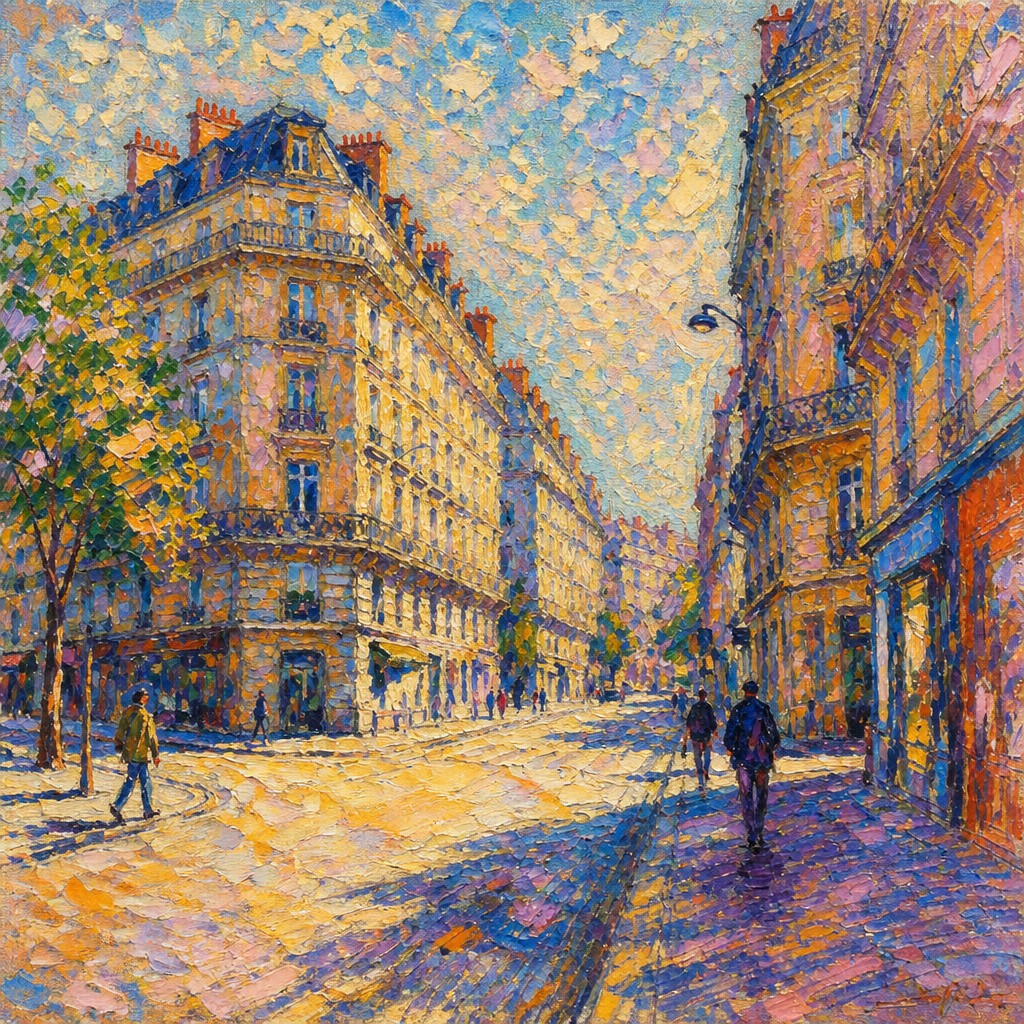

What Defines Impressionist Still Life Art Style
The signature details, up close
Broken brushstrokes
Forms are built from short, visible marks rather than smooth blending. The brushwork suggests surfaces through flicker and movement instead of strict contour.
Light as a subject
Illumination shapes the composition more than the objects themselves. Highlights, reflections, and color temperature shifts create the visual drama.
Chromatic shadows
Shadows are colored, often using blues, violets, and greens instead of neutral gray or black. This keeps the image vibrant and open to optical vibration.
Softened edges
Object boundaries tend to dissolve into the background or adjacent colors. This gives the scene an atmospheric, momentary quality.
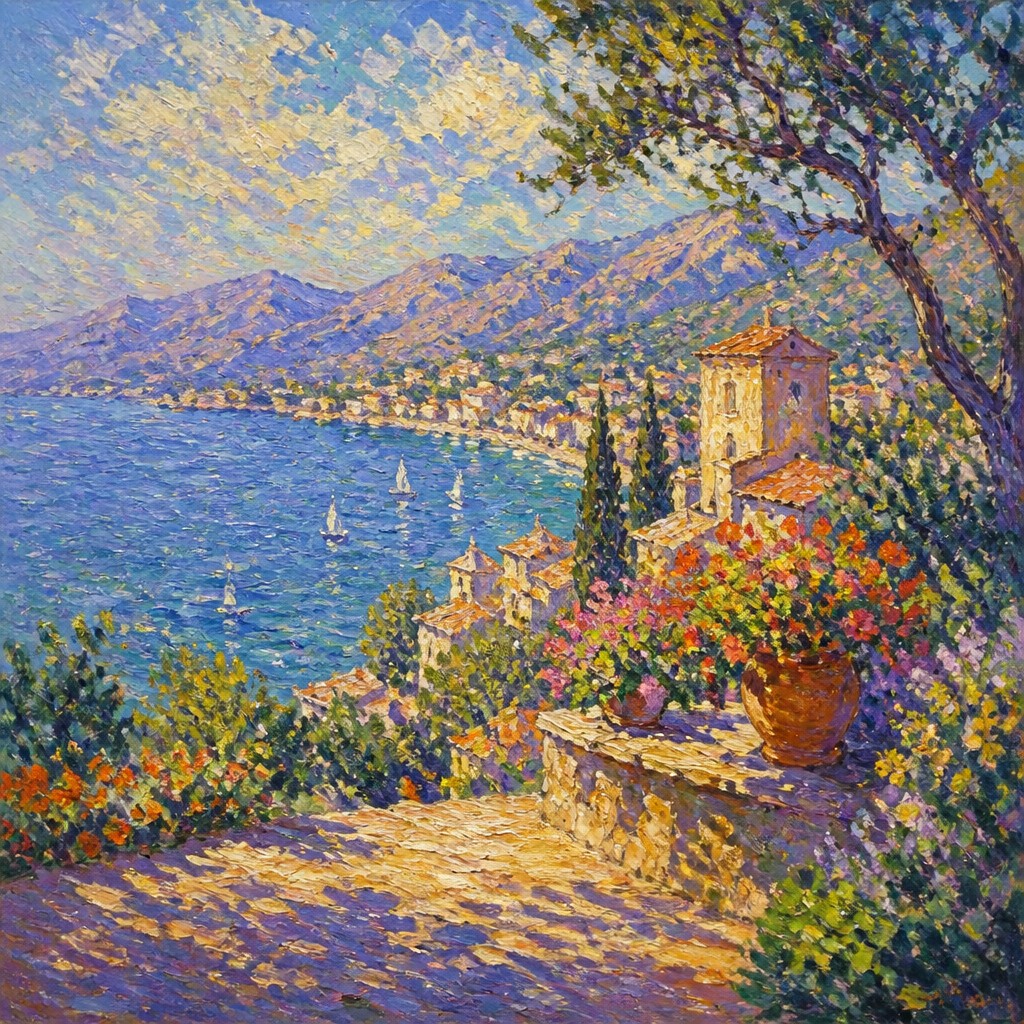
Luminous color harmony
Colors are arranged for contrast and resonance, especially warm against cool passages. The palette often feels fresh, airy, and light-filled.
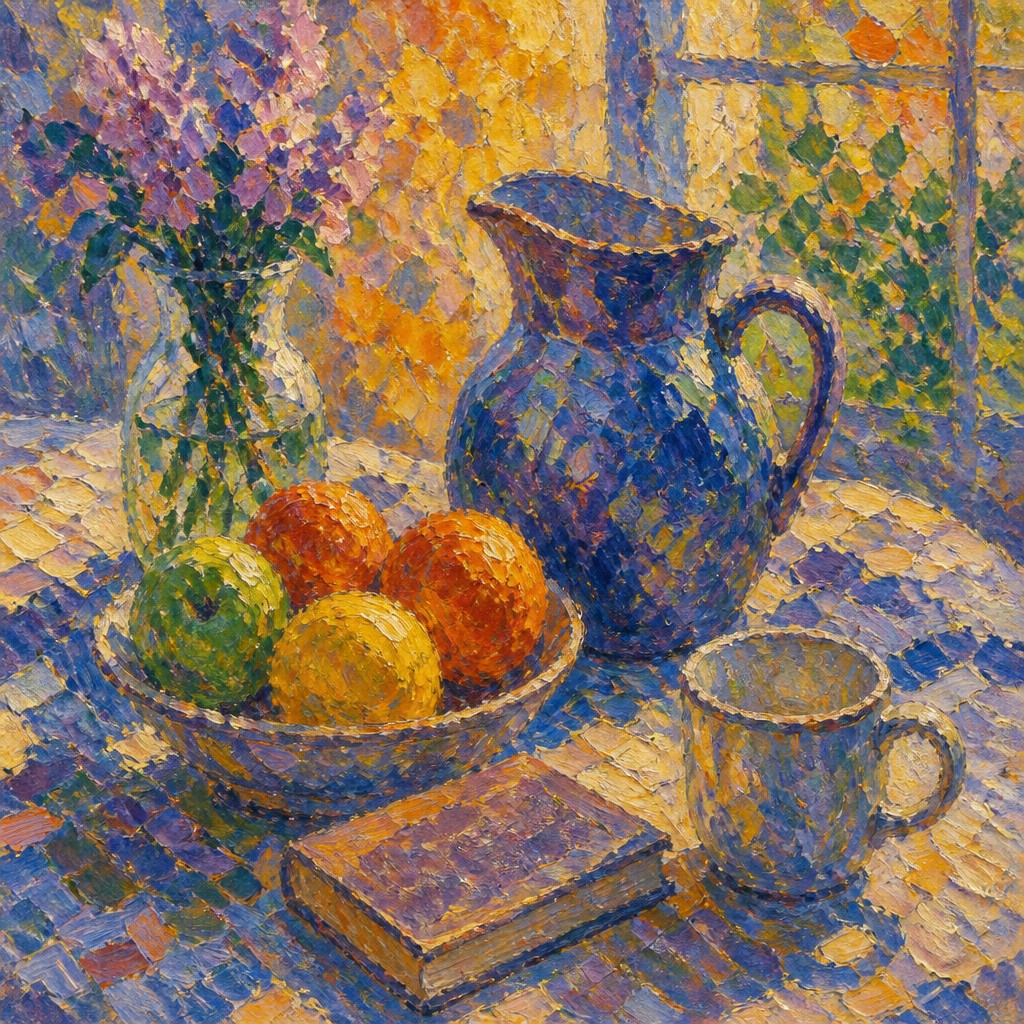
Impasto and visible paint
Paint may be laid on thickly in places, with visible texture and canvas weave. The material surface is part of the image’s appeal.
Try It
Create Videos in Impressionist Still Life Art Style
Styles aren't just for stills — describe a scene or animate an image and get a short video rendered in Impressionist Still Life. Press play to see this pond come to life.
Make a VideoImpressionist Still Life Prompt Ideas
Start from an idea — each one opens the generator with the style ready to go. See all 40 Impressionist Still Life prompts →
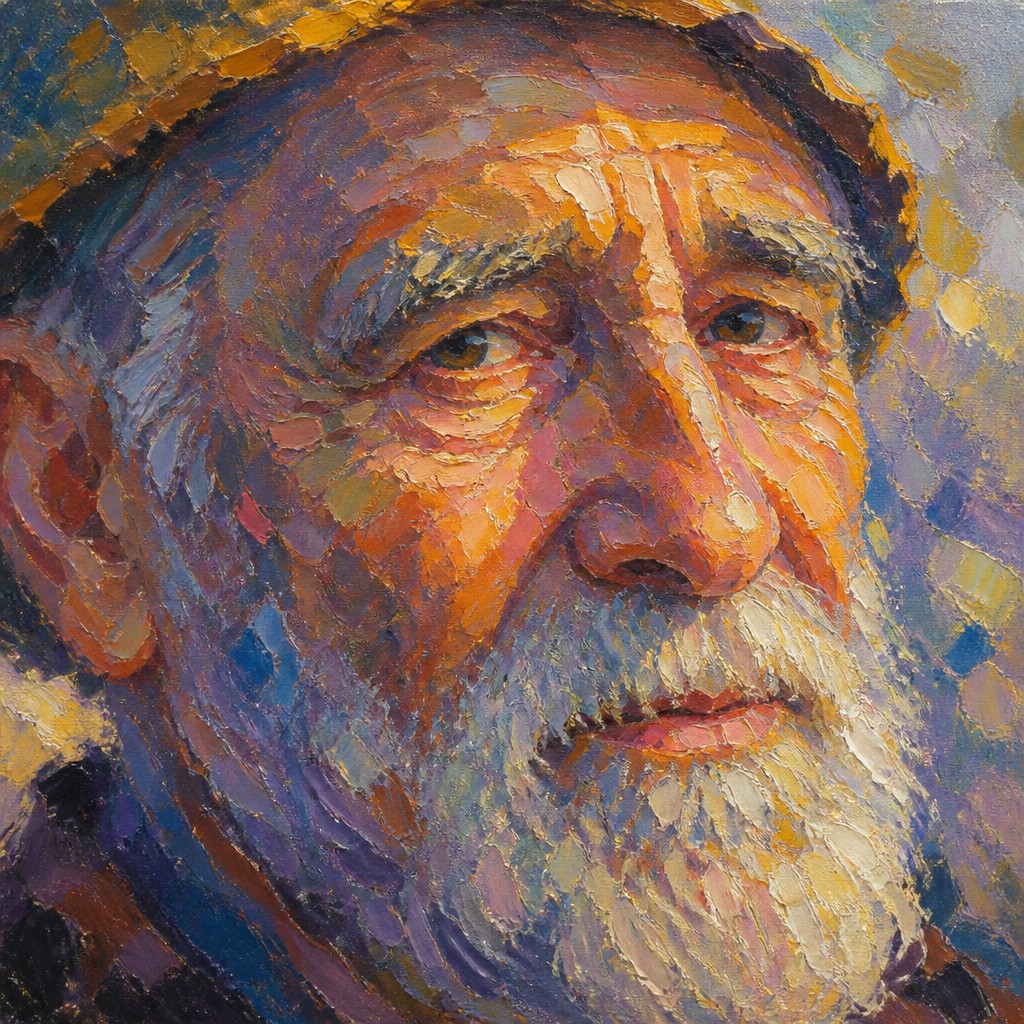
“close-up portrait of an elderly person with expressive weathered features”
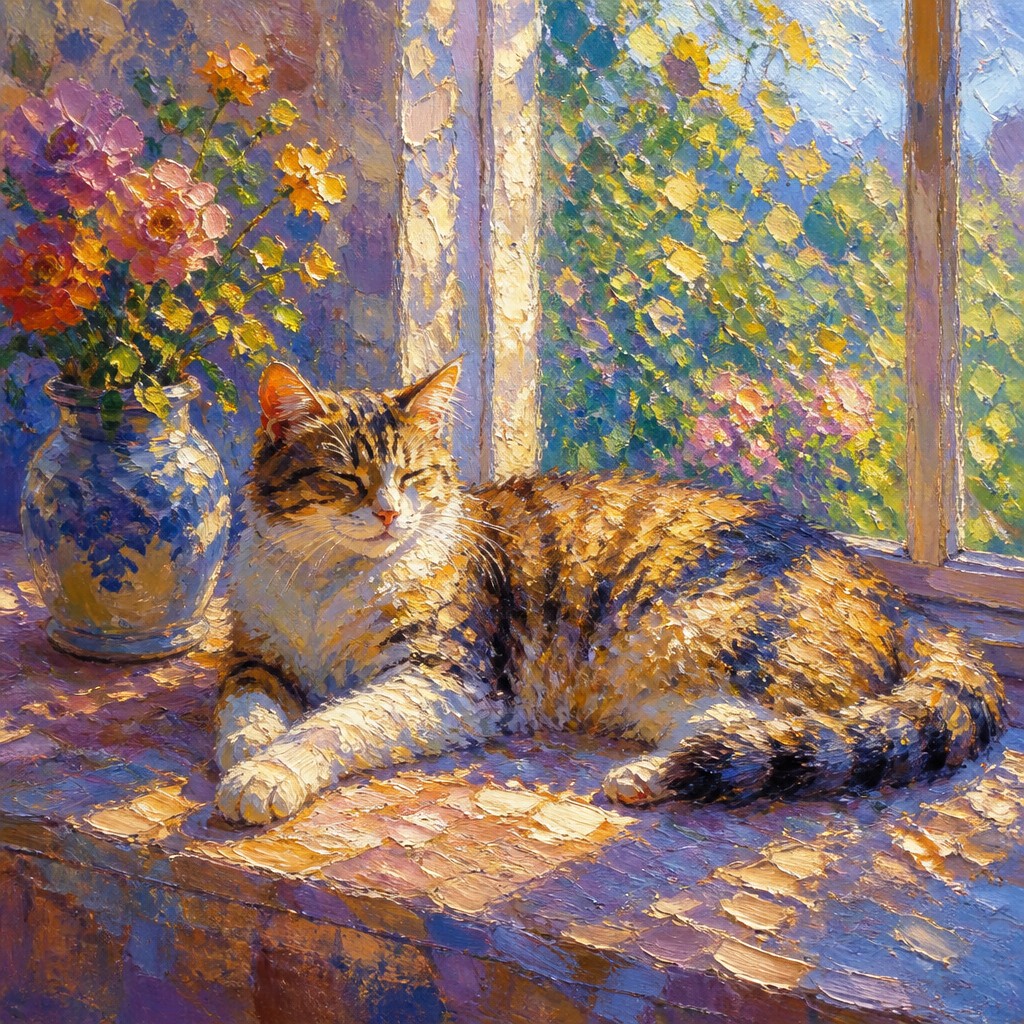
“a cat lounging in a sunlit window”
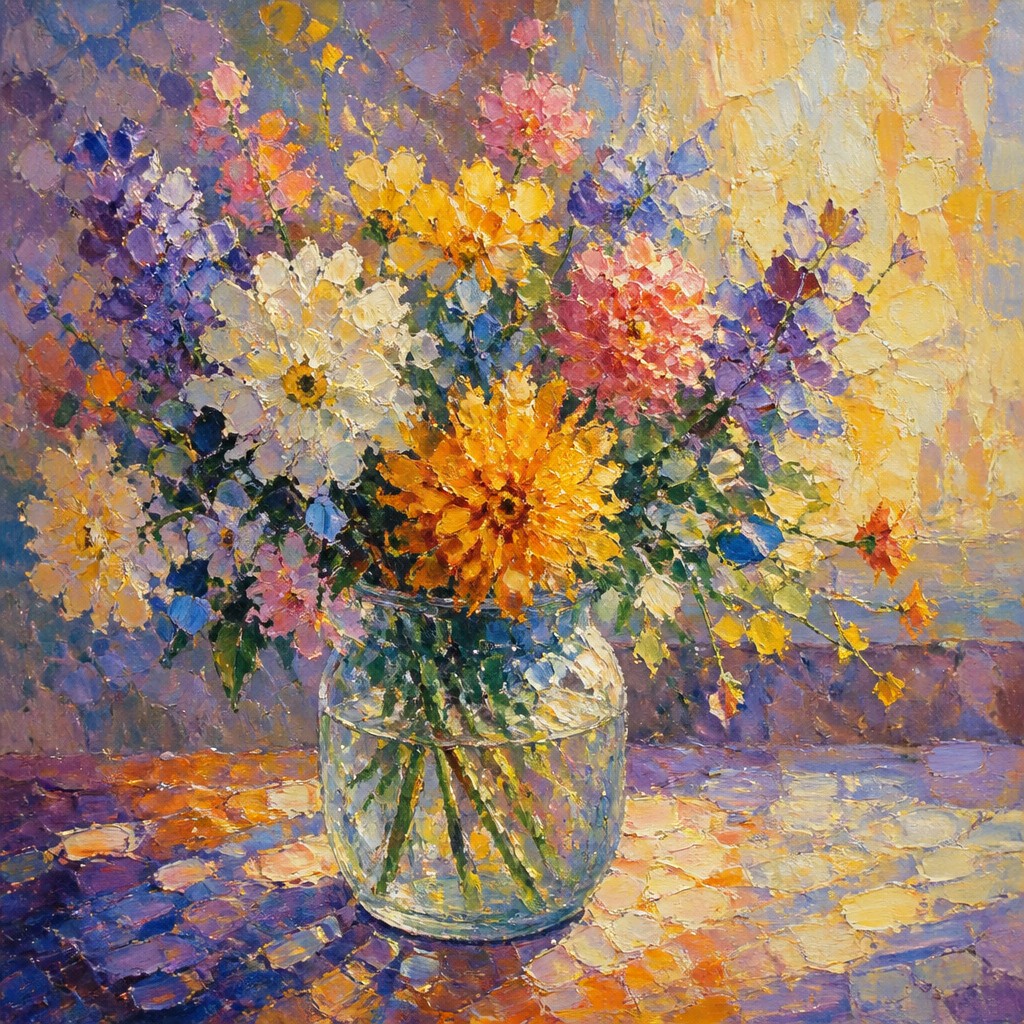
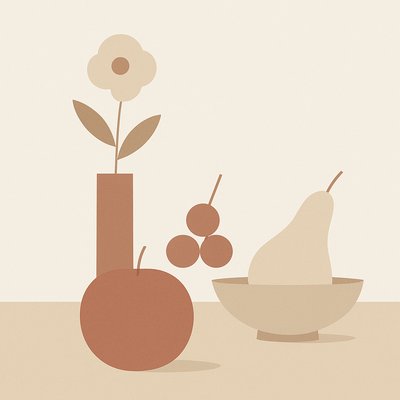
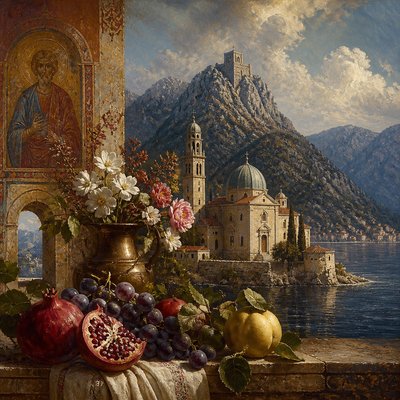
“bouquet of flowers in a glass vase”
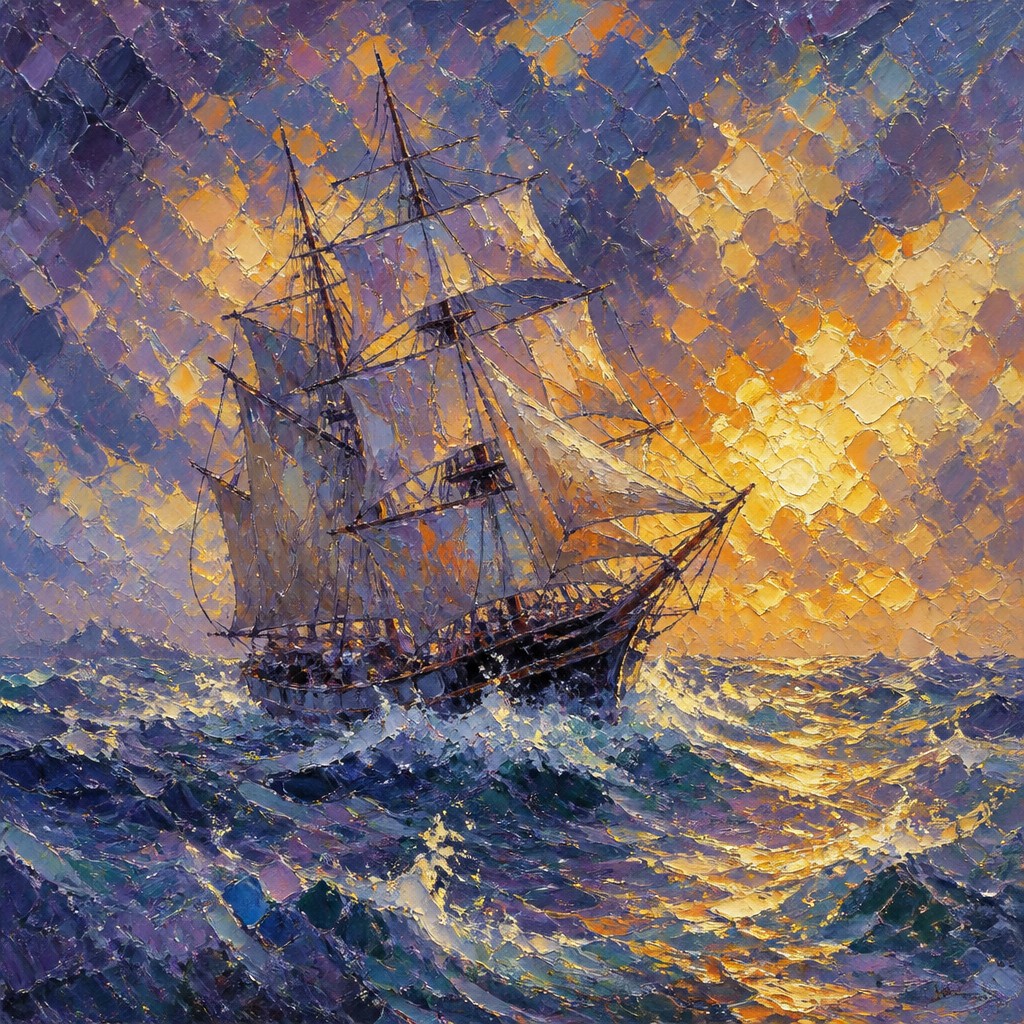
“sailing ship on a stormy sea”
How to Create Impressionist Still Life Art
Master the craft step by step — or skip straight to creating. Read the full guide →
- 1
Choose a simple tabletop arrangement
Start with fruit, flowers, ceramics, bottles, or folded cloth so the composition has clear shapes and readable color relationships. Keep the setup modest, since the style depends more on light and paint handling than on elaborate detail.
- 2
Paint from observed light, not outlines
Block in major color masses first and let forms emerge through adjacent patches of color. Avoid hard contours; use brushstrokes to describe edges, reflections, and surface turns.
- 3
Use warm-cool contrast in the shadows
Build shadows with cool blues, violets, and blue-greens, then reserve warm notes for highlights and reflected light. This creates the characteristic vibrancy associated with Impressionist color.
- 4
Keep brushwork visible and varied
Alternate short broken strokes for textured surfaces with broader strokes for background and cloth. In digital painting, use textured brushes, low-opacity layering, and edge variation to preserve the handmade look.
- 5
Prioritize optical impression in prompts
For digital or AI-based generation, describe the subject clearly and then specify broken brushwork, luminous color, softened edges, and chromatic shadows. Mention materials or lighting conditions to guide the atmosphere, such as morning window light, reflective glass, or sunlit fruit.
The Story
History & Origins of Impressionist Still Life
This style is rooted in French Impressionism of the late 19th century, when leading Impressionist painters pursued the effects of transient light and optical color. Although Impressionism is often associated with landscapes and scenes of modern life, still life was also an important subject for artists who wanted to study color relationships, texture, and the changing behavior of light on everyday objects.
Impressionist still life developed alongside broader debates about modern painting, direct observation, and the rejection of academic finish. It drew on earlier still-life traditions in European painting but replaced precise modeling with visible brushwork and atmospheric perception. Later painters influenced by Impressionism, including a major Post-Impressionist still-life painter in his still lifes, pushed the approach toward structural tension and color construction, helping define the genre’s lasting legacy.
Influences: This style is most directly related to French Impressionism and shares important ground with Post-Impressionism, especially the color-centered still lifes of leading Post-Impressionist still-life painters. It also connects to the broader European still-life tradition, but with the academic polish replaced by optical sensation and painterly immediacy. In later art, its emphasis on visible brushwork and color-driven structure echoes aspects of modern plein-air painting and some contemporary expressive still-life work.
Frequently Asked Questions
What defines Impressionist still life painting?
It is defined by the treatment of still-life subjects through Impressionist priorities: broken brushstrokes, luminous color, and the effects of light over precise detail. The objects matter, but the shifting visual experience matters more.
How is it different from a realistic still life?
A realistic still life aims for careful surface description, sharp edges, and convincing detail. Impressionist still life keeps forms looser and uses color and brushwork to capture the sensation of light and atmosphere.
How is it different from Post-Impressionist still life?
Impressionist still life tends to prioritize fleeting visual impression and optical light effects. Post-Impressionist still life can be more structured, symbolic, or emotionally intensify color and form, as seen in the more architectural approach of a major Post-Impressionist still-life painter.
What subjects work best in this style?
Fruit, flowers, glass bottles, ceramics, pitchers, books, and cloth are especially effective because they offer simple forms and rich color interactions. Reflective and translucent objects are useful because they reveal light changes clearly.
Can this style be made digitally?
Yes. Use textured brush sets, layered color, softened edges, and a limited but luminous palette to mimic the look of painted pigment. When generating with prompts, describe the lighting, brushwork, and color temperature rather than asking for generic 'impressionist' effects alone.
Where is this style commonly used?
It appears in fine-art painting, decorative prints, editorial illustration, and image-generation prompts for atmospheric interiors or tabletop scenes. It is especially appealing when the goal is to make familiar objects feel intimate and alive with light.
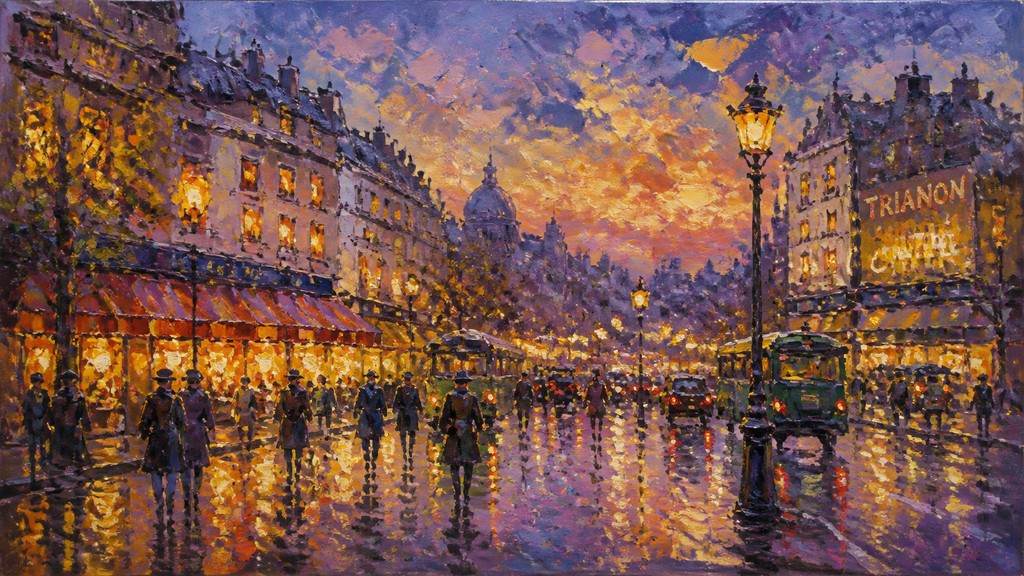
Create your first Impressionist Still Life artwork
Describe anything — or upload a photo — and see it in Impressionist Still Life Art Style in seconds.
Make Something with Impressionist Still Life
Related Styles
Discover similar art styles