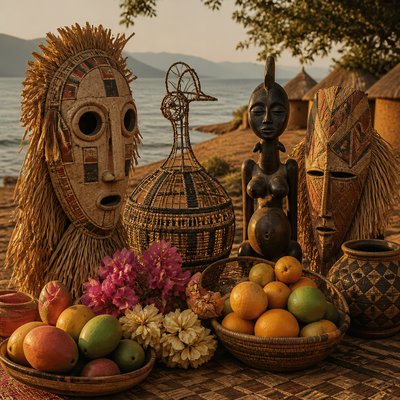
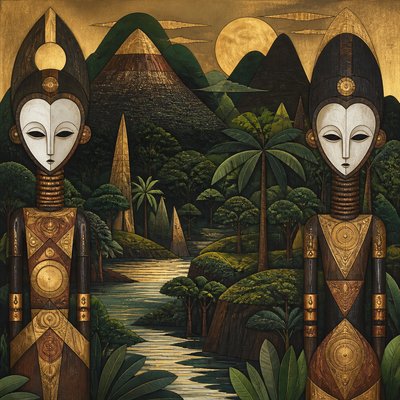
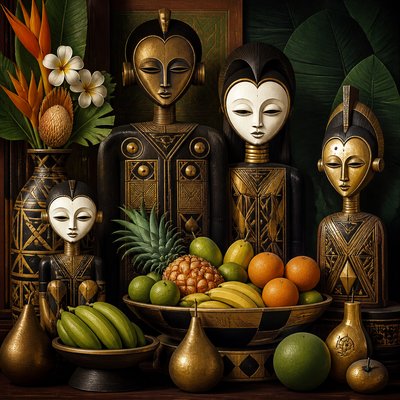
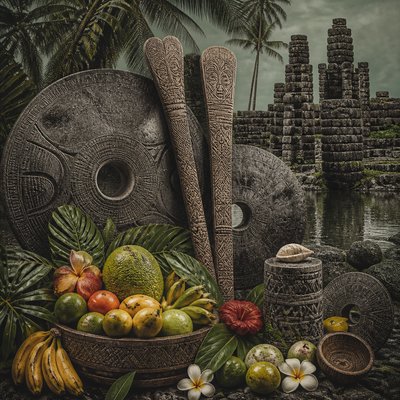
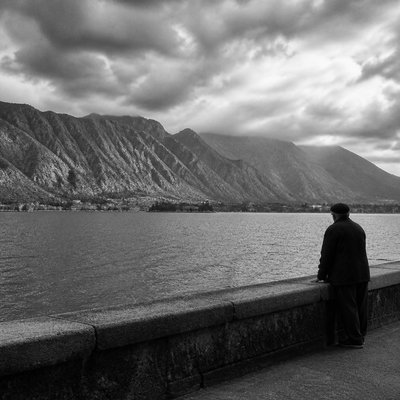
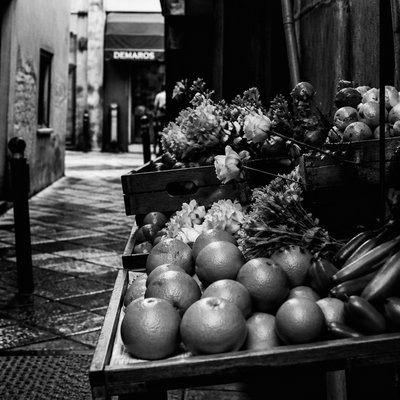
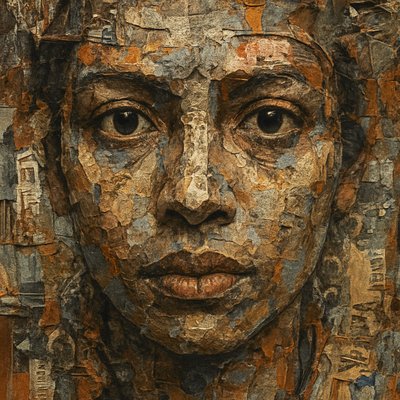
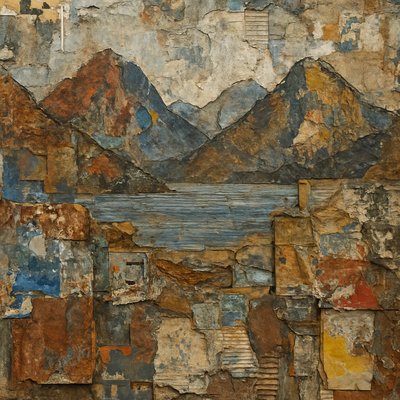
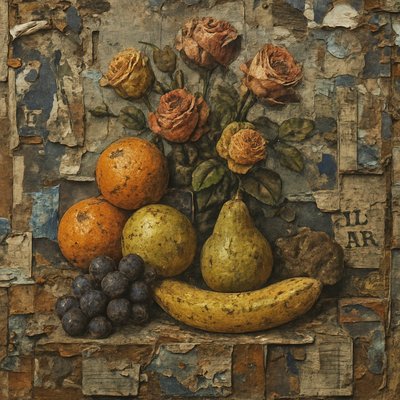
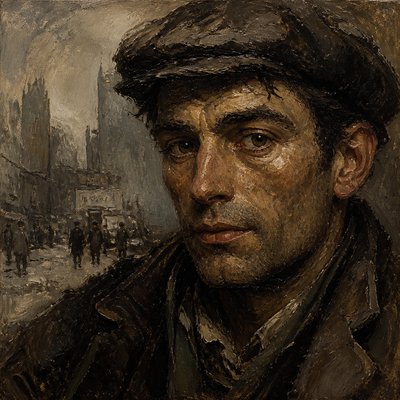
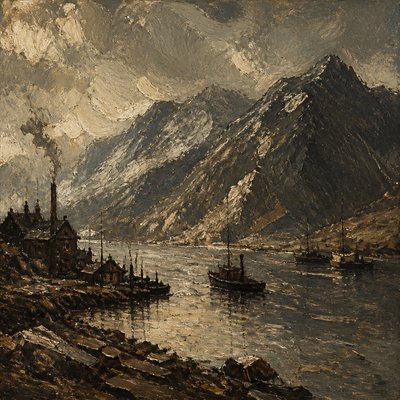
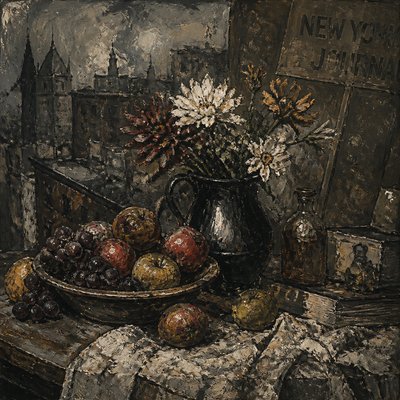
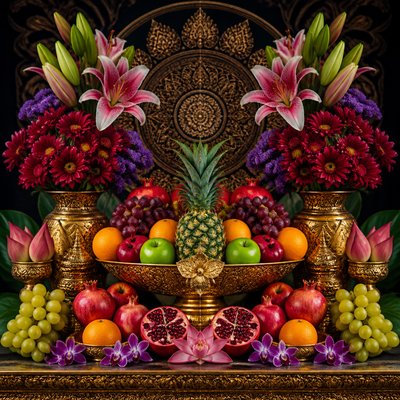
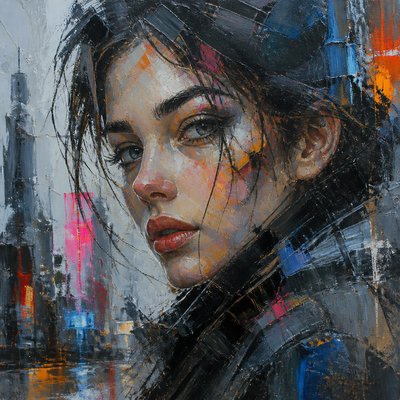
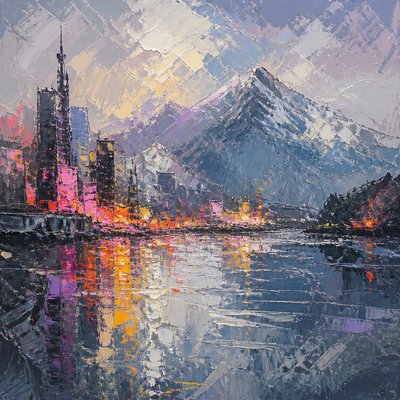
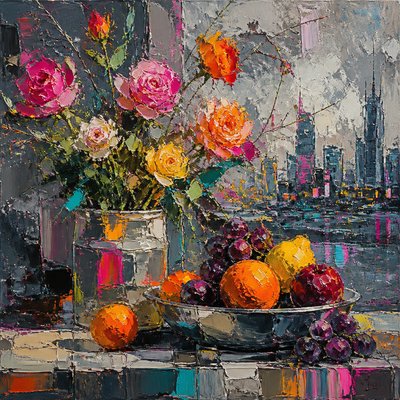
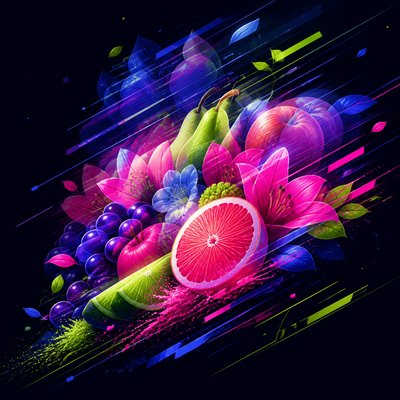
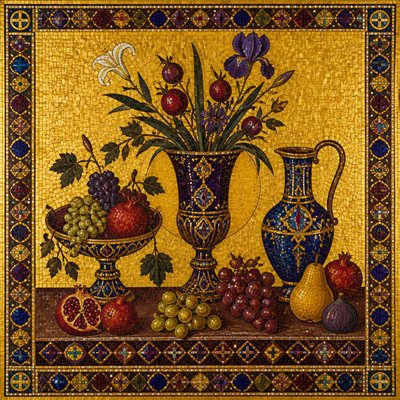
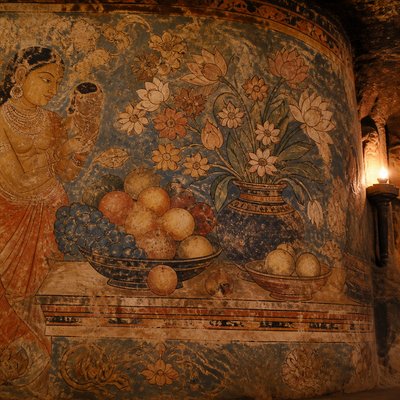
Food Photography Still Life Art Style
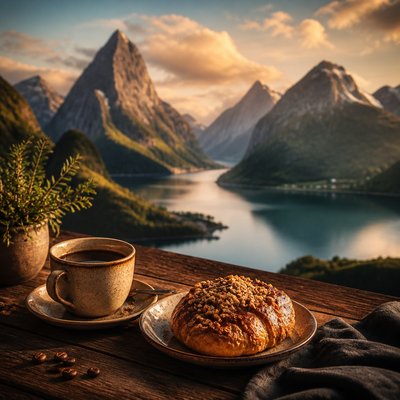
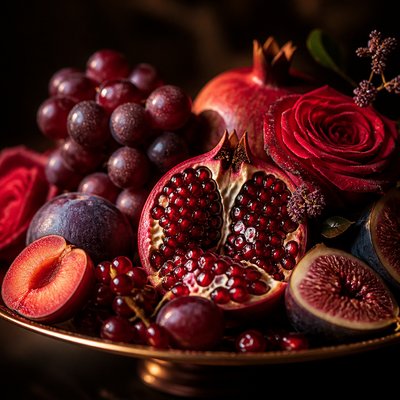
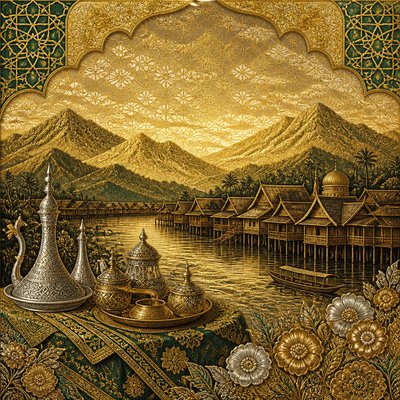
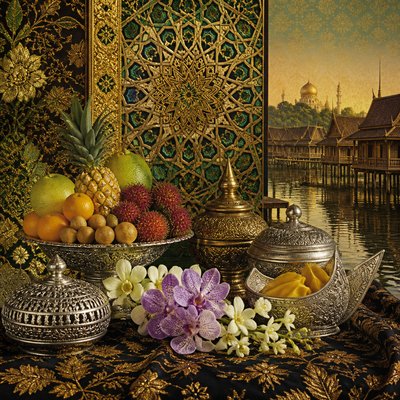
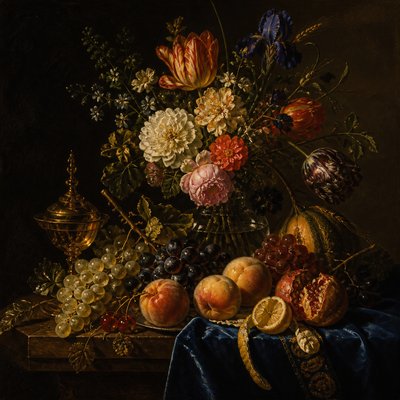
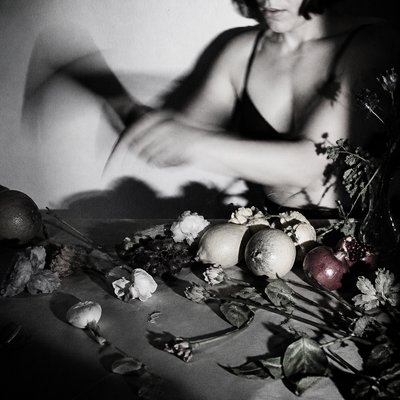
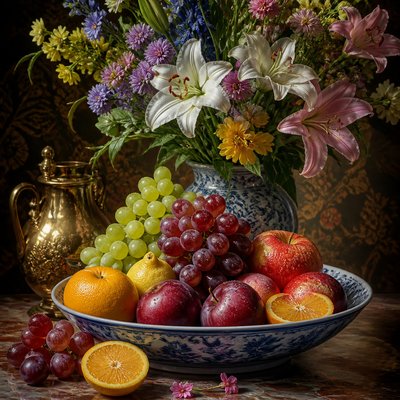
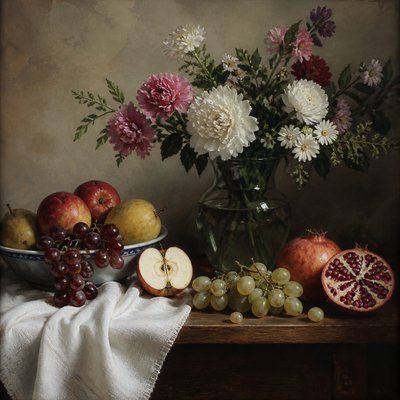
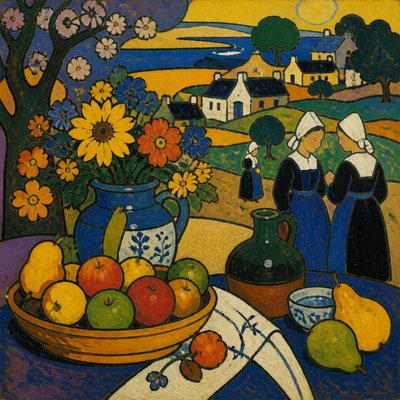
Appetizing food still life with polished lighting, rich texture, glossy highlights, and editorial composition.
Instantly rendered in Food Photography Still Life — or transform a photo
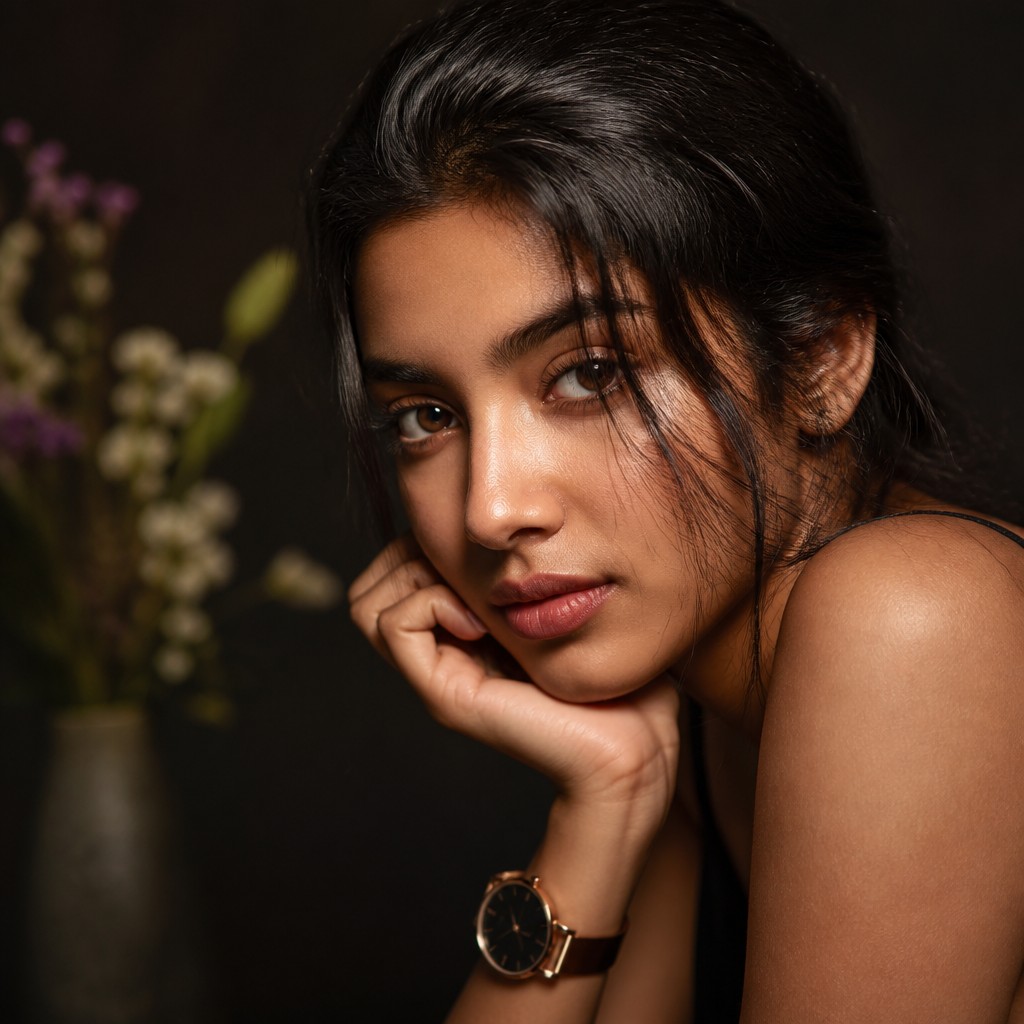
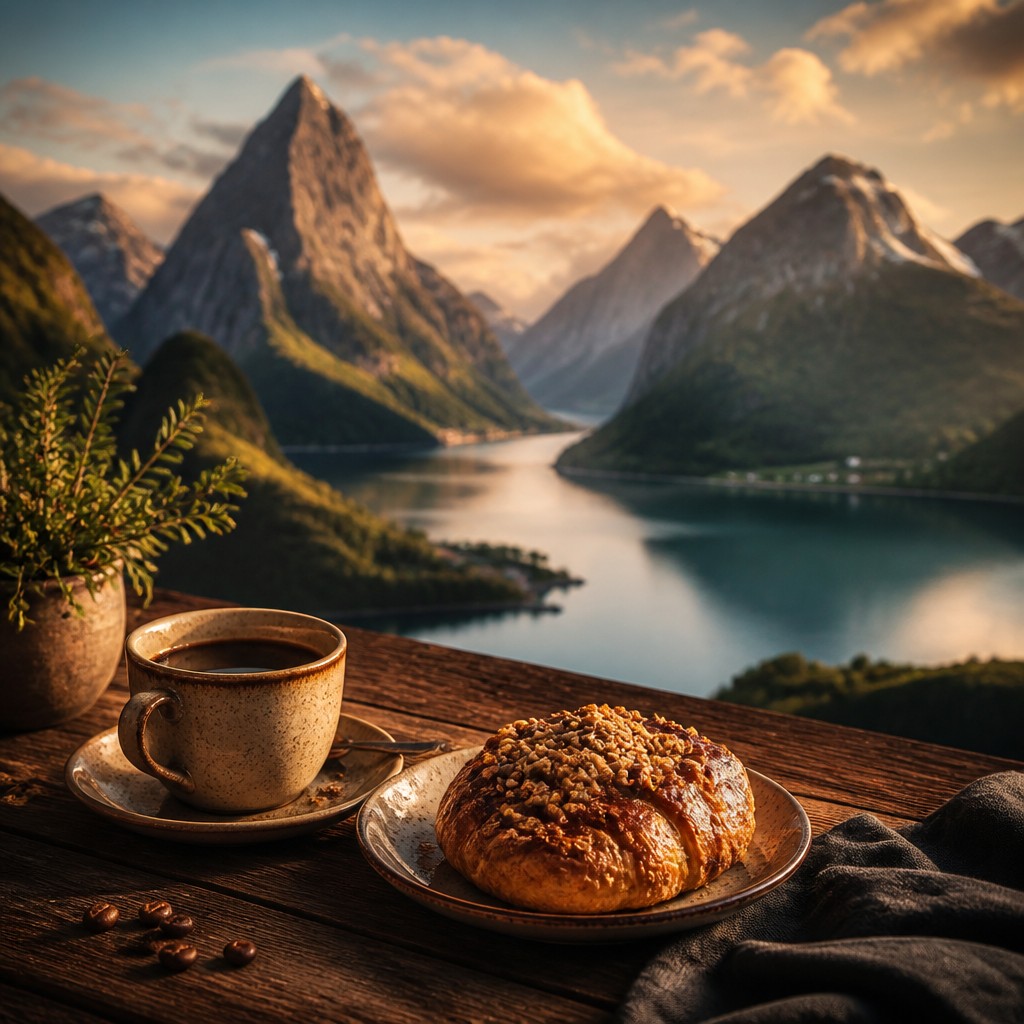
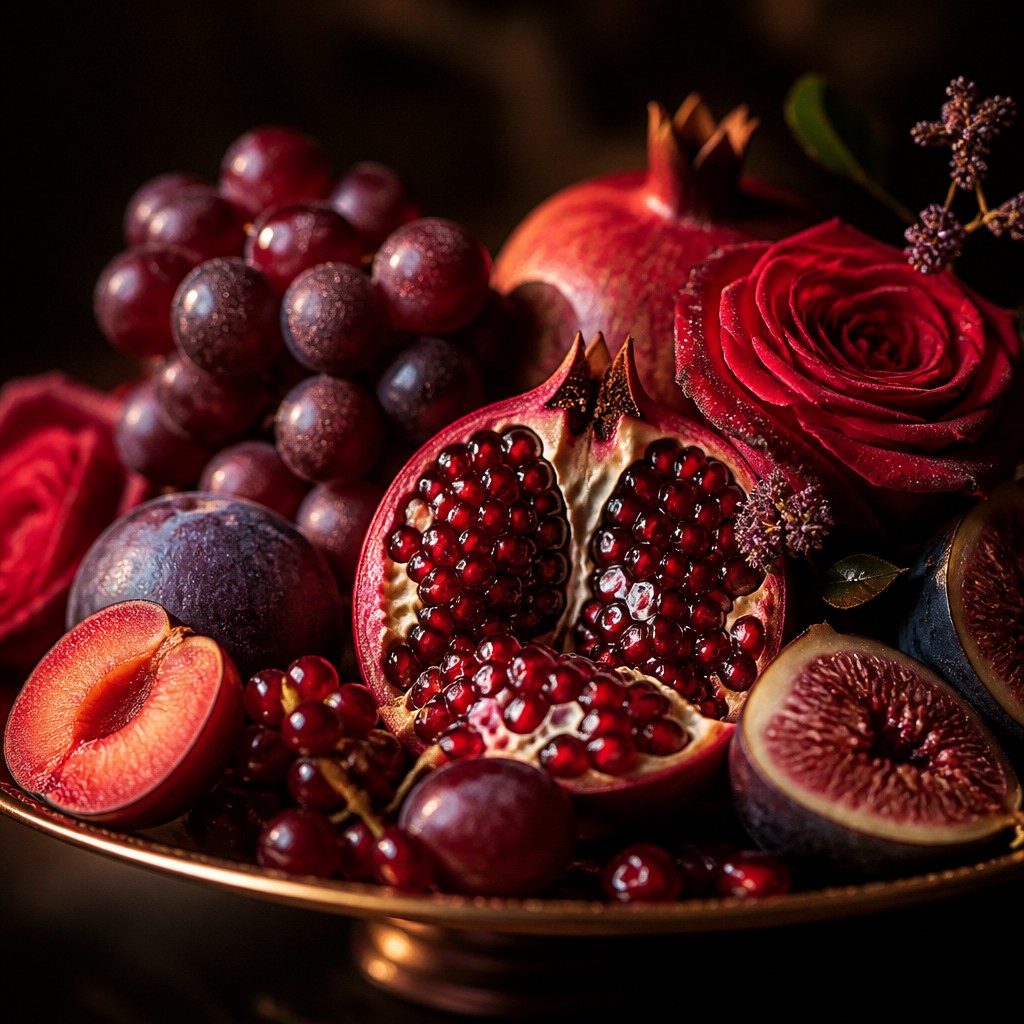
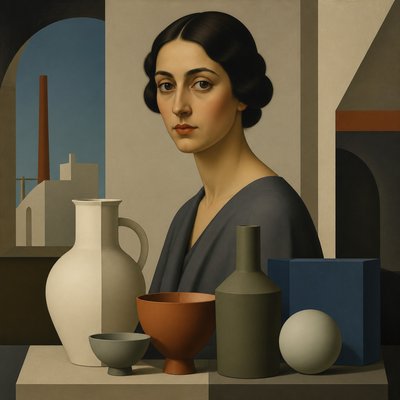
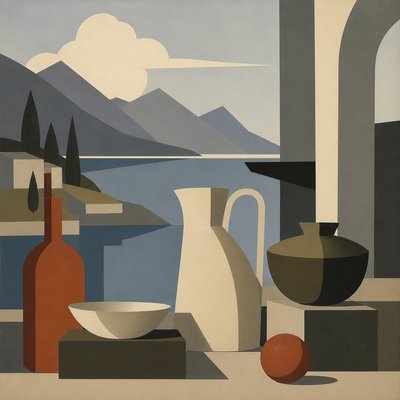
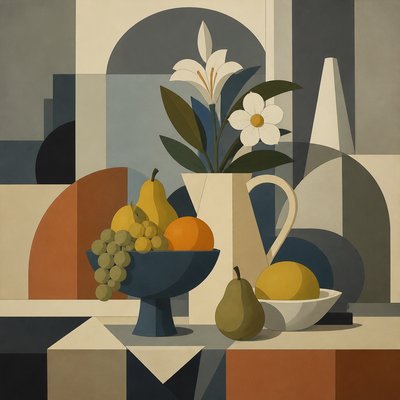
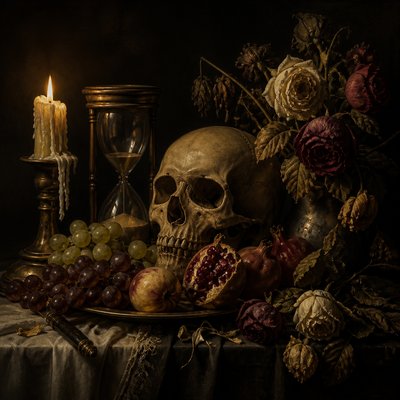
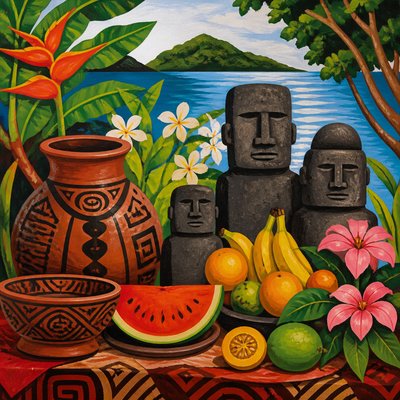
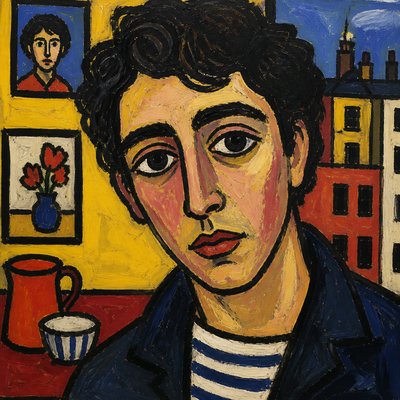
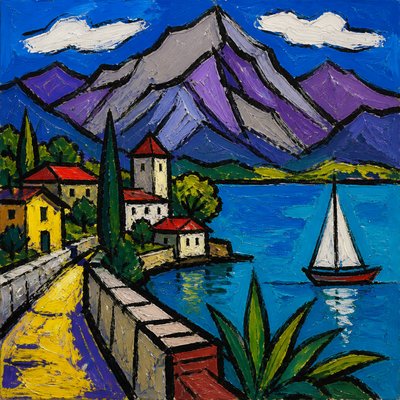
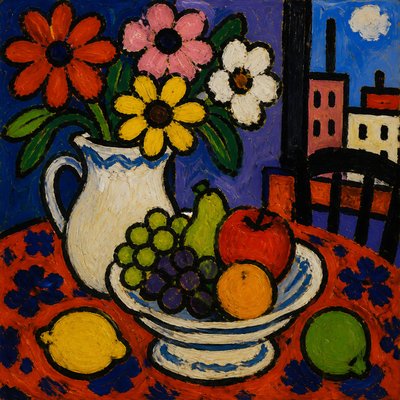
Food Photography Still Life Gallery
Tap any artwork to explore it
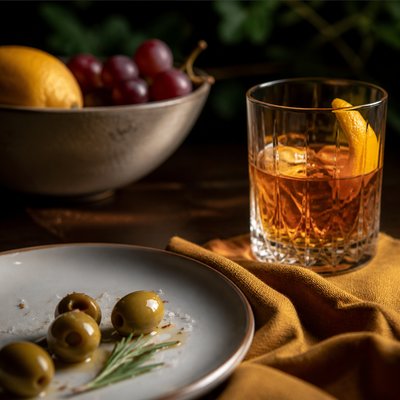
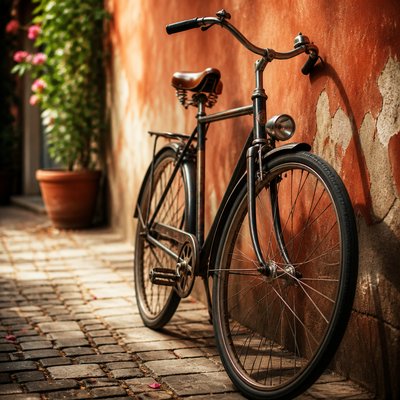
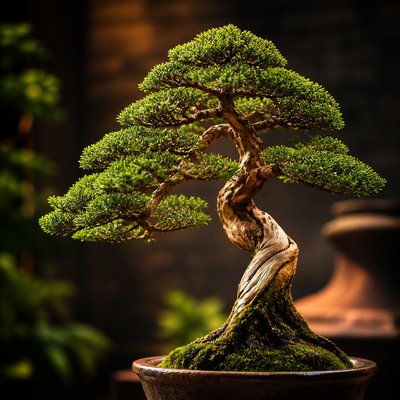
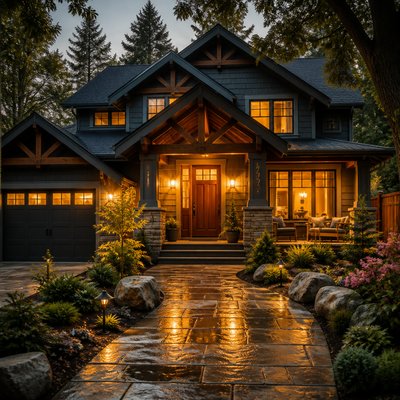
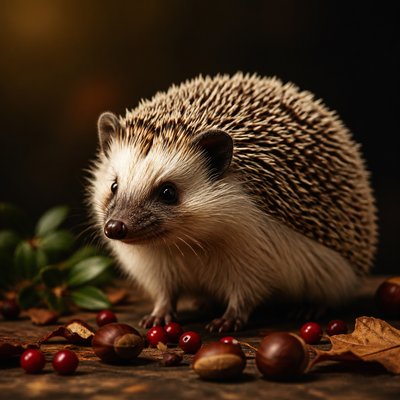
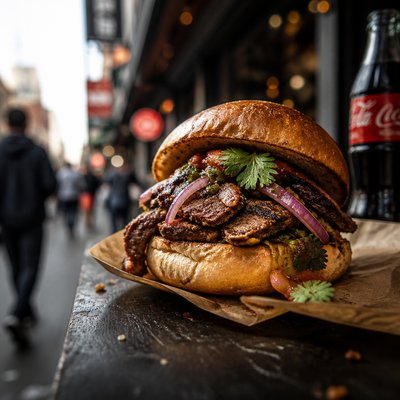
What is Food Photography Still Life Art Style?
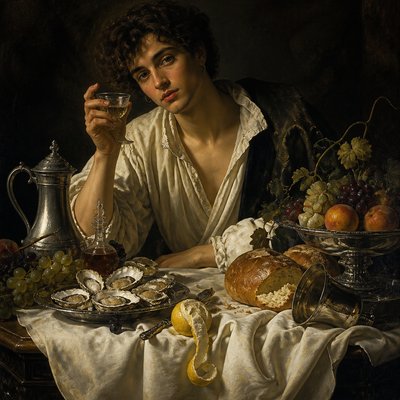
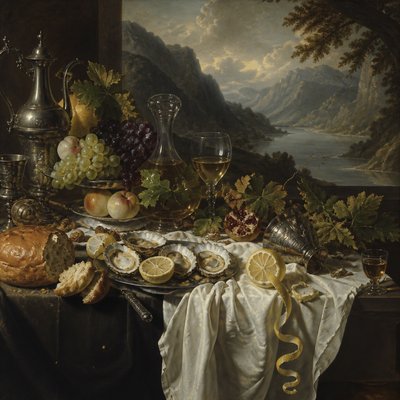
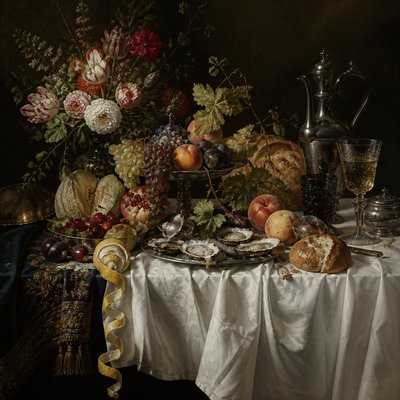
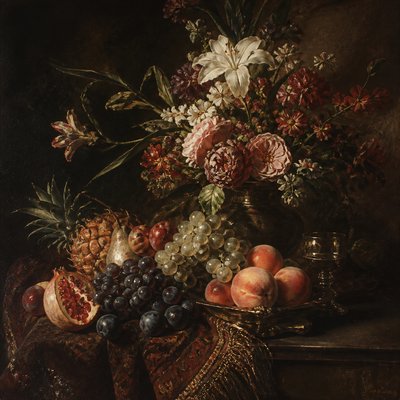
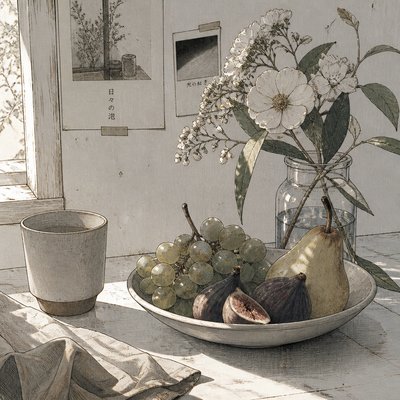
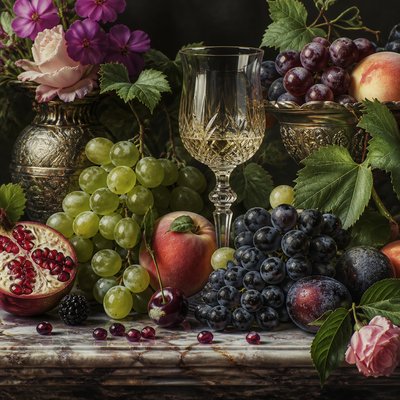
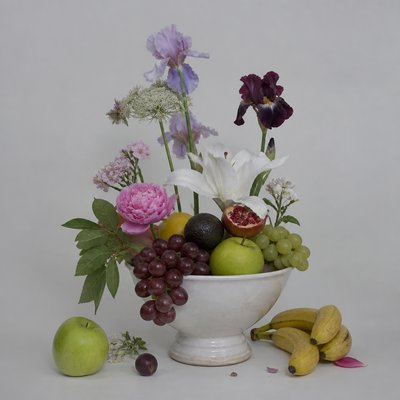
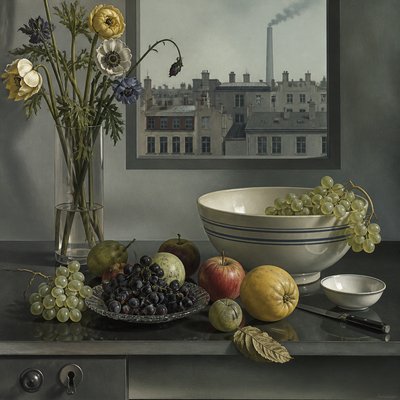
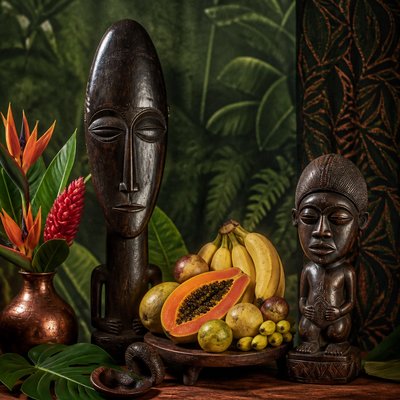
Food photography still life is a photographic approach focused on making dishes, ingredients, and table settings look vivid, deliberate, and highly appetizing. It combines still-life composition with editorial food styling, using controlled light, selective focus, and careful arrangement to emphasize texture, freshness, and abundance.
The style is defined by its sensory precision: glossy sauces, crisp edges, steam, droplets, seeds, crumbs, and the subtle imperfections that signal freshness. Backgrounds are usually restrained so the viewer’s attention stays on the food, while warm tonal grading and soft shadows create a polished, indulgent mood. It looks the way it does because every visual decision is made to heighten appetite and clarify form.
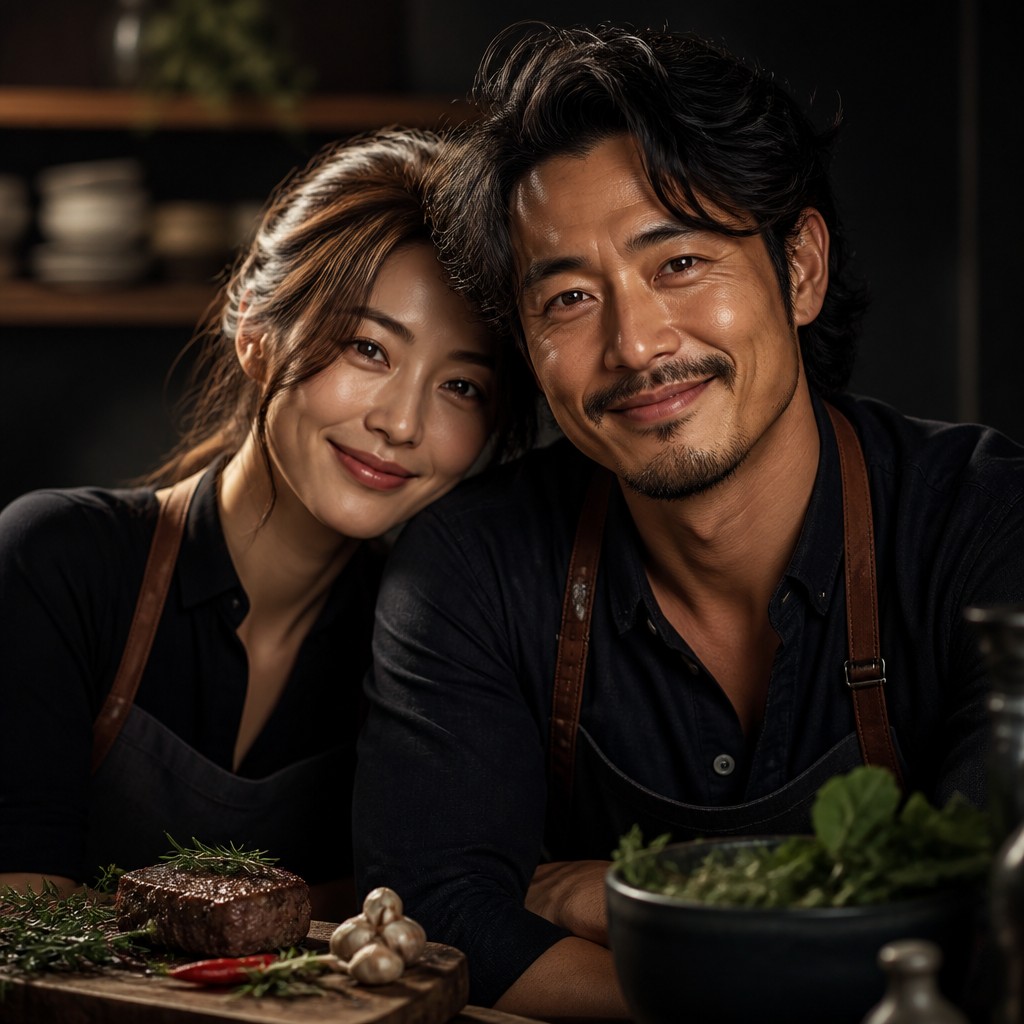
Try It On Your Photos
Upload any photo and convert it into Food Photography Still Life Art Style — drag the sliders to compare before and after.


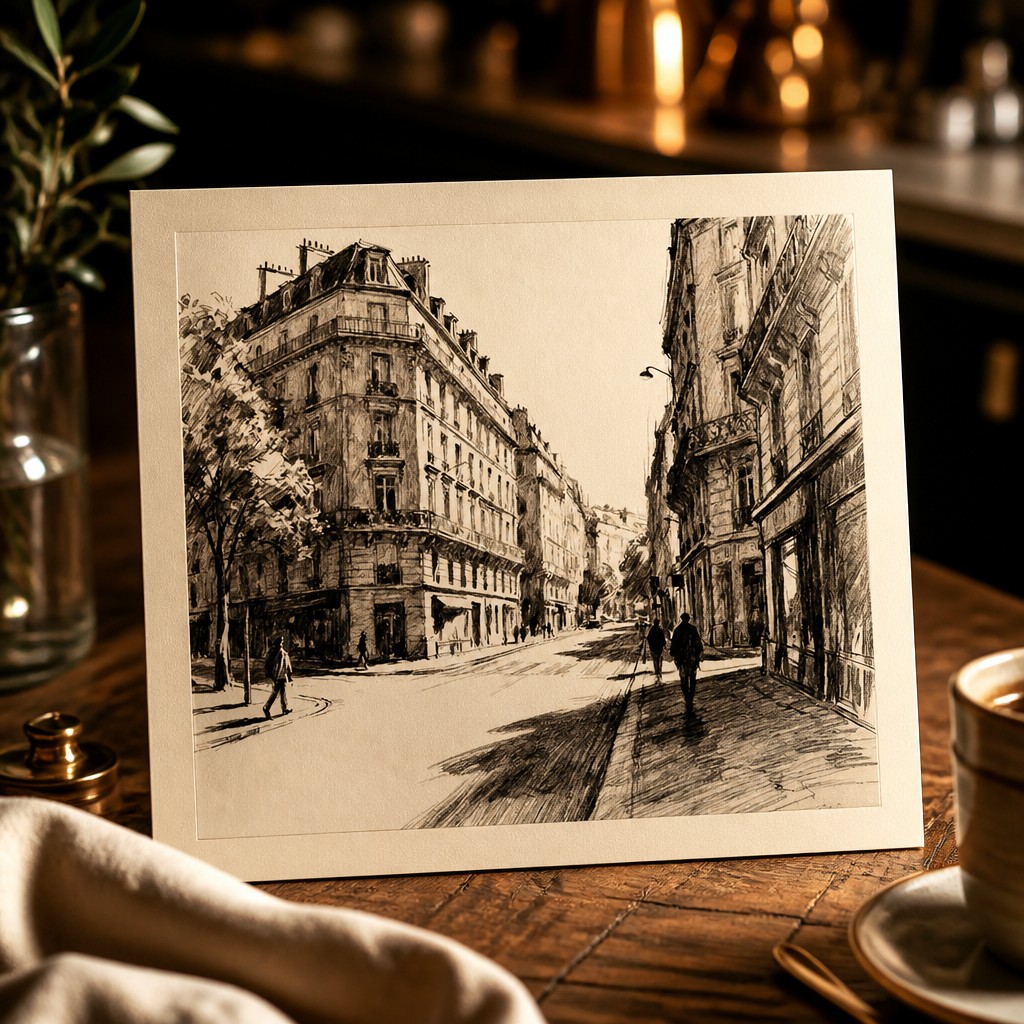

What Defines Food Photography Still Life Art Style
The signature details, up close
Appetizing surface detail
Foods are presented with visible moisture, gloss, crust, crumb, or steam so the viewer can almost taste the image. Macro-level texture is often emphasized to make ingredients feel fresh and tangible.
Directional studio lighting
Soft side light or window-like illumination creates depth, shape, and highlights without flattening the dish. Shadows are used deliberately to model the food and make it look dimensional.
Controlled color palette
Warm, saturated tones are common, often balanced by dark neutrals or clean pale accents. Color is chosen to flatter the ingredients and maintain a cohesive, editorial feel.
Careful composition
Plates, cutlery, linens, and garnishes are arranged to guide the eye toward the main subject. Negative space is often left intentionally to keep the frame elegant and uncluttered.
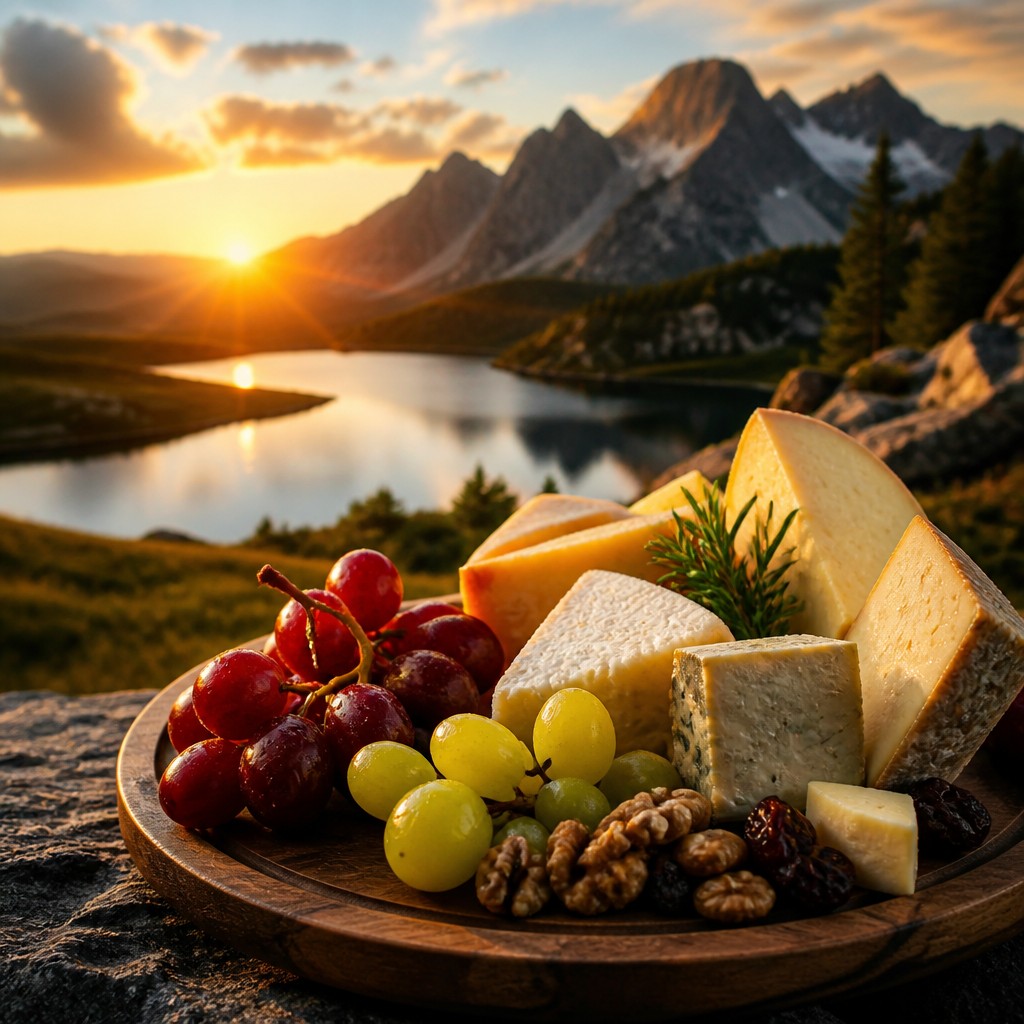
Freshness cues
Strategic garnishes, droplets, sliced cross-sections, and slightly imperfect edges suggest that the food was just prepared. These cues help the image feel immediate rather than staged in a sterile way.
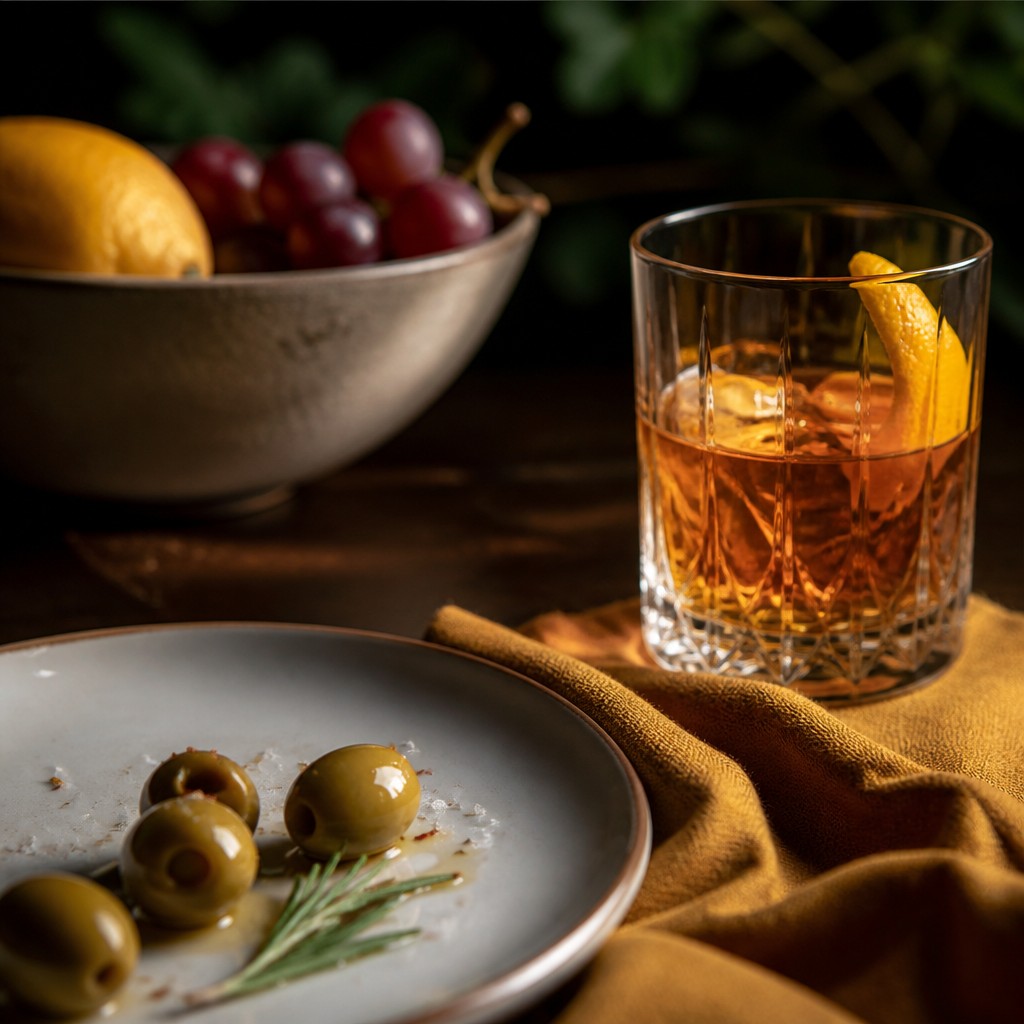
Shallow depth of field
A selective focus plane isolates the hero subject and produces creamy bokeh in the background. This separation enhances the sense of intimacy and draws attention to key textures.
Try It
Create Videos in Food Photography Still Life Art Style
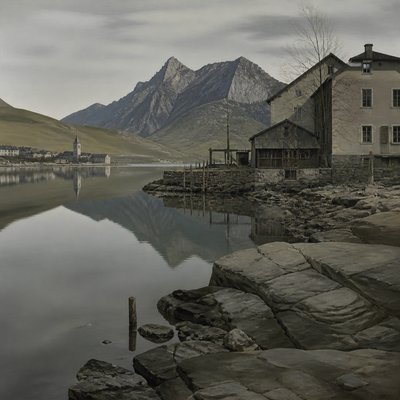
Styles aren't just for stills — describe a scene or animate an image and get a short video rendered in Food Photography Still Life. Press play to see this pond come to life.
Make a VideoFood Photography Still Life Prompt Ideas
Start from an idea — each one opens the generator with the style ready to go. See all 40 Food Photography Still Life prompts →
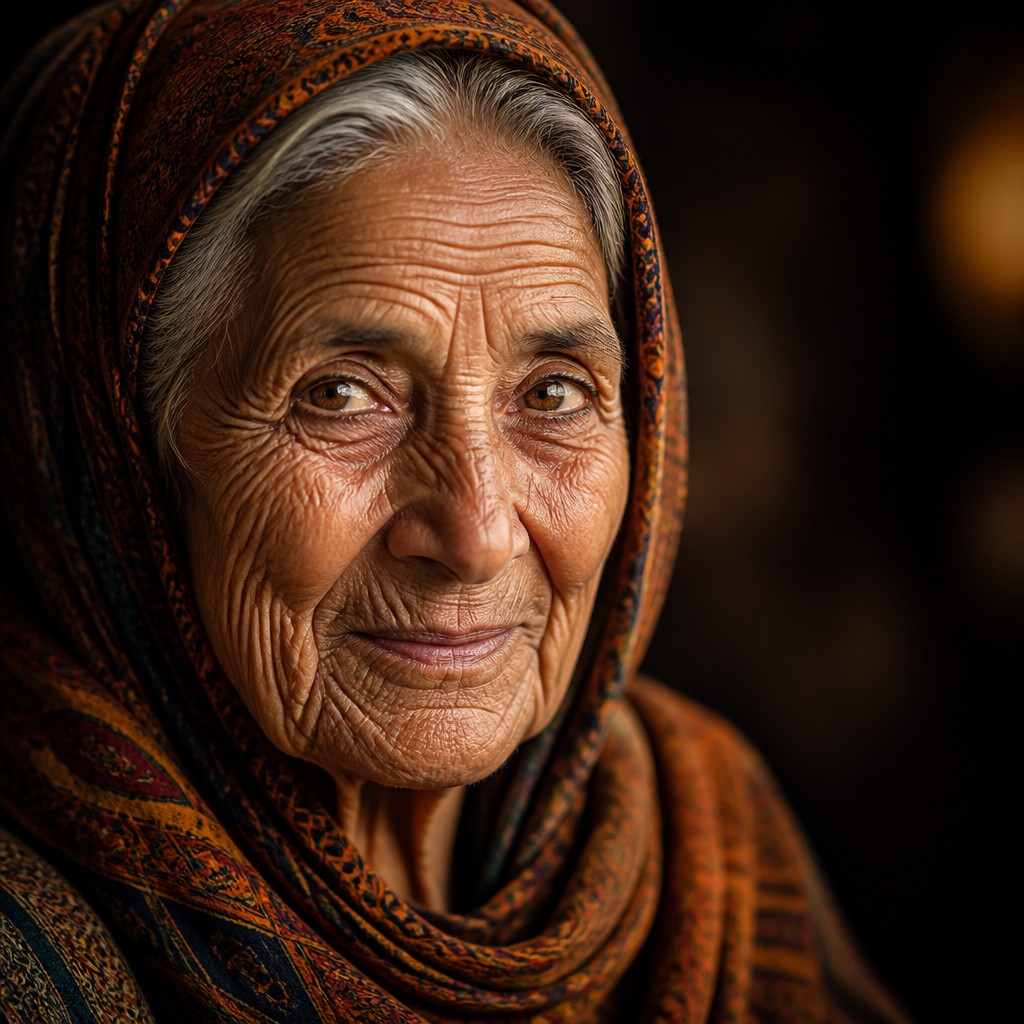
“close-up portrait of an elderly person with expressive weathered features”
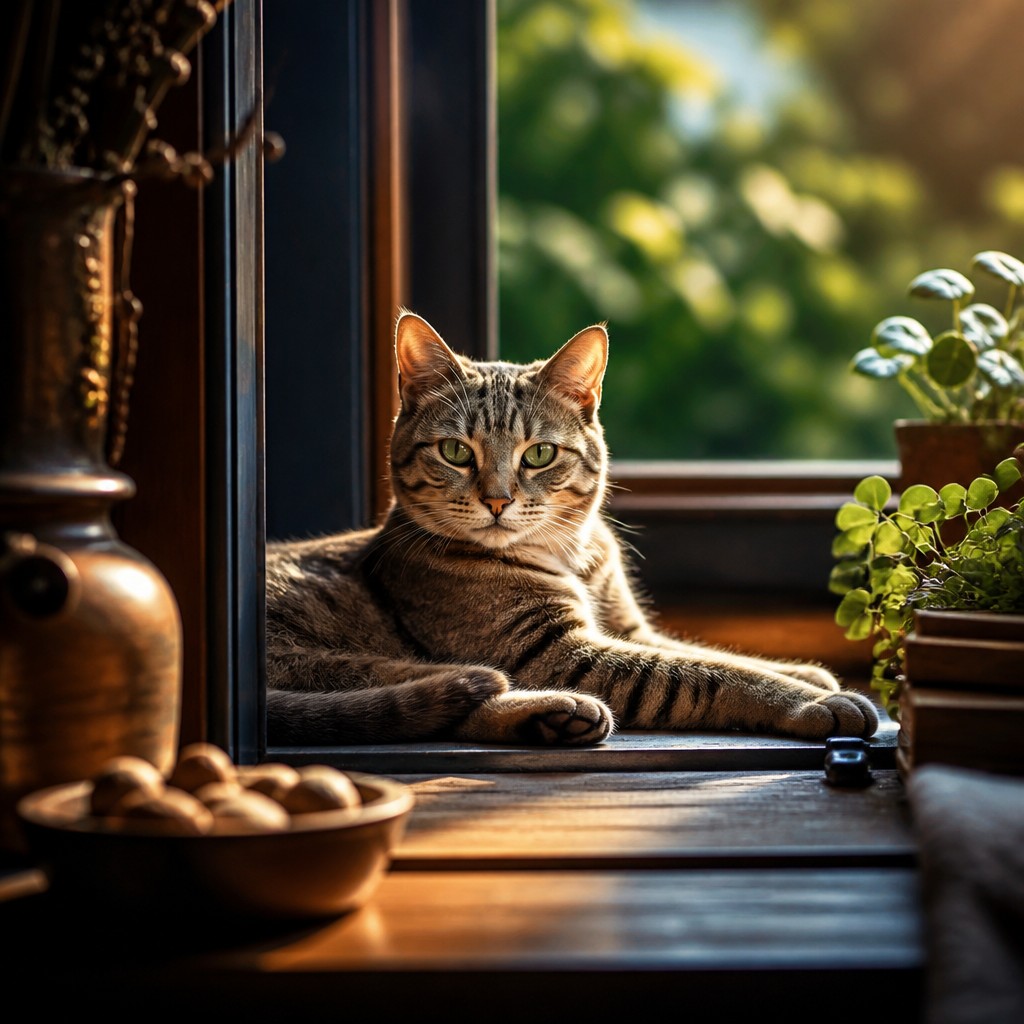
“a cat lounging in a sunlit window”
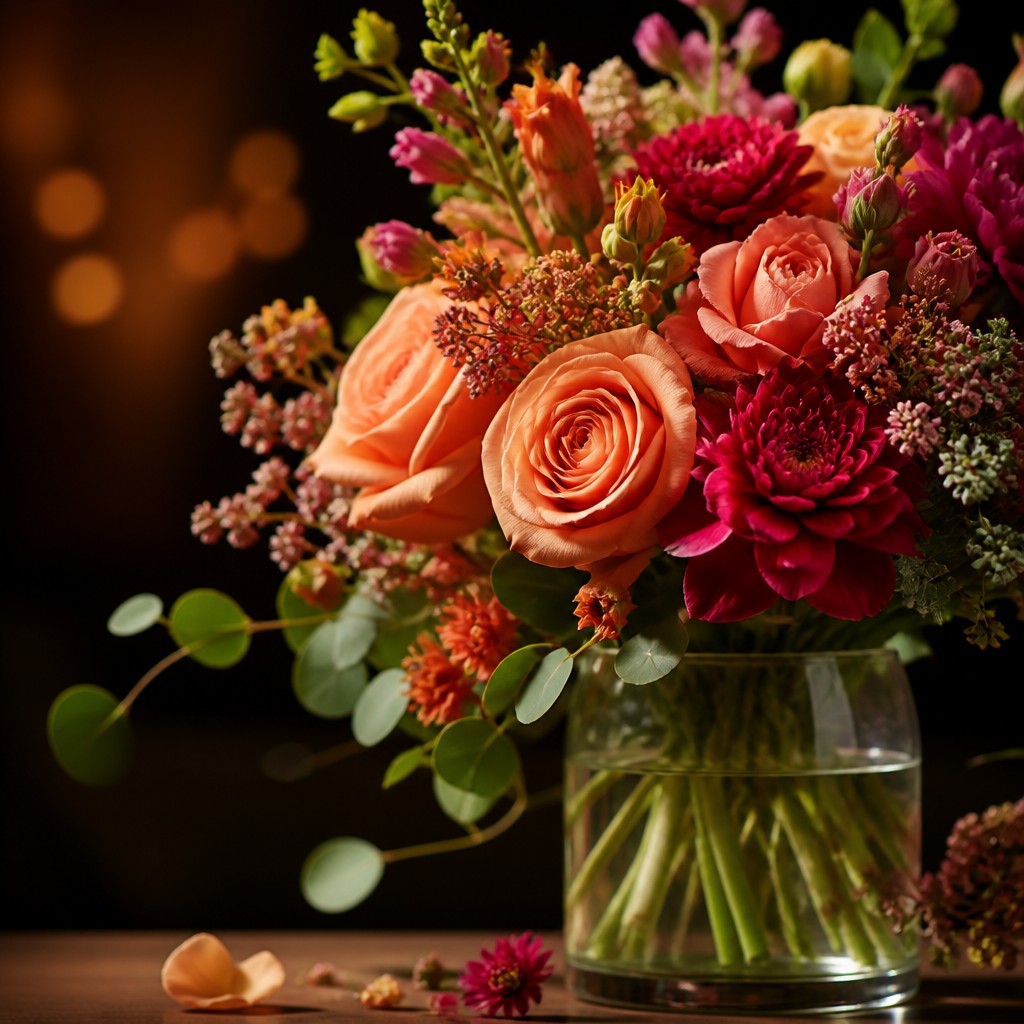
“bouquet of flowers in a glass vase”

“sailing ship on a stormy sea”
How to Create Food Photography Still Life Art
Master the craft step by step — or skip straight to creating. Read the full guide →
- 1
Choose one clear hero subject
Build the image around a single dish or ingredient cluster, then remove visual distractions that compete with it. A simple composition usually reads as more luxurious than a crowded one.
- 2
Shape the light for texture
Use soft directional light from the side or slightly behind to catch highlights on glossy or crisp surfaces. In digital work or prompt-based generation, specify studio lighting, rich shadows, and dimensional highlights.
- 3
Style for freshness, not perfection
Add believable cues such as crumbs, herbs, condensation, or a cut slice that reveals the interior. The goal is to suggest aroma and immediacy while still keeping the arrangement elegant.
- 4
Control the background and props
Use surfaces and tableware that support the food without stealing attention, such as linen, matte ceramics, wood, or dark stone. Keep props limited and intentional so the composition feels editorial.
- 5
Use selective focus and tonal grading
In photography, focus on the most important texture and allow the rest to fall gently out of focus. In digital generation, ask for shallow depth of field, creamy bokeh, warm saturation, and clean highlights.
- 6
Describe the dish in sensory terms
When writing a prompt, include the food type plus texture and finish words such as glossy, flaky, charred, creamy, juicy, crisp, or steaming. Specific sensory language produces more convincing culinary imagery than generic naming alone.
The Story
History & Origins of Food Photography Still Life
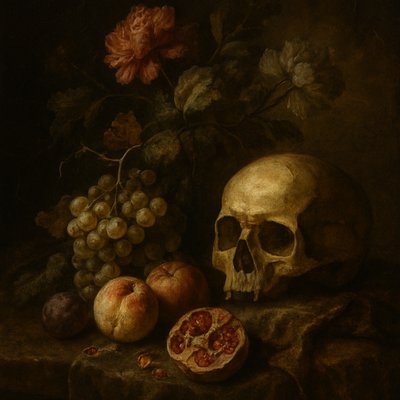
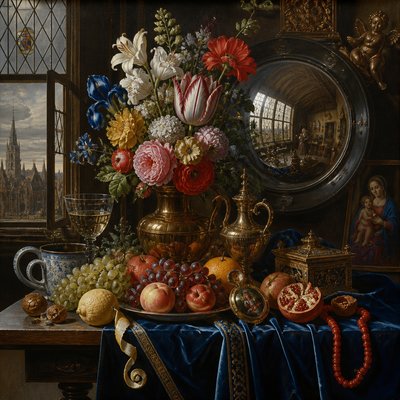
Food-focused still life has roots in the long history of still-life painting, where artists arranged fruit, game, bread, and tableware to explore abundance, texture, and light. In photography, the modern food still life developed alongside advertising and editorial magazine imagery in the 20th century, when culinary presentation became a specialized visual field shaped by studio lighting, prop styling, and commercial art direction.
Its aesthetic lineage draws from Dutch and Spanish still-life painting, product photography, and editorial food journalism. As culinary media expanded through cookbooks, lifestyle magazines, and restaurant branding, the style evolved toward cleaner compositions, more naturalistic textures, and increasingly refined control over color and surface detail.
Influences: This style is closely related to still-life painting, especially the Dutch and Spanish traditions of the 17th century, where artists such as leading Dutch still-life painters and a major Spanish Baroque still-life painter explored material texture, light, and the symbolic presence of food. In photography, it also draws from editorial food styling, advertising photography, and product photography, all of which prioritize clarity, polish, and visual persuasion.
Frequently Asked Questions
What defines food photography still life?
It is a food image built like a still-life arrangement, with intentional composition, controlled lighting, and strong texture cues. The style aims to make food look fresh, dimensional, and highly appetizing rather than merely documented.
How is it different from casual food photography?
Casual food photography often prioritizes quick documentation or social sharing, while this style is more staged and refined. It uses styling, lighting, and editing to create a polished editorial look with clearer attention to texture and mood.
What kinds of subjects work best in this style?
Dishes with visible texture tend to perform especially well: pastries, fruit, pasta, baked goods, glazed meats, desserts, and drinks with garnishes. Ingredients with reflective surfaces, crumbs, steam, or moisture are particularly effective.
What lighting works best?
Soft directional light is usually the most flattering because it creates shape without harsh glare. Side light or backlight can emphasize sheen, steam, and surface detail while keeping the image elegant.
Can this style be used for commercial purposes?
Yes, it is widely used in cookbooks, restaurant branding, menus, packaging, advertising, and editorial spreads. Its purpose is often to communicate taste, freshness, and quality at a glance.
How do I make it look less flat or artificial?
Pay attention to shadow placement, surface texture, and small asymmetries in the arrangement. Adding realistic freshness cues and avoiding overly uniform lighting usually makes the result feel more convincing.

Create your first Food Photography Still Life artwork
Describe anything — or upload a photo — and see it in Food Photography Still Life Art Style in seconds.
Make Something with Food Photography Still Life
Compare Food Photography Still Life
Related Styles
Discover similar art styles