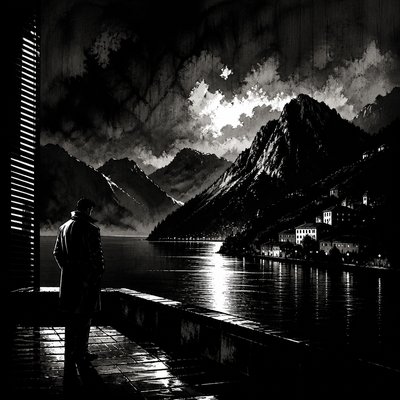
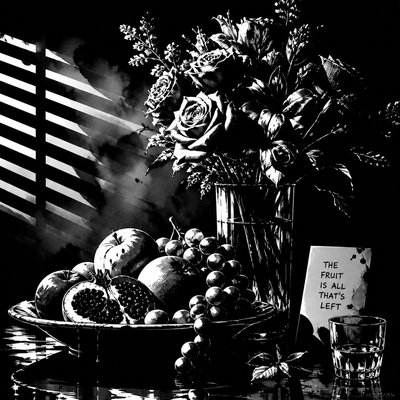
Street Photography Style
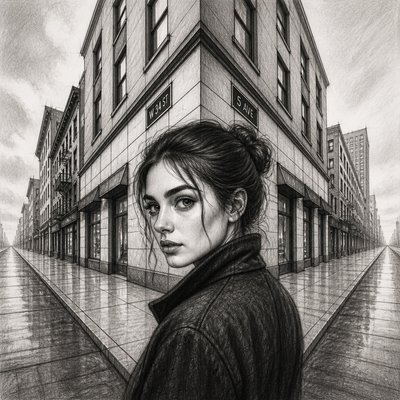
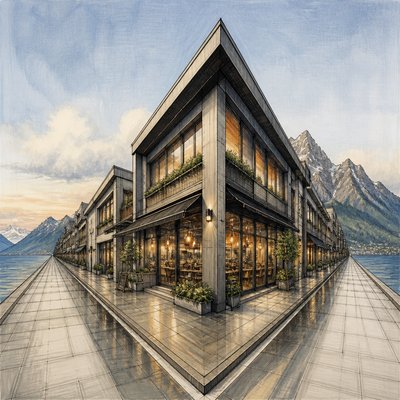
Candid urban photography with decisive moments, dramatic light, geometric composition, and documentary realism.
Instantly rendered in Street Photography — or transform a photo
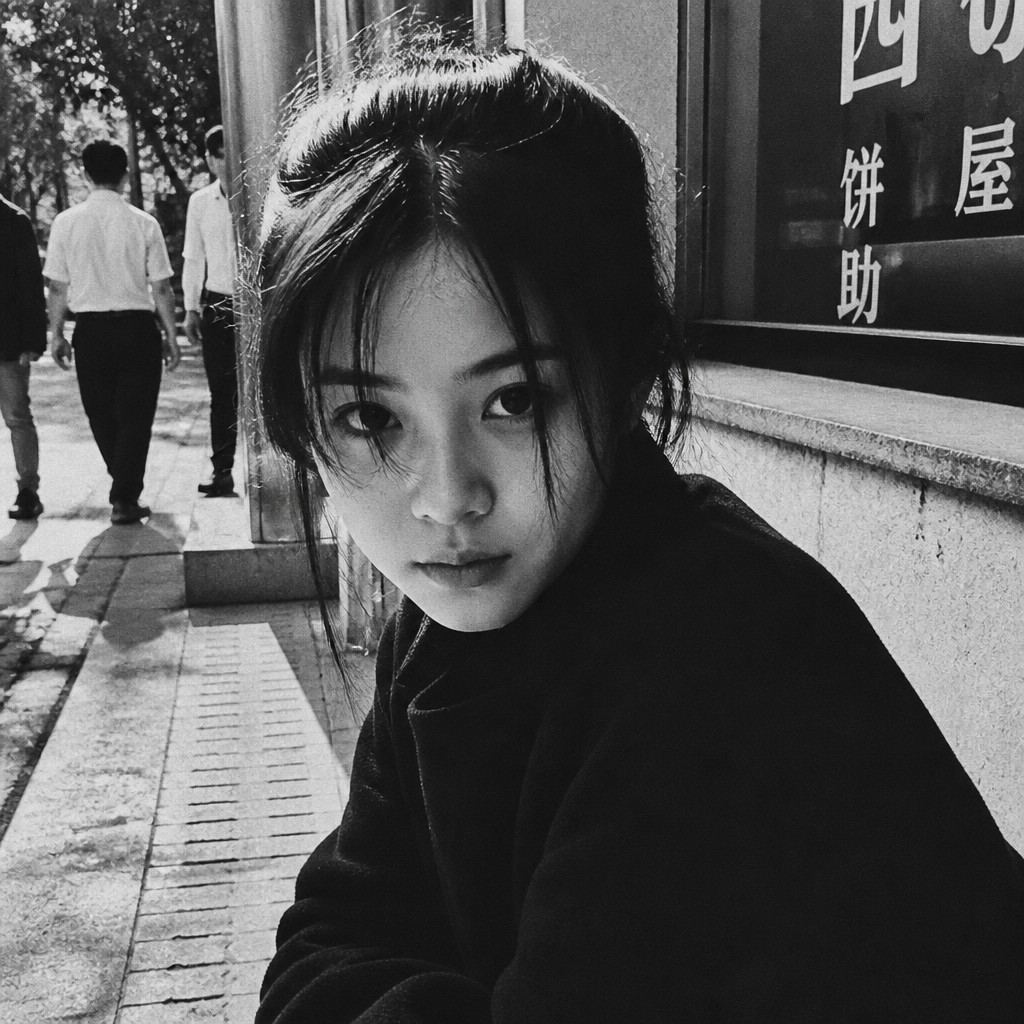
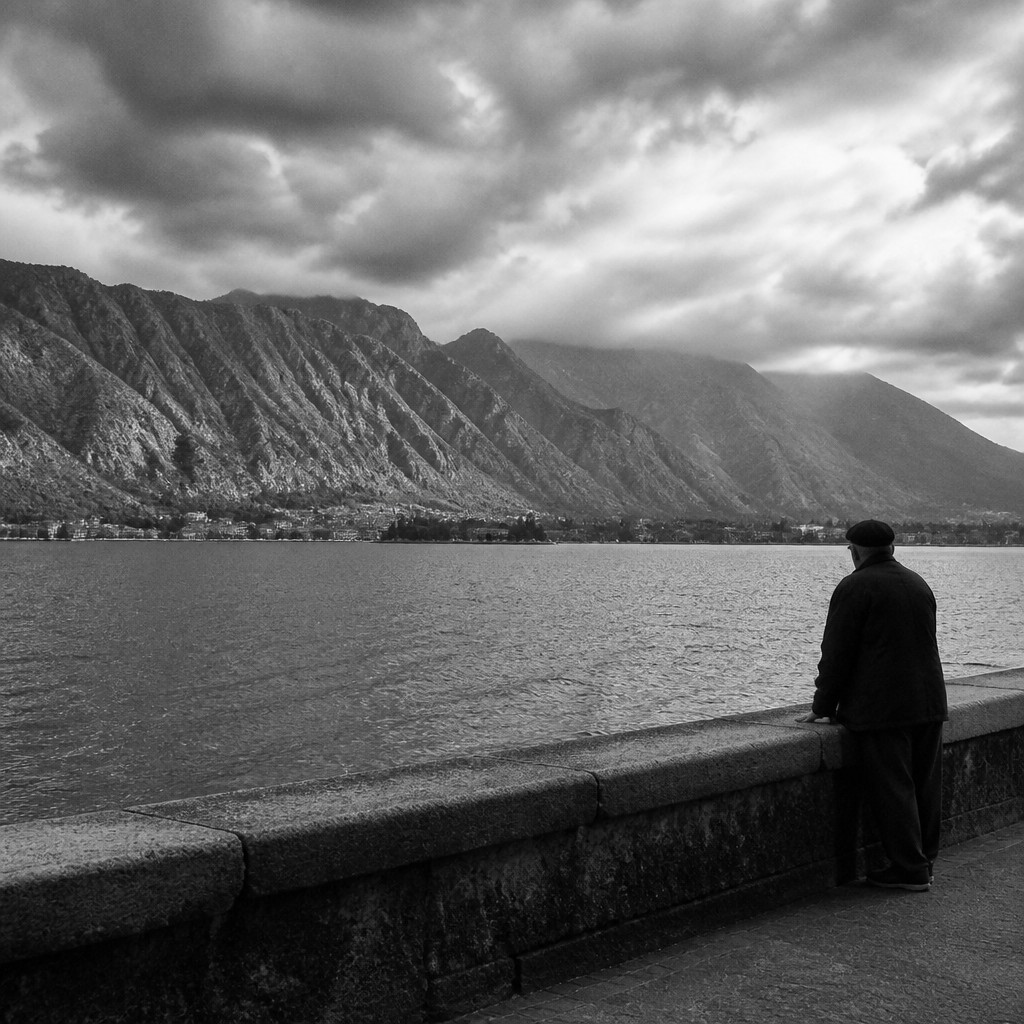
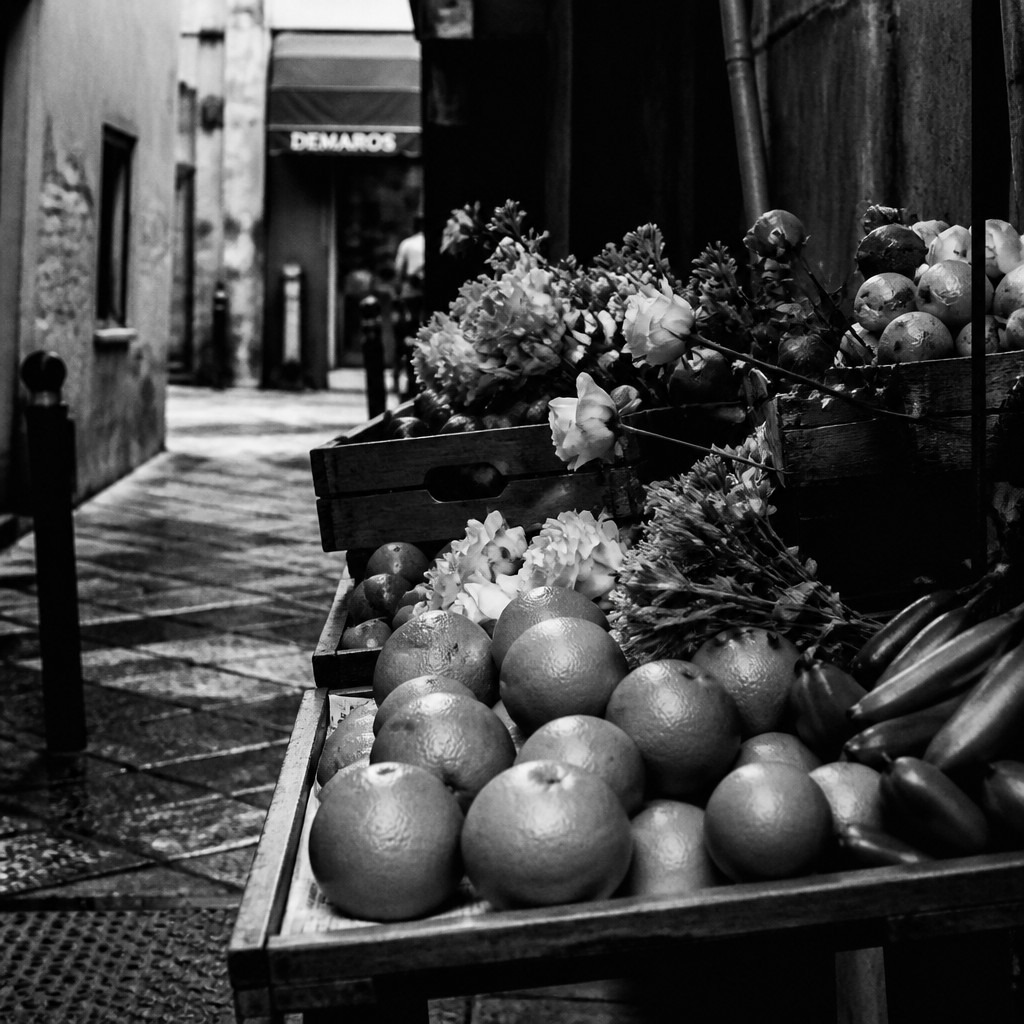
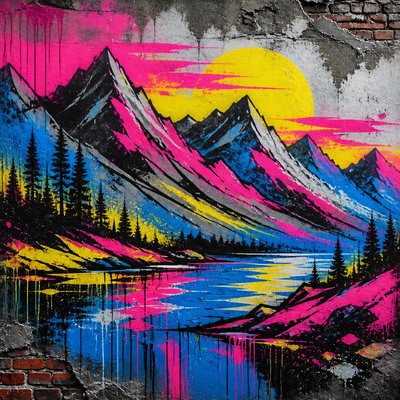
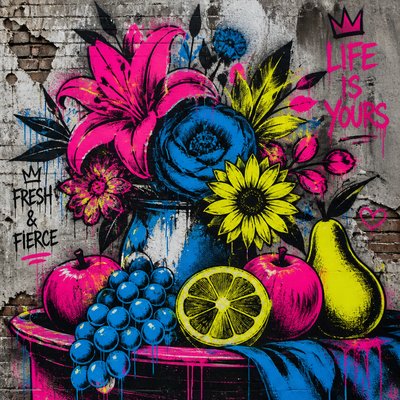
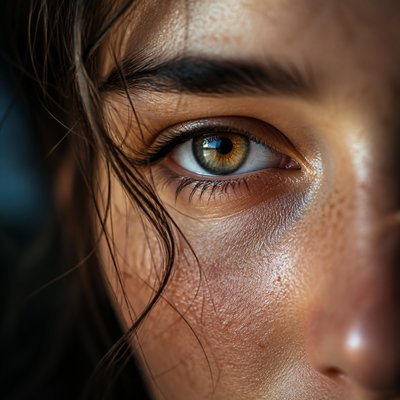
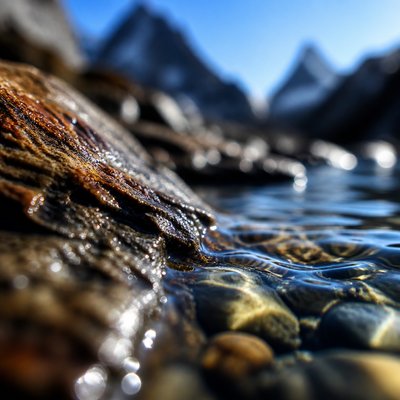
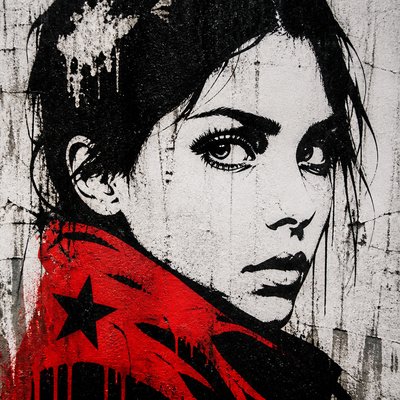
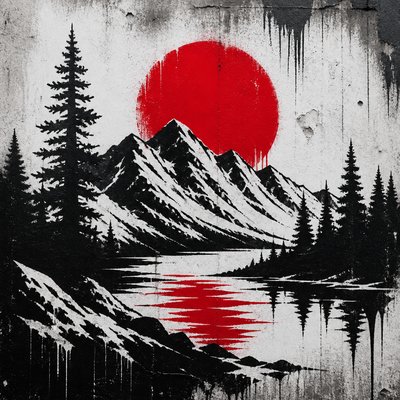
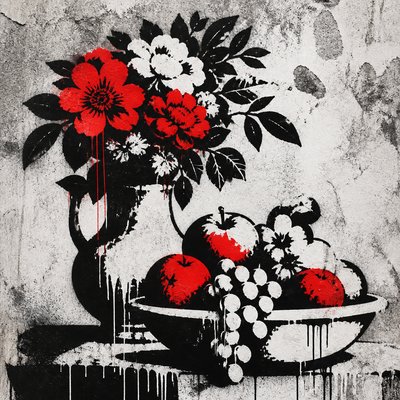
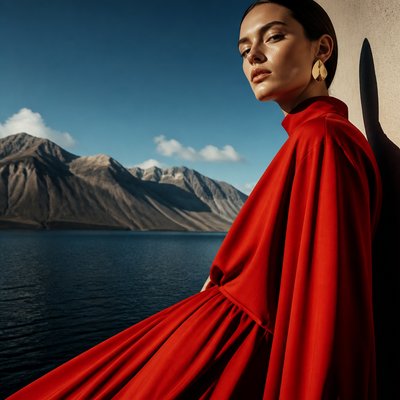
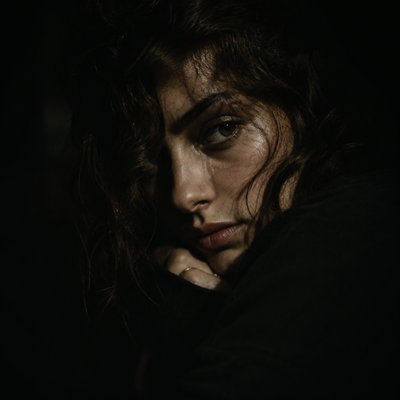
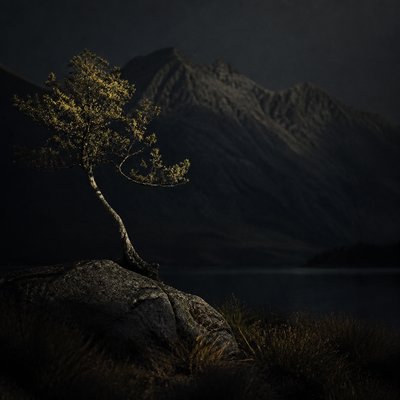
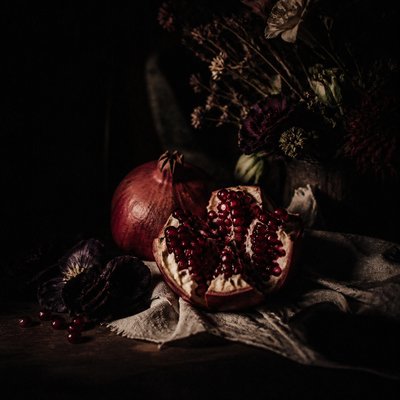
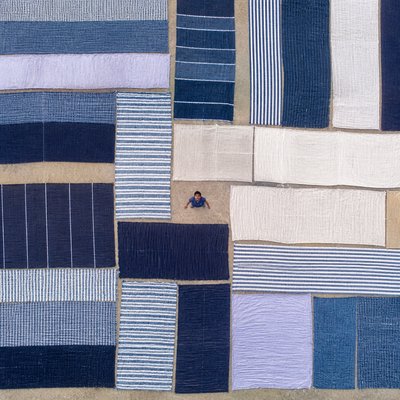
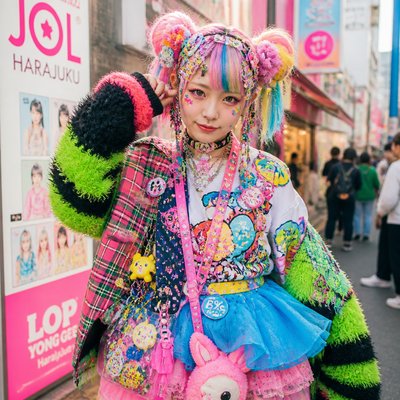
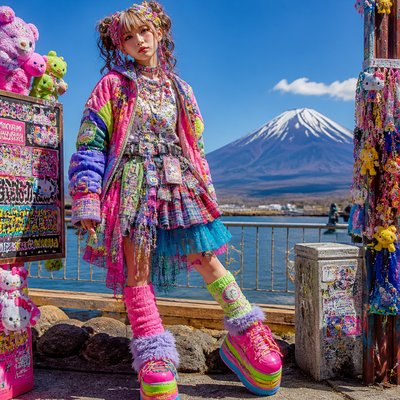
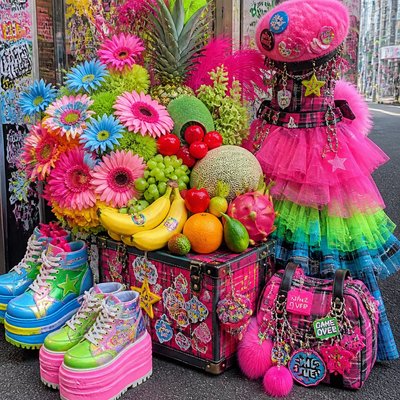
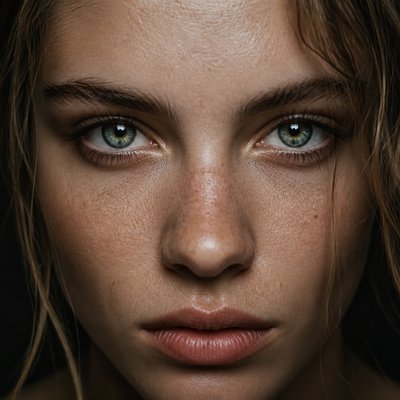
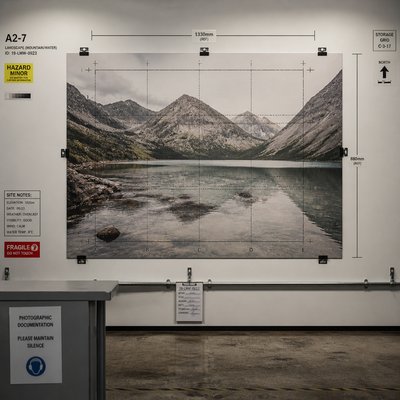
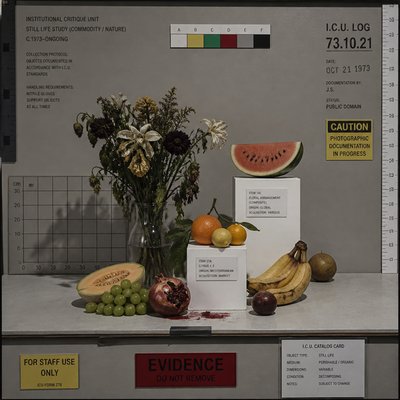
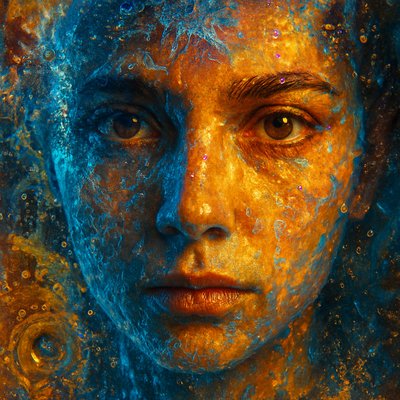
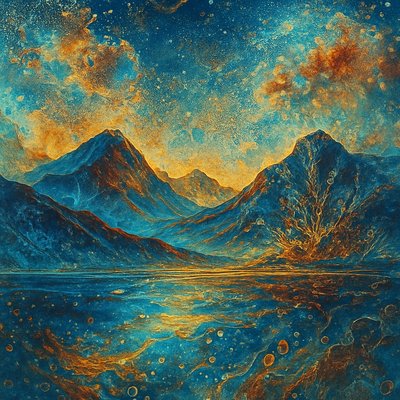
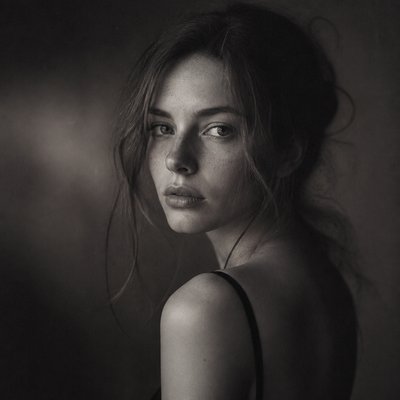
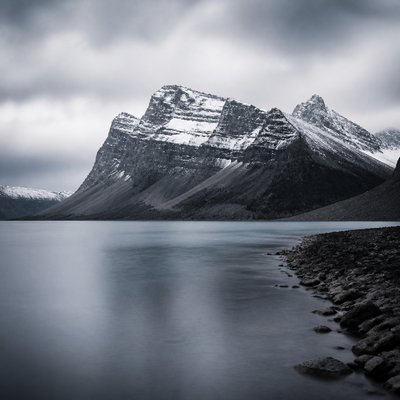
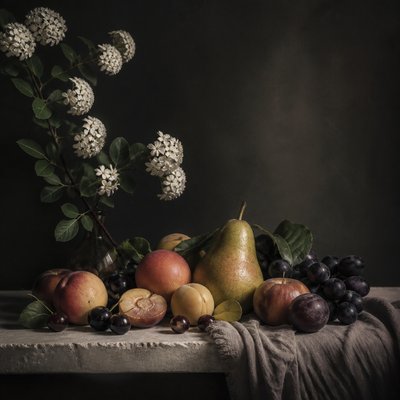
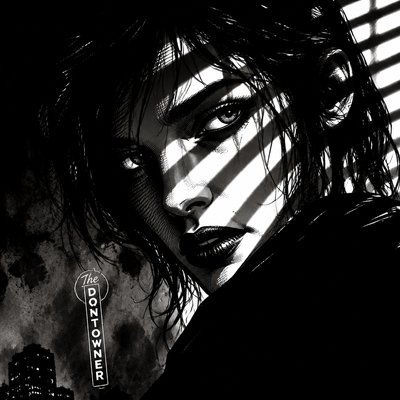
Street Photography Gallery
Tap any artwork to explore it
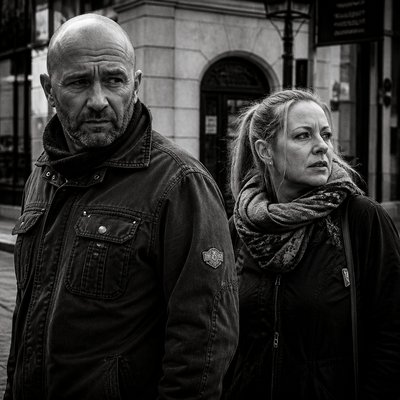
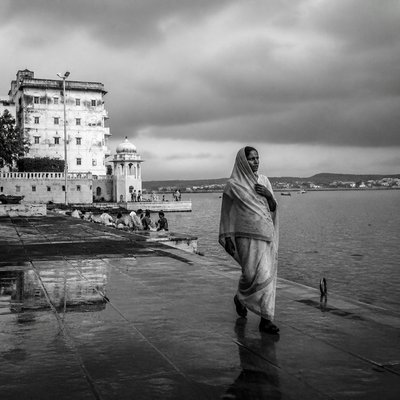
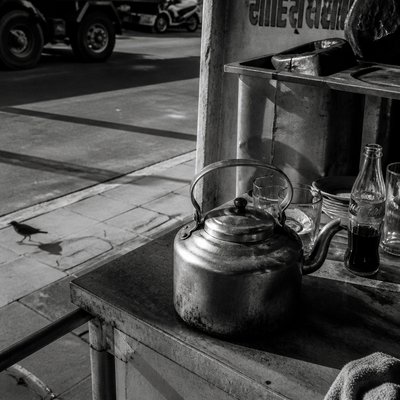
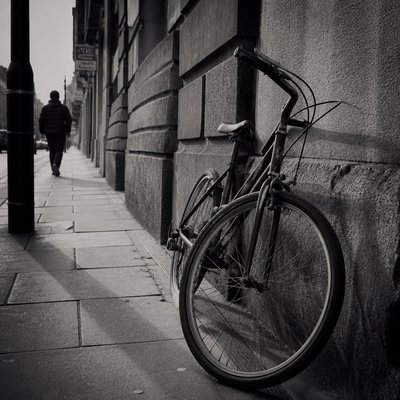
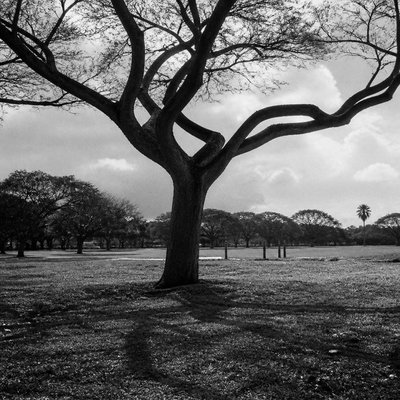
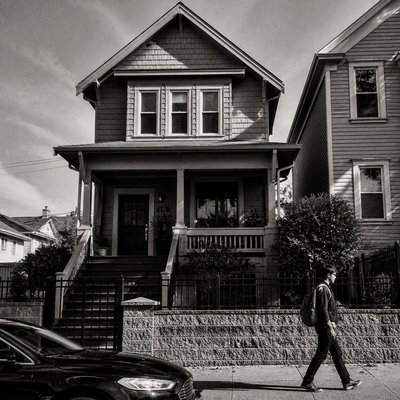
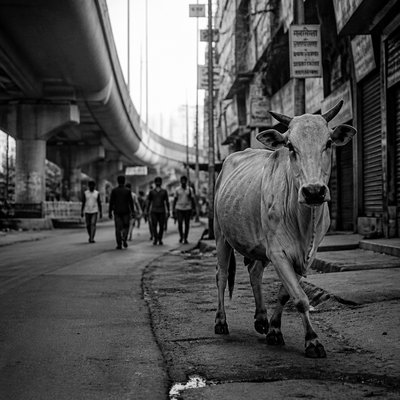
What is Street Photography Style?
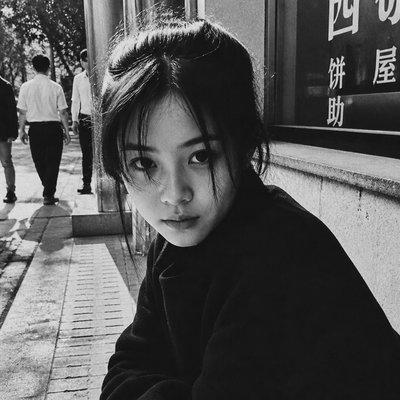
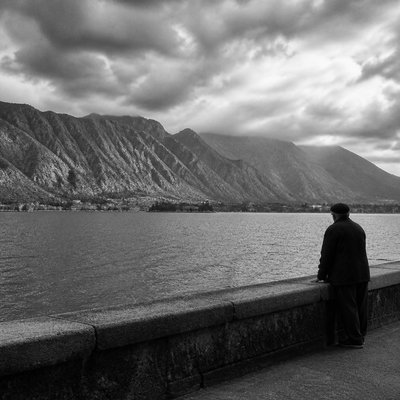
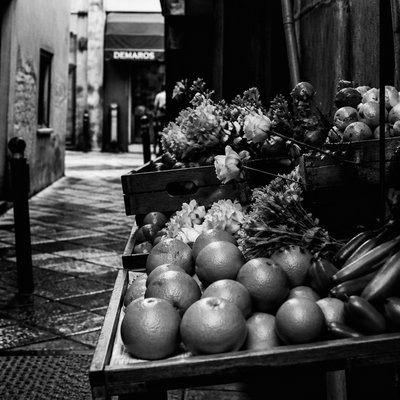
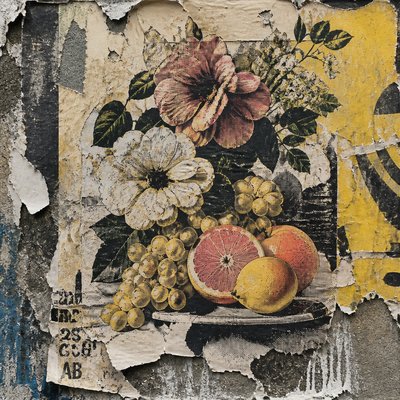
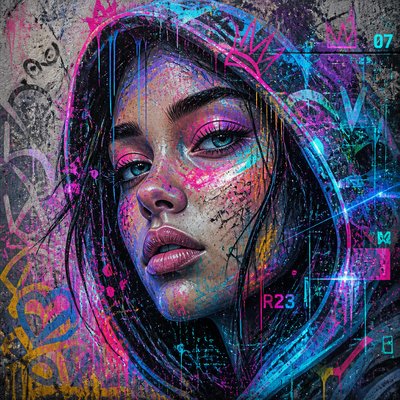
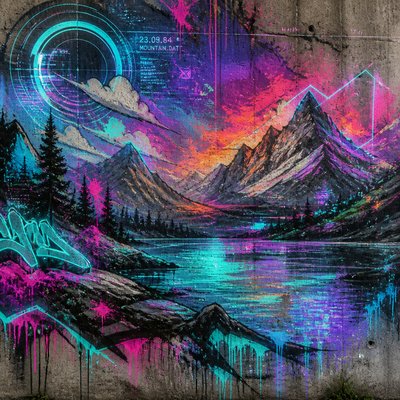
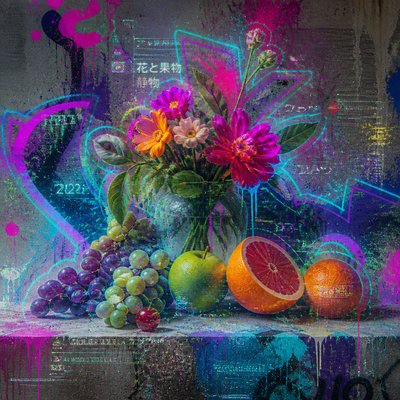
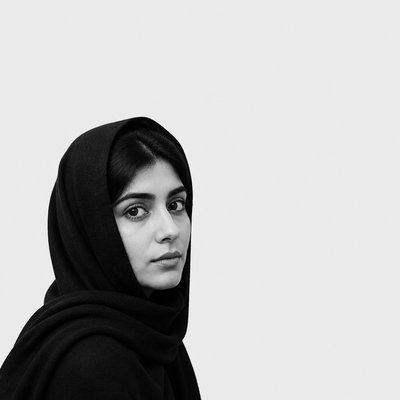
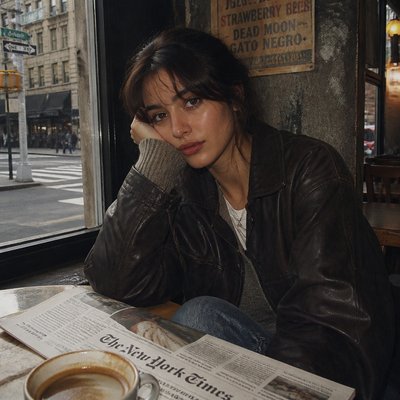
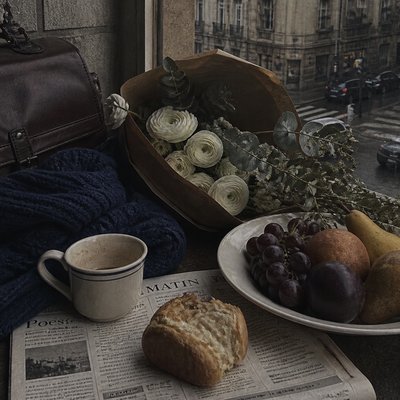
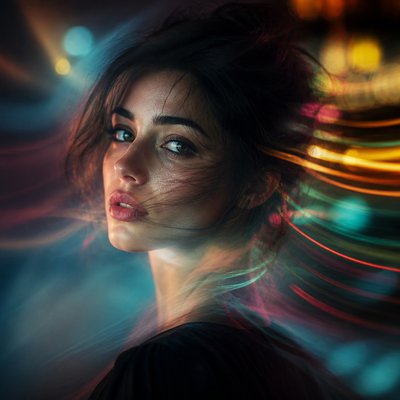
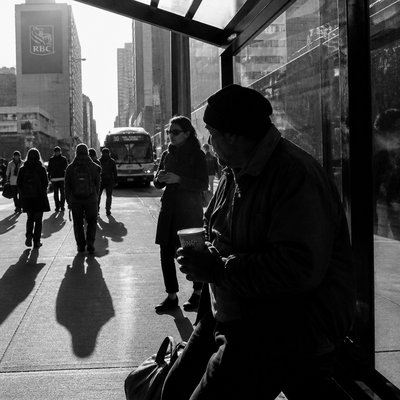
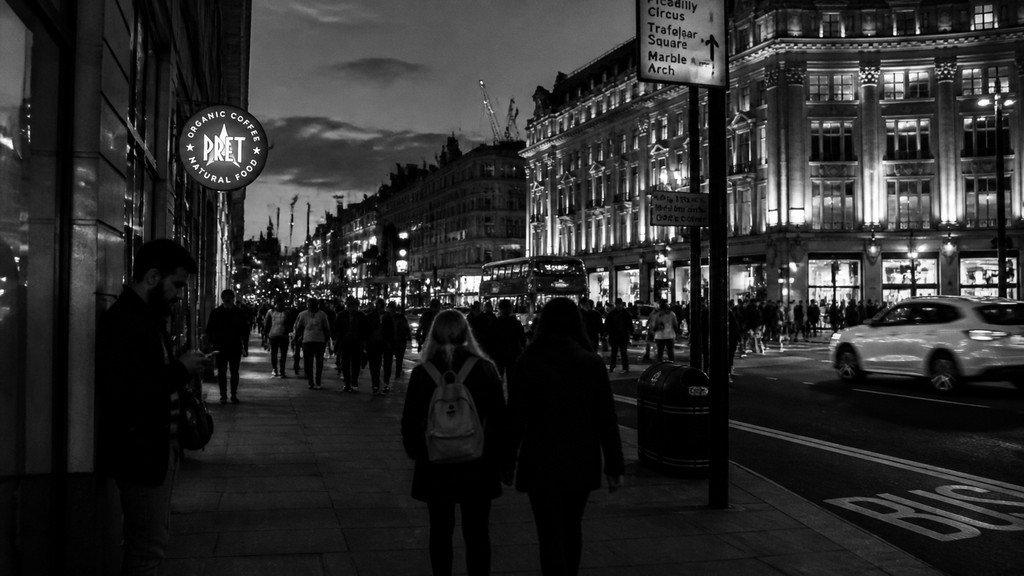
Street photography is a documentary approach to photographing public life as it unfolds. It focuses on unposed, fleeting moments in cities and towns: pedestrians crossing paths, gestures caught mid-action, reflections in glass, and small interactions that reveal character, tension, humor, or anonymity. The style is defined less by subject matter than by its insistence on immediacy and authenticity.
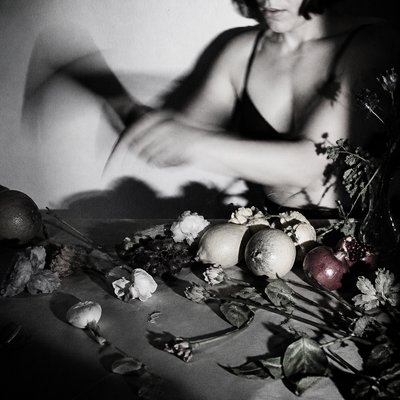
Its visual identity often includes natural light, strong contrasts, and compositions organized by geometry, repetition, and layered depth. Many street photographs rely on decisive timing, where a subject enters or exits a frame at exactly the right instant, and on a street-level viewpoint that makes the viewer feel present in the scene. Grain, blur, and tonal roughness are not flaws here but part of the medium’s expressive language, reinforcing the sense of lived, unvarnished reality.
Try It On Your Photos
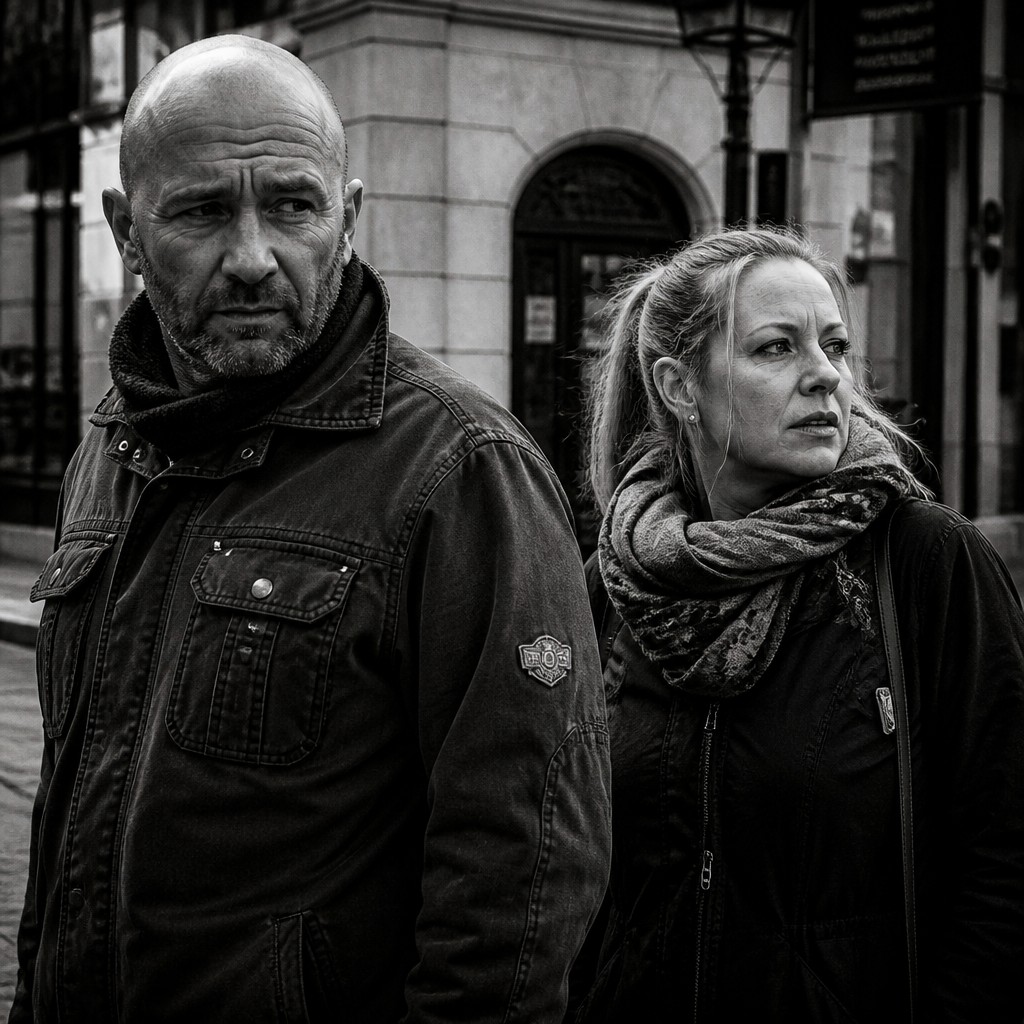
Upload any photo and convert it into Street Photography Style — drag the sliders to compare before and after.


What Defines Street Photography Style
The signature details, up close
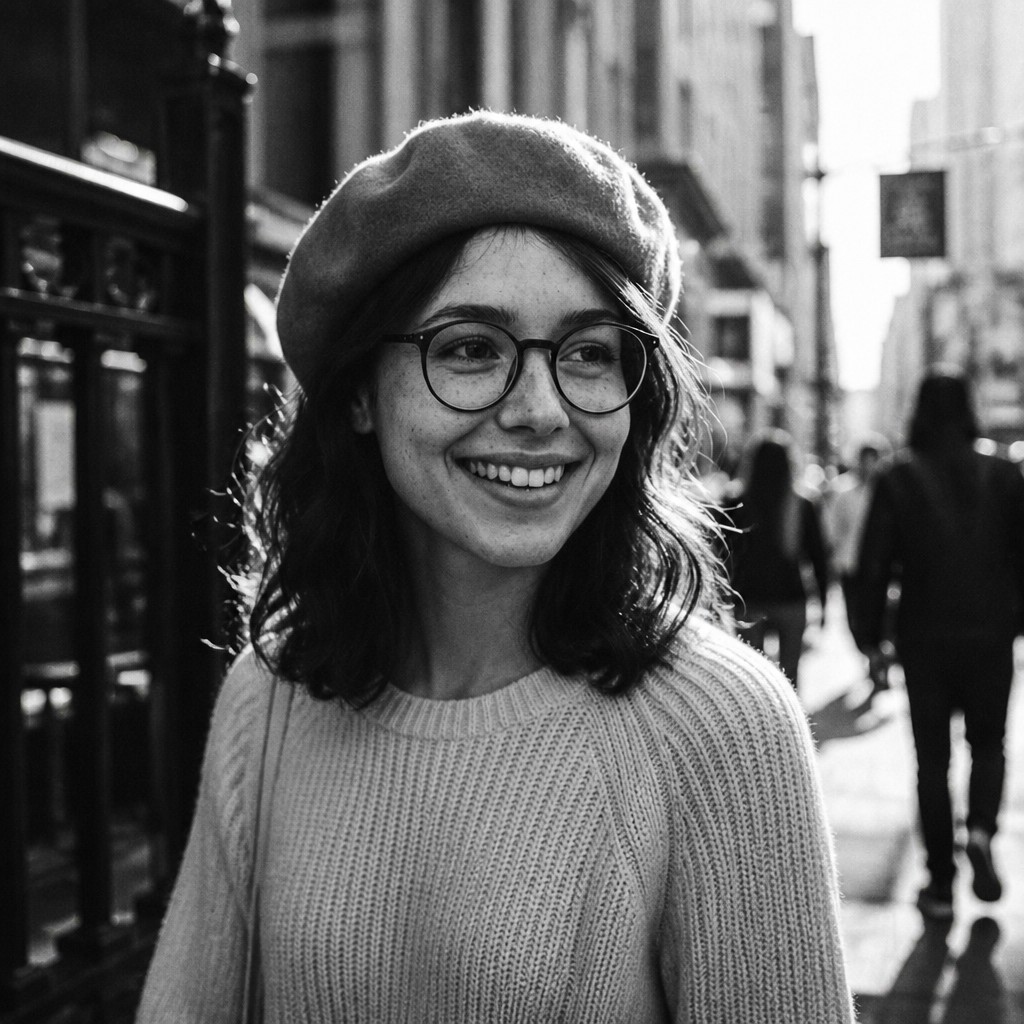
Candid, unstaged moments
Subjects are typically unaware of the camera or only briefly aware of it, which preserves spontaneity. The emotional force comes from timing rather than staging.
Decisive framing
Images often capture a gesture, glance, or crossing of lines at the exact moment it creates visual or narrative tension. Timing is central to the style’s impact.
Natural and available light
Light usually comes from the sun, storefronts, windows, or street lamps rather than elaborate setup. Harsh midday sun, deep shadow, and nighttime neon are all common because they sharpen the scene.
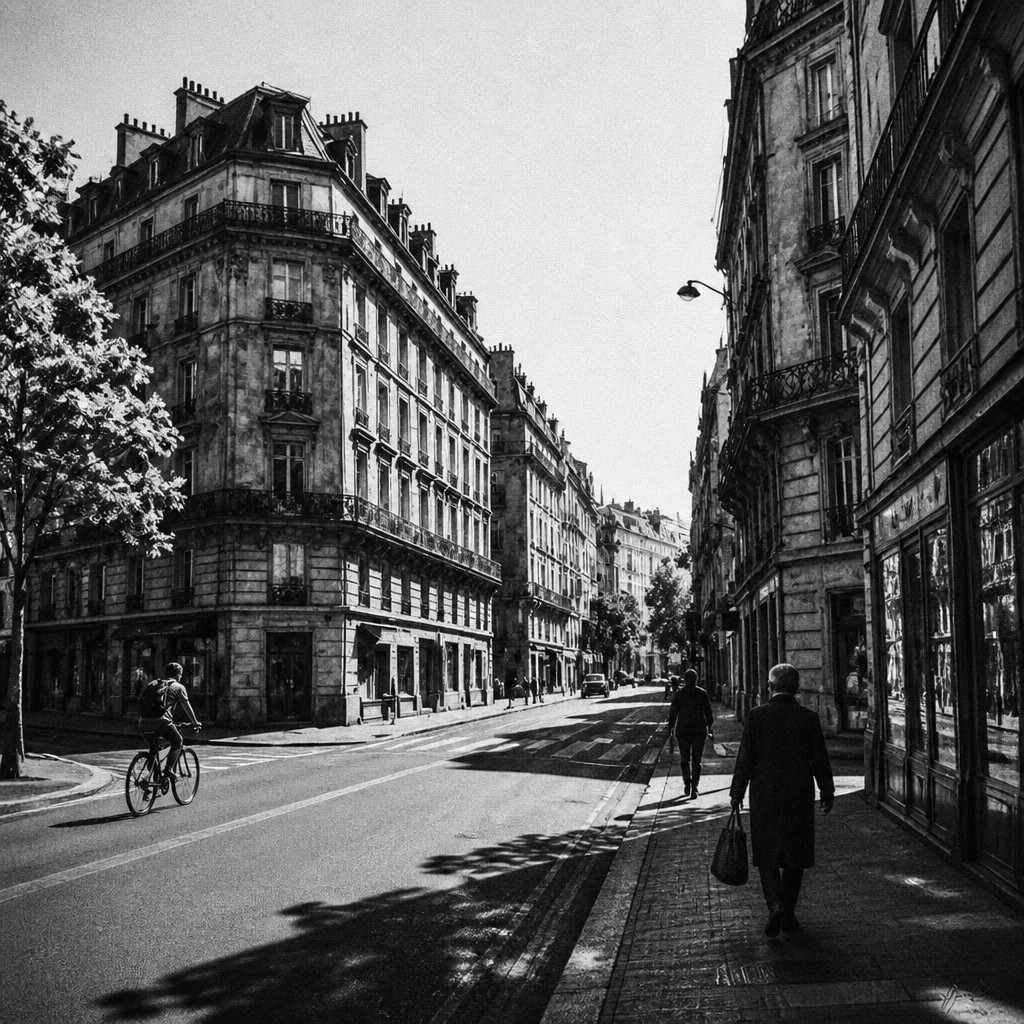
Geometric composition
Leading lines, doorways, stairways, windows, and pavement patterns help organize the frame. Off-center placement and asymmetry often make the scene feel more alive and less posed.
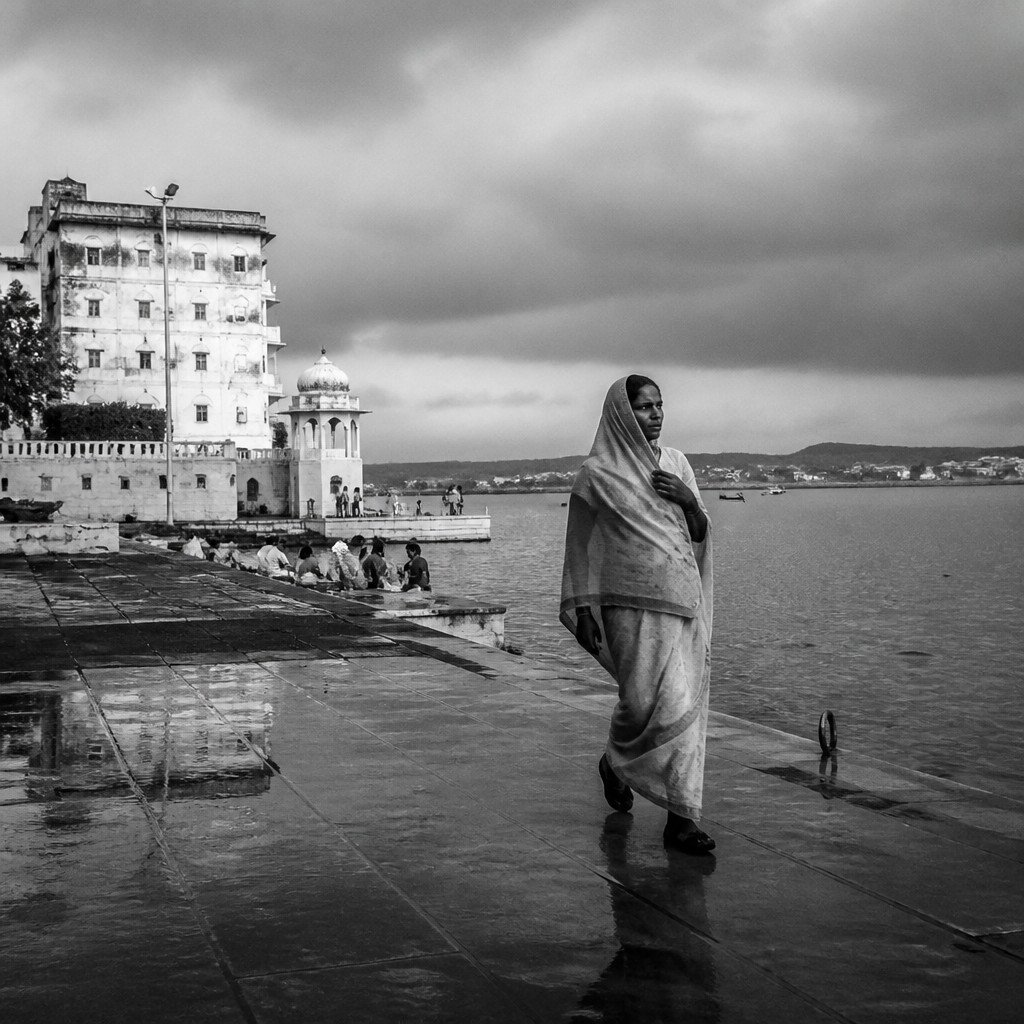
Layered urban depth
Foreground, middle ground, and background are frequently all active, allowing multiple stories to coexist in a single frame. This layering gives street photographs their sense of density and chance.
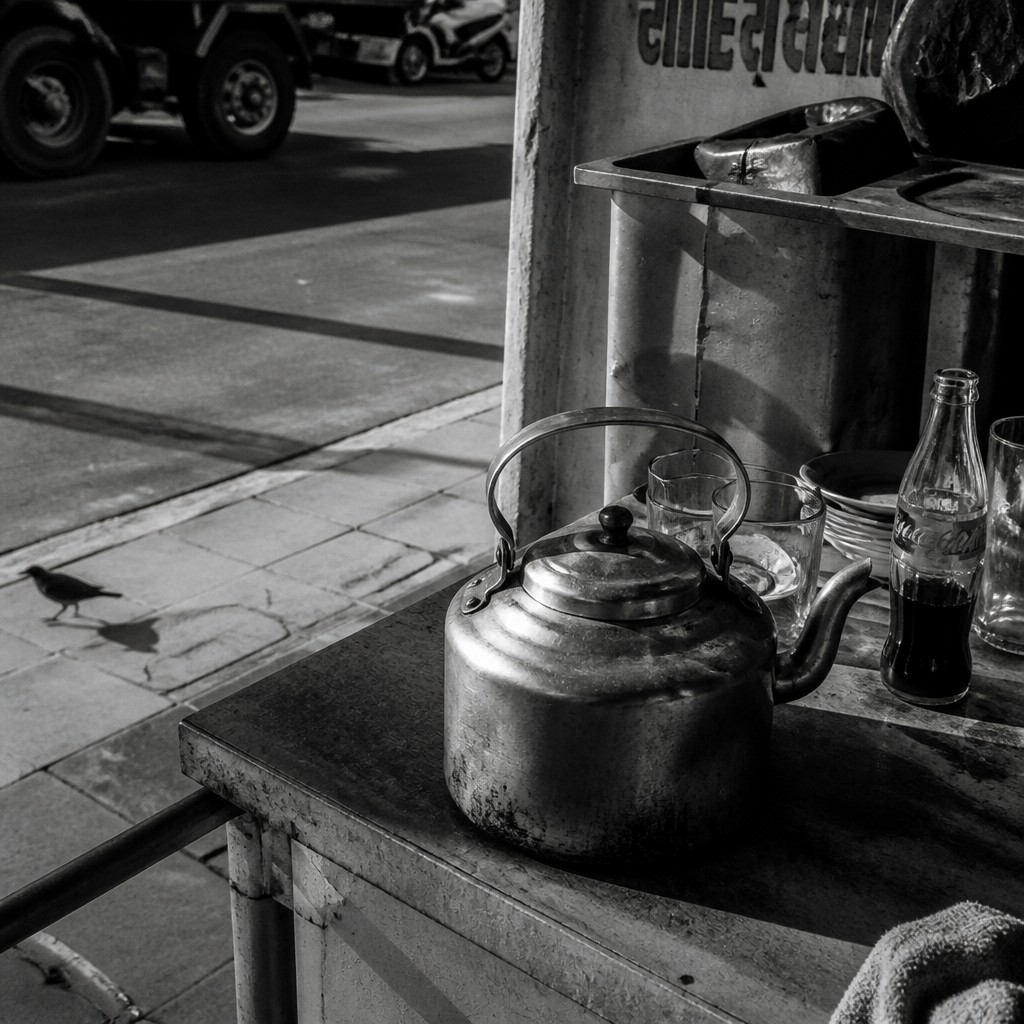
Documentary texture
Grain, motion blur, high contrast, and muted color are common, especially in black-and-white or desaturated palettes. These qualities support a raw, observational mood.
Try It
Create Videos in Street Photography Style
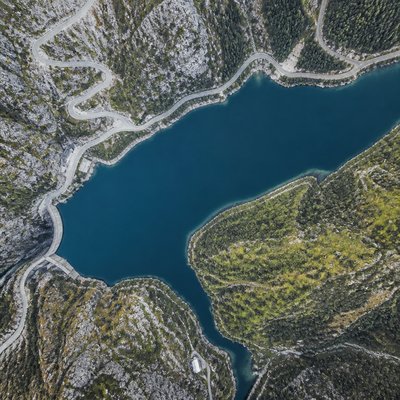
Styles aren't just for stills — describe a scene or animate an image and get a short video rendered in Street Photography. Press play to see this pond come to life.
Make a VideoStreet Photography Prompt Ideas
Start from an idea — each one opens the generator with the style ready to go. See all 40 Street Photography prompts →
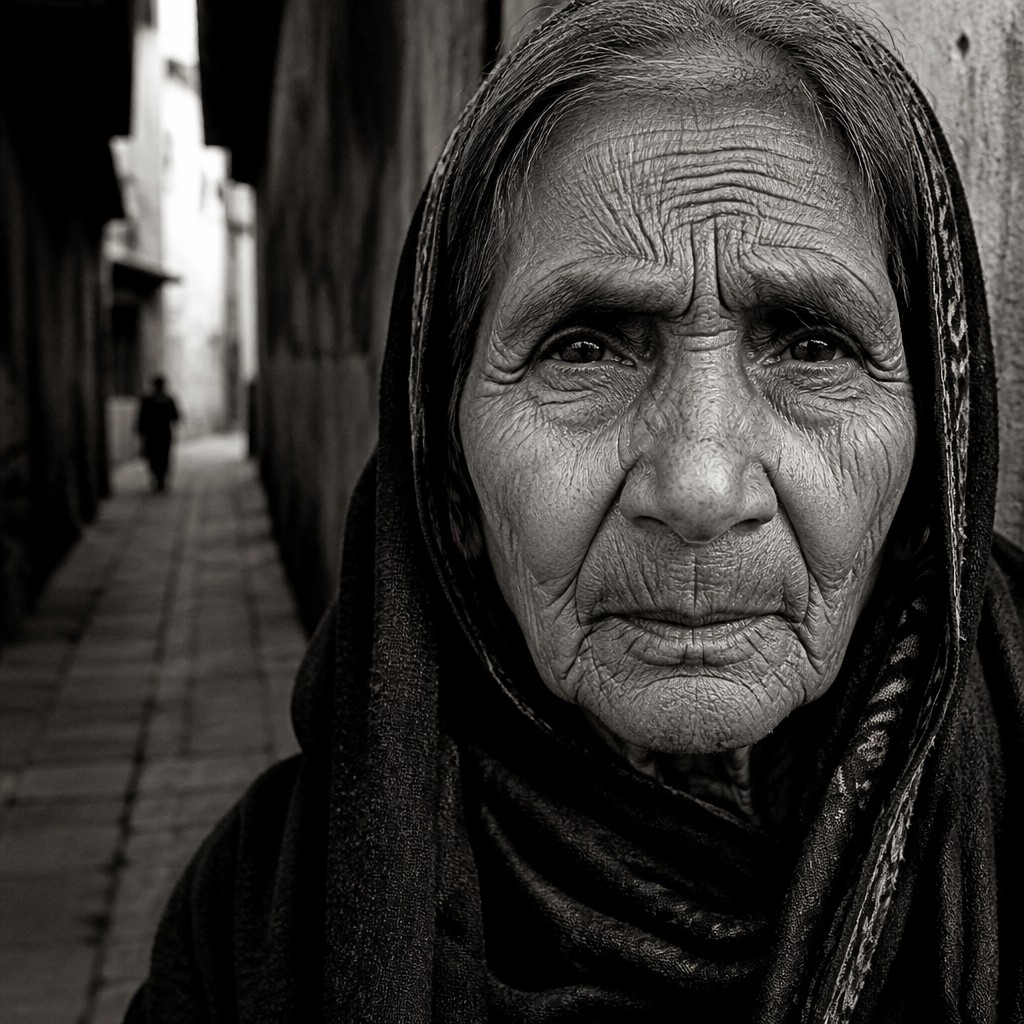
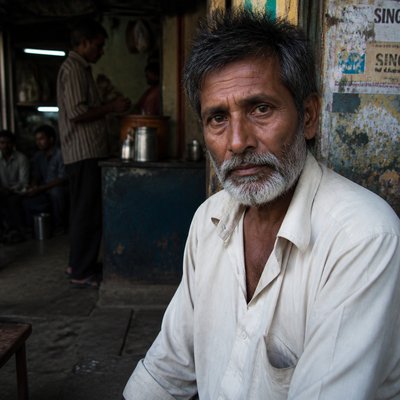
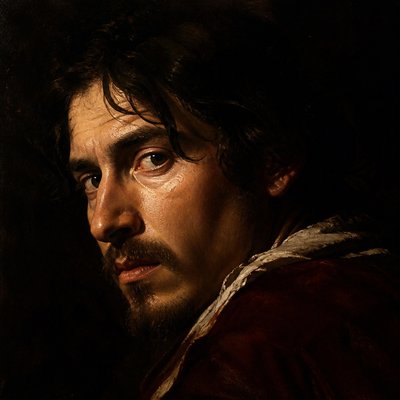
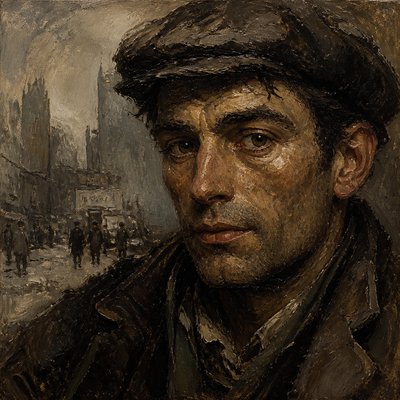
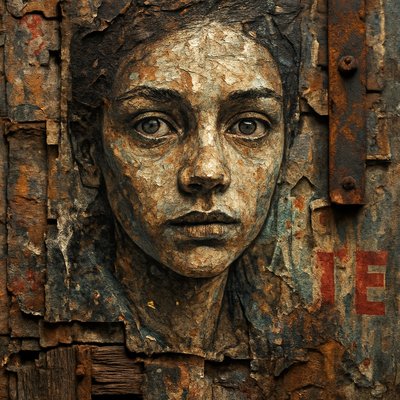
“close-up portrait of an elderly person with expressive weathered features”
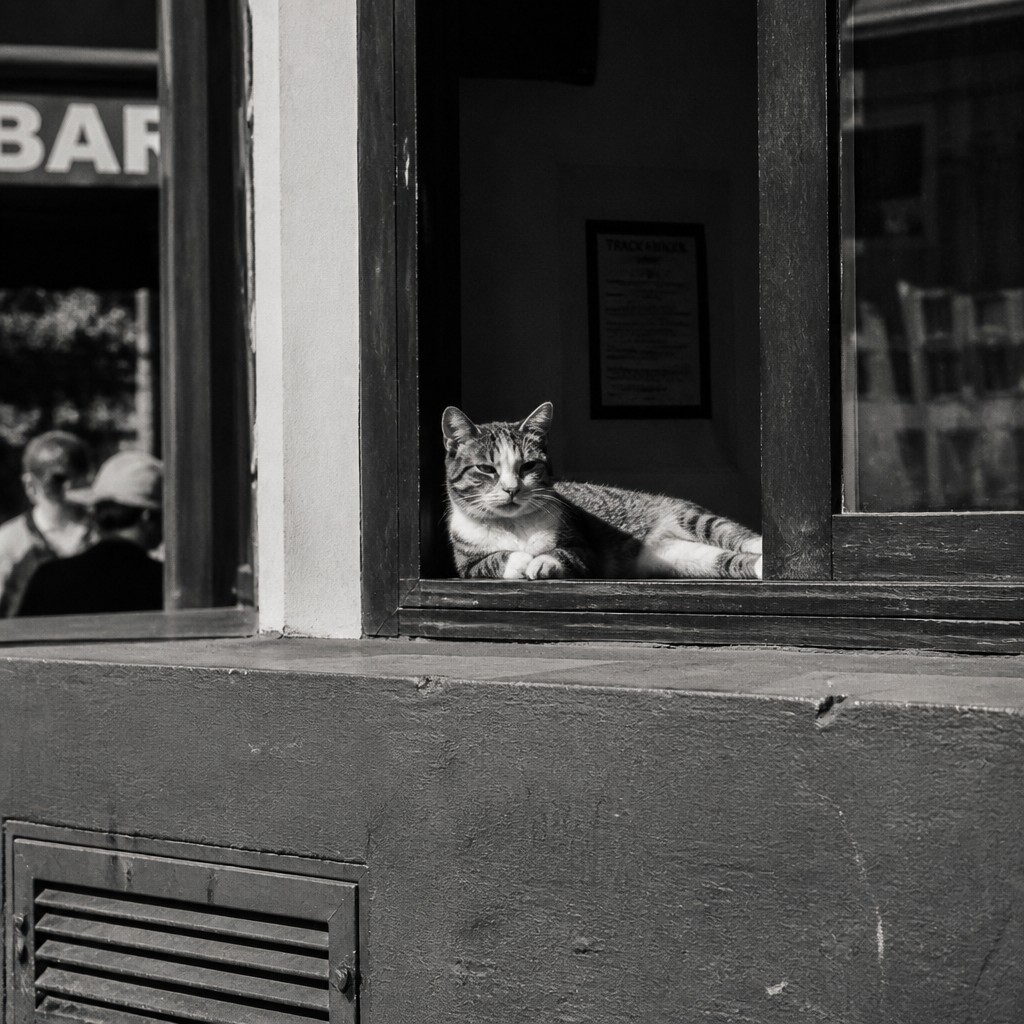
“a cat lounging in a sunlit window”
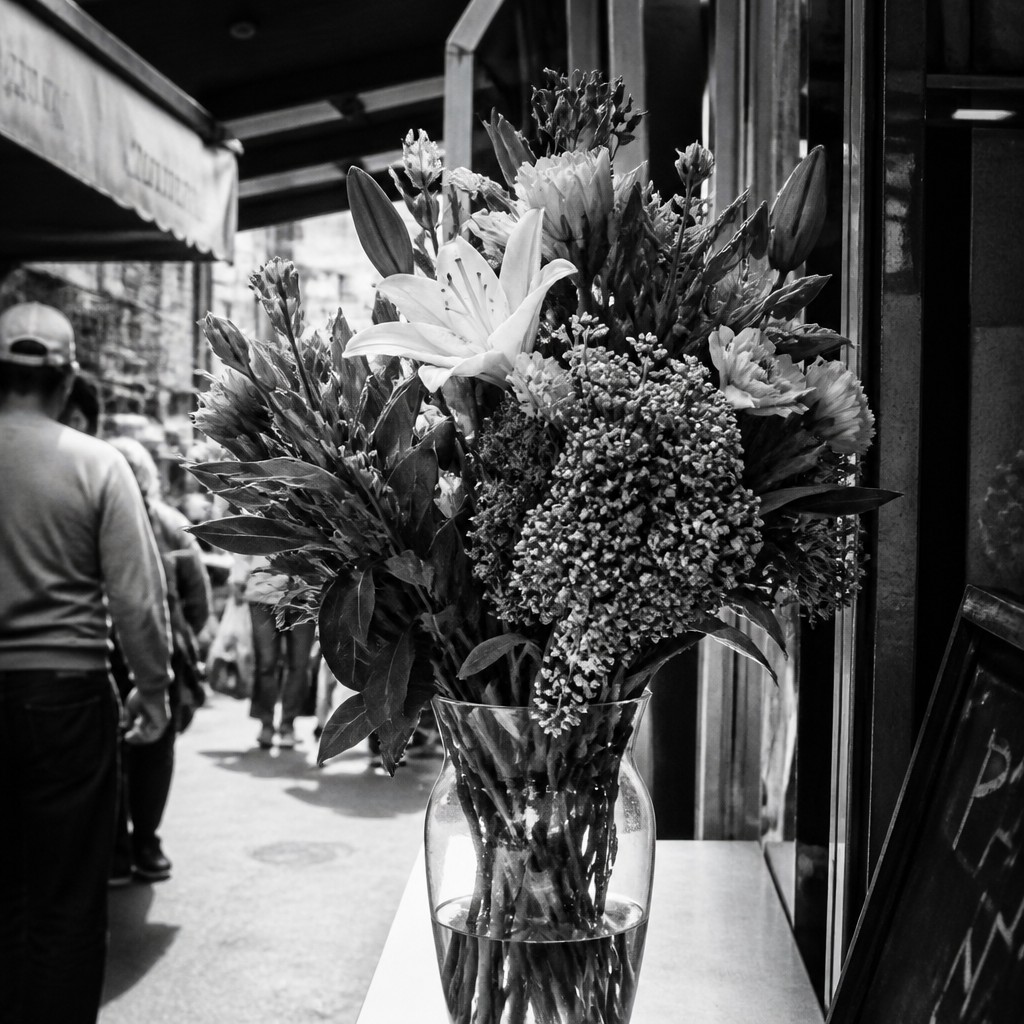
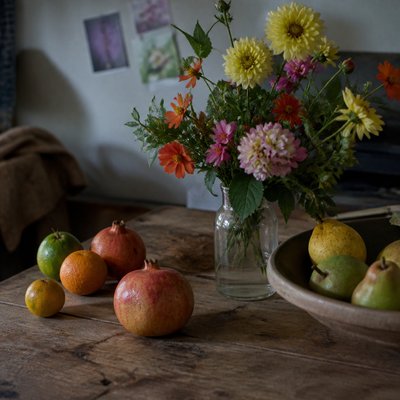
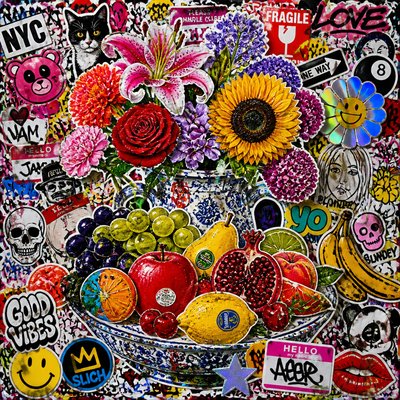
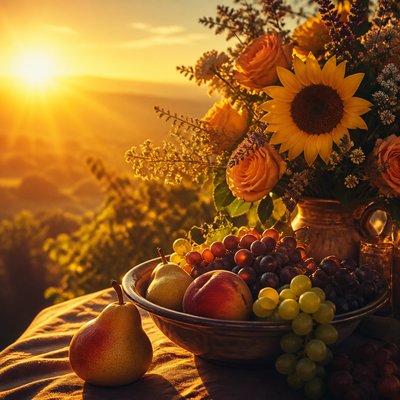
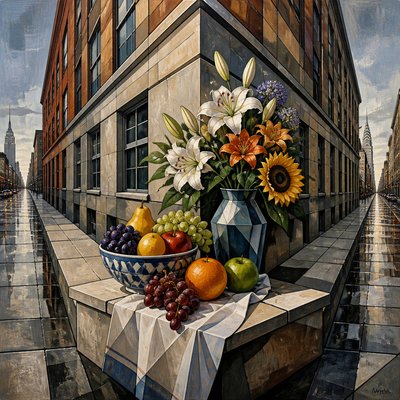
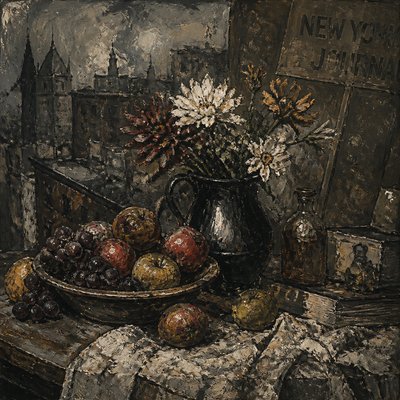
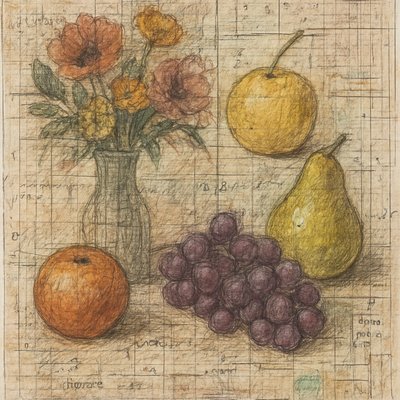
“bouquet of flowers in a glass vase”
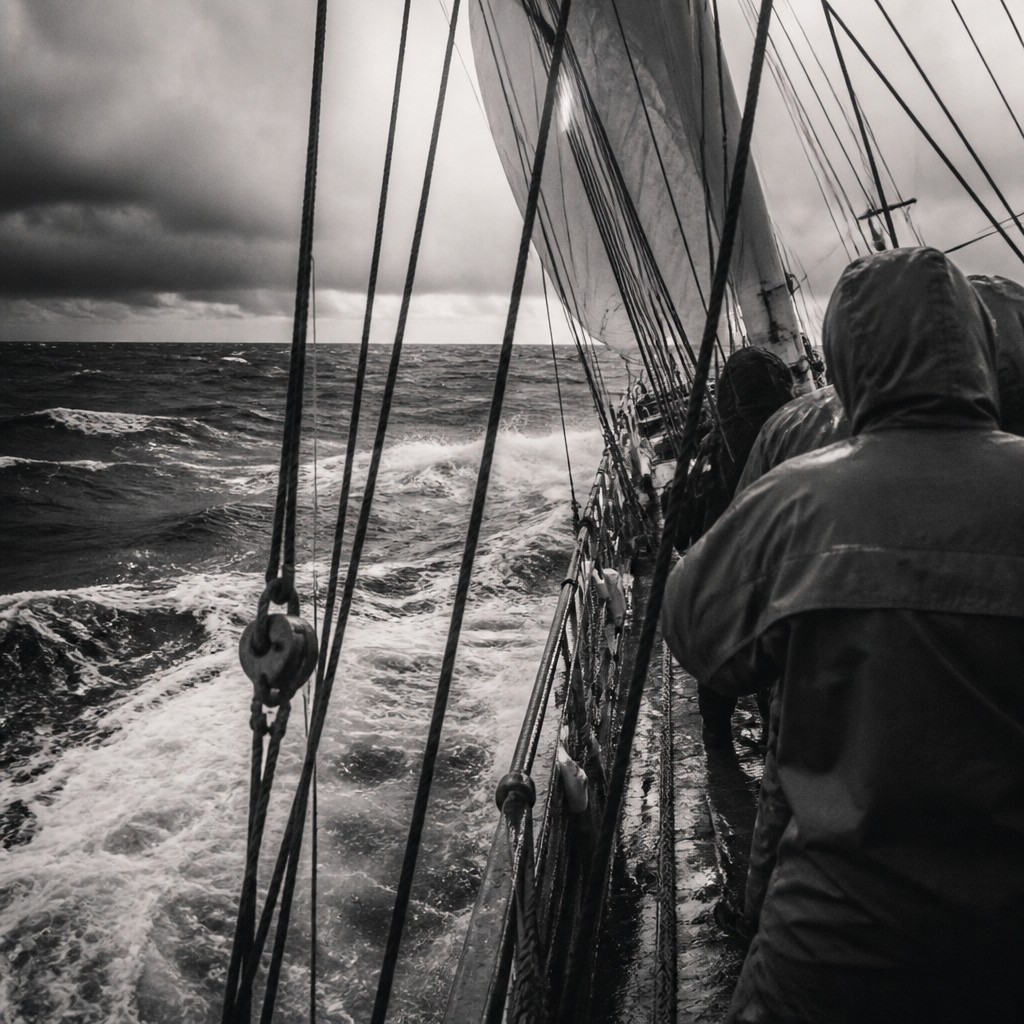
“sailing ship on a stormy sea”
How to Create Street Photography Art
Master the craft step by step — or skip straight to creating. Read the full guide →
- 1
Work from the street, not the studio
Use public settings with moving people, reflective surfaces, signage, and architectural lines. Observe first and shoot when body language, placement, and background structure come together.
- 2
Prioritize timing over perfection
Watch for gestures, interactions, and moments of visual coincidence rather than waiting for perfectly arranged scenes. Slight imperfections can strengthen the documentary feel.
- 3
Use simple, responsive equipment
A small camera or phone helps you react quickly and stay unobtrusive. In post-processing, emphasize contrast, tonal separation, and grain only enough to support the scene’s realism.
- 4
Compose with urban geometry
Look for strong diagonals, frames within frames, repeating patterns, and clear subject-background separation. In digital editing or image prompts, describe these compositional cues explicitly.
- 5
Control light and tonal mood
Aim for natural side light, backlight, night flash, or window light to create depth and shadow. For generated images, specify candid documentary realism, 35mm grain, high-contrast black-and-white or muted color, and street-level perspective.
The Story
History & Origins of Street Photography
Street photography emerged from the broader history of documentary photography in the late 19th and early 20th centuries, especially as handheld cameras and faster film made it possible to work quickly in public spaces. Early practitioners in Paris documented urban life and architecture with a candid, observational eye, while 20th-century photographers including influential humanist street photographers, major postwar American street photographers, inventive urban composition specialists, observational portrait makers, and several notable women street photographers helped define the modern street-photographic tradition. The idea of the “decisive moment” became one of the style’s most influential principles.
The aesthetic lineage of street photography also draws from photojournalism, modernist composition, and the visual habits of everyday urban life in the mid-20th century. Black-and-white film, compact 35mm cameras, and a tolerance for ambiguity all shaped the look of the genre, but the style has continued into the digital era with color work, flash-heavy nightlife imagery, and contemporary social-documentary approaches. Its core remains the same: observing public space with speed, sensitivity, and an eye for visual structure.
Influences: Street photography is closely related to documentary photography and photojournalism, while its visual structure often reflects modernist composition and the urban humanism associated with early urban documentarians, influential humanist street photographers, major mid-20th-century American documentarians, inventive urban composition photographers, observational portrait specialists, and several notable women street photographers and private urban chroniclers. It also overlaps with social realism, candid portraiture, and the visual rhythms of city design, signage, and pedestrian movement.
Frequently Asked Questions
What defines street photography style?
It is defined by candid images of public life, usually made without posing or staging. The style emphasizes timing, natural light, and a documentary sense of place rather than polished setup or studio control.
Is street photography always black and white?
No. Black-and-white is common because it emphasizes contrast, form, and mood, but color street photography is equally established. Desaturated color, muted tones, and flash-lit night scenes are especially common in contemporary work.
How is street photography different from documentary photography?
Documentary photography usually has a broader reporting or narrative purpose, often over a series or project. Street photography is narrower in focus and typically centers on quick, unposed moments in public space, with composition and timing carrying much of the meaning.
What makes a street photo feel authentic?
Authenticity comes from candid behavior, believable light, and a sense that the scene was observed rather than arranged. Natural imperfections such as motion blur, uneven framing, or grain often strengthen that feeling.
How do I make images in this style?
Look for scenes with people in motion, layered backgrounds, and strong light-shadow contrast. Use a fast, observant approach, and if you are generating images digitally, specify candid street photography, decisive moment, 35mm grain, geometric composition, and raw photojournalistic realism.
Where is street photography commonly used?
It appears in editorial work, personal documentary projects, travel imagery, urban storytelling, and contemporary fine art photography. Its visual language is also widely used in posters, album covers, and social media imagery that wants a raw city atmosphere.
Create your first Street Photography artwork
Describe anything — or upload a photo — and see it in Street Photography Style in seconds.
Make Something with Street Photography
Compare Street Photography
Related Styles
Discover similar art styles