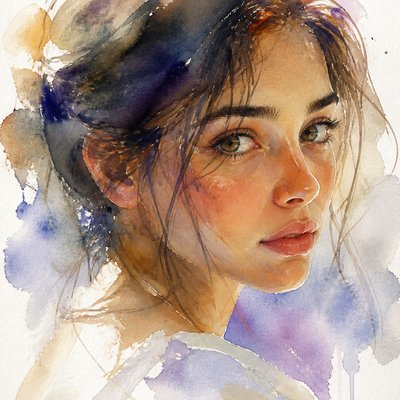
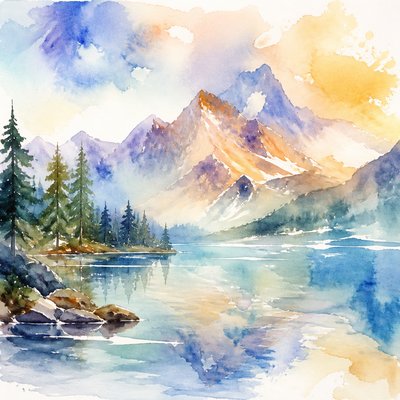
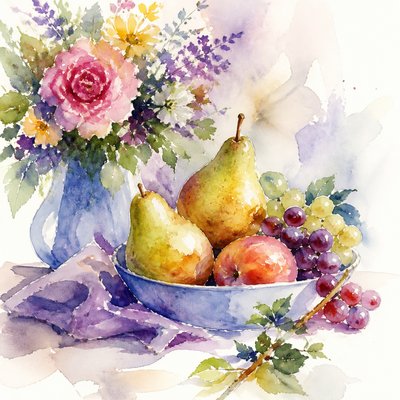
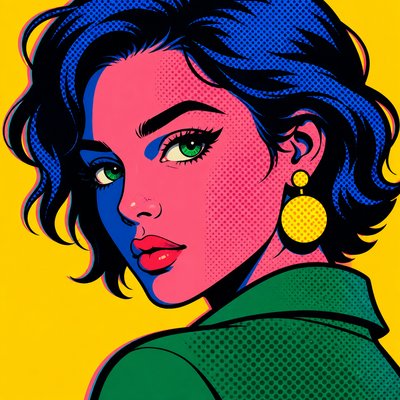
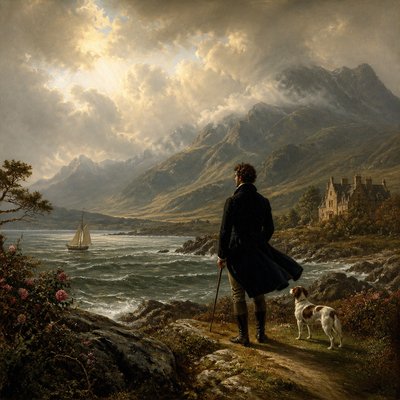
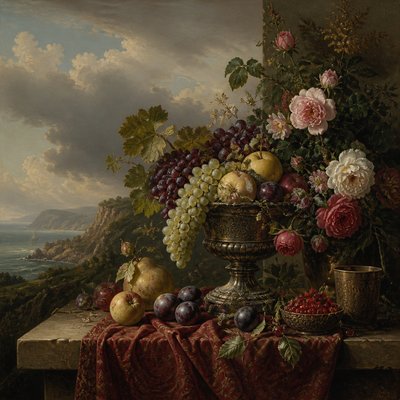
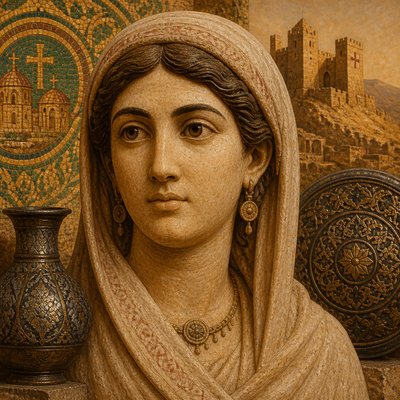
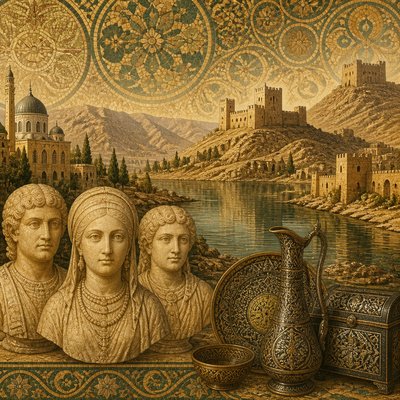
Moody Portrait Photography Style
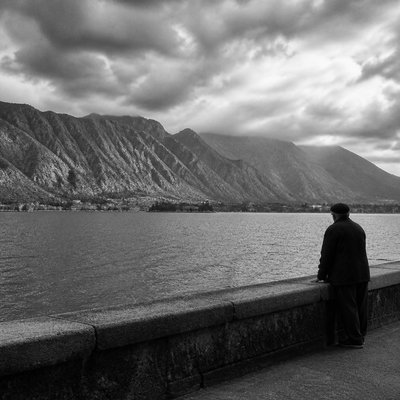
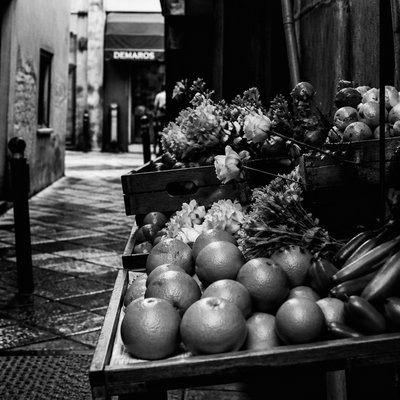
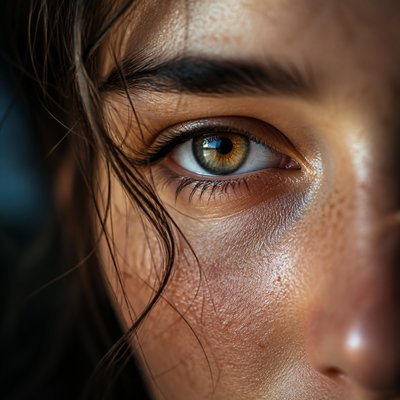
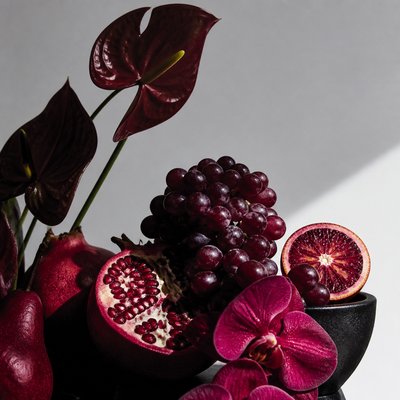
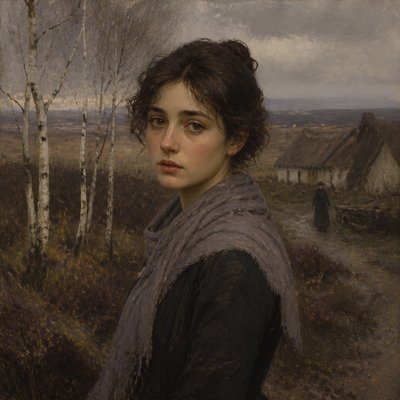
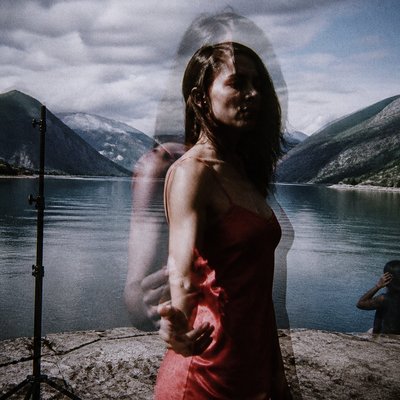
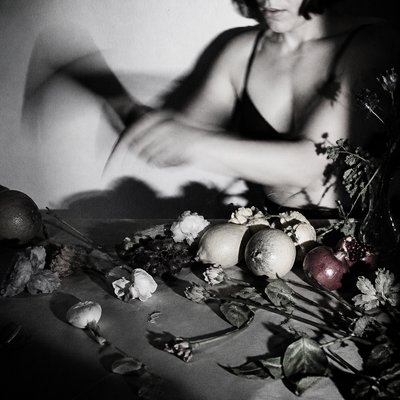
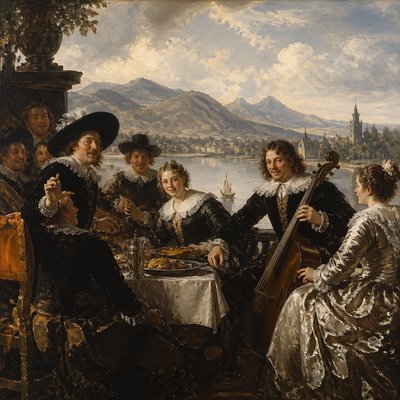
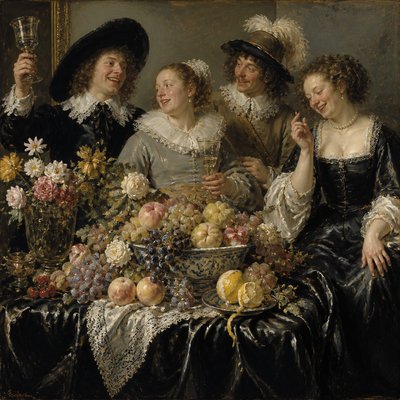
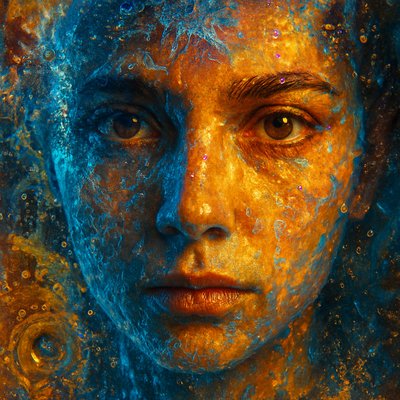
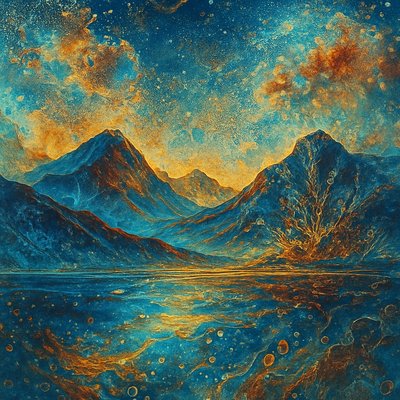
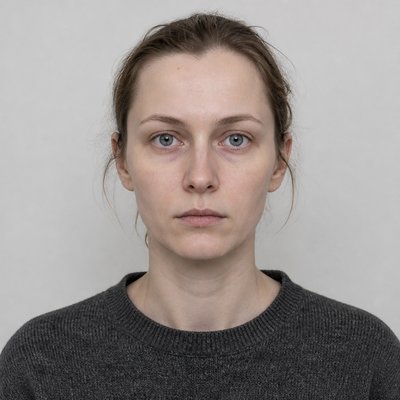
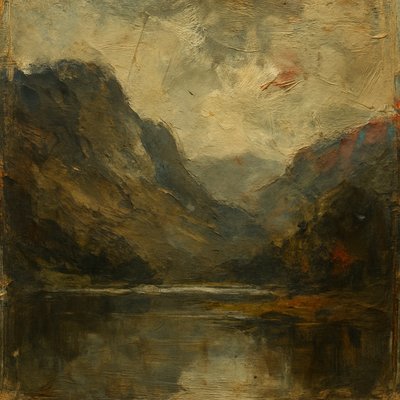
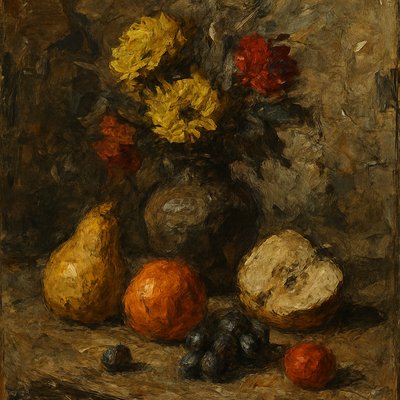
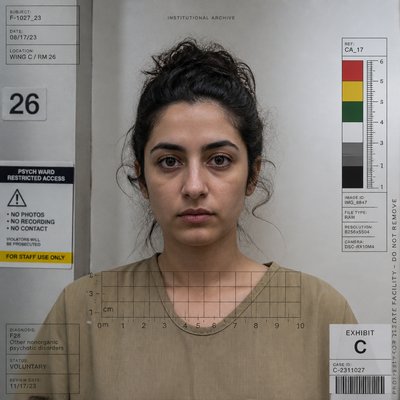
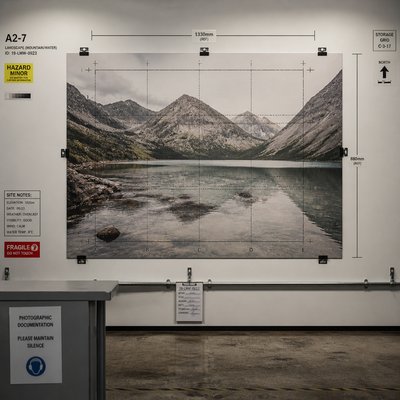
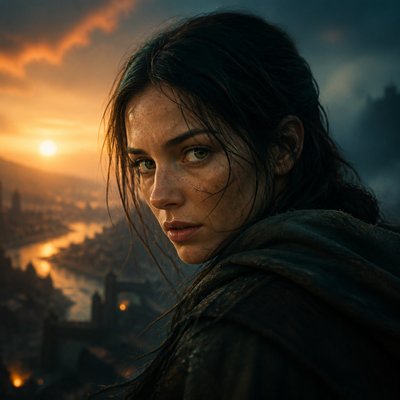
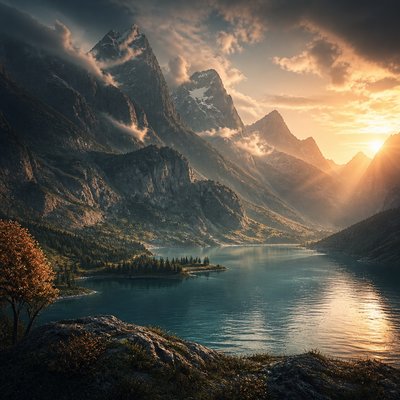
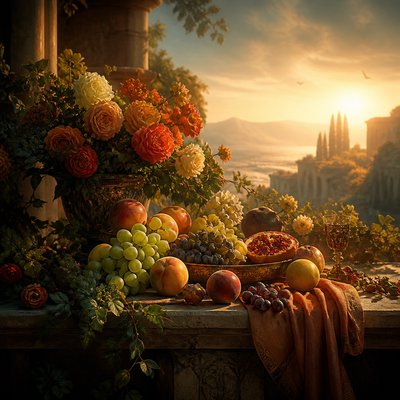
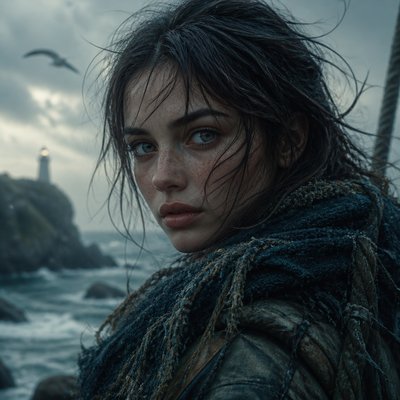
Low-key portrait photography with deep shadows, selective focus, muted color, and cinematic emotional intensity.
Instantly rendered in Moody Portrait Photography — or transform a photo
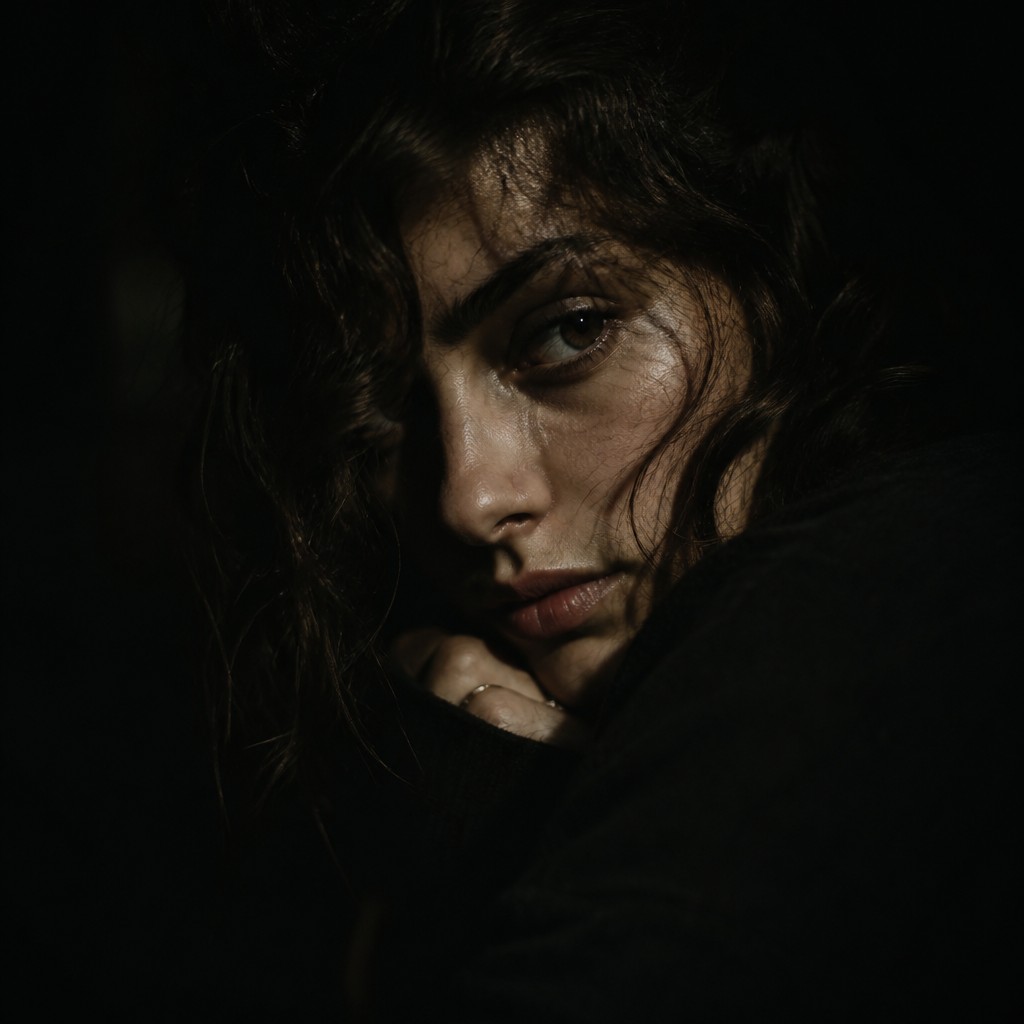
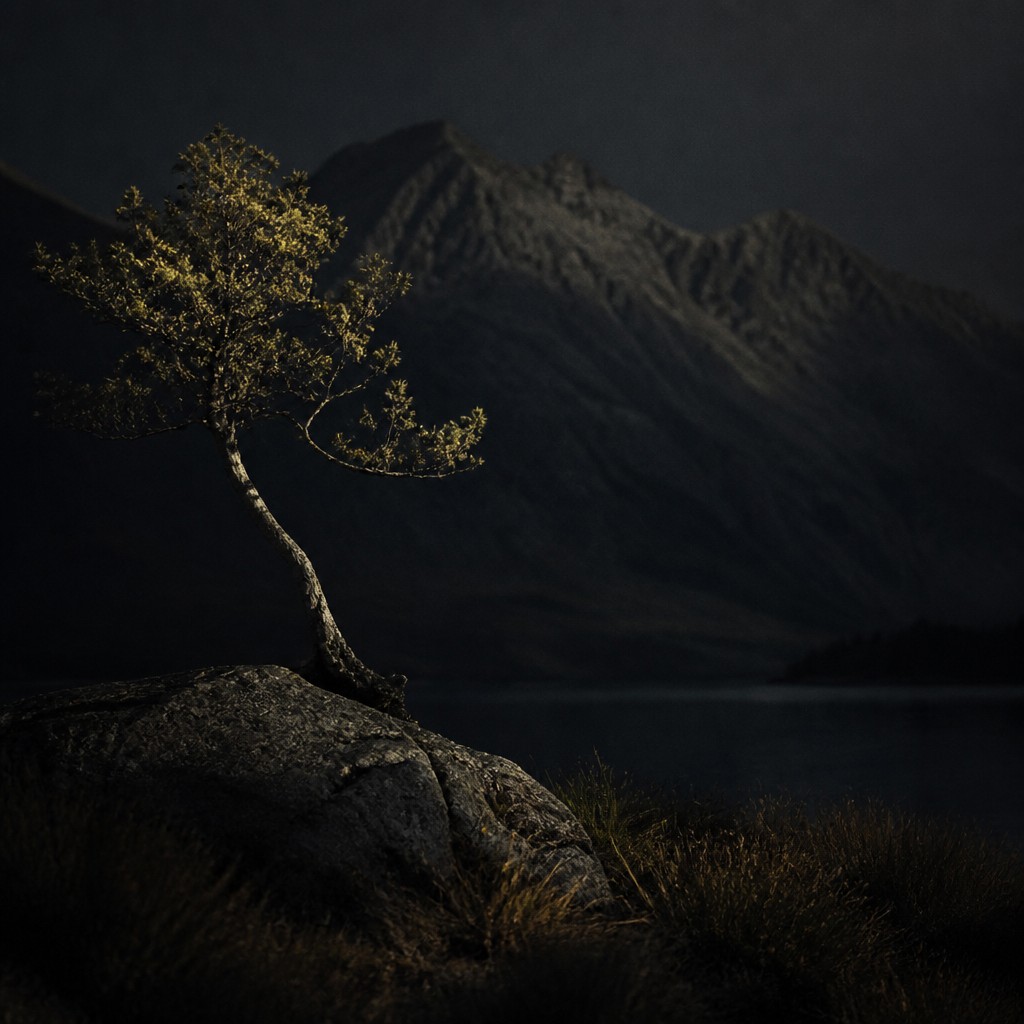
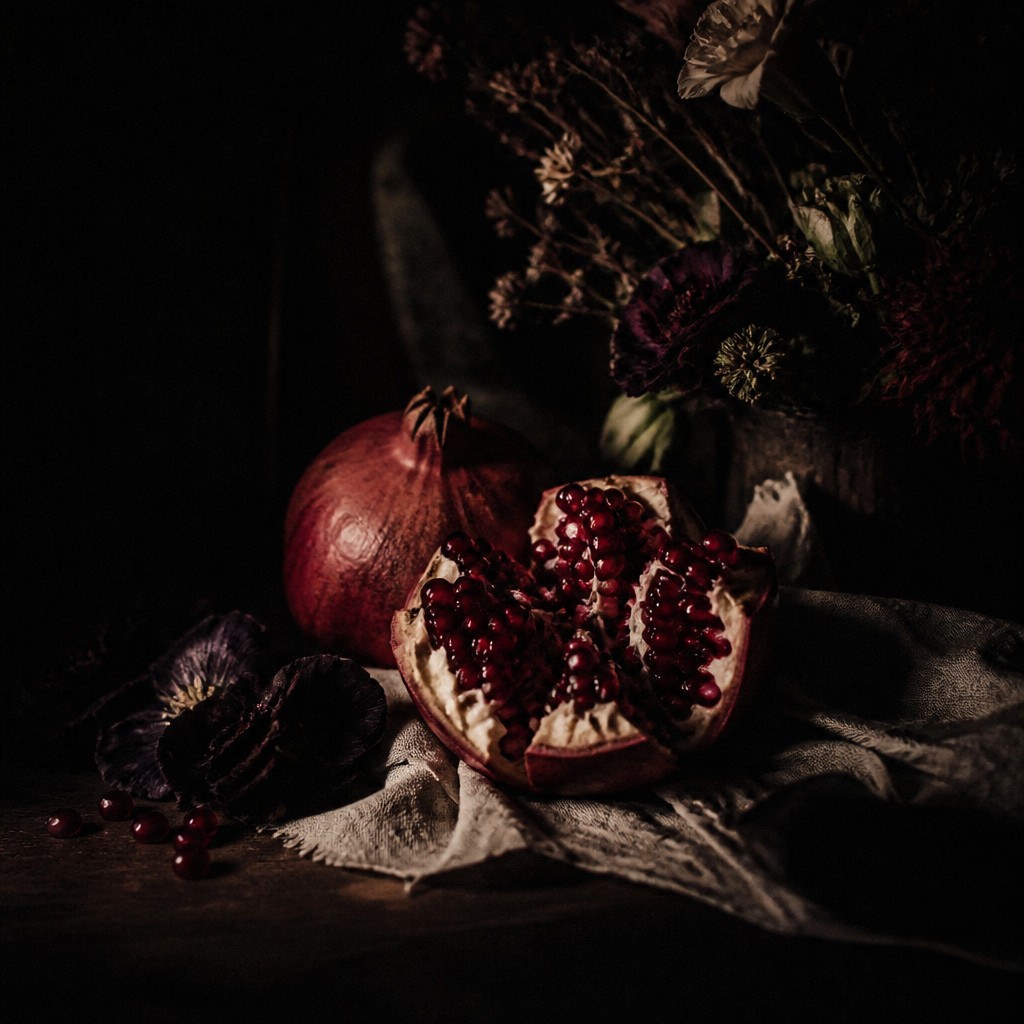
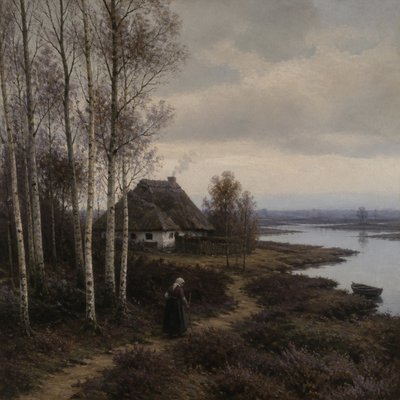
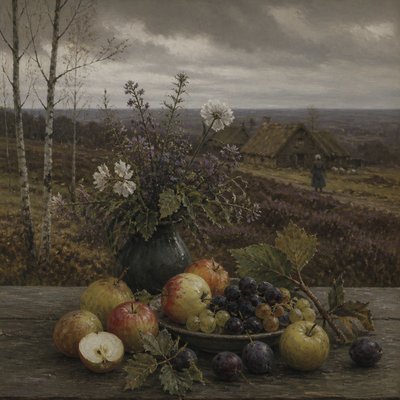
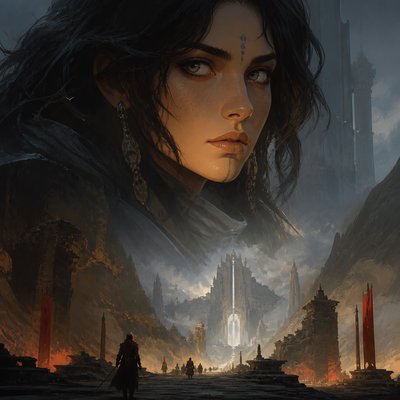
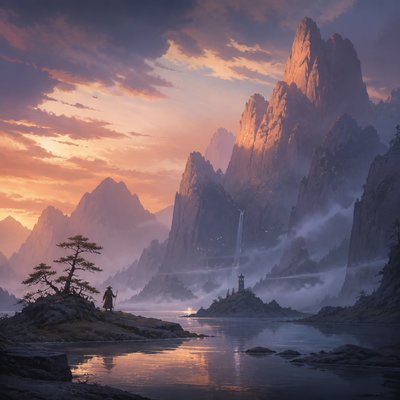
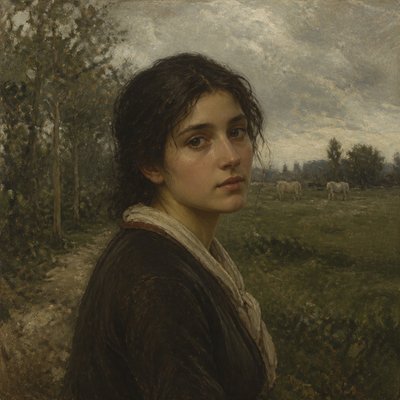
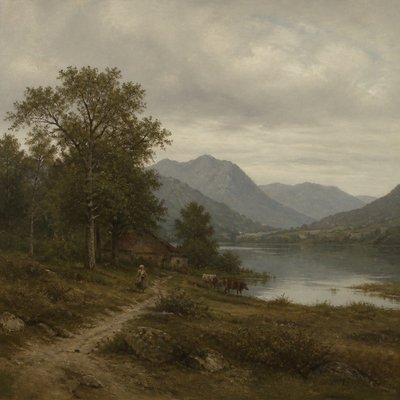
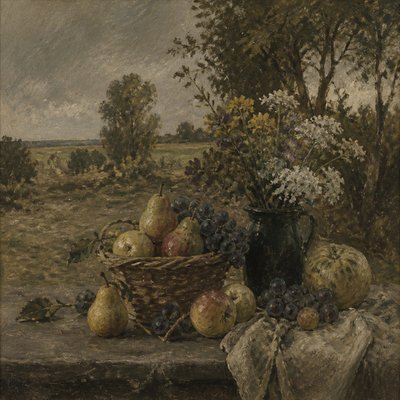
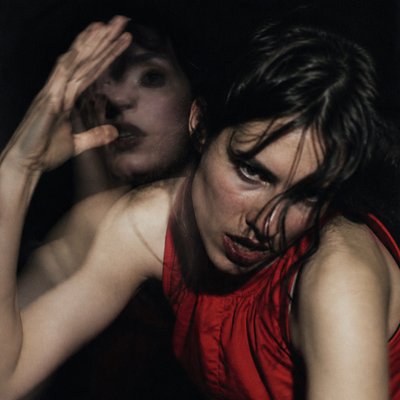
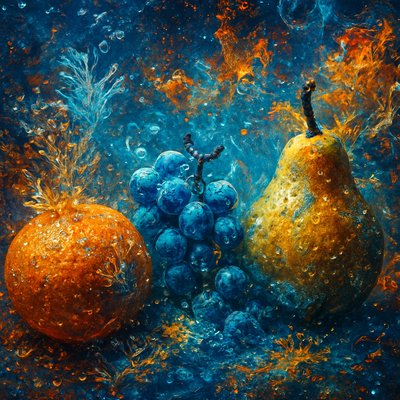
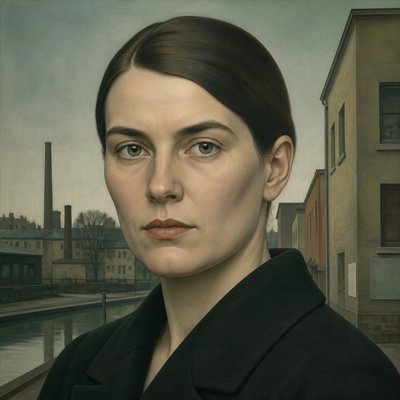
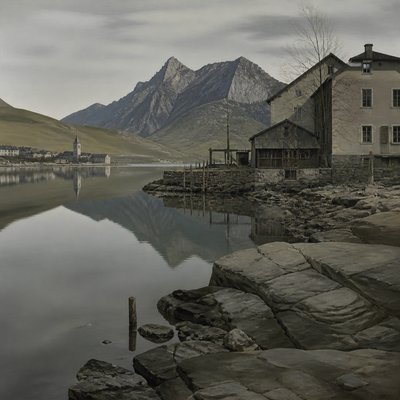
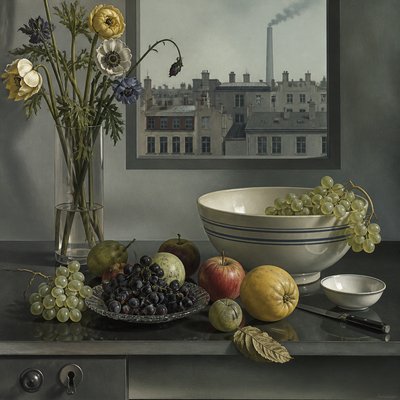
Moody Portrait Photography Gallery
Tap any artwork to explore it
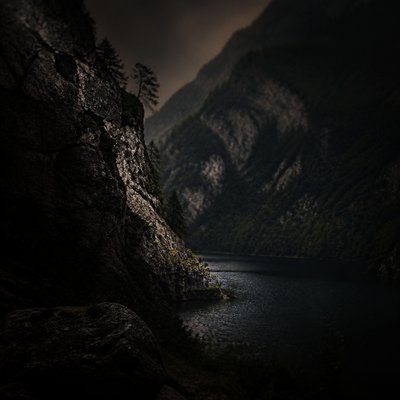
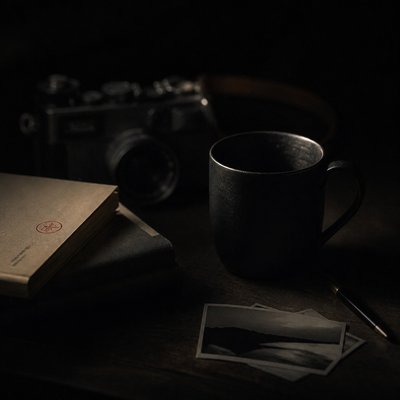
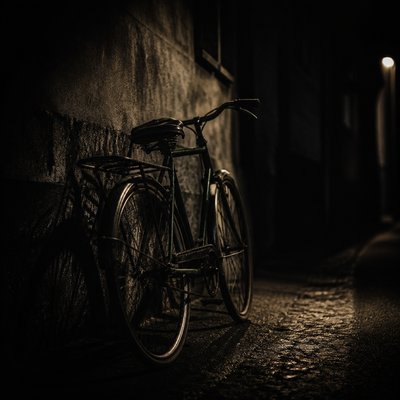
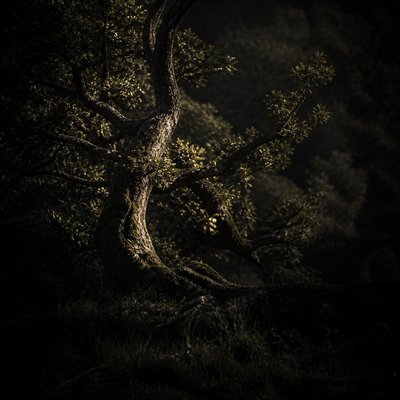
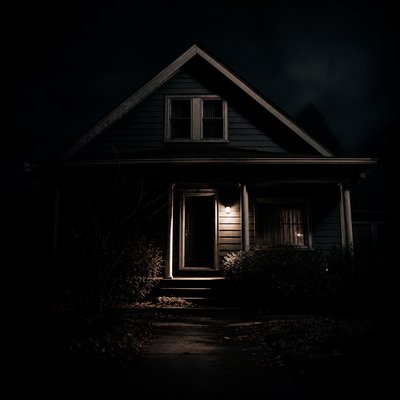
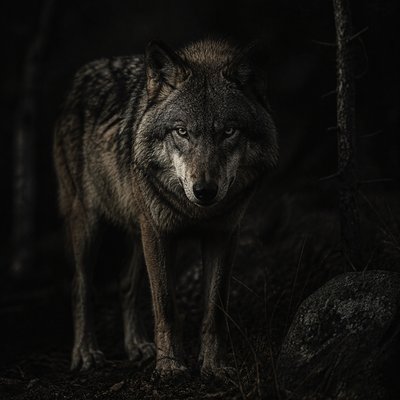
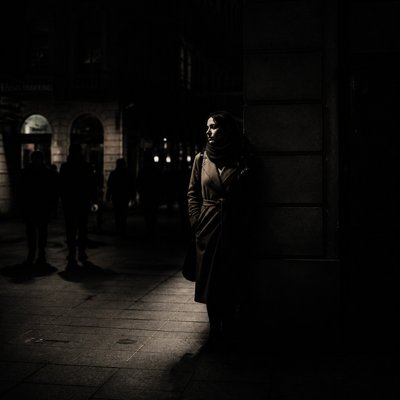
What is Moody Portrait Photography Style?
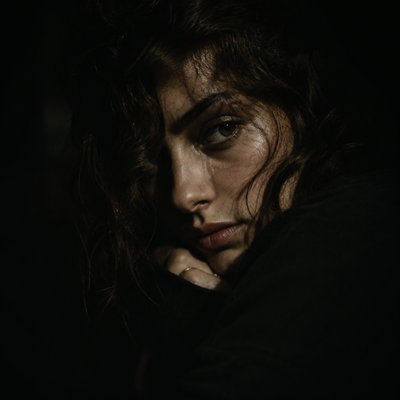
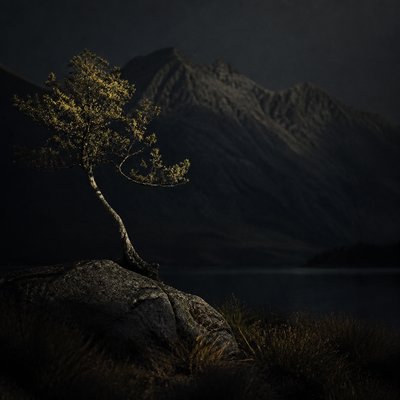
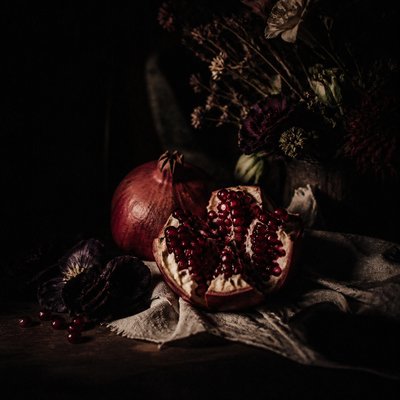
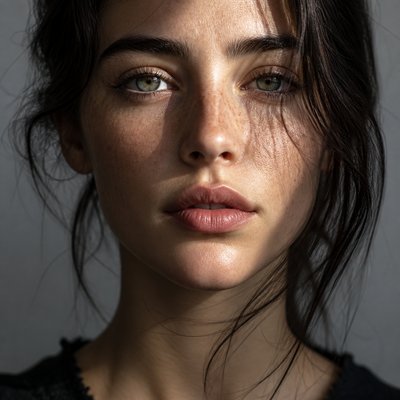
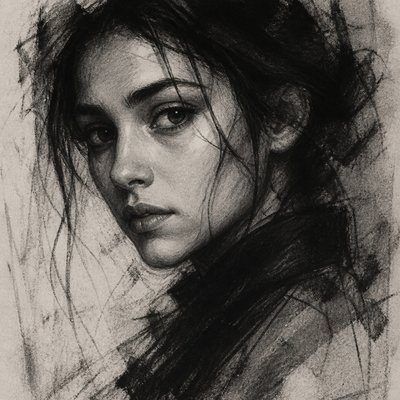
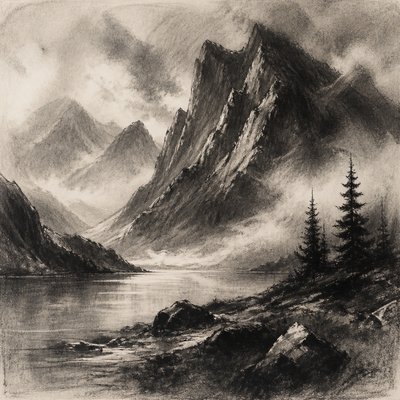
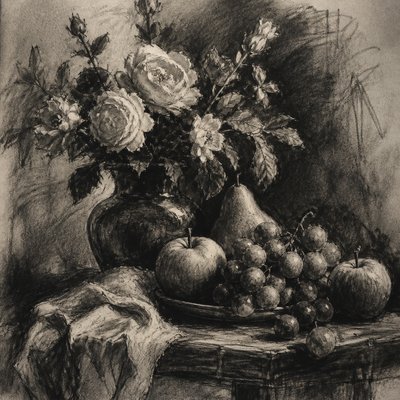
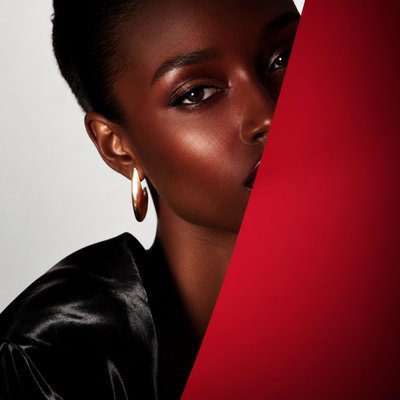
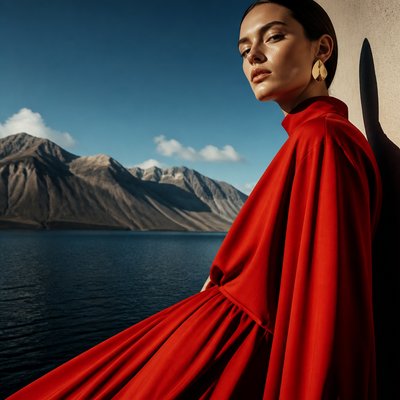
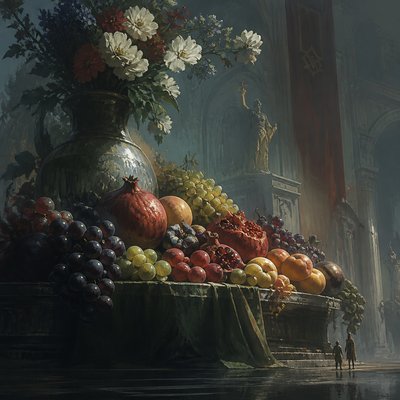
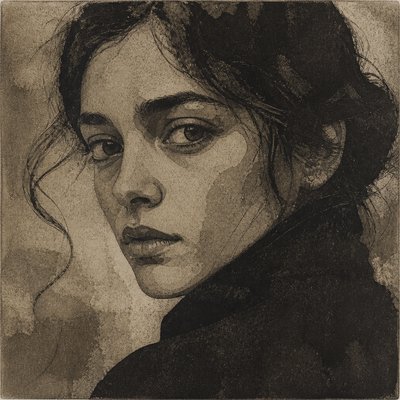
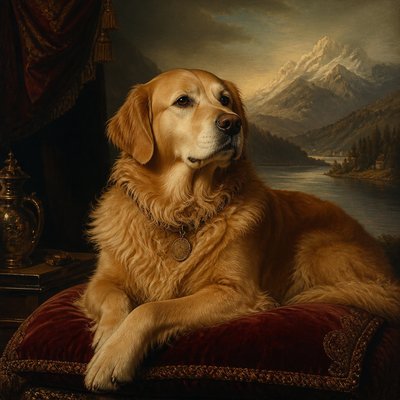
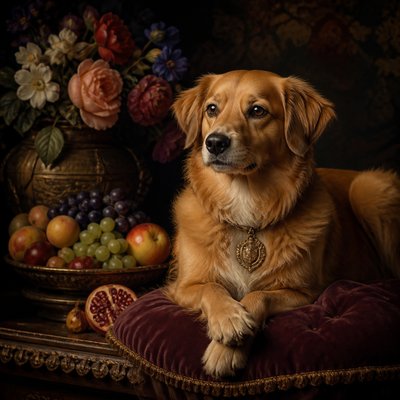
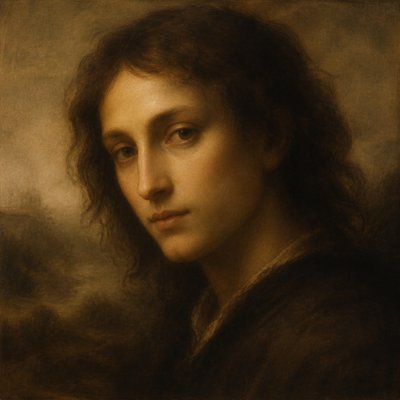
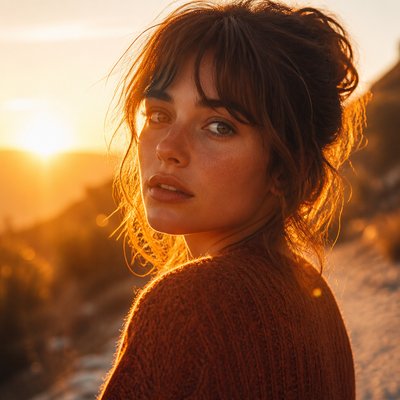
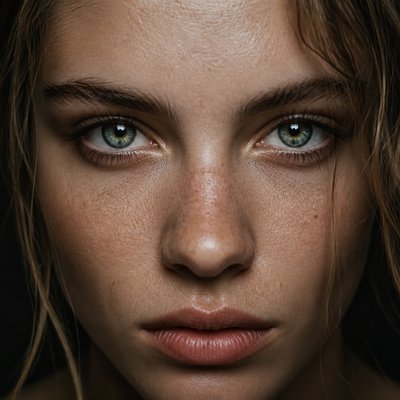
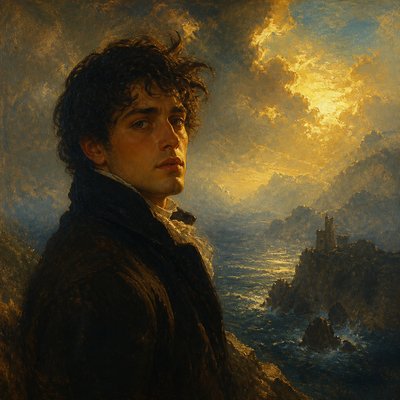
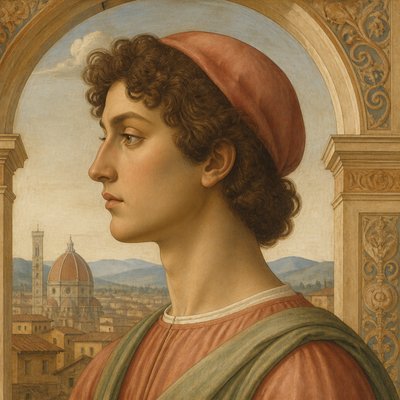
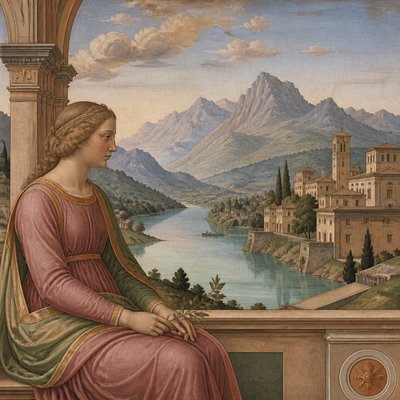
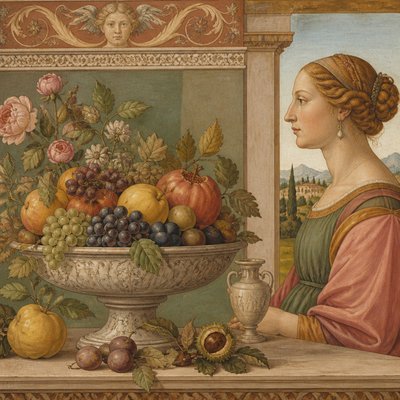
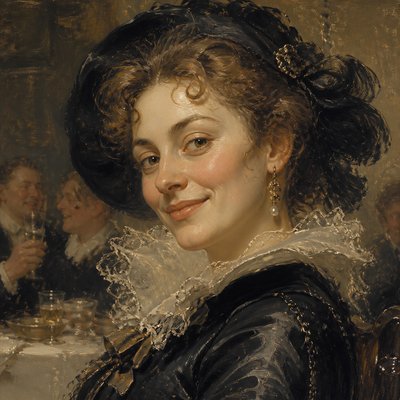
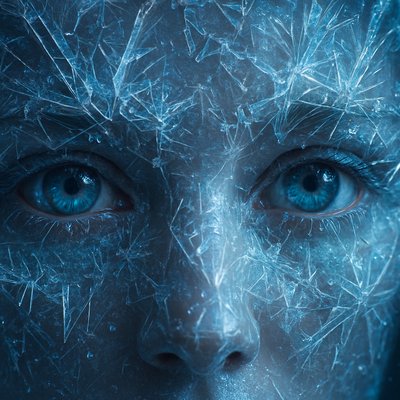
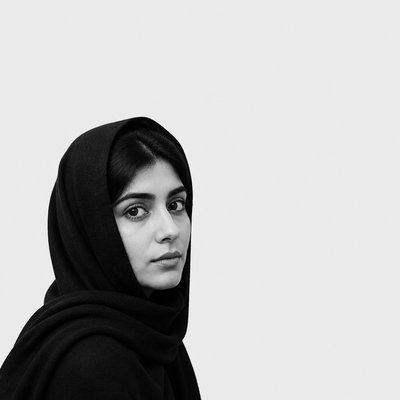
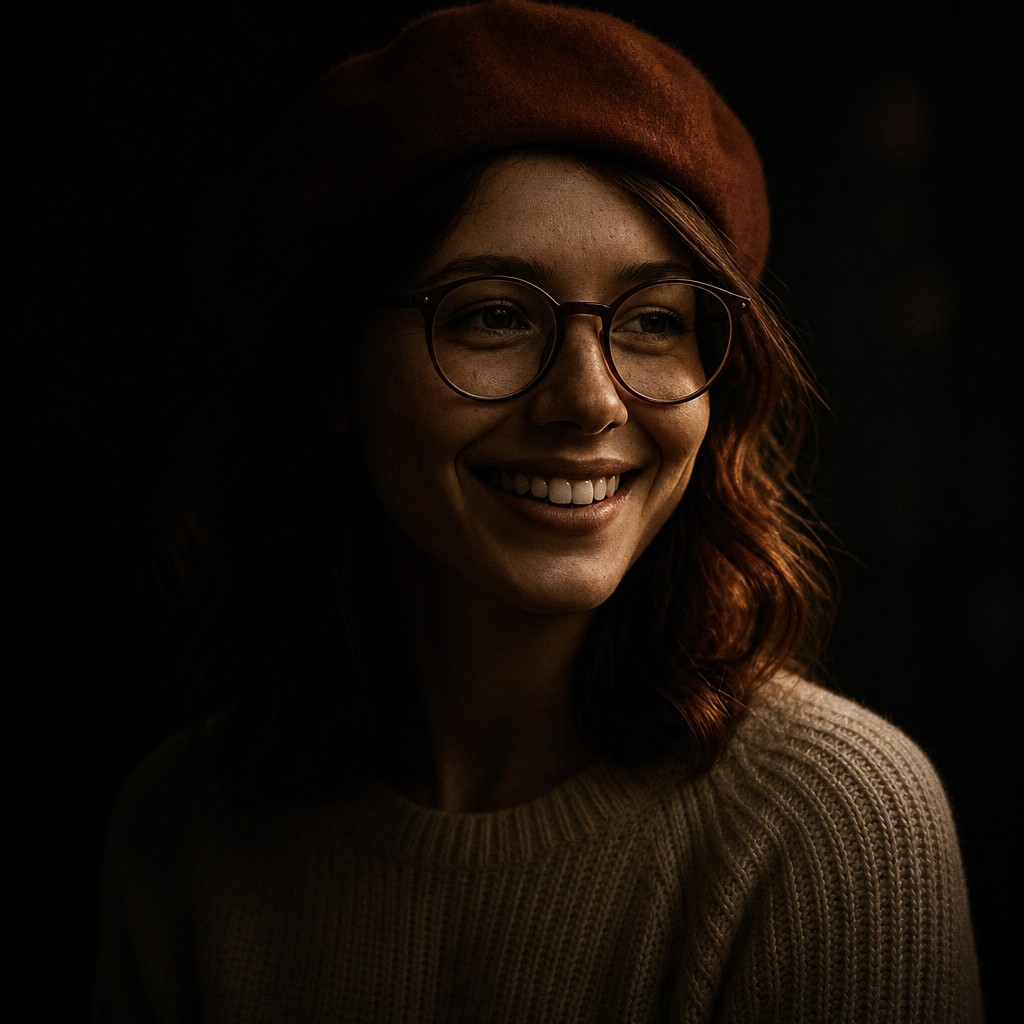
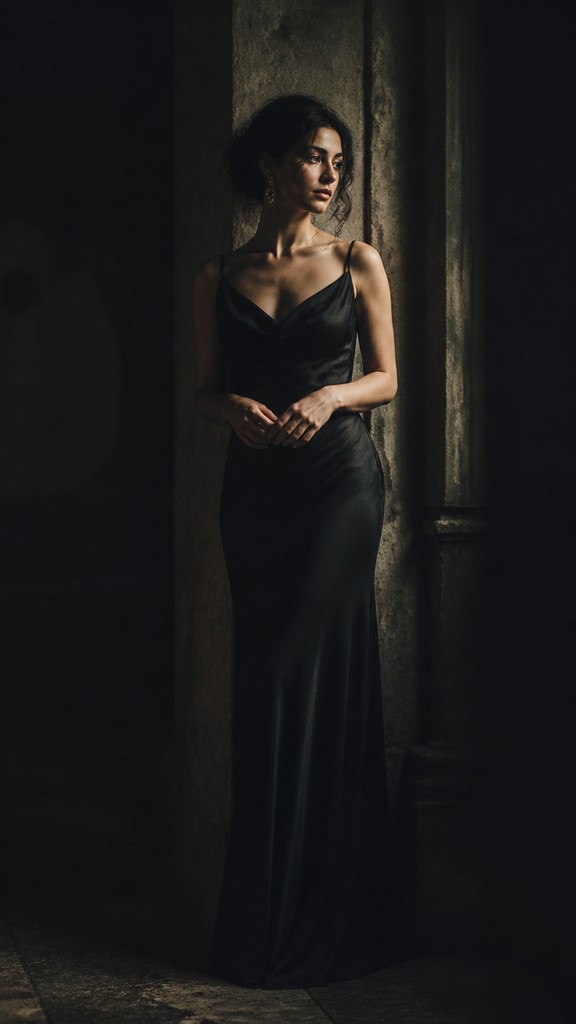
Moody portrait photography is a portrait style defined by low-key lighting, steep contrast, and a restrained palette that lets shadow do much of the expressive work. Instead of evenly revealing the face and setting, it uses darkness, partial concealment, and carefully placed highlights to shape the subject’s presence and emotional tone.
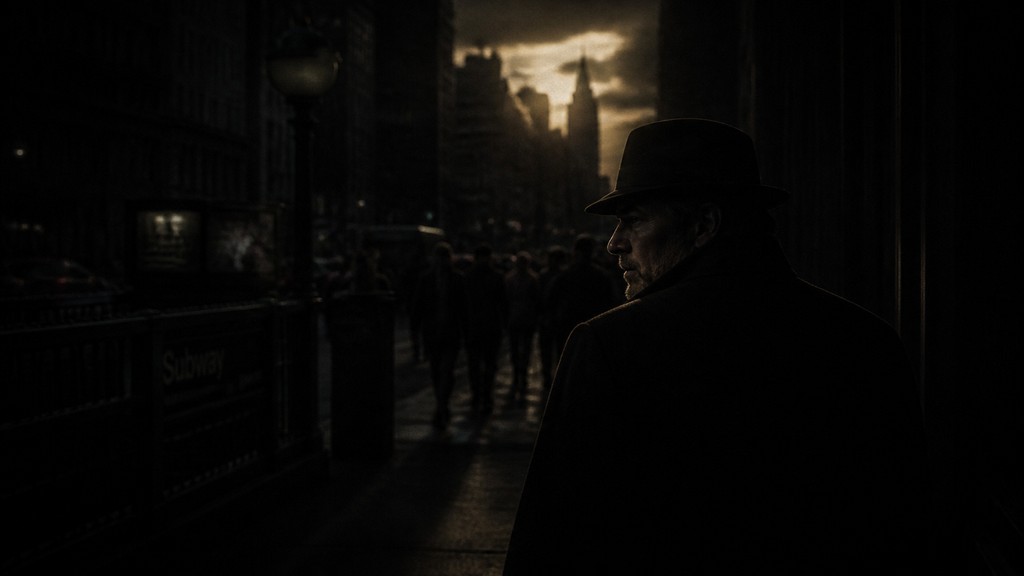
The style often feels intimate, contemplative, or brooding because it narrows attention to a few illuminated features while letting the rest of the frame fall away. This visual economy creates tension between revelation and obscurity: the viewer sees only what the light permits, which gives the portrait psychological depth and a cinematic sense of atmosphere.
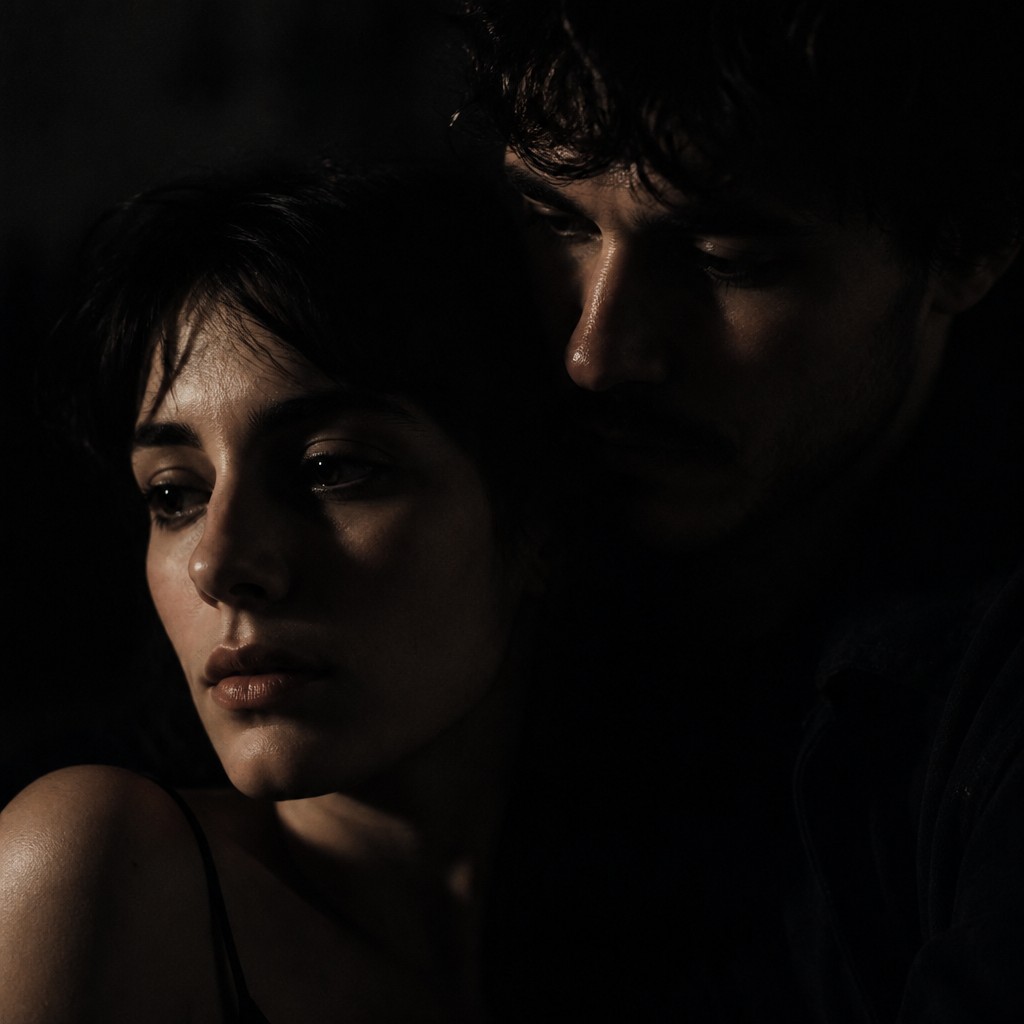
Try It On Your Photos
Upload any photo and convert it into Moody Portrait Photography Style — drag the sliders to compare before and after.


What Defines Moody Portrait Photography Style
The signature details, up close
Low-key lighting
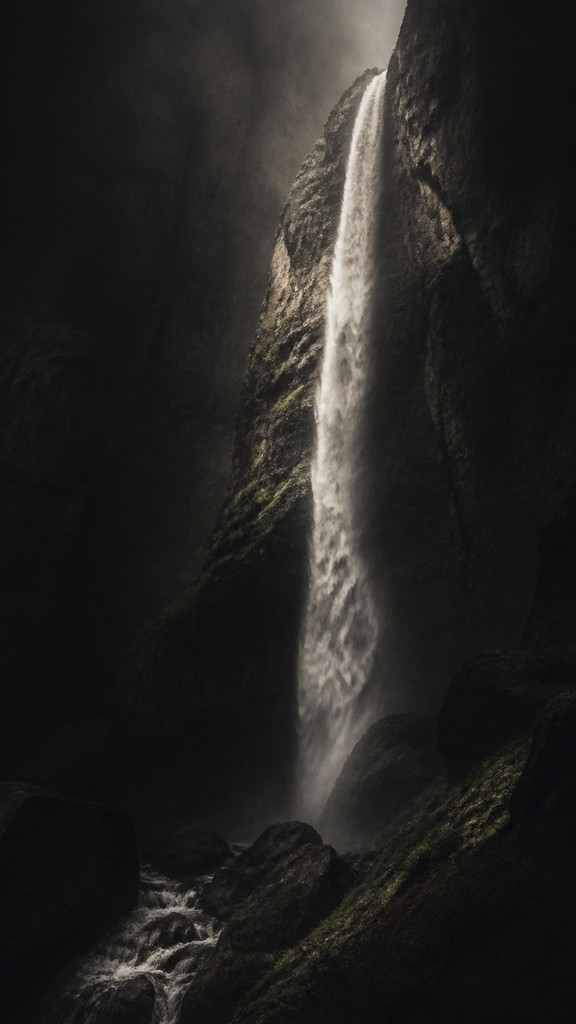
A single directional light source or tightly controlled setup leaves most of the frame in shadow. The result is a portrait that emphasizes form through contrast rather than broad illumination.
Deep shadow mass
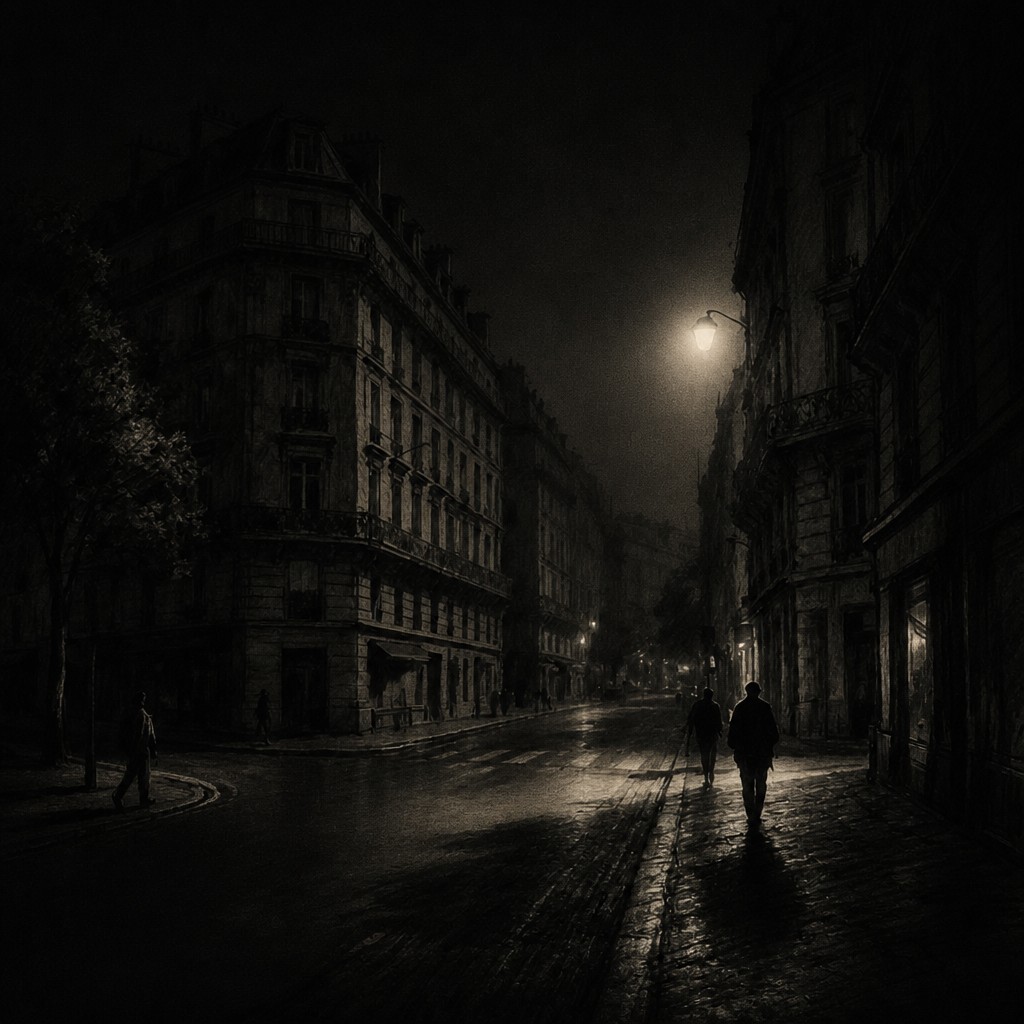
Large areas of the image may fall into near-black, concealing background and sometimes parts of the subject. This increases drama and makes the visible areas feel more deliberate and charged.
Selective focus
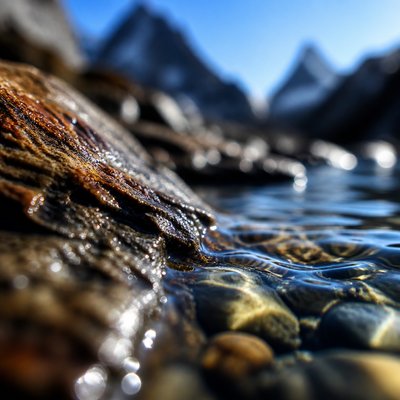
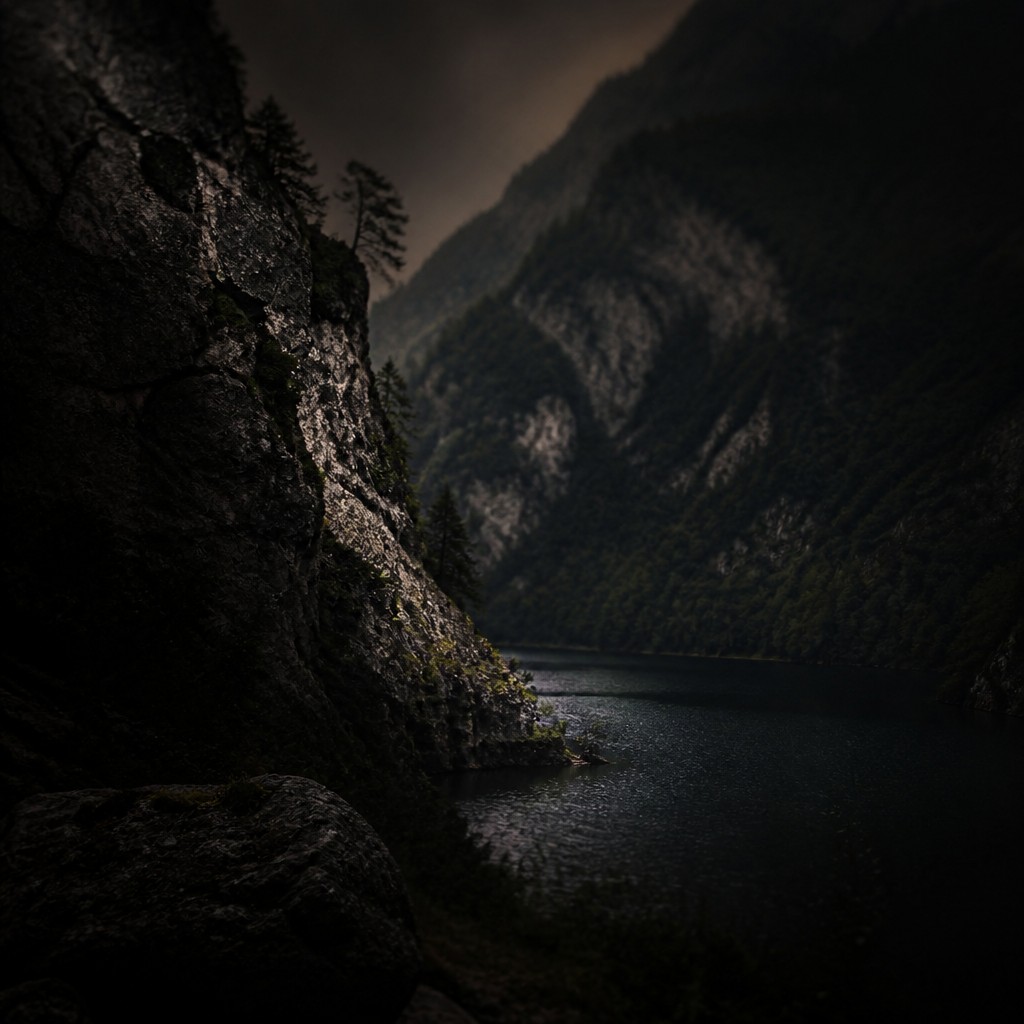
The eyes, face, or one key feature are often sharp while the background dissolves into softness or darkness. This concentrates attention and reinforces the sense of intimacy.
Muted color or monochrome restraint
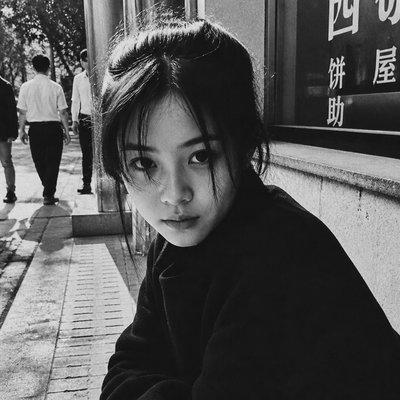
Color is usually subdued, with low saturation and controlled highlights. Many examples rely on black-and-white or near-monochrome palettes to heighten tonal subtlety and mood.
Rich tonal gradation
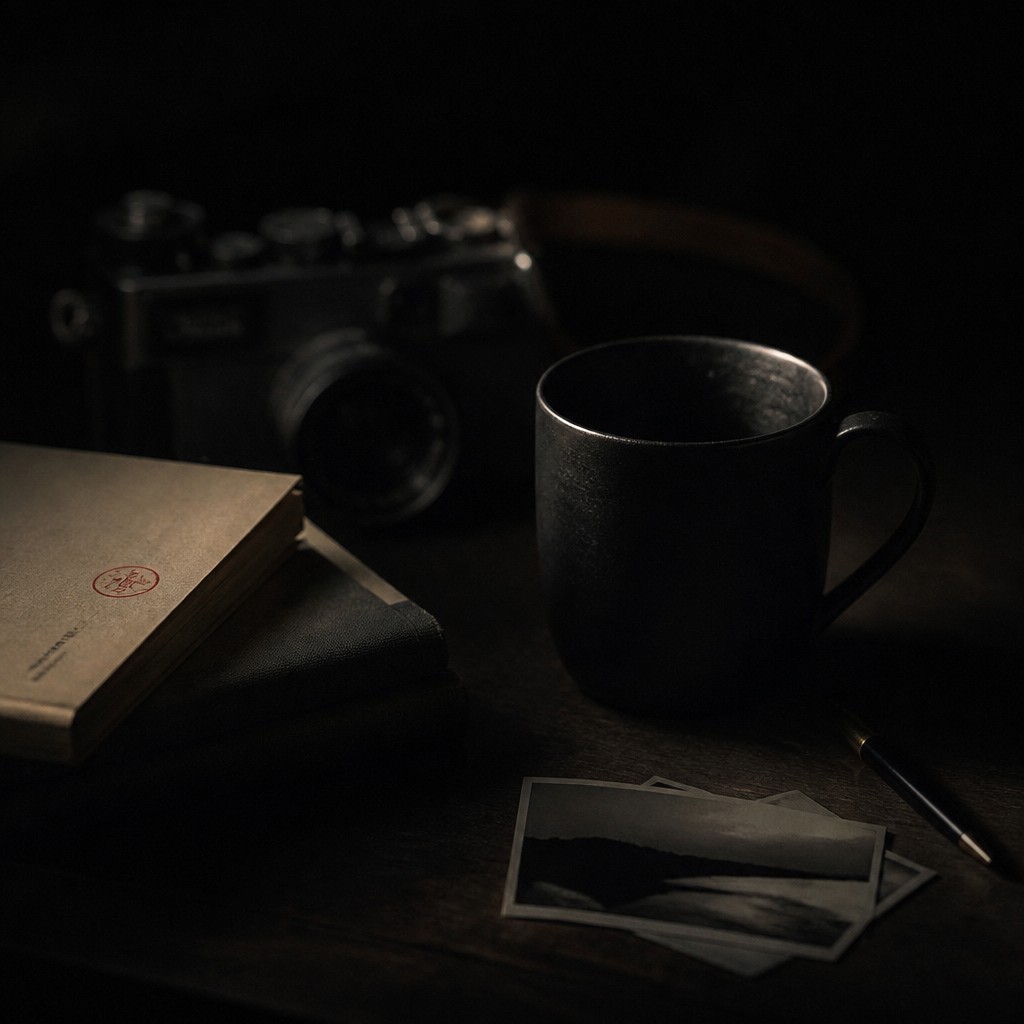
Even with strong contrast, the best examples preserve detail in the midtones and darkest areas. Subtle transitions between black, gray, and highlight keep the image from becoming flat or posterized.
Cinematic emotional tone
The lighting and framing often suggest introspection, vulnerability, mystery, or quiet tension. Rather than documenting a smile or a pose, the image implies an inner state.
Try It
Create Videos in Moody Portrait Photography Style
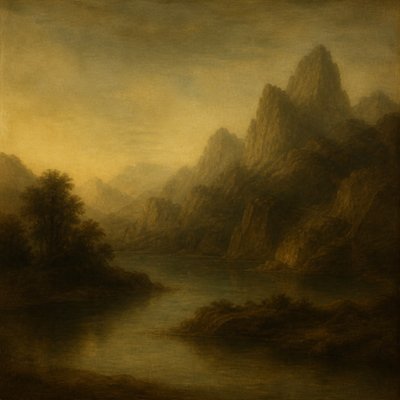
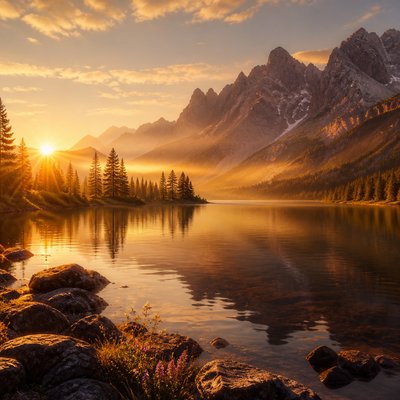
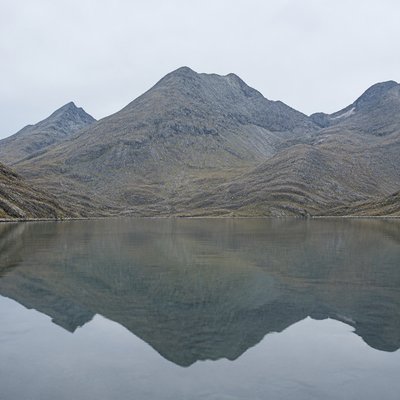
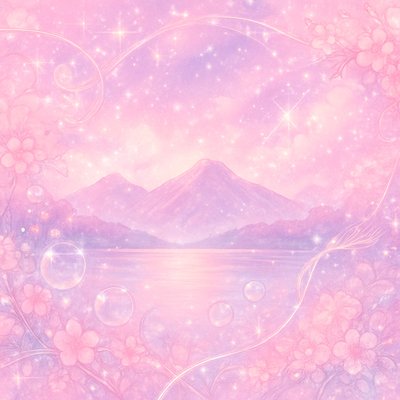
Styles aren't just for stills — describe a scene or animate an image and get a short video rendered in Moody Portrait Photography. Press play to see this pond come to life.
Make a VideoMoody Portrait Photography Prompt Ideas
Start from an idea — each one opens the generator with the style ready to go. See all 40 Moody Portrait Photography prompts →
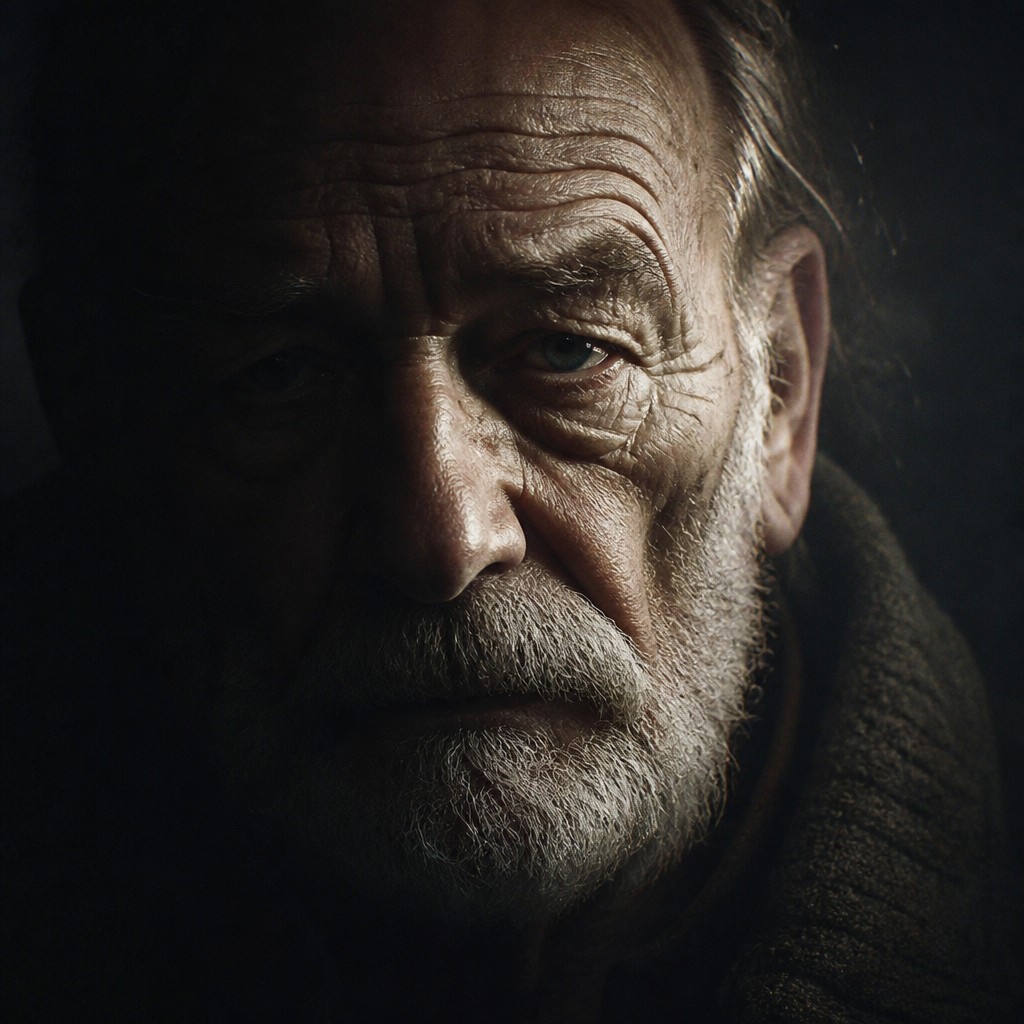
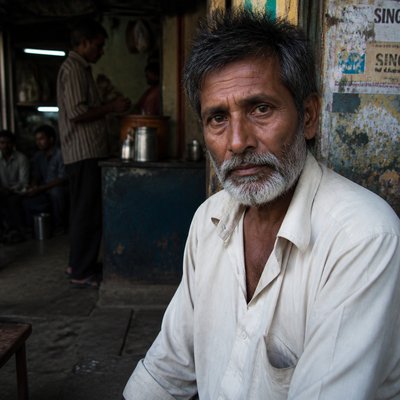
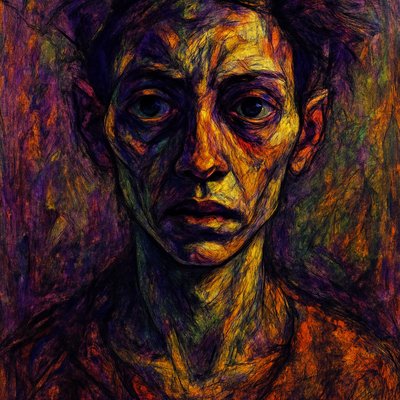
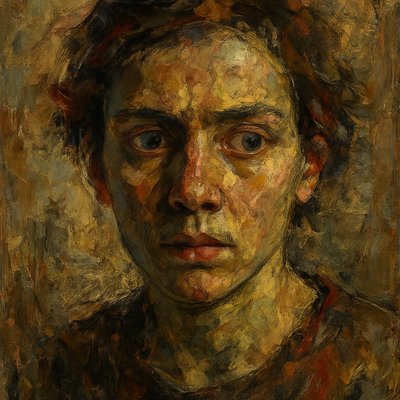
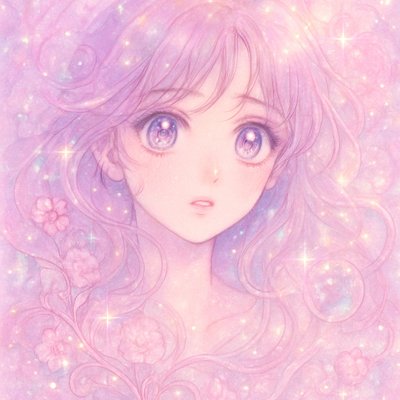
“close-up portrait of an elderly person with expressive weathered features”
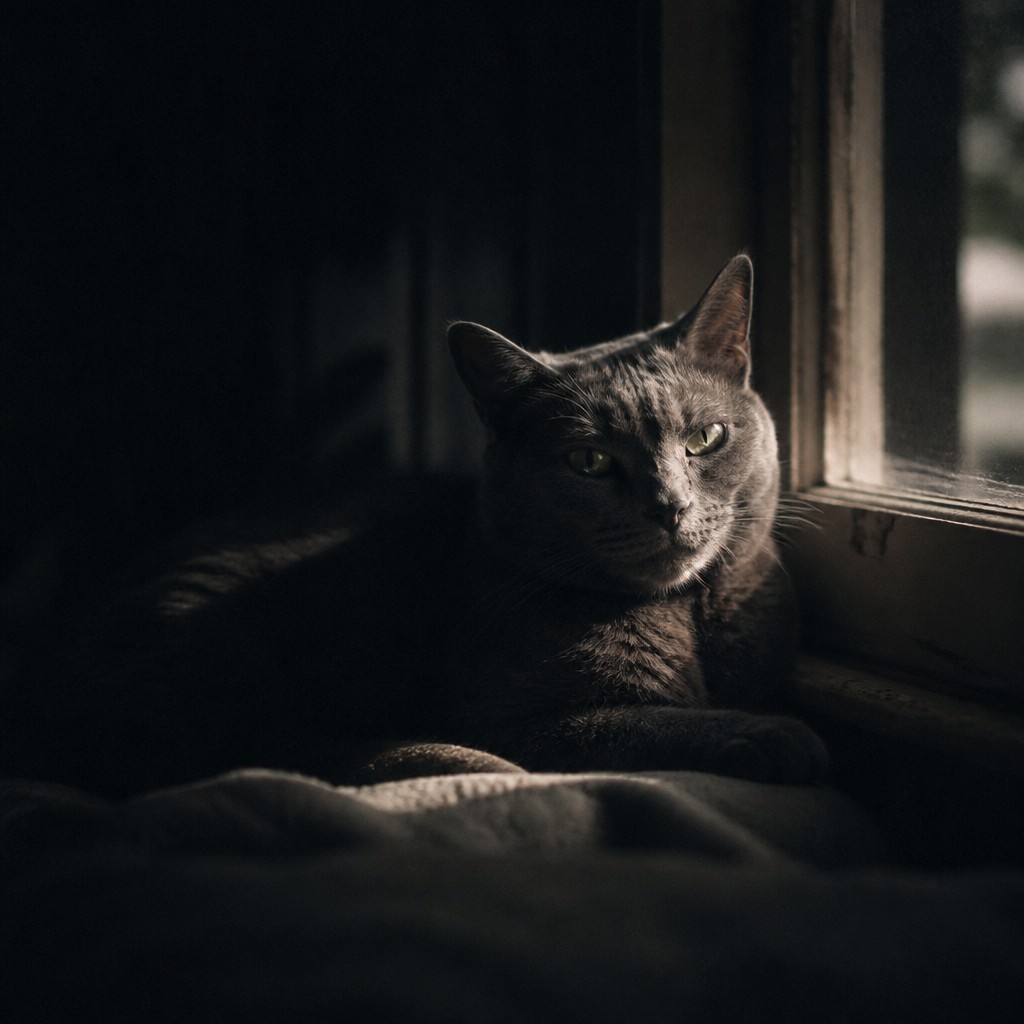
“a cat lounging in a sunlit window”
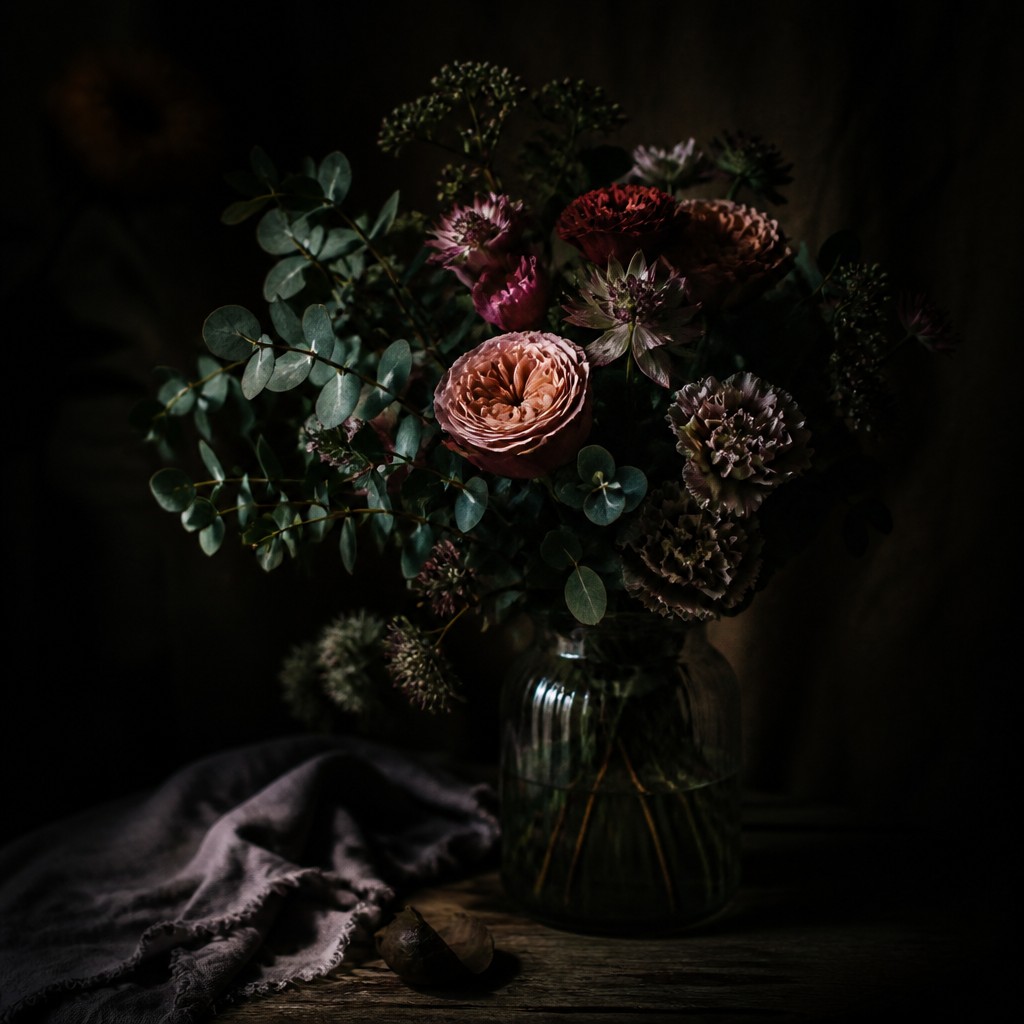
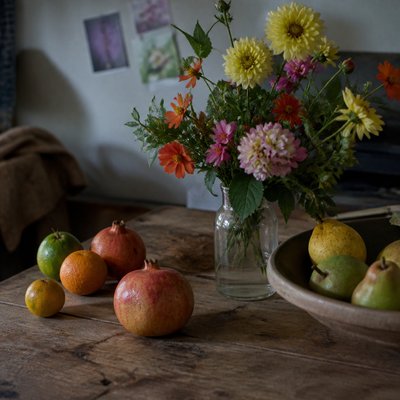
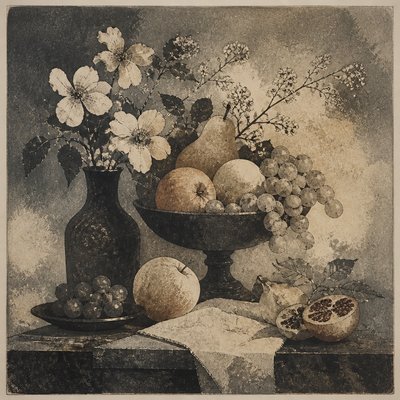
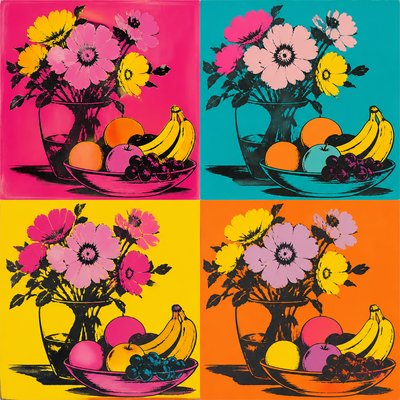
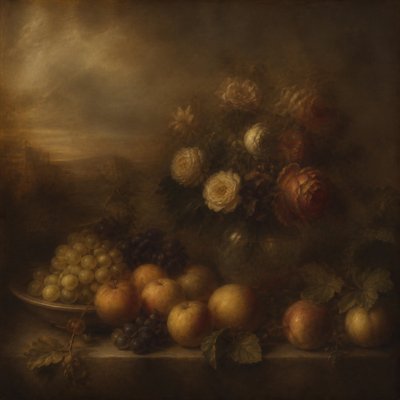
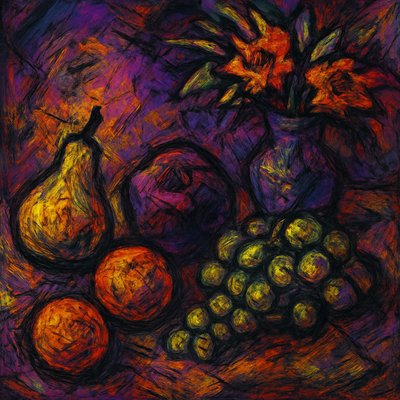
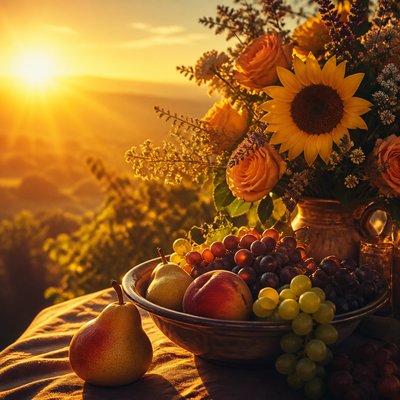
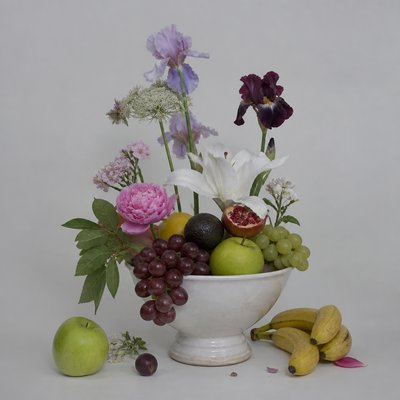
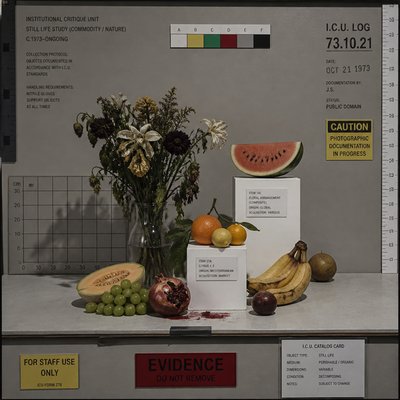
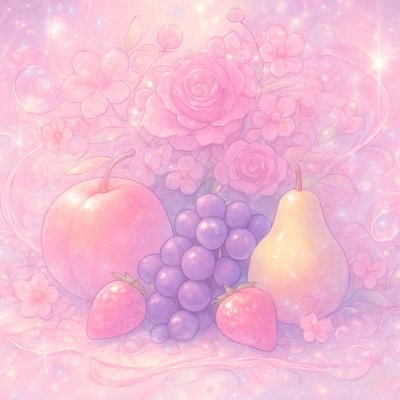
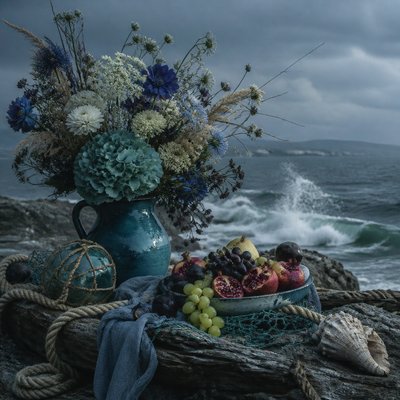
“bouquet of flowers in a glass vase”
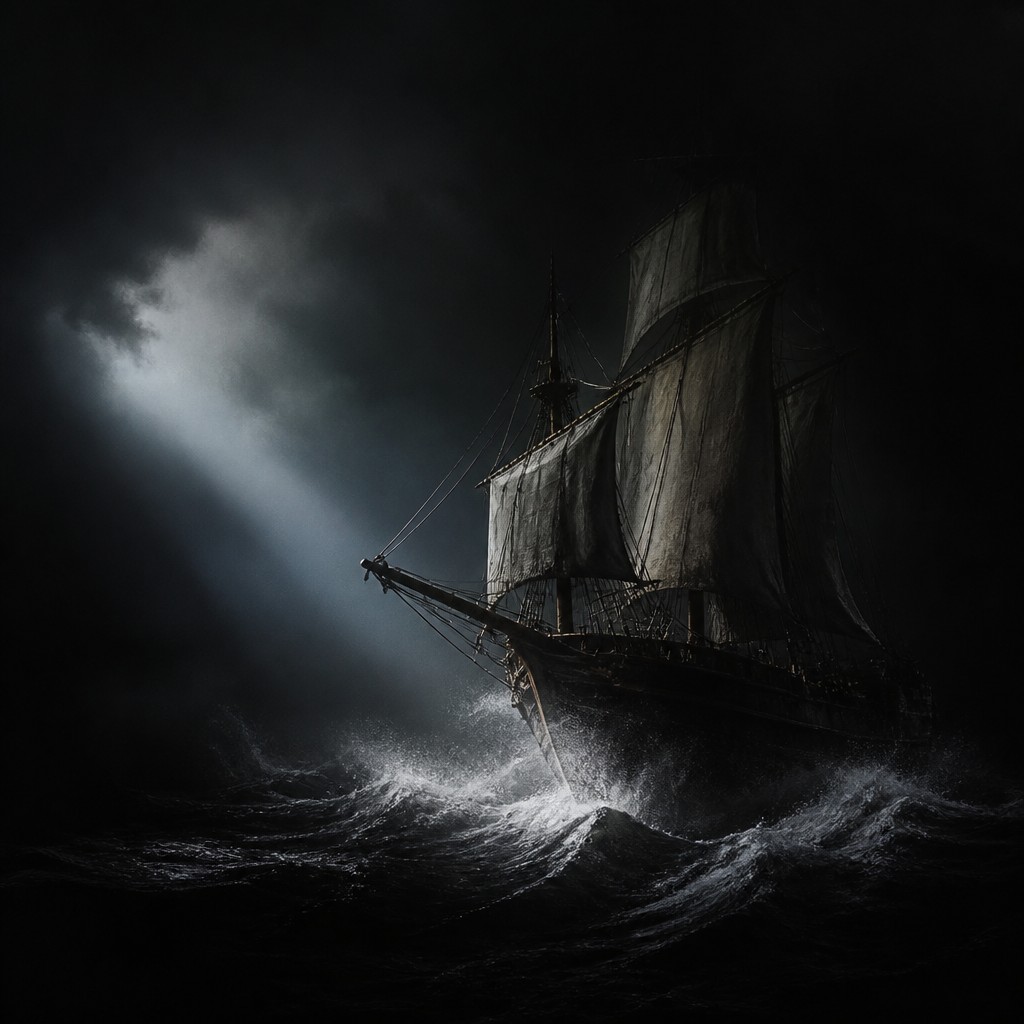
“sailing ship on a stormy sea”
How to Create Moody Portrait Photography Art
Master the craft step by step — or skip straight to creating. Read the full guide →
- 1
Shape the light first
Use one main light source and block spill with flags, curtains, or a dark room. Place the light to the side, above, or slightly behind the subject so that facial structure emerges from shadow instead of being evenly lit.
- 2
Choose a dark, simple background
Keep the setting visually quiet so the subject remains the focus. In studio work, use black or charcoal backdrops; in location work, position the subject where background detail naturally falls out of exposure.
- 3
Expose for the highlights, preserve the midtones
Set exposure so the brightest facial planes or catchlights are controlled, then keep enough tonal information in the shadows to avoid losing all texture. In post-processing, deepen blacks carefully while preserving facial contours and subtle detail.
- 4
Use depth of field intentionally
A wide aperture can separate the subject from the background and reinforce isolation. For a more graphic look, keep the face crisp while allowing the surrounding space to soften into darkness.
- 5
Retouch with restraint
Avoid over-smoothing skin or crushing every dark area. The style depends on visible texture, nuanced shadow, and a believable falloff that feels photographic rather than artificial.
- 6
For prompt-based generation, specify lighting and mood clearly
Describe the subject, then add terms such as low-key lighting, single directional light, deep shadows, muted palette, selective focus, and cinematic contrast. If using a reference photo, preserve the pose and facial structure while directing the model toward darker tonal relationships.
The Story
History & Origins of Moody Portrait Photography
Moody portrait photography grows out of the broader history of low-key portraiture and studio lighting, especially the traditions of chiaroscuro in painting and the expressive use of shadow in 20th-century photography and cinema. Its visual logic is closely related to film noir, theatrical portrait lighting, and fine-art portrait practices that prioritize emotional character over descriptive clarity.
As a contemporary aesthetic, it has been shaped by digital cameras, image editing, and social-media portrait culture, but its roots are older than those tools. Photographers working in fashion, editorial, and fine-art contexts long used single-source lighting, dark backdrops, and controlled exposure to isolate the subject; today the style continues that lineage while adapting easily to both traditional darkroom approaches and modern post-production workflows.
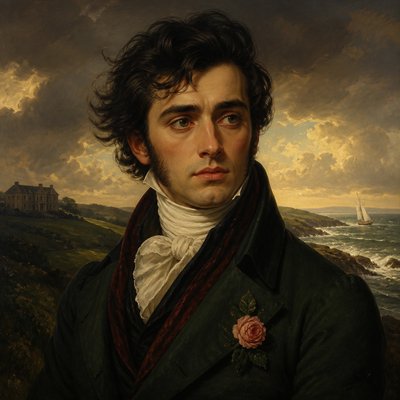
Influences: Moody portrait photography draws from chiaroscuro in painting, especially the dramatic light-and-shadow constructions associated with a leading Baroque master and another major Dutch Golden Age painter, as well as the psychological depth of portraiture in later European traditions. In photography, it is closely related to studio portrait practice, film noir imagery, and the expressive black-and-white work of influential mid-20th-century portrait photographers, each of whom used portraiture to different emotional ends.
Frequently Asked Questions
What defines moody portrait photography?
It is defined by low-key lighting, strong contrast, and a deliberate use of shadow to create atmosphere. The subject is usually isolated from the background, with attention focused on the face, eyes, or another emotionally resonant detail. The overall effect is introspective rather than bright or descriptive.
How is it different from standard portrait photography?
Standard portrait photography often aims for even illumination, accurate skin tone, and clear visibility of the subject. Moody portrait photography allows parts of the face or environment to disappear into darkness, using concealment to create tension and emotional depth. The result is less about documentation and more about atmosphere.
Is this style only for black-and-white images?
No, although black-and-white is common because it reinforces tonal drama and simplifies the image. Color versions usually use a muted palette with controlled highlights and shadows. The key is not the absence of color, but the dominance of light-versus-dark structure.
What lighting is best for creating this look?
A single directional light source is the most effective starting point, such as a window, softbox, or focused lamp placed to one side of the subject. The background should remain dark, and spill light should be minimized so the shadow areas stay rich and enveloping. Controlled falloff is more important than brightness.
Where is moody portrait photography commonly used?
It appears in fine-art portraiture, editorial fashion, album covers, book jackets, and cinematic publicity stills. It is also popular in contemporary personal branding and conceptual portrait work when the goal is to suggest introspection, mystery, or seriousness. The style works well whenever emotional intensity is more important than visual cheerfulness.
How can I make my photos look more moody without overediting?
Start with lighting and exposure rather than filters. Reduce background clutter, darken the frame selectively, and keep skin texture and tonal transitions intact. A restrained edit usually looks more convincing than heavy contrast or extreme vignette effects.
Create your first Moody Portrait Photography artwork
Describe anything — or upload a photo — and see it in Moody Portrait Photography Style in seconds.
Make Something with Moody Portrait Photography
Related Styles
Discover similar art styles