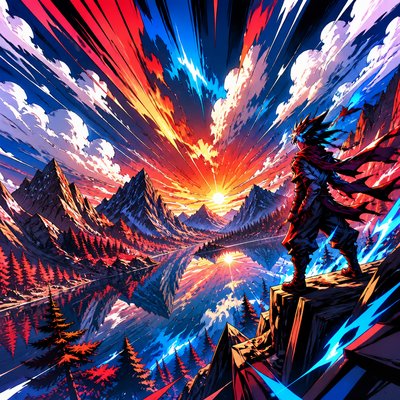
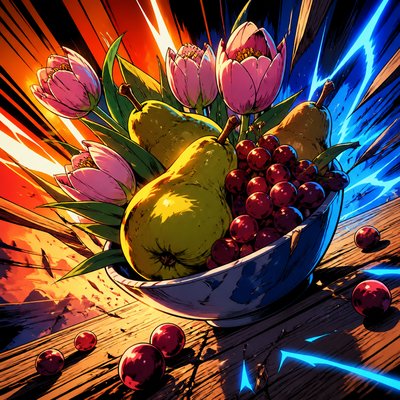
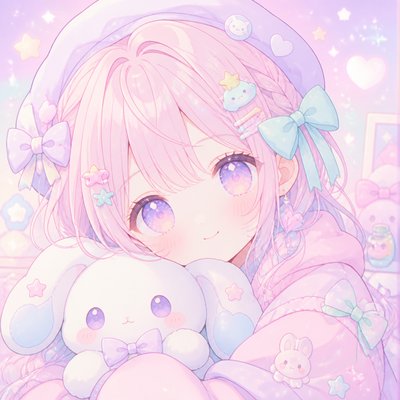
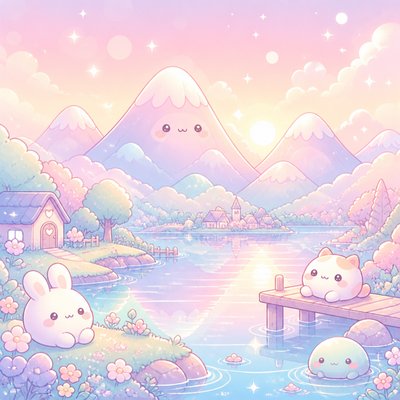
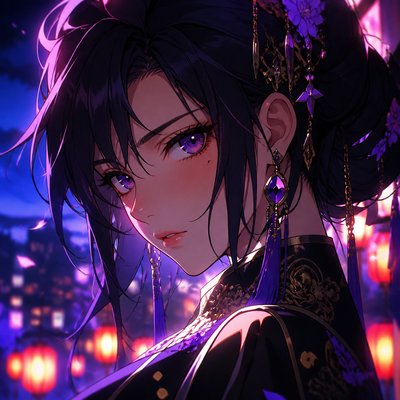
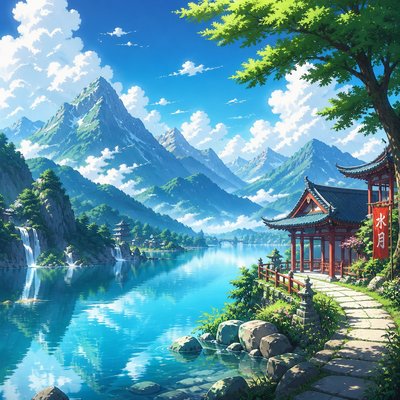
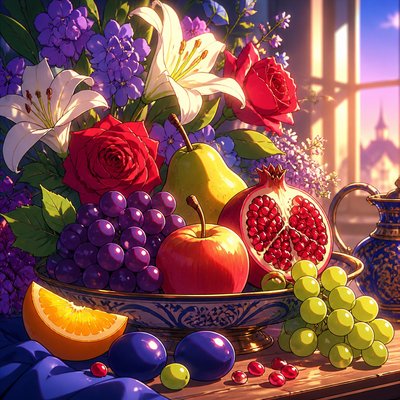
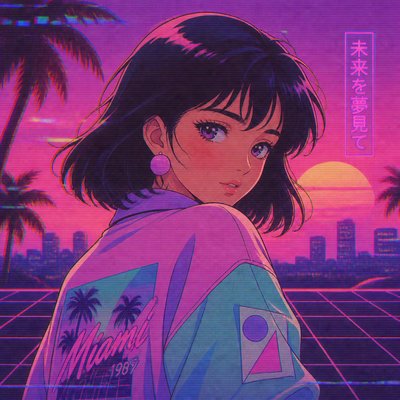
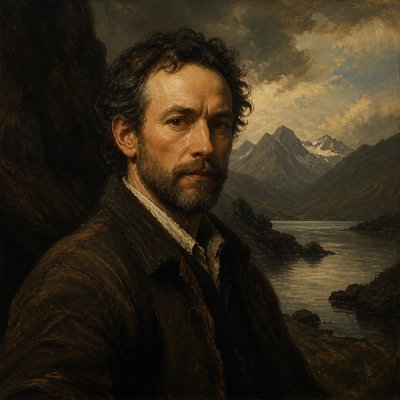
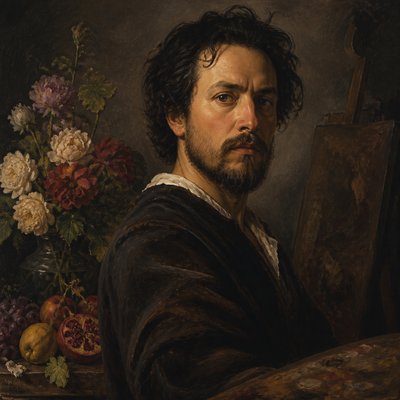
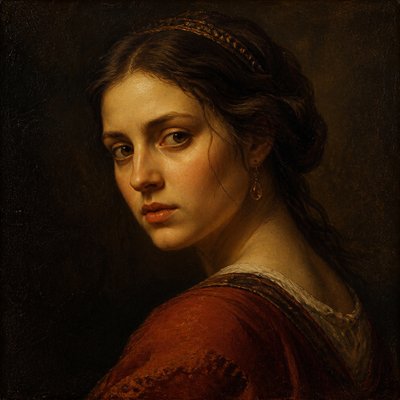
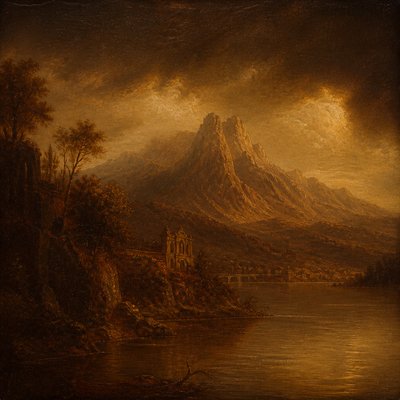
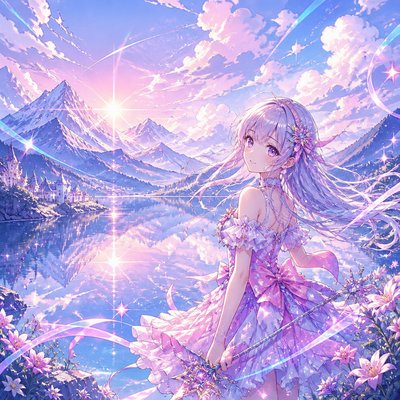
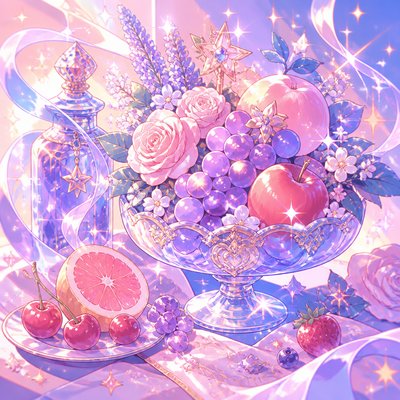
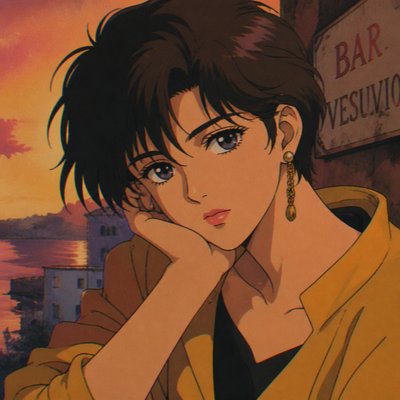
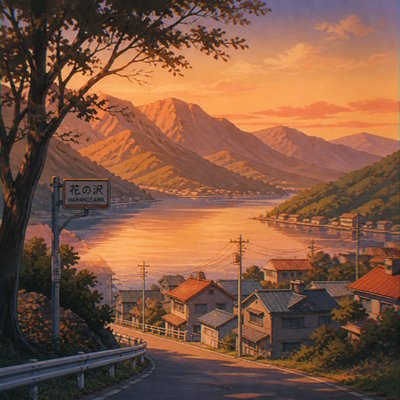
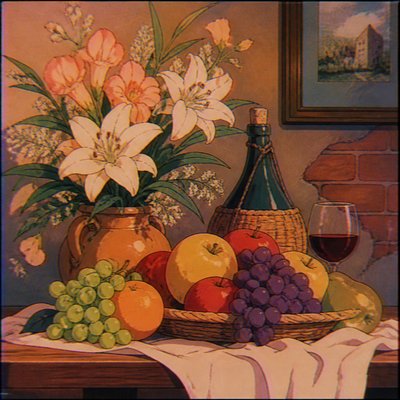
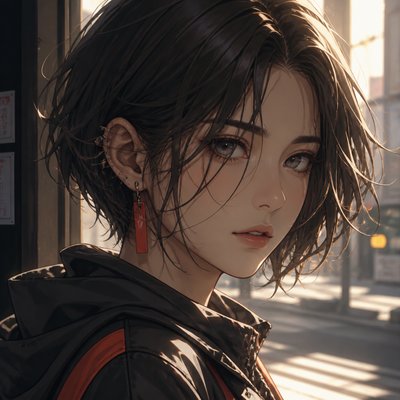
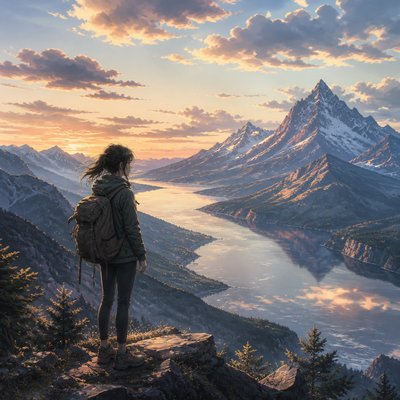
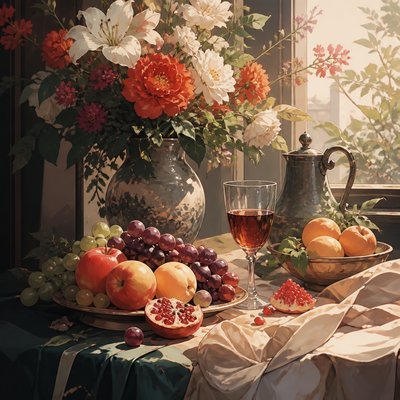
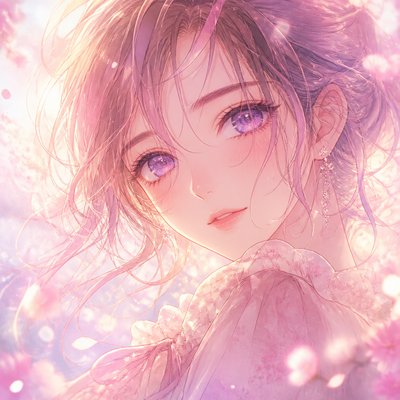
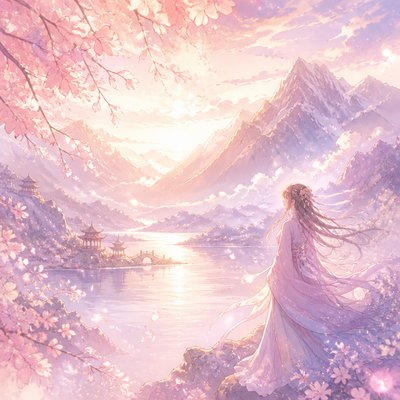
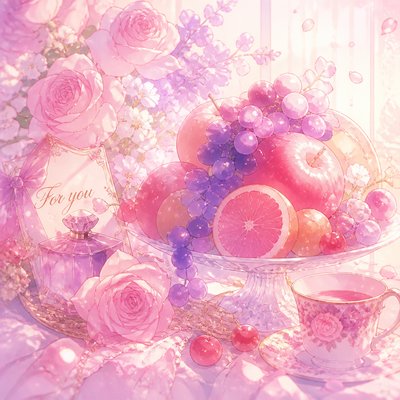
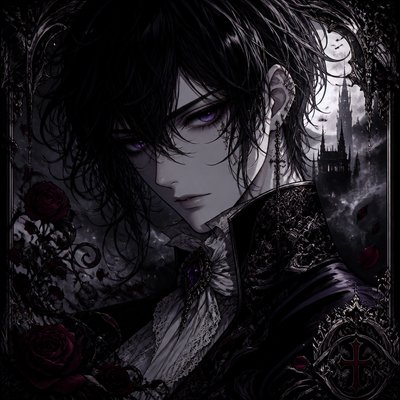
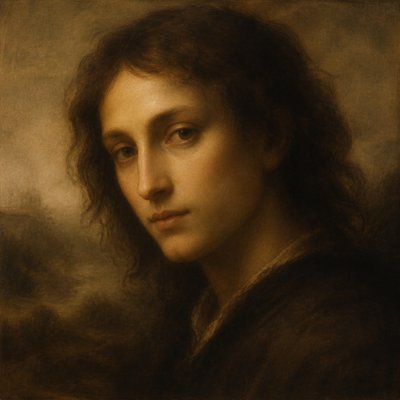
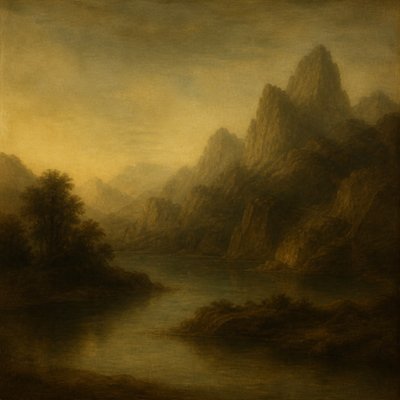
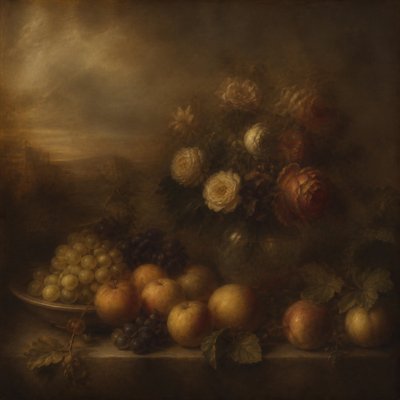
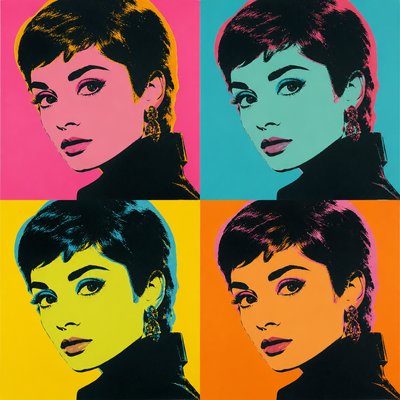
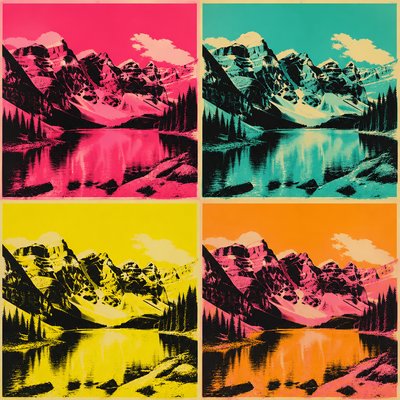
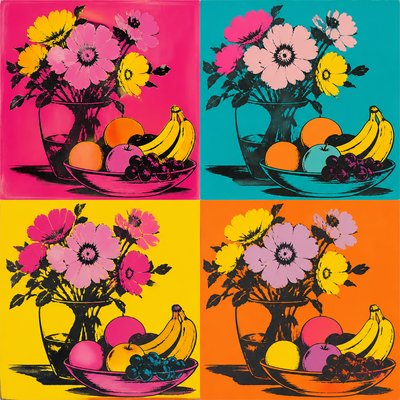
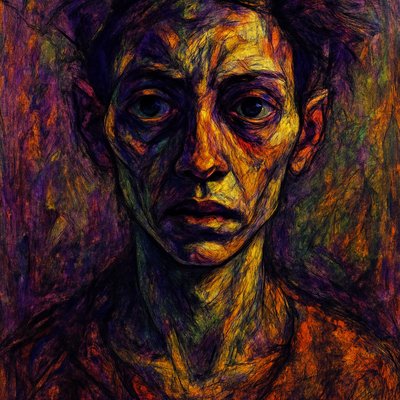
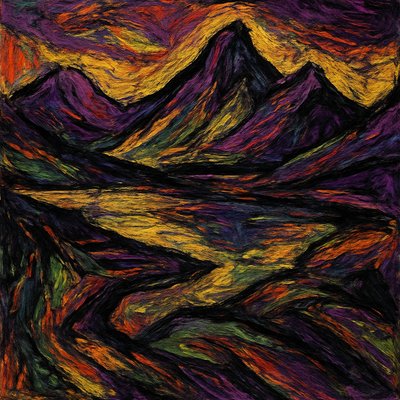
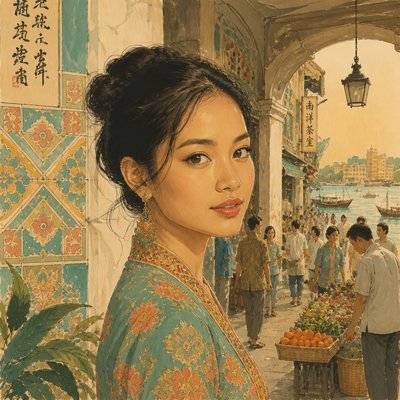
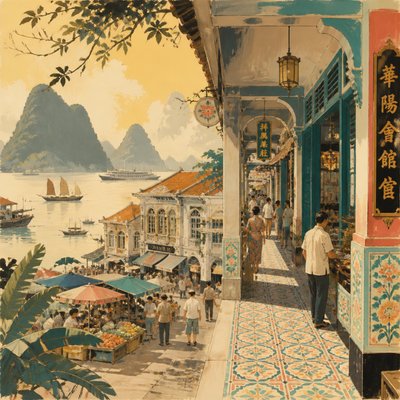
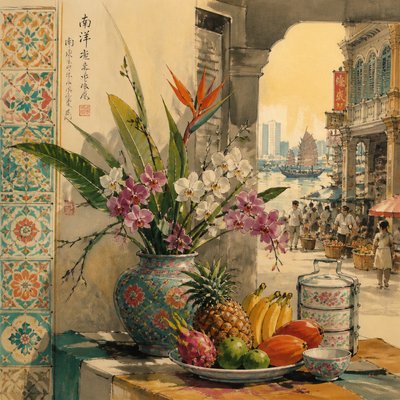
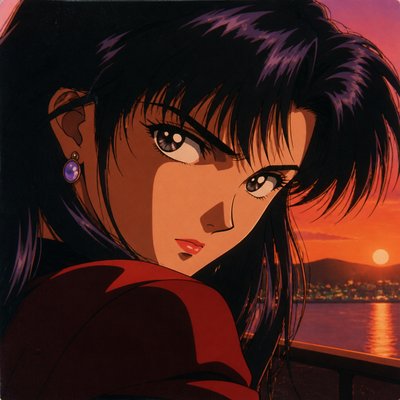
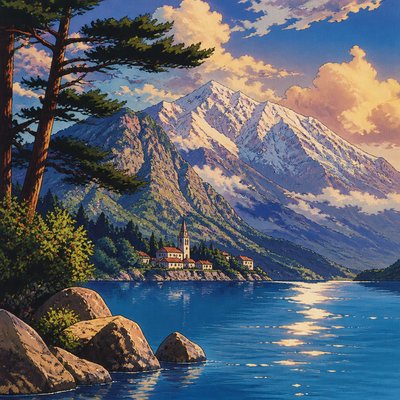
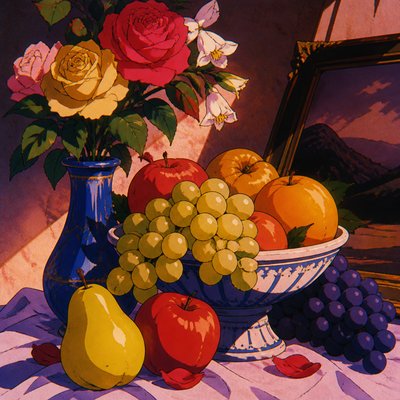
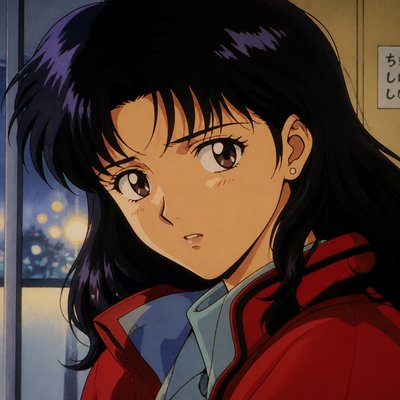
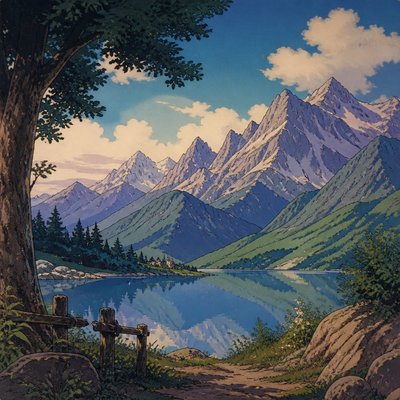
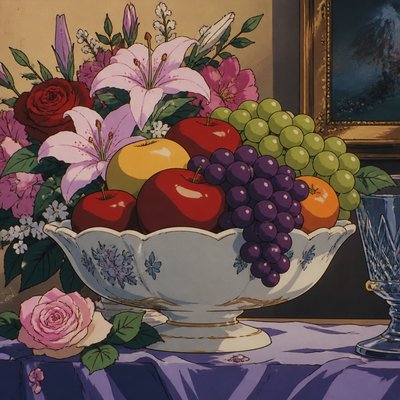
Ukiyo-e Anime Fusion Portrait
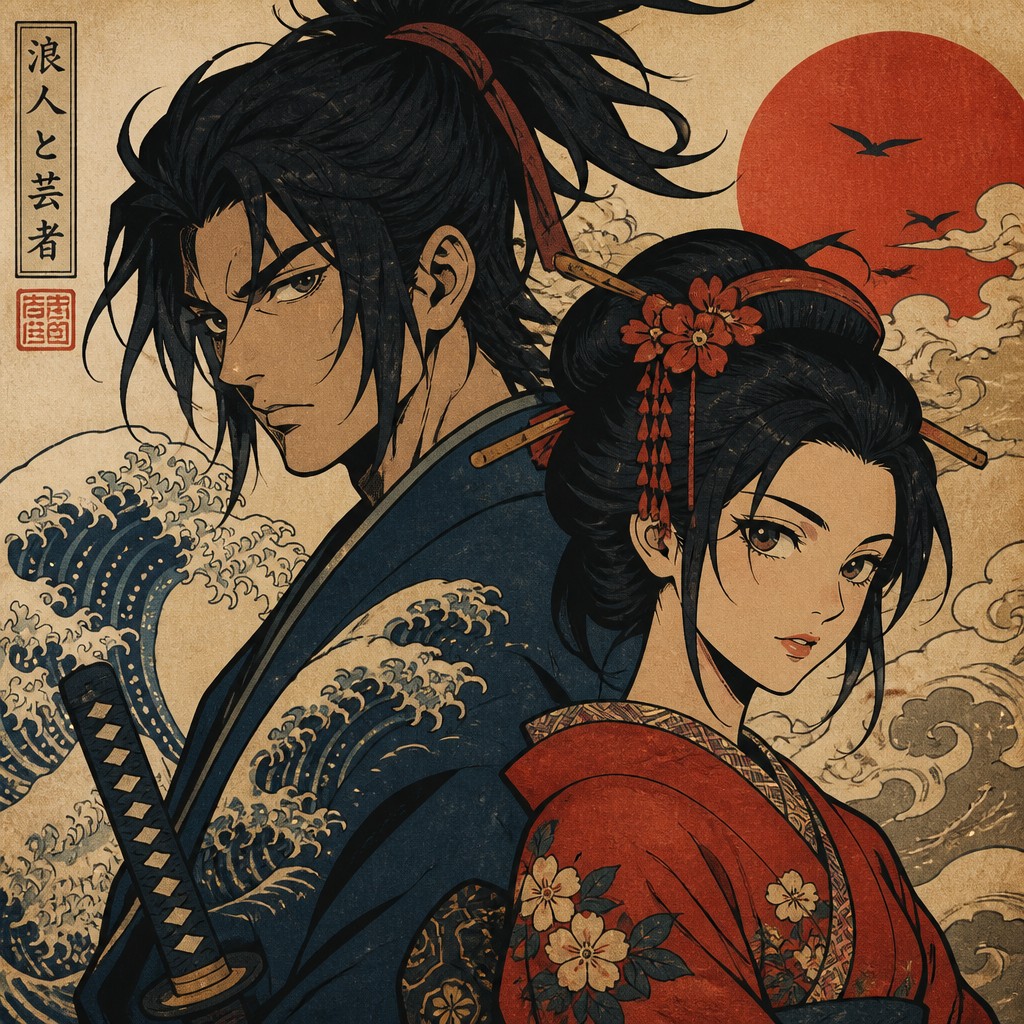
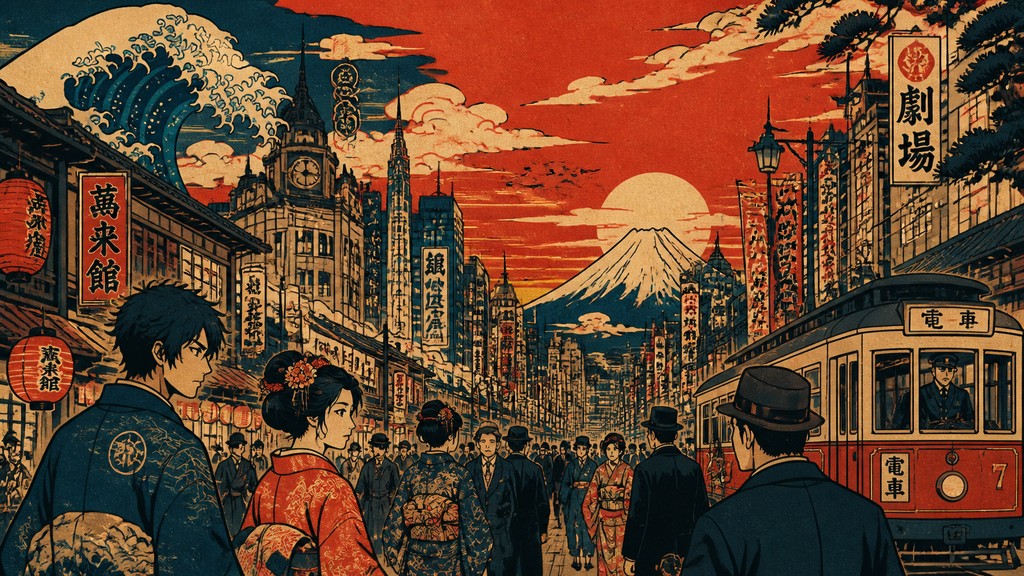
Bold ukiyo-e linework meets anime character design, flat color planes, wave motifs, and aged-paper textures.
Instantly rendered in Ukiyo-e Anime Fusion Portrait — or transform a photo
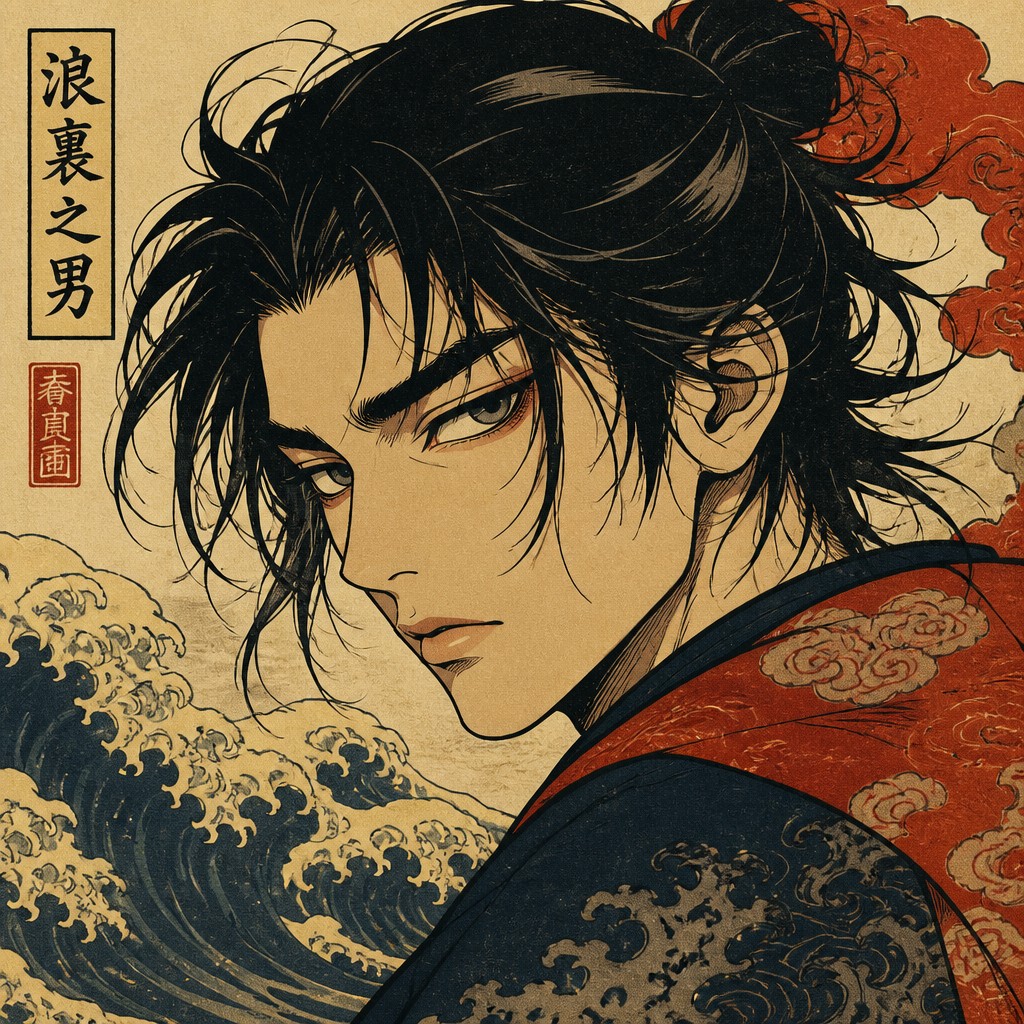
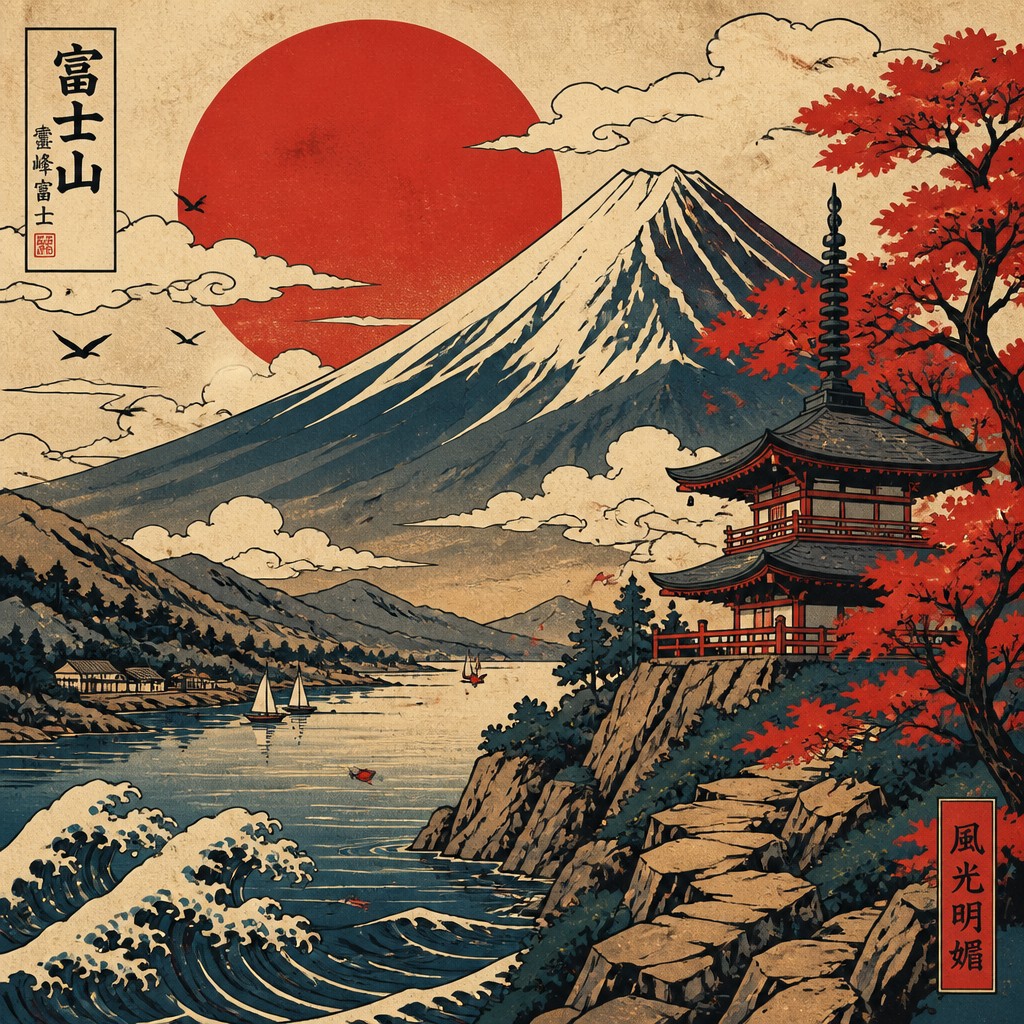
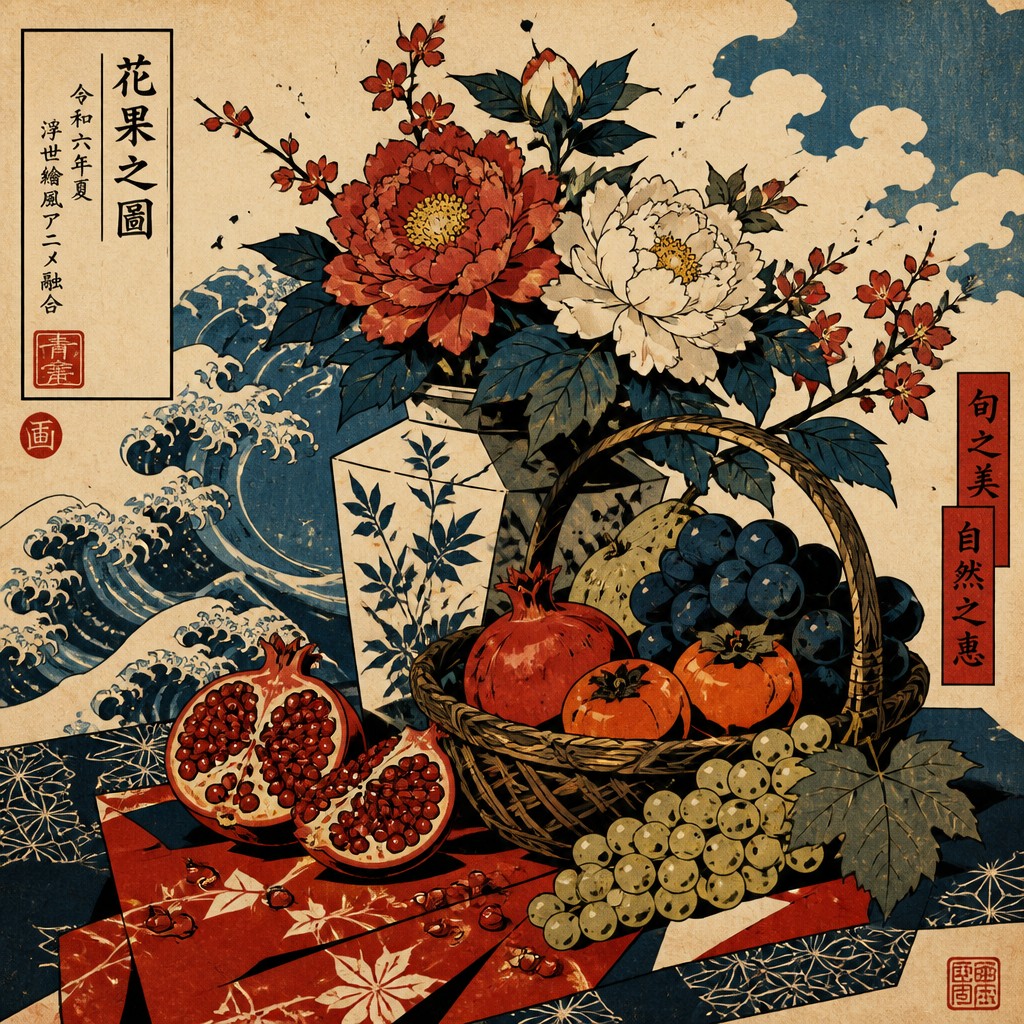
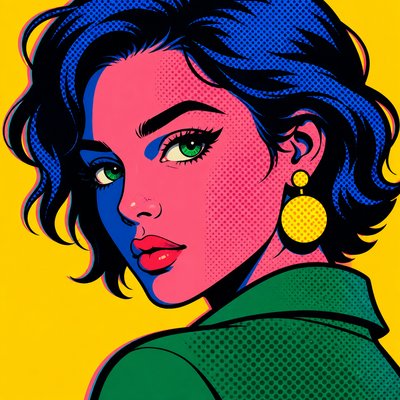
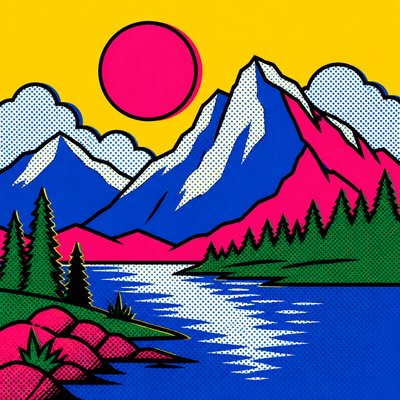
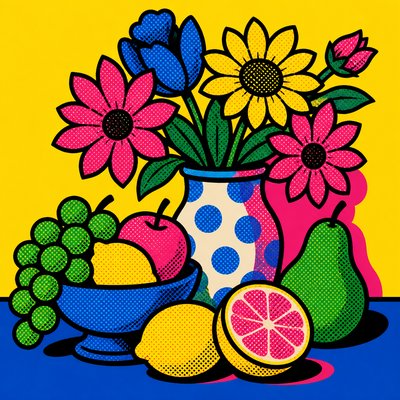
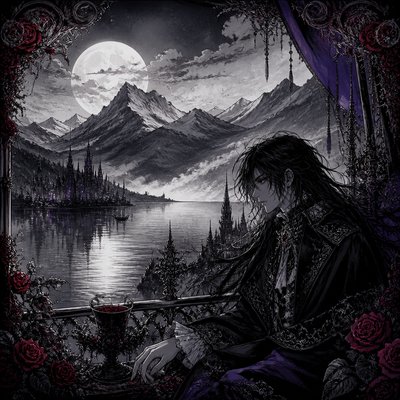
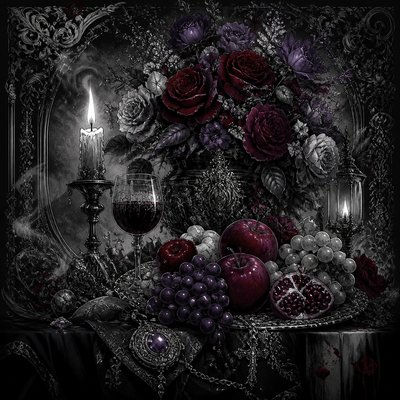
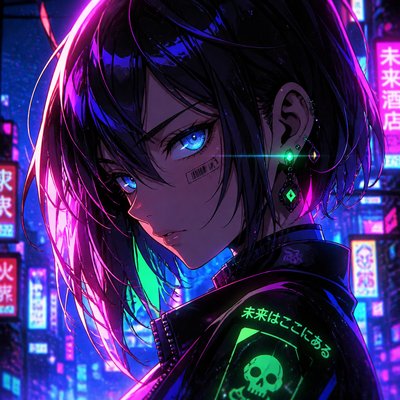
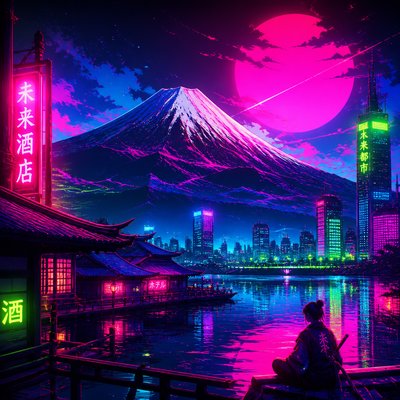
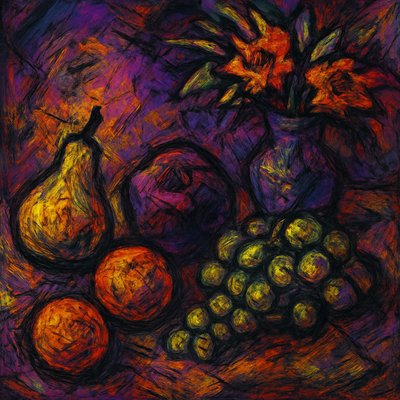
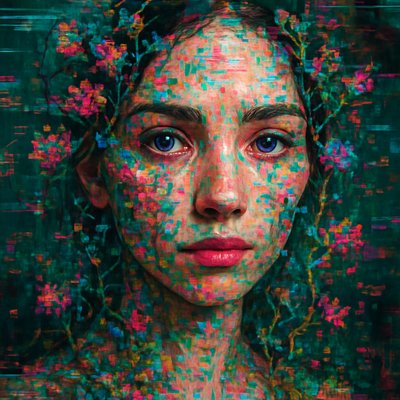
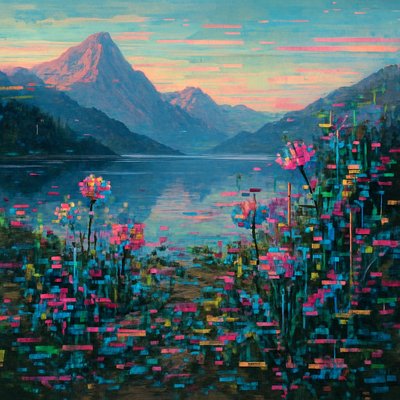
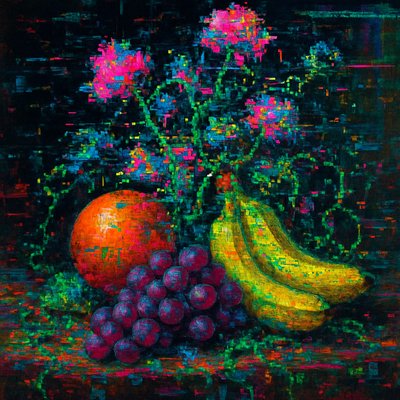
Ukiyo-e Anime Fusion Portrait Gallery
Tap any artwork to explore it
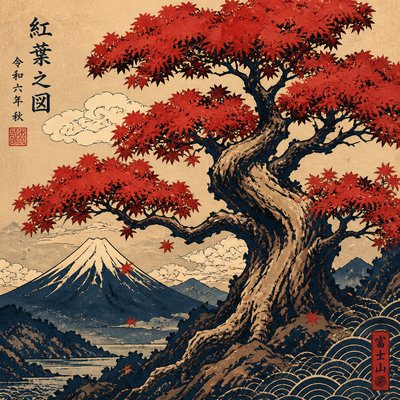
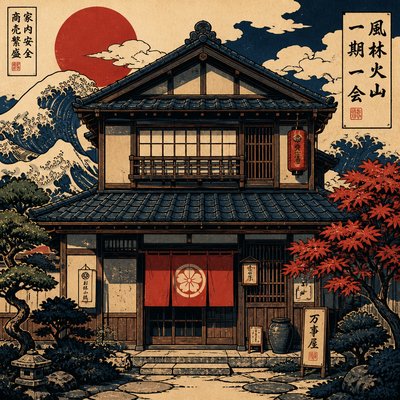
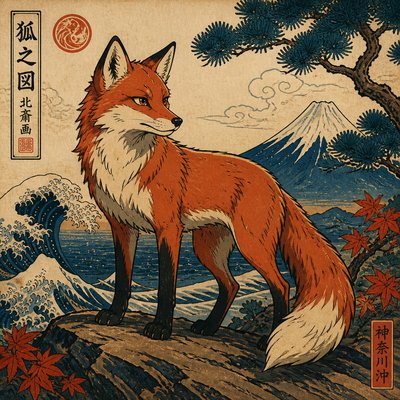
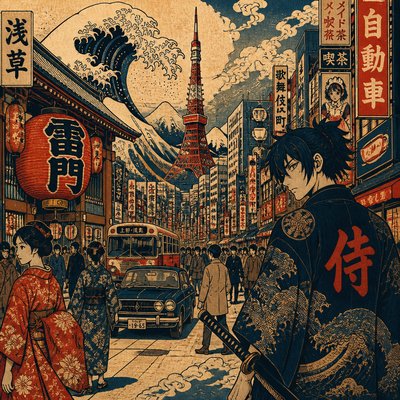
What is Ukiyo-e Anime Fusion Portrait?
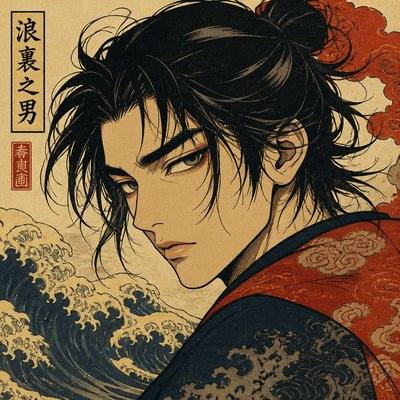
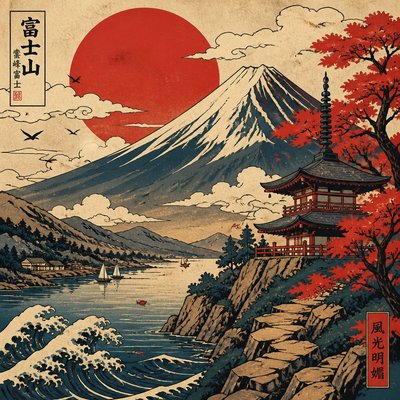
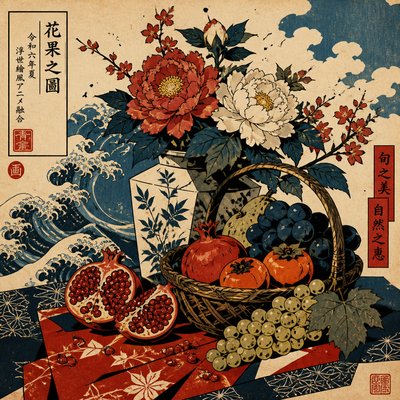
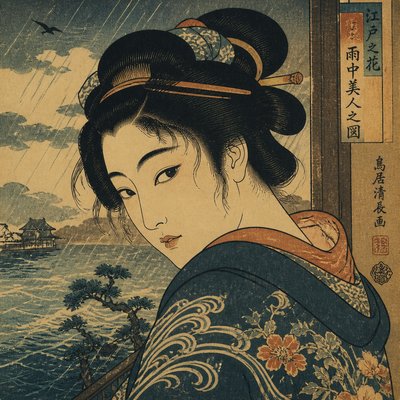
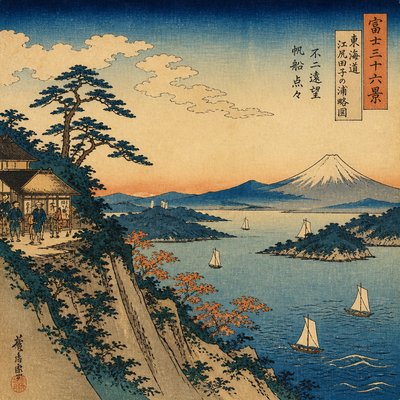
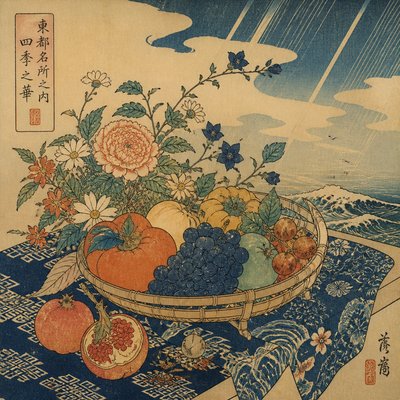
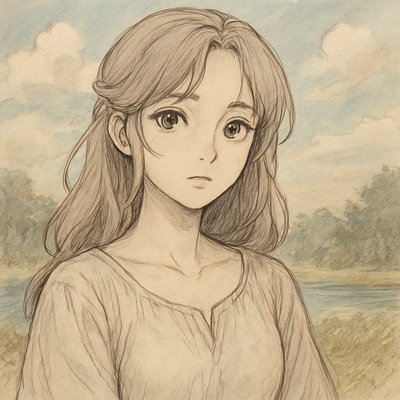
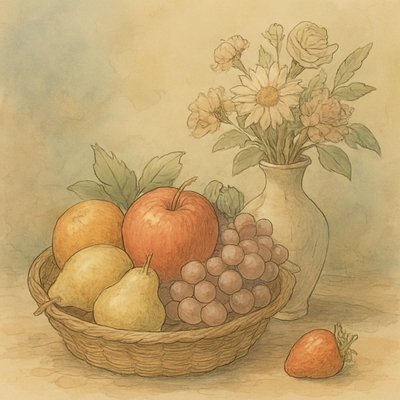
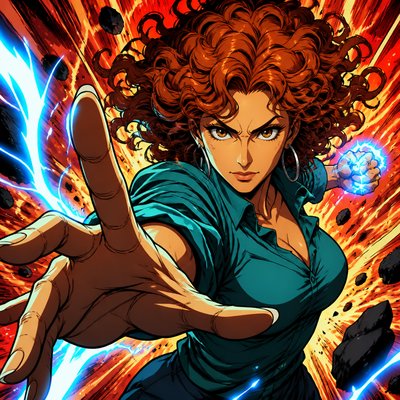
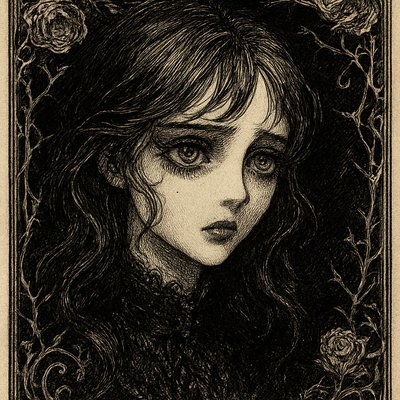
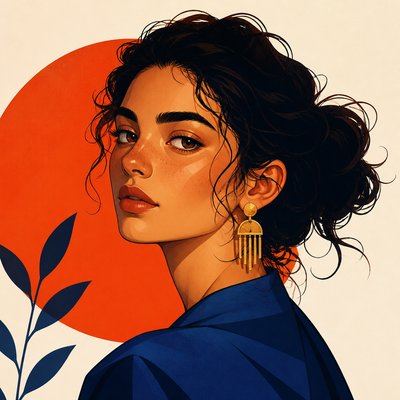
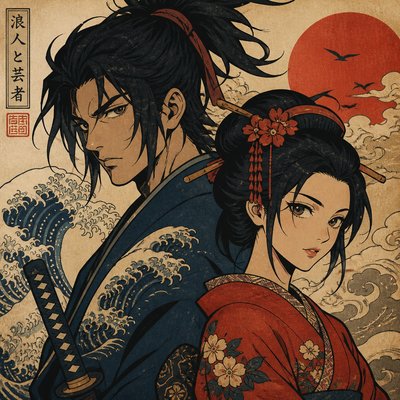
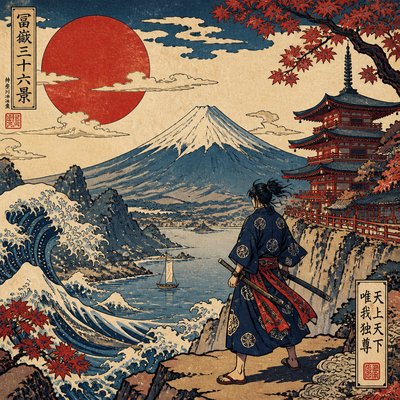
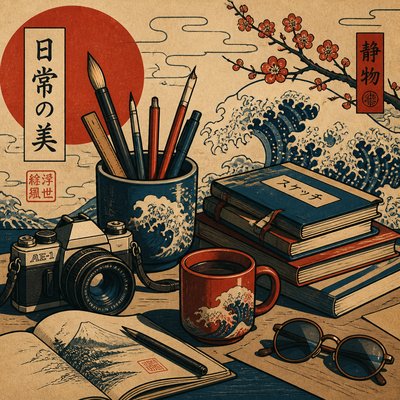
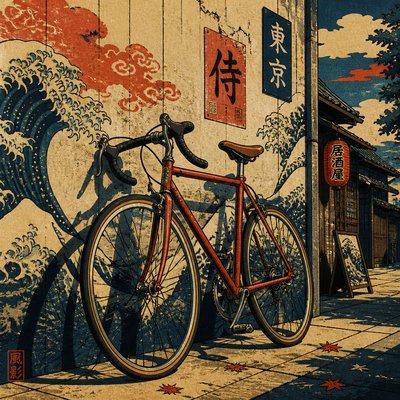
Ukiyo-e Anime Fusion Portrait is a contemporary hybrid style that combines the visual language of Japanese woodblock prints with modern anime and manga character design. It typically uses bold contour lines, flattened color areas, decorative wave or cloud motifs, and a restrained palette of indigo, vermillion, cream, and earthy neutrals. The result feels both traditional and contemporary: recognizable as a portrait illustration, yet structured by the graphic clarity and patterning associated with ukiyo-e.
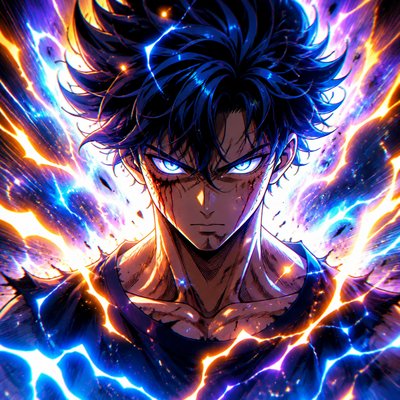
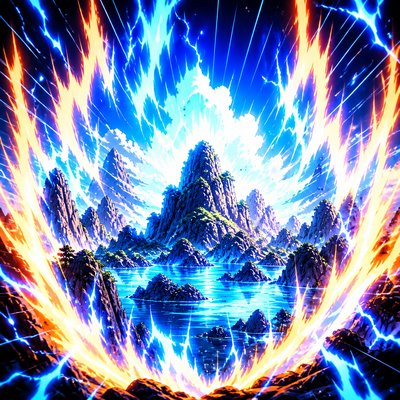
The style looks this way because it borrows from two distinct visual traditions that share an emphasis on line, shape, and surface design. Ukiyo-e contributes asymmetry, paper texture, carved-line energy, and a printmaking sensibility, while anime adds expressive faces, stylized hair, and heightened emotional readability. Rather than modeling forms with soft shading, the style builds depth through overlapping flat planes, sharp shadow shapes, and ornamental accents, creating images that feel printed, symbolic, and character-driven at once.
Try It On Your Photos
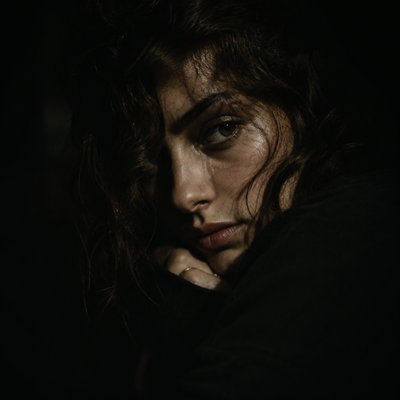
Upload any photo and convert it into Ukiyo-e Anime Fusion Portrait — drag the sliders to compare before and after.
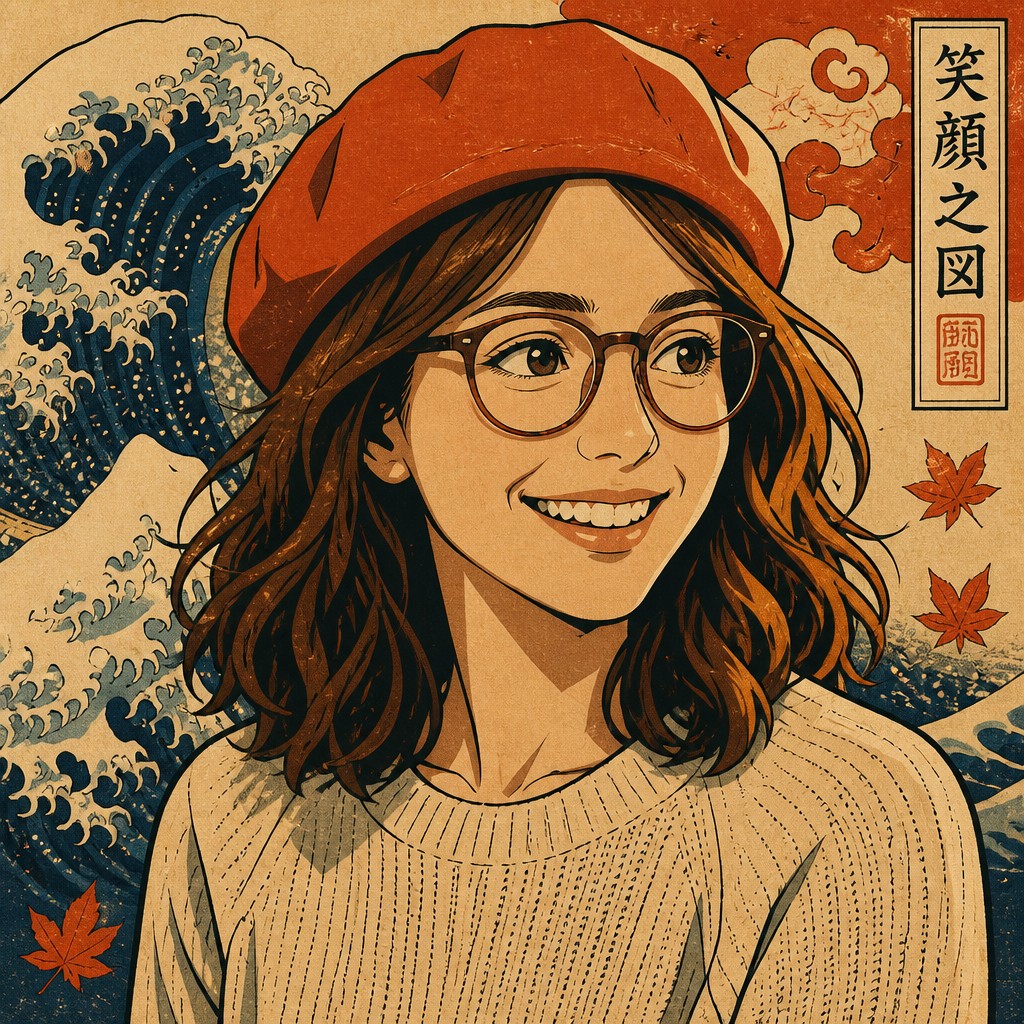

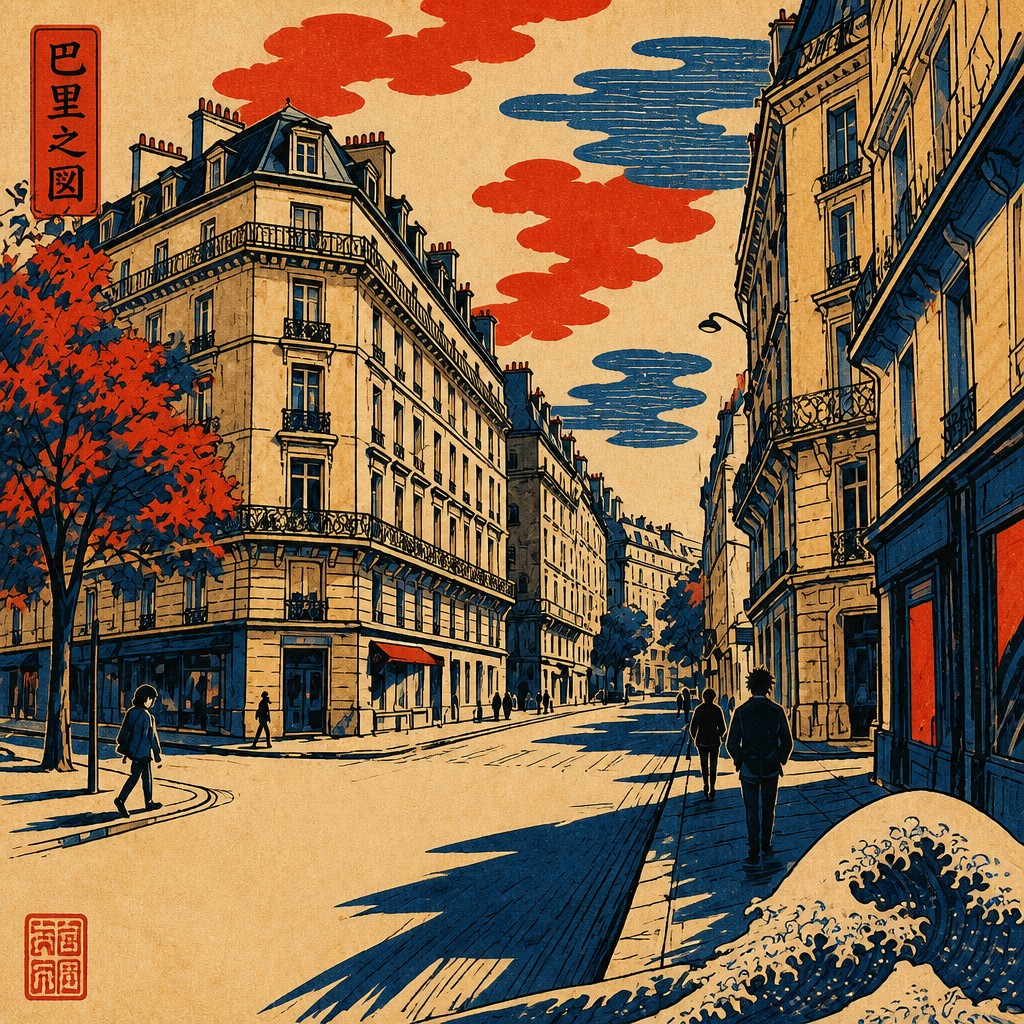

What Defines Ukiyo-e Anime Fusion Portrait
The signature details, up close
Bold carved-line contours
Figures are defined by strong outlines and varied line weights that echo woodblock printing. Lines often feel deliberate and slightly uneven, as if they were cut or inked by hand.
Flat color planes
Shading is minimized in favor of broad, uncluttered areas of color. This creates a printlike surface and keeps forms legible at a glance.
Limited traditional palette
Deep indigo, vermillion, muted browns, cream, and subdued grays are common. The restrained palette helps unify the historical and anime influences.
Anime-influenced facial design
Faces are usually simplified and expressive, with large or stylized eyes, refined features, and clear emotional cues. The portrait focus makes the subject feel contemporary even when the composition is rooted in tradition.
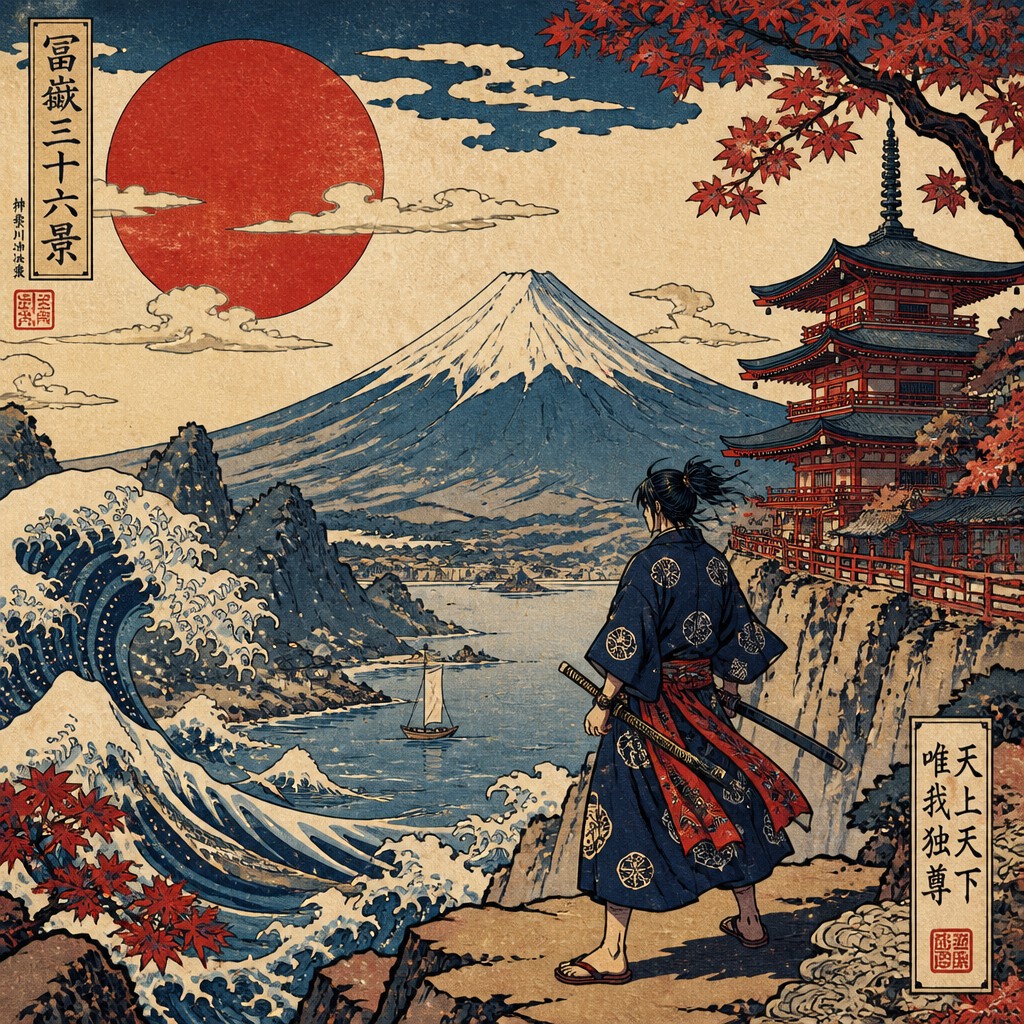
Decorative wave and cloud motifs
Pattern accents such as seigaiha waves, swirling clouds, wind lines, or textile-inspired borders enrich the image. These motifs reinforce the ornamental quality of ukiyo-e.
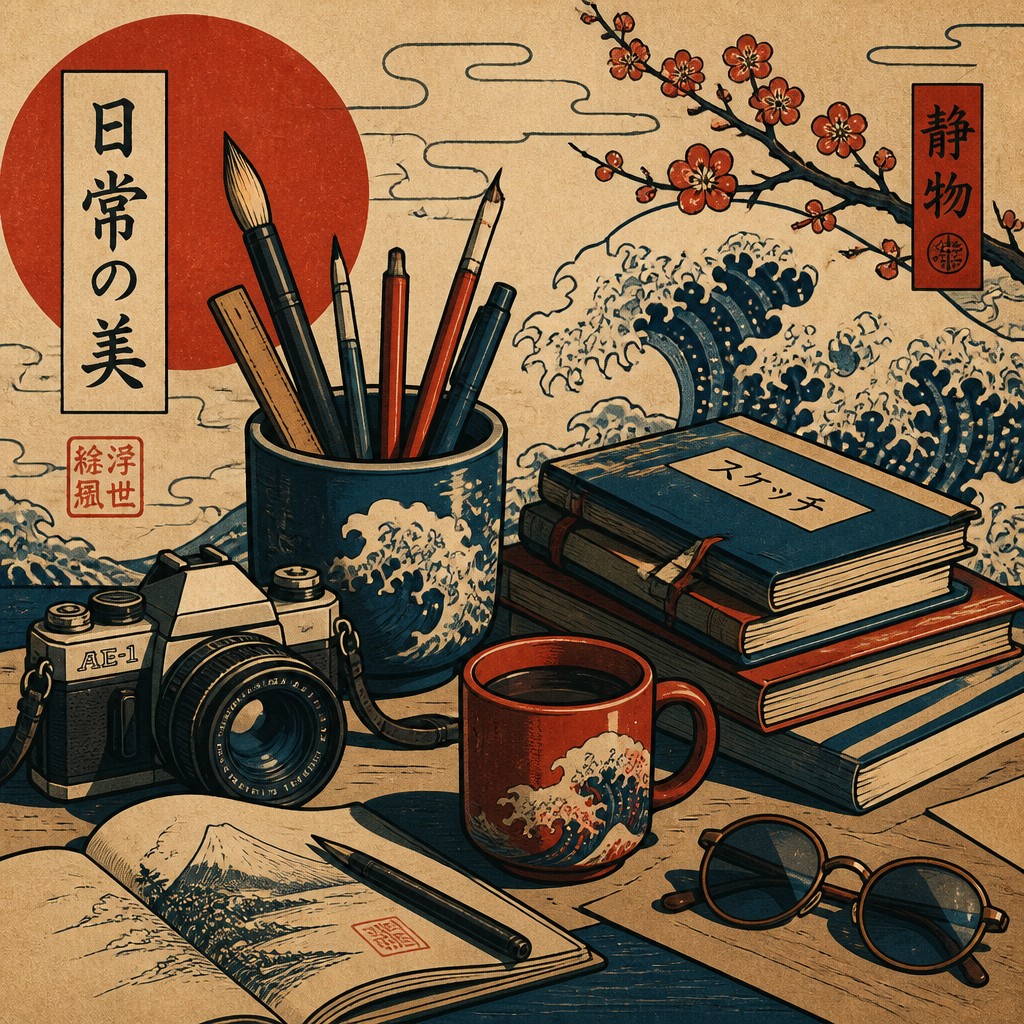
Paper and ink texture
Aged-paper backgrounds, slight ink bleed, and subtle wood-grain effects give the image a handcrafted print appearance. The texture is usually visible but not overpowering.
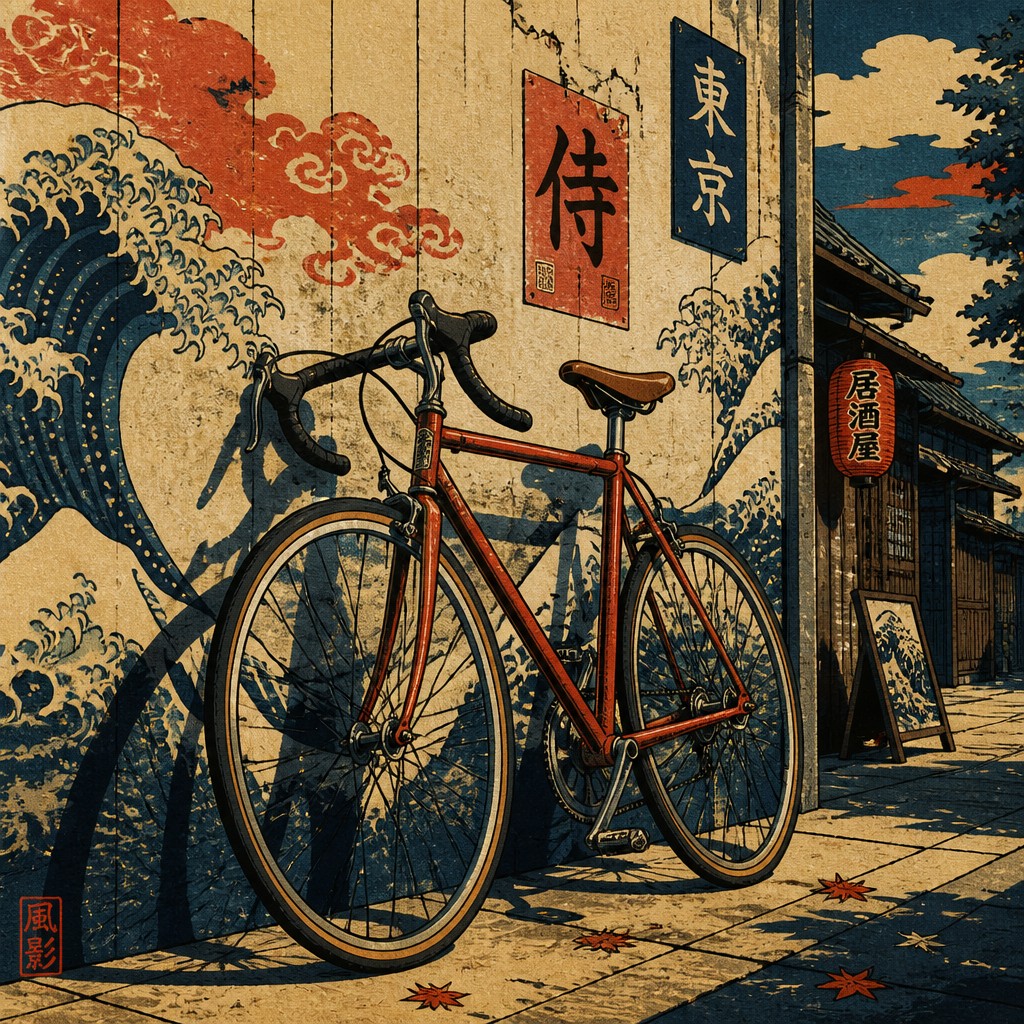
Angular shadow shapes
Instead of soft gradients, shadows are often rendered as hard-edged forms. This makes the image feel graphic and carved, with depth built through contrast and layering.
Try It
Create Videos in Ukiyo-e Anime Fusion Portrait
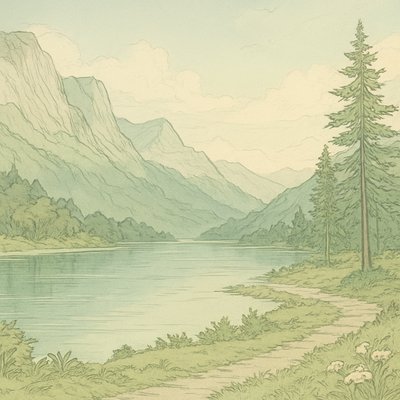
Styles aren't just for stills — describe a scene or animate an image and get a short video rendered in Ukiyo-e Anime Fusion Portrait. Press play to see this pond come to life.
Make a VideoUkiyo-e Anime Fusion Portrait Prompt Ideas
Start from an idea — each one opens the generator with the style ready to go. See all 40 Ukiyo-e Anime Fusion Portrait prompts →
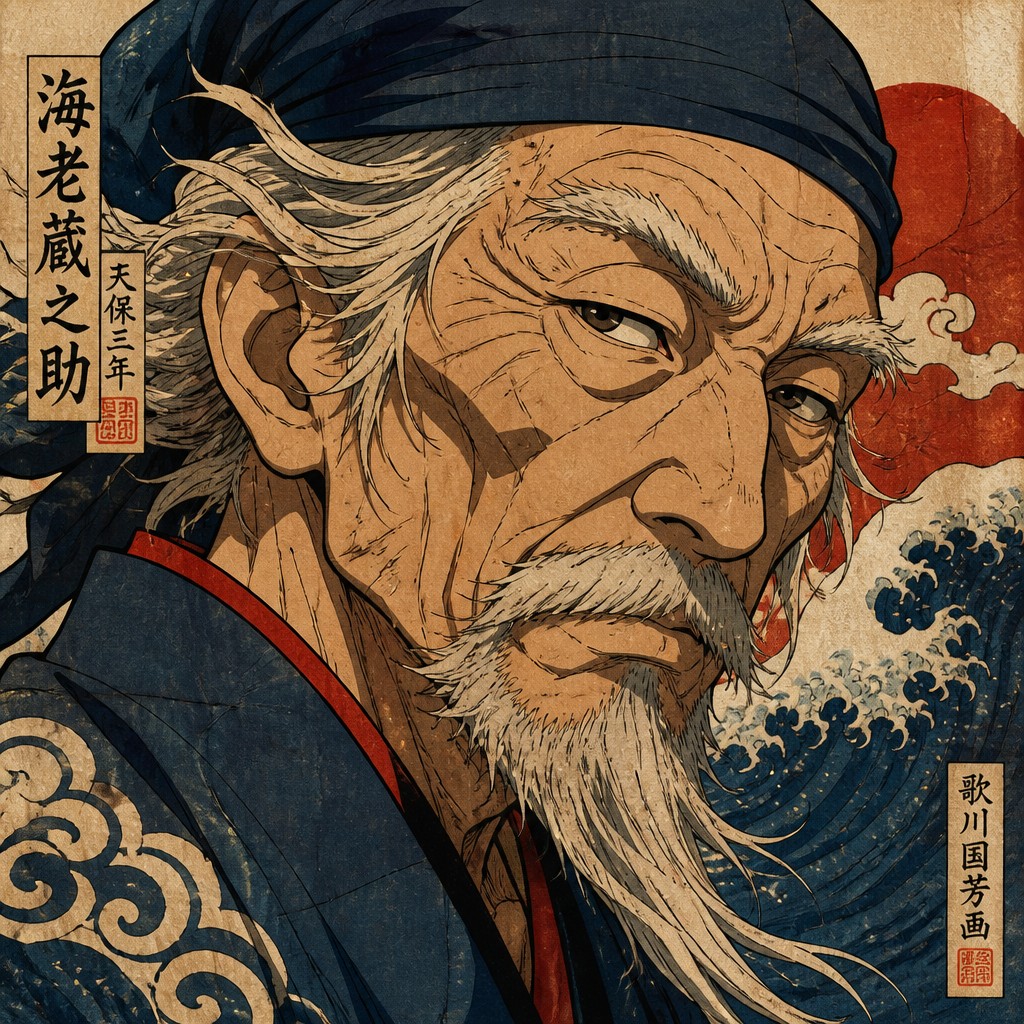
“close-up portrait of an elderly person with expressive weathered features”
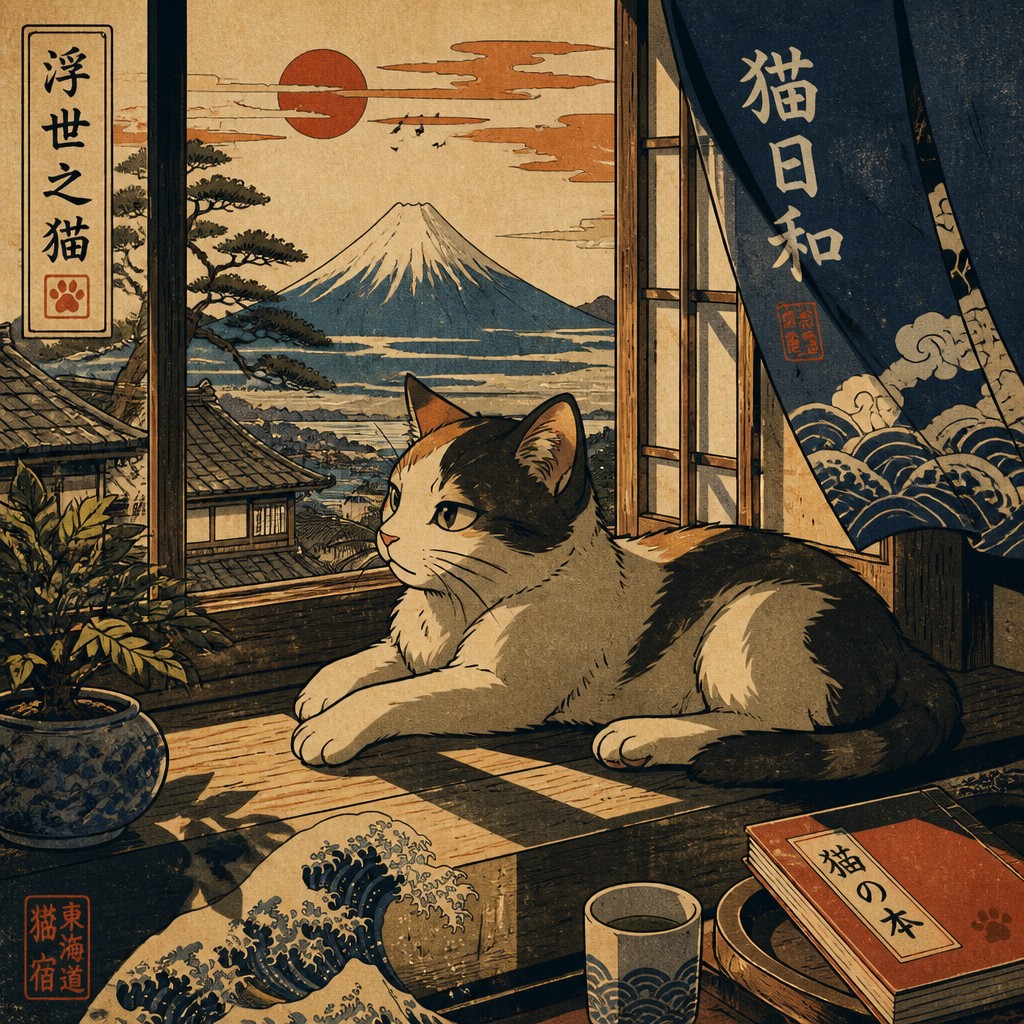
“a cat lounging in a sunlit window”
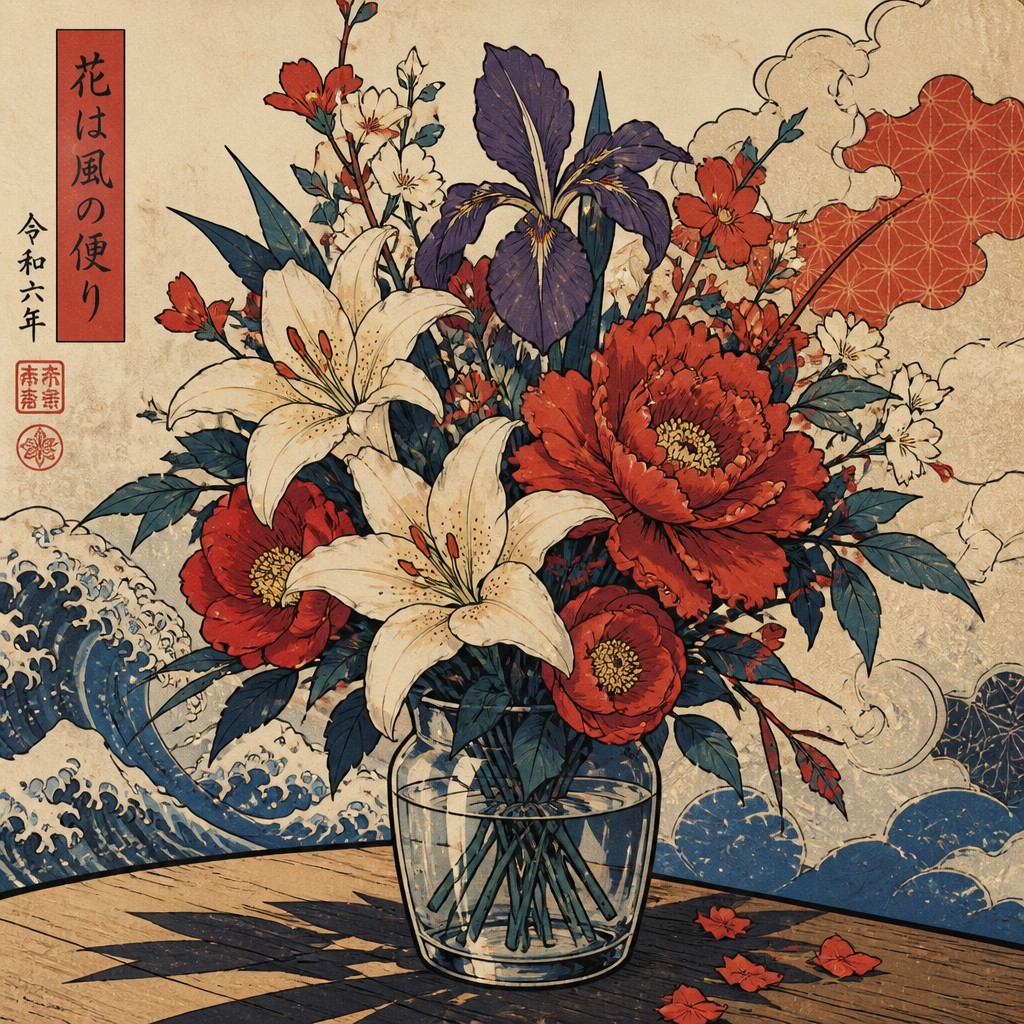
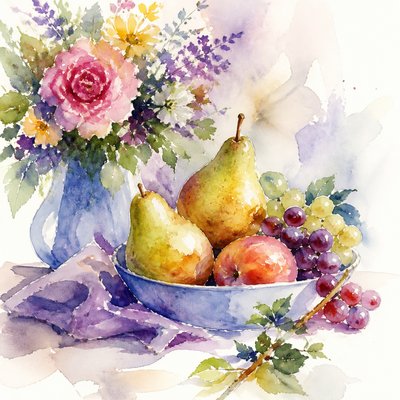
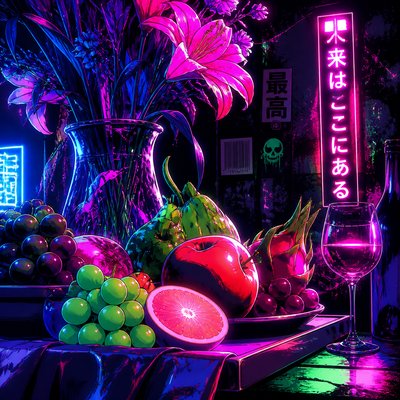
“bouquet of flowers in a glass vase”
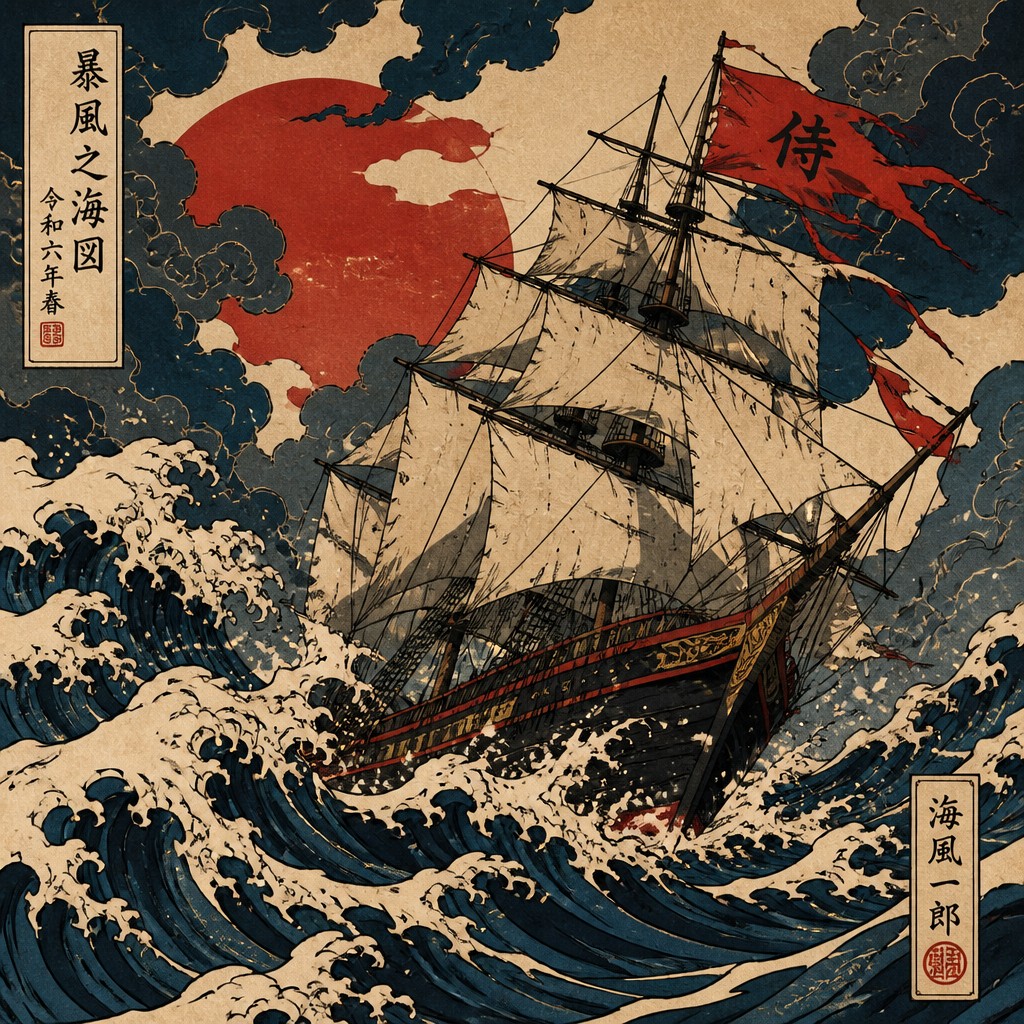
“sailing ship on a stormy sea”
How to Create Ukiyo-e Anime Fusion Portrait Art
Master the craft step by step — or skip straight to creating. Read the full guide →
- 1
Start with a strong portrait silhouette
Use a clear head-and-shoulders composition and simplify the pose so the face, hair, and clothing read immediately. Strong silhouette design is essential because the style relies more on line and shape than on atmospheric modeling.
- 2
Design with flat layers, not blended rendering
Block in separate planes for skin, hair, clothing, and background, then keep shadows crisp and minimal. If working digitally, avoid heavy airbrush smoothing; if working traditionally, think in shapes of ink and gouache rather than soft tonal transitions.
- 3
Use print-inspired line quality
Vary contour thickness to suggest carved woodblock marks and emphasize important edges. Slight irregularity is welcome because it adds a handmade print feel instead of polished vector precision.
- 4
Limit the palette and texture the surface
Choose a small set of colors anchored by indigo, vermillion, cream, and muted earth tones, then let paper texture do some of the atmospheric work. In digital pieces, subtle noise, grain, and ink-bleed effects can simulate printed matter.
- 5
Add traditional Japanese pattern accents
Incorporate waves, clouds, textiles, or framing devices sparingly so they support the portrait rather than dominate it. These motifs should feel integrated into the composition, not pasted on as decoration.
- 6
When generating from text, specify the fusion clearly
Describe the subject first, then request woodblock-inspired linework, flat color planes, aged-paper texture, and anime-influenced facial features. Mention what to avoid too, such as soft gradients, photorealism, or glossy 3D shading.
The Story
History & Origins of Ukiyo-e Anime Fusion Portrait
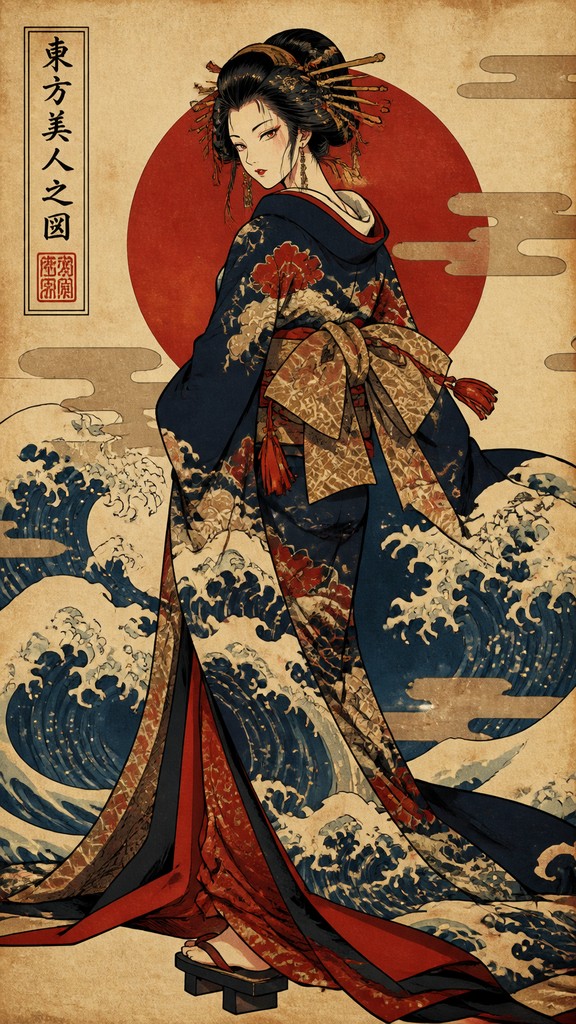
This is not a historical movement in the strict sense, but an aesthetic fusion of two influential Japanese visual traditions. Ukiyo-e flourished in Japan from the 17th through the 19th centuries as woodblock prints depicting actors, courtesans, landscapes, and everyday life; its master artists include leading Edo-period woodblock printmakers associated with that tradition. Modern anime emerged in the 20th century from Japanese illustration, comics, and animation, with a design language shaped by simplified forms, bold outlines, and expressive faces.
The fusion became especially visible in contemporary illustration, poster art, game art, and fan art, where artists combined the flat color logic and decorative patterning of ukiyo-e with anime’s character-centric appeal. It reflects a broader trend in Japanese and international visual culture: reinterpreting historical print aesthetics through modern pop imagery, digital tools, and character design conventions.
Influences: This style draws primarily from ukiyo-e woodblock printing and modern anime/manga character design. From ukiyo-e it inherits composition, contour emphasis, ornamental patterning, and the tactile logic of printed paper and ink; canonical names associated with that tradition include leading master printmakers of the Edo period. From anime and manga it borrows expressive facial design, simplified anatomy, and character-forward storytelling, while also intersecting with contemporary illustration, poster design, and digital painting practices.
Frequently Asked Questions
What defines Ukiyo-e Anime Fusion Portrait?
It is defined by the combination of ukiyo-e-inspired print aesthetics and anime-style character design. Look for bold outlines, flat color areas, restrained palettes, visible texture, and decorative Japanese motifs. The portrait format usually emphasizes the face and upper body while keeping the image graphically simplified.
How is it different from traditional ukiyo-e?
Traditional ukiyo-e is a historical print tradition with its own subjects, techniques, and compositional conventions. This fusion style keeps the printlike linework and flat surface design, but updates the faces, expressions, and character styling to reflect anime sensibilities. It is more contemporary in anatomy and emotional expression.
How is it different from regular anime art?
Regular anime art often uses smoother digital shading, brighter synthetic colors, and cleaner modern rendering. Ukiyo-e Anime Fusion Portrait is more restrained, with visible texture, limited palettes, and compositional cues from woodblock printing. The surface feels more handmade and graphic than standard anime illustration.
What subjects work best in this style?
Portraits of people and characters work especially well because the style depends on clear silhouette and expressive face design. Historical figures, warriors, courtesans, deities, fantasy characters, and modern anime-inspired protagonists all translate effectively. Subjects with strong clothing shapes or symbolic accessories are especially suitable.
Can this style be created digitally?
Yes, digital tools are very effective for it because they make it easy to control line variation, flat color fields, and texture overlays. You can simulate printmaking by using layered shapes, limited color swatches, paper grain, and slight edge bleed. The key is to avoid over-rendering and preserve a printlike finish.
What makes the image feel authentically Japanese without copying a specific print?
The feeling comes from formal elements rather than imitation of a single historic work: asymmetric composition, restrained color, wave and cloud motifs, and strong line discipline. Using these features carefully creates an echo of ukiyo-e without turning the image into a direct reproduction. It should feel inspired by the tradition, not pasted from it.
Create your first Ukiyo-e Anime Fusion Portrait artwork
Describe anything — or upload a photo — and see it in Ukiyo-e Anime Fusion Portrait in seconds.
Make Something with Ukiyo-e Anime Fusion Portrait
Related Styles
Discover similar art styles