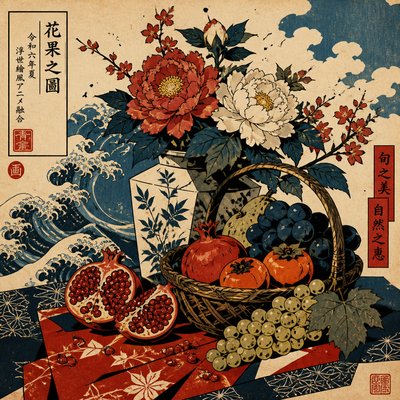
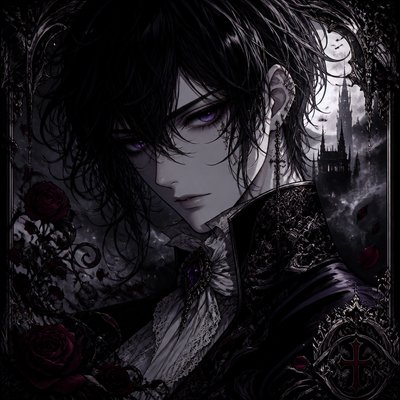
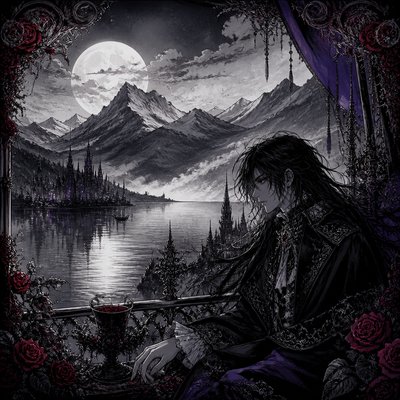
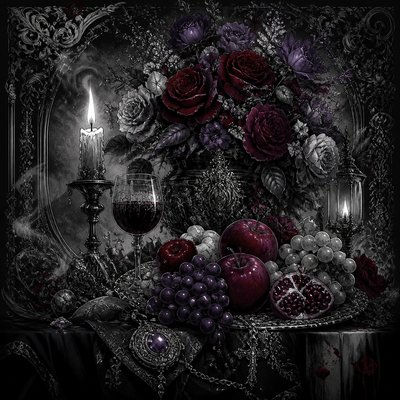
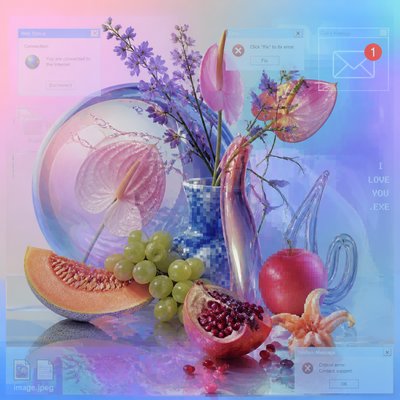
Vaporwave Anime Aesthetic
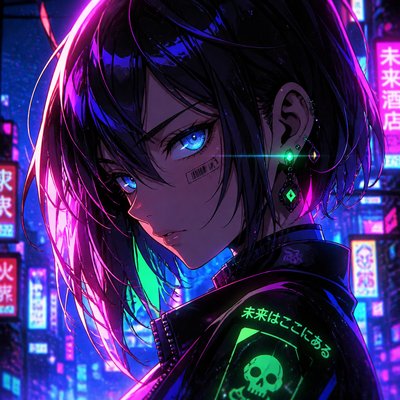
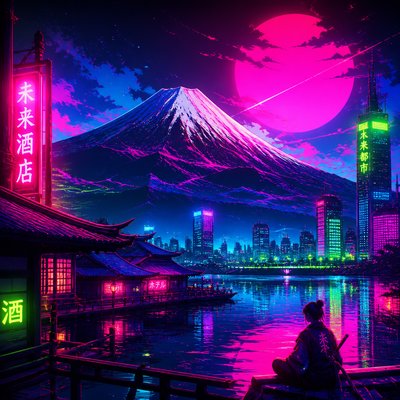
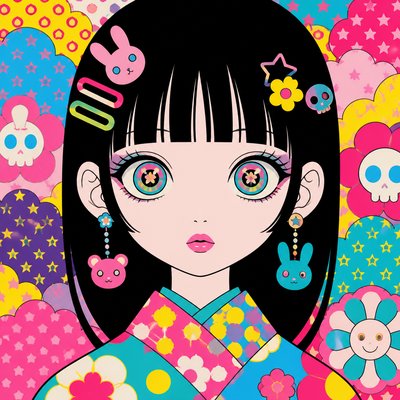
Dreamy retrofuturist anime with neon gradients, VHS glitches, Japanese text, and 80s-90s nostalgia.
Instantly rendered in Vaporwave Anime Aesthetic — or transform a photo
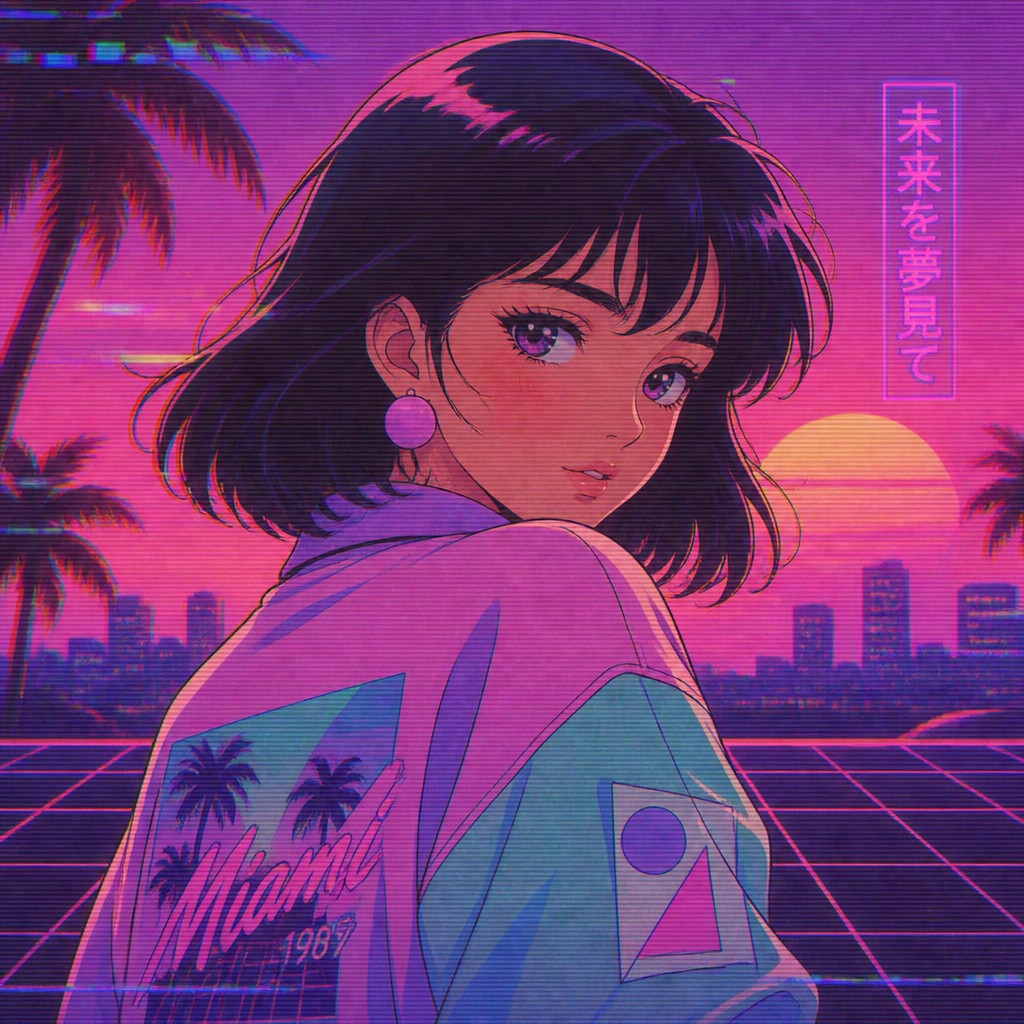
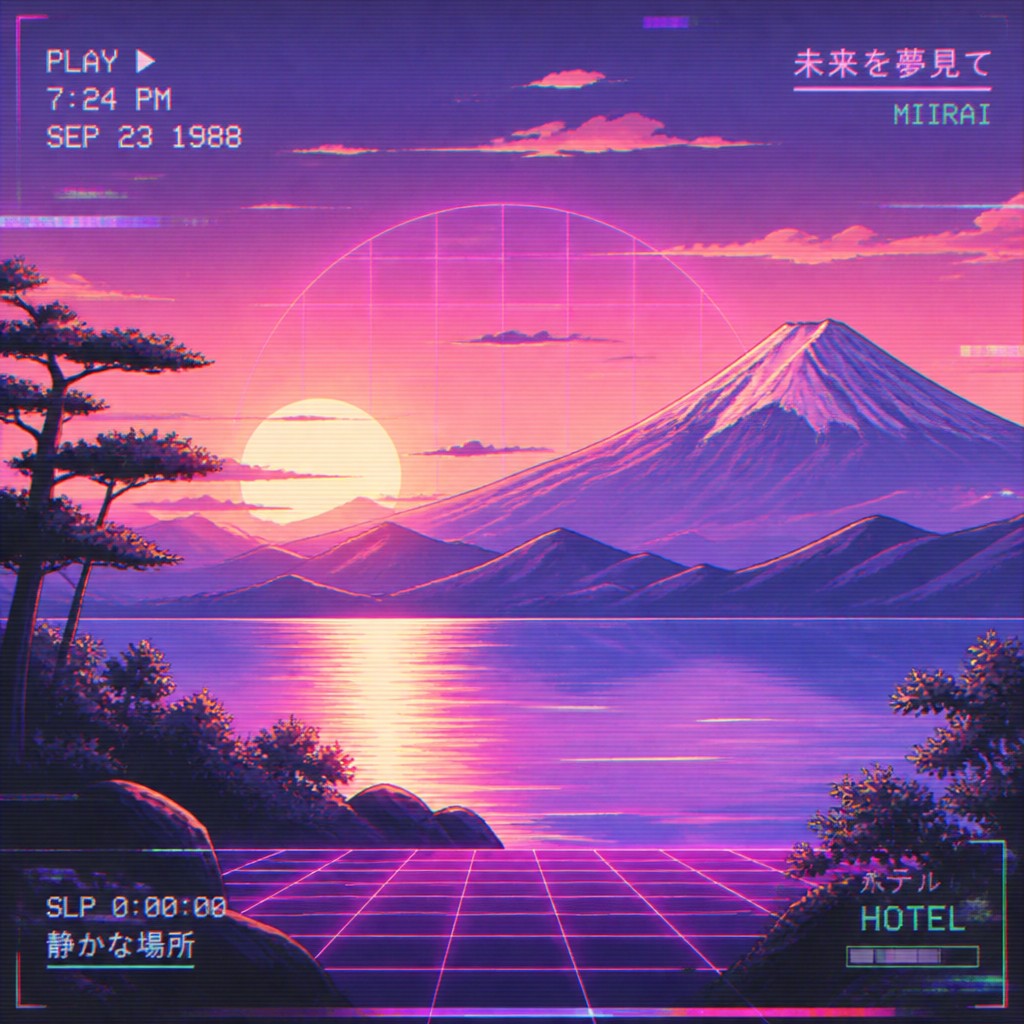
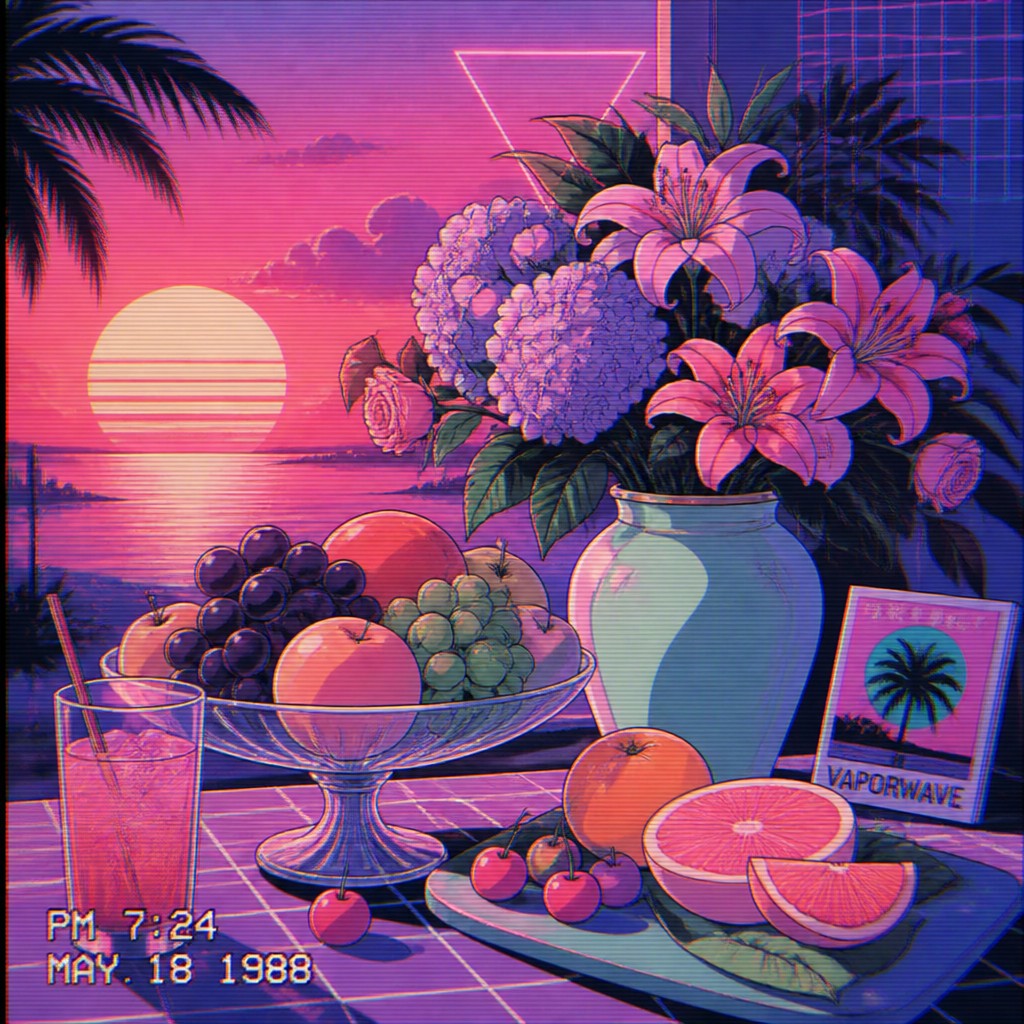
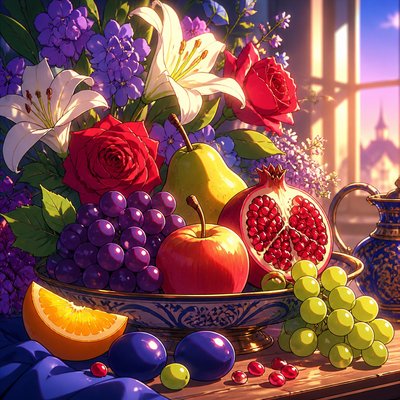
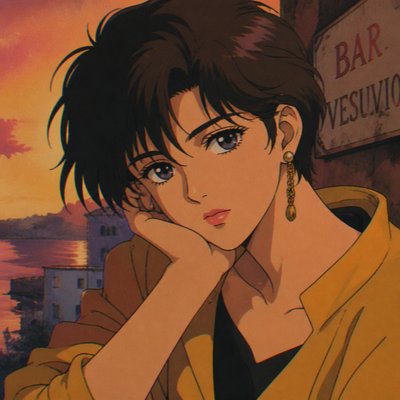
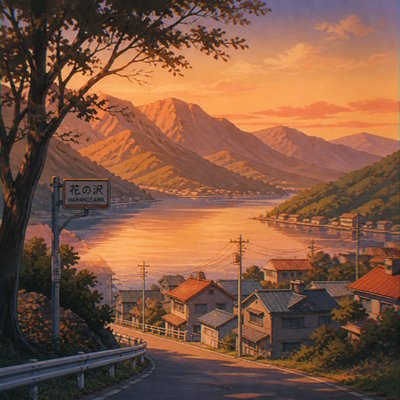
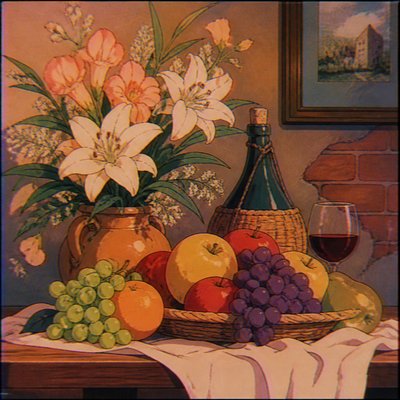
Vaporwave Anime Aesthetic Gallery
Tap any artwork to explore it
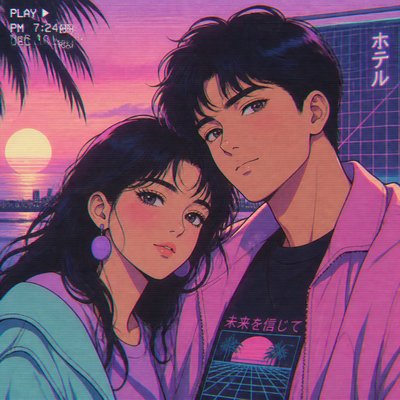
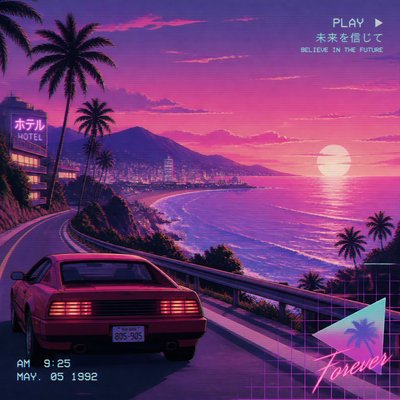
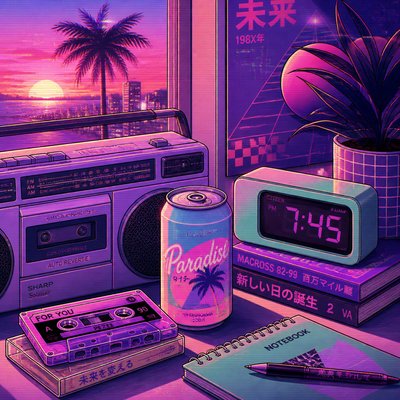
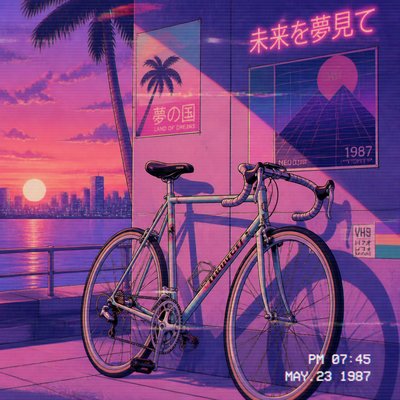
What is Vaporwave Anime Aesthetic?
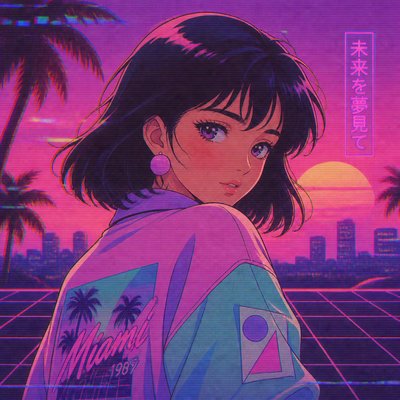
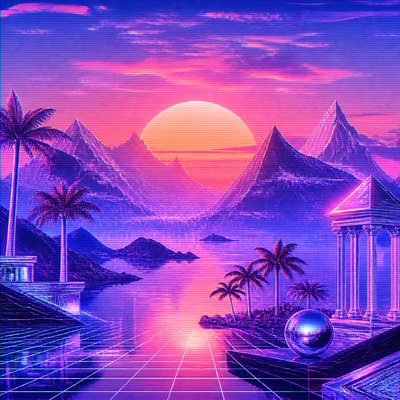
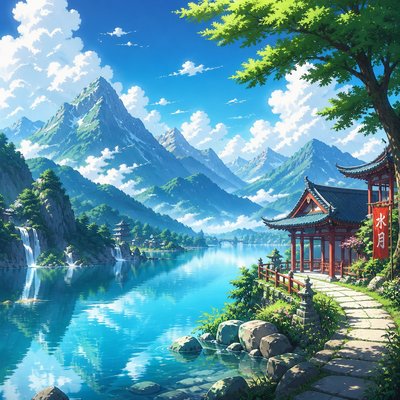
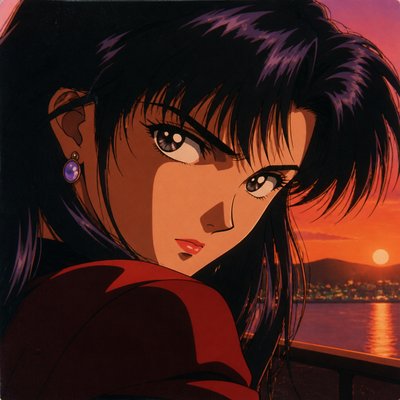
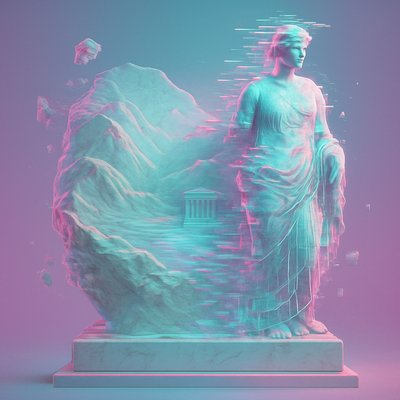
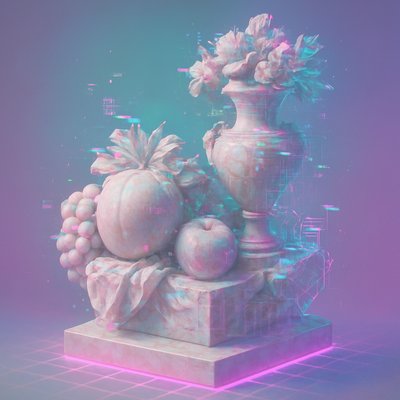
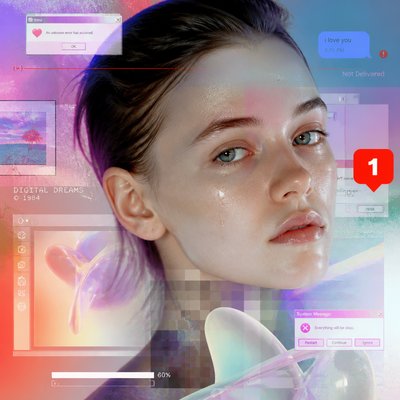
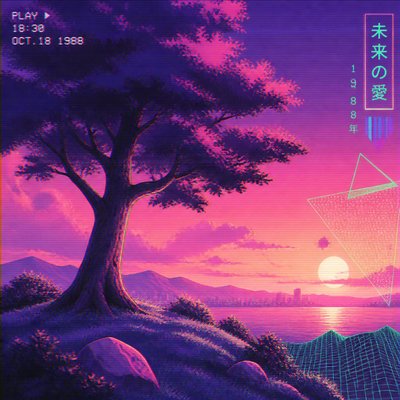
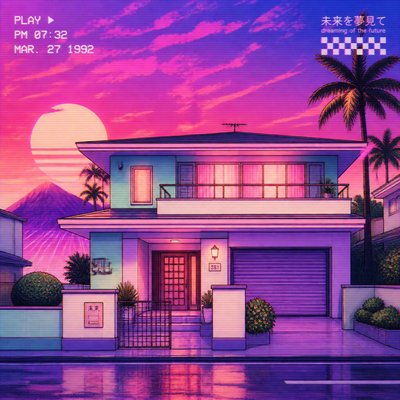
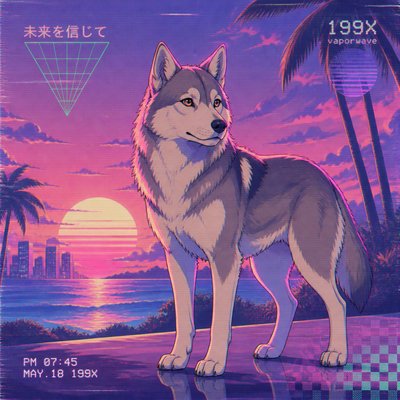
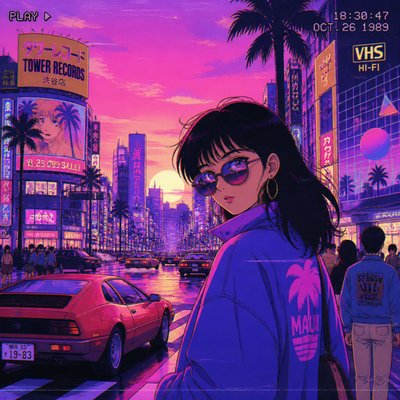
Vaporwave Anime Aesthetic is a hybrid visual style that combines late-20th-century anime imagery with the nostalgic, synthetic mood of vaporwave. It is built from familiar anime conventions—clean cel outlines, expressive faces, stylized hair, and cinematic framing—then filtered through pastel neon palettes, electronic distortion, and retro consumer imagery. The result is a dreamy, slightly detached vision of the future as imagined by the 1980s and 1990s.
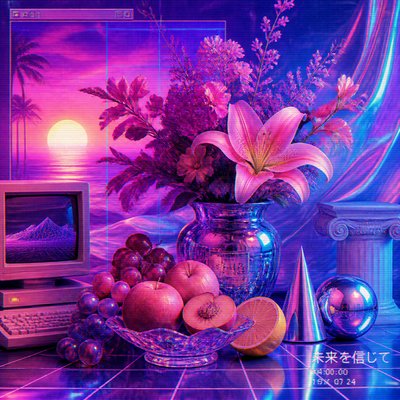
Its visual identity depends on contrast: soft airbrushed gradients against hard-edged linework, romantic sunset colors against sterile grids and interfaces, and nostalgic warmth against glitch artifacts and VHS noise. Japanese text, cassette-era technology, CRT glow, and geometric horizon lines help anchor the image in a retrofuturist mood. The style feels less like a single historical movement than a fusion of anime illustration, internet-era nostalgia, and digital design tropes associated with vaporwave.
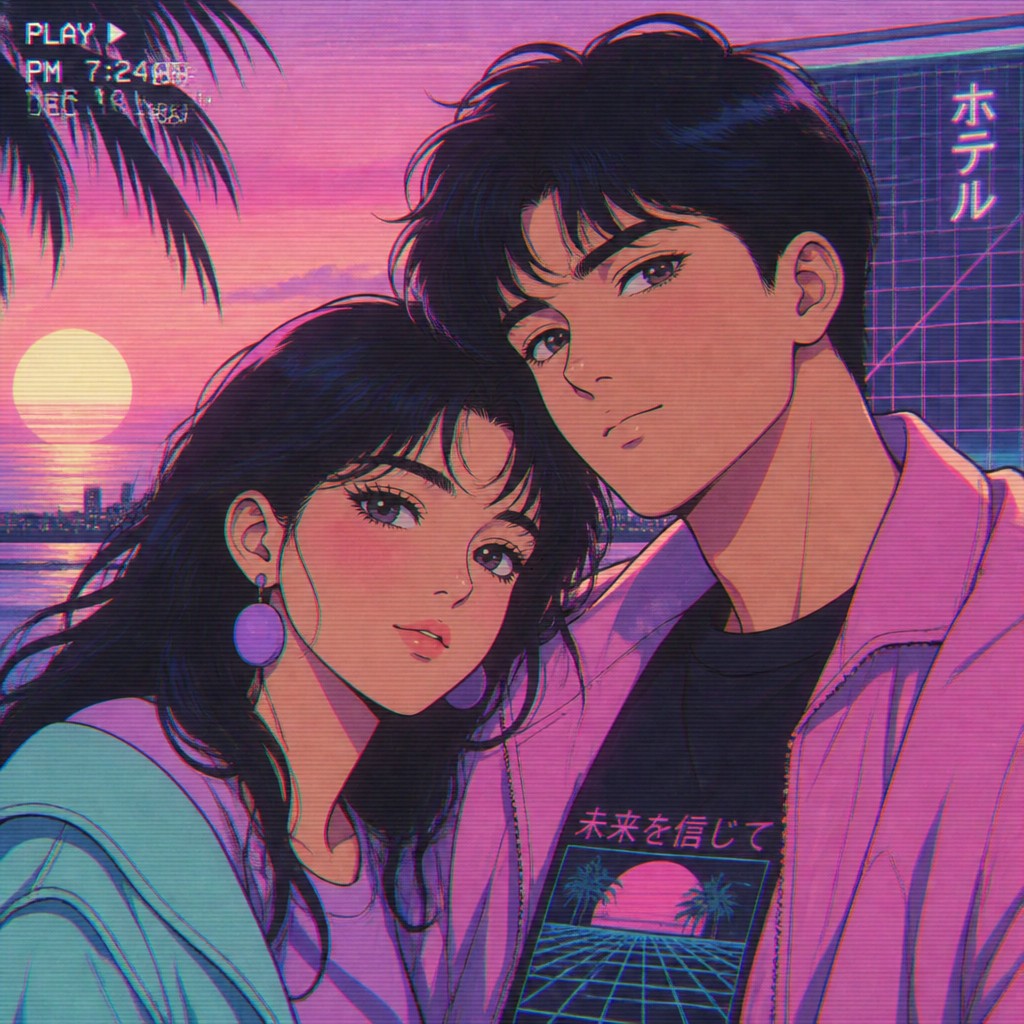
Try It On Your Photos
Upload any photo and convert it into Vaporwave Anime Aesthetic — drag the sliders to compare before and after.
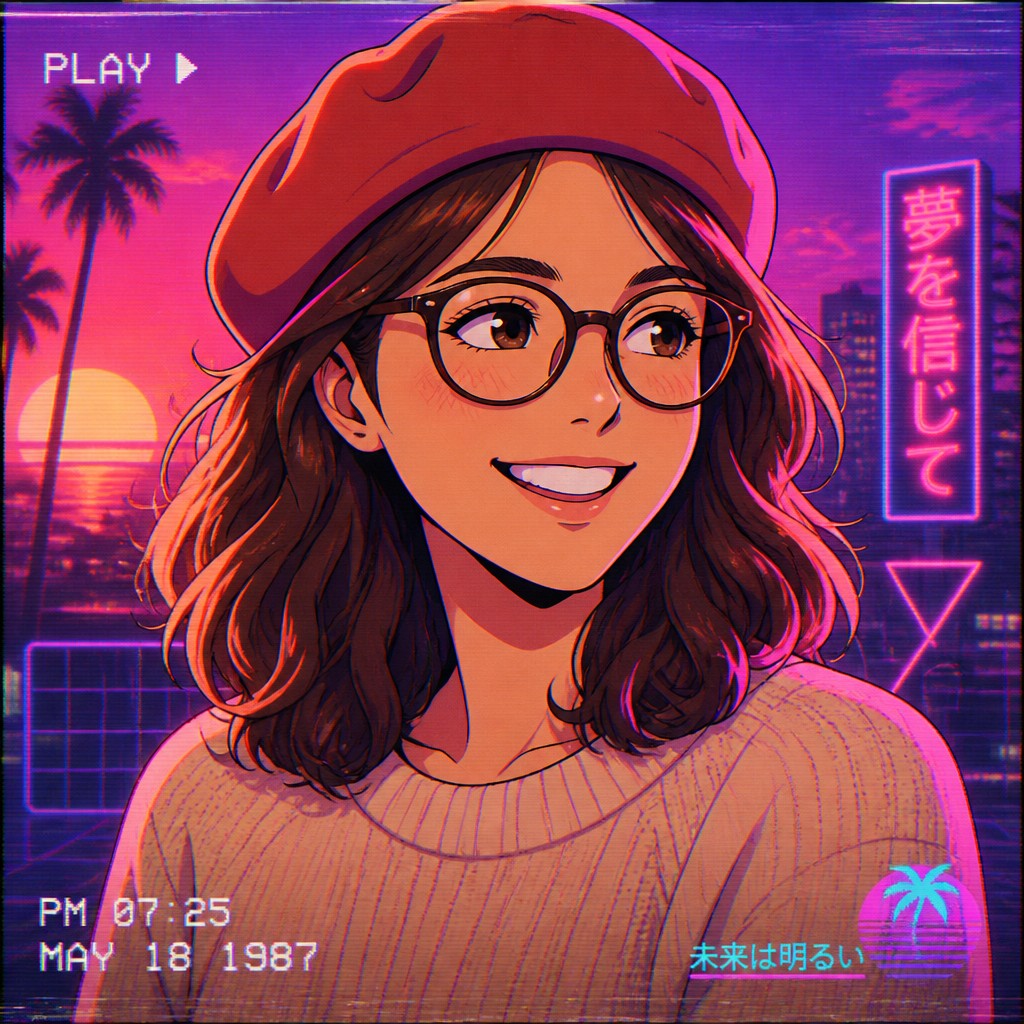

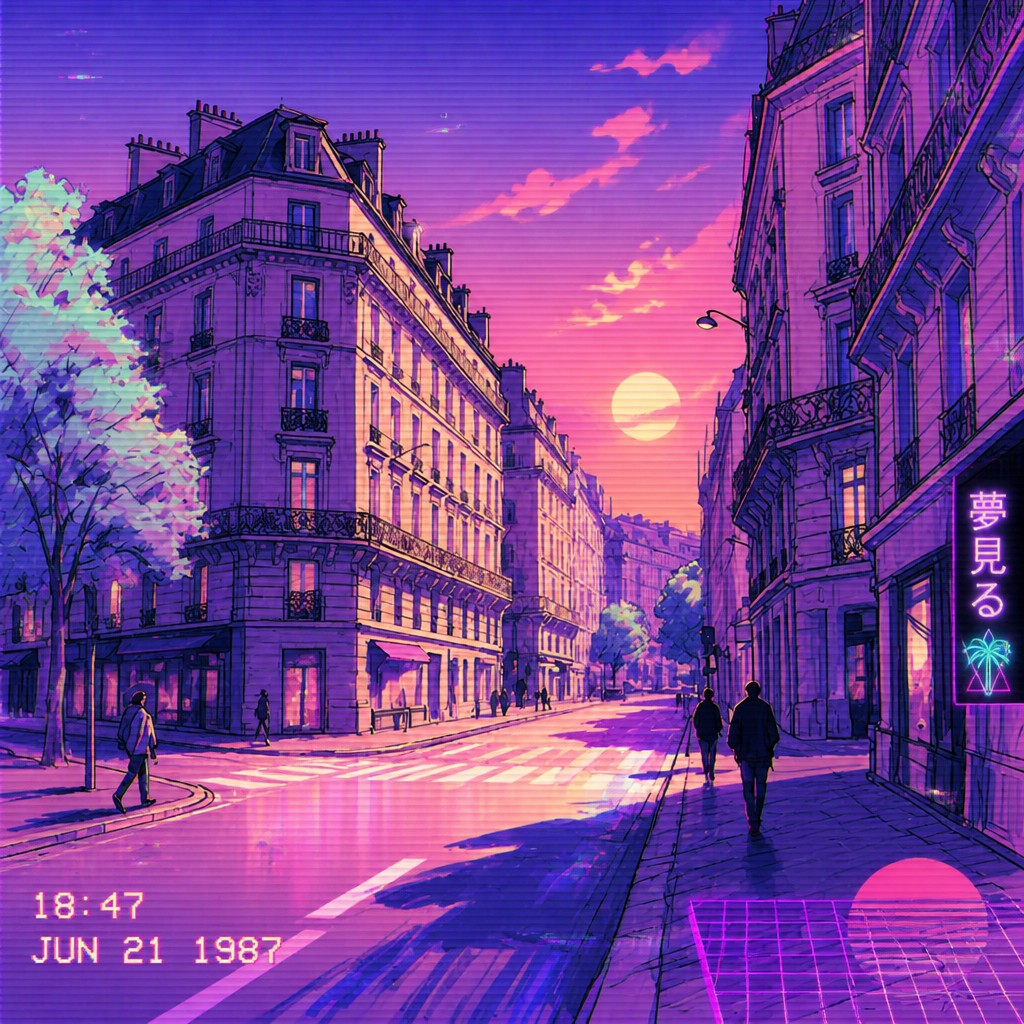

What Defines Vaporwave Anime Aesthetic
The signature details, up close
Anime-inspired figure design
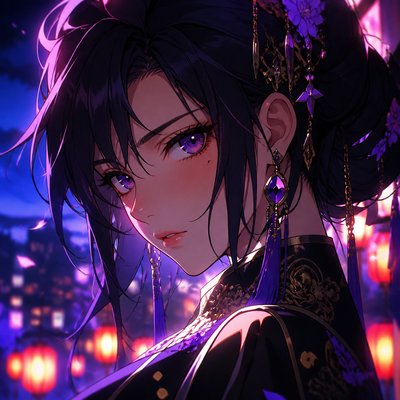
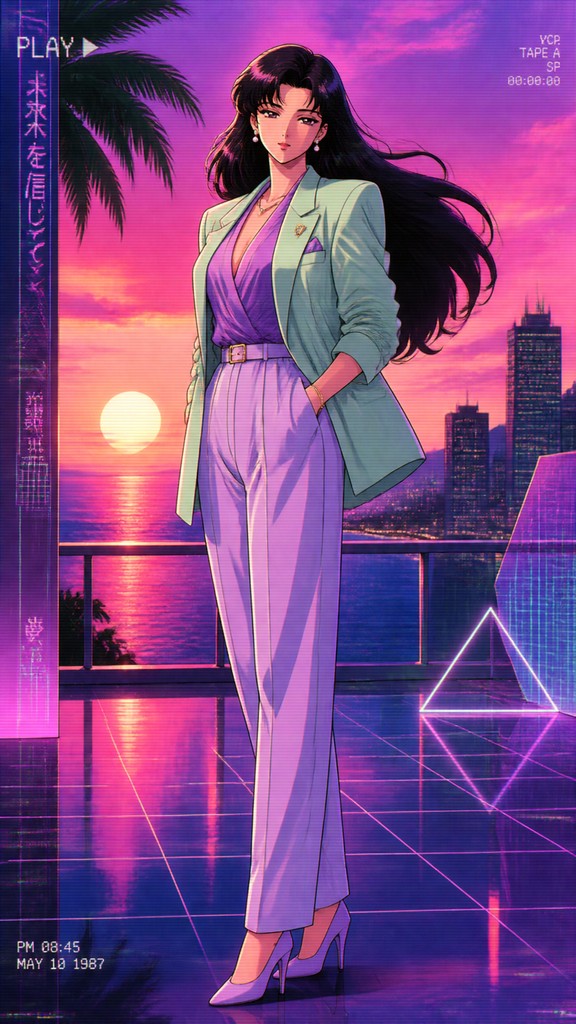
Characters usually follow classic 80s-90s anime conventions: bold outlines, simplified facial features, expressive eyes, and elegant hair shapes. The figures often have a calm, wistful, or detached expression that suits the style’s nostalgic mood.
Neon pastel palette
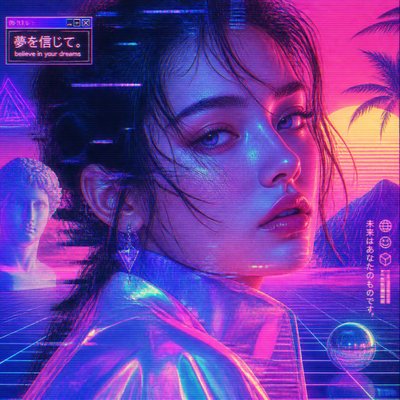
Pink, purple, mint, lavender, and cyan dominate the color scheme, often arranged in gradients that resemble sunset skies or backlit screens. These colors are usually saturated but softened by haze so they feel luminous rather than harsh.
VHS and CRT surface effects
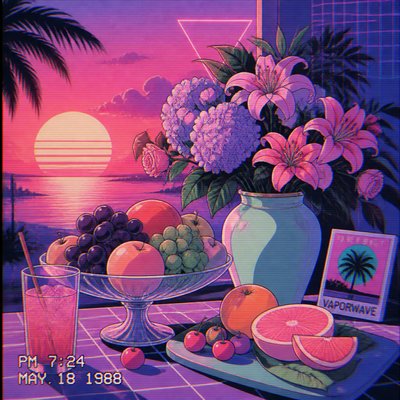
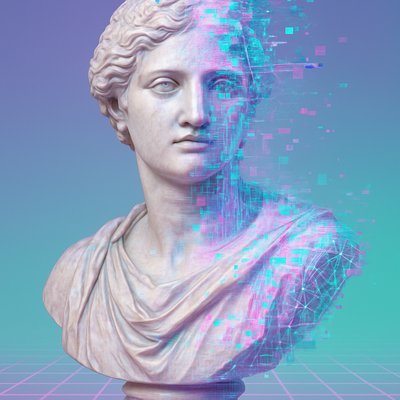
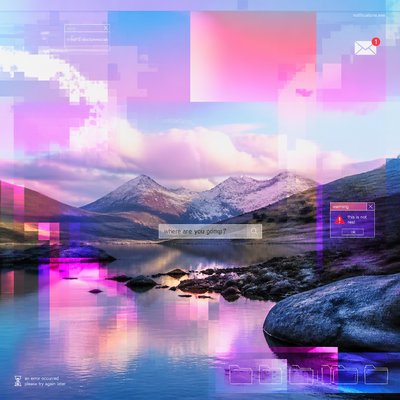
Scan lines, chromatic aberration, signal noise, and slight image warping are common. These effects imitate analog playback and old display technology, making the image feel archived or timeworn.
Retrofuturist environments
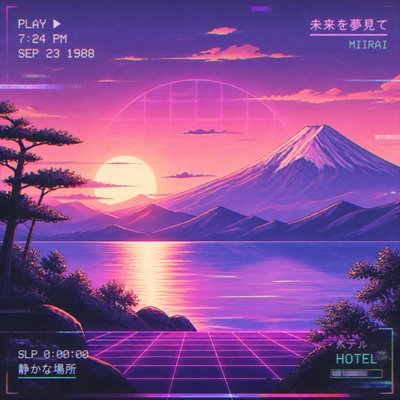
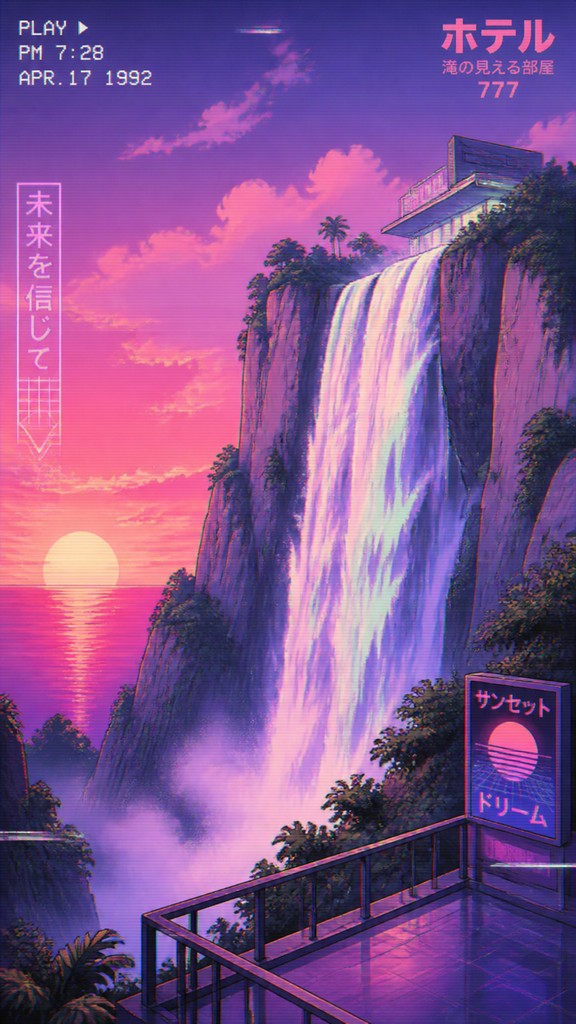
Backgrounds often include wireframe grids, floating UI elements, geometric horizons, palm silhouettes, and synthetic cityscapes. These settings suggest a future imagined through 80s and 90s media design.
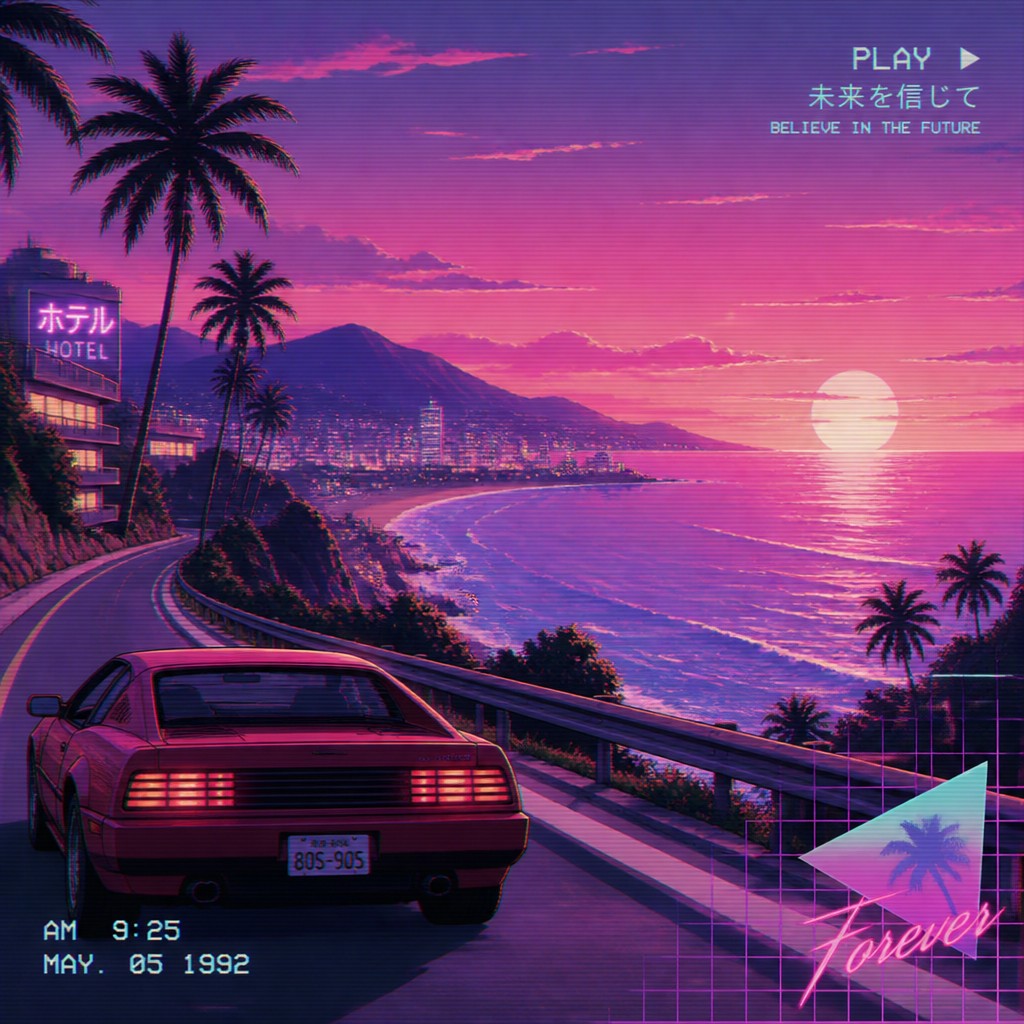
Japanese text and media ephemera
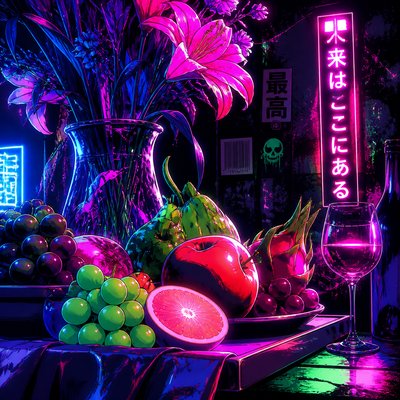
Kanji, katakana, labels, warning text, and interface fragments frequently appear as graphic accents. Their role is usually atmospheric rather than narrative, reinforcing a transnational pop-cultural reference layer.
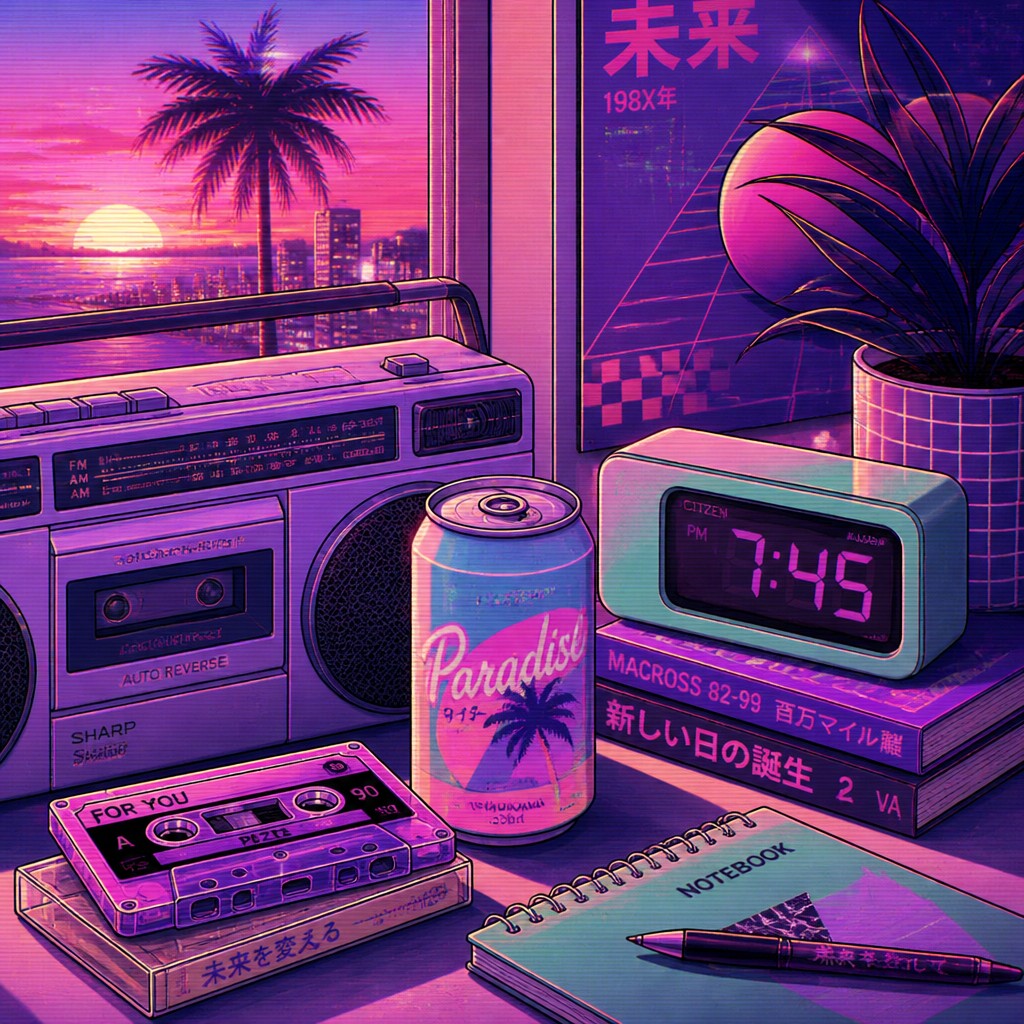
Soft glow and hazy lighting
Highlights are often rim-lit with neon bloom, while shadows remain gentle and airbrushed. A dreamy fog or diffusion effect reduces sharp realism and gives the scene a floating, memory-like quality.
Try It
Create Videos in Vaporwave Anime Aesthetic
Styles aren't just for stills — describe a scene or animate an image and get a short video rendered in Vaporwave Anime Aesthetic. Press play to see this pond come to life.
Make a VideoVaporwave Anime Aesthetic Prompt Ideas
Start from an idea — each one opens the generator with the style ready to go. See all 40 Vaporwave Anime Aesthetic prompts →
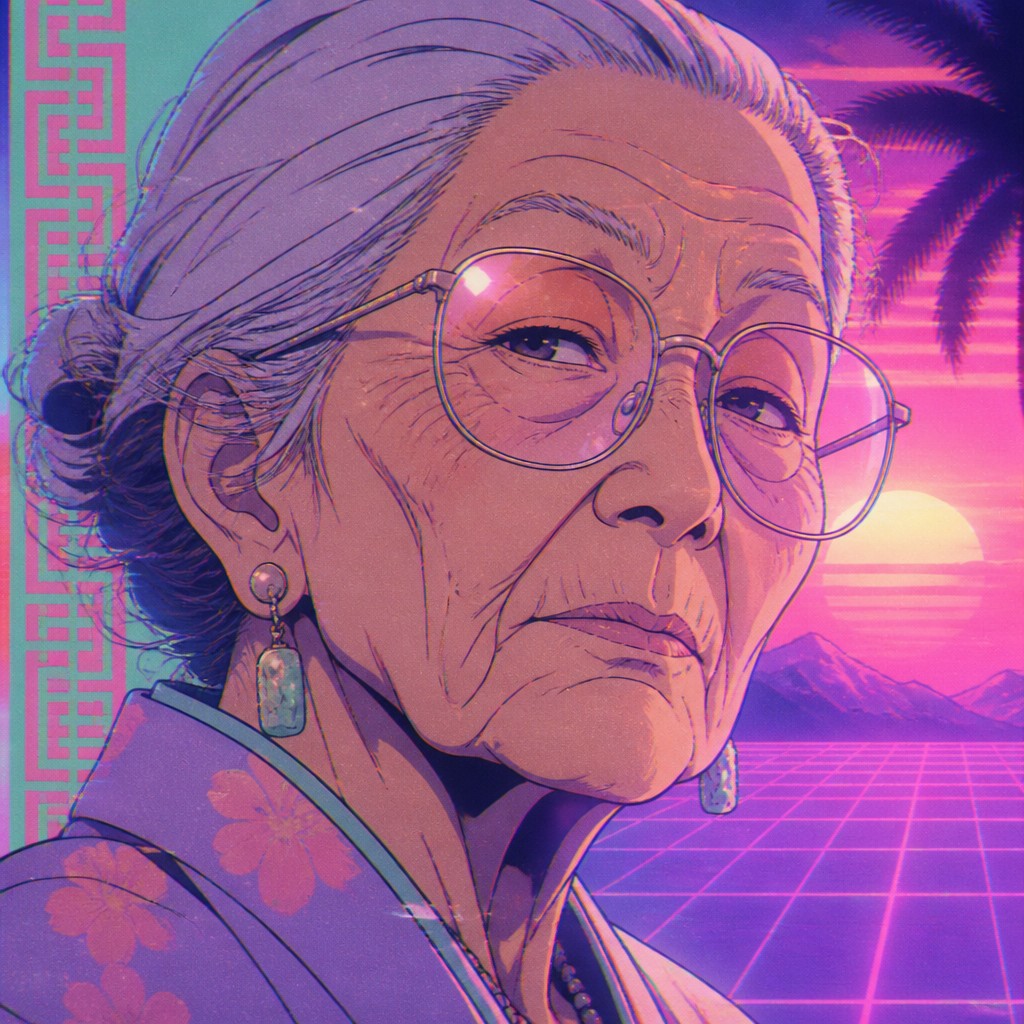
“close-up portrait of an elderly person with expressive weathered features”
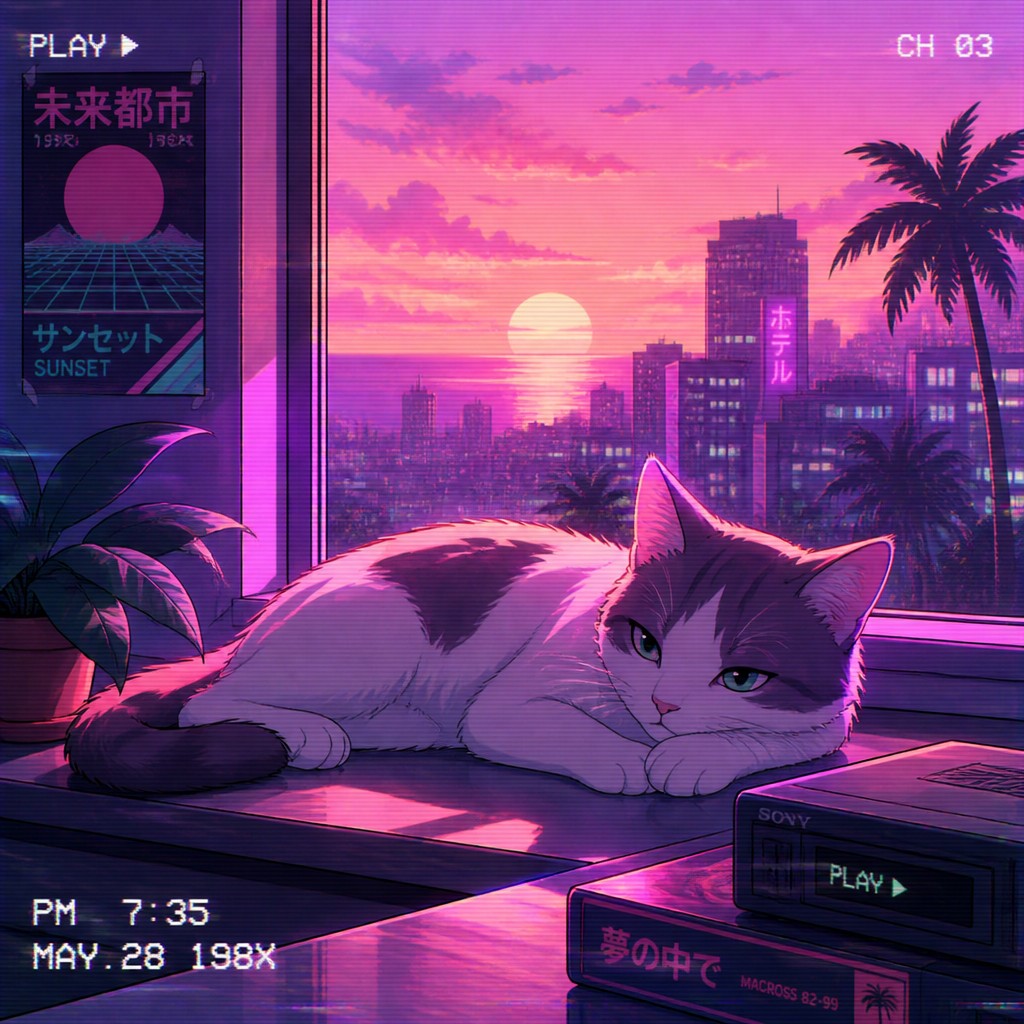
“a cat lounging in a sunlit window”
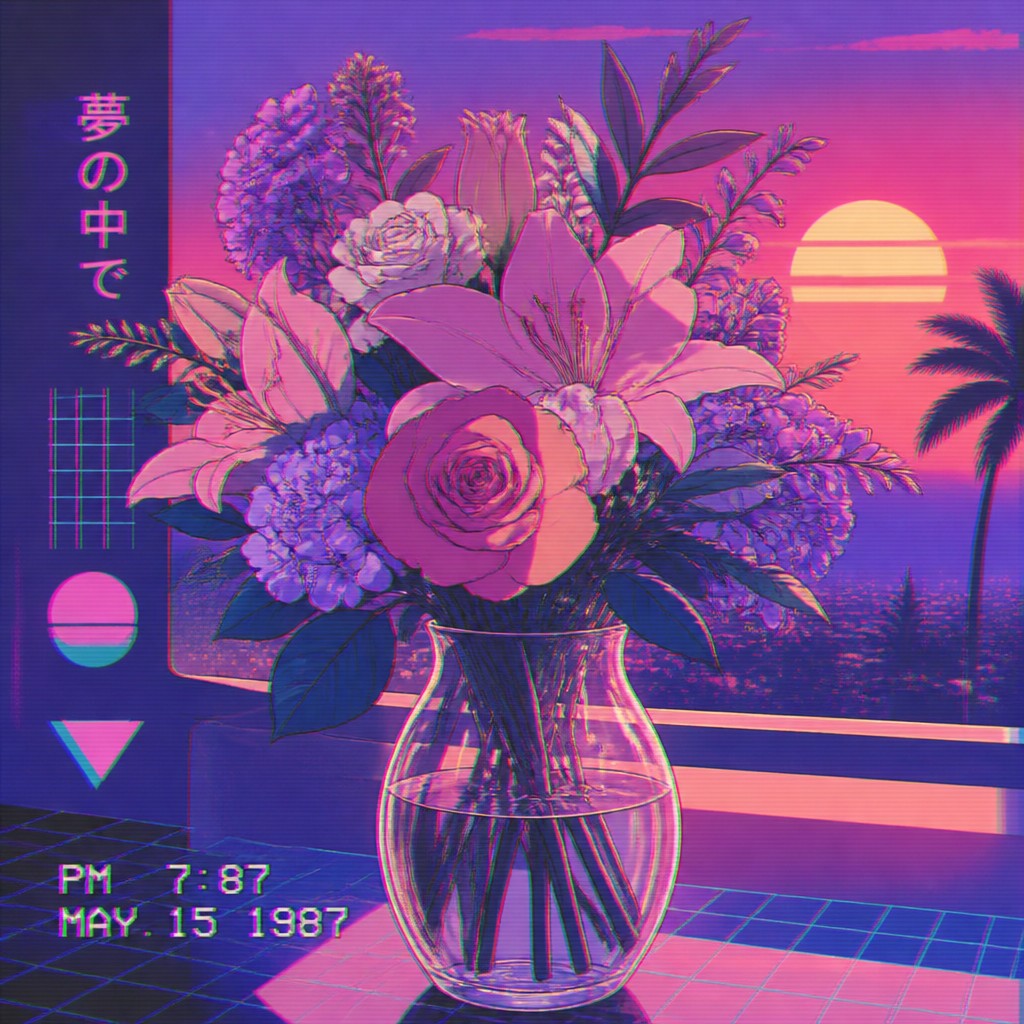
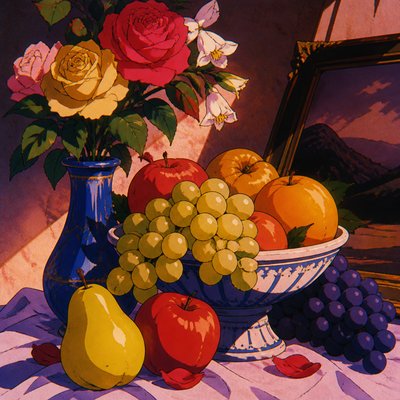
“bouquet of flowers in a glass vase”
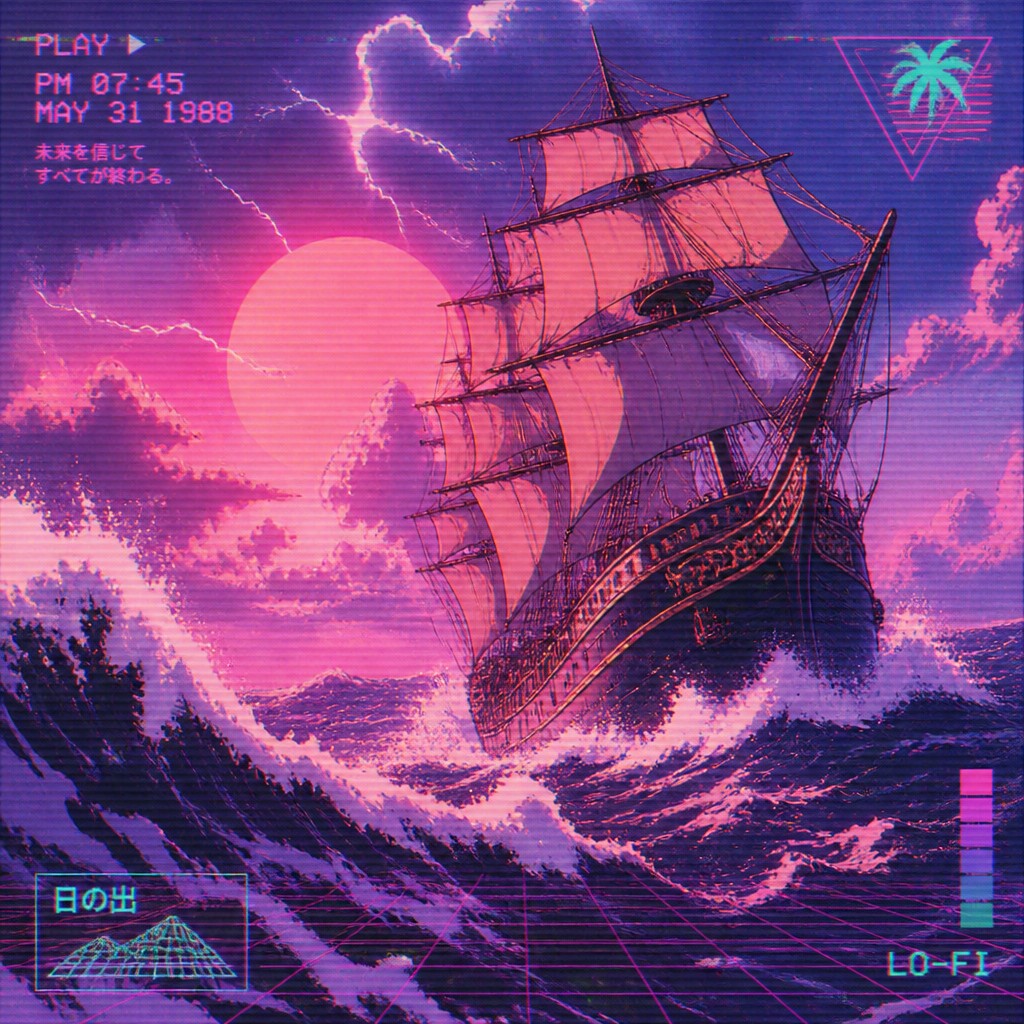
“sailing ship on a stormy sea”
How to Create Vaporwave Anime Aesthetic Art
Master the craft step by step — or skip straight to creating. Read the full guide →
- 1
Start with a clear anime composition
Use strong silhouettes, clean contour lines, and a readable pose before adding effects. In traditional work, think in terms of cel-style blocking; in digital work, build the illustration with flat shapes first and preserve crisp edges where the character needs to read clearly.
- 2
Build the palette around pastel neon gradients
Choose two to four dominant hues such as magenta, violet, mint, and cyan, then blend them into sunset-like gradients. Keep skin tones and neutrals slightly subdued so the background glow and colored lighting remain the focus.
- 3
Add analog screen artifacts selectively
Introduce scan lines, noise, slight color separation, and occasional glitch blocks, but do not cover the whole image uniformly. The best results suggest an imperfect transmission rather than a fully degraded file.
- 4
Use retrofuturist props and typography
Insert cassette players, CRT monitors, arcade interfaces, floppy disks, synth panels, or palm-lined skylines to reinforce the era. If adding text, use it like a design element—short labels, signage, or interface text that complements the composition.
- 5
Finish with haze, bloom, and lo-fi warmth
A soft diffusion layer and subtle glow around highlights can unify the image and create the signature dreamlike finish. For prompt-based generation, specify cel shading, pastel neon gradients, VHS scan lines, chromatic aberration, retro grids, and nostalgic analog warmth.
The Story
History & Origins of Vaporwave Anime Aesthetic
This is not a historical art movement in the traditional sense, but an internet-born aesthetic that emerged from the convergence of vaporwave, anime fandom, and retro digital culture. Vaporwave itself developed in the early 2010s as a musical and visual genre built on slowed samples, mall-era commercial imagery, early 3D graphics, and archival references to late-capitalist consumer design. Anime imagery was absorbed into that vocabulary because many viewers associated 80s-90s Japanese animation with the same media era: VHS tapes, arcade culture, CRT displays, and imported pop aesthetics.
The style draws on several visual lineages at once: cel-animated anime, retrofuturist illustration, synthwave color palettes, and glitch art. As the look spread through online communities, it became a shorthand for nostalgic futurism—an imagined past where high-tech media, Japanese pop culture, and analog electronics coexist in a dreamlike haze. Today it appears in posters, album art, editorial graphics, fan art, and digital illustrations that want to evoke memory, distance, and electronic atmosphere.
Influences: The style combines the draftsmanship and visual grammar of Japanese anime and manga with the color logic of synthwave and the detritus-based nostalgia of vaporwave. Its digital glitches and scan-line textures connect it to glitch art and screen-based image culture, while its grid horizons and retrofuturist spaces recall 1980s electronic design. For historical anime reference points, its look is broadly compatible with the era of influential Japanese manga and animation creators associated with major shōnen and fantasy storytelling, alongside prominent postwar anime and manga stylists, though the vaporwave overlay is a later internet-era development rather than a feature of their original work.
Frequently Asked Questions
What defines Vaporwave Anime Aesthetic?
It is defined by the combination of anime-style characters and vaporwave visual cues: pink-purple gradients, neon glow, VHS noise, Japanese text, and retro electronics. The style aims for a dreamy, nostalgic vision of a future filtered through late-20th-century media.
How is it different from synthwave?
Synthwave tends to emphasize 1980s neon, outrun cars, grids, and cinematic retrofuturism, often with a more muscular or action-oriented feel. Vaporwave Anime Aesthetic is softer, more atmospheric, and more explicitly tied to anime figure design and internet nostalgia.
Is this an actual historical art movement?
No. It is an internet-era aesthetic that borrows from real visual traditions rather than a formal historical movement with a defined period and canon. Its lineage comes from anime, vaporwave, glitch art, and retrofuturist design.
What kinds of subjects work best in this style?
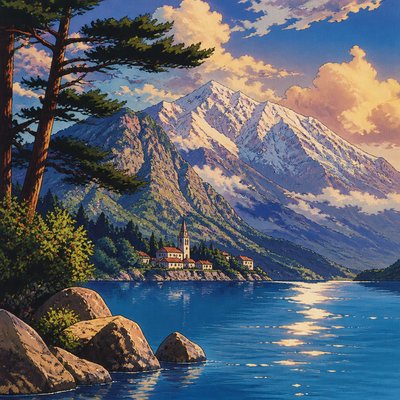
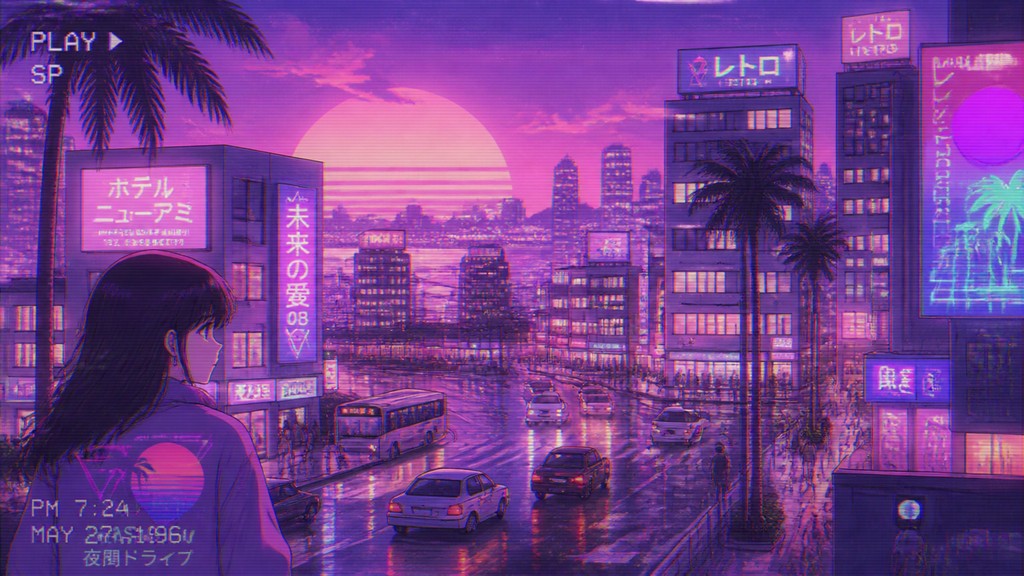
Portraits, cityscapes, arcade interiors, dreamy landscapes, and fashion-oriented character scenes are especially effective. Subjects with clear silhouettes and an emotional or nostalgic mood tend to look strongest because the style depends on atmosphere as much as form.
How can I make my image look more authentic?
Use a limited neon pastel palette, clean anime linework, and subtle analog artifacts rather than heavy distortion. Adding period-specific objects such as CRTs, cassettes, boomboxes, and Japanese signage helps ground the image in the intended visual world.
Where is this style commonly used?
It is common in album art, posters, social media graphics, fan art, fashion visuals, and digital illustrations. It is especially popular when a project wants to evoke nostalgia, melancholy, or a stylized retrofuturistic mood.
Create your first Vaporwave Anime Aesthetic artwork
Describe anything — or upload a photo — and see it in Vaporwave Anime Aesthetic in seconds.
Make Something with Vaporwave Anime Aesthetic
Compare Vaporwave Anime Aesthetic
Related Styles
Discover similar art styles