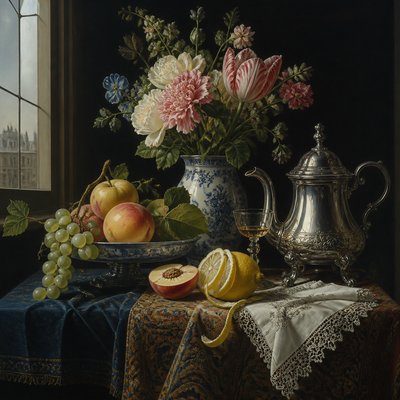
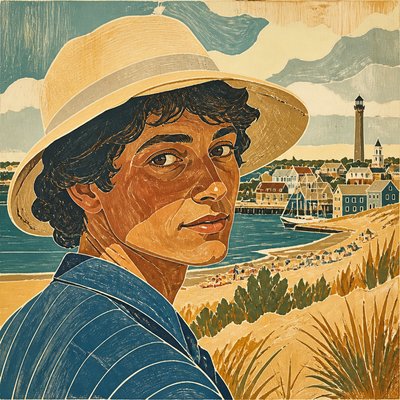
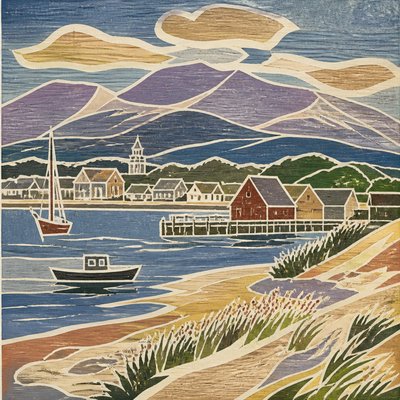
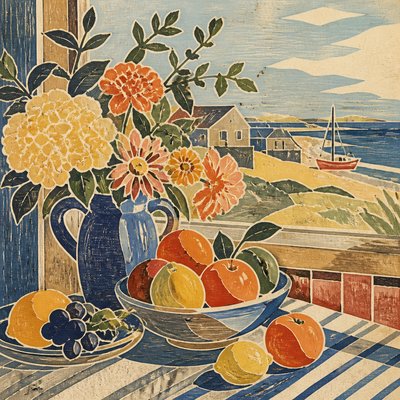
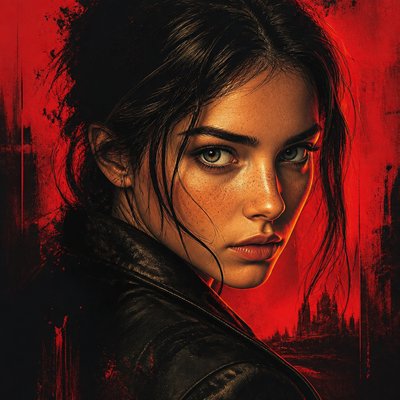
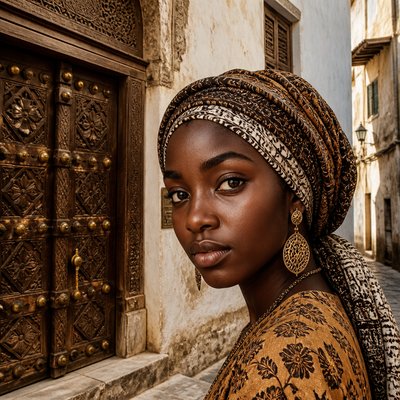
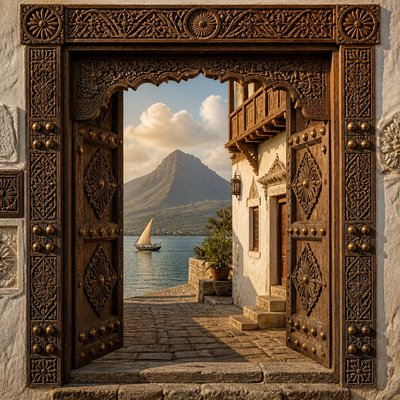
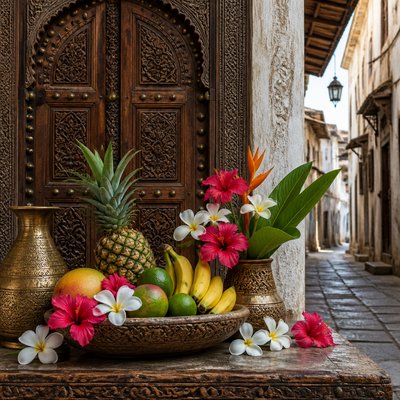
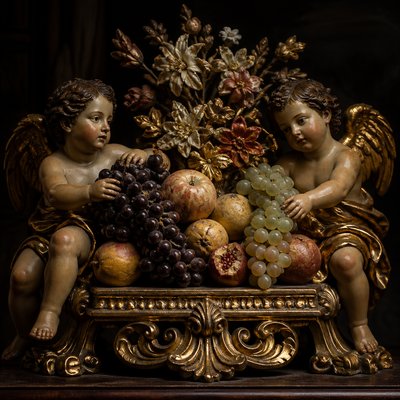
Vintage Retro Anime Art Style
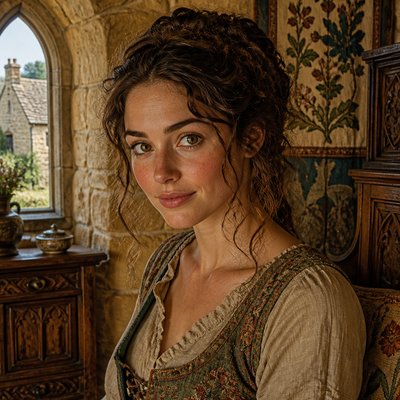
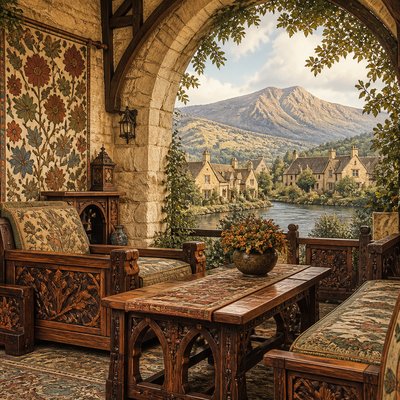
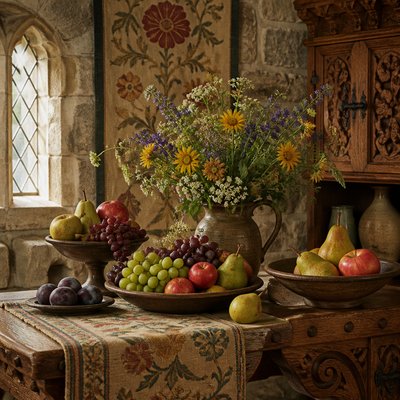
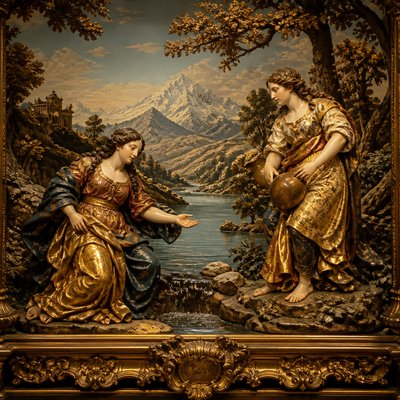
Nostalgic 80s-90s anime look with warm earth tones, cel shading, film grain, and soft painted backgrounds.
Instantly rendered in Vintage Retro Anime — or transform a photo
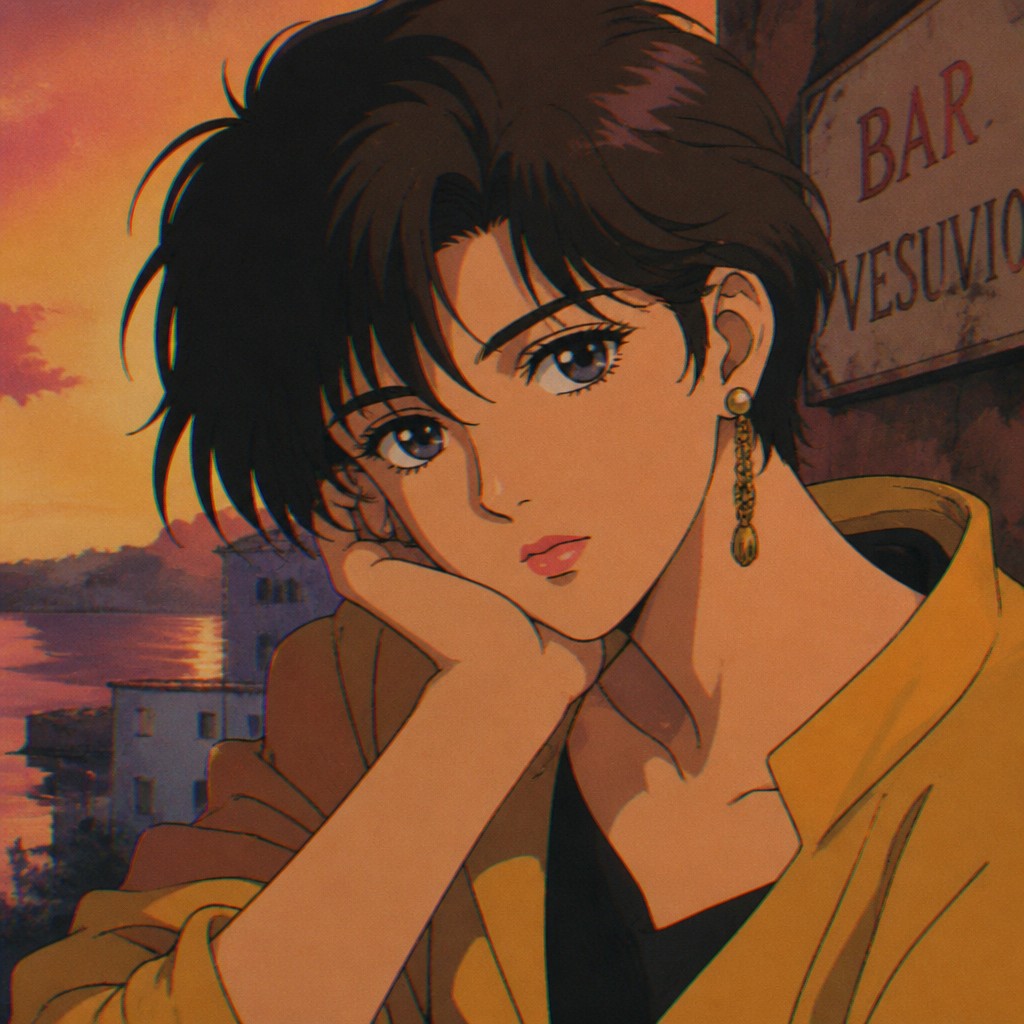
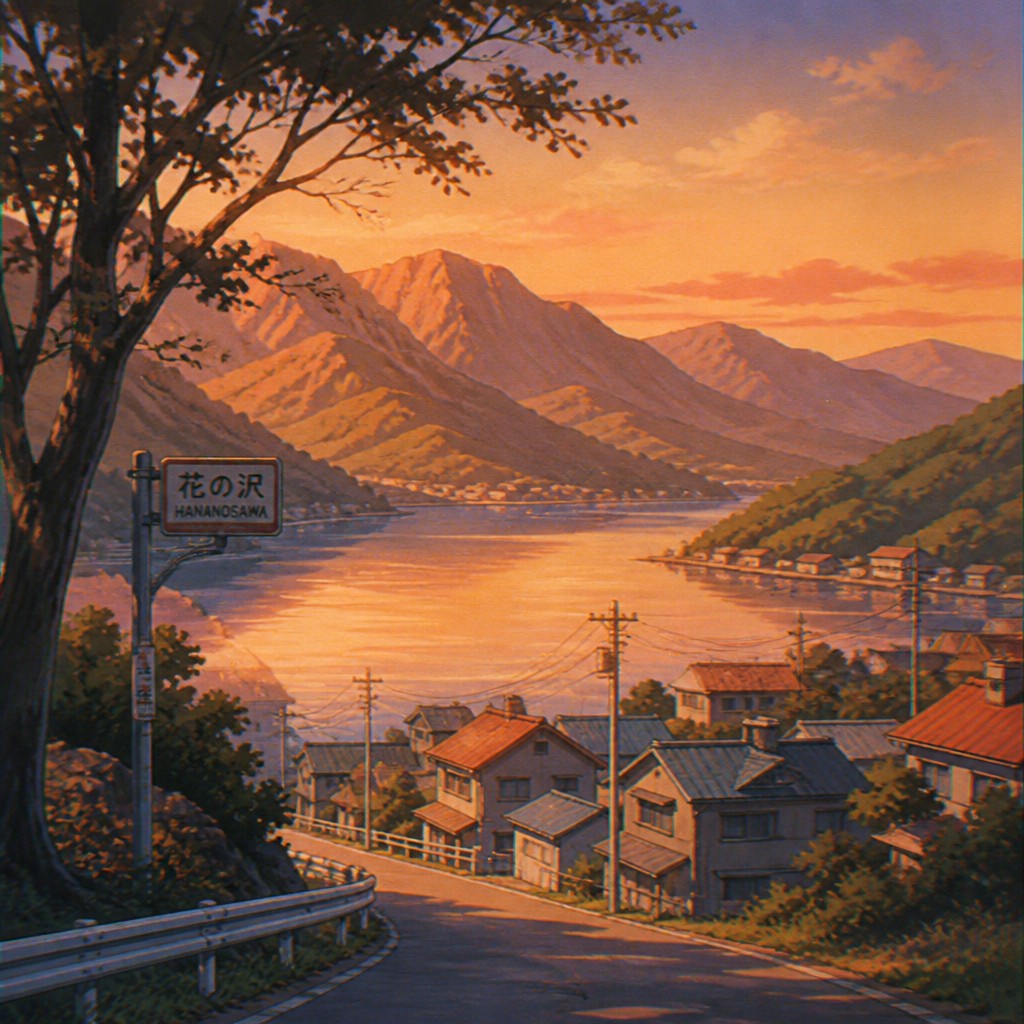
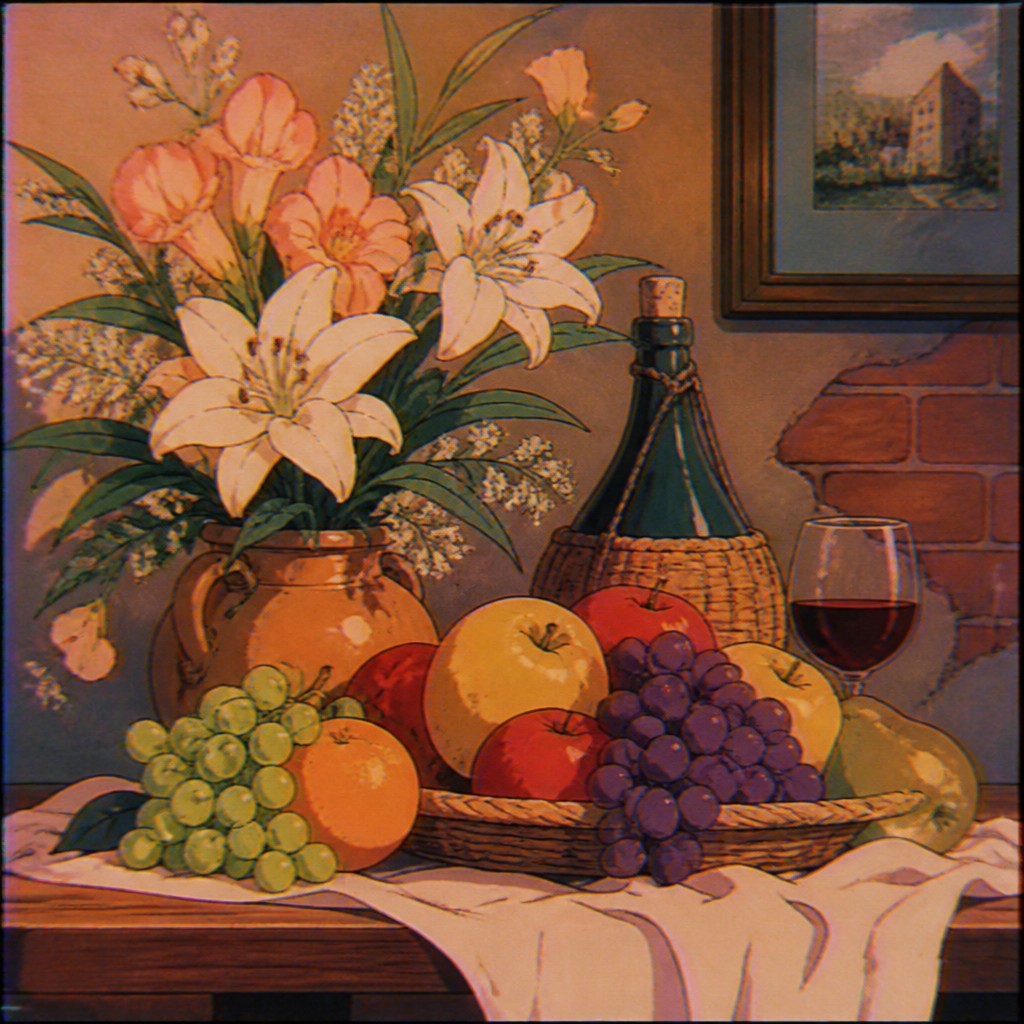
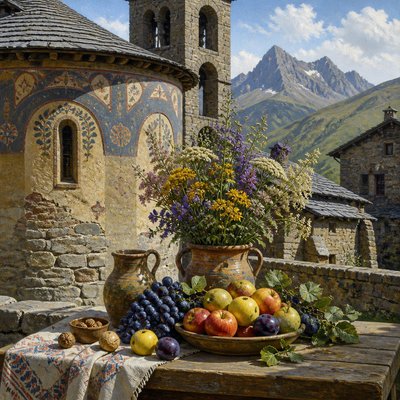
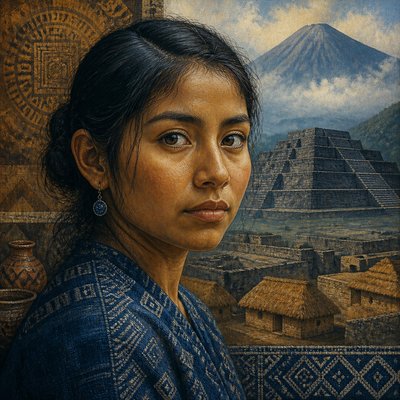
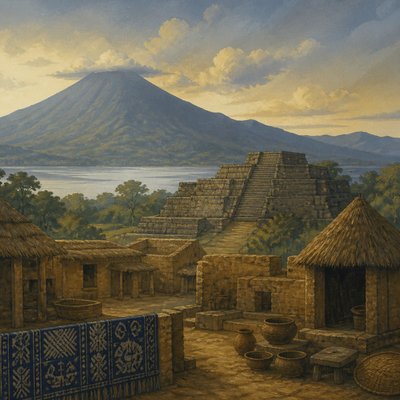
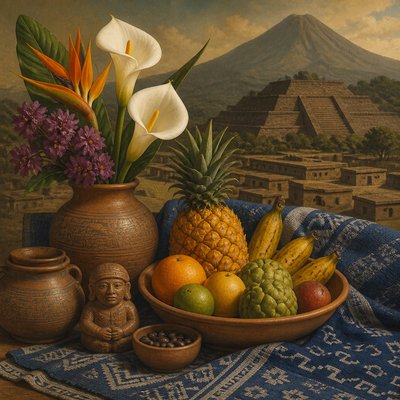
Vintage Retro Anime Gallery
Tap any artwork to explore it
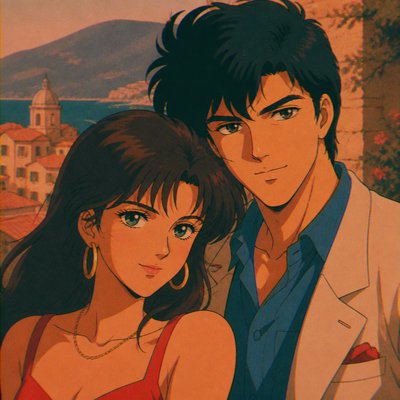
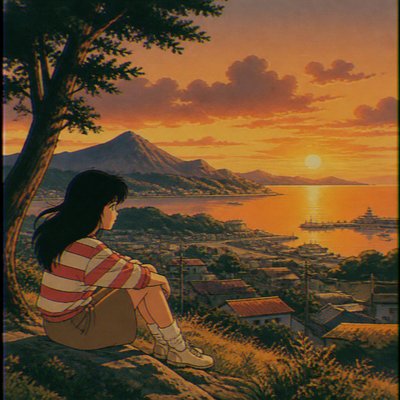
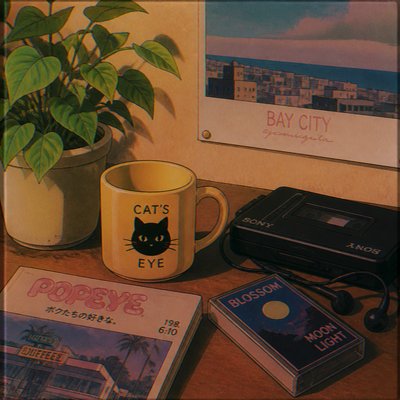
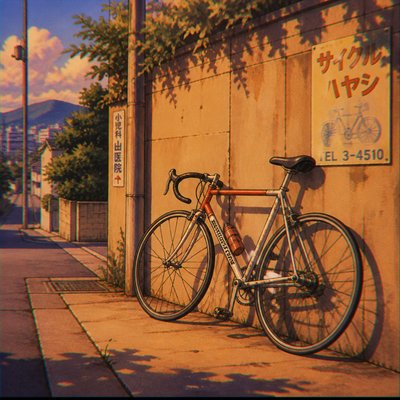
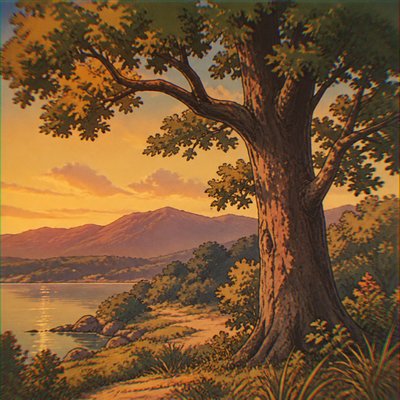
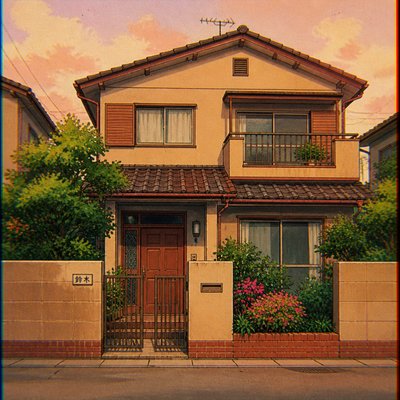
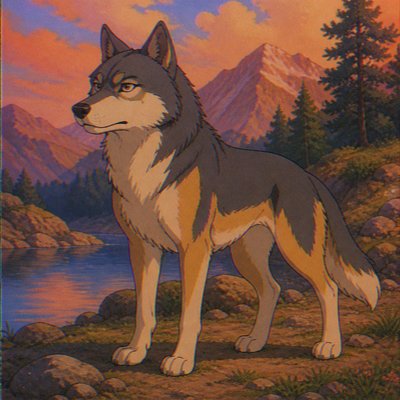
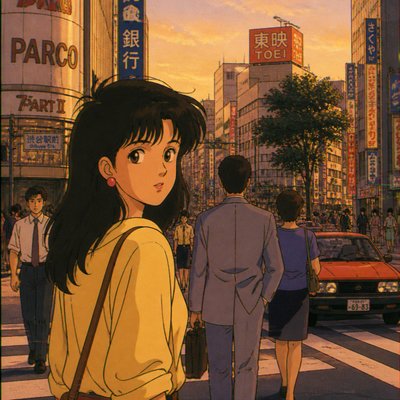
What is Vintage Retro Anime Art Style?
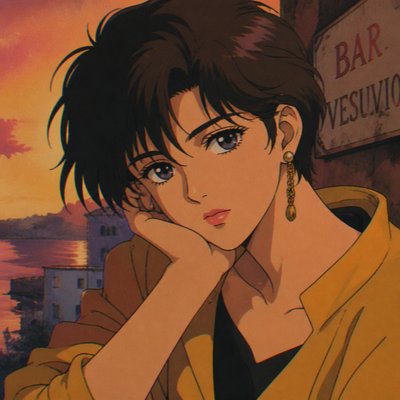
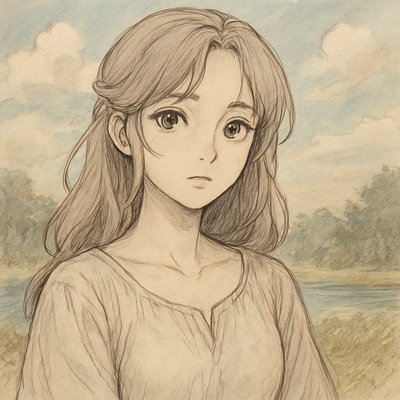
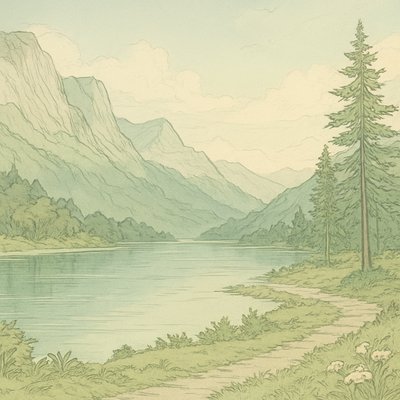
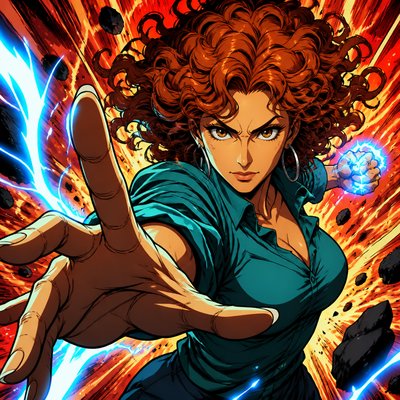
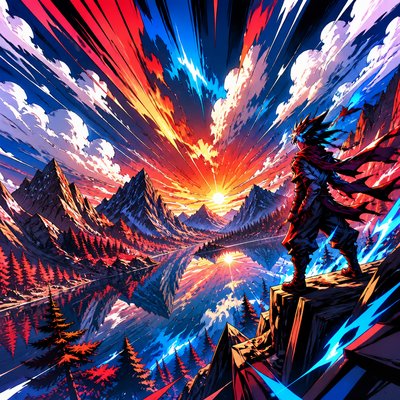
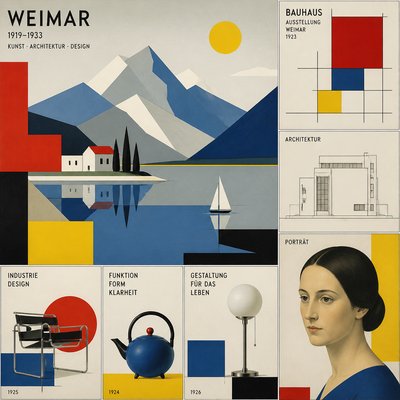
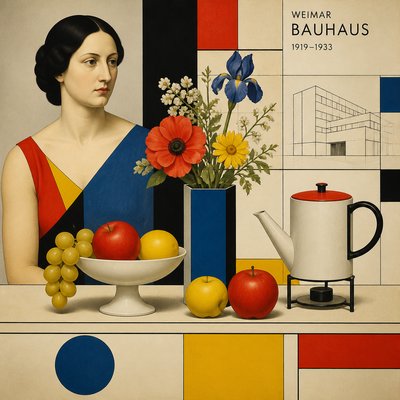
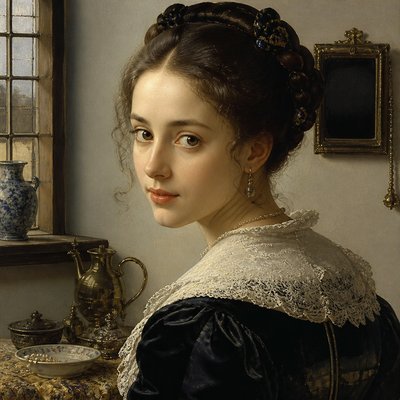
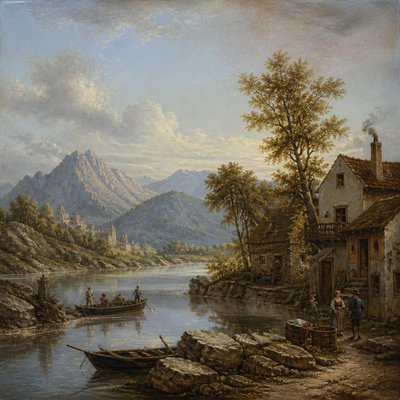
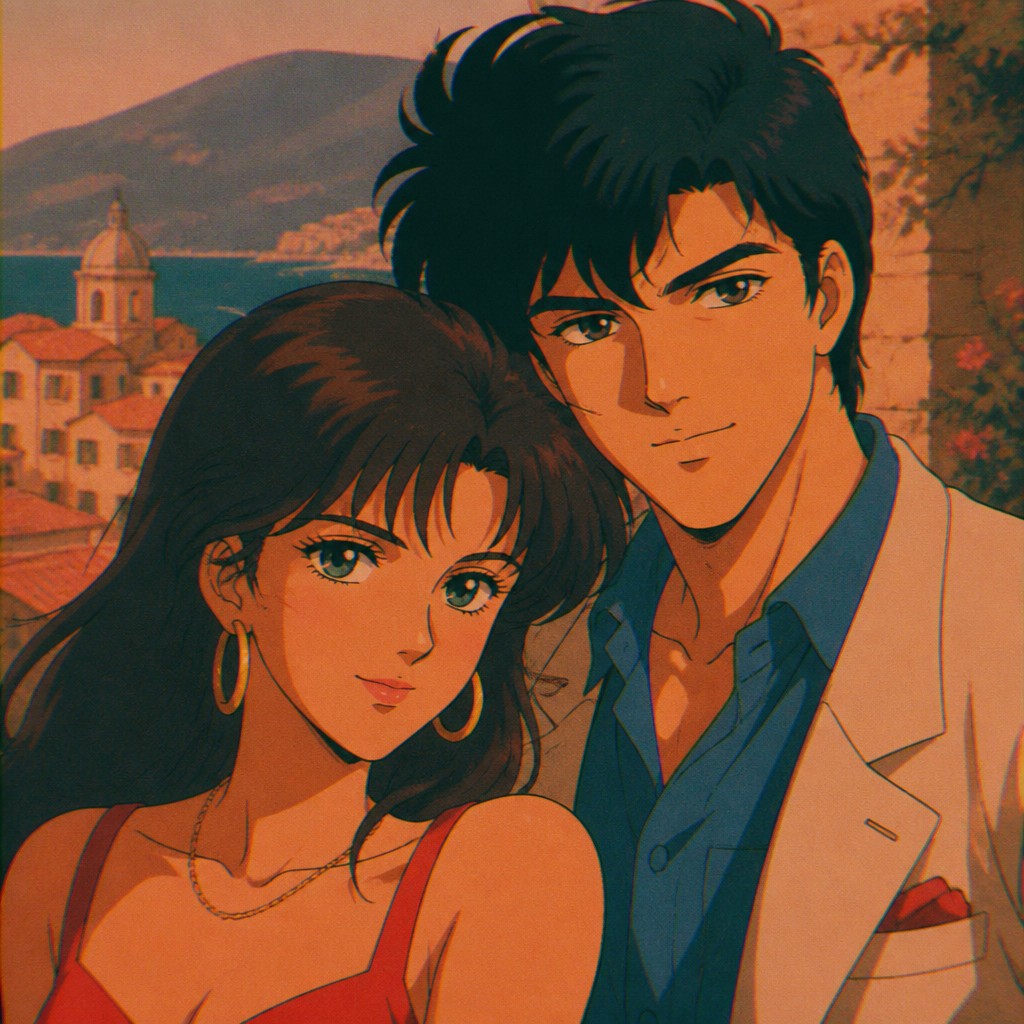
Vintage retro anime art style evokes the look and feel of late-20th-century Japanese animation as seen on television, in OVAs, and in theatrical films from the 1980s and 1990s. It is defined by clean, confident linework, simplified but expressive character design, flat cel shading, and backgrounds that often feel hand-painted rather than digitally assembled. The result is a familiar nostalgic image language associated with rented VHS tapes, older broadcast masters, and the tactile imperfections of analog media.
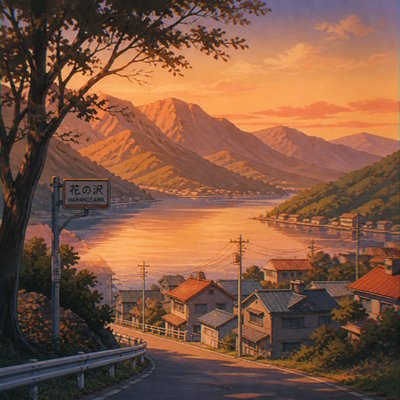
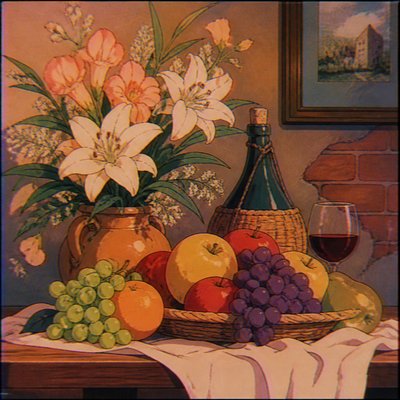
Its visual identity combines warmth and restraint. Colors often lean toward amber, ochre, muted terracotta, dusty teal, and softened primary accents, with gentle gradients and a low-contrast finish that keeps images from feeling too crisp or modern. Film grain, subtle chromatic fringing, and slight color bleed contribute to the sense of age, while painterly skies, interiors, and cityscapes create depth behind the characters. The style looks this way because it is rooted in the production methods of cell animation, hand-painted backgrounds, and the visual limitations of older film and video transfer technologies.
Try It On Your Photos
Upload any photo and convert it into Vintage Retro Anime Art Style — drag the sliders to compare before and after.


What Defines Vintage Retro Anime Art Style
The signature details, up close
Clean cel-style linework
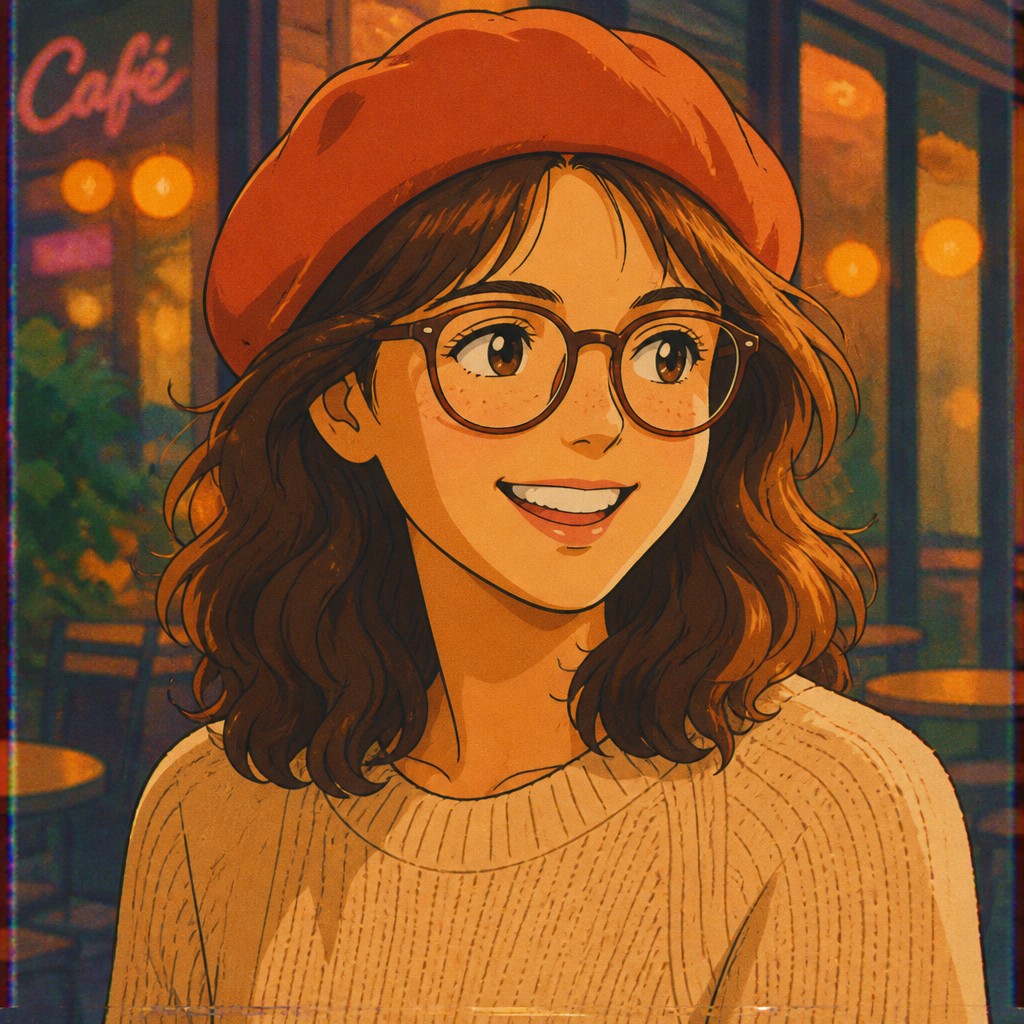
Characters are usually outlined with bold, precise lines that remain legible at small sizes. The drawing favors clear shapes and readable silhouettes over excessive detail.
Flat shading with limited gradients
Skin, hair, clothing, and objects are shaded in simple planes, often with one or two shadow tones. This keeps the image close to traditional cel animation rather than modern airbrushed rendering.
Warm, muted palette
Colors tend to sit in earthy registers such as amber, ochre, terracotta, olive, and faded blue. Bright colors appear sparingly, which makes accent tones feel more vivid.
Painterly backgrounds
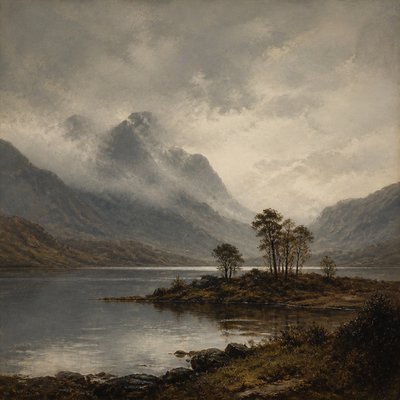
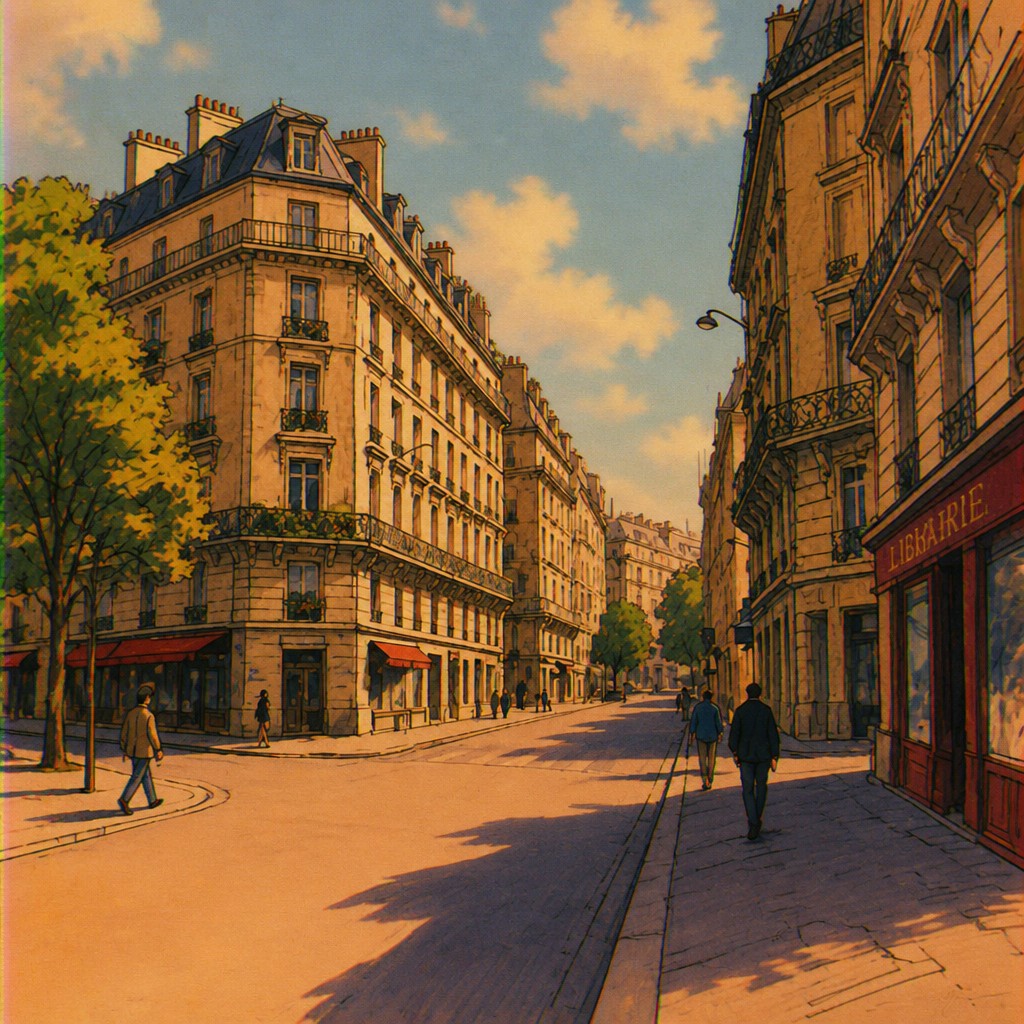
Environments often resemble hand-painted matte backgrounds with visible brushwork or softened texture. Skies, interiors, and landscapes may feel more atmospheric than the characters in front of them.
Analog texture and wear
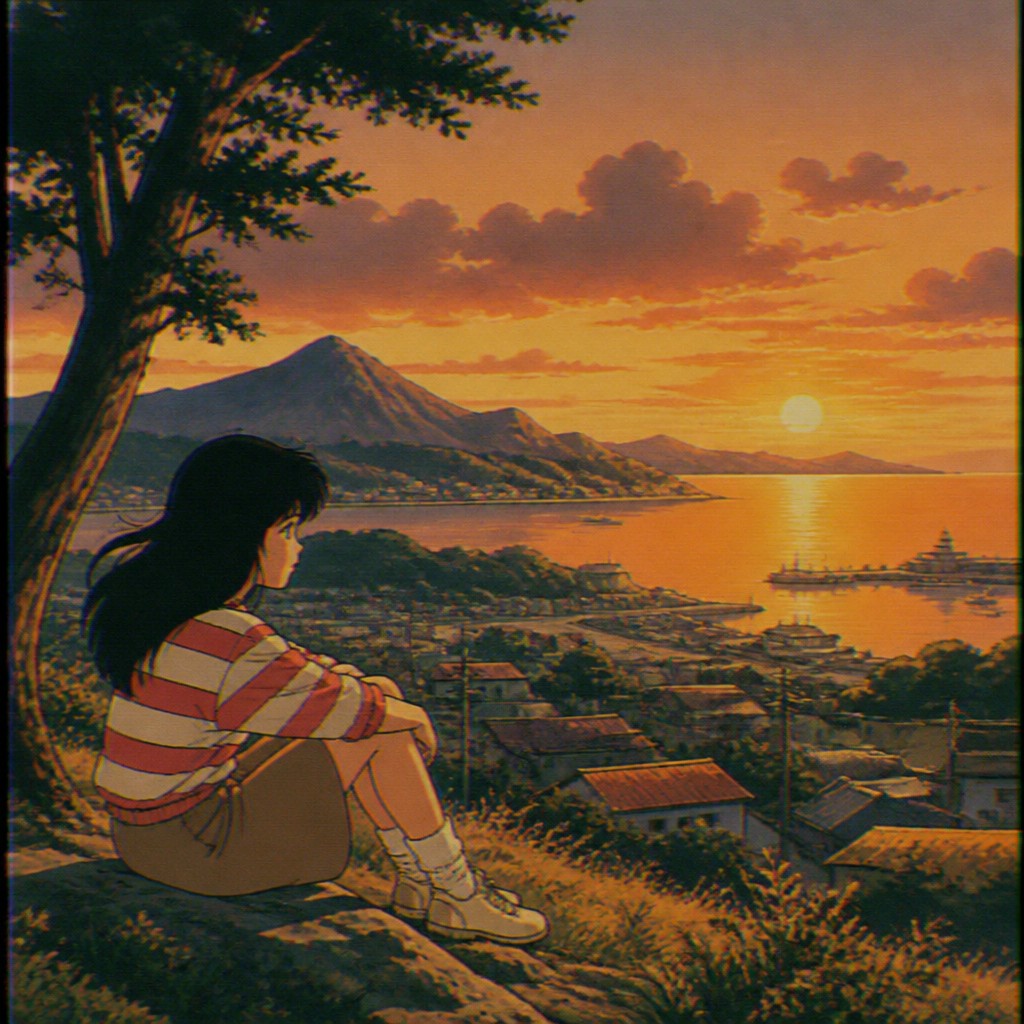
Film grain, VHS softness, slight blur, and color bleeding help the image feel transferred from older media. These imperfections are not mistakes; they are part of the style’s nostalgic identity.
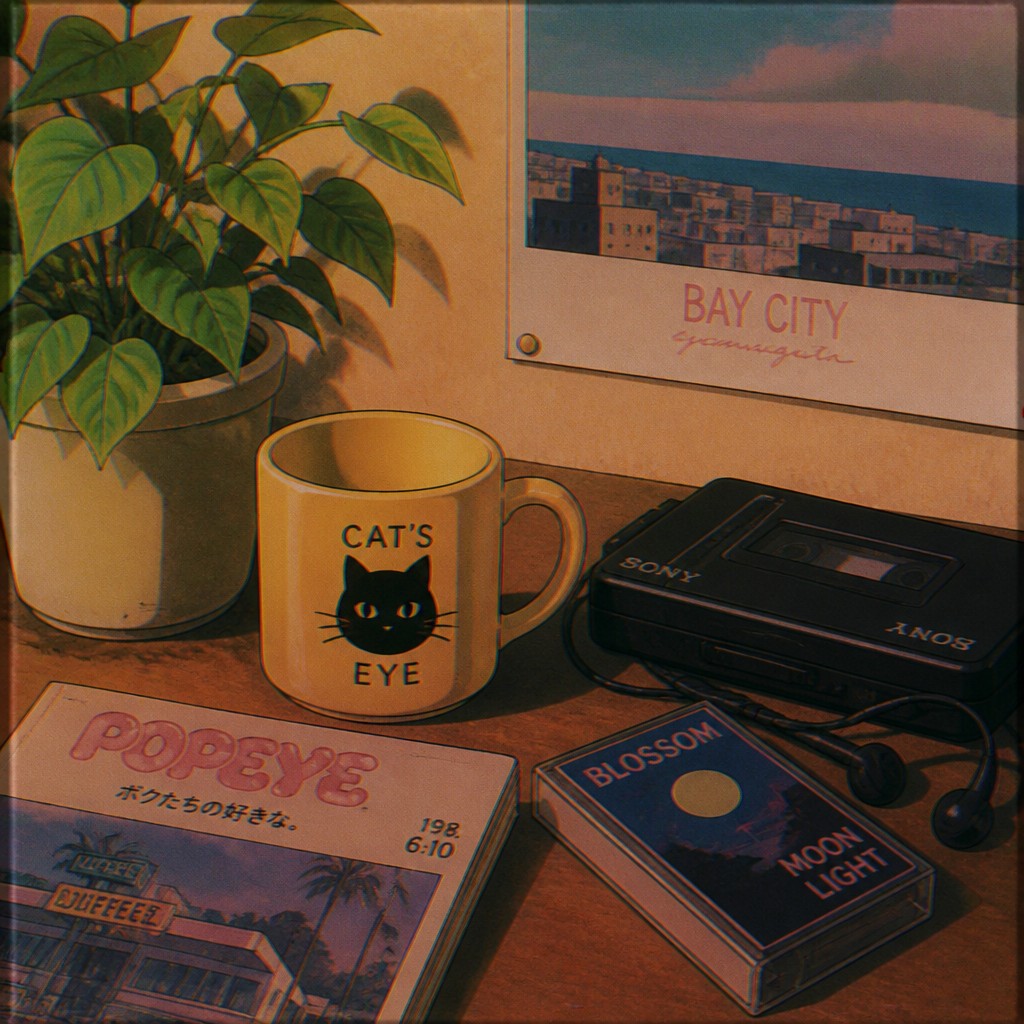
Soft lighting and gentle atmosphere
Light is often diffused rather than harsh, with subtle gradients and a dreamlike glow. This creates a calm, reflective mood even in action or sci-fi subjects.
Try It
Create Videos in Vintage Retro Anime Art Style
Styles aren't just for stills — describe a scene or animate an image and get a short video rendered in Vintage Retro Anime. Press play to see this pond come to life.
Make a VideoVintage Retro Anime Prompt Ideas
Start from an idea — each one opens the generator with the style ready to go. See all 40 Vintage Retro Anime prompts →
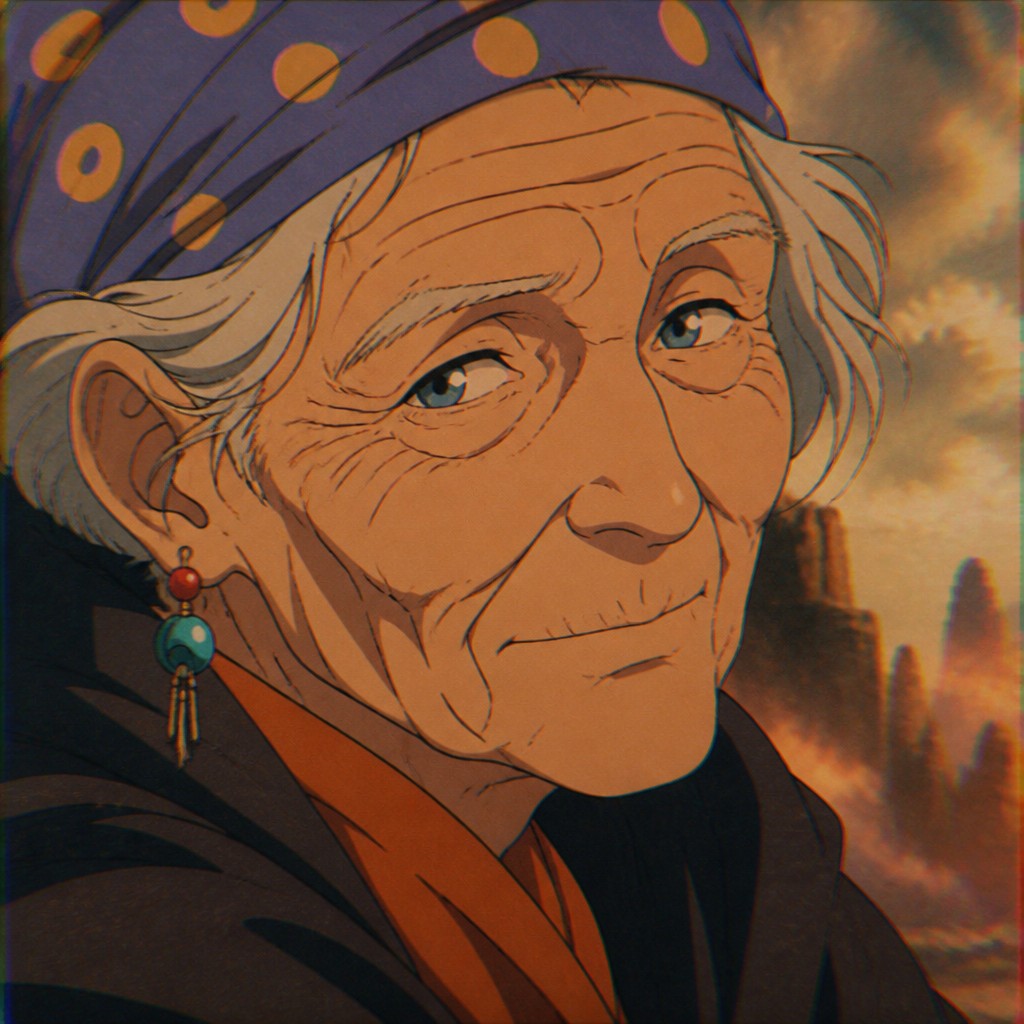
“close-up portrait of an elderly person with expressive weathered features”
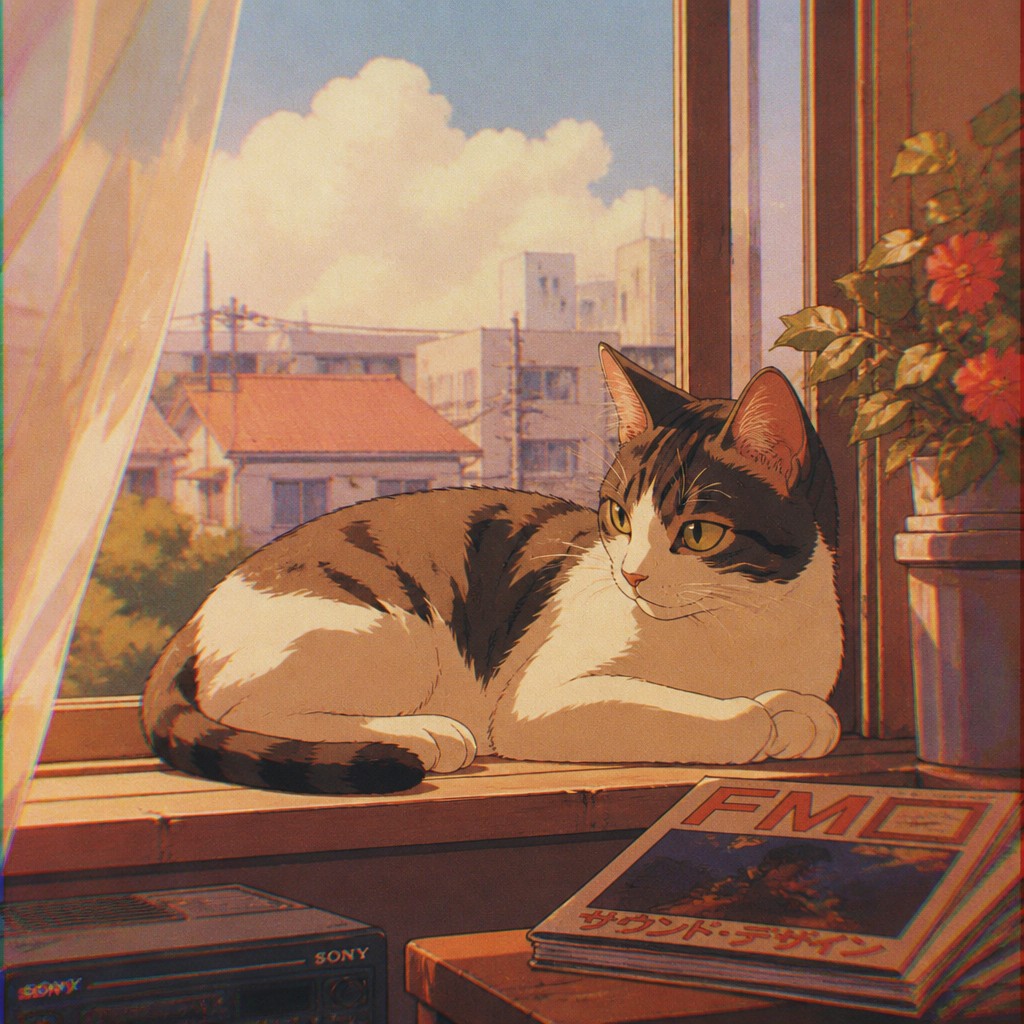
“a cat lounging in a sunlit window”
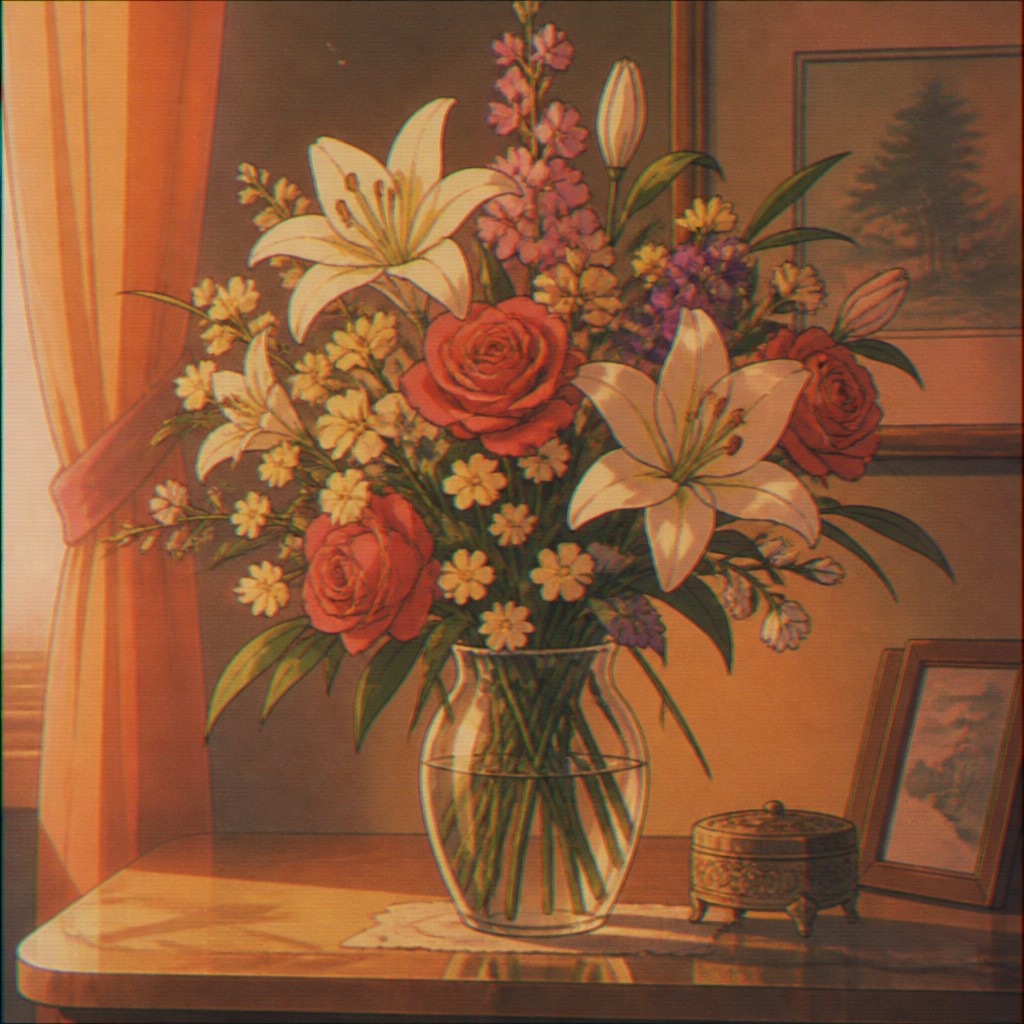
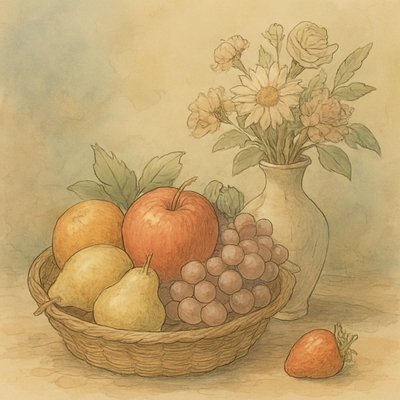
“bouquet of flowers in a glass vase”
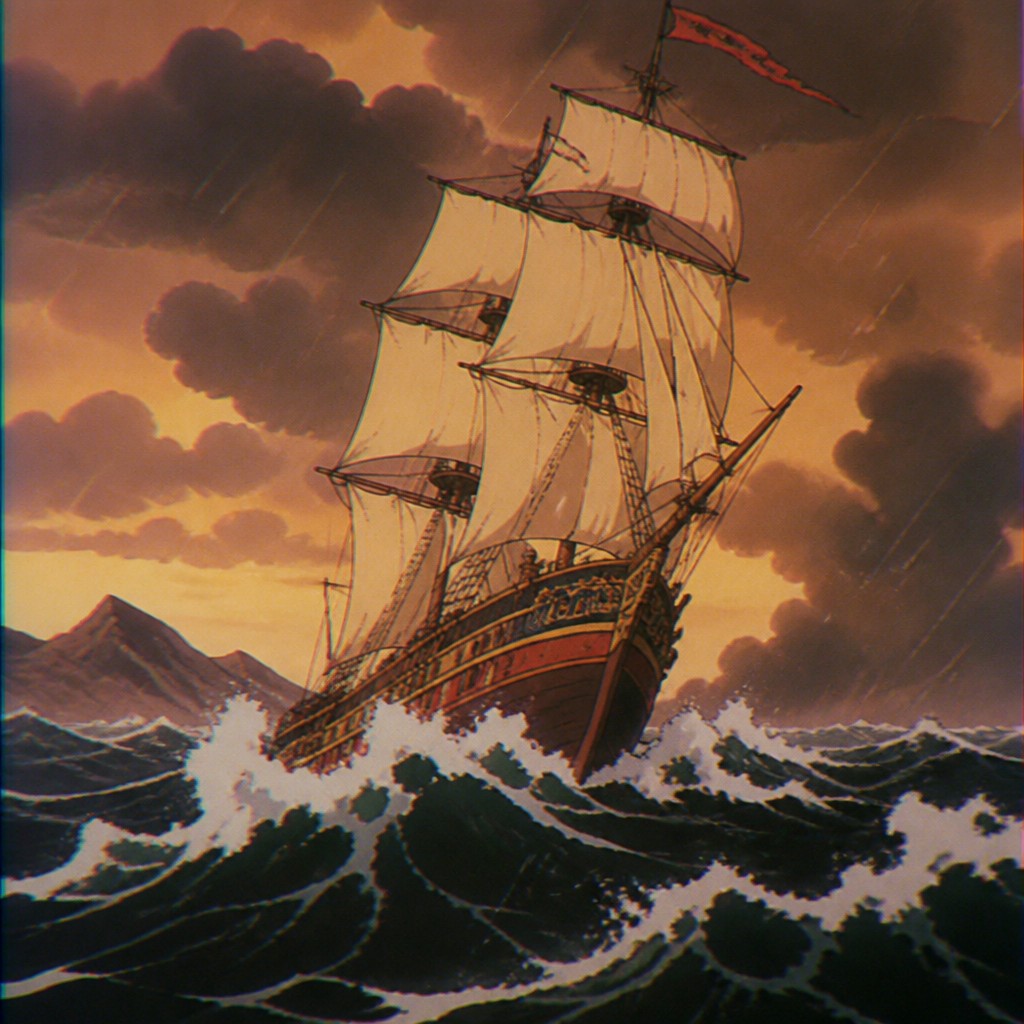
“sailing ship on a stormy sea”
How to Create Vintage Retro Anime Art
Master the craft step by step — or skip straight to creating. Read the full guide →
- 1
Use clear character drawing first
Start with strong silhouette design, simplified facial features, and confident contour lines. Keep anatomy stylized and readable, then add only the details that support the era and mood.
- 2
Limit shading and modern effects
Paint shadows as flat cel blocks or broad tonal shapes instead of glossy gradients. Avoid ultra-sharp highlights, heavy 3D rendering, and hyperreal surface detail if you want an authentic period feel.
- 3
Build backgrounds separately
Create environments with a softer brush or gouache-like approach so they feel hand-painted and slightly detached from the characters. Use atmospheric perspective, warm haze, and muted contrast to mimic older anime production design.
- 4
Add analog finishing touches
Introduce subtle grain, scanline-like texture, slight chromatic aberration, and modest color bleed at the edges. These effects should be restrained; the goal is to suggest aged media, not overwhelm the artwork.
- 5
When generating with text prompts, specify era cues
Mention 80s-90s cel animation, hand-painted backgrounds, VHS softness, warm earth tones, and film grain. Emphasize what should remain crisp and what should feel aged, such as bold linework versus soft background texture.
- 6
Match subject matter to the mood
This style works especially well for coming-of-age scenes, mecha, fantasy travel, quiet city streets, and wistful landscape moments. Choose subjects that benefit from nostalgia, atmosphere, and a slightly cinematic presentation.

The Story
History & Origins of Vintage Retro Anime
Vintage retro anime is not a single historical school so much as a contemporary label for the visual language of 1980s and 1990s Japanese animation. Its lineage comes from the production pipeline of hand-drawn animation: penciled key drawings, inked line art, painted cels, and separately painted background art. Works distributed on film and later on analog video developed characteristic soft edges, slightly muted colors, and visible texture that are now strongly associated with nostalgia.
The style also draws from the broader evolution of anime during the late Showa and early Heisei periods, when studios developed a distinctive balance between graphic clarity and painterly atmosphere. It reflects the influence of television anime, OVAs, and feature films, as well as manga-based character design and science-fiction and fantasy illustration. In the digital era, artists and image-makers began intentionally recreating these qualities, emphasizing warm palettes, grain, and VHS-like imperfections as a conscious aesthetic choice rather than a technical limitation.
Influences: This aesthetic draws from late 20th-century Japanese animation production, especially the cel-animation era associated with television anime, OVAs, and theatrical features. Its atmosphere also overlaps with hand-painted background art, manga-inspired character design, and the analog look of film and VHS transfer. For viewers familiar with real historical art traditions, it can also echo the flattening and decorative clarity of ukiyo-e in its emphasis on clean contour and patterned space, though it is not a direct continuation of that tradition.

Frequently Asked Questions
What defines vintage retro anime art style?
It is defined by 80s-90s anime-inspired linework, flat cel shading, warm muted colors, and soft painted backgrounds. The style usually includes analog imperfections such as grain, blur, and slight color bleed, which make it feel like an older broadcast or VHS transfer.
How is it different from modern anime art?
Modern anime art often uses cleaner digital gradients, sharper edges, brighter saturation, and more polished lighting. Vintage retro anime feels softer, more textured, and more restrained, with visual cues that suggest hand-drawn production and analog reproduction.
What subjects work best in this style?
Scenes with strong mood or nostalgia tend to work especially well: quiet streets, school settings, mecha hangars, fantasy landscapes, rainy evenings, and intimate character moments. The style is also effective for sci-fi and adventure imagery because it naturally evokes classic anime storytelling.
Can I make this style digitally?
Yes. Digital painting can convincingly reproduce the look if you combine clean line art, limited cel shading, painterly backgrounds, and subtle analog texture. The key is to avoid overly smooth rendering and to preserve the slightly imperfect feel of older animation.
What makes the colors look authentic?
Authentic color palettes are usually warm and somewhat muted rather than neon-bright or highly saturated. Earth tones, softened primaries, and gentle contrast help recreate the appearance of aged animation and older video transfers.
Is this the same as '90s anime nostalgia'?
They overlap, but vintage retro anime is a broader visual description, while '90s anime nostalgia' is more of a cultural reference. This style can also evoke late 80s aesthetics, especially when it emphasizes hand-painted backgrounds, VHS texture, and classic cel animation techniques.

Create your first Vintage Retro Anime artwork
Describe anything — or upload a photo — and see it in Vintage Retro Anime Art Style in seconds.
Make Something with Vintage Retro Anime
Compare Vintage Retro Anime
Related Styles
Discover similar art styles