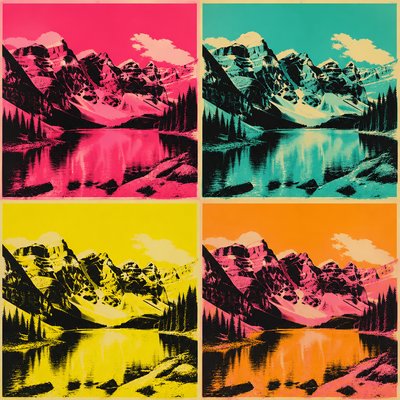
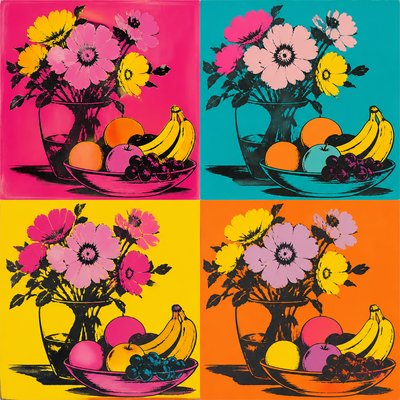
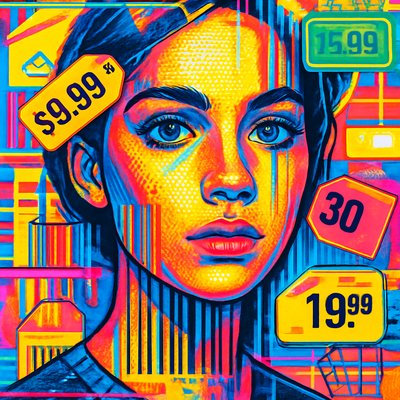
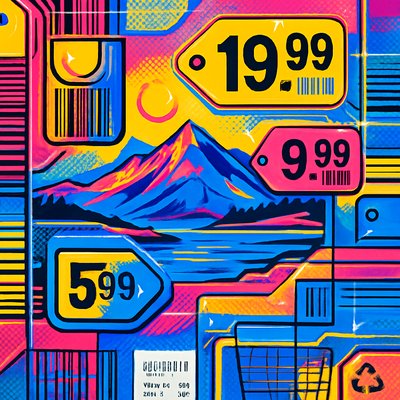
Comic Book Pop Art Style
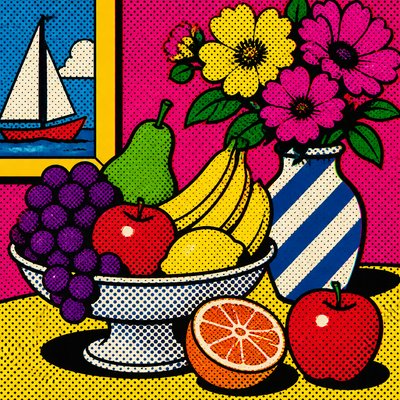
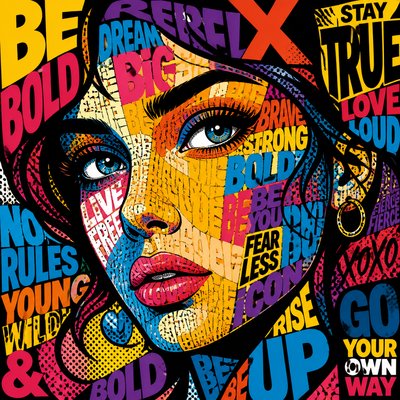
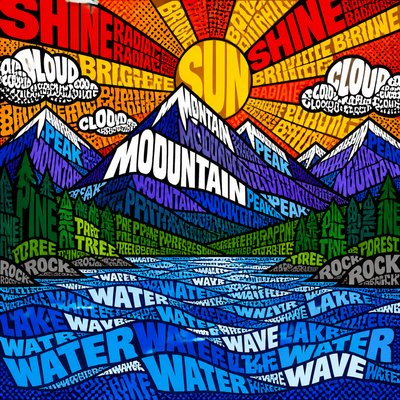
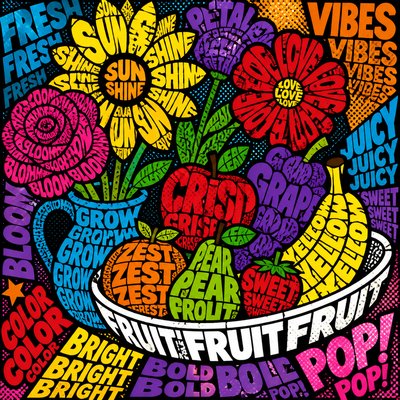
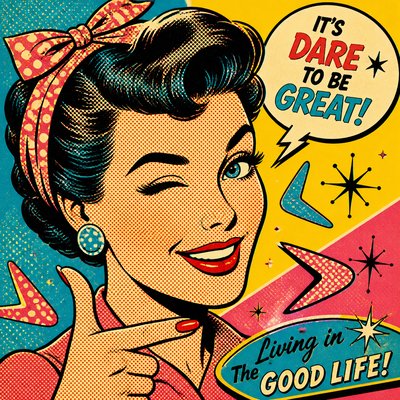
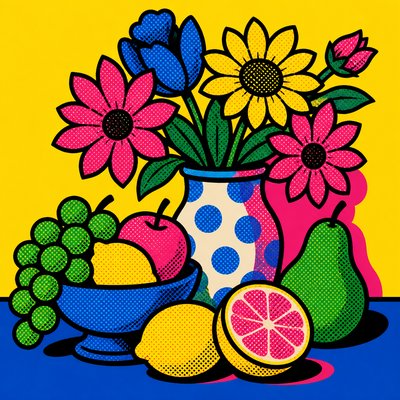
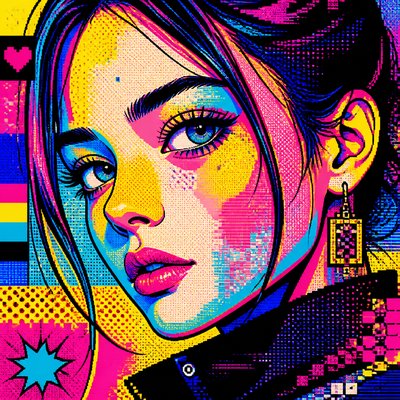
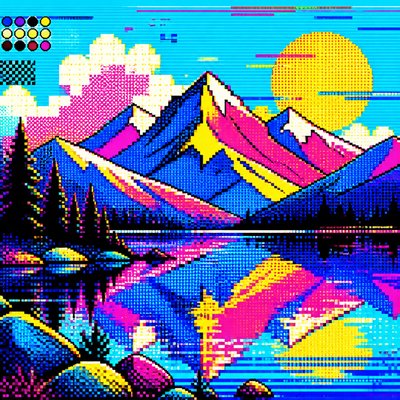
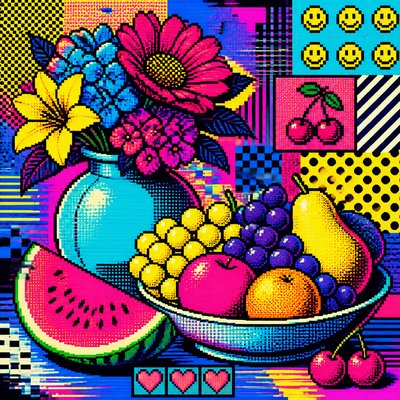
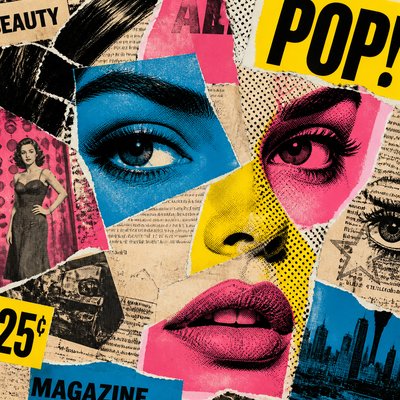
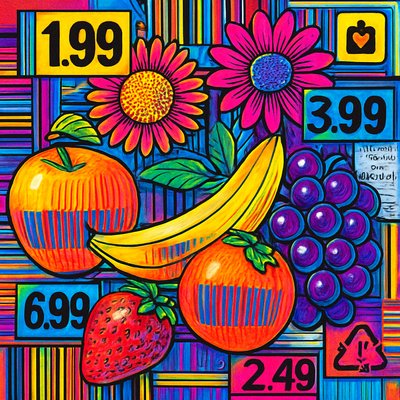
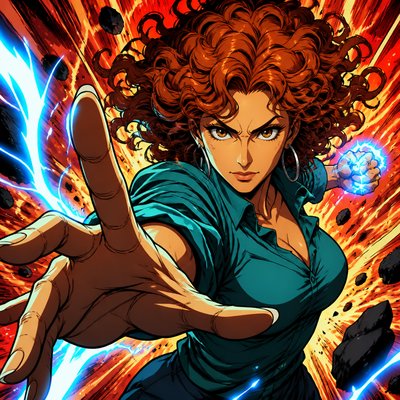
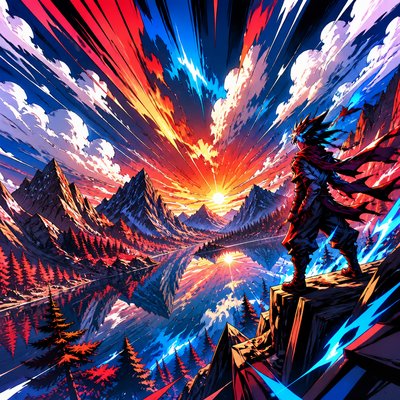
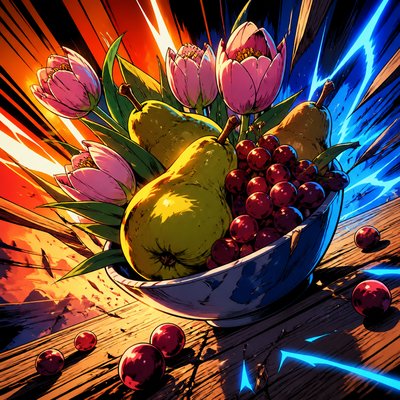
Bold comic-inspired pop art with black outlines, Ben Day dots, flat primaries, and punchy graphic drama.
Instantly rendered in Comic Book Pop — or transform a photo
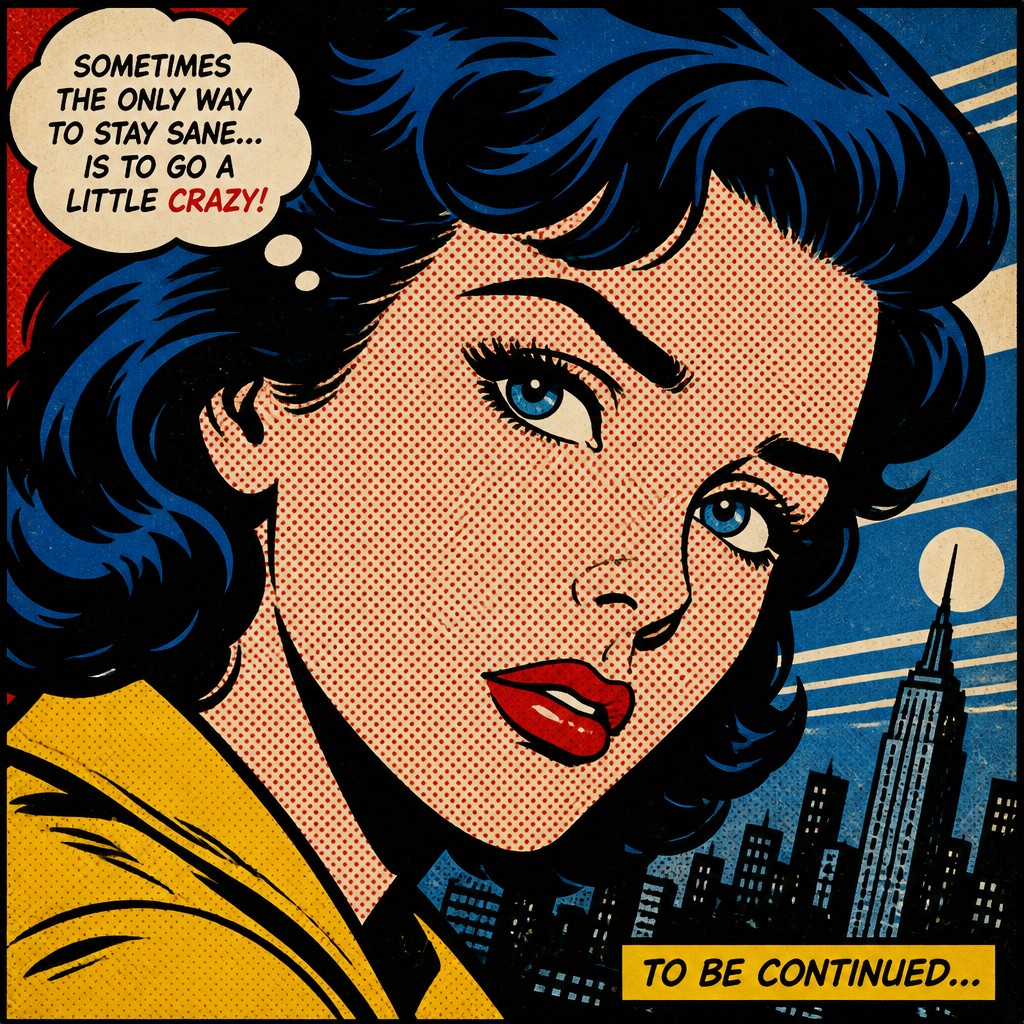
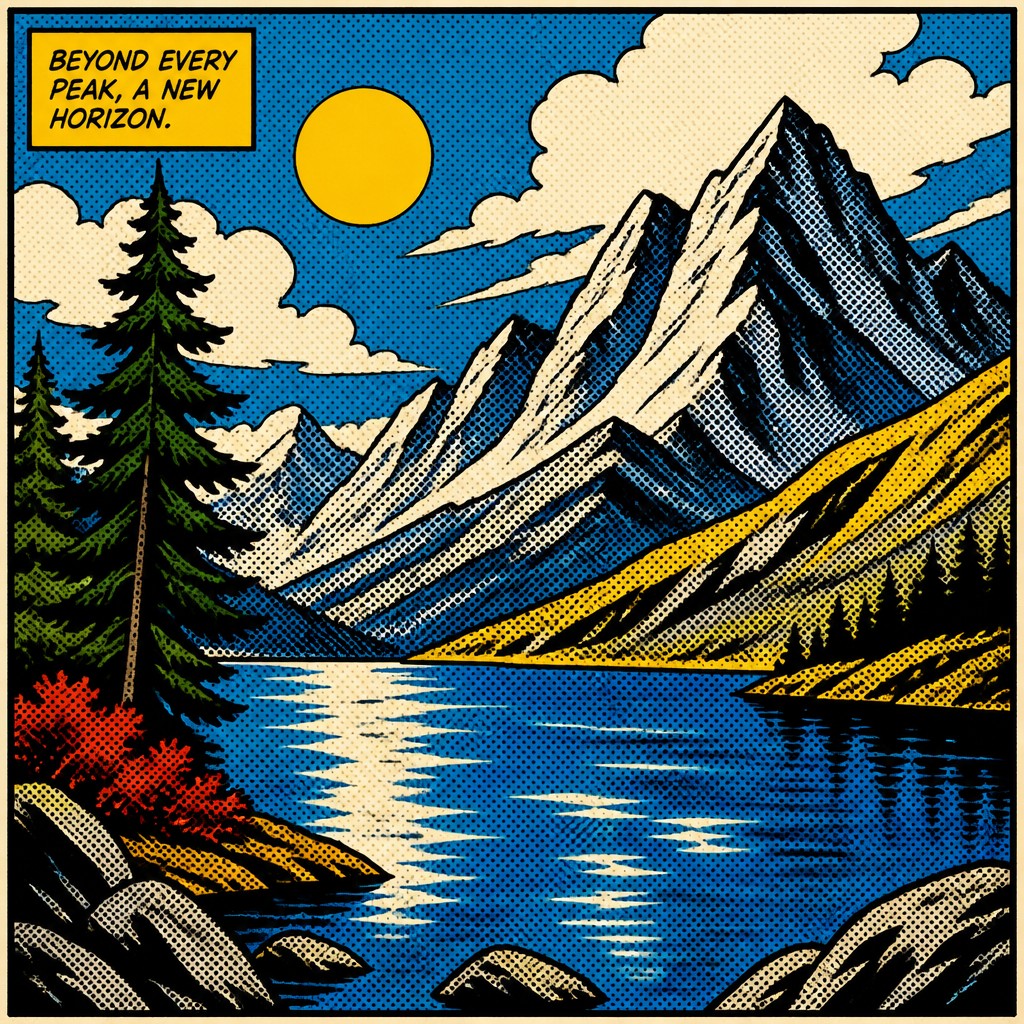
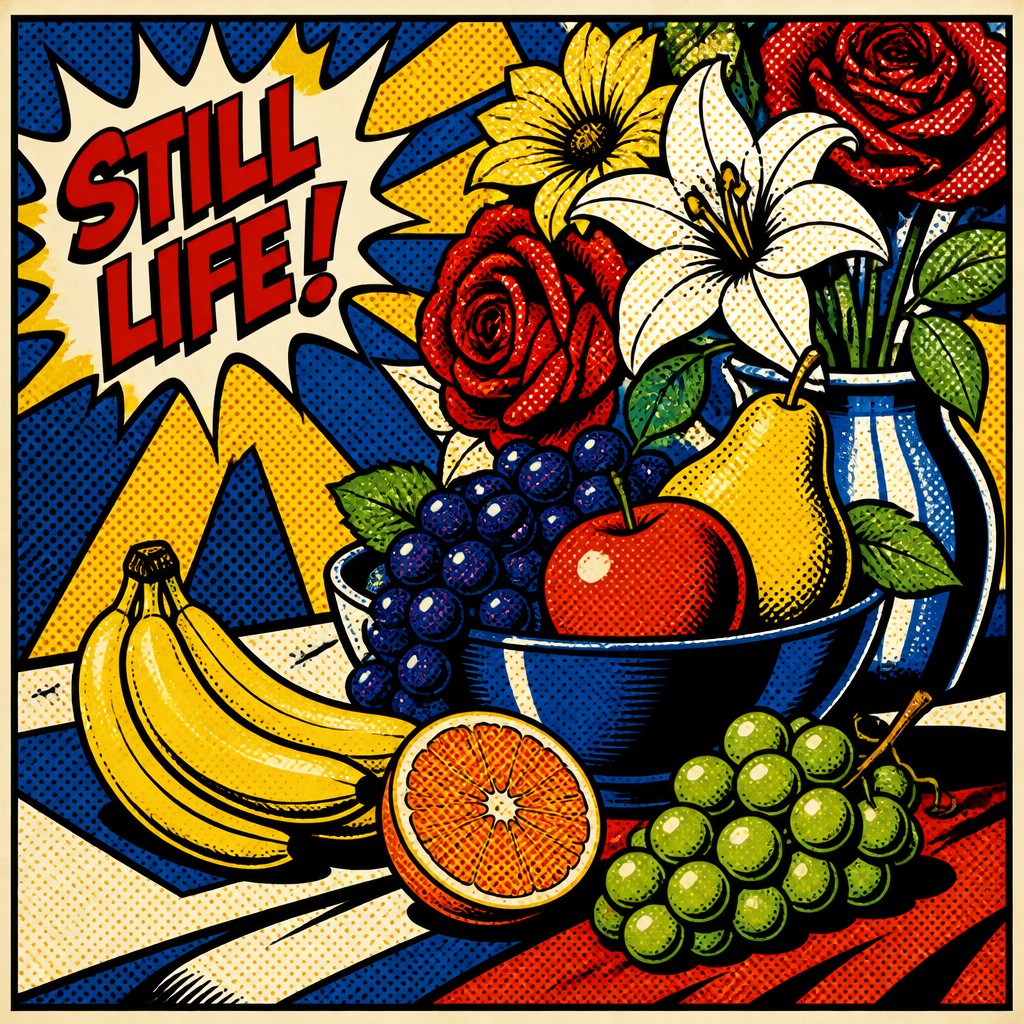
Comic Book Pop Gallery
Tap any artwork to explore it
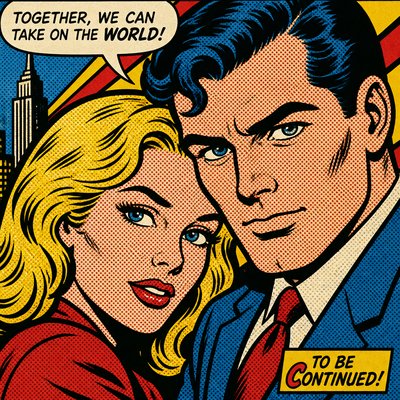
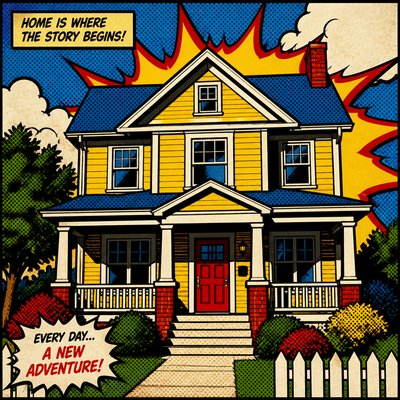
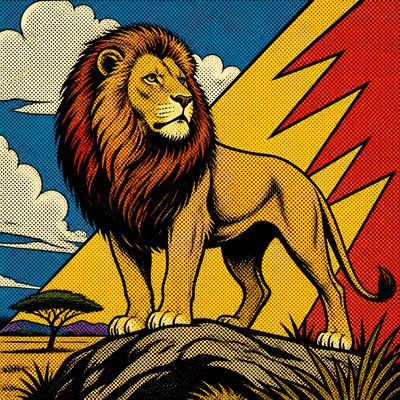
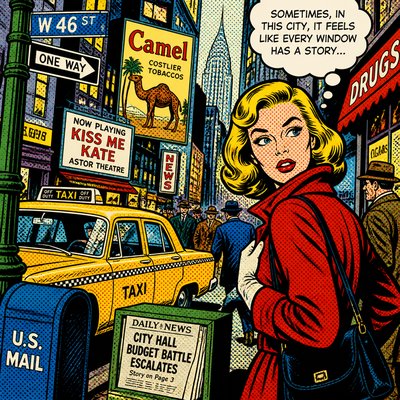
What is Comic Book Pop Art Style?
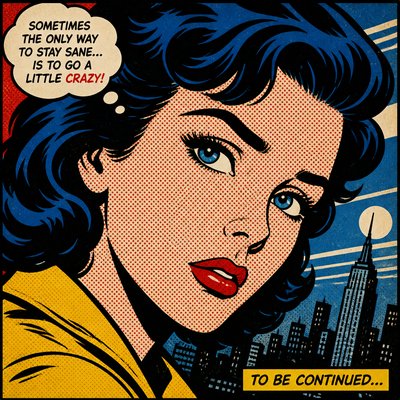
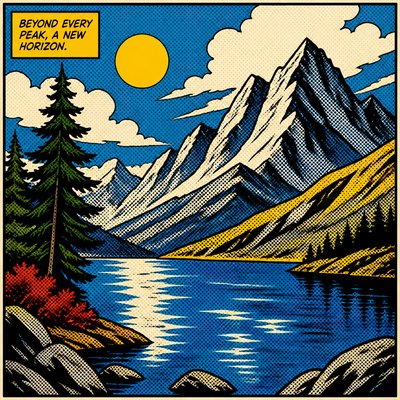
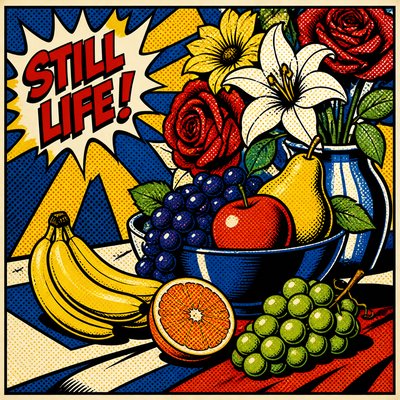
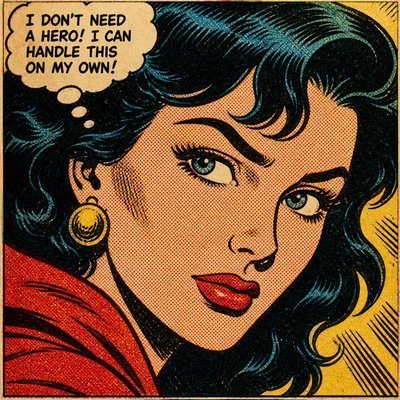
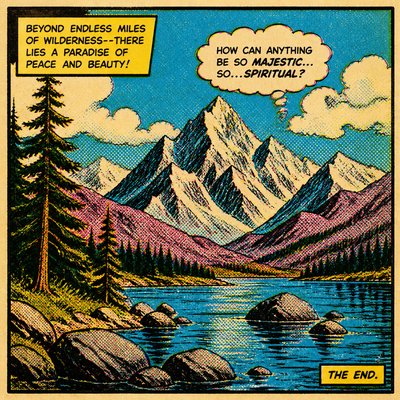
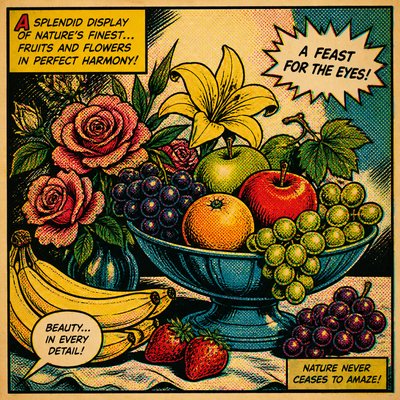
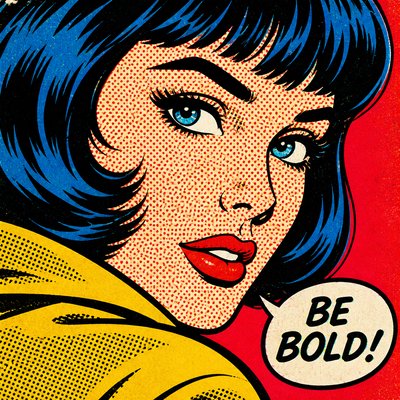
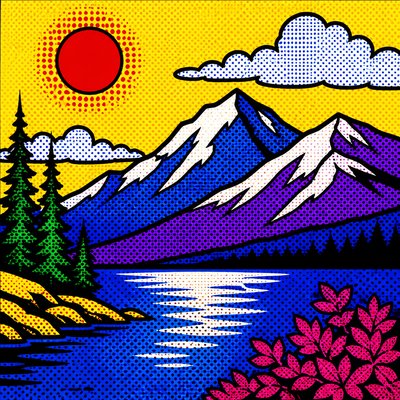
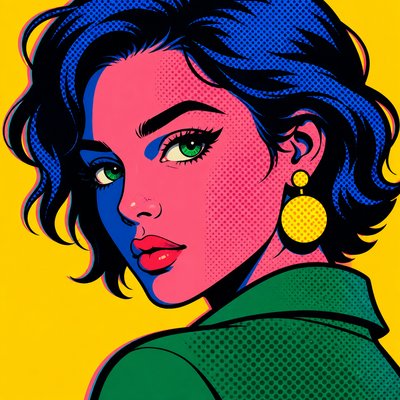
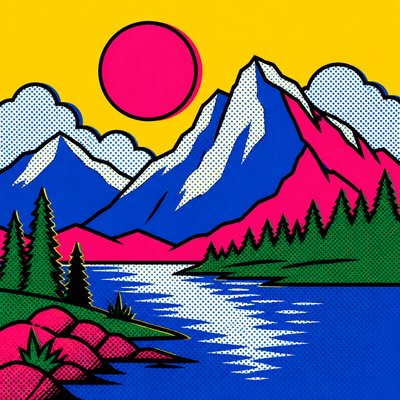
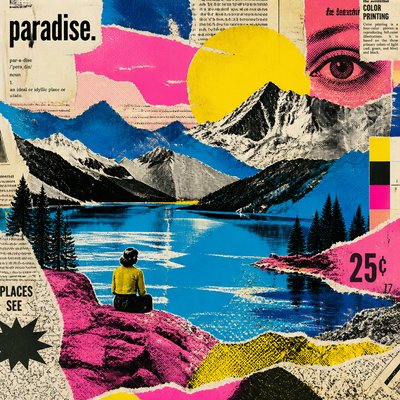
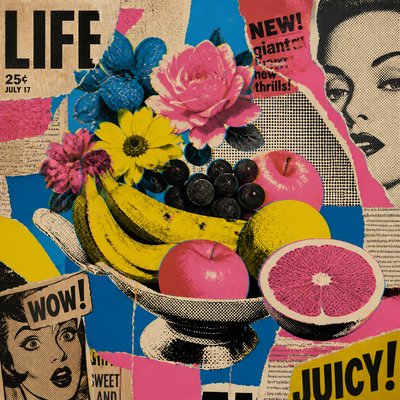
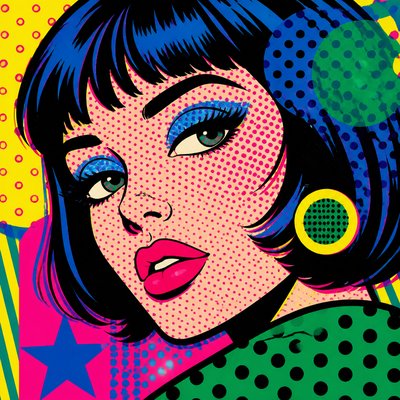
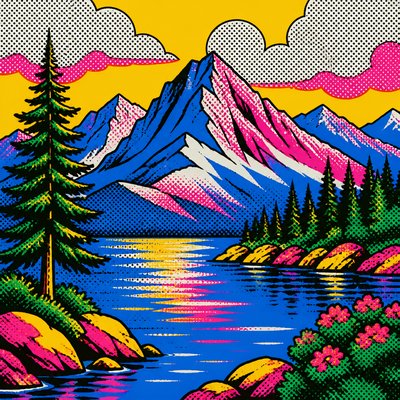
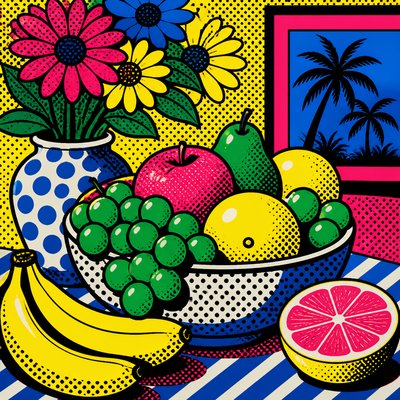
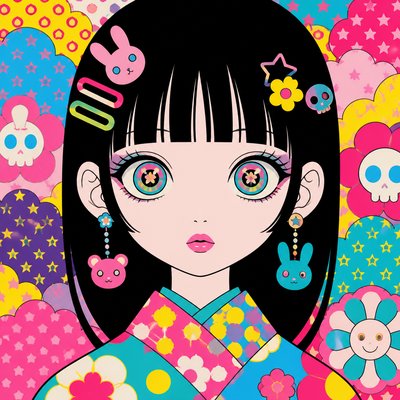
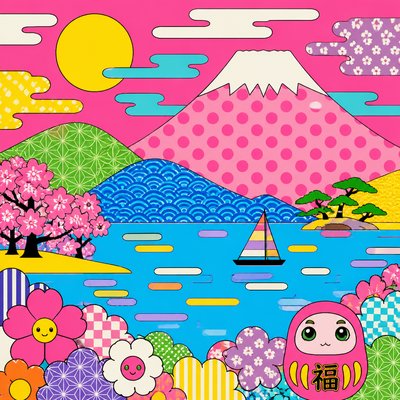
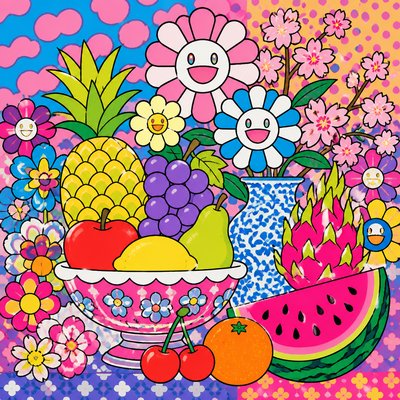
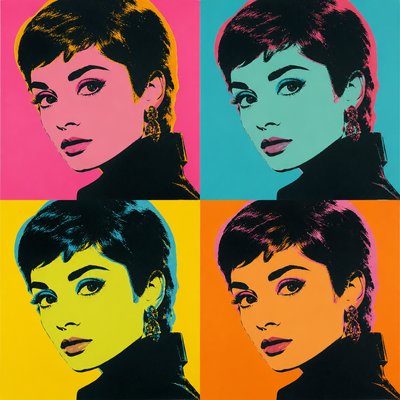
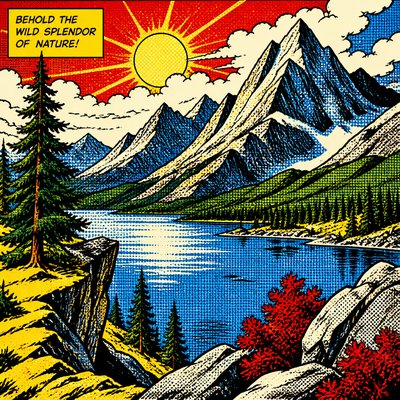
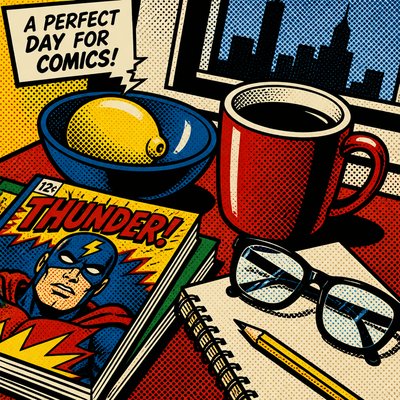
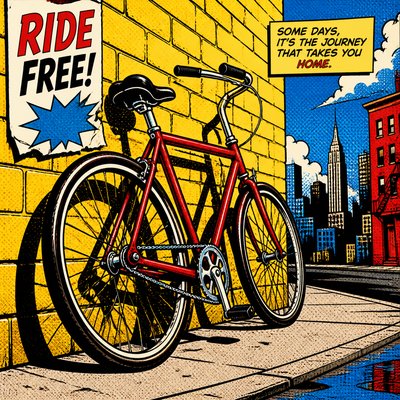
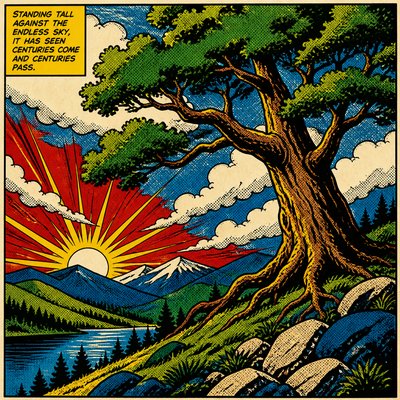
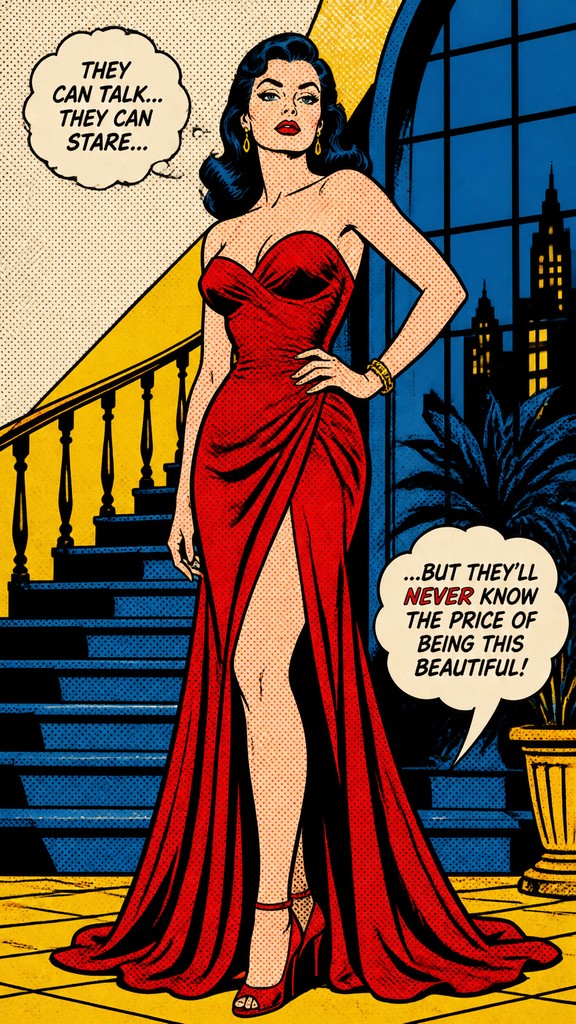
Comic Book Pop Art Style turns subjects into the visual language of mid-century comics and pop art: heavy black contours, flat blocks of saturated color, halftone dot shading, and simplified forms that read instantly at a glance. It often uses speech bubbles, onomatopoeic text, and dramatic cropping to create a sense of narration and motion.
The style feels both playful and graphic because it borrows from commercial printing rather than naturalistic painting. Its appeal comes from that tension: ordinary subjects are flattened into bold icons, while comic techniques such as Ben Day dots, panel-like framing, and exaggerated expressions add energy, clarity, and a deliberately printed texture.
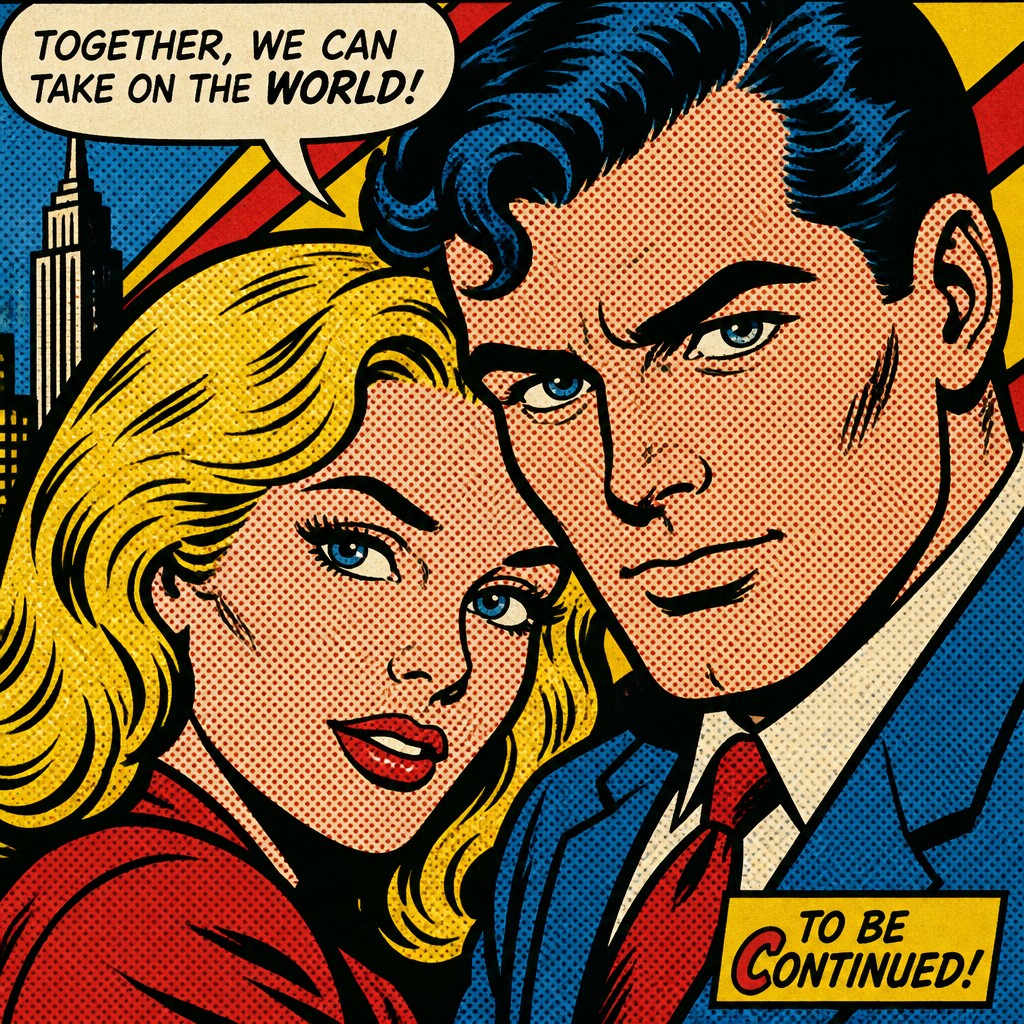
Try It On Your Photos
Upload any photo and convert it into Comic Book Pop Art Style — drag the sliders to compare before and after.
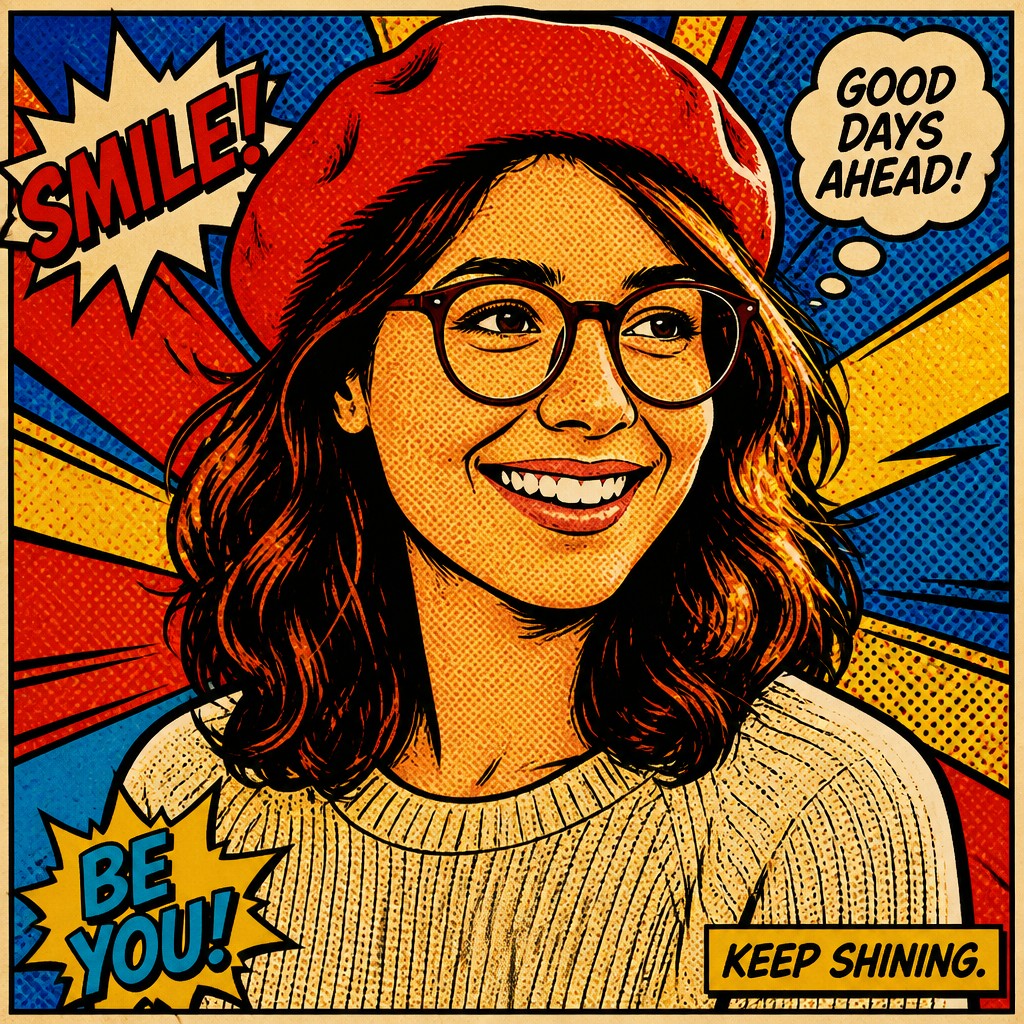

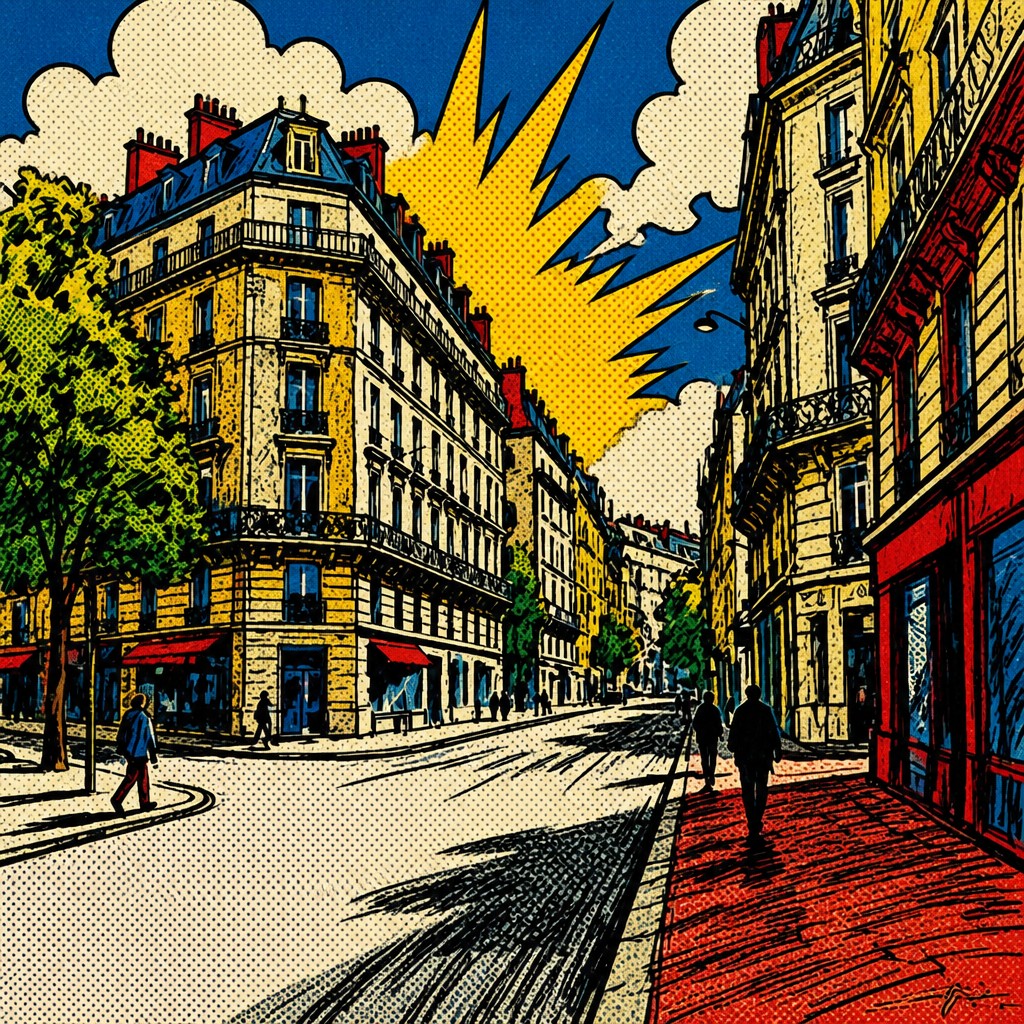

What Defines Comic Book Pop Art Style
The signature details, up close
Heavy black outlines
Forms are separated by strong ink-like contours that make every object easy to read. These outlines give the image the crisp, printed look associated with comics and poster art.
Ben Day dots and halftone shading
Midtones are often built from visible dot patterns instead of smooth gradients. This creates the classic mechanical-print texture that signals comic reproduction.
Flat, saturated color
Color is usually applied in clean blocks with limited blending. Bright primaries and tightly controlled palettes help the image feel bold and vintage.
Graphic simplification
Details are reduced to essential shapes, silhouettes, and emblematic facial expressions. The result is immediate readability rather than painterly nuance.
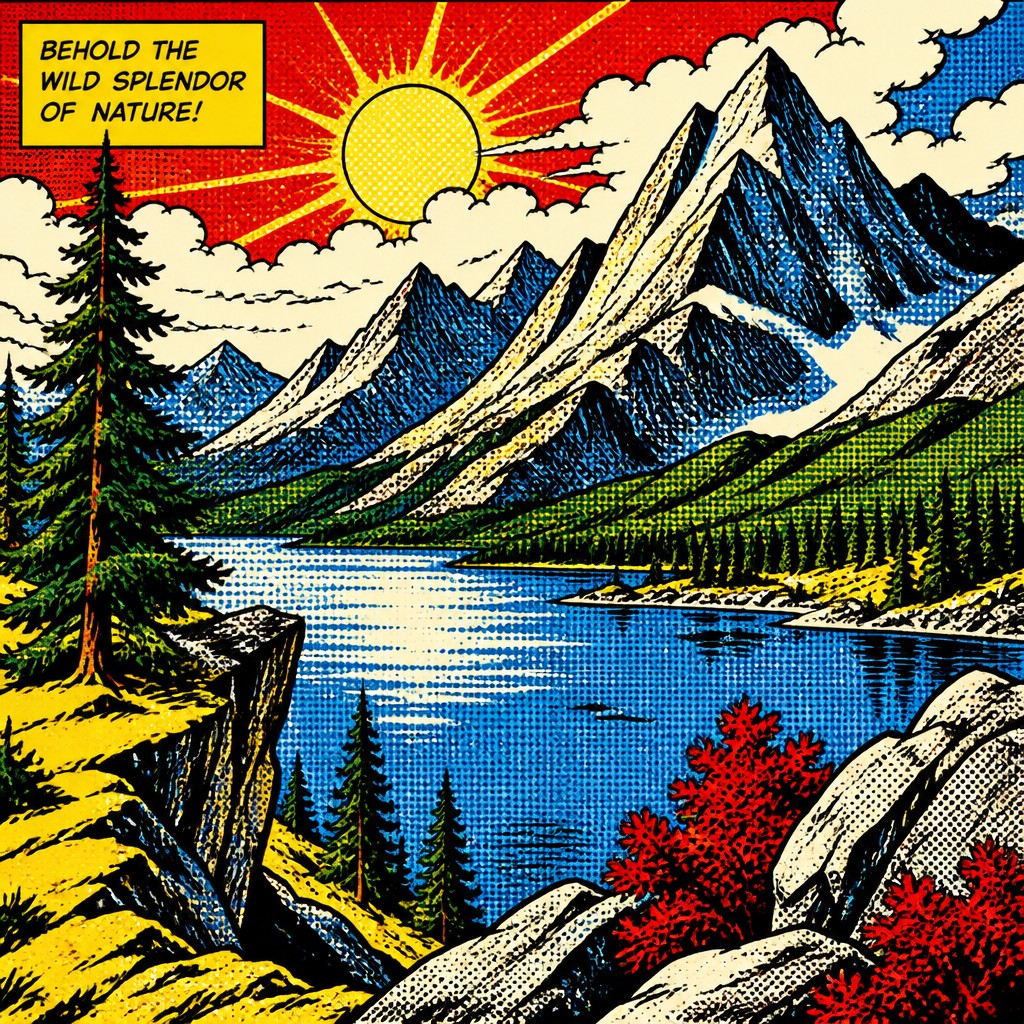
Dynamic composition
Diagonal lines, extreme cropping, and asymmetrical framing create movement and tension. The composition often feels like a frozen moment from a larger scene.
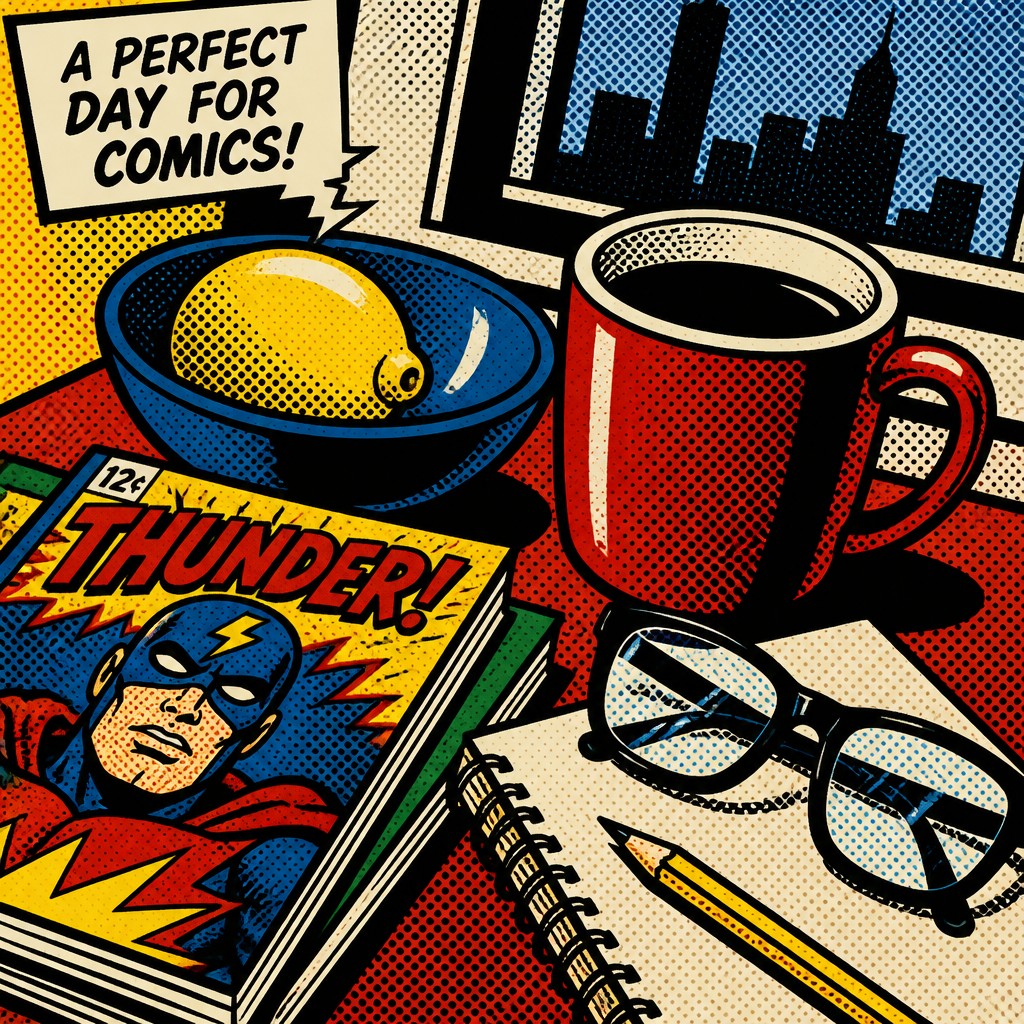
Printed texture
Subtle newsprint grain, screen-print edges, and mechanical imperfections reinforce the handmade-meets-mass-media look. These textures make the image feel like a comic page or poster.
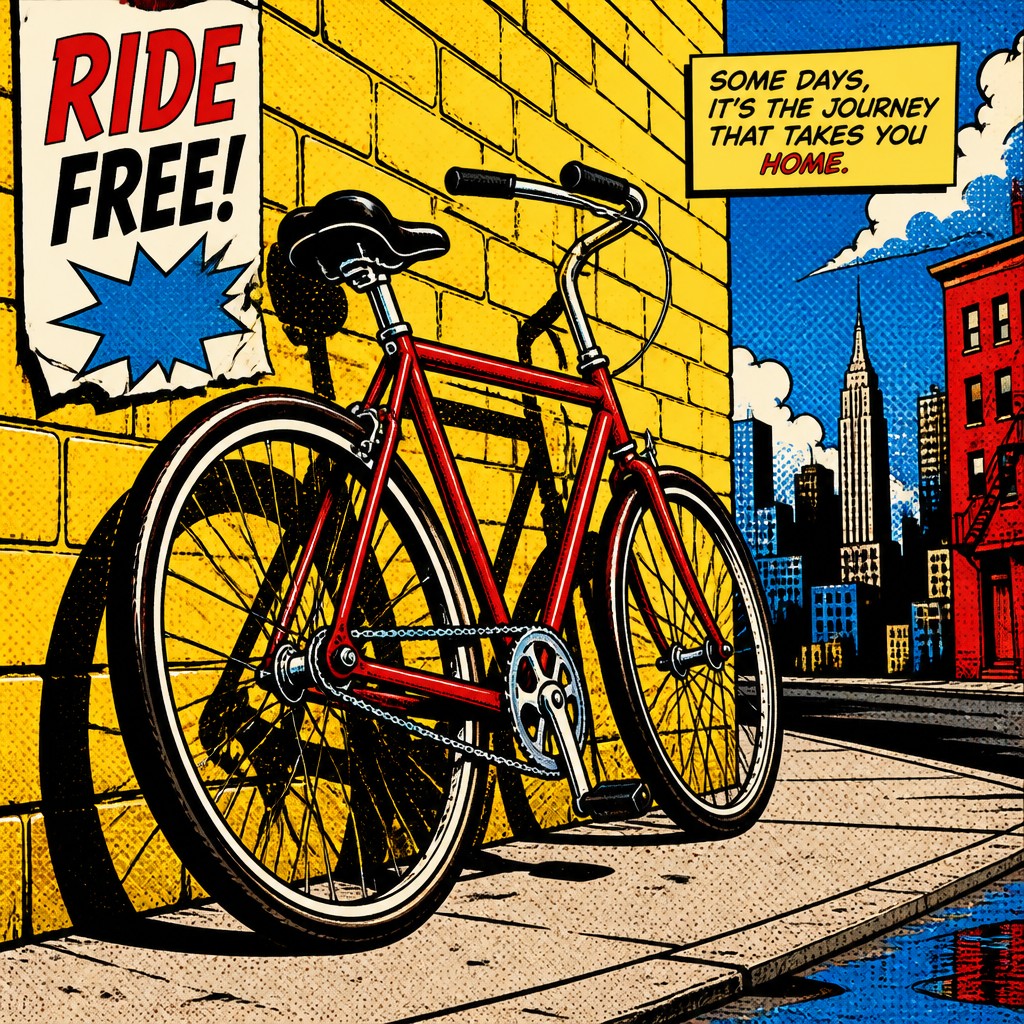
Speech and narrative cues
Speech bubbles, captions, and action words can be used to heighten storytelling. Even without text, the style often implies a sequential, dramatic moment.
Try It
Create Videos in Comic Book Pop Art Style
Styles aren't just for stills — describe a scene or animate an image and get a short video rendered in Comic Book Pop. Press play to see this pond come to life.
Make a VideoComic Book Pop Prompt Ideas
Start from an idea — each one opens the generator with the style ready to go. See all 40 Comic Book Pop prompts →
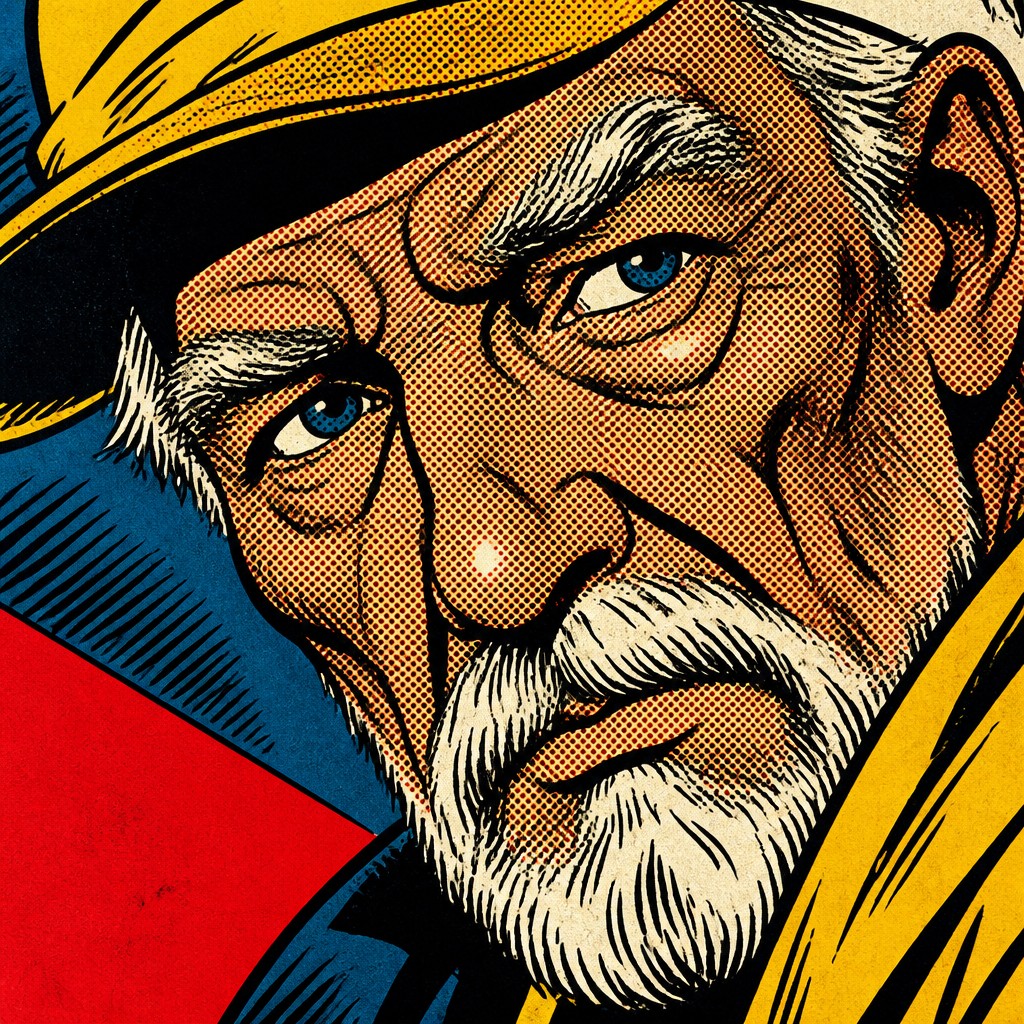
“close-up portrait of an elderly person with expressive weathered features”
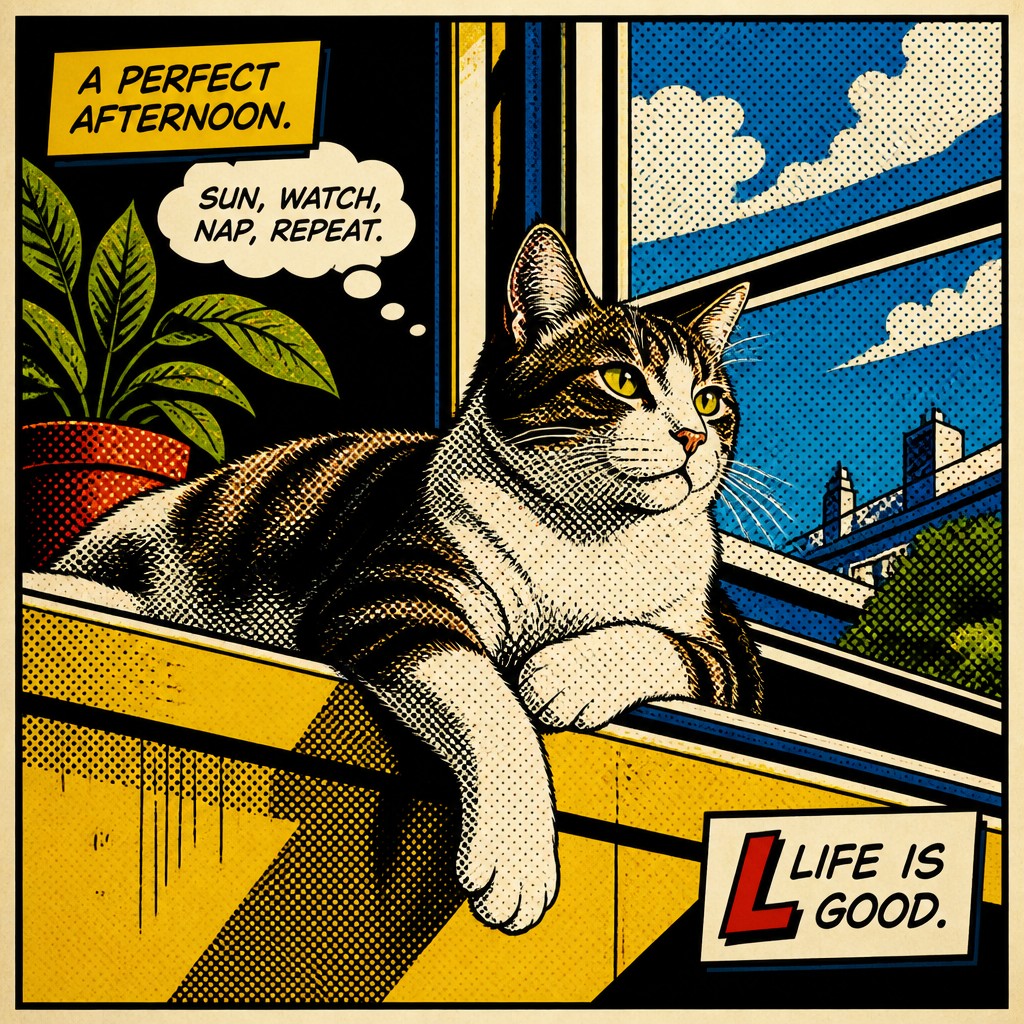
“a cat lounging in a sunlit window”
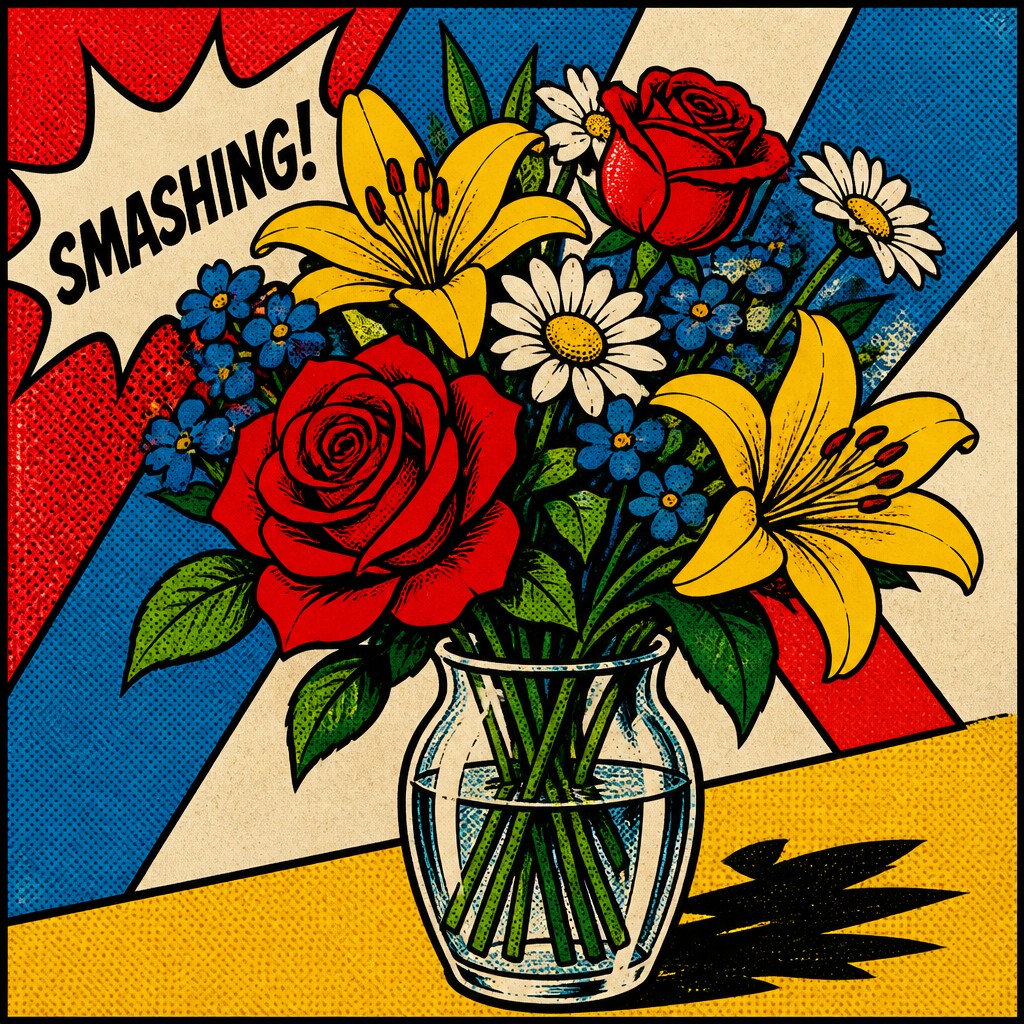
“bouquet of flowers in a glass vase”
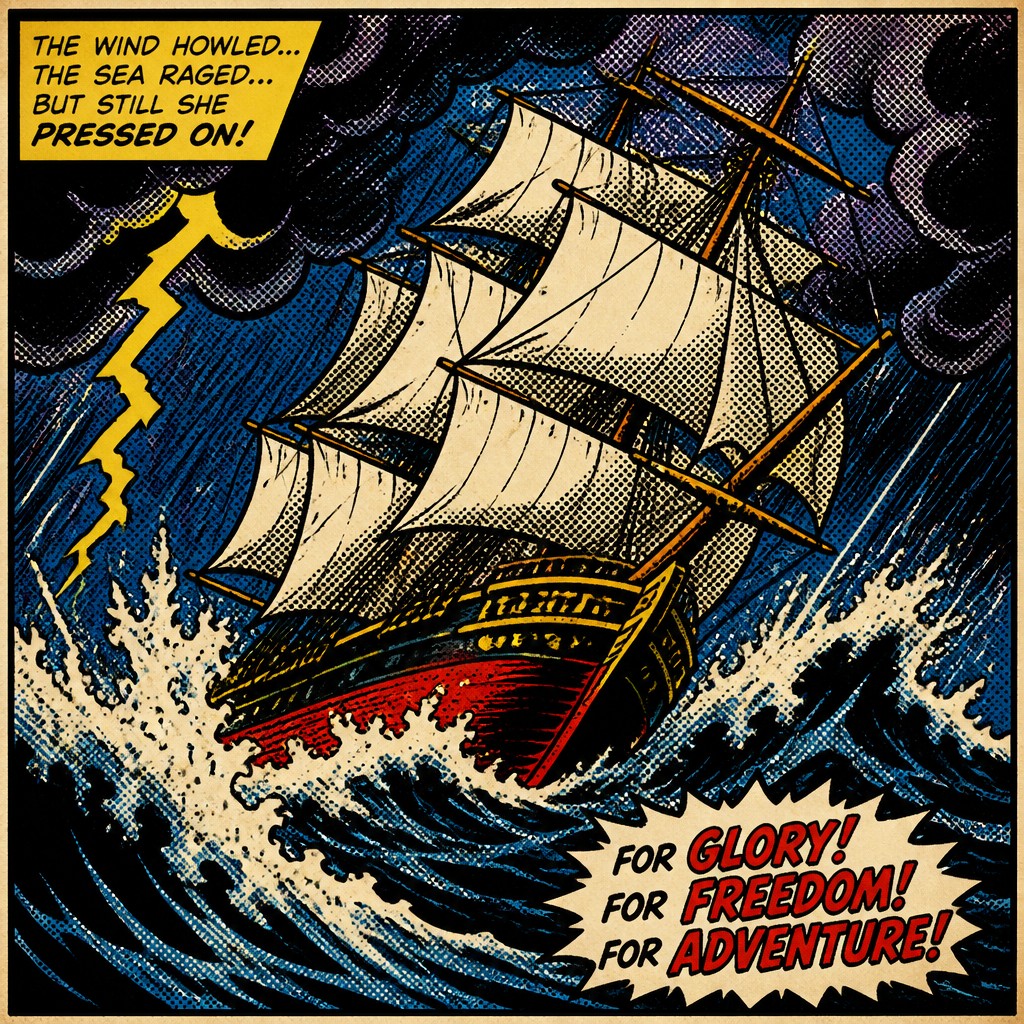
“sailing ship on a stormy sea”
How to Create Comic Book Pop Art
Master the craft step by step — or skip straight to creating. Read the full guide →
- 1
Draw with contour first
Build the image from strong outer lines and simplified interior shapes before adding color. In traditional work, use ink or a brush pen; in digital work, prioritize clean vector-like linework.
- 2
Limit the palette
Use a small set of saturated colors, especially reds, yellows, blues, black, and white. Restricting the palette helps the image feel like vintage printing rather than painterly rendering.
- 3
Add halftone shading
Replace soft shadows with dots or clustered dots that mimic Ben Day or halftone reproduction. Digitally, this can be done with halftone brushes or patterned masks; traditionally, use stippling or screen-print methods.
- 4
Compose for impact
Use diagonal action lines, dramatic close-ups, and cropped framing to create immediate energy. Think in terms of a single comic panel: one readable moment, not an evenly lit scene.
- 5
Introduce comic print cues
Add speech bubbles, captions, or a stylized sound effect when appropriate, but keep typography integrated with the image. Even without text, a visible paper grain or print misregistration can strengthen authenticity.
- 6
Prompt with specific print language
When generating, describe the subject plus the visual mechanics: heavy black outlines, halftone dots, flat primary colors, newsprint texture, and dramatic comic-panel framing. Mentioning these production details is more effective than simply asking for 'comic style.'
The Story
History & Origins of Comic Book Pop
Comic Book Pop Art has no single origin point, but it belongs to the broader lineage of 20th-century pop art and printed comics. In the 1950s and 1960s, leading postwar pop artists made comic imagery central to fine art, translating the look of mass-produced panels into large-scale paintings; at the same time, comic books themselves had already established the visual grammar of bold outlines, limited color palettes, and dramatic sequencing.
Its deeper lineage reaches back to newspaper comic strips, pulp illustration, and the mechanics of four-color printing and halftone reproduction. The style today is best understood as a hybrid of comic-book aesthetics and pop art's interest in everyday mass media, recontextualized as a graphic visual language for illustration, editorial art, posters, and contemporary digital image-making.
Influences: Comic Book Pop Art Style is closely related to the visual traditions of American comic books, newspaper strips, and pulp illustration, as well as the pop art movement associated with major postwar pop artists. It also shares DNA with screen printing, advertising graphics, and the simplified iconography of editorial illustration, all of which favor strong contours, flat color, and instant visual impact.
Frequently Asked Questions
What defines Comic Book Pop Art Style?
Its defining traits are bold black outlines, flat saturated colors, halftone or Ben Day dot shading, and a strong comic-panel sense of drama. The style emphasizes graphic clarity and printed texture over realistic blending or painterly brushwork.
How is this different from regular comic art?
Regular comic art can range from highly detailed realism to loose cartooning, while Comic Book Pop Art Style specifically highlights the printed, graphic, and pop-art side of comics. It often feels more like a designed image or fine-art reinterpretation than a page from an actual comic book.
How is it different from pop art?
Pop art is a broader movement that engages with mass culture, advertising, and consumer imagery in many different ways. Comic Book Pop Art Style is a more specific look within that universe, using comic-book linework, halftones, and panel-like drama as its core visual language.
What subjects work best in this style?
Action scenes, portraits with strong expressions, retro vehicles, superheroes, city scenes, and objects with simple silhouettes all work well. Subjects with clear contrast and a dramatic focal point tend to translate best.
How do I make it look authentic?
Keep the color palette limited, make the outlines decisive, and use visible halftone patterns or print texture instead of smooth digital gradients. A slightly mechanical, reproduced look is more authentic than polished realism.
Where is this style commonly used?
It appears in editorial illustration, posters, album art, fashion graphics, advertising, and contemporary digital illustration. It is also popular for stylized portraits and retro-themed branding because it reads quickly and has strong visual impact.
Create your first Comic Book Pop artwork
Describe anything — or upload a photo — and see it in Comic Book Pop Art Style in seconds.
Make Something with Comic Book Pop
Compare Comic Book Pop
Related Styles
Discover similar art styles