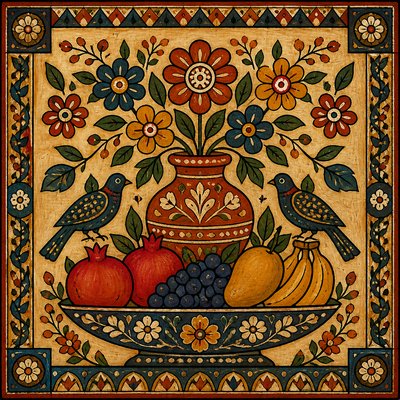
Neon Pop Art Style
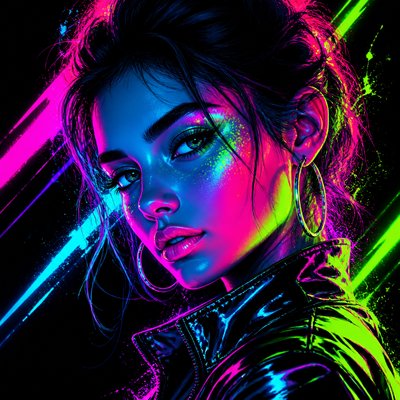
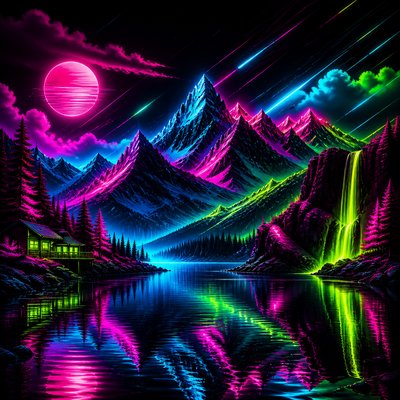
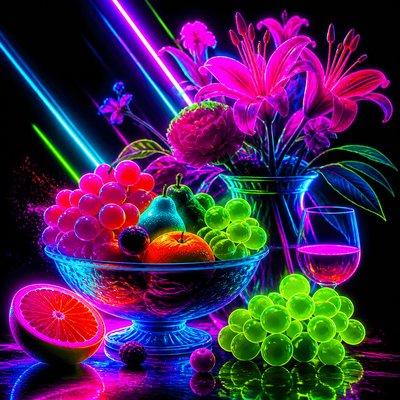
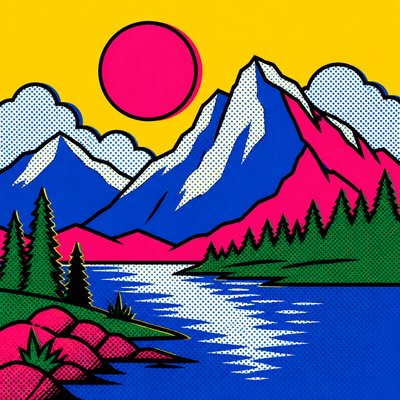
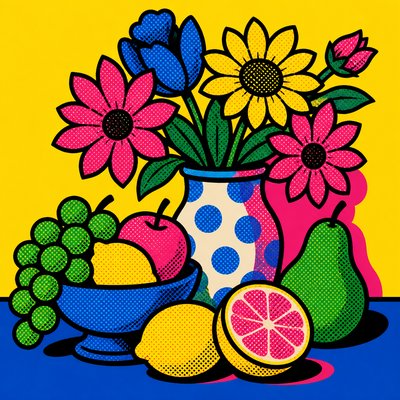
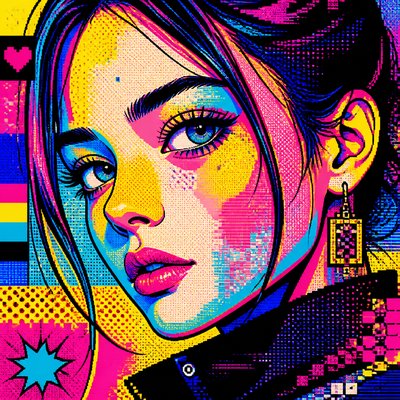
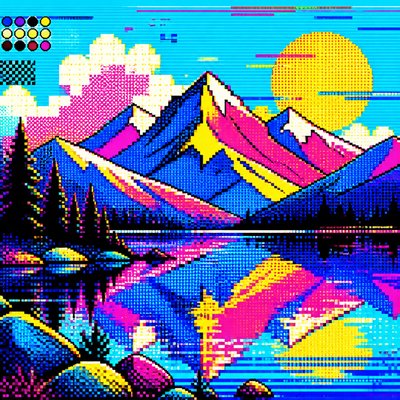
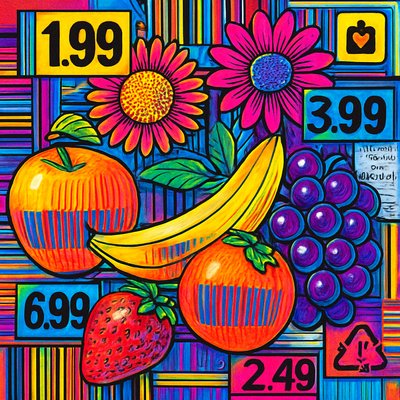
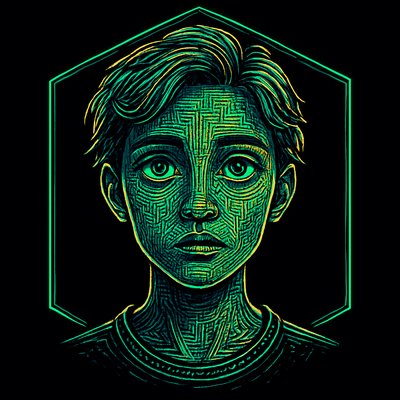
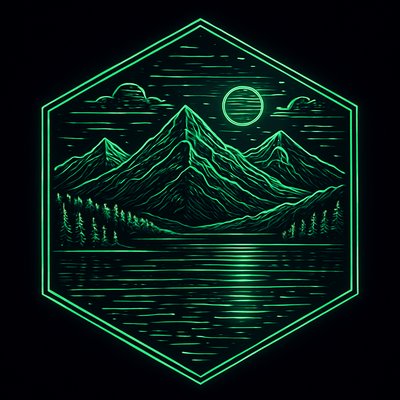
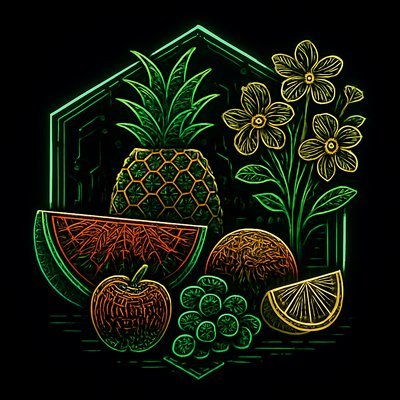
Neon pop art uses fluorescent colors, deep blacks, and glowing light effects to turn nightlife imagery into bold graphic art.
Instantly rendered in Neon Pop — or transform a photo
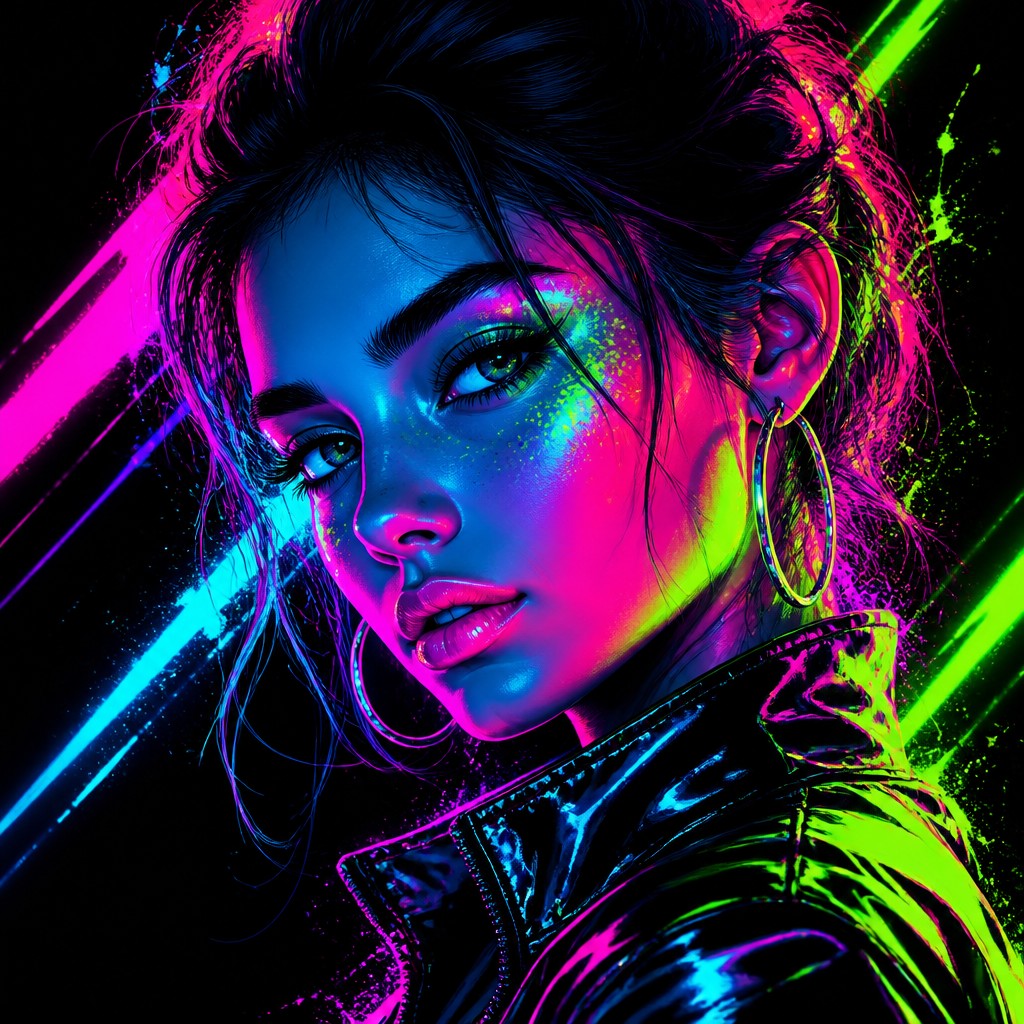
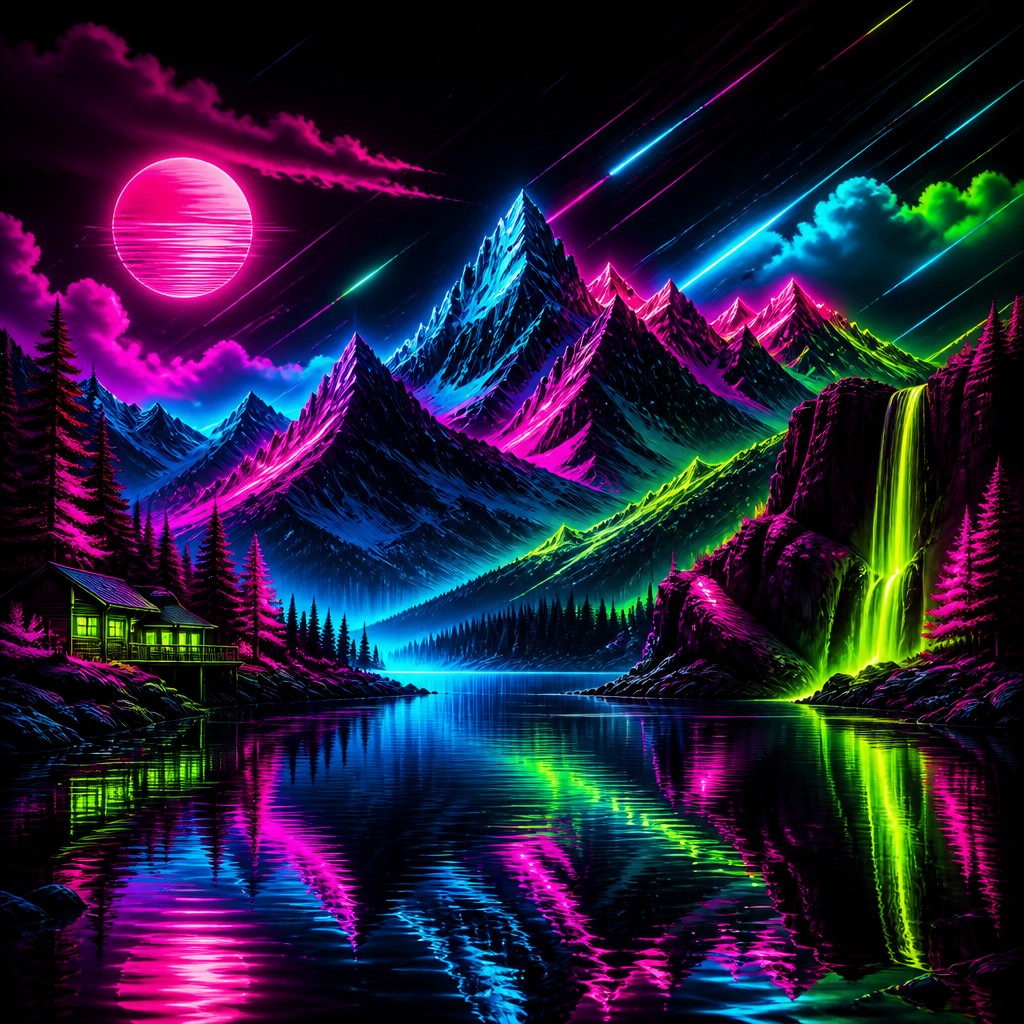
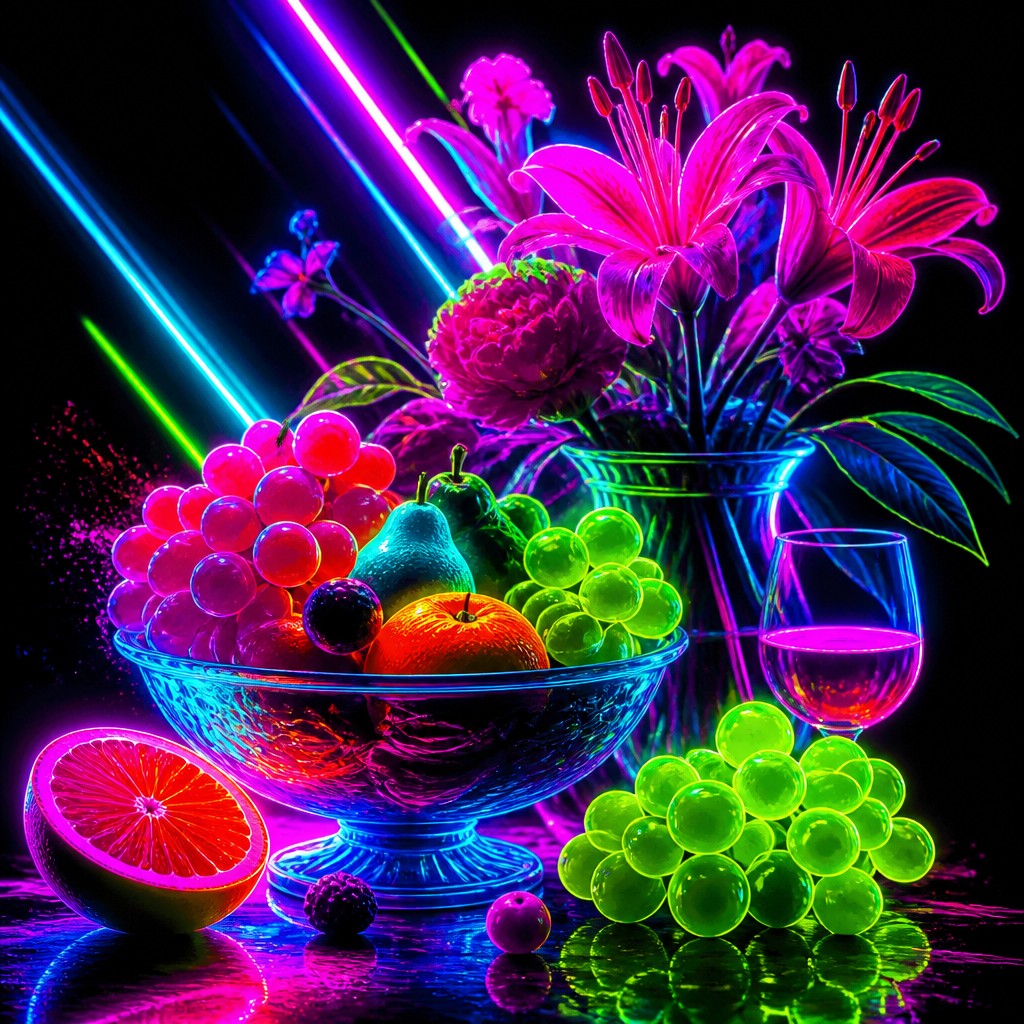
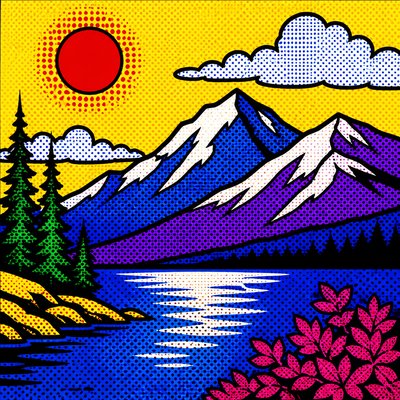
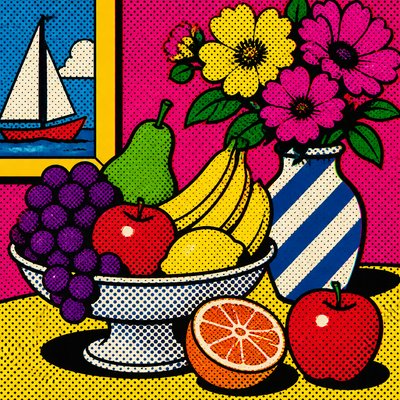
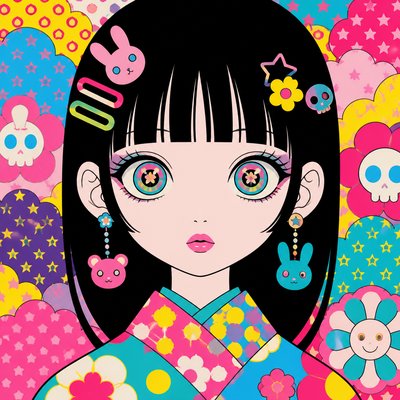
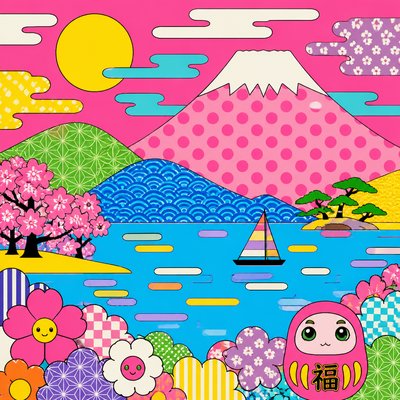
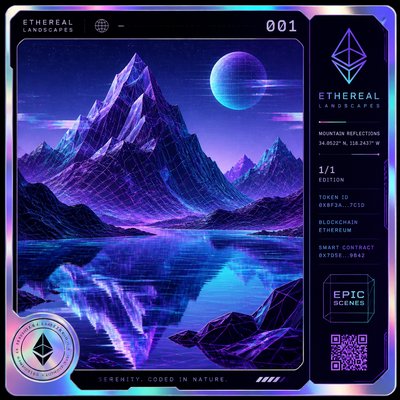
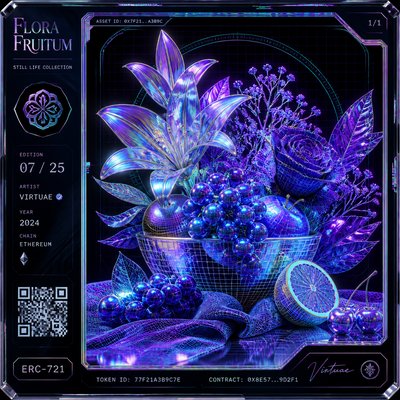
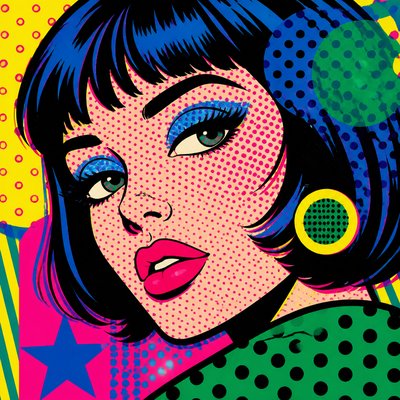
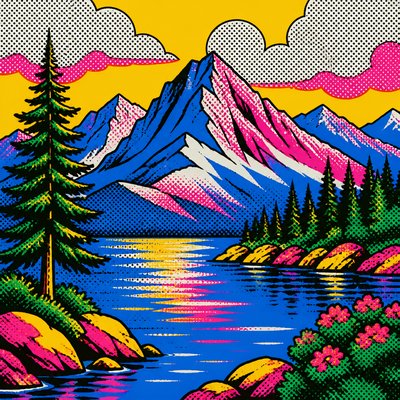
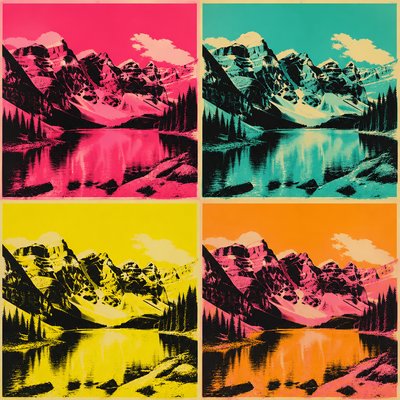
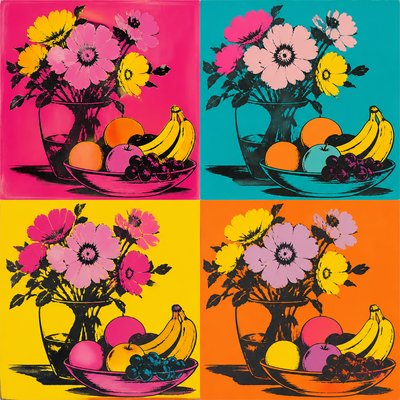
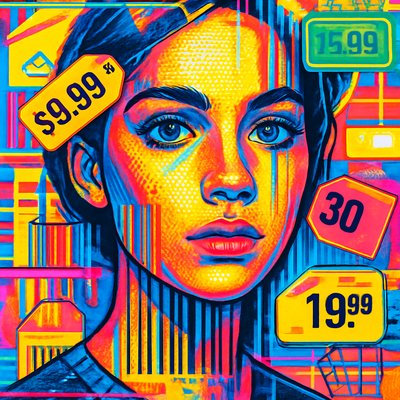
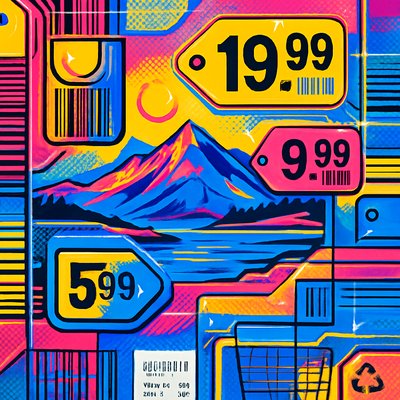
Neon Pop Gallery
Tap any artwork to explore it
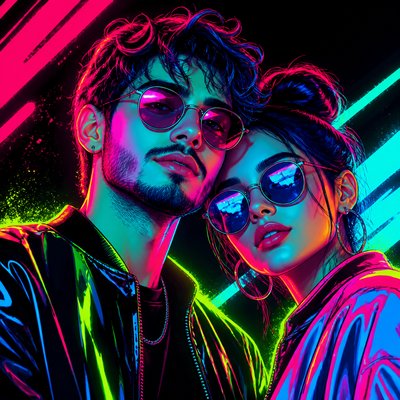
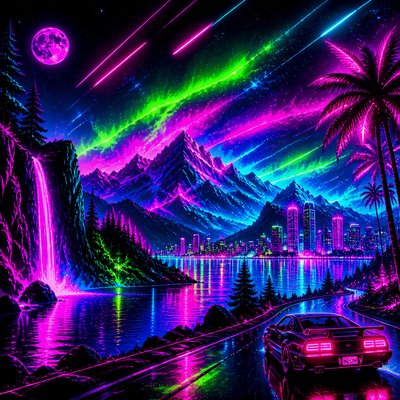
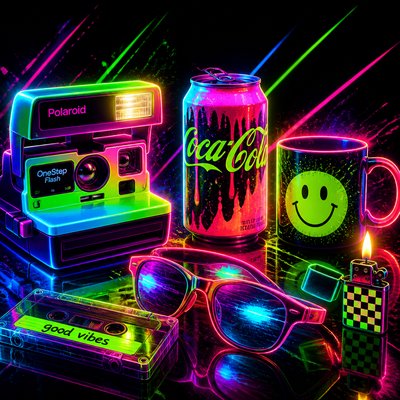
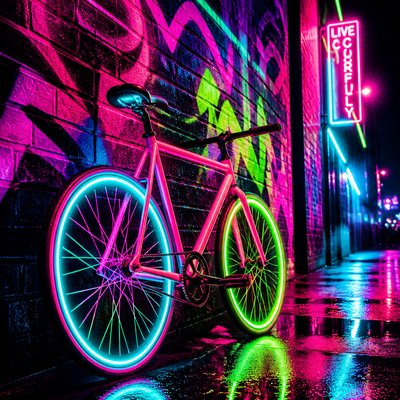
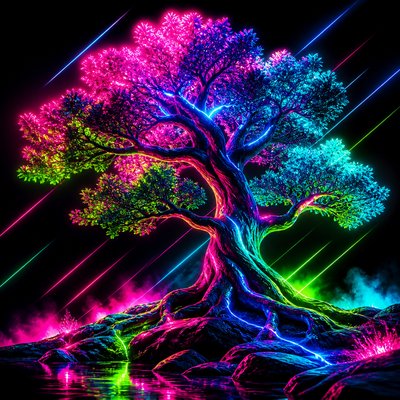
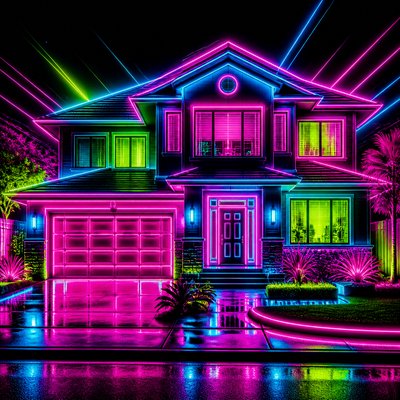
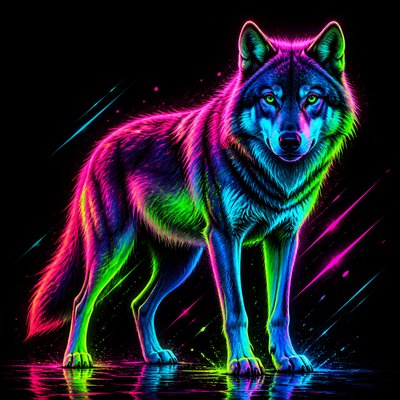
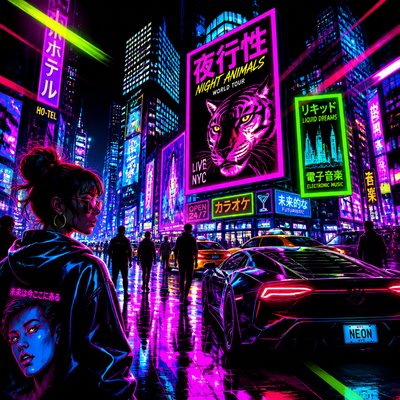
What is Neon Pop Art Style?
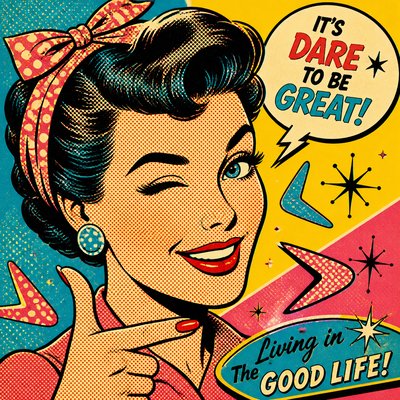
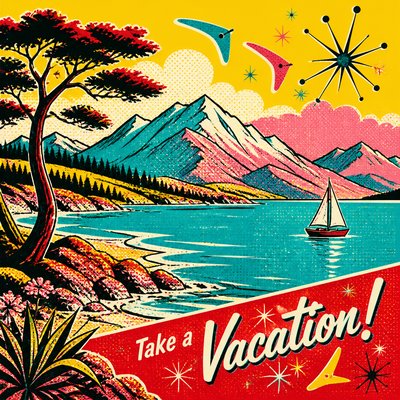
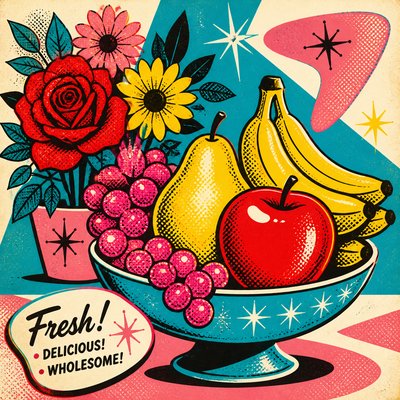
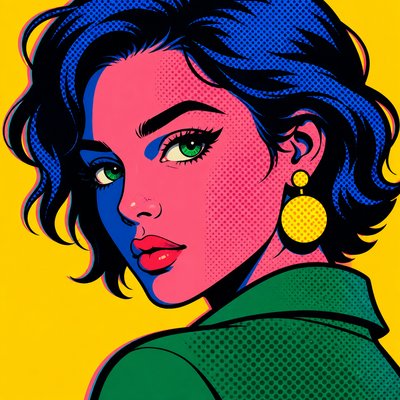
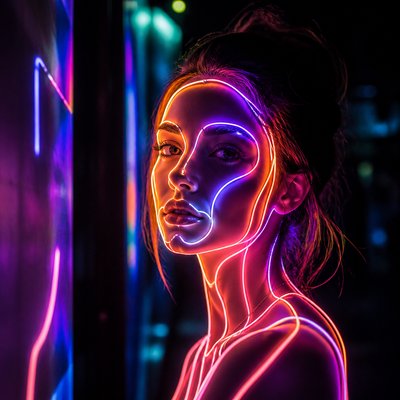
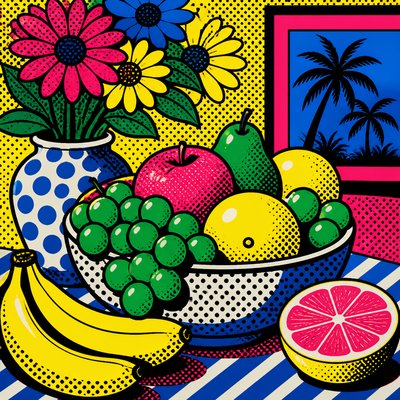
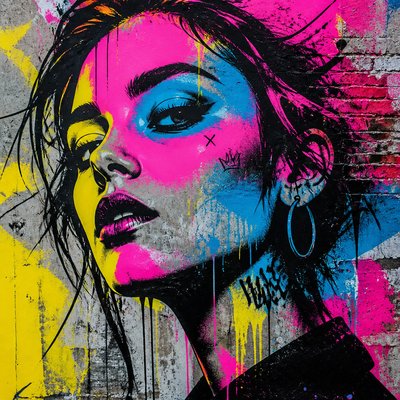
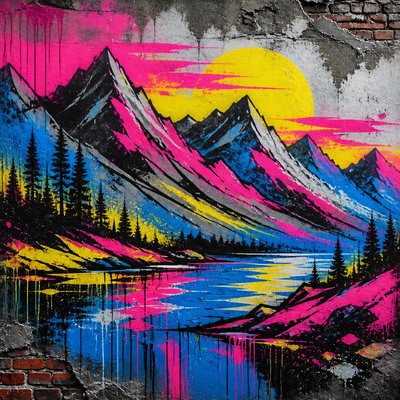
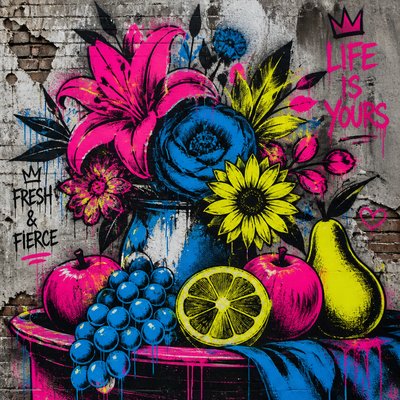
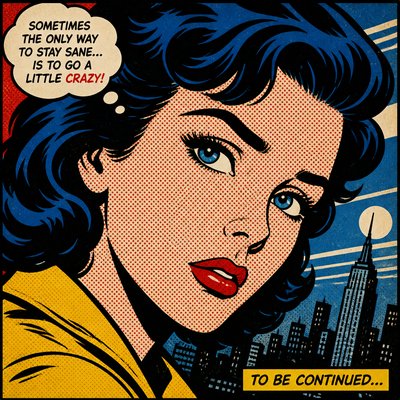
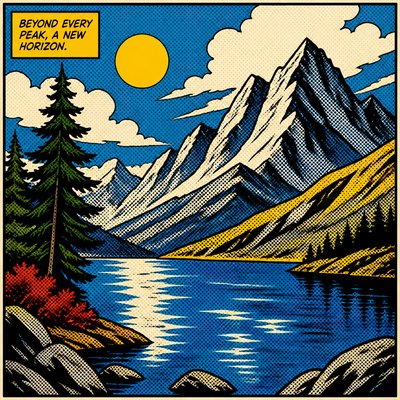
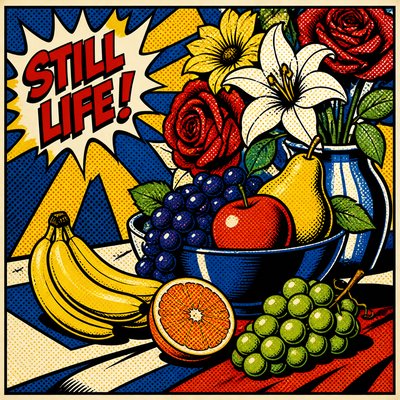
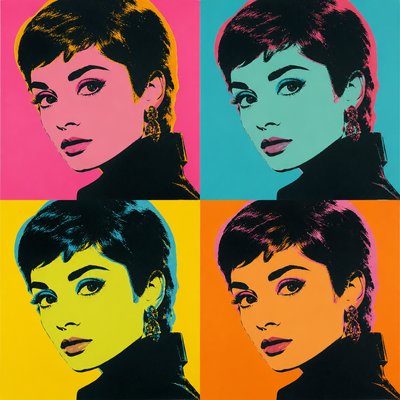
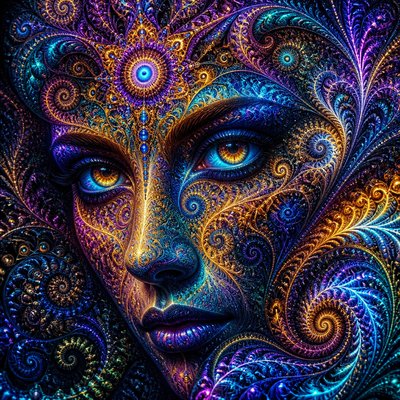
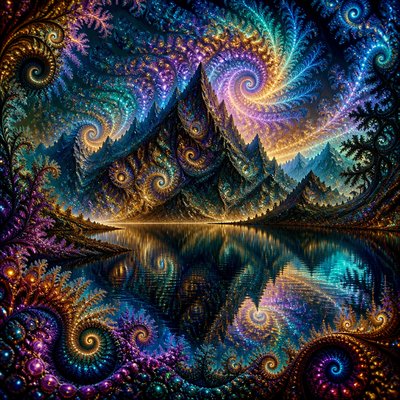
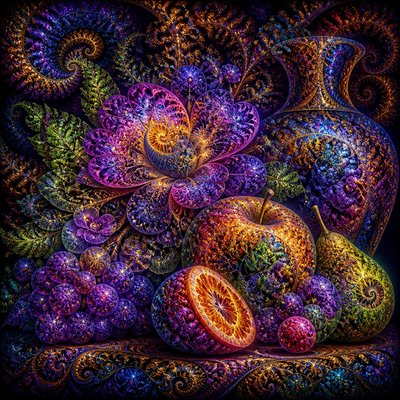
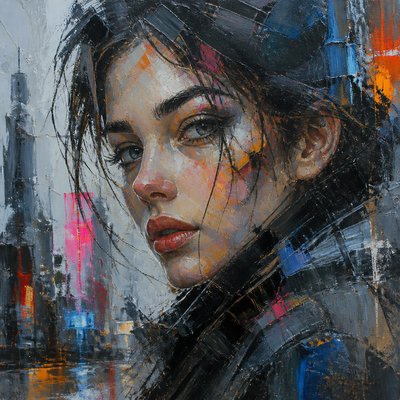
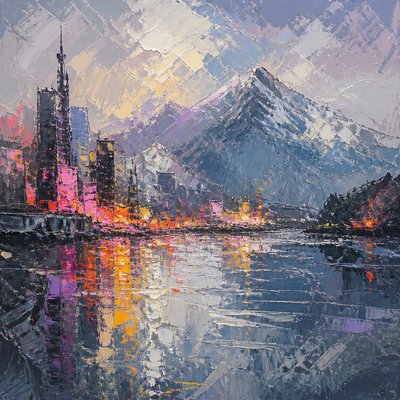
Neon pop art is a contemporary graphic aesthetic built around the visual language of artificial light: fluorescent color, hard-edged contrast, luminous outlines, and the electric glow of urban nightlife. It often depicts city streets, signs, figures, objects, and abstract shapes as if they are lit from within by neon tubes, LED displays, or reflected signage, with black or near-black grounds that make the color appear to pulse.
The style combines the directness of pop art with the atmosphere of nighttime cityscapes and the spectacle of illuminated advertising. Its look comes from the way neon behaves in real space—spilling color into surrounding darkness, creating halos, bloom, and chromatic haze—then translating that effect into graphic art. The result is a composition that feels both commercial and theatrical, celebrating artificial illumination as a subject in itself.
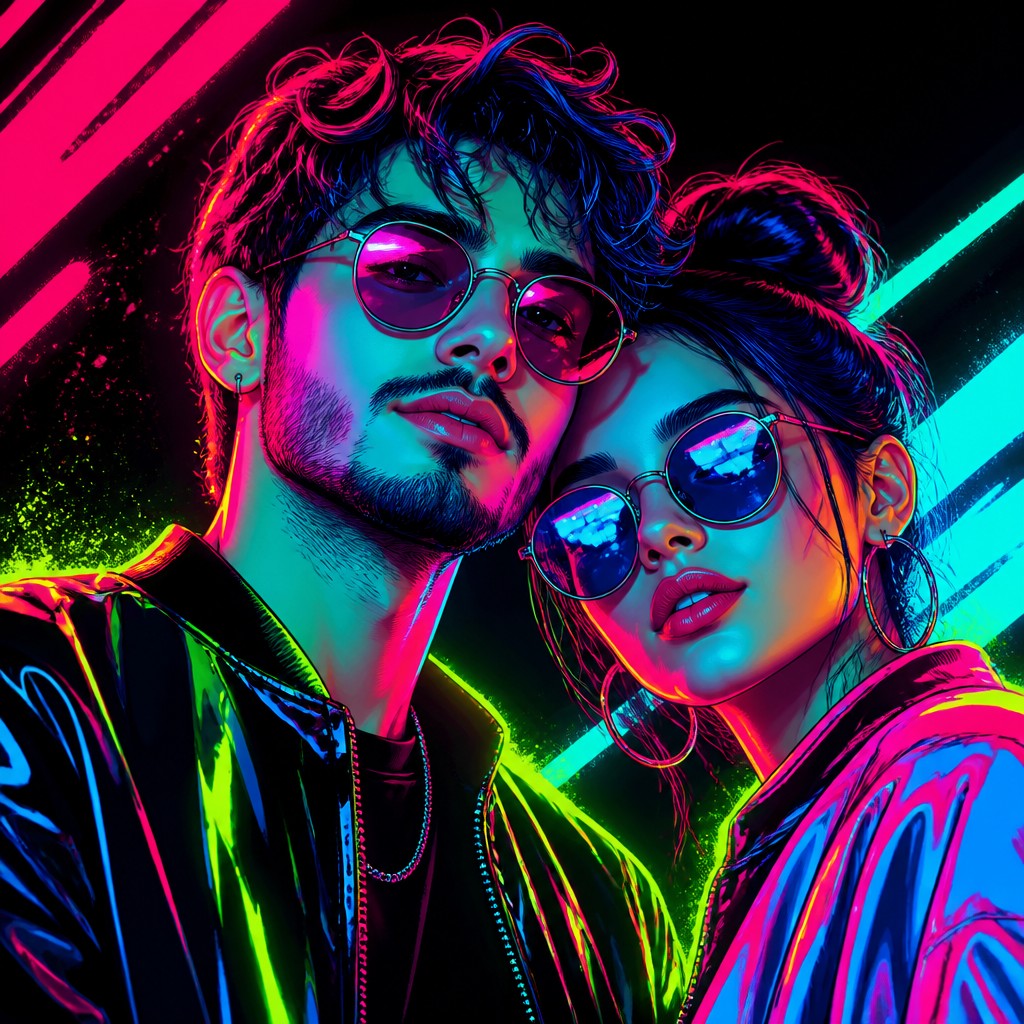
Try It On Your Photos
Upload any photo and convert it into Neon Pop Art Style — drag the sliders to compare before and after.
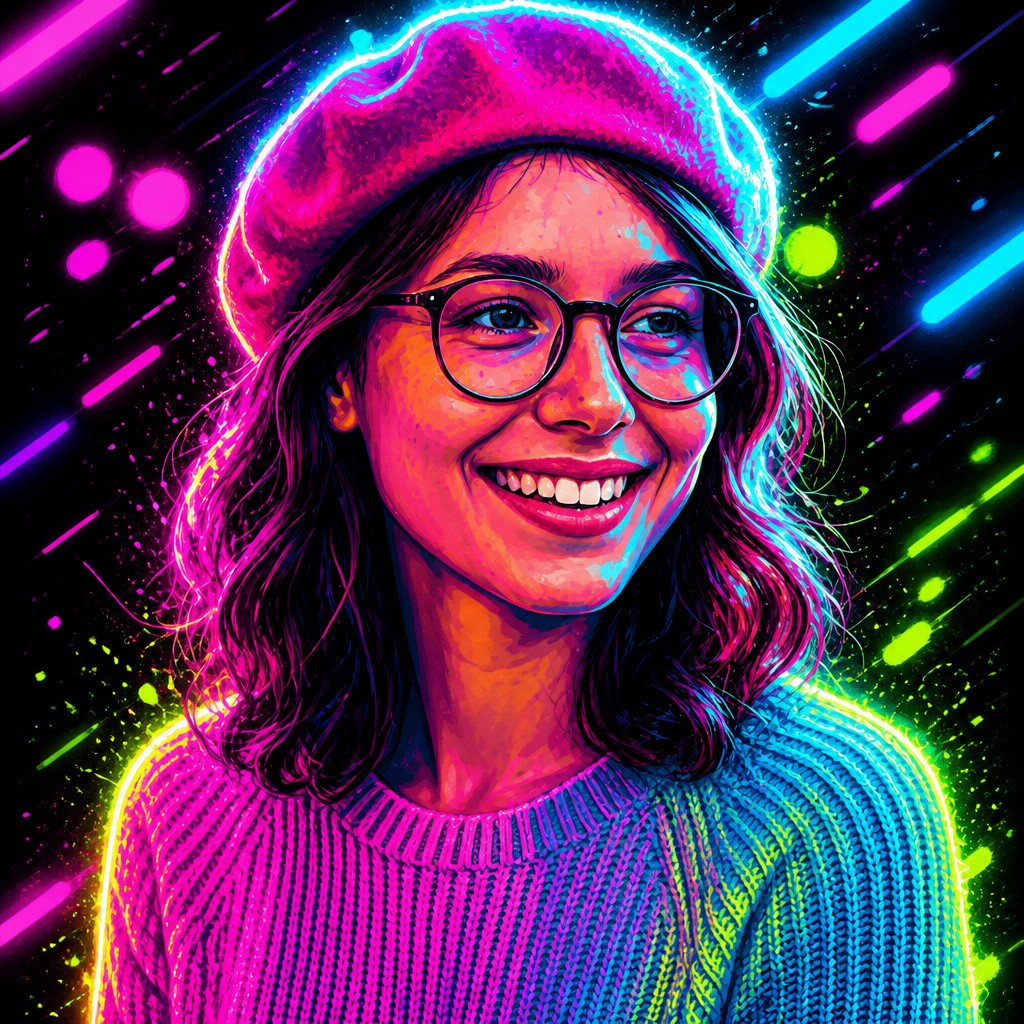


What Defines Neon Pop Art Style
The signature details, up close
Fluorescent palette
The dominant colors are electric cyan, magenta, hot pink, violet, and acid green, usually set against black or very dark backgrounds. The palette is chosen for optical intensity rather than naturalism.
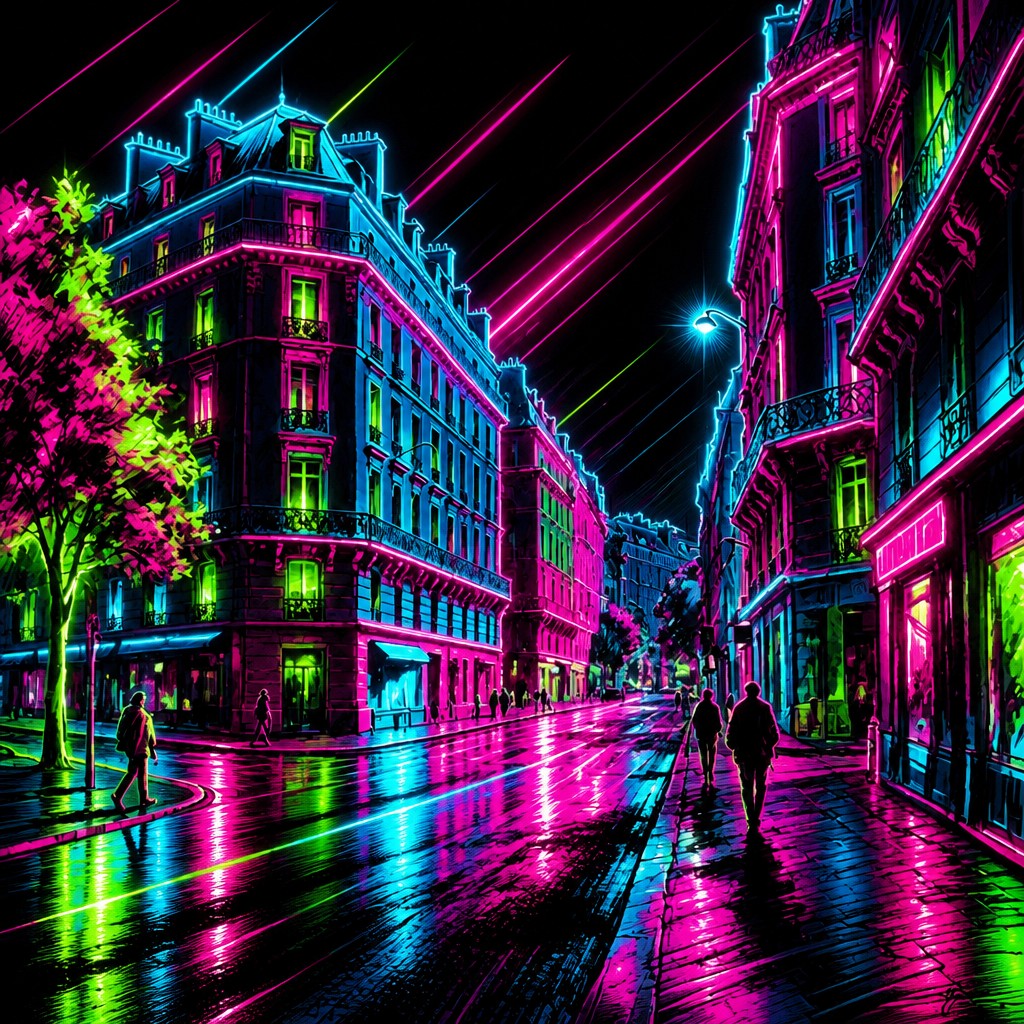
Glowing edges and bloom
Forms appear lit from within or outlined by a halo of light. Soft bloom, haze, and color bleed create the sensation of actual neon spilling into darkness.
High-contrast nighttime composition
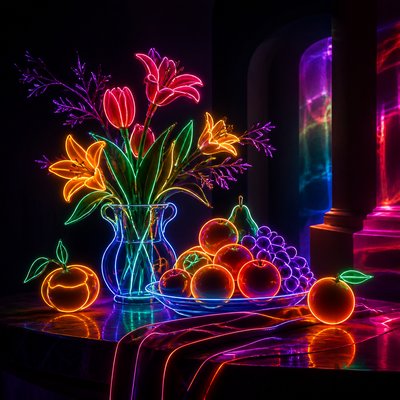
Dark grounds are essential because they amplify the brightness of the colored elements. The style depends on sharp value contrast to make the image read like illuminated signage after dark.
Graphic outlines and simplified forms
Shapes are usually bold, legible, and poster-like, with decisive contours. Even when the subject is realistic, details are reduced so the lighting effect remains dominant.
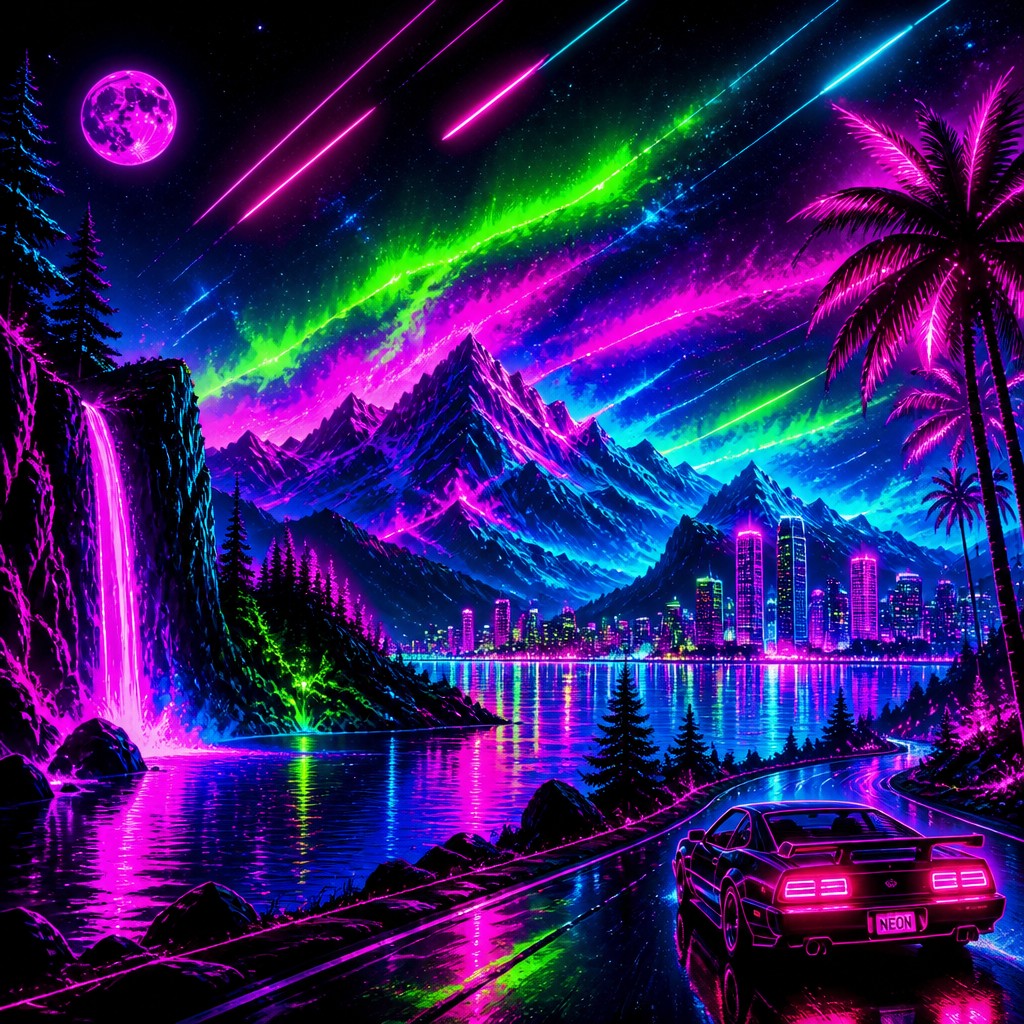
Reflective and glossy surfaces
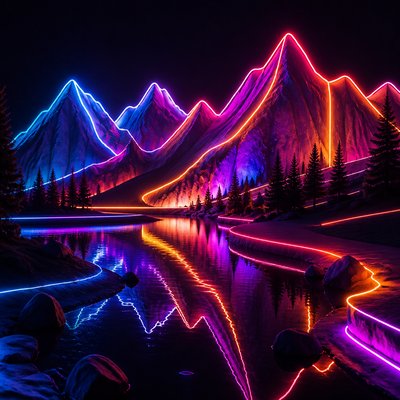
Metal, glass, wet pavement, and polished materials are often emphasized because they catch and bounce neon light. Reflections extend the glow and add a sense of urban atmosphere.
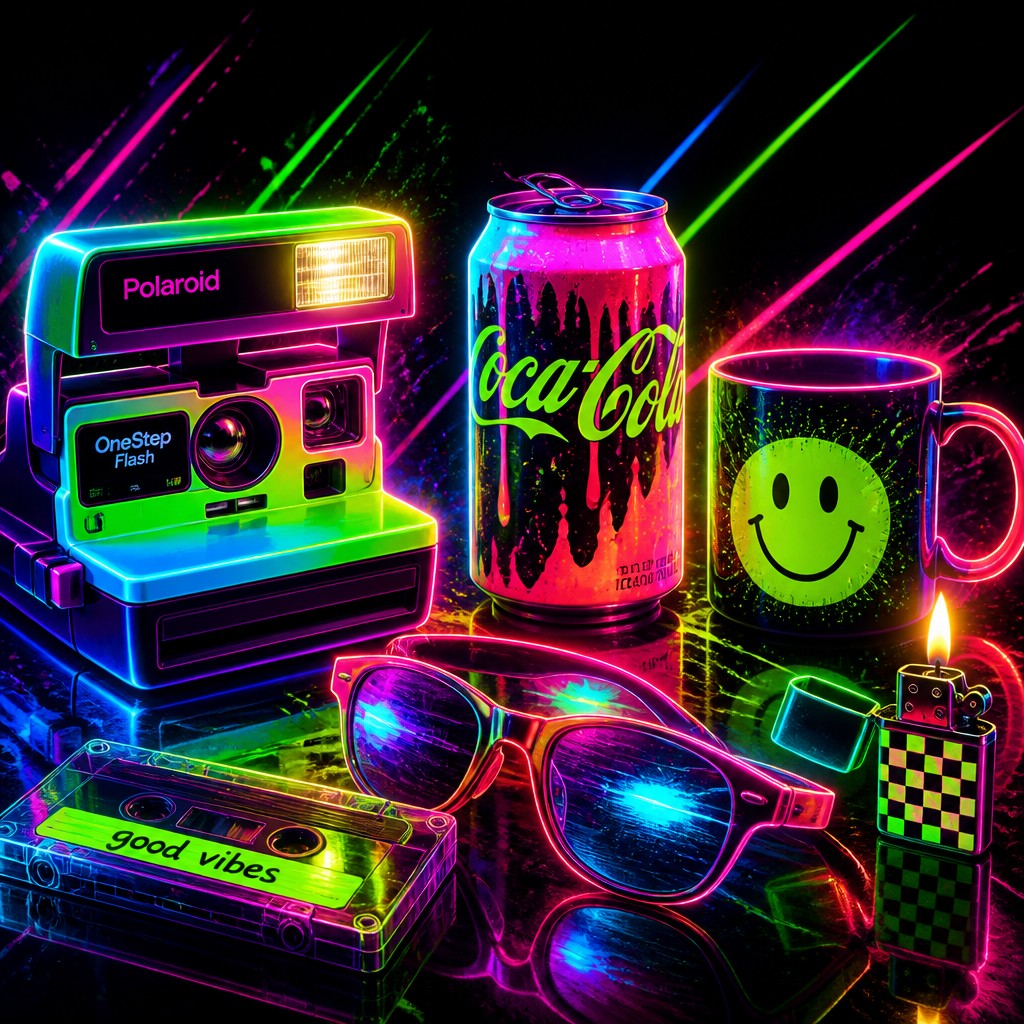
Diagonal energy and motion cues
Light streaks, angled composition, and repeated lines are common devices for creating movement. These elements make the image feel active, synthetic, and nightlife-driven.
Try It
Create Videos in Neon Pop Art Style
Styles aren't just for stills — describe a scene or animate an image and get a short video rendered in Neon Pop. Press play to see this pond come to life.
Make a VideoNeon Pop Prompt Ideas
Start from an idea — each one opens the generator with the style ready to go. See all 40 Neon Pop prompts →
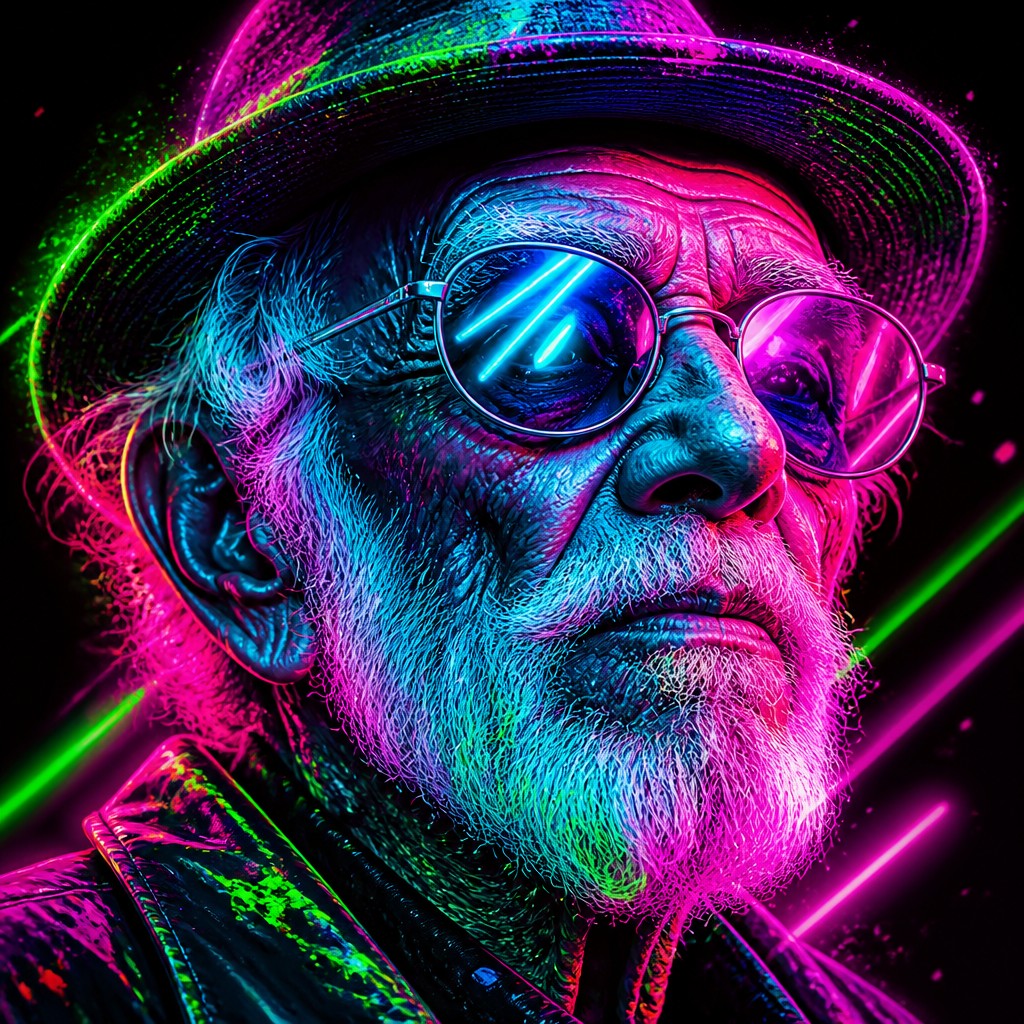
“close-up portrait of an elderly person with expressive weathered features”
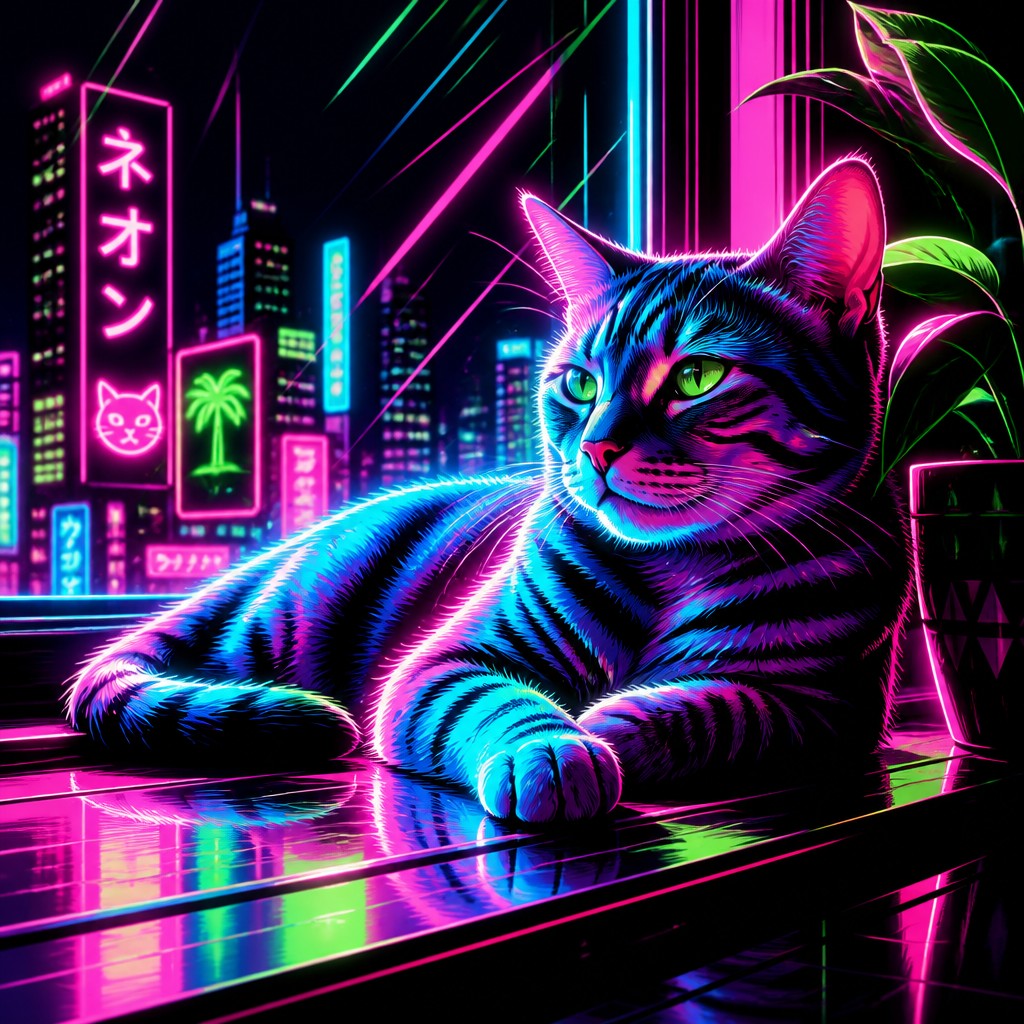
“a cat lounging in a sunlit window”
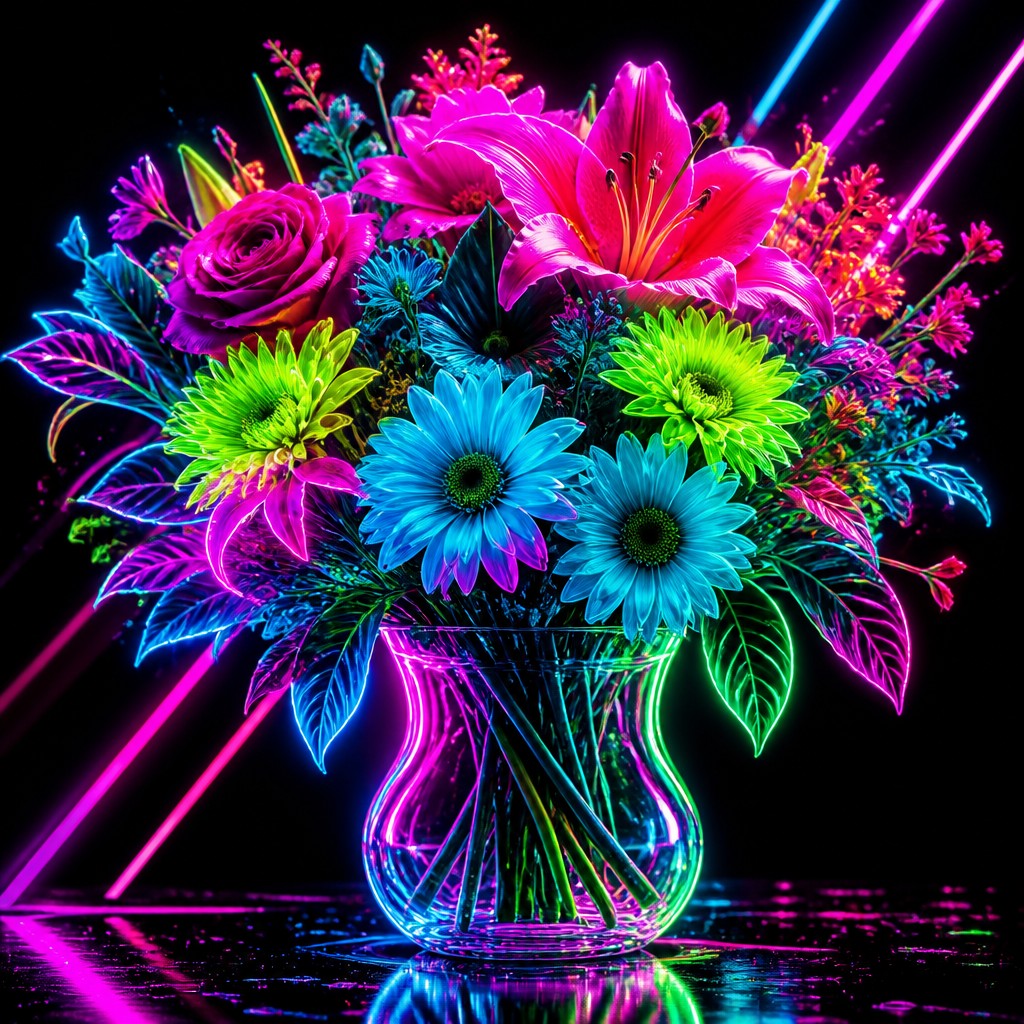
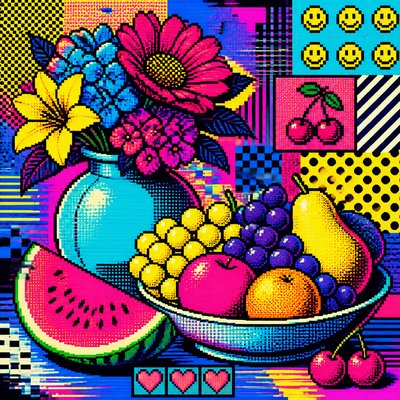
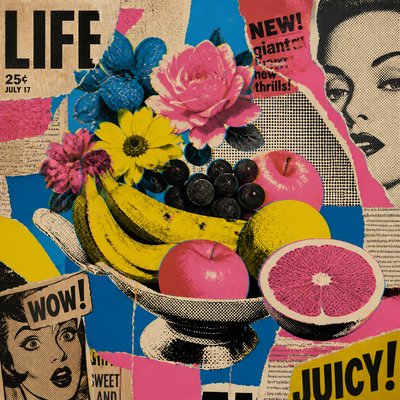
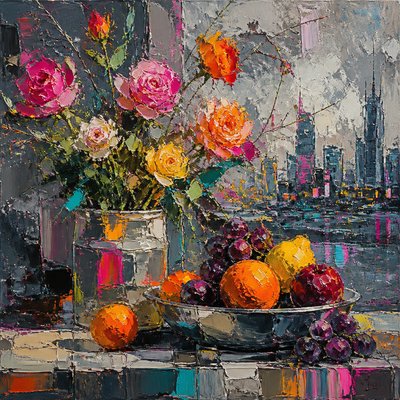
“bouquet of flowers in a glass vase”
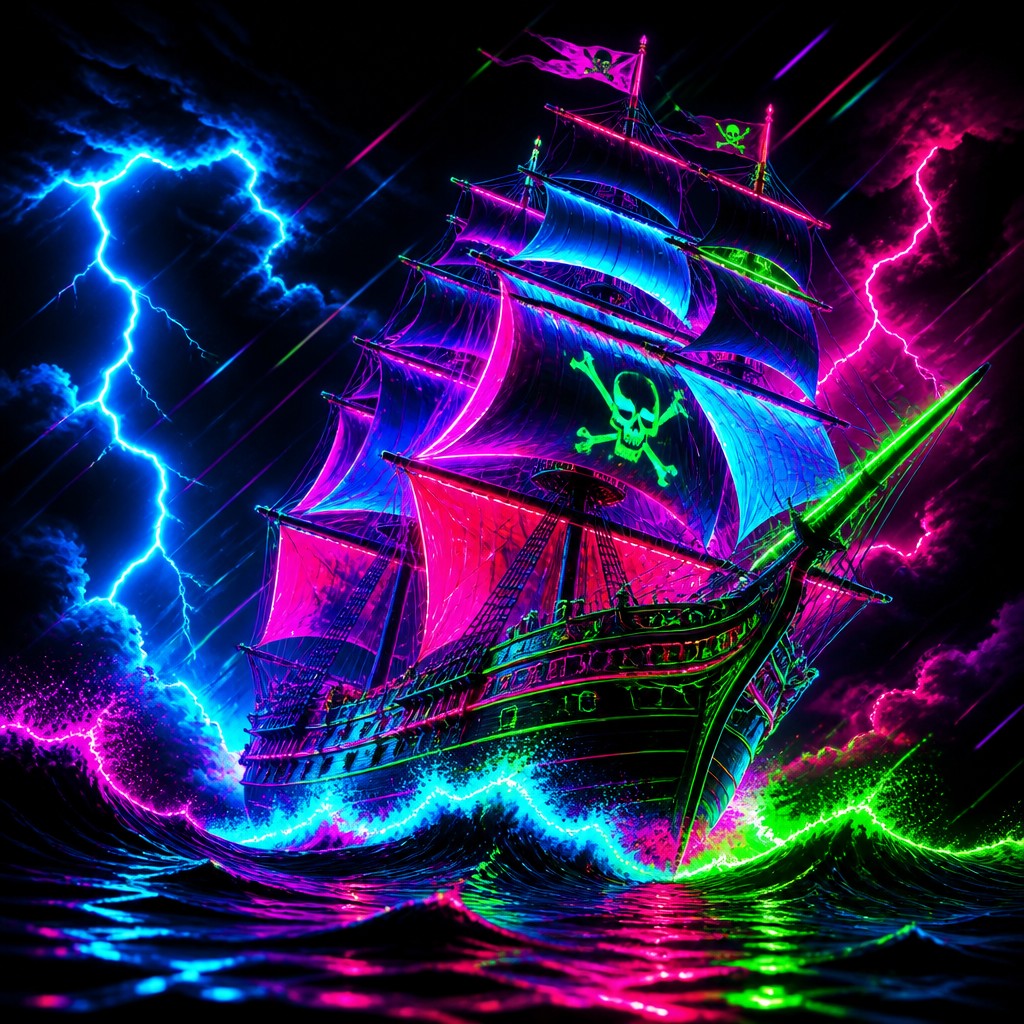
“sailing ship on a stormy sea”
How to Create Neon Pop Art
Master the craft step by step — or skip straight to creating. Read the full guide →
- 1
Start with a dark value structure
In traditional media, block in a near-black background first and reserve the brightest color for the key light sources. In digital work, build the composition on a dark layer so glowing accents can be added with blending modes and soft falloff.
- 2
Use a restricted neon palette
Choose a small set of fluorescent hues and keep them saturated. Limiting the palette helps the colors feel intentional and prevents the glow from becoming muddy or decorative without purpose.
- 3
Separate hard edges from soft bloom
Draw or paint the main forms with crisp, graphic contours, then layer haze, rim light, and reflected color around them. This contrast between sharp structure and soft light is central to the style.
- 4
Emphasize reflective materials
If the subject allows, include shiny surfaces, wet streets, glass, chrome, or polished plastic. These surfaces help distribute colored light and make the environment feel convincingly illuminated.
- 5
In digital workflows, add glow deliberately
Use outer glow, blurred duplicates, screen or color-dodge effects, and selective highlights rather than making everything uniformly bright. The best results come from controlled luminous accents, not blanket exposure.
- 6
When prompting image generation, describe both subject and lighting
Specify the scene, then add instructions for fluorescent color, deep black background, internal illumination, chromatic haze, and dramatic rim lighting. If you want a cleaner pop-art read, also request bold outlines, poster-like simplification, and reflective surfaces.

The Story
History & Origins of Neon Pop
Neon pop art is not a single historical movement with a fixed period; it is an invented contemporary style that draws from several real visual traditions. Its closest lineage runs through Pop Art’s interest in mass media, signage, and consumer culture; the graphic simplification of poster design; and the visual impact of neon advertising and nightlife photography. It also borrows from psychedelic color practice, airbrush illustration, and modern digital compositing, all of which help simulate glow, reflection, and saturated light.
The style emerged from broader late-20th- and early-21st-century visual culture in which neon became a shorthand for urban energy, futurity, and nocturnal atmosphere. Design, music graphics, club flyers, video-game aesthetics, and cinematic city lights all contributed to its vocabulary. In contemporary image-making, it is especially associated with digital tools that can reproduce bloom, rim light, reflective surfaces, and intense fluorescent palettes with precision.
Influences: Neon pop art is closely related to Pop Art’s interest in consumer imagery, but it shifts the emphasis from printed mass culture to artificial illumination and urban spectacle. It also draws from neon sign design, poster graphics, nightlife photography, and the color drama of late-20th-century commercial art. In historical terms, its visual logic can be connected to major postwar pop artists for Pop Art’s graphic reduction, while its atmospheric glow owes more to modern digital imaging, club culture, and cinematic lighting than to any single canonical painter.
Frequently Asked Questions
What defines neon pop art?
Neon pop art is defined by fluorescent color, dark backgrounds, glowing edges, and the visual language of neon signage. It makes artificial light the main subject and turns urban illumination into a graphic, high-contrast composition. The style is less about realism than about the sensation of light at night.
How is it different from regular pop art?
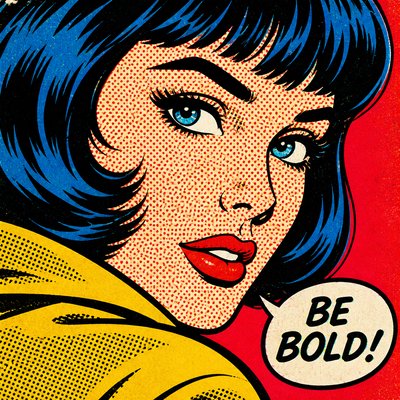
Traditional Pop Art focuses on mass media imagery, advertising, comics, and consumer products, often with flat color and mechanical reproduction effects. Neon pop art keeps the pop emphasis on bold, accessible imagery, but it adds luminous lighting effects, nightlife atmosphere, and electric color bloom. In practice, it looks more atmospheric and digitally lit.
Is neon pop art a historical art movement?
No. It is better understood as a contemporary aesthetic that combines elements from several real traditions rather than a formal historical movement with a fixed origin. Its lineage includes Pop Art, neon signage, poster design, nightlife photography, and digital image-making. That mixture gives it a recognizable but flexible identity.
What subjects work best in this style?
City scenes, portraits, fashion, vehicles, objects with glossy surfaces, and retro-futuristic imagery all work well because they respond naturally to colored light. Subjects with strong silhouettes read especially clearly against a dark ground. The style can also be applied to abstract compositions built from light and shape.
How do I make an image look convincingly neon?
Use a very dark background, a limited set of saturated fluorescent colors, and strong contrast between highlight and shadow. Add bloom, rim light, haze, and reflections so the light appears to affect the surrounding space. If the composition is too evenly lit, it will lose the neon effect.
Where is neon pop art commonly used?
It is common in music graphics, event posters, album covers, editorial illustration, social media visuals, and retro-futuristic branding. It also appears in game art and cinematic concept art because it communicates nightlife, energy, and stylized urban atmosphere very quickly. Its clarity makes it effective for both illustration and design.

Create your first Neon Pop artwork
Describe anything — or upload a photo — and see it in Neon Pop Art Style in seconds.
Make Something with Neon Pop
Related Styles
Discover similar art styles