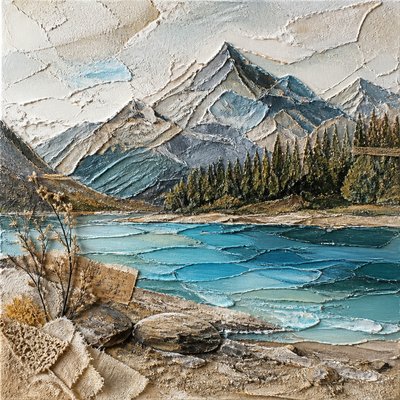
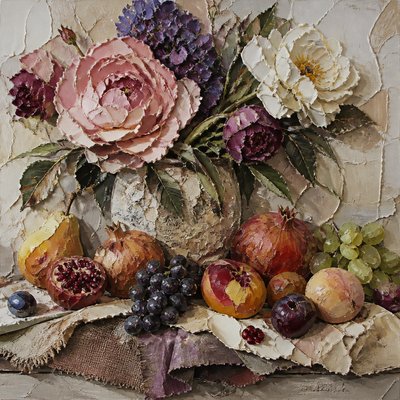
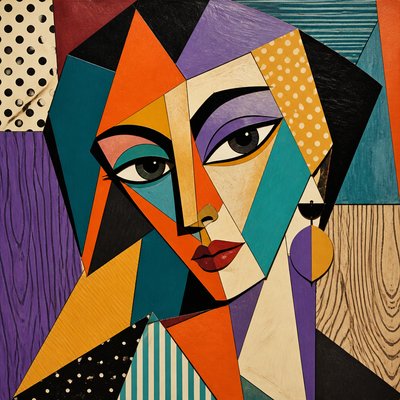
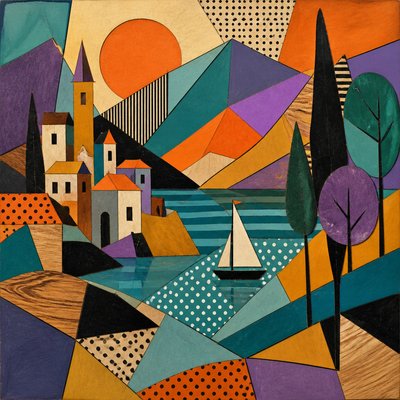
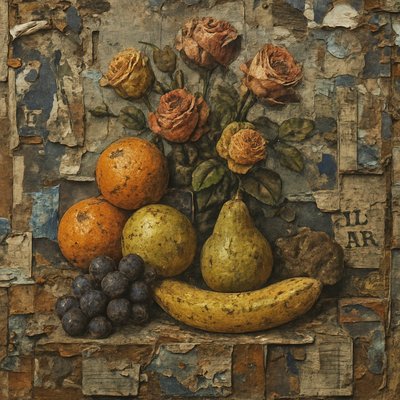
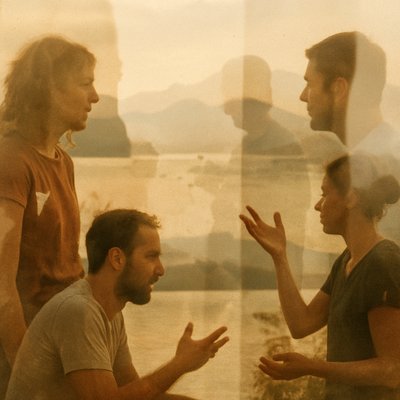
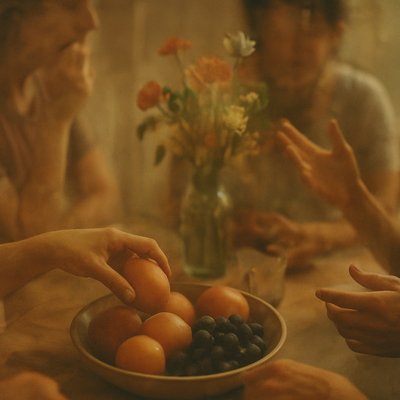
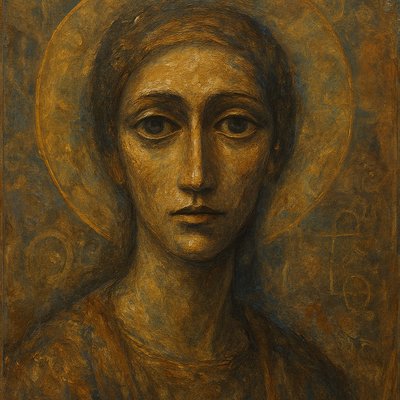
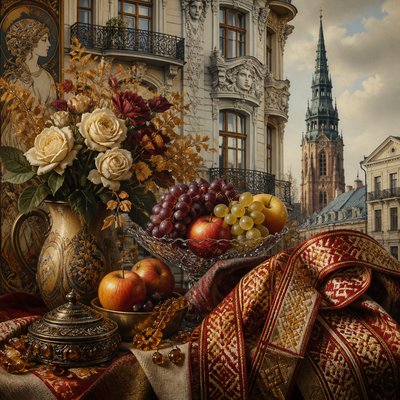
Collage Pop Art Style
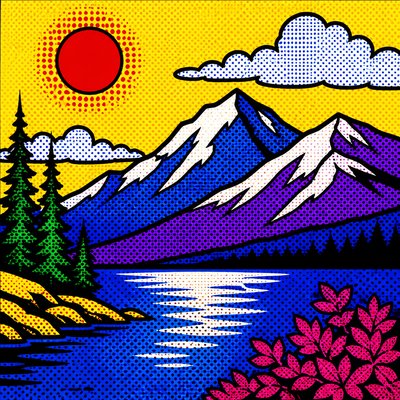
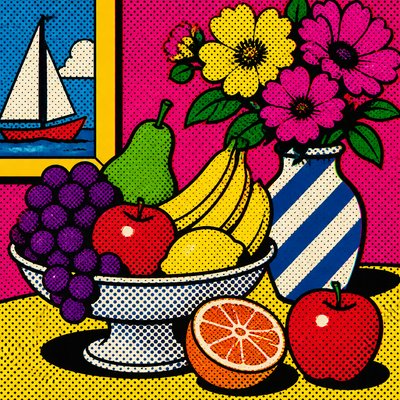
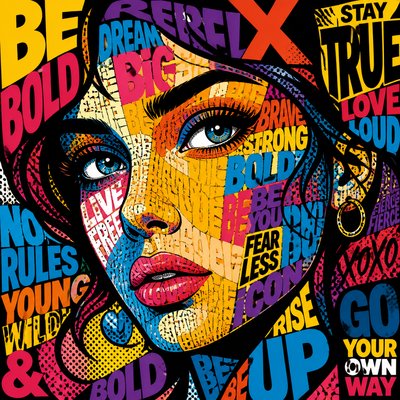
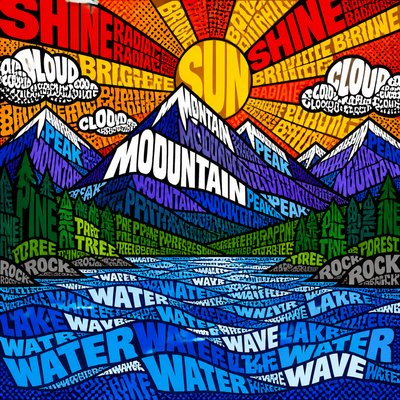
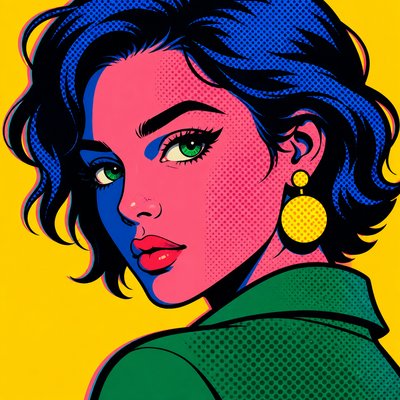
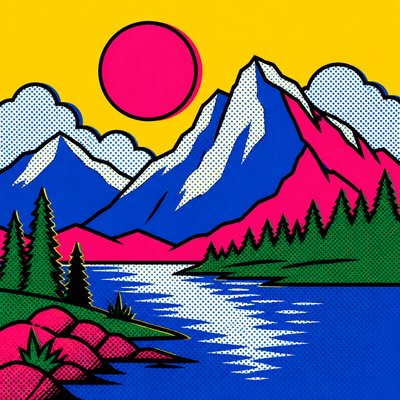
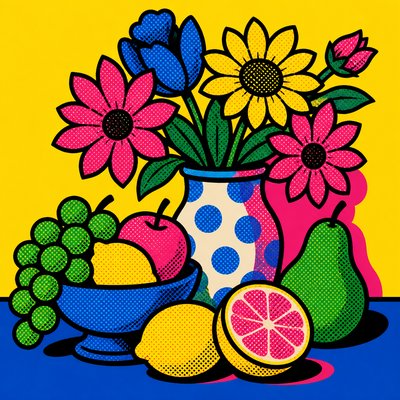
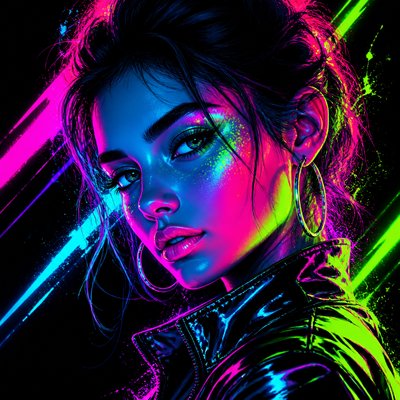
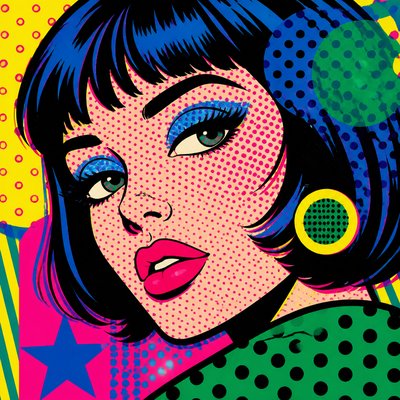
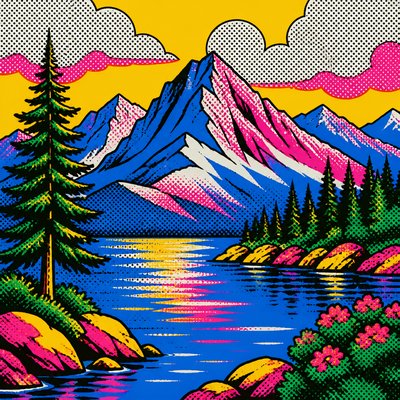
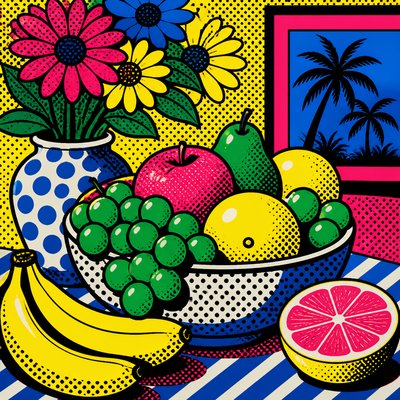
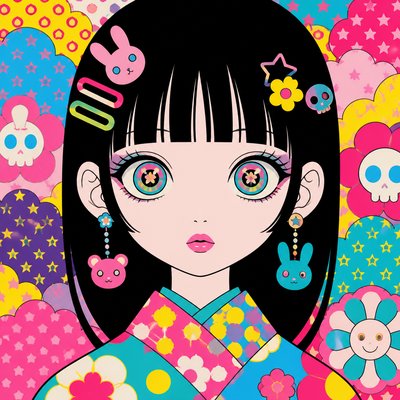
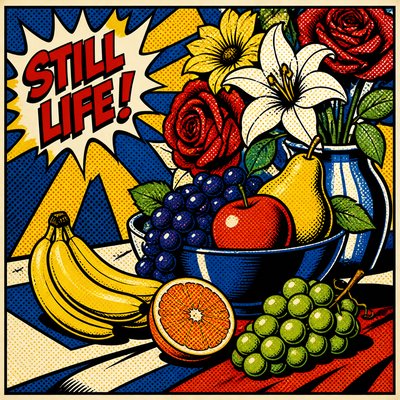
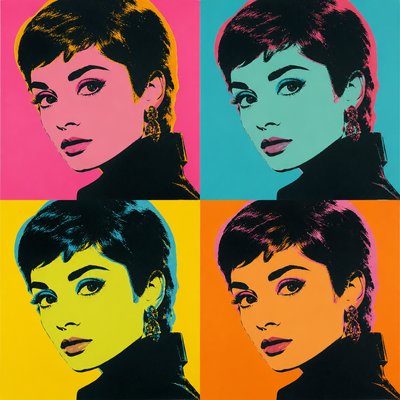
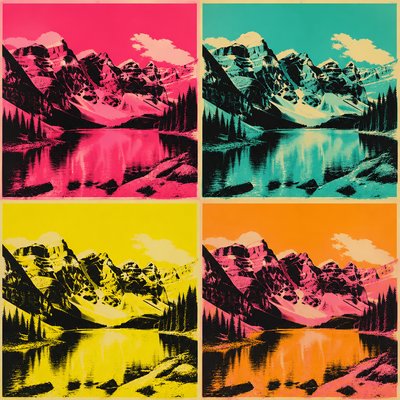
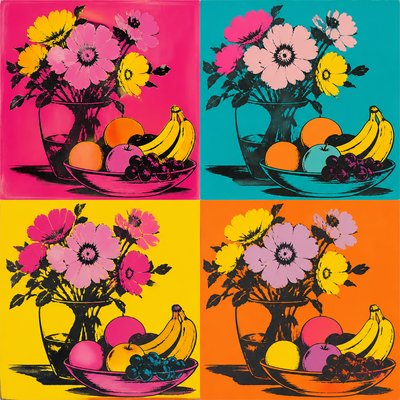
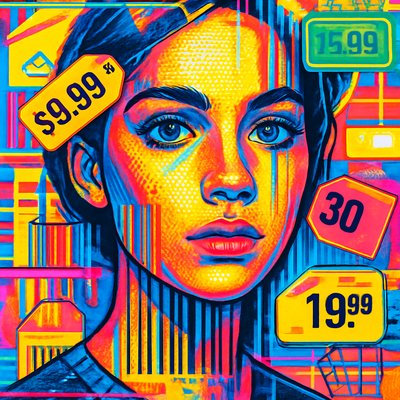
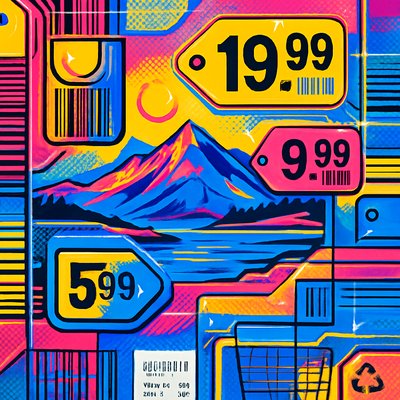
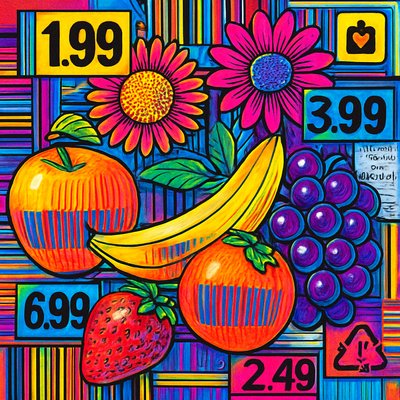
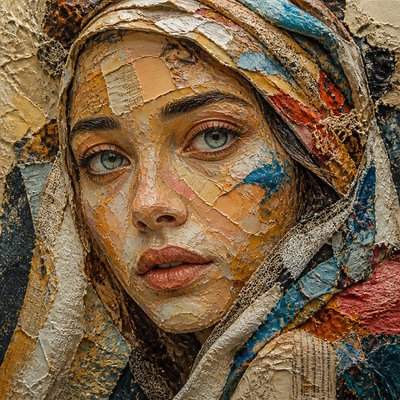
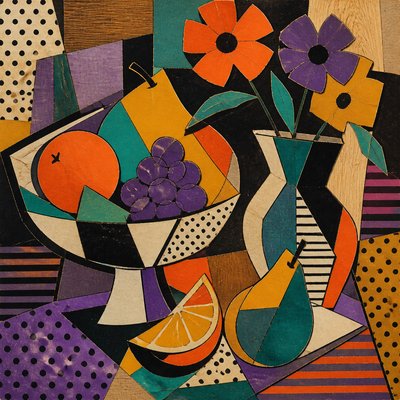
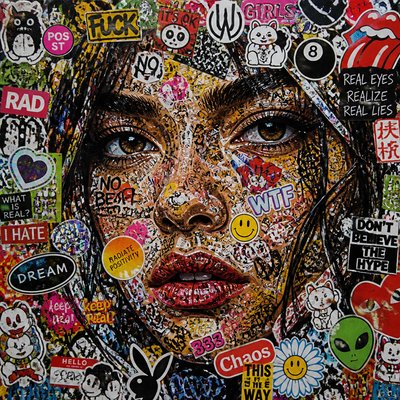
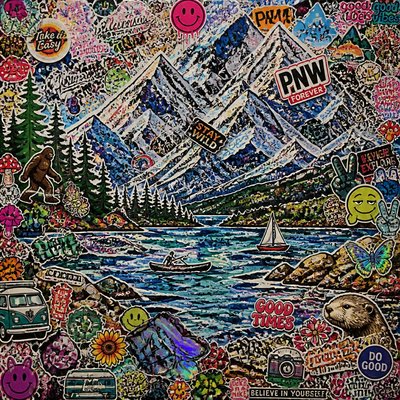
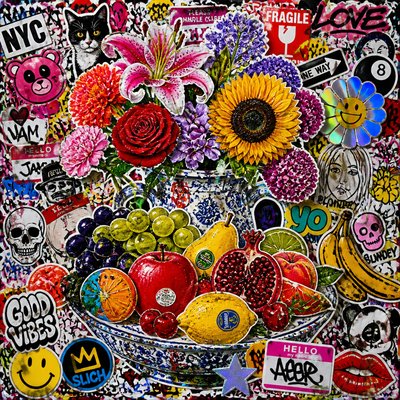
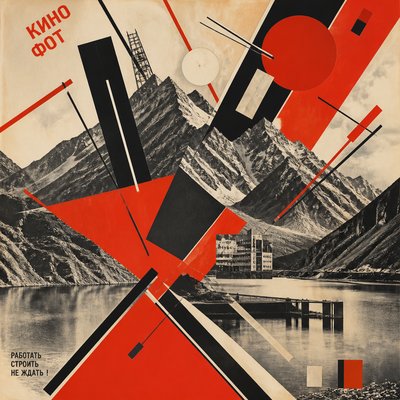
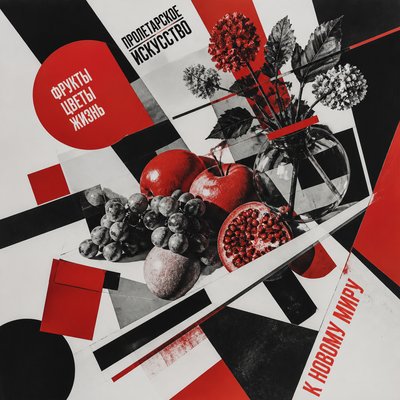
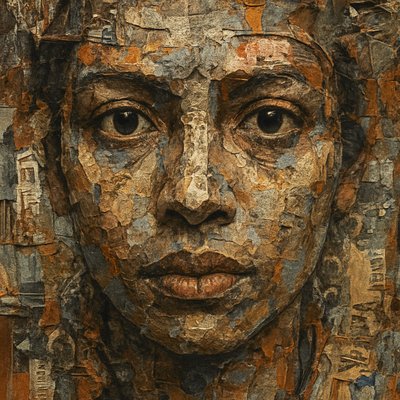
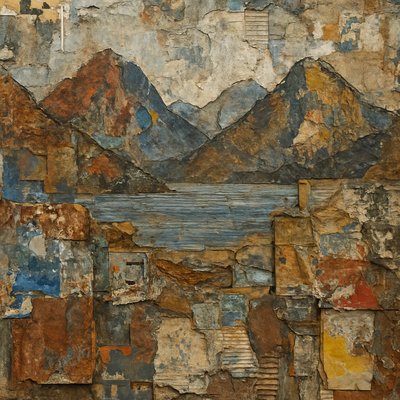
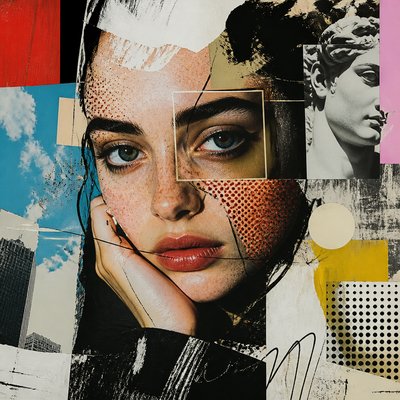
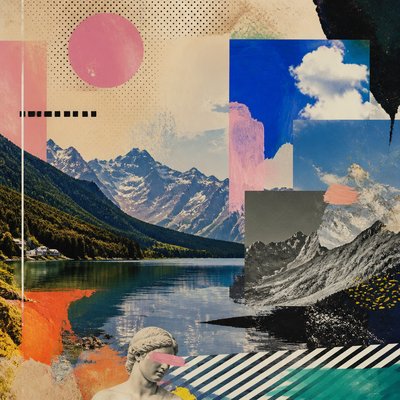
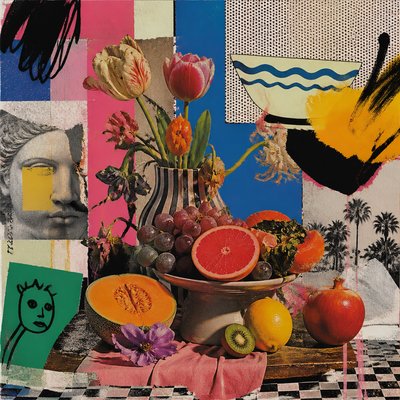
Layered cut-paper pop art with halftones, torn print fragments, bold CMYK color, and the visual noise of mass media.
Instantly rendered in Collage Pop — or transform a photo
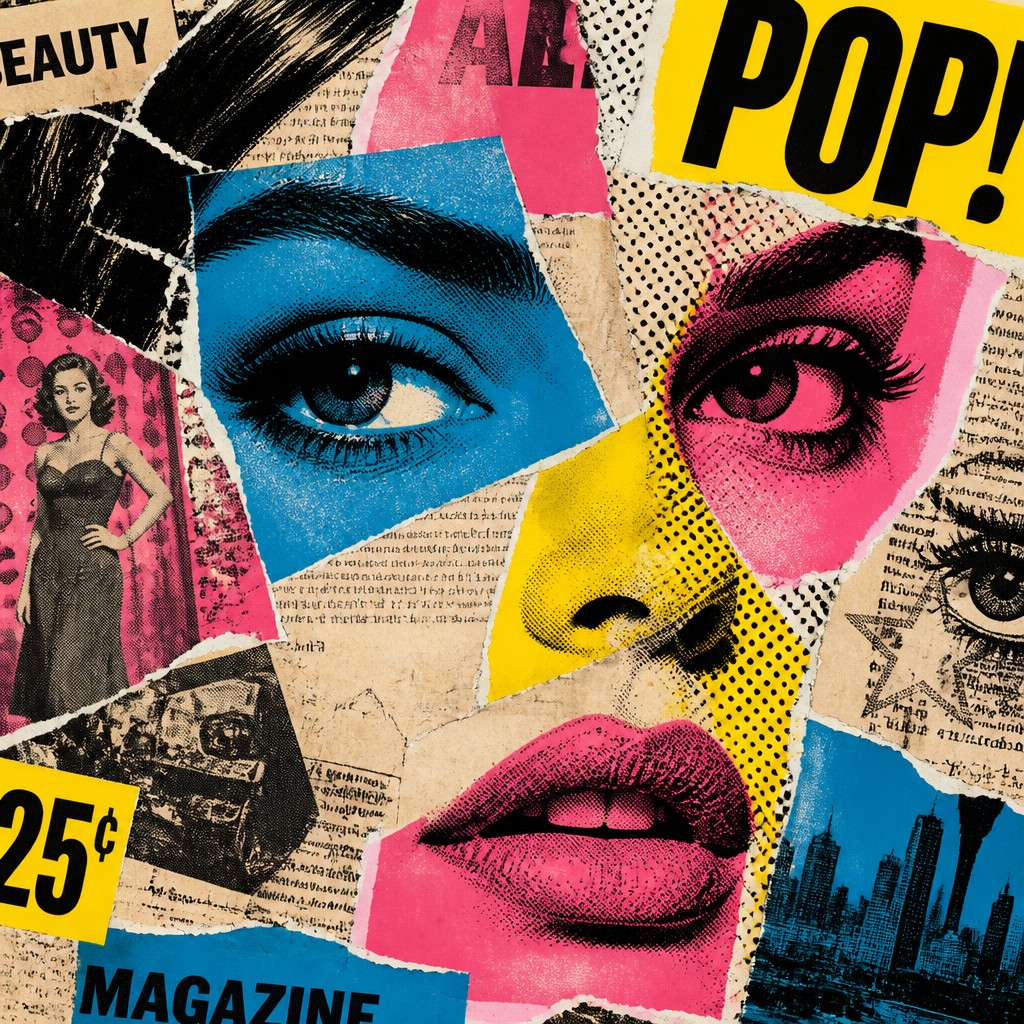
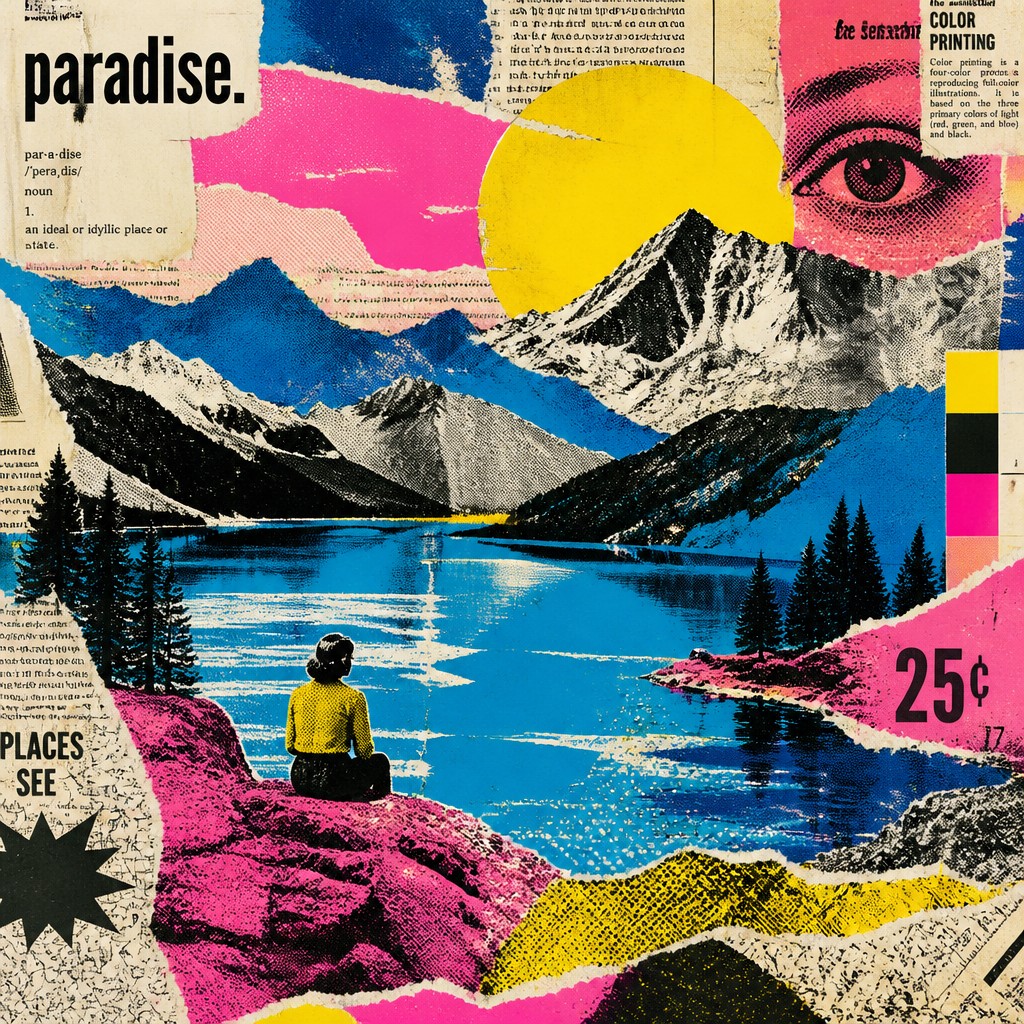
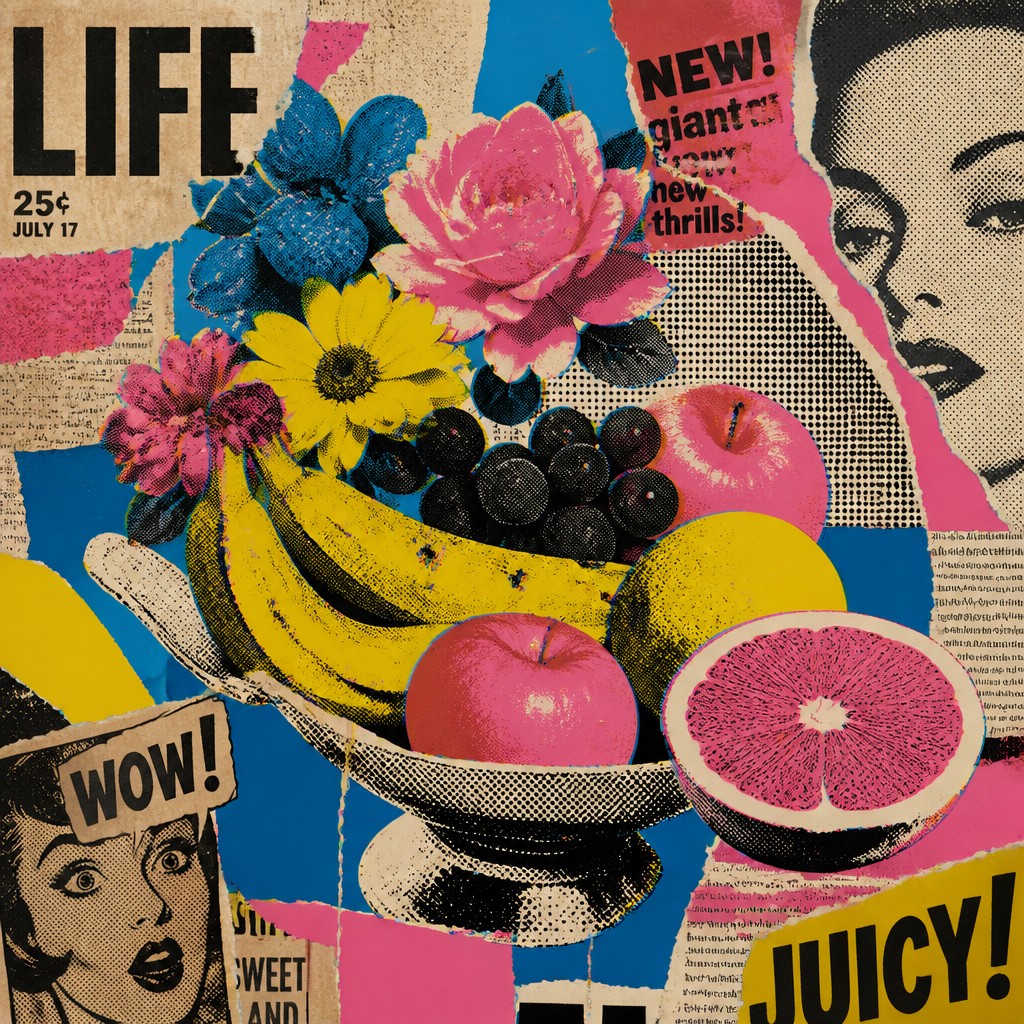
Collage Pop Gallery
Tap any artwork to explore it
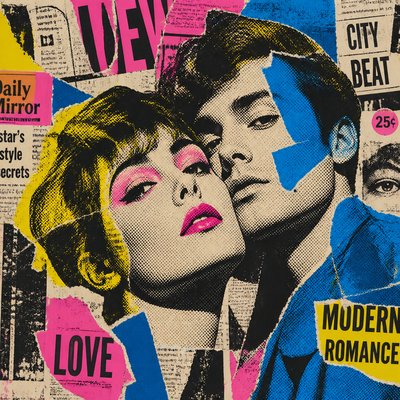
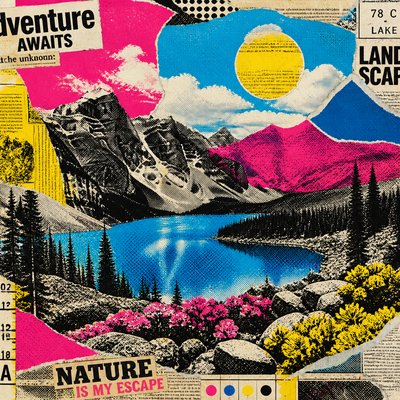
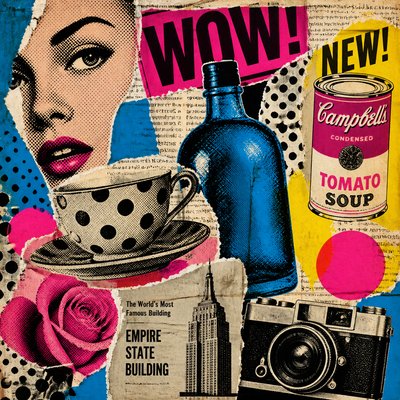
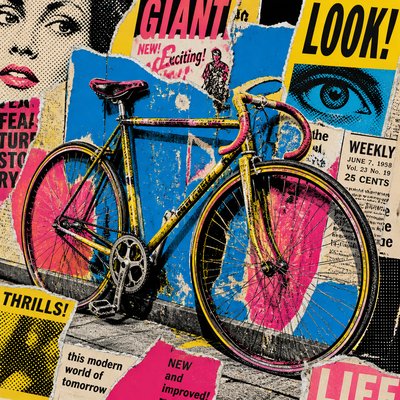
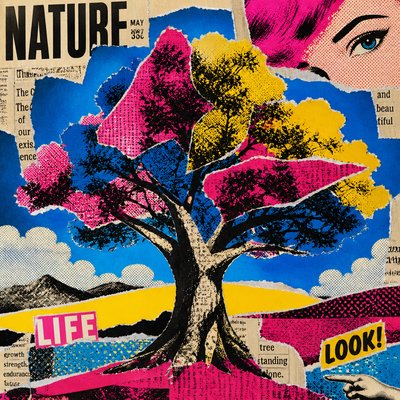
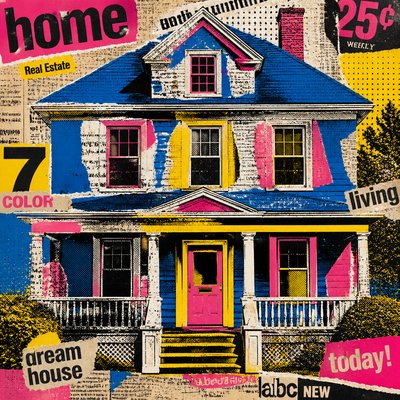
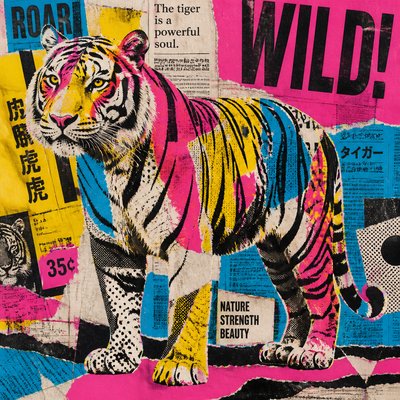
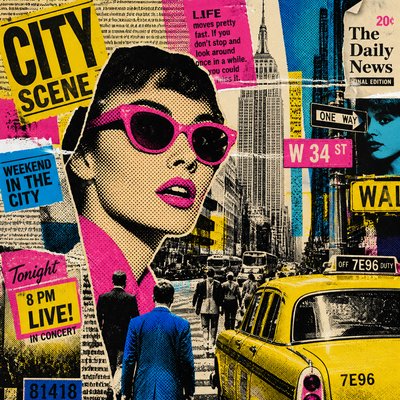
What is Collage Pop Art Style?
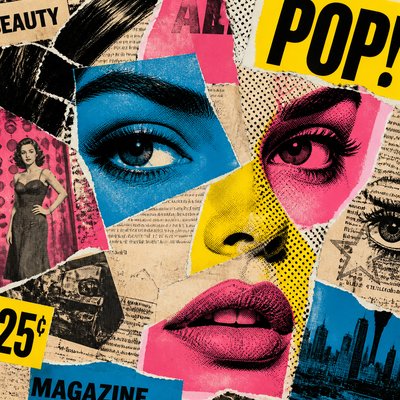
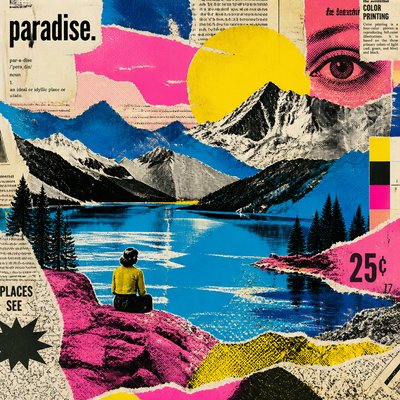
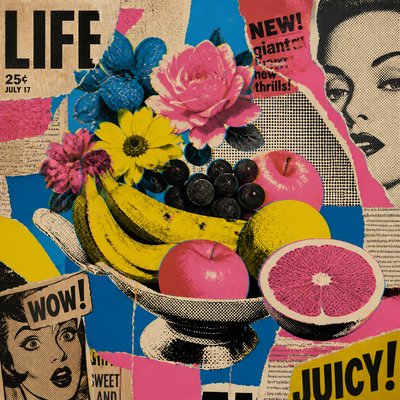
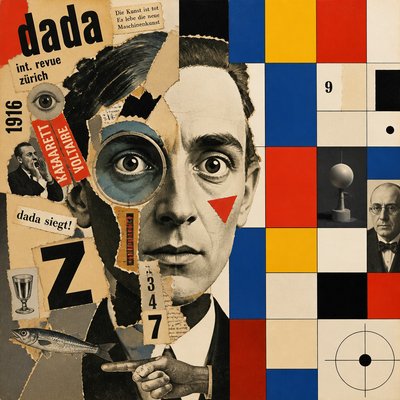
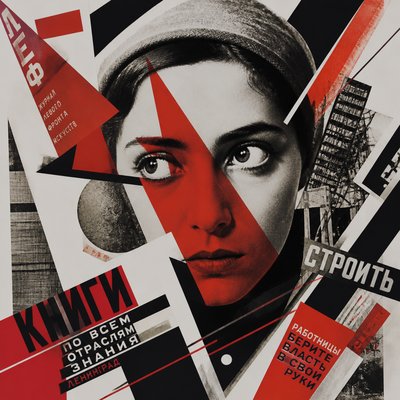
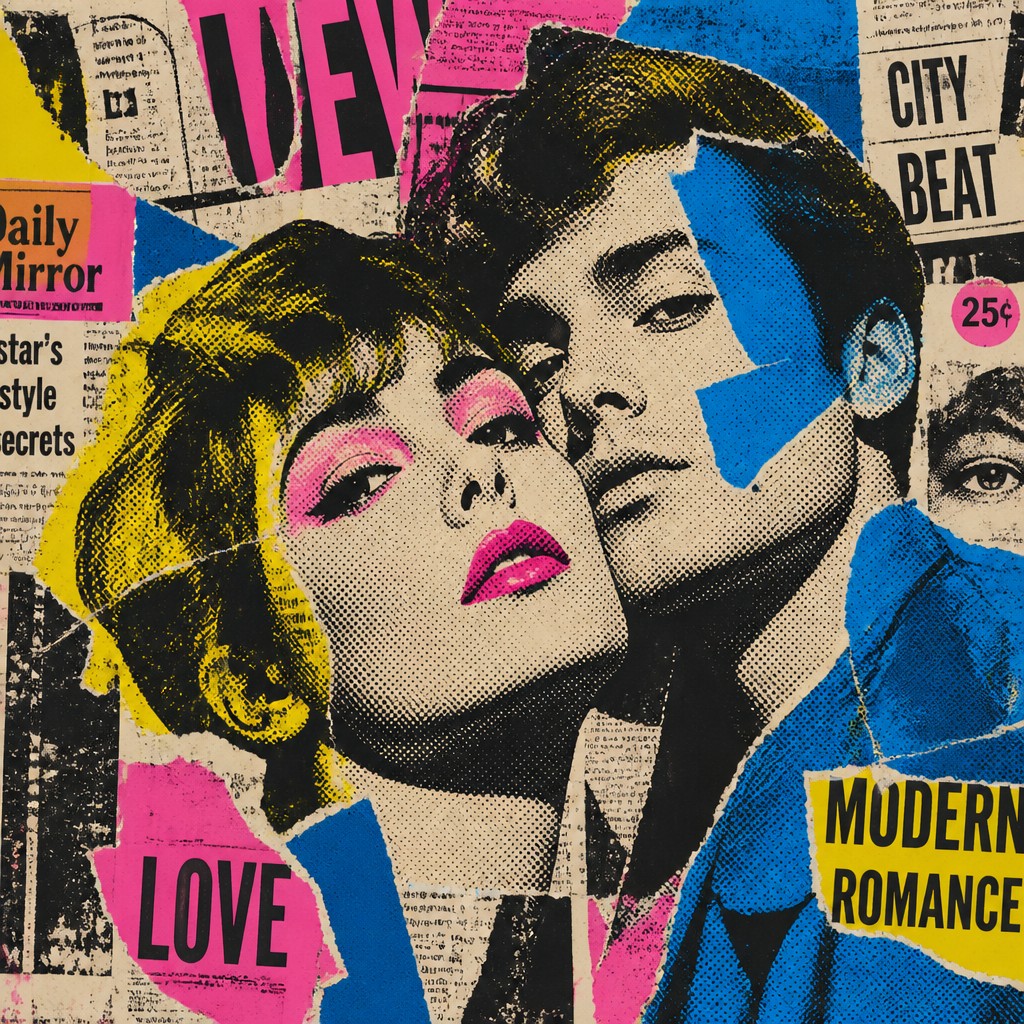
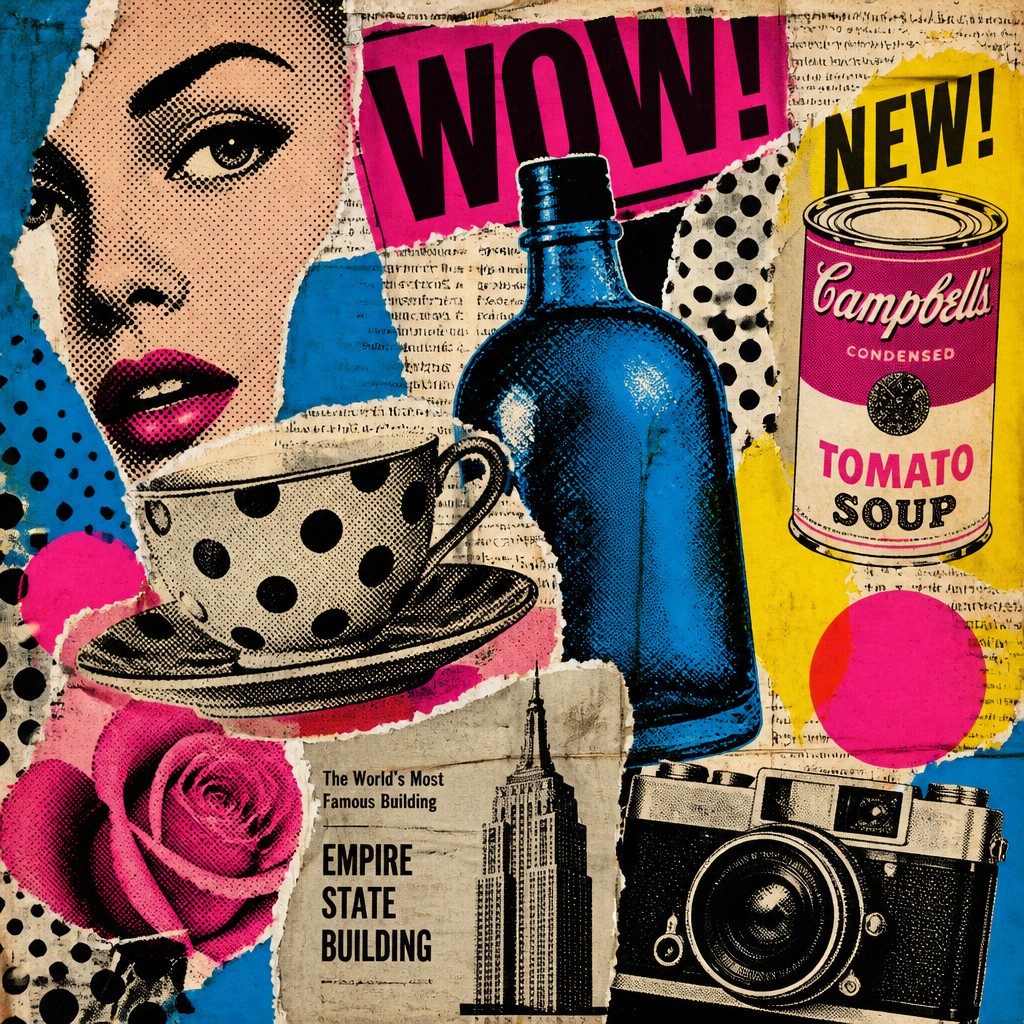
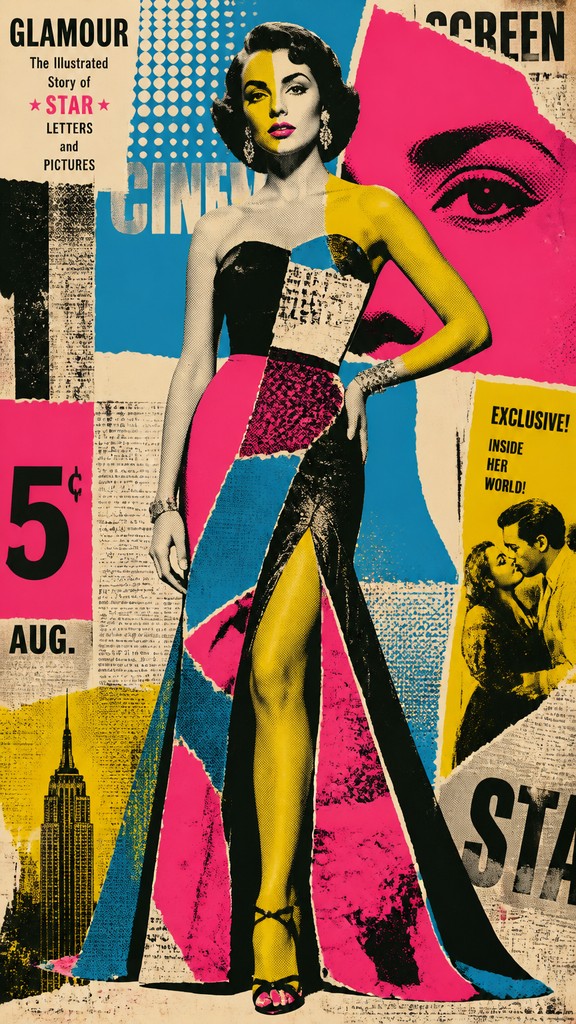
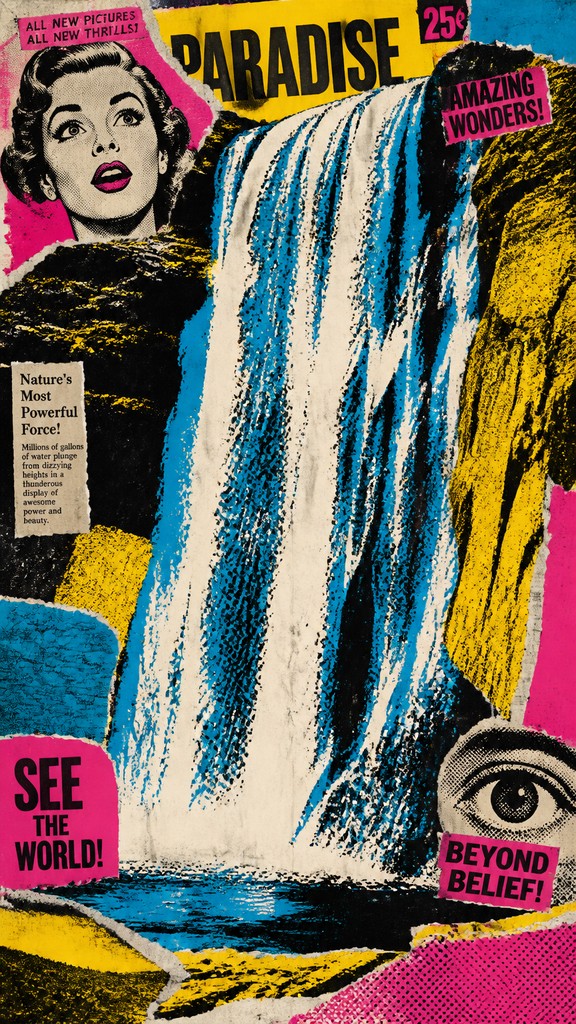
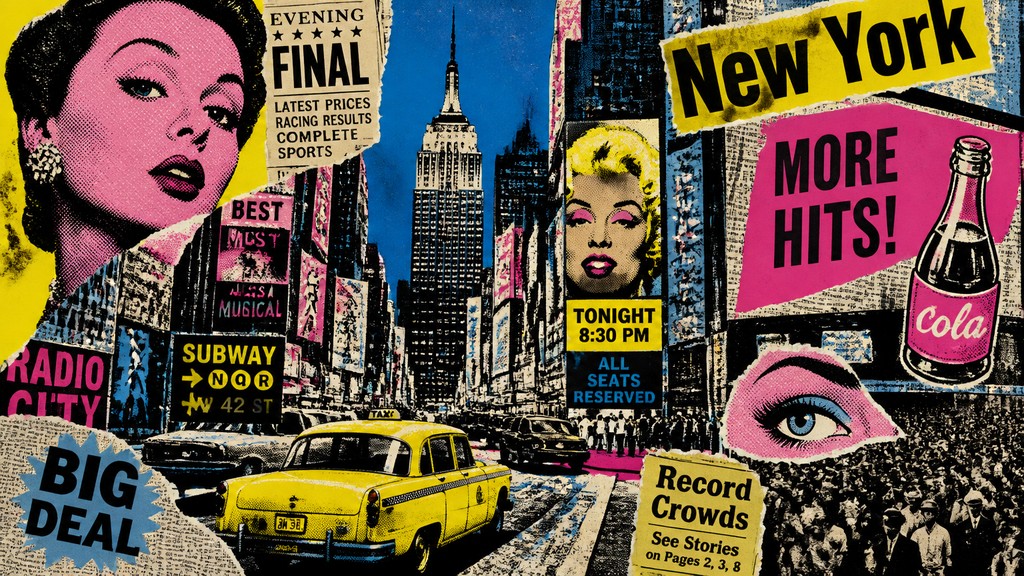
Collage pop art is a mixed-media aesthetic built from fragments of printed culture: magazine photos, newspaper clippings, advertisements, headlines, labels, and other commercially produced imagery. Its look is defined by abrupt scale changes, clipped edges, overlapping layers, and deliberately noisy print effects that make the composition feel assembled from visual debris rather than painted as a seamless whole.
The style is closely tied to pop art’s interest in mass media, consumer culture, and the circulation of images, but it emphasizes collage as both method and meaning. Torn paper textures, halftone dots, CMYK separations, and misregistered printing create a sense of vibration and tension. The result is graphic, witty, and often slightly chaotic, with ordinary media fragments recombined into new meanings through juxtaposition.
Try It On Your Photos
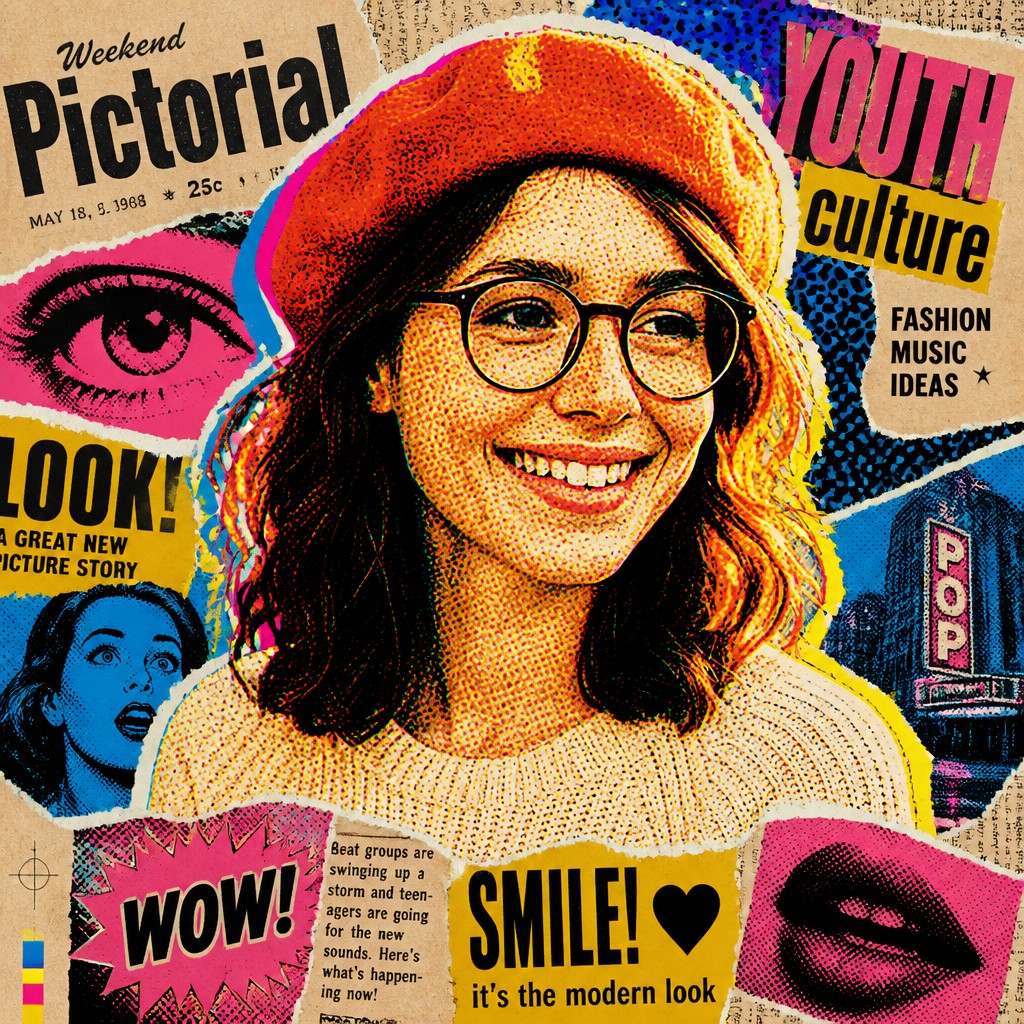
Upload any photo and convert it into Collage Pop Art Style — drag the sliders to compare before and after.


What Defines Collage Pop Art Style
The signature details, up close
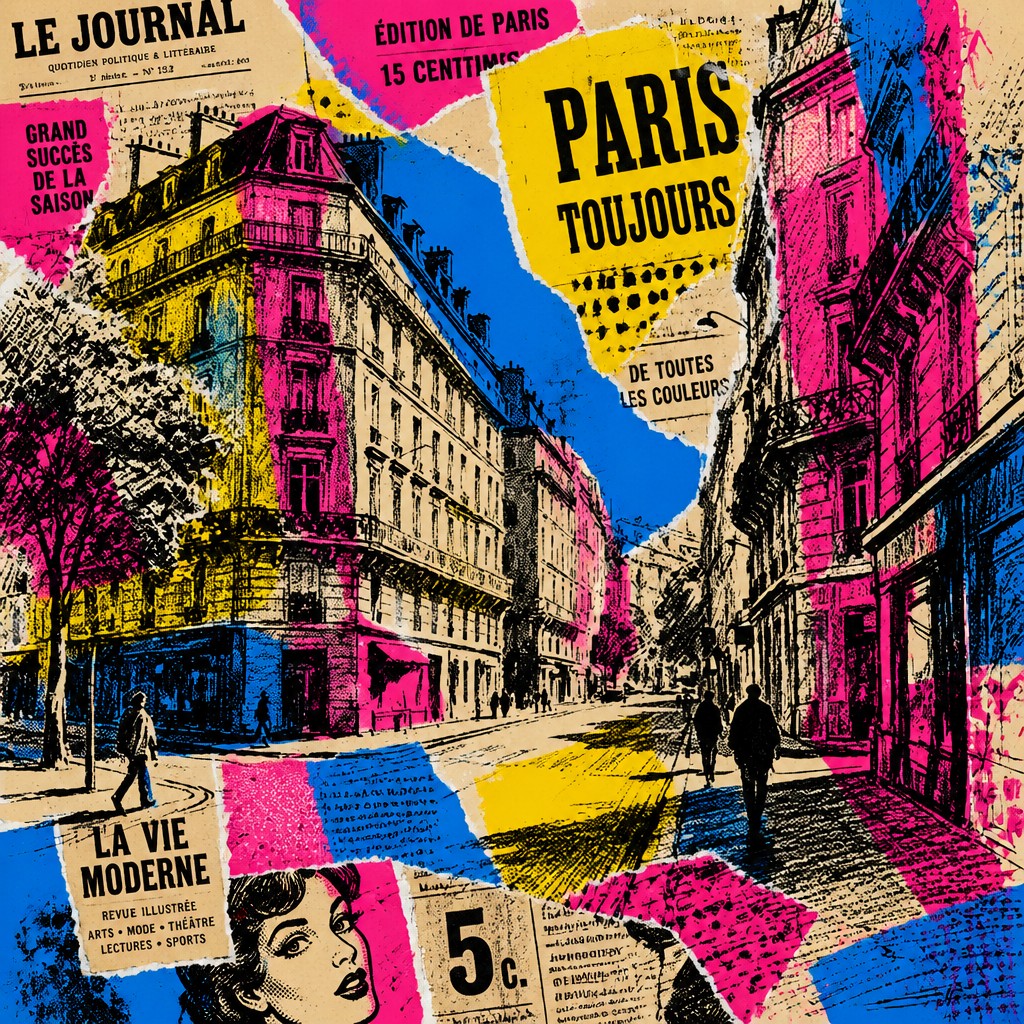
Found-media imagery
The composition is built from recognizable fragments of print culture such as photos, slogans, product shots, and newsprint. These elements are selected for their everyday familiarity and then made strange through recontextualization.
Layered, overlapping structure
Pieces are stacked at different scales and angles so the image reads as a dense construction rather than a single scene. Overlaps and partial occlusions create visual depth and a sense of active assembly.
Torn and cut edges
Sharp scissors lines and rough ripped paper borders are key signals of the style. These edges expose the collage process and prevent the image from feeling polished or fully resolved.
Halftone and print artifacts
Dot patterns, faded ink, misregistration, grain, and CMYK separations evoke offset printing and magazine reproduction. These artifacts give the work a tactile, mechanically reproduced look.
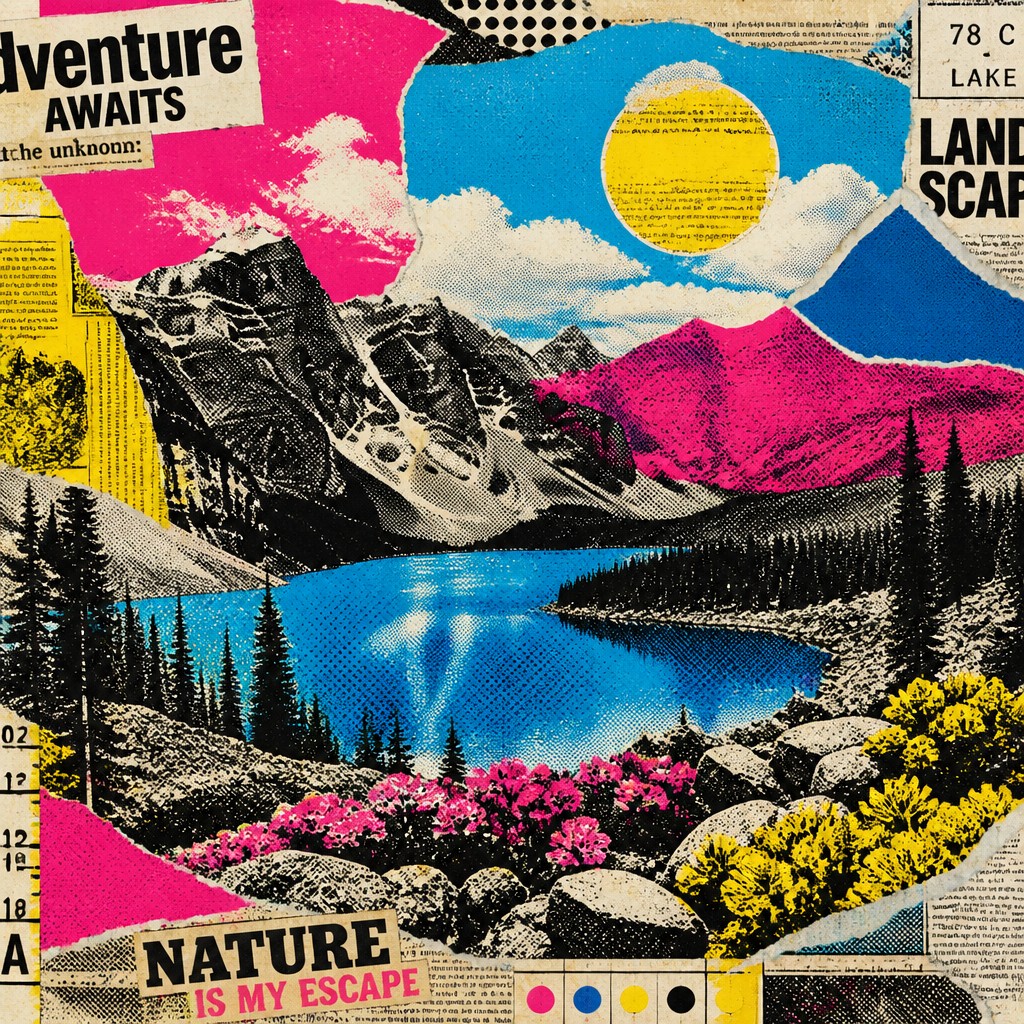
Pop color contrast
Bright electric hues are often paired with stark black and off-white paper surfaces. The palette typically feels commercial and urgent, borrowing the visual intensity of advertising and comic graphics.
Juxtaposition and irony
Unexpected image pairings produce new meanings, humor, or critique. The style often depends on the tension between glamorous, banal, and absurd elements placed side by side.
Try It
Create Videos in Collage Pop Art Style
Styles aren't just for stills — describe a scene or animate an image and get a short video rendered in Collage Pop. Press play to see this pond come to life.
Make a VideoCollage Pop Prompt Ideas
Start from an idea — each one opens the generator with the style ready to go. See all 40 Collage Pop prompts →
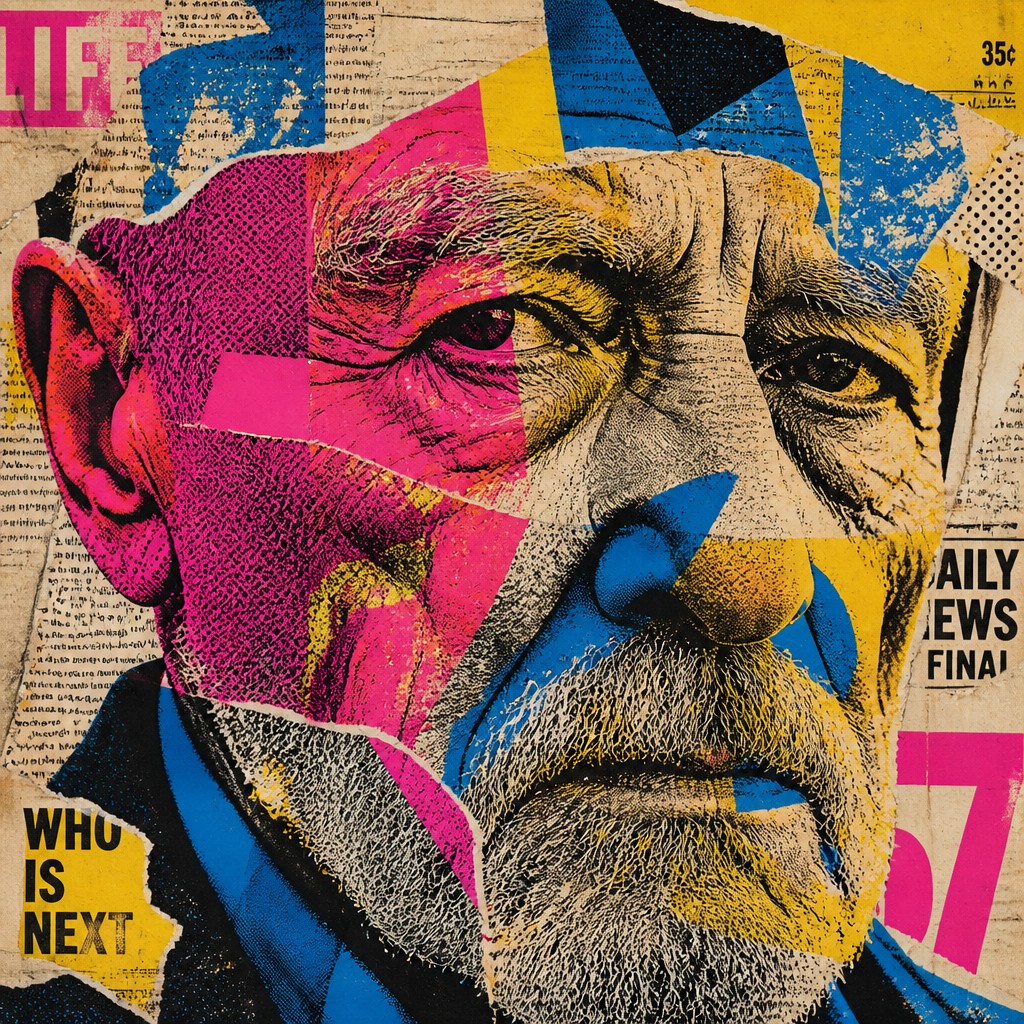
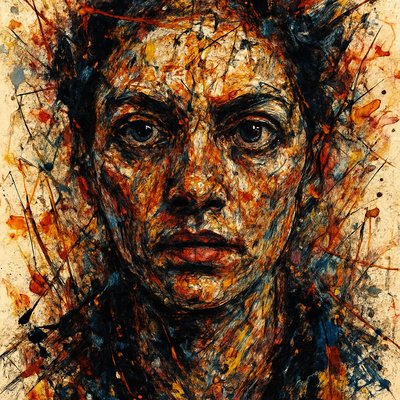
“close-up portrait of an elderly person with expressive weathered features”
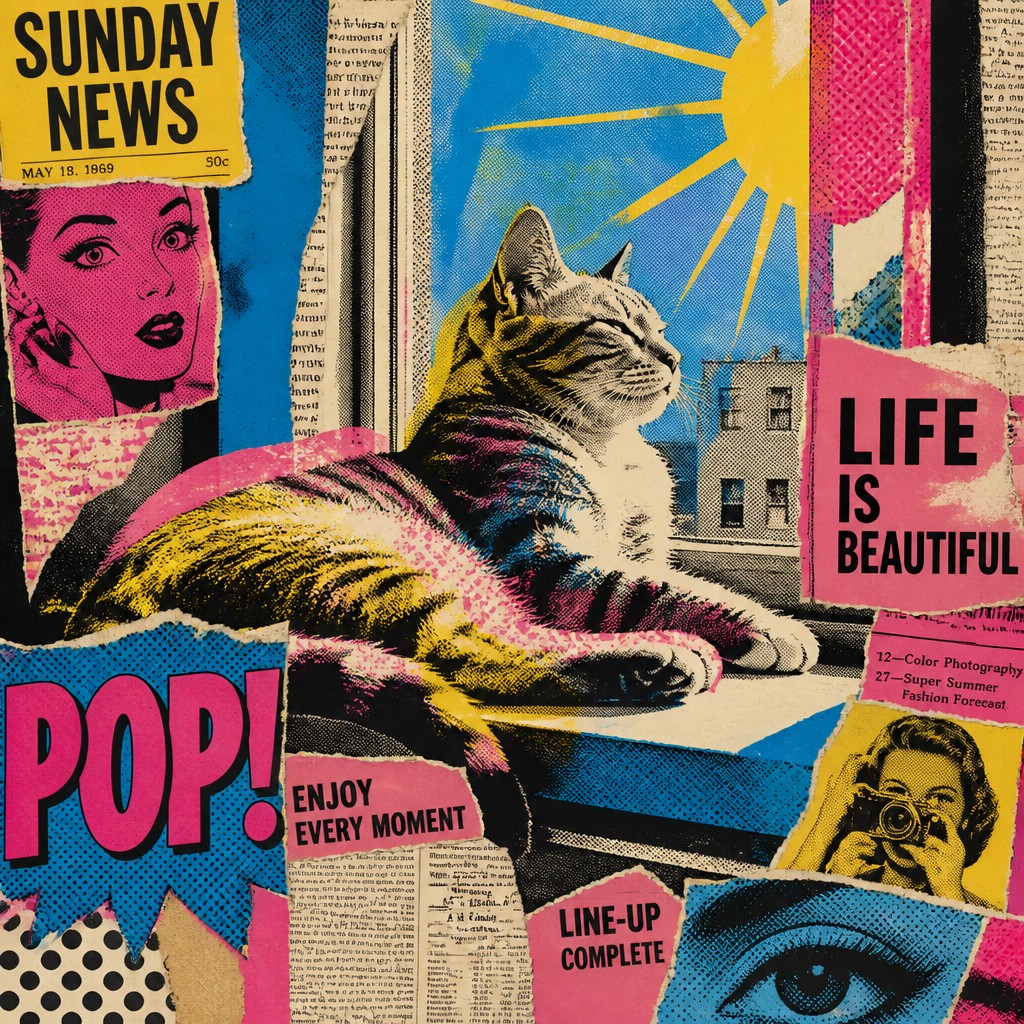
“a cat lounging in a sunlit window”
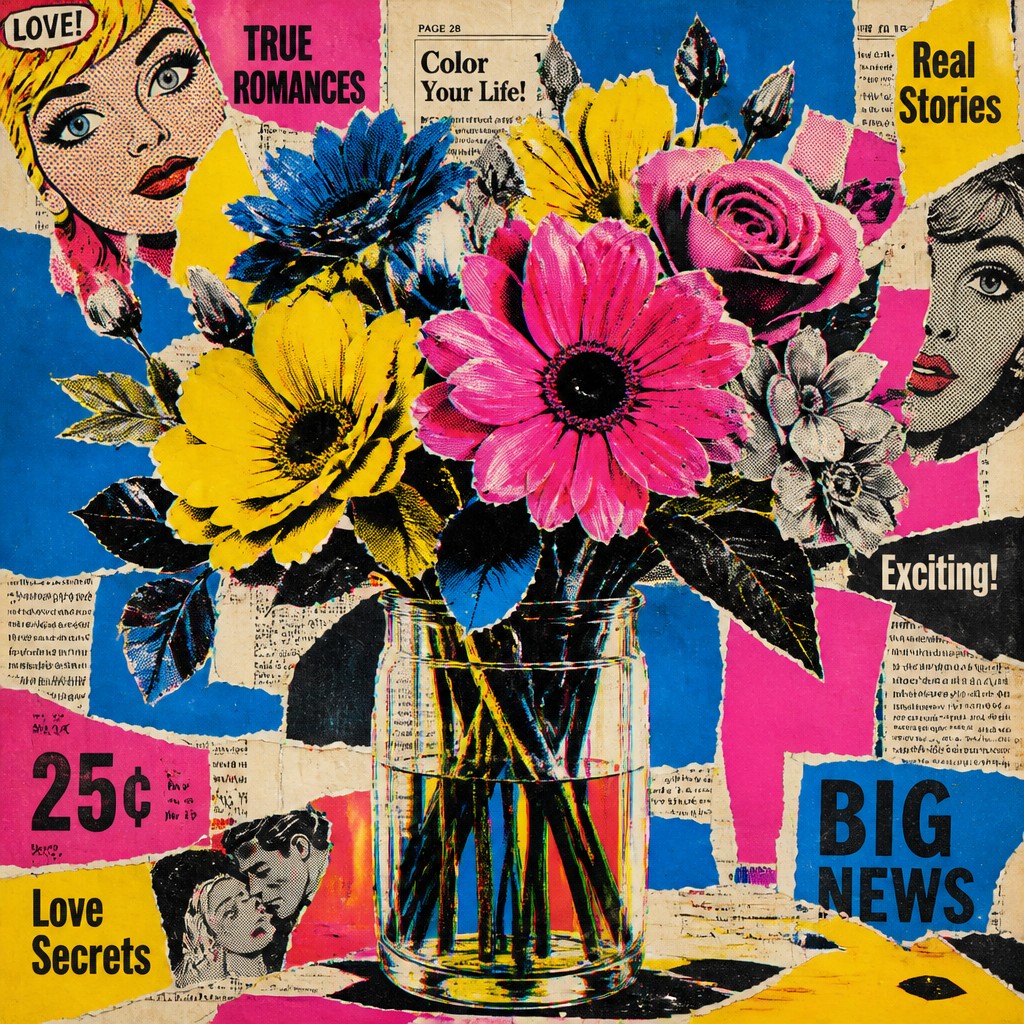
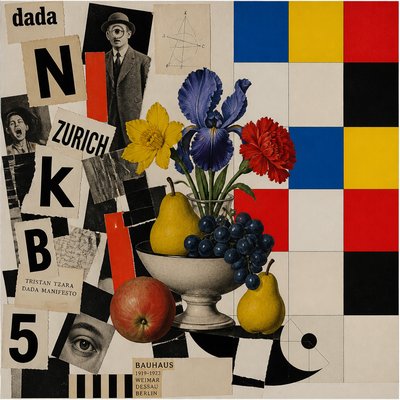
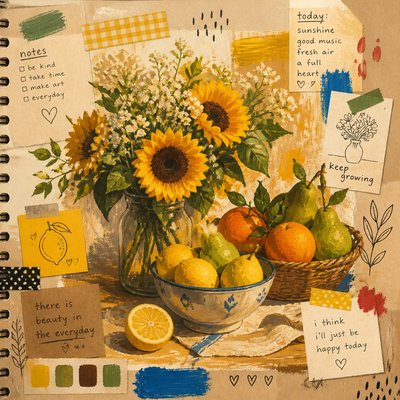
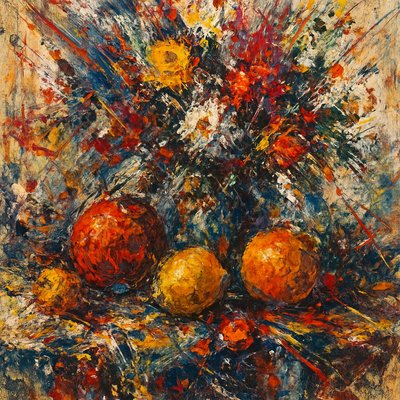
“bouquet of flowers in a glass vase”
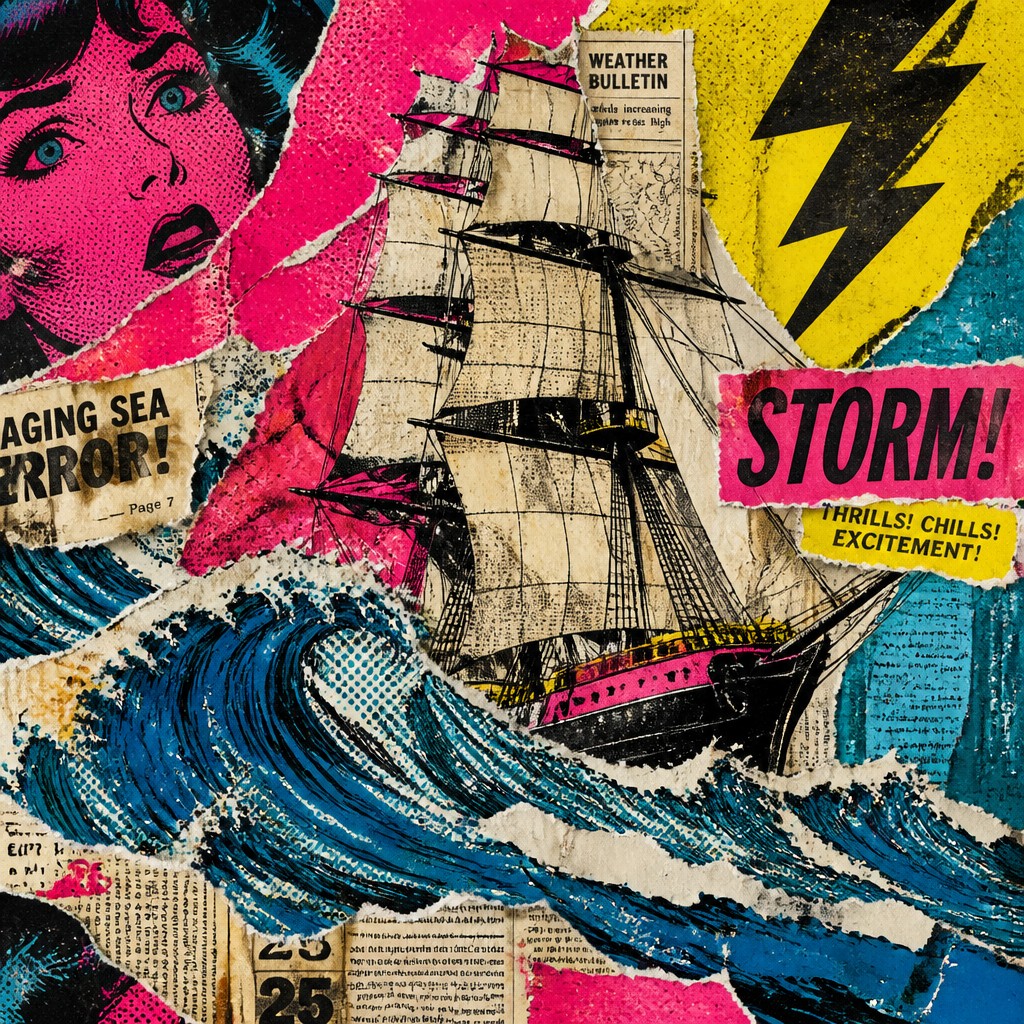
“sailing ship on a stormy sea”
How to Create Collage Pop Art
Master the craft step by step — or skip straight to creating. Read the full guide →
- 1
Start with printed source material
Collect magazines, newspapers, ads, packaging, and old catalogs, then cut or tear fragments that support your subject. Choose images with strong silhouettes, bold typography, and varied texture so the final composition has enough contrast.
- 2
Build with visible layers
Arrange the collage so some pieces are partially hidden and others break the picture plane. Vary scale aggressively: a face, object, or headline can be enlarged beside tiny clippings to create the punchy scale shifts characteristic of the style.
- 3
Use print language deliberately
Add halftone dots, CMYK offsets, and rough paper textures to evoke reproduction rather than clean digital illustration. If working digitally, duplicate layers with slight color shifts or misalignment to simulate printing artifacts.
- 4
Control the color palette
Anchor the work with a few high-impact colors such as electric blue, hot pink, acid yellow, and black. Keep backgrounds simple or newsprint-like so the colored fragments remain visually dominant.
- 5
Compose around tension, not realism
The goal is not seamless perspective but graphic friction. Let edges collide, let text interrupt images, and allow the composition to feel intentionally constructed from visual quotations.
- 6
Prompt with materials and process
For digital or AI-assisted creation, describe the subject plus collage mechanics: torn magazine fragments, layered newsprint, halftone dots, CMYK misregistration, and bold pop colors. Strong prompts specify both the content and the printed-material surface so the result keeps the collage look.
The Story
History & Origins of Collage Pop
Collage pop art draws on several twentieth-century precedents rather than a single historical movement. Its lineage includes Dada photomontage, especially the cut-and-paste methods used by leading Dada collage innovators and a key Dada photomontage provocateur, as well as the collage experiments of Cubism and later Neo-Dada and pop art. From the 1950s and 1960s onward, pop artists expanded the use of commercial imagery, while collage remained a powerful way to quote, remix, and critique mass culture.
The visual language also inherits the mechanics of print advertising and magazine design: halftones, offset printing, overprint, and registration errors. In contemporary use, the style often combines analog paper collage with digital compositing, preserving the handmade irregularity of torn paper while amplifying the bold color and graphic punch associated with pop art and editorial design.
Influences: Collage pop art is related to Dada photomontage, Cubist collage, Neo-Dada assemblage, and the broader Pop Art movement of the 1950s and 1960s. Important historical touchstones include leading Dada photomontage pioneers, a key Dada photomontage provocateur, and a central British pop-art critic and collage innovator, and, in the pop-art sphere, major postwar pop artists for their engagement with mass-media imagery, though the collage approach itself is most directly rooted in photomontage and cut-paper construction.
Frequently Asked Questions
What defines collage pop art?
It combines fragments of printed media into a layered composition that feels assembled rather than painted. The style is defined by torn edges, halftone texture, bold color, and the recombination of commercial imagery into new visual statements.
How is it different from regular pop art?
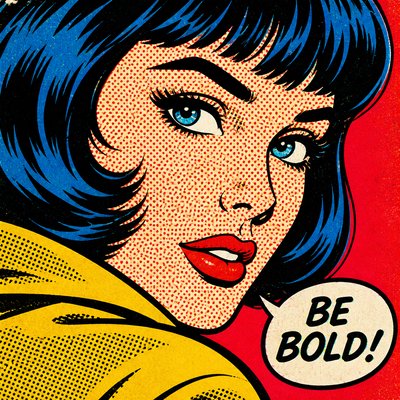
Pop art often uses the imagery and look of advertising, comics, and consumer products, but collage pop art emphasizes the actual process of cutting, tearing, layering, and reassembling those sources. It usually looks more tactile, more fragmented, and more visibly constructed.
Is this the same as photomontage?
It overlaps strongly with photomontage, but collage pop art usually has a more explicit connection to pop color, mass-media design, and the visual language of advertising. Photomontage can be political, surreal, or documentary; collage pop art tends to stress graphic impact and consumer-culture imagery.
What materials are used to make it traditionally?
Artists typically use magazines, newspapers, posters, photographs, glue, scissors or a craft knife, and sometimes acrylic paint or ink. Newsprint, coated paper, and printed ephemera are especially useful because they reproduce the textures associated with the style.
Where is collage pop art commonly used?
It appears in poster design, album art, editorial illustration, zines, fashion graphics, album covers, and contemporary mixed-media art. Its strong contrast and commercial references make it effective wherever a bold, urban, media-saturated look is desired.
Can this style be made digitally?
Yes. Digital collage can closely mimic the look by layering scanned paper textures, cut-out imagery, halftone screens, and color separations. The key is to preserve irregular edges, overlapping fragments, and slight misregistration so the image does not become too clean.
Create your first Collage Pop artwork
Describe anything — or upload a photo — and see it in Collage Pop Art Style in seconds.
Make Something with Collage Pop
Compare Collage Pop
Related Styles
Discover similar art styles