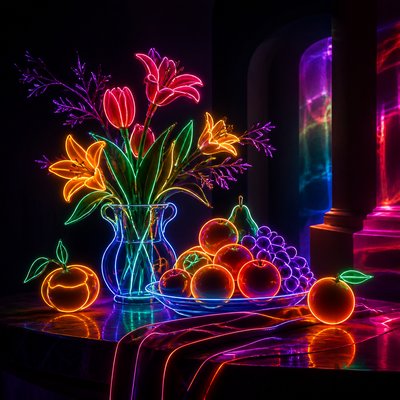
Hyperrealism Art Style
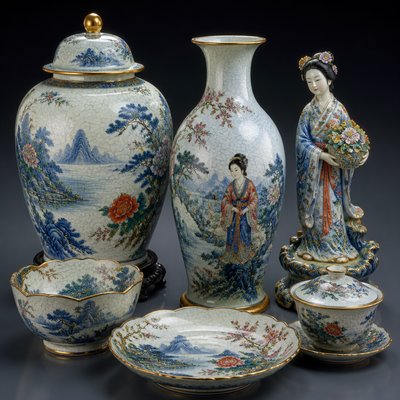
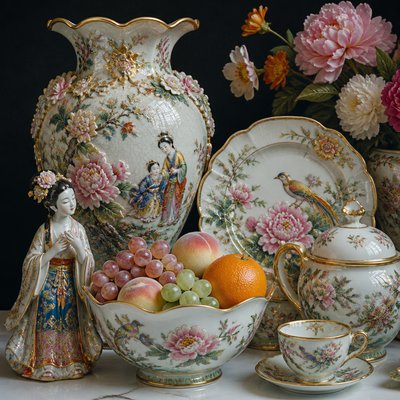
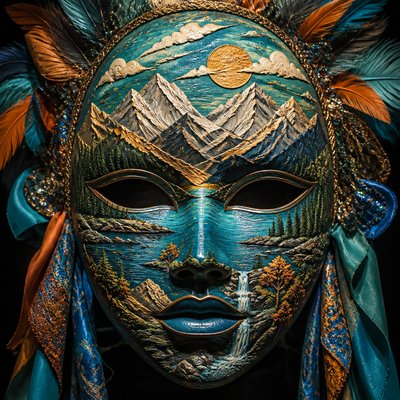
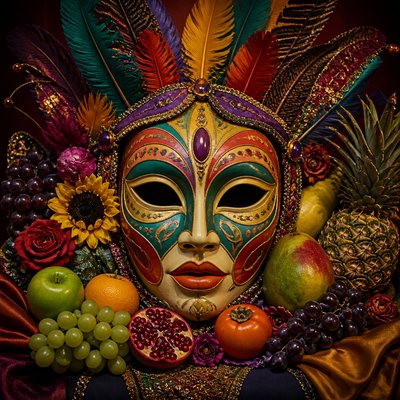
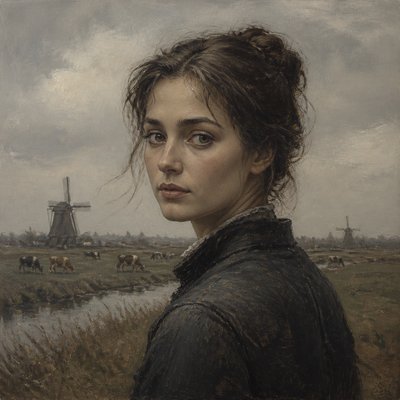
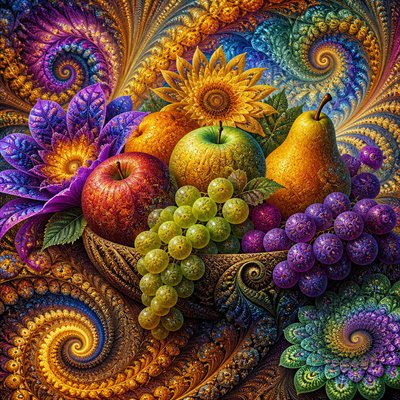
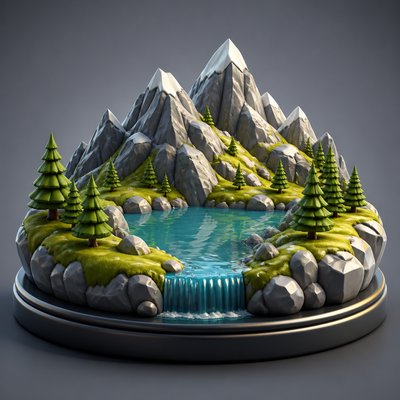
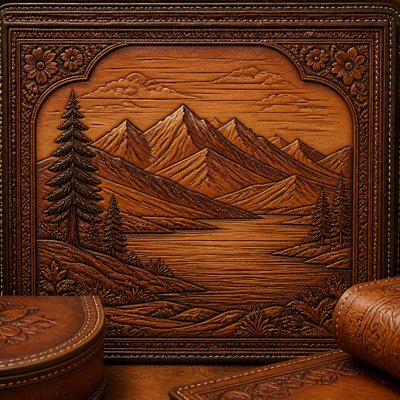
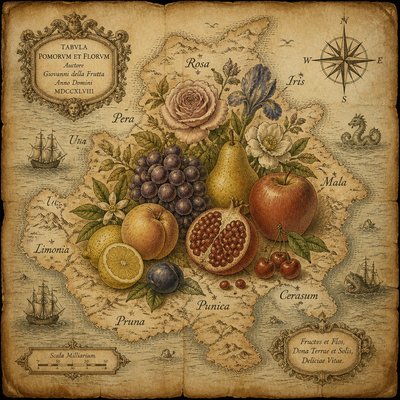
Hyperrealism creates images with extreme detail, razor-sharp realism, and vivid surfaces that appear more precise than photography.
Instantly rendered in Hyperrealism — or transform a photo



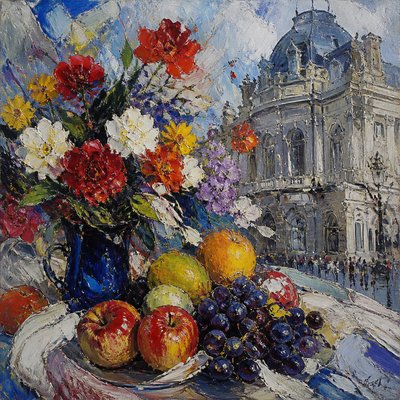
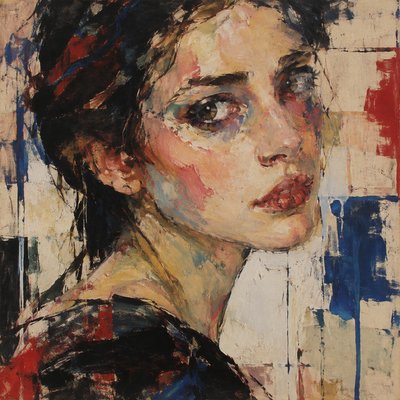
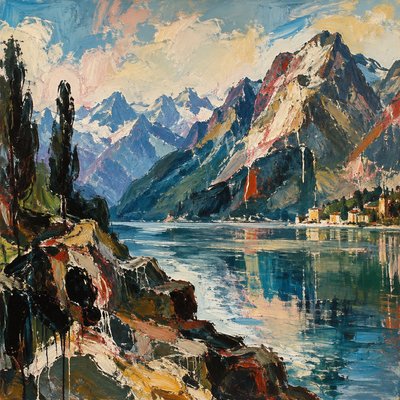
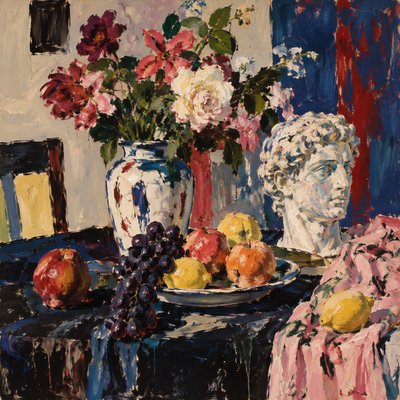
Hyperrealism Gallery
Tap any artwork to explore it








What is Hyperrealism Art Style?
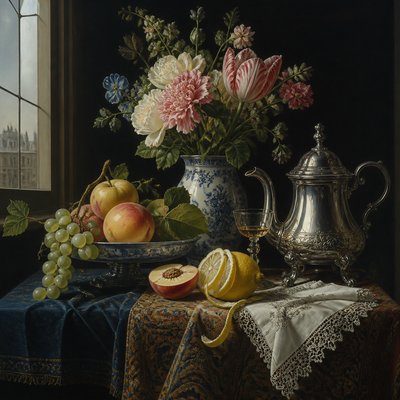
Hyperrealism is an art style devoted to images that look more exacting than direct observation. It extends the visual language of realism and photorealism by emphasizing microscopic detail, impeccable surface description, and optical effects such as reflections, refractions, and skin translucency. The result is an image that can feel almost mechanically recorded while still carrying the deliberate intensity of an artist’s hand.
Its visual identity comes from controlled focus, dense textural fidelity, and a careful rendering of light across materials. Pores, fibers, dust, scratches, condensation, and minute variations in color are often made legible, giving ordinary subjects a heightened physical presence. Hyperrealistic images are convincing not because they merely copy a camera’s output, but because they reconstruct the experience of looking with forensic attention.

Try It On Your Photos
Upload any photo and convert it into Hyperrealism Art Style — drag the sliders to compare before and after.


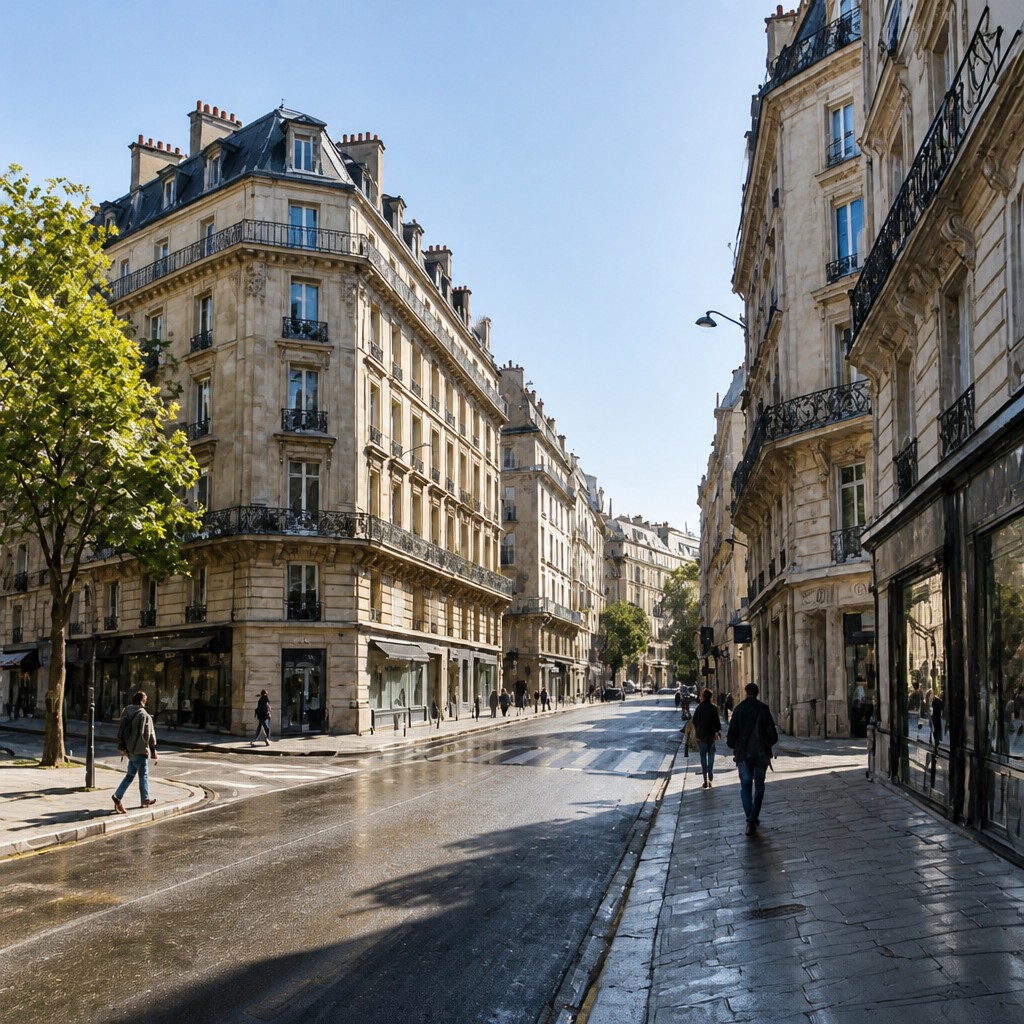

What Defines Hyperrealism Art Style
The signature details, up close
Microscopic surface detail
Hyperrealist images describe pores, hair, fabric weave, scratches, dust, and other small irregularities with unusual clarity. These details are not decorative; they are essential to the style’s sense of physical truth.
Extreme optical precision
Reflections, refractions, shadow edges, and highlights are rendered with close attention to how light behaves in the real world. Glass, metal, skin, water, and polished surfaces are especially important because they reveal the artist’s control of optics.
Forensic realism
The style often feels observational and analytical rather than expressive or painterly. Surfaces are treated as evidence, producing an image that seems to invite close inspection.
Razor-sharp focus
Many hyperrealist works maintain high clarity across the entire image plane, reducing atmospheric blur and selective focus. This all-over sharpness contributes to the sense that every part of the scene matters equally.

Amplified material presence
Objects in hyperrealism often feel heavier, denser, and more tangible than in ordinary life. The style emphasizes the tactile qualities of matter so that the subject appears to occupy real space with authority.

True-to-life color with subtle variation
Color is usually naturalistic, but it is handled with fine tonal shifts and nuanced chromatic differences. These small variations prevent the image from feeling flat or mechanical.
Try It
Create Videos in Hyperrealism Art Style
Styles aren't just for stills — describe a scene or animate an image and get a short video rendered in Hyperrealism. Press play to see this pond come to life.
Make a VideoHyperrealism Prompt Ideas
Start from an idea — each one opens the generator with the style ready to go. See all 40 Hyperrealism prompts →

“close-up portrait of an elderly person with expressive weathered features”

“a cat lounging in a sunlit window”

“bouquet of flowers in a glass vase”
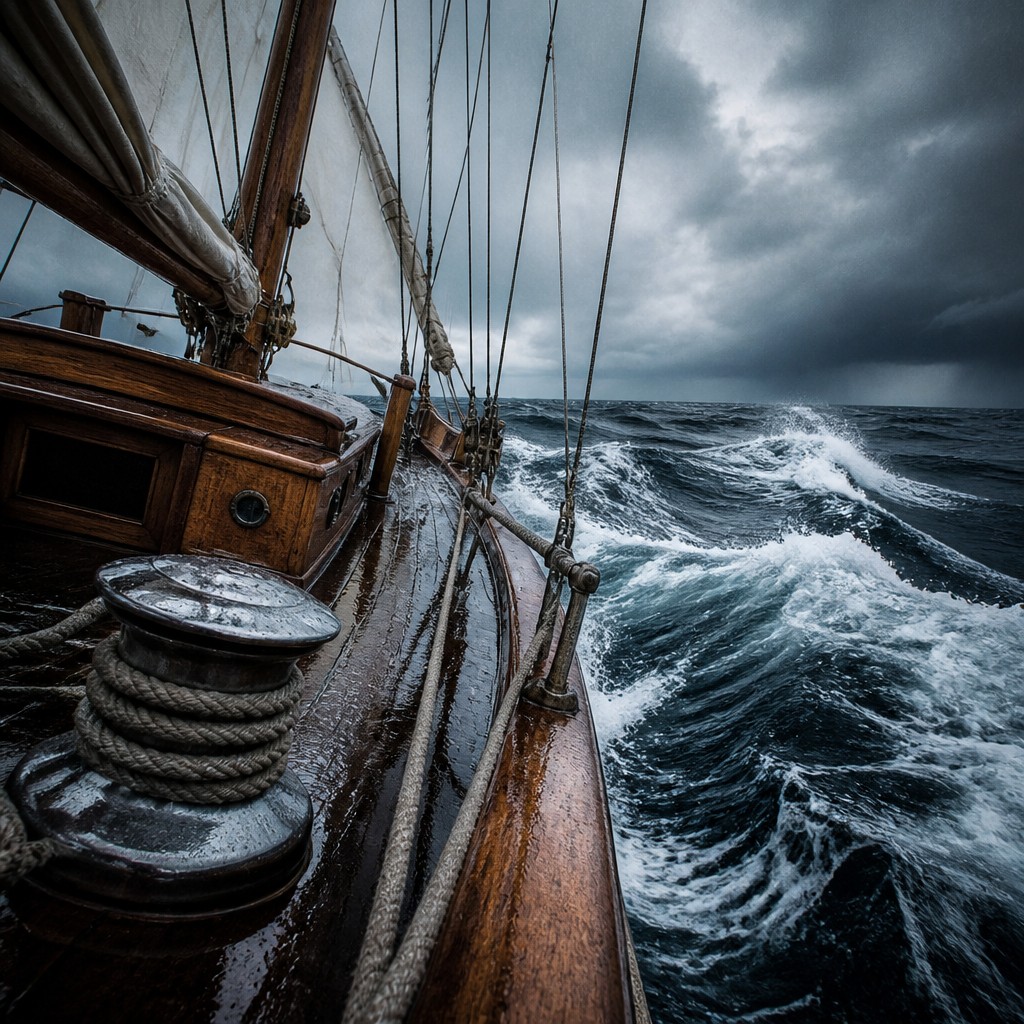
“sailing ship on a stormy sea”
How to Create Hyperrealism Art
Master the craft step by step — or skip straight to creating. Read the full guide →
- 1
Start from strong reference material
Use high-resolution photographs, direct observation, or multiple reference angles so that small surface facts can be reconstructed accurately. In traditional work, many artists build the image through transfer grids, underdrawing, and layered paint; in digital work, precise reference management and careful zoomed-in painting are equally important.
- 2
Build form before detail
Establish correct proportions, value structure, and light logic before adding textures. Hyperrealism depends on a solid underlying structure; if the big forms are inaccurate, the microscopic detail will only make the errors more visible.
- 3
Render materials with specificity
Treat each surface according to its physical behavior: skin scatters light, chrome mirrors its environment, glass refracts, wood shows grain, and textiles absorb and break up highlights. The more accurately you distinguish material properties, the more convincing the final image becomes.
- 4
Control focus and edge hierarchy
Even in highly detailed work, not every edge should be equally sharp in a compositional sense. Use precision strategically to guide attention, while maintaining the style’s characteristic overall clarity and realism.
- 5
Use layered refinement and micro-contrast
Add detail in passes, moving from broad tonal modeling to smaller textures, pores, scratches, and specular accents. In prompt-based generation, specify physically accurate reflections, micro-scratches, fibers, dust, and visible subsurface scattering to encourage the right surface language.
- 6
Aim for material credibility, not mere sharpness
Hyperrealism is not just about increasing resolution; it is about making the image behave like a believable object under light. If using digital or AI methods, prioritize accurate anatomy, reflections, and texture continuity over generic crispness or excessive sharpening.

The Story
History & Origins of Hyperrealism
Hyperrealism emerged in the late 1960s and 1970s as an extension of photorealism and related realist practices in painting and sculpture. Artists working in this direction used photographs and other mechanical references to translate everyday subjects into highly exacting painted or sculpted forms, often with a level of finish that exceeded the visual clarity of the source image. In painting, canonical figures associated with the broader photorealist and hyperrealist tendency include leading American painters of urban reflections, still-life specialists focused on glossy commercial surfaces, and painters known for carefully observed everyday scenes, while in sculpture artists such as major creators of life-size figural realism pushed bodily realism into startling physical presence.
The style developed in dialogue with photography, advertising imagery, industrial surfaces, and the increasingly mediated visual culture of the postwar period. Later digital tools expanded its possibilities, especially for artists and image-makers who could combine observational drawing, 3D modeling, retouching, and high-resolution rendering. Today, hyperrealism also functions as an aesthetic lineage for digital art and AI-generated imagery that seeks to amplify material detail, optical accuracy, and tactile believability beyond ordinary photographic perception.
Influences: Hyperrealism is closely related to photorealism and shares a historical context with the realist turn in late 20th-century painting and sculpture. It also draws on the visual authority of photography, commercial imagery, and still-life traditions, while its attention to reflected surfaces and bodily detail recalls the technical ambition seen in major photorealist and hyperrealist painters such as leading American photorealist painters of reflected urban scenes, specialists in glossy still lifes and commercial display imagery, and prominent sculptors of uncanny life-size bodily realism. In a broader sense, it inherits realism’s long-standing concern with truthful looking, but intensifies that goal through optical precision and material specificity.

Frequently Asked Questions
What defines hyperrealism in art?
Hyperrealism is defined by extreme fidelity to visual detail, especially on surfaces, textures, reflections, and small imperfections. It aims for an image that looks more precise and materially intense than ordinary photography. The style often creates a heightened sense of presence rather than a neutral copy of reality.
How is hyperrealism different from photorealism?
Photorealism traditionally focuses on faithfully reproducing a photograph’s appearance, including its framing and camera-like qualities. Hyperrealism usually goes further by increasing tactile detail, optical clarity, and surface intensity so the image can feel more vivid than the source image. In practice, the two often overlap, but hyperrealism tends to emphasize sensory and material amplification.
What subjects work best in hyperrealism?
Subjects with interesting surfaces are especially effective: skin, glass, chrome, water, food, jewelry, fabrics, machinery, and reflective objects. Portraits and still lifes are common because they offer opportunities to show pores, hair, condensation, scratches, and subtle color shifts. Everyday objects often become compelling when rendered with this level of scrutiny.
Is hyperrealism only a painting style?
No. Hyperrealism exists in painting, drawing, sculpture, digital art, and photographic image-making. Sculpture in particular became important in the style’s development because artists could create startling physical illusions in human-scale forms. Digital methods have since expanded the style’s reach without changing its core visual priorities.
What techniques help create a hyperrealistic look?
Careful reference, accurate proportions, layered shading, and material-specific rendering are essential. Artists also need to pay close attention to highlights, reflections, edge quality, and micro-textures such as pores or fibers. In digital or prompt-based work, the key is to describe light behavior and surface detail explicitly rather than asking only for realism.
Where is hyperrealism used today?
Hyperrealism is common in contemporary painting, illustration, product visualization, concept art, advertising imagery, and digital portrait work. Its clarity and material precision also make it useful for editorial, commercial, and experimental image-making. The style remains popular because it transforms familiar subjects into visually dense, immersive images.

Create your first Hyperrealism artwork
Describe anything — or upload a photo — and see it in Hyperrealism Art Style in seconds.
Make Something with Hyperrealism
Related Styles
Discover similar art styles