Hyperrealism Art Style
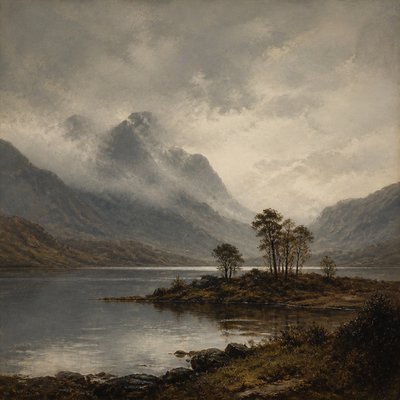
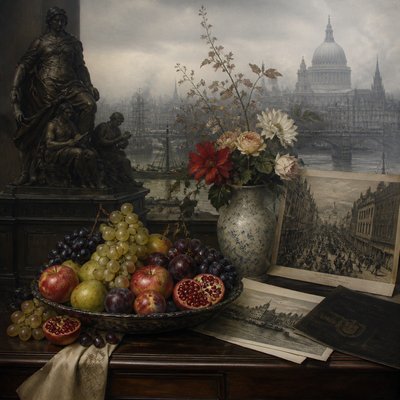
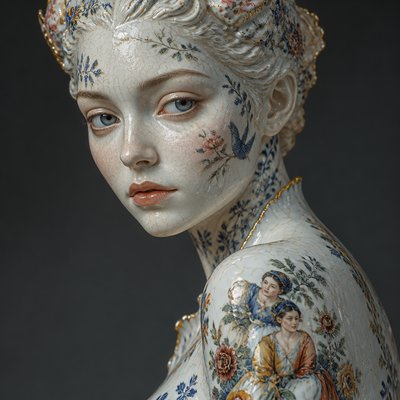
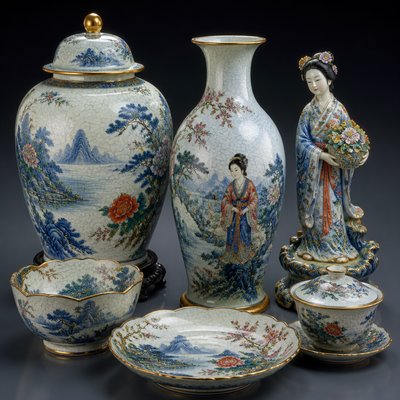
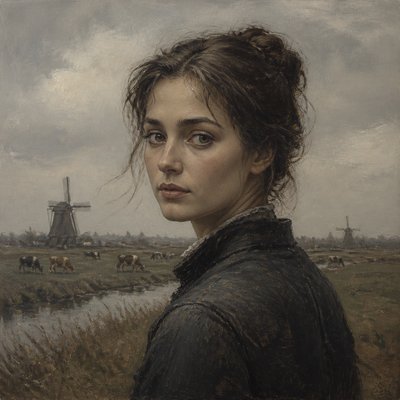
Hyperrealism renders subjects with extreme detail, clarity, and lifelike precision, often beyond what photography records.
Instantly rendered in Hyperrealism — or transform a photo


Hyperrealism Gallery
Tap any artwork to explore it






What is Hyperrealism Art Style?
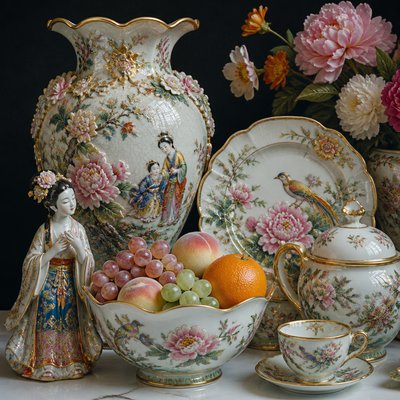
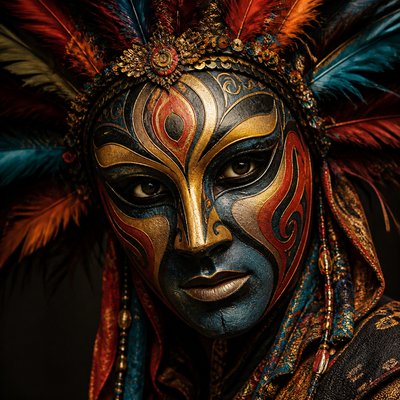
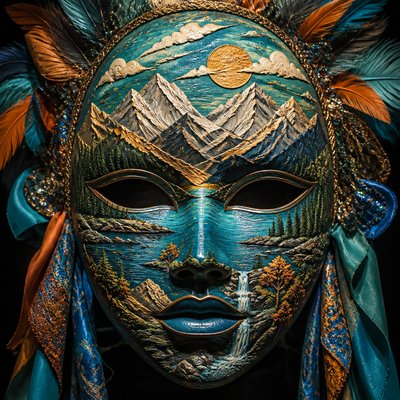
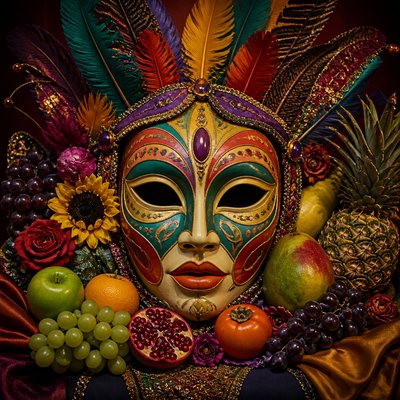
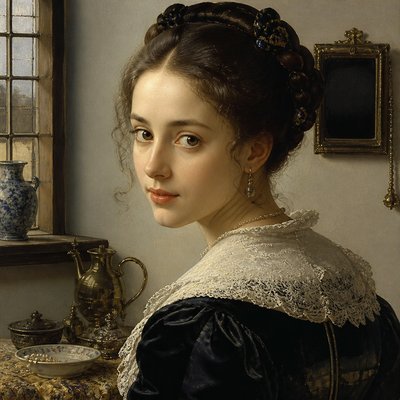
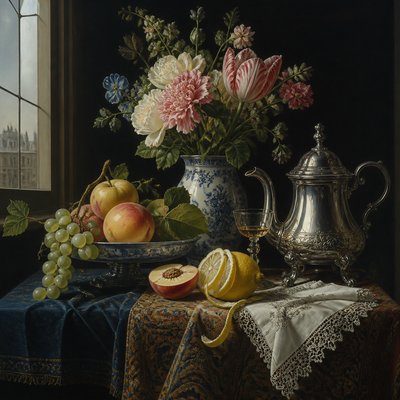
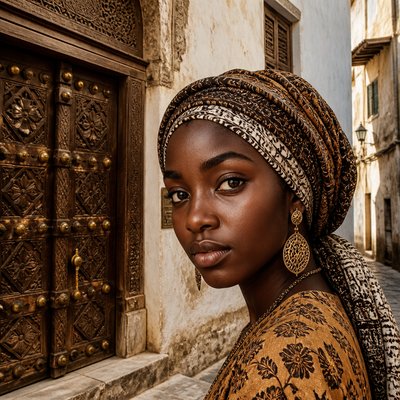
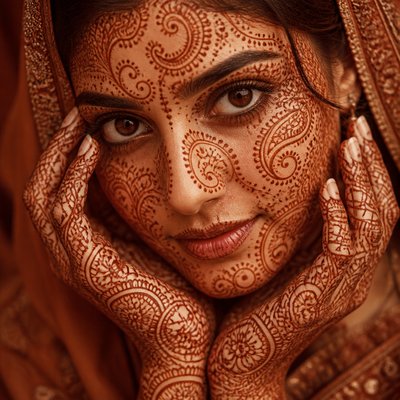
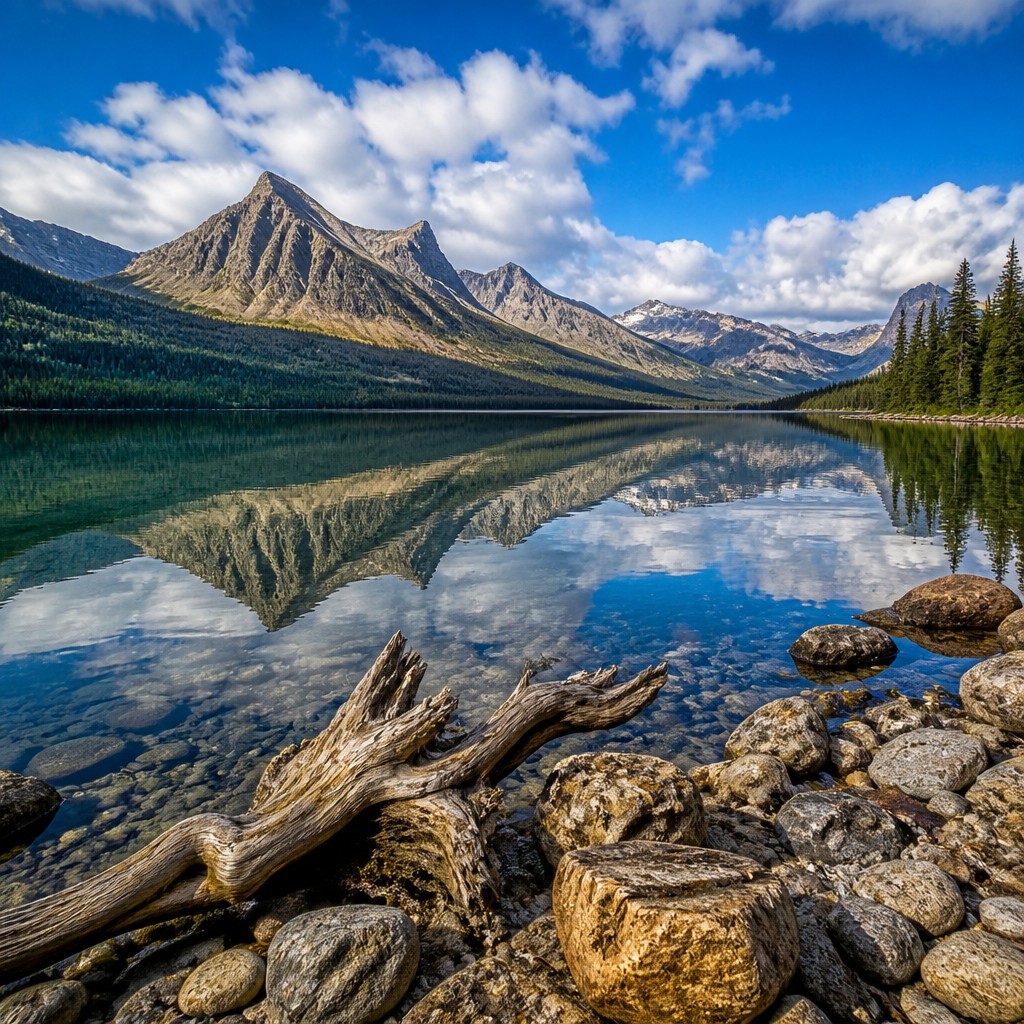
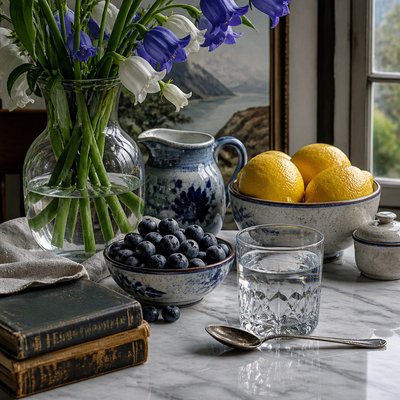
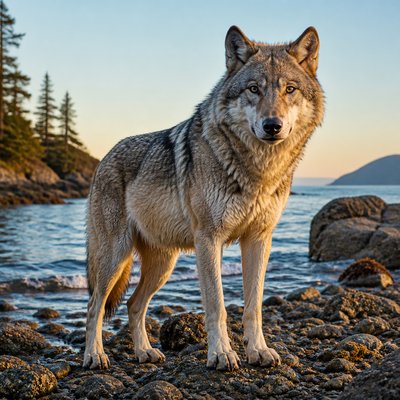
Hyperrealism is an approach to image-making that aims for an intensified form of realism: not merely believable likeness, but a surface-by-surface reconstruction of visible reality with extraordinary precision. Skin pores, fabric weave, glass reflections, metal highlights, dust, scratches, and subtle color shifts are all rendered with such exactness that the image can appear sharper, cleaner, and more detailed than a photograph.
Its visual identity comes from meticulous observation and controlled technique. Artists working in this mode often eliminate loose brushwork, expressive distortion, and visible shorthand in favor of exact edges, carefully modulated shadows, and precise tonal transitions. The result is an image that feels optically resolved and materially present, as if every object could be touched, measured, and examined under perfect light.

Try It On Your Photos
Upload any photo and convert it into Hyperrealism Art Style — drag the sliders to compare before and after.


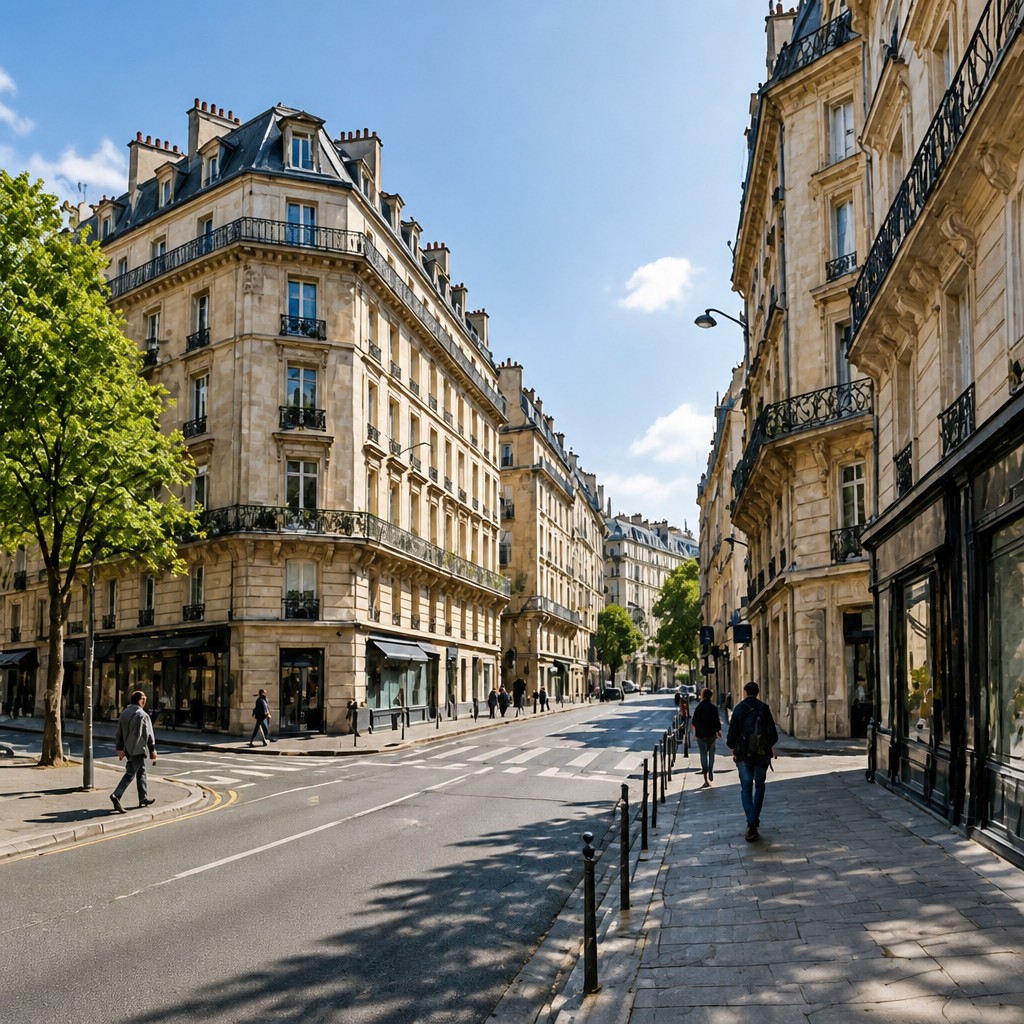

What Defines Hyperrealism Art Style
The signature details, up close
Extreme surface detail
Every visible material is described with specificity: skin texture, hair strands, fabric fibers, dust, pores, and micro-scratches. This level of finish is central to the style's convincing physical presence.
Crisp focus and clarity
Hyperrealist images typically avoid soft transitions unless they are physically justified by depth of field or atmospheric conditions. The entire image often reads with optical sharpness from foreground to background.
Precise light behavior
Reflections, refractions, specular highlights, cast shadows, and translucent effects are rendered carefully to match how light behaves on different materials. This realism of lighting is a major source of the style's realism.
Controlled tonal gradation
The style relies on subtle shifts in value and color rather than broad painterly strokes. Smooth transitions and exact local color help objects appear three-dimensional and physically convincing.

Tactile material specificity
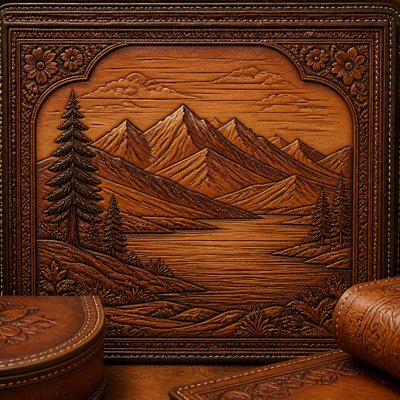
Different surfaces are distinguished by their exact visual texture: polished chrome looks unlike wet glass, which looks unlike skin, leather, or stone. The viewer can often infer texture almost as if by touch.
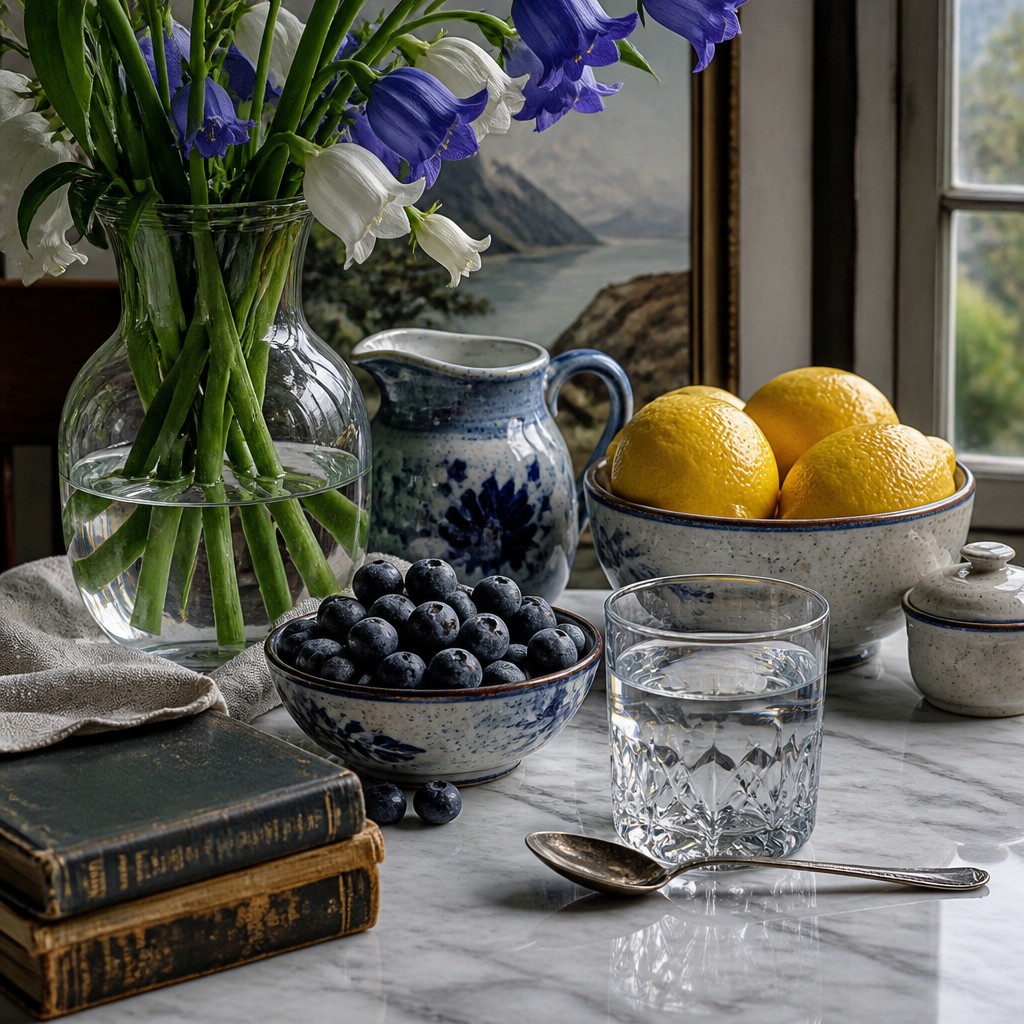
Elevated realism
Hyperrealism does not simply copy a photograph; it often heightens legibility and detail beyond the limitations of a camera or casual viewing. The image can feel more visually complete than everyday sight.
Try It
Create Videos in Hyperrealism Art Style
Styles aren't just for stills — describe a scene or animate an image and get a short video rendered in Hyperrealism. Press play to see this pond come to life.
Make a VideoHyperrealism Prompt Ideas
Start from an idea — each one opens the generator with the style ready to go. See all 40 Hyperrealism prompts →

“close-up portrait of an elderly person with expressive weathered features”
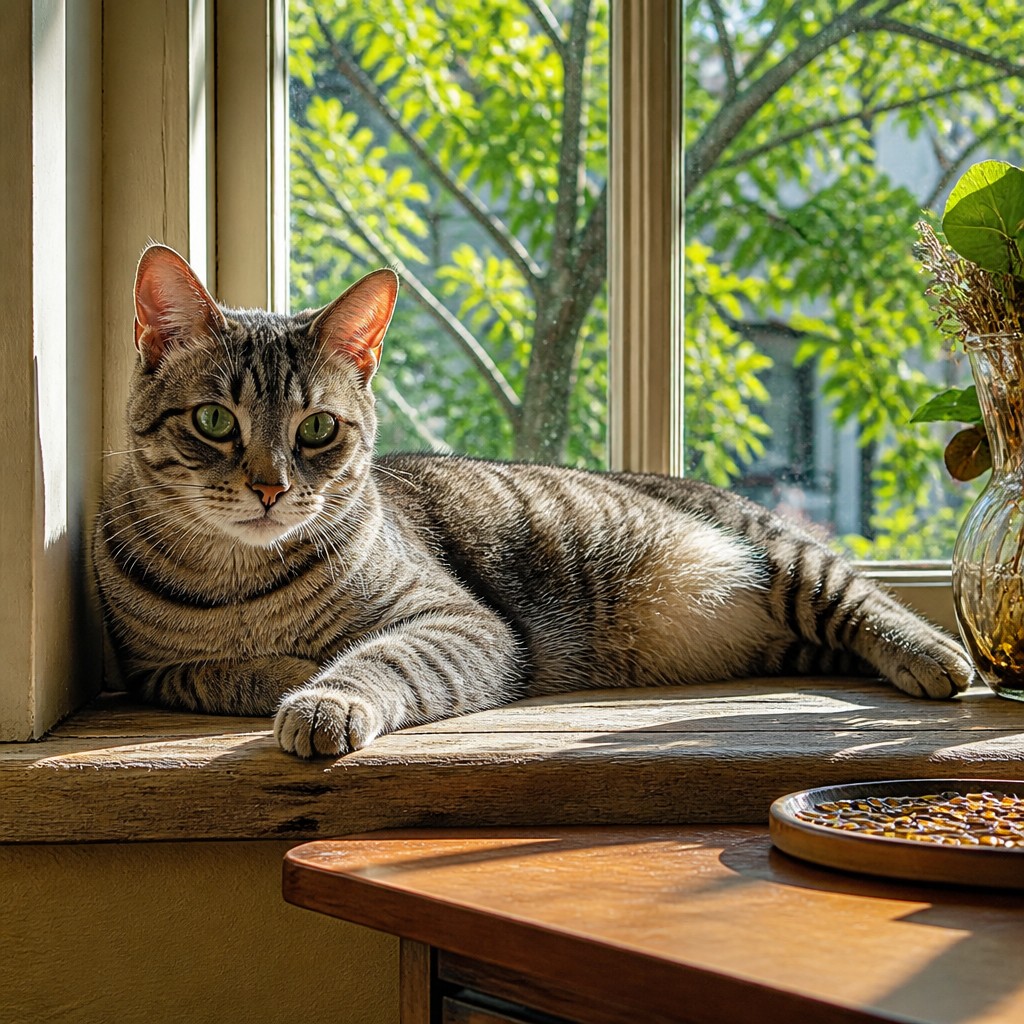
“a cat lounging in a sunlit window”

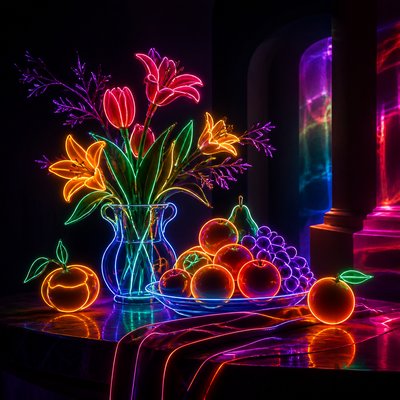
“bouquet of flowers in a glass vase”

“sailing ship on a stormy sea”
How to Create Hyperrealism Art
Master the craft step by step — or skip straight to creating. Read the full guide →
- 1
Work from strong source references
Use high-resolution reference images and study them closely for value ranges, edges, and material behavior. In traditional work, grid transfer, projection, or careful measuring can help preserve proportion and anatomy.
- 2
Build detail in layers
Start with accurate underdrawing or blocking-in, then refine forms gradually from large shapes to micro-textures. In painting or drawing, layered glazing, controlled blending, or repeated passes help create the polished finish associated with the style.
- 3
Render materials differently
Do not treat all surfaces the same way: skin should not be handled like metal, and glass should not be handled like cloth. Observe how each material reflects light, absorbs color, and breaks edges before adding detail.
- 4
Preserve edge control and tonal discipline
Keep contours sharp where form turns abruptly and soften them only where nature would blur them. Careful management of contrast and transitions is essential for the crisp, optical look.
- 5
For digital work, use high-resolution canvases and fine-detail brushes
Zoom in for precision, but regularly check the whole image to maintain consistency and avoid overworking isolated areas. Texture overlays, custom brush sets, and controlled layer effects can support realistic surface rendering without making the image look artificial.
- 6
For prompt-based generation, specify microscopic detail and material accuracy
Describe the subject, lighting, and surface qualities clearly, and ask for sharp focus, accurate reflections, and exhaustive texture. Strong prompts often include precise material language, realistic illumination, and the absence of painterly simplification.
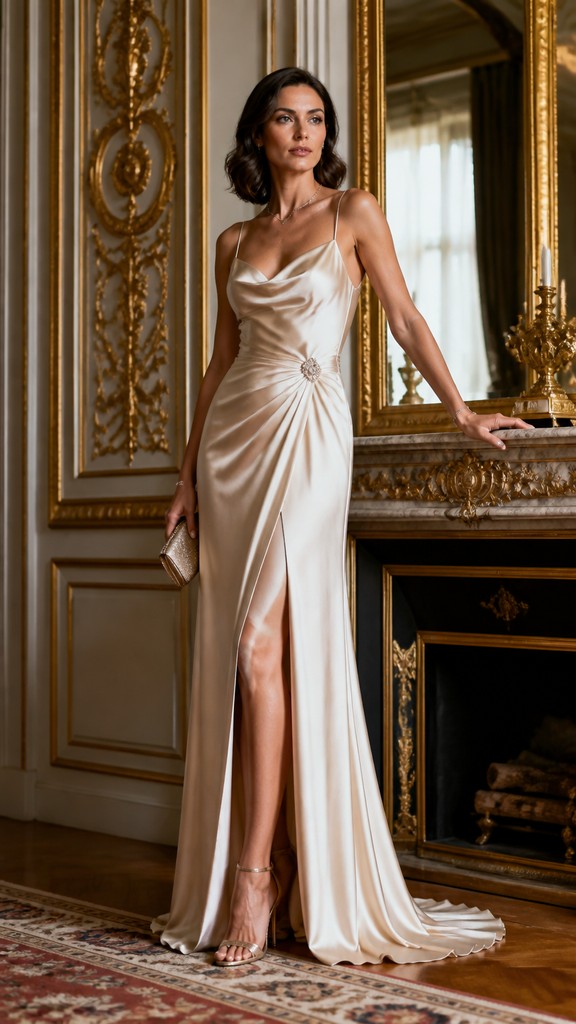
The Story
History & Origins of Hyperrealism
Hyperrealism developed in the late 20th century from photorealism, a movement that emerged in the United States in the late 1960s and early 1970s. Photorealists such as several leading practitioners of the movement used photographs as source material and translated them into paintings or drawings with exceptional accuracy. Hyperrealism extends that tradition, often pushing beyond the source image by heightening clarity, deepening tactile detail, and emphasizing textures and reflections that feel more exact than the original reference.
The style also draws on older traditions of illusionistic realism, including the precise rendering found in Renaissance and Baroque painting, still-life painting, and academic portraiture. In contemporary practice, it appears across painting, pencil drawing, sculpture, and digital image-making, where high-resolution tools and controlled rendering methods make it easier to sustain extreme detail over the full surface of an image.
Influences: Hyperrealism is closely related to photorealism and shares its reliance on photographic reference, but it tends to emphasize heightened clarity, tactile precision, and optical exactitude. Its lineage also includes the meticulous realism of Renaissance and Baroque painting, as well as the careful observation found in still-life and portrait traditions. Among canonical photorealists, several leading practitioners of the movement are especially important references.

Frequently Asked Questions
What defines hyperrealism?
Hyperrealism is defined by extreme visual precision, especially in texture, light, and surface detail. The goal is not only to look realistic, but to appear more resolved and detailed than ordinary vision or a standard photograph.
How is hyperrealism different from photorealism?
Photorealism aims to reproduce a photograph with high fidelity, while hyperrealism often intensifies detail, clarity, and tactile presence beyond the photo source. In practice, hyperrealism may feel smoother, sharper, and more physically immediate than photorealism.
Is hyperrealism the same as realism?
No. Realism is a broad category for art that represents subjects truthfully and without idealization, while hyperrealism is a more specific and technical approach focused on exceptional detail and optical precision. A realistic painting can still be loose or painterly; a hyperrealist one usually is not.
What subjects work best in hyperrealism?
Portraits, still lifes, metallic objects, glass, water, skin, animals, and close-up natural forms are especially effective because they reward fine surface rendering. Subjects with strong reflections or complex textures often show the style's strengths most clearly.
What tools do artists use to make hyperrealist work?
Traditional artists often use graphite, colored pencil, oil paint, acrylic, airbrush, or mixed media, along with careful measuring and layering techniques. Digital artists use high-resolution canvases, detailed brushwork, texture control, and reference-based rendering to achieve a similar effect.
Where is hyperrealism used today?
It appears in fine art, illustration, portrait commissions, concept art, editorial imagery, and digital image-making. It is also popular for product rendering, luxury branding, and highly detailed character or object studies.

Create your first Hyperrealism artwork
Describe anything — or upload a photo — and see it in Hyperrealism Art Style in seconds.
Make Something with Hyperrealism
Compare Hyperrealism
Related Styles
Discover similar art styles