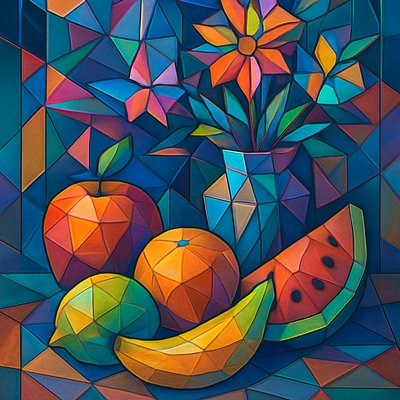
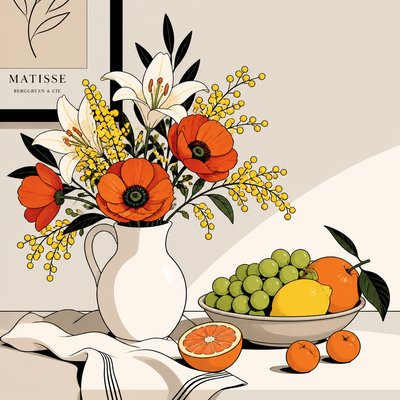
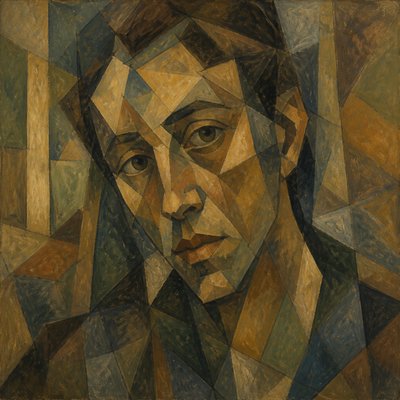
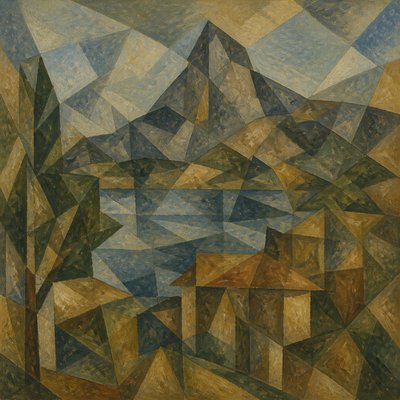
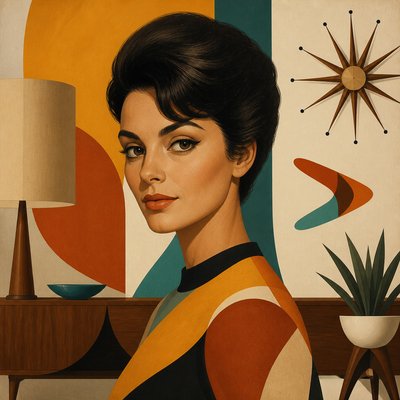
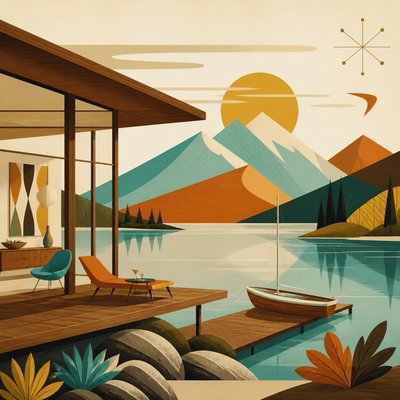
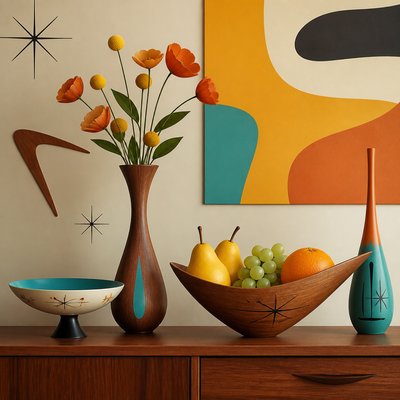
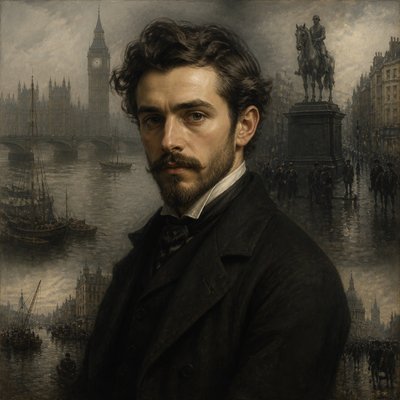
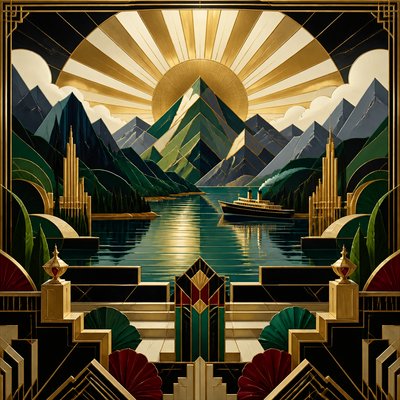
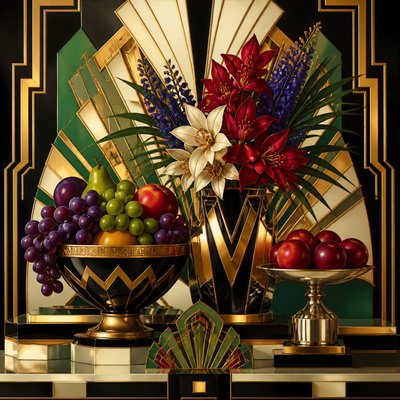
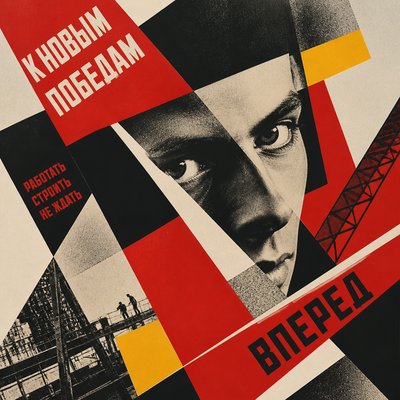
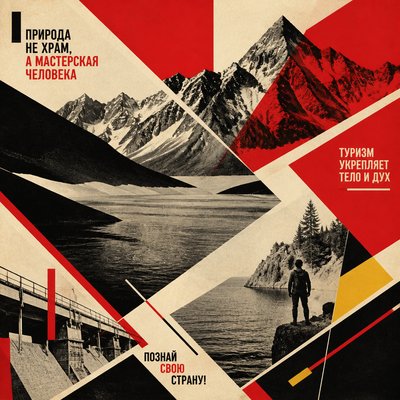
Post-Internet Contemporary Art Style
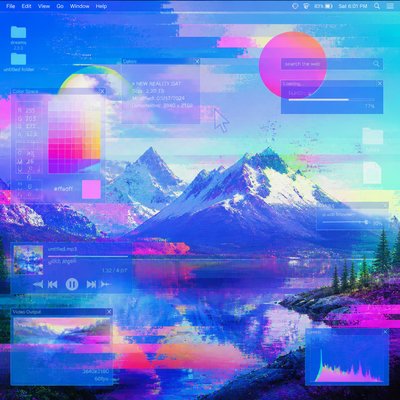
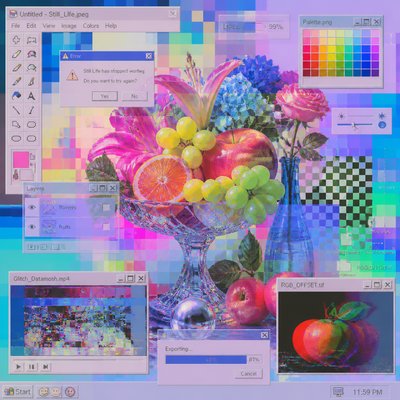
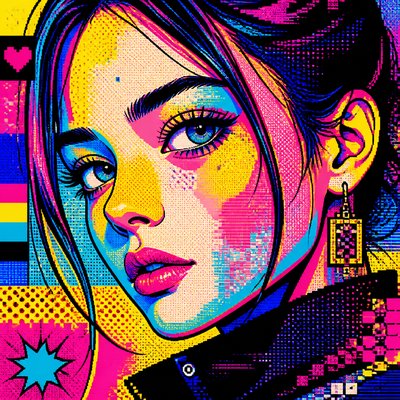
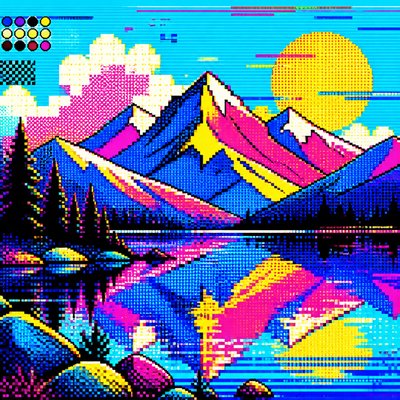
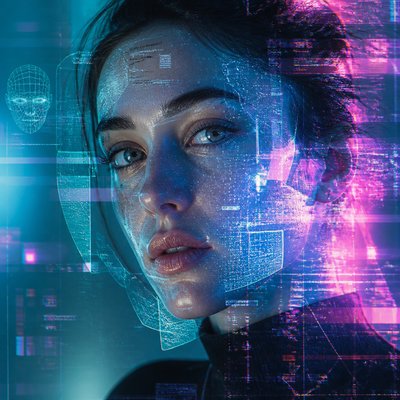
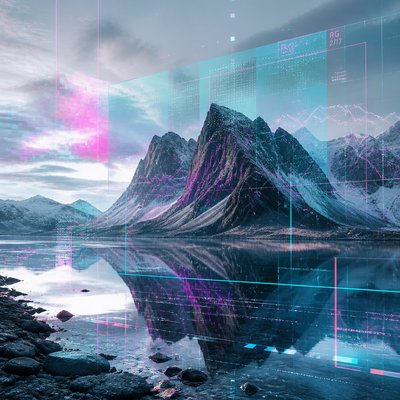
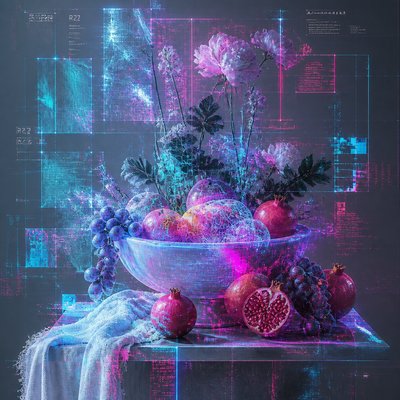
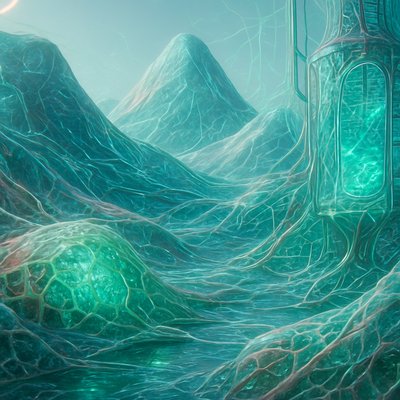
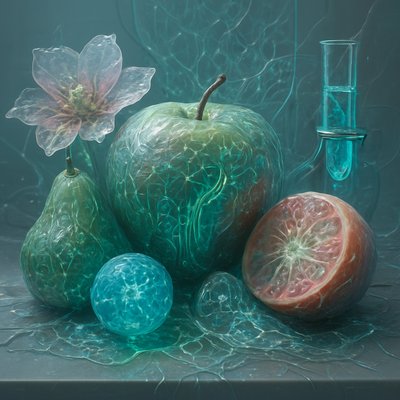
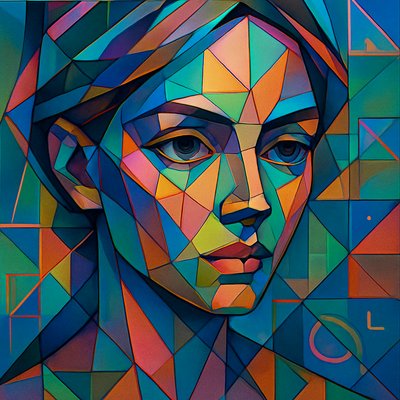
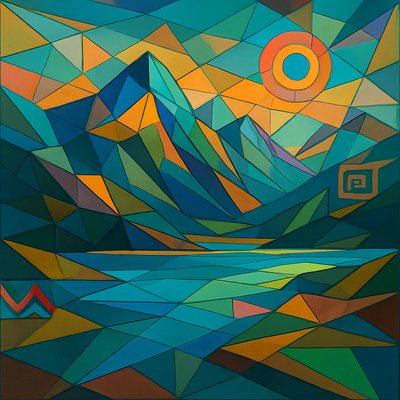
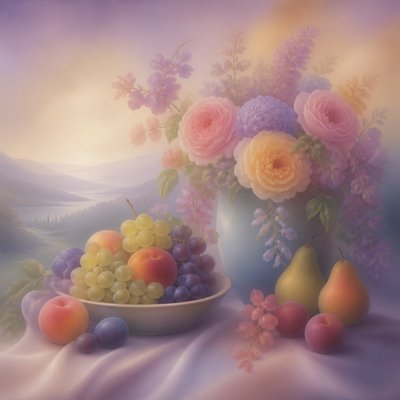
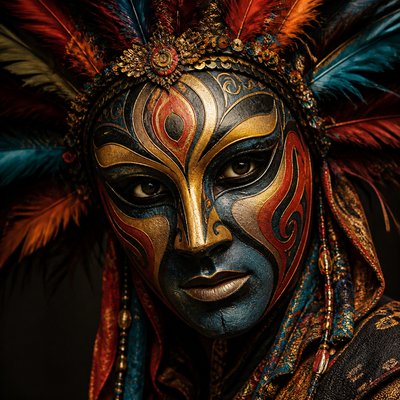
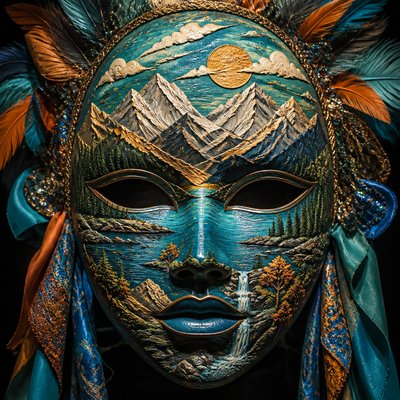
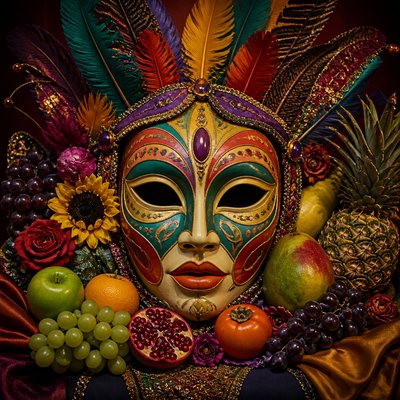
A style shaped by internet culture: glossy digital surfaces, glitch textures, vaporwave tones, and the uneasy blend of online and offline life.
Instantly rendered in Post-Internet Contemporary — or transform a photo
Post-Internet Contemporary Gallery
Tap any artwork to explore it
What is Post-Internet Contemporary Art Style?
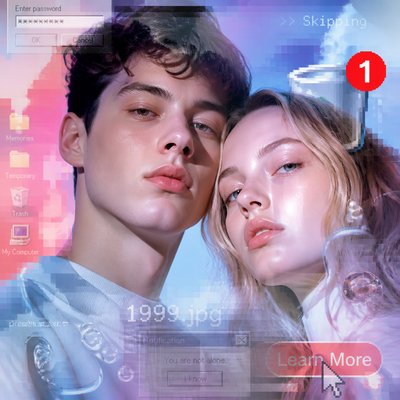
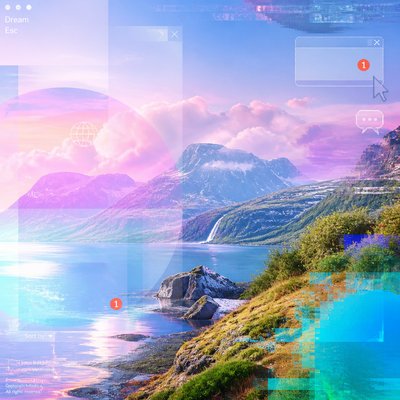
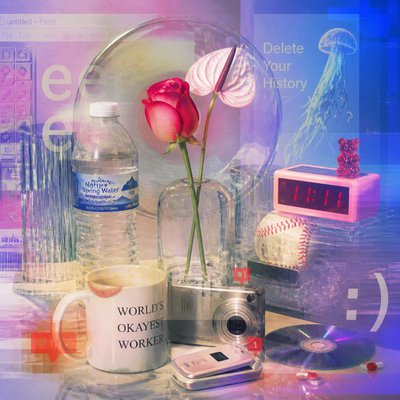
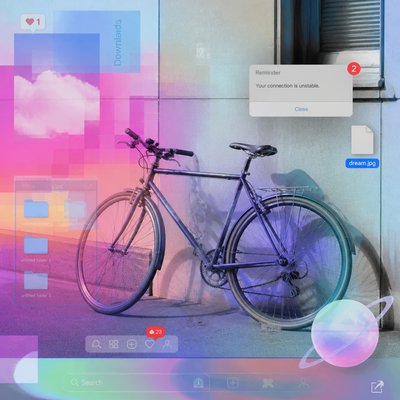
Post-Internet Contemporary Art Style describes an aesthetic shaped by the conditions of life after the internet became pervasive. It does not simply depict screens, devices, or cyberspace; instead, it treats networked media, platform language, and digital image habits as part of everyday visual reality. The result is an art language where the online and offline worlds are no longer separate, but continually bleed into one another.
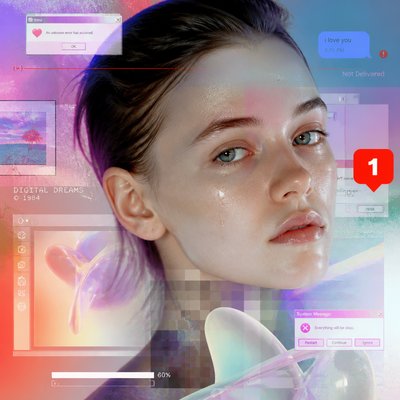
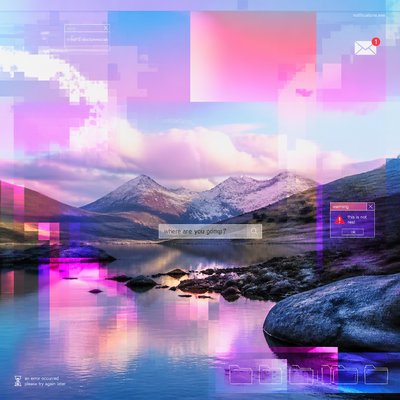
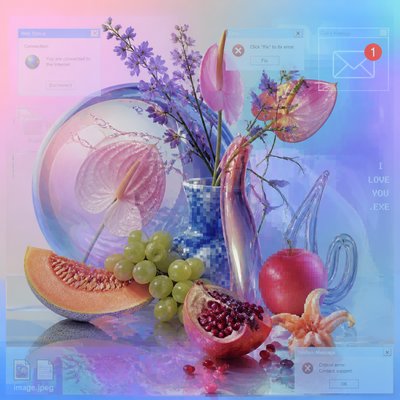
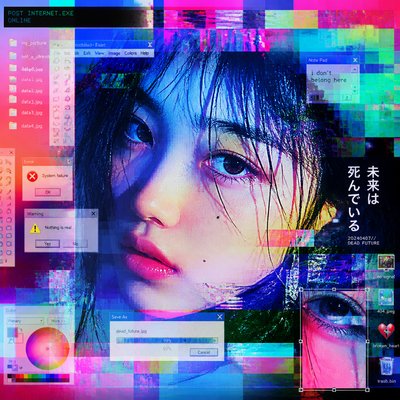
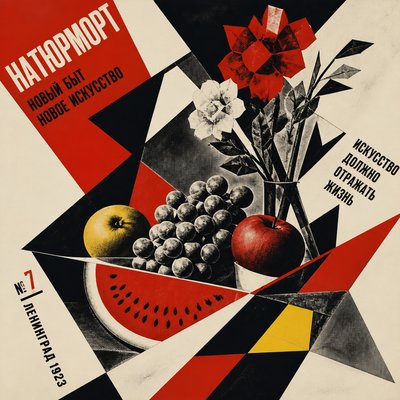
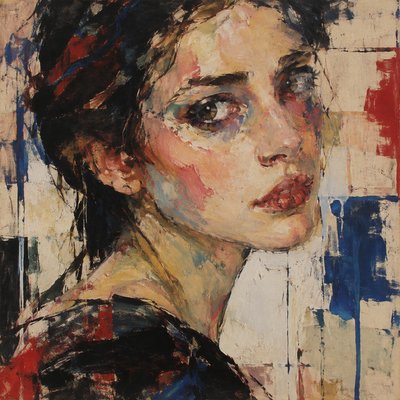
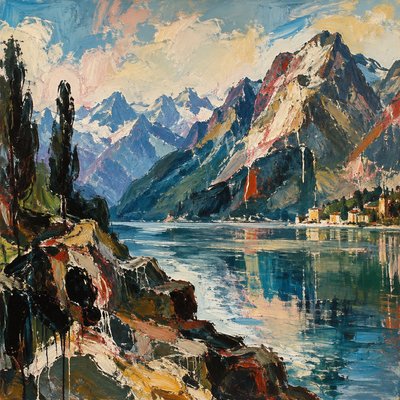
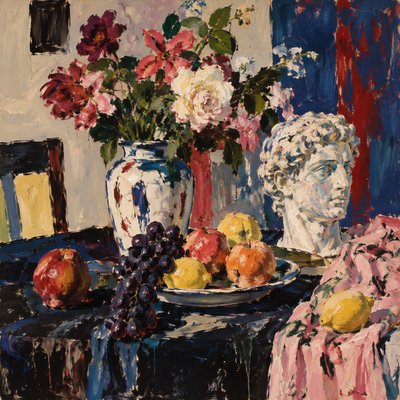
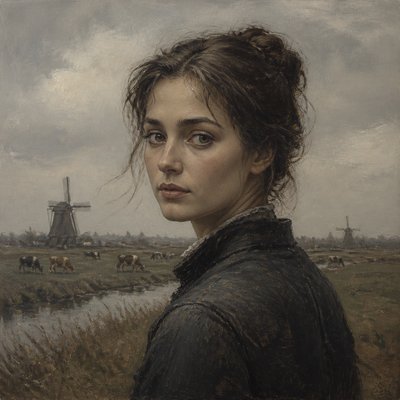
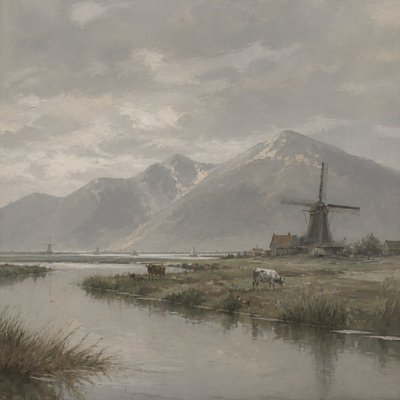
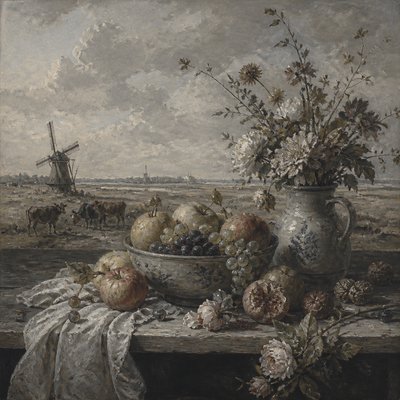
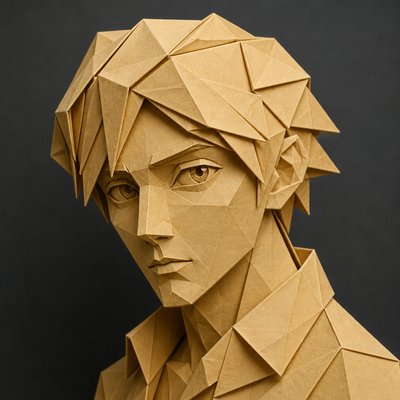
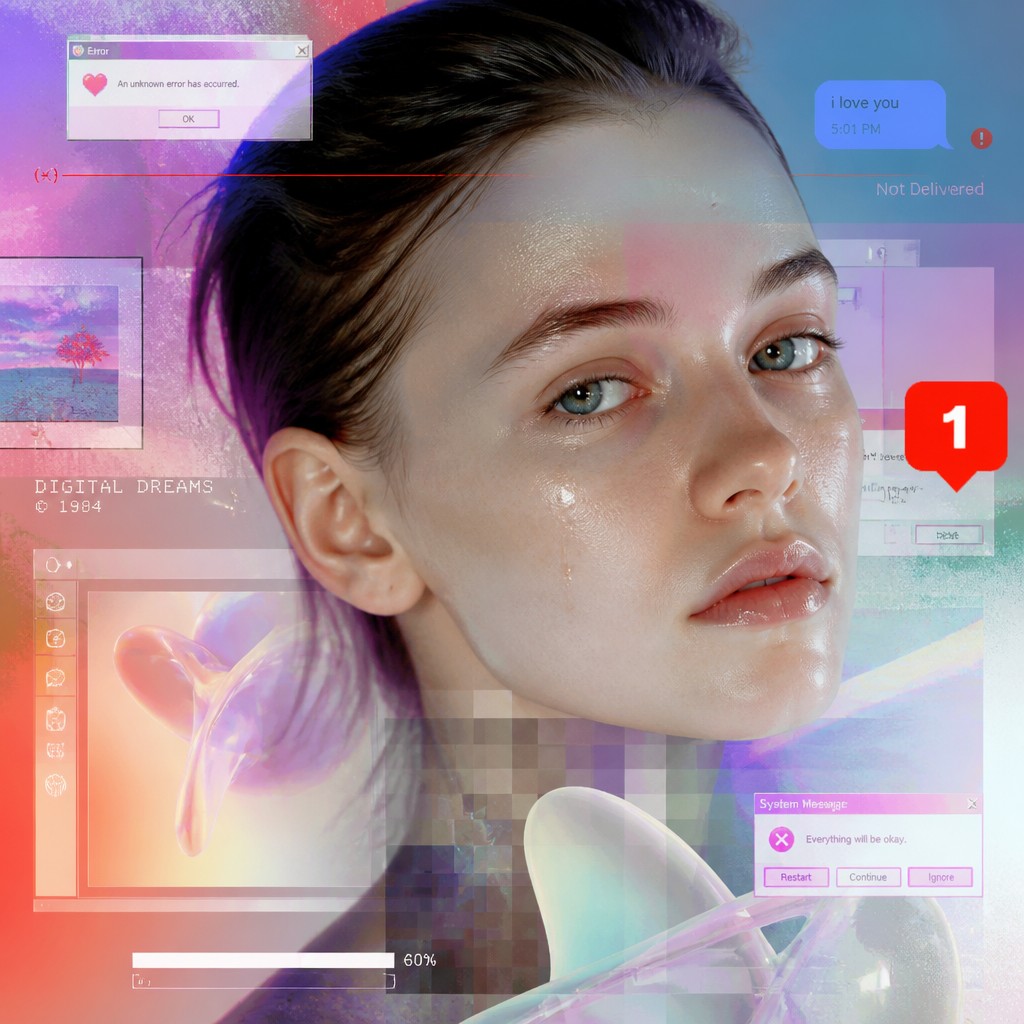
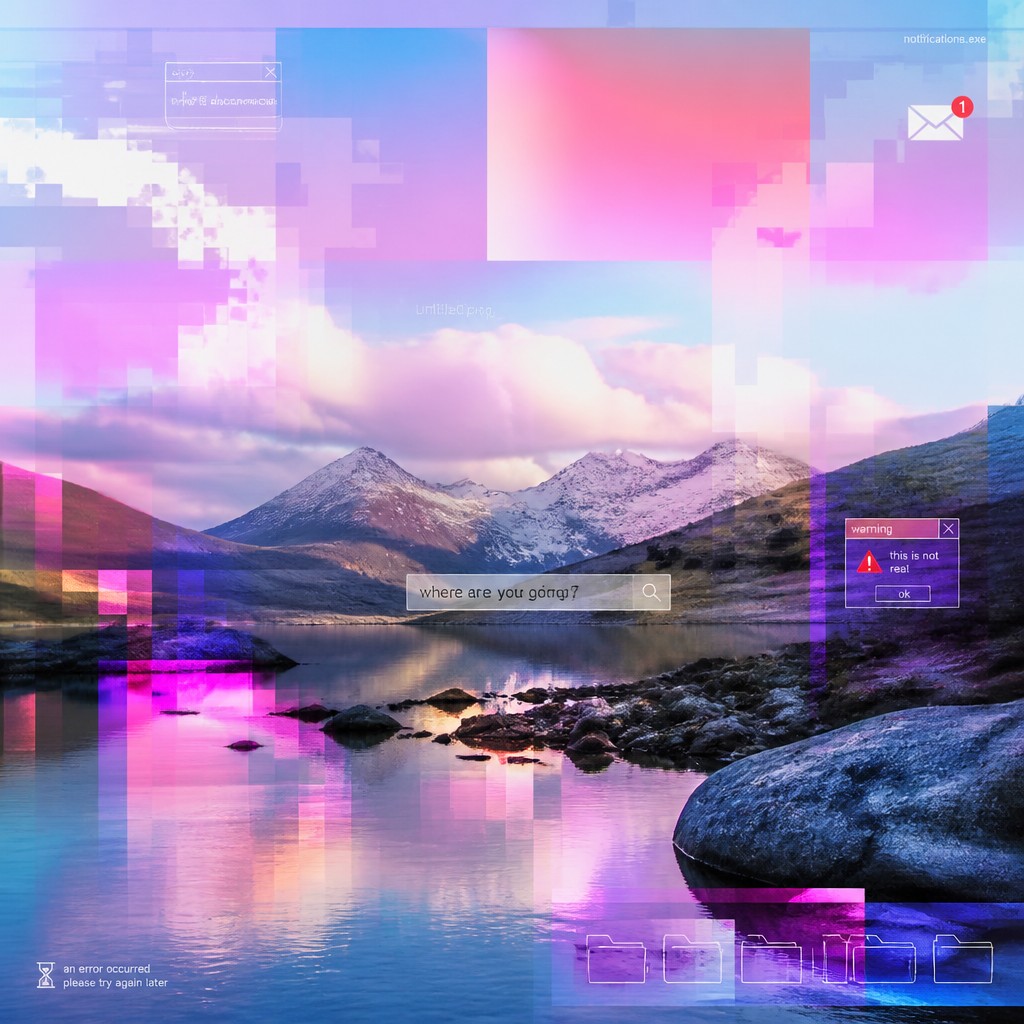
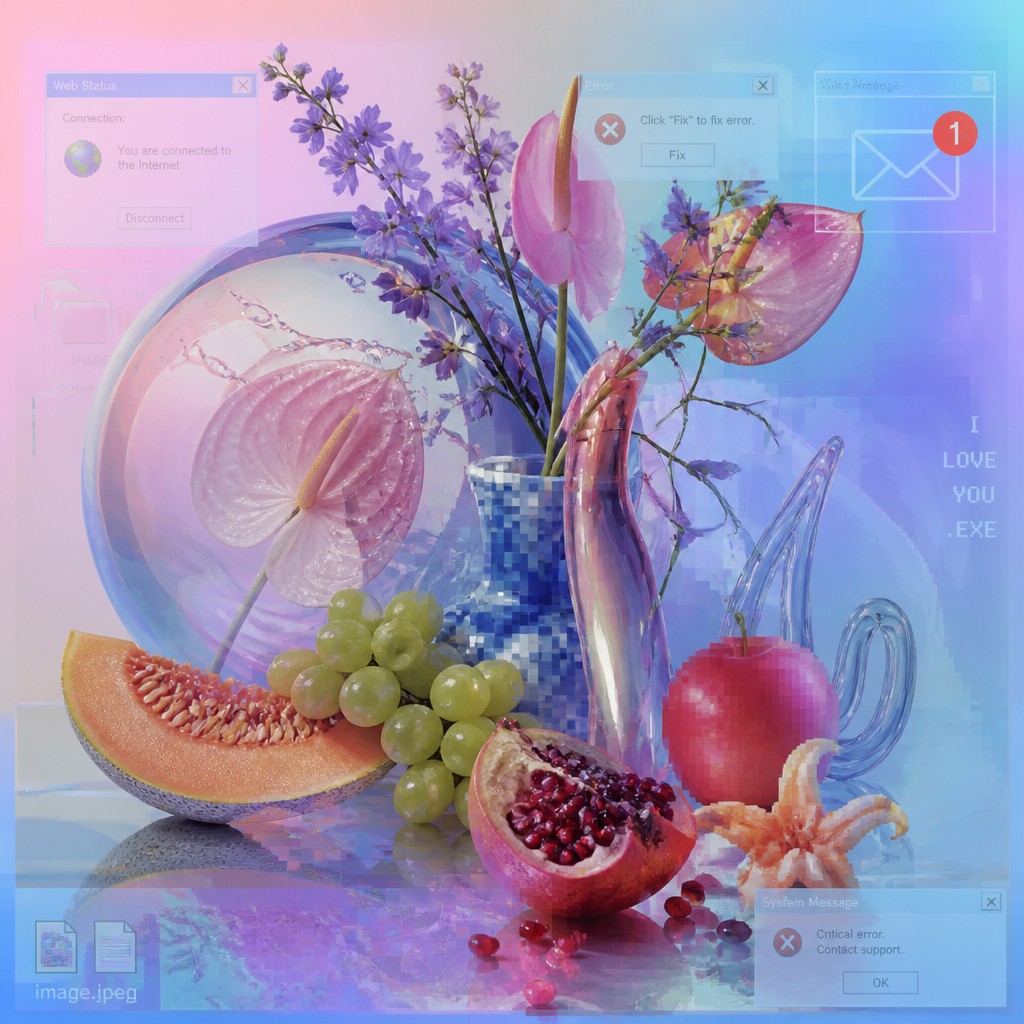
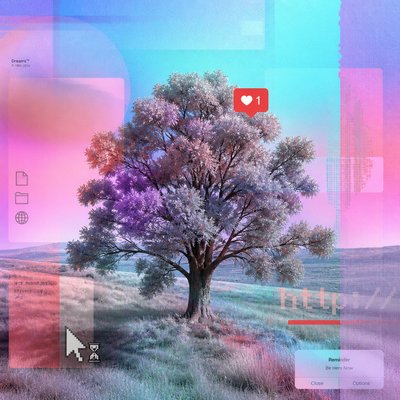
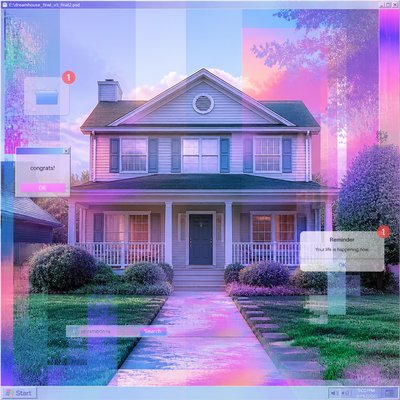
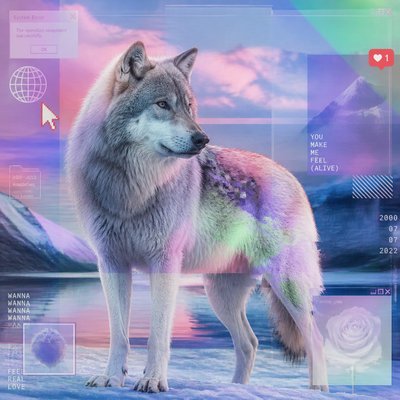
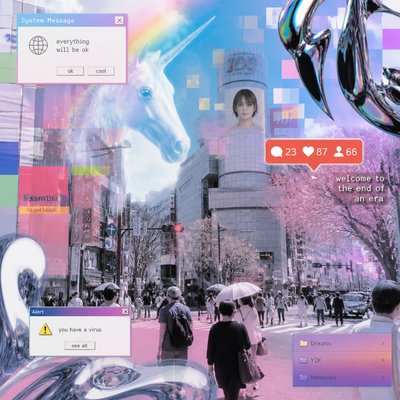
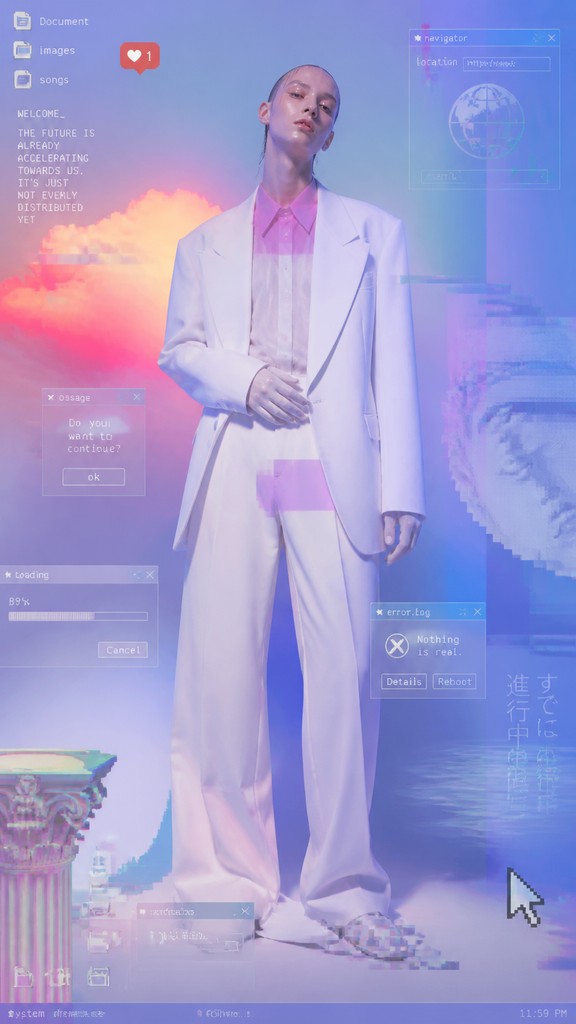
Visually, the style often combines hyperreal rendering with obvious artificiality: polished surfaces, soft corporate gradients, stock-photo clarity, glitch artifacts, compression noise, layered transparency, and an intentionally uncanny finish. It can feel both seductive and synthetic, pairing sleek futurist gloss with early-web nostalgia, vaporwave color palettes, and fragmented digital textures. The style looks this way because it reflects how contemporary perception is filtered through interfaces, feeds, and image compression, making digital mediation itself part of the subject.
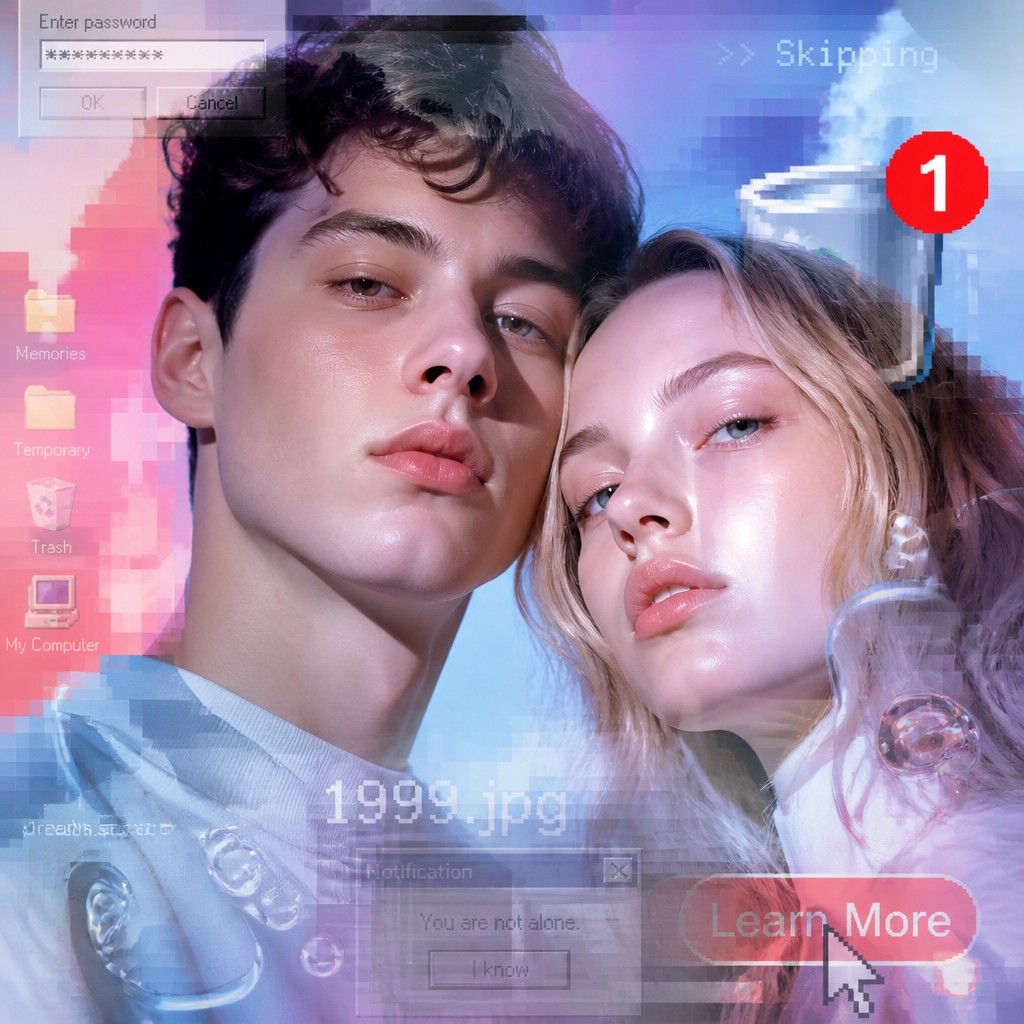
Try It On Your Photos
Upload any photo and convert it into Post-Internet Contemporary Art Style — drag the sliders to compare before and after.
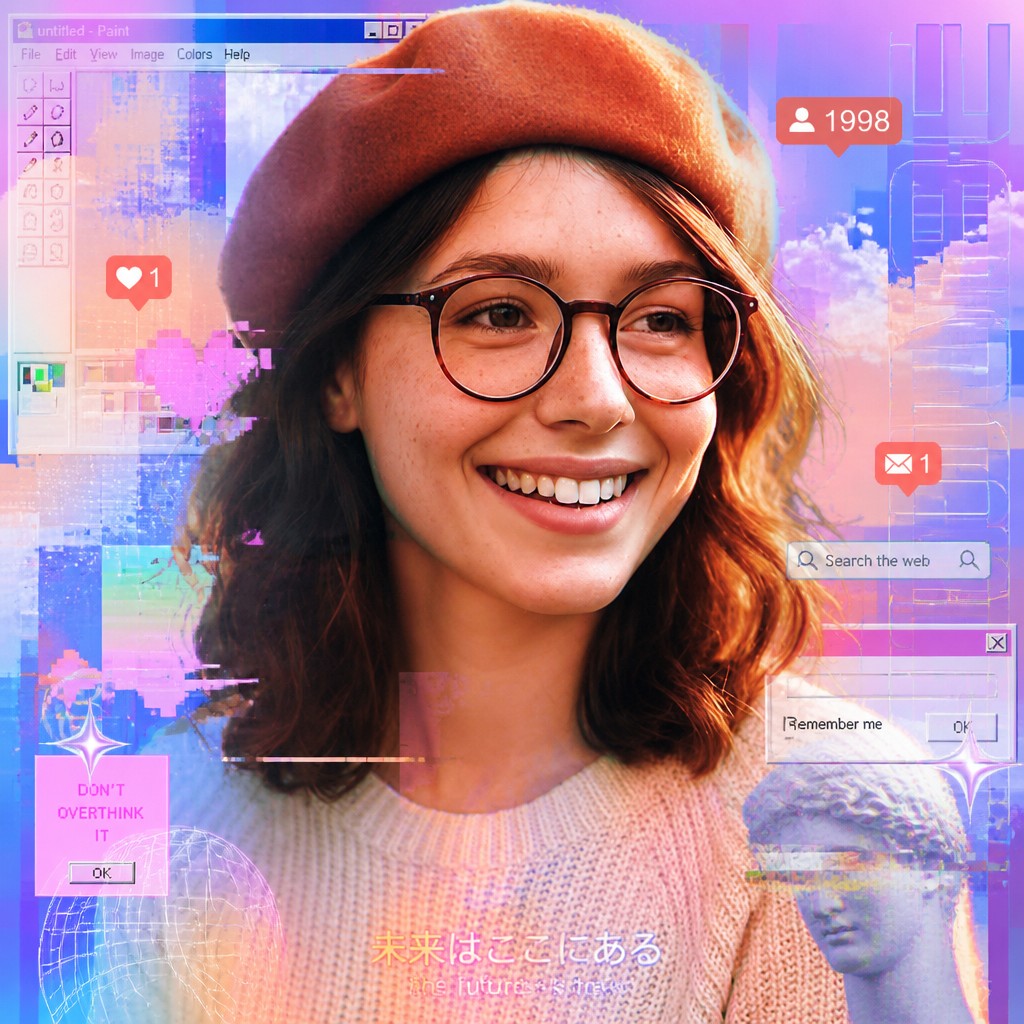

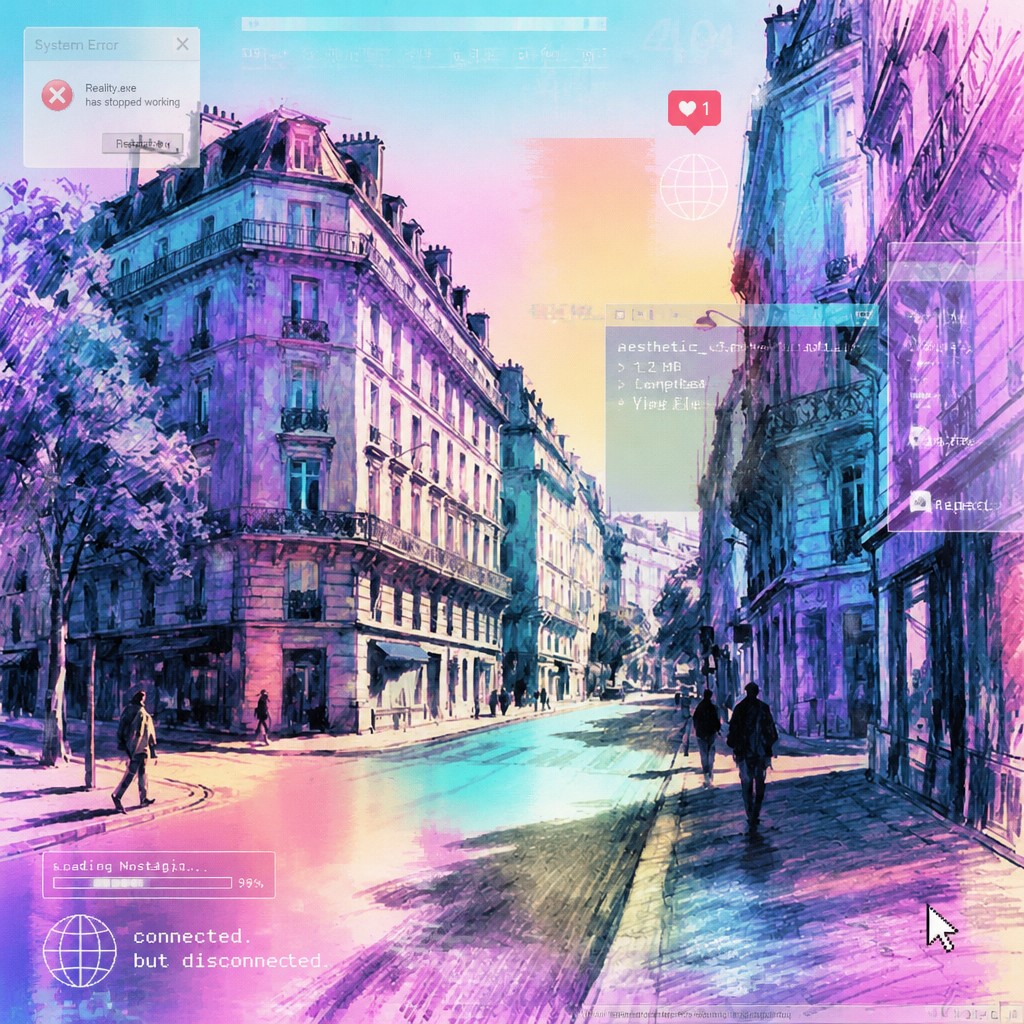

What Defines Post-Internet Contemporary Art Style
The signature details, up close
Uncanny hyperrealism
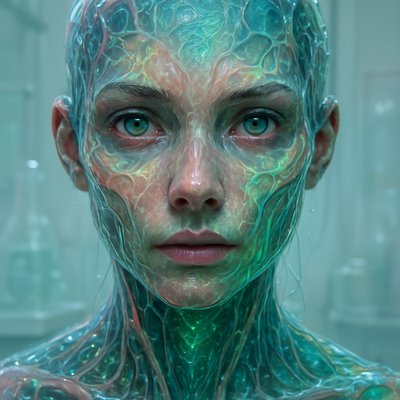
Subjects are often rendered with a high degree of clarity and polish, but the result feels slightly artificial rather than natural. Skin, plastic, metal, and glass may look almost too smooth, creating a stock-photo or 3D-rendered unease.
Glitched and compressed texture
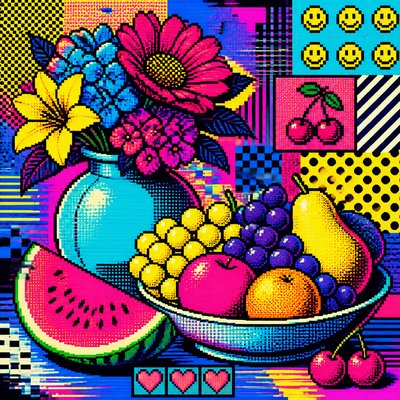
JPEG artifacts, pixelation, banding, scan lines, and compression noise are used deliberately as visual texture. Instead of being treated as flaws, they function as signs of mediation and network circulation.
Pastel and synthetic color systems
Soft gradients, lavender and cyan hues, washed pinks, and occasional red notification accents are common. The palette often suggests vaporwave, UI design, or commercial branding rather than traditional painterly color.
Corporate and interface aesthetics
The look borrows from app interfaces, presentation graphics, startup branding, and advertising layouts. Rounded forms, gradient overlays, and glossy surfaces give the work an administrative or commercial atmosphere.
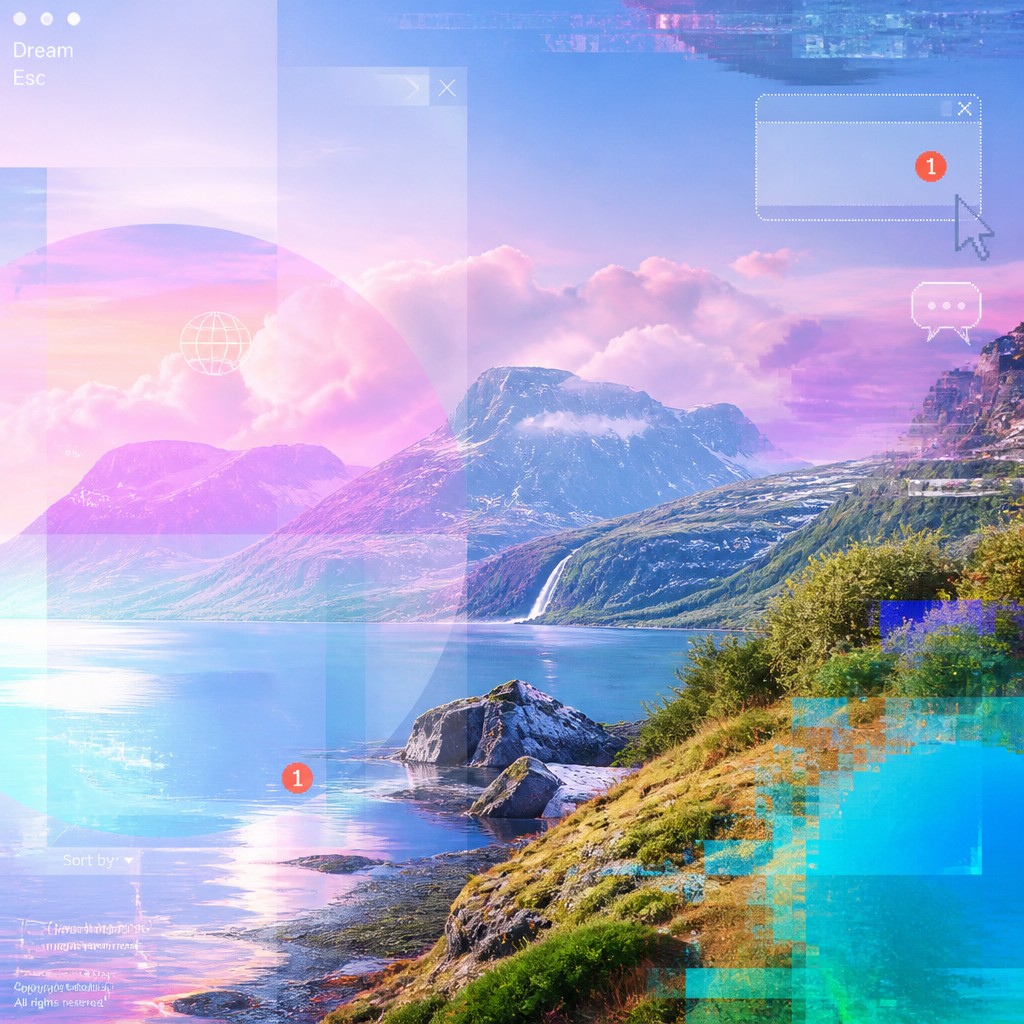
Layered transparency
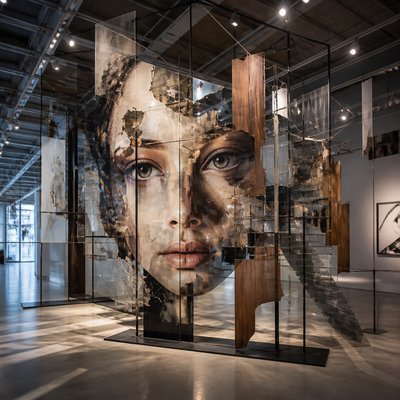
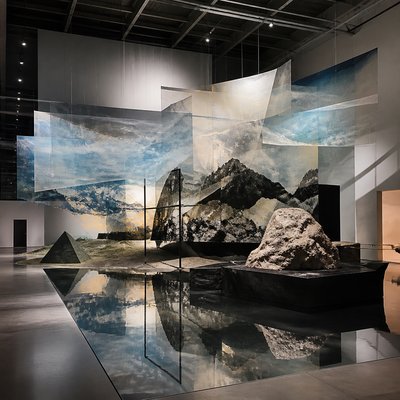
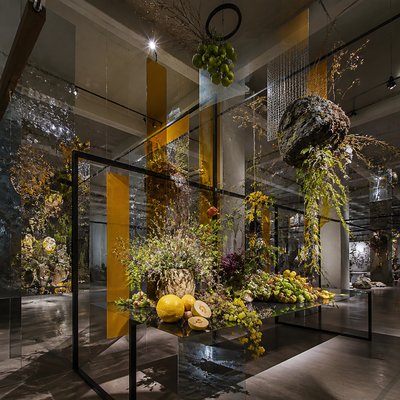
Forms are frequently stacked like windows, tabs, or feed elements, with semi-transparent strata overlapping one another. This produces a visual sense of browsing, scrolling, or multitasking across multiple information planes.
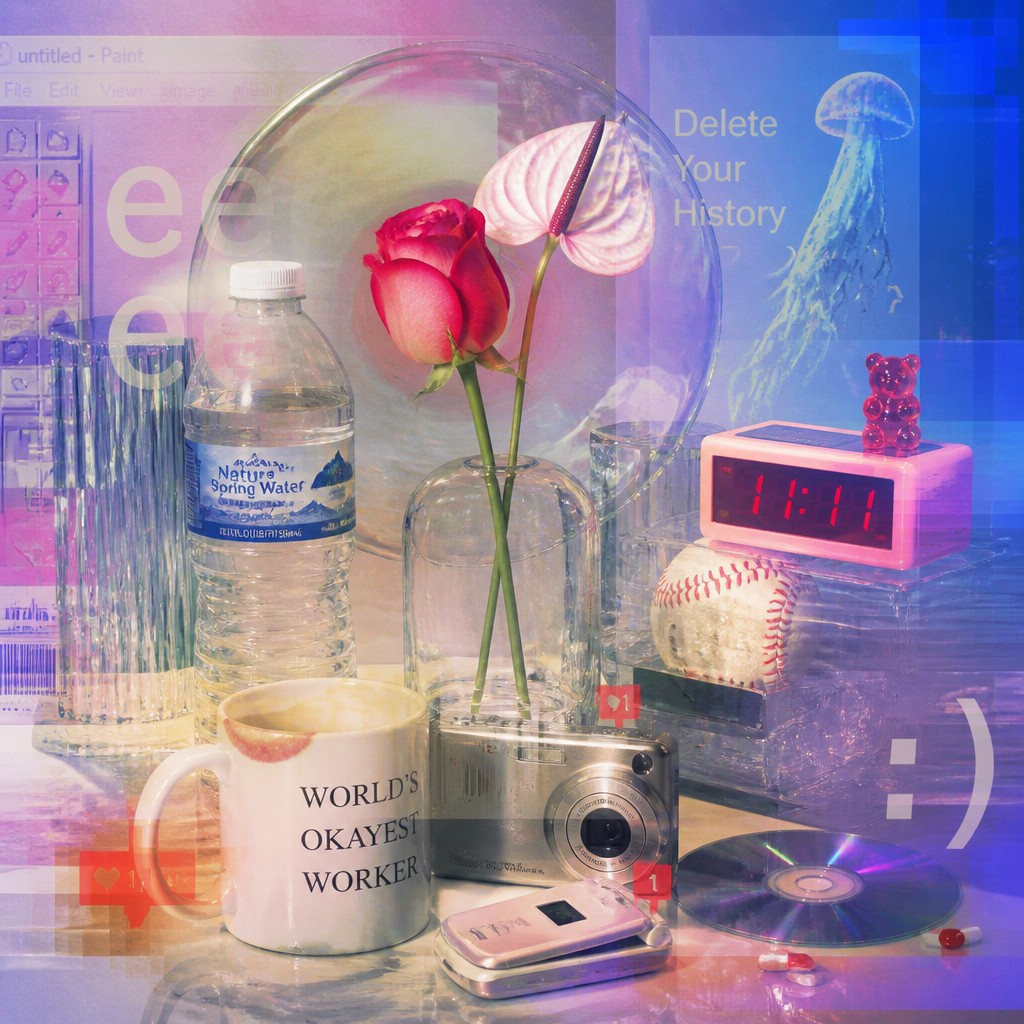
Nostalgia for early web culture
The style often includes traces of dial-up-era imagery, amateur web graphics, pixel fonts, or obsolete digital effects. These references are usually filtered through a contemporary, polished finish rather than reproduced literally.
Try It
Create Videos in Post-Internet Contemporary Art Style
Styles aren't just for stills — describe a scene or animate an image and get a short video rendered in Post-Internet Contemporary. Press play to see this pond come to life.
Make a VideoPost-Internet Contemporary Prompt Ideas
Start from an idea — each one opens the generator with the style ready to go. See all 40 Post-Internet Contemporary prompts →
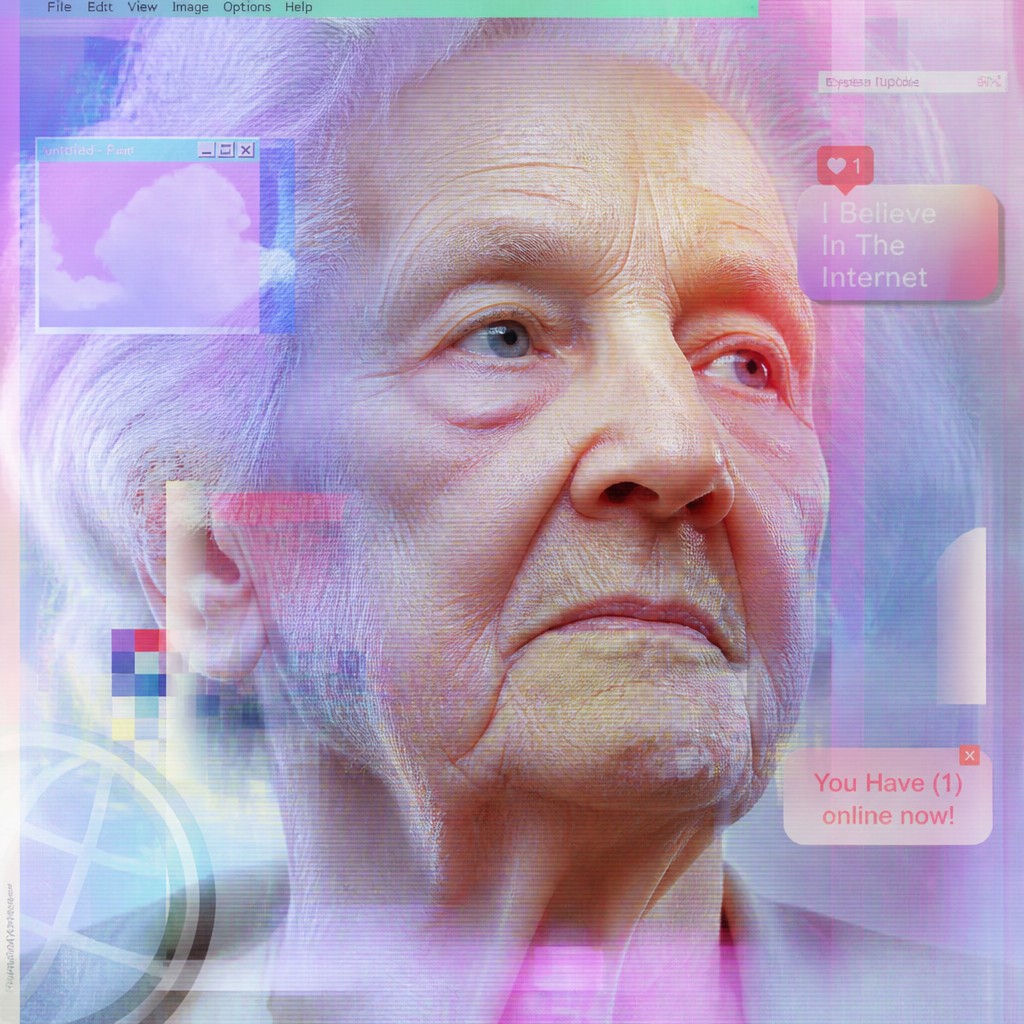
“close-up portrait of an elderly person with expressive weathered features”
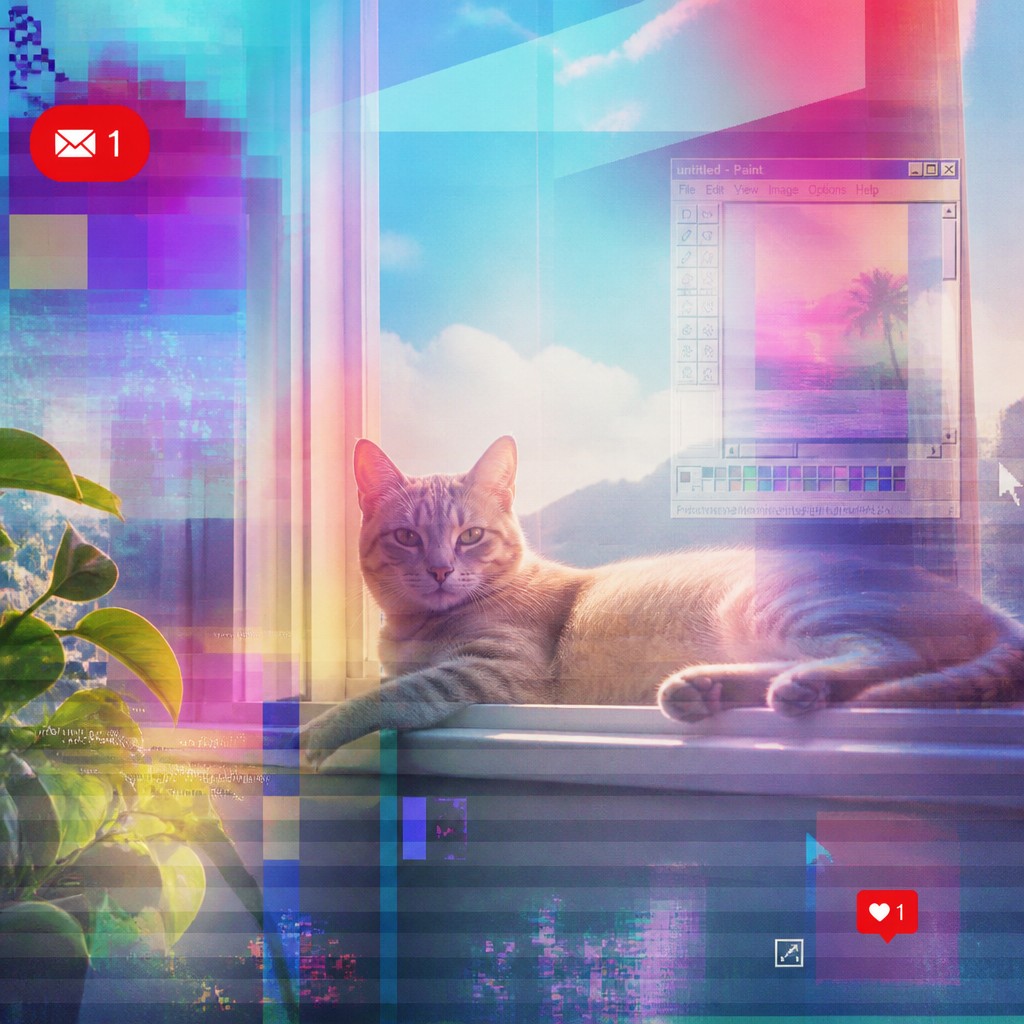
“a cat lounging in a sunlit window”
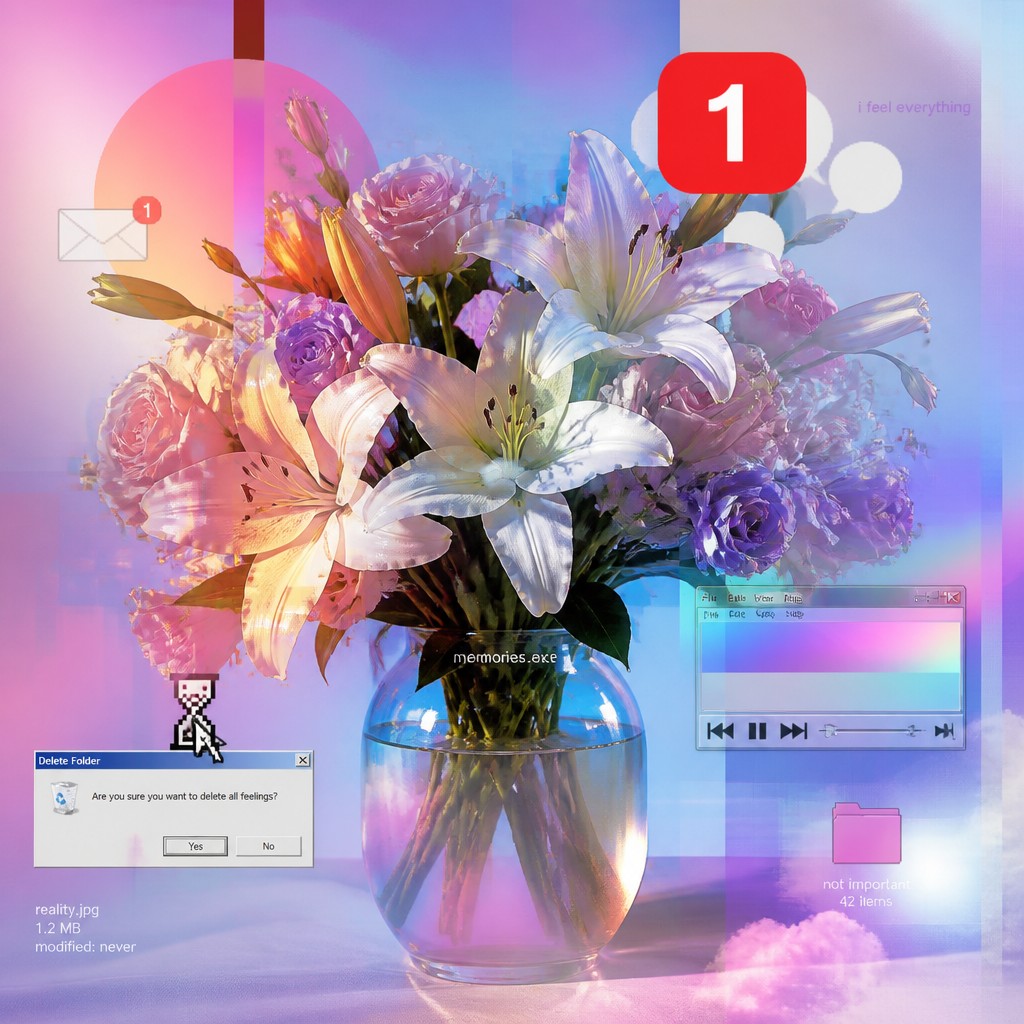
“bouquet of flowers in a glass vase”
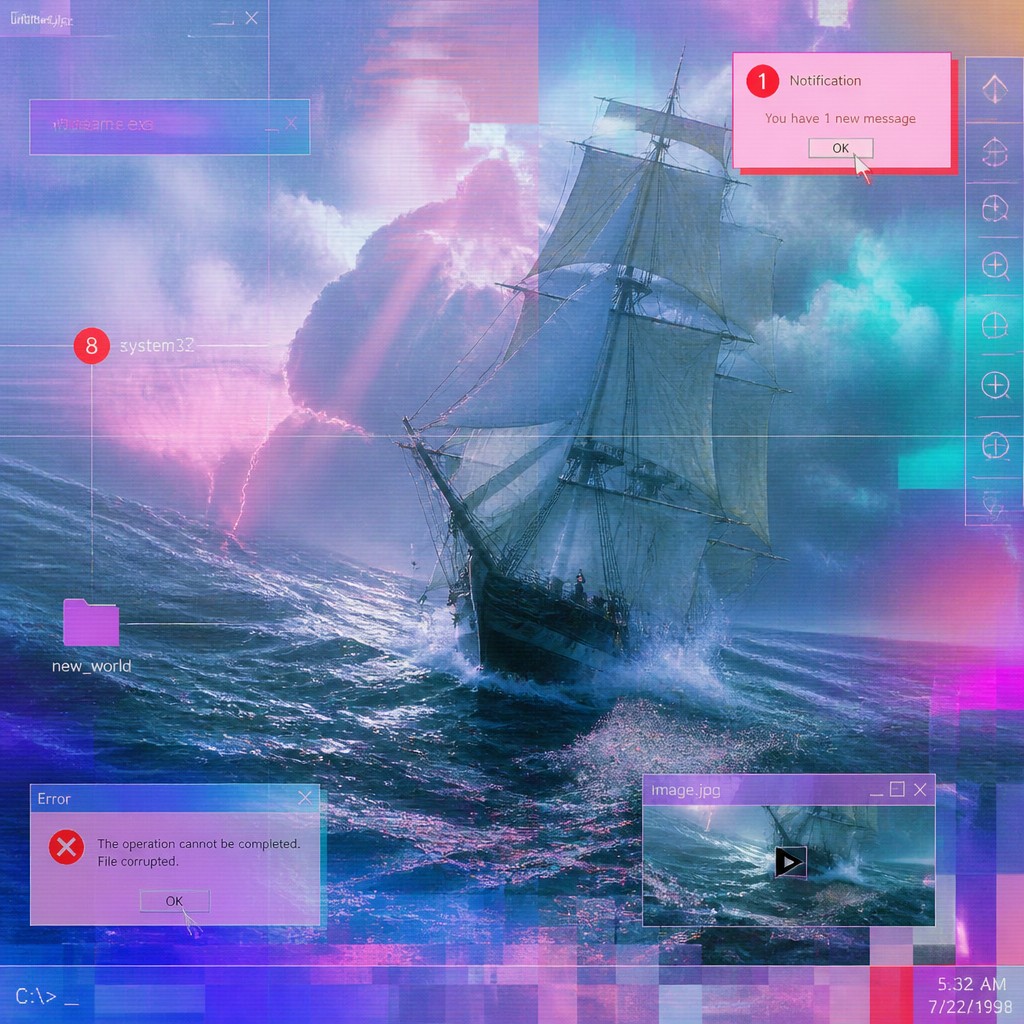
“sailing ship on a stormy sea”
How to Create Post-Internet Contemporary Art
Master the craft step by step — or skip straight to creating. Read the full guide →
- 1
Build the image as if it were mediated by a screen
Compose subjects with layered foregrounds, floating panels, or interface-like overlays so the viewer feels they are seeing the image through a digital environment. In digital work, use semi-transparent shapes, duplicated edges, and subtle distortion to create the sense of multiple visual layers.
- 2
Mix realism with visible artificiality
Render key forms with realistic detail, then interrupt that realism with synthetic lighting, glossy highlights, or slightly implausible materials. In traditional media, this contrast can be suggested through sharp, airbrushed transitions and clean, poster-like surfaces.
- 3
Use compression and glitch as design elements
Add pixel breakup, low-resolution edges, chromatic misalignment, or blocky JPEG artifacts in selected areas rather than across the whole piece. These effects should feel intentional and compositional, not accidental or decorative.
- 4
Choose colors like a digital brand system
Work with pastel gradients, cool neon tones, and selective accent colors such as warning red or interface blue. Keep the palette coherent and synthetic, as though it came from a platform, startup, or product mockup.
- 5
Reference digital life through subject matter
Include objects and scenes associated with online existence: packaging, screens, portals, avatars, product imagery, social feeds, data forms, or hybrid human-technology motifs. A prompt should specify both the subject and the digital mood so the style emerges as context rather than ornament.
- 6
For prompt-based generation, specify mediation and polish
Describe the subject plainly, then add cues such as glossy rendering, glitch texture, translucent overlays, vaporwave gradients, and uncanny stock-photo lighting. Emphasize that the image should feel contemporary, networked, and slightly overprocessed.
The Story
History & Origins of Post-Internet Contemporary
Post-internet art emerged in the late 2000s and 2010s as artists, critics, and curators began using the term to describe art made in a world thoroughly shaped by the internet. The phrase was popularized by a leading post-internet writer and practitioner, who used it to discuss work informed by network culture rather than confined to online-only media. As a movement, it developed alongside social media, smartphone photography, meme circulation, e-commerce aesthetics, and the increasing visual standardization of digital platforms.
Its aesthetic lineage is not a single historical tradition but a convergence of several: conceptual art's interest in systems and context, appropriation art's reuse of existing images, Pop Art's absorption of mass culture, glitch art's embrace of digital error, and the synthetic color worlds associated with vaporwave and related internet subcultures. It also draws from advertising, stock photography, interface design, 3D rendering, and postmodern image culture, where quotation, reproduction, and surface are central concerns.
Influences: This style is closely related to postmodern appropriation, Pop Art, glitch art, and the visual language of advertising and interface design. It also shares concerns with major postwar pop artists in its attention to mass media imagery, as well as later digital and post-internet practices that treat circulation, repetition, and surface as central conditions of images. Its broader visual field includes vaporwave, early-web aesthetics, 3D rendering culture, and the polished look of commercial stock imagery.

Frequently Asked Questions
What defines post-internet contemporary art style?
It is defined by how it visualizes life shaped by the internet: mediated, layered, commercialized, and visually unstable. The style often combines hyperreal rendering with glitch, compression, interface motifs, and synthetic color. It is less about depicting the internet directly and more about showing how digital culture affects perception.
Is post-internet art the same as digital art?
Not exactly. Digital art is a medium category, while post-internet is an aesthetic and conceptual framework that can appear in digital, photographic, sculptural, painted, or mixed-media work. A painting can be post-internet if its imagery, surface, and themes reflect network culture.
How is this style different from glitch art?
Glitch art focuses primarily on error, corruption, and malfunction as the subject or method. Post-internet art may use glitch effects, but it usually combines them with polished commercial surfaces, conceptual references, and a broader commentary on online life. Glitch is one tool within a wider post-internet vocabulary.
What subjects work well in this style?
Everyday objects, portraits, consumer goods, interiors, architecture, and hybrid human-device scenes all work well. The key is to present them as filtered through online culture, branding, interface logic, or digital compression. Even ordinary subjects can feel post-internet if they are staged with that mediated, synthetic atmosphere.
How can I make my image feel more post-internet?
Use layered transparency, glossy lighting, pastel gradients, and a mix of realism with visible digital artifacts. Include cues from social media, e-commerce, or interface design, and avoid making the image look purely analog or purely futuristic. The tension between natural form and digital mediation is central.
Where is this style commonly used?
It appears in contemporary illustration, album art, fashion visuals, editorial imagery, branding experiments, installations, and online-native visual culture. It is especially common in work that wants to feel current without being tied to a single platform or trend. The style suits subjects involving identity, consumerism, technology, and mediated experience.
Create your first Post-Internet Contemporary artwork
Describe anything — or upload a photo — and see it in Post-Internet Contemporary Art Style in seconds.
Make Something with Post-Internet Contemporary
Compare Post-Internet Contemporary
Related Styles
Discover similar art styles