Augmented Reality Contemporary Art Style
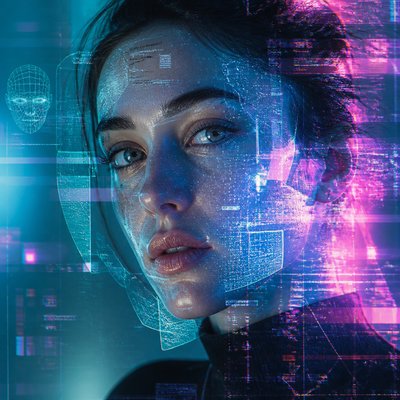
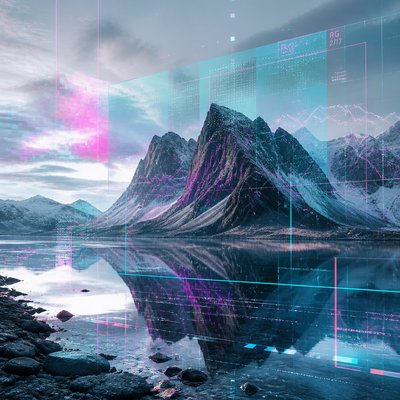
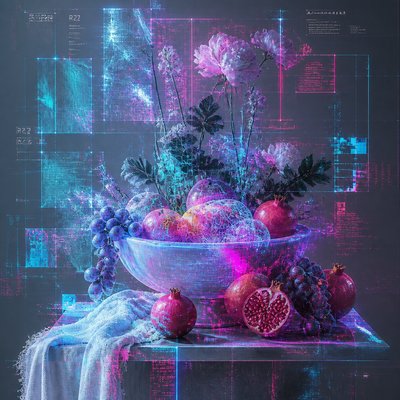
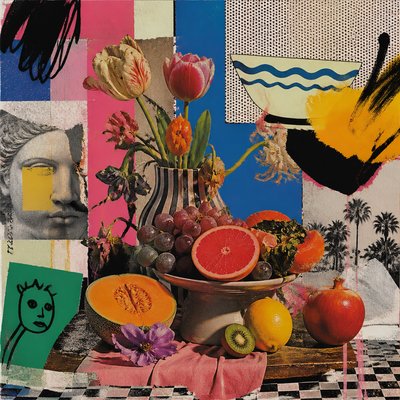
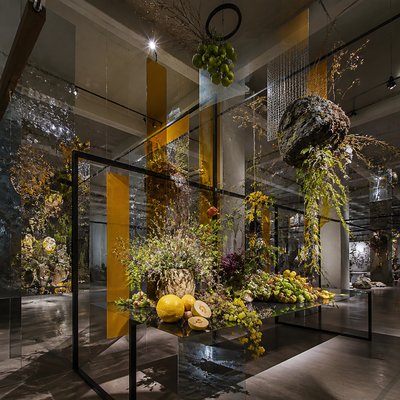
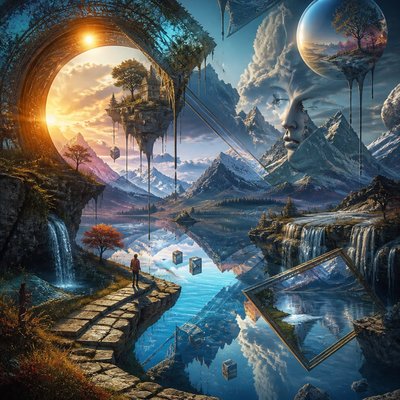
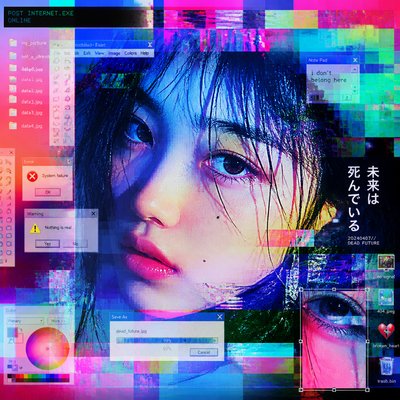
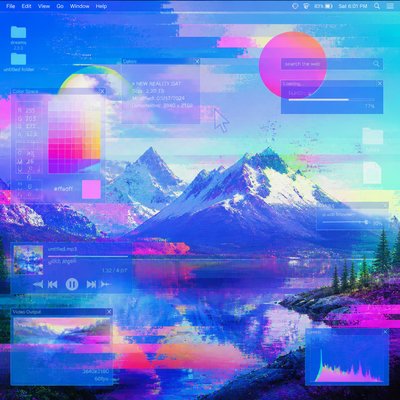
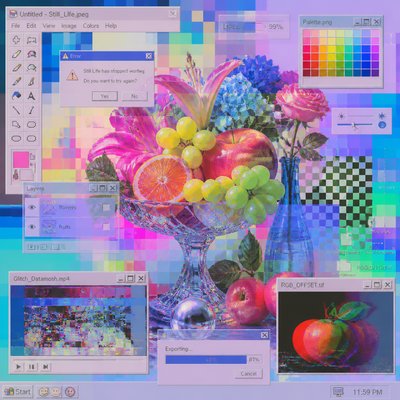
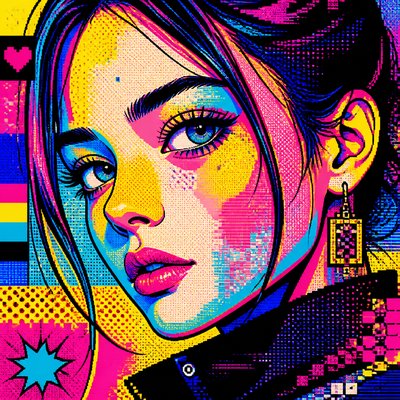
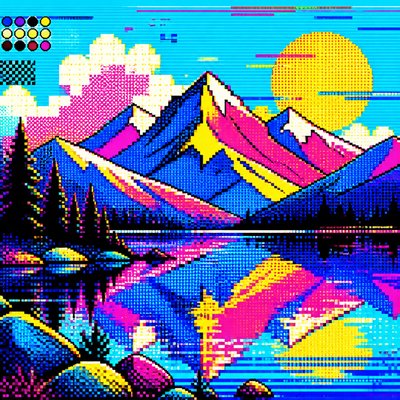
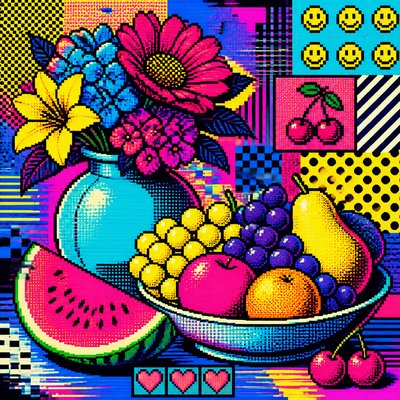
Augmented reality contemporary art blends physical and digital layers, with holographic overlays, glitches, and interactive mixed-reality effects.
Instantly rendered in Augmented Reality Contemporary — or transform a photo
Augmented Reality Contemporary Gallery
Tap any artwork to explore it
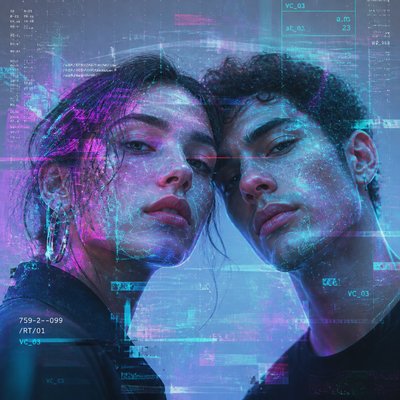
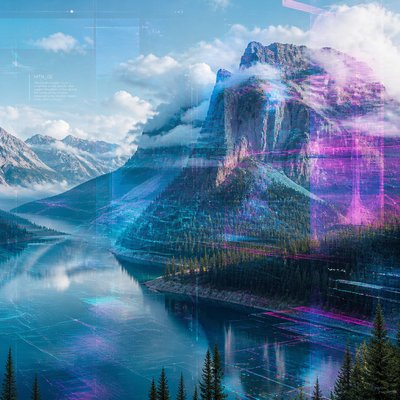
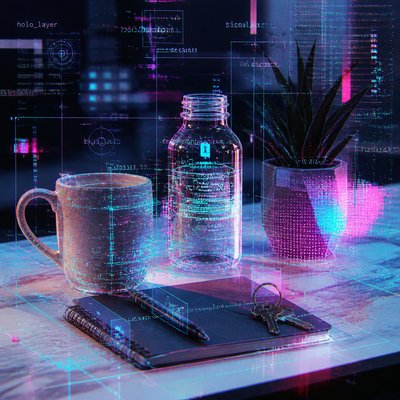
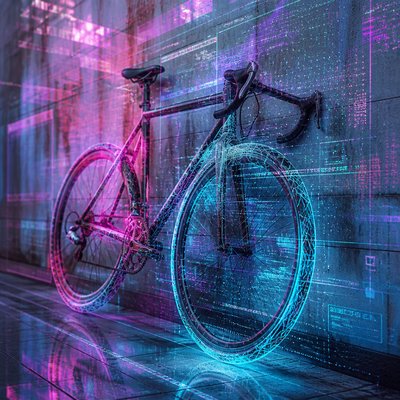
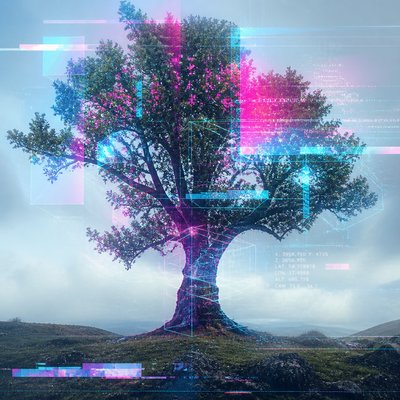
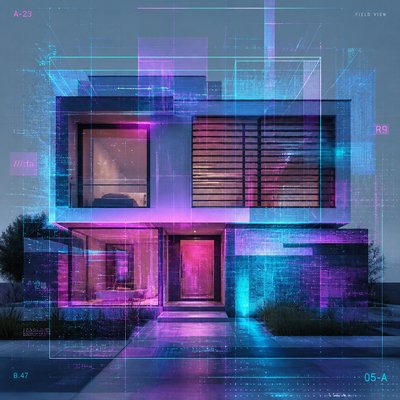
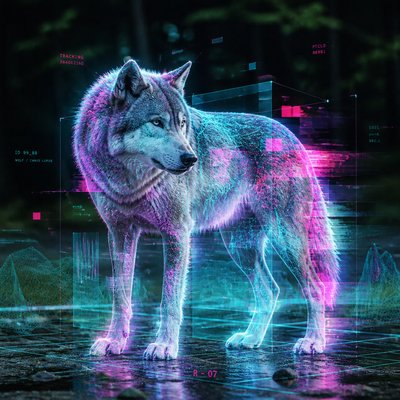
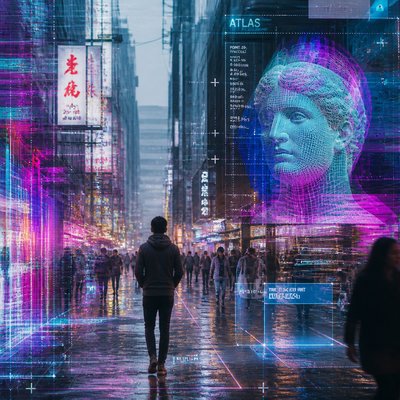
What is Augmented Reality Contemporary Art Style?
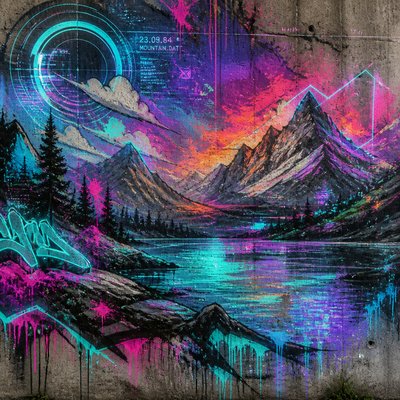
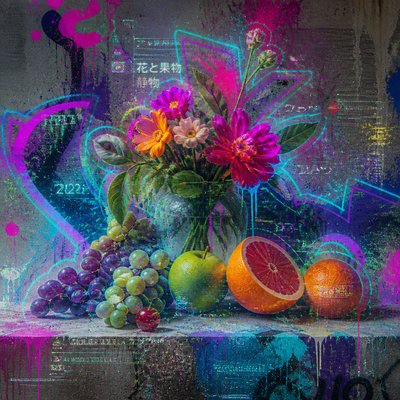
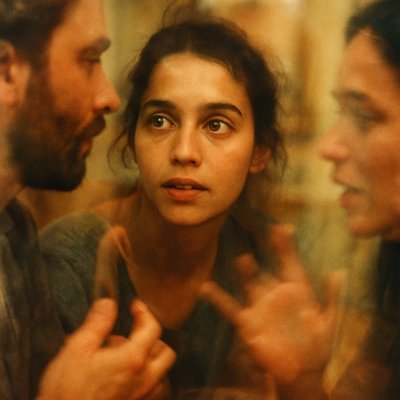
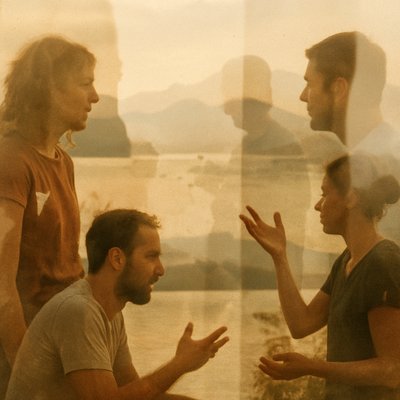
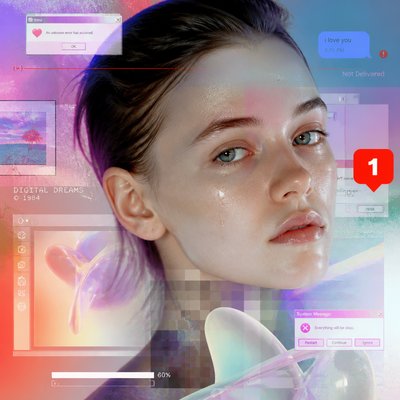
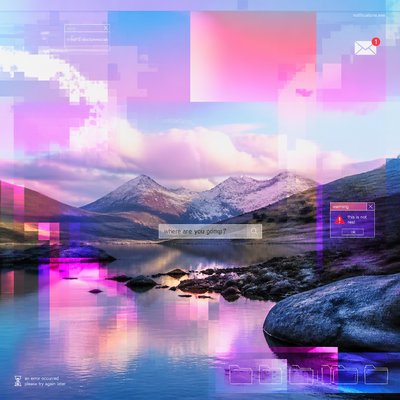
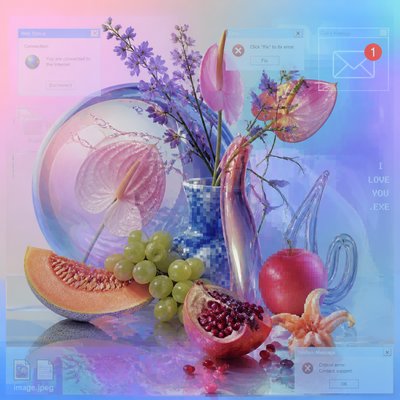
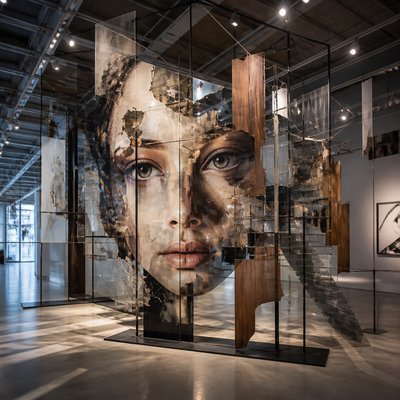
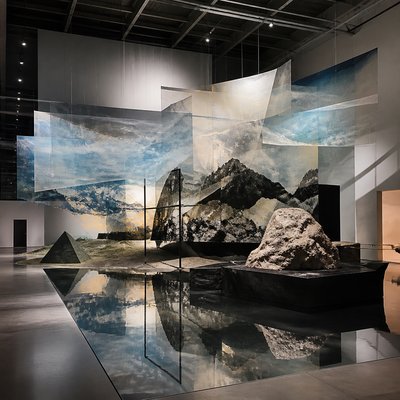
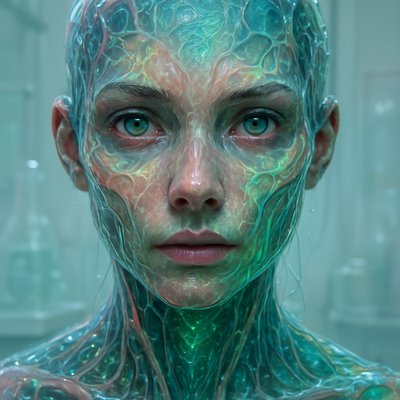
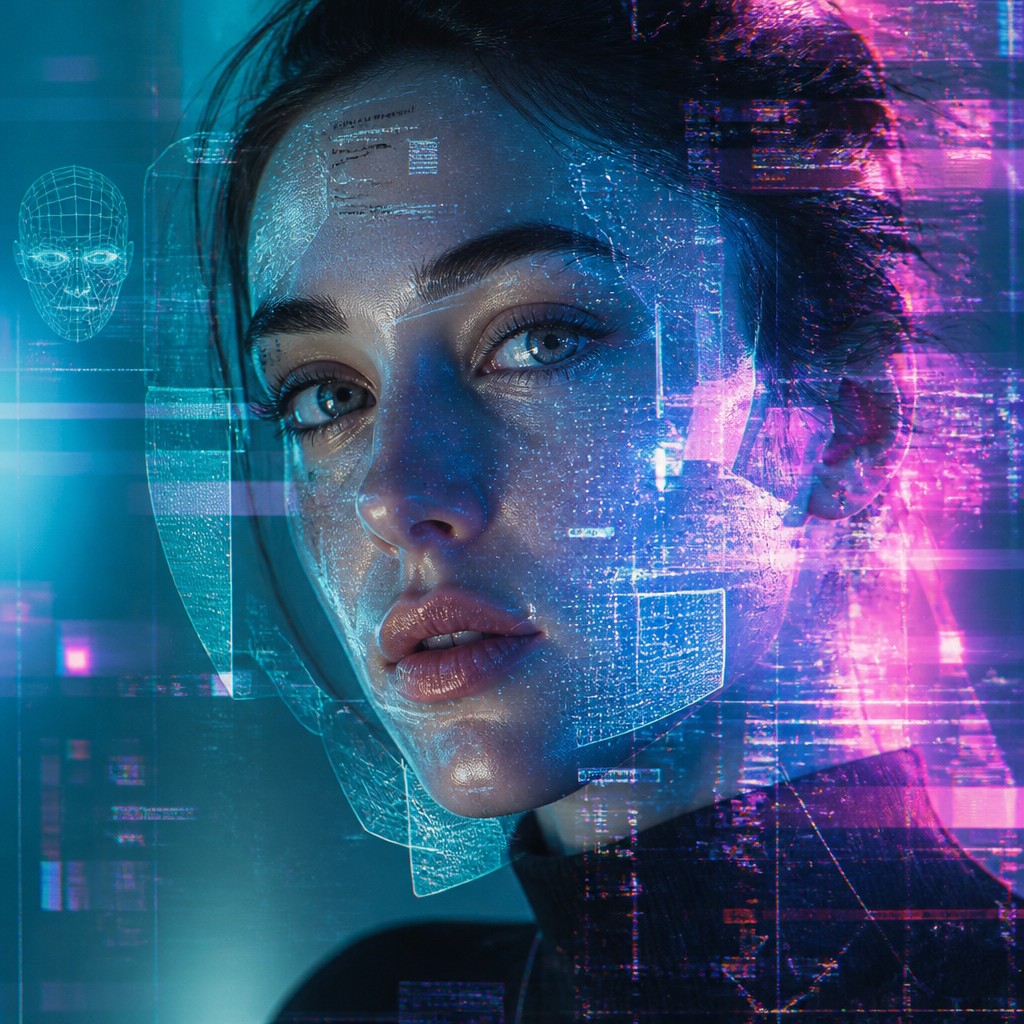
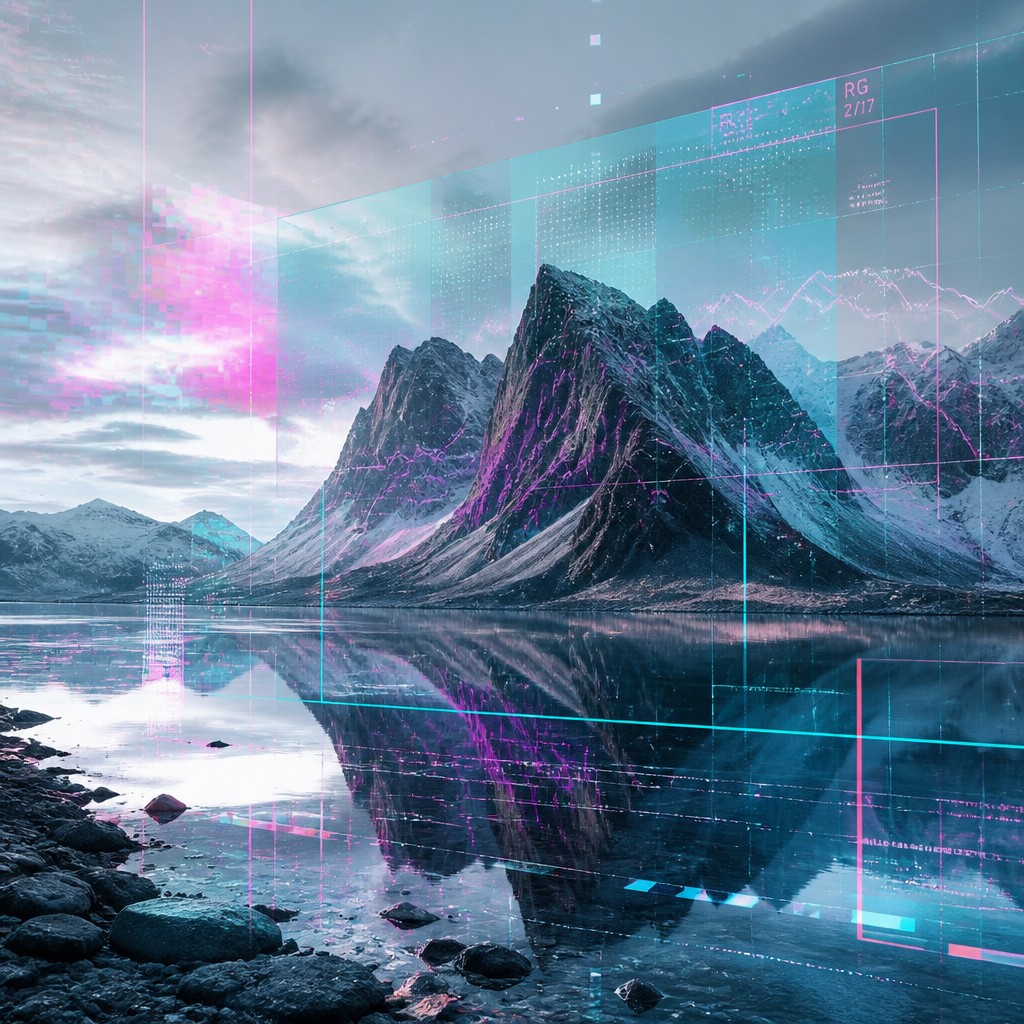
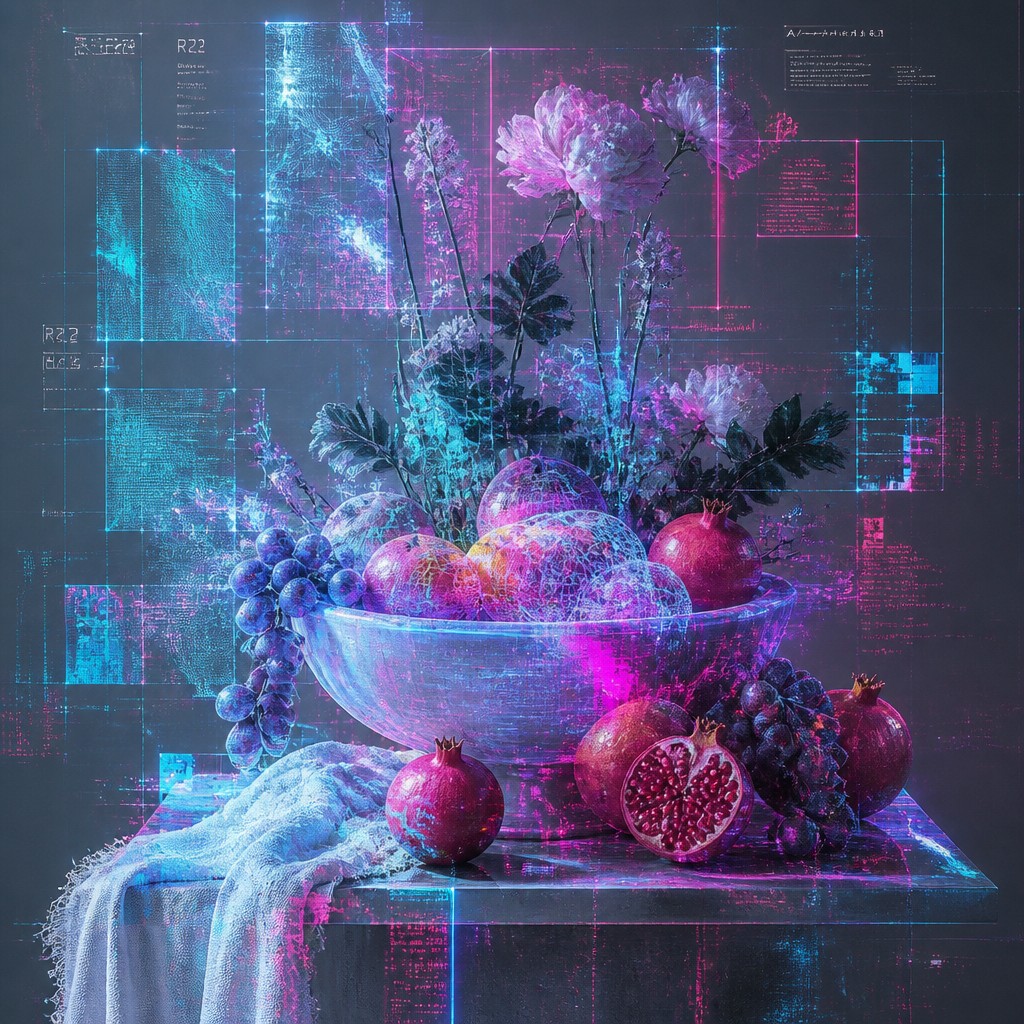
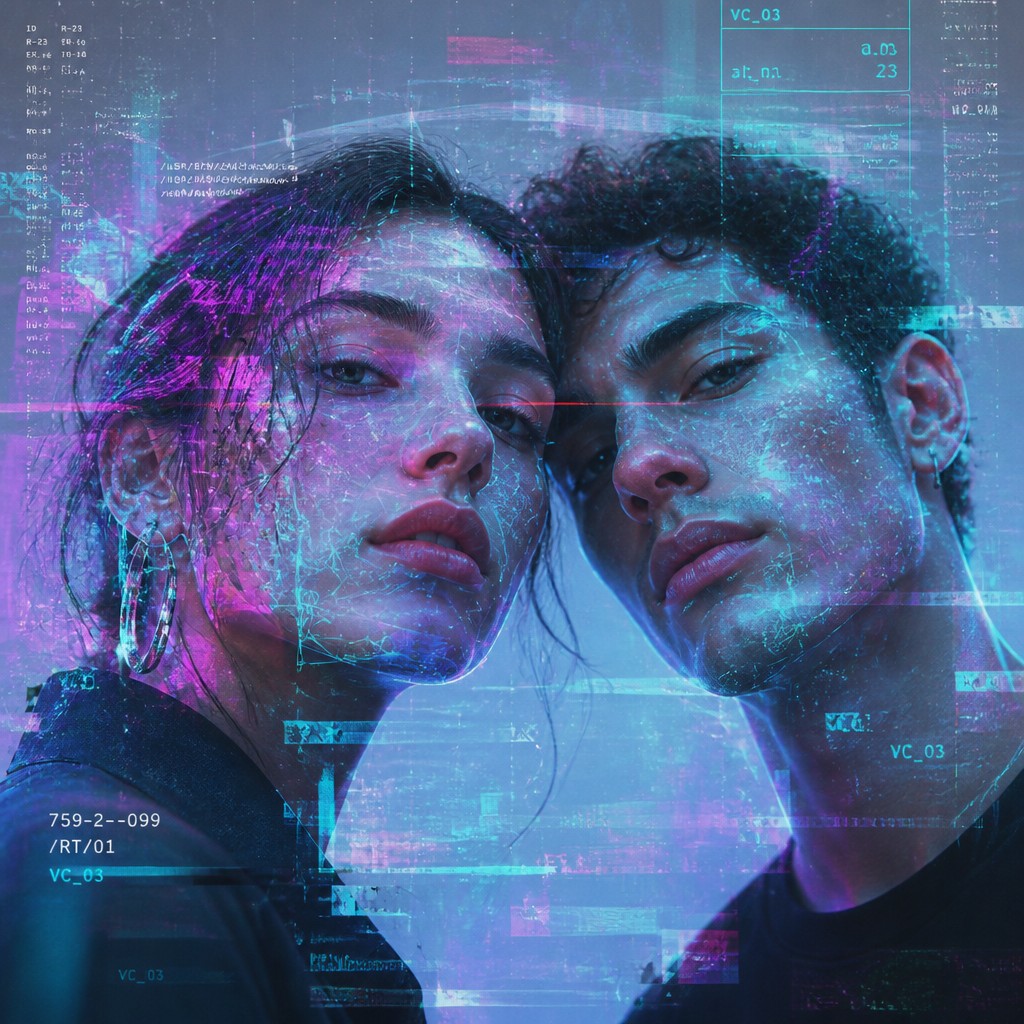
Augmented reality contemporary art is a mixed-reality visual style that treats the artwork as something both physically present and digitally activated. It relies on the tension between solid objects and screen-based additions: translucent holographic layers, tracking grids, point clouds, interface fragments, and glitch textures appear to hover over or pass through the real-world subject.
Its visual identity comes from the logic of AR viewing itself. Because the image is meant to feel responsive to a device, it often includes cues of mediation and instability: neon wireframes, compression noise, pixel-sorted edges, and glow effects that suggest a live overlay rather than a static picture. The result is sleek, contemporary, and slightly unstable, as if the image exists in a space between physical form, software interface, and speculative exhibition design.
Try It On Your Photos
Upload any photo and convert it into Augmented Reality Contemporary Art Style — drag the sliders to compare before and after.


What Defines Augmented Reality Contemporary Art Style
The signature details, up close
Translucent overlay systems
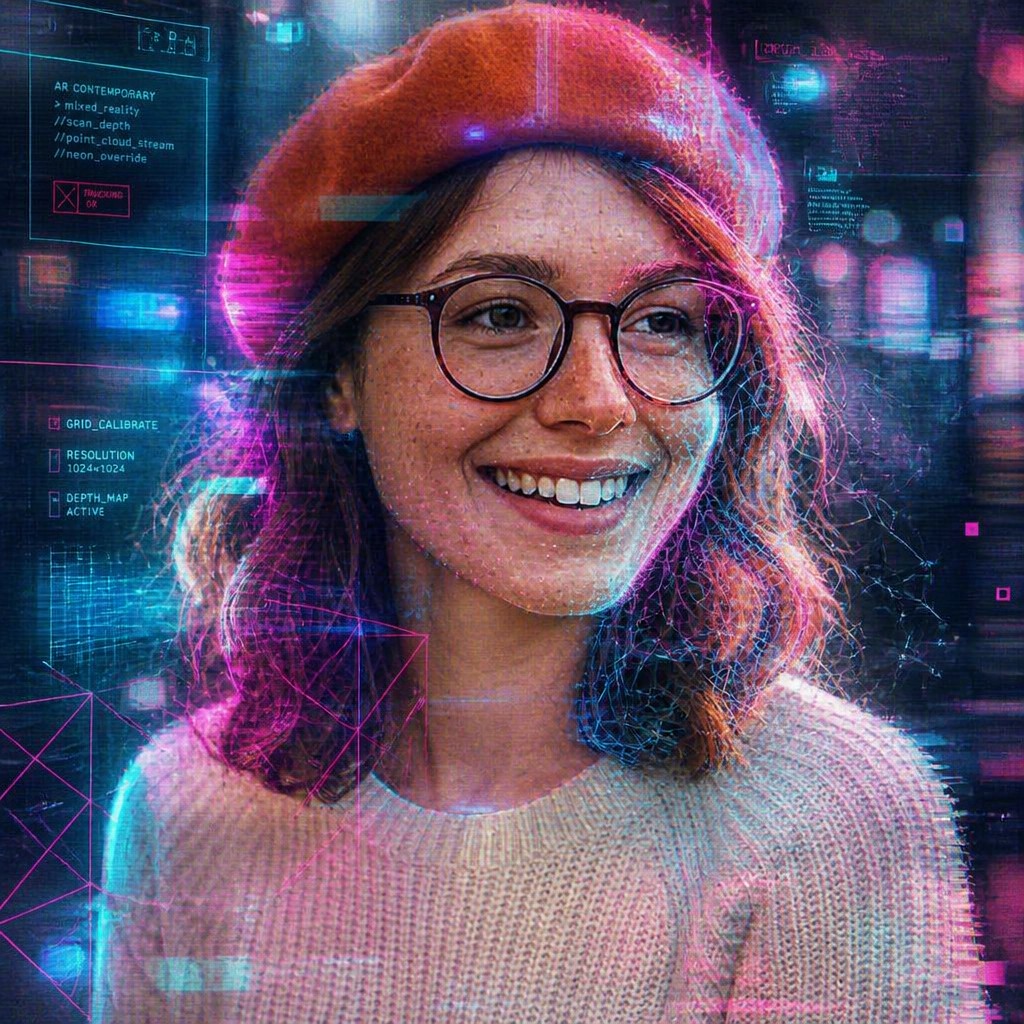
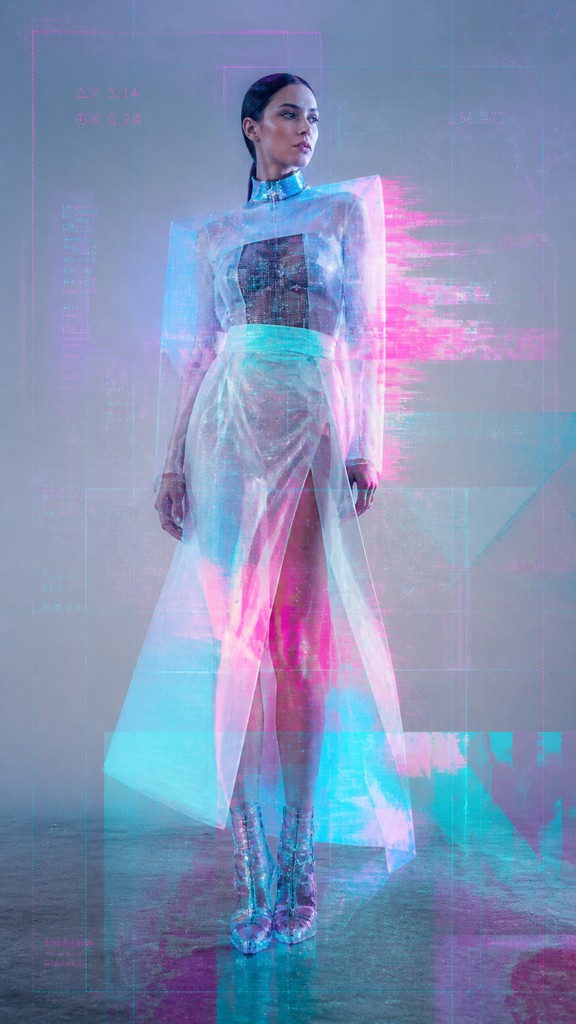
The image often includes semi-transparent planes, hologram-like surfaces, or layered shapes that appear to float above the base scene. These overlays create the sense that the work is only partly visible in ordinary space.
Glitch and compression texture
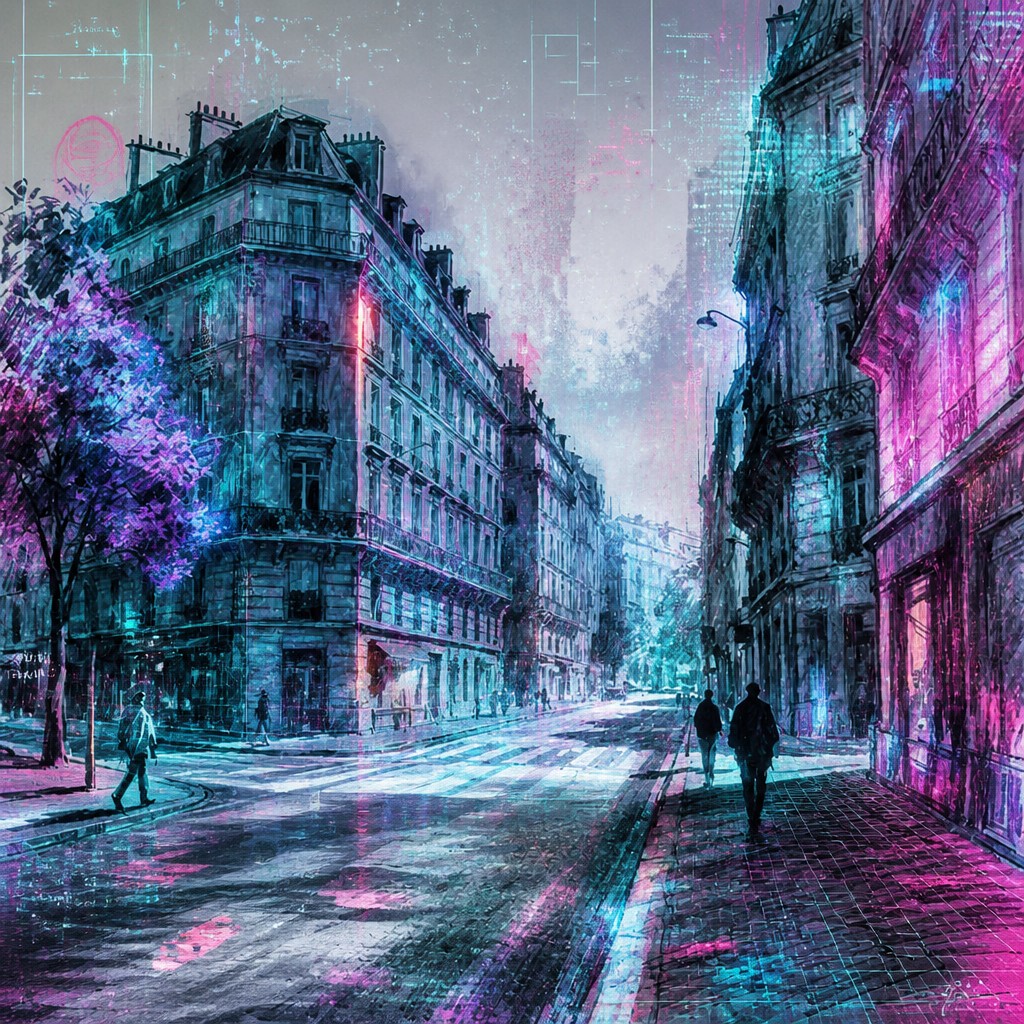
Intentional digital errors such as pixel sorting, blockiness, banding, and compression noise are used as aesthetic texture. Rather than hiding mediation, the style emphasizes it.
Neon interface lighting
Cyan, magenta, and electric violet glows are common, especially around contours and interface elements. The palette evokes screen illumination, scanning, and synthetic light.
Wireframes and tracking grids
Geometric guides, anchor points, and mesh-like structures often appear in the composition. These motifs imply calibration, spatial tracking, and the mechanics of AR placement.
Mixed solid and ephemeral forms
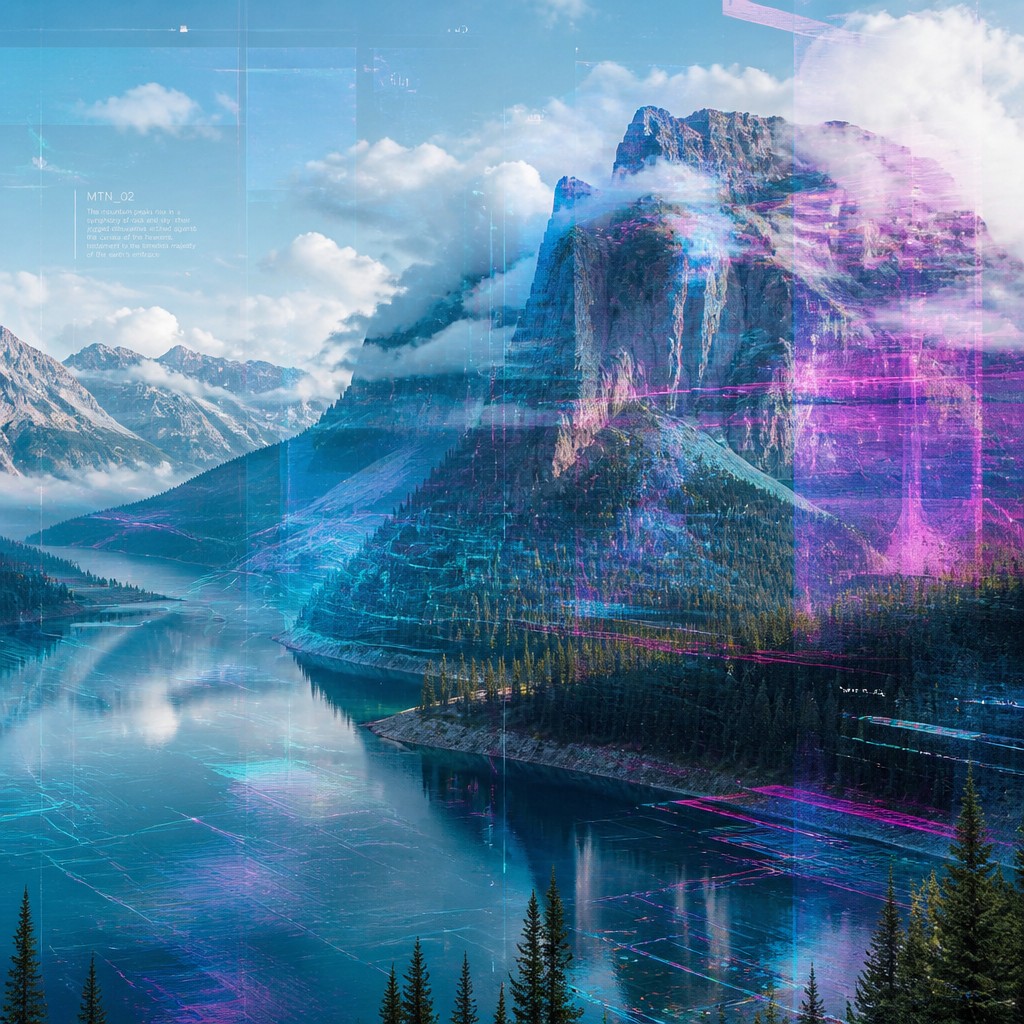
Objects may look partly tangible and partly dissolved into particles, scans, or outlines. This instability is central to the style’s identity and gives the image a shifting, activated quality.
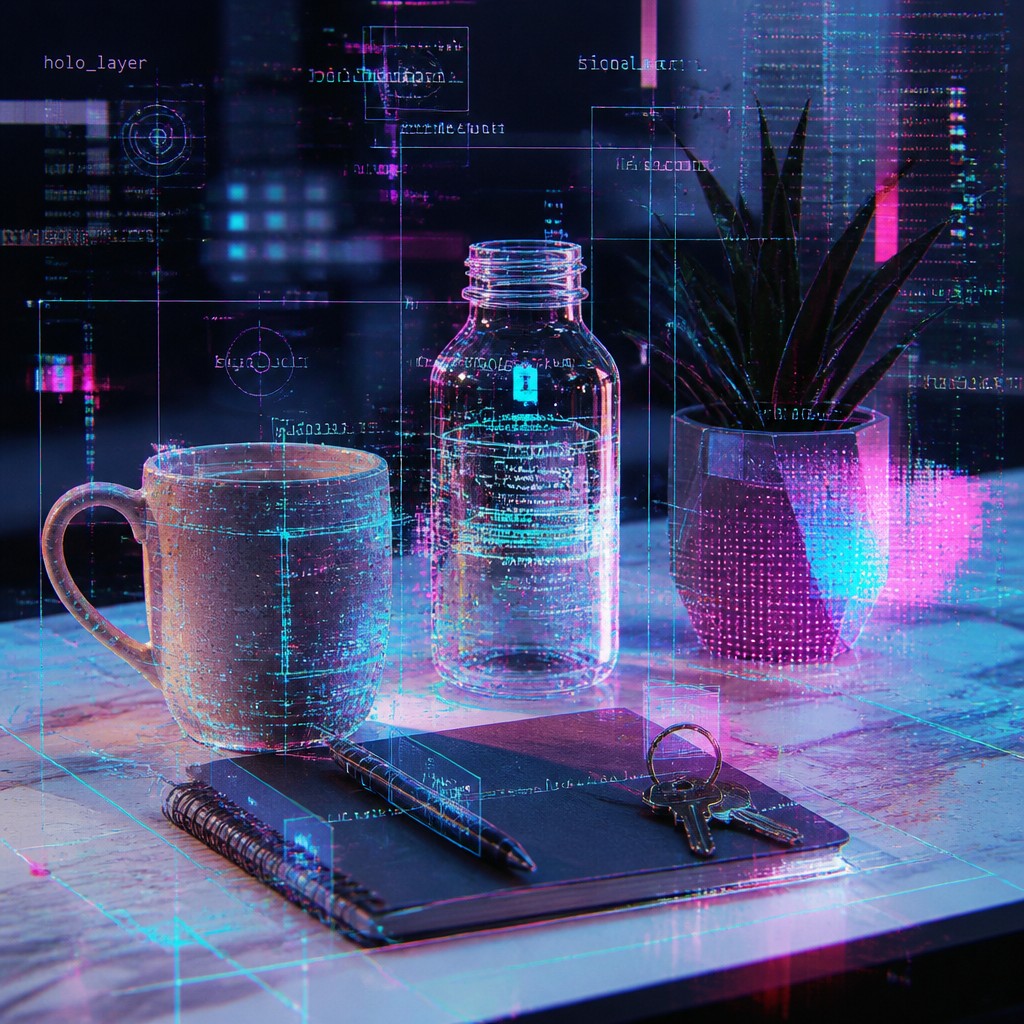
Screen-mediated contemporary atmosphere
The overall mood is clean, futuristic, and exhibition-like, with a conceptual art sensibility. The work feels less like fantasy illustration and more like an artwork experienced through a device in a real environment.
Try It
Create Videos in Augmented Reality Contemporary Art Style
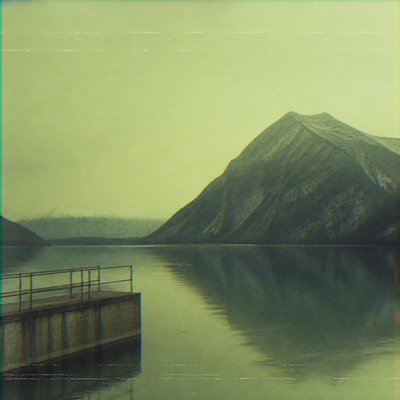
Styles aren't just for stills — describe a scene or animate an image and get a short video rendered in Augmented Reality Contemporary. Press play to see this pond come to life.
Make a VideoAugmented Reality Contemporary Prompt Ideas
Start from an idea — each one opens the generator with the style ready to go. See all 40 Augmented Reality Contemporary prompts →
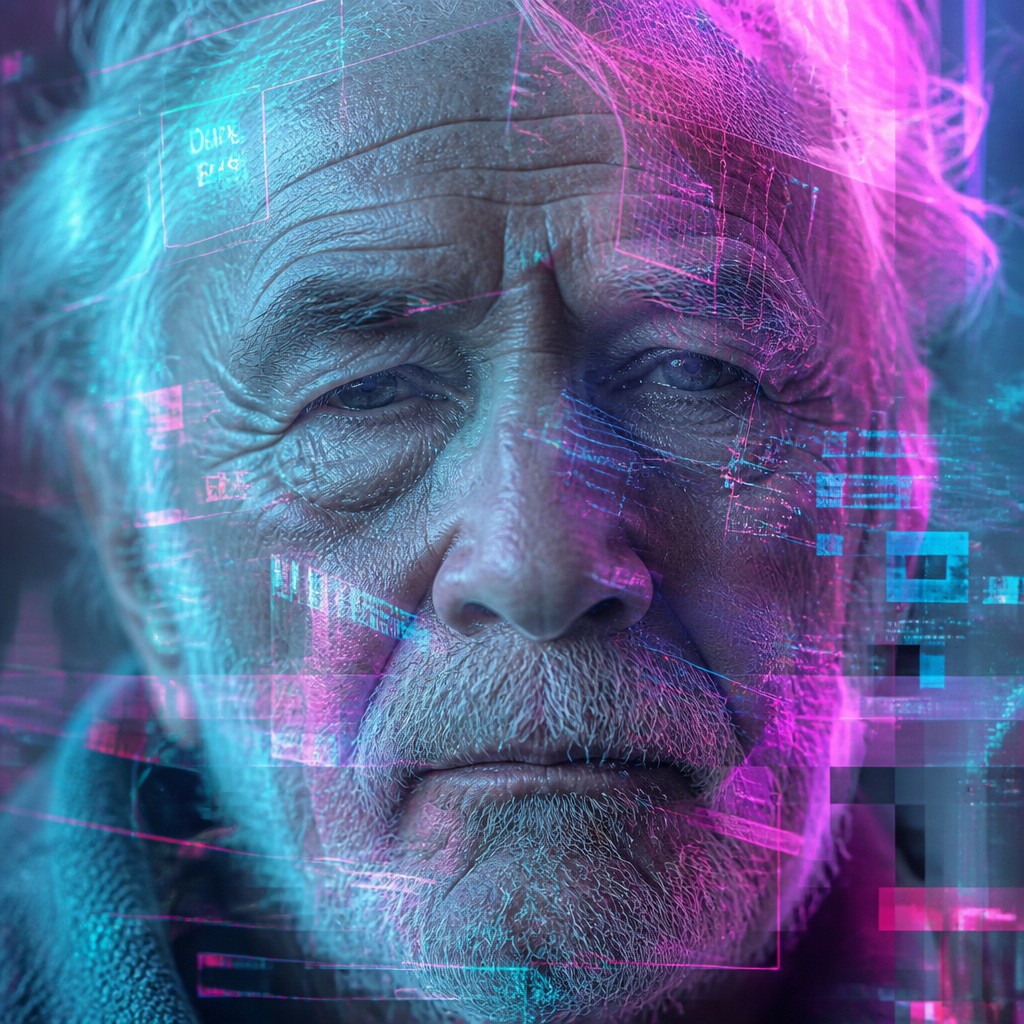
“close-up portrait of an elderly person with expressive weathered features”
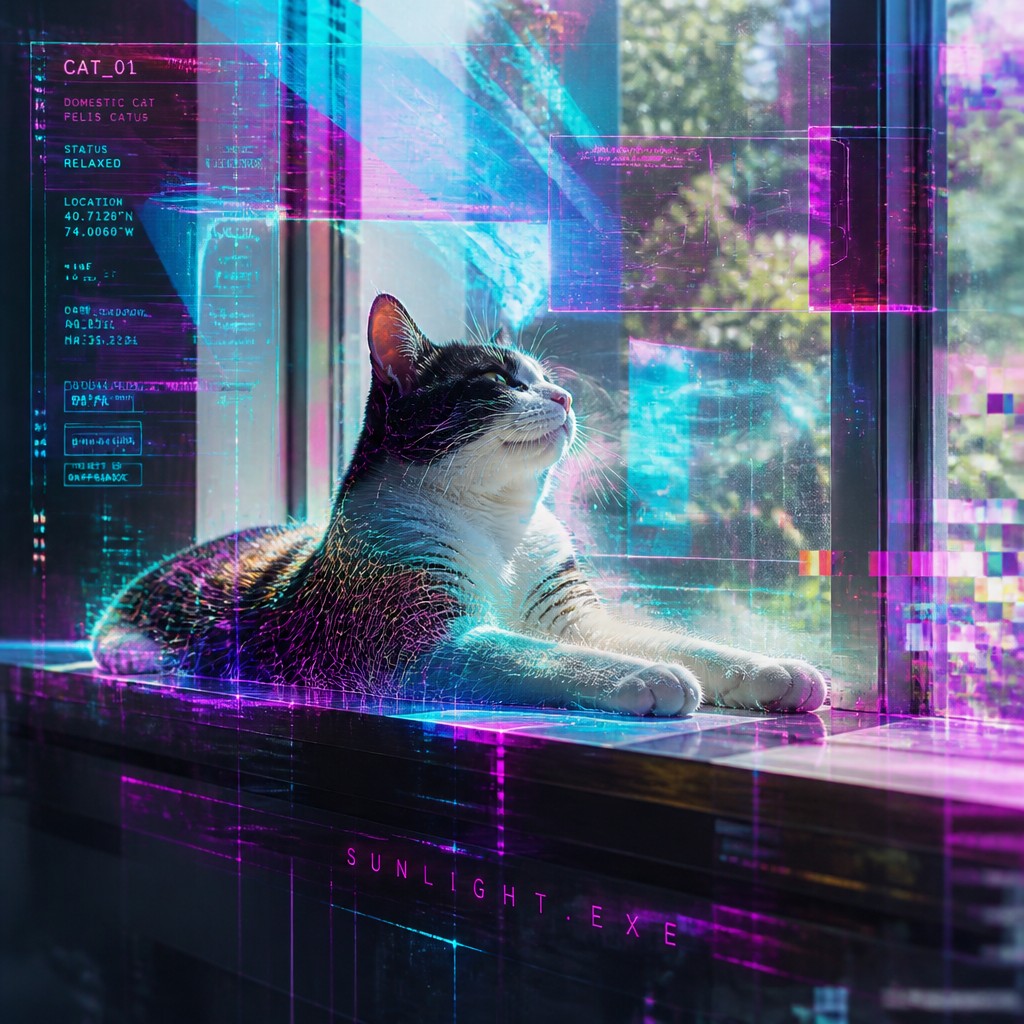
“a cat lounging in a sunlit window”
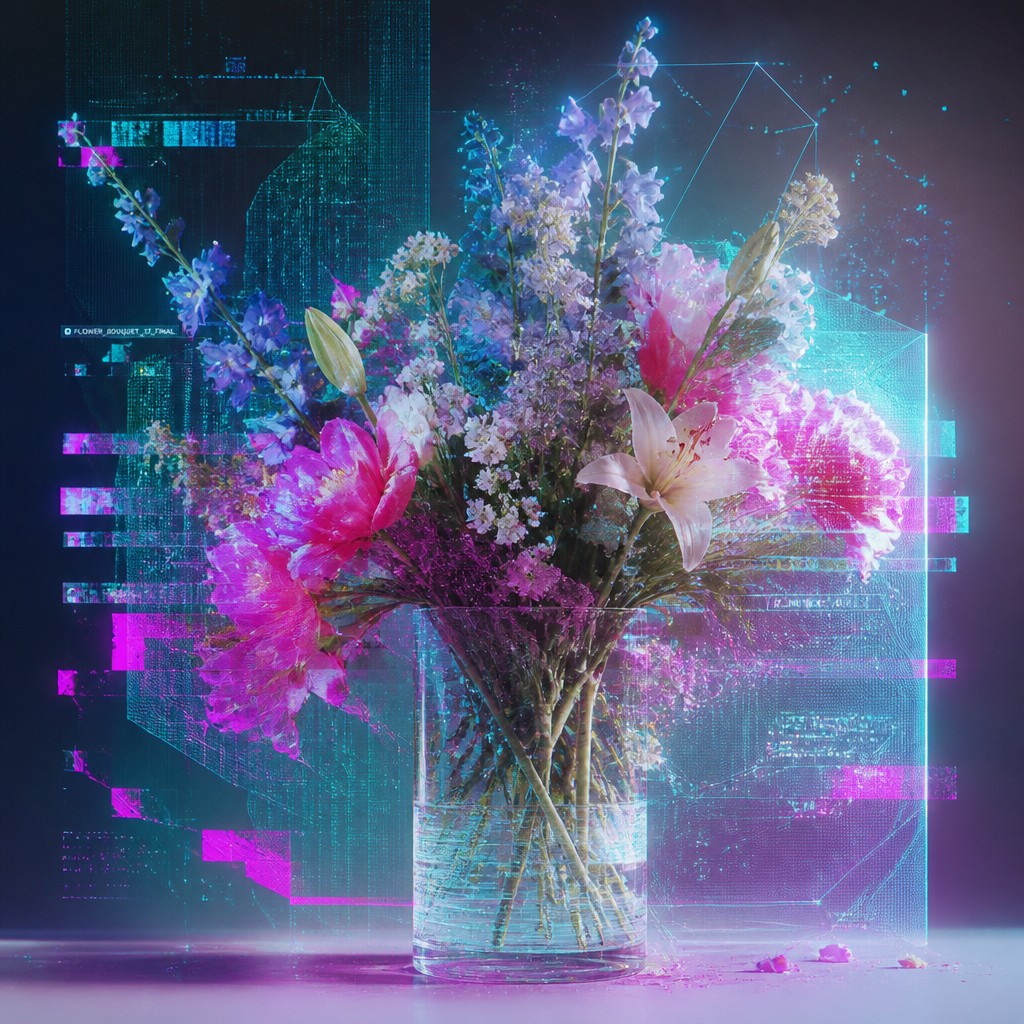
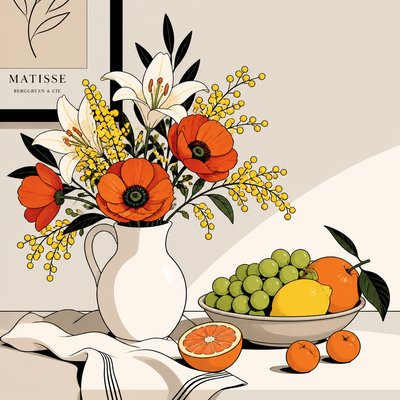
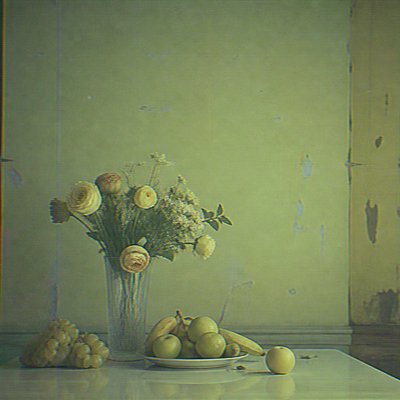
“bouquet of flowers in a glass vase”
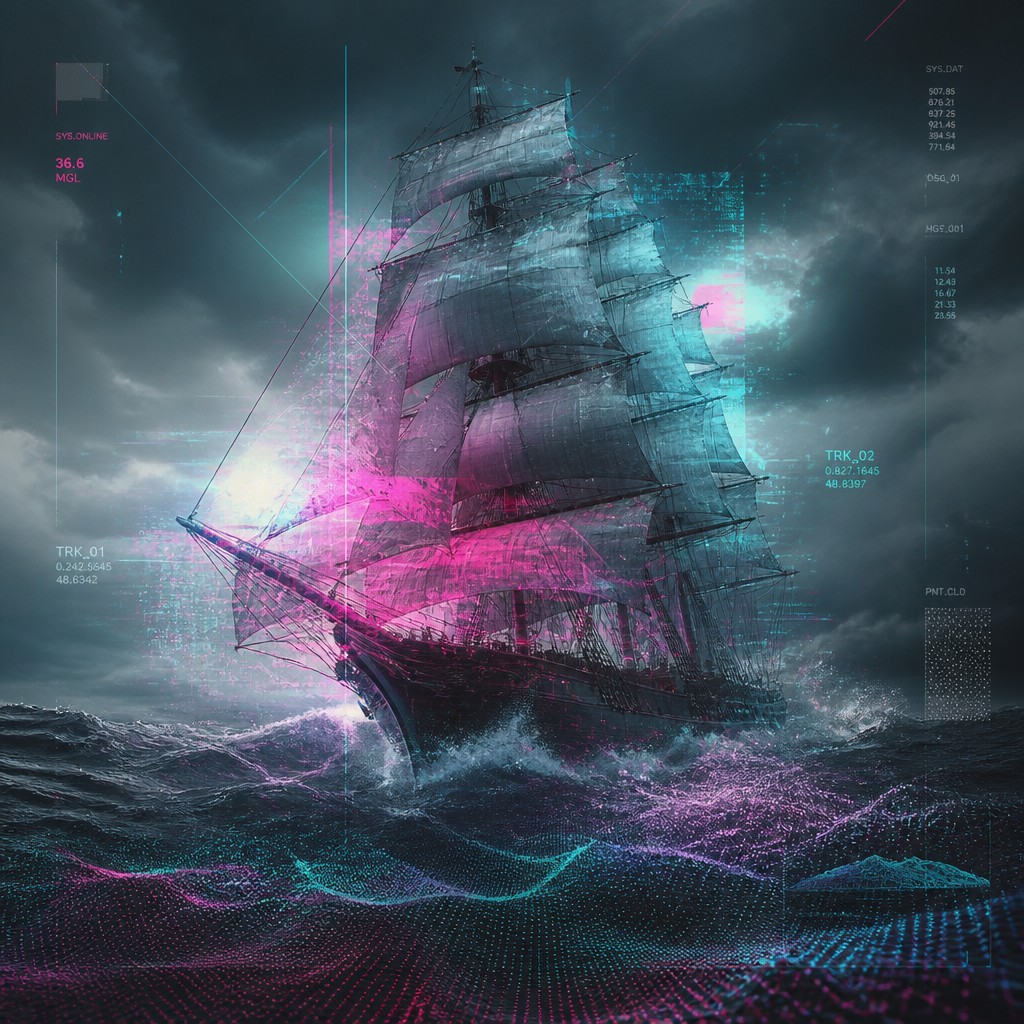
“sailing ship on a stormy sea”
How to Create Augmented Reality Contemporary Art
Master the craft step by step — or skip straight to creating. Read the full guide →
- 1
Build a grounded base image first
Start with a clearly readable real-world subject, such as a portrait, object, architectural scene, or installation space. The AR effect works best when the digital layer has something stable to attach to.
- 2
Add overlay language deliberately
Introduce translucent panels, wireframes, point clouds, and interface markers as separate visual layers. Keep them semi-transparent so the physical form still reads underneath.
- 3
Use color contrast to signal mediation
Pair neutral or realistic base tones with cyan, magenta, and violet highlights for the digital elements. A restrained palette with selective neon accents usually feels more convincing than saturating everything.
- 4
Treat glitches as design, not accident
If working digitally, apply pixel sorting, compression artifacts, scan-line breaks, and edge tearing in controlled areas. These effects should suggest device translation and data instability rather than random damage.
- 5
For image-to-image, preserve structure and add activation
When transforming a photo, keep the original composition and identity intact while layering holographic geometry, tracking patterns, and light interference over it. The goal is to make the scene feel augmented, not replaced.
- 6
Prompt for interaction and spatial awareness
In text-based generation, specify mixed reality, app-viewed overlays, translucent holograms, and device-mediated viewing. Mention the subject clearly, then describe how the digital layer should hover, map, or respond to the scene.
The Story
History & Origins of Augmented Reality Contemporary
This is not a historical art movement in the traditional sense, but an emergent contemporary aesthetic shaped by augmented reality technology, screen culture, and post-digital art practices. Its lineage can be traced through site-specific installation art, digital collage, glitch aesthetics, and new media art that foregrounds the viewer’s role in completing the work. The style reflects the experience of AR-based exhibitions, where physical marks, markers, or spatial anchors trigger animated layers visible through a phone or headset.
Its visual language also draws from science fiction interface design, cybernetic imagery, and the broader contemporary interest in hybrid spaces where material and virtual environments overlap. Artists working in this territory often borrow from projection art, mapping, data visualization, and conceptual installation, but reframe these sources through the interactive logic of device-mediated viewing.
Influences: This style draws from post-digital art, installation art, glitch aesthetics, interface design, and science-fiction visualization, especially where image-making foregrounds mediation and interaction. It also shares concerns with conceptual art and contemporary media art that treat the viewer’s presence as part of the work; in a broader historical sense, it can be related to the experiential space of installations by major light-and-space installation artists, though its technology-driven look is distinctly contemporary.
Frequently Asked Questions
What defines augmented reality contemporary art style?
It is defined by the visual fusion of physical imagery with digital overlays that look like they are being viewed through an AR device. Typical signs include holographic layers, tracking grids, interface marks, and glitch textures. The style emphasizes interaction, mediation, and the unstable boundary between real and virtual space.
How is this different from cyberpunk or general sci-fi art?
Cyberpunk usually focuses on narrative worlds, urban grit, and high-tech low-life themes, while this style is more about the visual logic of mixed reality itself. It can feel futuristic, but its emphasis is on overlays, spatial calibration, and device-based perception rather than a fictional dystopian setting.
Is this a real art movement?
It is better understood as a contemporary aesthetic lineage than a fixed historical movement. It grows out of augmented reality, new media art, glitch art, and installation practices rather than from a single school or manifesto. The style reflects how digital layers now coexist with physical space.
How do I make an image look like it belongs in this style?
Use a clear real-world subject and then add transparent digital structures that appear to hover in space. Include neon edge light, grid overlays, and controlled glitch effects. The image should feel like a scene plus an activated digital layer, not like a purely abstract tech graphic.
Can this style work with photography?
Yes. It works especially well with portraits, architecture, and street scenes because the physical base gives the digital elements something to anchor to. In photography-based versions, the AR layer can be subtle or dramatic depending on how visible you want the mediation to feel.
Where is this style commonly used?
It appears in digital installations, speculative exhibition graphics, album art, event visuals, game-adjacent concept art, and mixed-reality promotional imagery. It is especially effective anywhere the goal is to suggest an artwork or environment that responds to viewing through a device.

Create your first Augmented Reality Contemporary artwork
Describe anything — or upload a photo — and see it in Augmented Reality Contemporary Art Style in seconds.
Make Something with Augmented Reality Contemporary
Related Styles
Discover similar art styles