Victorian Art Style
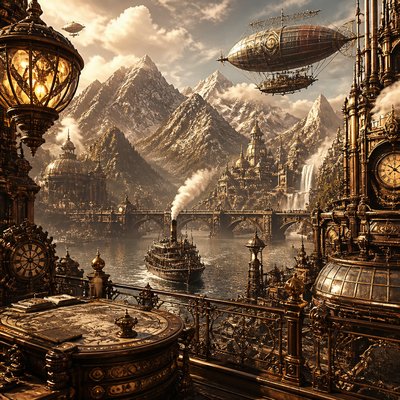
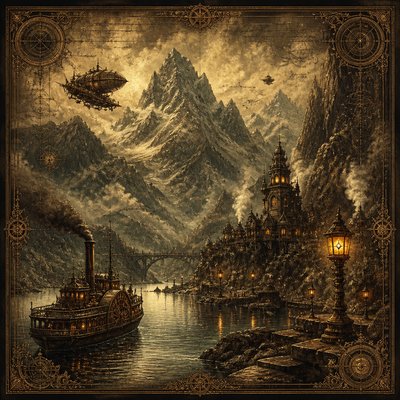
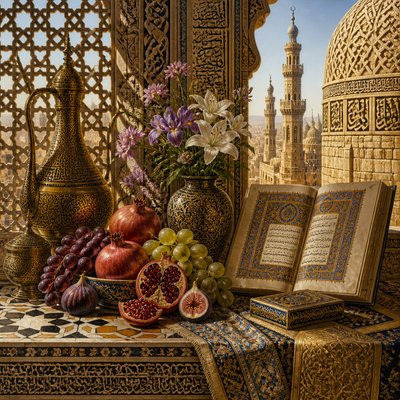
Explore Victorian art: richly detailed narrative realism, plush interiors, gaslight warmth, ornate decoration, and sentimental storytelling.
Instantly rendered in Victorian — or transform a photo
Victorian Gallery
Tap any artwork to explore it
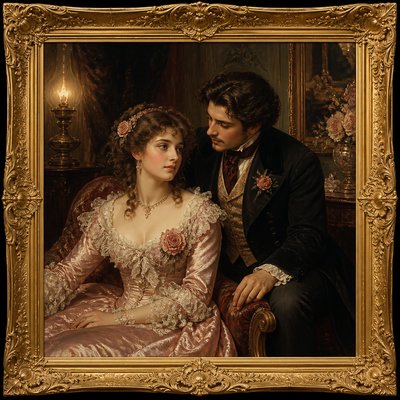
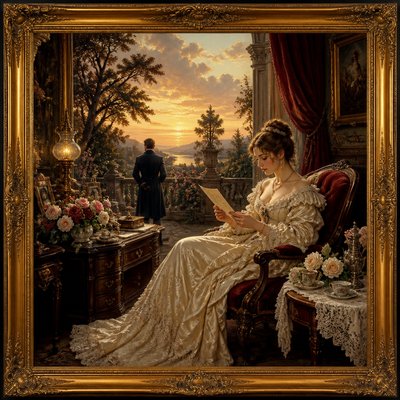
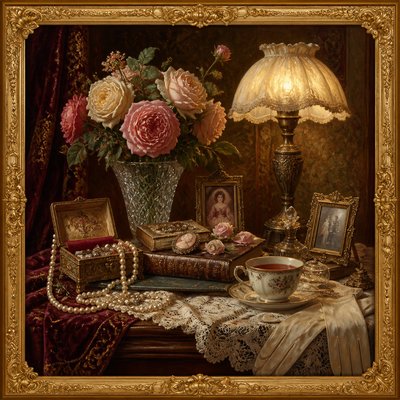
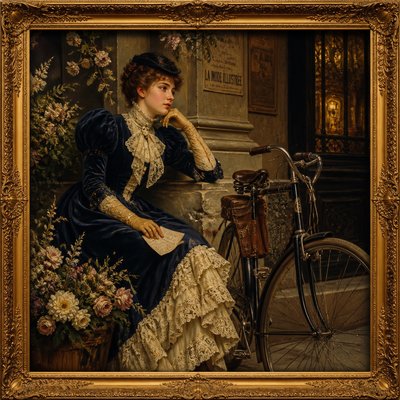
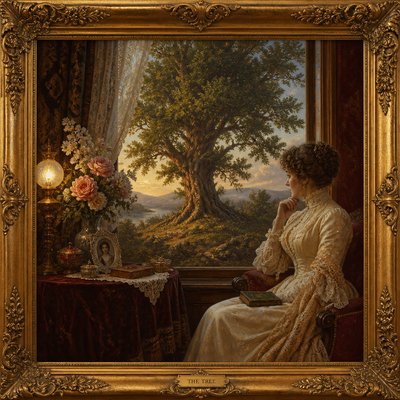
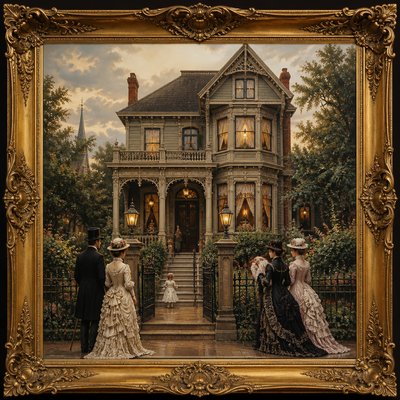
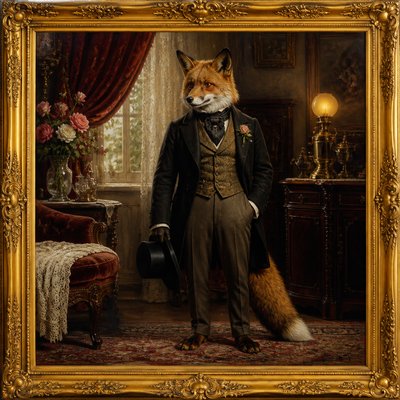
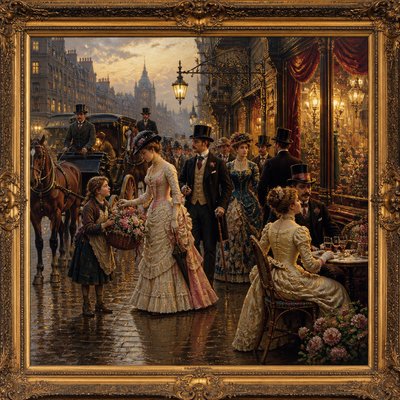
What is Victorian Art Style?
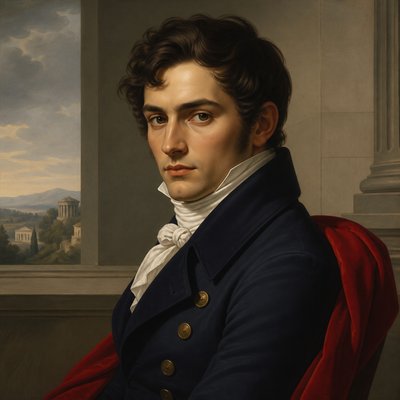
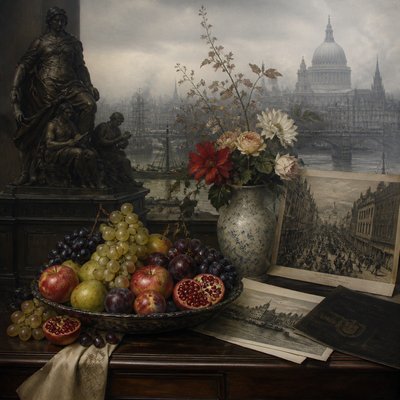
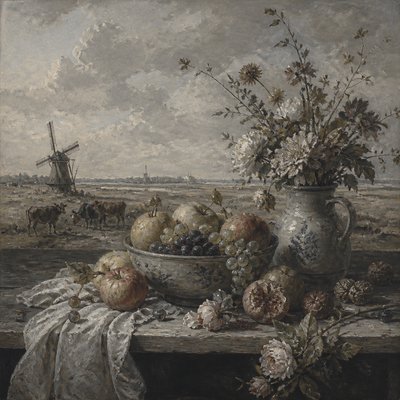
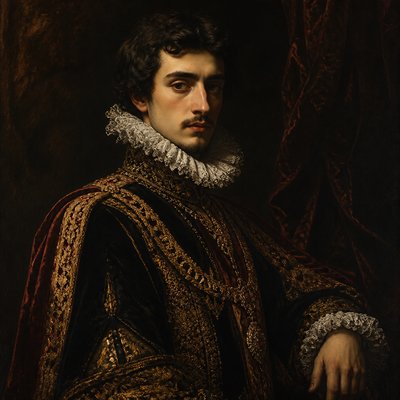
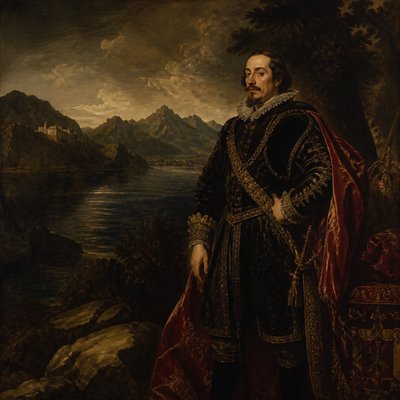
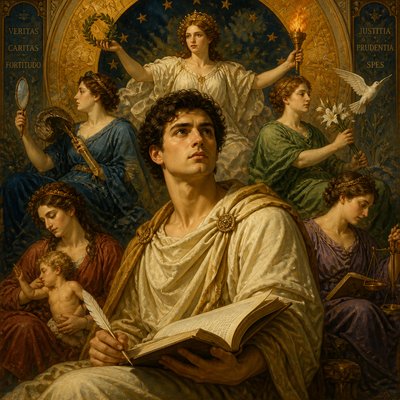
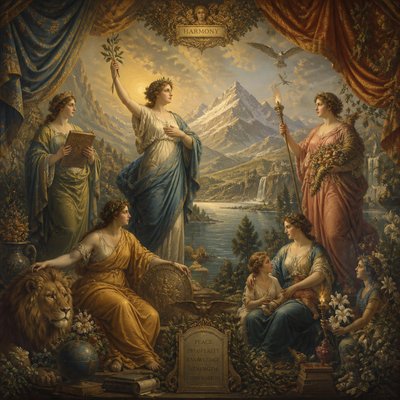
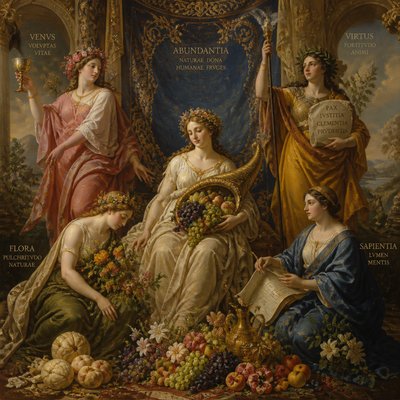
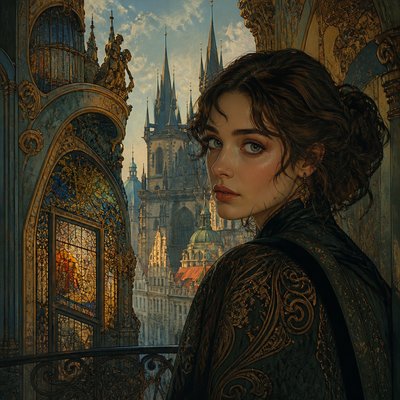
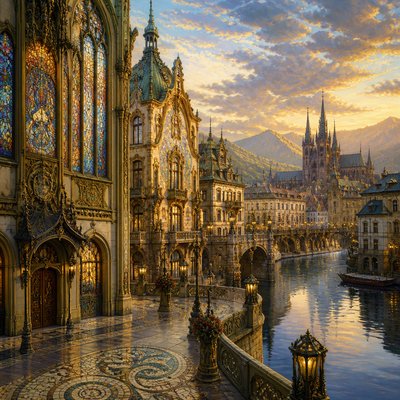
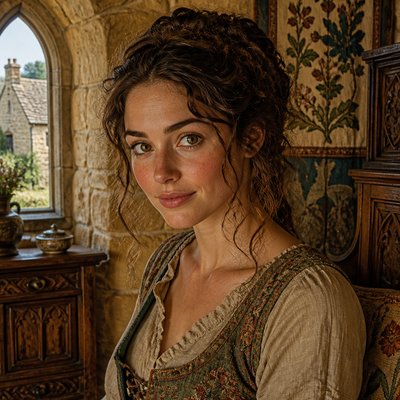
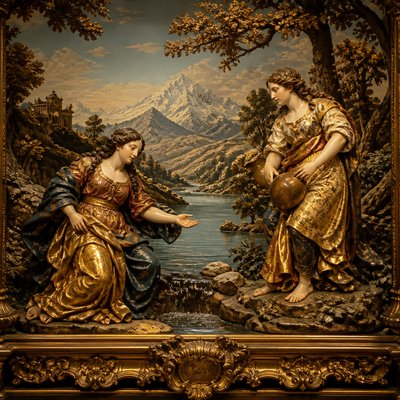
Victorian art style refers to the broad visual culture of Britain and its influence during the Victorian era, from 1837 to 1901. In popular use, it describes richly finished narrative images featuring academic realism, elaborate interiors, formal dress, domestic sentiment, historical subjects, and the warm, theatrical atmosphere associated with gaslight. Its visual language often combines accurate observation with idealized emotion and decorative abundance.
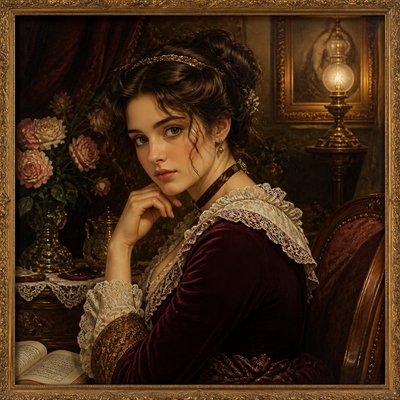
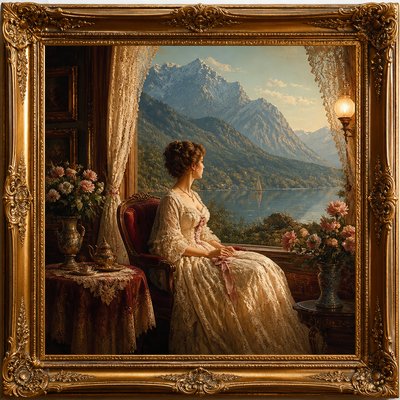
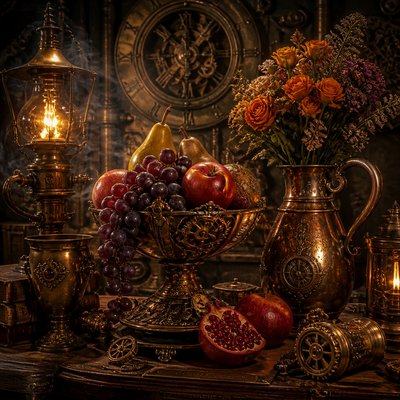
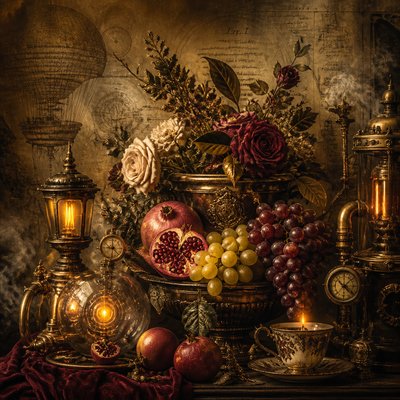
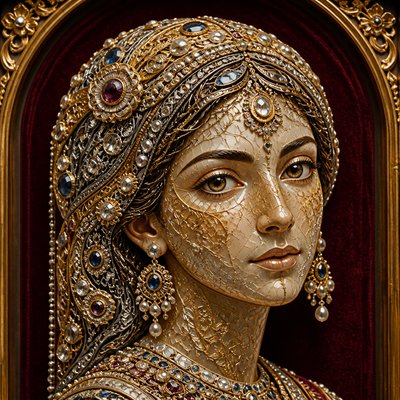
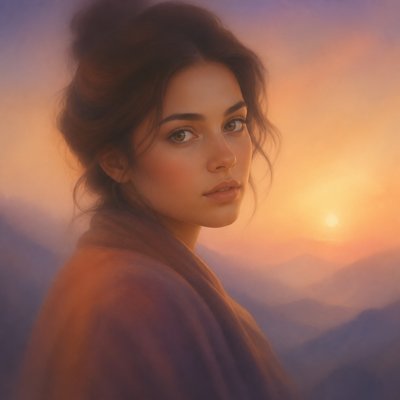
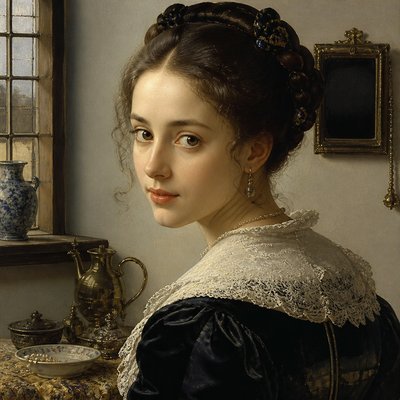
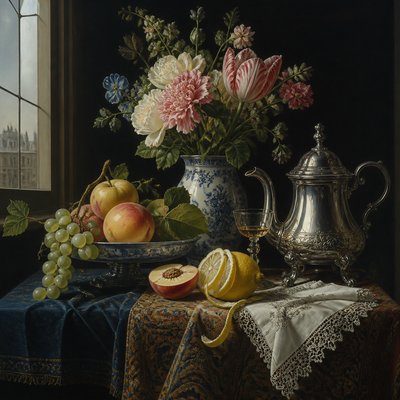
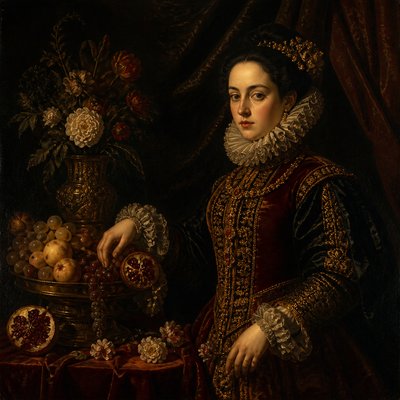
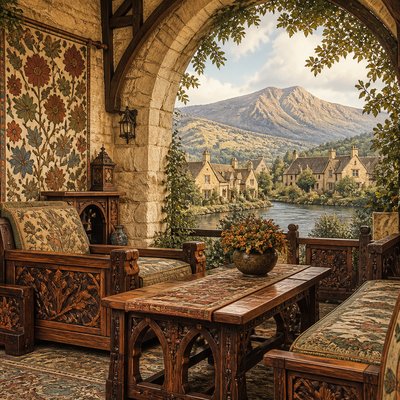
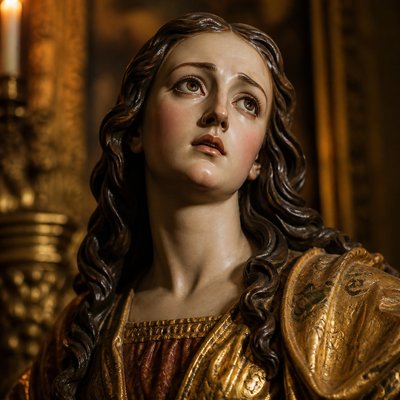
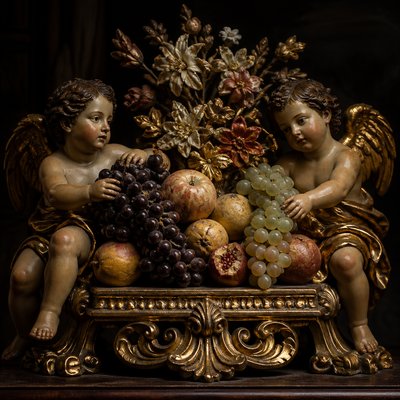
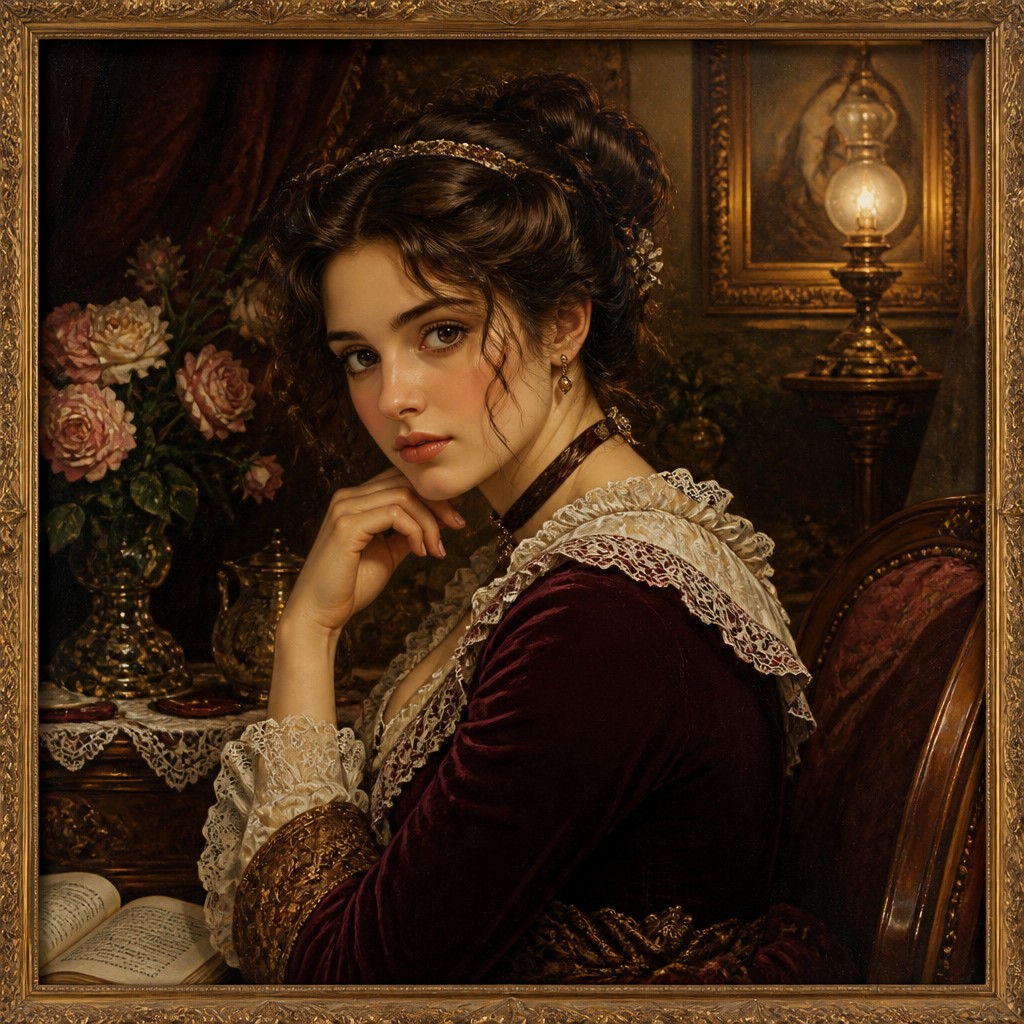
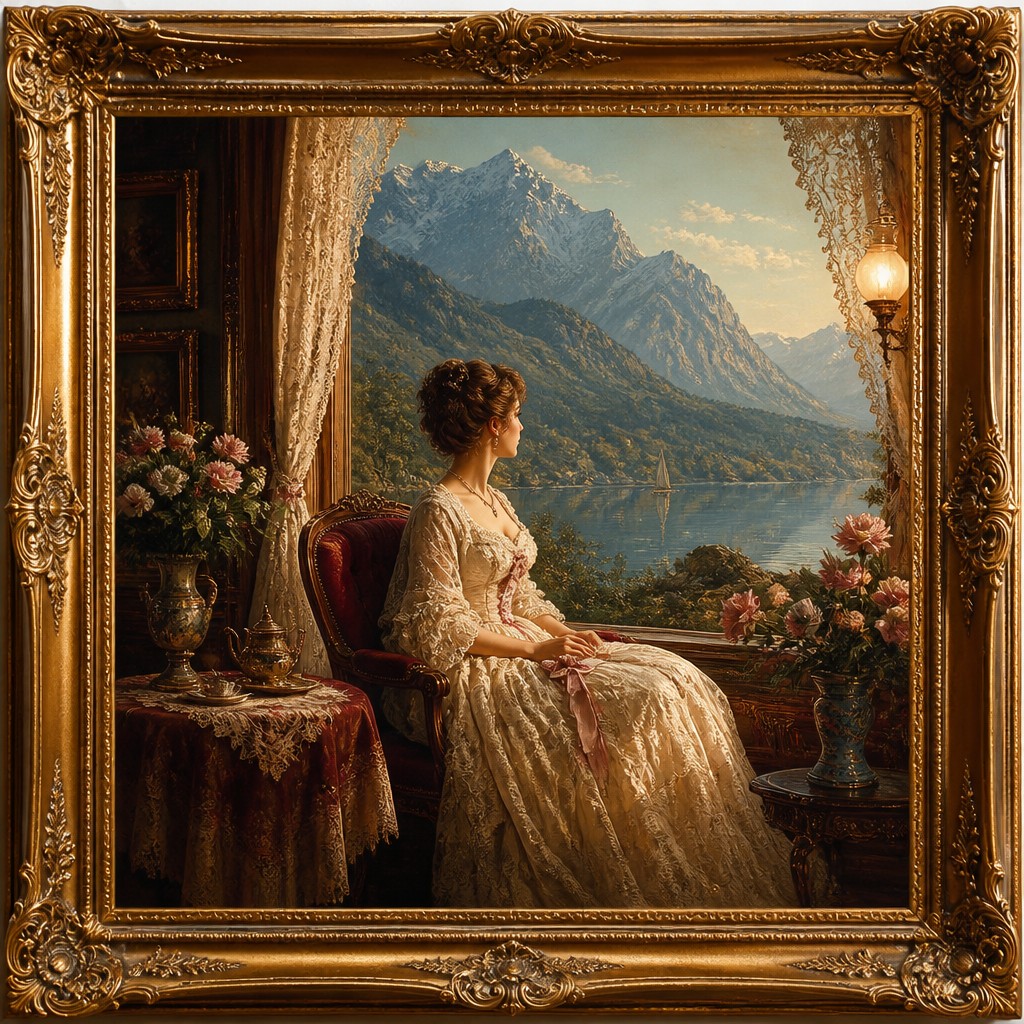
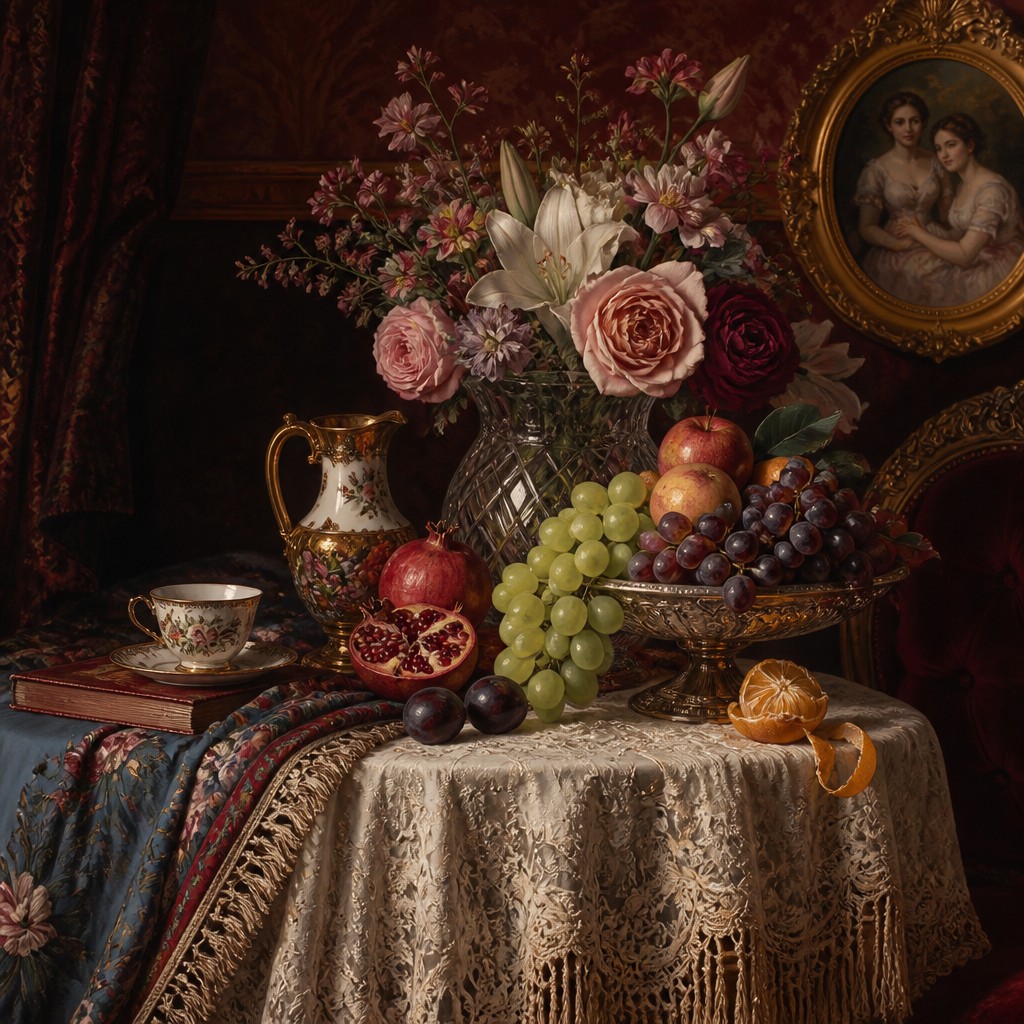
The style looks distinctive because Victorian image-making joined storytelling to craftsmanship. Velvet, mahogany, lace, brass, flowers, books, paintings, and gilt ornament are rendered with close attention to texture, while gestures and expressions establish a readable emotional scene. Warm amber illumination, deep shadows, controlled compositions, and ornate framing create an atmosphere of intimacy, ceremony, nostalgia, or restrained melodrama.
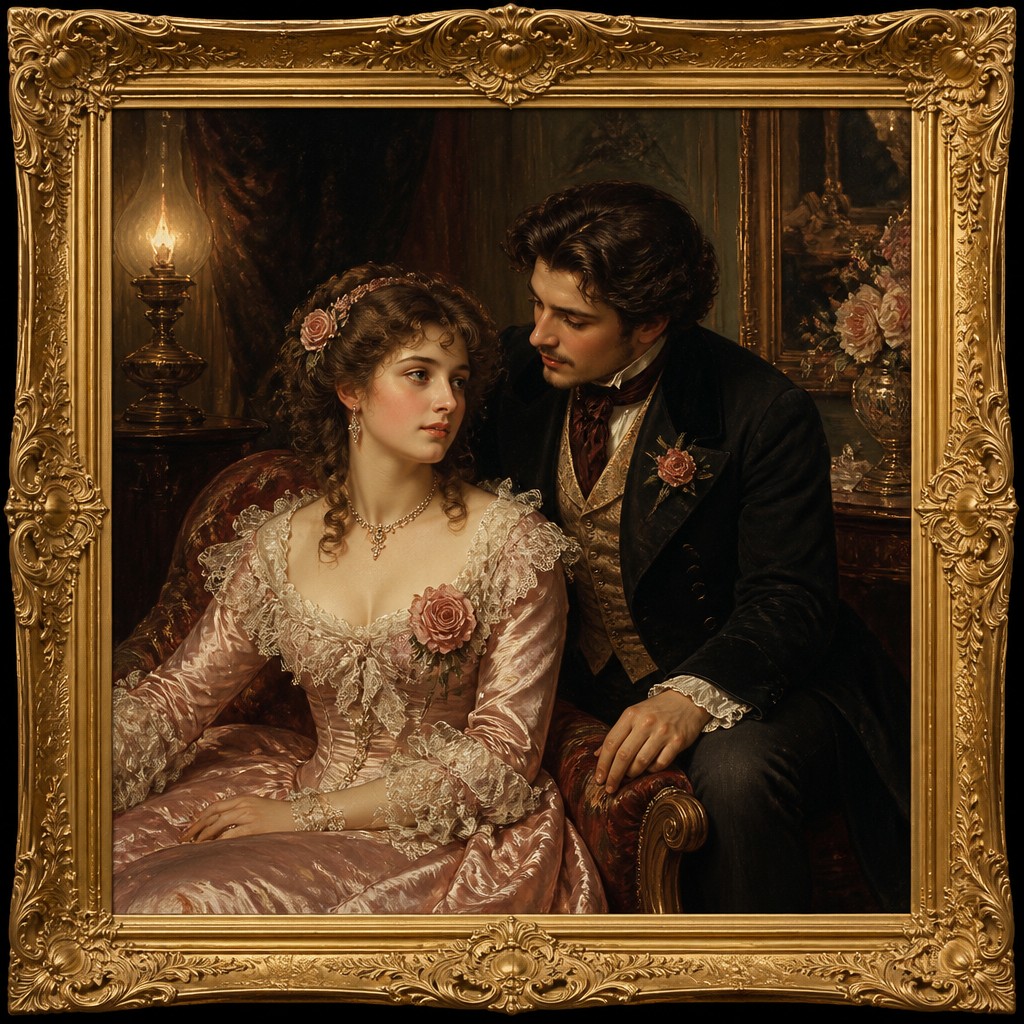
Try It On Your Photos
Upload any photo and convert it into Victorian Art Style — drag the sliders to compare before and after.
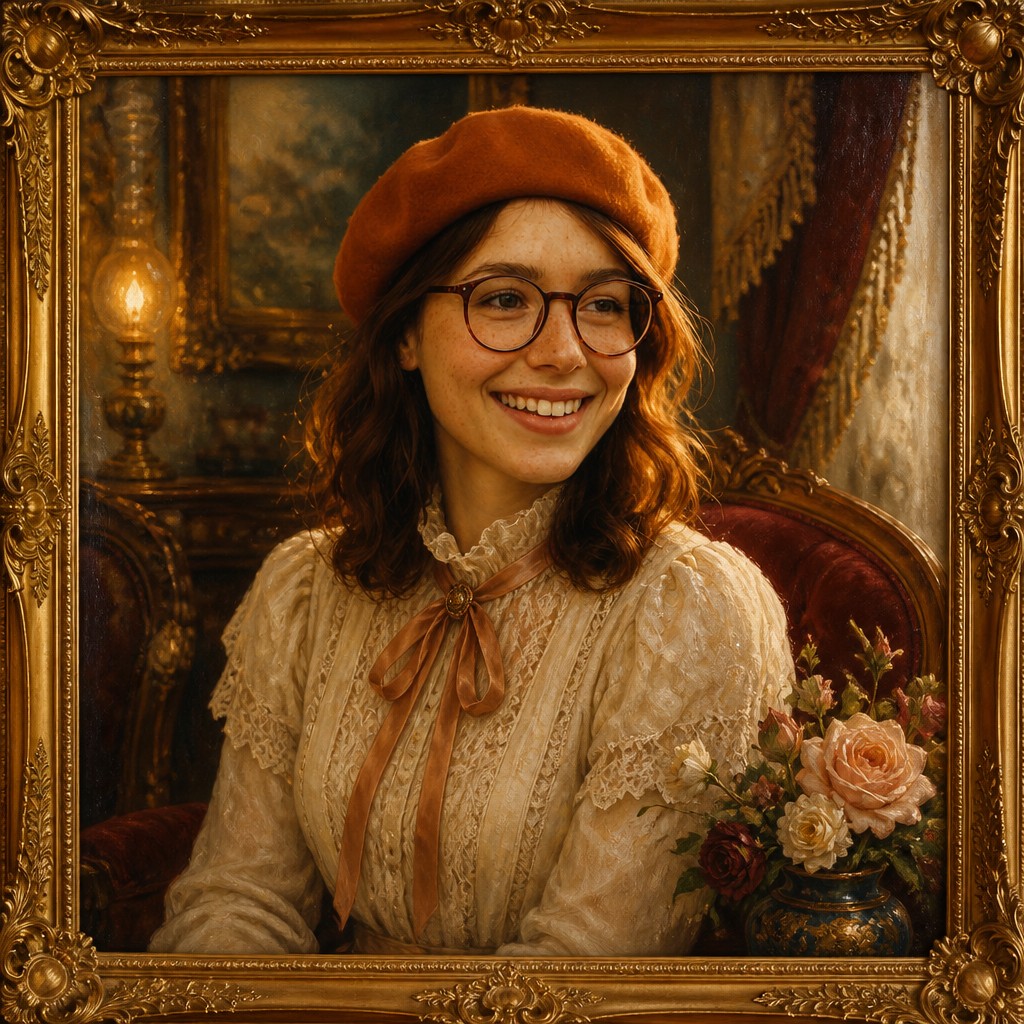

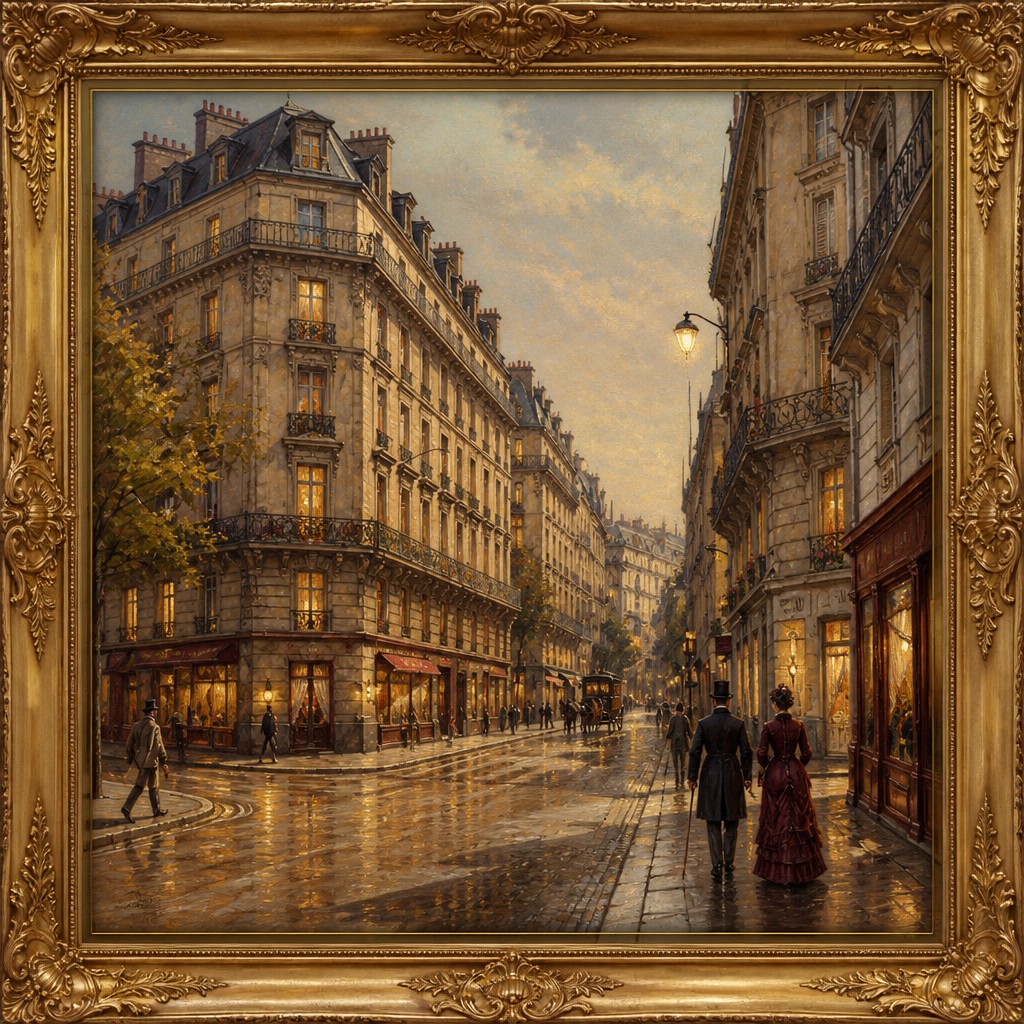

What Defines Victorian Art Style
The signature details, up close
Narrative realism
Figures, objects, and settings are rendered with careful observational detail, but the composition is organized around a clear story, social encounter, or emotional turning point.
Gaslit color harmony
Amber, ochre, russet, burgundy, cream, and deep brown create the impression of candlelight or gaslight. Selective highlights against shadow give interiors a warm, theatrical depth.
Plush interiors
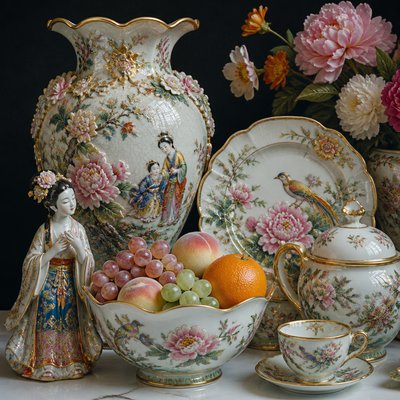
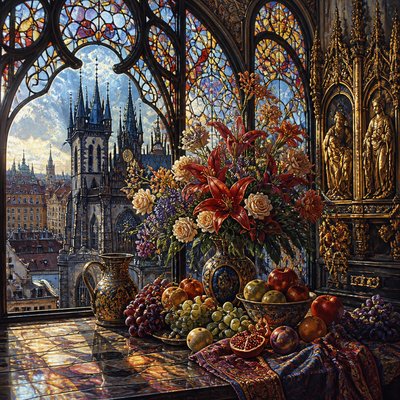
Velvet upholstery, carved mahogany, patterned wallpaper, lace curtains, books, porcelain, brass fittings, and heavy drapery establish a sense of comfort, status, and cultivated domesticity.
Sentimental storytelling
Facial expressions, hand gestures, letters, keepsakes, farewells, reunions, and acts of care communicate emotion without relying on abstract symbolism alone.
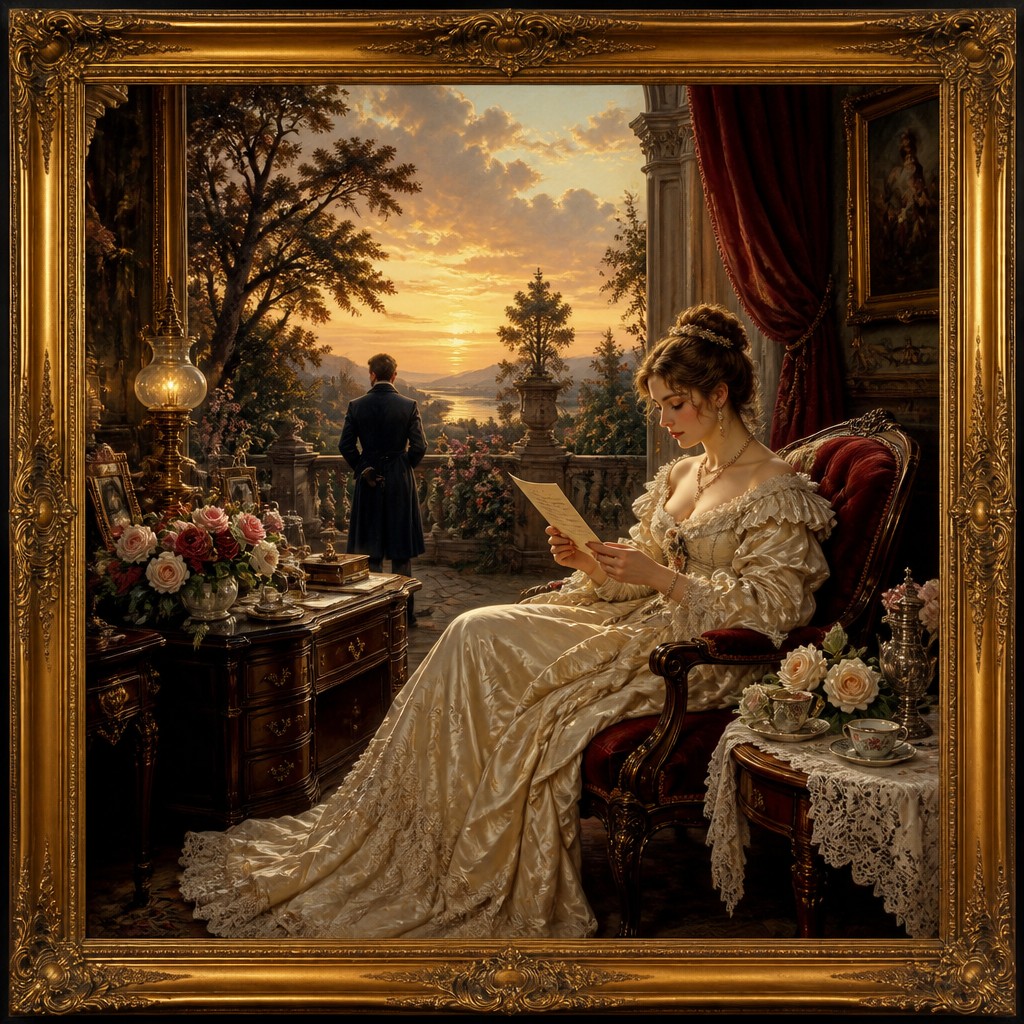
Ornamental richness
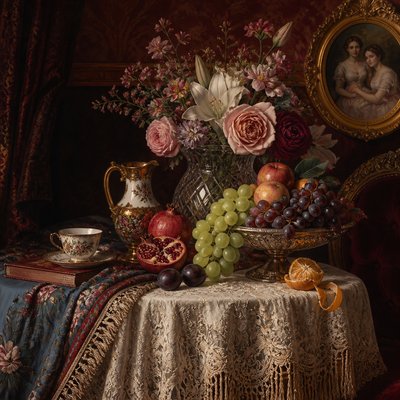
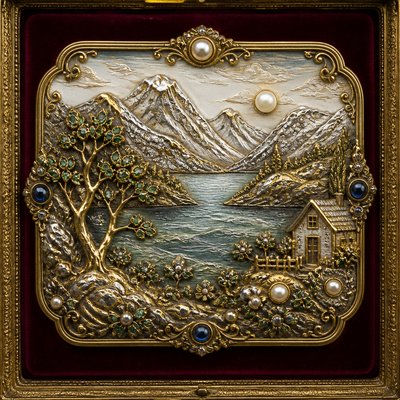
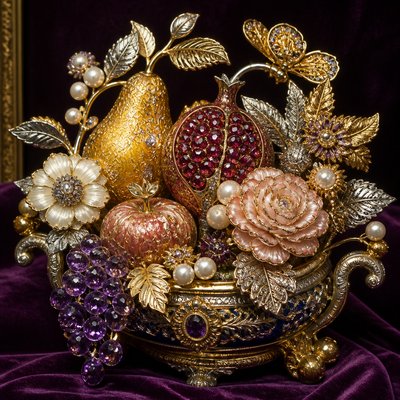
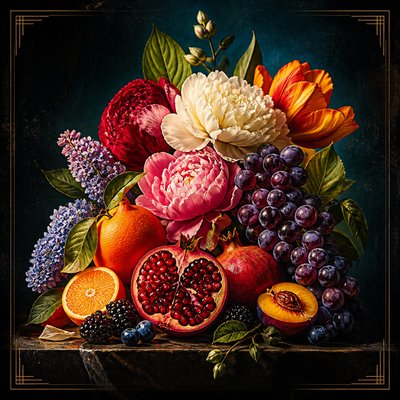
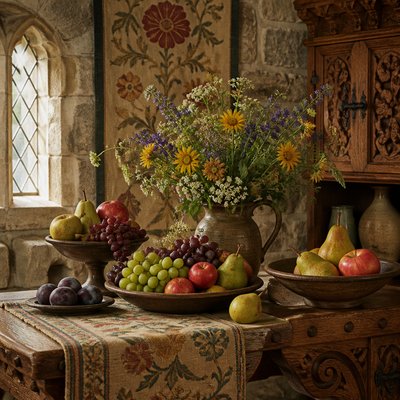
Gilt frames, floral arrangements, decorative borders, patterned fabrics, and layered furnishings fill the image with visual information while reinforcing its formal elegance.
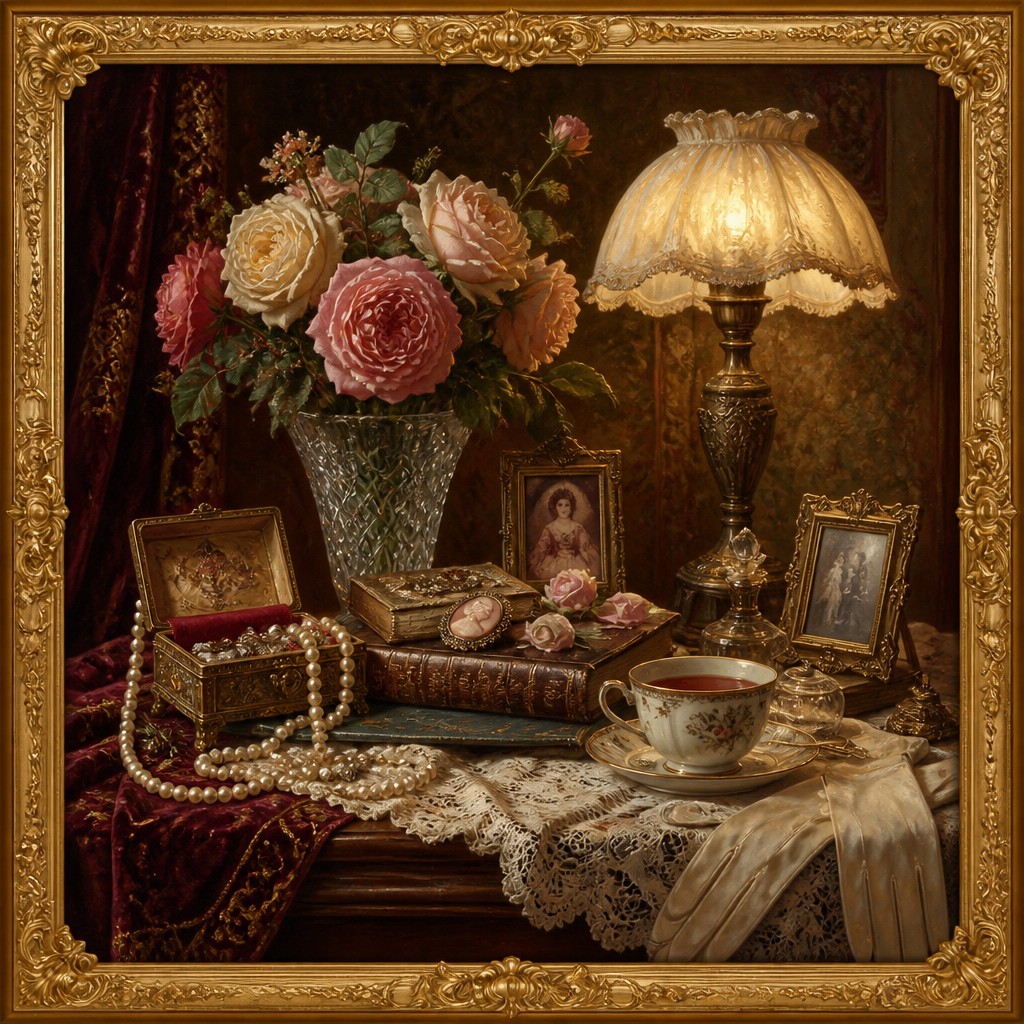
Academic finish
Smooth modeling, controlled anatomy, polished surfaces, balanced composition, and precise edges create the refined appearance associated with exhibition painting and formal illustration.
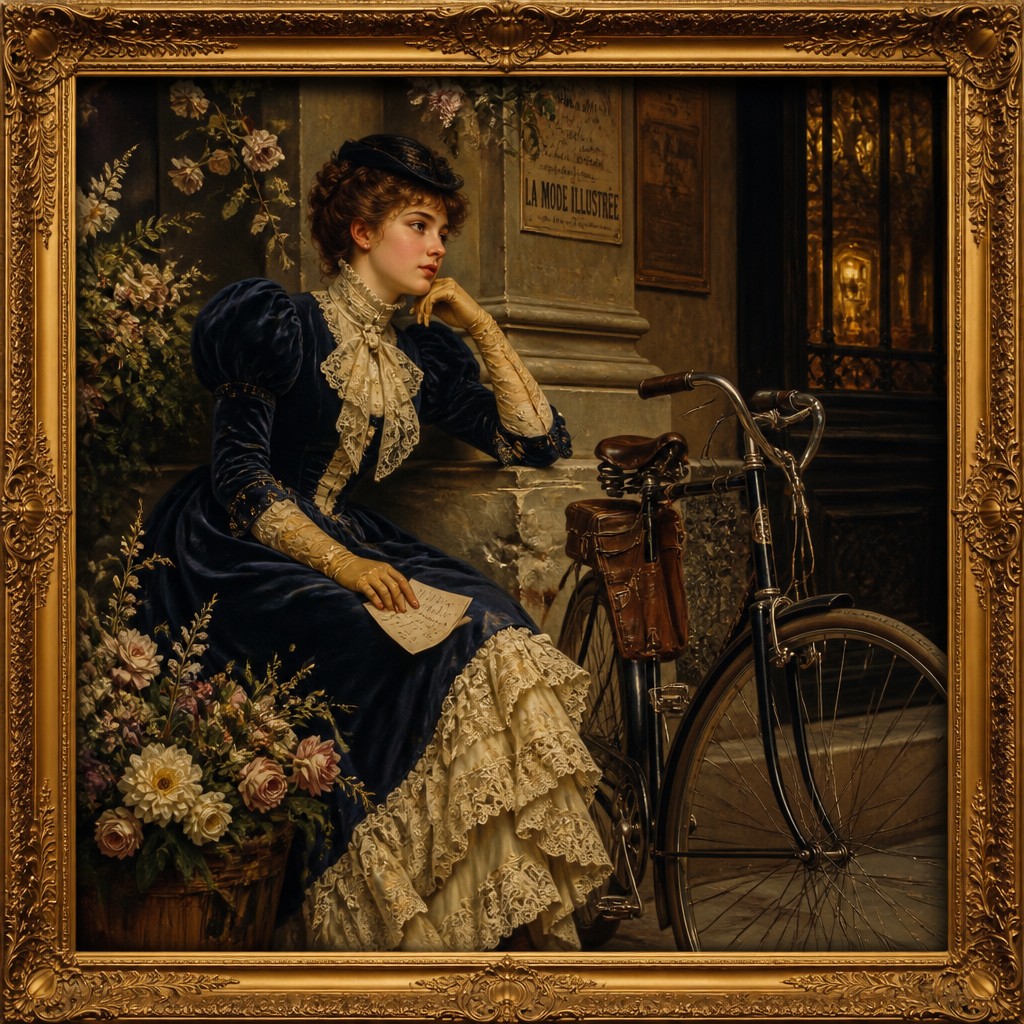
Period costume and objects
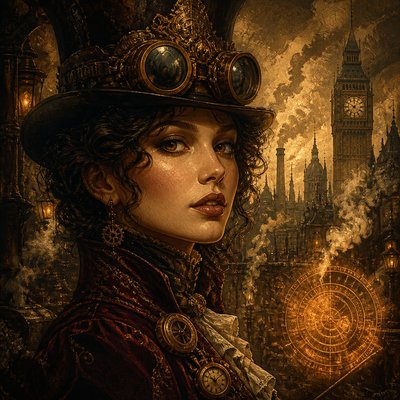
High collars, tailored waistcoats, long dresses, gloves, bonnets, pocket watches, writing desks, lamps, and other historically suggestive details anchor the scene in the nineteenth century.
Try It
Create Videos in Victorian Art Style
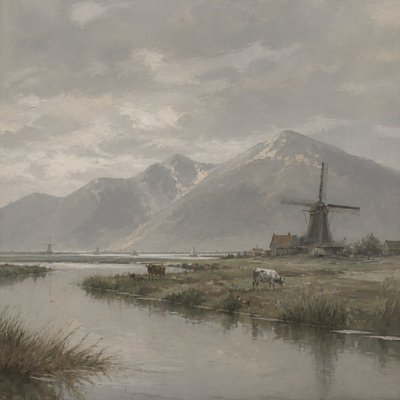
Styles aren't just for stills — describe a scene or animate an image and get a short video rendered in Victorian. Press play to see this pond come to life.
Make a VideoVictorian Prompt Ideas
Start from an idea — each one opens the generator with the style ready to go. See all 40 Victorian prompts →
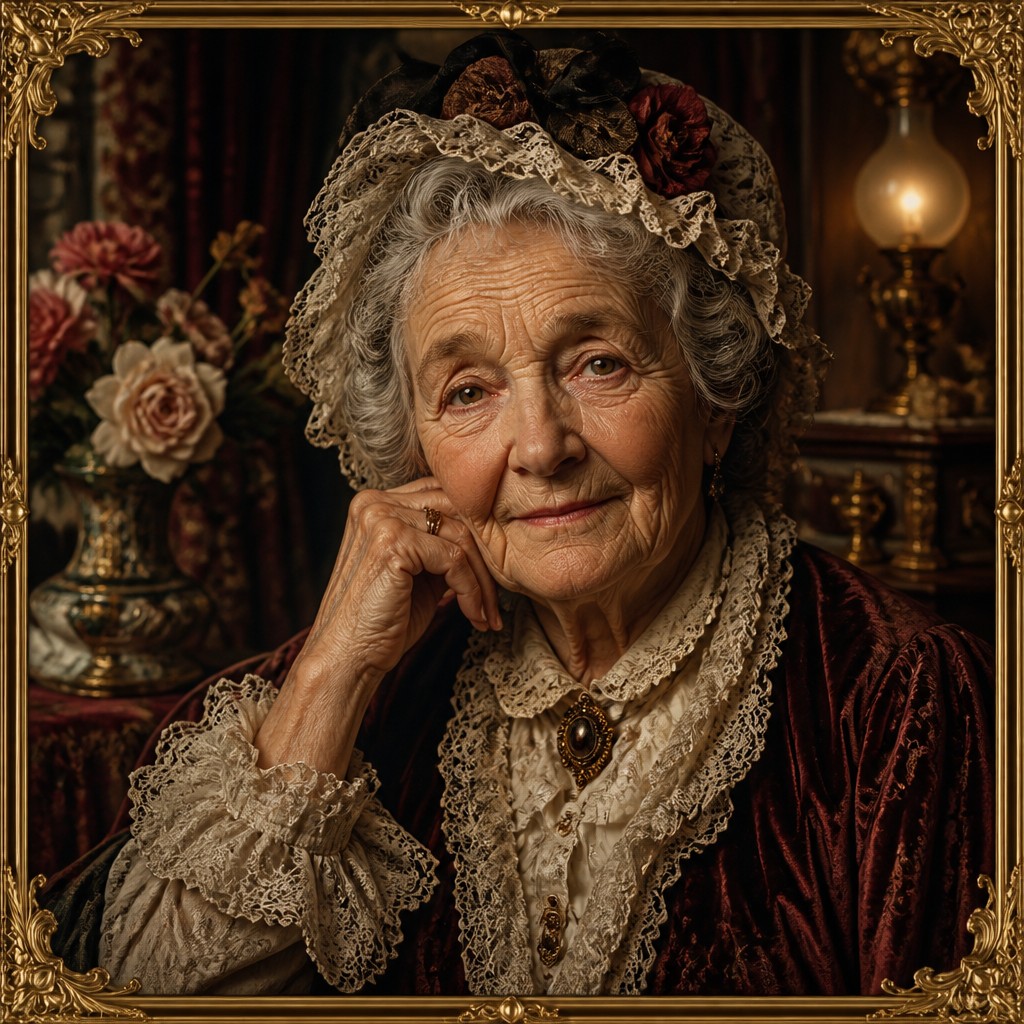
“close-up portrait of an elderly person with expressive weathered features”
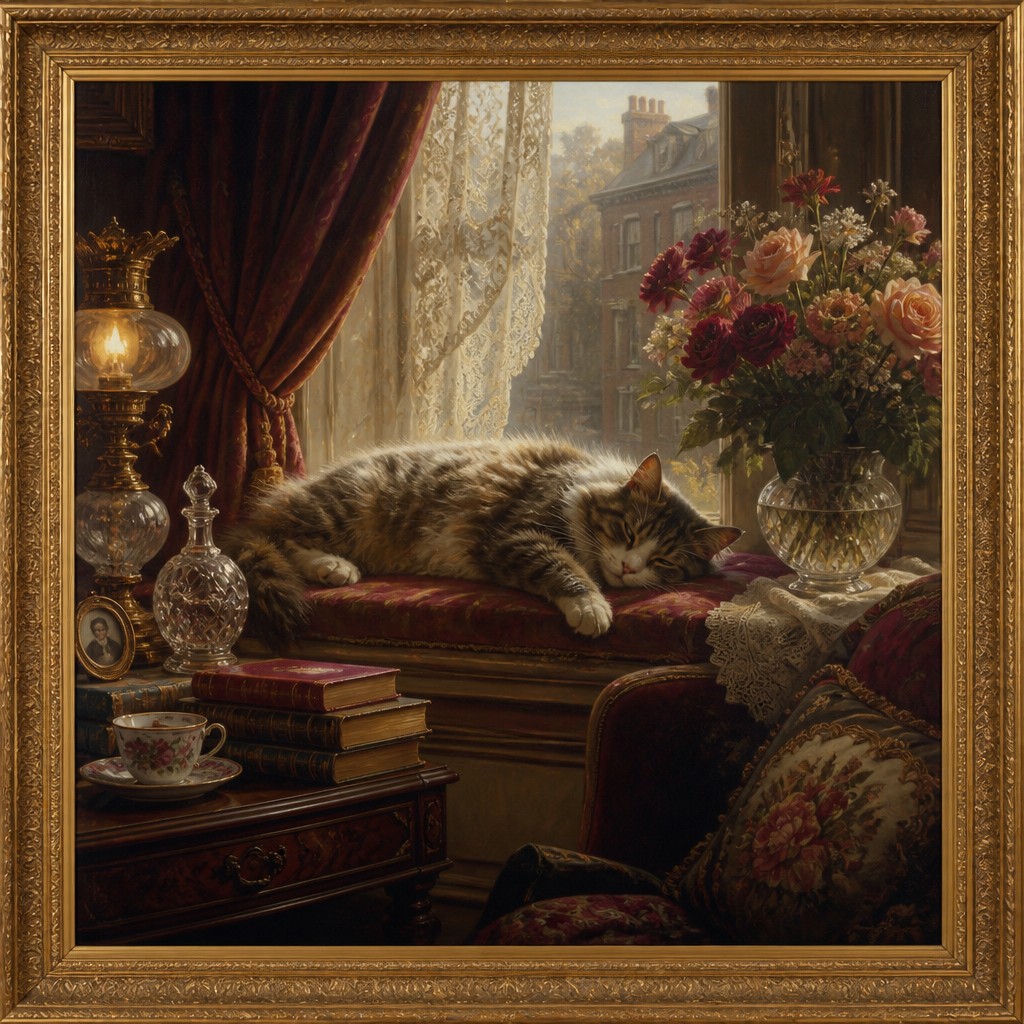
“a cat lounging in a sunlit window”
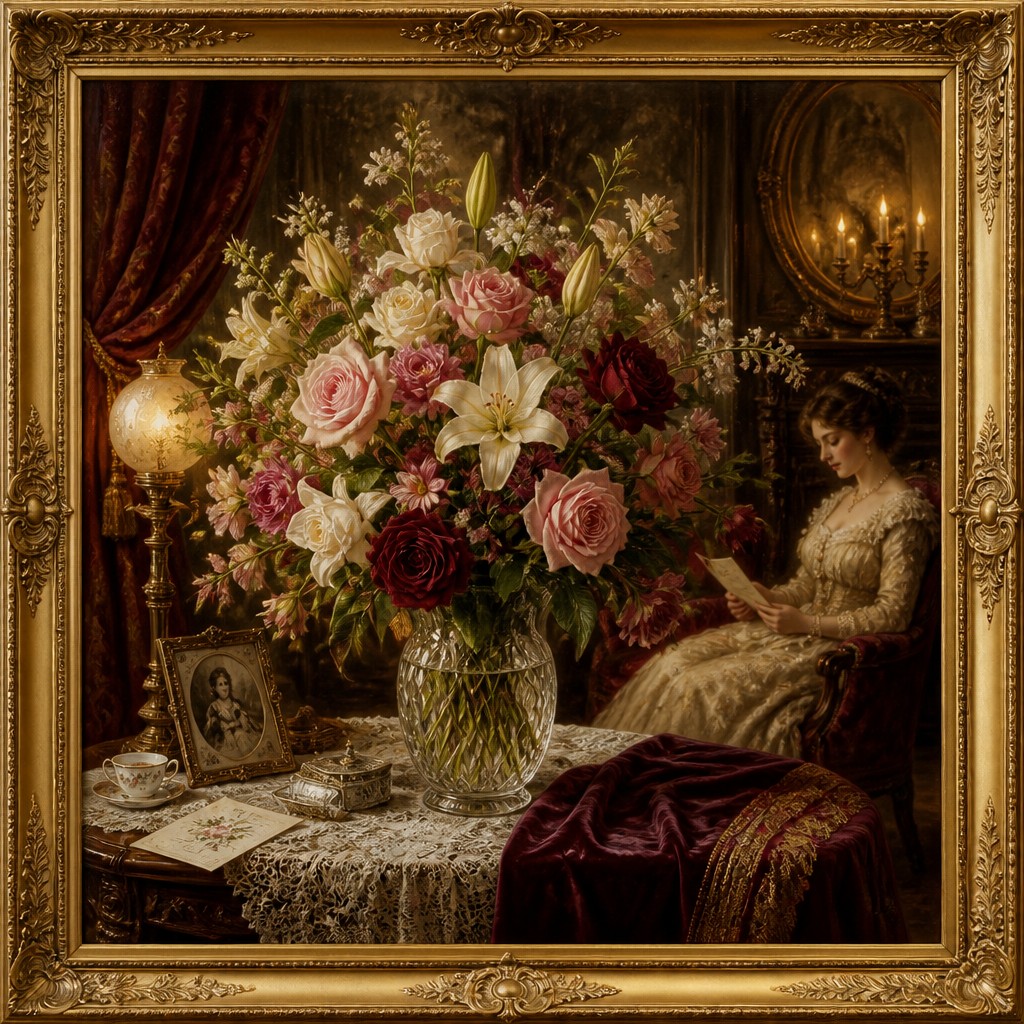
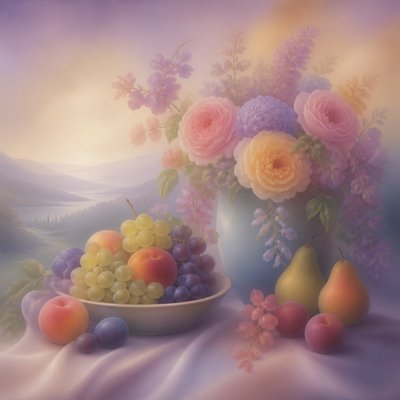
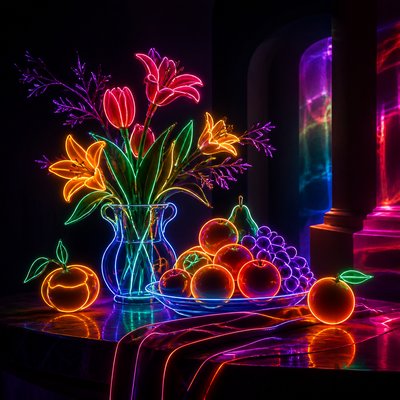
“bouquet of flowers in a glass vase”
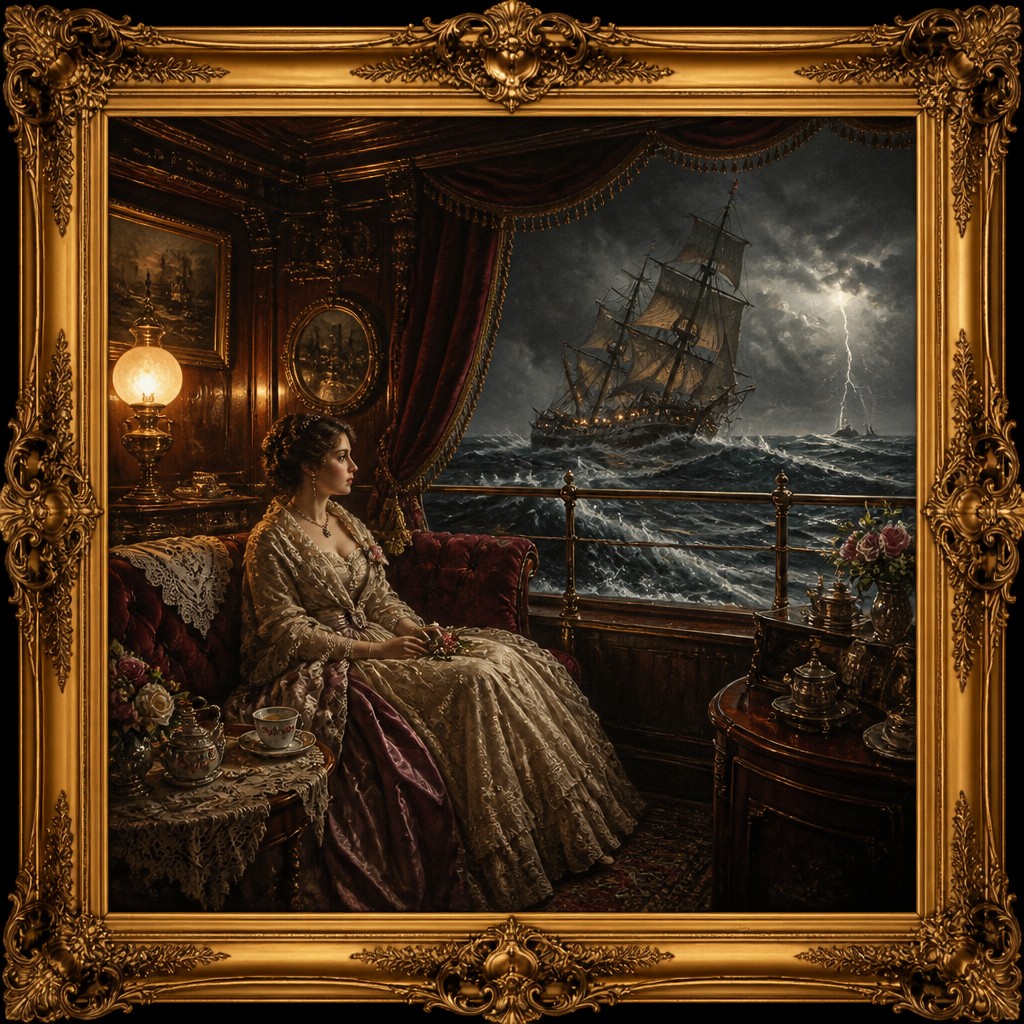
“sailing ship on a stormy sea”
How to Create Victorian Art
Master the craft step by step — or skip straight to creating. Read the full guide →
- 1
Build a readable story
Begin with a specific event—a farewell in a drawing room, a letter being opened, or a family gathered around a portrait. Position hands, gazes, and props so the viewer can infer the emotional narrative.
- 2
Layer the interior
Establish large forms first: walls, floor, furniture, and window or fireplace. Add medium-scale furnishings and finish with lace, floral arrangements, books, brass, carved wood, and fabric patterns.
- 3
Control warm light
Use a warm key light from a lamp, candle, or fireplace and preserve cooler, darker passages around the room. In painting or digital work, reserve the brightest values for faces, hands, reflective metal, and important objects.
- 4
Render tactile materials
Vary brushwork or texture by surface: soft broken marks for velvet, fine lines for lace, directional grain for mahogany, and small sharp accents for jewelry or glass. Avoid giving every object the same level of detail.
- 5
Compose like a period illustration
Favor balanced, formal arrangements with layered depth, architectural framing, and a clear focal group. Digital artists can combine a careful perspective block-in with textured brushes, restrained edge sharpening, and a subtle aged-paper or gilt-frame treatment.
- 6
Write precise generation prompts
Specify the subject, period clothing, interior materials, emotional action, lighting source, palette, composition, and finish. For image-to-image work, preserve the original pose or architecture while describing the desired fabrics, gaslight, ornament, and narrative mood.
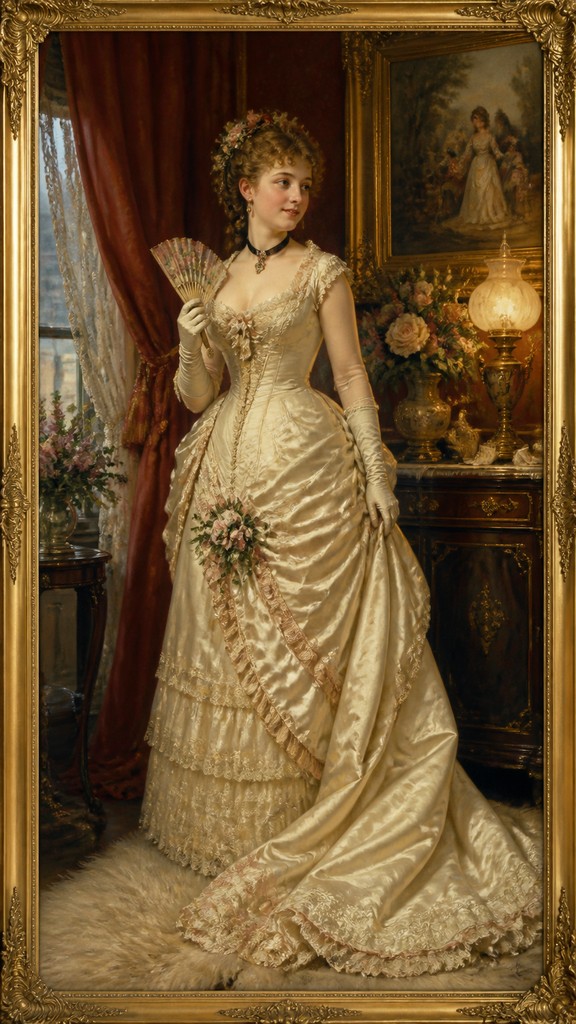
The Story
History & Origins of Victorian
Victorian art developed in Britain during the reign of Queen Victoria, between 1837 and 1901, alongside industrialization, urban growth, expanding print culture, imperial power, and changing ideas about domestic life. It was not a single unified movement: academic painting, medieval revival, decorative arts, realism, aestheticism, illustration, photography, and numerous revival styles coexisted. Public exhibitions, illustrated books, magazines, and commercially reproduced images helped spread its visual conventions.
The specific image often called Victorian today is a later synthesis of nineteenth-century traditions rather than a precise historical category. It draws especially on academic narrative painting, domestic genre scenes, medieval and Renaissance revival, ornate interior design, theatrical portraiture, and the effects of candlelight and gaslight. Contemporary reconstructions may heighten the period's polish, sentiment, and decorative density beyond what any one Victorian school would have intended.
Influences: Victorian art style is related to British academic painting, domestic genre painting, historical narrative art, medieval revival, Gothic Revival, Aestheticism, Arts and Crafts, nineteenth-century book illustration, portrait photography, and theatrical stage design. It also reflects broader European traditions of chiaroscuro, courtly portraiture, Rococo ornament, Renaissance revival, and decorative interior design. Contemporary versions frequently blend these sources with period photography, museum interiors, costume drama, and nostalgic color grading.

Frequently Asked Questions
What defines Victorian art style?
It is defined by detailed narrative realism, formal composition, ornate decoration, period costume, sentimental or moral storytelling, and warm interior lighting. Rich materials such as velvet, lace, mahogany, brass, and gilt surfaces are especially characteristic.
Is Victorian art a single historical art movement?
No. Victorian art describes a broad nineteenth-century culture rather than one consistent movement with a single manifesto or technique. It includes several overlapping schools and media, so modern usage often refers to a reconstructed or generalized Victorian visual vocabulary.
How does Victorian art differ from Gothic art?
Gothic art can emphasize medieval religious imagery, pointed architecture, solemn symbolism, and heightened darkness. Victorian style may borrow Gothic Revival elements, but it more often centers domestic life, social narrative, formal interiors, costume, and sentimental emotion.
How can I make a Victorian-style painting?
Choose a clearly staged emotional event, use a balanced interior composition, and light the scene with a warm lamp, candle, or fireplace against deeper shadows. Study period furniture, costume, textiles, and decorative objects, then render them with controlled edges and varied material textures.
Does Victorian art always show wealthy interiors?
No. Victorian visual culture also included urban scenes, rural life, industrial subjects, poverty, social reform, landscape, portraiture, illustration, and photography. Plush interiors are a popular contemporary shorthand, not a complete account of the period.
Where is this style commonly used today?
It appears in historical illustration, book covers, costume and period-drama concept art, editorial portraits, interior visualization, fantasy scenes with nineteenth-century settings, stationery, and decorative design. Its emphasis on atmosphere and readable gestures also makes it useful for storytelling images.

Create your first Victorian artwork
Describe anything — or upload a photo — and see it in Victorian Art Style in seconds.
Related Styles
Discover similar art styles