Cairo Art Style
Explore Cairo Art Style: Mamluk geometry, brass arabesques, illuminated manuscript borders, sandstone minarets, and intricate Islamic ornament.
Instantly rendered in Cairo — or transform a photo
Cairo Gallery
Tap any artwork to explore it
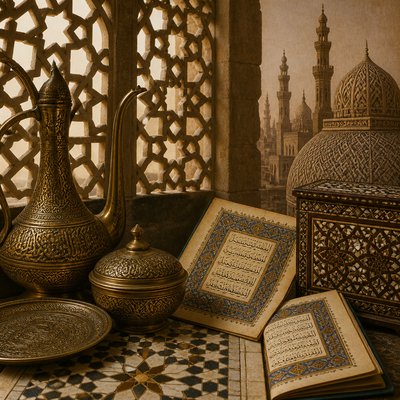
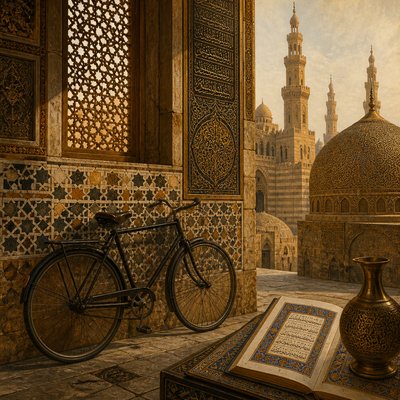
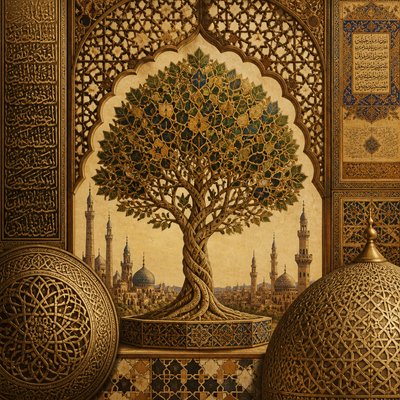
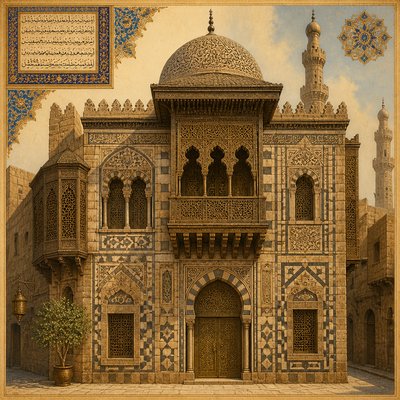
What is Cairo Art Style?
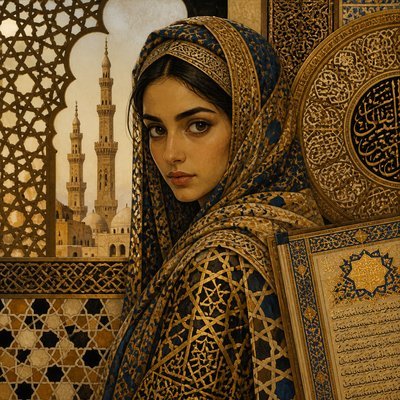
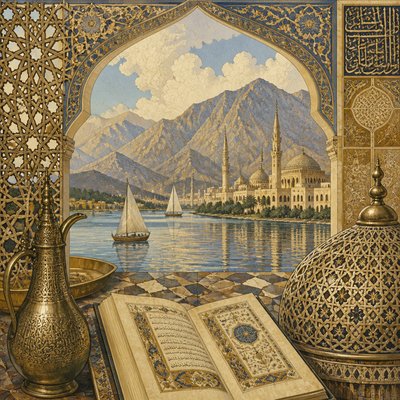
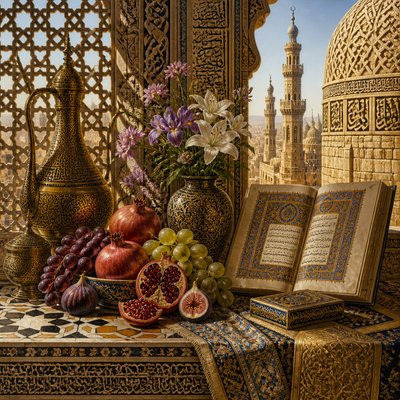
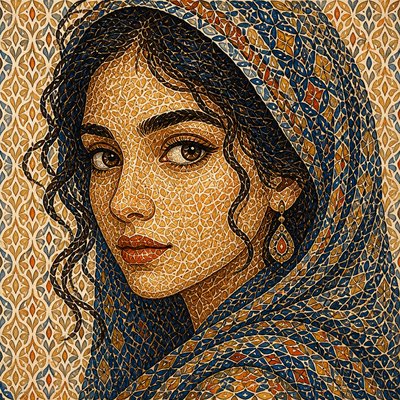
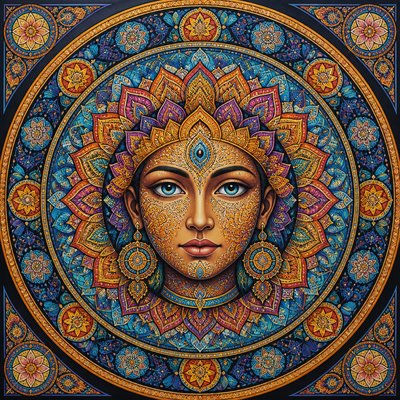
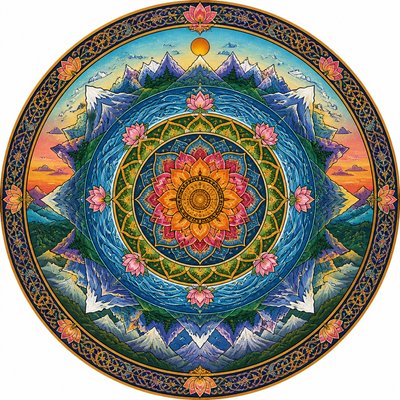
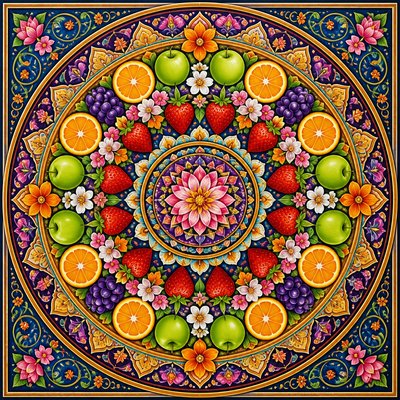
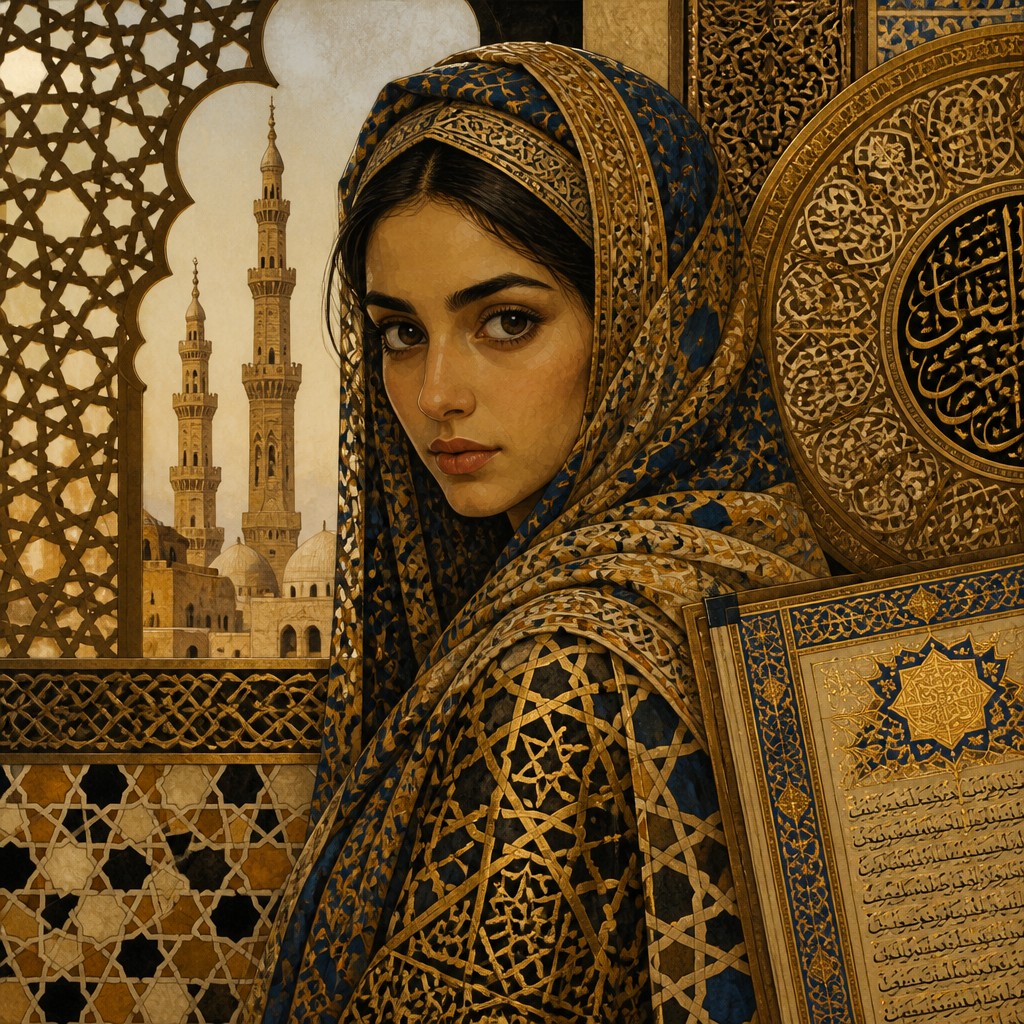
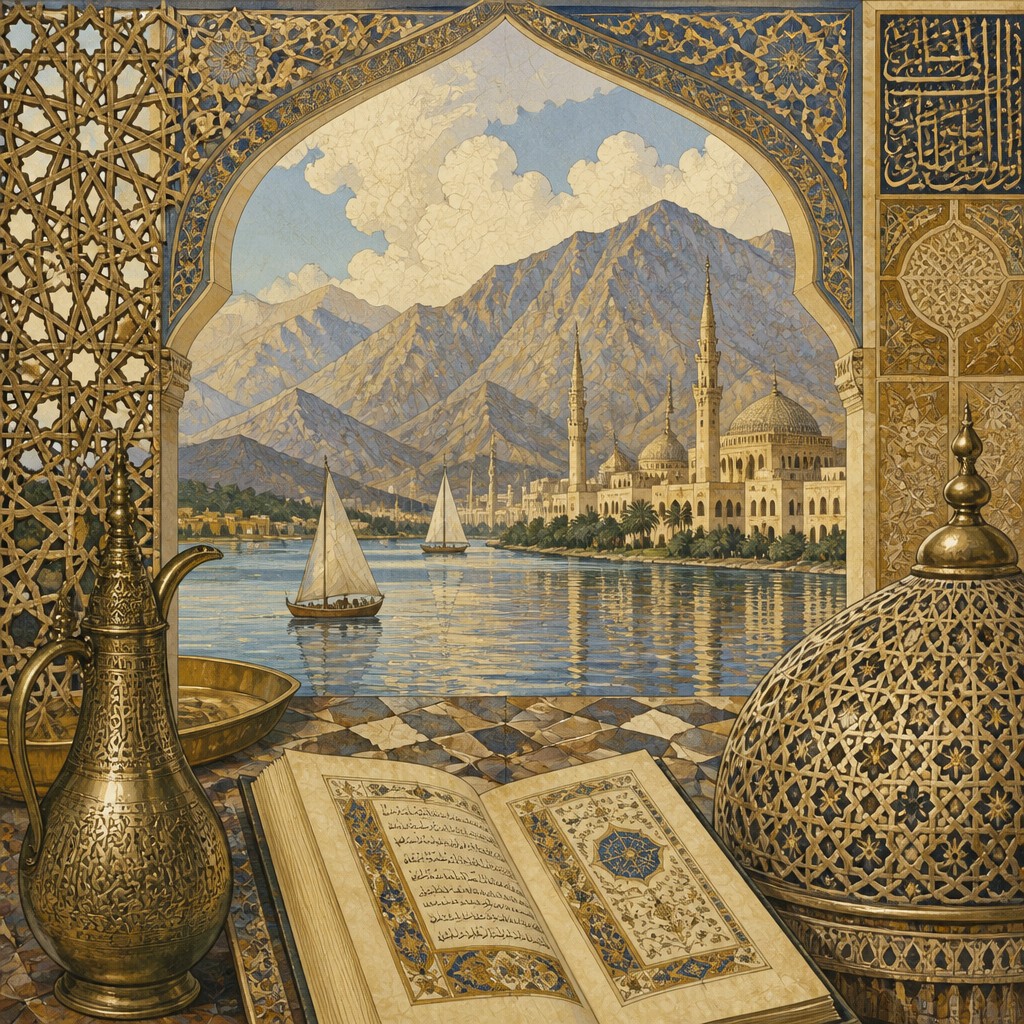
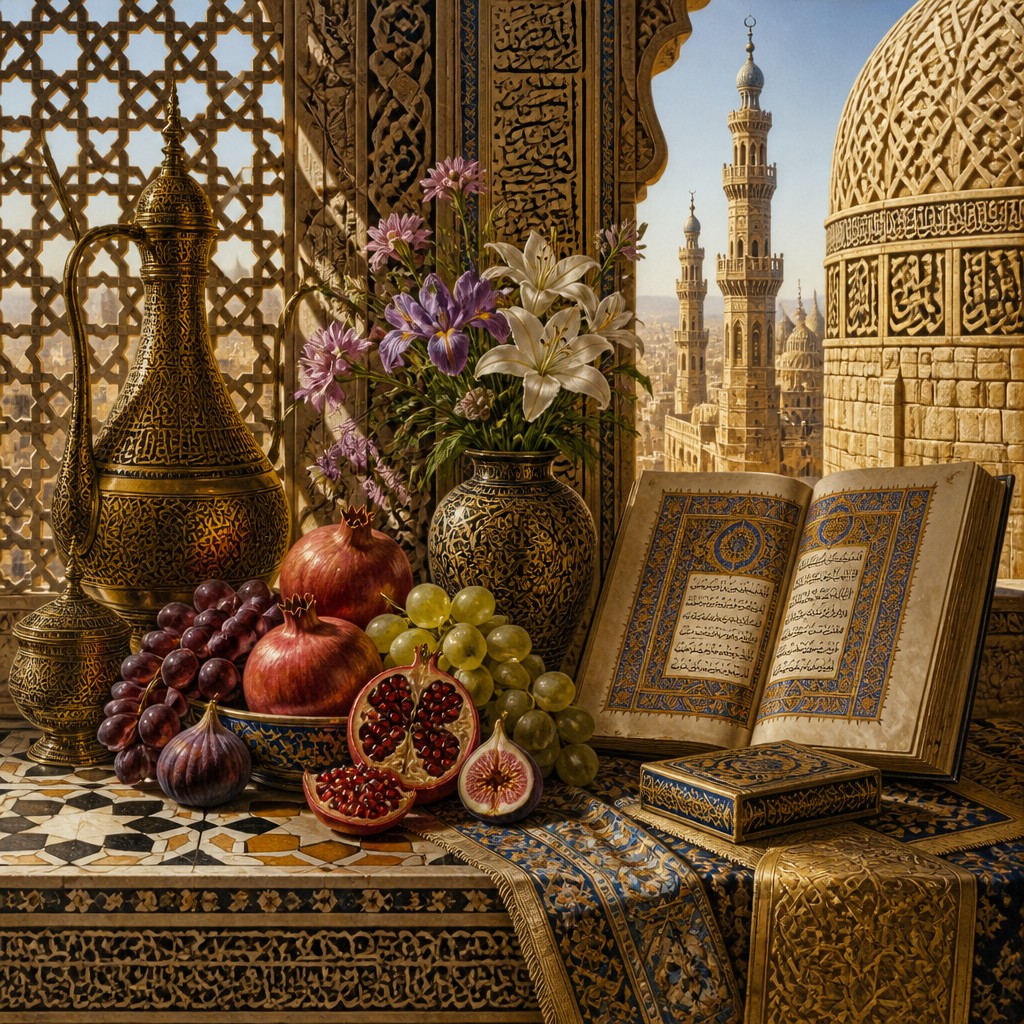
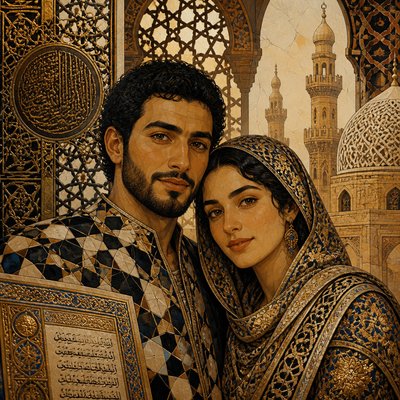
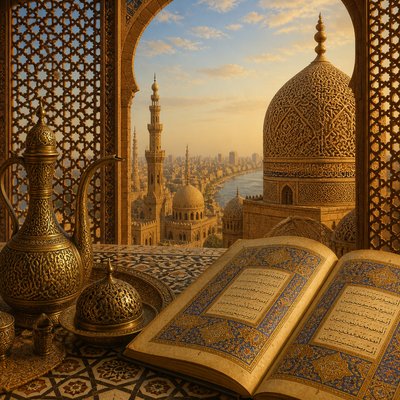
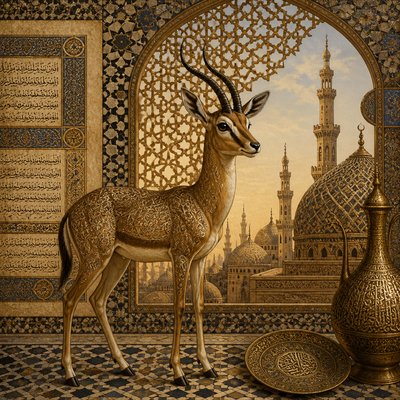
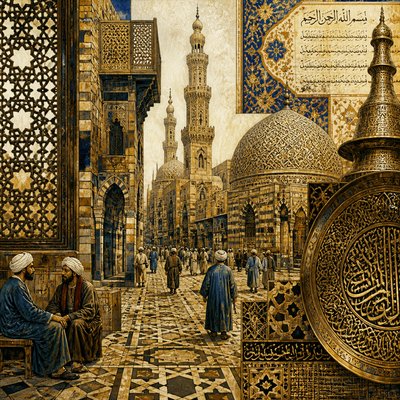
Cairo Art Style is a contemporary, synthesis-based visual language inspired by the architecture, ornament, metalwork, and manuscript arts associated with Cairo and the wider Mamluk-era Islamic world. It combines precise geometric patterning with warm sandstone architecture, pierced star-pattern screens, etched brass, gold illumination, lapis accents, and dense arabesque strapwork.
The style is defined by an interplay of structure and surface. Repeating polygons, interlacing bands, calligraphic ornament, and framed manuscript-like borders create a measured visual rhythm, while domes, minarets, courtyards, and carved stone establish a distinctly architectural setting. Its richness comes from controlled repetition, material contrast, and the balance between mathematical geometry and organic vegetal forms.
Try It On Your Photos
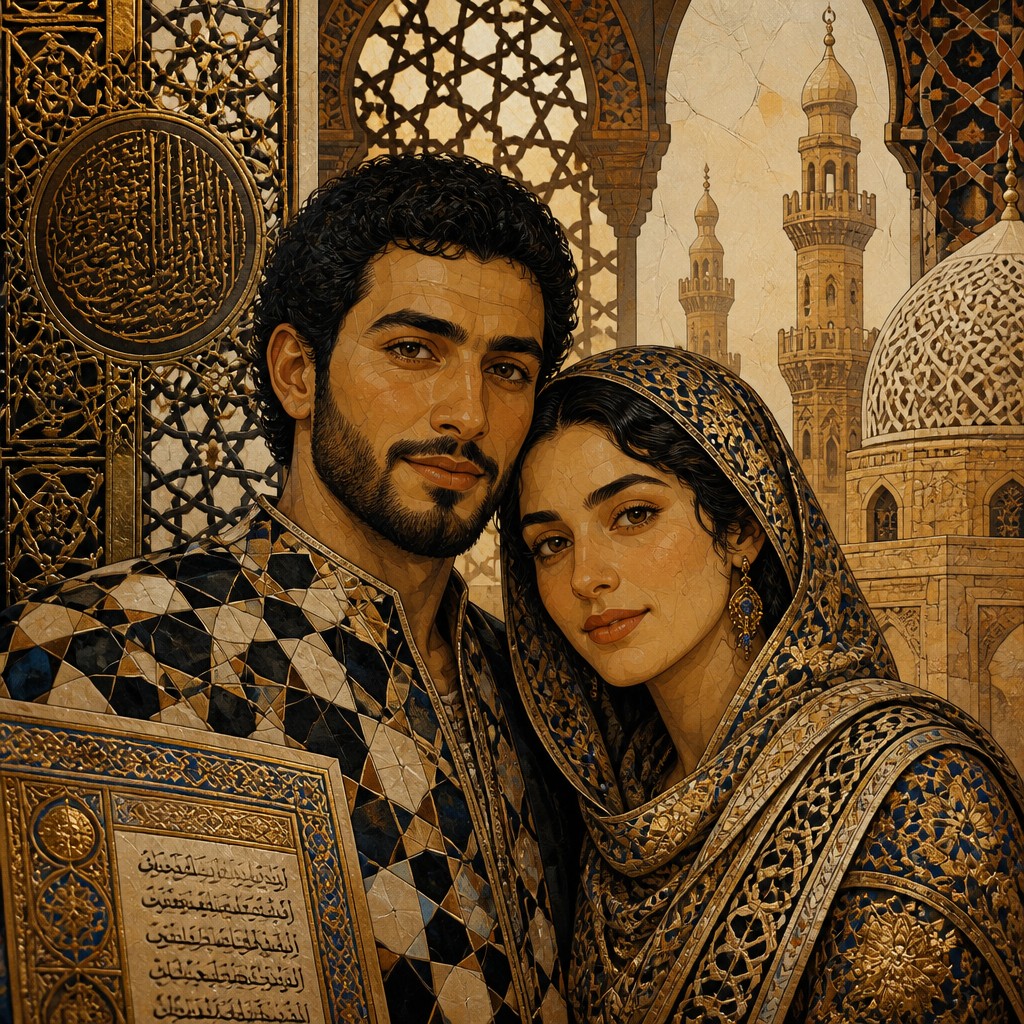
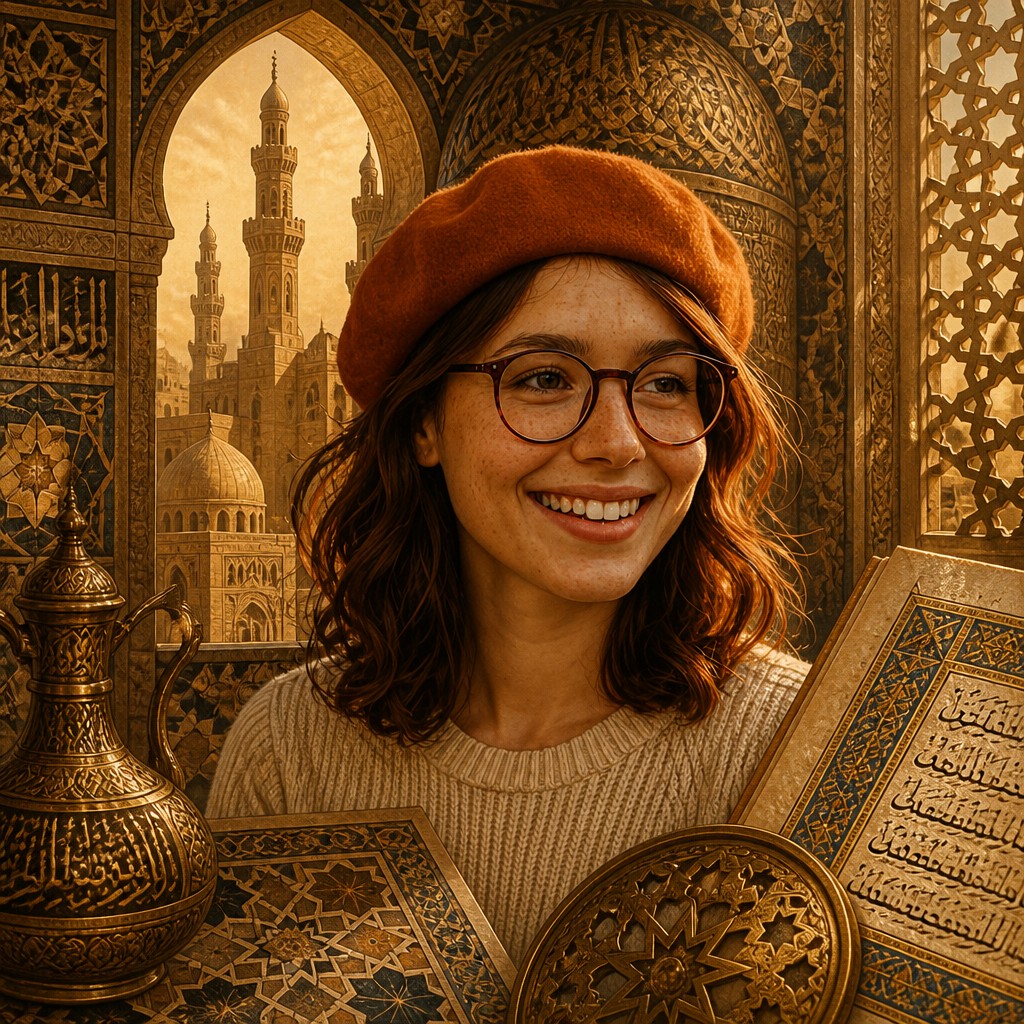
Upload any photo and convert it into Cairo Art Style — drag the sliders to compare before and after.

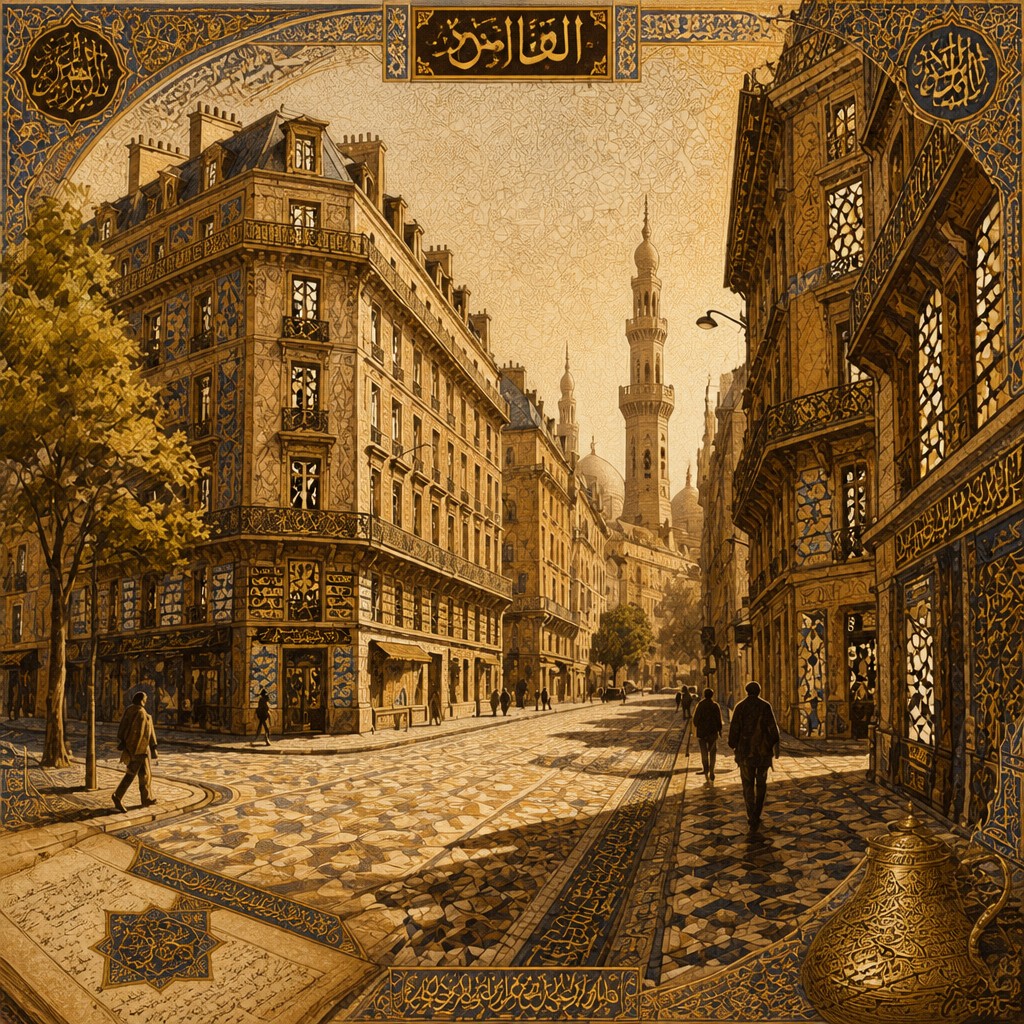

What Defines Cairo Art Style
The signature details, up close
Mamluk geometric pattern
Interlocking stars, polygons, rosettes, and strapwork organize surfaces into precise repeating systems. Geometry often appears in stone inlay, floor patterns, façades, ceilings, and architectural borders.
Pierced screens and latticework
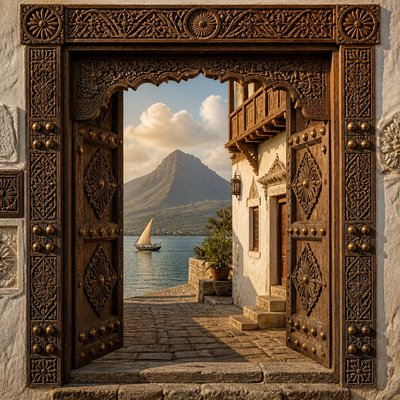
Star-pattern window screens and carved lattice panels create layered light, shadow, and rhythmic openings. These elements suggest the filtered illumination of courtyards, prayer spaces, and domestic interiors.
Etched brass and inlaid metal
Warm brass, bronze, and copper surfaces are marked with fine arabesques, bands, medallions, and calligraphic ornament. Darkened recesses or contrasting inlay emphasize the precision of the engraving.
Illuminated manuscript framing
Images are often bordered by narrow gold rules, lapis-blue panels, floral ornament, and compartmentalized page designs. The result evokes the ordered margins and decorative hierarchy of Islamic manuscript illumination.
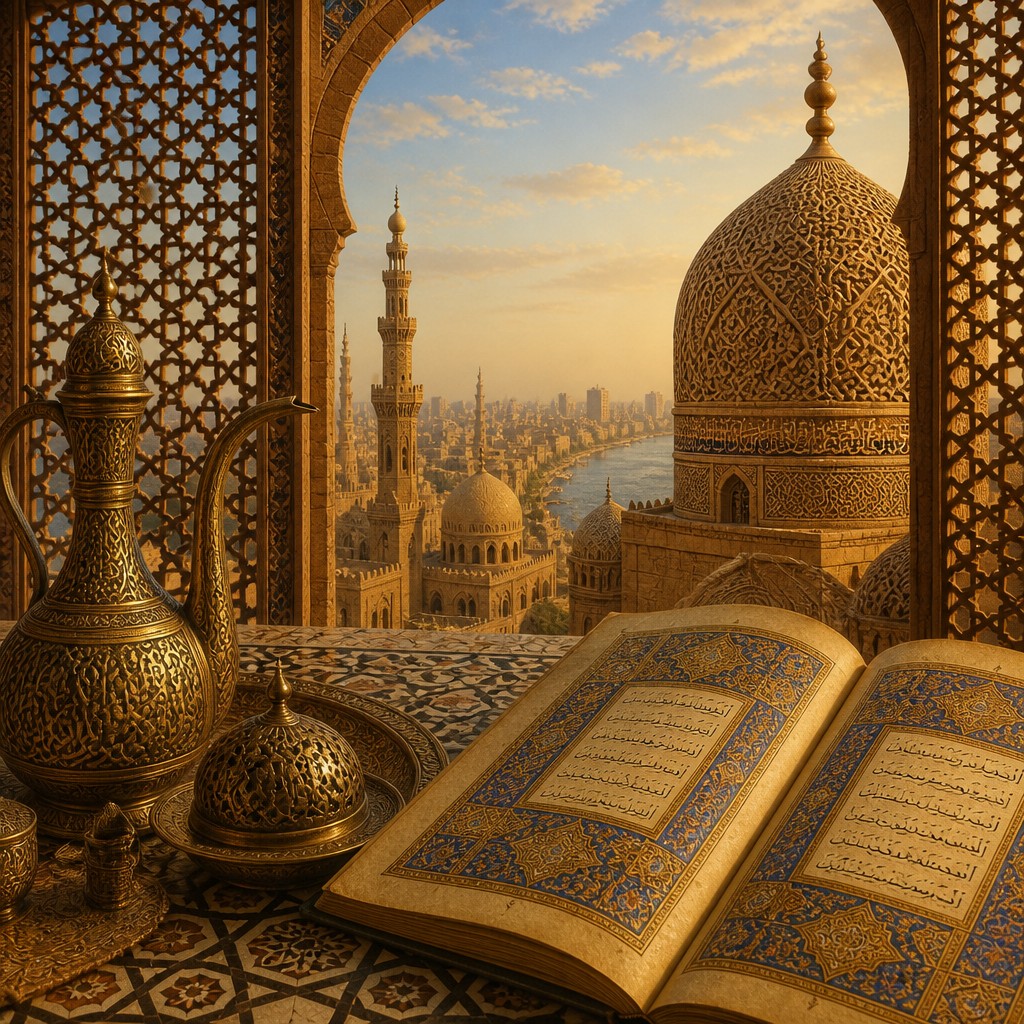
Warm sandstone architecture
Tall minarets, domes, arches, portals, and courtyard walls are rendered in ochre, honey, terracotta, and muted rose sandstone. Strong sunlight and deep architectural shadows give the palette its characteristic warmth.
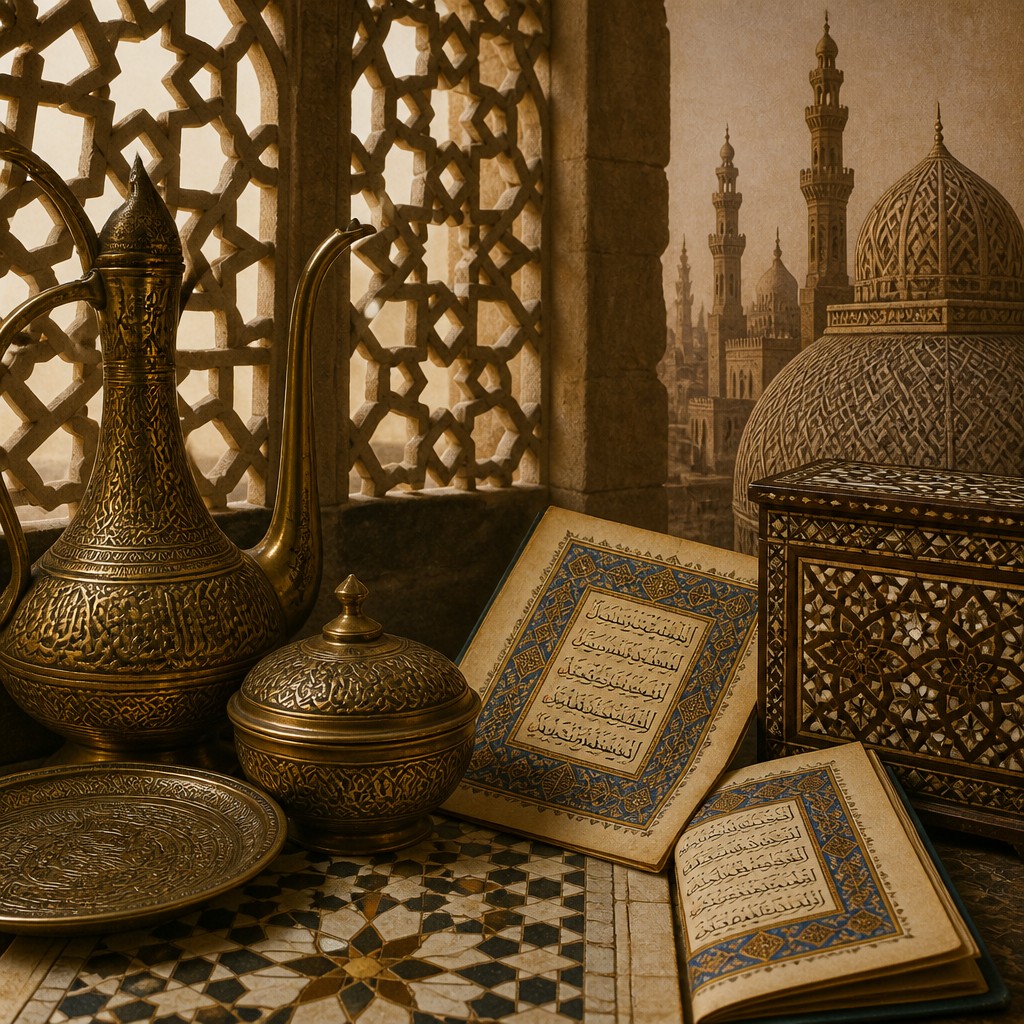
Arabesque and calligraphic ornament
Floral scrolls, vegetal tendrils, interlacing bands, and carefully contained script fill surfaces without appearing randomly placed. Ornament functions as both decoration and a system of visual movement.
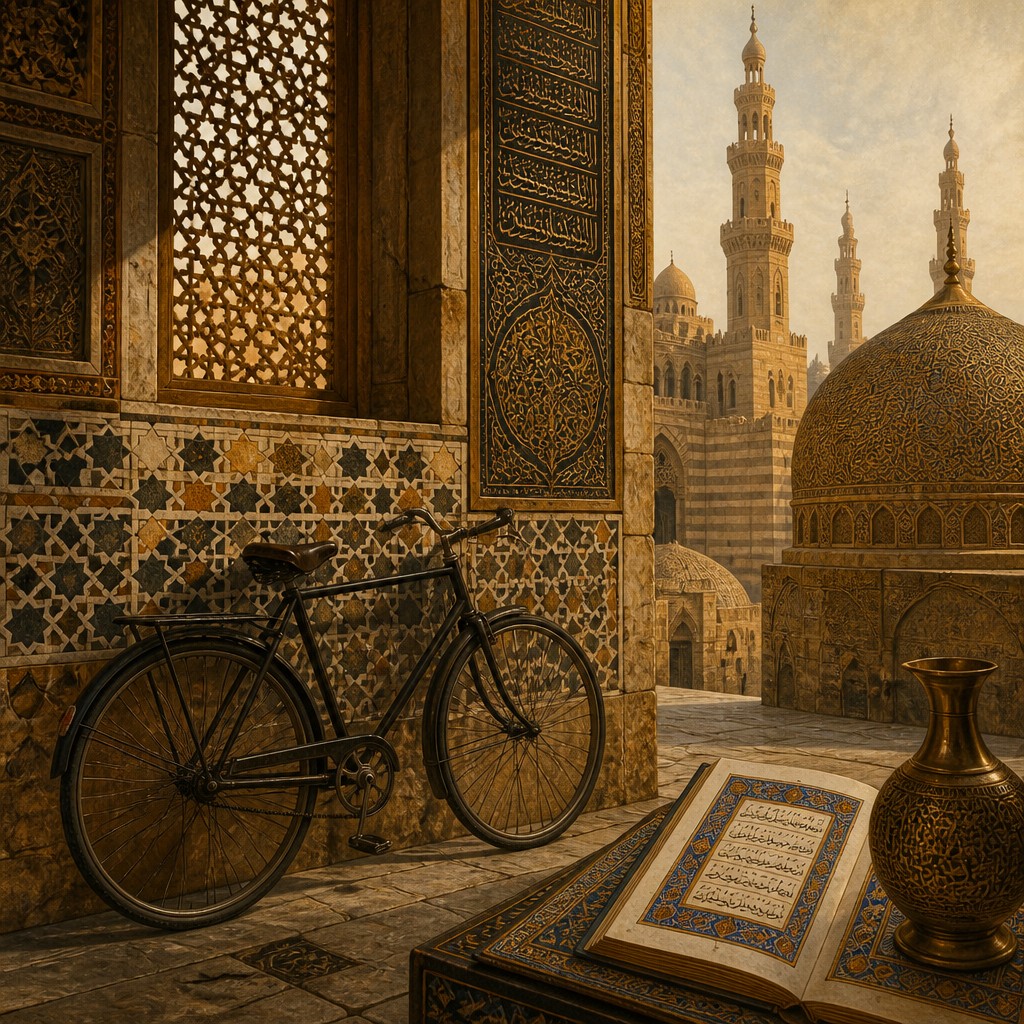
Materially layered surface
The style depends on contrast between matte stone, polished metal, translucent glass, aged paper, burnished gold, and saturated blue pigment. Fine texture and selective patina help prevent intricate patterns from appearing flat.
Cairo Prompt Ideas
Start from an idea — each one opens the generator with the style ready to go. See all 40 Cairo prompts →
How to Create Cairo Art
Master the craft step by step — or skip straight to creating. Read the full guide →
- 1
Build a geometric framework
Start with a compass-and-straightedge grid or a digital symmetry system based on stars, polygons, and repeated bands. Establish the pattern before adding foliage, lettering, or architectural details so the composition remains coherent.
- 2
Choose a restricted material palette
Combine warm sandstone and parchment neutrals with brass, gold, lapis blue, turquoise, oxblood, and deep shadow. Use metallic highlights selectively rather than covering every surface in equal brightness.
- 3
Layer ornament by scale
Place large architectural divisions or medallions first, then add mid-scale strapwork and small arabesques, borders, and engraved marks. Vary density around focal areas to preserve legibility and depth.
- 4
Render light through patterned surfaces
Use directional sunlight, courtyard bounce light, and shadows cast through pierced screens to make geometry functional rather than merely decorative. Subtle edge wear and uneven patina can give stone, brass, and paper a convincing physical presence.
- 5
Use a precise image prompt
Describe the subject first, then specify Mamluk geometric stone inlay, pierced star screens, etched brass, gold-and-lapis manuscript borders, sandstone minarets, and interlacing dome ornament. Add composition, lighting, material, and viewpoint details, and request controlled symmetry when appropriate.
- 6
Adapt photographs carefully
For image-to-image work, preserve the original subject's silhouette and perspective while replacing surfaces with geometric inlay, brass engraving, manuscript borders, or carved sandstone. Moderate the transformation strength when architectural structure or facial identity must remain recognizable.
The Story
History & Origins of Cairo
Cairo Art Style is not the name of a formally recognized historical movement; it is a modern aesthetic synthesis. Its principal lineage is the art and architecture of Mamluk Cairo, especially the period from the thirteenth through early sixteenth centuries, when religious complexes, schools, mausoleums, markets, and civic buildings developed elaborate stone carving, geometric decoration, carved wood, metalwork, and manuscript illumination.
The style also draws on broader Islamic visual traditions that developed across Egypt, Syria, the eastern Mediterranean, and North Africa. Contemporary adaptations may combine historically inspired architectural motifs with decorative-fantasy composition, digital rendering, and image-based transformation, so they should be understood as reinterpretations rather than replicas of a single period or workshop tradition.
Influences: The style is related to Mamluk architectural ornament, Islamic geometric design, arabesque decoration, Arabic calligraphic arts, metal inlay traditions, manuscript illumination, carved wood screens, and the historic architecture of Cairo. It also intersects with Orientalist architectural fantasy, contemporary architectural visualization, decorative arts, and digital pattern design, while remaining distinct from a single canonical historical school.
Frequently Asked Questions
Is Cairo Art Style a recognized historical art movement?
No. The term describes a contemporary, synthesis-based aesthetic rather than a formally documented historical movement. It draws heavily from Mamluk Cairo and related Islamic artistic traditions while allowing modern, fantastical, and digital interpretations.
What defines Cairo Art Style visually?
Its defining features include Mamluk-inspired geometric pattern, pierced star screens, warm sandstone architecture, etched brass, arabesque ornament, illuminated manuscript borders, and gold-and-lapis accents. The style relies on precision, repetition, material contrast, and architectural framing.
How is it different from generic Islamic geometric art?
Islamic geometric art is a broad category encompassing many regions, periods, and media. Cairo Art Style narrows the emphasis toward the architectural atmosphere of Cairo and the ornament associated with Mamluk buildings, combining geometry with sandstone façades, minarets, metalwork, and manuscript-like illumination.
Can this style be used for portraits and non-architectural subjects?
Yes. Portraits, still lifes, landscapes, maps, vehicles, and fantasy scenes can all use the style's borders, materials, lighting, and pattern systems. Keep the subject readable and apply the ornament as a framing or surface language rather than covering every detail indiscriminately.
How can I create convincing brass and manuscript effects?
Describe engraved linework, shallow relief, oxidized recesses, and selective highlights for brass. For manuscript effects, specify parchment or paper grain, gold rules, lapis pigment, compartmentalized borders, and controlled illumination rather than simply asking for an antique texture.
Where is Cairo Art Style commonly used?
It is suitable for architectural concepts, interiors, book covers, decorative illustration, fantasy environments, maps, jewelry concepts, game settings, and editorial artwork. It works especially well when the composition benefits from framed ornament, symmetrical design, and richly differentiated materials.
Create your first Cairo artwork
Describe anything — or upload a photo — and see it in Cairo Art Style in seconds.
Related Styles
Discover similar art styles