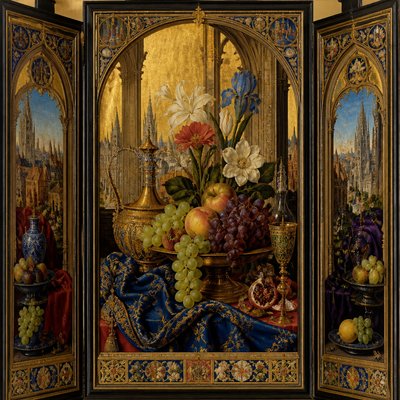
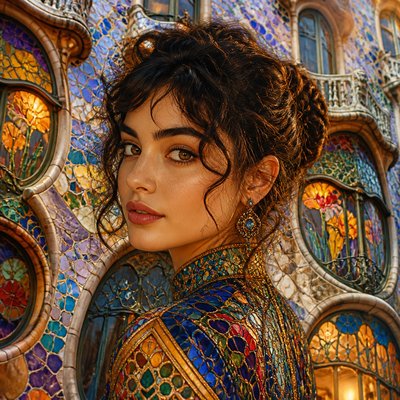
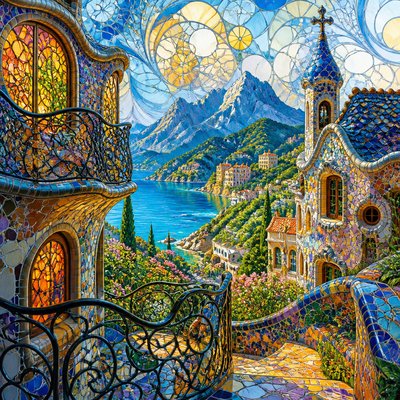
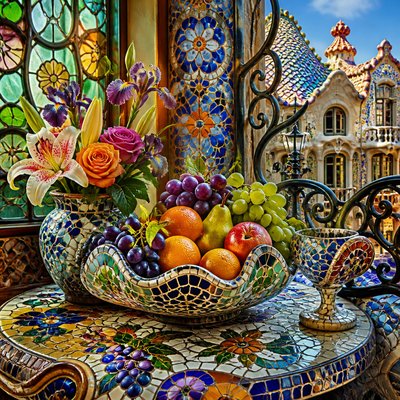
jewelry-art Art Style
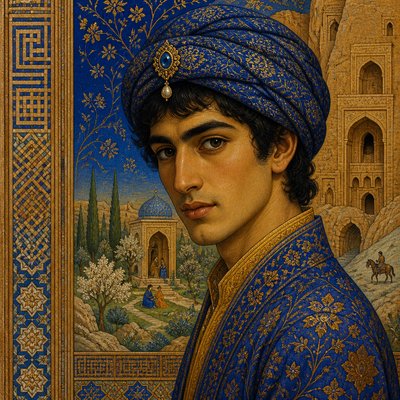
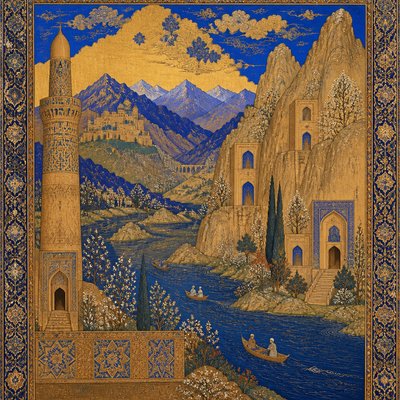
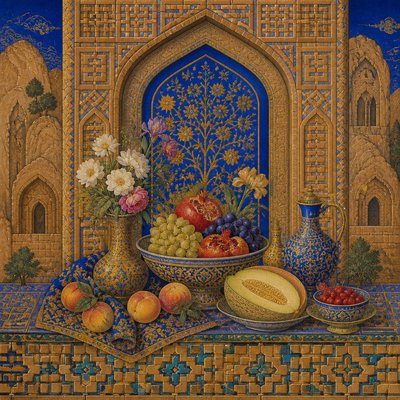
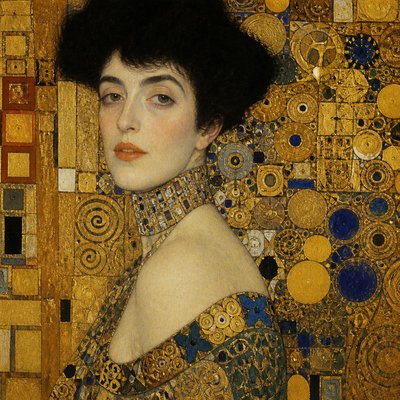
Explore jewelry-art: ornate goldwork, gemstones, pearls, filigree, and patinated metal shaped into historic wearable treasures.
Instantly rendered in jewelry-art — or transform a photo
jewelry-art Gallery
Tap any artwork to explore it
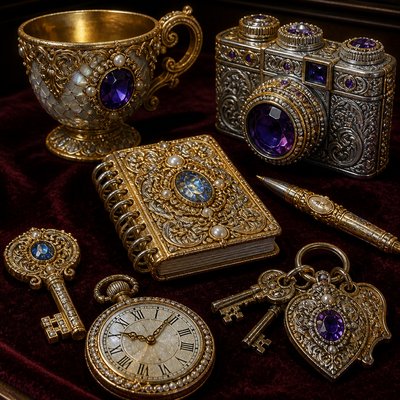
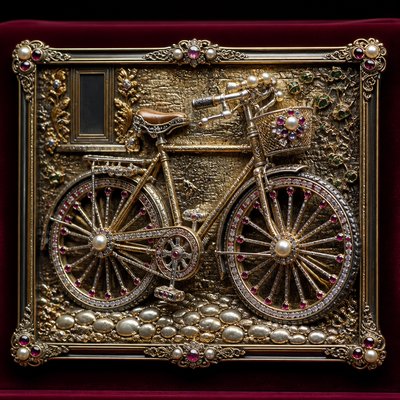
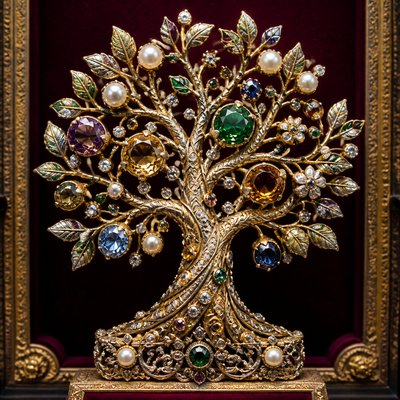
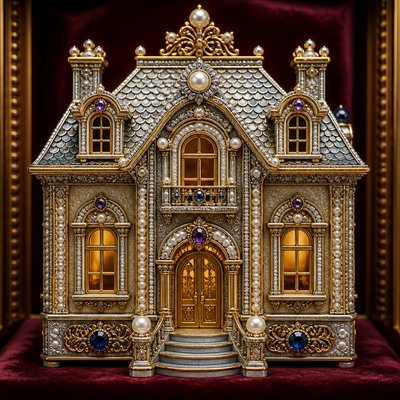
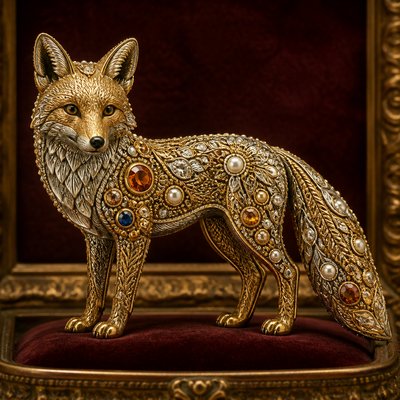
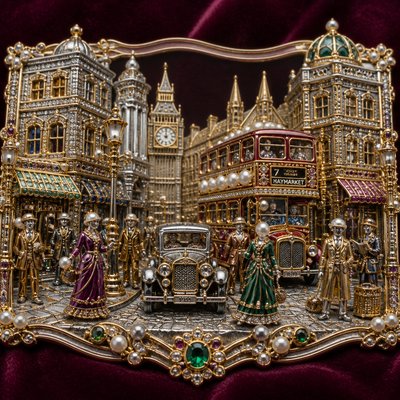
What is jewelry-art Art Style?
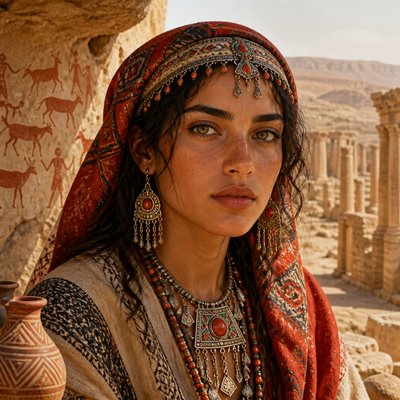
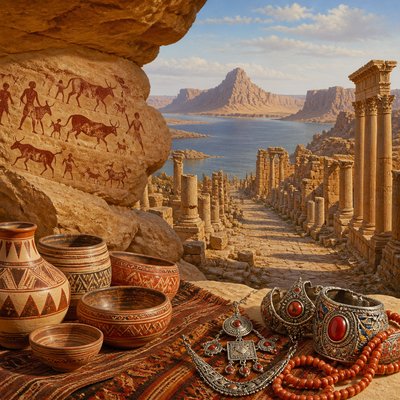
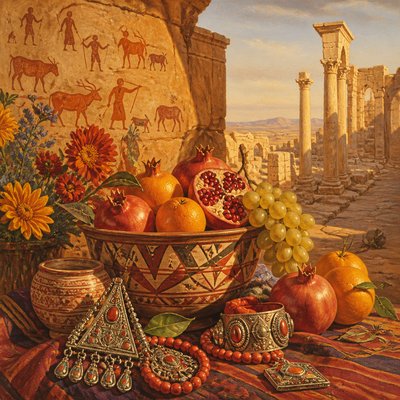
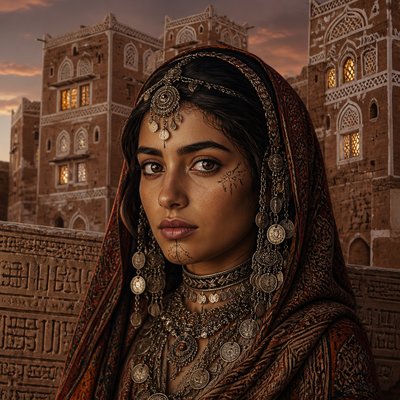
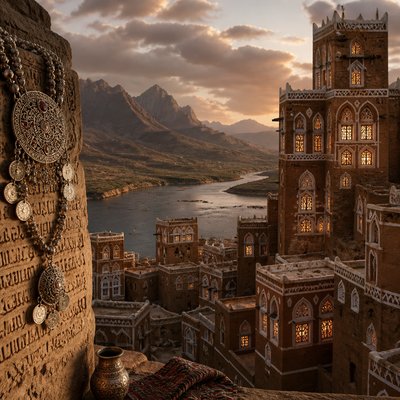
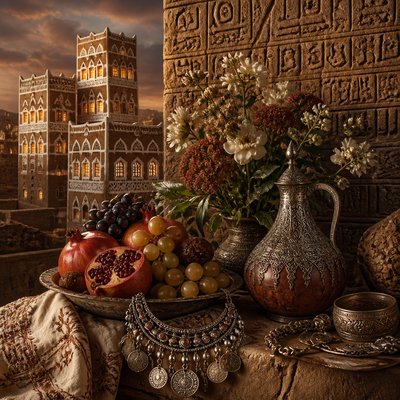
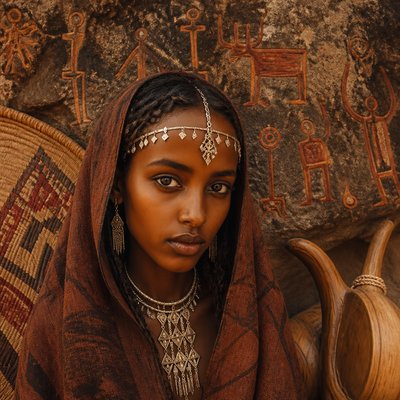
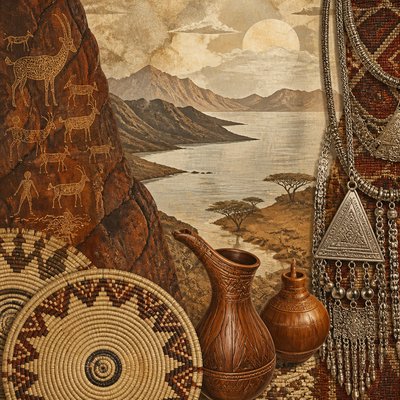
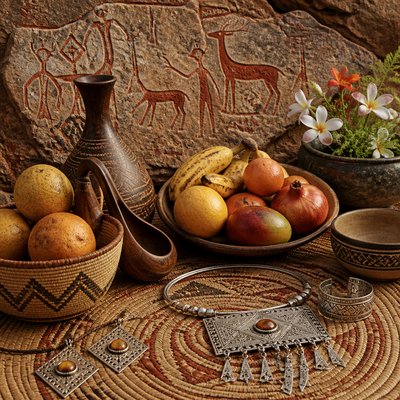
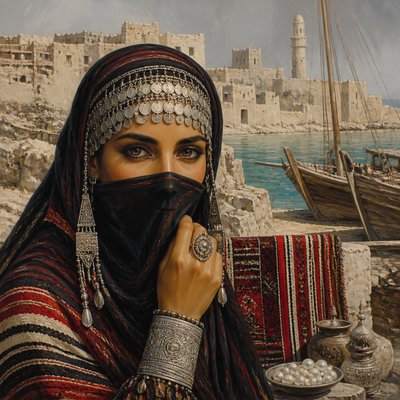
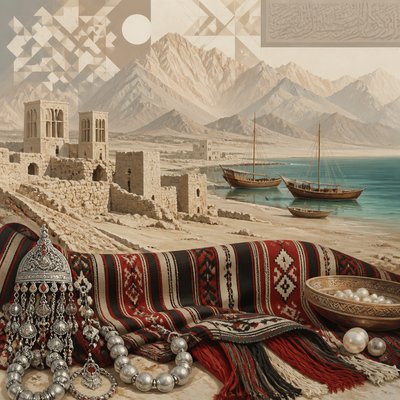
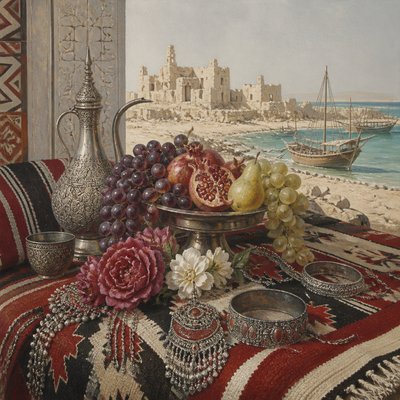
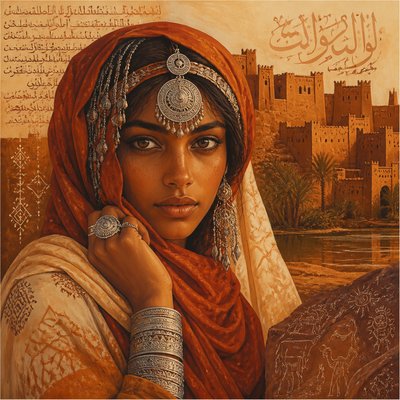
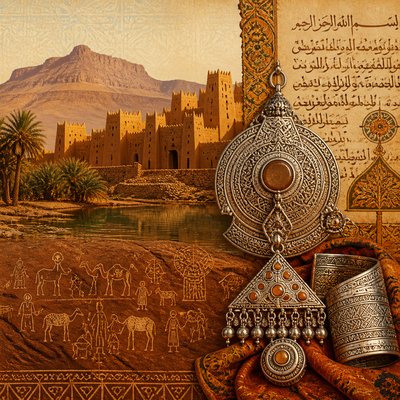
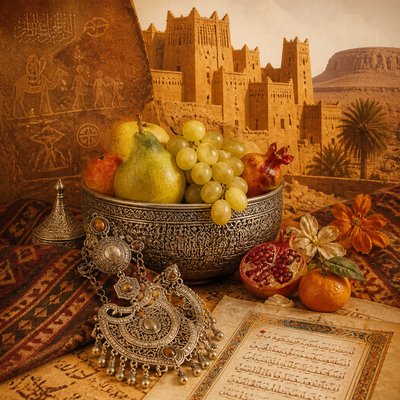
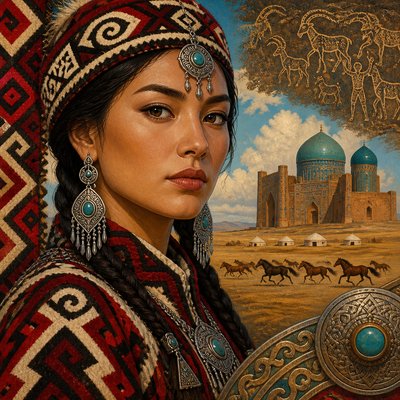
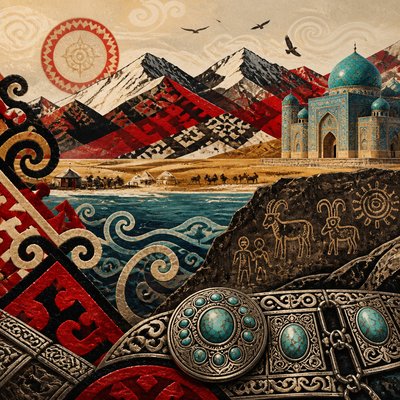
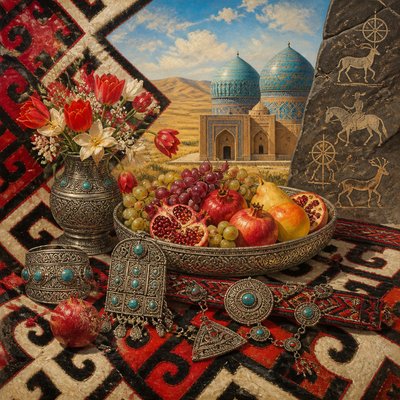
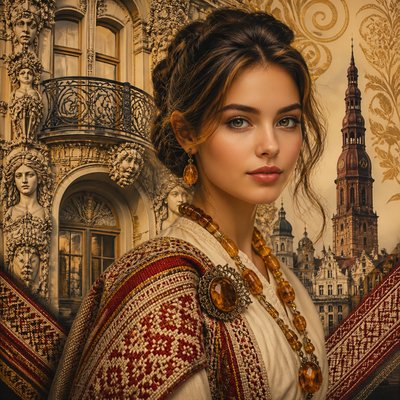
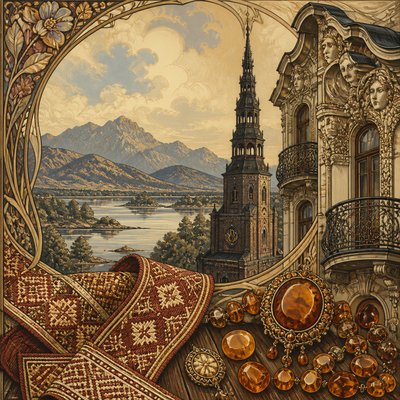
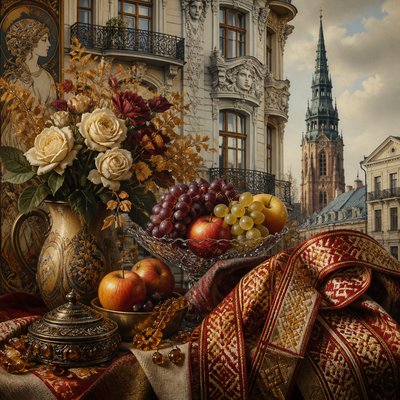
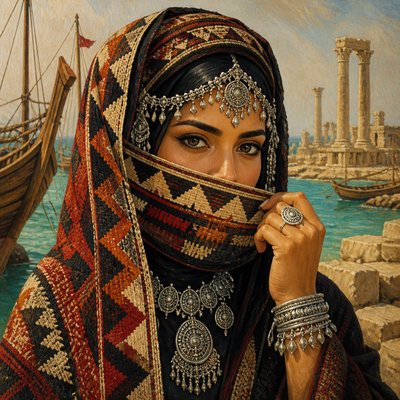
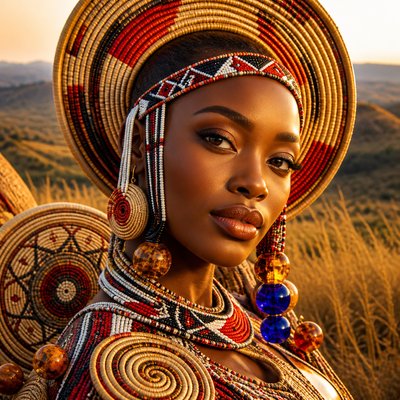
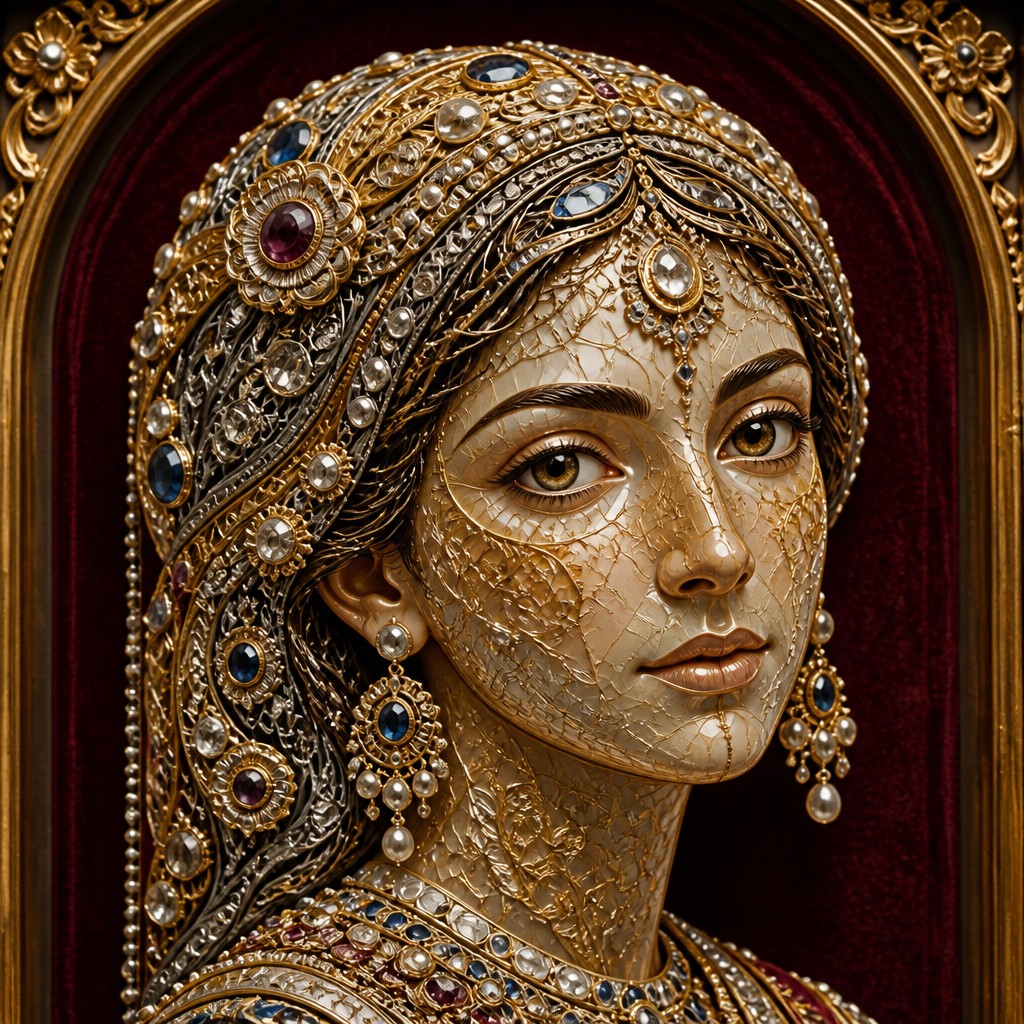
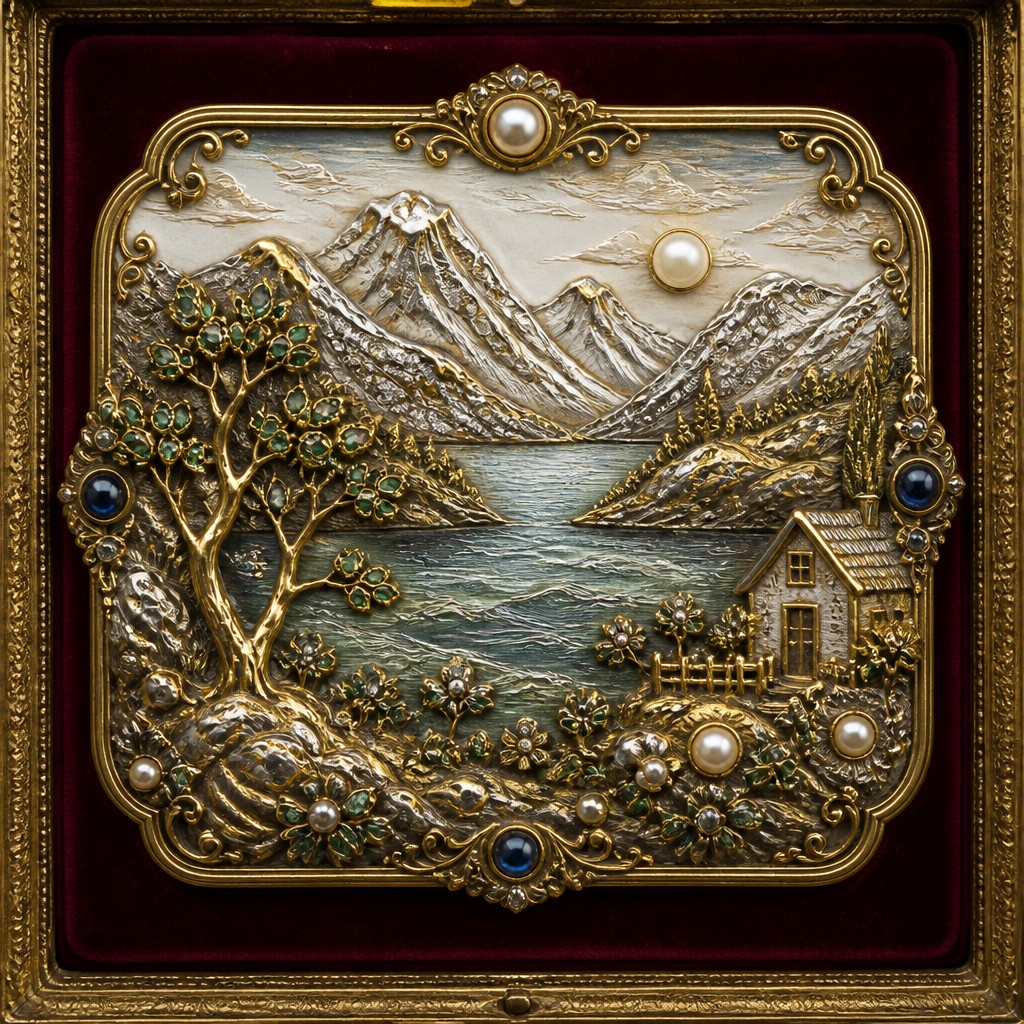
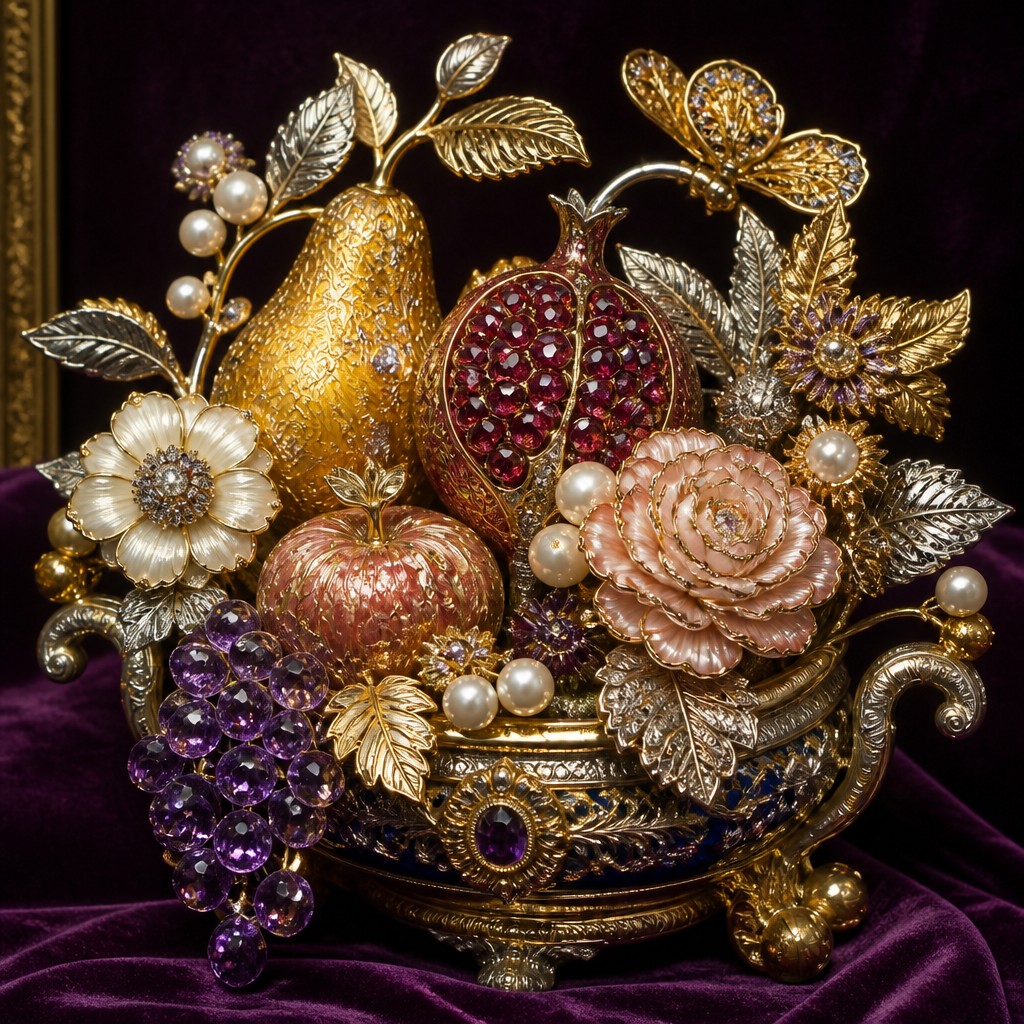
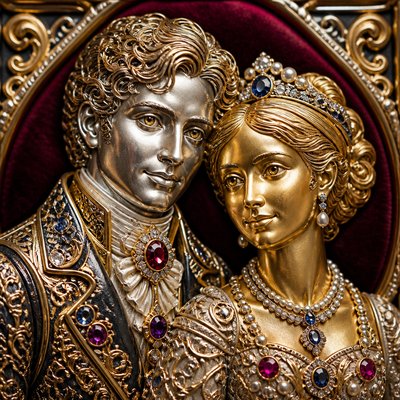
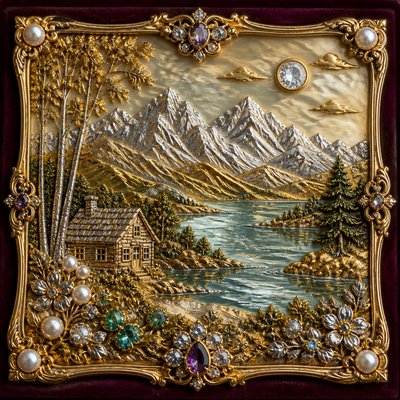
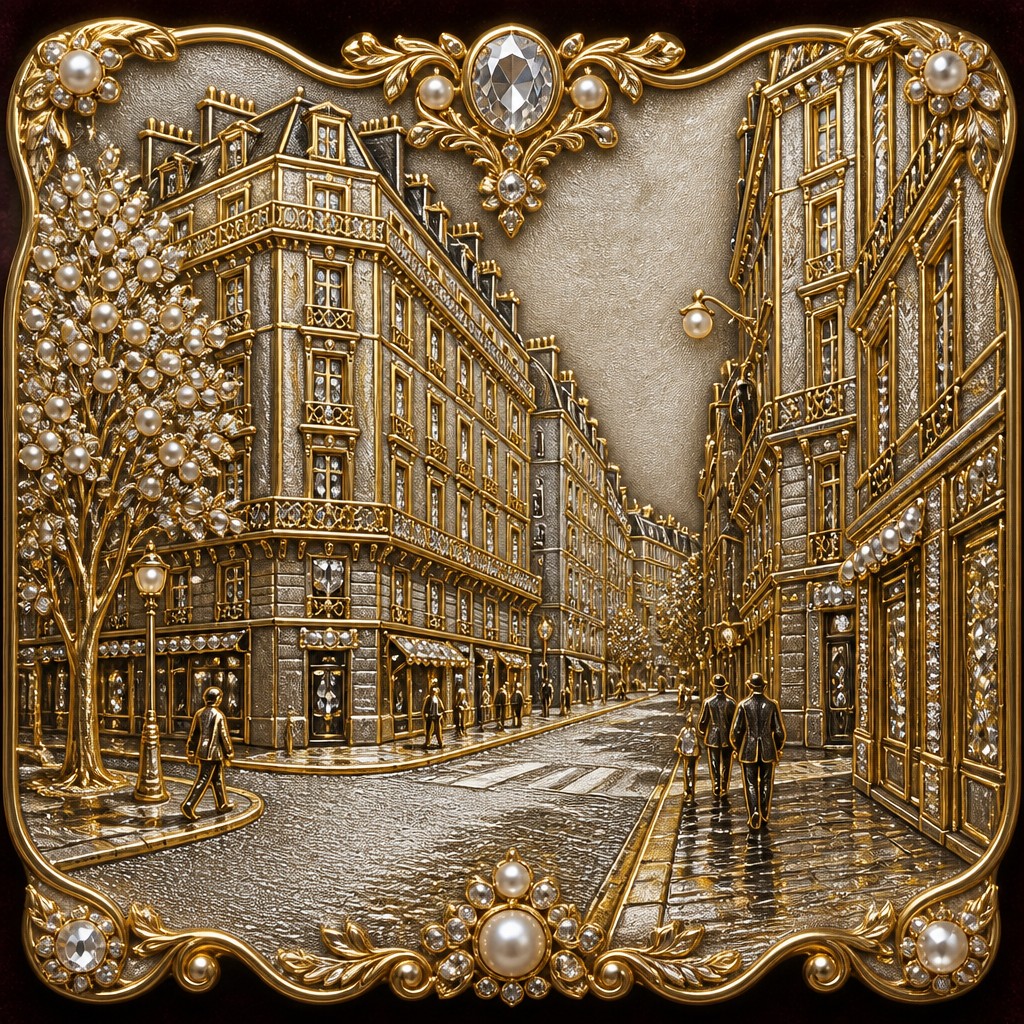
Jewelry-art is an ornamental visual style centered on the appearance of finely crafted wearable objects: rings, brooches, pendants, crowns, bracelets, earrings, and ceremonial pieces. It combines gleaming gold and silver settings with faceted gemstones, lustrous pearls, delicate filigree, engraved surfaces, and raised repoussé ornament. Objects are often presented as intimate museum treasures rather than as ordinary accessories.
The style looks convincingly historic because it balances polished highlights with evidence of handwork and age. Bright studio lighting reveals the geometry of cut stones and the reflective behavior of metal, while patinated recesses, softened edges, tiny irregularities, and velvet-lined displays suggest centuries of handling, preservation, and craftsmanship. Its visual emphasis is on material richness, intricate construction, and the close inspection of small surfaces.
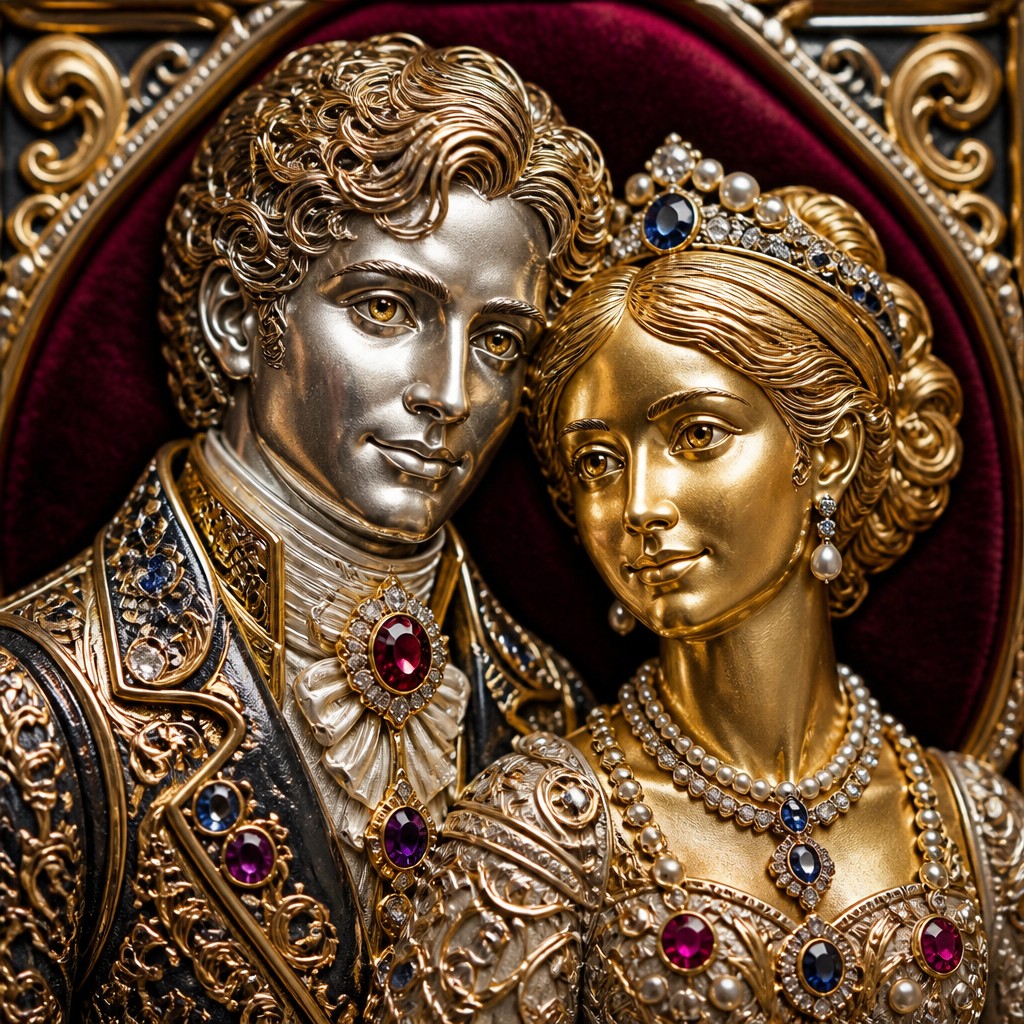
Try It On Your Photos
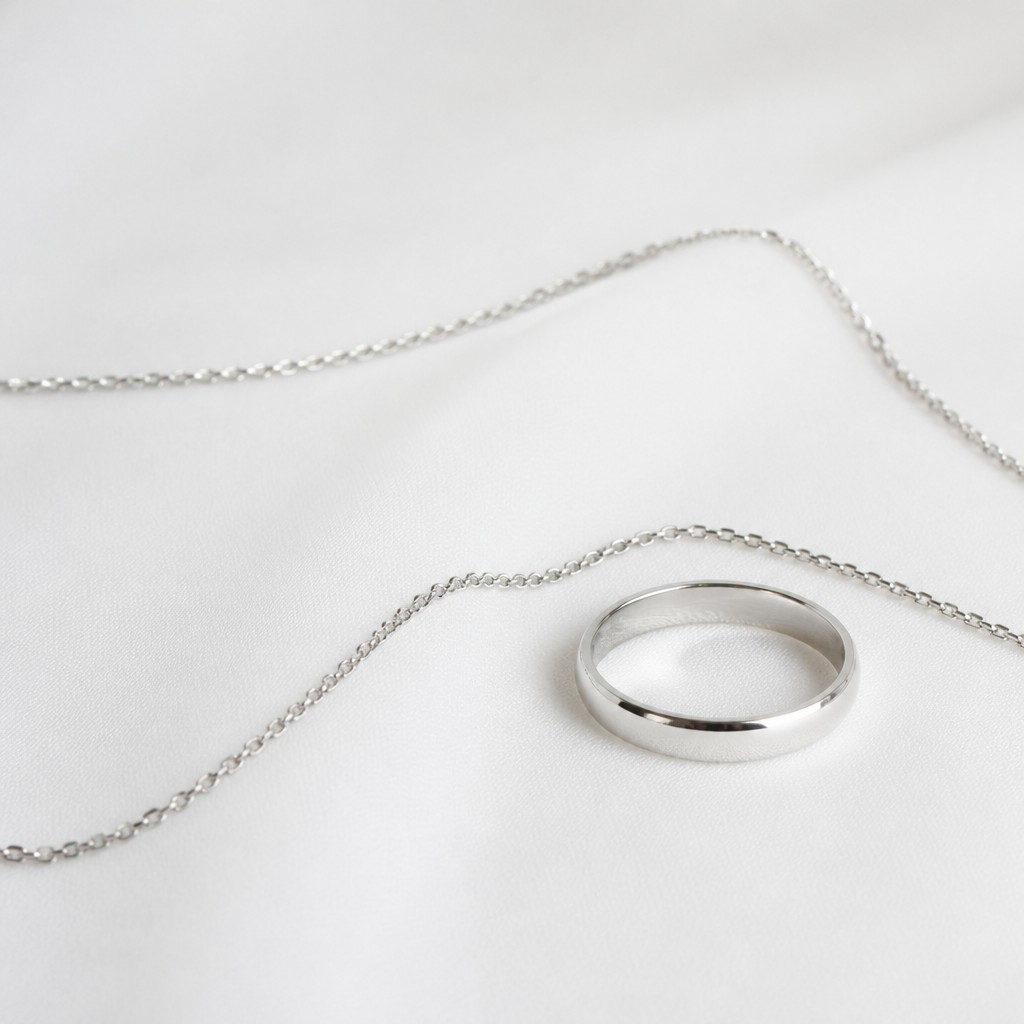
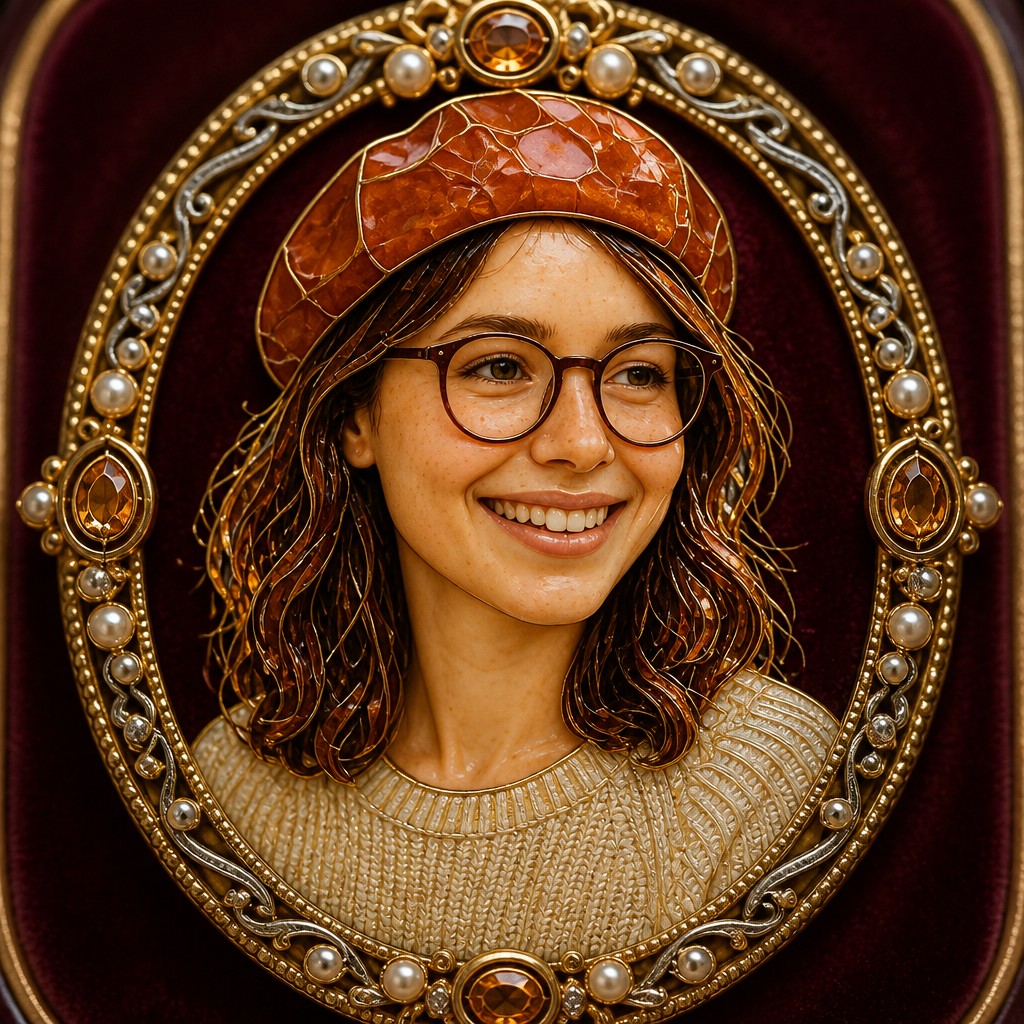
Upload any photo and convert it into jewelry-art Art Style — drag the sliders to compare before and after.
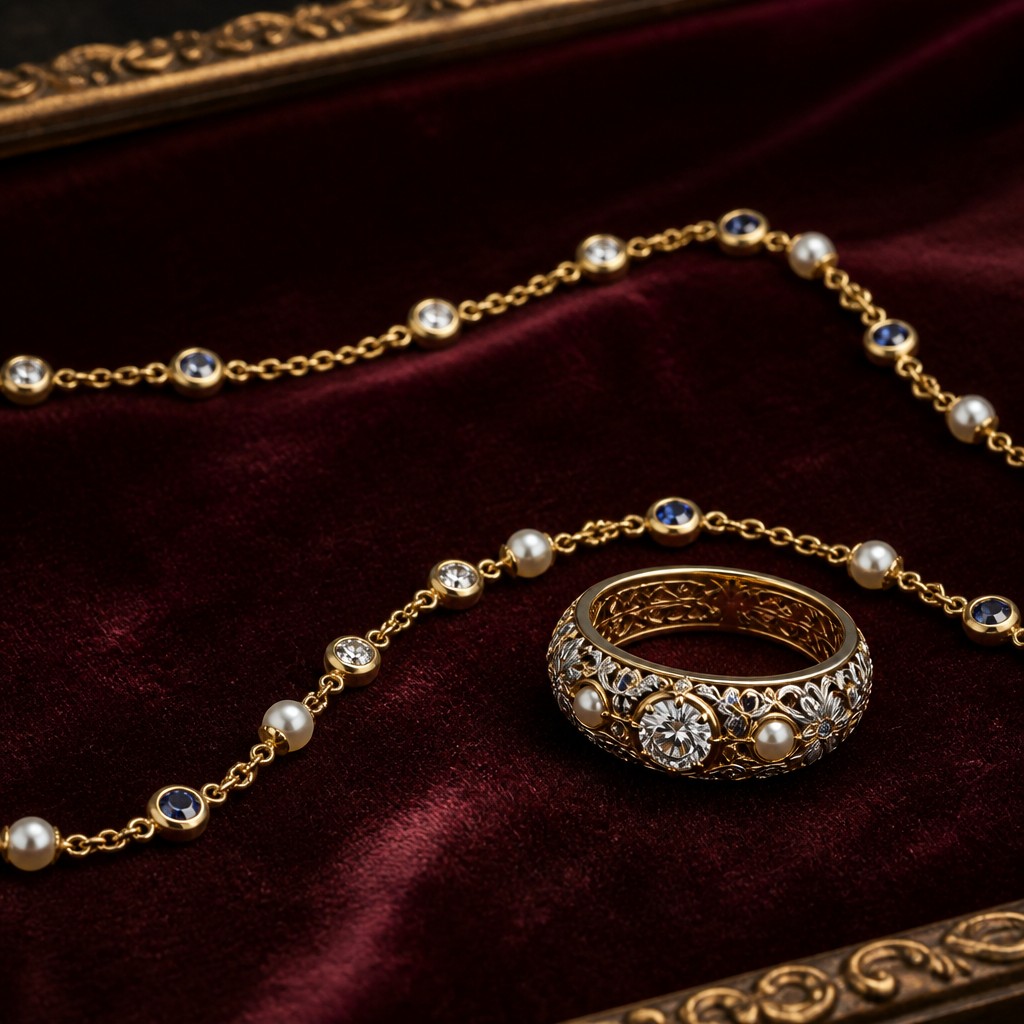


What Defines jewelry-art Art Style
The signature details, up close
Ornate precious-metal settings
Gold and silver form elaborate bezels, prongs, chains, mounts, and structural frames. Surfaces may alternate between mirror polish, brushed planes, darkened recesses, and softly worn edges.
Gemstones and pearls
Faceted stones provide concentrated flashes of color and light, while pearls contribute a softer, diffuse luster. Carefully placed highlights make the materials feel dense, valuable, and tactile.
Filigree and granulation
Fine wires, scrolls, loops, beads, and openwork create lace-like borders and miniature architectural patterns. These details reward close viewing and give the object a visibly hand-wrought character.
Repoussé and relief ornament
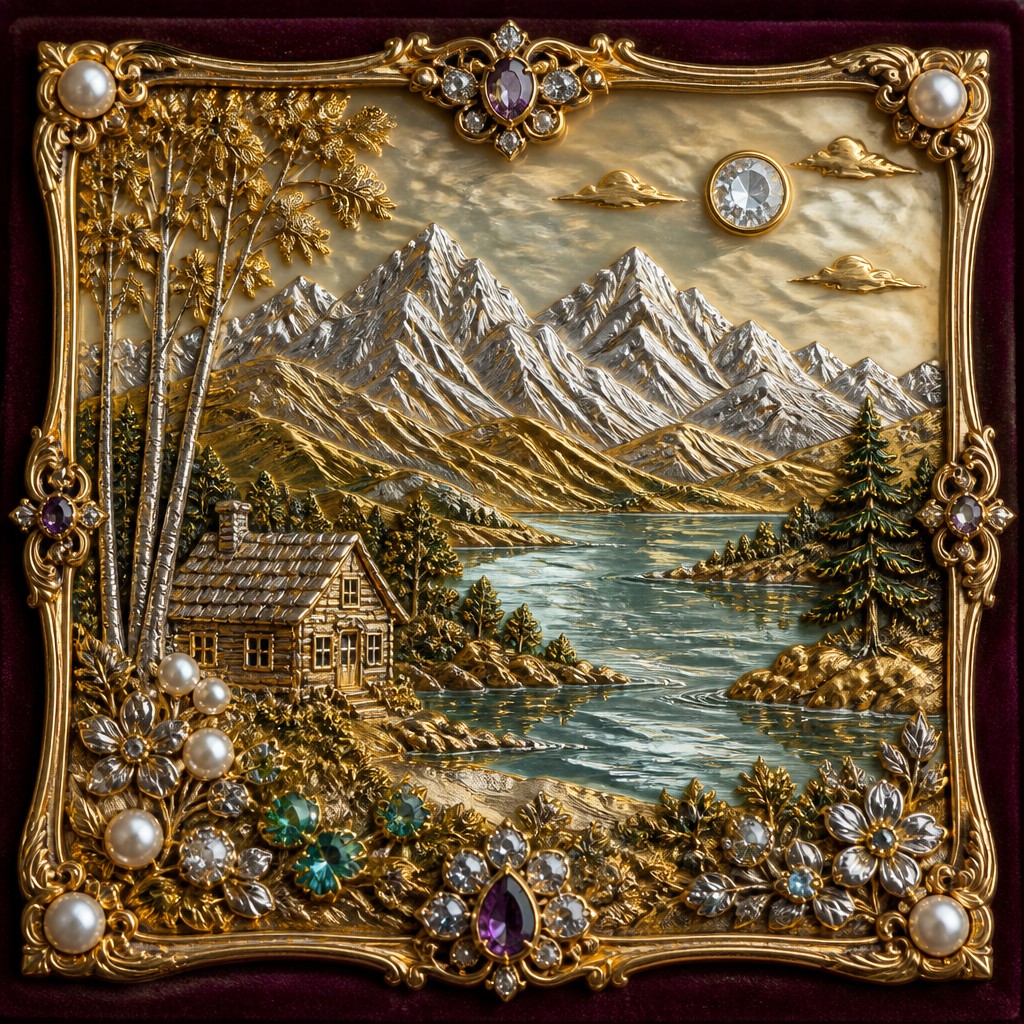
Raised metal motifs, chased lines, floral forms, heraldic devices, and engraved textures break up broad surfaces. Relief catches light unevenly, emphasizing depth and evidence of fabrication.
Historic patina
Subtle oxidation, darkened crevices, softened corners, and restrained surface wear imply age without making the object appear damaged. Patina is used to separate layers of ornament and add material credibility.
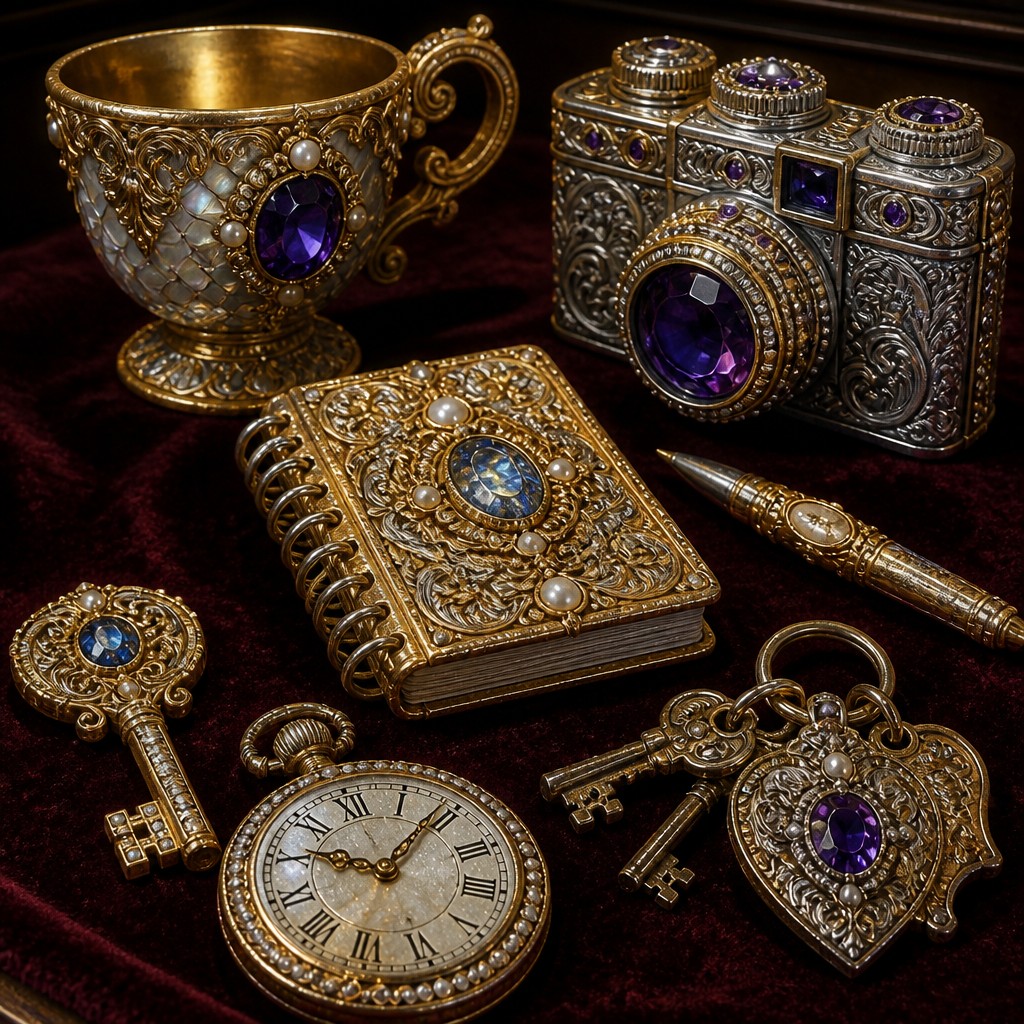
Museum-style presentation
Velvet, shadowed cases, neutral backdrops, and controlled studio illumination frame the object as a collectible artifact. The composition usually favors centered display, close cropping, and unobstructed detail.
jewelry-art Prompt Ideas
Start from an idea — each one opens the generator with the style ready to go. See all 40 jewelry-art prompts →
How to Create jewelry-art Art
Master the craft step by step — or skip straight to creating. Read the full guide →
- 1
Build the form before the ornament
Begin with a clear silhouette and believable construction: identify the clasp, setting, hinge, band, chain, or suspension point before adding decoration. This keeps intricate surfaces attached to a convincing wearable object.
- 2
Layer metalworking techniques
Combine polished planes with engraved lines, filigree, granulation, chasing, and repoussé relief. In digital work, use separate material and height information so raised ornament, recesses, and metal reflections remain legible.
- 3
Control reflective materials
Use large, bright light sources for clean highlights on gold and silver, with smaller accents to define gemstones. Add darker occlusion around settings and under relief rather than making every surface equally shiny.
- 4
Use patina selectively
Place darker oxidation in grooves, joints, and protected recesses while keeping exposed ridges gently polished. Excessive aging can make precious metal look dirty instead of historically handled.
- 5
Compose like a museum object photograph
Choose a stable three-quarter view or frontal presentation, a restrained velvet or neutral background, and enough negative space to read the silhouette. A macro viewpoint helps communicate scale and craftsmanship.
- 6
Write material-specific generation prompts
Specify the object, metal, stone cuts, construction methods, lighting, patina, viewing angle, and display setting. For image-to-image work, preserve the subject silhouette while requesting fine filigree, gemstone settings, engraved relief, and controlled museum illumination.
The Story
History & Origins of jewelry-art
Jewelry-art is a contemporary descriptive and image-making style rather than a formally named historical movement. Its aesthetic lineage reaches across ancient goldsmithing, medieval and Renaissance devotional ornaments, Byzantine and Islamic metalwork, early modern court jewelry, and the revival of historic craft techniques during the nineteenth century. It also draws from archaeological displays, museum photography, and the tradition of presenting precious objects as cultural artifacts.
The style synthesizes these sources instead of reproducing one period exactly. Its mixture of ornate settings, gemstones, pearls, filigree, repoussé, and controlled patination creates an intentionally timeless impression, combining historical references with the clarity and precision of contemporary product and museum imaging.
Influences: Jewelry-art draws on ancient and medieval goldsmithing, Byzantine ornament, Islamic geometric and vegetal metalwork, Renaissance court objects, Baroque opulence, nineteenth-century historicist craft revival, and Art Nouveau's organic line. It is also related to jewelry design, decorative arts, repoussé and chasing, archaeological reconstruction, museum display photography, macro product photography, and digitally rendered material studies.
Frequently Asked Questions
What defines jewelry-art?
Jewelry-art is defined by close attention to precious-metal construction, gemstones, pearls, surface relief, and minute ornamental detail. It usually presents wearable objects as historic or collectible artifacts, with lighting designed to reveal their material qualities.
Is jewelry-art a historical art movement?
No. The term is best understood as a contemporary aesthetic category rather than a documented period movement with a fixed origin. It synthesizes features from many jewelry, metalworking, decorative-art, and museum-display traditions.
How does jewelry-art differ from ordinary jewelry photography?
Ordinary jewelry photography often prioritizes commercial clarity, accurate scale, and a clean sales presentation. Jewelry-art adds narrative age, hand-wrought irregularity, ornamental density, patina, and an artifact-like setting.
What materials work best for this style?
Gold, silver, bronze, platinum, pearls, diamonds, sapphires, rubies, emeralds, garnets, opals, amber, and colored glass all suit the style. Combining reflective surfaces with darkened recesses and varied stone finishes creates the strongest visual contrast.
How can I make jewelry-art digitally or with prompts?
Describe a specific wearable object first, then add metal type, stone cuts, craft techniques, patina, lighting, camera angle, and display surface. For an existing photograph, preserve the main silhouette or pose while requesting engraved relief, filigree, gem settings, and controlled museum illumination.
Where is jewelry-art used?
It is useful for concept jewelry, fantasy costume design, historical props, collectible-object studies, luxury packaging imagery, museum-inspired still lifes, and editorial fashion visuals. It can also reinterpret portraits, animals, architecture, or symbols as ornate wearable artifacts.
Create your first jewelry-art artwork
Describe anything — or upload a photo — and see it in jewelry-art Art Style in seconds.
Related Styles
Discover similar art styles