Austrian Art Style
Explore Austrian art style: Viennese gilded ornament, mosaic pattern, secessionist curves, jewel tones, and elegant fin-de-siècle melancholy.
Instantly rendered in Austrian — or transform a photo
Austrian Gallery
Tap any artwork to explore it
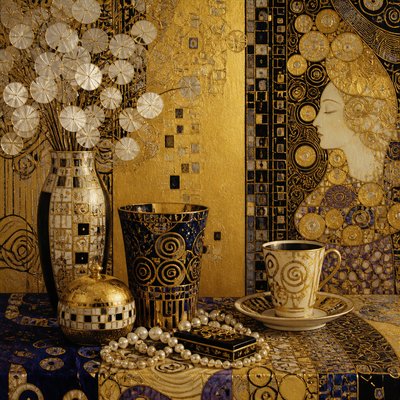
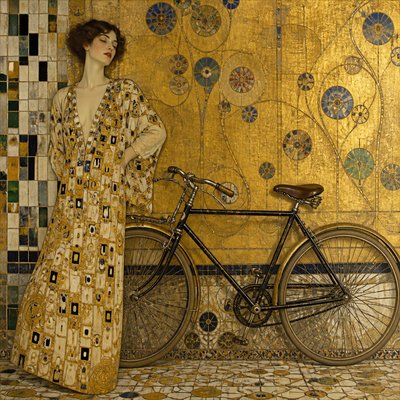
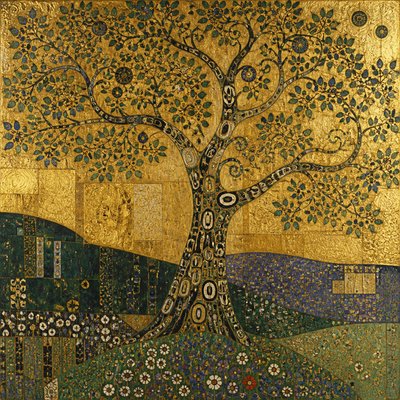
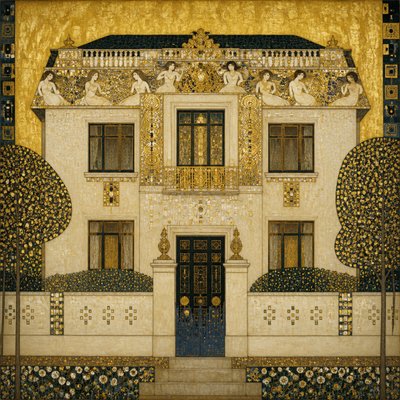
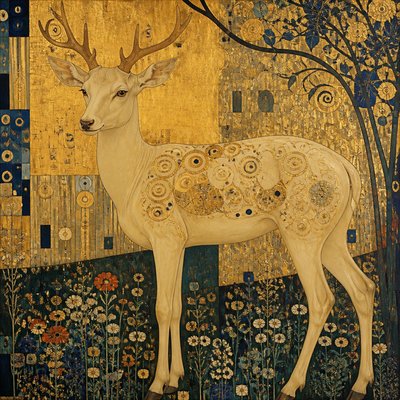
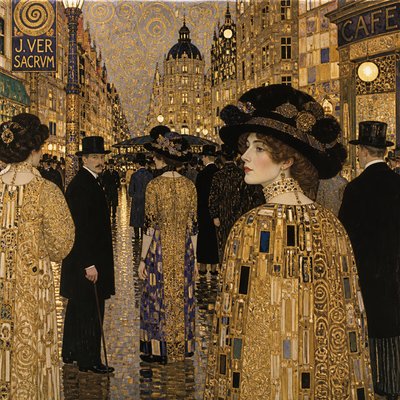
What is Austrian Art Style?
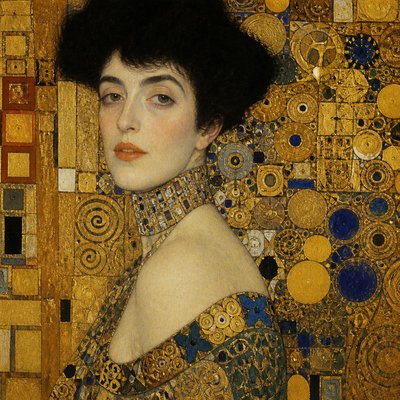
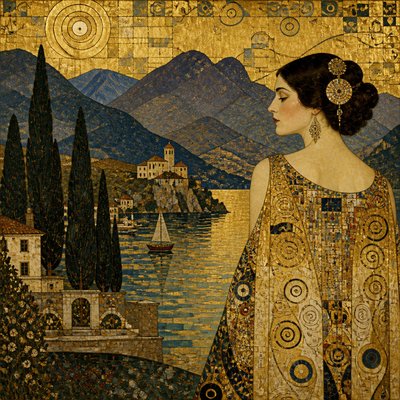
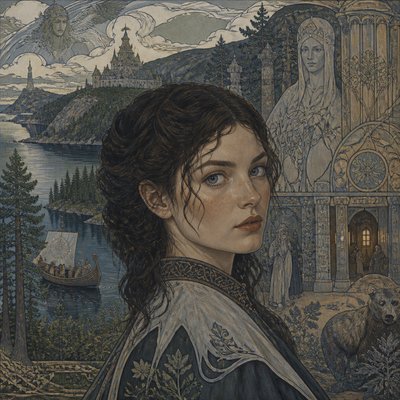
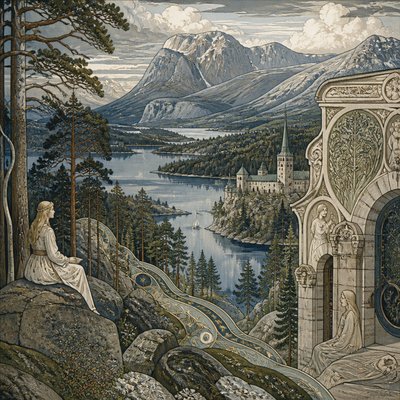
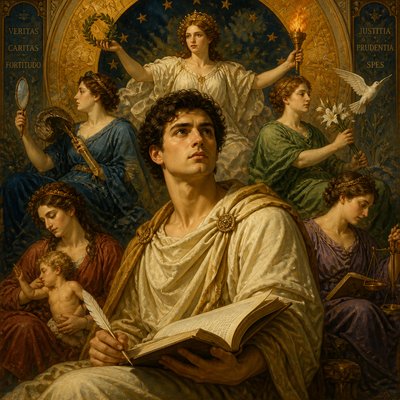
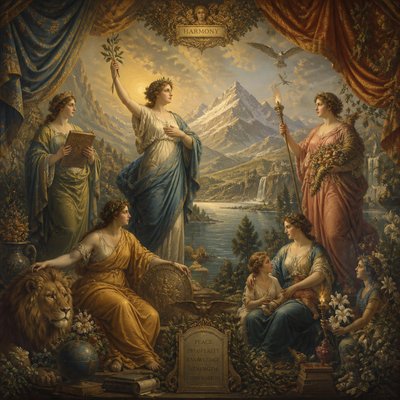
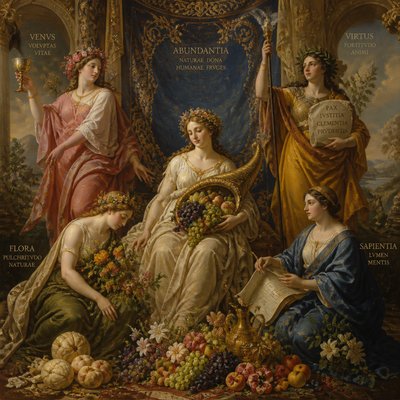
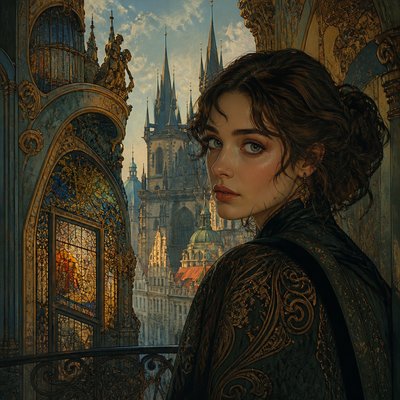
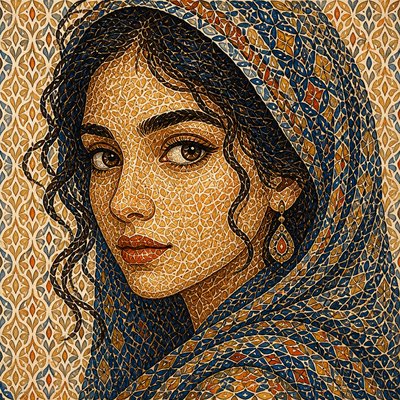
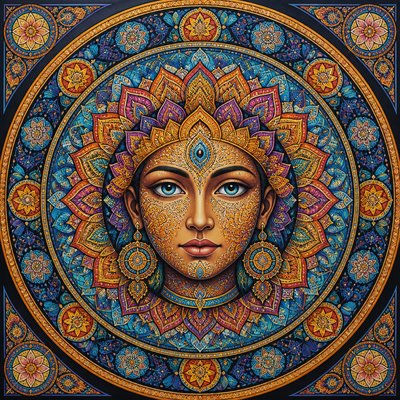
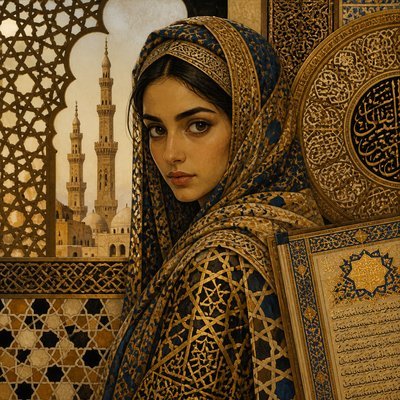
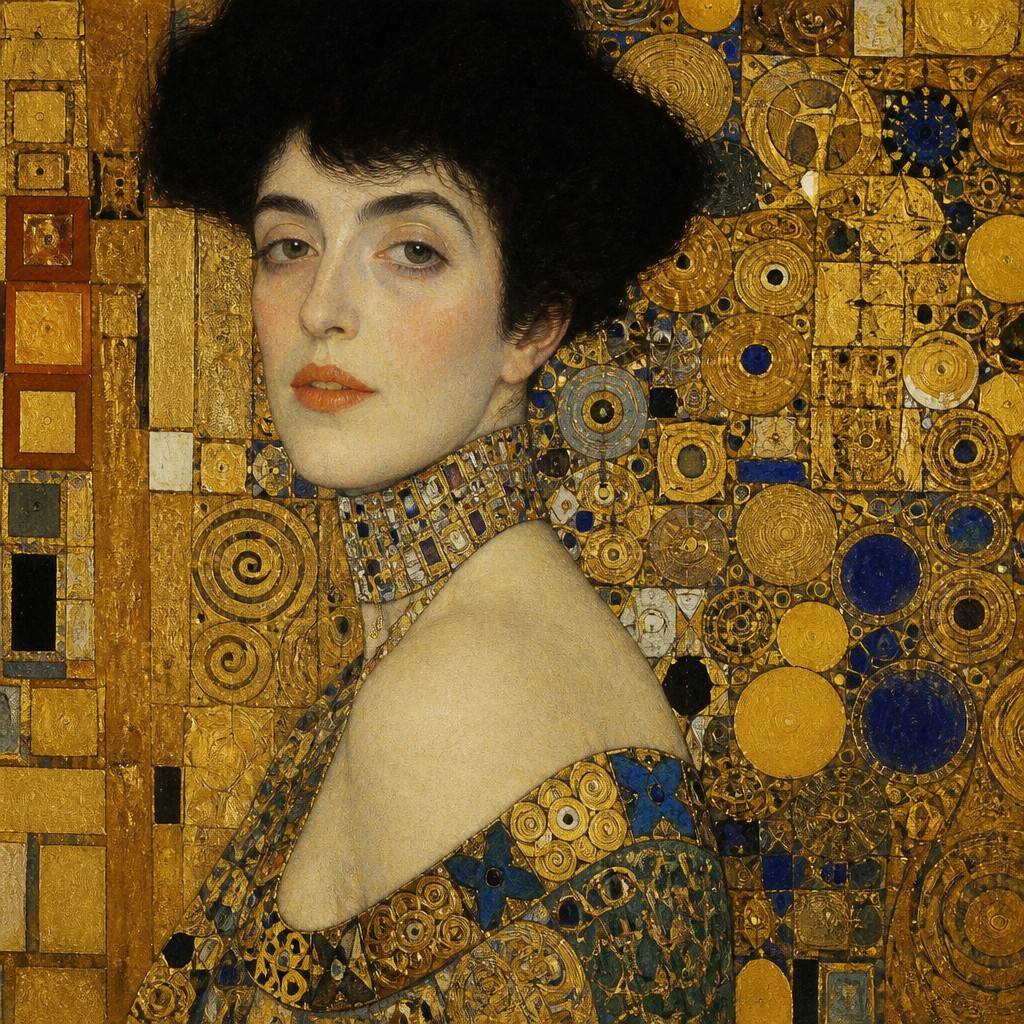
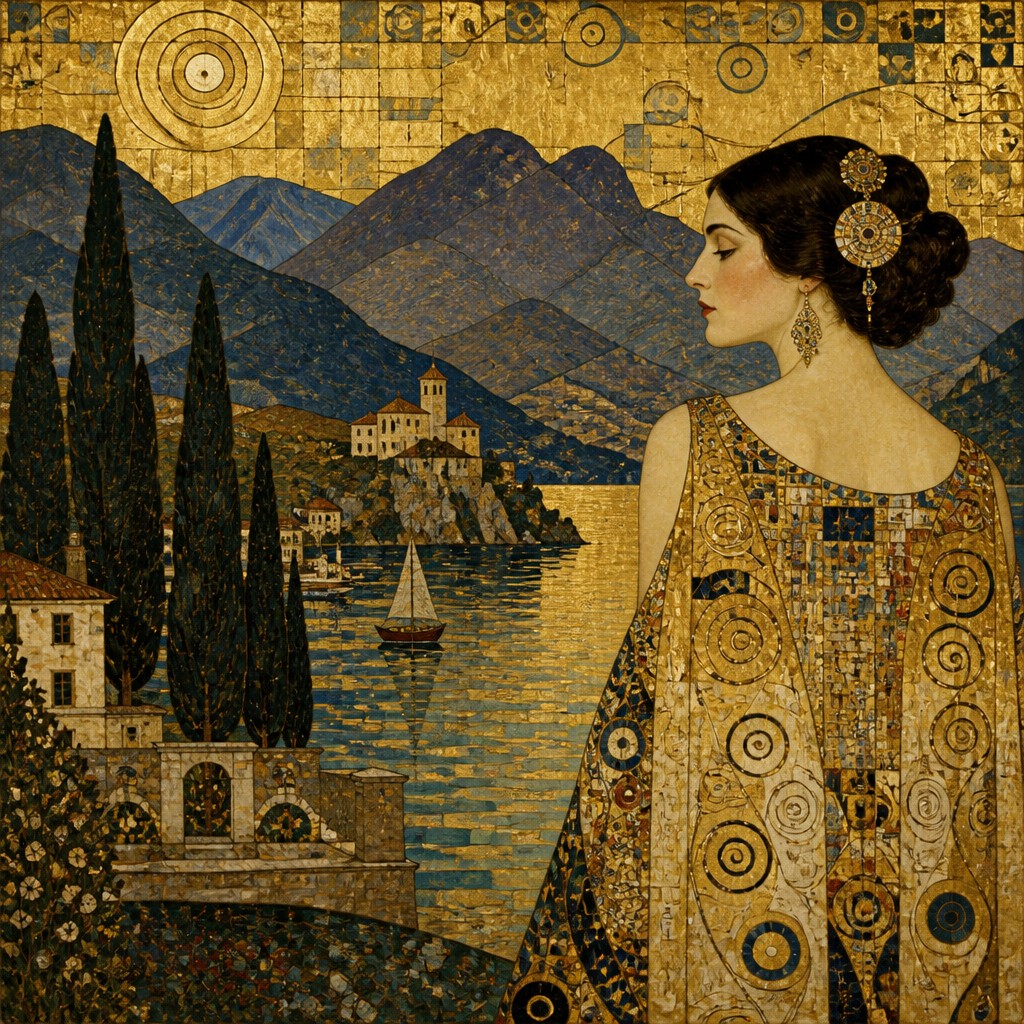
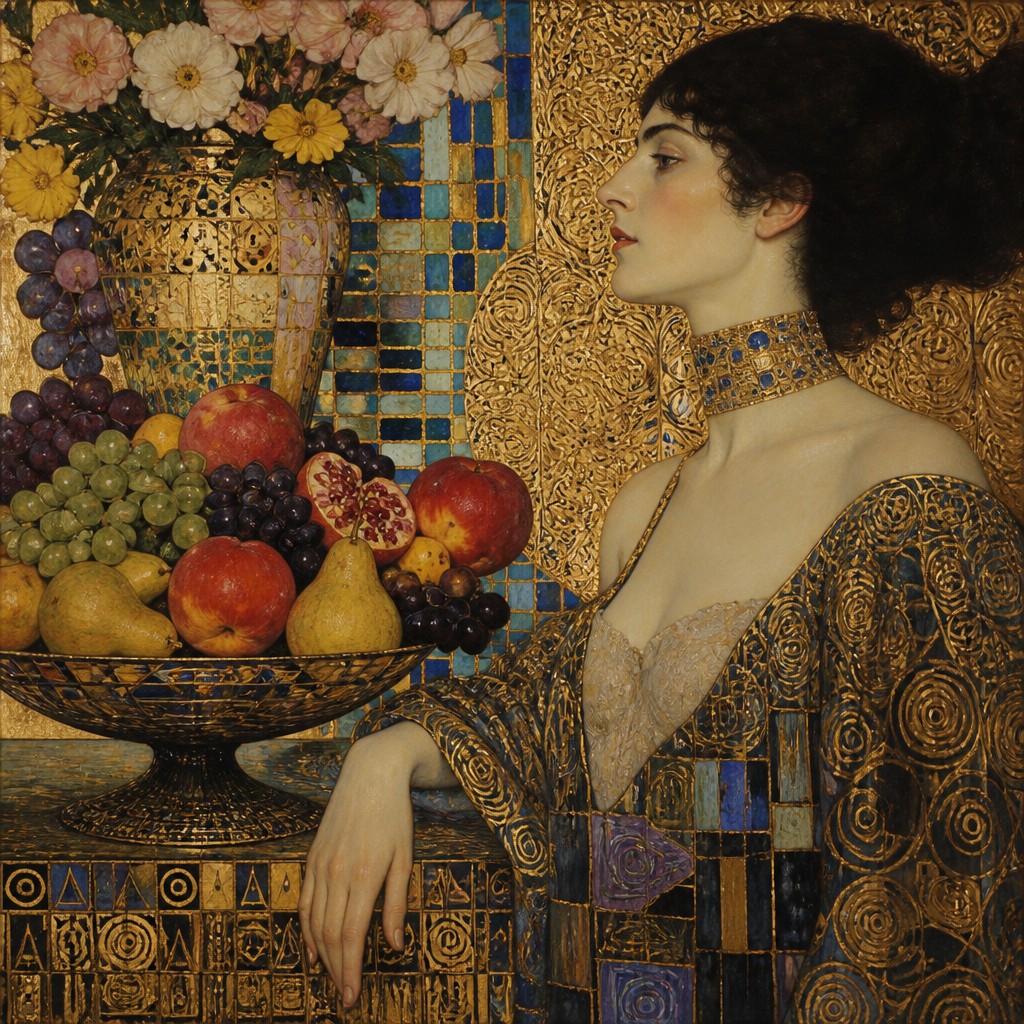
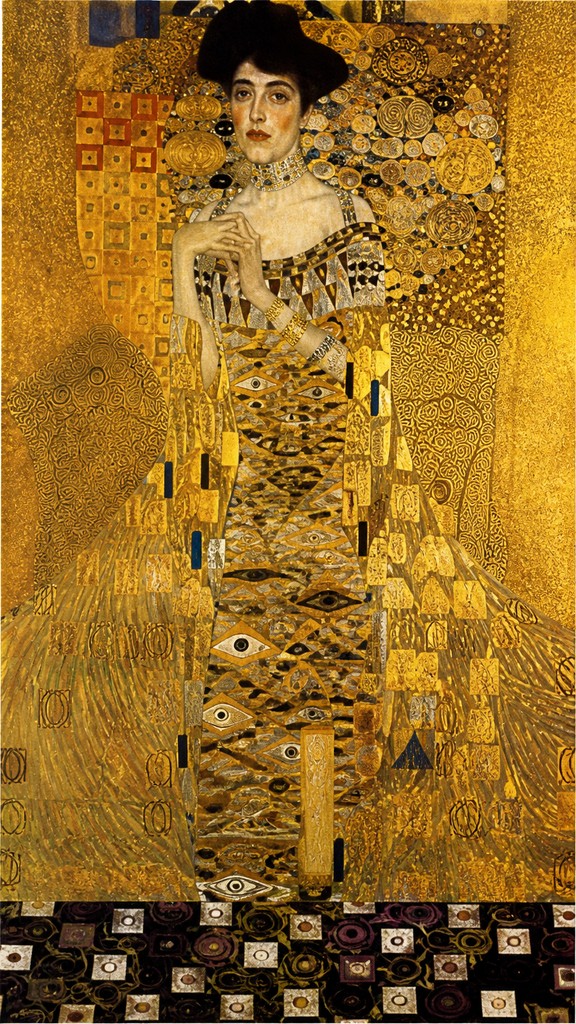
Austrian Art Style is a decorative, symbolist-inspired aesthetic built around Viennese gilding, ornamental pattern, mosaic-like surfaces, and graceful linear rhythm. It commonly places ivory or softly modeled figures against fields of gold, jewel colors, geometric tessellations, floral motifs, and sinuous contours. The effect is luxurious yet emotionally restrained: beautiful, ceremonial, intimate, and touched by fin-de-siècle melancholy.
The style is best understood as a contemporary umbrella rather than a single historical movement with a fixed manifesto. Its visual identity combines the flat decorative emphasis of Austrian Art Nouveau and Vienna Secession design with Byzantine and medieval mosaic traditions, symbolist atmosphere, luxury illustration, and modern digital pattern-making. Depth is often reduced so that the subject and its ornamental surround function as one unified surface.
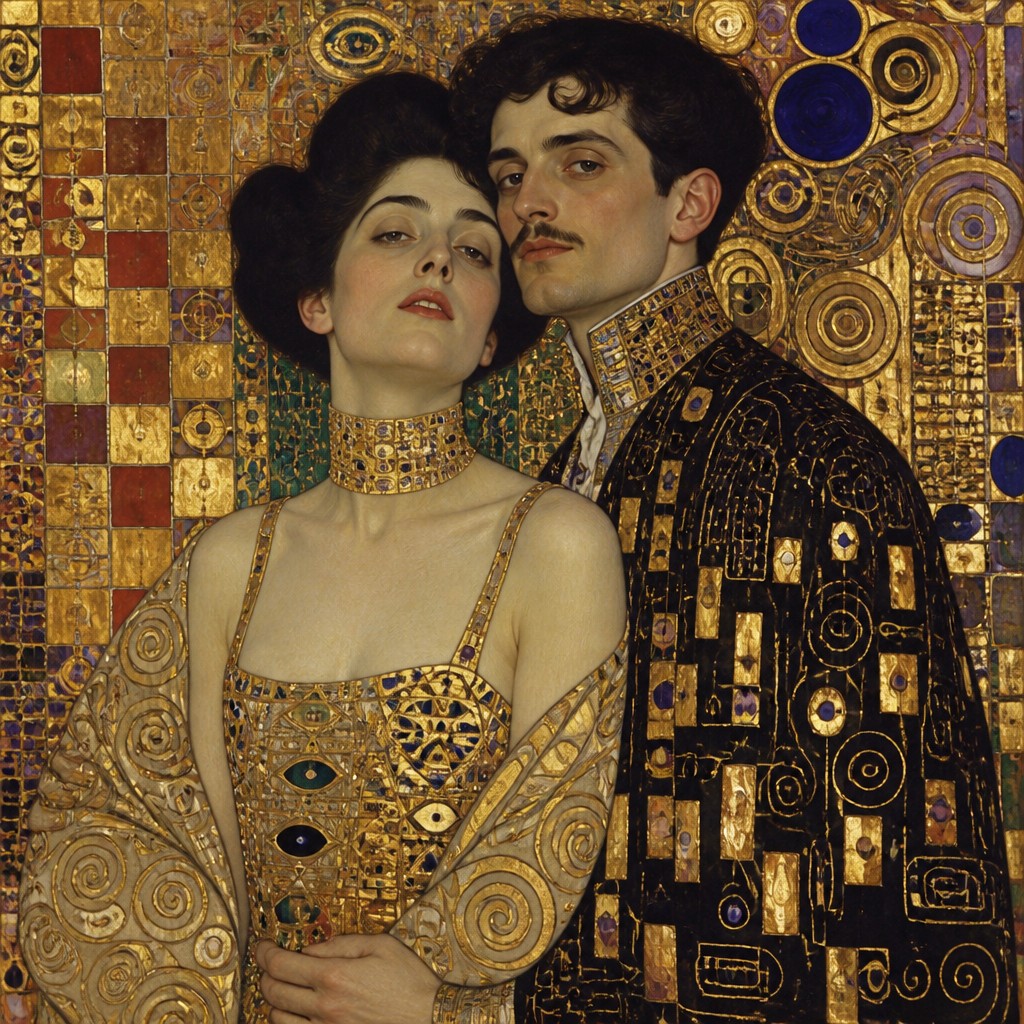
Try It On Your Photos
Upload any photo and convert it into Austrian Art Style — drag the sliders to compare before and after.
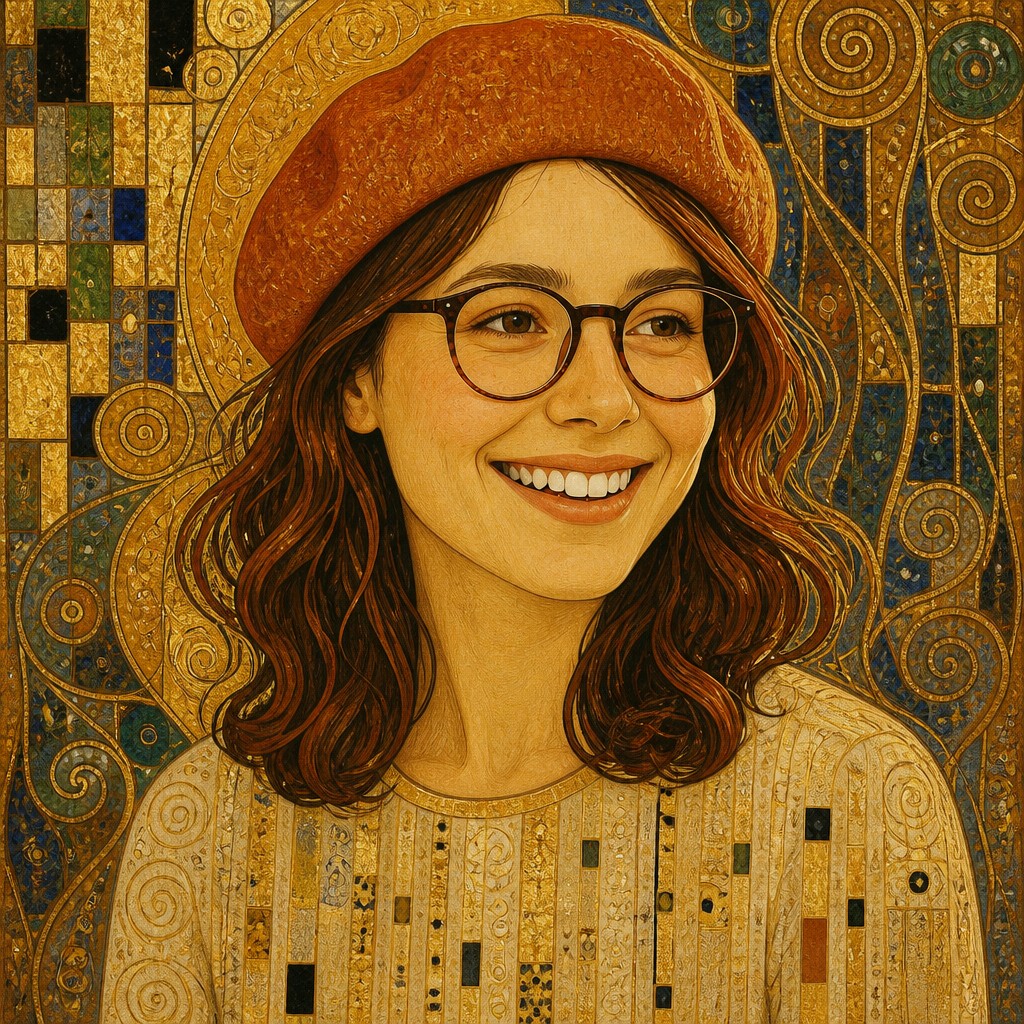

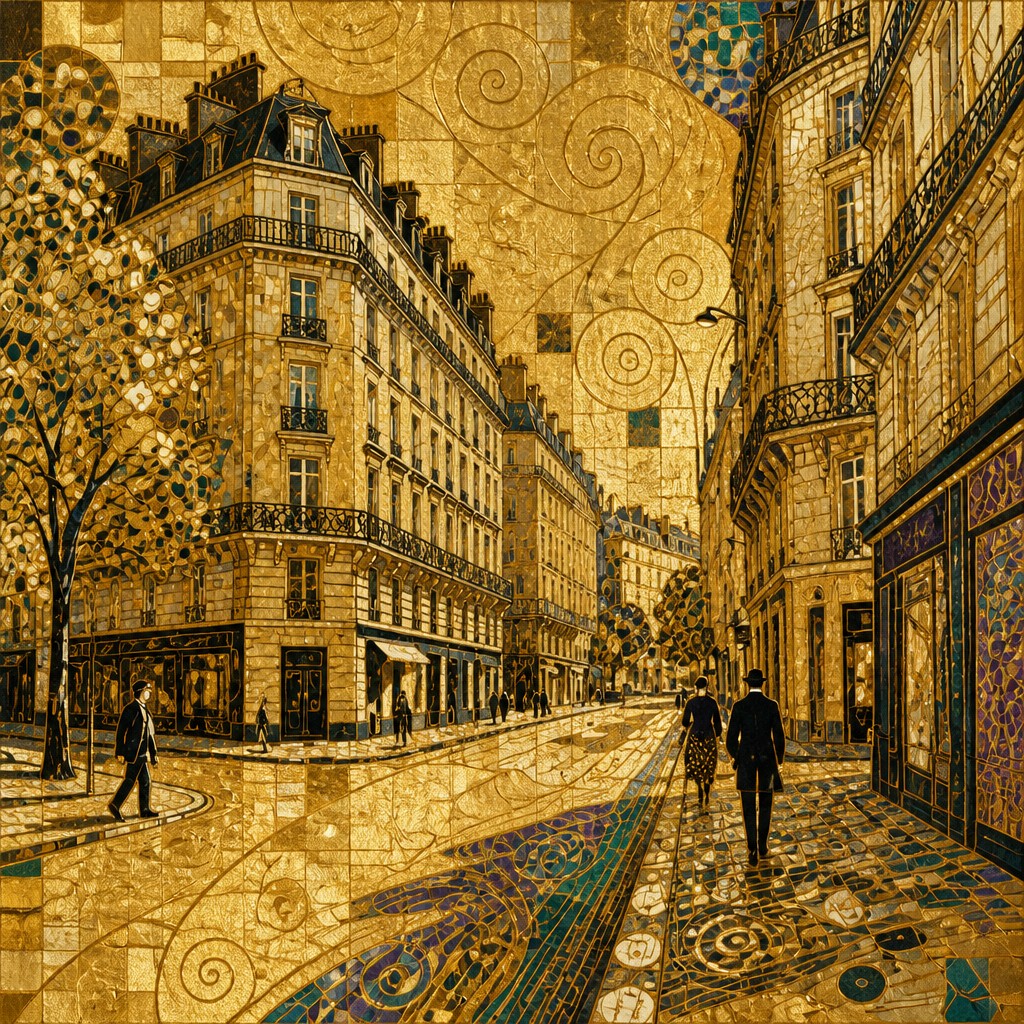

What Defines Austrian Art Style
The signature details, up close
Gilded surfaces
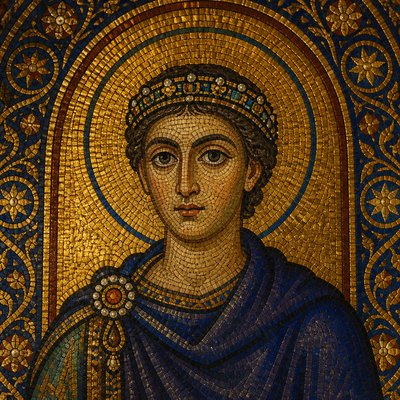
Metallic gold functions as both ornament and pictorial space, appearing in halos, backgrounds, borders, clothing, and dense decorative fields. The gold is often varied with matte, reflective, stippled, or leaf-like textures rather than treated as a single flat color.
Mosaic-flat pattern
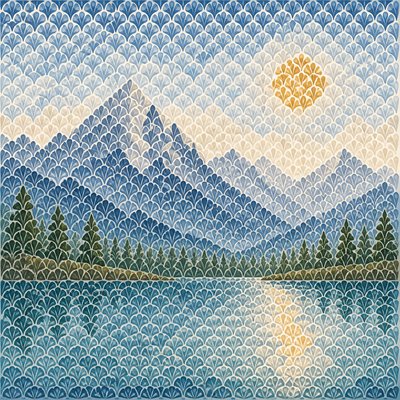
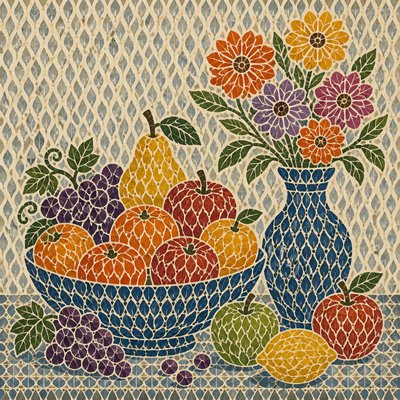
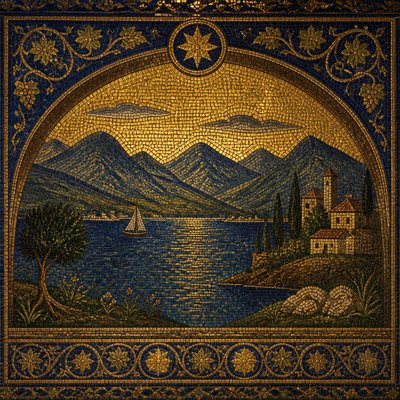
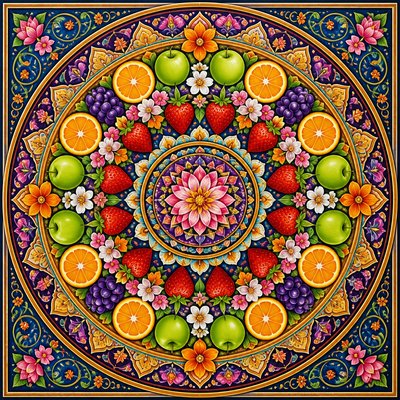
Large areas are organized as tessellations, squares, circles, spirals, leaves, eyes, checks, and jewel-like fragments. These pattern fields flatten perspective and make the image resemble an illuminated panel, textile, or mosaic.
Flowing secessionist line
Contours are elegant, continuous, and rhythmically curved, especially around hair, garments, stems, limbs, and architectural frames. Angular geometric interruptions often balance the organic movement of the line.
Ivory and jewel palette
Pale ivory, cream, and warm skin tones are set against emerald, sapphire, ruby, amethyst, turquoise, black, and antique gold. Strong color contrast is usually concentrated in ornament and clothing rather than harshly modeled across the face.
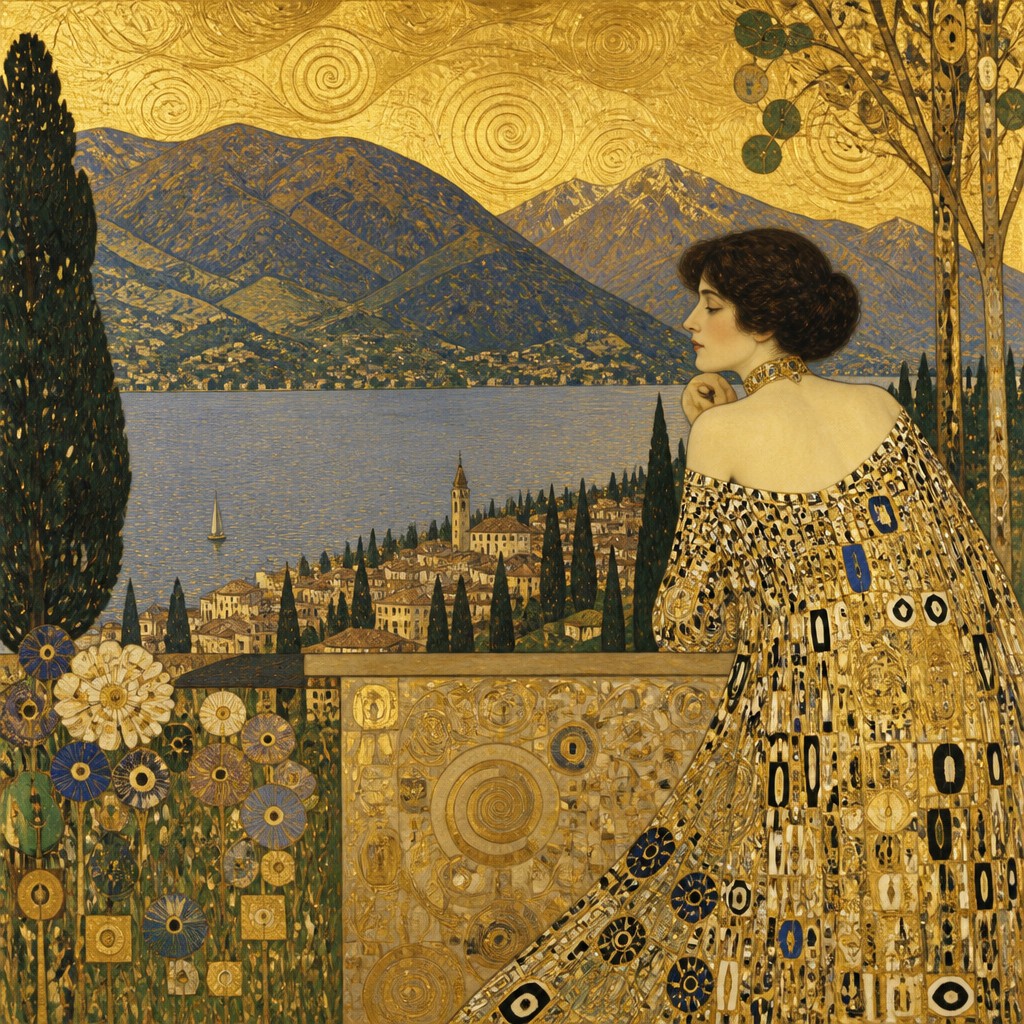
Symbolist mood
Subjects often appear contemplative, dreamlike, romantic, or ceremonially posed. Expressions remain quiet and enigmatic, allowing flowers, animals, halos, and repeated motifs to suggest psychological or allegorical meaning.
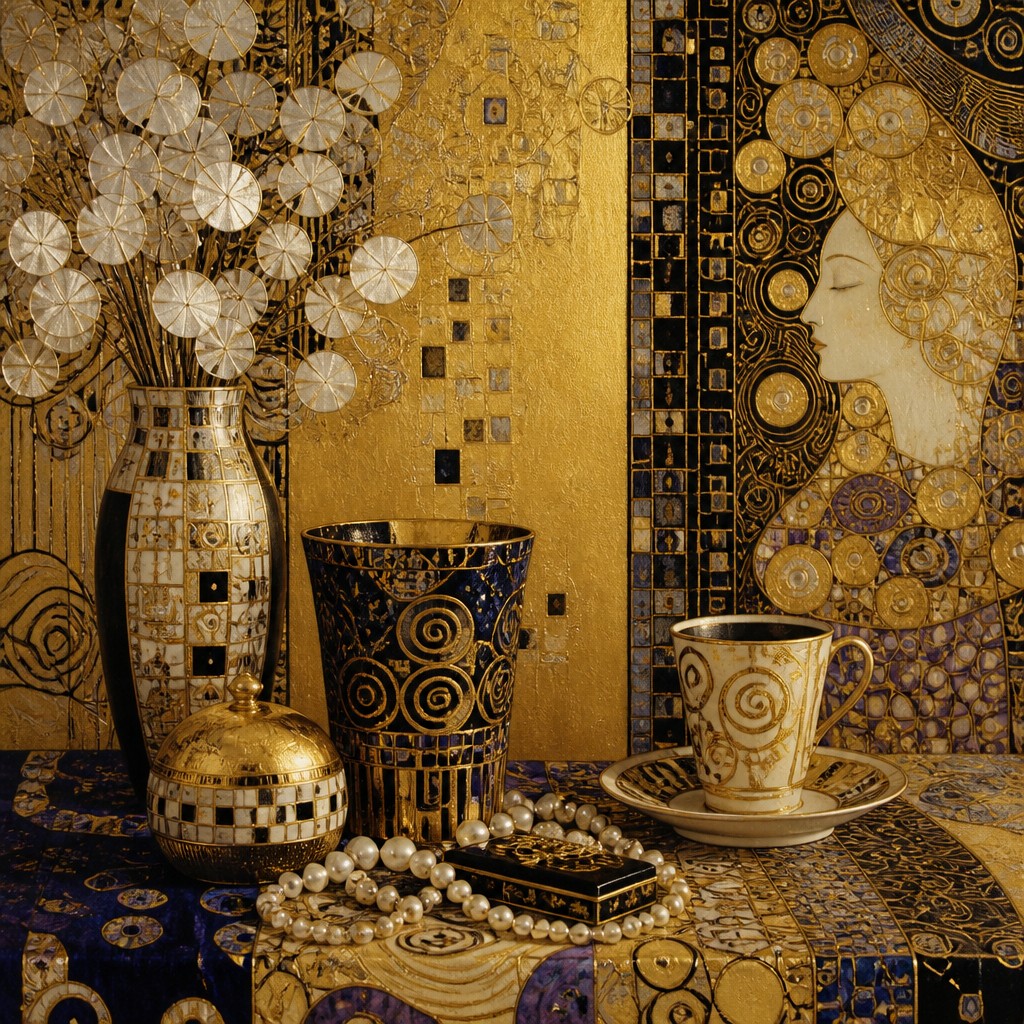
Decorative framing
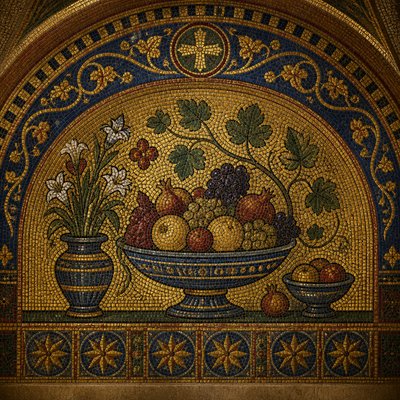
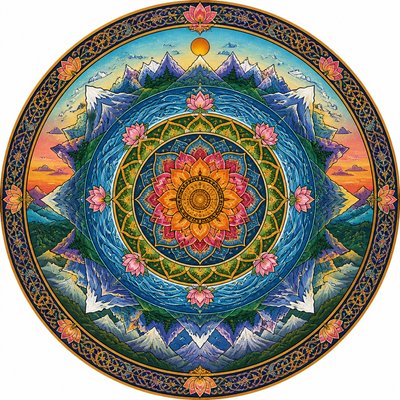
Circular medallions, rectangular panels, archways, floral borders, and ornamental enclosures control the composition. The frame is treated as part of the image rather than a neutral boundary.
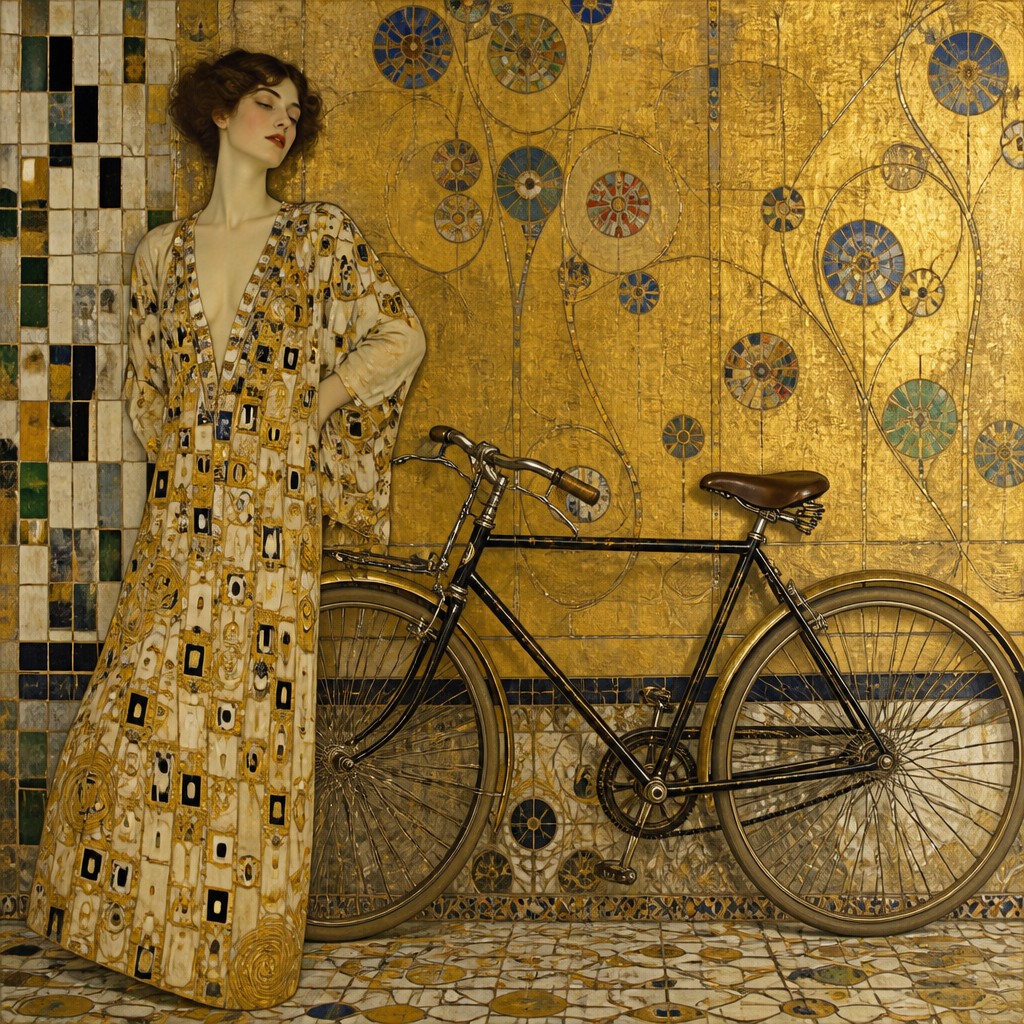
Decadent fin-de-siècle luxury
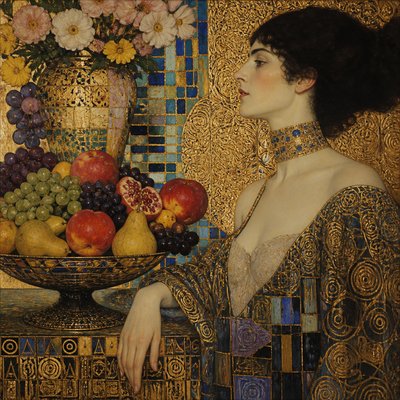
Rich textiles, elaborate jewelry, patterned robes, polished surfaces, and formal poses create an atmosphere of cultivated excess. This opulence is frequently tempered by fragile beauty, stillness, and a sense of passing time.
Try It
Create Videos in Austrian Art Style
Styles aren't just for stills — describe a scene or animate an image and get a short video rendered in Austrian. Press play to see this pond come to life.
Make a VideoAustrian Prompt Ideas
Start from an idea — each one opens the generator with the style ready to go. See all 40 Austrian prompts →
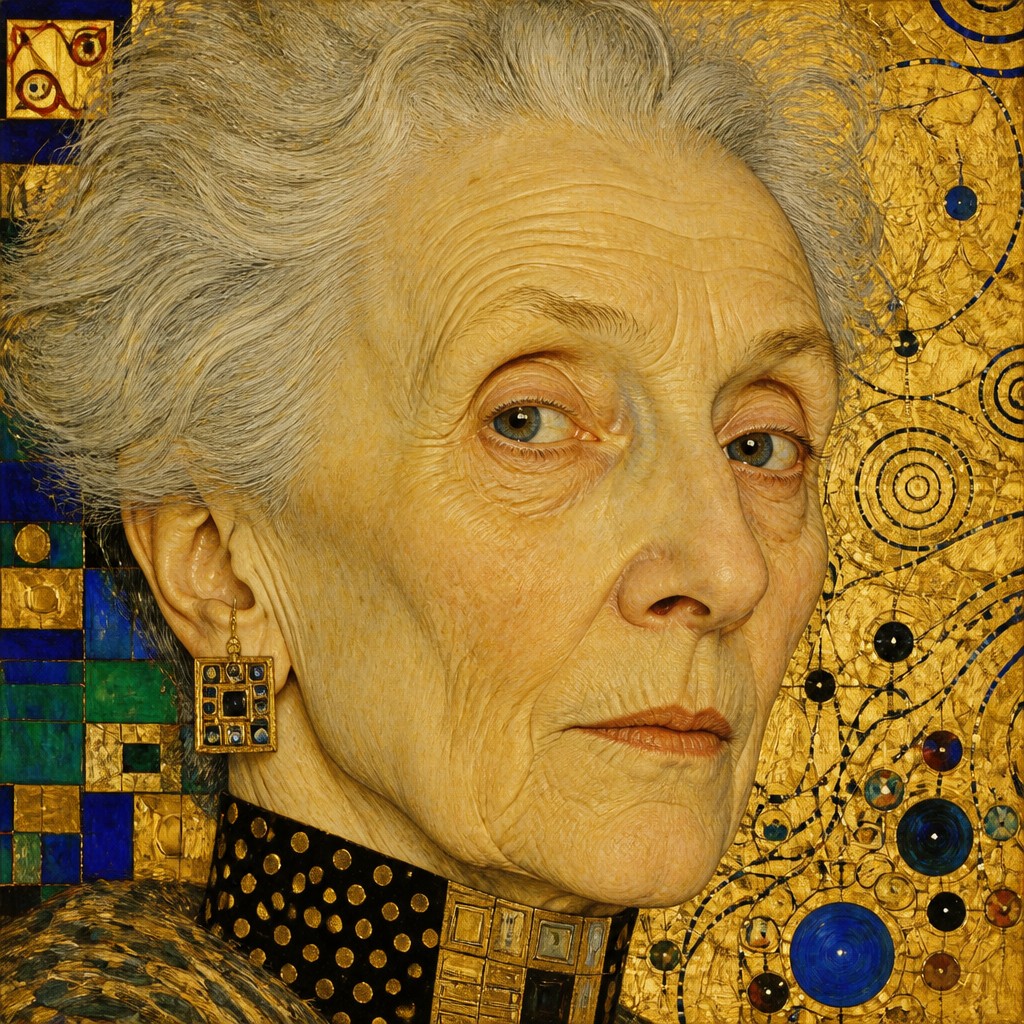
“close-up portrait of an elderly person with expressive weathered features”
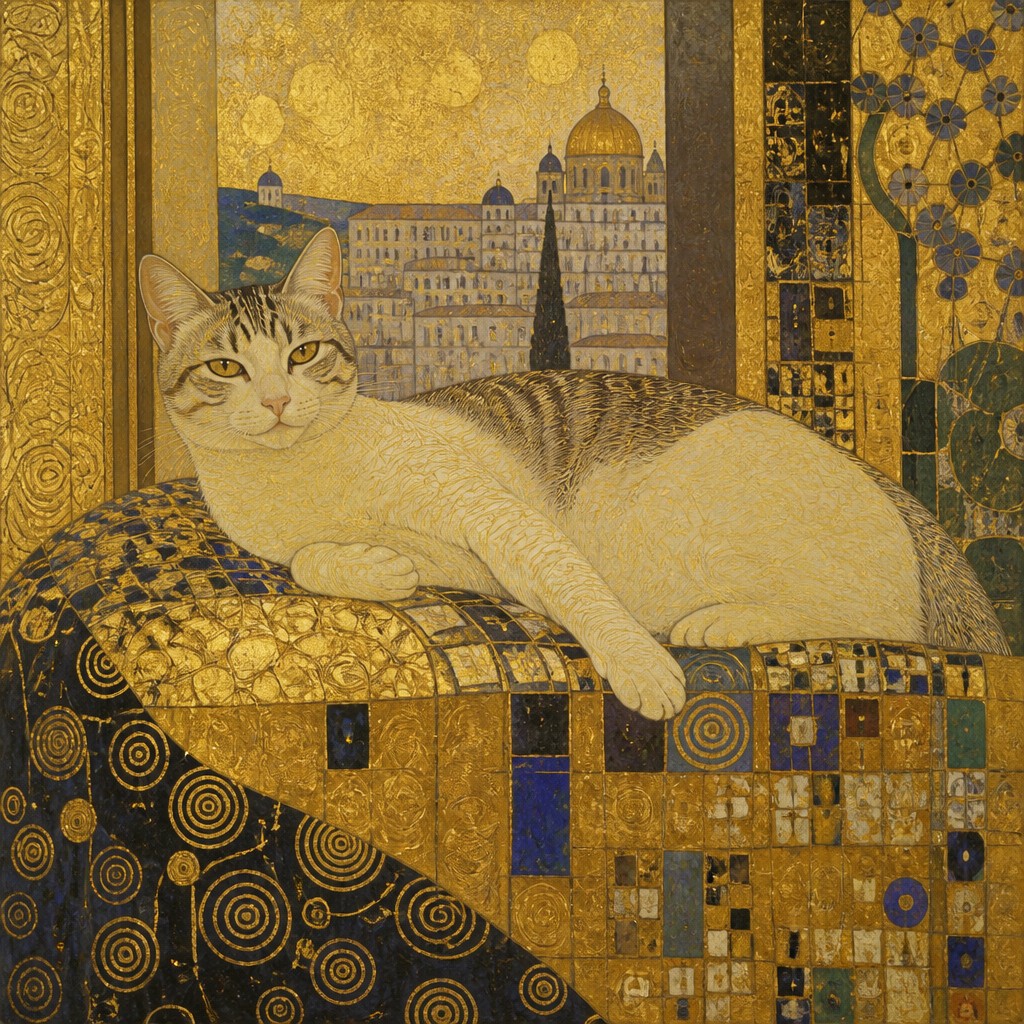
“a cat lounging in a sunlit window”
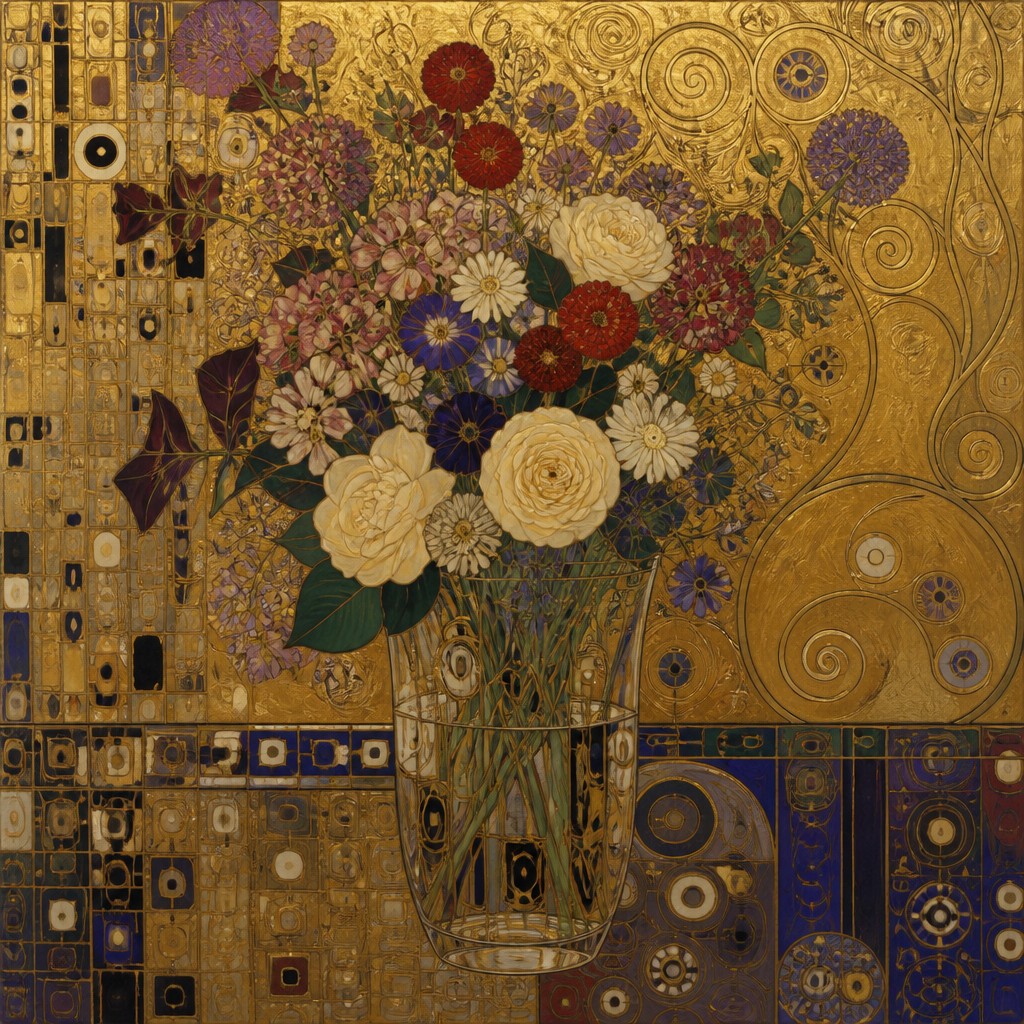
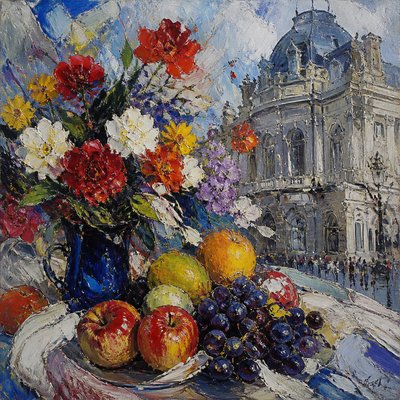
“bouquet of flowers in a glass vase”
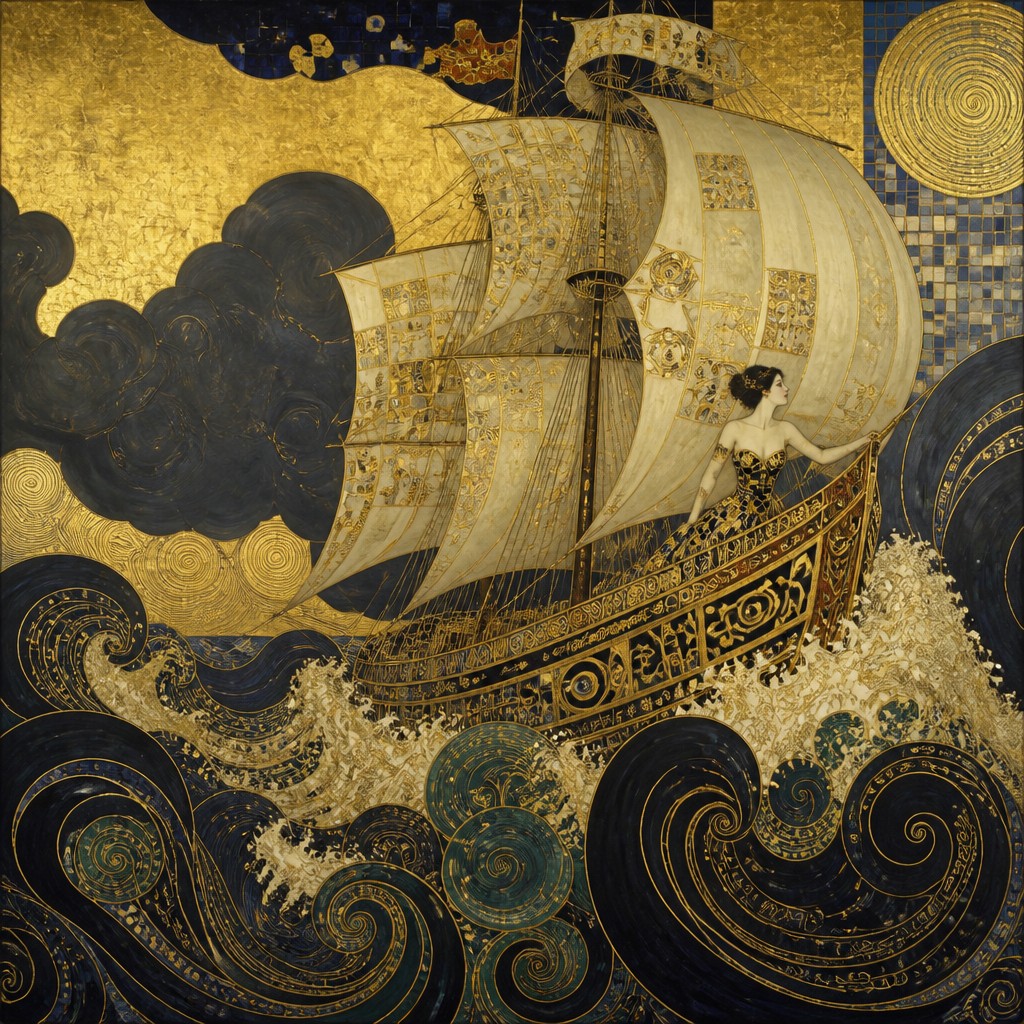
“sailing ship on a stormy sea”
How to Create Austrian Art
Master the craft step by step — or skip straight to creating. Read the full guide →
- 1
Build a flat ornamental composition
Begin with a clear central figure or subject, then reduce conventional depth by placing it against a structured field of repeated motifs. Use a strong silhouette and reserve detailed perspective for only a few focal areas.
- 2
Layer gold with varied texture
In traditional work, combine metallic leaf, bronze or ochre pigments, glazing, and stippling to prevent the gold from becoming visually uniform. Digitally, use separate metallic layers with subtle noise, flecks, embossing, and changes in reflectivity.
- 3
Design the pattern around the subject
Repeat geometric and botanical elements in a controlled rhythm, allowing the pattern to echo posture, clothing, or symbolic attributes. Keep the face and hands comparatively calm so ornament supports rather than overwhelms the subject.
- 4
Control the palette and line
Pair ivory or warm cream with two or three jewel tones and antique gold, using near-black for selective definition. Draw long, confident contours and combine organic curves with small geometric interruptions for a distinctly secessionist balance.
- 5
Use digital or AI workflows deliberately
For digital painting or image-to-image work, describe the subject first and then specify gilded pattern fields, mosaic-flat geometry, ivory skin, jewel tones, and restrained melancholy. Request a coherent border and limited palette, and use inpainting or masking to correct distorted hands, faces, and repetitive ornament.
- 6
Finish with material contrast
Separate matte skin, glossy jewels, granular gold, velvet-like fabric, and polished geometric motifs through texture and edge treatment. A small number of crisp highlights can make the decorative surface feel tactile without restoring heavy realism.
The Story
History & Origins of Austrian
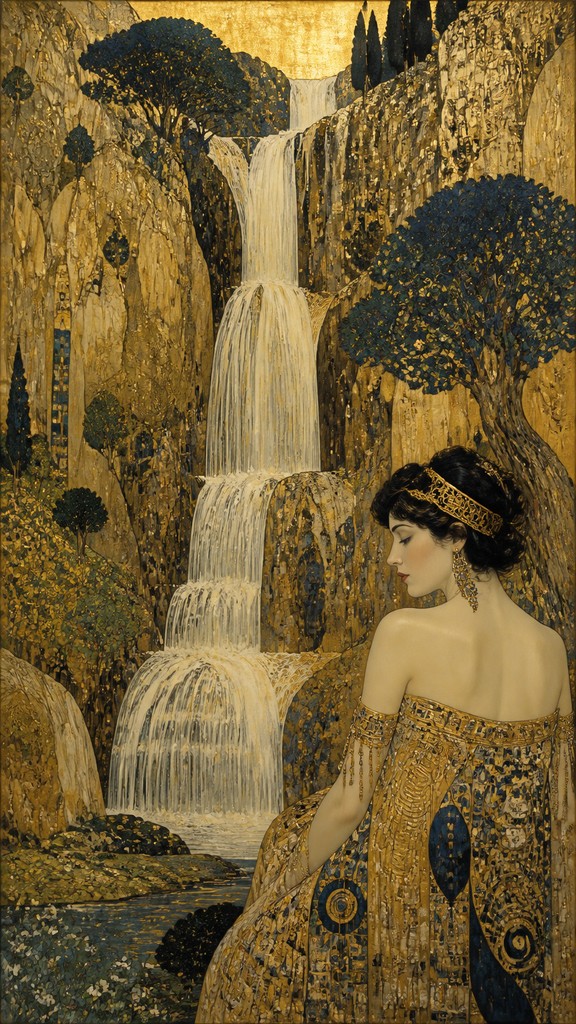
The aesthetic lineage of Austrian Art Style leads primarily to late nineteenth- and early twentieth-century Vienna, where Art Nouveau developed a distinctive local language of geometric ornament, organic line, decorative arts, and total-environment design. Vienna Secession artists and designers challenged academic convention by integrating painting, architecture, typography, furniture, textiles, and applied decoration. Gold leaf, patterned surfaces, allegorical subjects, and carefully controlled silhouettes became important vehicles for this synthesis.
Its visual vocabulary also draws on Byzantine mosaics, medieval religious art, Japanese woodblock design, European symbolism, and the cultivated interiors of fin-de-siècle Central Europe. In contemporary use, these sources are recombined through digital illustration, collage, surface design, portrait photography, and generative image-making rather than reproduced as a historically pure period style.
Influences: The style relates most closely to Austrian Art Nouveau, Vienna Secession, European Symbolism, Byzantine and medieval mosaic, illuminated manuscripts, Japanese woodblock flatness, Jugendstil ornament, and the decorative arts of fin-de-siècle Central Europe. It also shares methods with contemporary editorial illustration, luxury pattern design, icon painting, collage, and digitally constructed surface art.
Frequently Asked Questions
What defines Austrian Art Style?
It is defined by gilded ornament, mosaic-like pattern fields, flowing decorative line, ivory and jewel tones, and a contemplative symbolist mood. Figures are often formally posed and integrated into the surrounding pattern rather than placed in a deeply realistic setting.
Is Austrian Art Style a recognized historical movement?
The phrase is not generally the name of one unified historical movement. It is a contemporary descriptive label for an aesthetic lineage rooted in Austrian Art Nouveau and Vienna Secession, enriched by Byzantine, medieval, symbolist, and modern digital influences.
How does it differ from general Art Nouveau?
Art Nouveau is a broad international movement with many regional forms, while this style emphasizes the Viennese combination of gold, geometric ornament, symbolic portraiture, and luxurious flat pattern. Its mood is often more ceremonial and psychologically hushed than the lighter botanical language associated with some other Art Nouveau traditions.
Can this style be used for portraits and photographs?
Yes. Portraits work especially well because the calm face and elaborate clothing create a strong contrast between human presence and ornament. For photographs, preserve recognizable facial structure while adding controlled gold, patterned garments, decorative borders, and a flatter background.
What subjects suit this aesthetic?
Elegant portraits, lovers, musicians, mythic figures, flowers, birds, horses, moths, gardens, and richly furnished interiors are natural subjects. Symbolic objects such as mirrors, crowns, trees, halos, and instruments can reinforce the allegorical atmosphere.
How can I avoid making the image look cluttered?
Limit the palette, establish one dominant silhouette, and keep the face or main subject quieter than the surrounding ornament. Use repeated motifs selectively, vary their scale, and create a clear hierarchy between focal details, secondary pattern, and border.
Create your first Austrian artwork
Describe anything — or upload a photo — and see it in Austrian Art Style in seconds.
Related Styles
Discover similar art styles