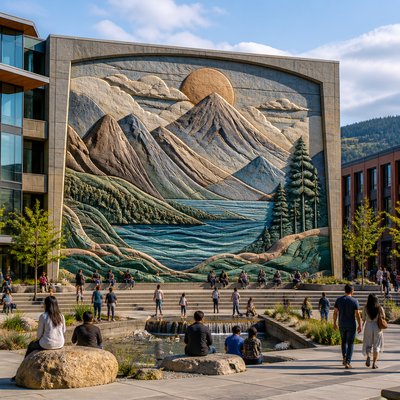
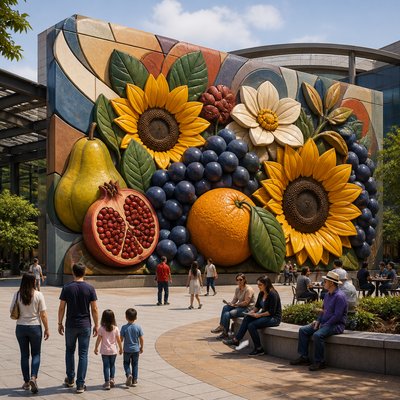
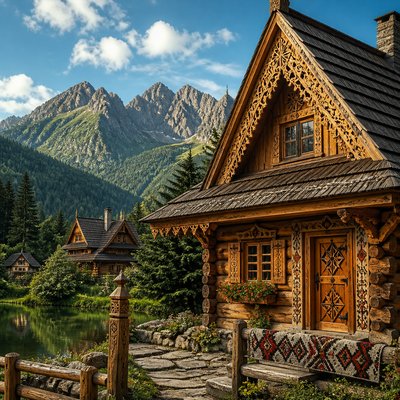
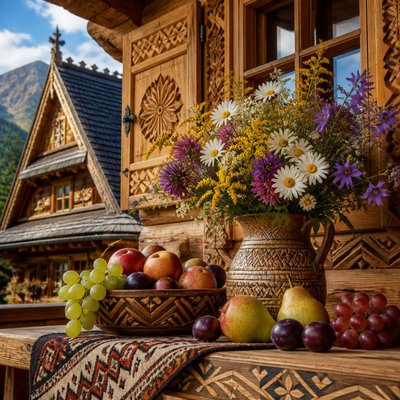
Leather Art Style
Explore leather art style: deep hand-tooled relief, burnished brown patina, stamped motifs, stitching, and richly textured crafted surfaces.
Instantly rendered in Leather — or transform a photo
Leather Gallery
Tap any artwork to explore it
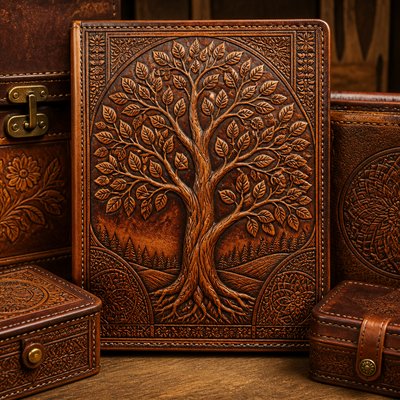
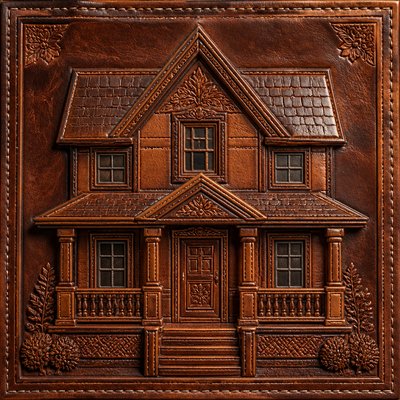
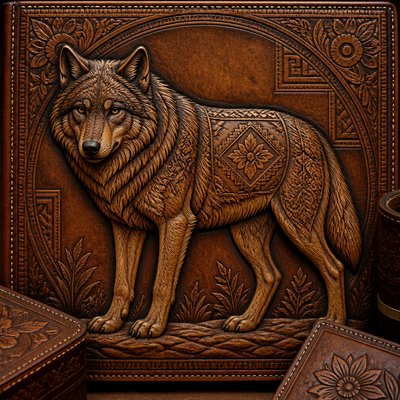
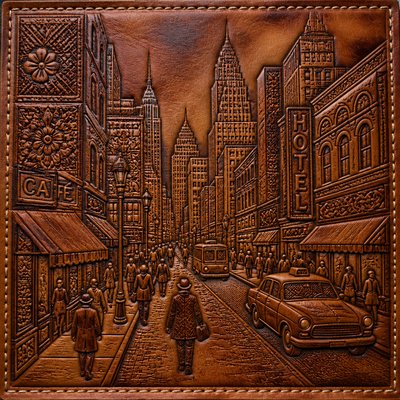
What is Leather Art Style?
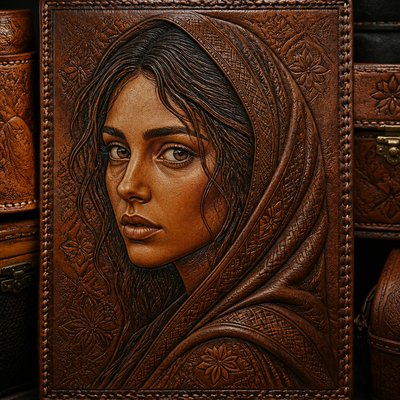
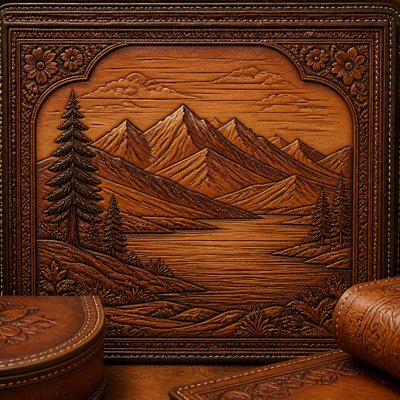
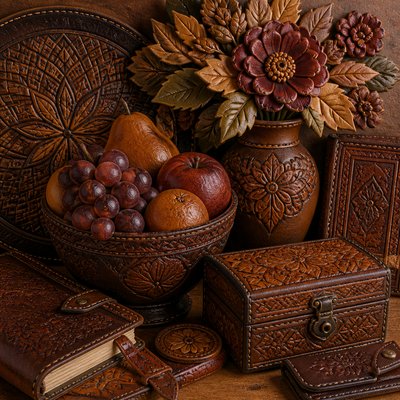
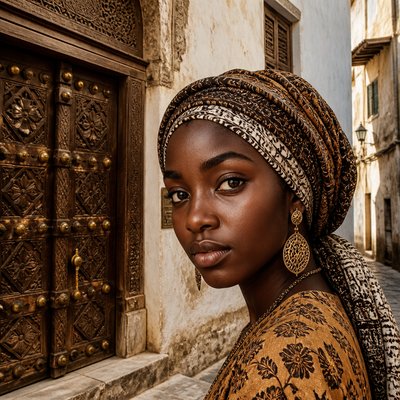
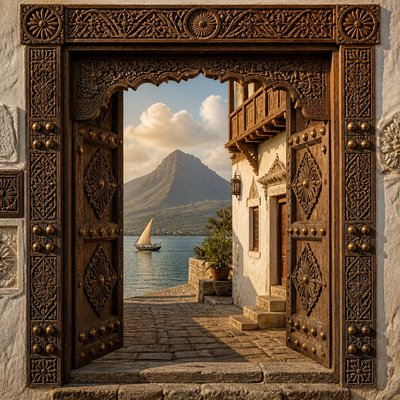
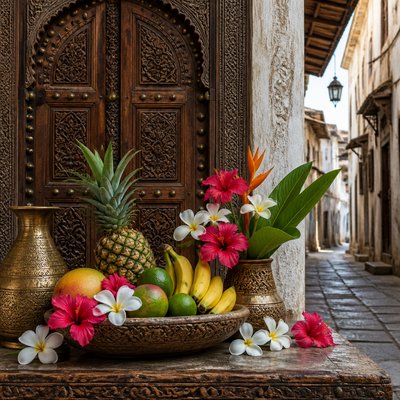
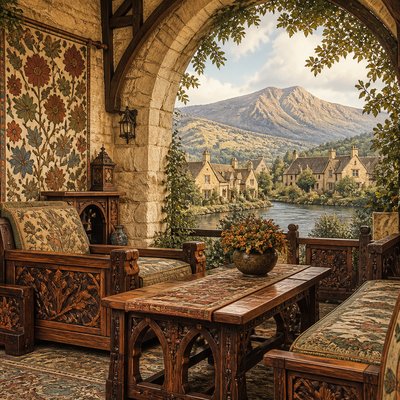
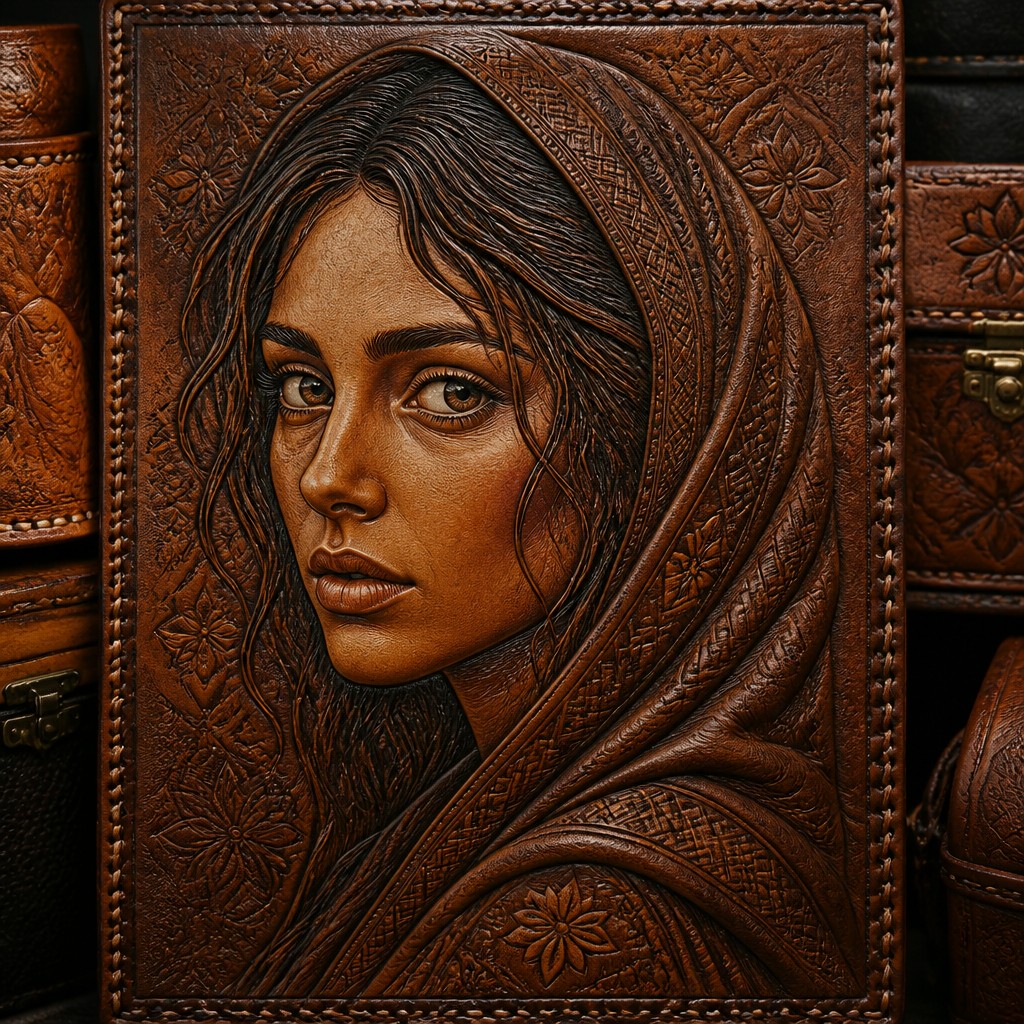
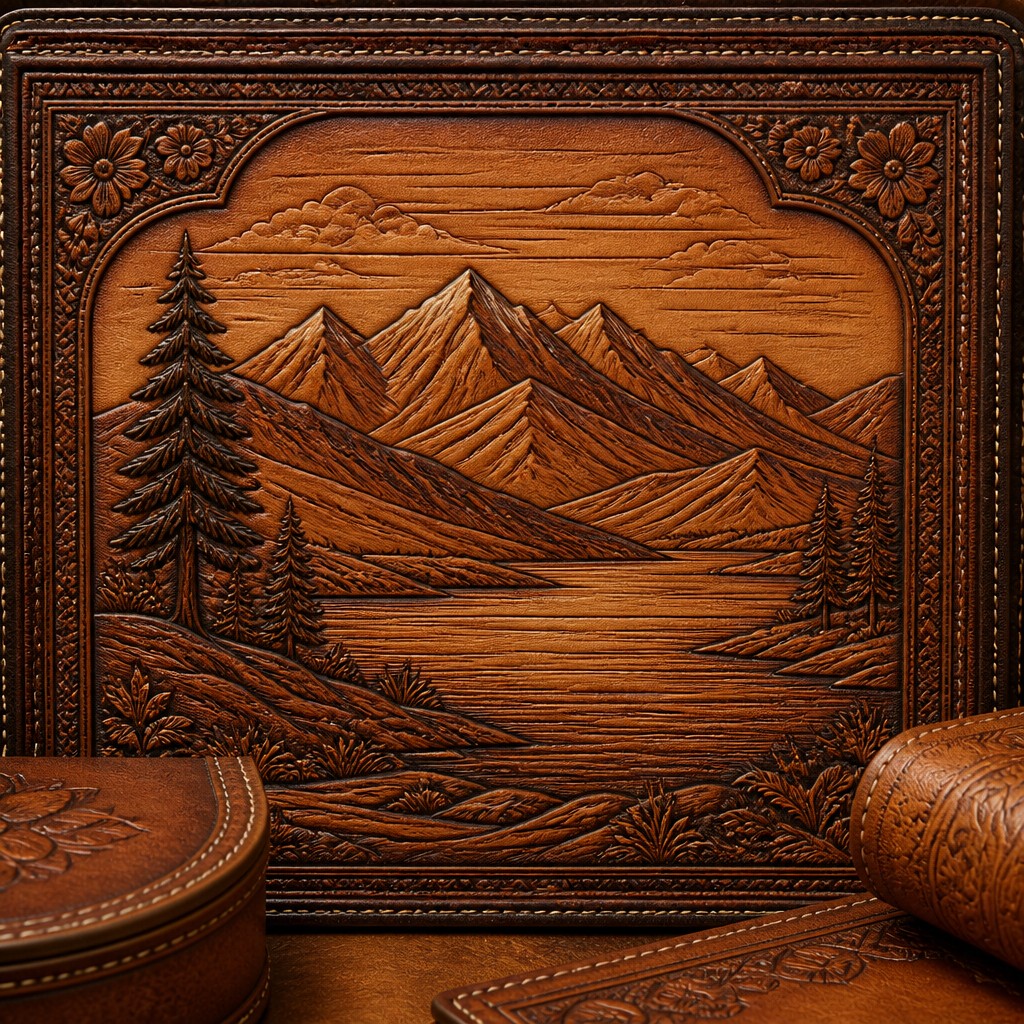
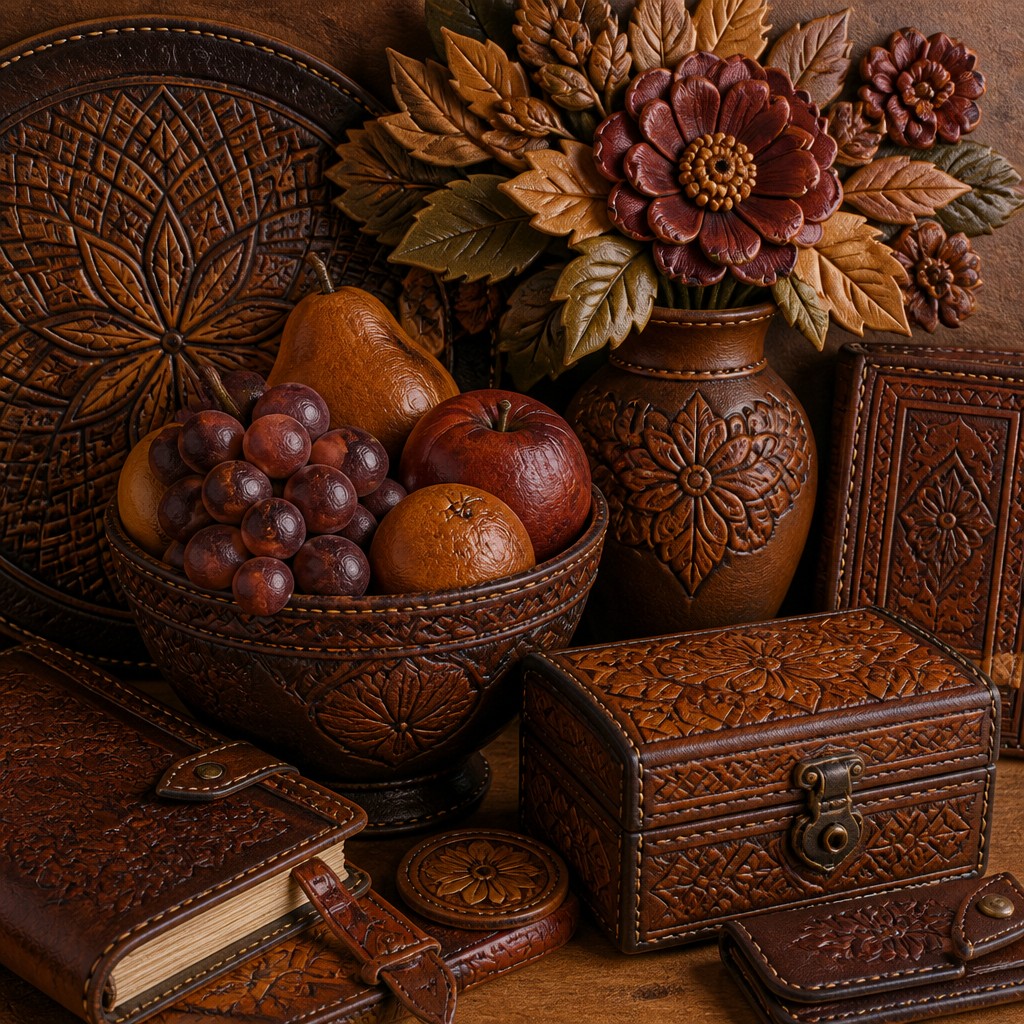
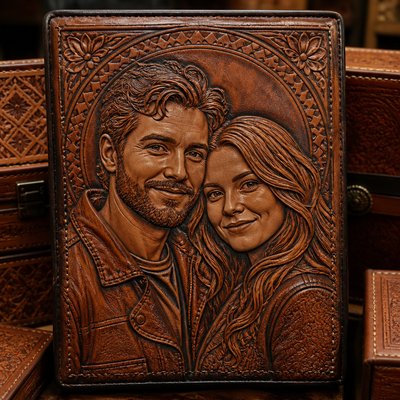
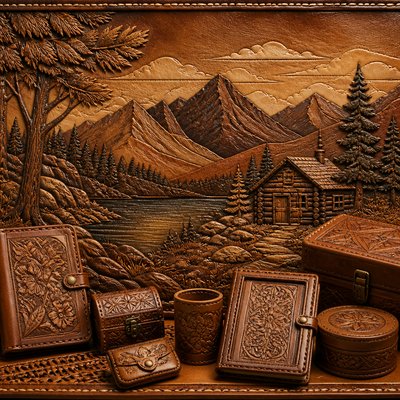
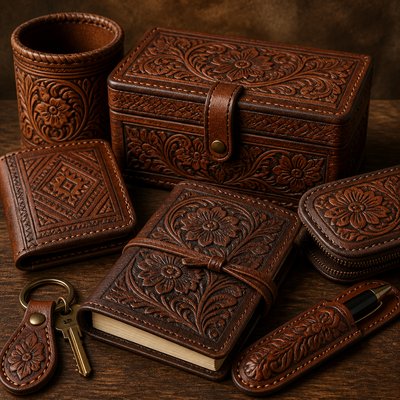
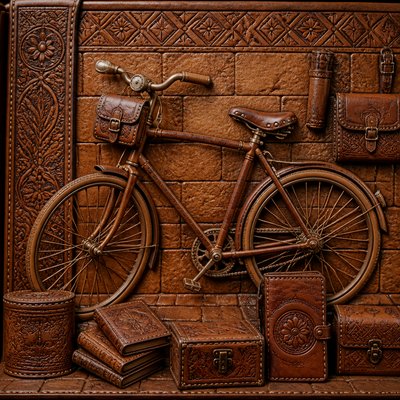
Leather art style is an invented, material-focused visual aesthetic that presents objects as if they were made from hand-tooled hide. Its defining surfaces combine deep carved relief, pressed geometric and floral ornament, beveled edges, visible stitching, and a warm patina ranging from honey tan to dark umber. Boxes, folios, cases, book covers, panels, furniture accents, and small sculptural objects are especially effective subjects.
The style looks tactile because it emphasizes the physical behavior of leather: compressed grain, softened corners, raised tooling, burnished highlights, darkened recesses, and irregular marks left by handwork. Warm directional lighting reveals the relief and produces a crafted, heirloom quality rather than the flat appearance of printed decoration. The visual language can be ornate or restrained, but it generally favors durable materials, close observation, and evidence of making.
Try It On Your Photos
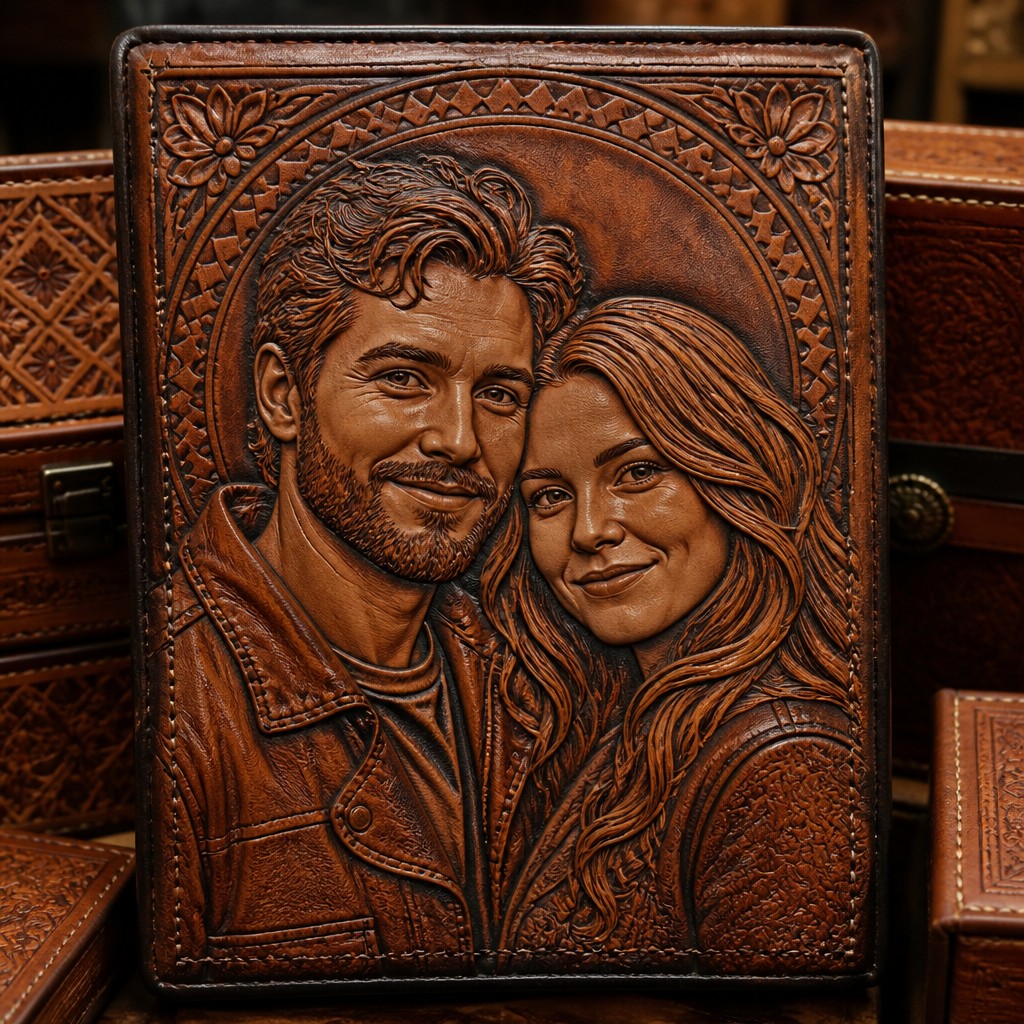
Upload any photo and convert it into Leather Art Style — drag the sliders to compare before and after.


What Defines Leather Art Style
The signature details, up close
Deep carved relief
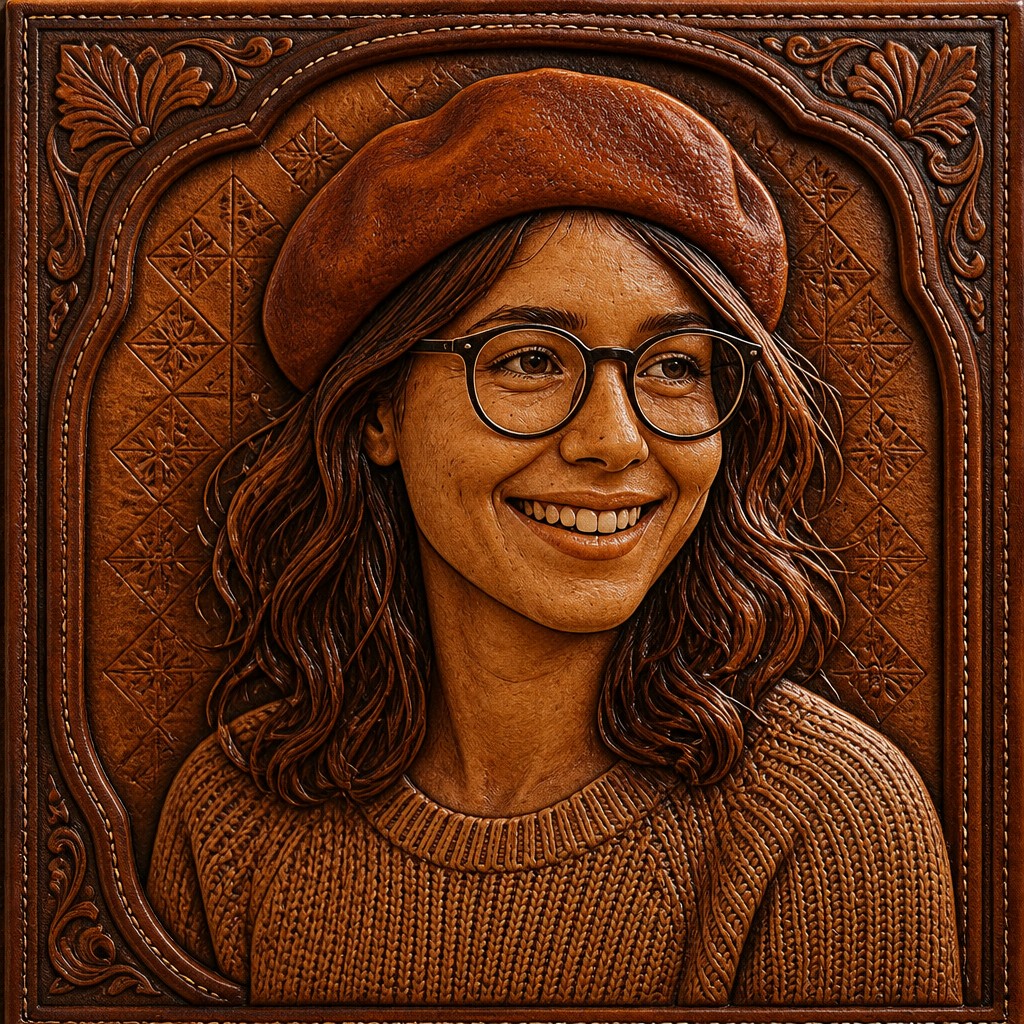
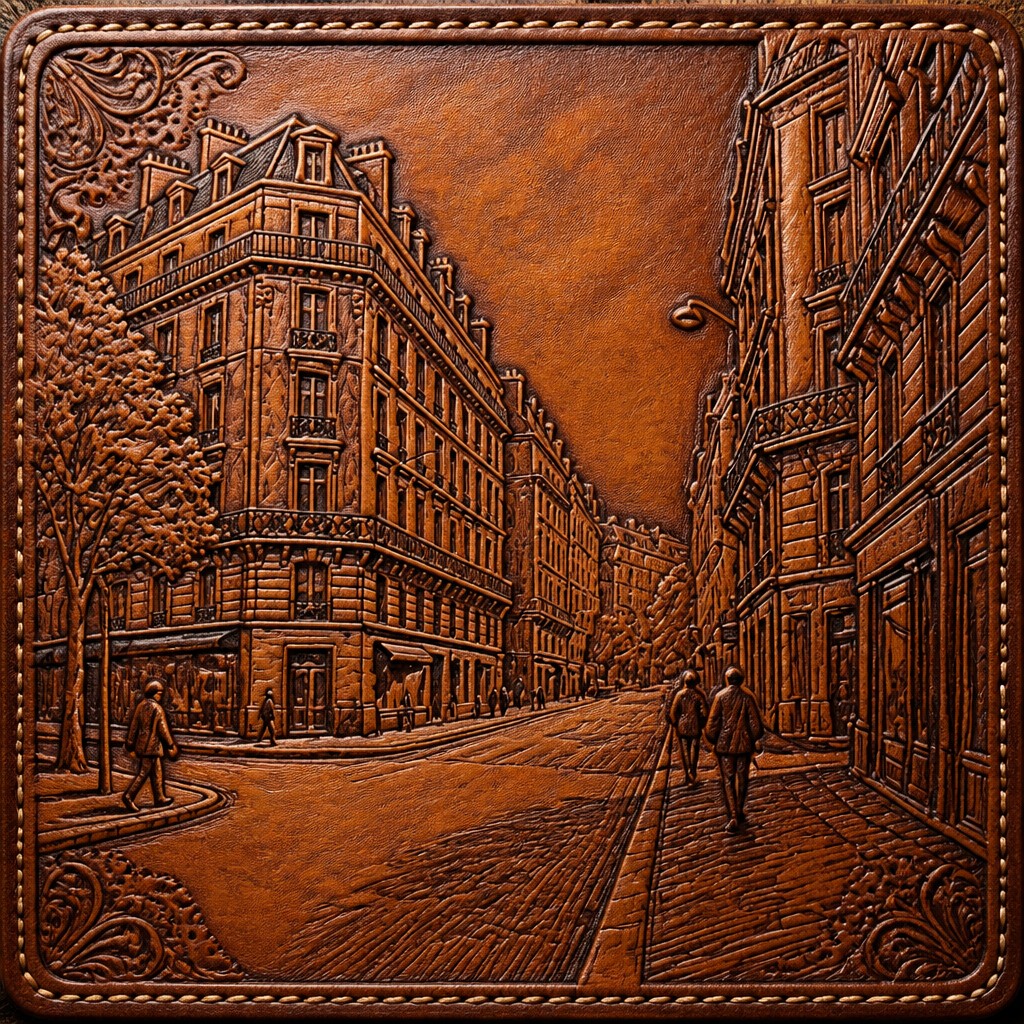
Patterns appear cut, beveled, and modeled into the hide rather than painted on its surface. Raised borders and recessed channels create strong tactile depth.
Burnished brown patina
The palette favors chestnut, saddle brown, umber, tan, ochre, and muted russet. Darker recesses and polished high points suggest age, handling, and repeated conditioning.
Stamped ornament
Geometric borders, floral scrolls, rosettes, leaves, diamonds, and repeated tooling marks organize the surface. Motifs often follow the shape of a panel, cover, lid, or case.
Visible construction
Stitching, lacing, seams, edge bevels, folds, punched holes, and layered panels are treated as decorative evidence of craftsmanship. Imperfect spacing can make the object feel handmade.
Supple grain and wear
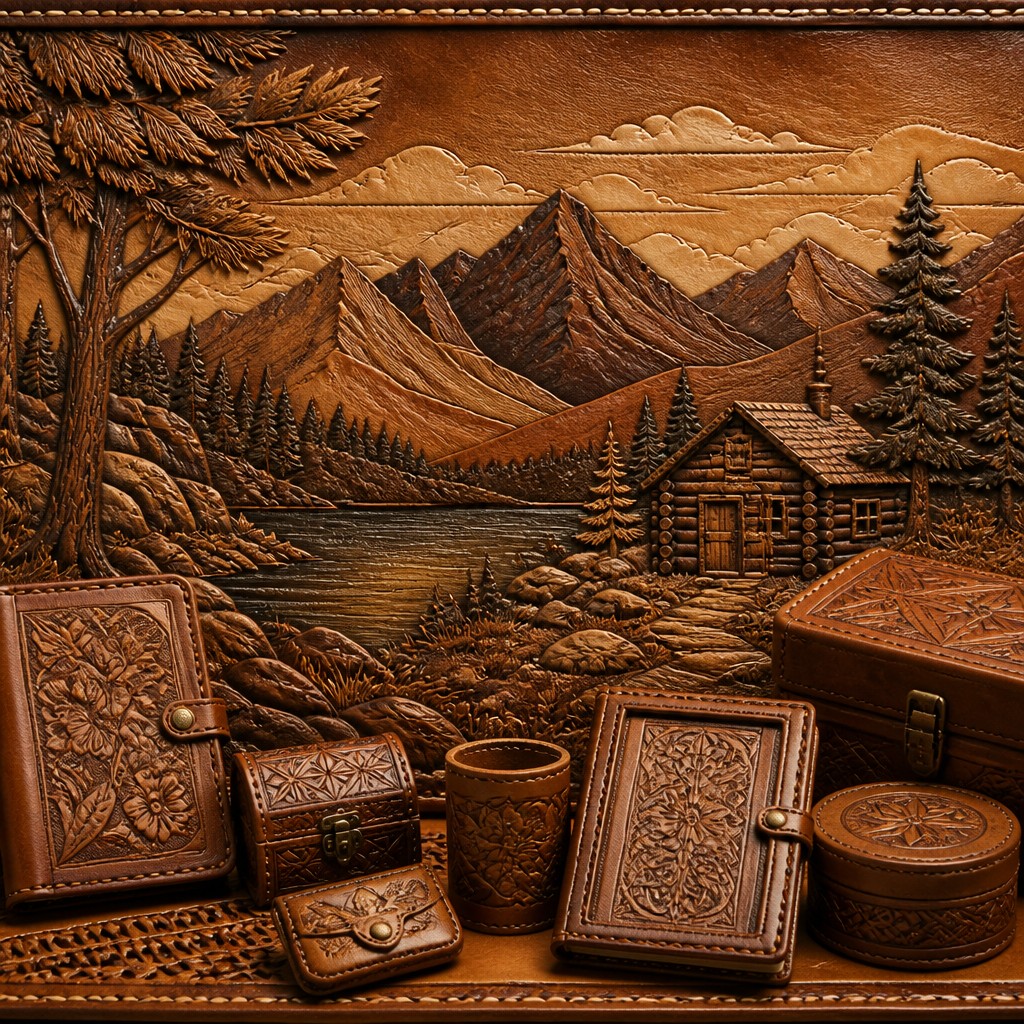
Natural pores, wrinkles, compression, creases, scuffs, and softened edges prevent the material from looking like smooth plastic. Variation in grain is an important part of the aesthetic.
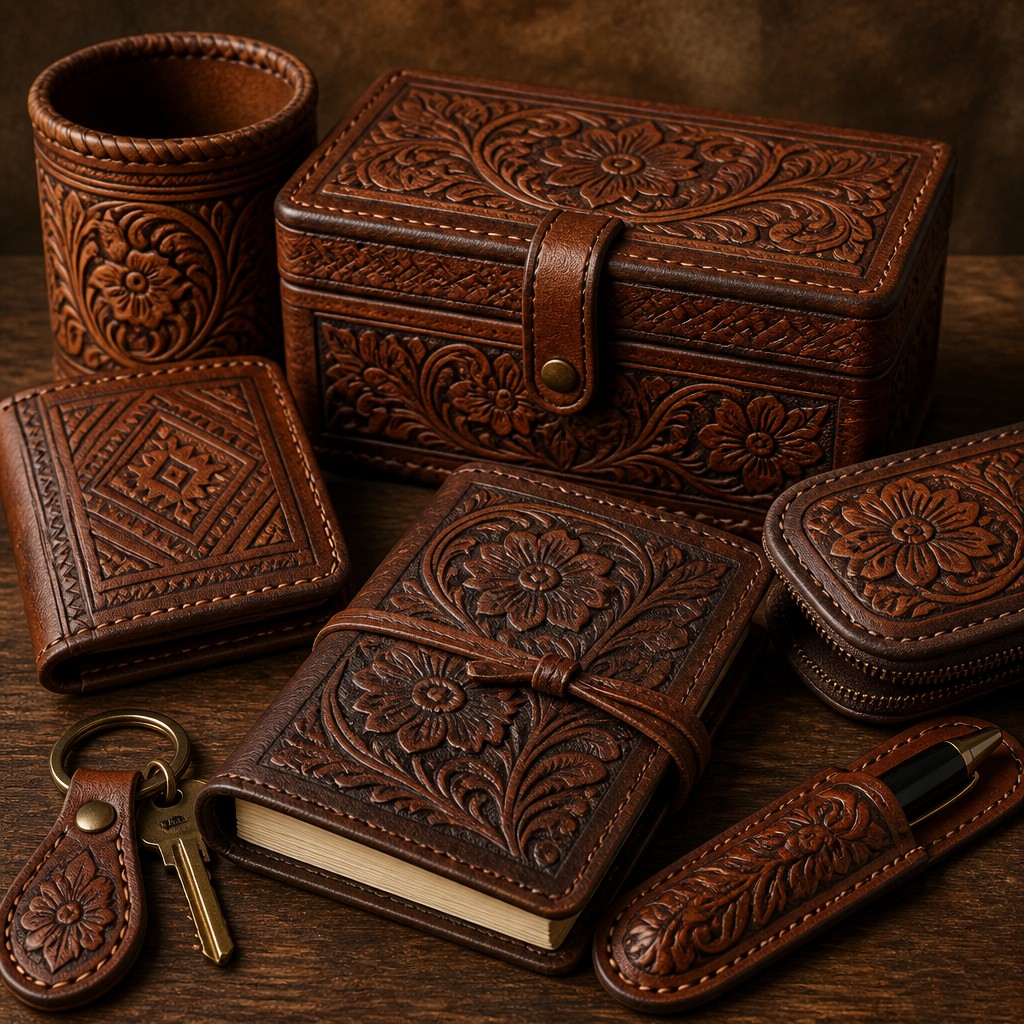
Warm gallery illumination
Low-to-moderate warm light skims across the surface to reveal tooling and patina. Soft shadows in carved recesses provide dimensional contrast without making the object look metallic.
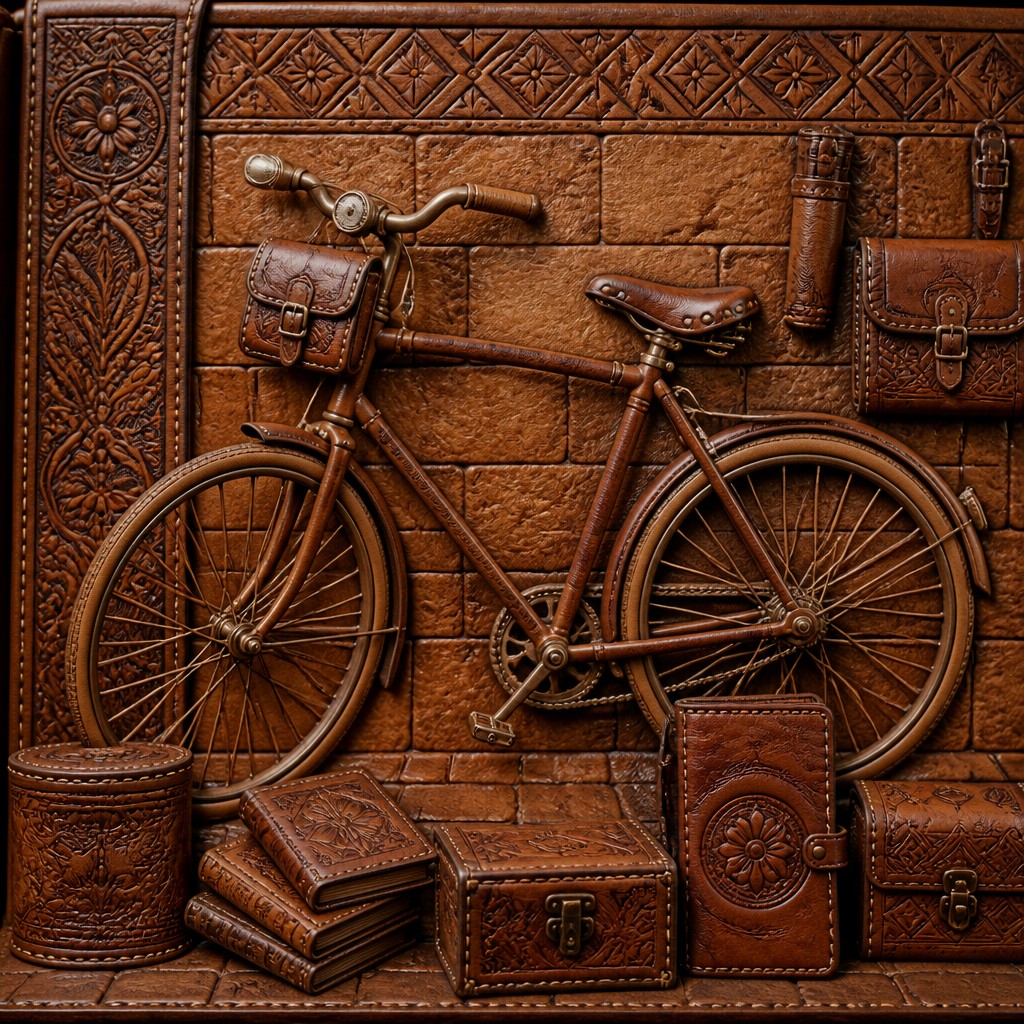
Craft-object presentation
The style is commonly applied to folios, journals, trunks, keepsake boxes, instrument cases, masks, panels, and reliquaries. Neutral displays and close cropping help foreground material detail.
Leather Prompt Ideas
Start from an idea — each one opens the generator with the style ready to go. See all 40 Leather prompts →
How to Create Leather Art
Master the craft step by step — or skip straight to creating. Read the full guide →
- 1
Build the relief first
In traditional work, dampen vegetable-tanned leather, transfer the design, cut the lines, bevel the edges, and use stamping tools to compress the background. In digital work, establish raised and recessed forms through height, normal, and displacement maps before adding color.
- 2
Control the patina
Layer translucent browns and tans rather than using one uniform color, with darker glazing in cuts and lighter burnishing on ridges. Preserve subtle tonal variation so the hide remains organic.
- 3
Show construction details
Add seams, saddle stitching, punched holes, folded edges, and slight misalignments where appropriate. These details communicate that the object is assembled from flexible material rather than molded from stone or metal.
- 4
Use raking light
Place a warm light source at a shallow angle to the carved face, then use restrained fill light to retain shadow in the recesses. Avoid broad frontal lighting that flattens the tooling.
- 5
Choose material-specific language
For prompt-based generation, specify hand-tooled hide, deep beveled carving, compressed grain, burnished patina, visible stitching, and an aged supple surface. Name the object and its ornament clearly, and avoid generic terms such as simply 'brown texture.'
- 6
Refine the digital finish
Combine high-frequency grain with larger wrinkles and edge wear, then mask patina so it gathers naturally around seams, corners, and handling areas. For image transformation, preserve the subject silhouette while replacing smooth surfaces with believable layered leather relief.
The Story
History & Origins of Leather
Leather art style is not a formally recognized historical movement or a single period-specific tradition. It draws instead on long-standing leatherworking practices, including surface decoration on footwear, saddlery, containers, armor, bookbindings, cases, and ceremonial objects. Techniques such as carving, stamping, embossing, modeling, dyeing, burnishing, and hand stitching developed in different regions and craft cultures over many centuries.
Its contemporary visual identity also draws from Western tooled leather, historic bookbinding, Arts and Crafts ideals of visible workmanship, decorative arts, and the presentation of aged objects in museums and galleries. The style combines these lineages into a coherent image language centered on relief, patina, ornament, and the perceived softness and resilience of hide rather than claiming a single historical origin.
Influences: The style is related to traditional leather tooling, saddlery and harness decoration, embossed and tooled bookbinding, decorative boxes and cases, historic armor and protective leatherwork, and Arts and Crafts approaches to honest materials and visible workmanship. It also shares qualities with rustic folk craft, heritage luxury goods, museum-object photography, and low-relief sculpture, while borrowing the warm tonal drama of still-life and product lighting.
Frequently Asked Questions
What defines leather art style?
It is defined by the appearance of hand-tooled hide: carved and beveled relief, stamped ornament, visible stitching, natural grain, and a burnished brown patina. Warm light and close presentation reinforce its tactile, crafted character.
Is leather art style a historical art movement?
No. It is a contemporary descriptive and image-making style rather than a recognized movement with a fixed period or founding group. Its aesthetic lineage comes from diverse leatherworking, bookbinding, saddlery, decorative arts, and craft traditions.
How does it differ from wood carving or embossed metal?
Leather art style emphasizes flexible, fibrous material: softened folds, compressed grain, stitched joins, worn edges, and a comparatively warm, supple surface. Wood tends to show harder grain and sharper cuts, while metal usually suggests reflective or rigid surfaces.
What subjects work best in this style?
Journals, folios, trunks, boxes, masks, saddlery, cases, panels, belts, instrument covers, and small reliquary-like objects work particularly well. Subjects with broad surfaces and clear edges provide room for borders, relief patterns, and construction details.
How can I make the result look like real leather?
Use several scales of detail: large folds and softened edges, medium tooling and seams, and fine pores, scratches, and grain. Add darker color to recesses, lighter burnishing to raised areas, and lighting from the side so the relief casts believable shadows.
Can this style be ornate or minimalist?
Yes. An ornate version may use dense floral scrollwork, layered borders, and elaborate stitching, while a minimalist version can rely on a single beveled panel, restrained tooling, and natural patina. Both depend on believable material behavior and deliberate craftsmanship.
Create your first Leather artwork
Describe anything — or upload a photo — and see it in Leather Art Style in seconds.
Related Styles
Discover similar art styles