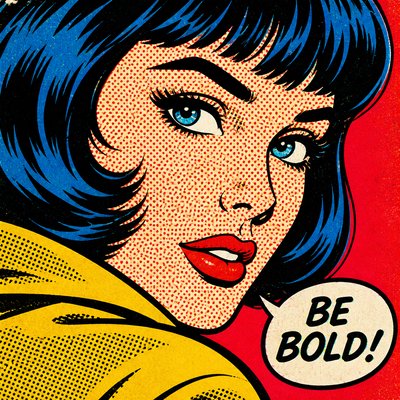
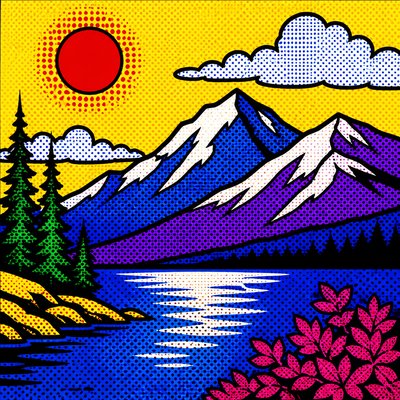
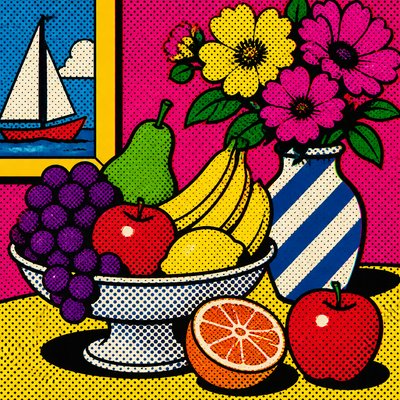
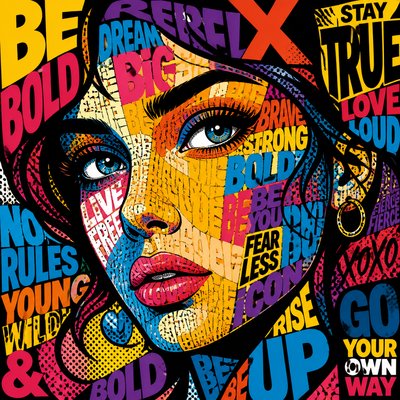
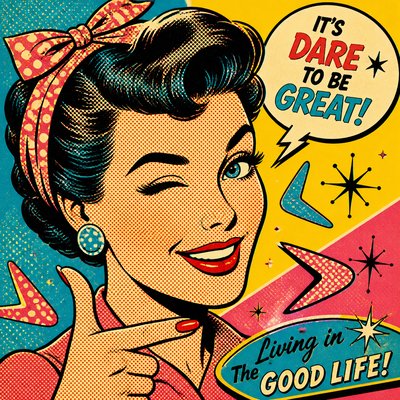
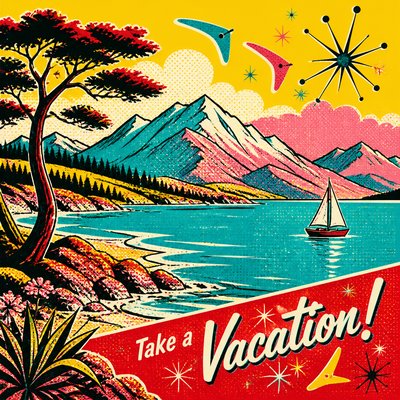
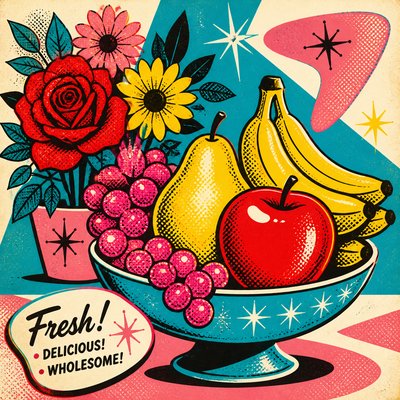
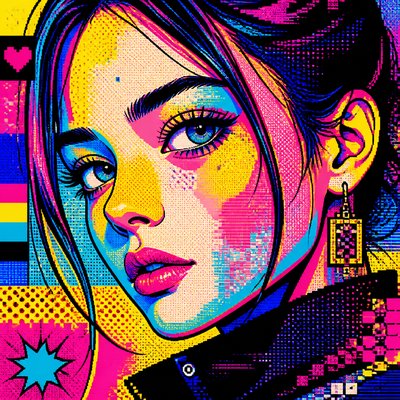
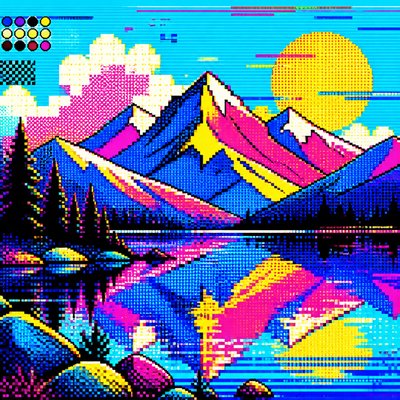
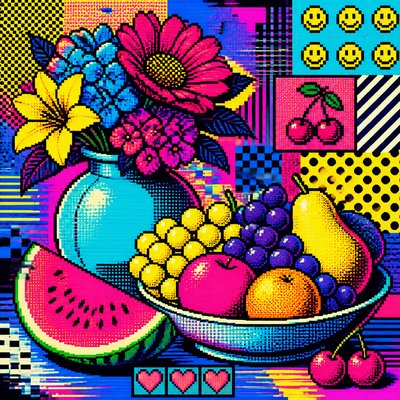
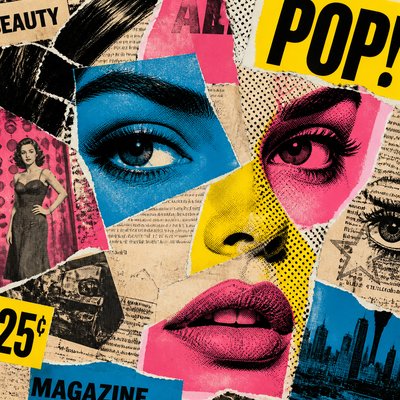
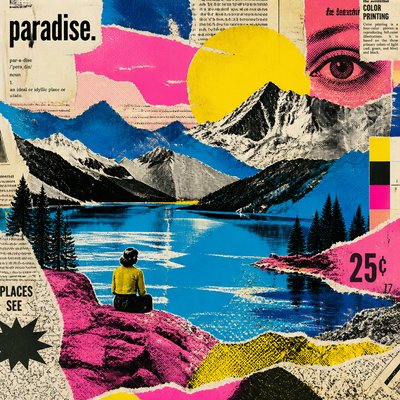
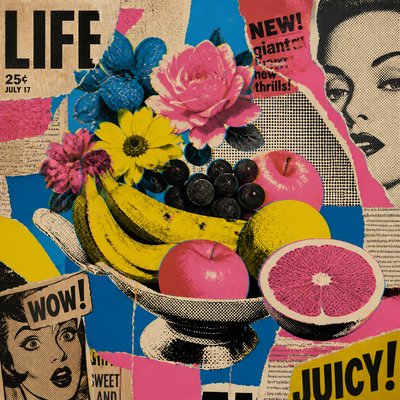
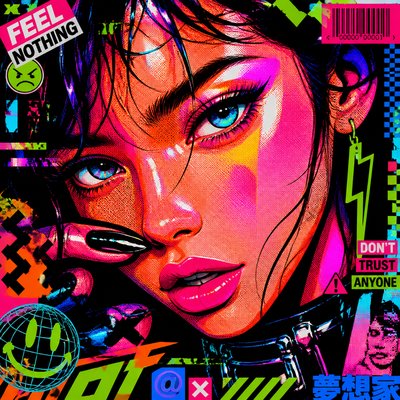
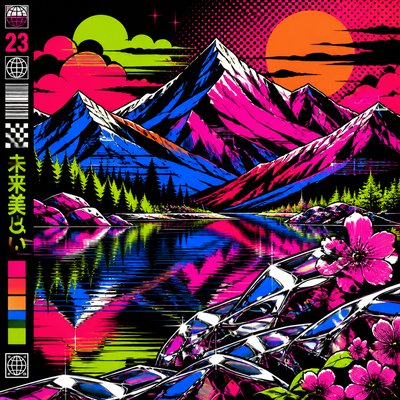
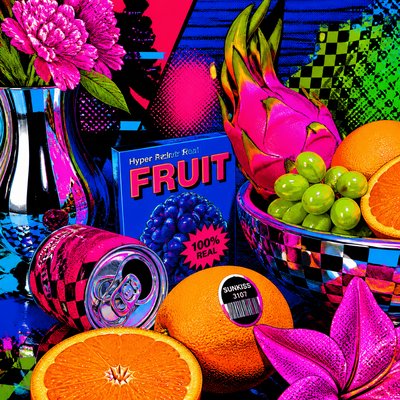
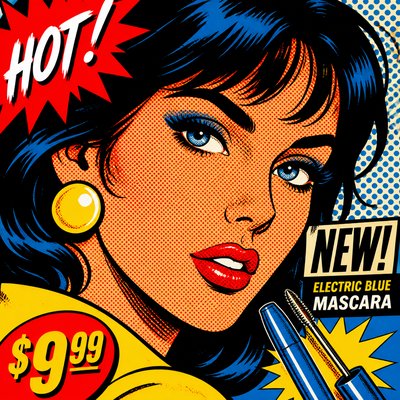
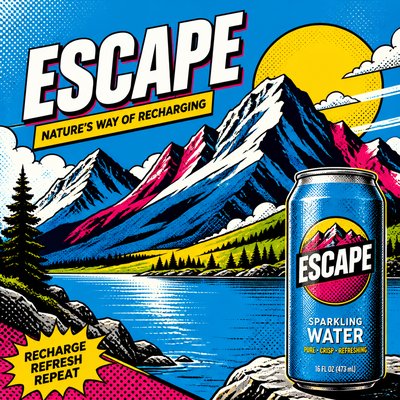
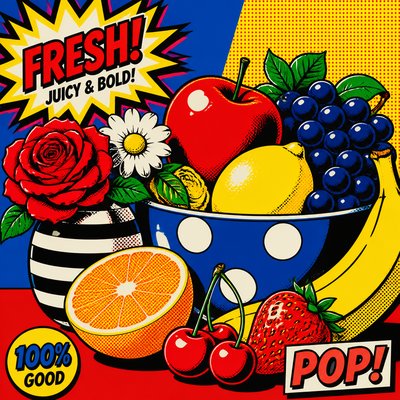
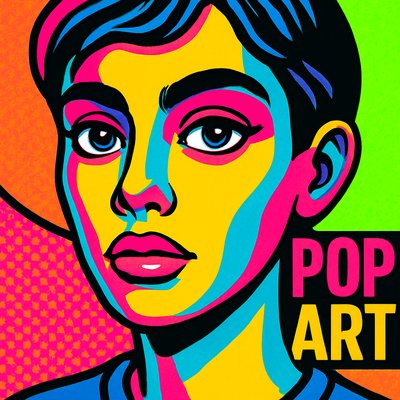
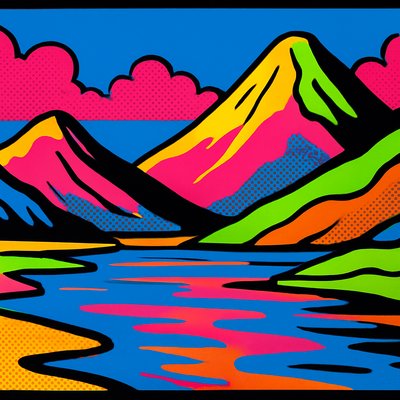
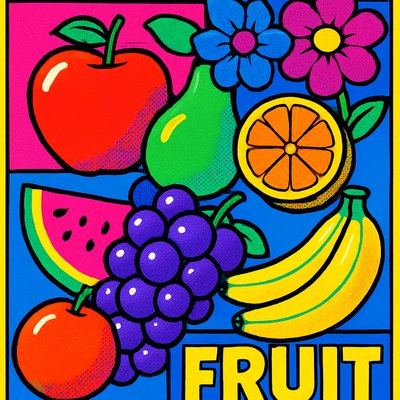
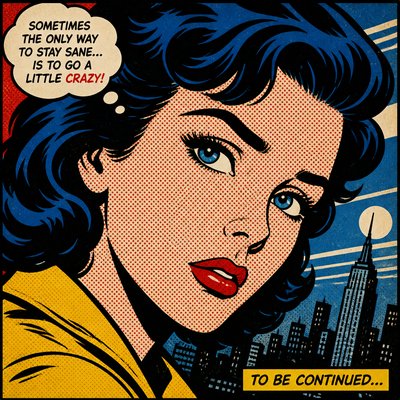
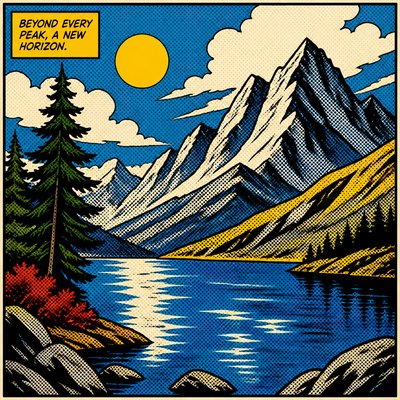
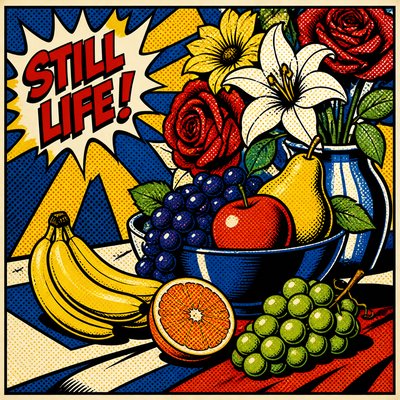
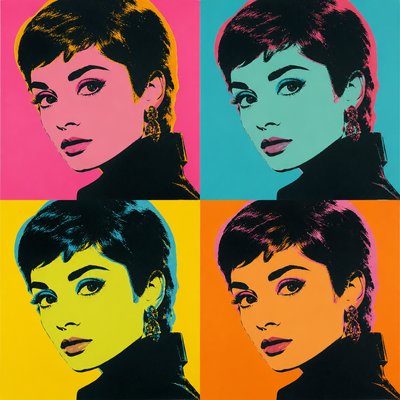
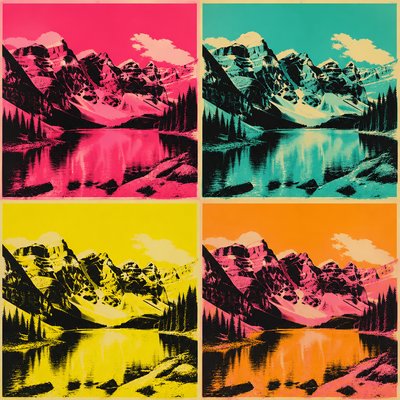
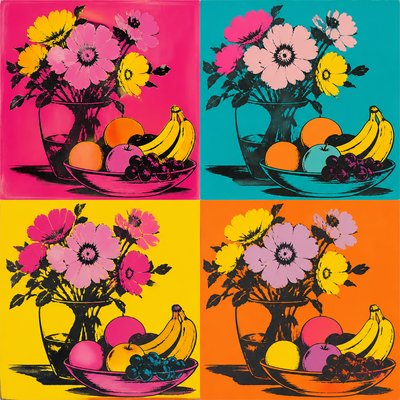
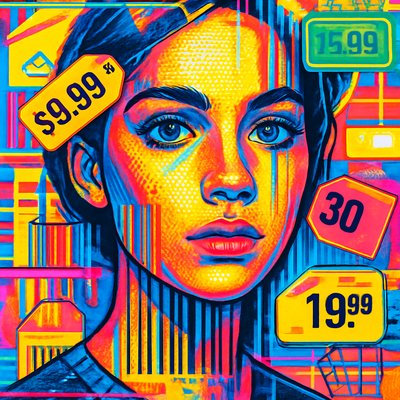
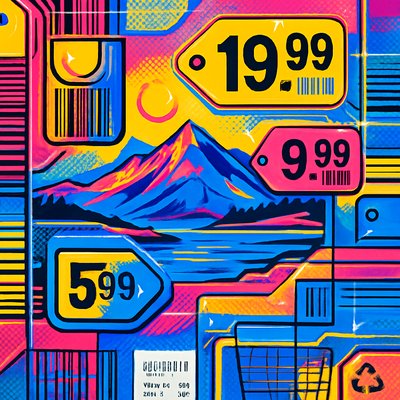
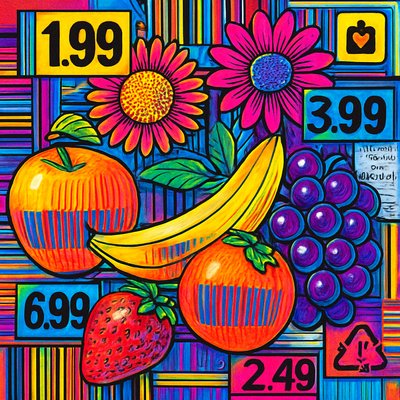
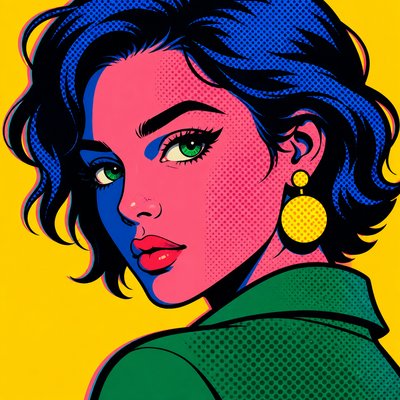
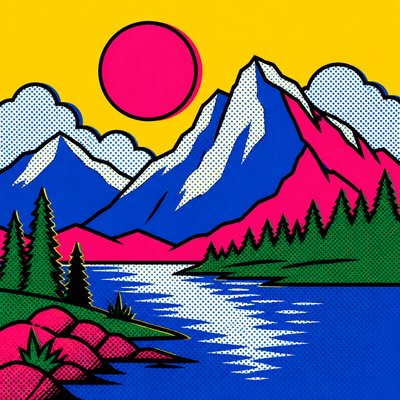
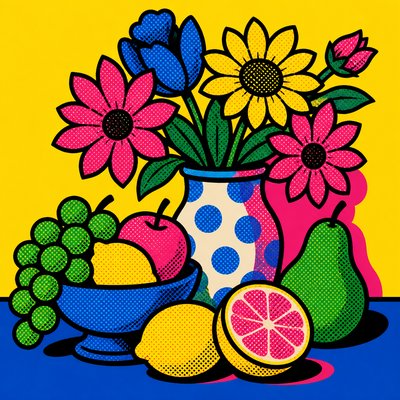
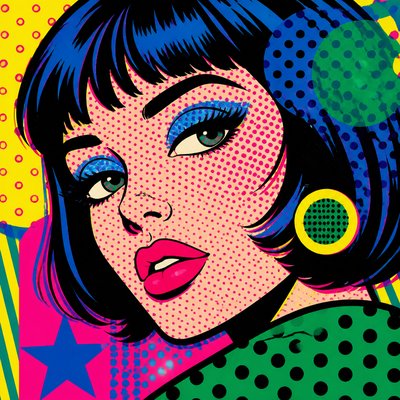
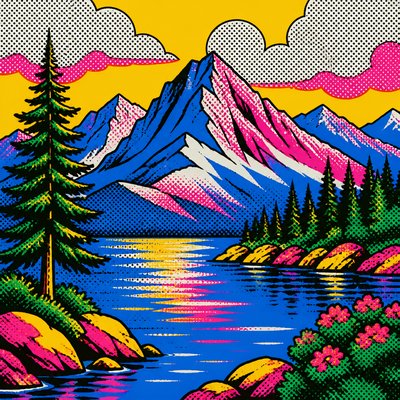
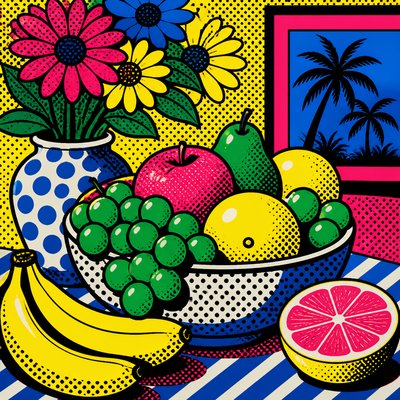
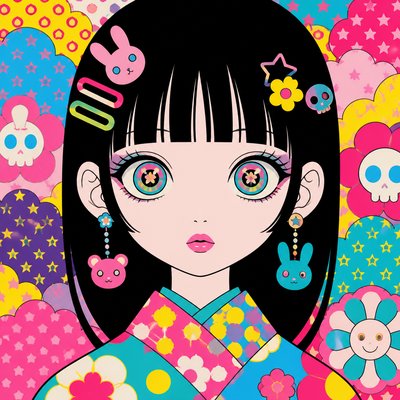
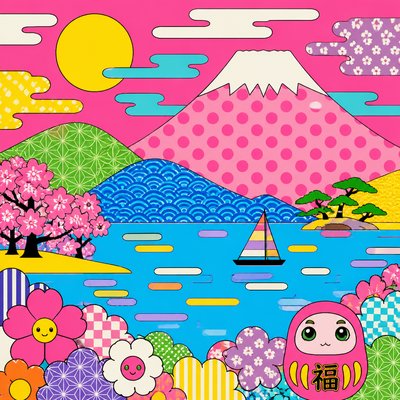
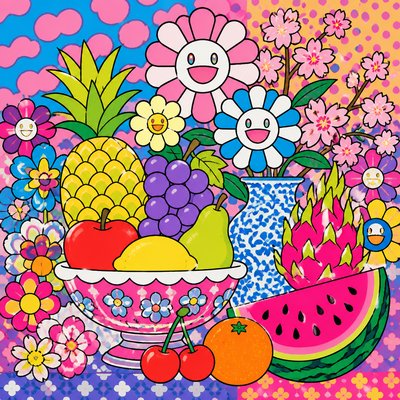
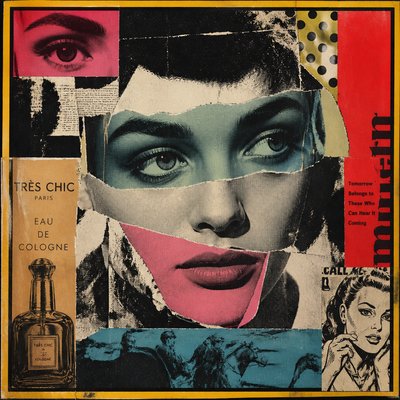
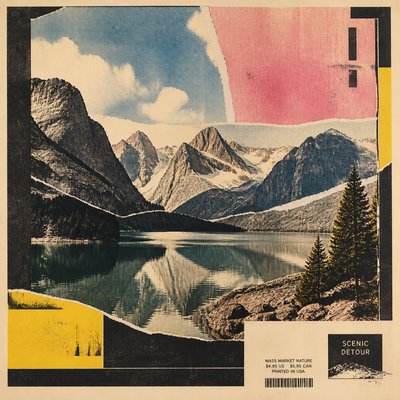
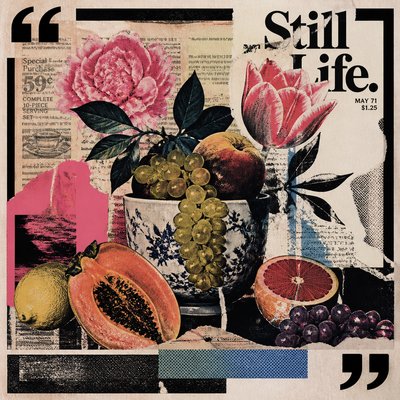
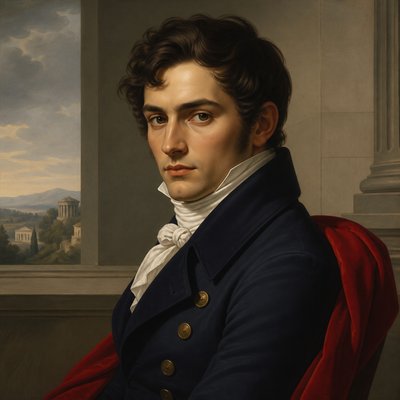
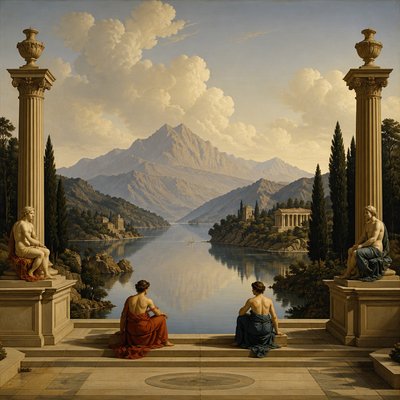
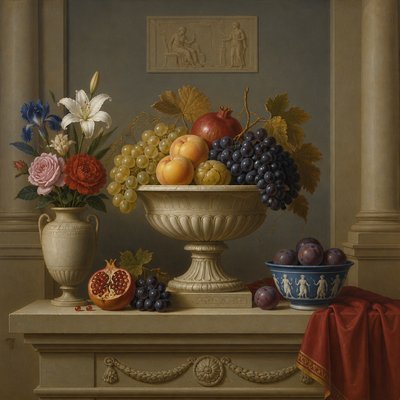
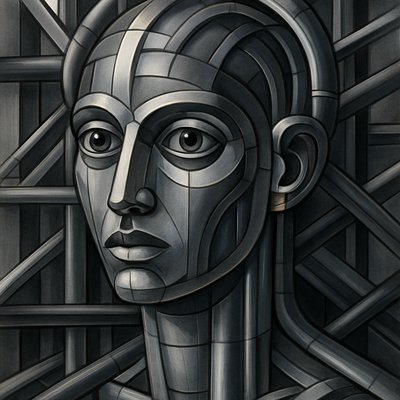
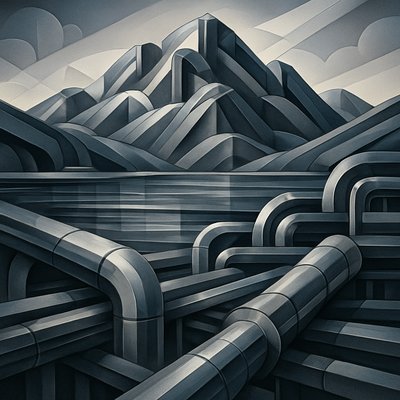
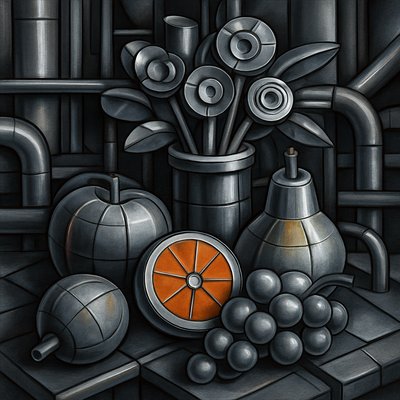
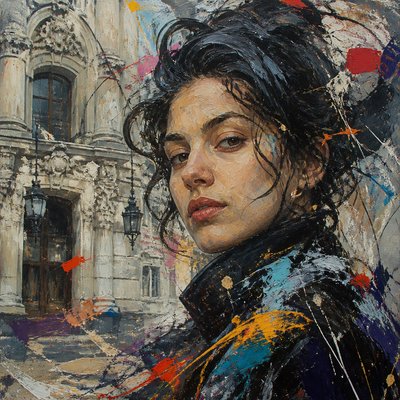
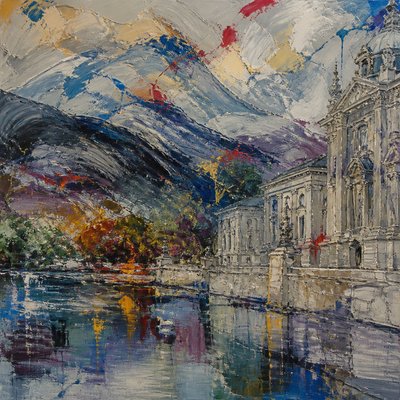
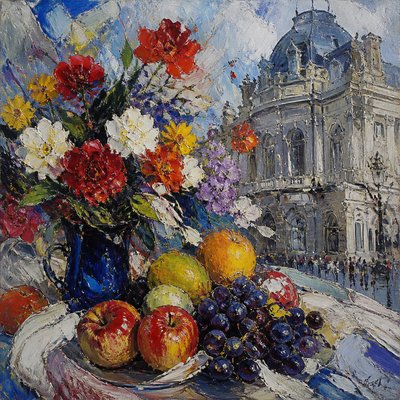
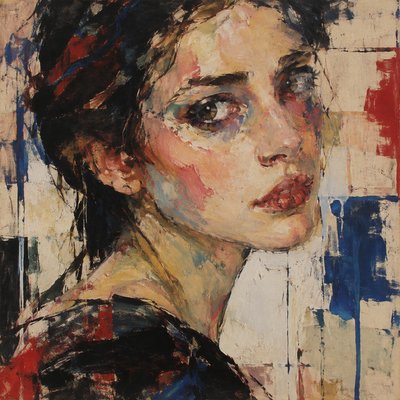
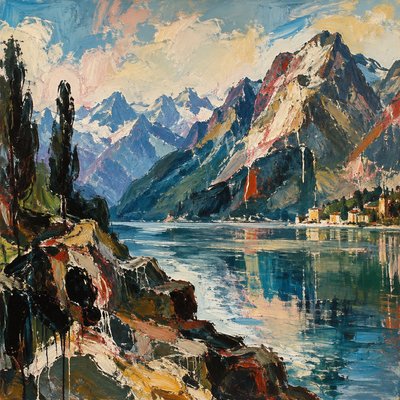
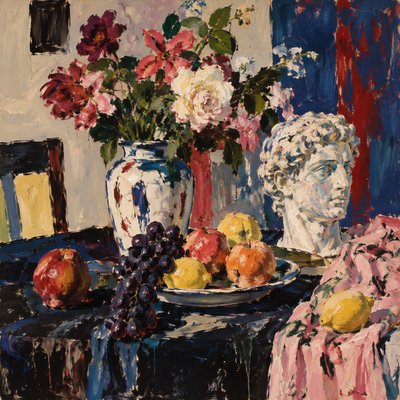
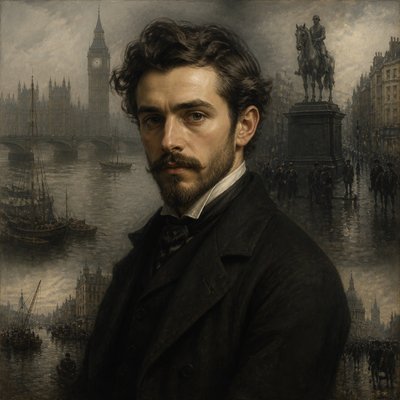
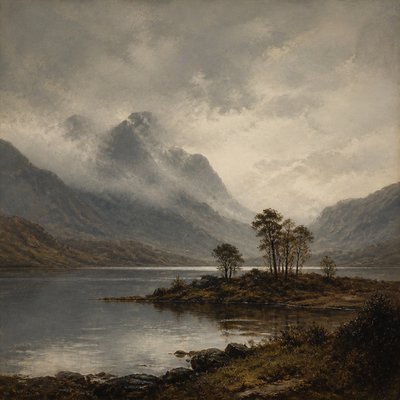
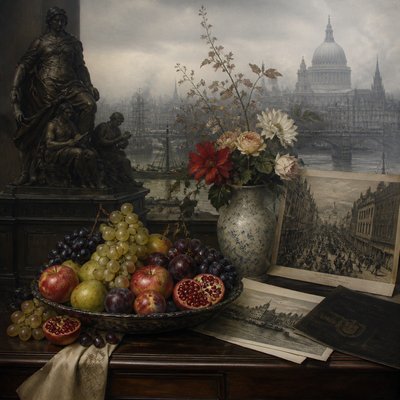
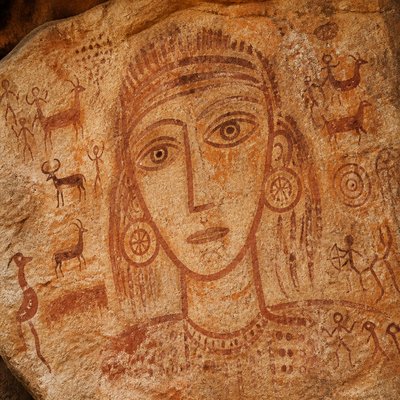
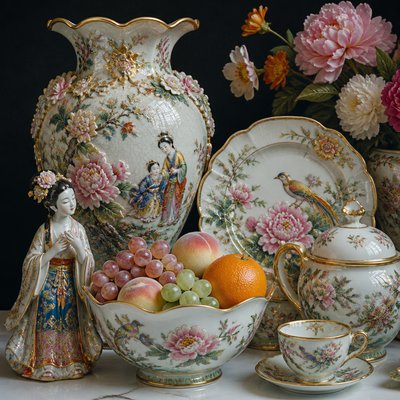
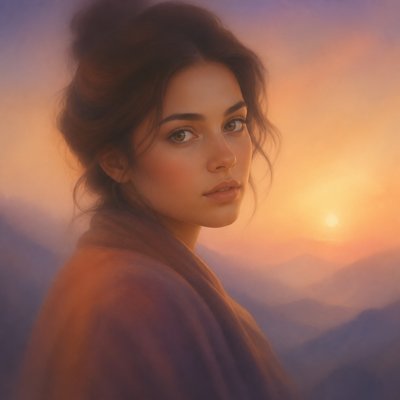
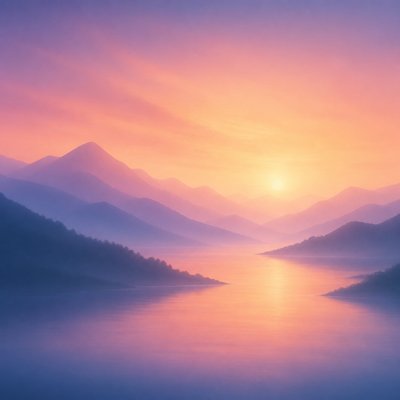
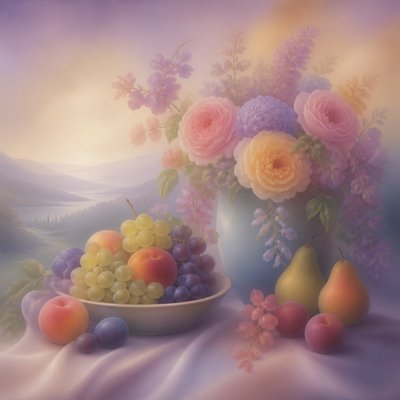
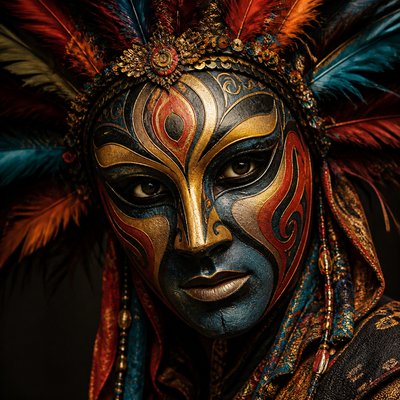
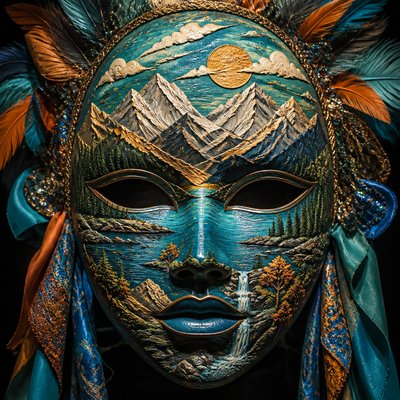
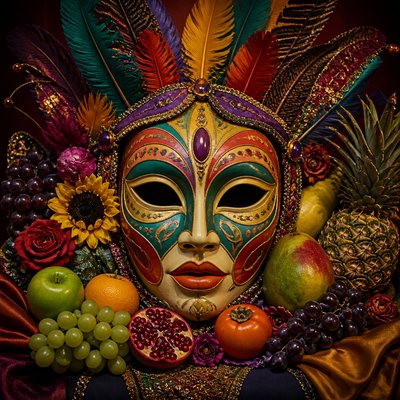
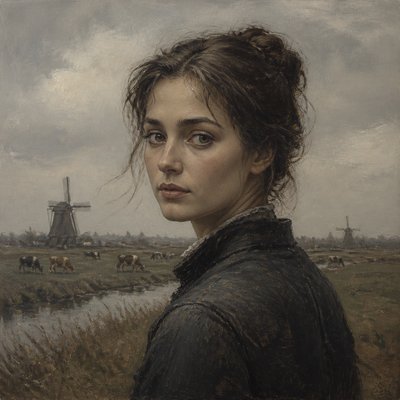
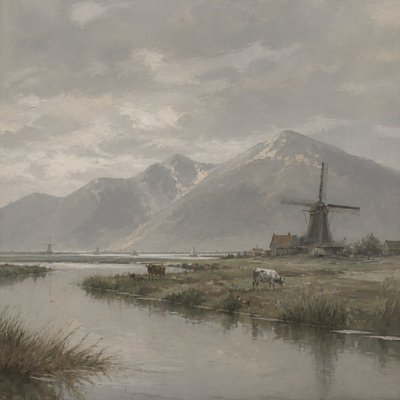
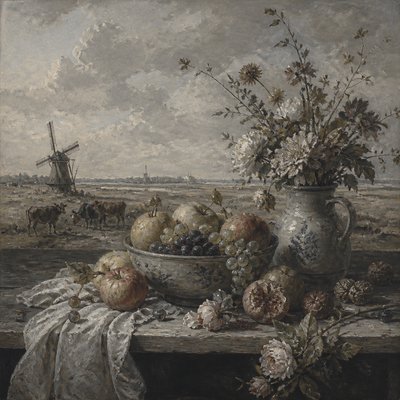
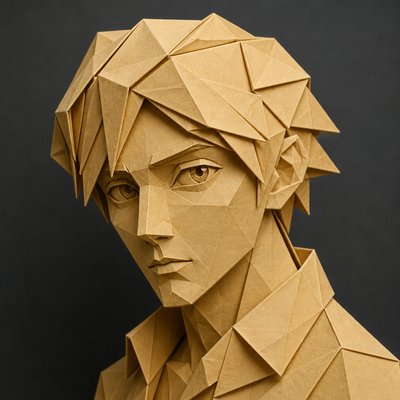
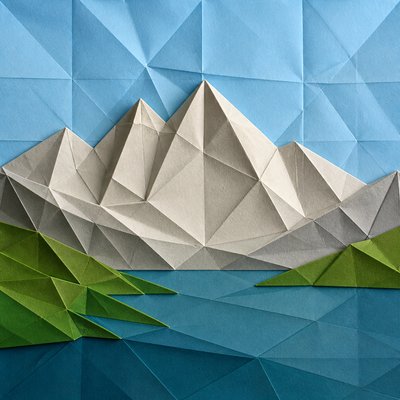
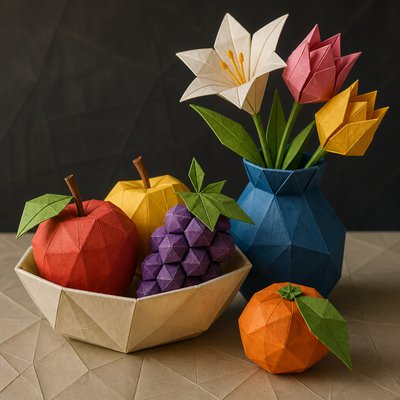
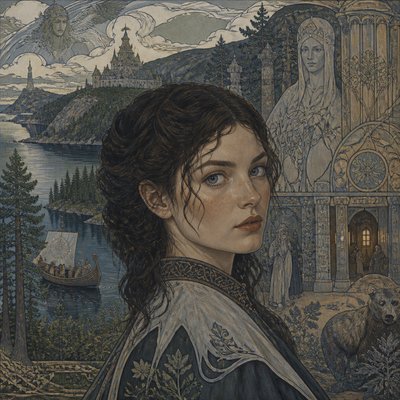
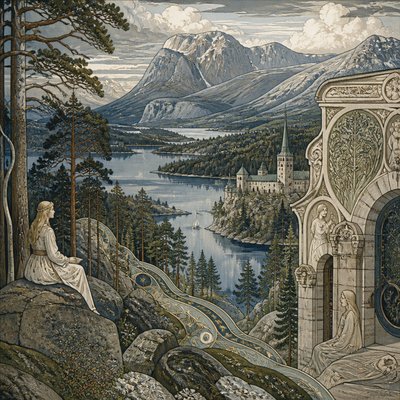
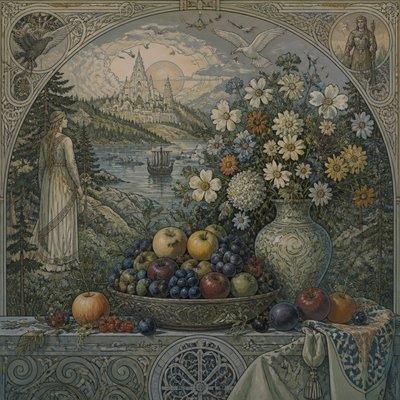
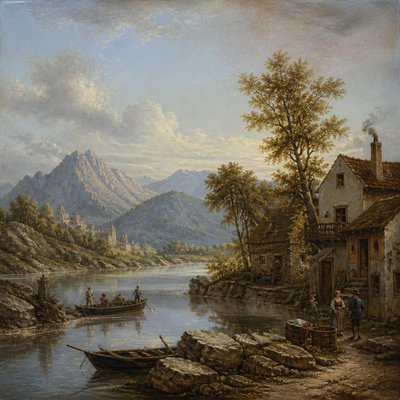
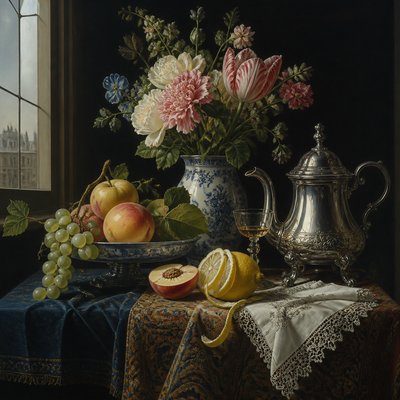
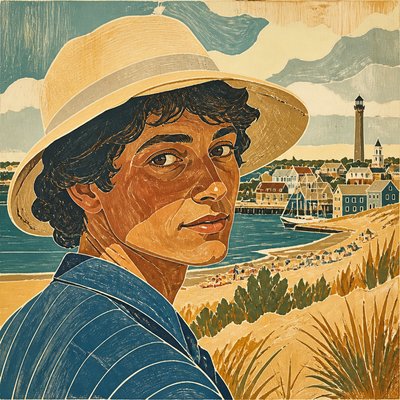
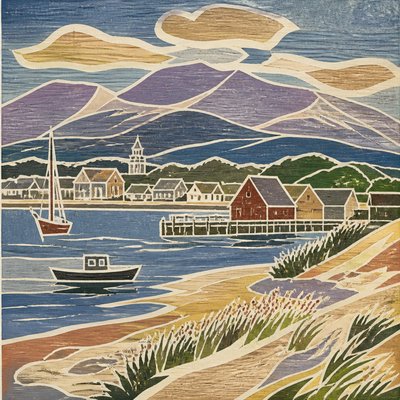
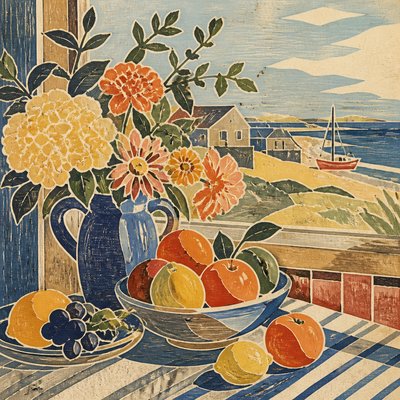
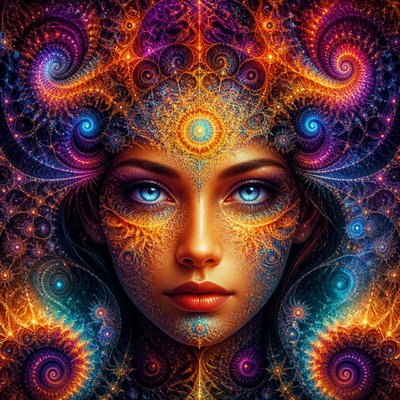
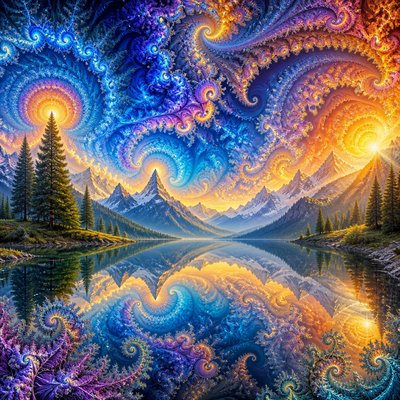
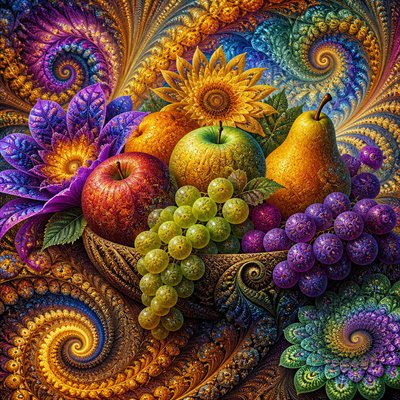
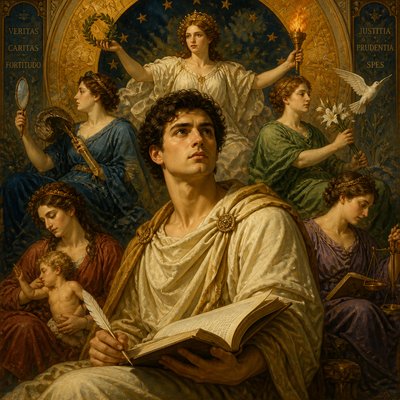
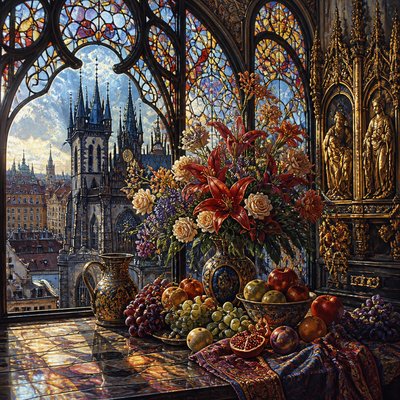
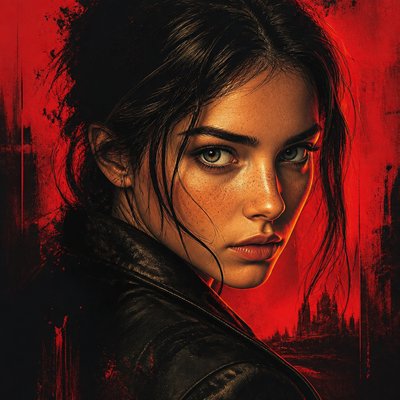
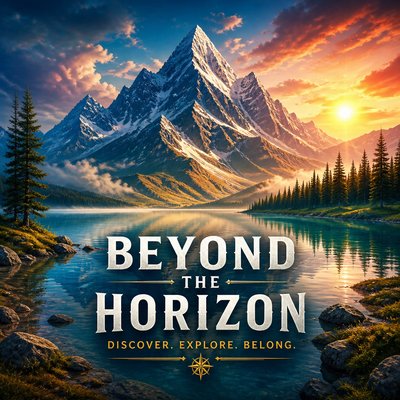
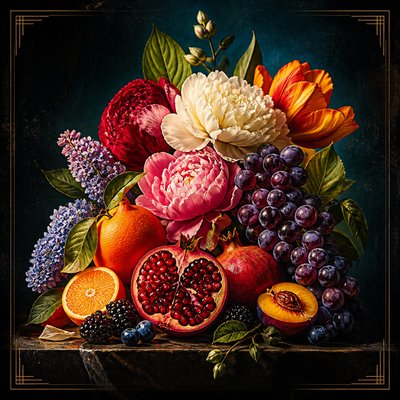
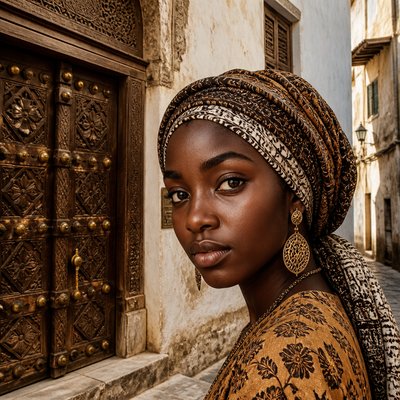
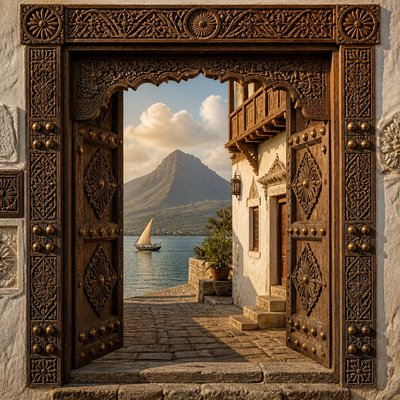
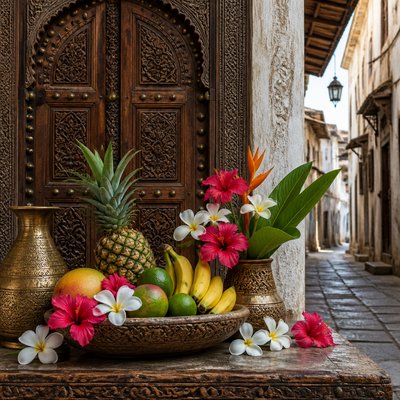
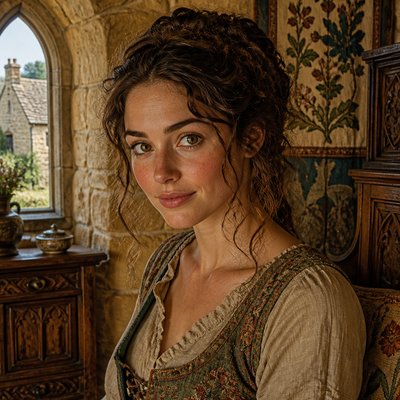
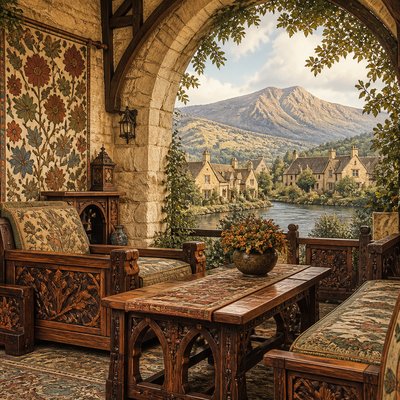
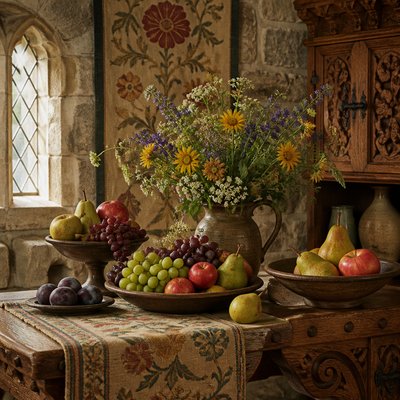
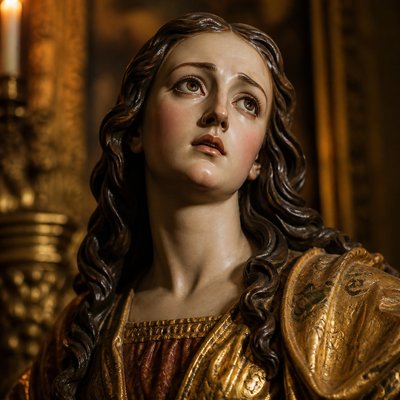
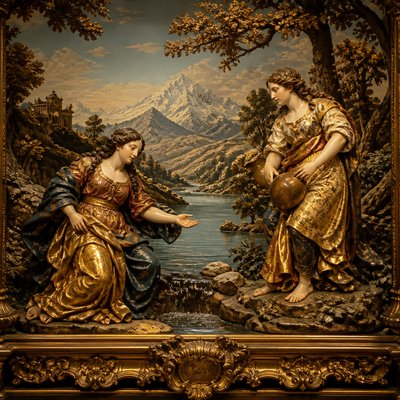
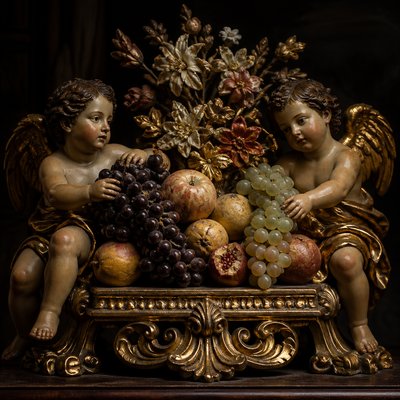
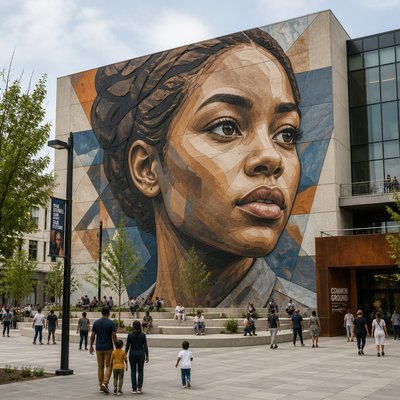
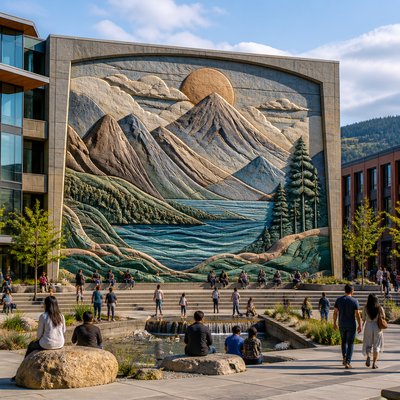
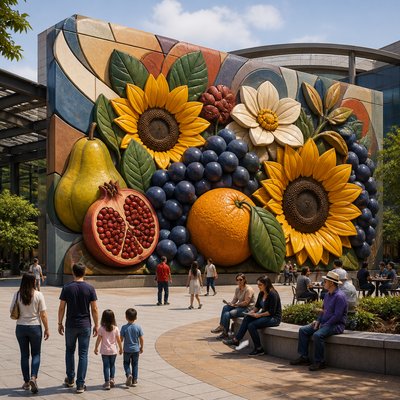
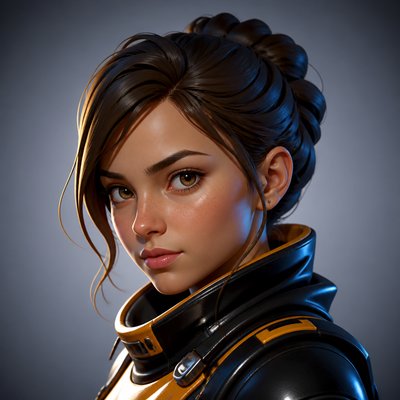
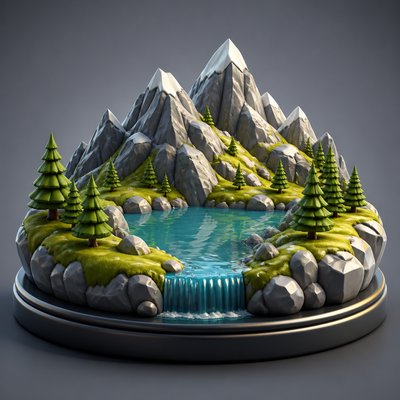
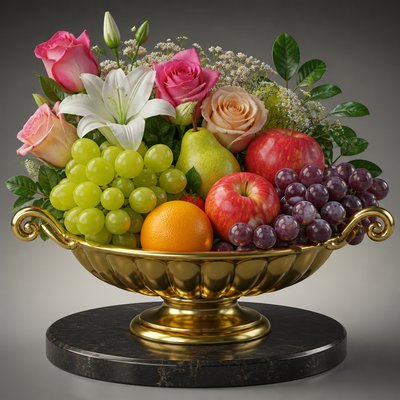
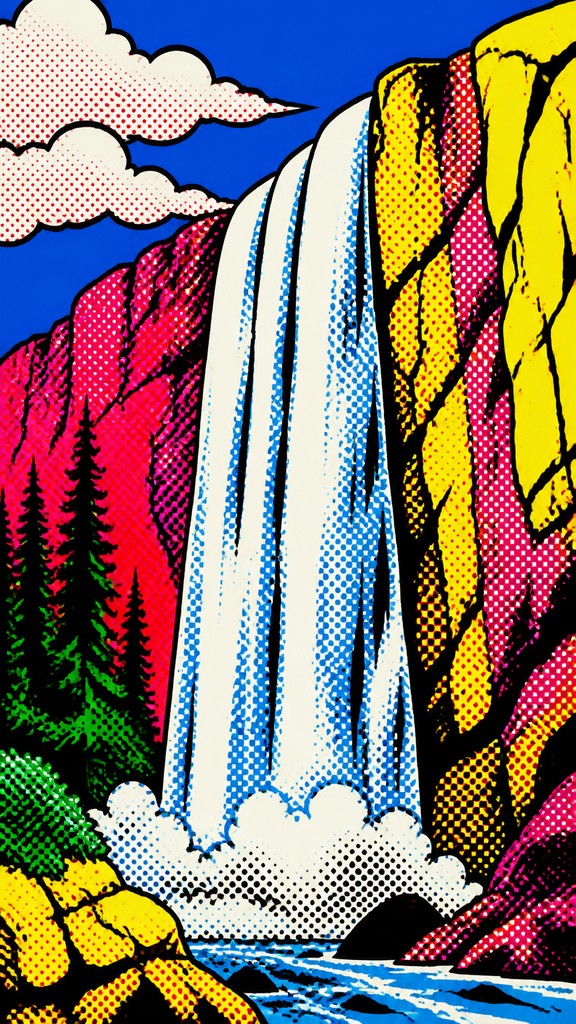
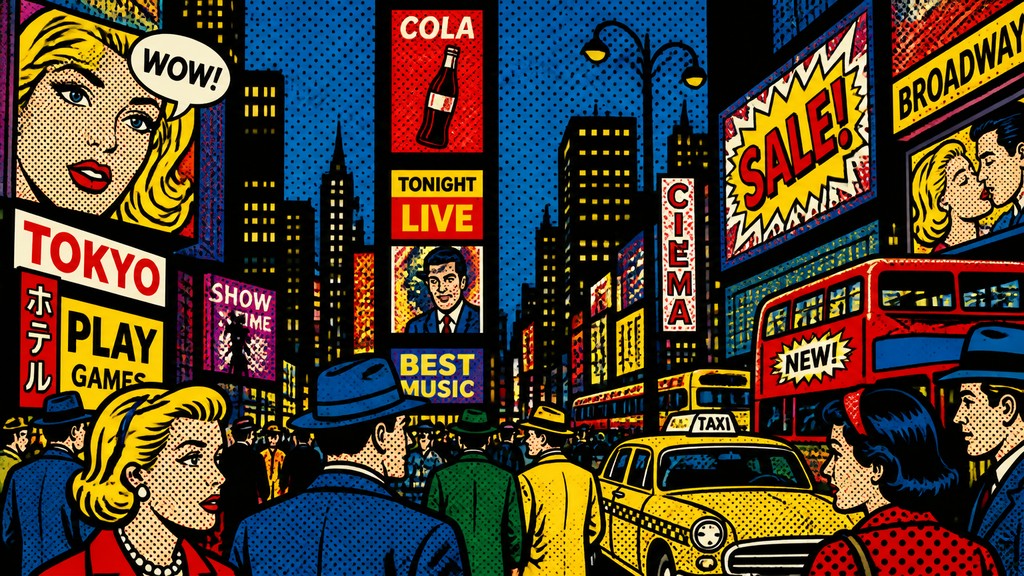
Bold commercial imagery with flat color, halftone dots, thick outlines, and mass-media energy.
Instantly rendered in Pop — or transform a photo
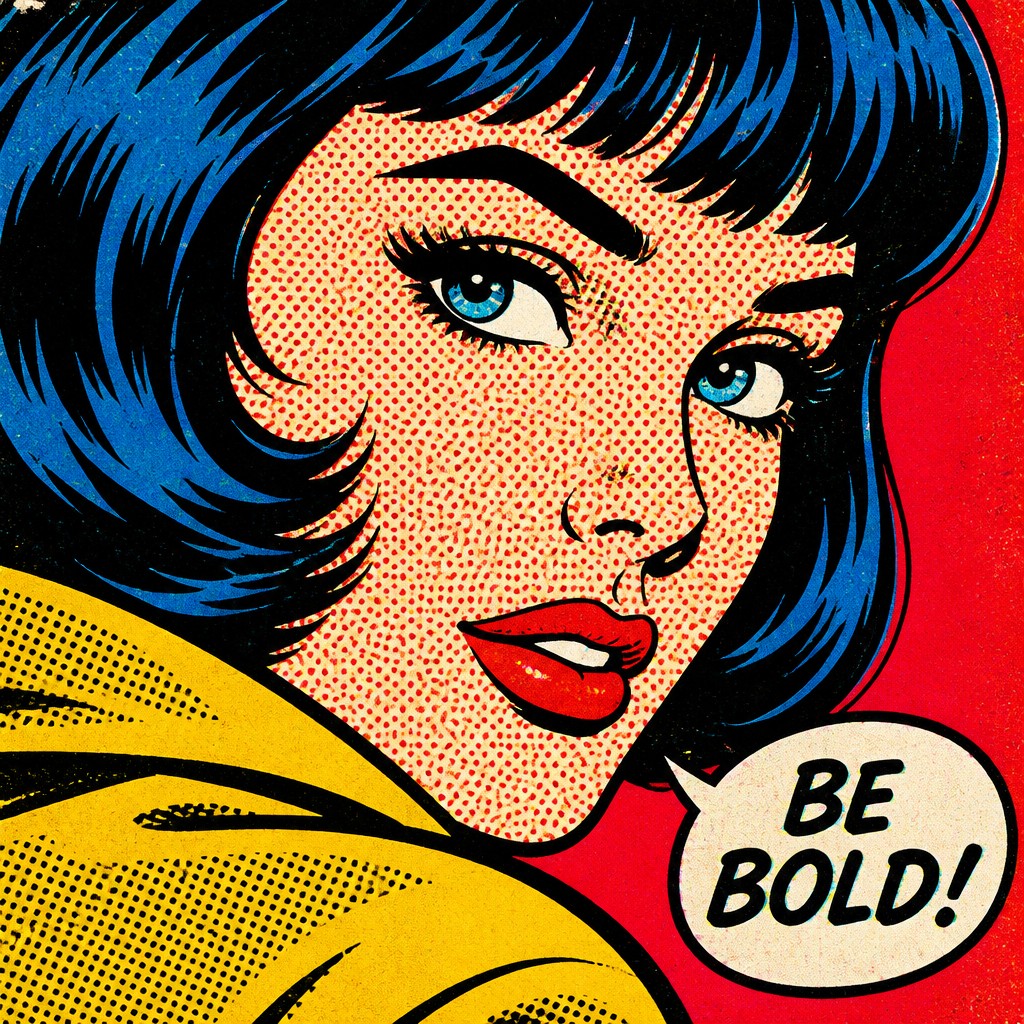
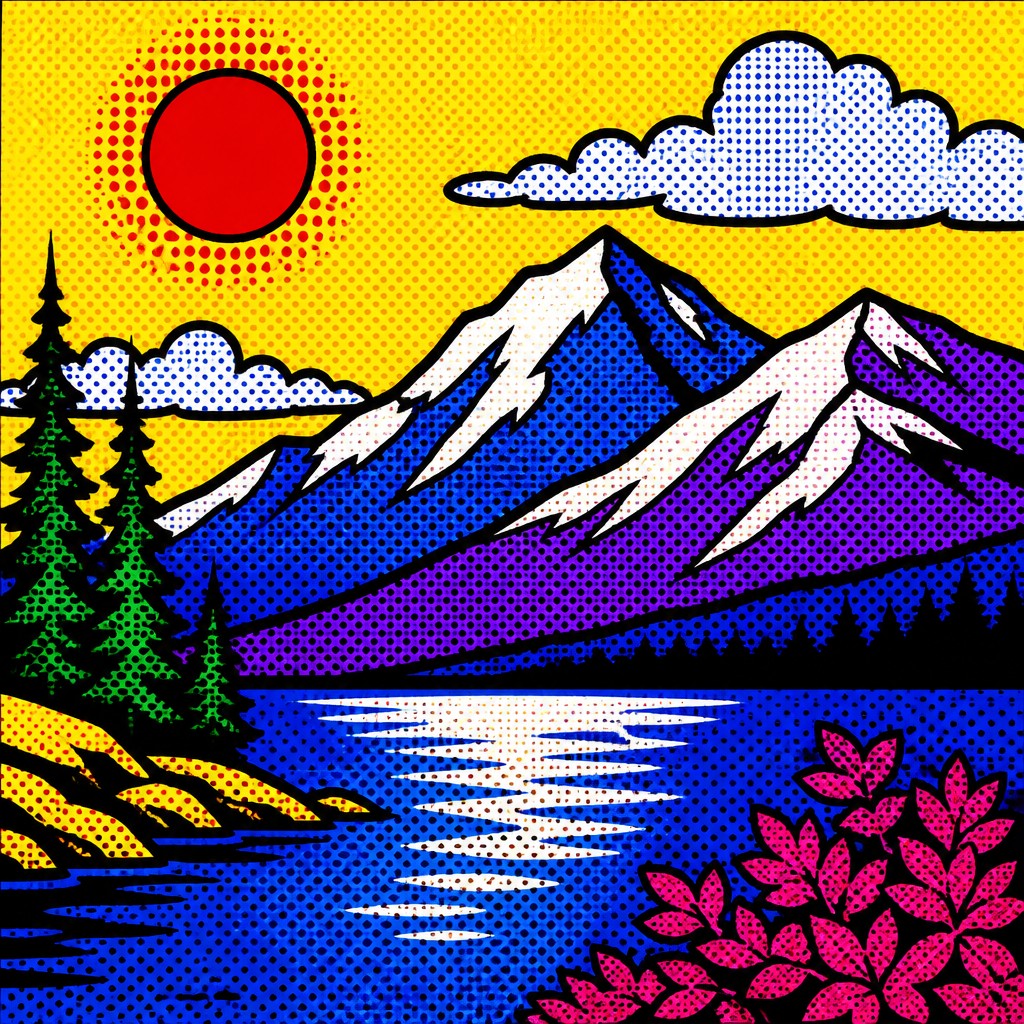
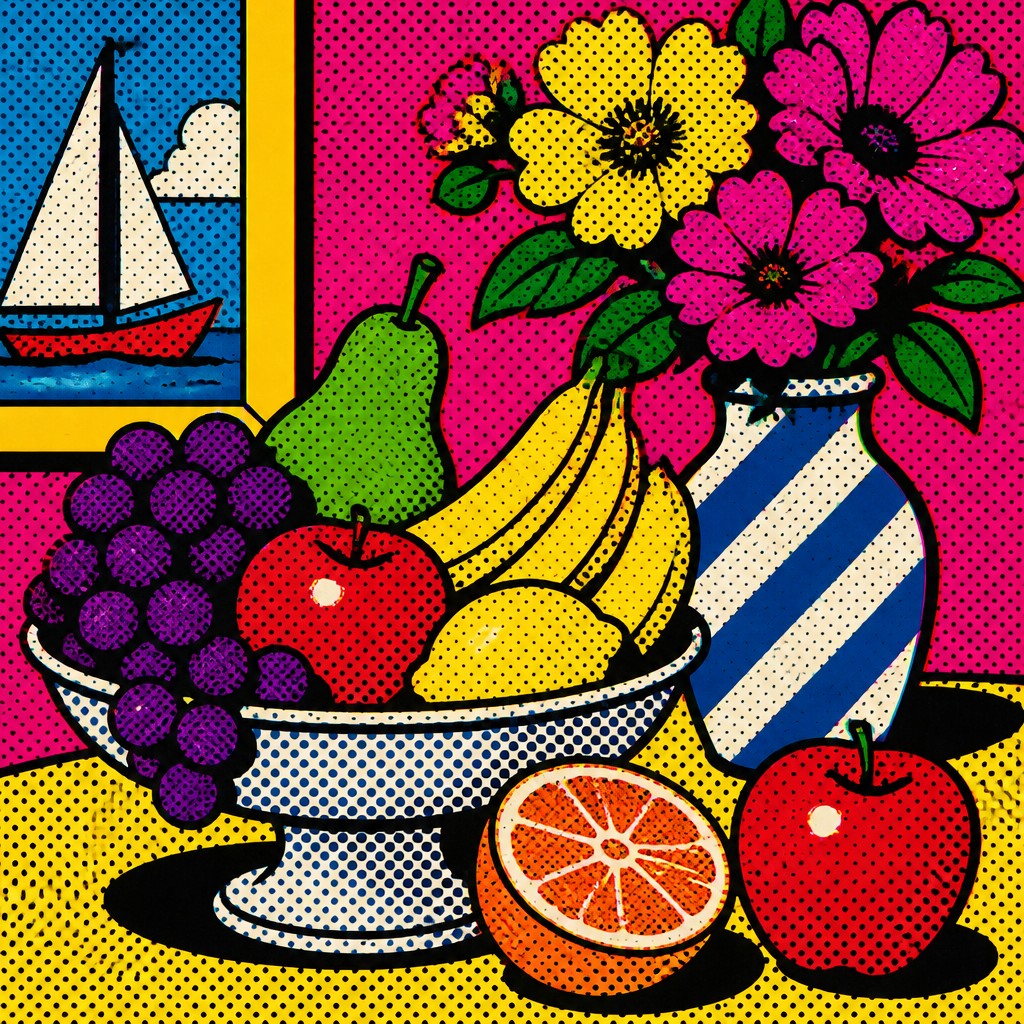
Pop Gallery
Tap any artwork to explore it
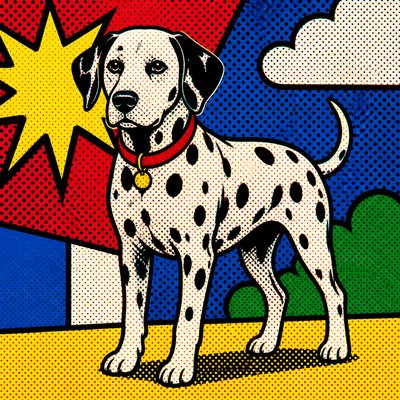
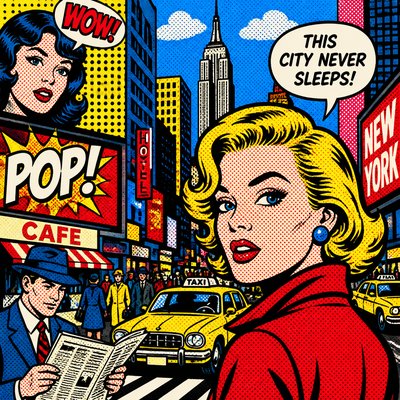
What is Pop Art Style?
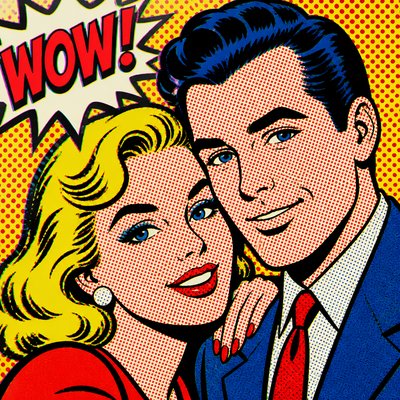
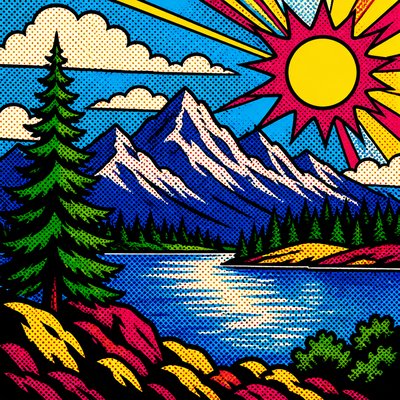
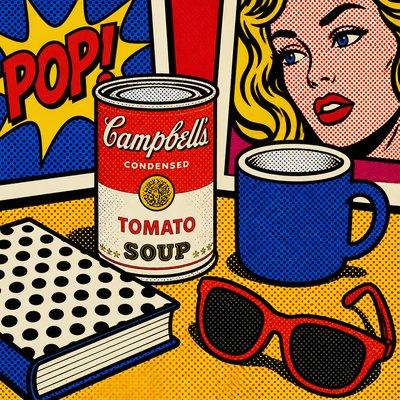
Pop art is a visual language built from mass culture: advertising, comic strips, product packaging, celebrity imagery, and other everyday media. It uses bright, simplified forms and a mechanically reproduced look to turn familiar commercial imagery into art.
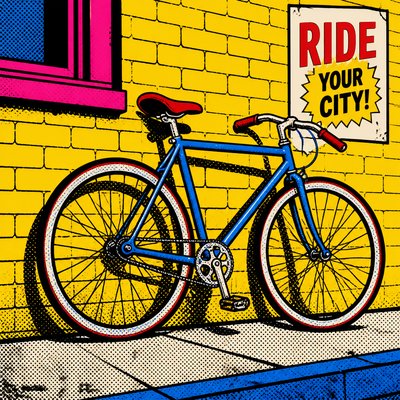
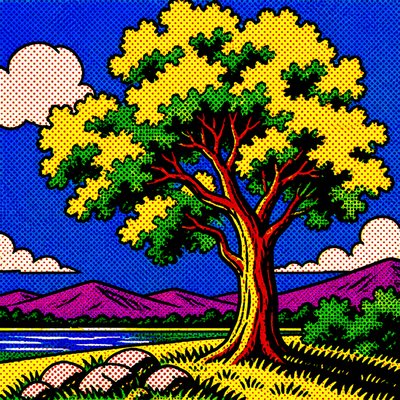
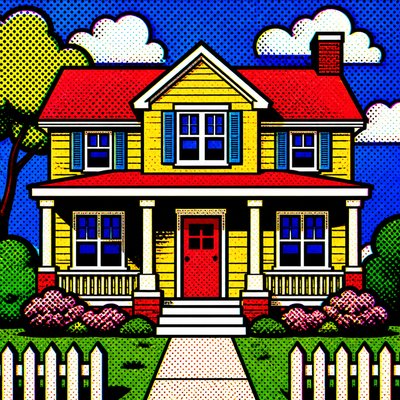
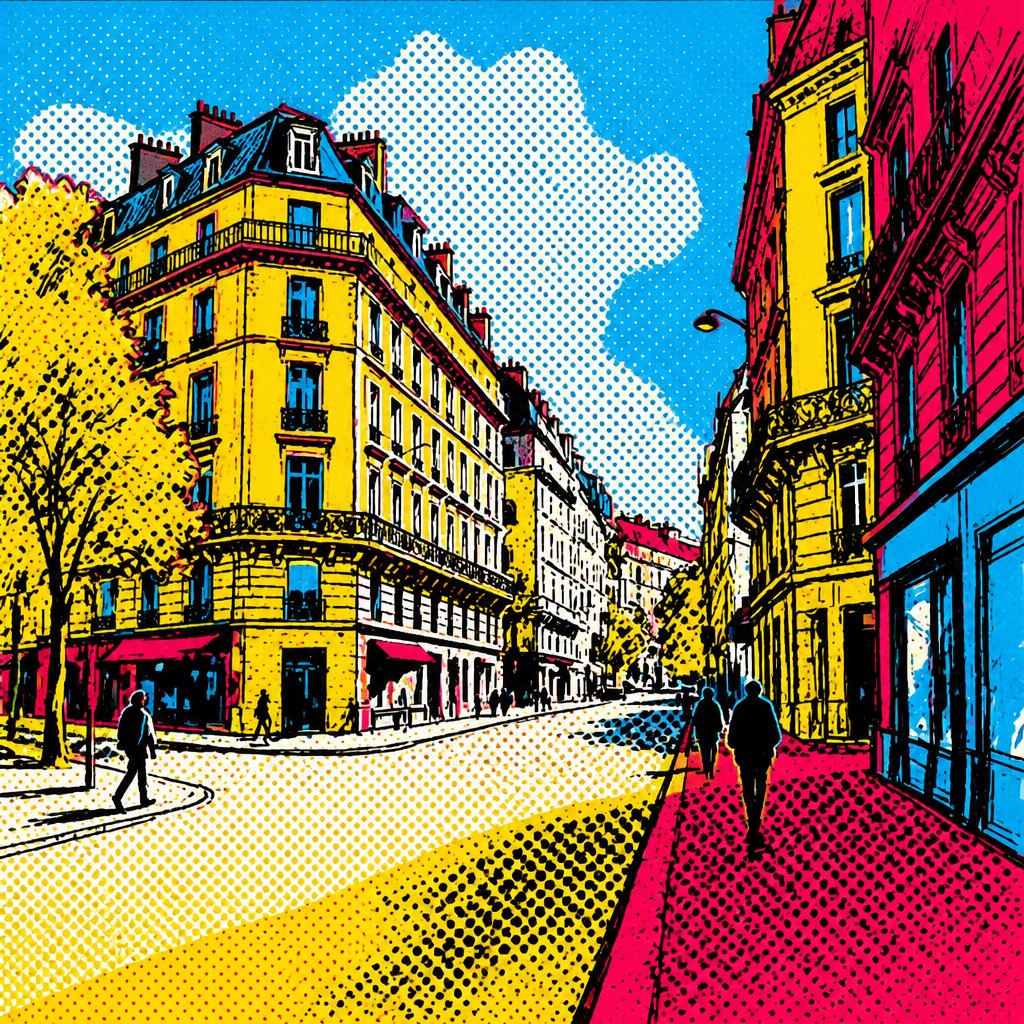
Its look is defined by hard-edged outlines, flat saturated color, halftone or Ben Day dot patterns, and an intentionally printed surface quality. The style often feels immediate and loud because it borrows the visual logic of posters, comic pages, and magazine reproduction, where clarity and impact matter more than depth or subtle modeling.
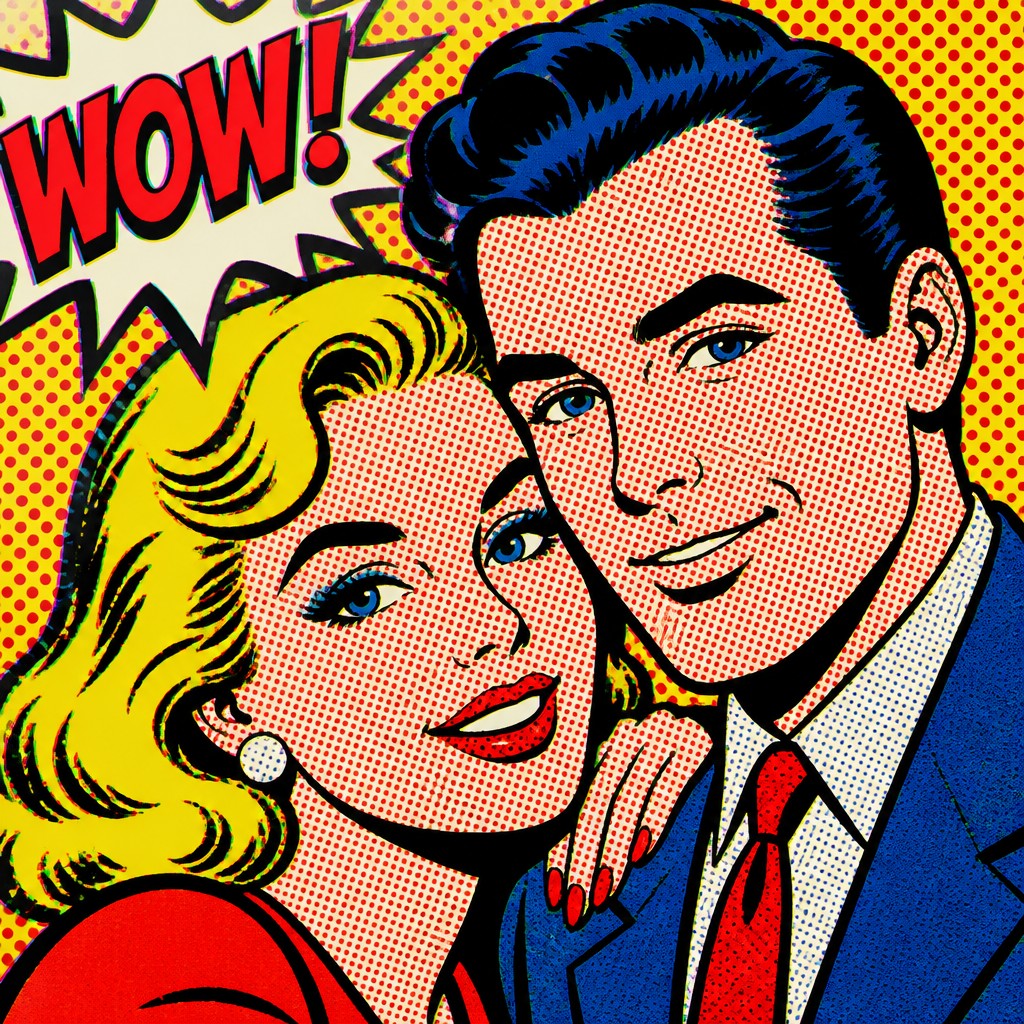
Try It On Your Photos
Upload any photo and convert it into Pop Art Style — drag the sliders to compare before and after.
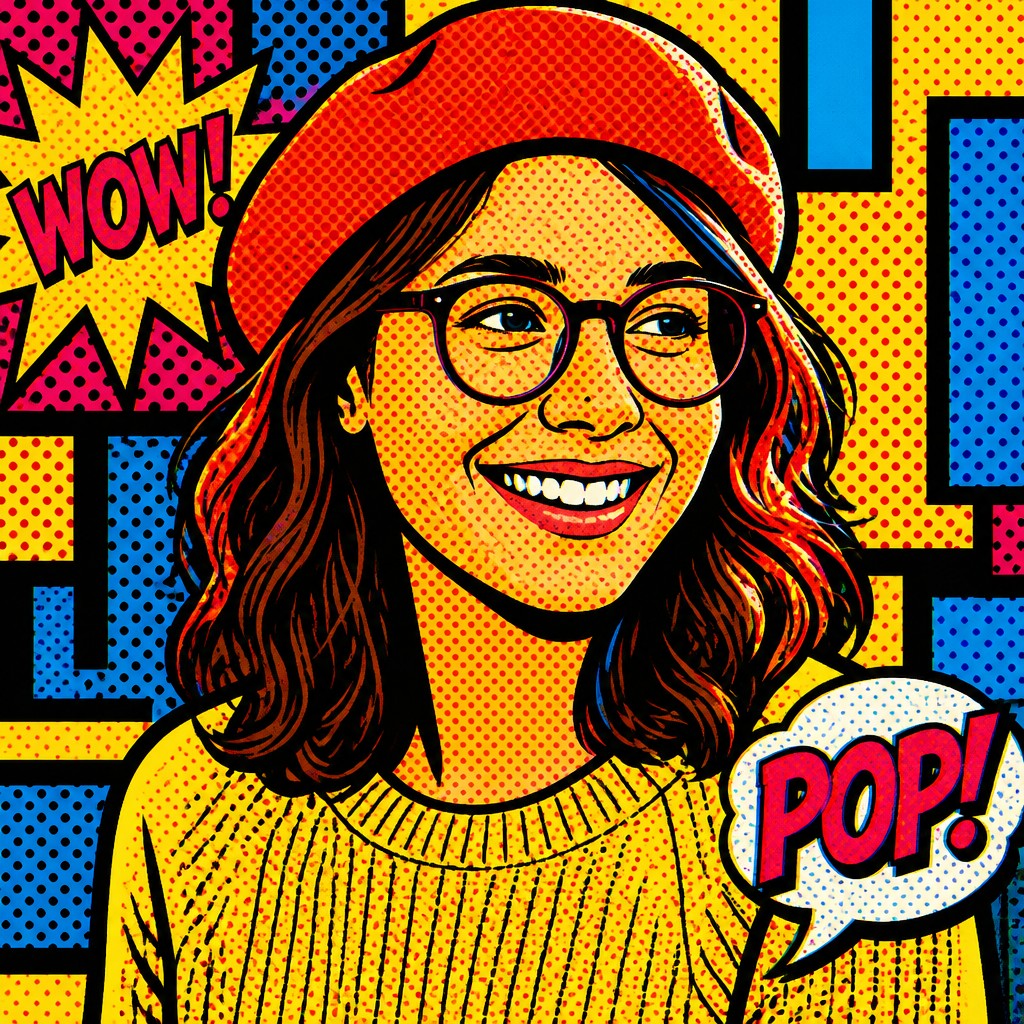


Or use the free Pop photo filter
What Defines Pop Art Style
The signature details, up close
Commercial imagery
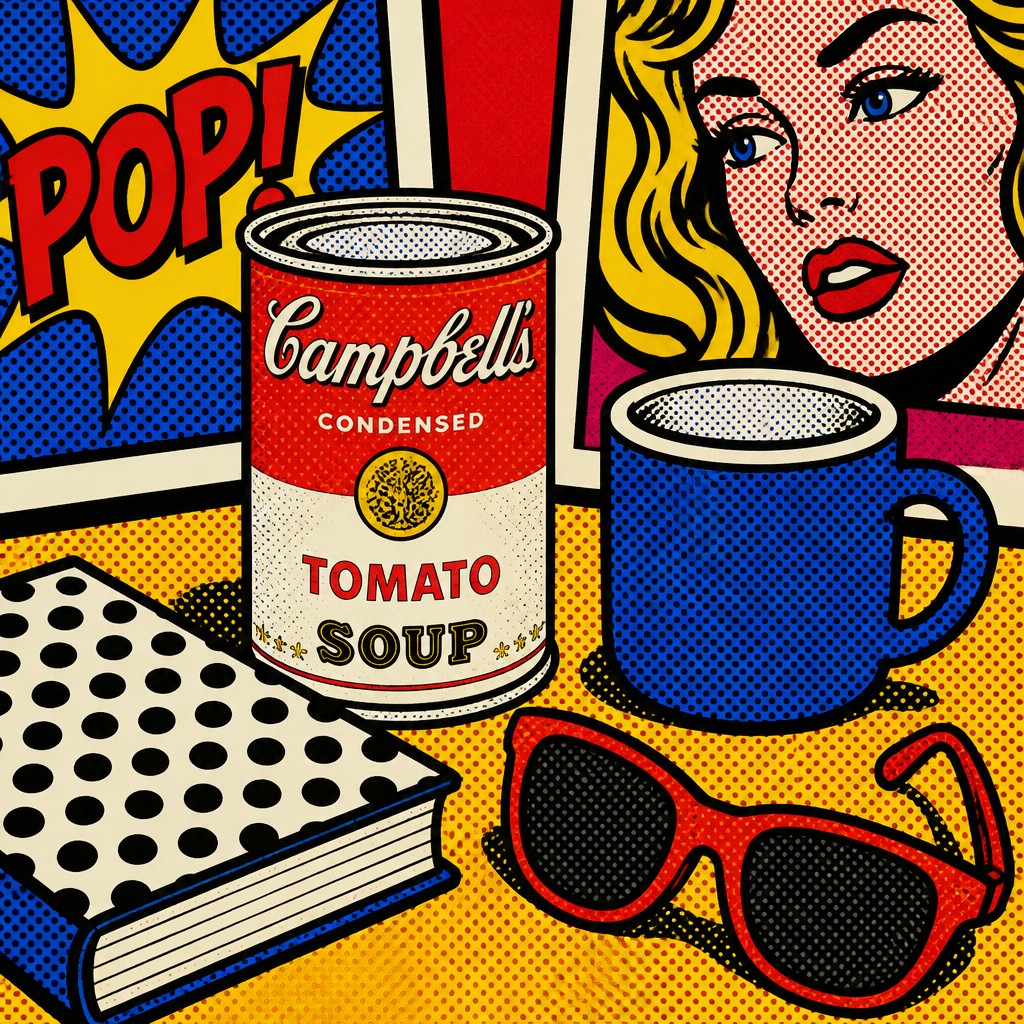
Subjects are often drawn from ads, products, celebrities, comics, signage, and packaged goods. Everyday mass-media content becomes the subject matter rather than something hidden beneath it.
Flat, saturated color
Pop art relies on vivid primaries, high-contrast combinations, and areas of unmodulated color. Gradients and painterly blending are usually minimized or avoided.
Halftone and Ben Day dots
Printed texture is a signature feature, especially the dot patterns associated with comic reproduction and offset printing. These marks create the feeling of mechanical reproduction and graphic compression.
Bold outlines and simplified shapes
Forms are often enclosed with thick black contours and reduced to their most legible silhouette. This makes the image read quickly, like a poster or comic panel.
Visible print effects
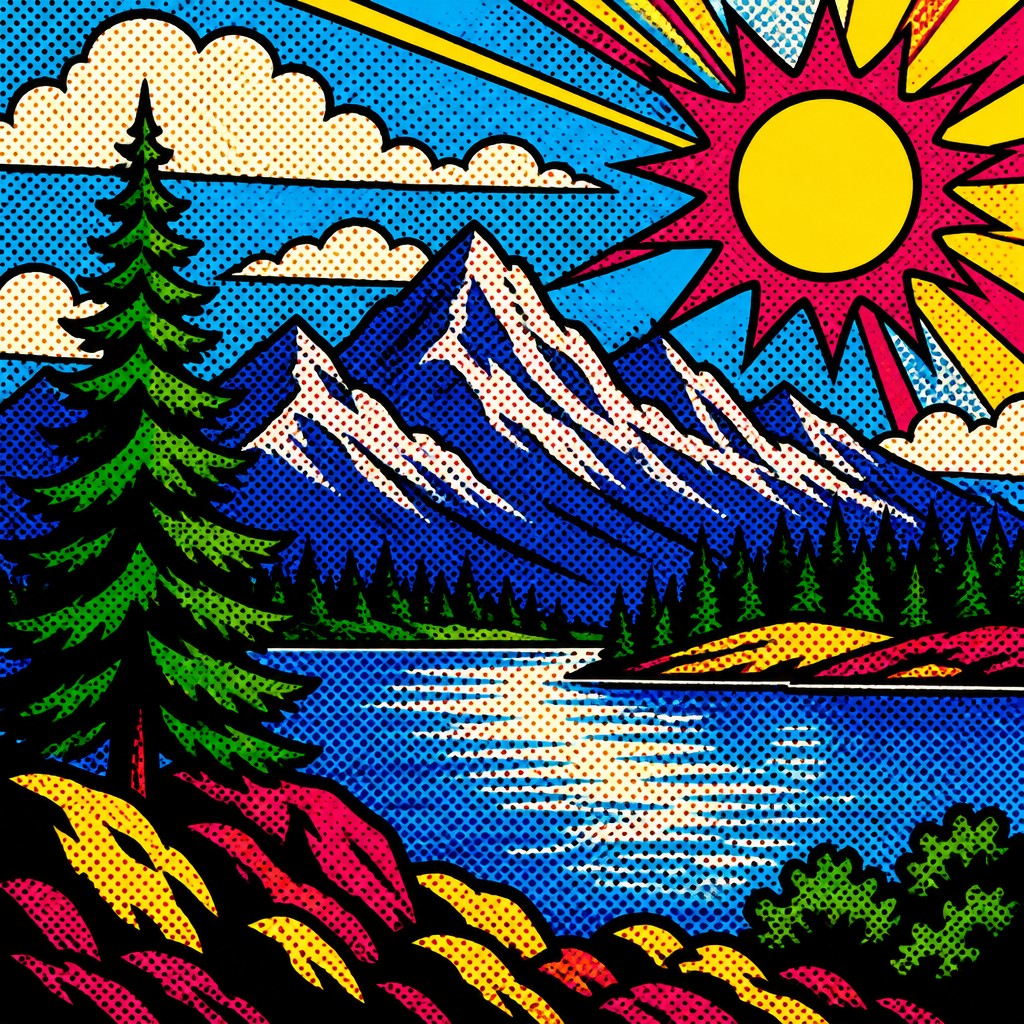
Slight misregistration, screen texture, and hard color separations are often emphasized. Imperfections in the print process become part of the image’s style.
Flattened space
Perspective is minimized, and objects tend to sit close to the picture plane. The result is graphic and frontal rather than illusionistic.
Try It
Create Videos in Pop Art Style
Styles aren't just for stills — describe a scene or animate an image and get a short video rendered in Pop. Press play to see this pond come to life.
Make a VideoPop Prompt Ideas
Start from an idea — each one opens the generator with the style ready to go. See all 40 Pop prompts →
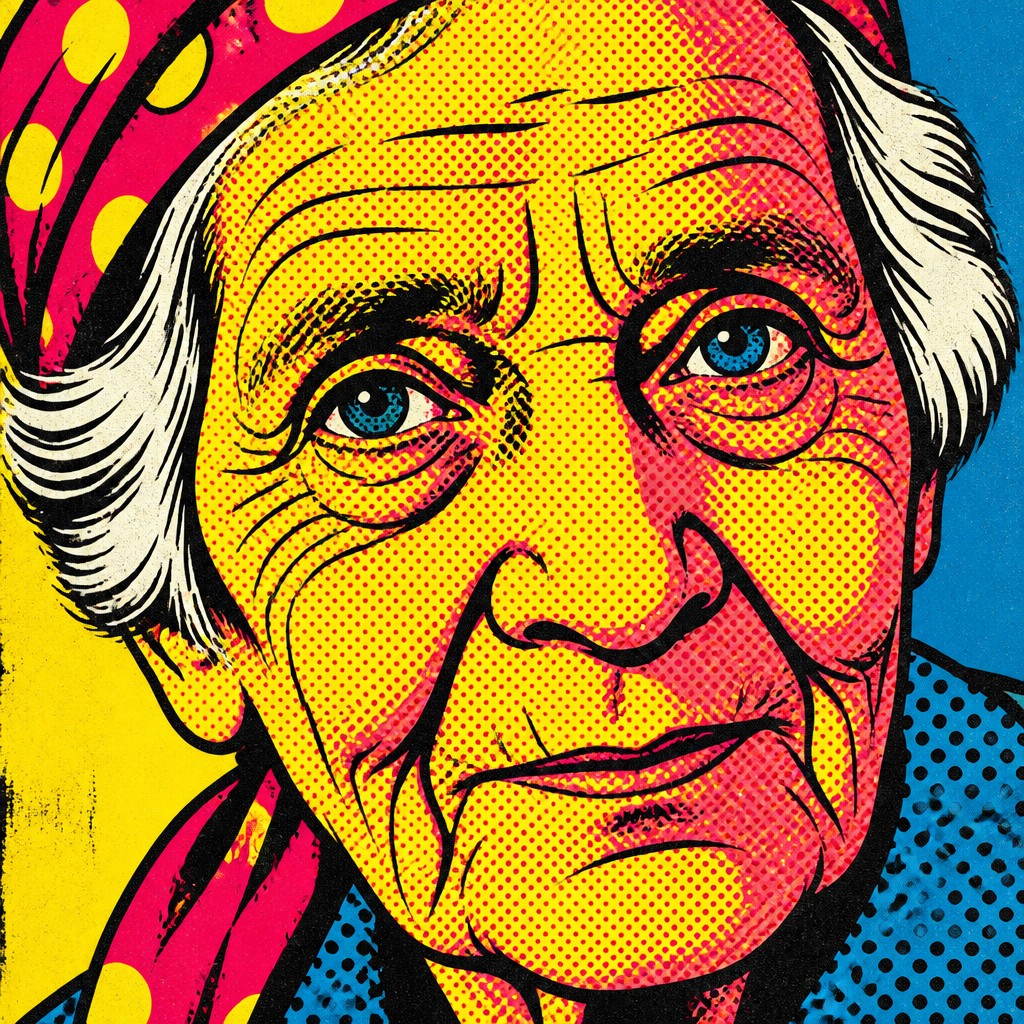
“close-up portrait of an elderly person with expressive weathered features”
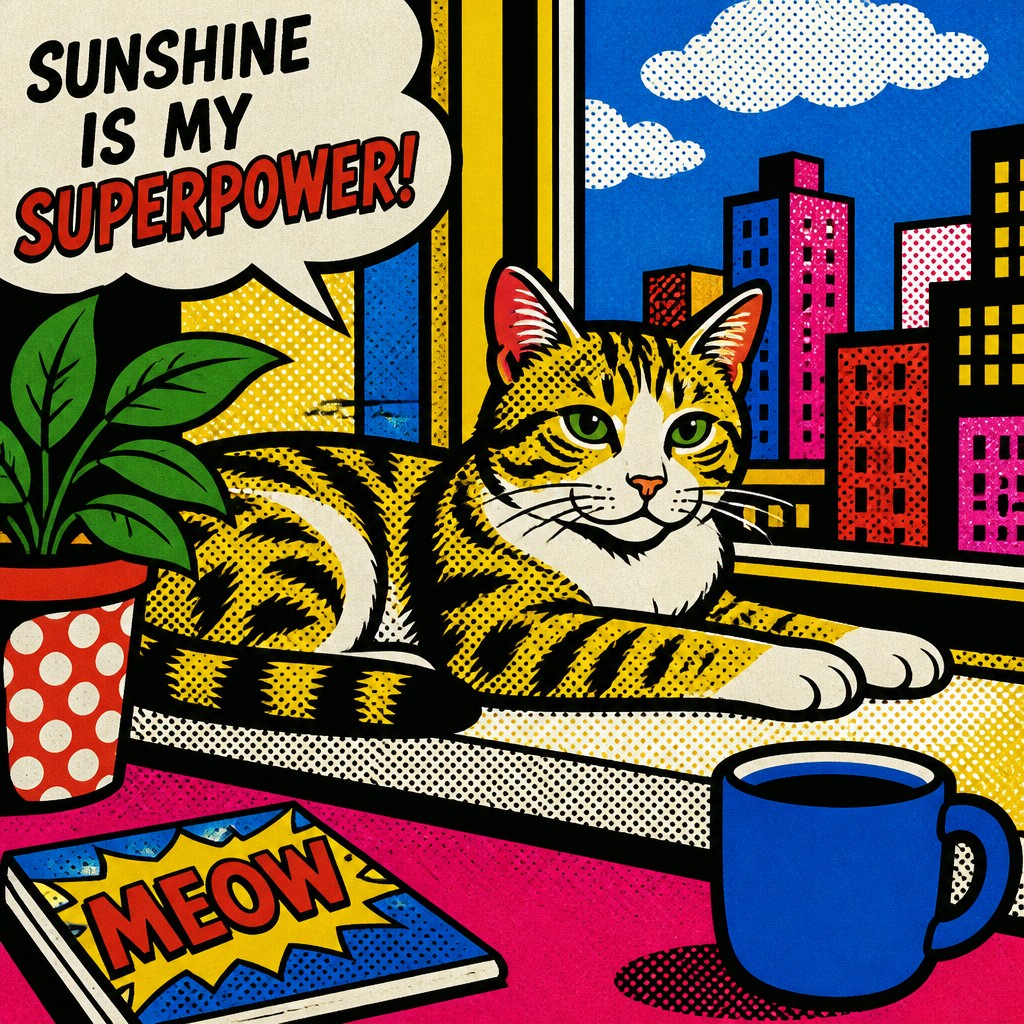
“a cat lounging in a sunlit window”
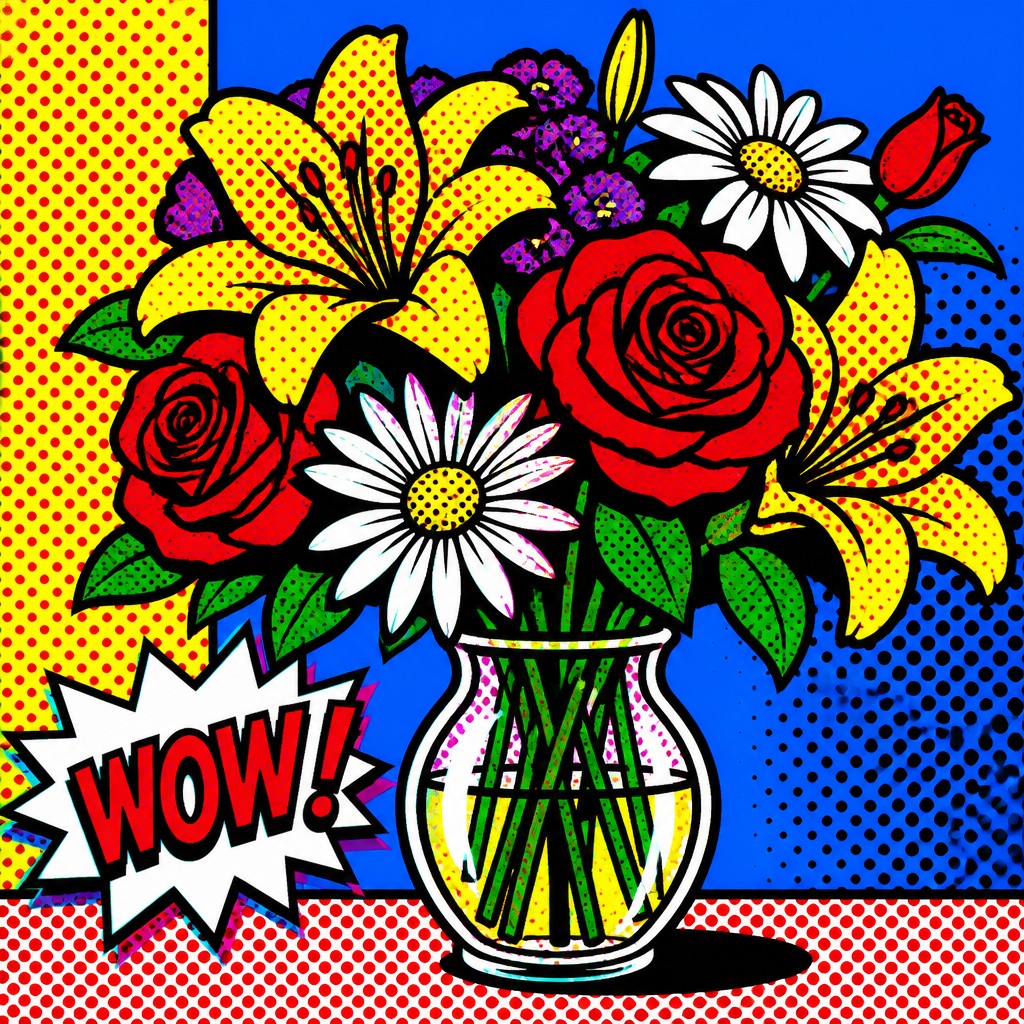
“bouquet of flowers in a glass vase”
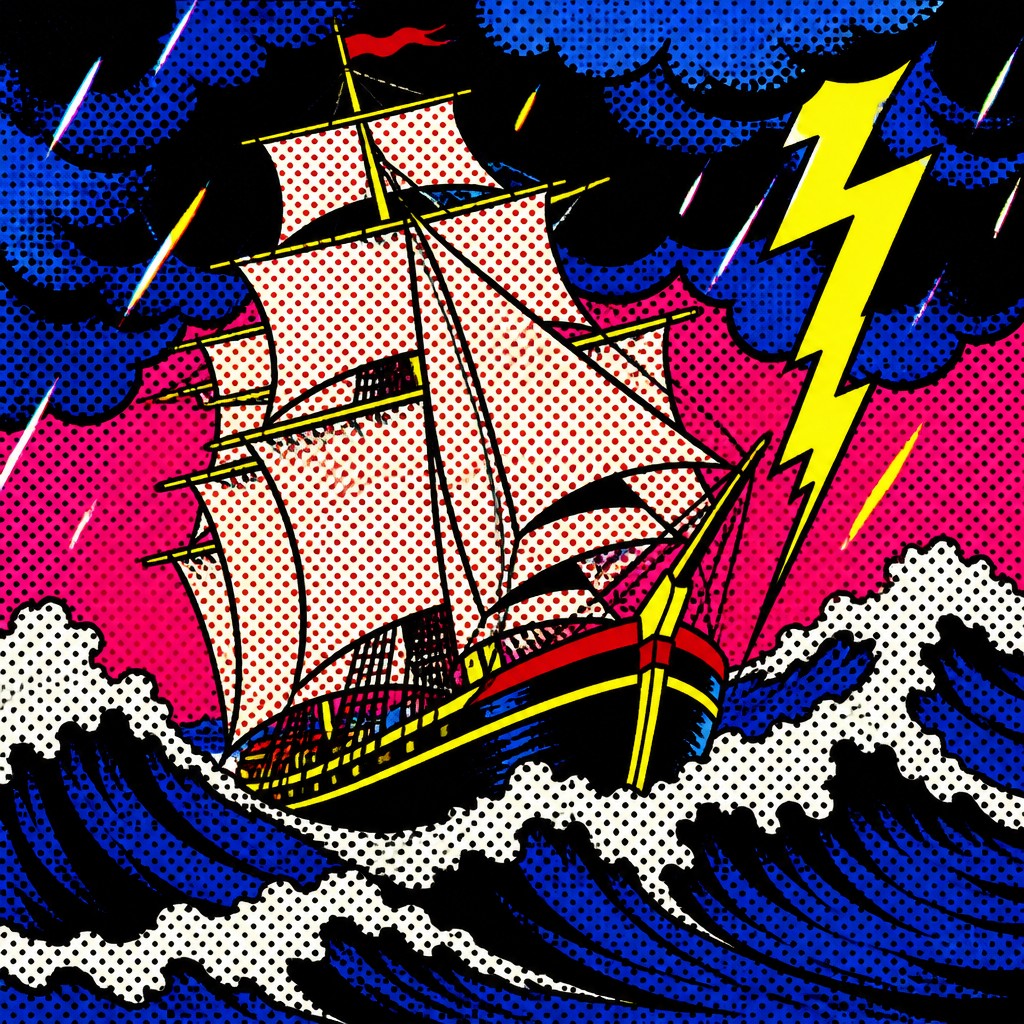
“sailing ship on a stormy sea”
How to Create Pop Art
Master the craft step by step — or skip straight to creating. Read the full guide →
- 1
Start with a mass-media subject
Choose a subject that already belongs to popular visual culture: a product can, portrait, comic scene, car, lipstick, soda bottle, or celebrity-inspired pose. The style works best when the image feels recognizable at a glance.
- 2
Simplify the forms aggressively
Reduce shading, detail, and depth into clear silhouettes and large shape blocks. Think in terms of poster design and comic panel clarity rather than naturalistic rendering.
- 3
Use a limited, high-contrast palette
Build the image from saturated primaries, black, white, and occasional electric accent colors. Keep transitions abrupt and avoid soft gradients unless you are deliberately contrasting them with print-like dots.
- 4
Add print-process texture
In traditional work, simulate halftone dots with stencils, dot screens, or careful mark-making; digitally, use dot overlays, screen textures, and slight channel offsets. Small misregistration can make the image feel more authentic to the reproduced look.
- 5
Emphasize outlines and graphic edges
Use thick contour lines to define every major form and maintain crisp separation between color zones. This is what gives the style its punchy, legible look in both posters and image-to-image transformations.
- 6
When prompting, specify the print vocabulary
Mention halftone dots, Ben Day patterns, silkscreen texture, flat saturated color, thick black outlines, and slight color separation. If you want a more authentic result, ask for flattened perspective and a commercial print finish.
The Story
History & Origins of Pop
Pop art emerged in the mid-1950s in Britain and the United States as artists began to engage with consumer culture, mass media, and the growing flood of advertising images. In Britain, early figures such as leading British pop-art pioneers helped establish the movement’s interest in popular imagery; in the United States, it fully crystallized in the 1960s with major American pop artists associated with repeated consumer imagery, comic-book borrowing, oversized everyday objects, and billboard-like painting.
The style grew partly as a response to Abstract Expressionism, replacing spontaneous gesture and private emotion with impersonal, reproducible, media-derived imagery. It drew on commercial printing, comic art, and industrial production, and its mechanical look was often deliberate: artists simulated or used repetition, flat color, and dot matrices to echo the surfaces of mass communication and consumer goods.
Influences: Pop art draws from advertising, comic illustration, mass printing, and the visual economy of newspapers and magazines. In its historical development it also intersected with Dada’s use of found imagery and collage, as well as later graphic design and editorial illustration; canonical pop art names include leading British pop-art pioneers, major American pop artists of the 1960s, and influential postwar figures associated with collage, assemblage, repeated consumer imagery, and comic-inspired painting.
Frequently Asked Questions
What defines pop art visually?
Pop art is defined by flat saturated color, bold outlines, dot-based print textures, and imagery borrowed from consumer culture. It often looks like a high-impact advertisement, comic panel, or poster rather than a traditional painting.
How is pop art different from comic art?
Comic art is usually made to tell sequential stories, while pop art uses comic-like visual language for fine art, design, or standalone imagery. Pop art may imitate comic printing, but its subject matter often centers on celebrities, products, and media symbols rather than narrative panels.
How is pop art different from poster design?
Poster design is primarily functional communication, while pop art borrows poster graphics for artistic commentary and style. The two can look similar, but pop art often foregrounds repetition, irony, or the aesthetics of mass reproduction.
What techniques create the classic printed look?
Halftone dots, Ben Day-style patterns, thick contour lines, and slight color misregistration are key. These effects mimic offset printing and silkscreen methods, giving the image its mechanical surface quality.
Can pop art be made digitally?
Yes. Digital tools make it easy to build flat color blocks, add dot textures, and offset color channels for a screen-printed effect. The important part is preserving the style’s graphic clarity and intentionally mechanical feel.
Where is pop art commonly used today?
It appears in posters, album art, editorial graphics, fashion, advertising, social media visuals, and contemporary illustration. Its bold contrast and familiar visual shorthand make it effective whenever an image needs immediate impact.
Create your first Pop artwork
Describe anything — or upload a photo — and see it in Pop Art Style in seconds.
Make Something with Pop
Related Styles
Discover similar art styles