Neo-Pop Art Style
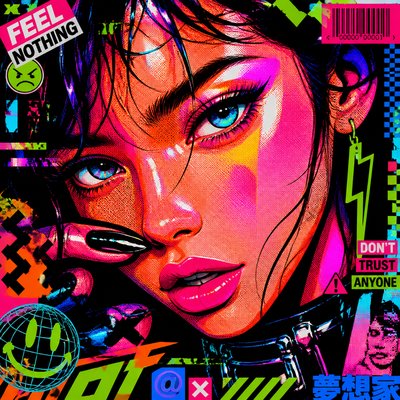
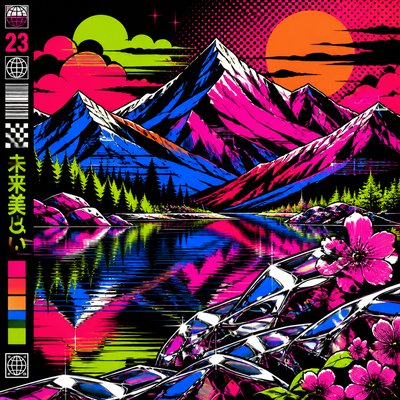
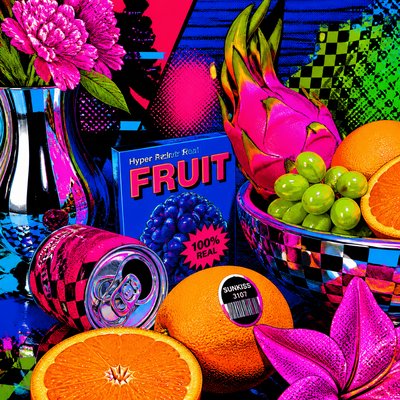
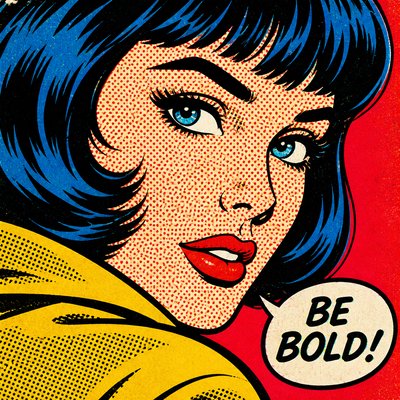
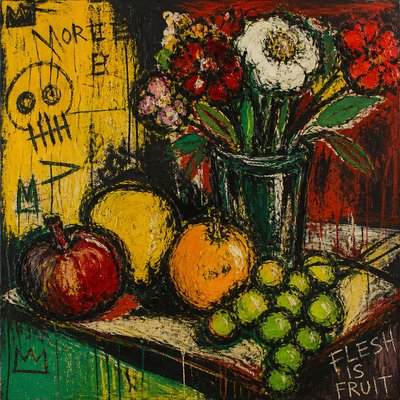
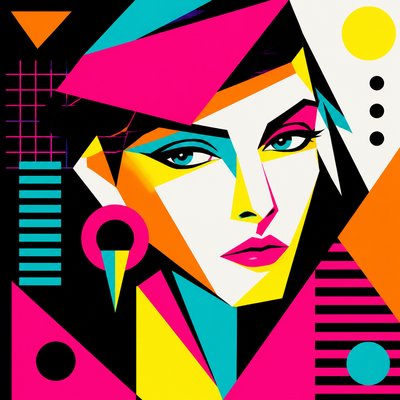
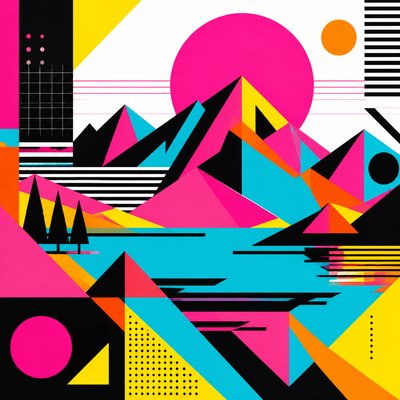
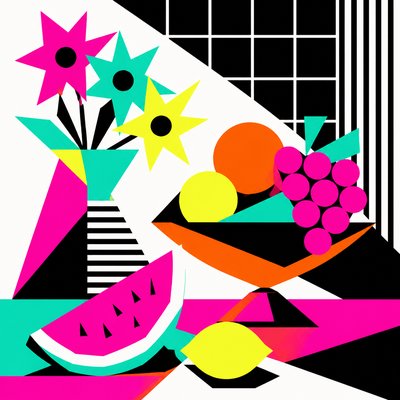
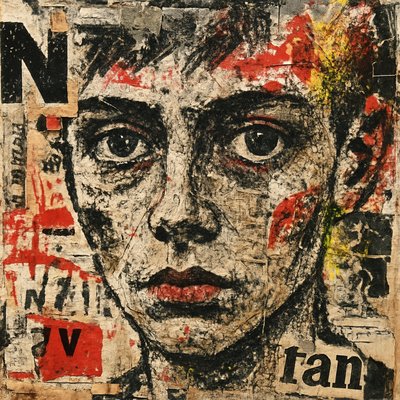
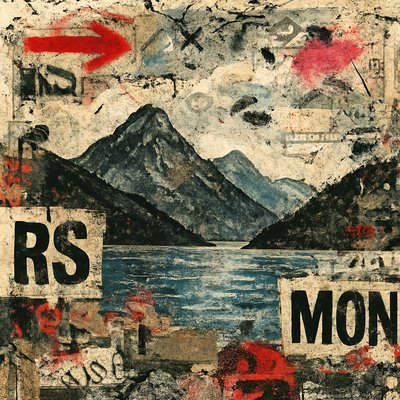
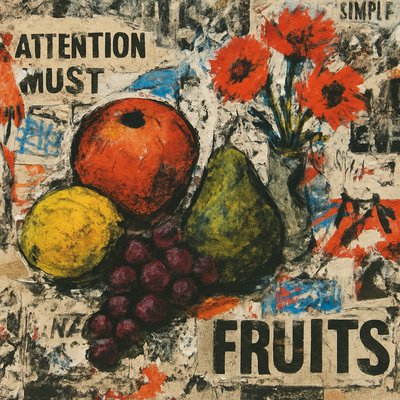
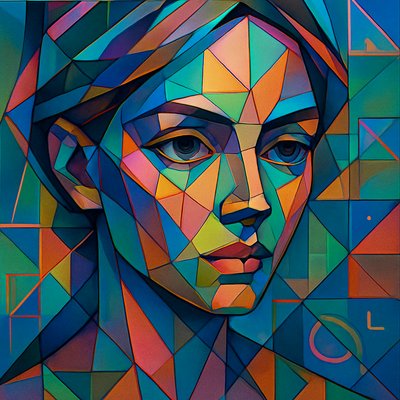
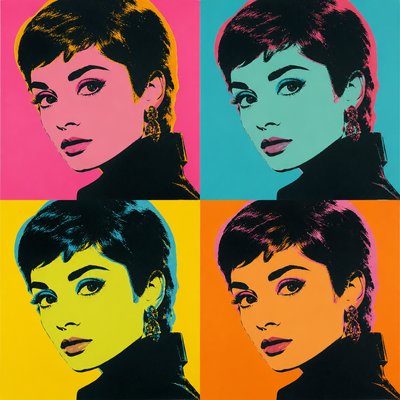
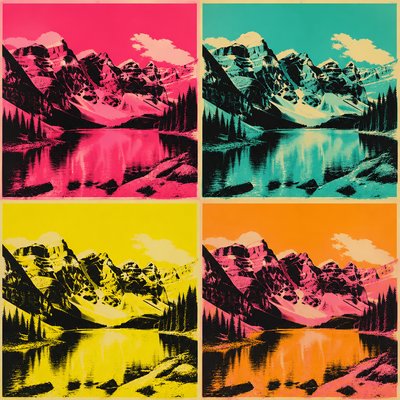
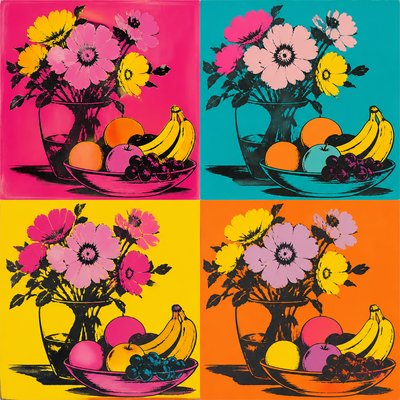
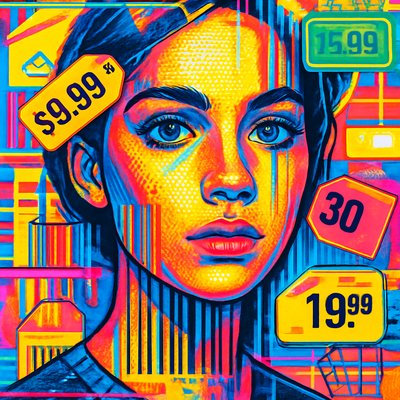
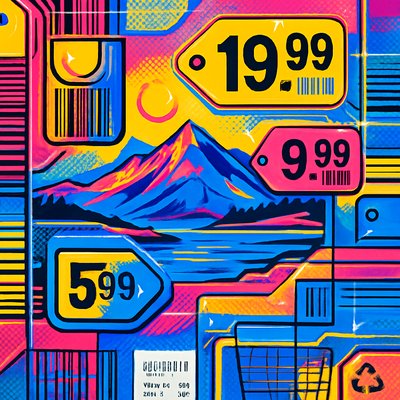
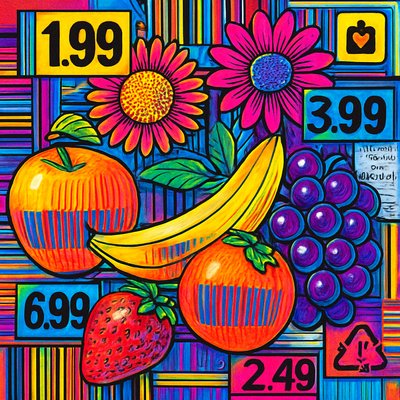
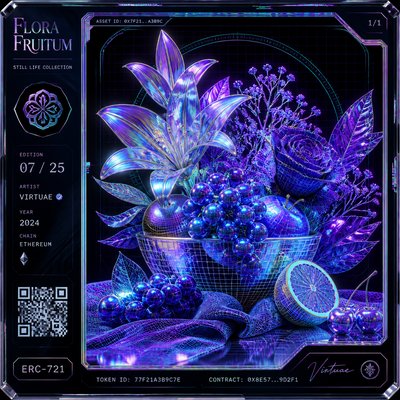
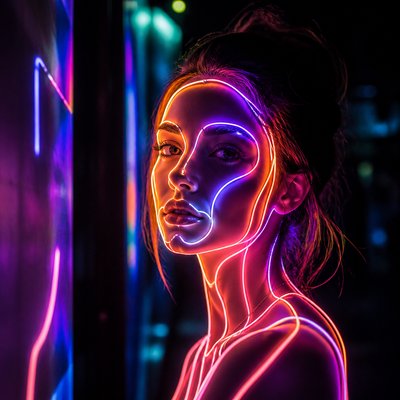
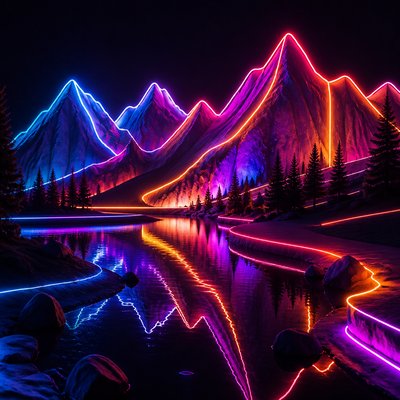
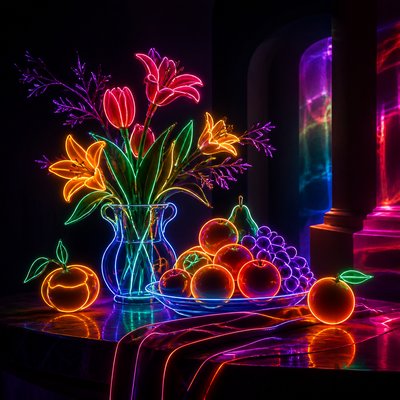
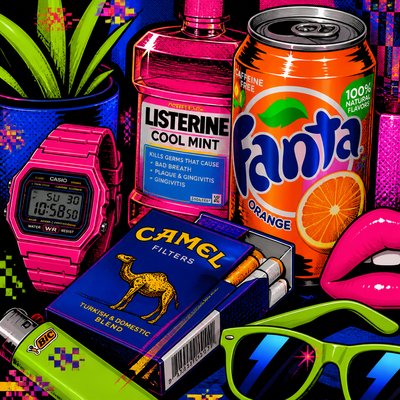
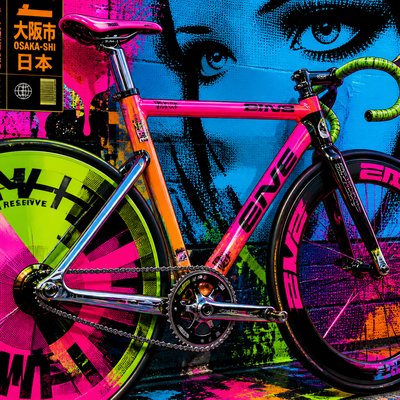
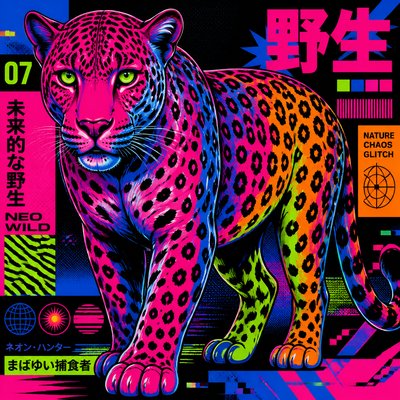
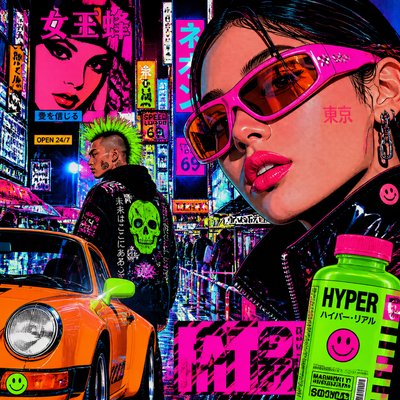
Neo-pop art fuses pop culture, memes, brands, neon color, glitch effects, and glossy irony into a sharp contemporary visual language.
Instantly rendered in Neo-Pop — or transform a photo
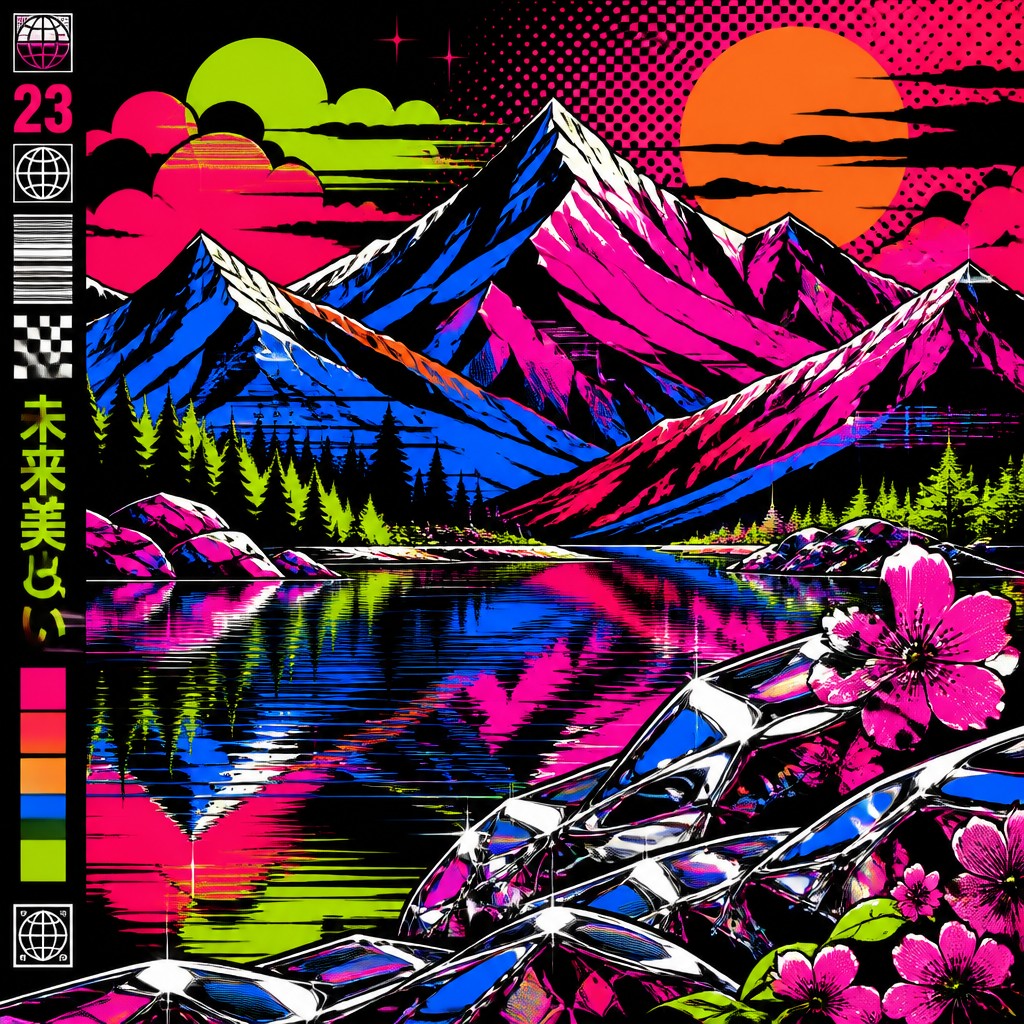
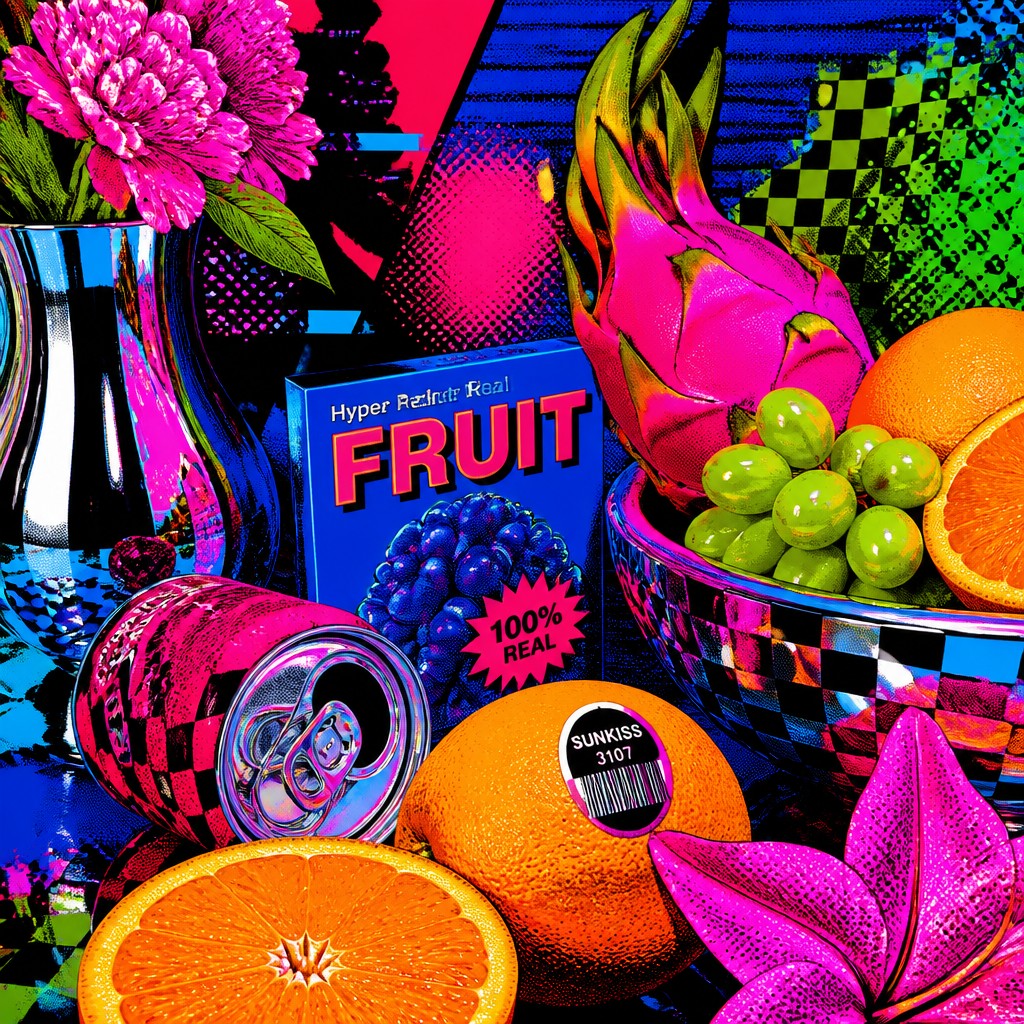
Neo-Pop Gallery
Tap any artwork to explore it
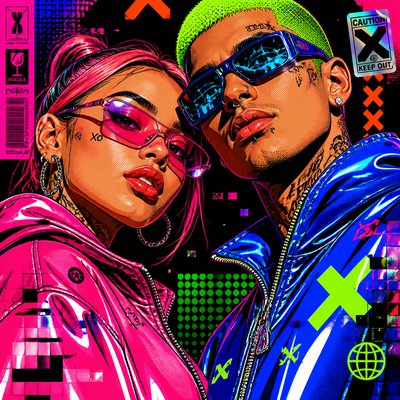
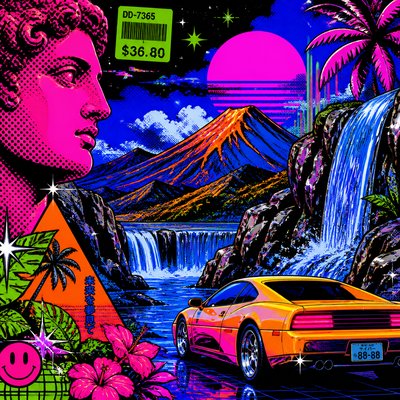
What is Neo-Pop Art Style?
Neo-pop art is a contemporary revival of pop art that translates advertising language, internet culture, and mass-media imagery into a bright, ironic visual style. It keeps the original pop art interest in consumer culture, but updates the subject matter to include memes, platform aesthetics, celebrity branding, and the visual grammar of digital life.
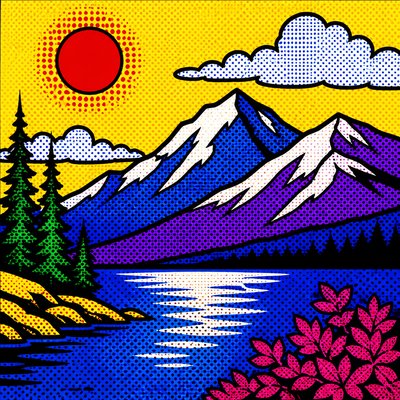
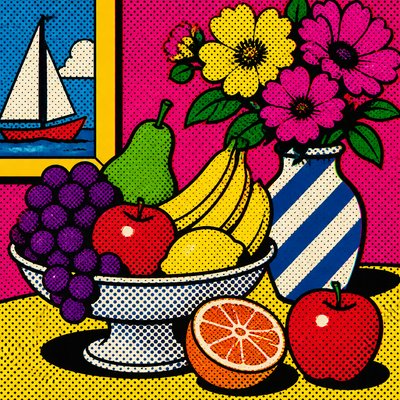
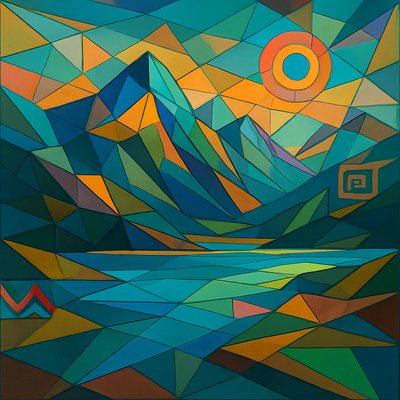
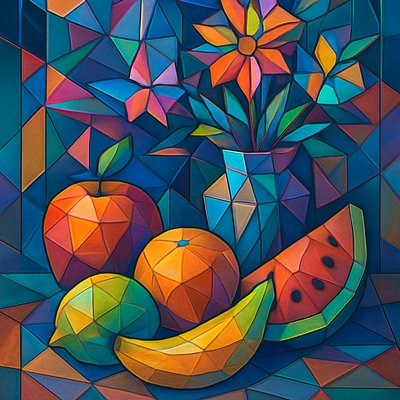
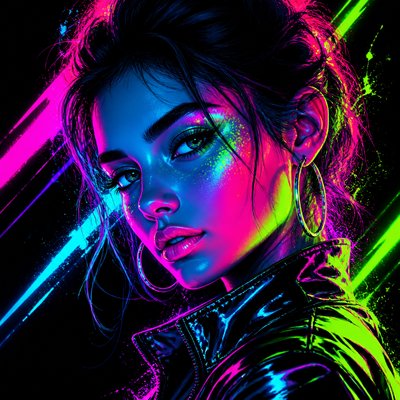
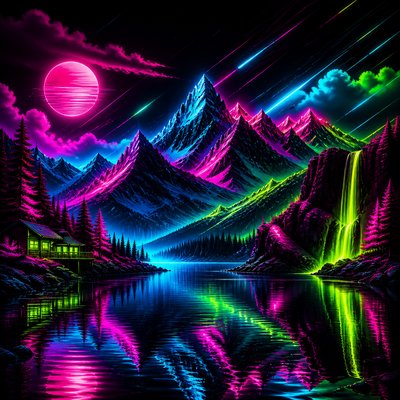
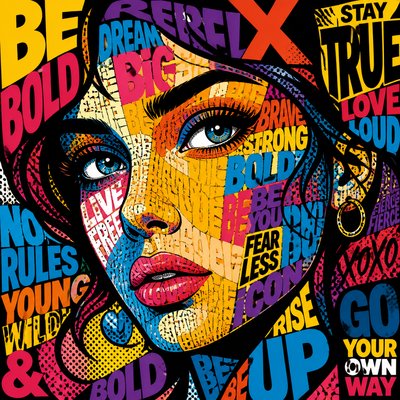
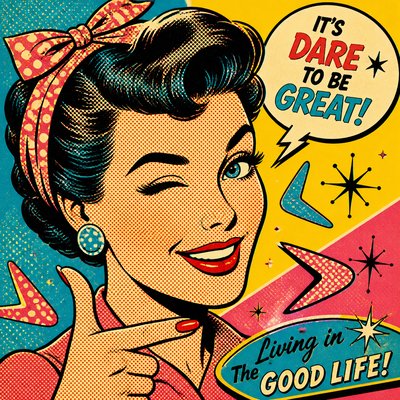
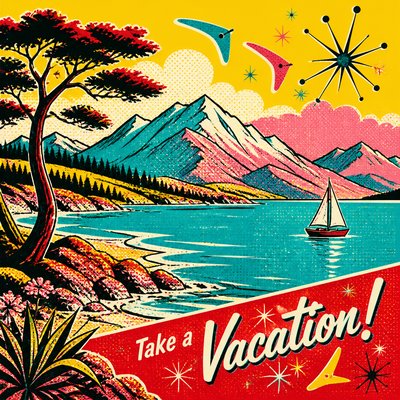
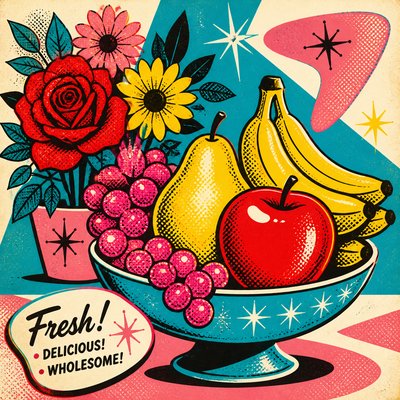
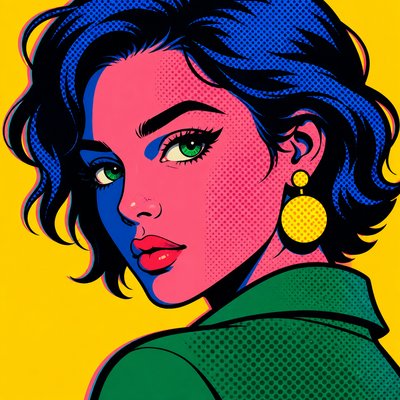
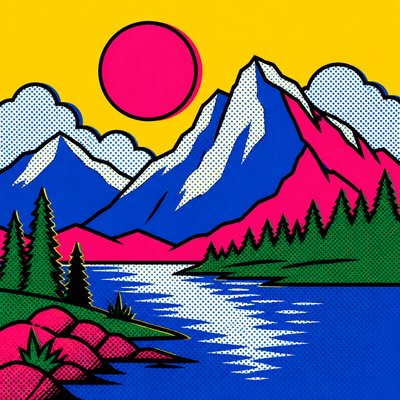
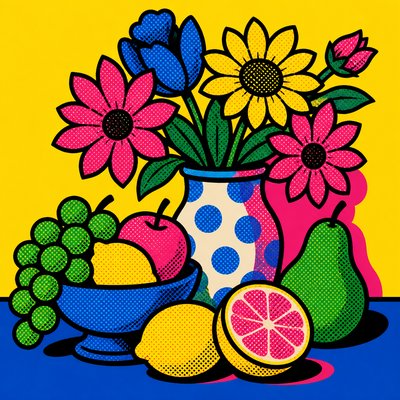
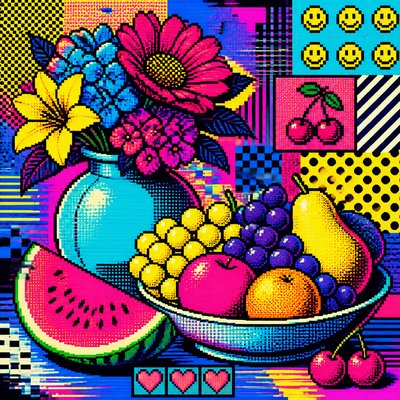
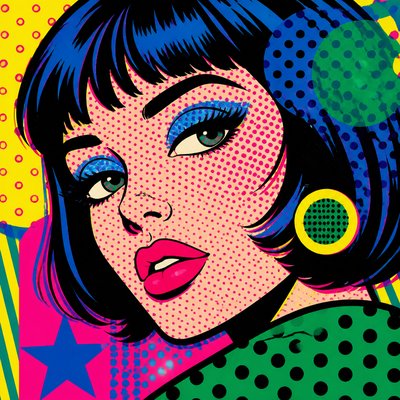
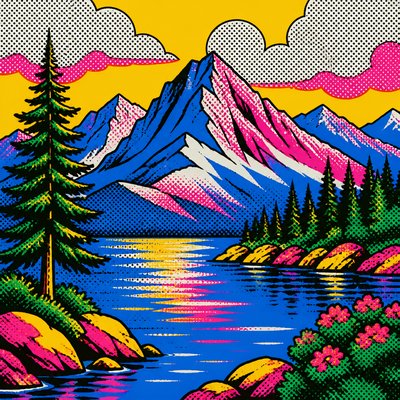
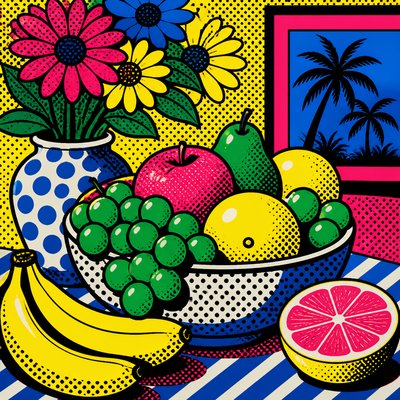
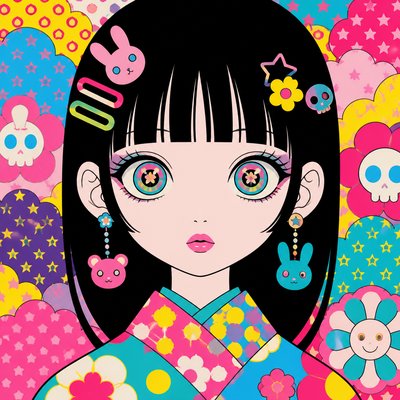
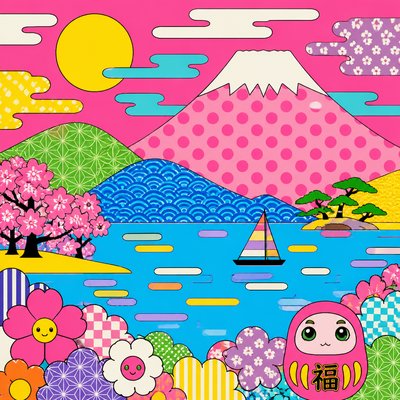
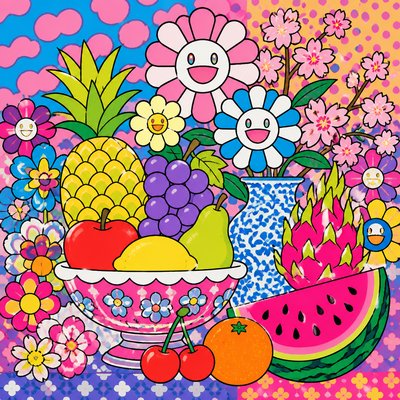
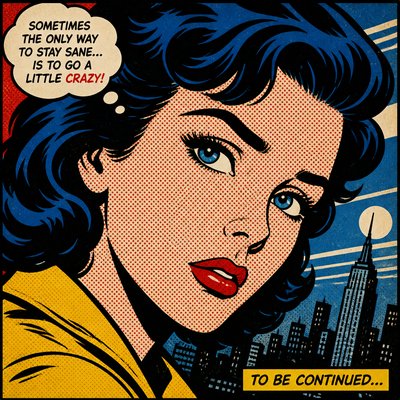
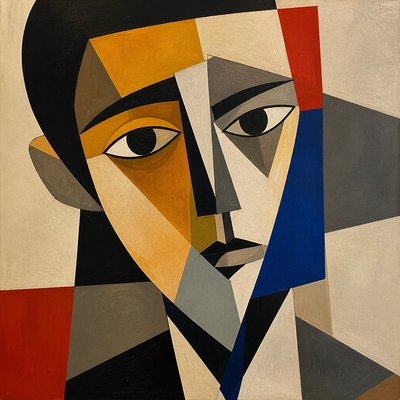
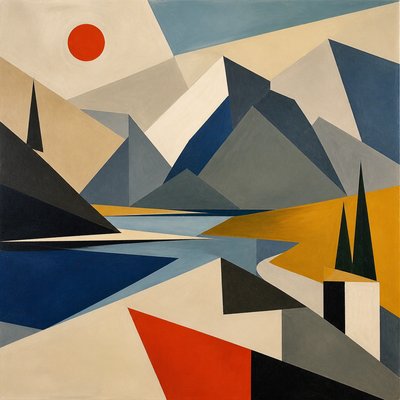
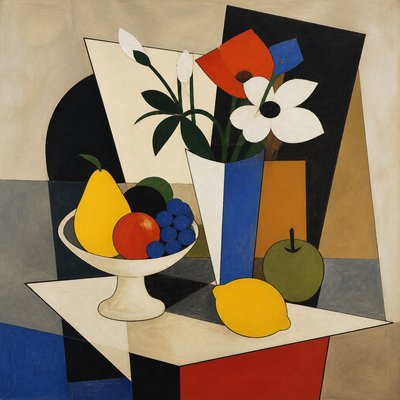
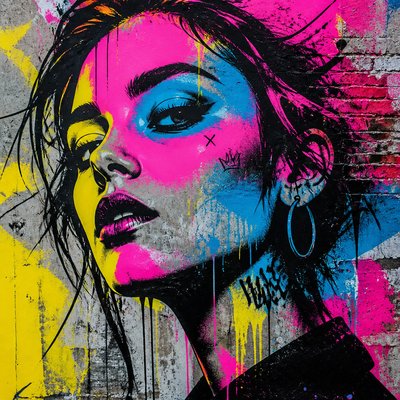
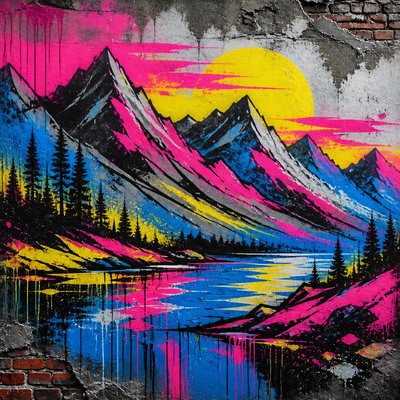
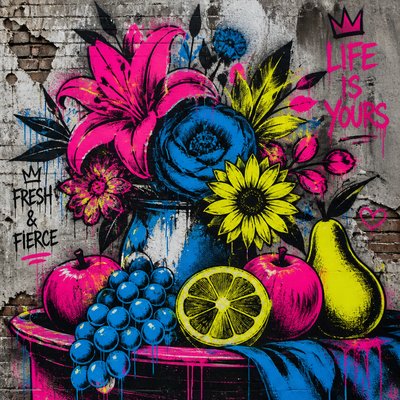
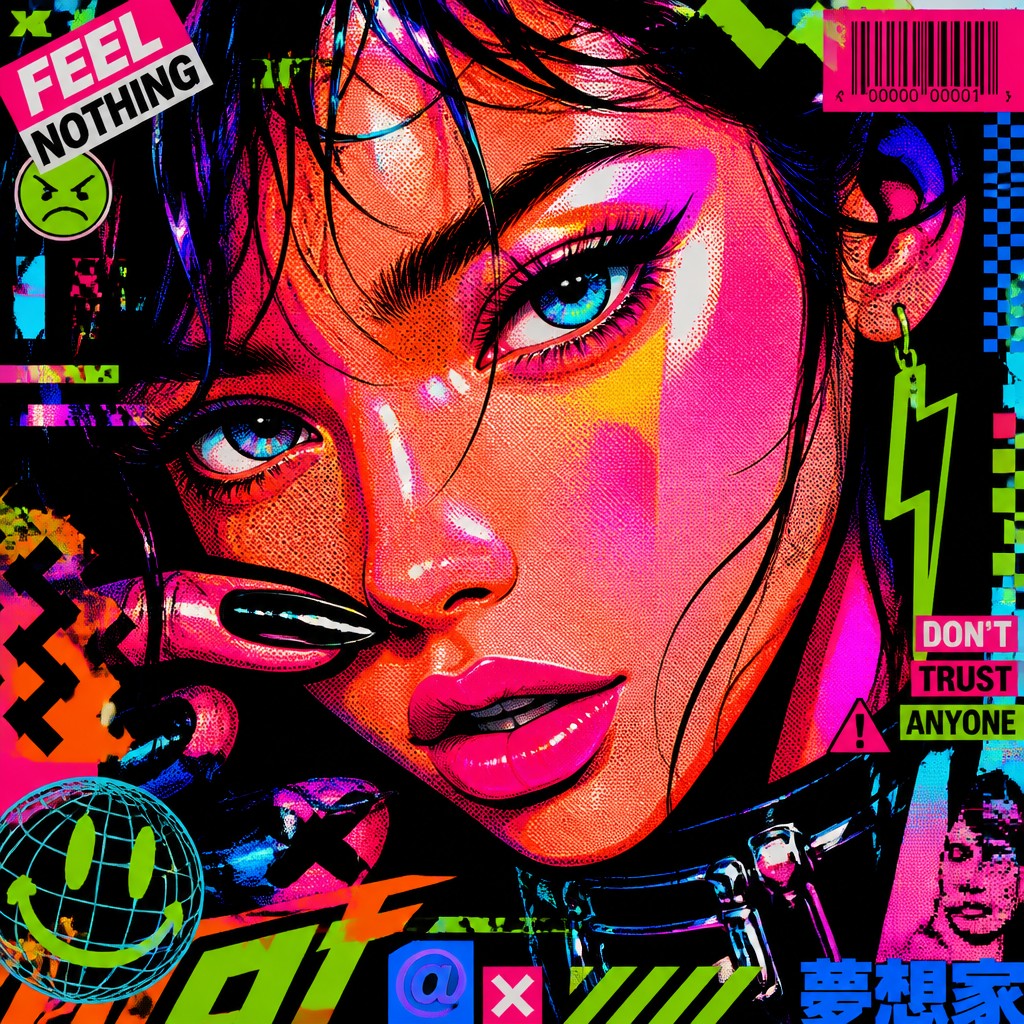
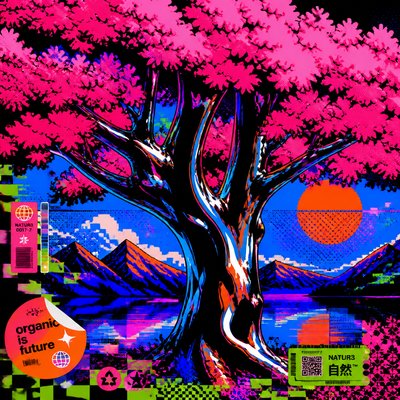
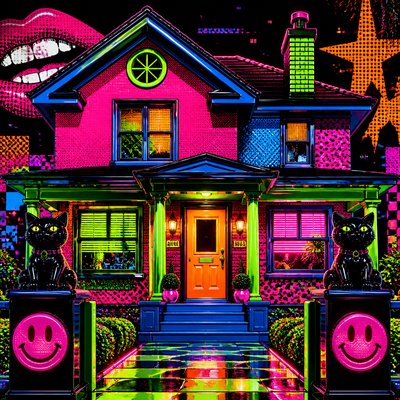
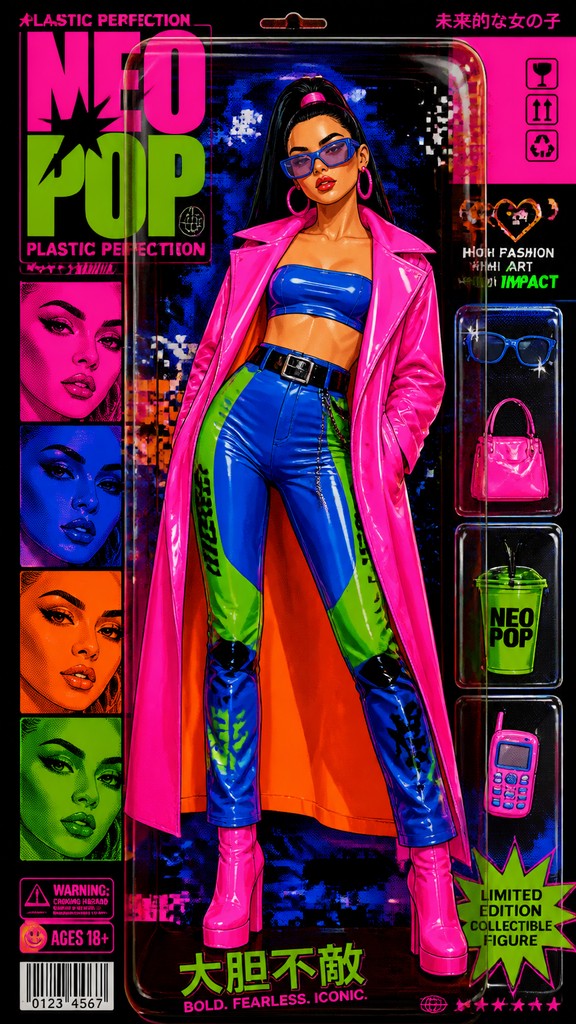
Visually, neo-pop art is defined by saturated neon color, hard-edged shapes, thick outlines, halftone textures, and a polished, synthetic finish. The style often combines flat graphic clarity with glossy plastic or chrome effects, creating images that feel both commercial and self-aware, as if they were designed for a billboard, a social feed, and a parody at the same time.
Try It On Your Photos
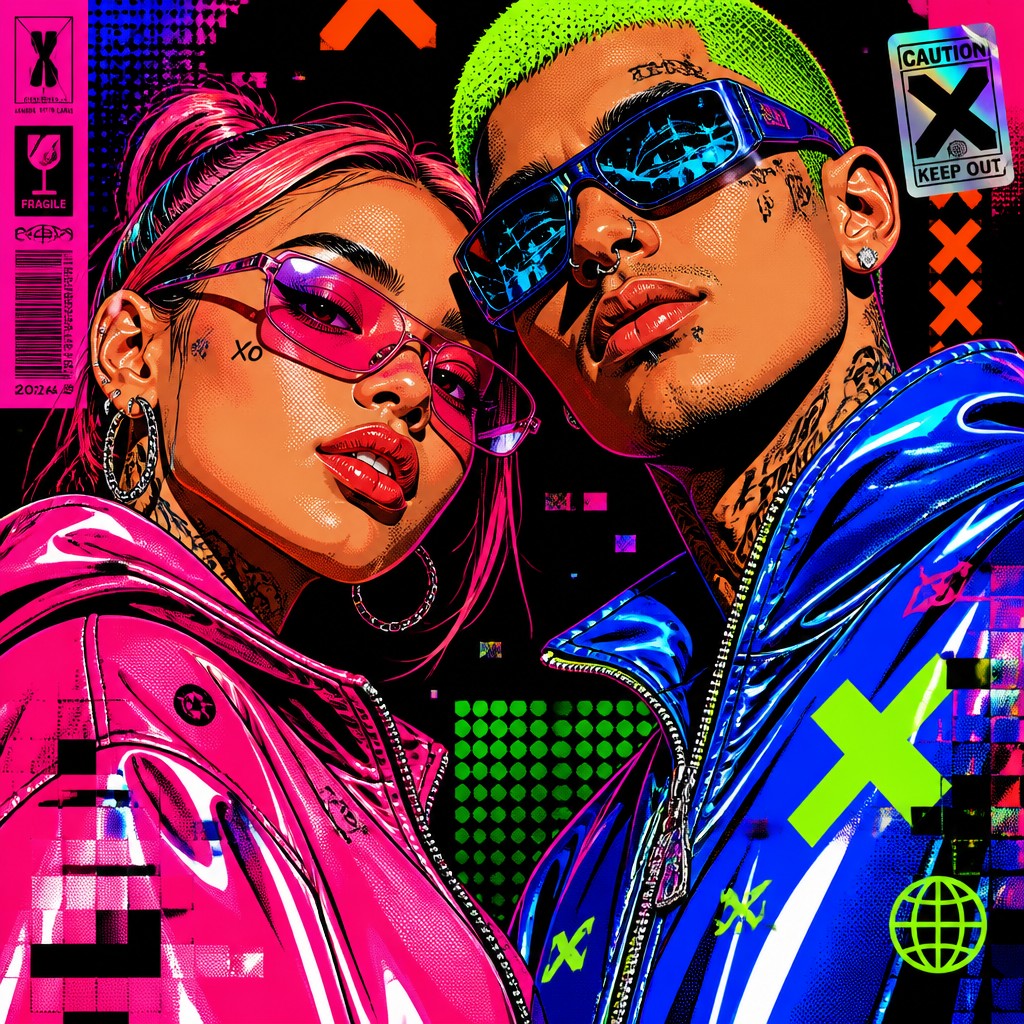
Upload any photo and convert it into Neo-Pop Art Style — drag the sliders to compare before and after.

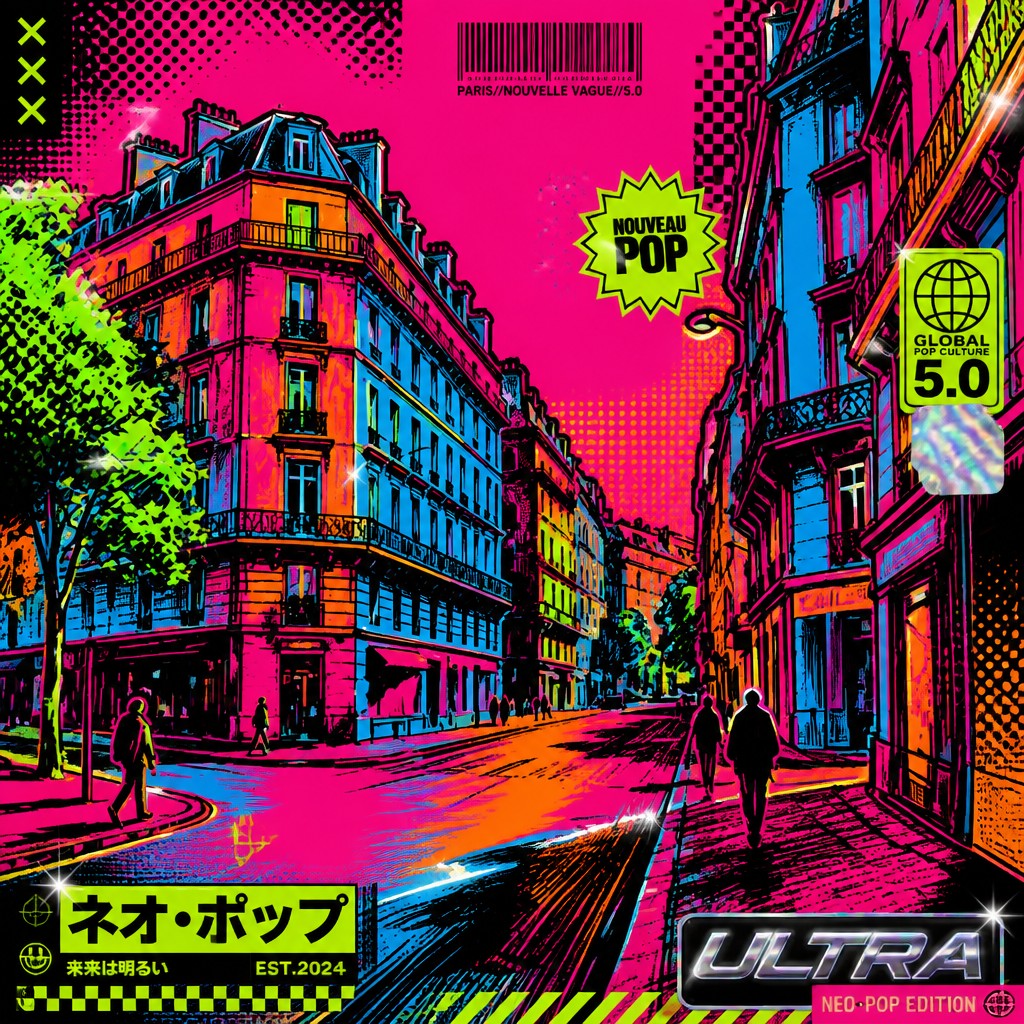

What Defines Neo-Pop Art Style
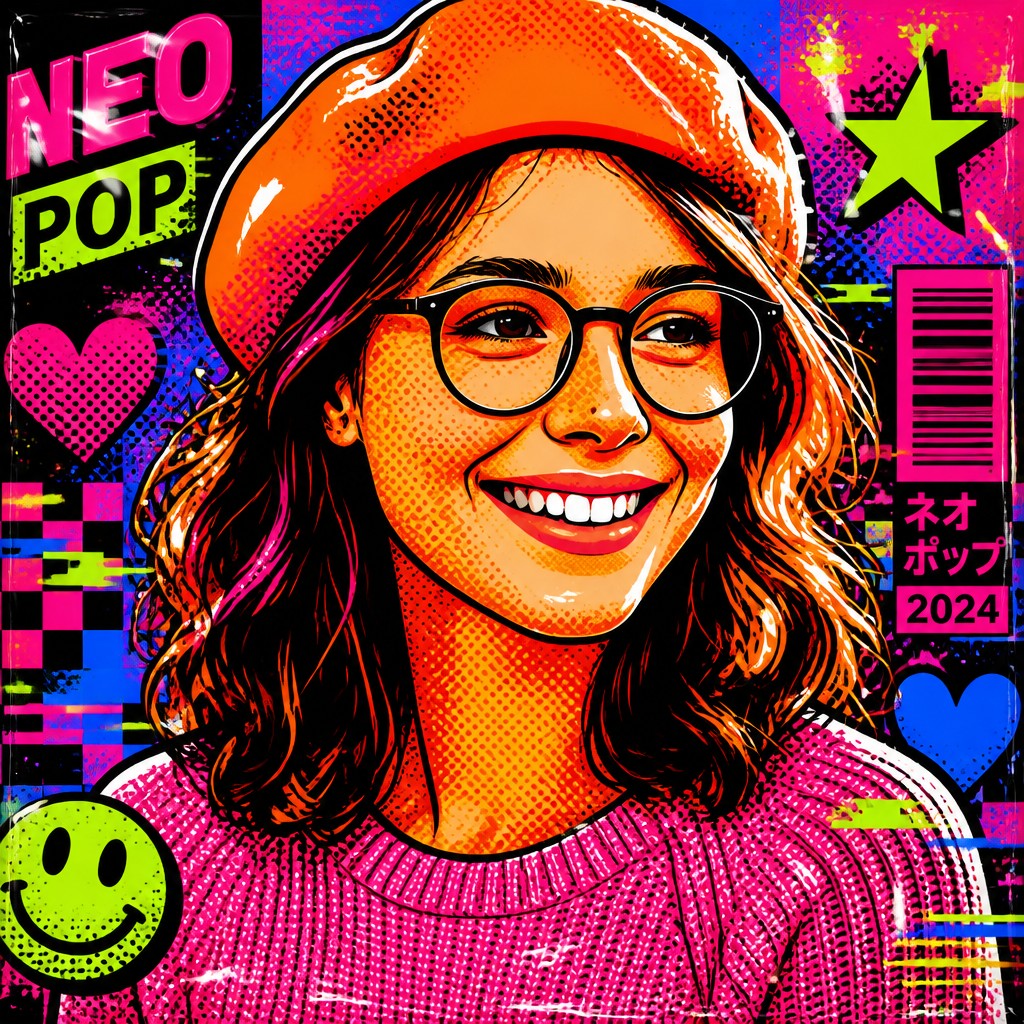
The signature details, up close
Saturated neon palette
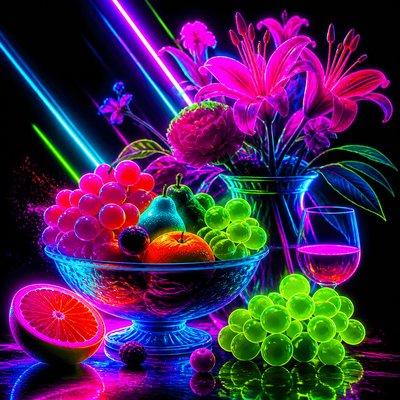
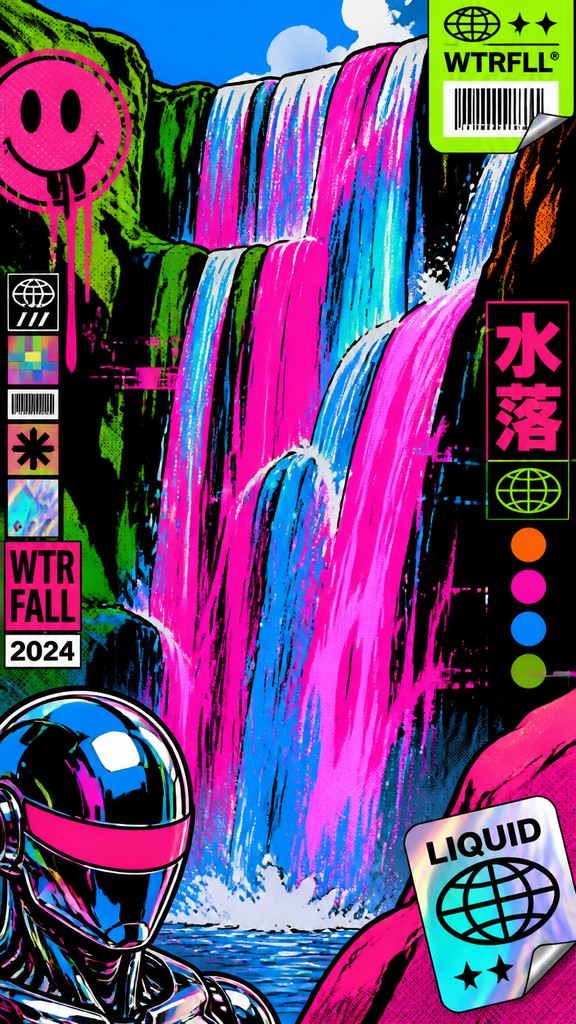
Colors are pushed to maximum intensity, especially pinks, blues, greens, and oranges. The result is visually loud and immediate, with strong contrast against black or very dark backgrounds.
Thick graphic outlines
Forms are often bounded by bold black contours that separate flat color zones cleanly. This gives the work the clarity of comics, posters, or vector design.
Halftone and dot textures
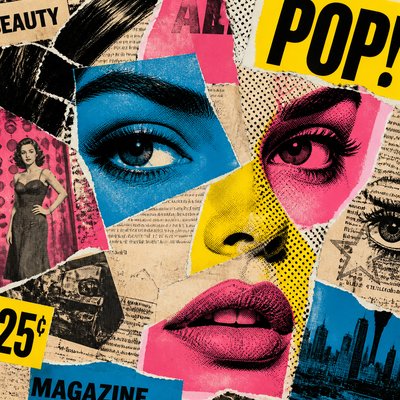
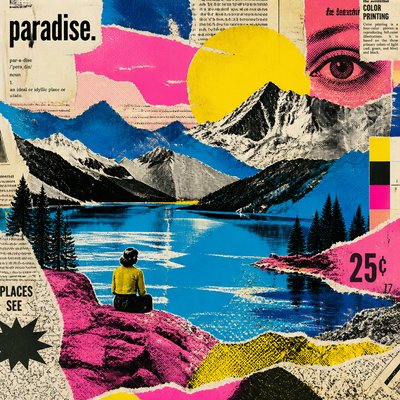
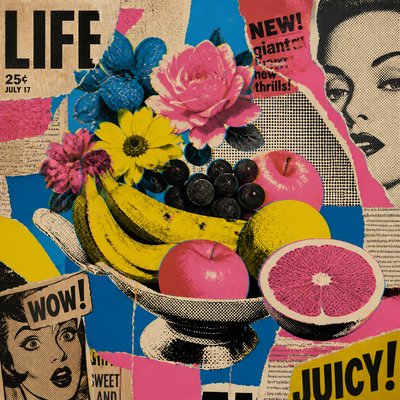
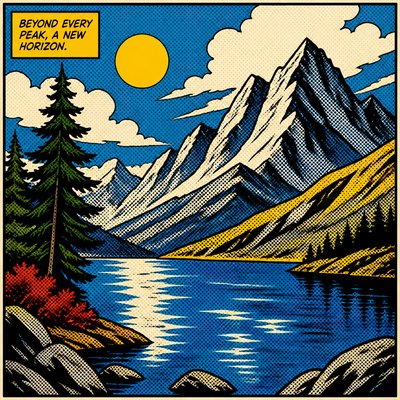
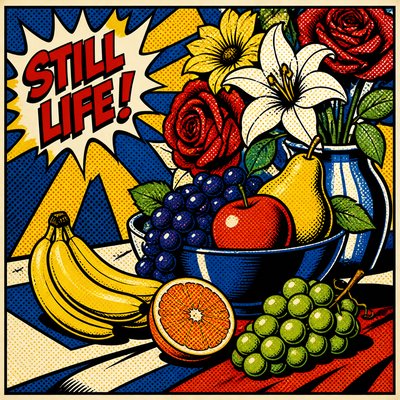
Ben-Day dots, screen-print effects, and halftone overlays nod to print culture and classic pop art. These textures add a reproduction-like quality even when the image is digitally rendered.
Glossy synthetic surfaces
Objects may look like plastic, candy coating, chrome, or commercial packaging. This sheen makes the image feel manufactured, branded, and hyper-mediated.
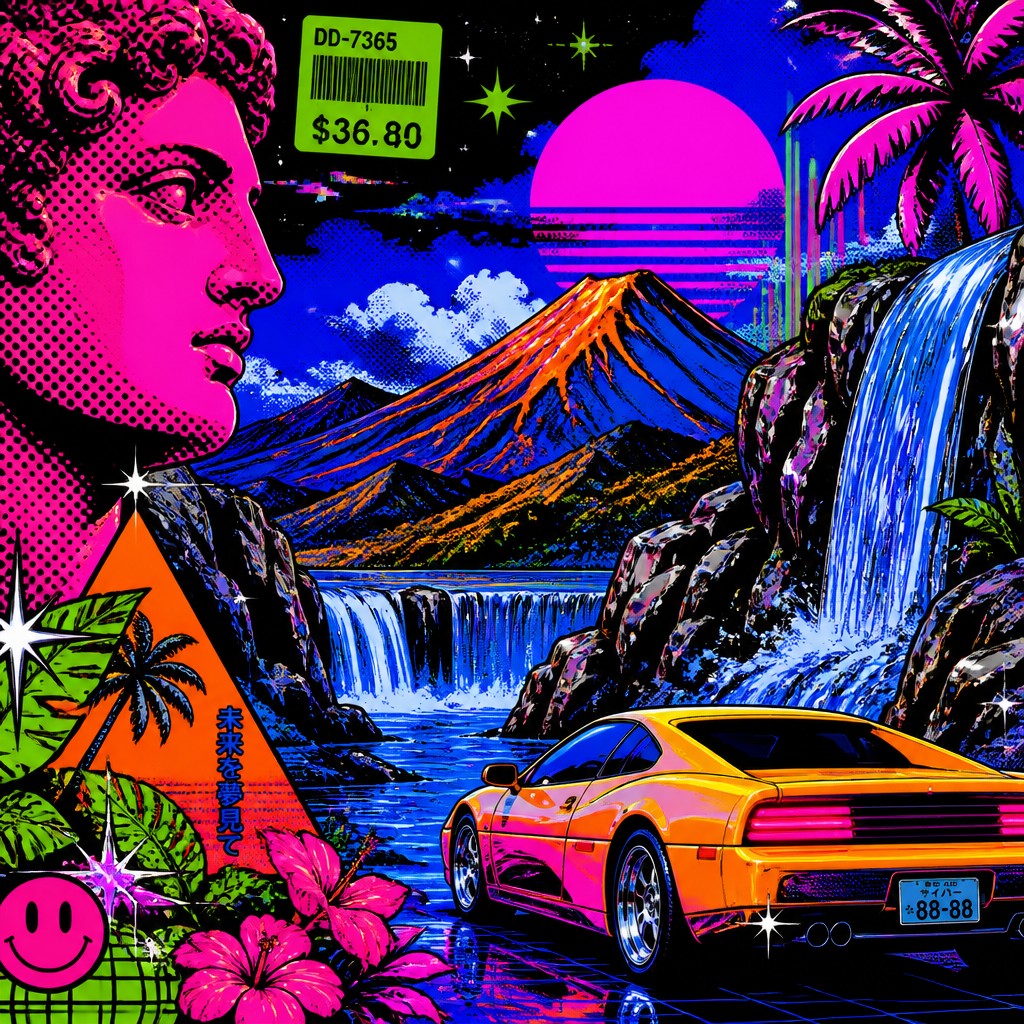
Glitch and pixel distortion
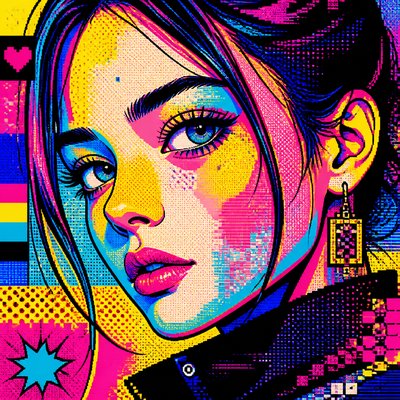
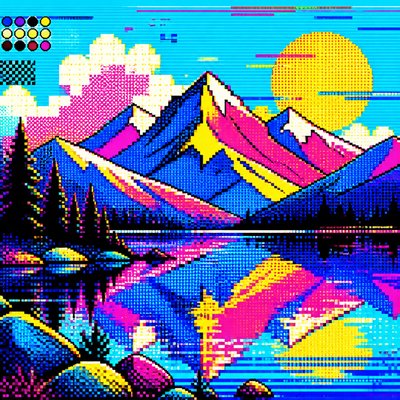
Subtle digital artifacts, scan lines, and pixel shifts introduce the language of screens and unstable media. These effects connect the style to online culture and networked imagery.
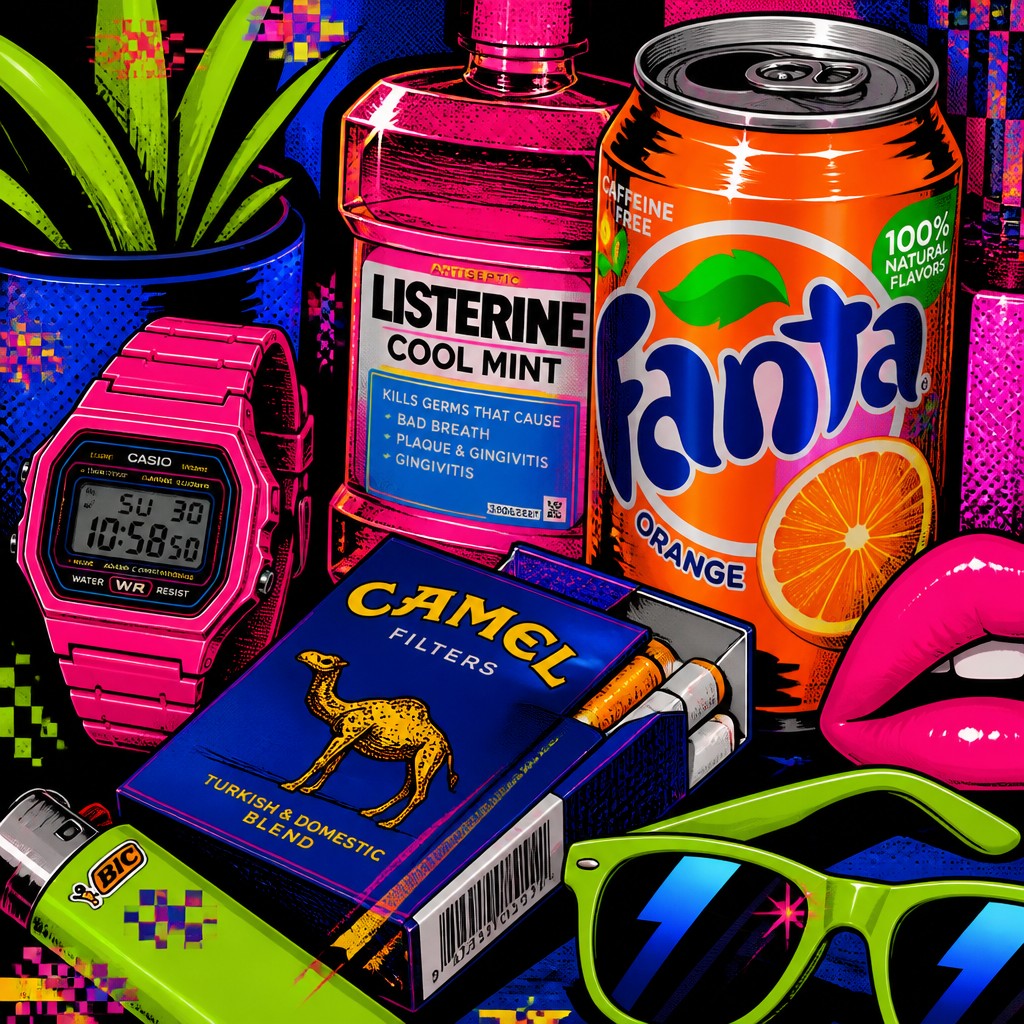
Repetition and motif stacking
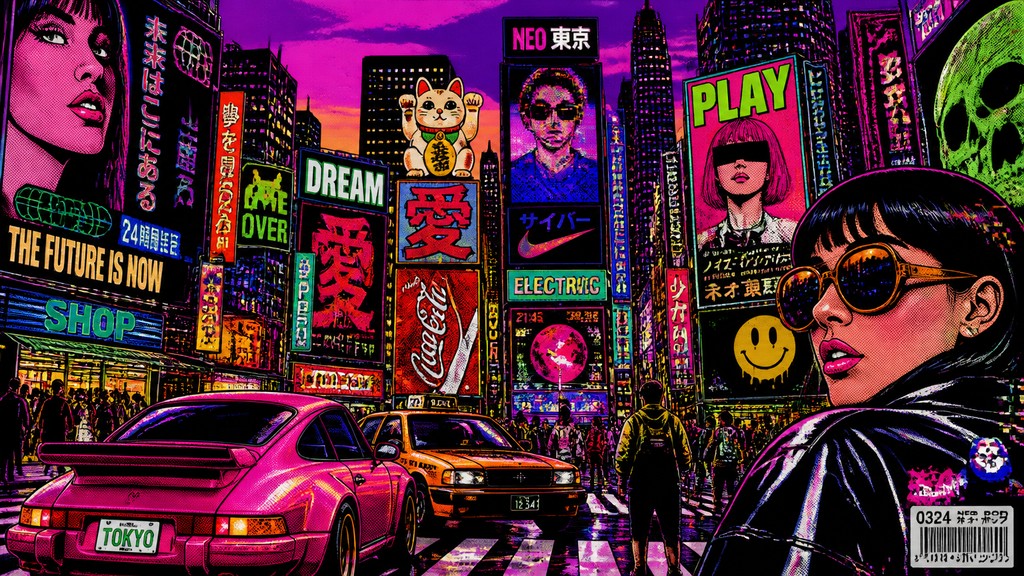
Neo-pop often repeats icons, logos, faces, or product forms to create rhythm and visual overload. Repetition echoes advertising logic and the endless scroll of digital feeds.
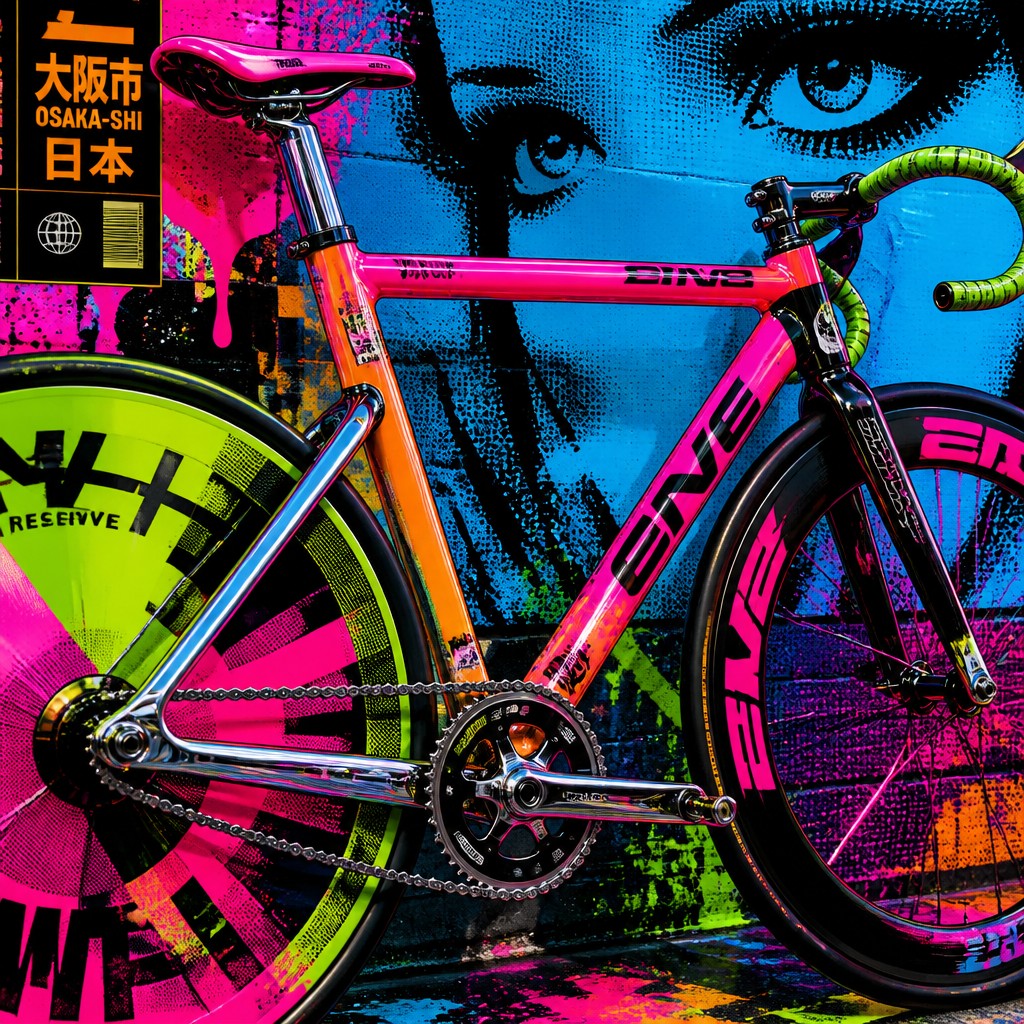
Ironic commercial framing
Subjects are presented with the visual polish of branding, but the effect is often knowingly critical or absurd. The style comments on capitalism, celebrity, and image consumption through exaggeration rather than realism.
Try It
Create Videos in Neo-Pop Art Style
Styles aren't just for stills — describe a scene or animate an image and get a short video rendered in Neo-Pop. Press play to see this pond come to life.
Make a VideoNeo-Pop Prompt Ideas
Start from an idea — each one opens the generator with the style ready to go. See all 40 Neo-Pop prompts →
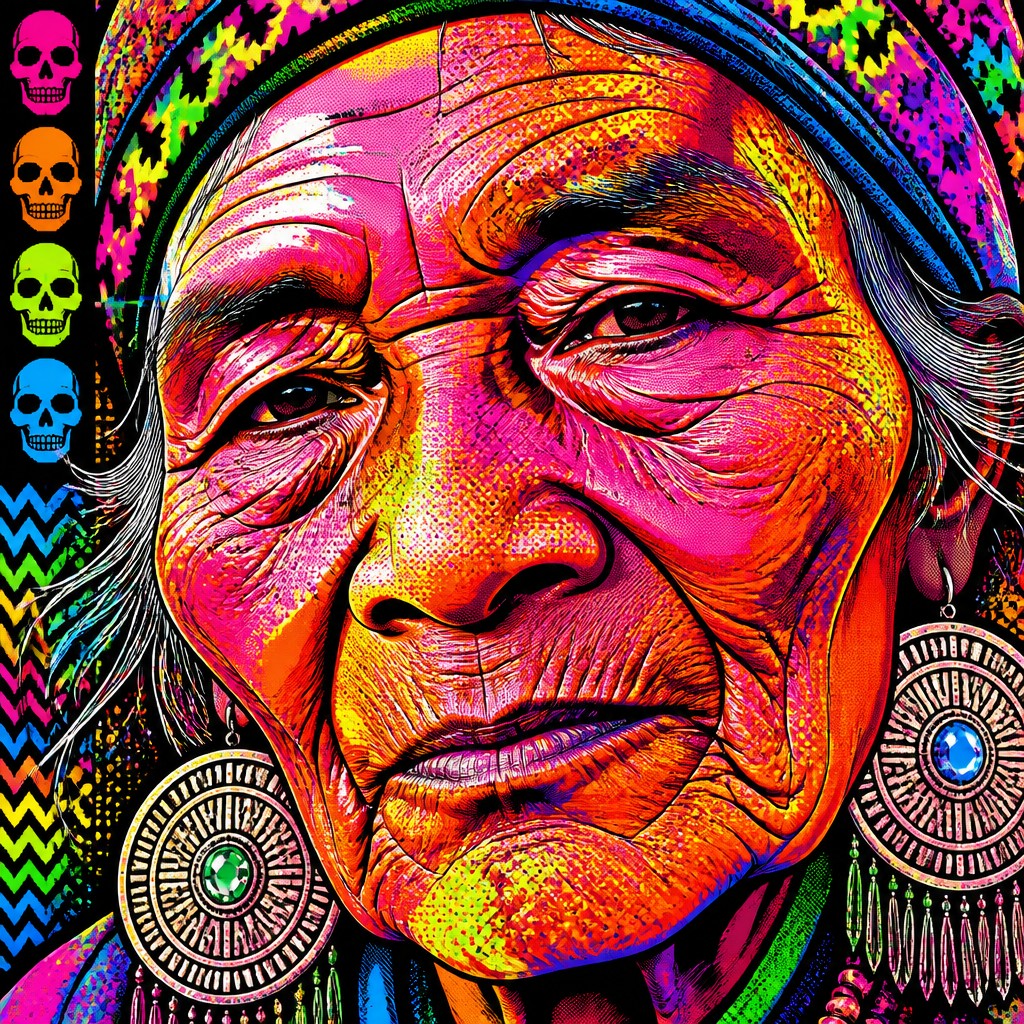
“close-up portrait of an elderly person with expressive weathered features”
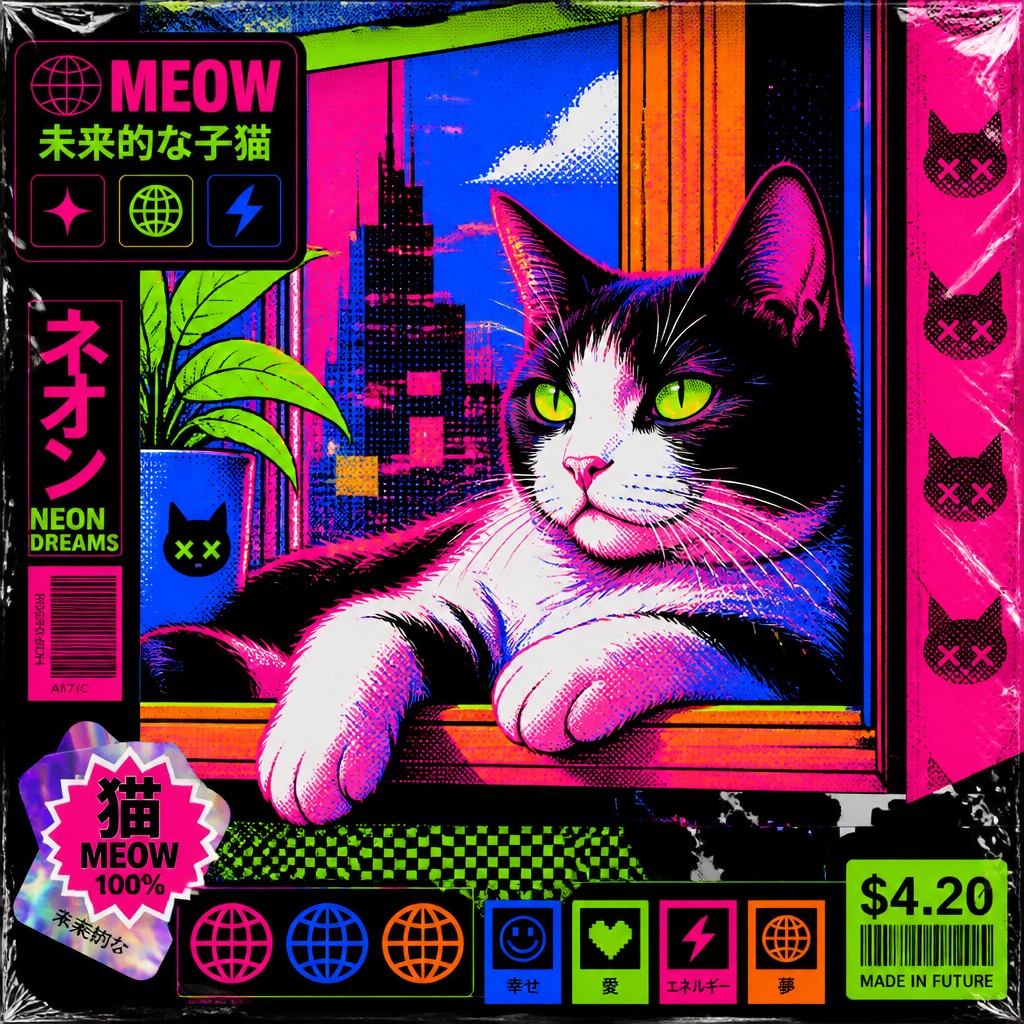
“a cat lounging in a sunlit window”
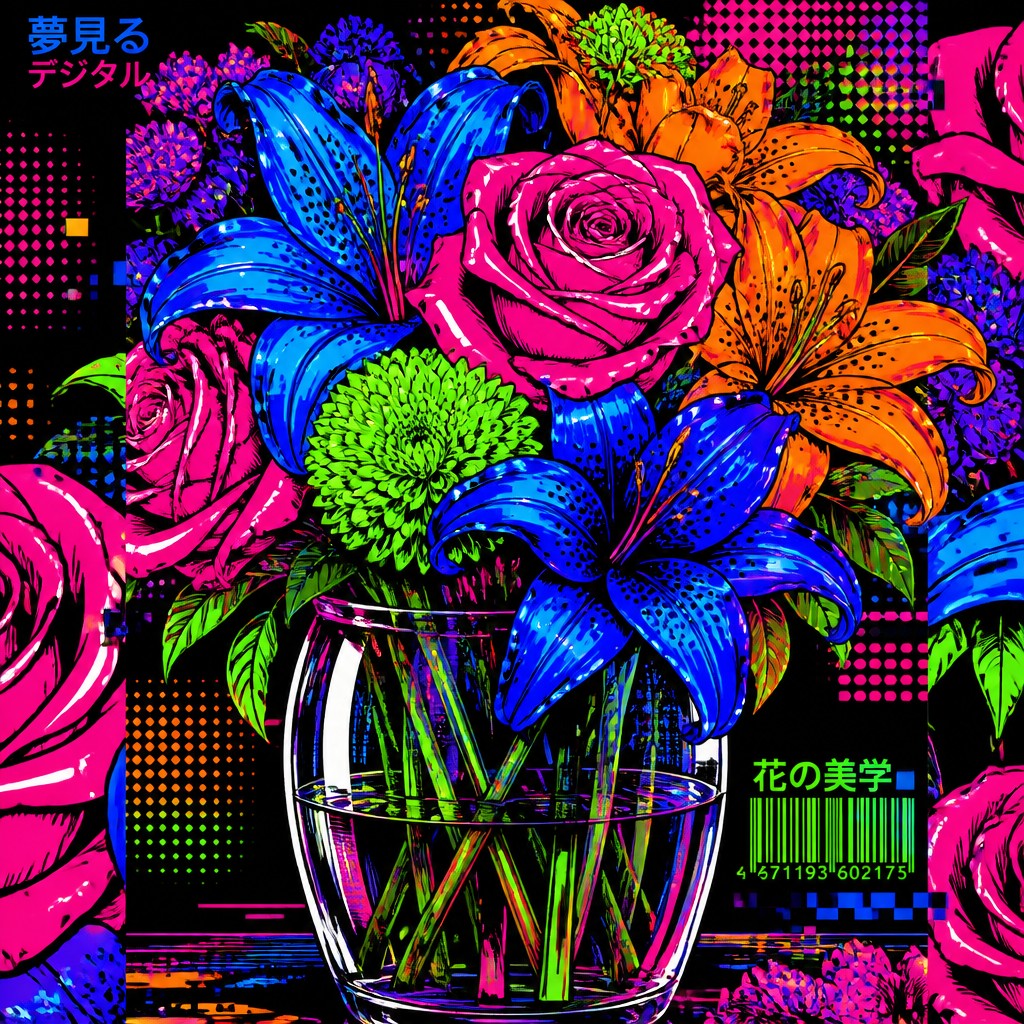
“bouquet of flowers in a glass vase”
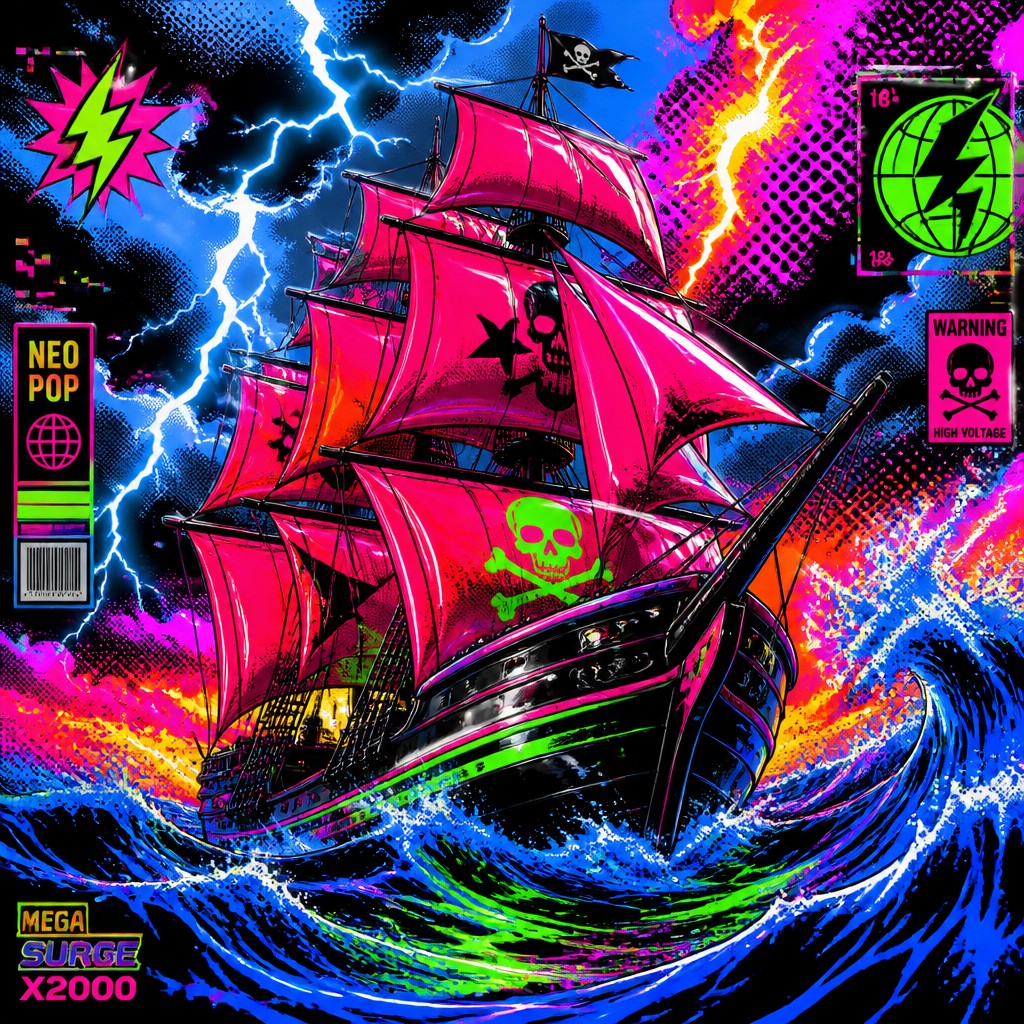
“sailing ship on a stormy sea”
How to Create Neo-Pop Art
Master the craft step by step — or skip straight to creating. Read the full guide →
- 1
Build with flat, high-contrast shapes
Start by simplifying the subject into clean silhouettes, then separate major areas with bold outlines. Keep detail graphic and readable, because neo-pop works best when the composition is instantly legible.
- 2
Push color into neon territory
Use a limited but highly saturated palette with electric complementary contrasts. Let dark backgrounds intensify the glow of the foreground colors.
- 3
Add print and screen textures
Overlay halftone dots, grain, or simulated screen-print misregistration to make the image feel mass-produced. In digital work, these textures can be layered non-destructively; in traditional work, they can be hand-applied with stencils or dot patterns.
- 4
Introduce glossy material effects
Render select surfaces as chrome, vinyl, lacquer, or plastic to mimic consumer packaging and product photography. A few strong highlights are usually more effective than over-modeling every form.
- 5
Use contemporary cultural references carefully
Anchor the image in recognizable modern cues such as icons, app aesthetics, memes, branded objects, or influencer-style staging. The key is to evoke contemporary media culture without turning the piece into mere illustration.
- 6
For prompt-based generation, specify both subject and finish
Describe the subject plainly, then add terms for neon saturation, thick outlines, halftone dots, glitch accents, and glossy packaging shine. If you want stronger neo-pop energy, request confrontational cropping, repeated motifs, and high-contrast black backgrounds.
The Story
History & Origins of Neo-Pop
Neo-pop art is not a single historical movement with a fixed beginning, but an aesthetic lineage that grows out of Pop Art, postmodern appropriation, street art, graphic design, and digital media. Its closest historical predecessor is the Pop Art of the 1950s and 1960s, which used images from advertising, comics, and consumer goods to question the status of art and mass culture. Later developments in appropriation art, commercial illustration, and computer graphics helped shape the slicker, more digitally saturated look associated with neo-pop.
The contemporary form emerged alongside the internet, social media, and branding culture, where repetition, spectacle, and instantly recognizable imagery became central to visual communication. Neo-pop art reflects this environment by using meme logic, corporate color palettes, emoji-like symbols, and glitch effects to comment on attention economy aesthetics, platform identity, and modern consumer desire.
Influences: Neo-pop art draws most directly from Pop Art, especially the work of leading postwar pop artists whose use of repetition, commercial imagery, and comic-book aesthetics established pop art’s visual and conceptual vocabulary. It also relates to appropriation art, postmodern advertising imagery, street art, and digital graphic design, all of which helped turn mass-media surfaces into a subject as well as a medium.
Frequently Asked Questions
What defines neo-pop art?
Neo-pop art is defined by its use of contemporary consumer imagery, internet culture, and bright commercial graphics. It often combines pop-art repetition with neon color, halftone textures, glitch effects, and a deliberately polished finish.
How is neo-pop art different from classic Pop Art?
Classic Pop Art emerged in the mid-20th century and focused on advertising, comics, and consumer goods from that period. Neo-pop updates those concerns for the digital age, adding social media aesthetics, meme culture, and a more synthetic, screen-based look.
Is neo-pop art only digital?
No. It can be made as painting, collage, printmaking, illustration, or mixed media, though digital tools make the clean gradients, neon saturation, and glitch effects especially easy to achieve. Many artists combine hand-made and digital processes.
What subjects work best in this style?
Everyday branded objects, celebrities, fashion, tech devices, food packaging, and internet symbols are all common subjects. Anything tied to consumer culture or online identity fits the style well.
How do I make an image look more neo-pop?
Use a bold subject, flat graphic shapes, thick outlines, and highly saturated colors. Then add texture cues like halftone dots, glossy reflections, and subtle digital distortion to make it feel contemporary and media-saturated.
Where is neo-pop art commonly used?
It is common in poster design, album art, fashion graphics, editorial illustration, brand-adjacent visuals, and social media imagery. Its strong contrast and high visibility make it effective wherever immediate attention is important.
Create your first Neo-Pop artwork
Describe anything — or upload a photo — and see it in Neo-Pop Art Style in seconds.
Make Something with Neo-Pop
Compare Neo-Pop
Related Styles
Discover similar art styles