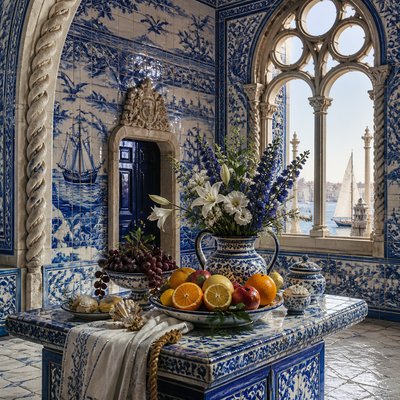
Outsider Art Style
Outsider art: self-taught, visionary works with dense patterning, private symbols, naive perspective, and obsessive handmade detail.
Instantly rendered in Outsider — or transform a photo
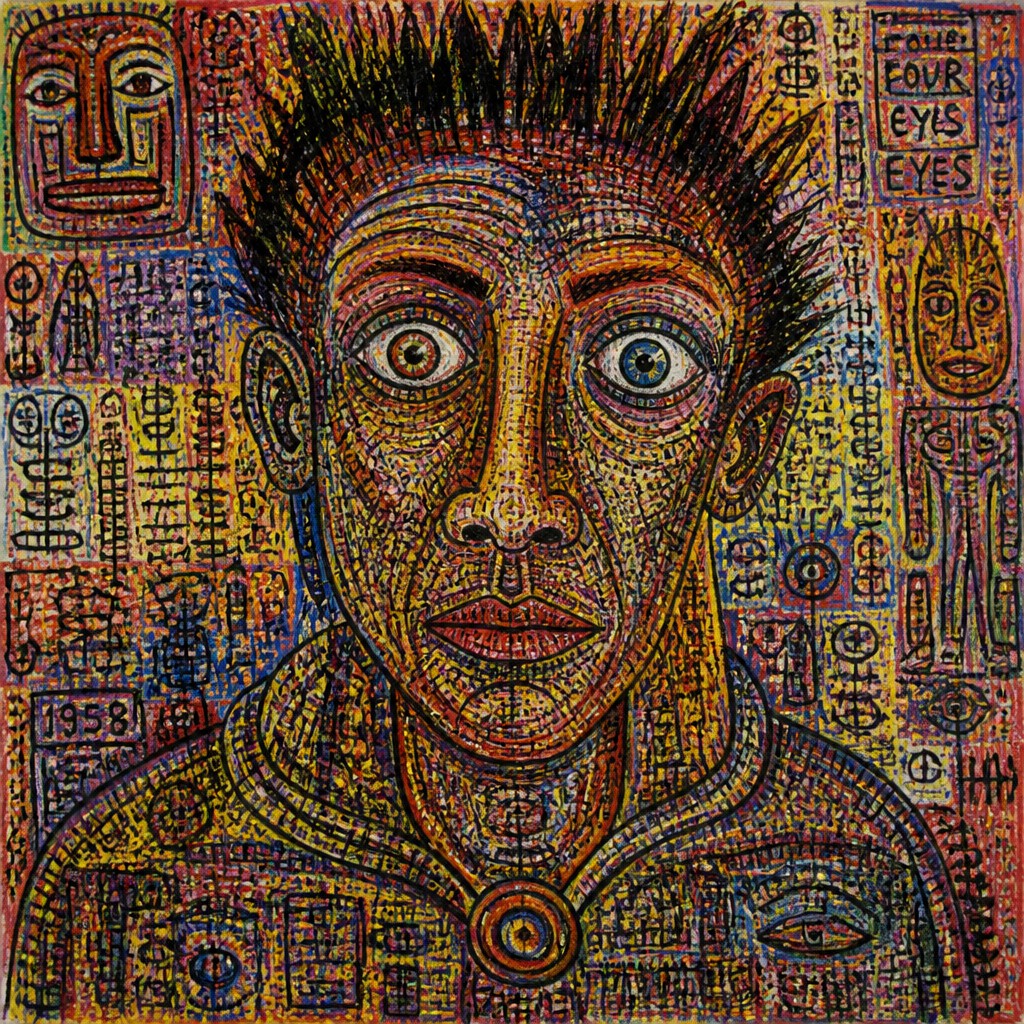
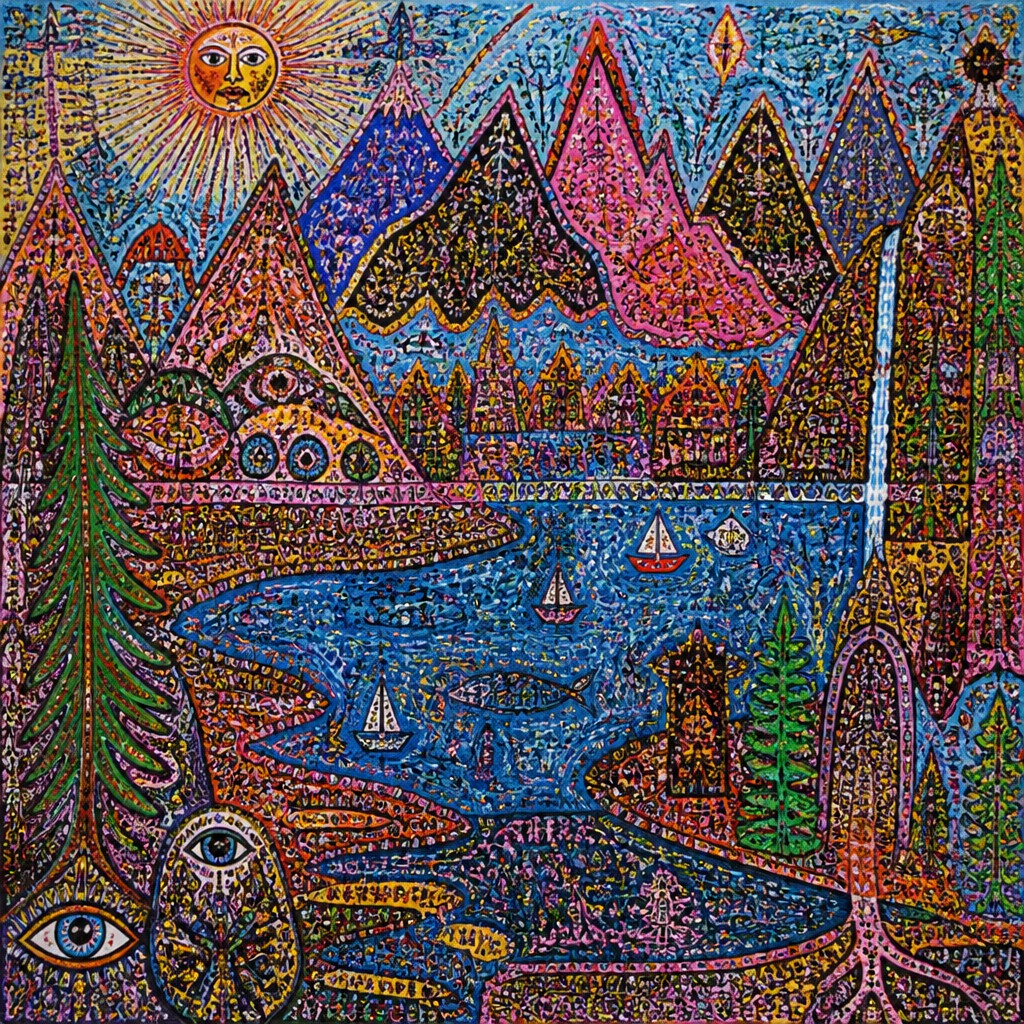
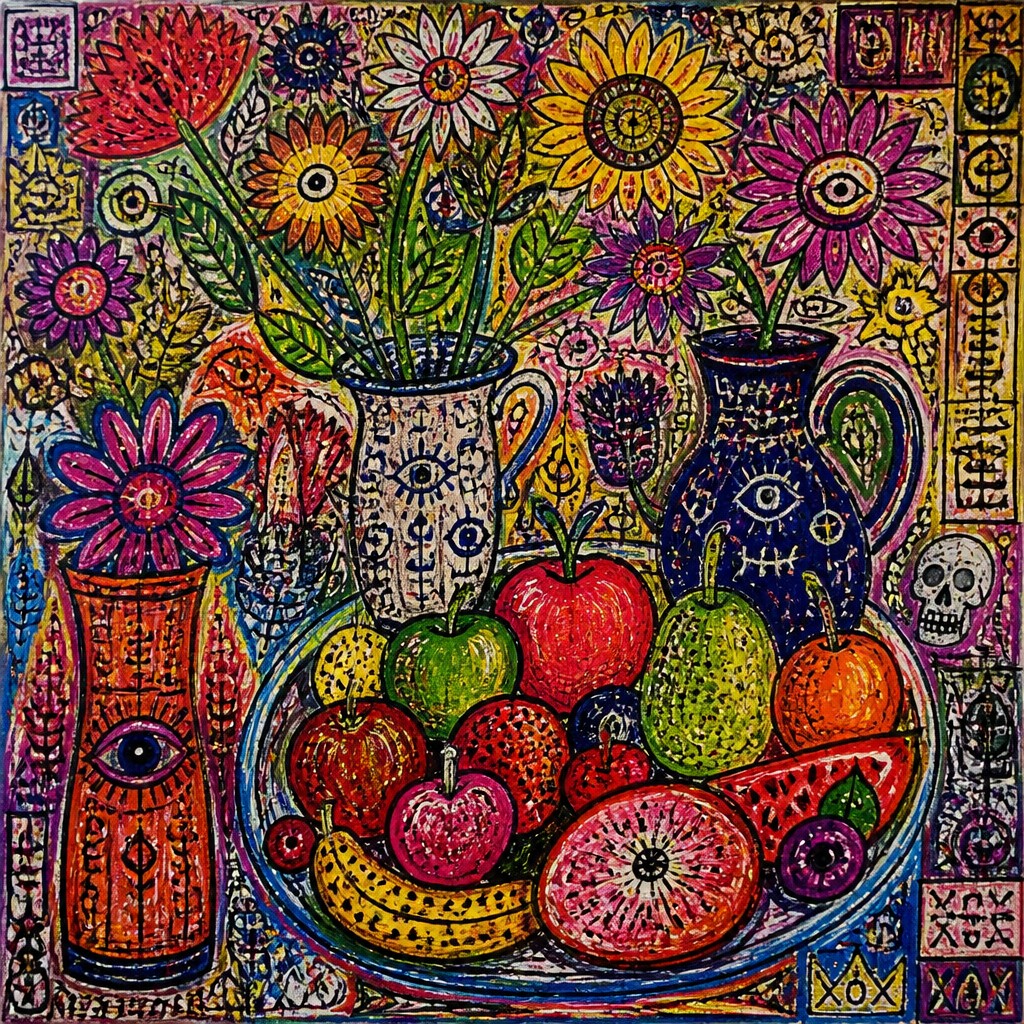
Outsider Gallery
Tap any artwork to explore it
What is Outsider Art Style?
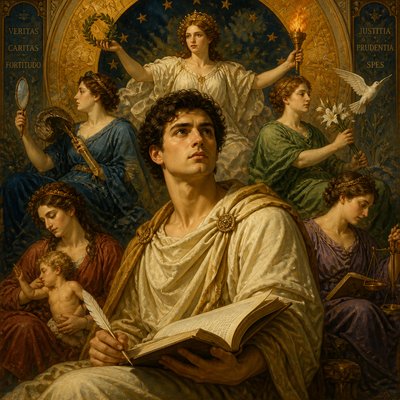
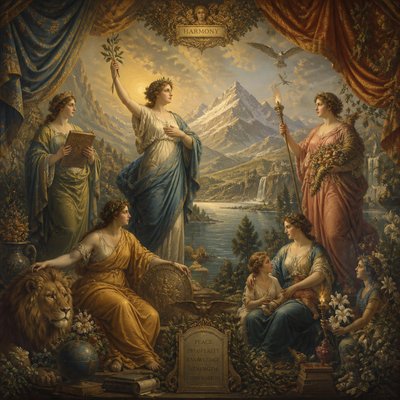
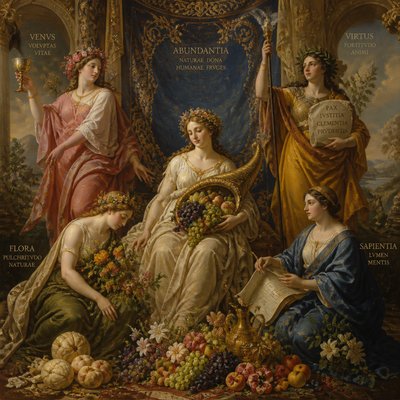
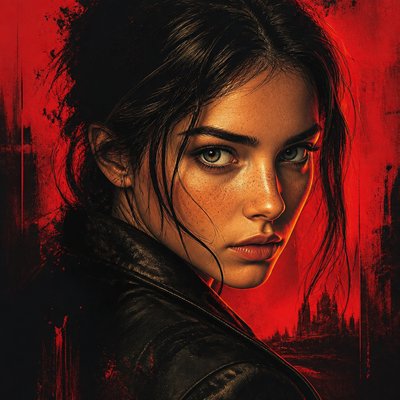
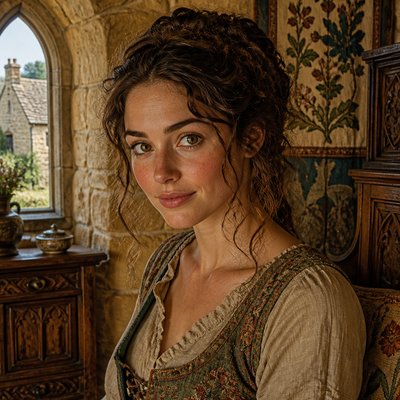
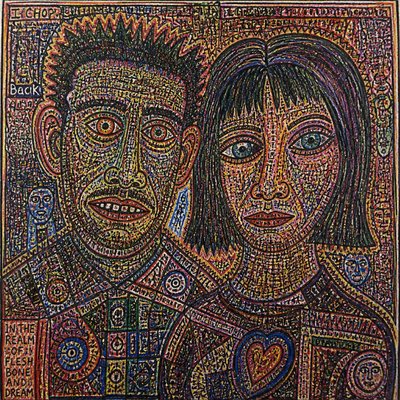
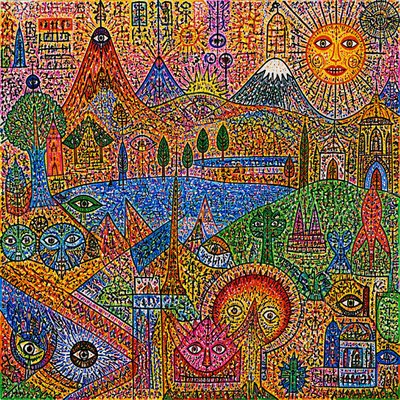
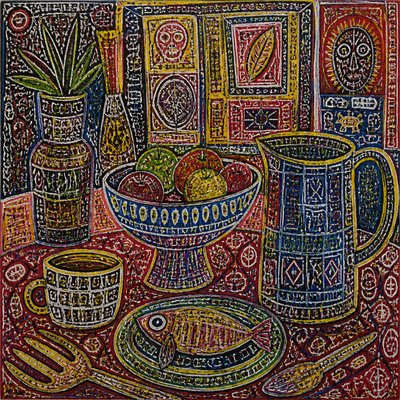
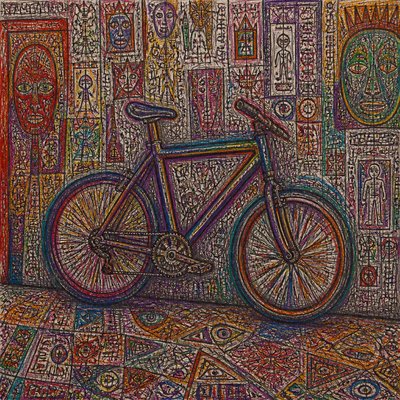
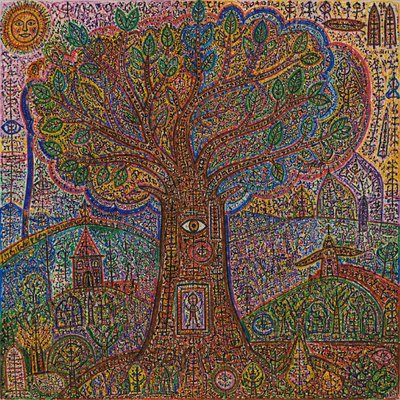
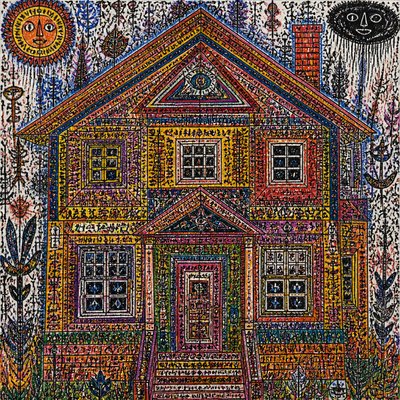
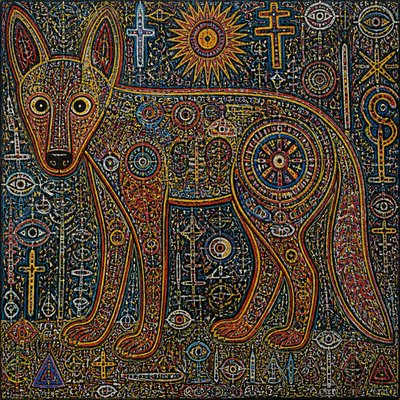
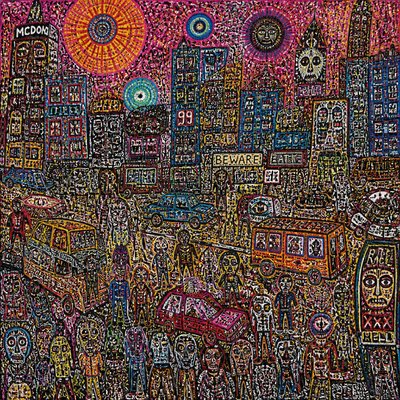
Outsider art is a broad term for work made outside established academic and commercial art systems, often by self-taught makers with highly personal visual languages. The style is recognized less by a single look than by an attitude of invention: intuitive composition, unconventional perspective, dense surface treatment, and imagery drawn from private memory, ritual, fantasy, or obsession.
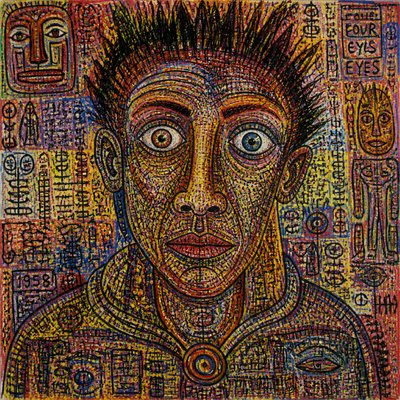
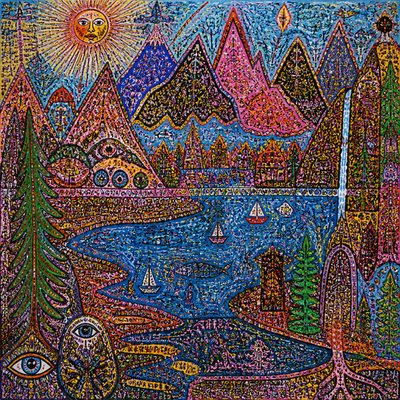
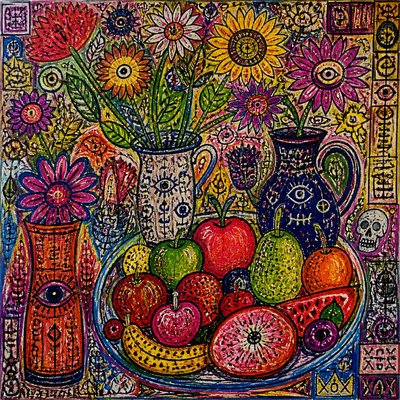
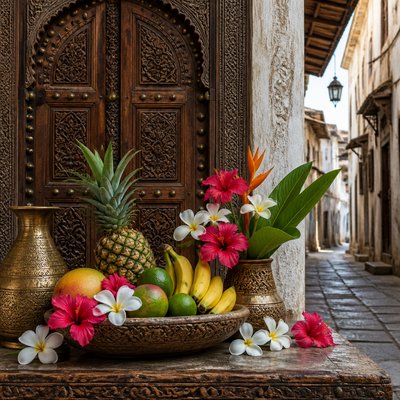
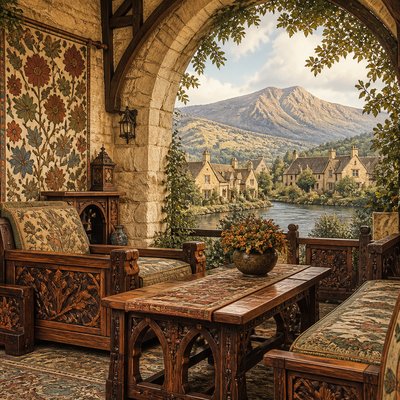
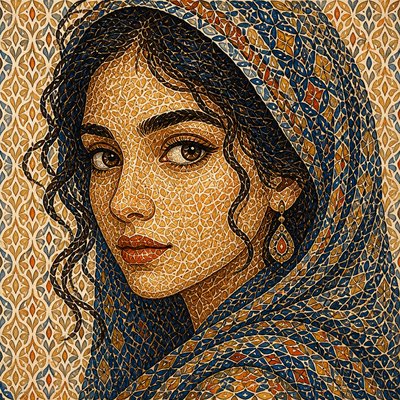
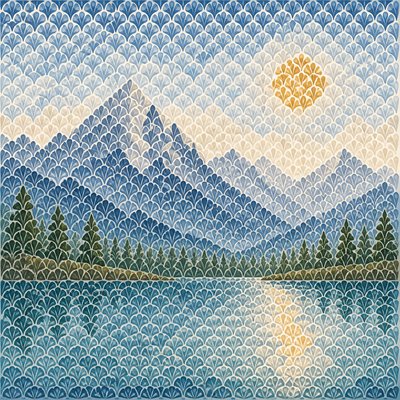
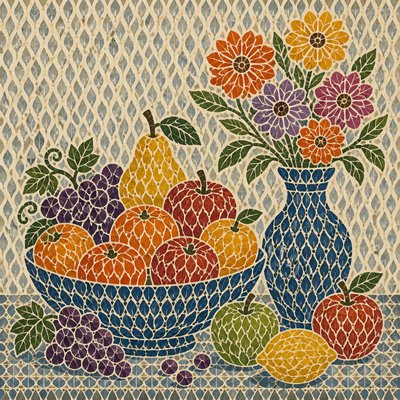
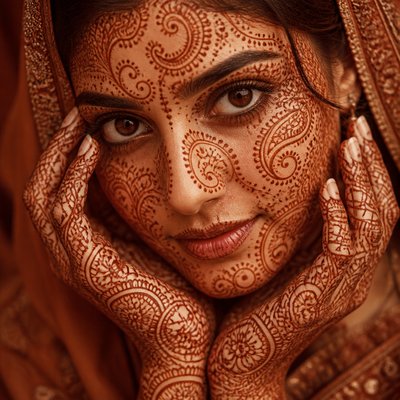
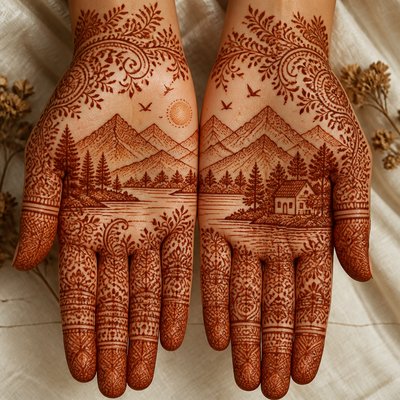
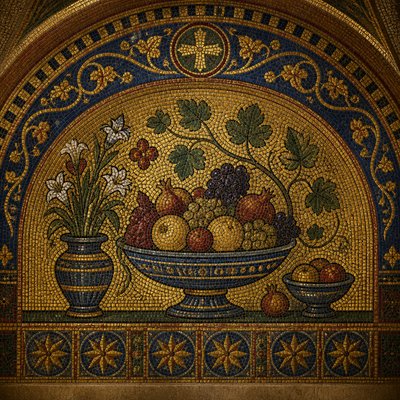
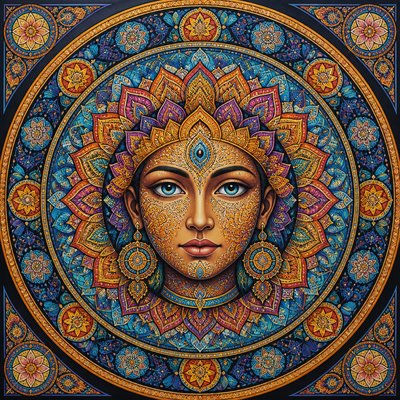
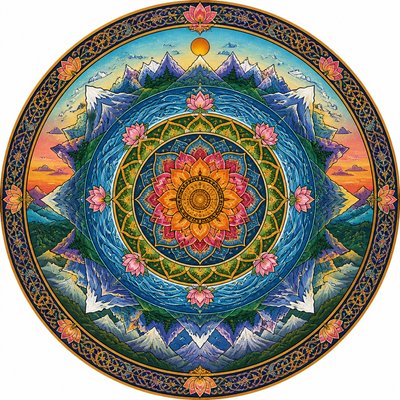
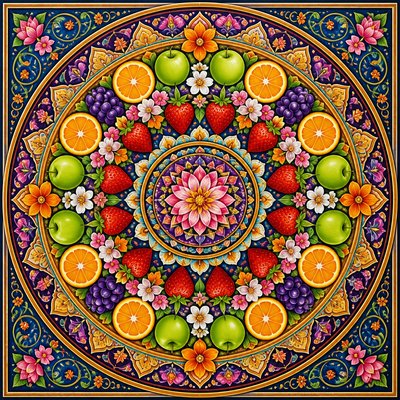
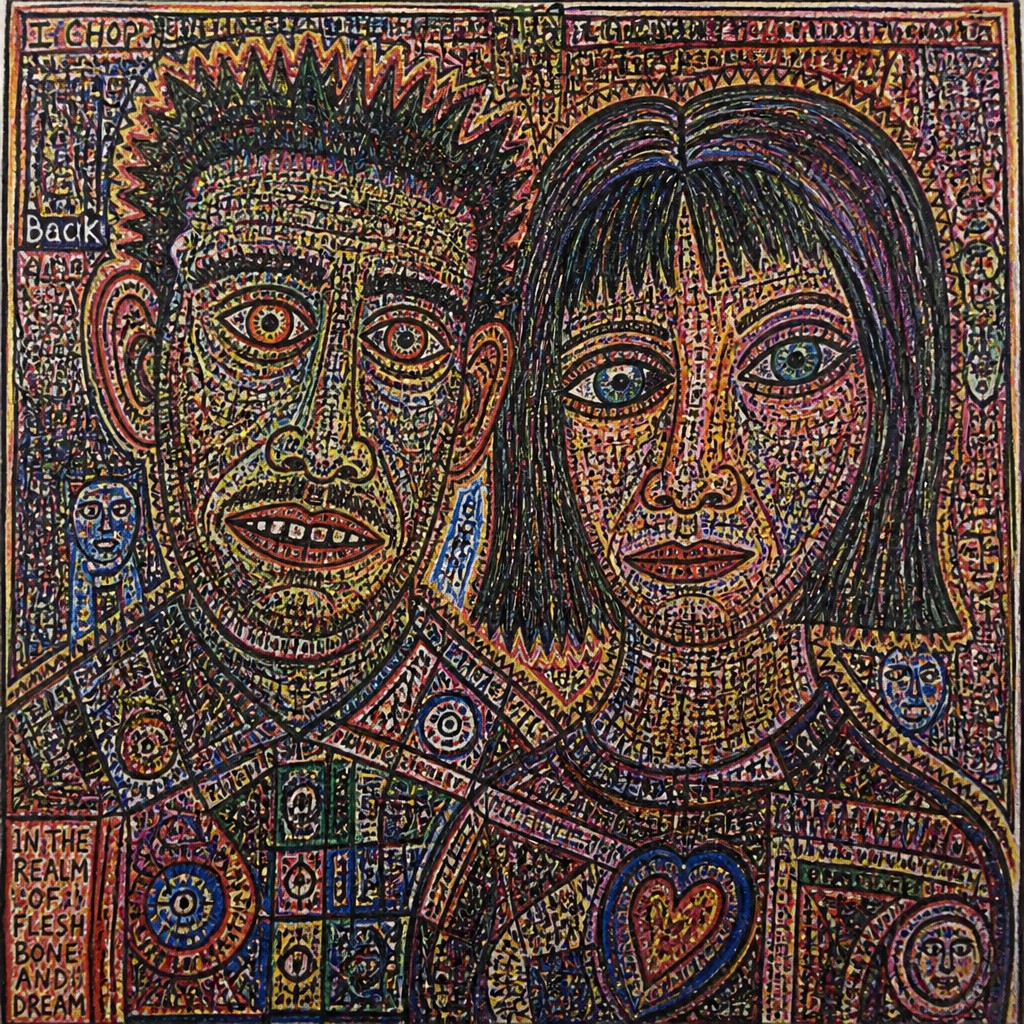
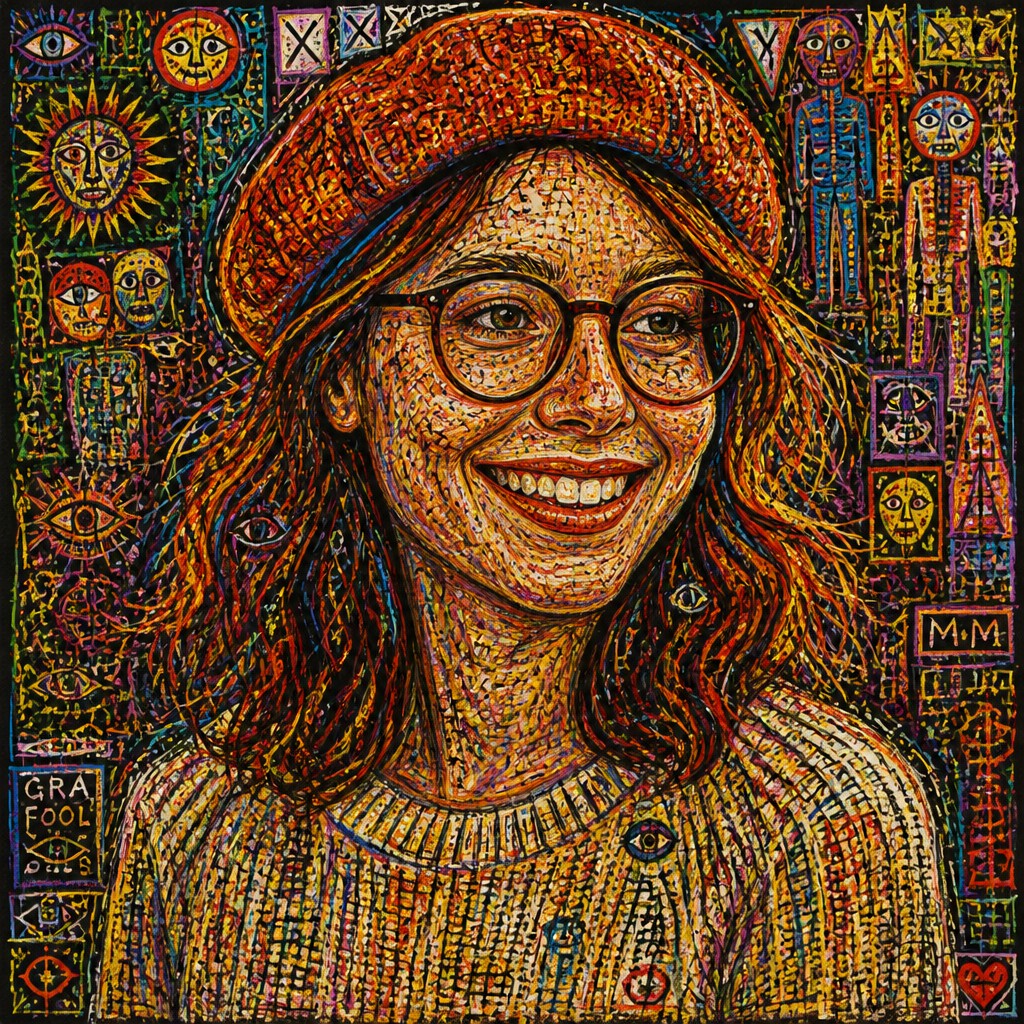
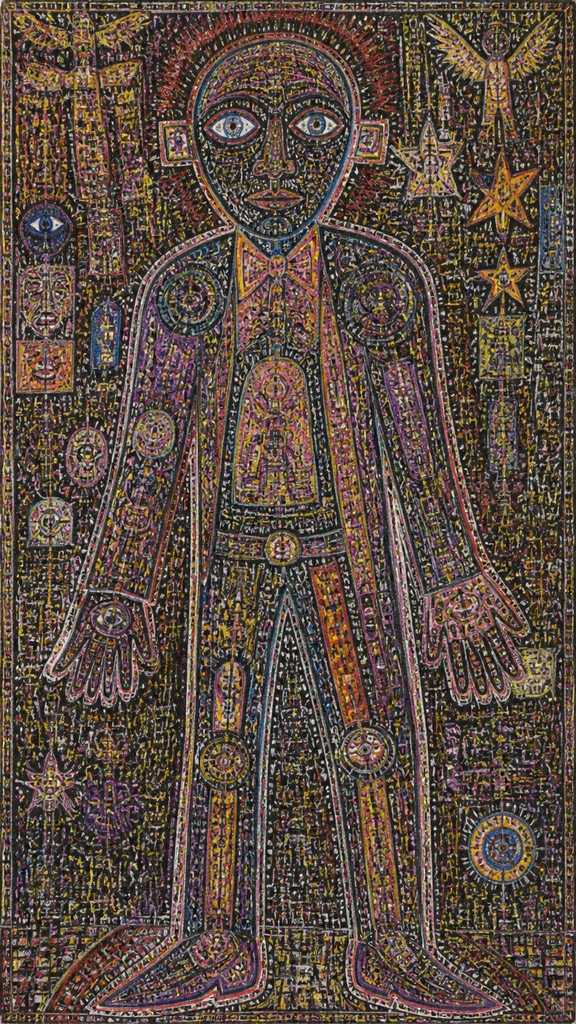
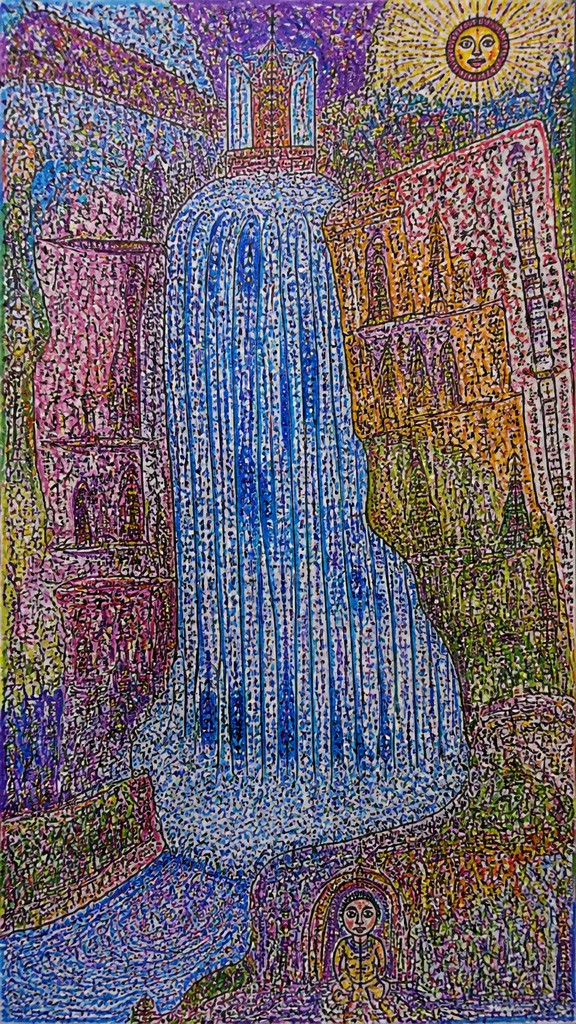
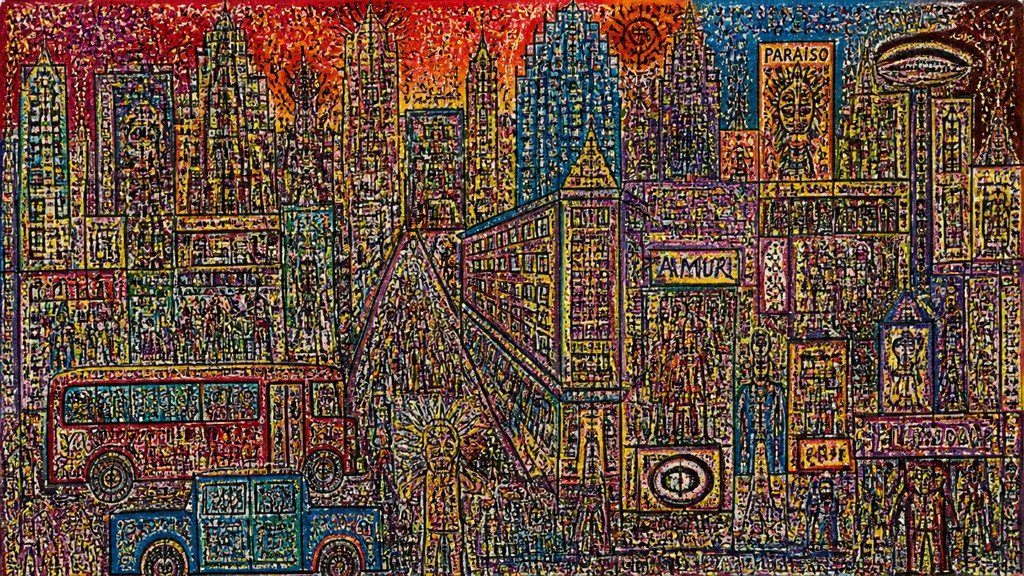
Visually, outsider art often feels crowded, urgent, and uncompromising. Surfaces may be packed edge to edge with repeated marks, symbols, text fragments, figures, diagrams, or ornamental patterns, creating a strong horror-vacui effect. Color can be vivid and unmodulated, drawing may remain rough or schematic, and forms may be outlined multiple times or layered without concern for academic realism. The result is often deeply individual, sometimes unsettling, and frequently shaped by the maker’s own internal logic rather than by received conventions of composition or style.
Try It On Your Photos
Upload any photo and convert it into Outsider Art Style — drag the sliders to compare before and after.


What Defines Outsider Art Style
The signature details, up close
Obsessive surface density
Many outsider works fill nearly every inch of the page or canvas with marks, symbols, borders, and repeated motifs. This creates a packed, accumulative surface that can feel ritualistic or compulsive.
Private iconography
Artists often invent personal symbols, alphabets, maps, cosmologies, or narrative systems. These signs may not be legible in any conventional sense, yet they function as a coherent internal language.
Naive or intuitive space
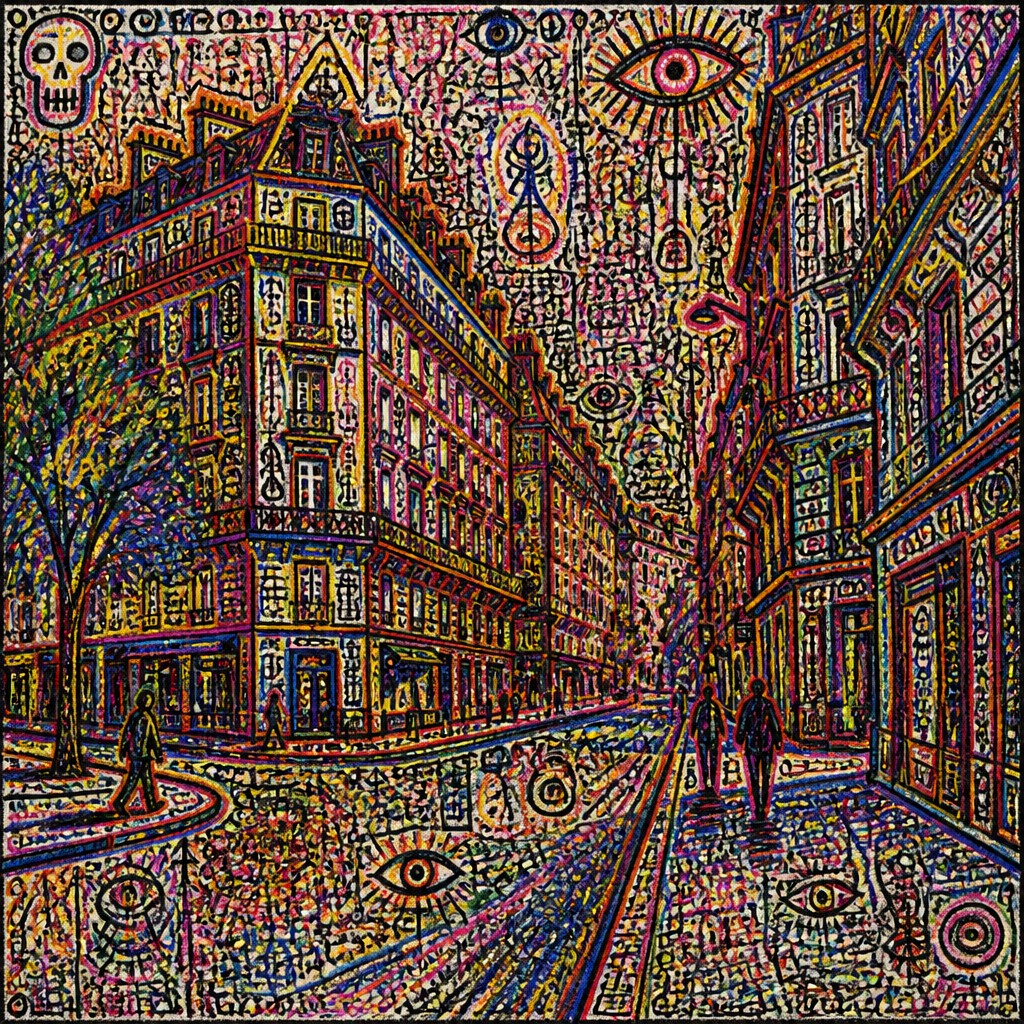
Perspective is often mixed, flattened, or reinvented according to feeling rather than optical realism. Multiple viewpoints, disproportionate scale, and floating figures are common.
Repeated outlining and layering
Forms may be traced several times in different colors or with rough graphite and ink passes. The repetition gives objects a trembling, energized edge and reinforces the handmade quality.
Saturated, direct color
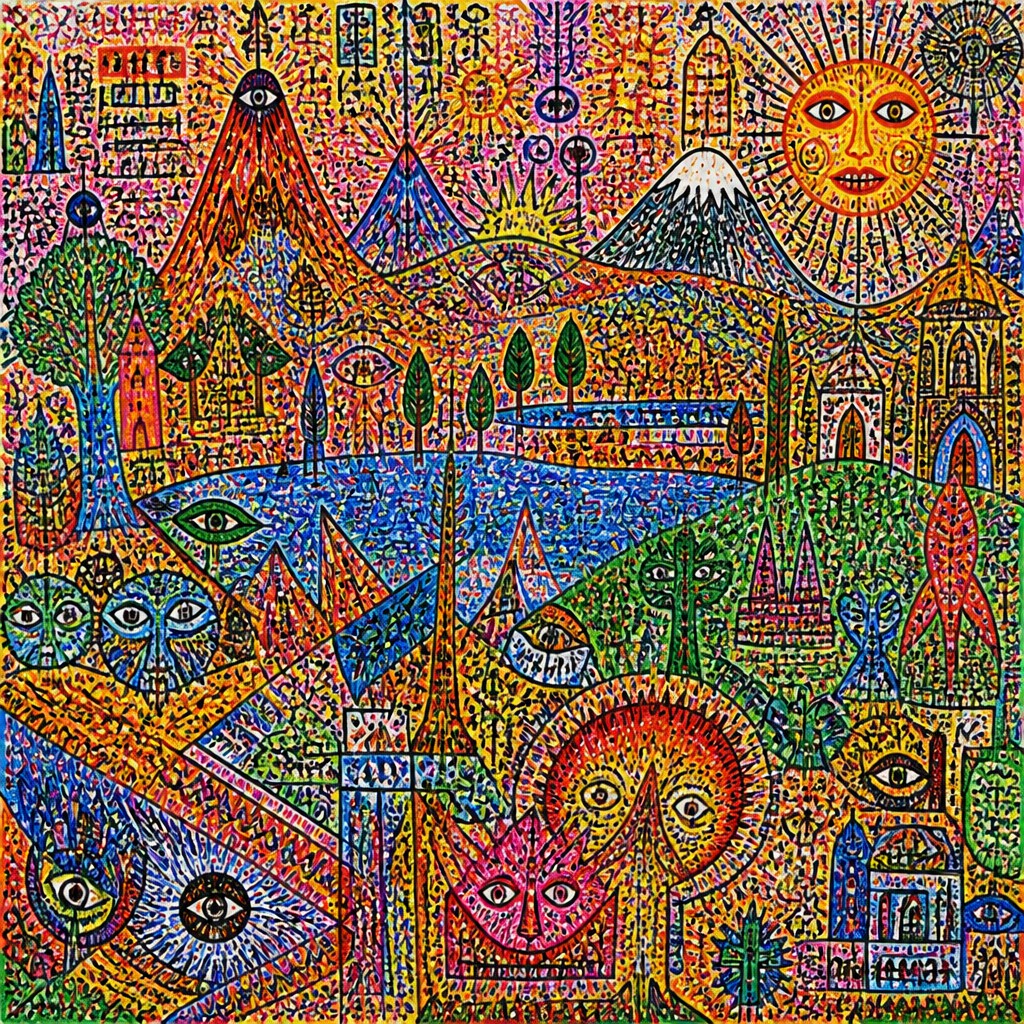
Color is often intense, local, and emotionally charged rather than naturalistic. Bright hues may be placed beside darker scribbles or bare paper to create sharp contrasts.
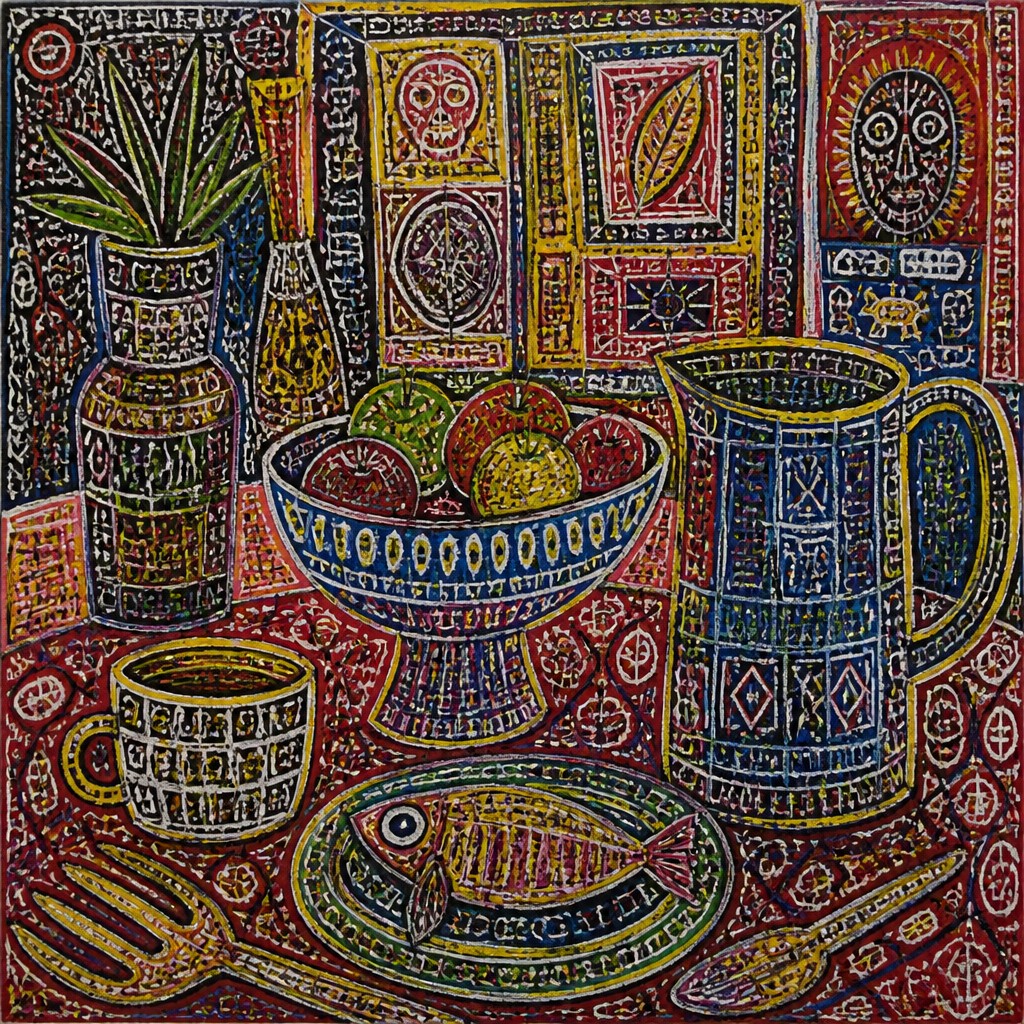
Text, diagrams, and notation
Words, numbers, labels, arrows, and schematic marks often appear within the image. They can serve narrative, devotional, mnemonic, or purely visual purposes.
Try It
Create Videos in Outsider Art Style
Styles aren't just for stills — describe a scene or animate an image and get a short video rendered in Outsider. Press play to see this pond come to life.
Make a VideoOutsider Prompt Ideas
Start from an idea — each one opens the generator with the style ready to go. See all 40 Outsider prompts →
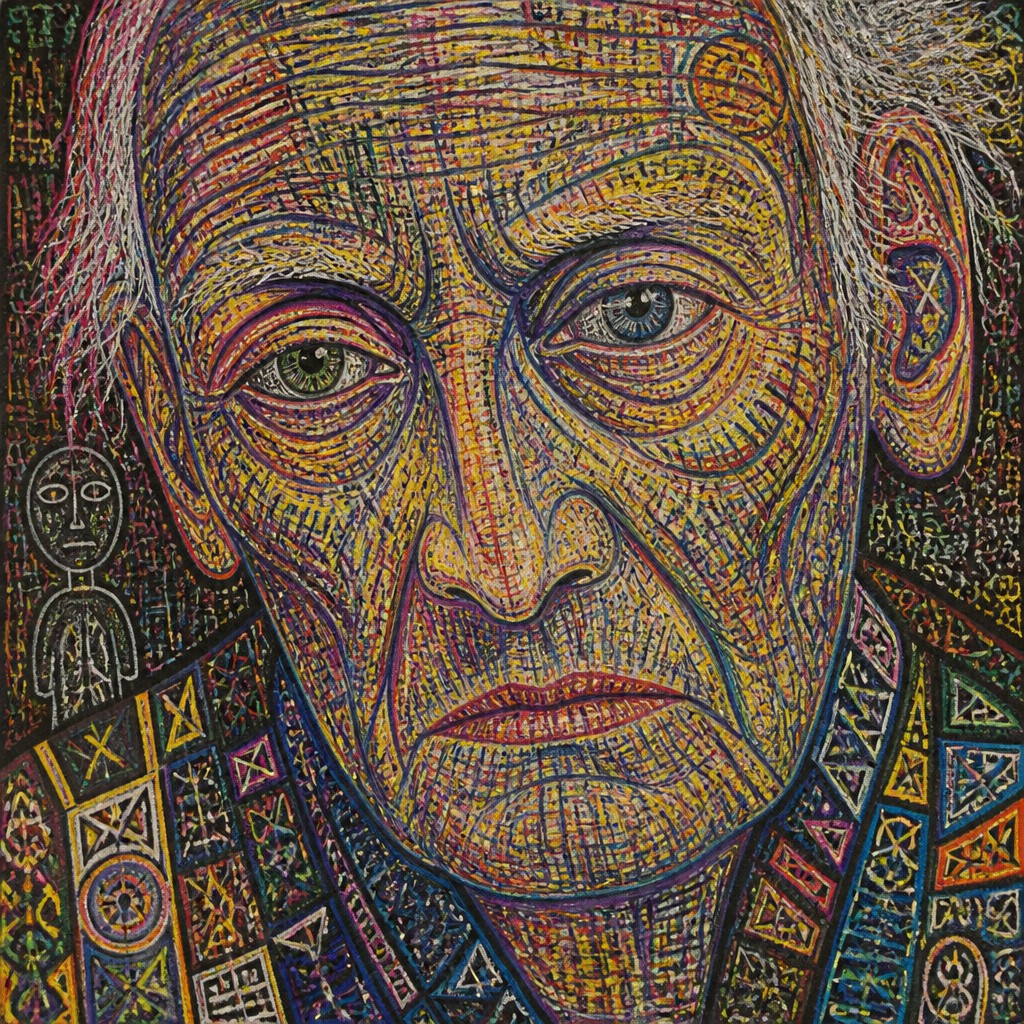
“close-up portrait of an elderly person with expressive weathered features”
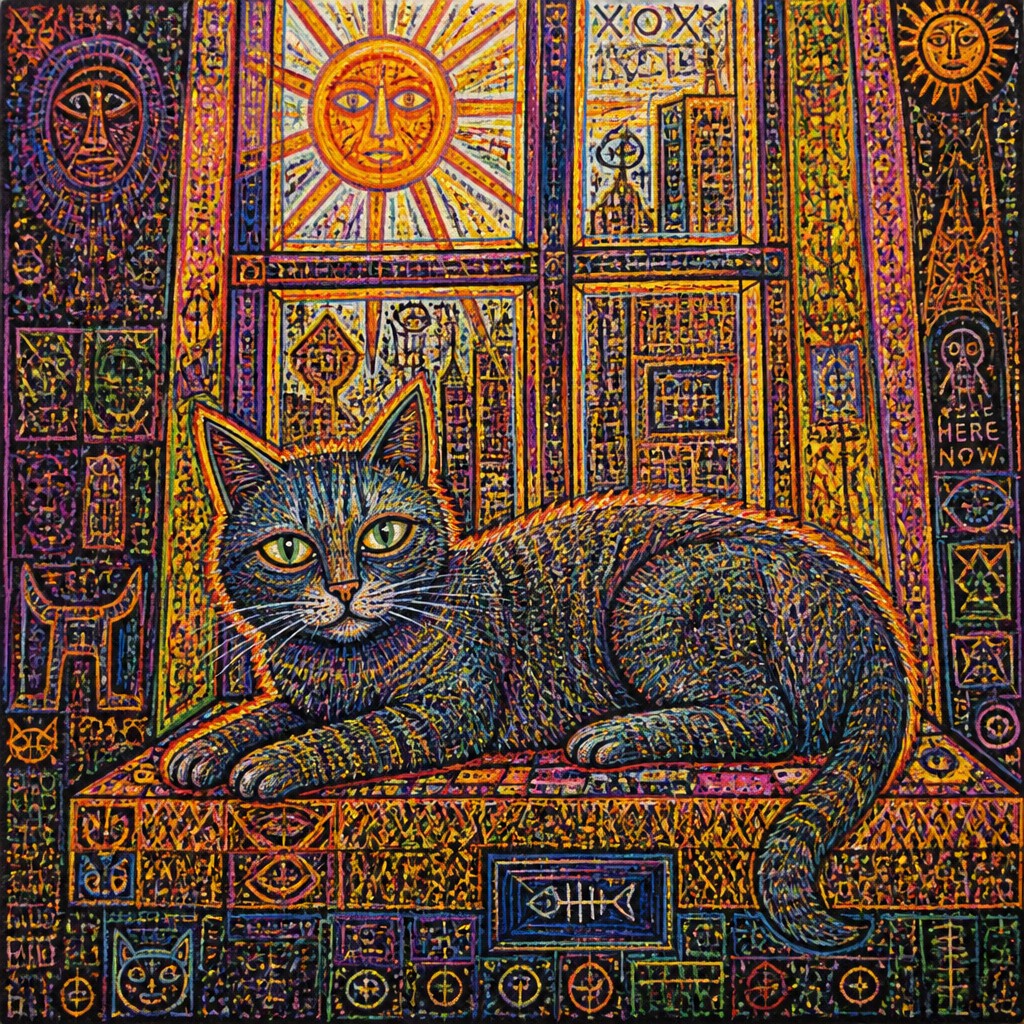
“a cat lounging in a sunlit window”
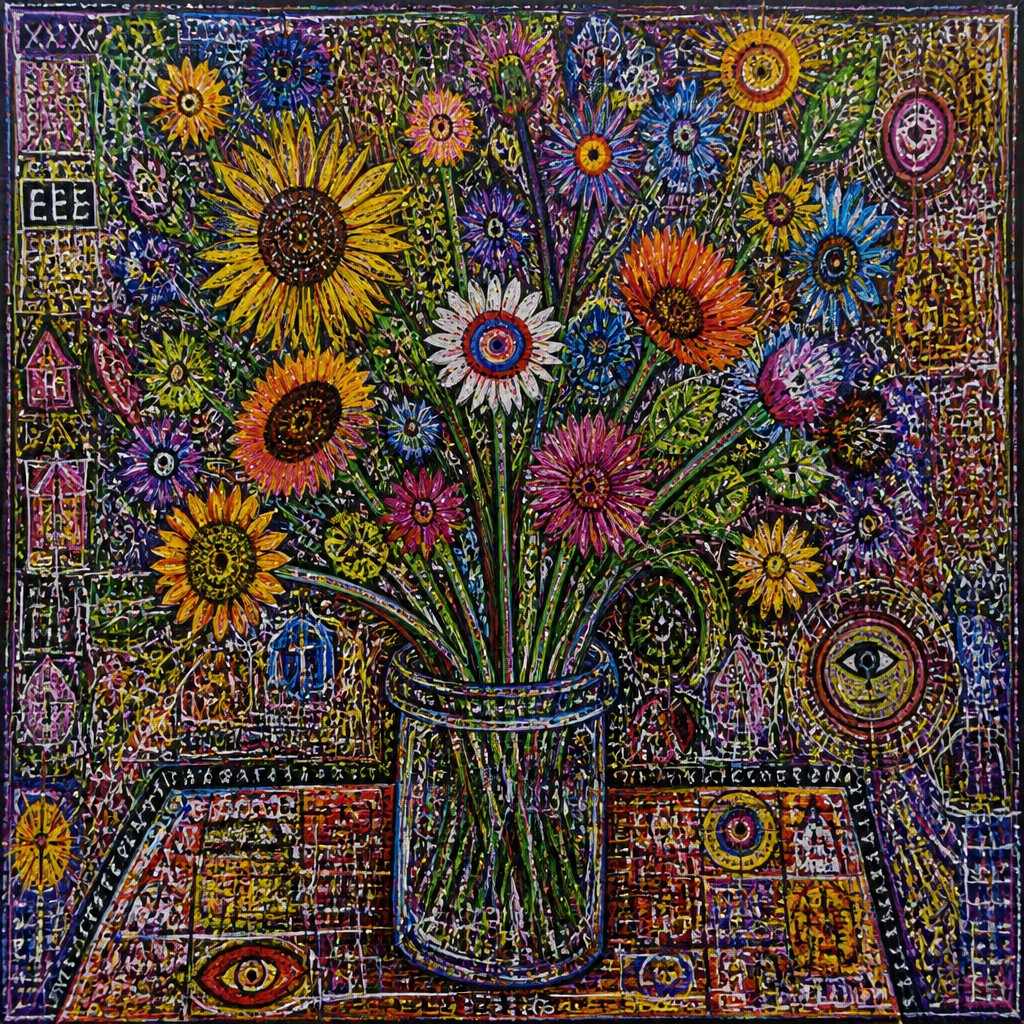
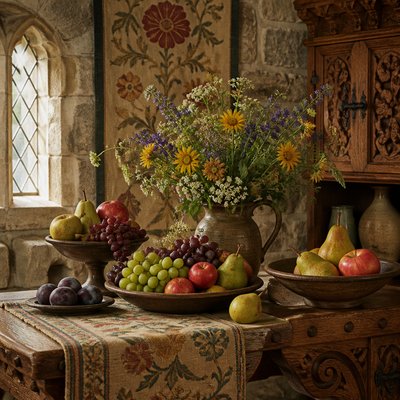
“bouquet of flowers in a glass vase”
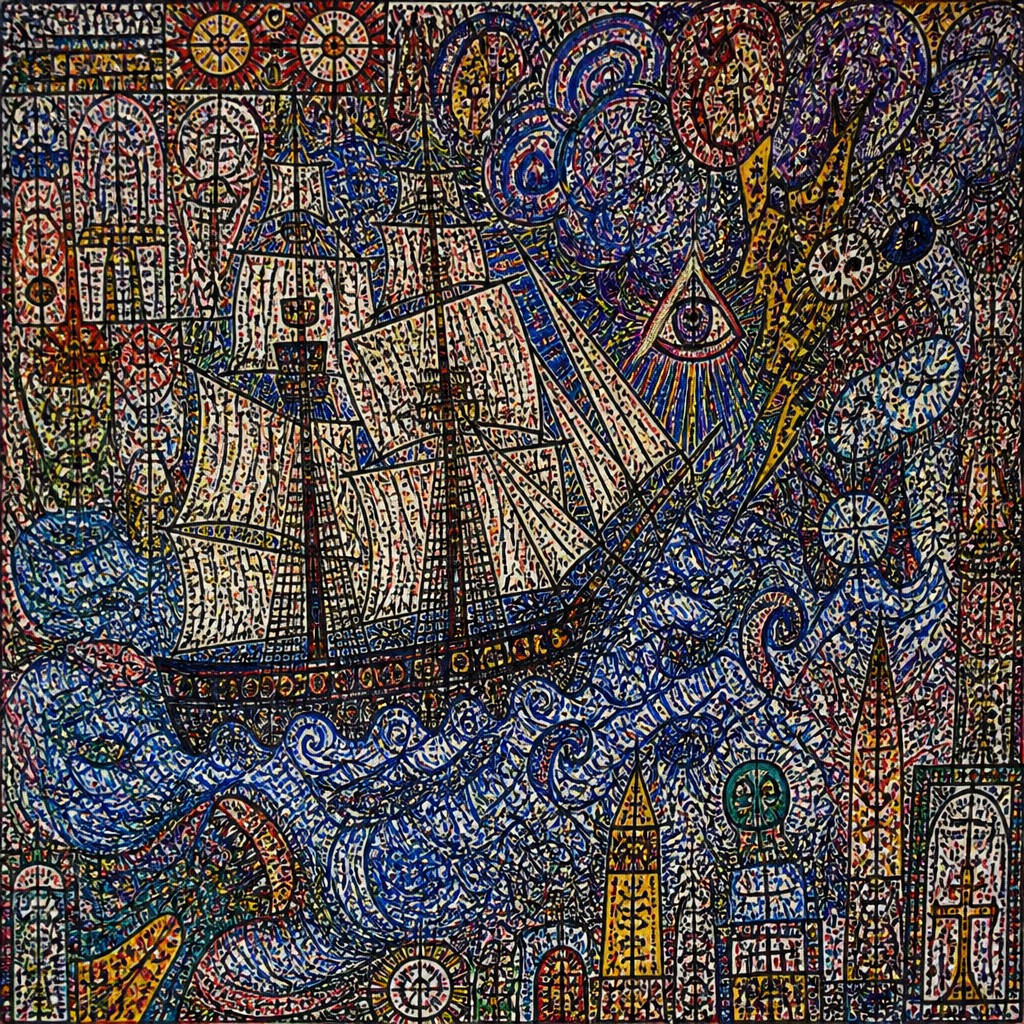
“sailing ship on a stormy sea”
How to Create Outsider Art
Master the craft step by step — or skip straight to creating. Read the full guide →
- 1
Build the image from repeated marks
Start with a simple subject and cover the surrounding space with small repetitions, borders, hatching, dots, or patterned fills. Avoid leaving large empty areas unless they are deliberately part of the composition.
- 2
Draw from a private visual system
Invent recurring symbols, coded labels, or stylized motifs and reuse them throughout the image. Let the composition feel internally consistent even if it ignores academic rules of anatomy or perspective.
- 3
Favor direct tools and visible process
Use pen, pencil, marker, colored pencil, tempera, or collage materials that preserve a raw, handmade trace. In digital work, keep edges imperfect, preserve line jitter, and avoid smoothing away the texture of repeated labor.
- 4
Let structure be intuitive
Compose by association rather than by classic symmetry or perspective grids. Overlap viewpoints, enlarge emotionally important forms, and allow text or pattern to interrupt the scene.
- 5
Use generation prompts with density and symbolism
When prompting an image model, describe the subject plus surface behavior: dense patterning, repeated outlines, invented symbols, layered marks, and a handmade, vision-driven composition. Specify that the entire frame should be active and avoid polished realism.
The Story
History & Origins of Outsider
The term outsider art was popularized in the 1970s by a British art historian and curator as an English counterpart to the concept of art brut, or “raw art.” That phrase was used to describe works made outside cultural institutions, especially by artists working in isolation, in psychiatric settings, or with little formal contact with the art world. Over time, the label expanded to include many kinds of self-taught, visionary, and idiosyncratic practices, though the category remains debated because it is defined as much by social position as by appearance.
Its visual lineage is broad. Outsider art overlaps with folk art, visionary religious imagery, vernacular craft, found-object assemblage, and some strands of modernism that valued spontaneity and anti-academic mark-making. The work of several especially influential self-taught makers with dense, obsessive, and self-contained visual worlds became central in defining the field, while later museum attention helped bring outsider art into wider public view without erasing its distinct relationship to independence and marginality.
Influences: Outsider art is closely related to art brut, folk art, vernacular illustration, visionary religious imagery, and certain anti-academic strands of modern art. It also resonates with the work of several highly idiosyncratic self-taught creators whose elaborated personal worlds became touchstones for the field. More broadly, it shares a concern for directness and expressive mark-making with Expressionism and surrealist automatism, while remaining distinct in its emphasis on self-taught authorship and private systems.
Frequently Asked Questions
What defines outsider art?
Outsider art is typically made by self-taught artists working outside mainstream art institutions and conventions. Its defining qualities are personal vision, invented symbolism, and a strong sense of internal logic rather than academic polish. The work often looks intensely individual because it is shaped by private experience or compulsion rather than by established style.
Is outsider art the same as art brut?
They are closely related but not identical. Art brut is the term used for raw, unassimilated art created outside cultural norms, while outsider art became the broader English-language label later on. In practice, people often use the terms interchangeably, though art brut is usually narrower and more specific.
What does outsider art look like visually?
It often features dense mark-making, naïve perspective, repeated outlines, saturated color, and crowds of symbols or text. Many works are filled edge to edge, creating a cluttered or visionary effect. The visual result is usually highly personal rather than polished or academically balanced.
How is outsider art different from folk art?
Folk art is usually rooted in shared community traditions, craft lineages, or inherited regional forms. Outsider art is more often defined by individual invention and a maker working outside formal systems, even when it borrows from folk or vernacular sources. The two can overlap, but outsider art tends to feel more idiosyncratic and private.
Can outsider art be made digitally?
Yes, if the digital process preserves the style’s sense of immediacy, irregularity, and accumulated detail. Artists can use drawing tablets, collage, layered texture, and repeated mark systems to emulate the handmade density associated with the style. The key is to keep the image feeling intuitive and personally coded rather than sleek or decorative.
Where is outsider art commonly used?
It appears in gallery and museum contexts, illustrated books, album art, poster design, and independent contemporary illustration. It is also used in visual storytelling when a work needs a raw, visionary, or psychologically intense atmosphere. Its style can communicate obsession, memory, ritual, or dream logic very effectively.
Create your first Outsider artwork
Describe anything — or upload a photo — and see it in Outsider Art Style in seconds.
Make Something with Outsider
Compare Outsider
Related Styles
Discover similar art styles