Outsider vs Art Brut: What's the Difference?
Outsider Art Style refers to self-taught, non-academic work that often feels intensely personal and visionary. It commonly features dense patterning, private symbols, naive or flattened perspective, and meticulous handmade detail, creating images that seem built from an inner world rather than from formal training.
Art Brut Style overlaps strongly with outsider art, but is usually described as more raw, immediate, and unrefined in execution. It emphasizes instinctive marks, obsessive repetition, crude or limited color, and tactile handmade textures. People compare the two because both value independent making outside academic tradition, yet they can differ in polish, control, and expressive roughness.
Same Prompt, Both Styles
Each pair below was generated from the identical prompt — only the style changed.
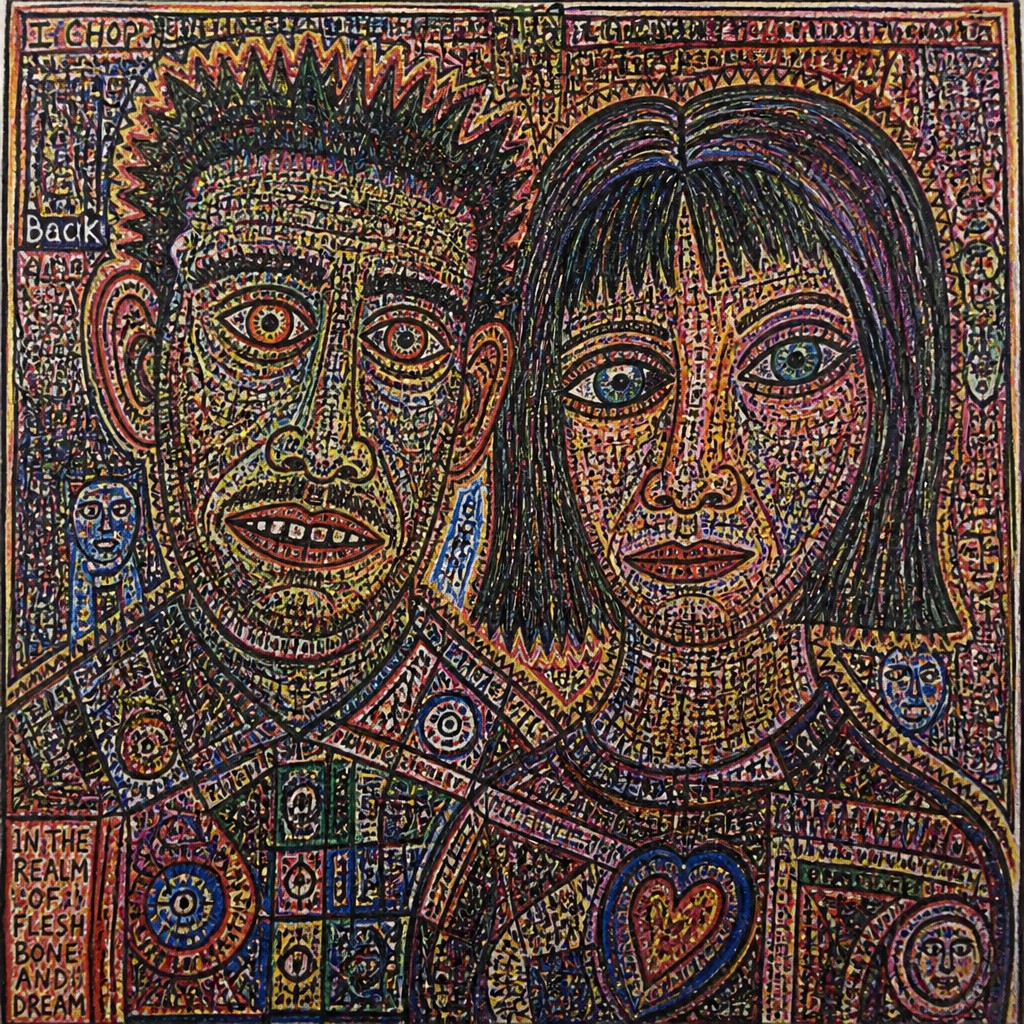
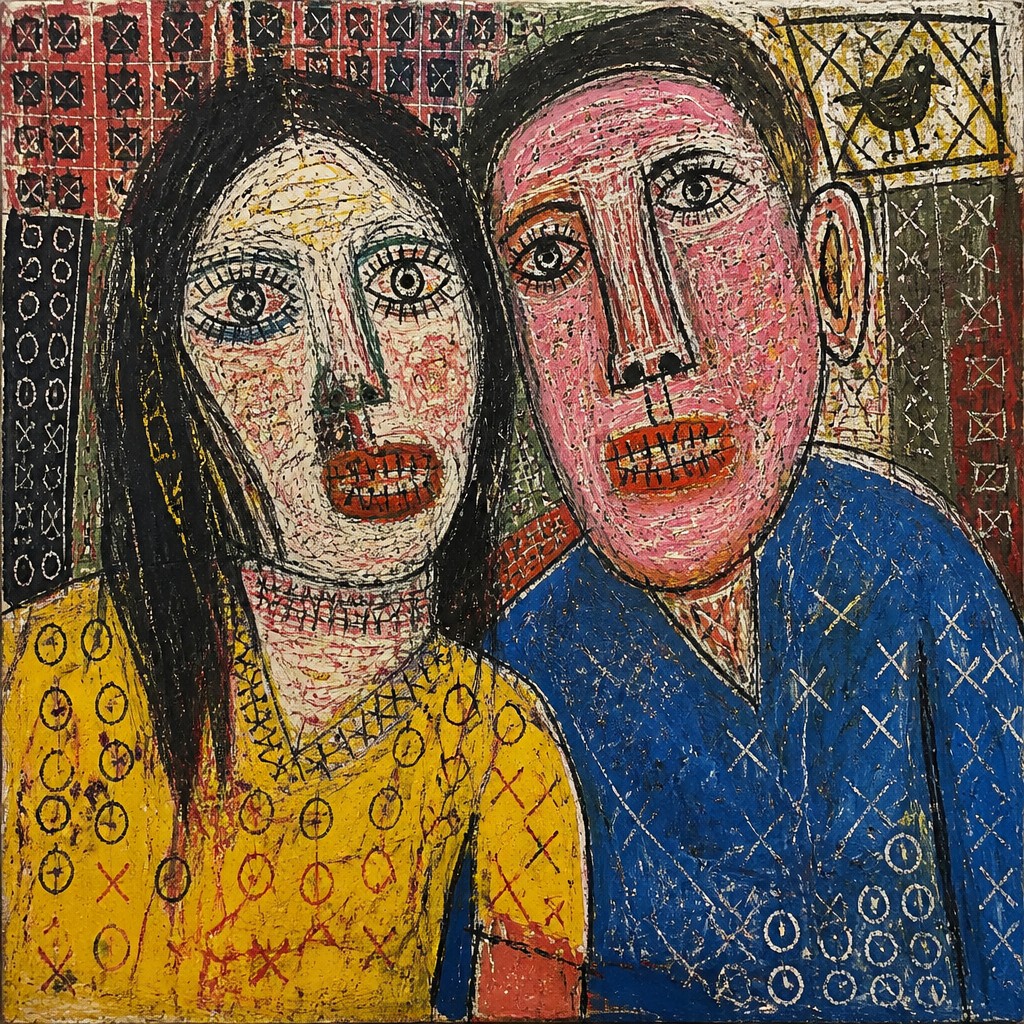
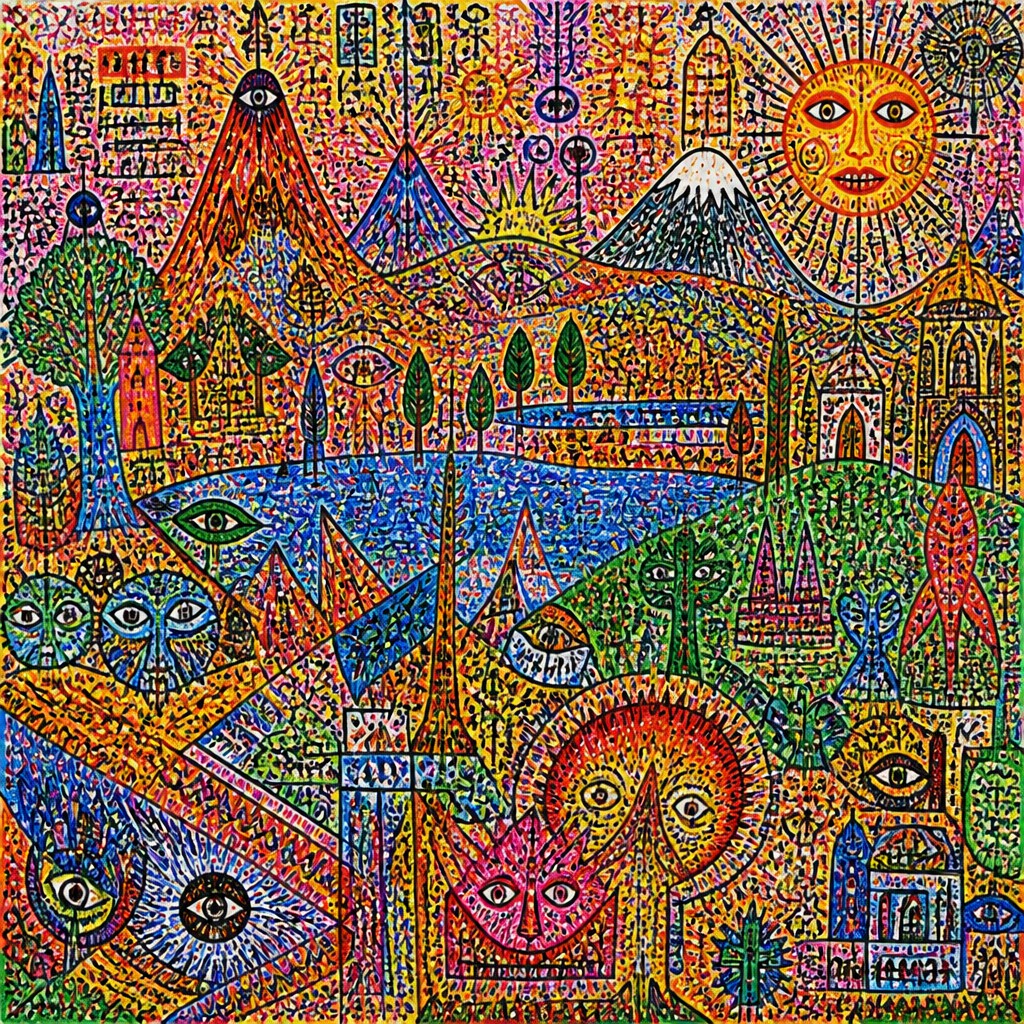
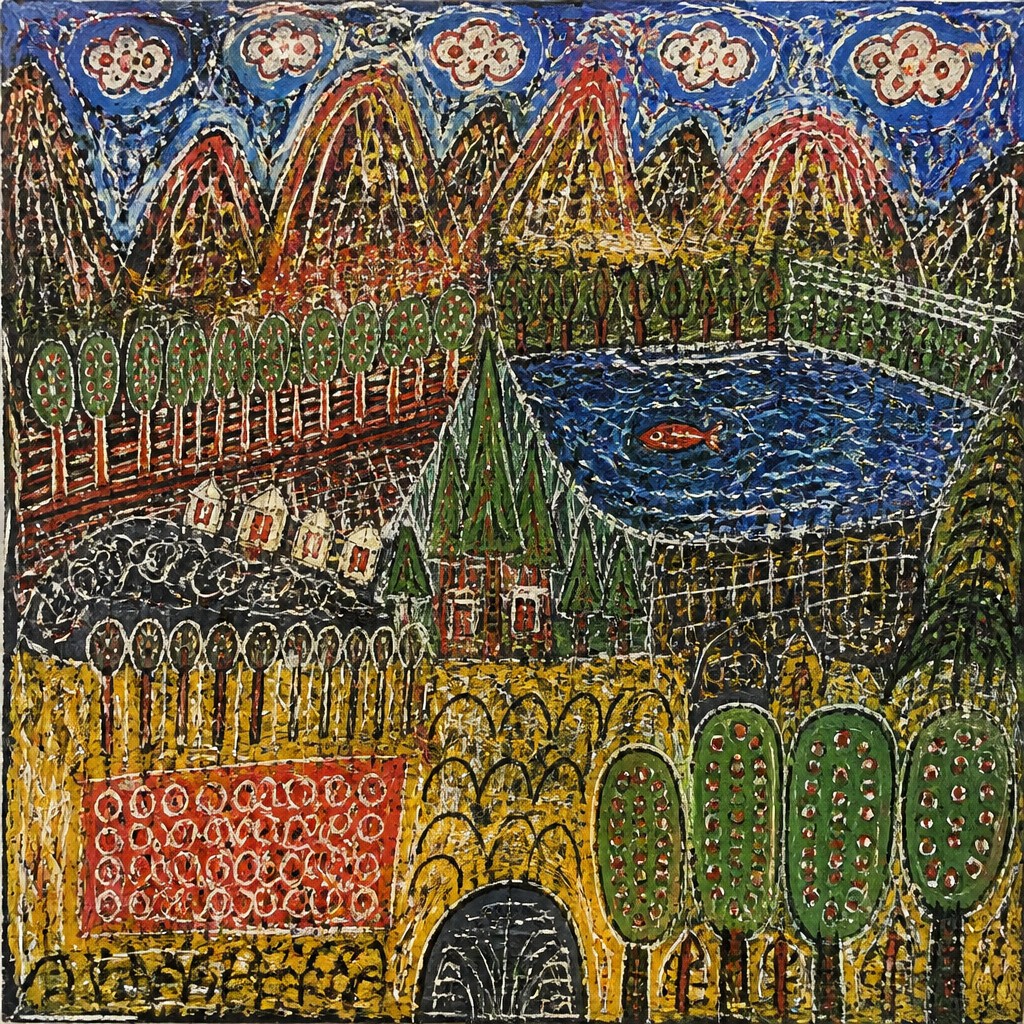
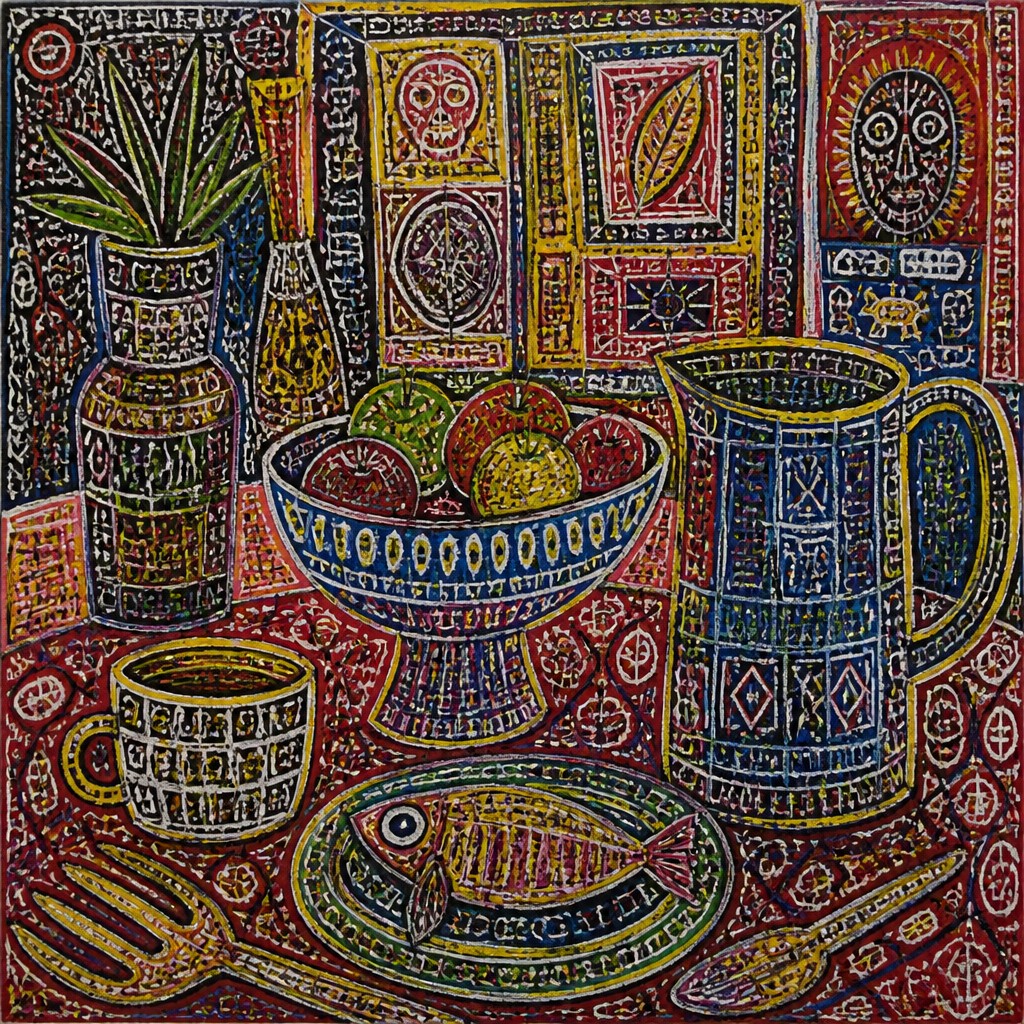
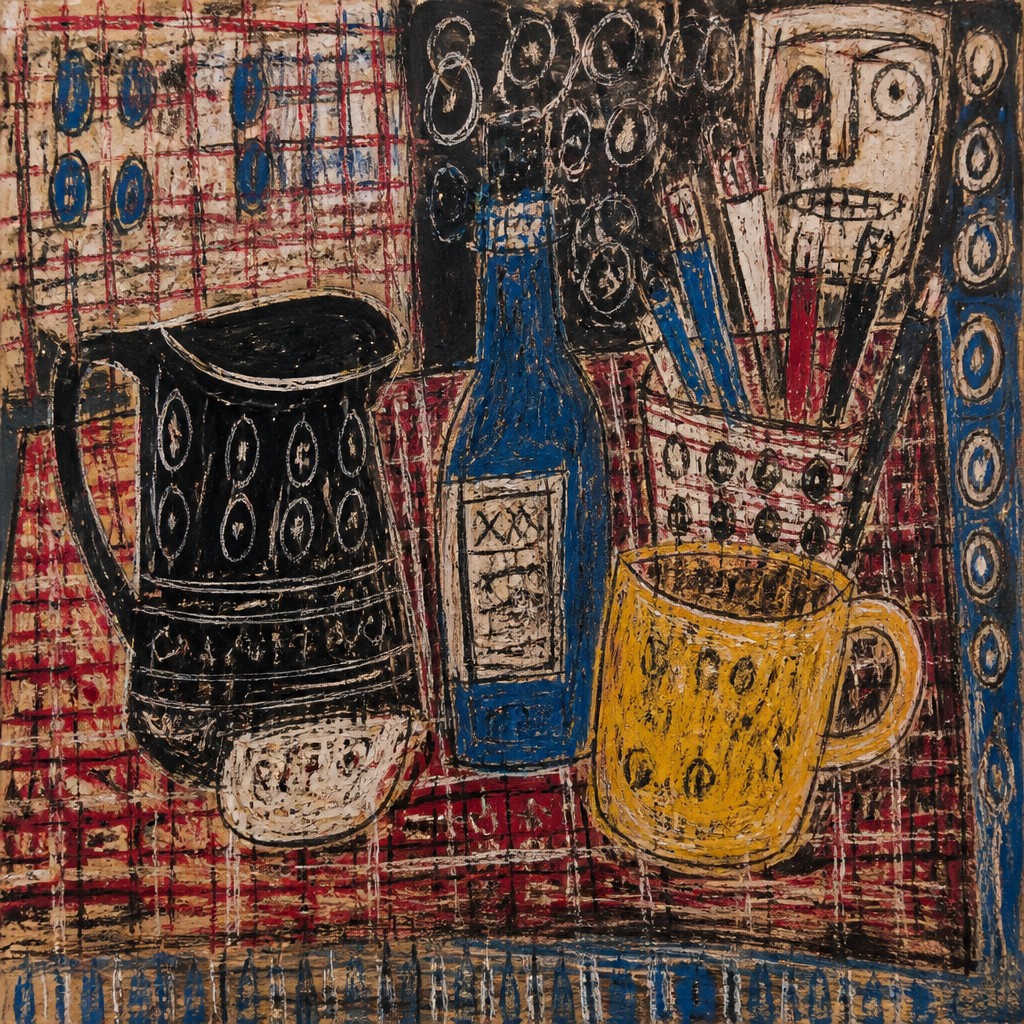
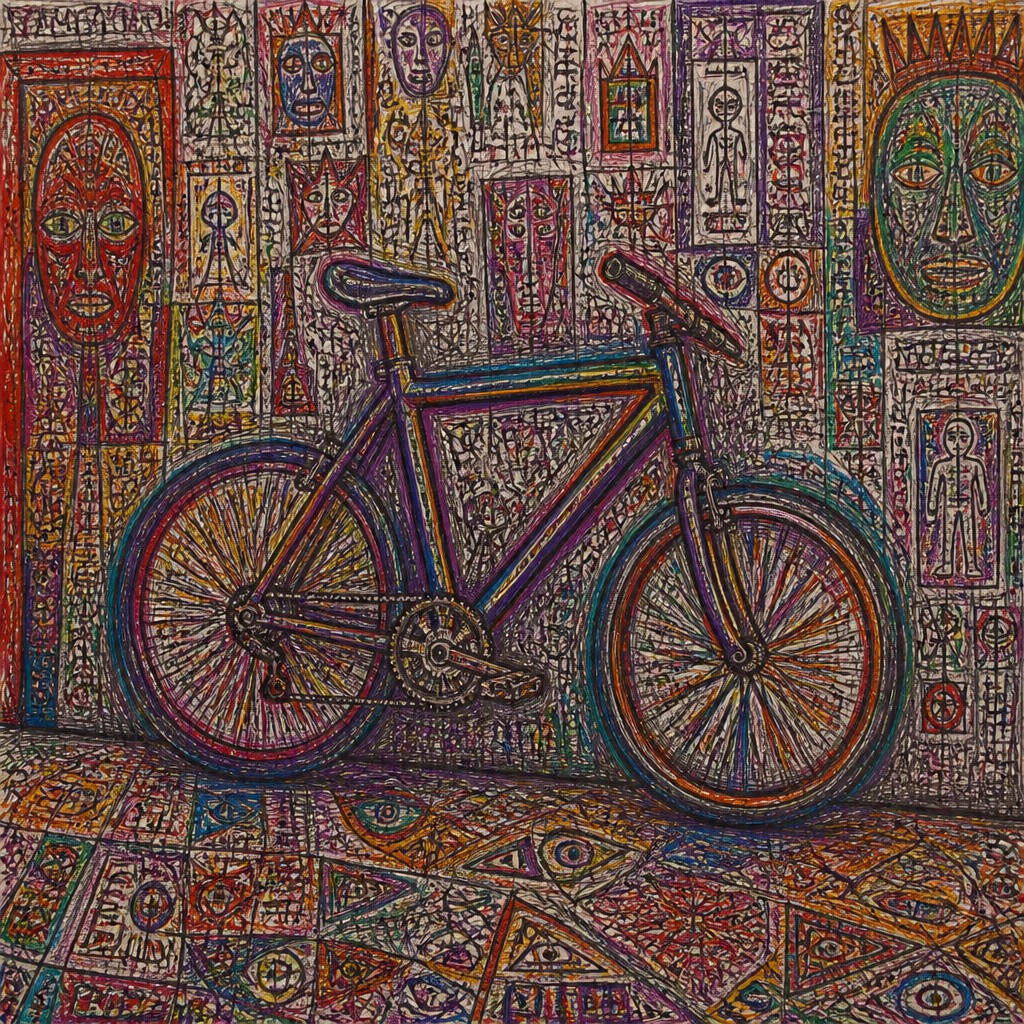
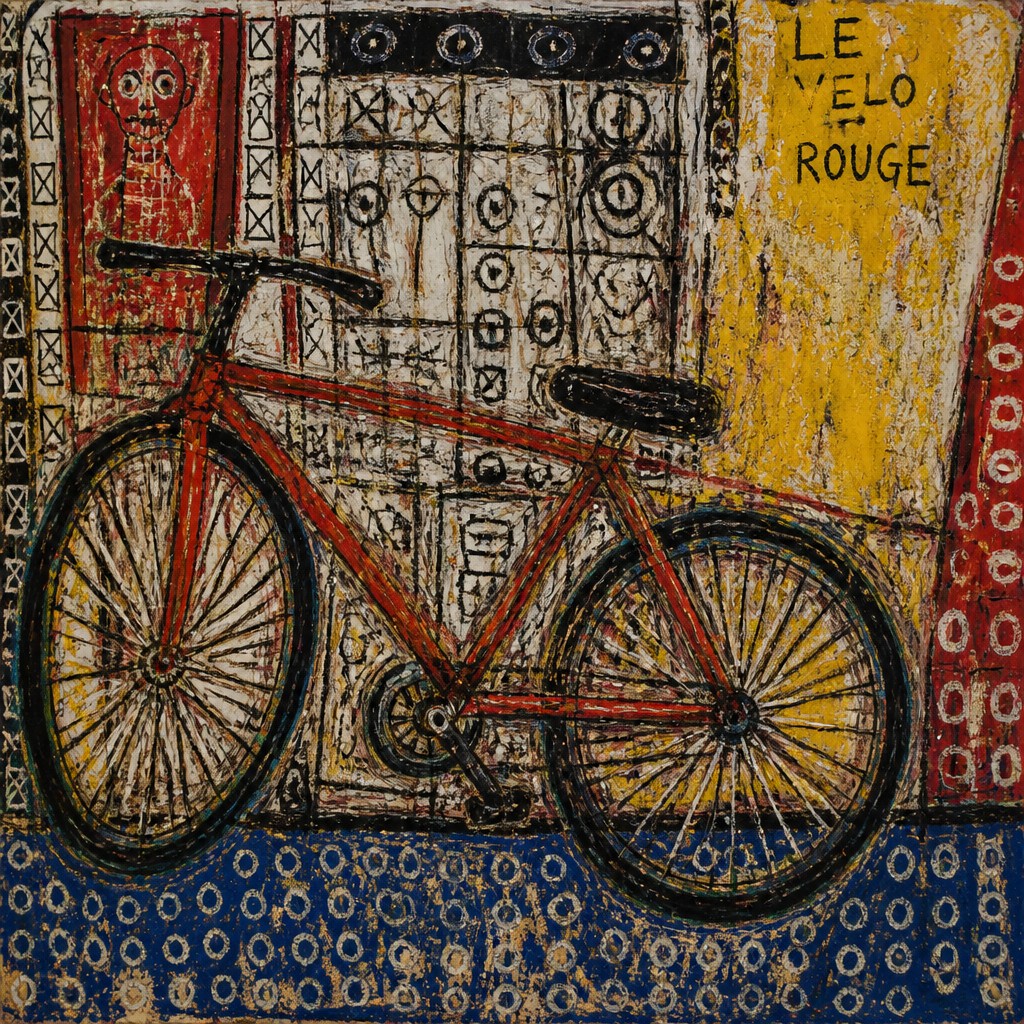
Key Differences
| Outsider | Art Brut | |
|---|---|---|
| Training & tradition | Self-taught and non-academic, with a personal visual language. | Also outside academic tradition, often even more raw and unfiltered. |
| Mark-making | Careful, dense, and deliberately built through repeated detail. | Instinctive, rough, and sometimes abrupt or unfinished-looking. |
| Symbolism | Uses private symbols and coded imagery with personal meaning. | Can be symbolic, but often feels more immediate than coded. |
| Perspective & space | Often naive, flattened, or idiosyncratic in spatial handling. | Space may be even less structured, prioritizing raw impact. |
| Color & texture | May use strong color, but detail and pattern lead the composition. | Often features crude color and visibly handmade textures. |
| Overall feeling | Visionary, intimate, and obsessively constructed. | Raw, primal, and forcefully spontaneous. |
| Mood | idiosyncratic, obsessive, primal, visionary | raw, urgent, unfiltered, obsessive, naïve |
| Energy | intense | intense |
| Detail level | intricate | detailed |
| Color | earthy, vivid, often unrefined palettes | earthy, stark, muted, irregular accents |
| Texture | dense, rough, layered surfaces | rough, layered, hand-made, tactile |
| Origin | 20th-century self-taught art, global | 20th-century outsider art, Europe |
| Best for | museum posters, album covers, book illustrations, zines, character design, editorial art | album covers, posters, zines, experimental book art, gallery prints |
| Difficulty | advanced | advanced |
Which Should You Choose?
Choose Outsider Art Style if you want a work that feels deeply personal, symbol-rich, and intricately handmade, with patterns and details that suggest a private inner system. Choose Art Brut Style if you want a more immediate, rough-edged look with instinctive marks, tactile surfaces, and a stronger sense of raw expression over refinement. In practice, the first tends to read as carefully obsessive, while the second reads as more direct and unpolished.
Frequently Asked Questions
Are Outsider Art Style and Art Brut the same thing?
They overlap a lot, and both sit outside academic tradition. The difference is often in emphasis: Outsider Art Style can feel more structured and symbolic, while Art Brut usually feels rawer and more immediate.
Which style is more detailed?
Outsider Art Style is often more densely detailed, with layered patterns and private symbols. Art Brut can also be repetitive and obsessive, but it usually prioritizes raw texture and spontaneous marks over refined detail.
Which style feels more rough or primitive?
Art Brut Style generally feels rougher, cruder, and less polished. Outsider Art Style may still be naive or unconventional, but it often appears more deliberately assembled.
Can a work belong to both styles?
Yes. Many works share traits like self-taught authorship, obsession, and handmade texture, so the boundary can blur. In those cases, the strongest signals are whether the piece feels more symbolically constructed or more raw and instinctive.