Postmodernism Art Style
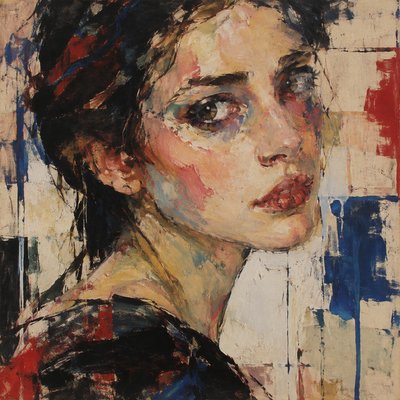
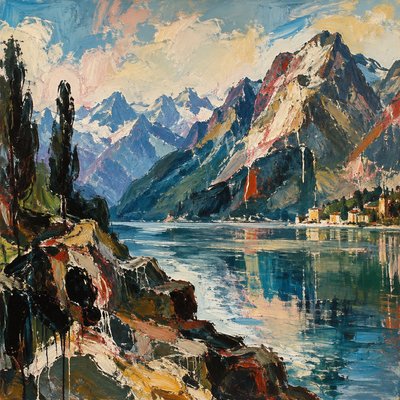
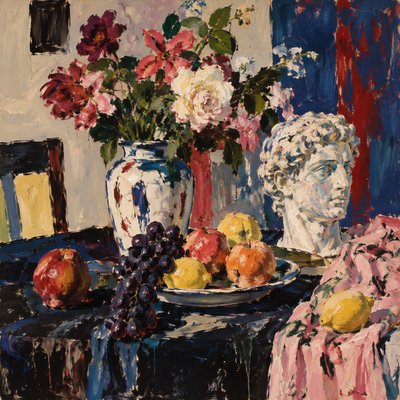
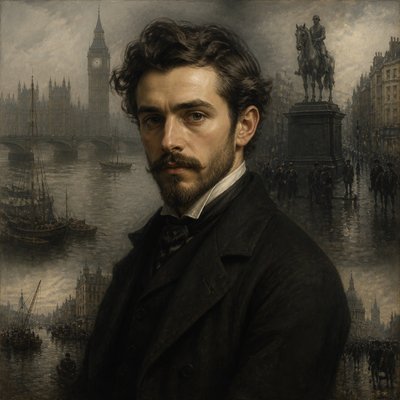
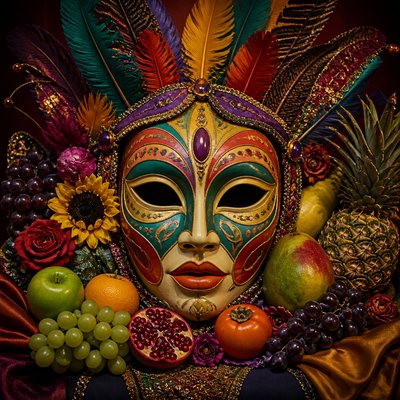
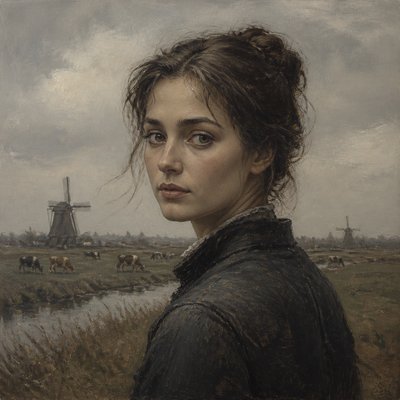
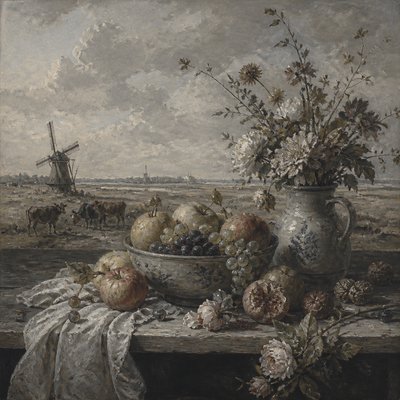
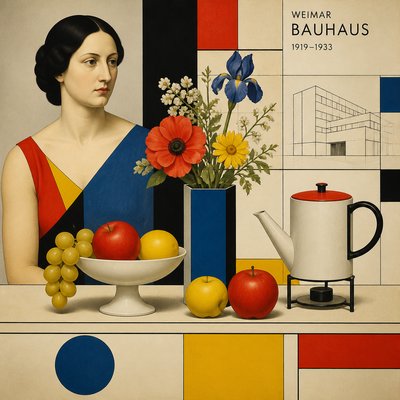
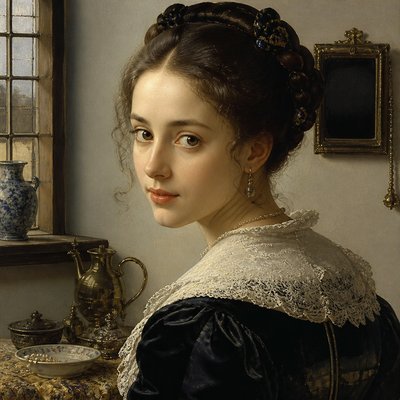
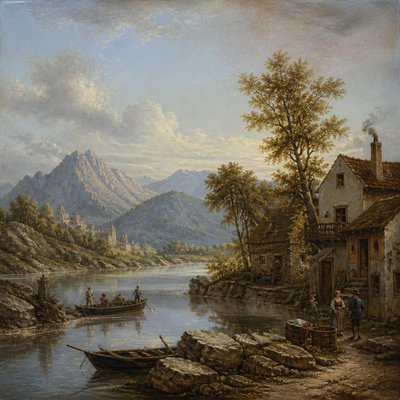
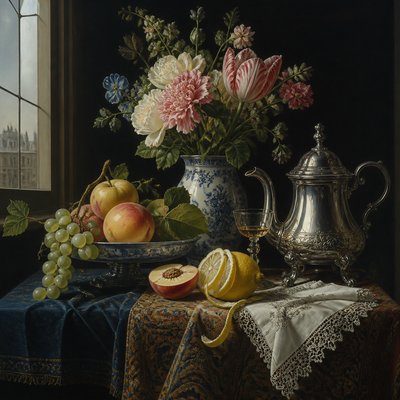
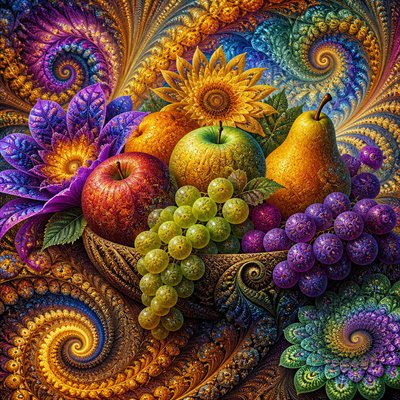
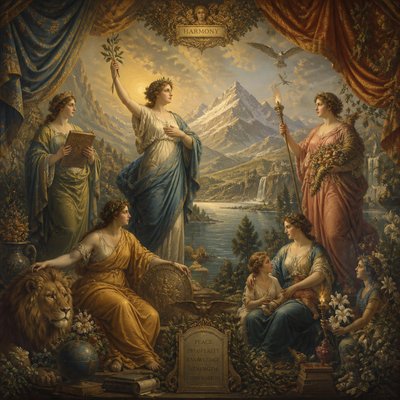
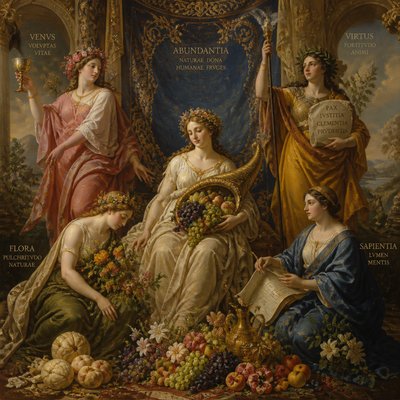
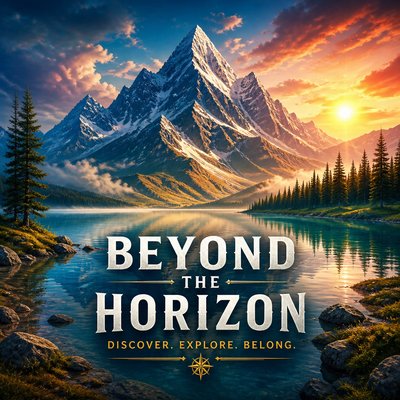
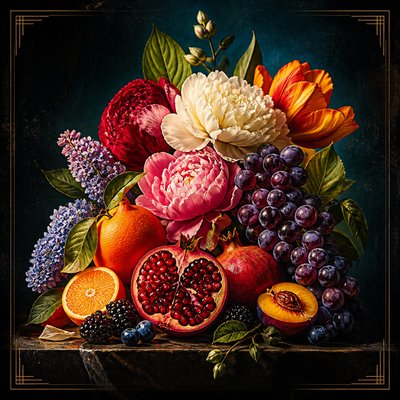
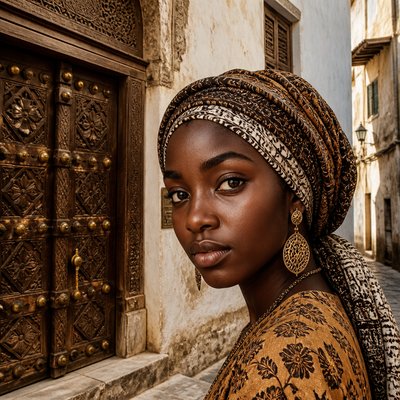
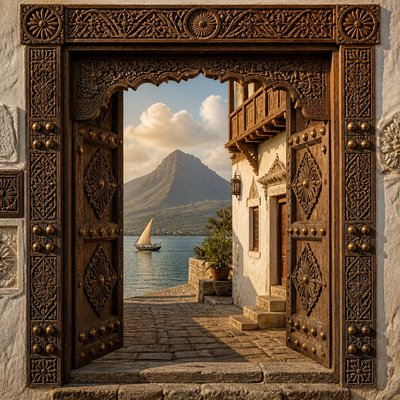
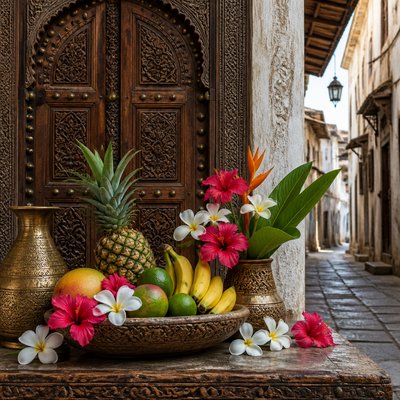
Postmodernism art style blends irony, appropriation, and mixed media to create fragmented, high-low culture images with layered meanings.
Instantly rendered in Postmodernism — or transform a photo
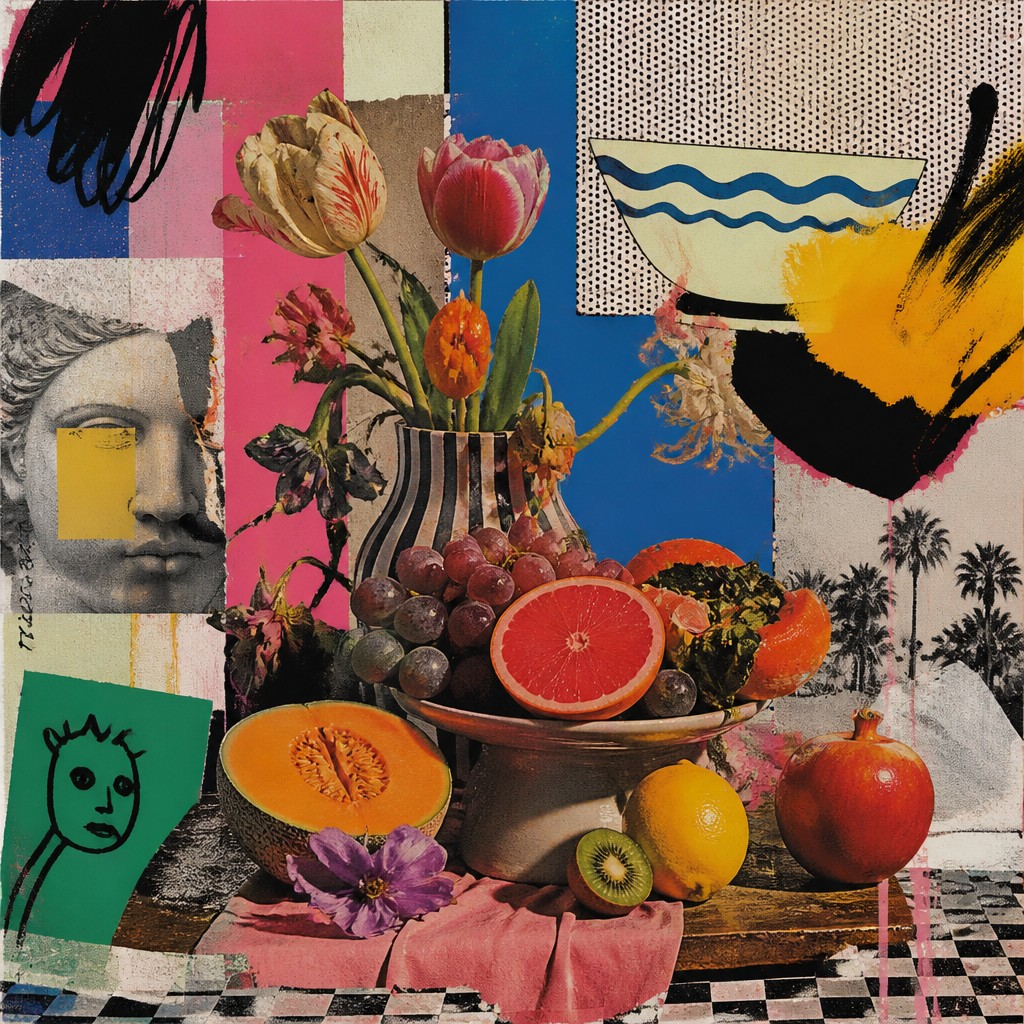
Postmodernism Gallery
Tap any artwork to explore it
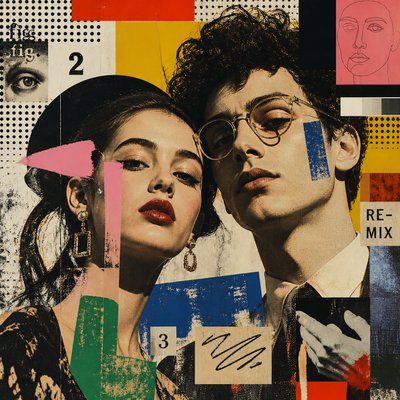
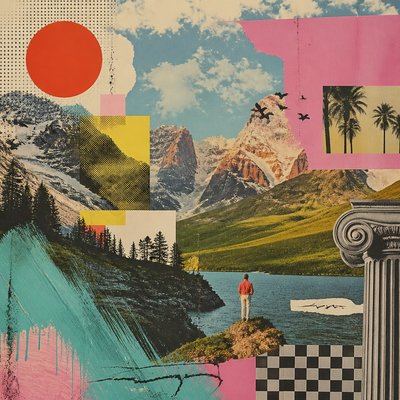
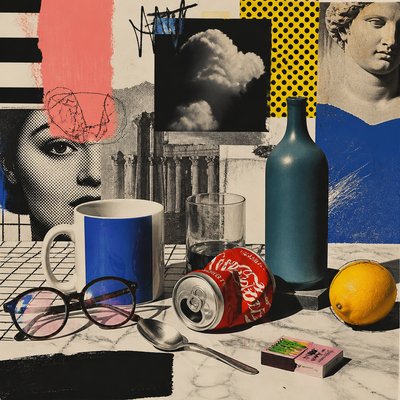
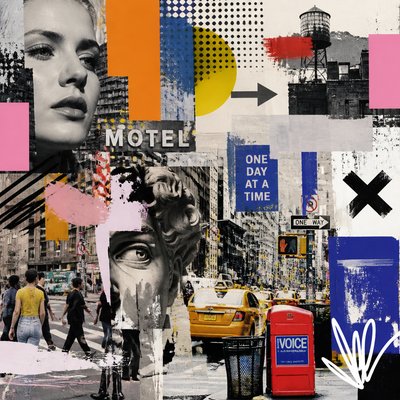
What is Postmodernism Art Style?
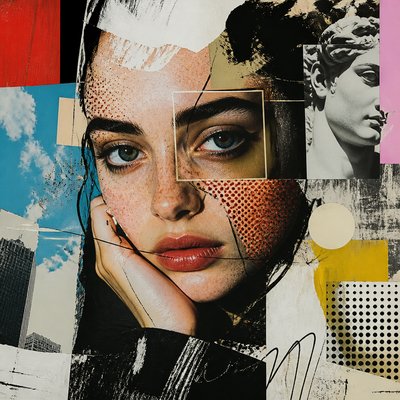
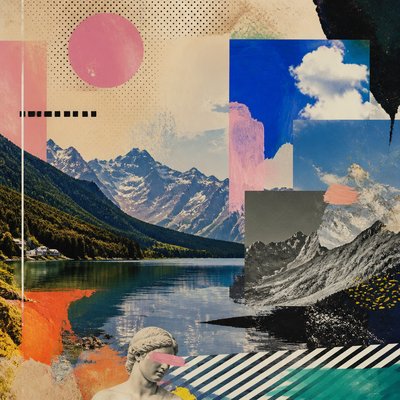
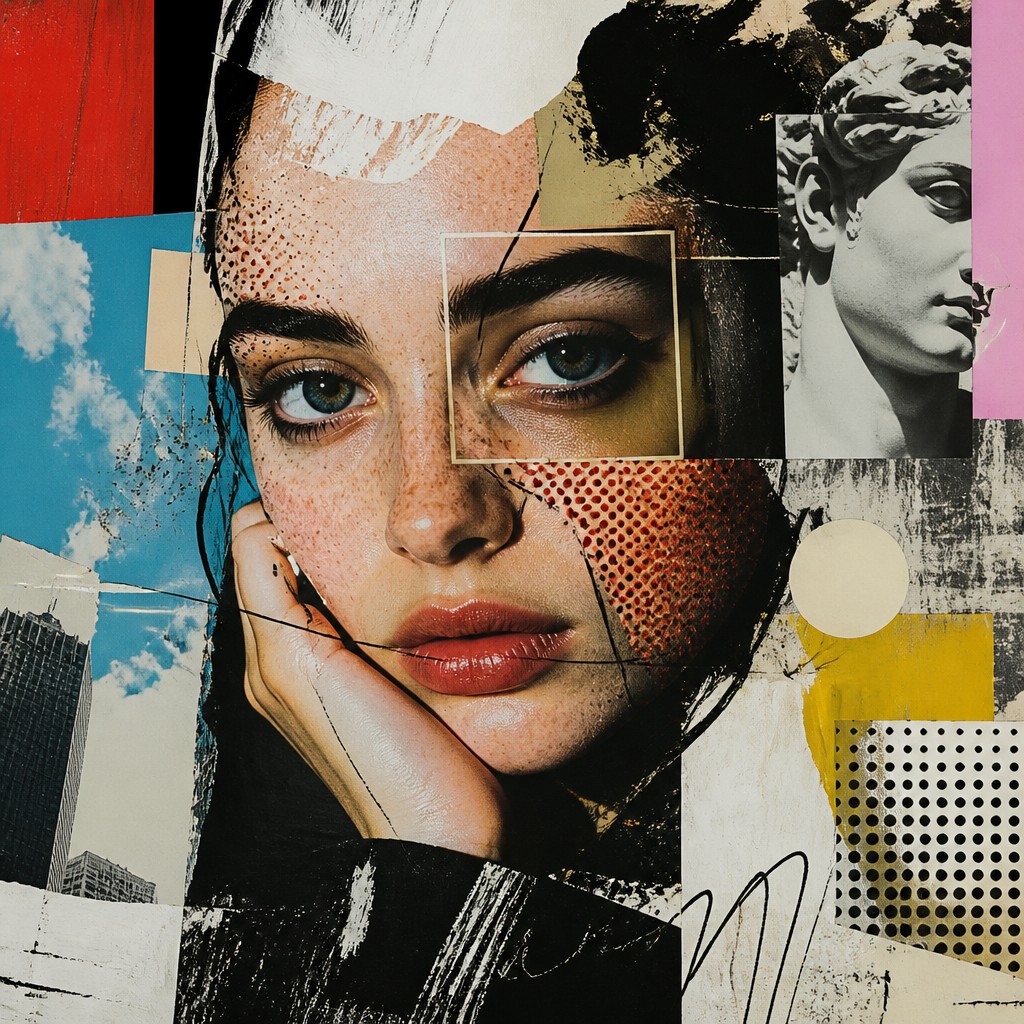
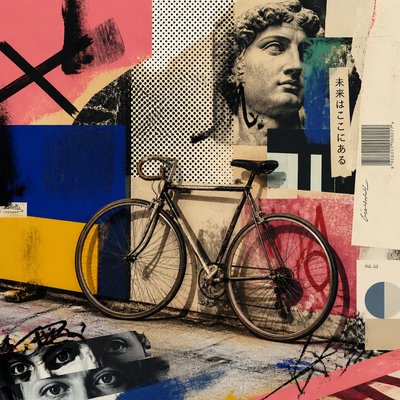
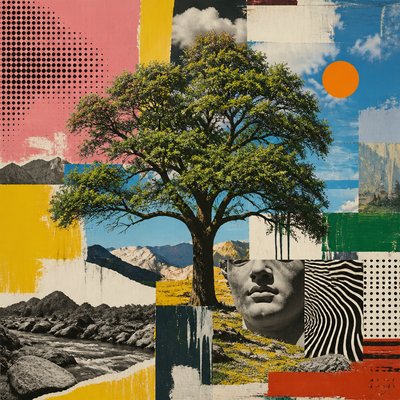
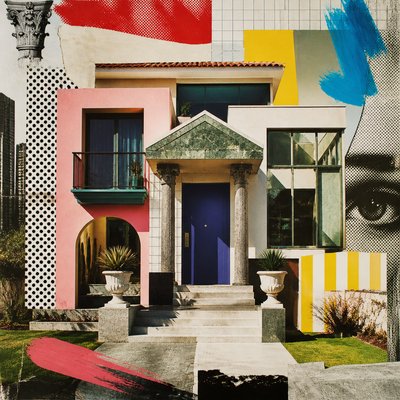
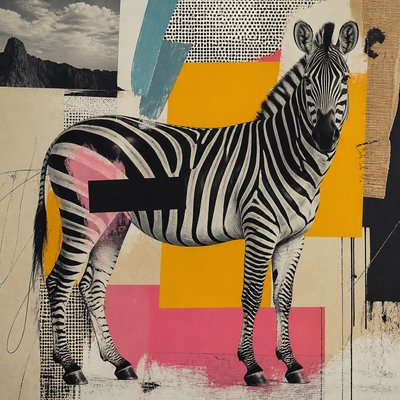
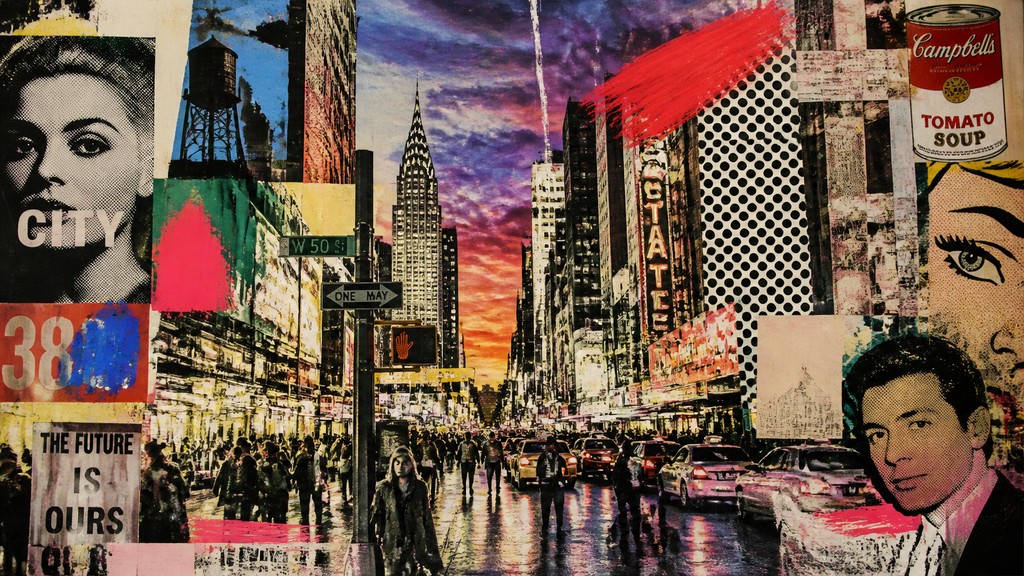
Postmodernism in art is not a single look so much as a way of making images that question authority, originality, and fixed meaning. In visual terms, it often appears as collage-like fragmentation, quoting or reusing existing imagery, and deliberately mixing elite and everyday visual languages such as fine art, advertising, comics, television, fashion, and popular graphics.
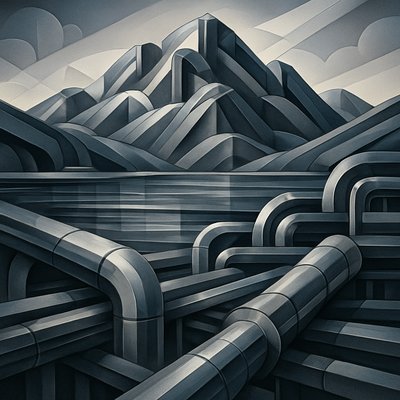
Its visual identity is shaped by contradiction. A postmodern image may combine polished commercial rendering with rough marks, classical references with neon kitsch, or a severe conceptual layout with playful irony. The style looks the way it does because it rejects a unified truth or a single “correct” style, preferring layered references, parody, appropriation, and deliberate discontinuity.
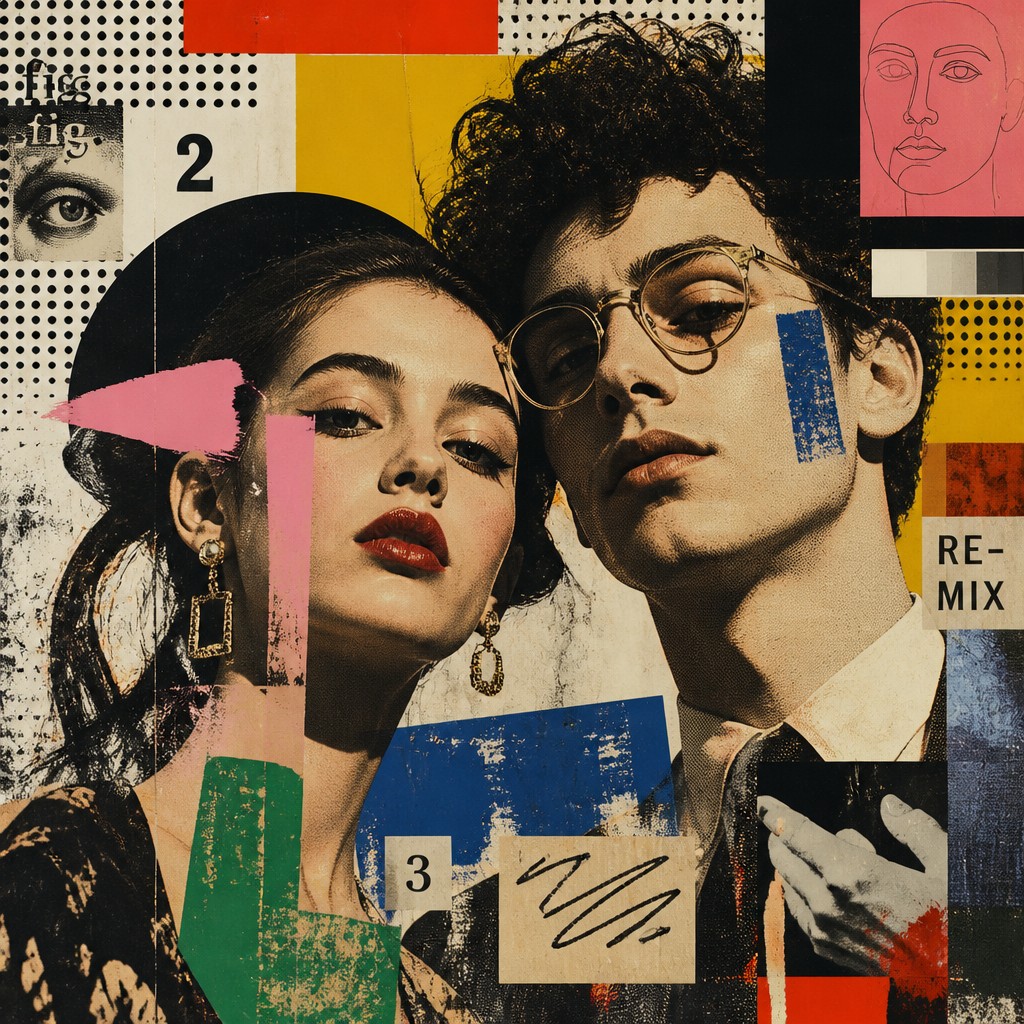
Try It On Your Photos
Upload any photo and convert it into Postmodernism Art Style — drag the sliders to compare before and after.
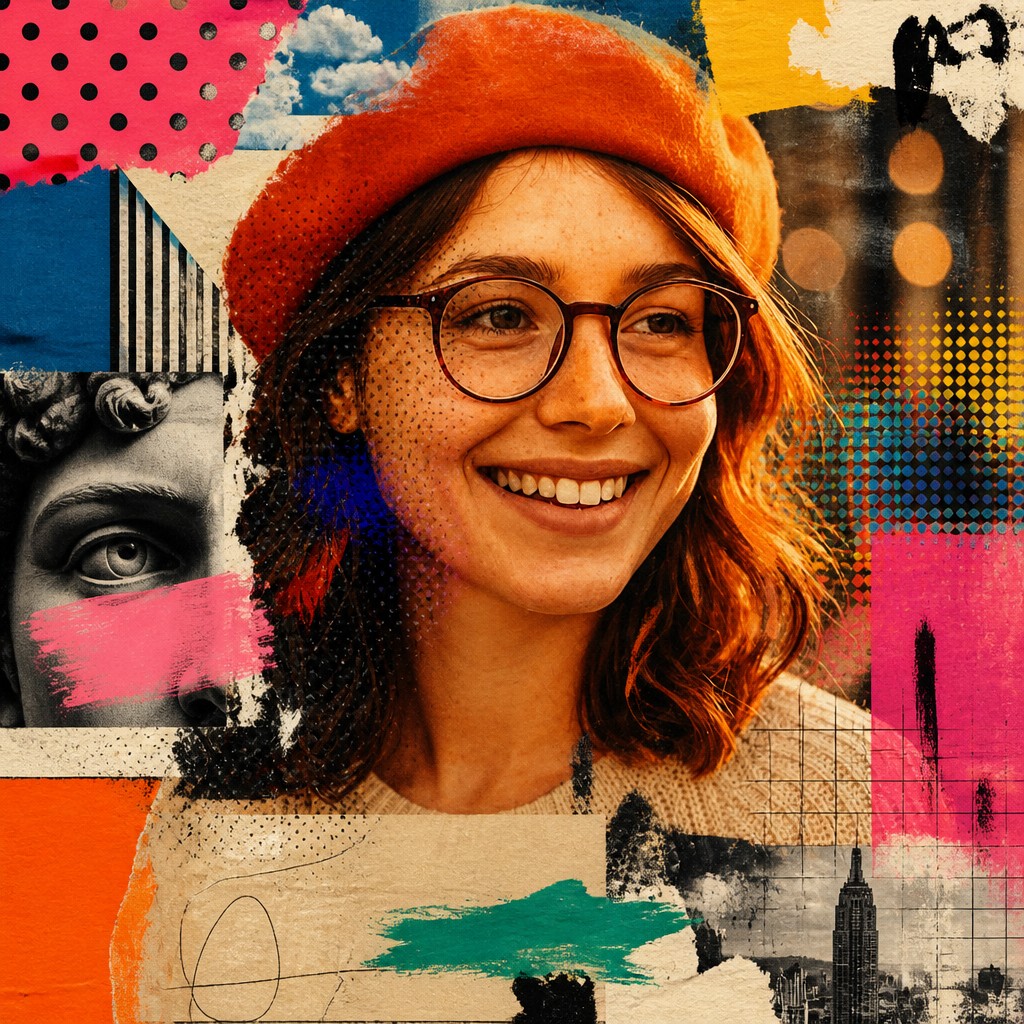

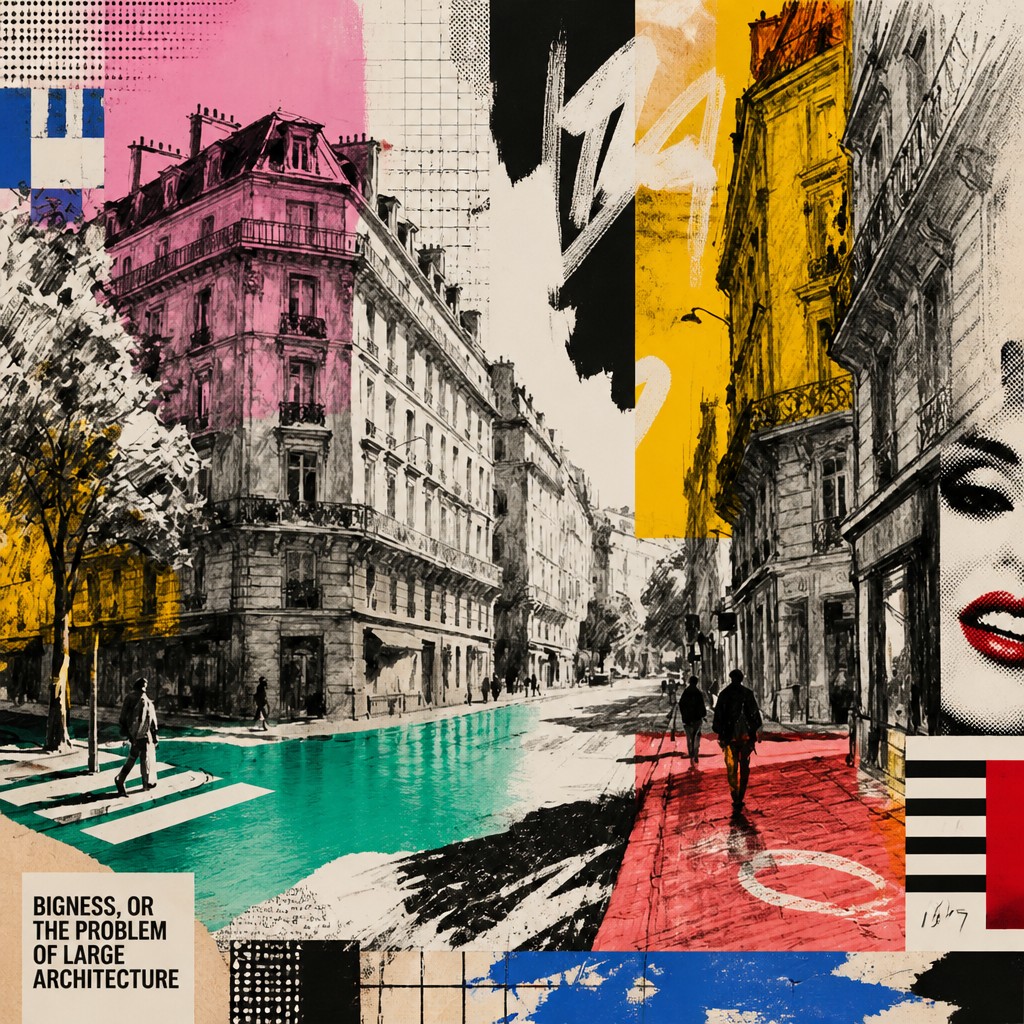

What Defines Postmodernism Art Style
The signature details, up close
Appropriation and quotation
Postmodern images often borrow, remix, or directly reference existing artworks, advertisements, photographs, logos, or cultural icons. The point is usually not homage alone, but a critical or ironic recontextualization that changes how the source is read.
High-low cultural collision
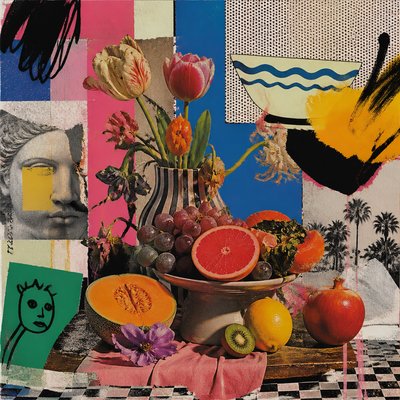
Classical, academic, or luxury references may appear beside kitsch, consumer goods, tabloids, comic imagery, or mass-market design. This deliberate leveling of hierarchy is one of the style’s most recognizable traits.
Fragmented composition
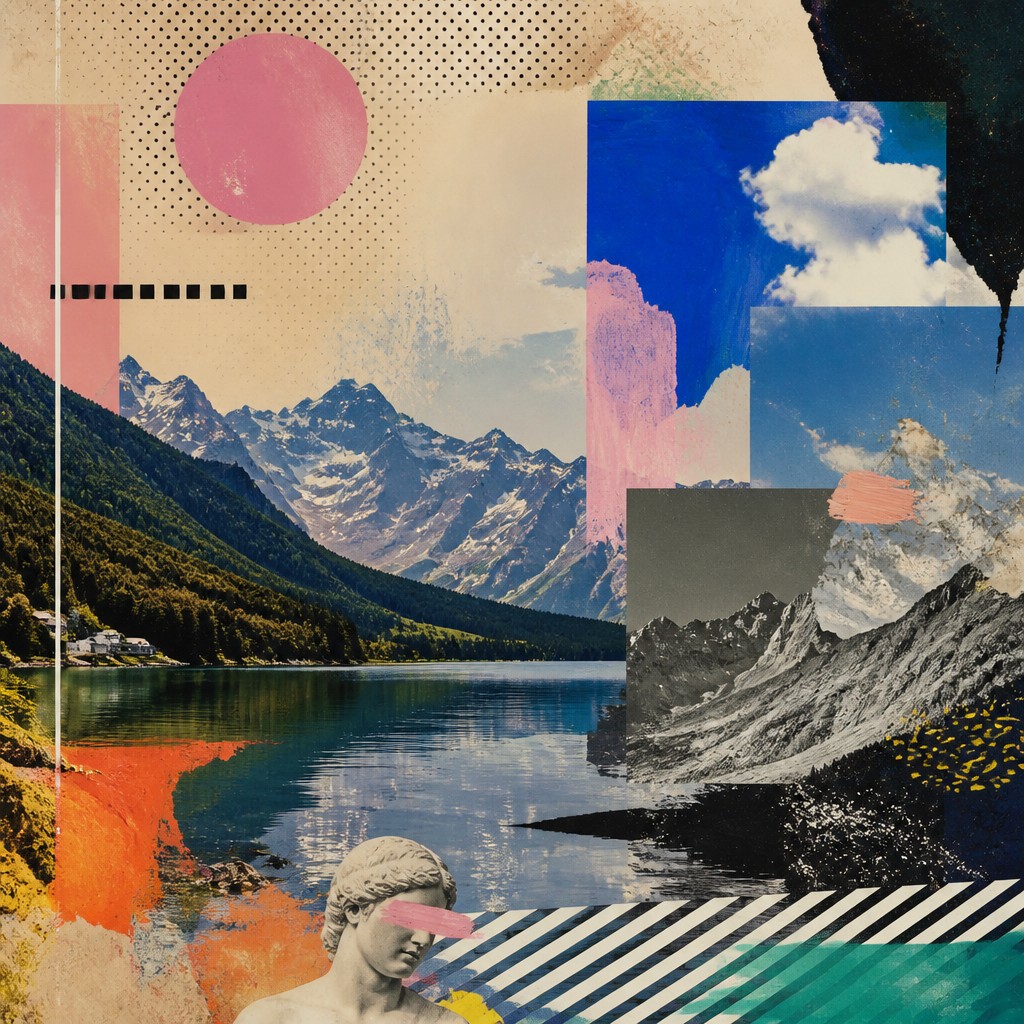
Instead of a unified perspective or single focal point, postmodern works often feel discontinuous, layered, or spatially unstable. Separate visual languages may coexist in one frame without fully resolving into a coherent whole.
Irony and self-awareness
The style frequently signals that it knows it is quoting, staging, or constructing meaning. This can take the form of parody, détournement, deadpan repetition, or images that seem to comment on their own visual conventions.
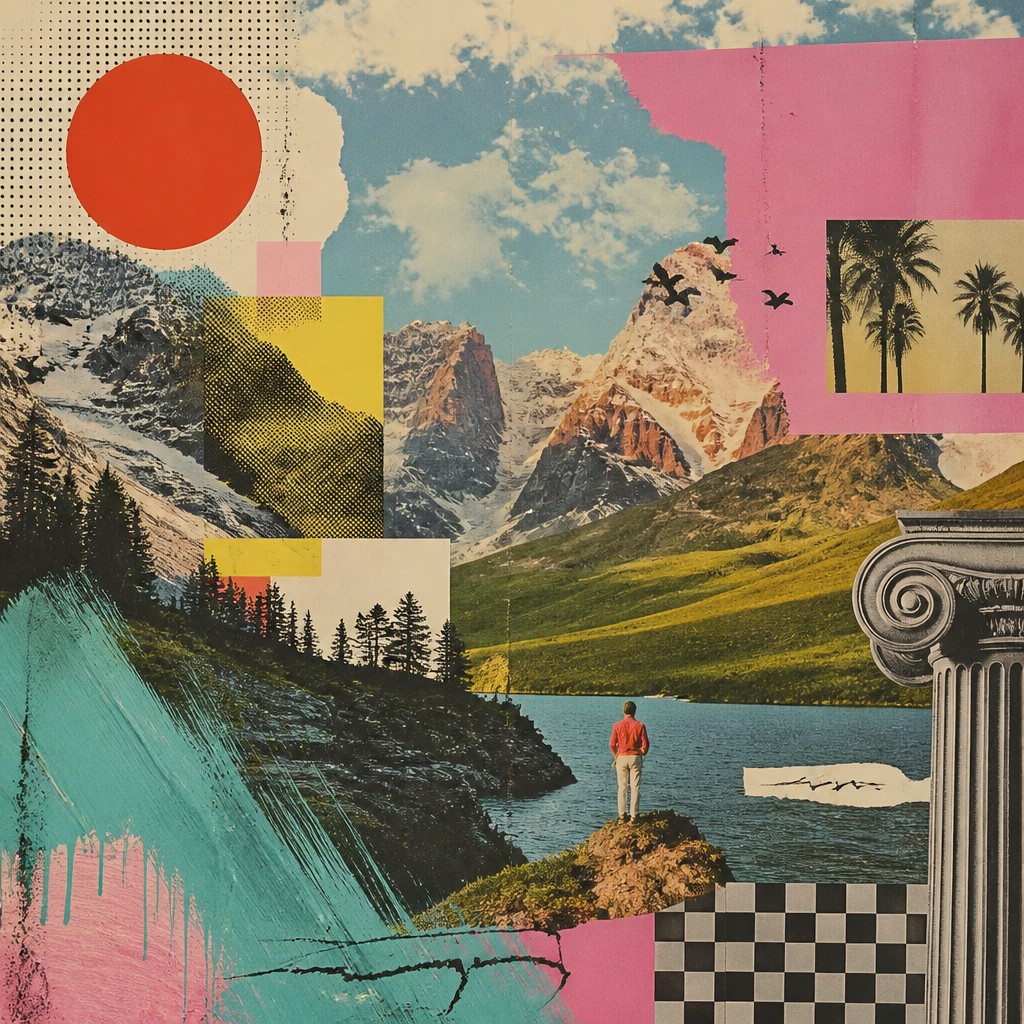
Mixed material effects
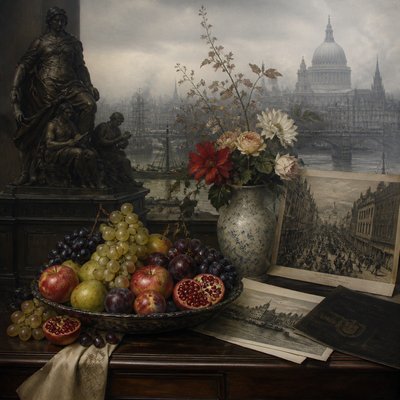
A postmodern image may combine photographic realism, flat graphic shapes, halftone printing, painterly gestures, and digital glitch or collage effects. The tension between media is part of the visual message.
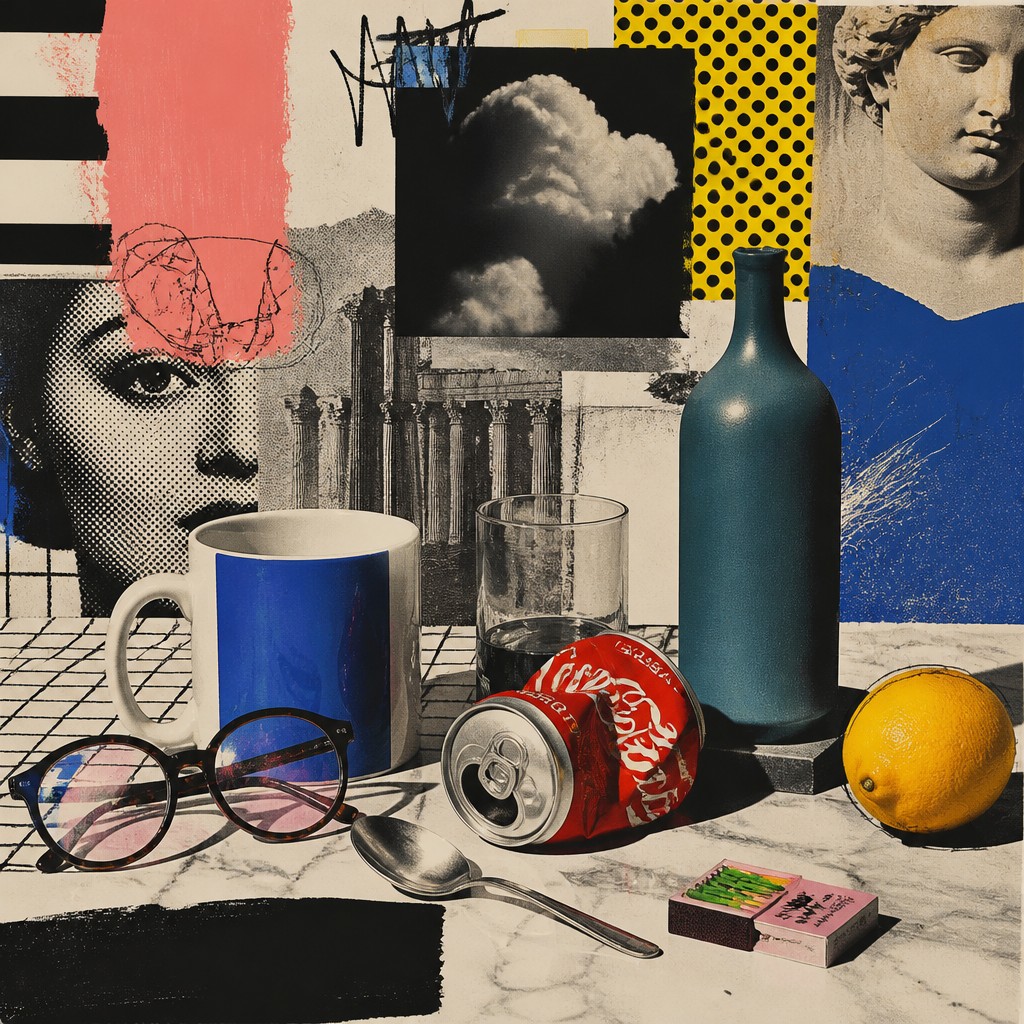
Layered surfaces and signs
Text, logos, symbols, and image fragments often sit on the same plane, making the picture read like a field of competing signs. Meaning is produced through juxtaposition rather than through a single central narrative.
Try It
Create Videos in Postmodernism Art Style
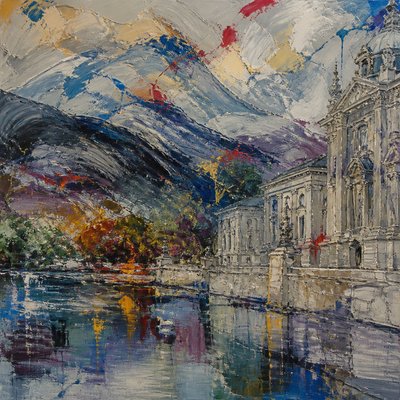
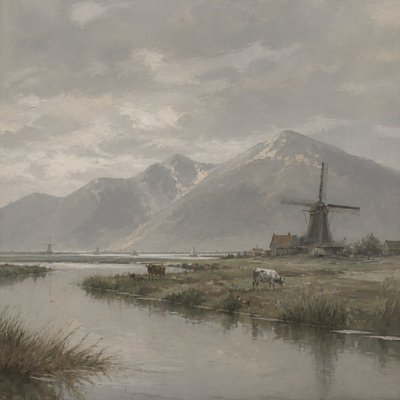
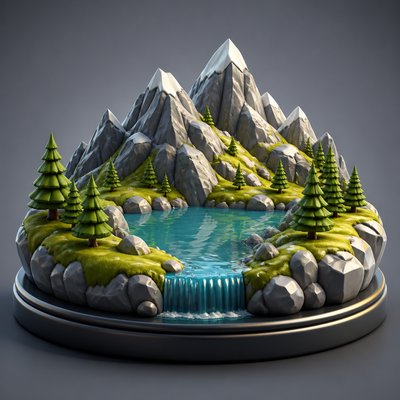
Styles aren't just for stills — describe a scene or animate an image and get a short video rendered in Postmodernism. Press play to see this pond come to life.
Make a VideoPostmodernism Prompt Ideas
Start from an idea — each one opens the generator with the style ready to go. See all 40 Postmodernism prompts →
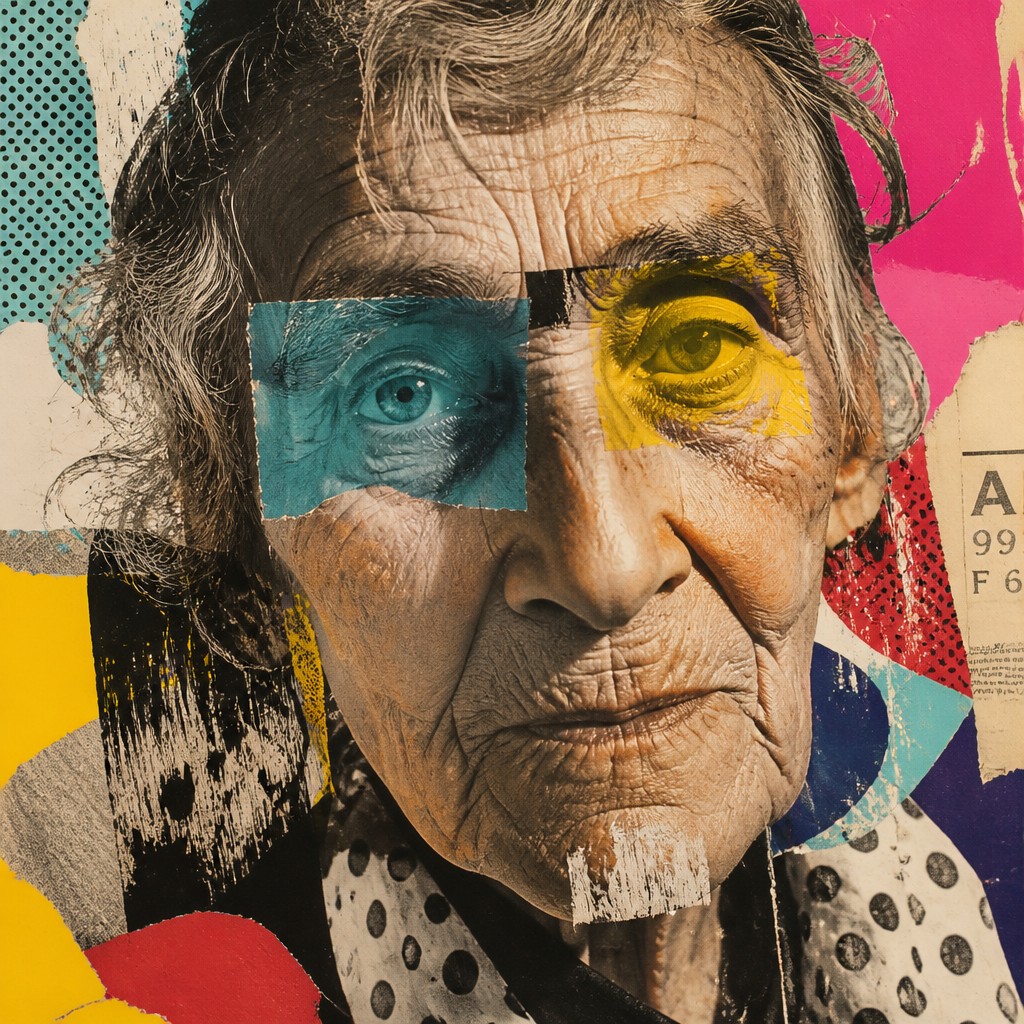
“close-up portrait of an elderly person with expressive weathered features”
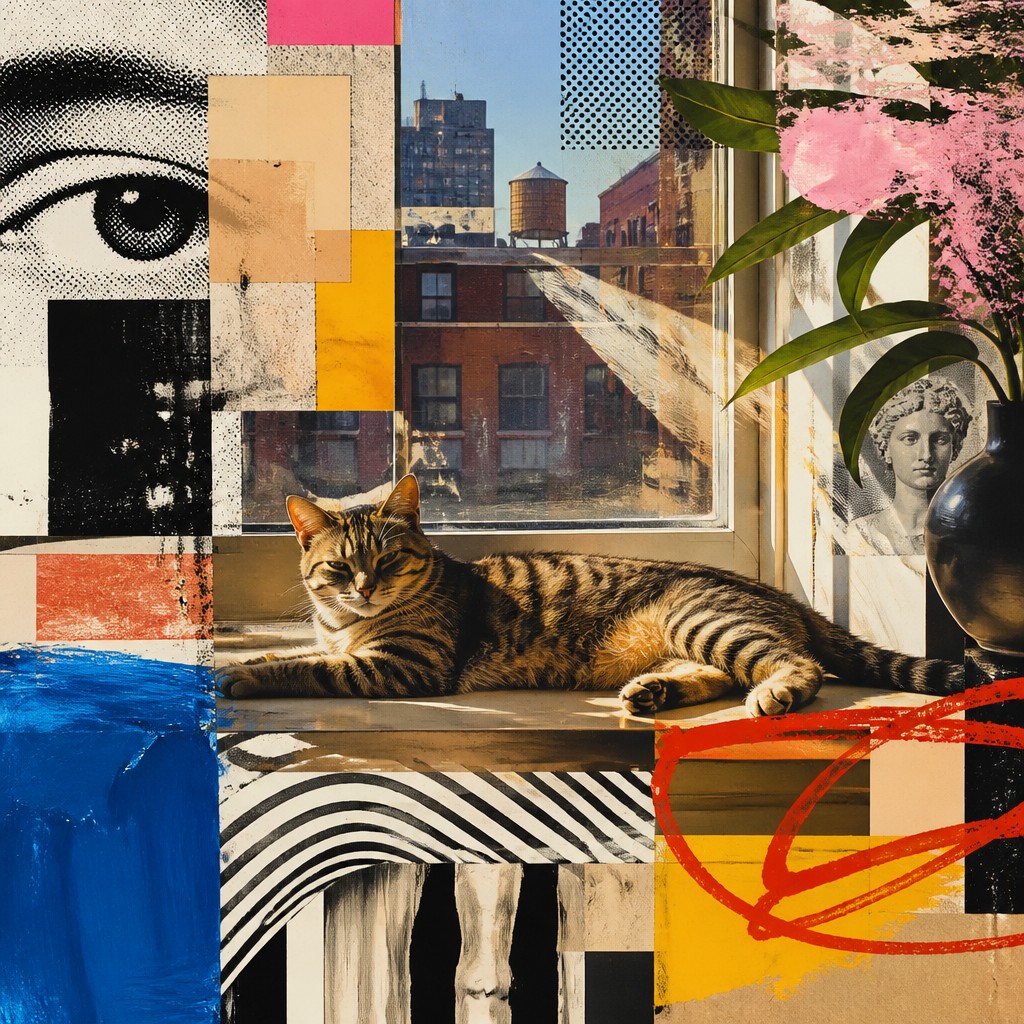
“a cat lounging in a sunlit window”
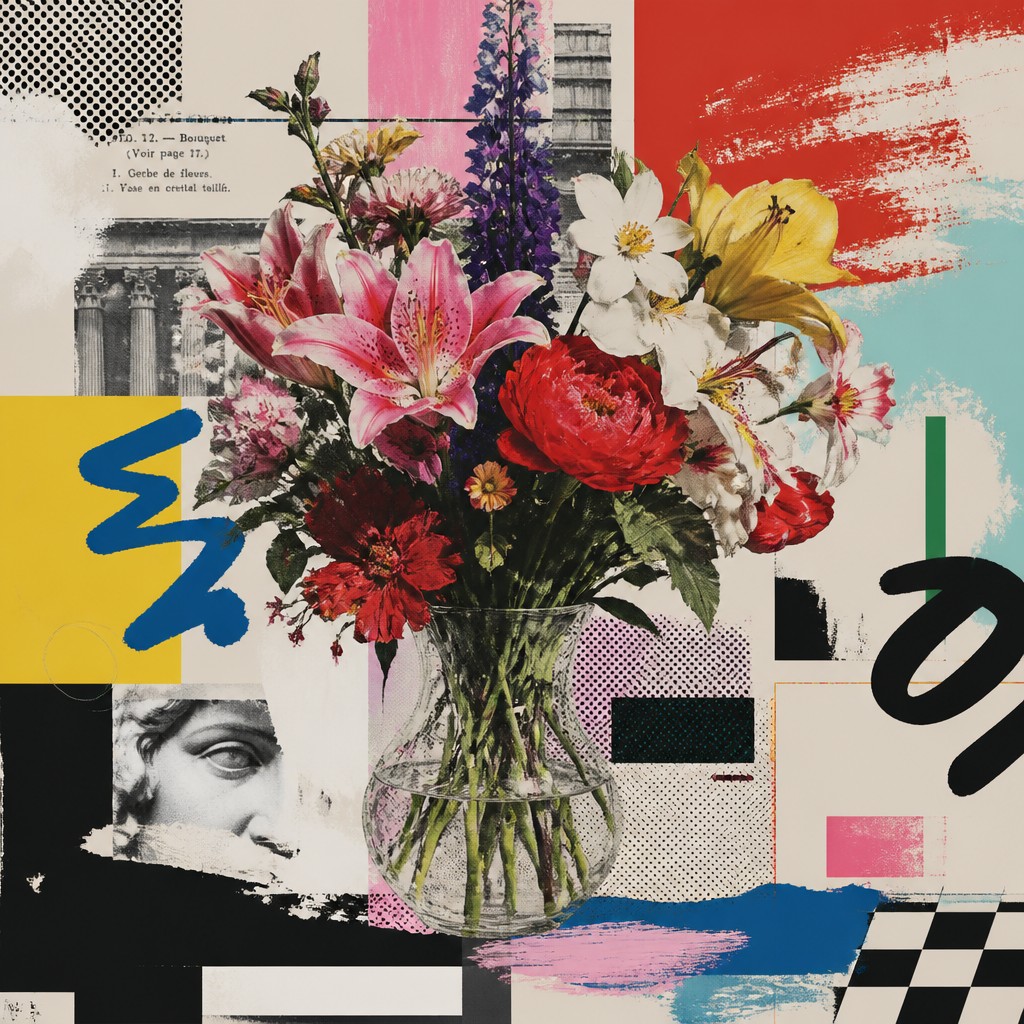
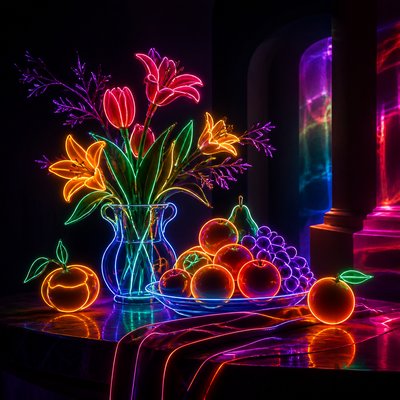
“bouquet of flowers in a glass vase”
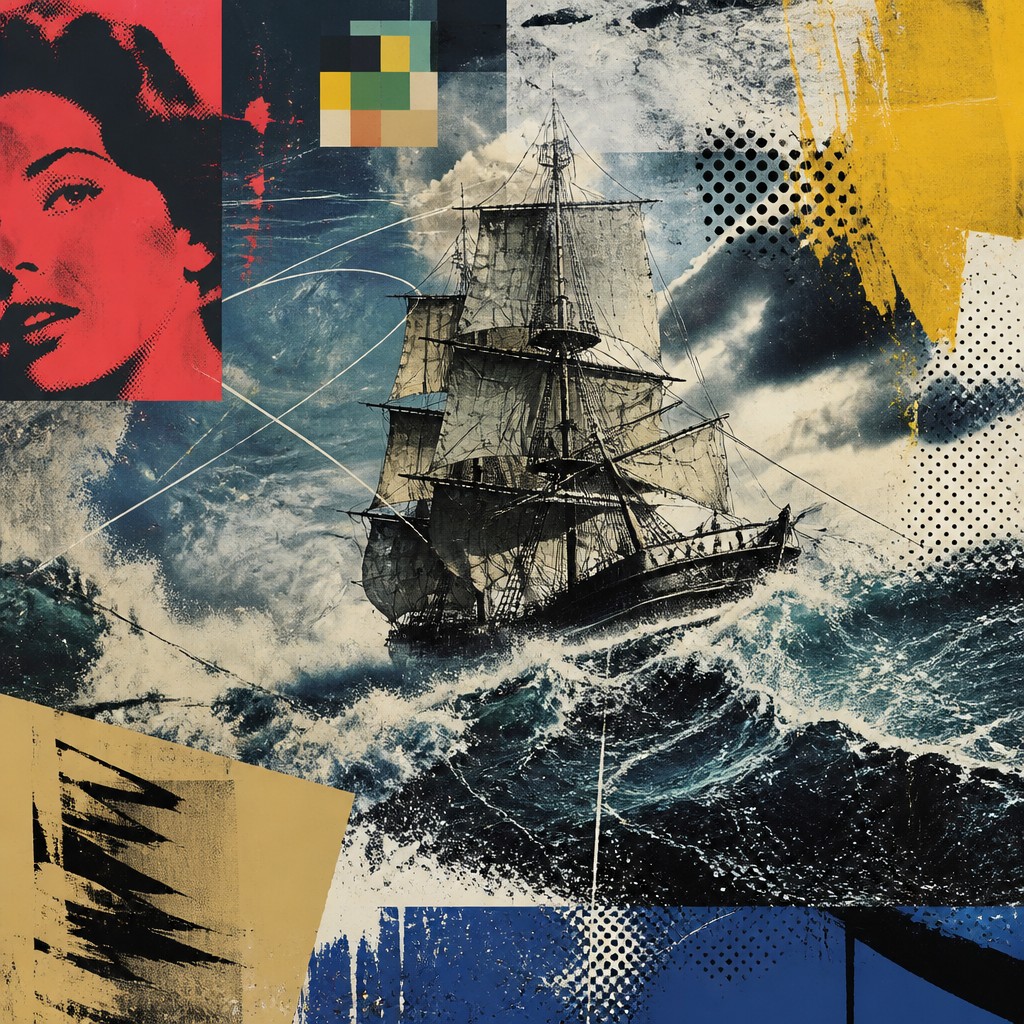
“sailing ship on a stormy sea”
How to Create Postmodernism Art
Master the craft step by step — or skip straight to creating. Read the full guide →
- 1
Build with contradiction
Start with two or more visual systems that do not naturally belong together, such as museum portraiture and supermarket packaging, or Renaissance composition and tabloid typography. Keep the tensions visible instead of smoothing them out.
- 2
Use collage logic
Assemble your image from disparate fragments: cropped photos, text blocks, graphic overlays, painterly marks, and symbolic inserts. In traditional media, this can be done with cut paper, photocopy transfer, and layered paint; digitally, use masking, compositing, and texture blending.
- 3
Embrace appropriation responsibly
Reference existing visual languages, but transform them through scale changes, cropping, repetition, or context shifts. The goal is to create commentary, not mere imitation of a single source.
- 4
Balance polish with noise
Mix sleek commercial rendering with rough edges, grain, scan artifacts, or misregistration. That friction between finished and degraded surfaces is central to the style’s look.
- 5
Prompt for layered irony
When generating an image, describe the subject plus conflicting aesthetics, such as "luxury advertising aesthetic," "comic-book halftone," "museum-like composition," or "glitched photocopy texture." The more precise the contrasts, the more postmodern the result.
The Story
History & Origins of Postmodernism
Postmodernism emerged in the late 20th century as a broad cultural and intellectual response to modernism, especially from the 1960s through the 1980s, with strong influence in visual art, architecture, design, and criticism. Rather than pursuing purity, progress, and formal innovation for its own sake, postmodern artists questioned authorship, originality, and the idea that art should express a grand universal narrative.
Its visual lineage includes Pop Art, Conceptual Art, appropriation practices, punk graphics, advertising, mass media, and earlier collage traditions. In art history, the movement is associated with prominent postmodern artists and image-makers known for appropriation, media critique, staged self-portraiture, and sculptural excess, among others, though postmodernism is better understood as an attitude and set of strategies than as a single cohesive school.
Influences: Postmodernism draws from Pop Art, Conceptual Art, collage, appropriation art, and graphic design, while also absorbing the look of advertising, television, fashion magazines, punk zines, and mass reproduction. In the history of modern art, pioneering avant-garde artists helped establish strategies of readymade, irony, and recontextualization that later postmodern artists expanded. The style is also closely related to poststructuralist ideas about unstable meaning, authorship, and the role of the viewer in constructing interpretation.
Frequently Asked Questions
What defines the postmodernism art style?
It is defined by fragmentation, irony, appropriation, and the mixing of high and low culture. Instead of presenting a single authoritative message, it often layers references and contradictions so that meaning remains unstable.
How is postmodern art different from modern art?
Modern art often aimed for innovation, purity, and formal coherence, while postmodern art tends to challenge those goals. Postmodern works are more likely to quote existing images, mix styles, and question the idea of originality.
Is postmodernism the same as collage?
Not exactly. Collage is one technique that postmodern artists often use, but postmodernism is broader: it is an approach to image-making, meaning, and cultural reference. A postmodern image may be painted, photographic, digital, sculptural, or typographic.
What subjects work well in this style?
Anything that can be contrasted with another visual language works well: portraits, interiors, consumer products, monuments, fashion, urban scenes, and media imagery. Subjects become especially effective when they are placed in ironic or unexpected contexts.
How do I make an image look more postmodern?
Combine multiple styles in one composition, add text or signage, and avoid a single unified visual hierarchy. Use juxtaposition, repetition, cropping, and visible seams so the image feels constructed rather than seamless.
Where is postmodernism commonly used today?
It appears in editorial illustration, album art, fashion campaigns, poster design, conceptual photography, and contemporary mixed-media work. Its strategies are also common in digital art that uses pastiche, remix culture, or ironic cultural reference.
Create your first Postmodernism artwork
Describe anything — or upload a photo — and see it in Postmodernism Art Style in seconds.
Make Something with Postmodernism
Compare Postmodernism
Related Styles
Discover similar art styles