Modernism vs Postmodernism: What's the Difference?
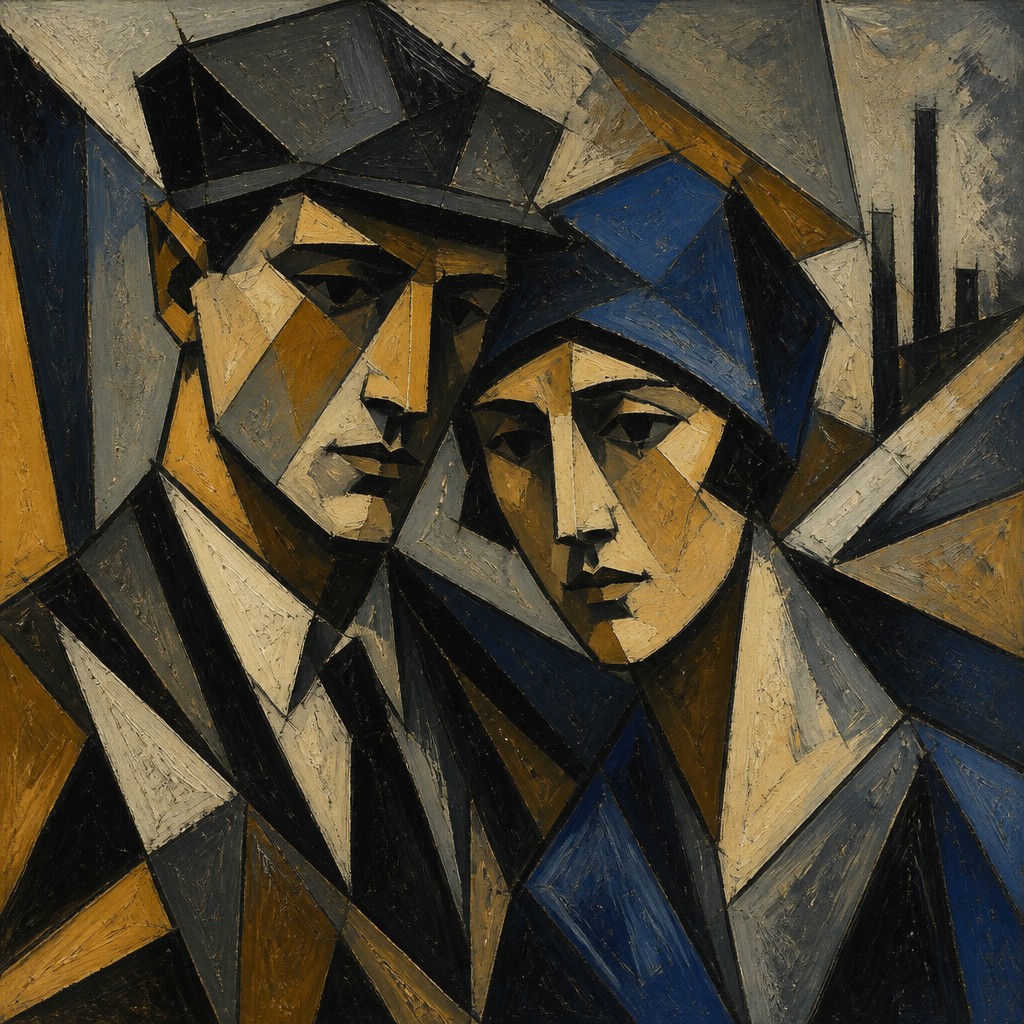
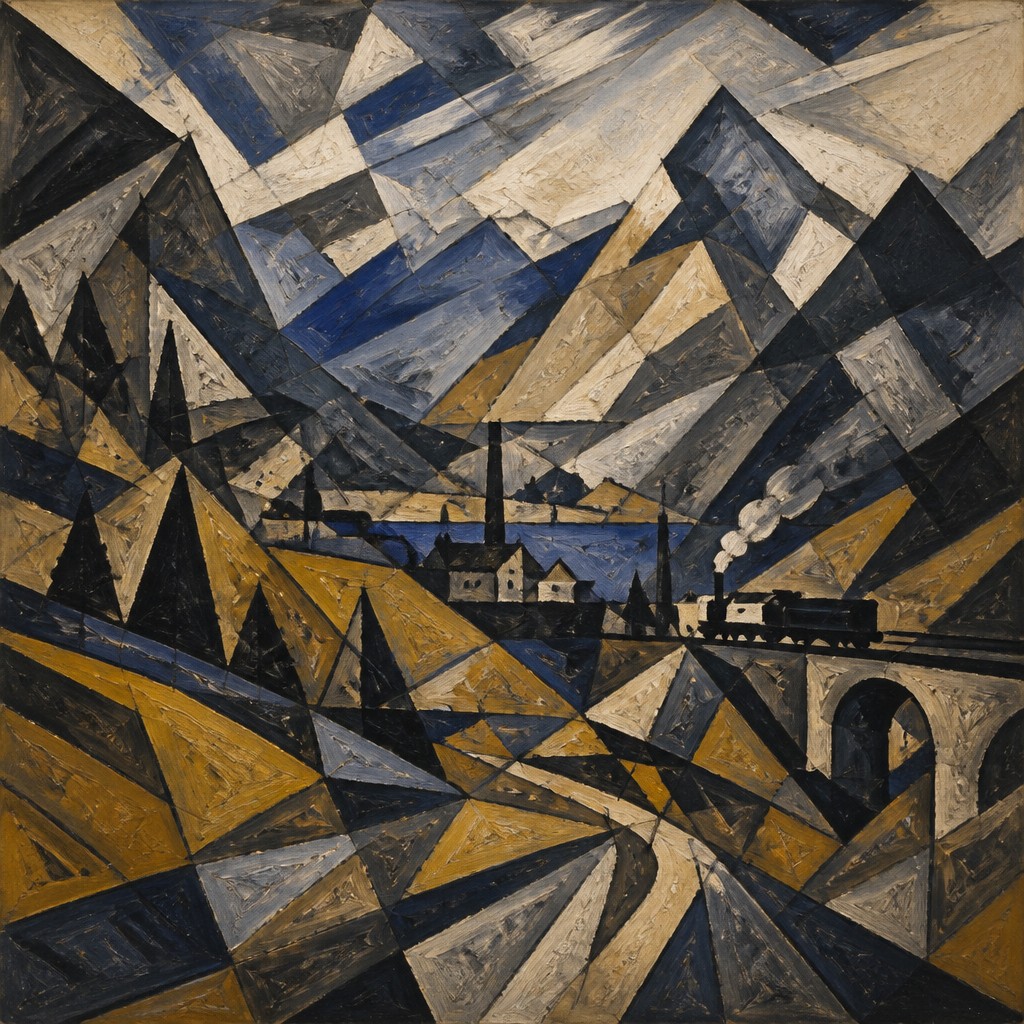
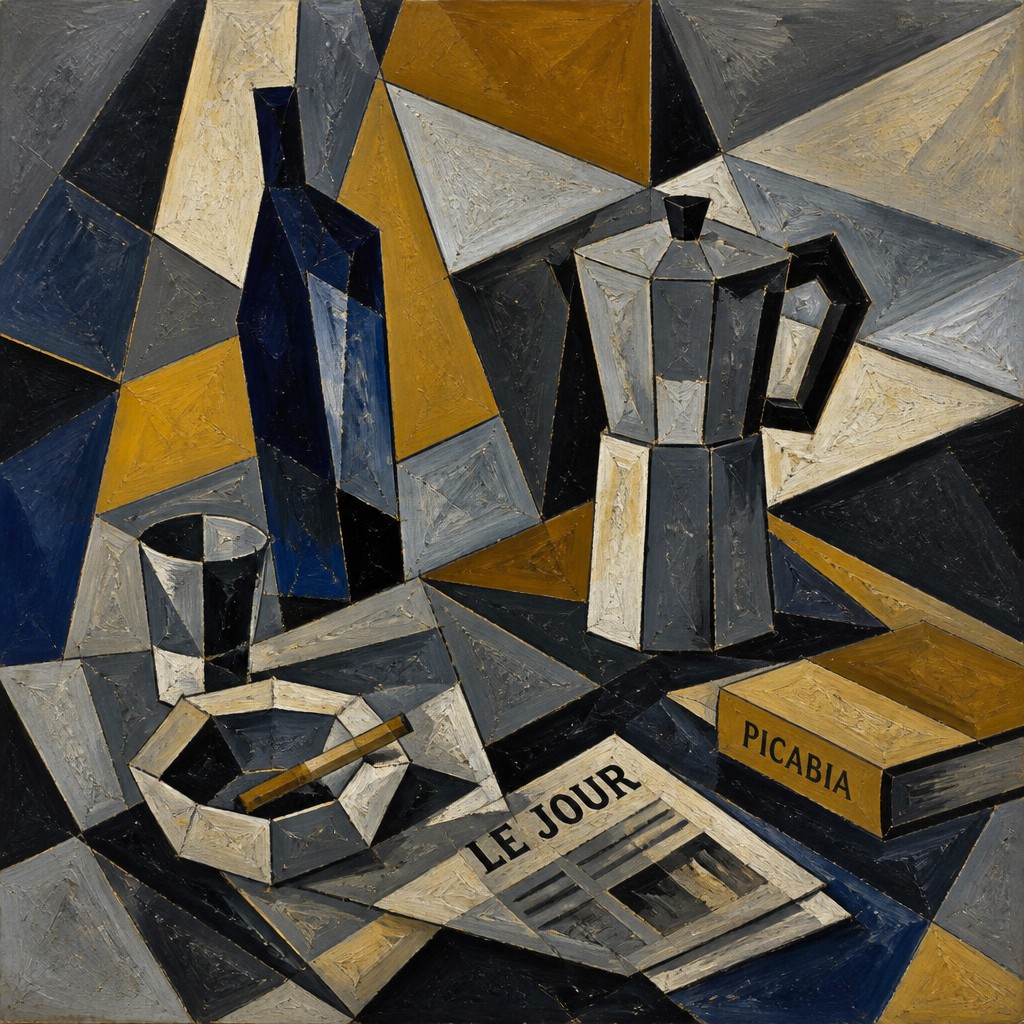
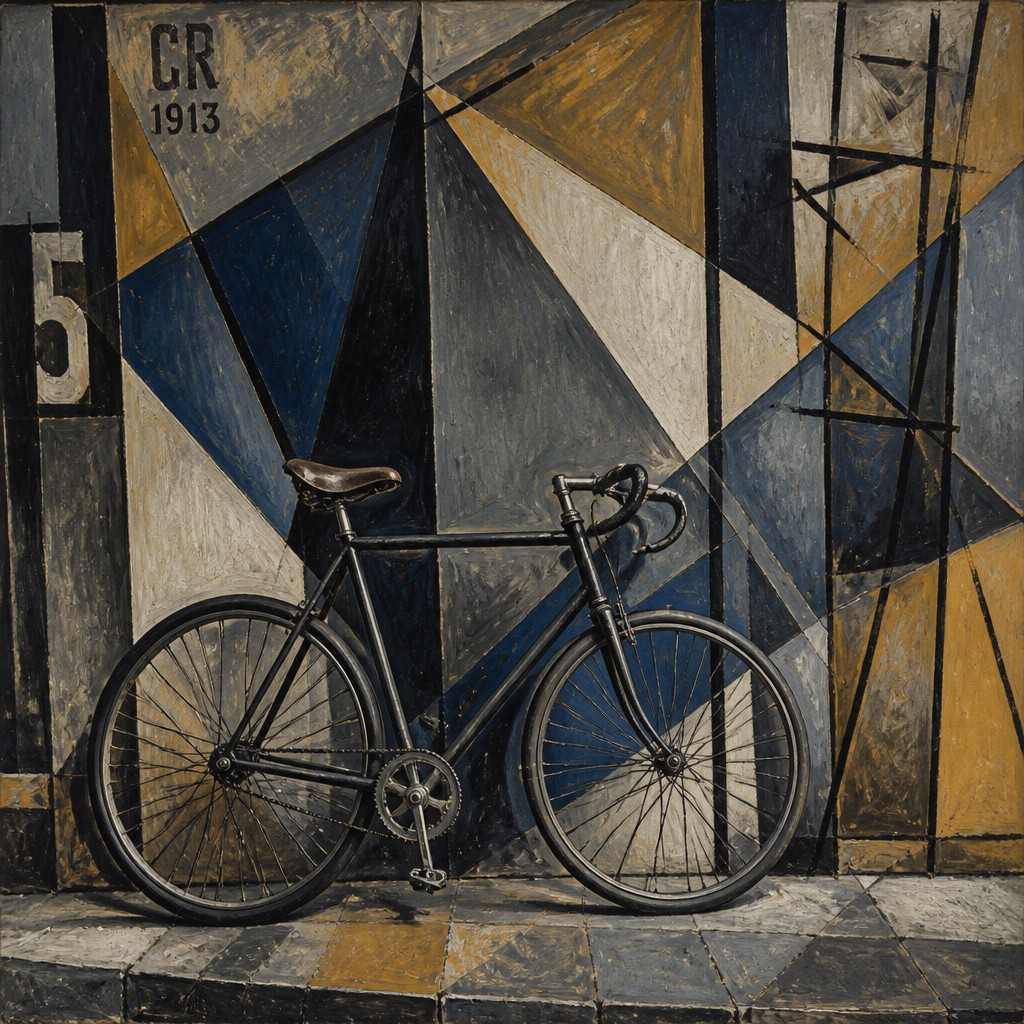
Modernism is an early 20th-century art style that emphasizes abstraction, fractured forms, bold geometry, and the dynamism of industrial, urban life. It often seeks clarity through structure, simplified shapes, and a belief that art can reflect the new visual reality of a rapidly changing world.
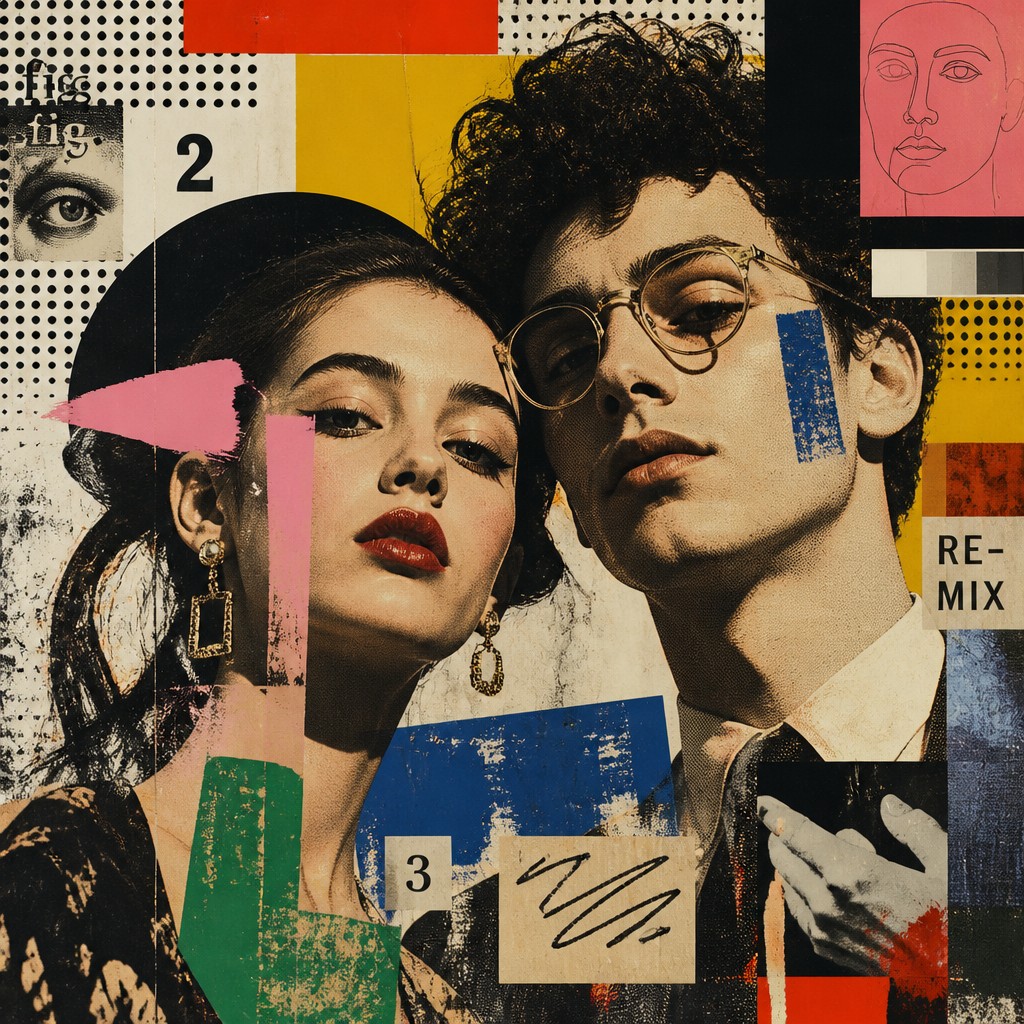
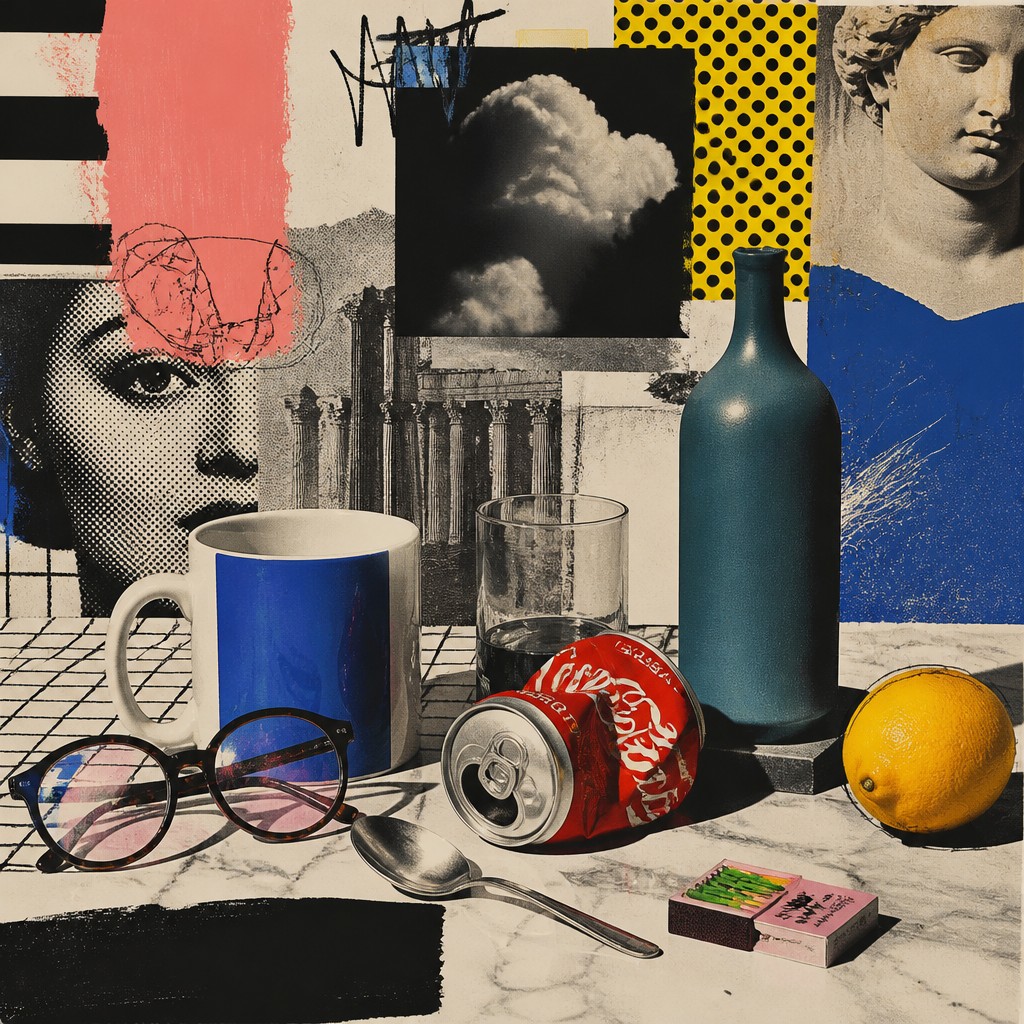
Postmodernism develops later as a response to modernist ideals. It favors irony, appropriation, mixed media, and collage-like fragmentation, often combining high and low cultural references. People compare the two because both can reject traditional realism, yet they differ sharply in tone, purpose, and how they treat meaning.
Same Prompt, Both Styles
Each pair below was generated from the identical prompt — only the style changed.
“portrait of two people together”
“wide landscape with natural scenery”

“still life with everyday objects”
“bicyle resting against a wall”

Key Differences
| Modernism | Postmodernism | |
|---|---|---|
| Purpose | Seeks formal clarity and a fresh visual language for modern life. | Questions fixed meanings and often treats images with irony or play. |
| Line & form | Uses simplified, fractured, or geometric forms with strong structure. | Uses mixed, discontinuous forms that may deliberately clash or overlap. |
| Composition | Often organized through balance, rhythm, and deliberate abstraction. | Often collage-like, layered, and intentionally fragmented. |
| Materials | Commonly centered on painting, sculpture, and unified formal elements. | Frequently combines media, found objects, text, and appropriation. |
| Tone | Energetic, serious, and forward-looking. | Ironic, playful, skeptical, or self-aware. |
| Cultural references | Focuses more on universal form and the experience of modernity. | Mixes high and low culture, quoting and reusing existing imagery. |
| Mood | innovative, urbane, experimental, structured, contemporary | ironic, fragmented, playful, critical, cerebral |
| Energy | balanced | lively |
| Detail level | moderate | detailed |
| Color | muted to bold, often contrasting | mixed, varied, often bold contrast |
| Texture | flat planes, crisp edges, visible structure | collaged, layered, mixed-media feel |
| Origin | early 20th-century Europe and America | late 20th century, Western postmodern culture |
| Best for | posters, editorial illustrations, album covers, museum graphics, book covers, architectural visuals | editorial illustration, album covers, posters, book covers, contemporary branding, conceptual installations |
| Difficulty | advanced | advanced |
Which Should You Choose?
Choose Modernism if you want clean abstraction, strong geometry, and a sense of order or momentum tied to modern life. Choose Postmodernism if you want layered references, mixed media, and a more questioning or ironic approach. In short, pick A for disciplined formal innovation and B for collage, contradiction, and cultural remix.
Frequently Asked Questions
Is Postmodernism just a more colorful version of Modernism?
No. Postmodernism is less about a single formal look and more about questioning style itself. It often uses quotation, irony, and mixed media in ways that move beyond modernist ideas of progress and purity.
Can both styles be abstract?
Yes. Modernism often uses abstraction to simplify and restructure reality, while Postmodernism may use abstraction alongside text, images, or appropriated material. The difference is usually in attitude and how meaning is built.
Which style is more experimental?
Both are experimental, but in different ways. Modernism experiments with form, structure, and abstraction, while Postmodernism experiments with context, reuse, and combining different visual languages.
Are these styles opposites?
Not exactly. They overlap in their rejection of older academic realism and their interest in new visual strategies. But Modernism tends to seek unity and progress, while Postmodernism tends to emphasize fragmentation and skepticism.