Art Deco Style
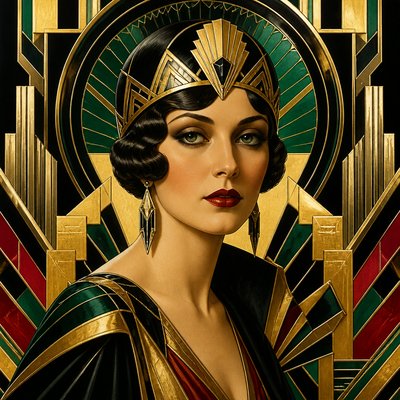
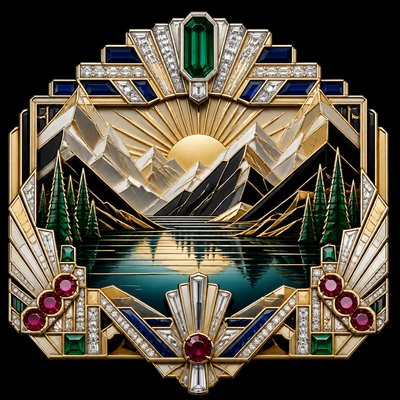
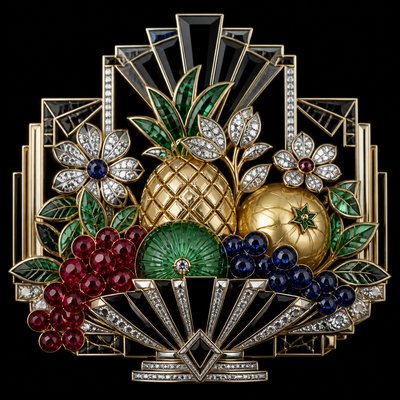
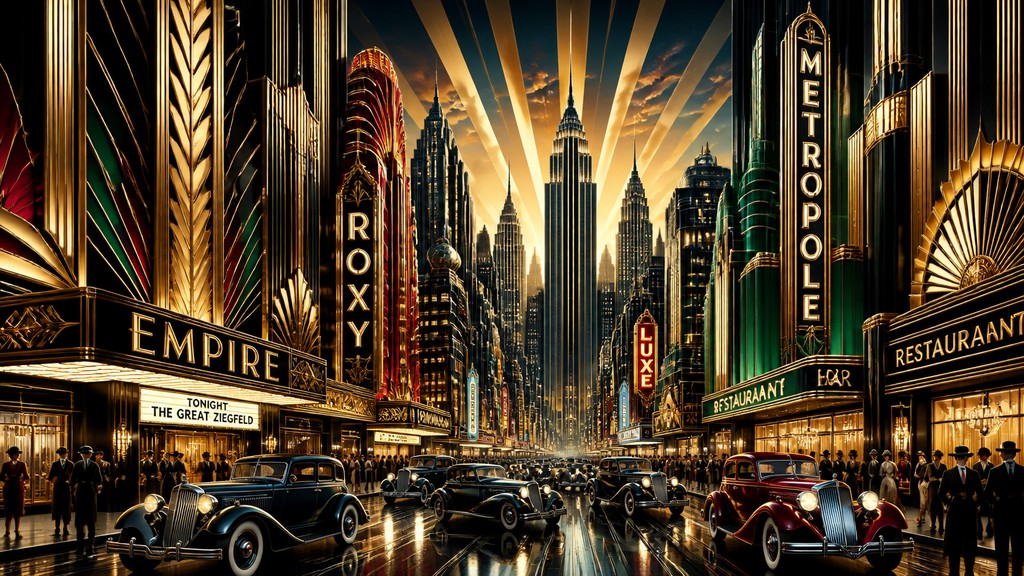
Elegant 1920s–30s design style with geometric forms, metallic finishes, bold symmetry, and glamorous machine-age ornament.
Instantly rendered in Art Deco — or transform a photo
Art Deco Gallery
Tap any artwork to explore it


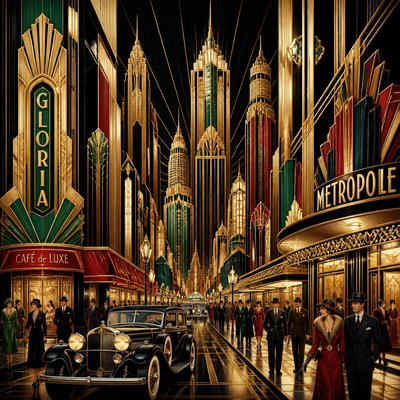
What is Art Deco Style?
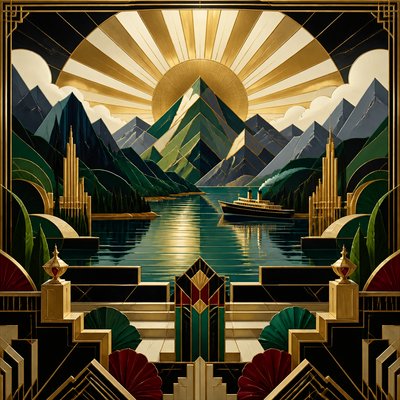
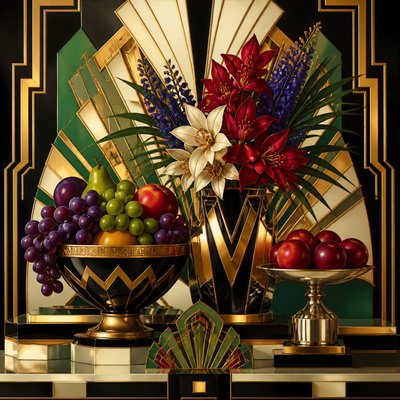
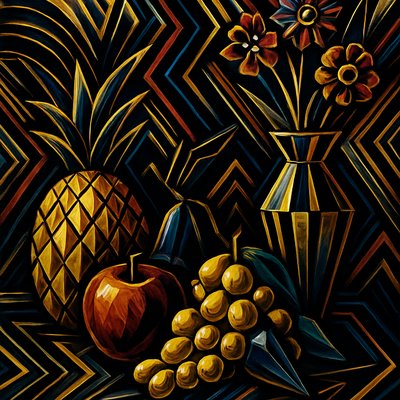
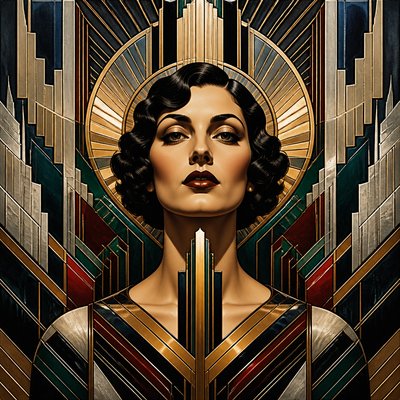
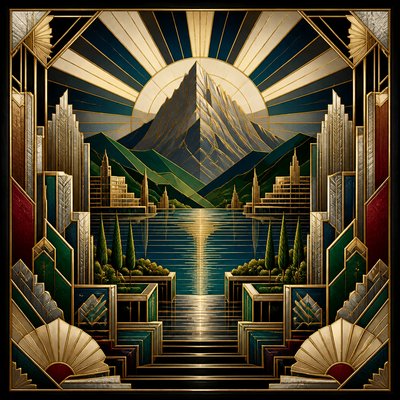
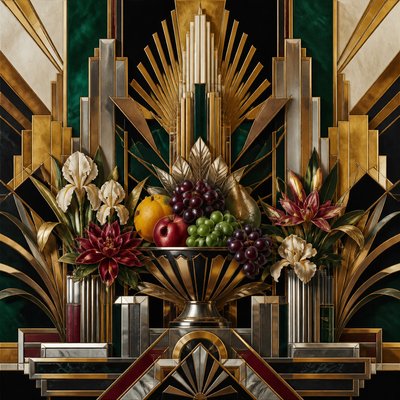
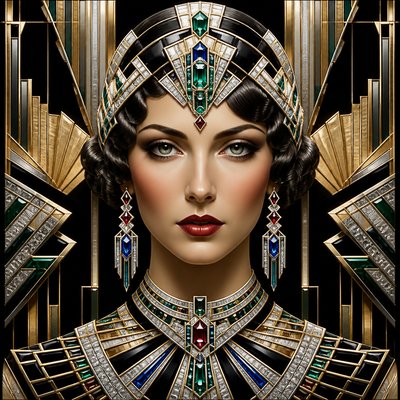
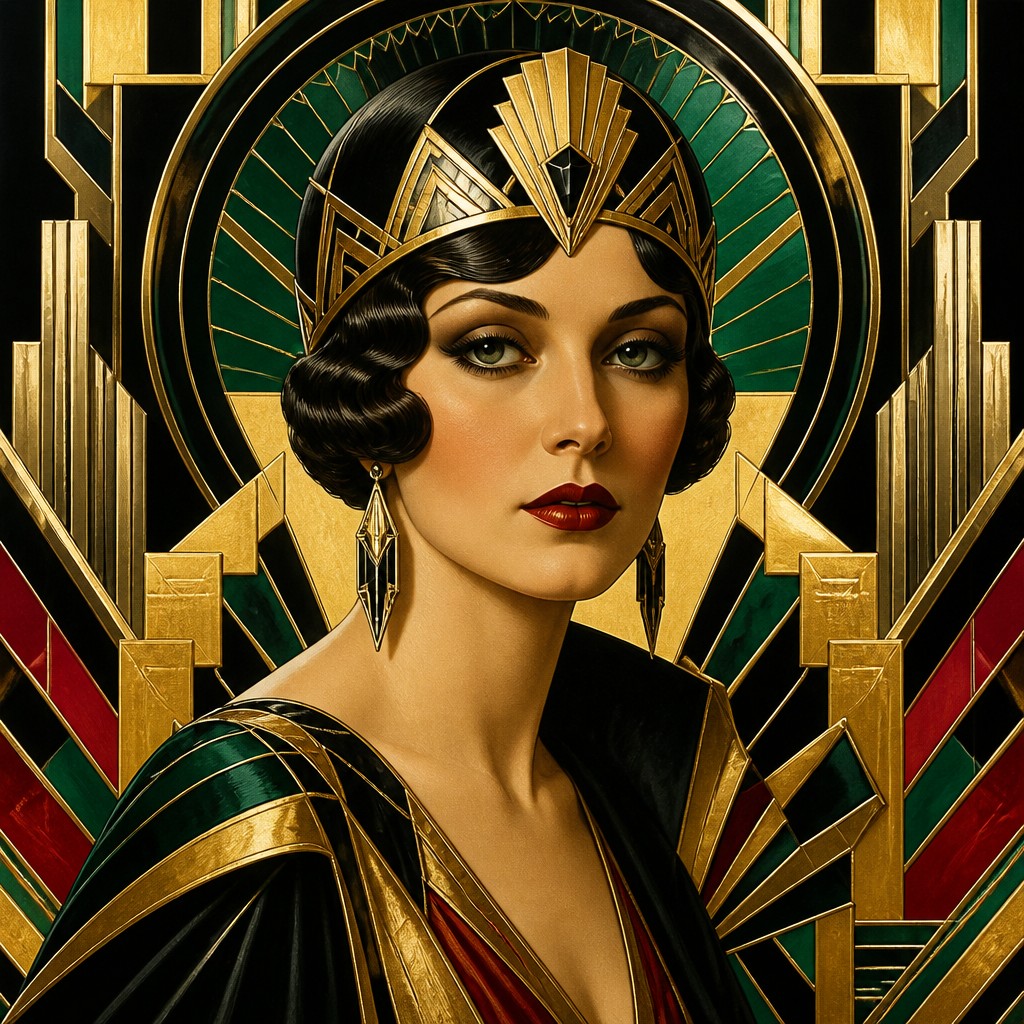
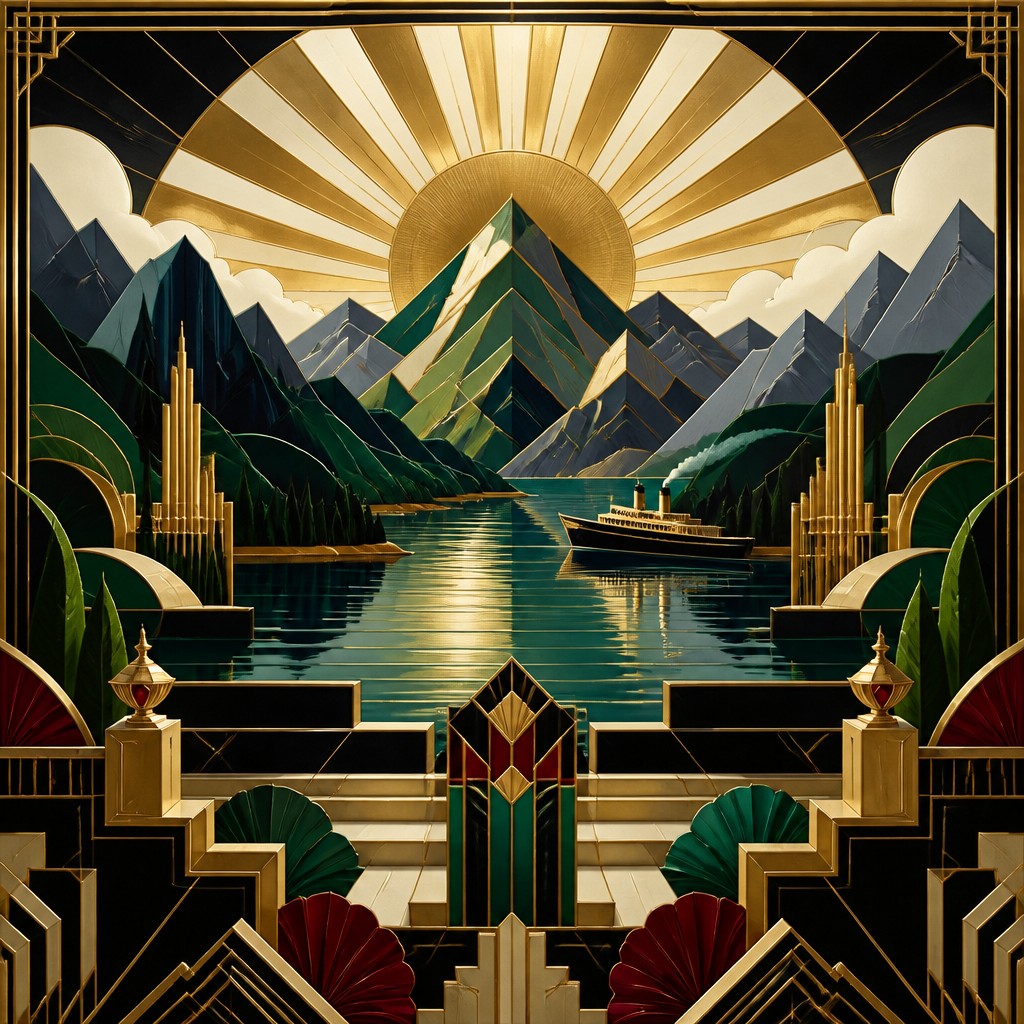
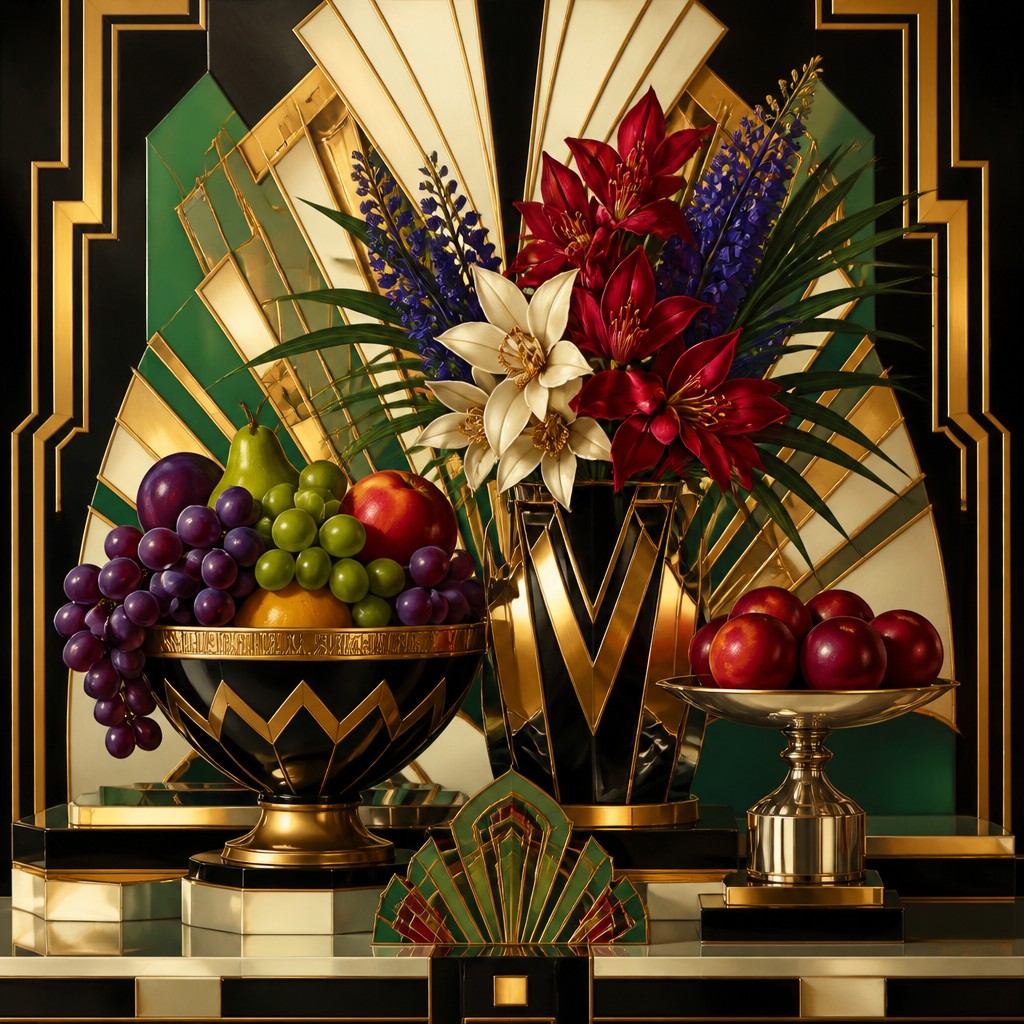
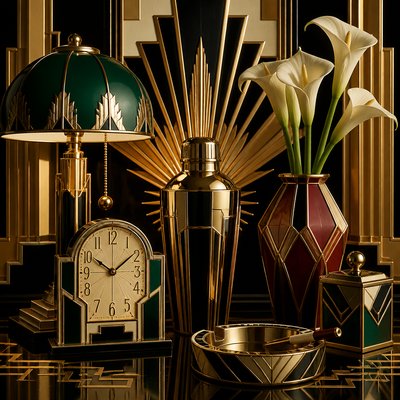
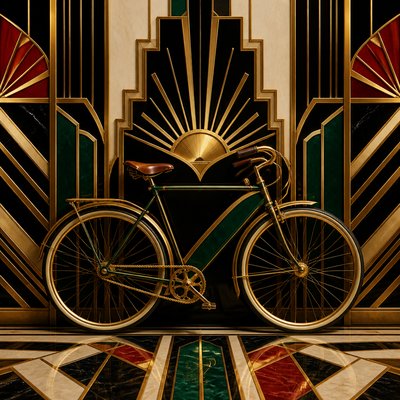
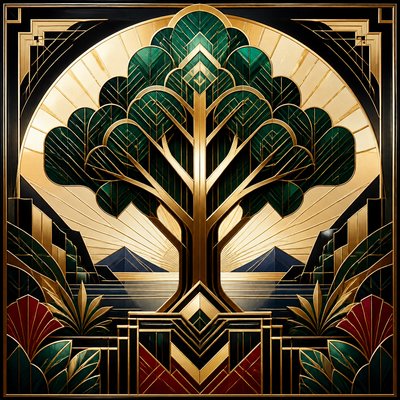
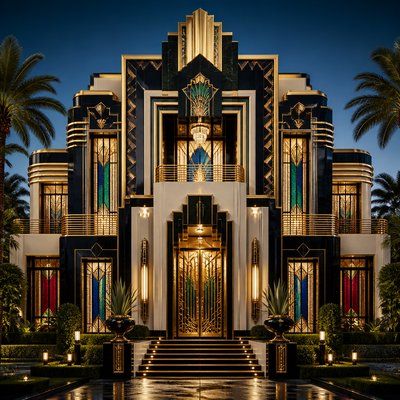
Art Deco is a decorative style that emerged in the 1920s and reached full maturity in the 1930s. It is defined by bold symmetry, stepped and tiered forms, zigzags, chevrons, sunbursts, and streamlined curves, often combined with luxurious materials and strong contrasts such as black and gold, ivory and chrome, or jewel tones against lacquered surfaces.
The style looks the way it does because it sits at the intersection of modern industry and elite glamour. It absorbed influences from Cubism, Futurism, ancient Egyptian and Mesoamerican motifs, Viennese Secession design, and the machine age, then translated them into a polished visual language for architecture, interiors, furniture, posters, jewelry, and fashion. The result is a style that feels both ornamental and engineered: precise, elegant, and exuberantly modern.
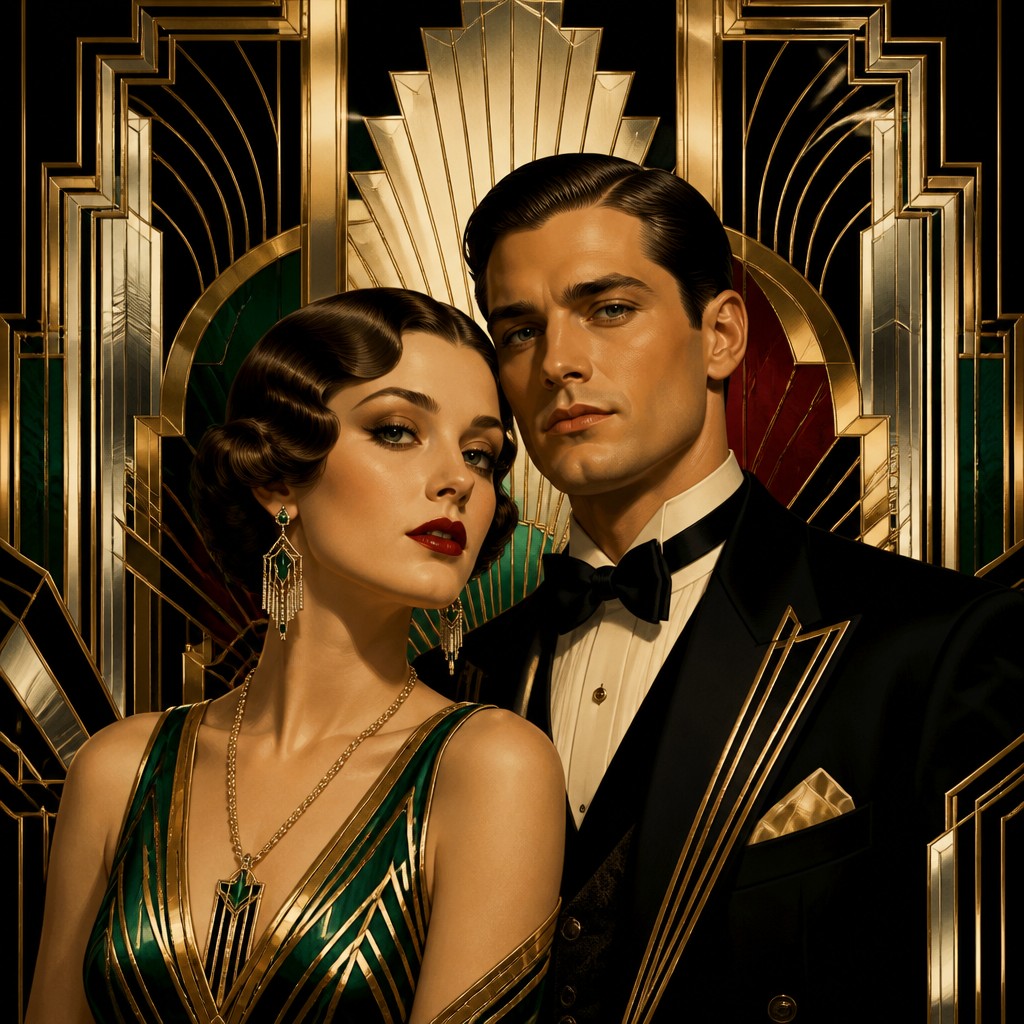
Try It On Your Photos
Upload any photo and convert it into Art Deco Style — drag the sliders to compare before and after.


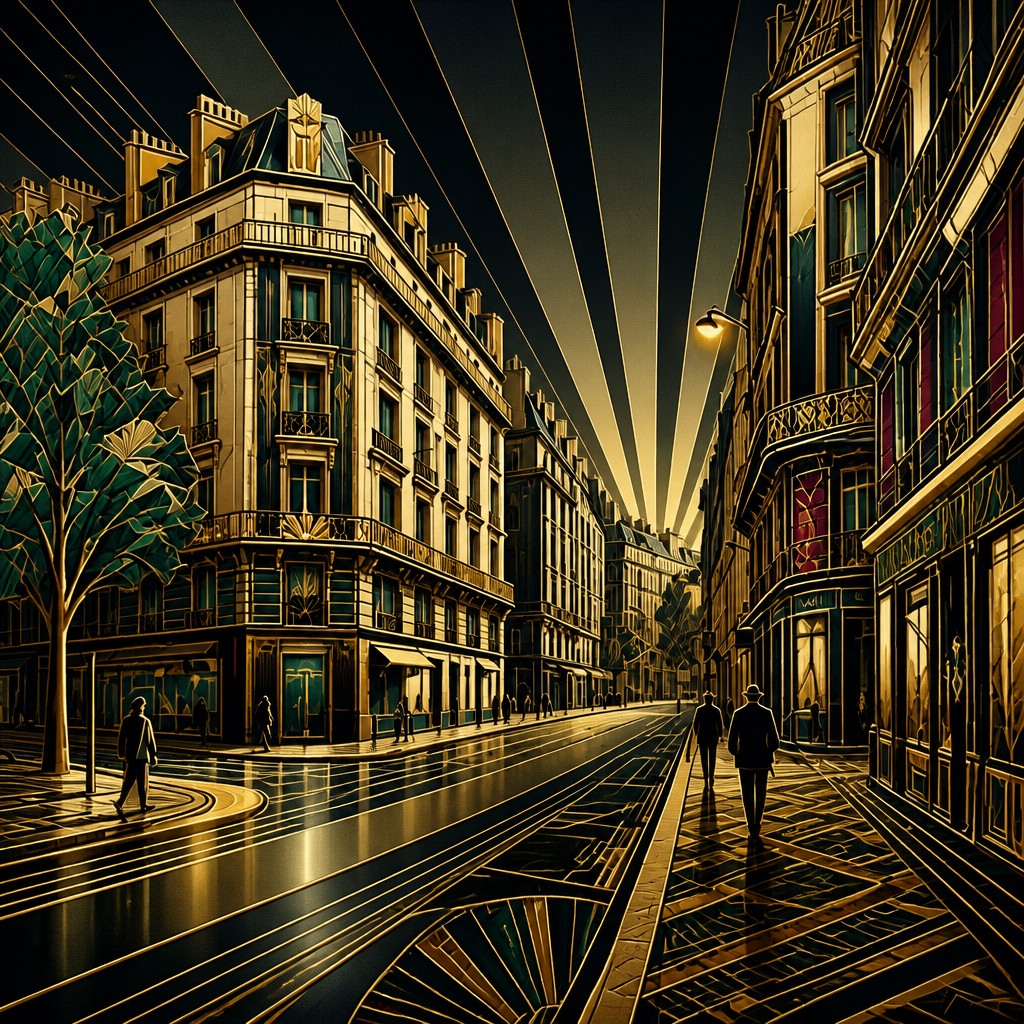

What Defines Art Deco Style
The signature details, up close
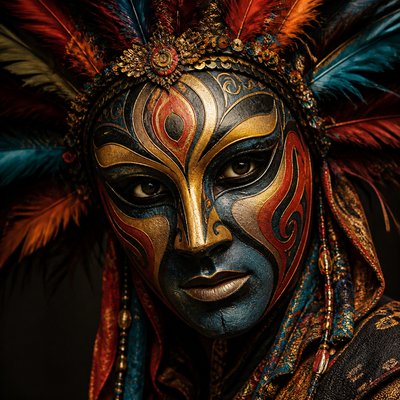
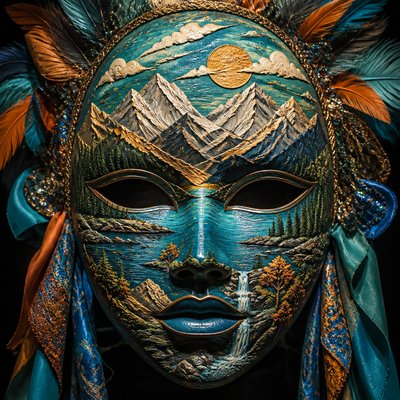
Bold geometric symmetry
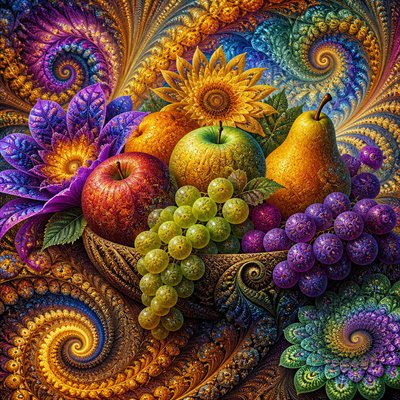
Compositions are often built from mirrored layouts, radiating patterns, and exacting symmetry. Repeated geometry creates a sense of order, ceremony, and controlled opulence.
Stepped and tiered forms
Skyscraper-like silhouettes, ziggurat edges, and layered profiles are common. These forms echo architecture and give objects a monumental, upward-moving presence.
Zigzags, chevrons, and sunbursts
Decorative motifs are crisp and rhythmic rather than organic. These patterns appear in borders, frames, fabrics, murals, and jewelry, often acting as the style’s signature ornament.
Metallic and glossy finishes
Gold, chrome, brass, and lacquered surfaces are central to the look. Highlights are often sharp and reflective, reinforcing a sense of luxury and precision.
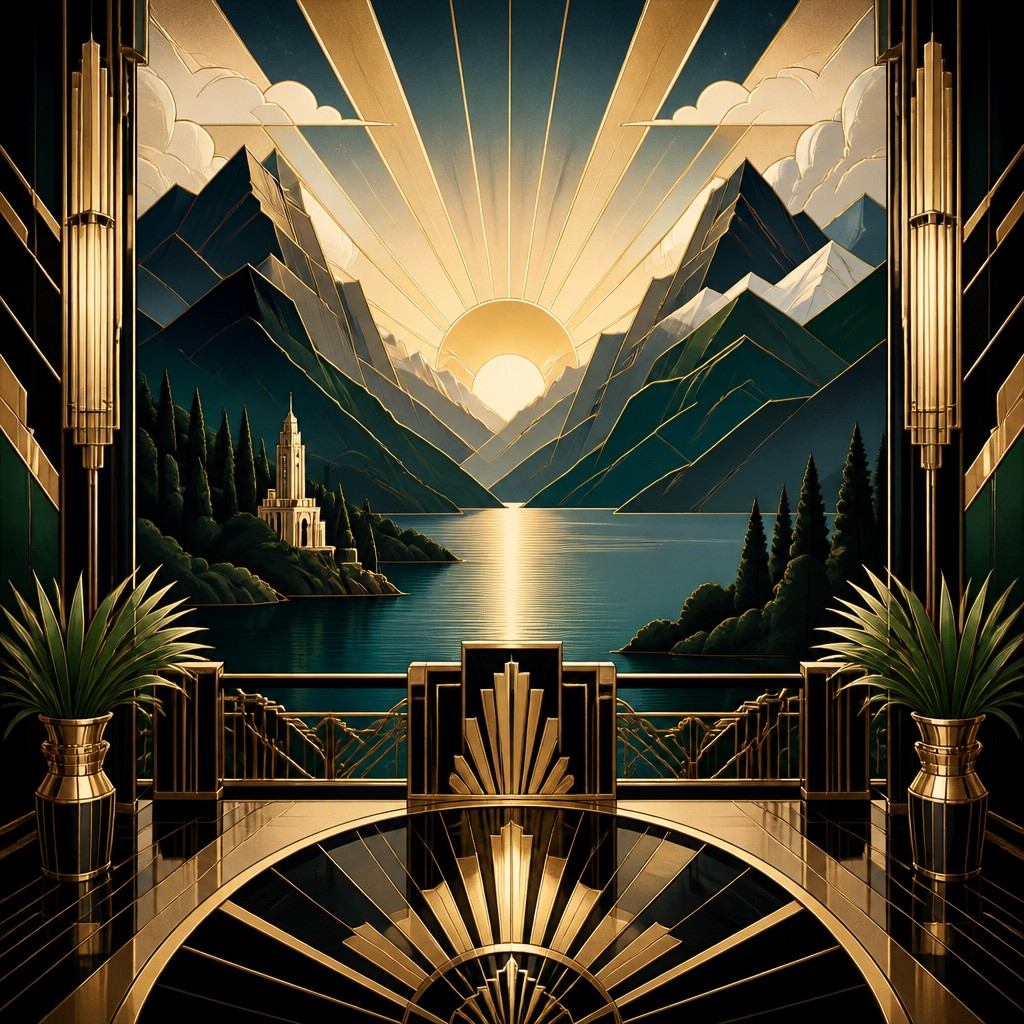
Rich, high-contrast color palettes
Deep black, ivory, emerald, sapphire, ruby, and other jewel tones are common. The palette is typically restrained but saturated, relying on contrast rather than a broad range of hues.
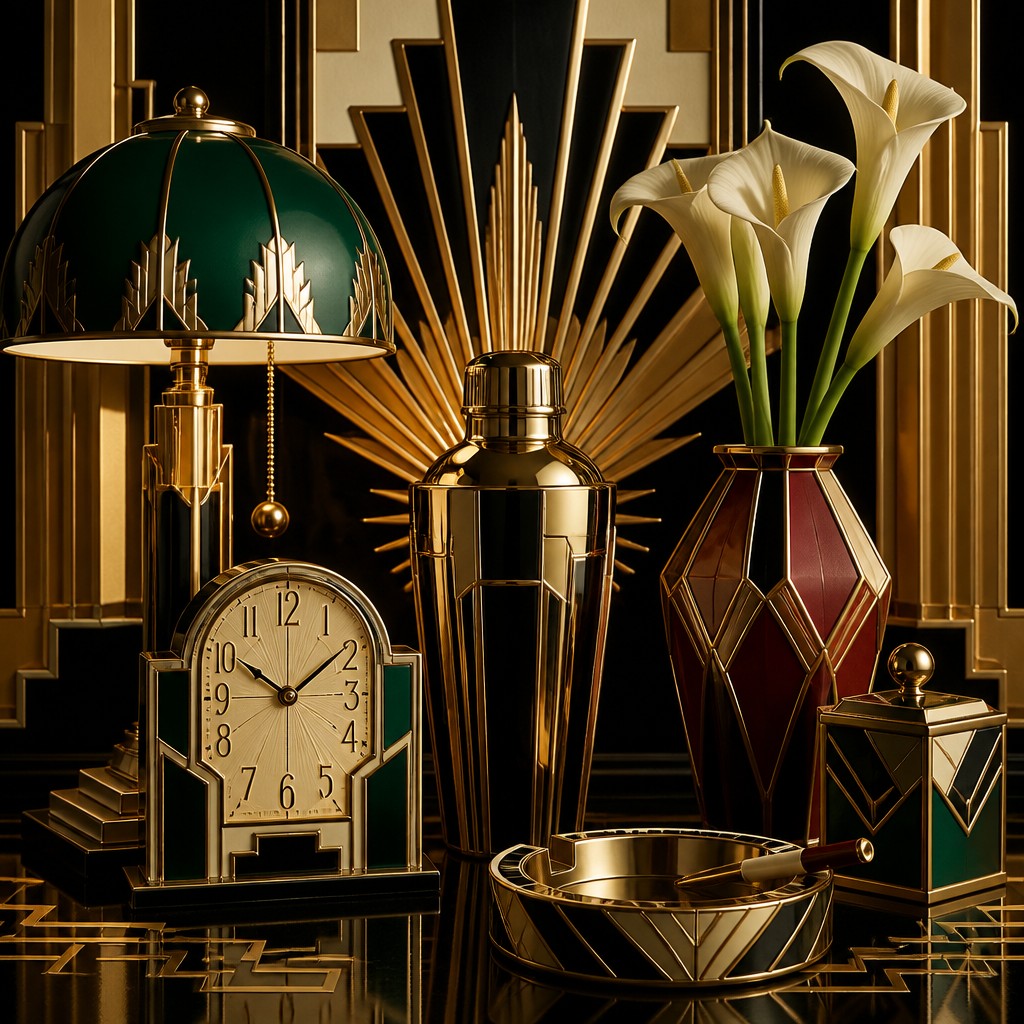
Streamlined modern forms
Curves are sleek and aerodynamic, while edges remain clean and deliberate. Even highly decorative compositions preserve an underlying sense of machine-age efficiency.
Try It
Create Videos in Art Deco Style
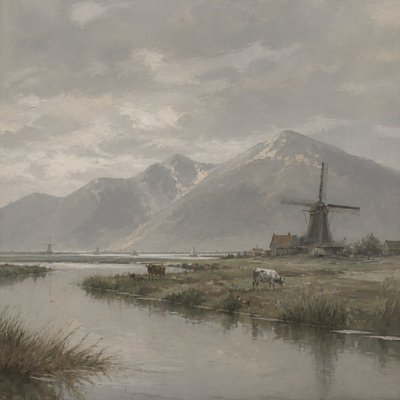
Styles aren't just for stills — describe a scene or animate an image and get a short video rendered in Art Deco. Press play to see this pond come to life.
Make a VideoArt Deco Prompt Ideas
Start from an idea — each one opens the generator with the style ready to go. See all 40 Art Deco prompts →
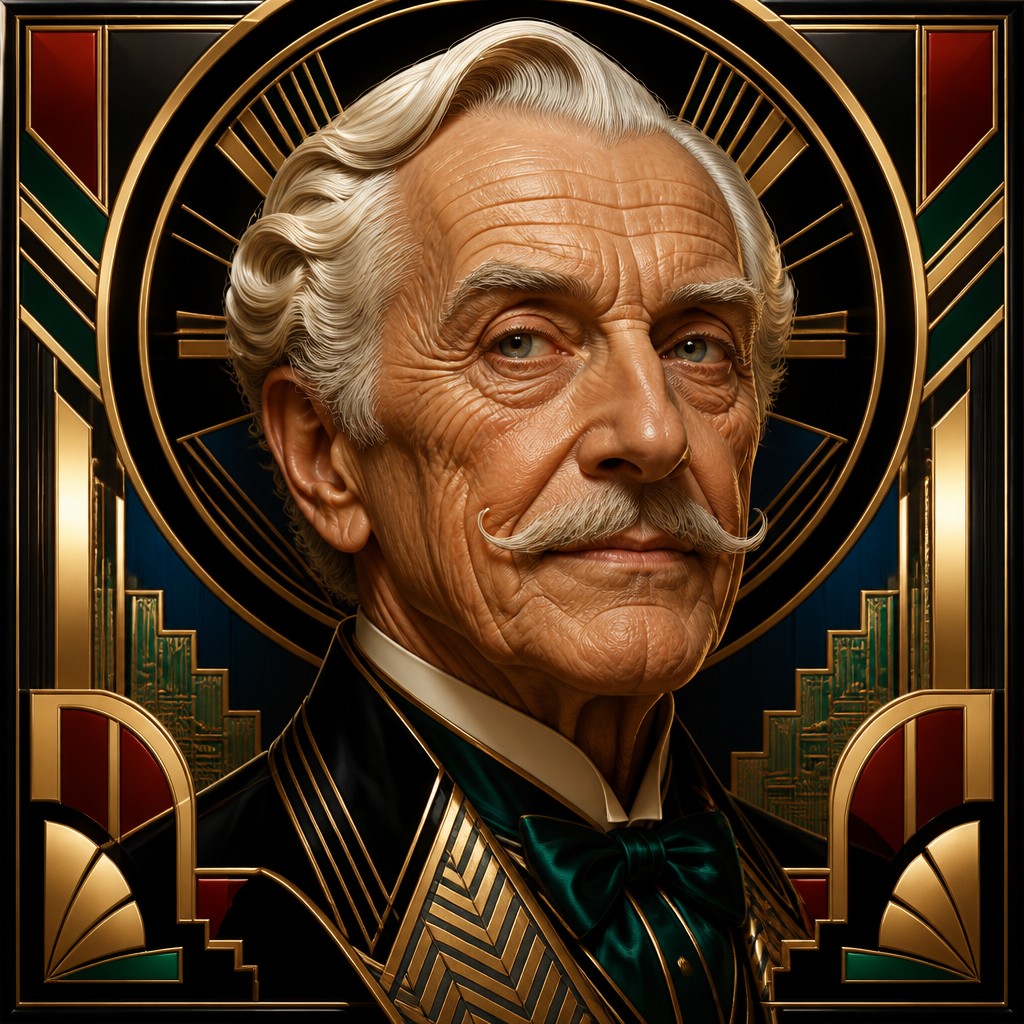
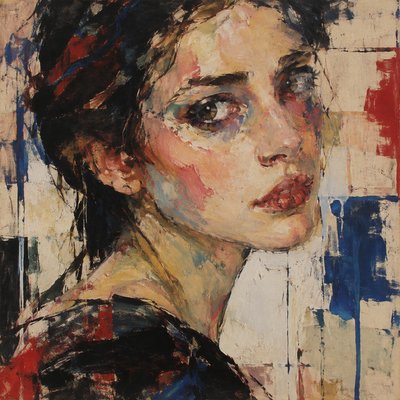
“close-up portrait of an elderly person with expressive weathered features”
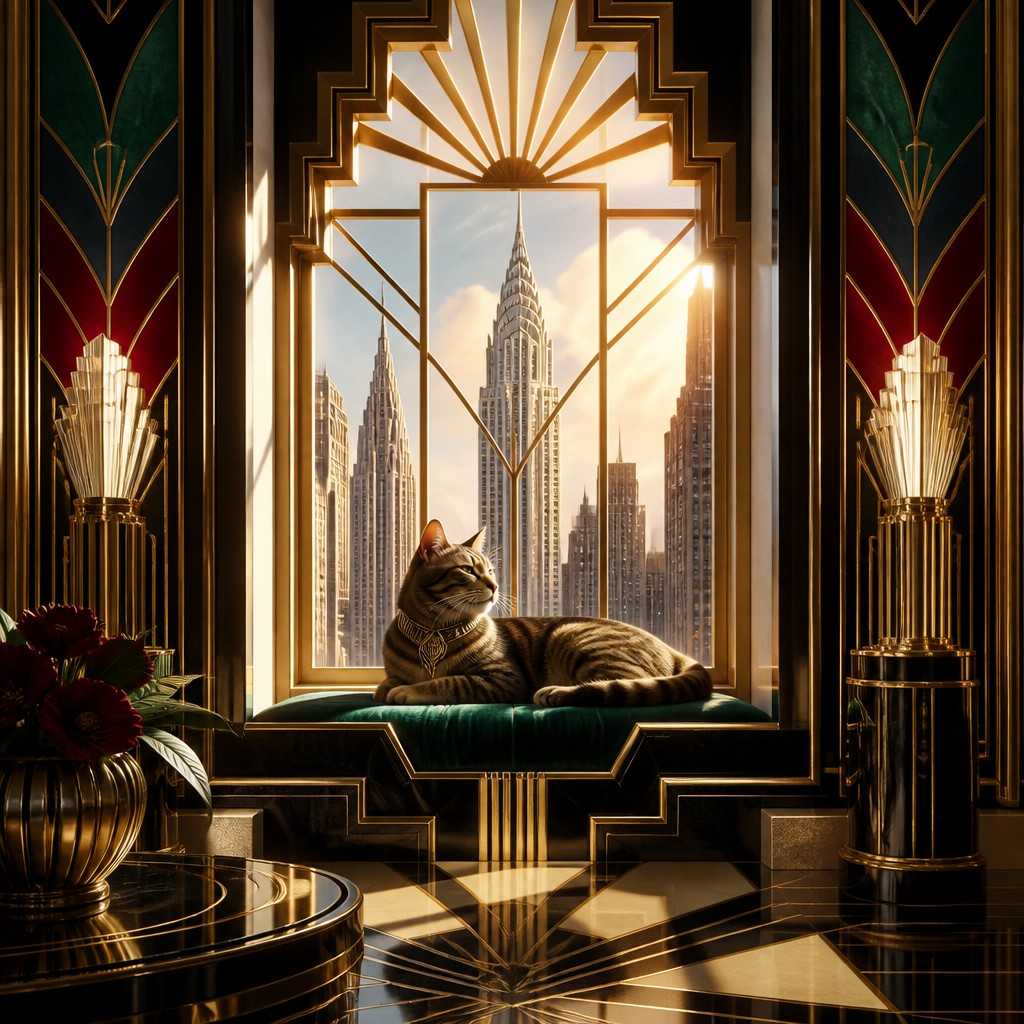
“a cat lounging in a sunlit window”
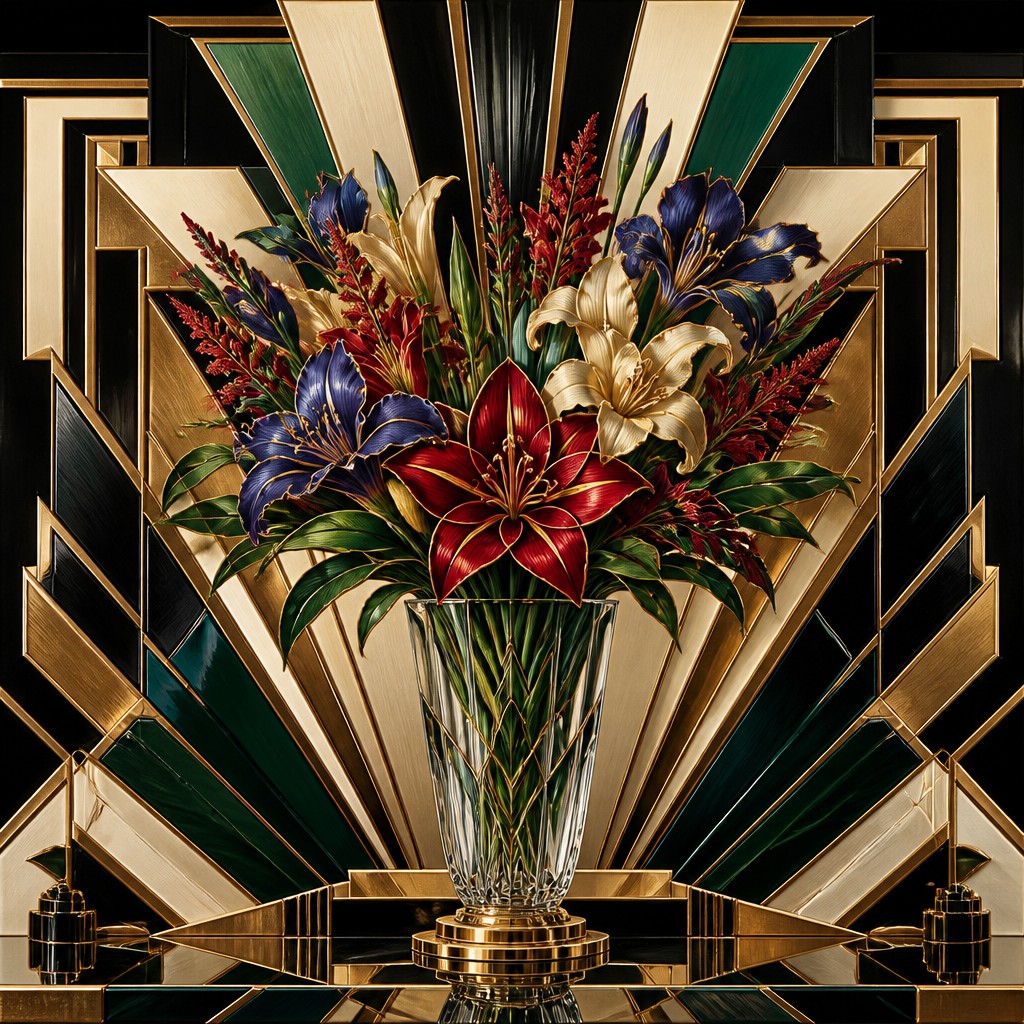
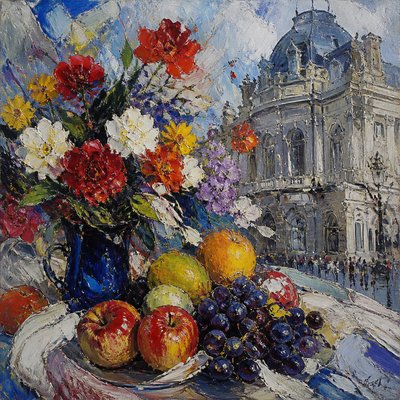
“bouquet of flowers in a glass vase”

“sailing ship on a stormy sea”
How to Create Art Deco Art
Master the craft step by step — or skip straight to creating. Read the full guide →
- 1
Build from geometry first
Start with a clear underlying structure: symmetry, centered motifs, stepped silhouettes, or radiating lines. In traditional media, sketch clean construction lines before adding ornament; in digital work, use shape tools, grids, and vector paths to keep forms crisp.
- 2
Use a luxury palette and limited contrast points
Choose black, ivory, gold, and one or two jewel tones to anchor the composition. Reserve the brightest highlights for metallic edges, focal motifs, and reflective surfaces so the image reads as elegant rather than busy.
- 3
Add repeating ornamental motifs
Layer chevrons, sunbursts, fans, arcs, and stylized floral or sunburst forms into borders and focal areas. Keep repetition disciplined so the decorative rhythm supports the composition instead of overwhelming it.
- 4
Emphasize polished surfaces and lighting
Render chrome, brass, glass, lacquer, or satin with strong edge highlights and controlled shadows. Whether painting or working digitally, use clean gradients and hard reflections to suggest refined manufactured materials.
- 5
Mix historic glamour with modern subjects
This style suits skyscrapers, jazz-age figures, luxury interiors, automobiles, and theatrical posters. For prompt-based generation, specify the subject plus materials, motifs, palette, and lighting, then omit any stylistic clutter that would weaken the geometric clarity.
- 6
Refine with exact wording in prompts
Use descriptors such as symmetrical, stepped, metallic, lacquered, geometric, jewel-toned, and sunburst-patterned. If generating images, clearly state the subject and the decorative features so the result stays anchored in the period’s visual language.

The Story
History & Origins of Art Deco
Art Deco developed in France in the years before and after World War I and was internationally named after the 1925 Exposition Internationale des Arts Décoratifs et Industriels Modernes in Paris. It flourished in the 1920s and 1930s across architecture, product design, graphic arts, fashion, and cinema, becoming a visual symbol of cosmopolitan modernity and luxury in Europe, the Americas, and beyond.
Its lineage is not a single school but a convergence of decorative and modernist tendencies. Geometric abstraction, streamlined industrial forms, and exoticized historic motifs were adapted into a coherent style suited to new materials such as chrome, glass, aluminum, and lacquer. By the late 1930s, Art Deco evolved into sleeker Streamline Moderne variants, but its core vocabulary remained influential in later revival movements and in contemporary graphic and interior design.
Influences: Art Deco draws from Cubism’s fractured geometry, Futurism’s fascination with speed and modernity, the Viennese Secession’s decorative discipline, and archaeological revivals inspired by ancient Egypt, Mesopotamia, and Mesoamerican art. In architecture and design, leading Paris-based furniture makers, metalworkers, textile designers, portrait painters, costume designers, and American theater and interior designers are closely associated with its mature expression, though the style was broader than any single artist.

Frequently Asked Questions
What defines Art Deco style?
Art Deco is defined by geometric ornament, symmetry, stepped forms, and a polished sense of luxury. Its visual identity typically includes metallic surfaces, bold contrast, and motifs such as chevrons, sunbursts, and zigzags. The style balances decoration with structure, so it feels elegant and engineered at the same time.
How is Art Deco different from Art Nouveau?
Art Nouveau favors flowing organic lines, floral curves, and hand-made asymmetry, while Art Deco favors geometry, symmetry, and machine-age sleekness. Art Nouveau tends to look more botanical and lyrical; Art Deco looks more architectural, metallic, and streamlined. They are both decorative styles, but they express very different ideas of modernity.
What is the difference between Art Deco and Streamline Moderne?
Streamline Moderne is a later, more aerodynamic offshoot of Art Deco that emphasizes horizontal bands, rounded corners, and reduced ornament. Art Deco is generally more lavish and angular, with richer decoration and stronger vertical emphasis. If Art Deco is glamorous geometry, Streamline Moderne is its smoother, speed-focused descendant.
What colors are most associated with Art Deco?
Classic Art Deco palettes often use black, ivory, gold, silver, chrome, emerald, sapphire, and ruby. High contrast is important, so dark backgrounds are frequently paired with bright metallic or jewel-toned accents. The palette can be more restrained in architecture and more vivid in posters or fashion imagery.
Where is Art Deco commonly used today?
It remains common in graphic design, interior design, fashion, signage, packaging, and architecture-inspired branding. The style is especially popular for logos, posters, album covers, wedding invitations, and luxury product imagery because its geometry reads clearly and its materials imply sophistication. Many contemporary interiors also borrow Deco elements such as mirrors, brass, and stepped forms.
How can I make an image in this style?
Focus on a clear central subject and describe the Deco treatment through shape, material, and color: symmetrical layout, metallic finishes, stepped geometry, and decorative motifs. Whether working by hand or digitally, start with strong structure, then add controlled ornament and reflective highlights. The key is precision, contrast, and a sense of polished glamour.
Create your first Art Deco artwork
Describe anything — or upload a photo — and see it in Art Deco Style in seconds.
Make Something with Art Deco
Compare Art Deco
Related Styles
Discover similar art styles