Art Nouveau vs Art Deco: What's the Difference?
Art Nouveau and Art Deco are two decorative design styles that became especially influential in the early 20th century, but they express different ideas about beauty. Art Nouveau favors flowing, organic lines, floral and plant-inspired motifs, whiplash curves, and a hand-crafted, lyrical feel. Art Deco emphasizes geometry, symmetry, streamlined forms, metallic surfaces, and a glamorous machine-age look.
People compare them because both are elegant, highly decorative, and widely used in architecture, posters, interiors, and objects. They often appear in similar historical contexts, yet Art Nouveau feels natural and curving while Art Deco feels modern and structured. Comparing them helps clarify how design shifted from nature-based ornament to a more industrial, polished aesthetic.
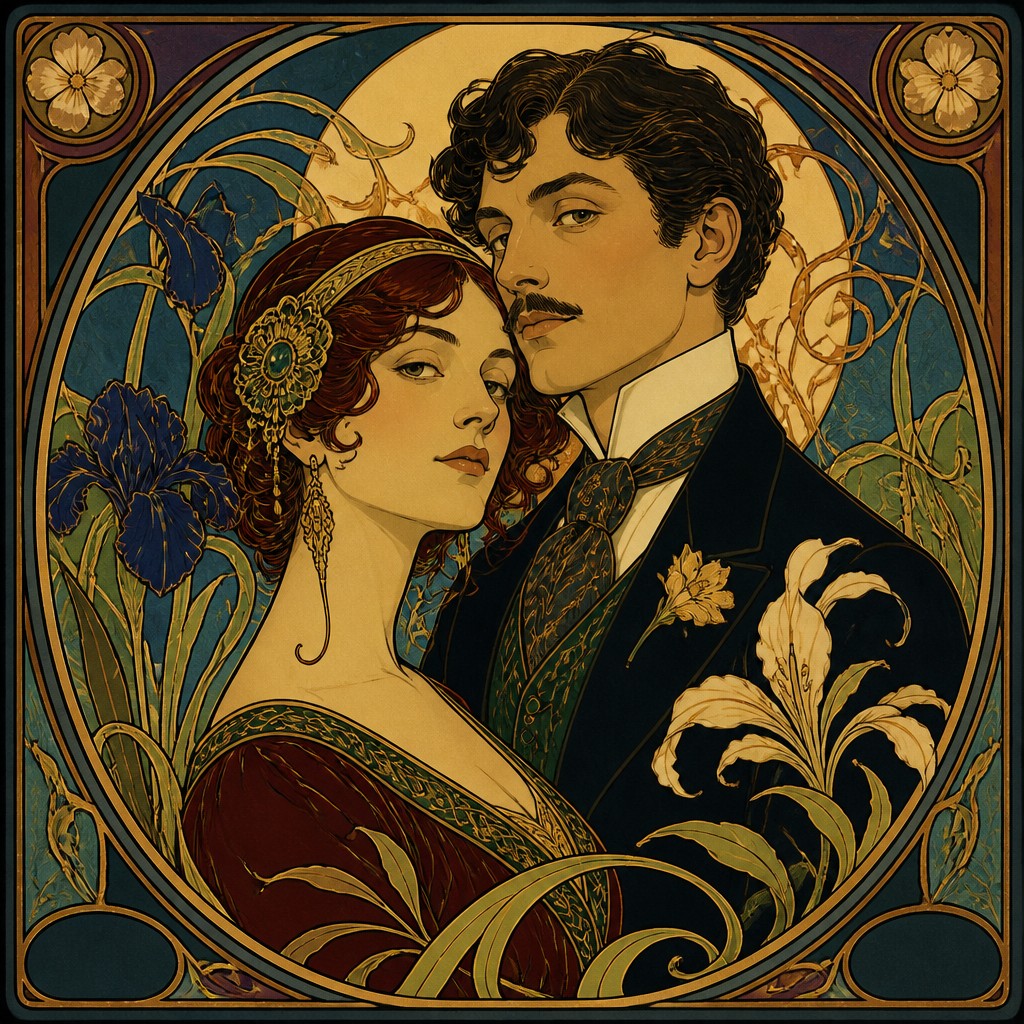
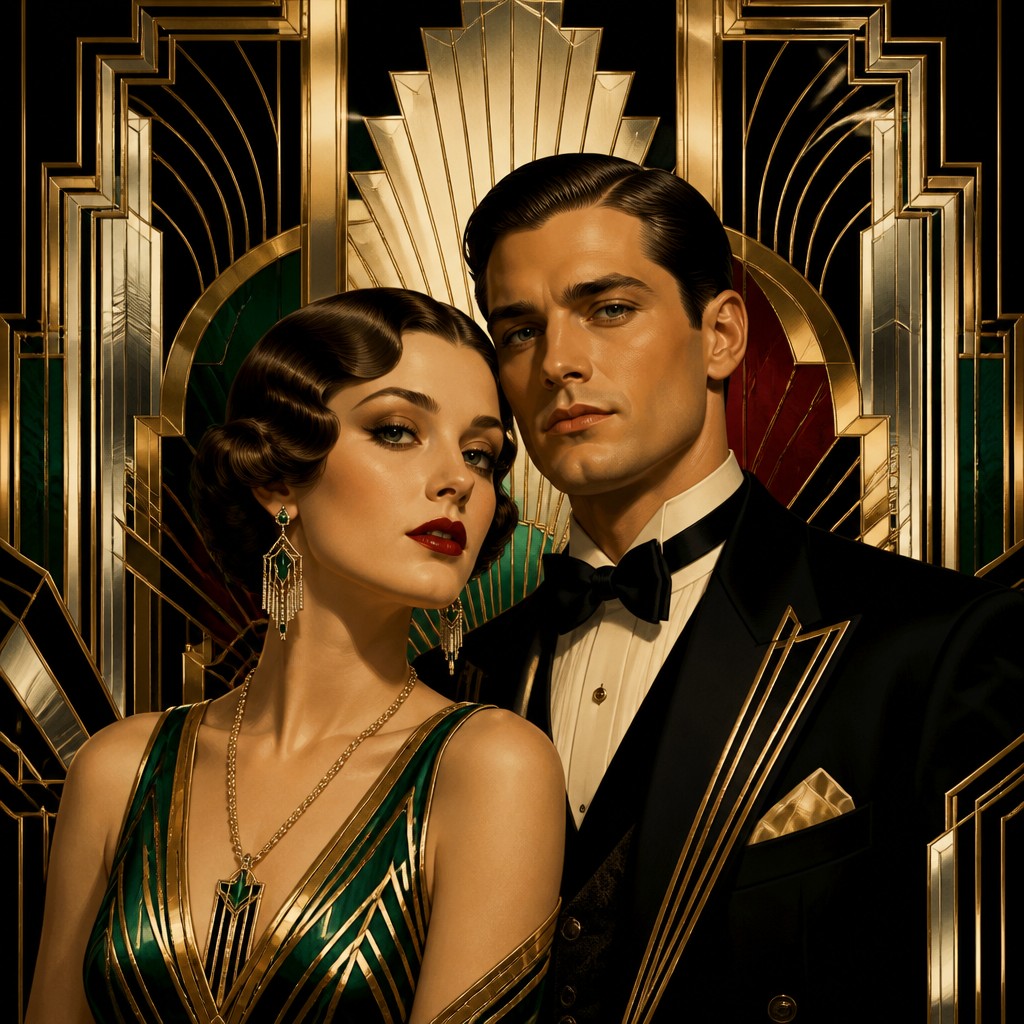
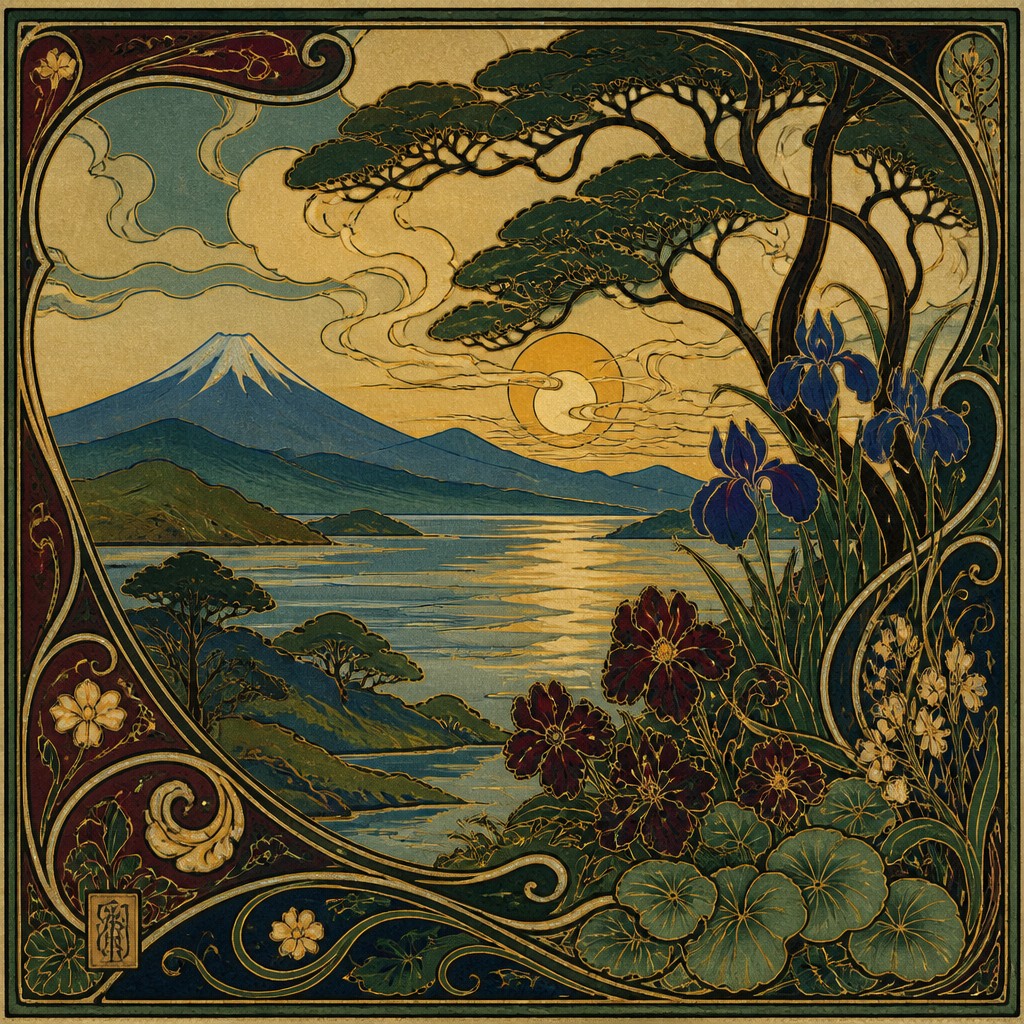
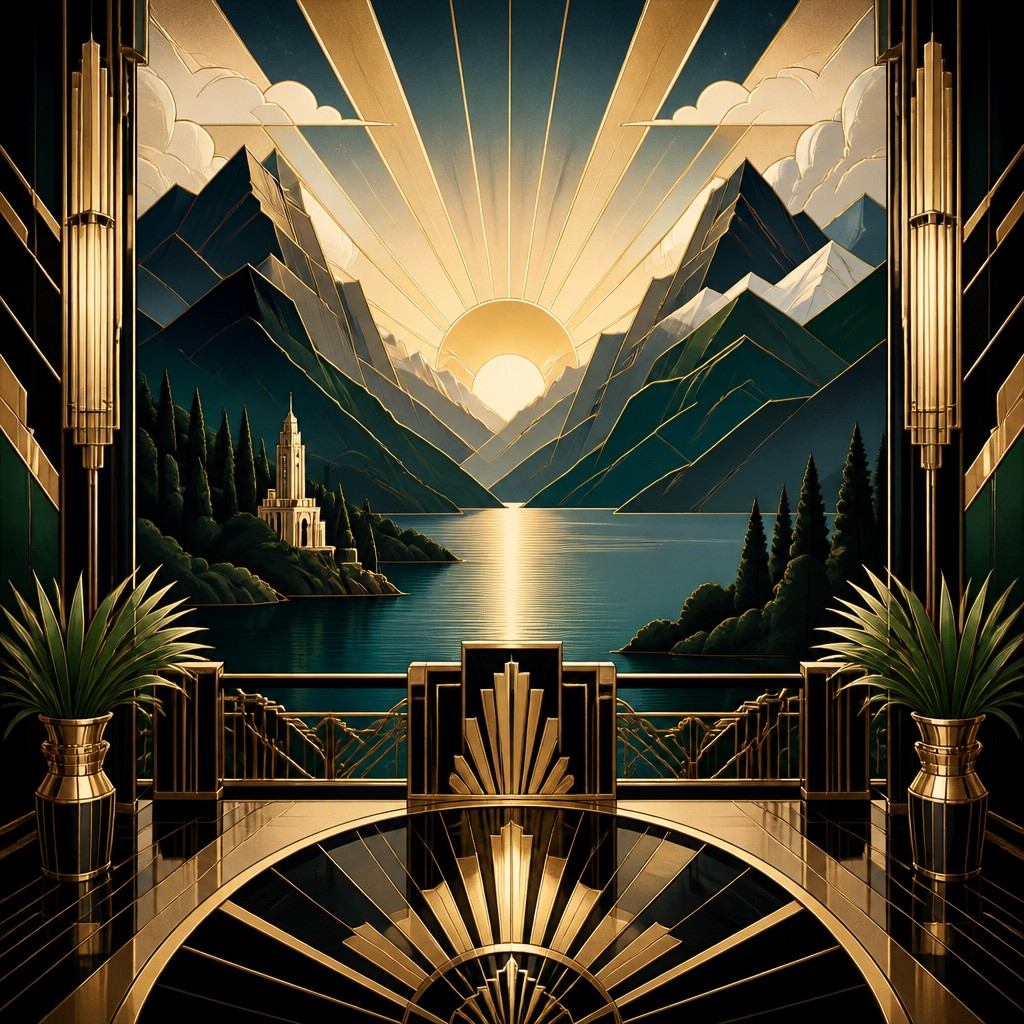
Same Prompt, Both Styles
Each pair below was generated from the identical prompt — only the style changed.
“portrait of two people together”
“wide landscape with natural scenery”
“still life with everyday objects”
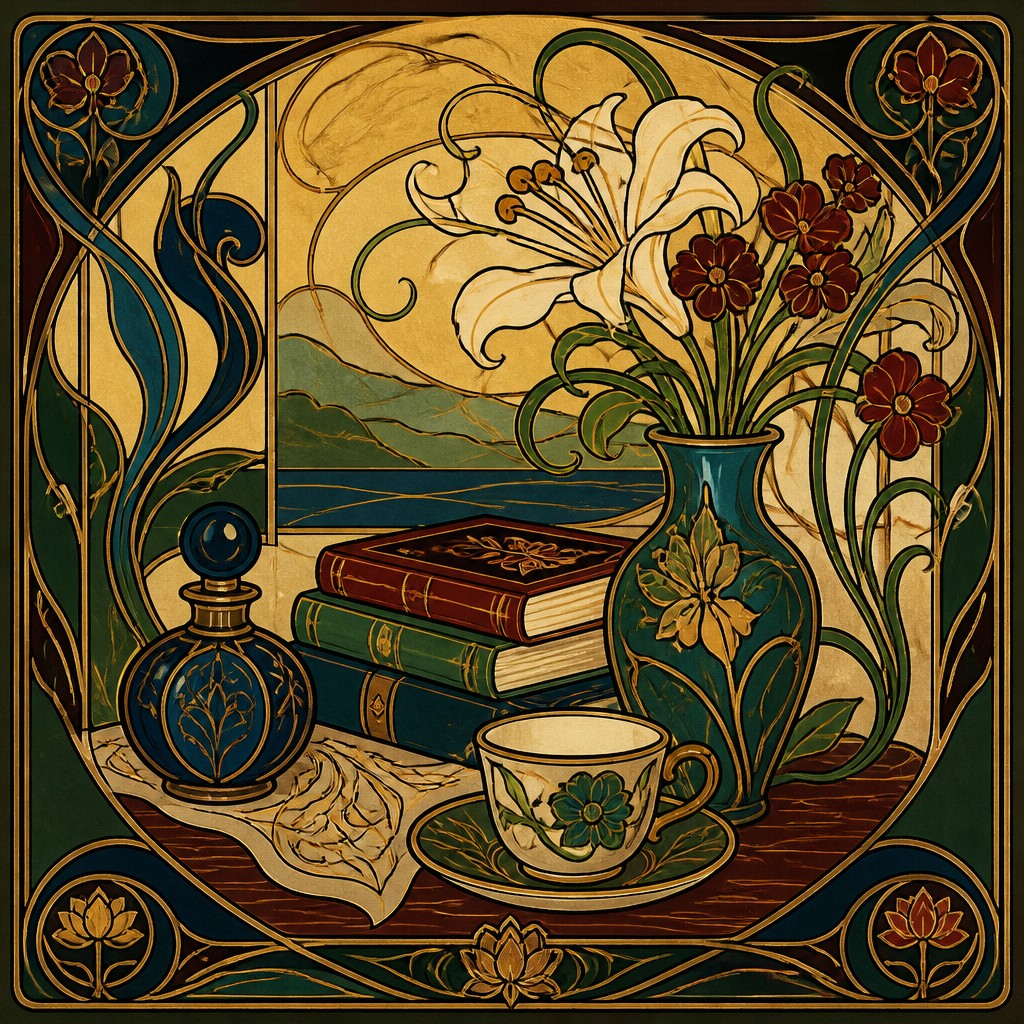
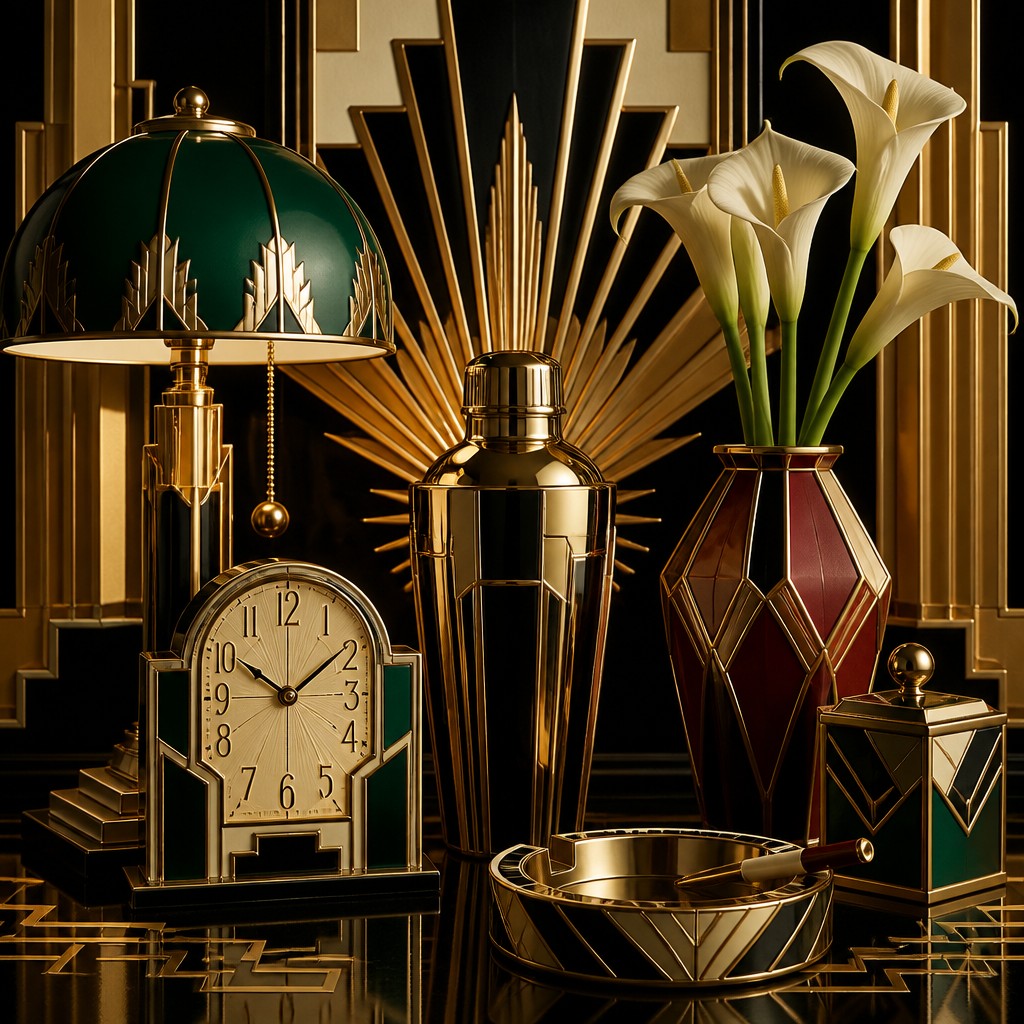
“bicyle resting against a wall”
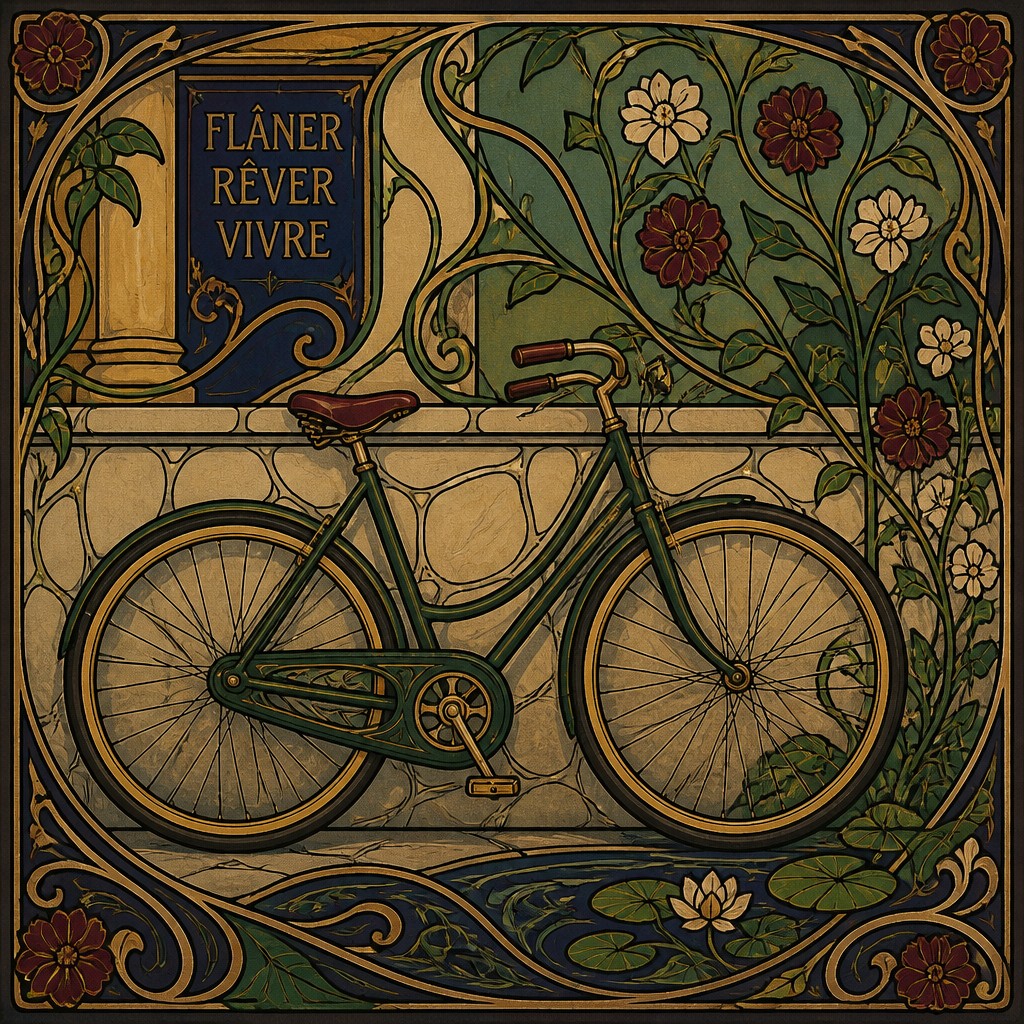
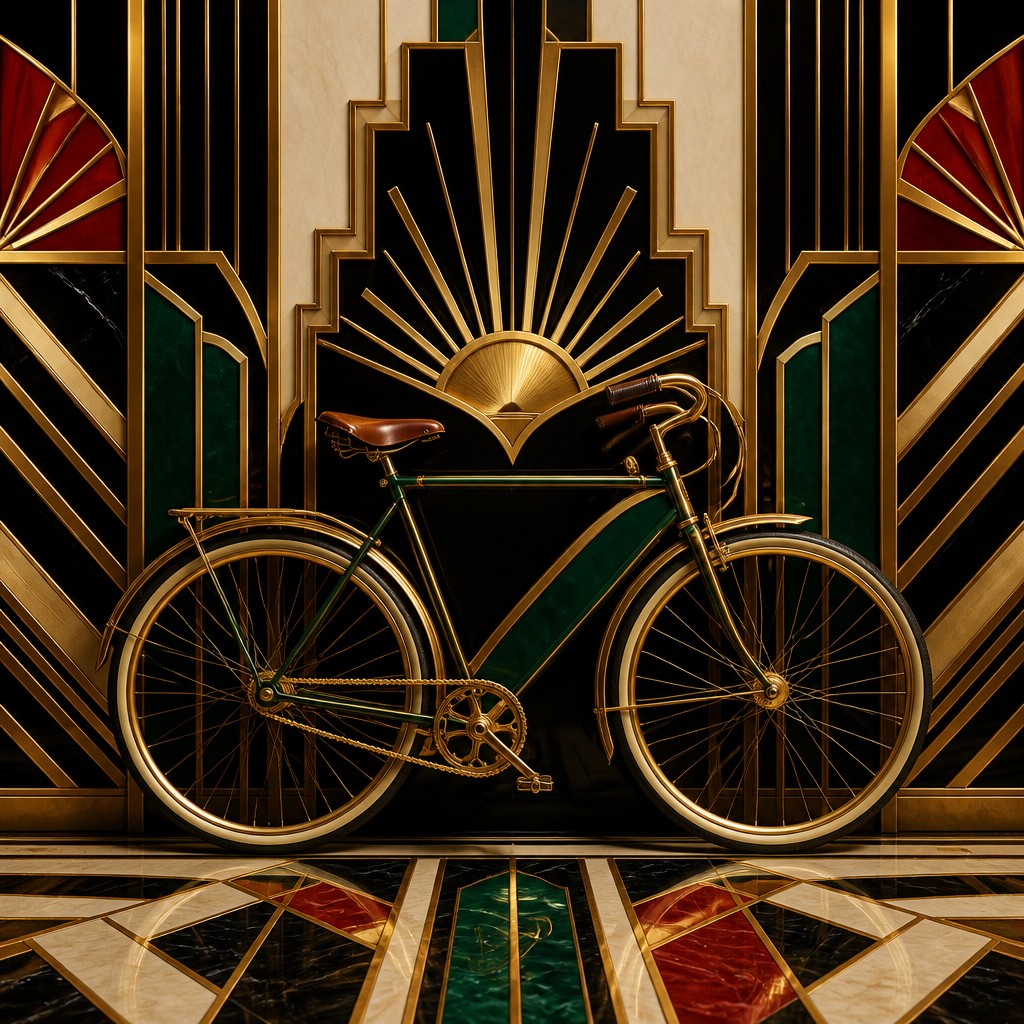
Key Differences
| Art Nouveau | Art Deco | |
|---|---|---|
| Line & form | Flowing, curving, and organic with whiplash lines. | Angular, stepped, and strongly geometric. |
| Ornament | Uses flowers, vines, leaves, and other natural motifs. | Uses zigzags, sunbursts, chevrons, and machine-age patterns. |
| Overall feel | Romantic, delicate, and sinuous. | Glamorous, sleek, and confident. |
| Color & finish | Often flat, muted, or softly blended. | Often bold, high-contrast, and metallic or polished. |
| Symmetry | Frequently asymmetrical and fluid. | Usually symmetrical and orderly. |
| Material impression | Suggests hand-crafted surfaces and natural beauty. | Suggests modern materials, speed, and luxury. |
| Mood | ornate, graceful, romantic, organic | luxurious, glamorous, bold, modern |
| Energy | balanced | balanced |
| Detail level | intricate | detailed |
| Color | muted jewel tones, creams, golds, pastels | black, gold, ivory, chrome, jewel tones |
| Texture | smooth, flowing, decorative | sleek, polished, metallic, lacquered |
| Origin | late 19th-century Europe | 1920s-1930s Europe and America |
| Best for | posters, book covers, decorative panels, packaging, typography, interior motifs | posters, architecture, interior design, fashion branding, album covers, movie titles |
| Difficulty | advanced | moderate |
Which Should You Choose?
Choose Art Nouveau if you want a graceful, nature-inspired look with curves, floral ornament, and a softer emotional tone. Choose Art Deco if you want a more dramatic, streamlined style with symmetry, geometry, and a polished sense of modern luxury. In short, pick A for organic elegance and B for bold sophistication.
Frequently Asked Questions
Which style is older?
Art Nouveau came first, peaking around the late 1890s to the early 1910s. Art Deco became prominent later, especially in the 1920s and 1930s.
Are both styles decorative?
Yes, both are strongly decorative and often used in architecture, interiors, graphics, and product design. The difference is that Art Nouveau decorates with natural curves, while Art Deco decorates with geometric elegance.
Which style looks more modern?
Art Deco usually feels more modern because of its streamlined shapes, symmetry, and machine-age influence. Art Nouveau feels more organic and handcrafted, even when it was innovative for its time.
Can they appear in the same building or object?
Yes, but usually in different parts or because of later renovations. In pure form, the two styles are distinct and can be separated by their line quality, ornament, and overall structure.